
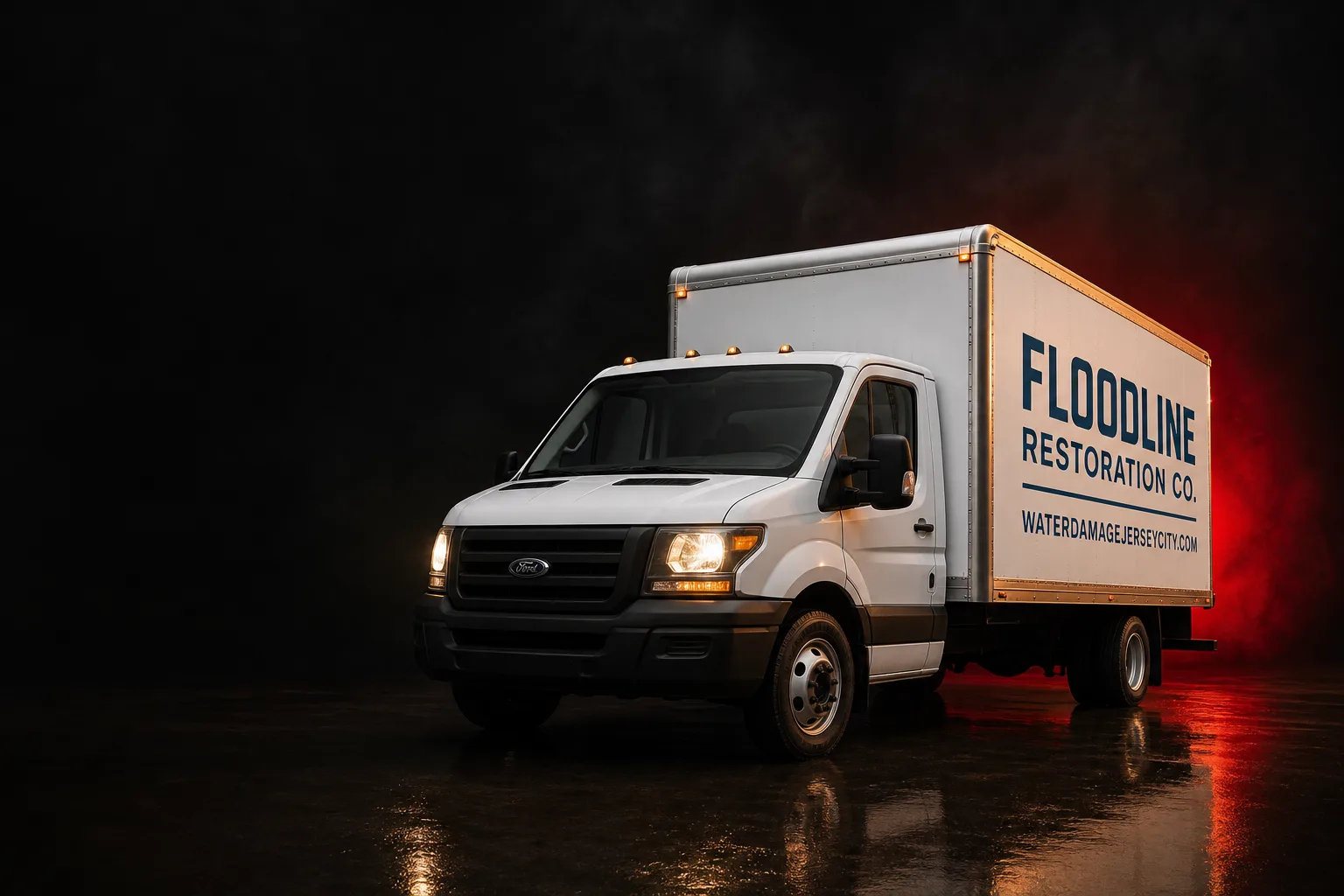
Free visual inspection and a written scope of work before any mitigation begins - photos, moisture readings, and drying logs go in your claim file
The scope we write is the scope we bill. Anything new gets shown to you, in writing, before we touch it.
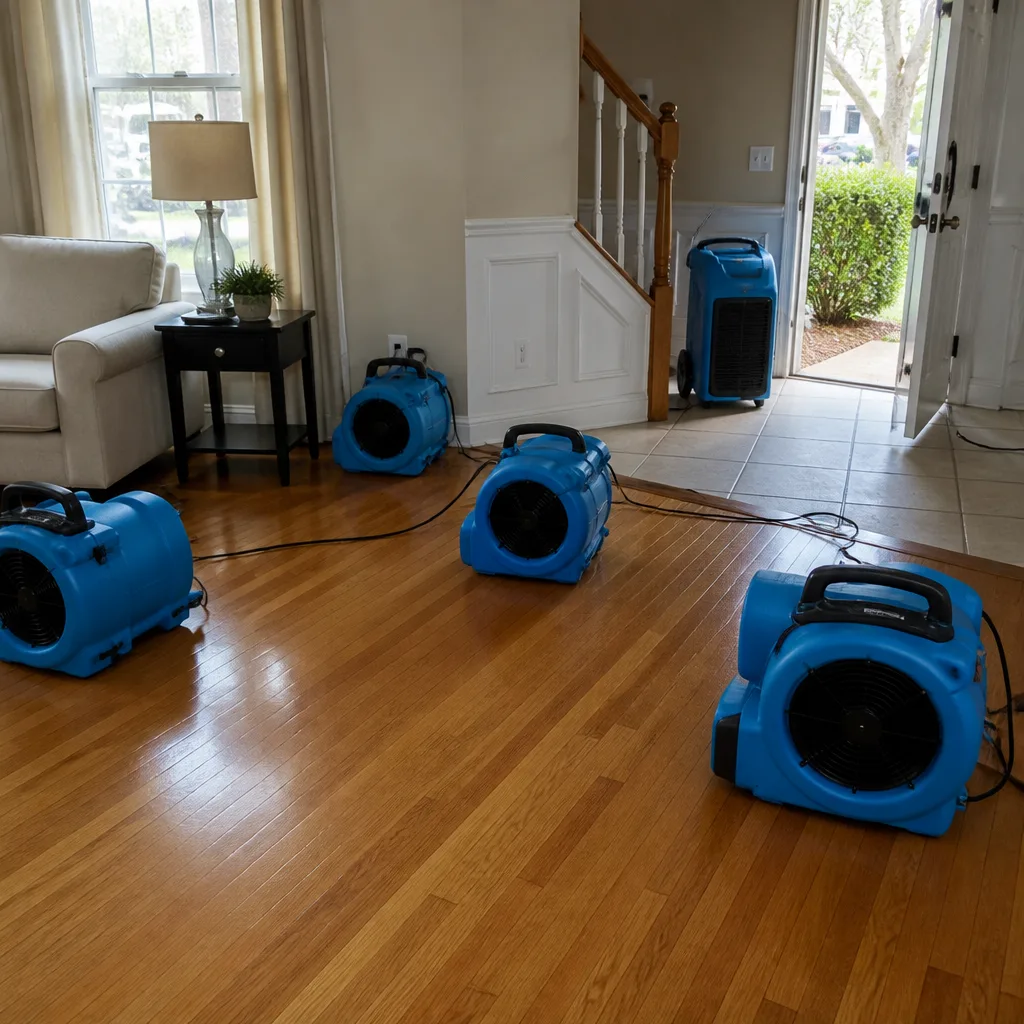
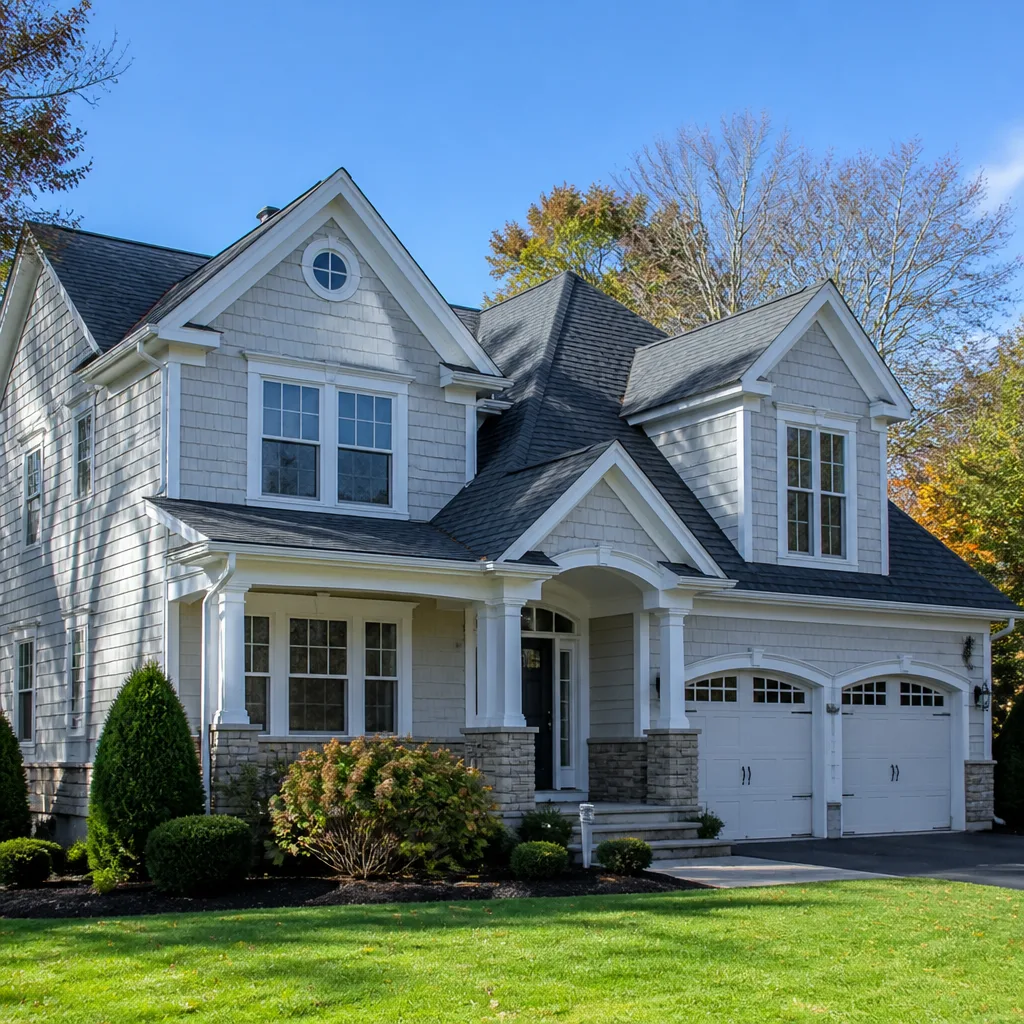
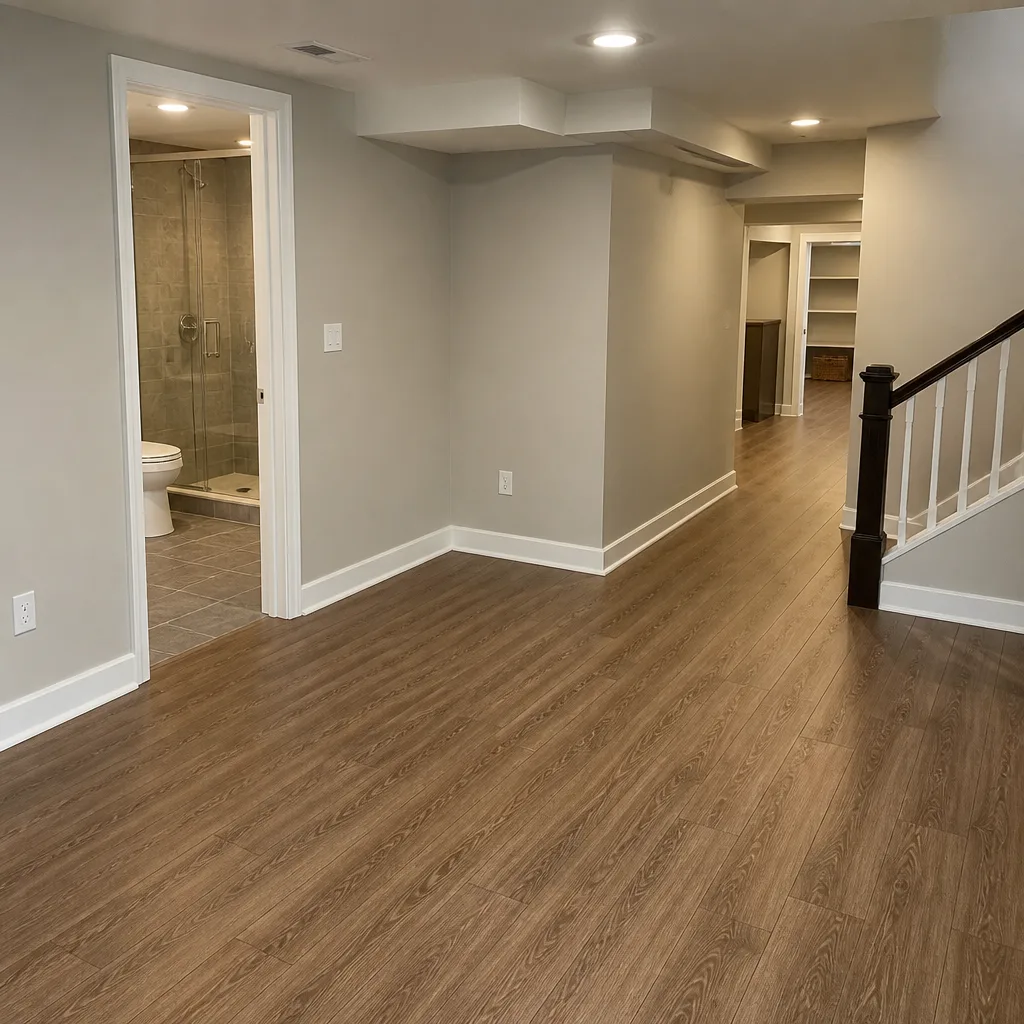

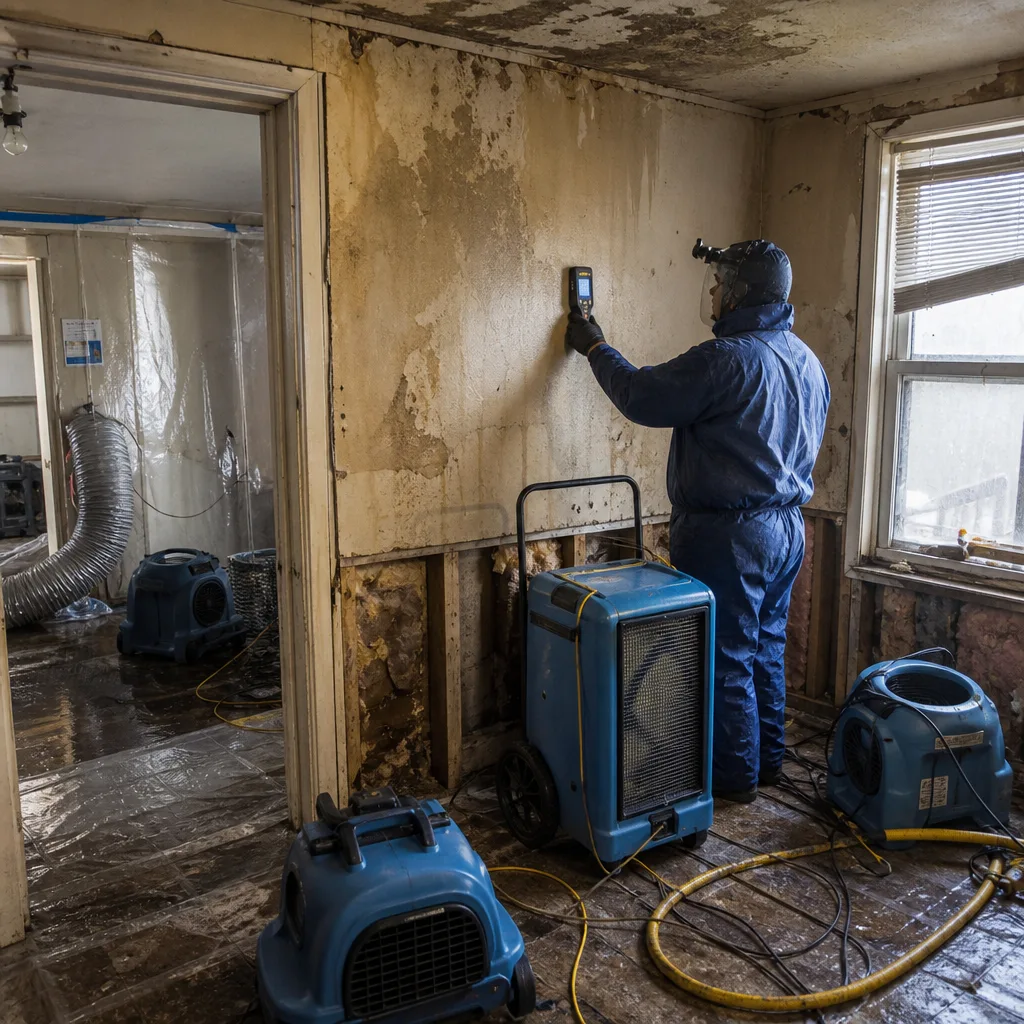 Before
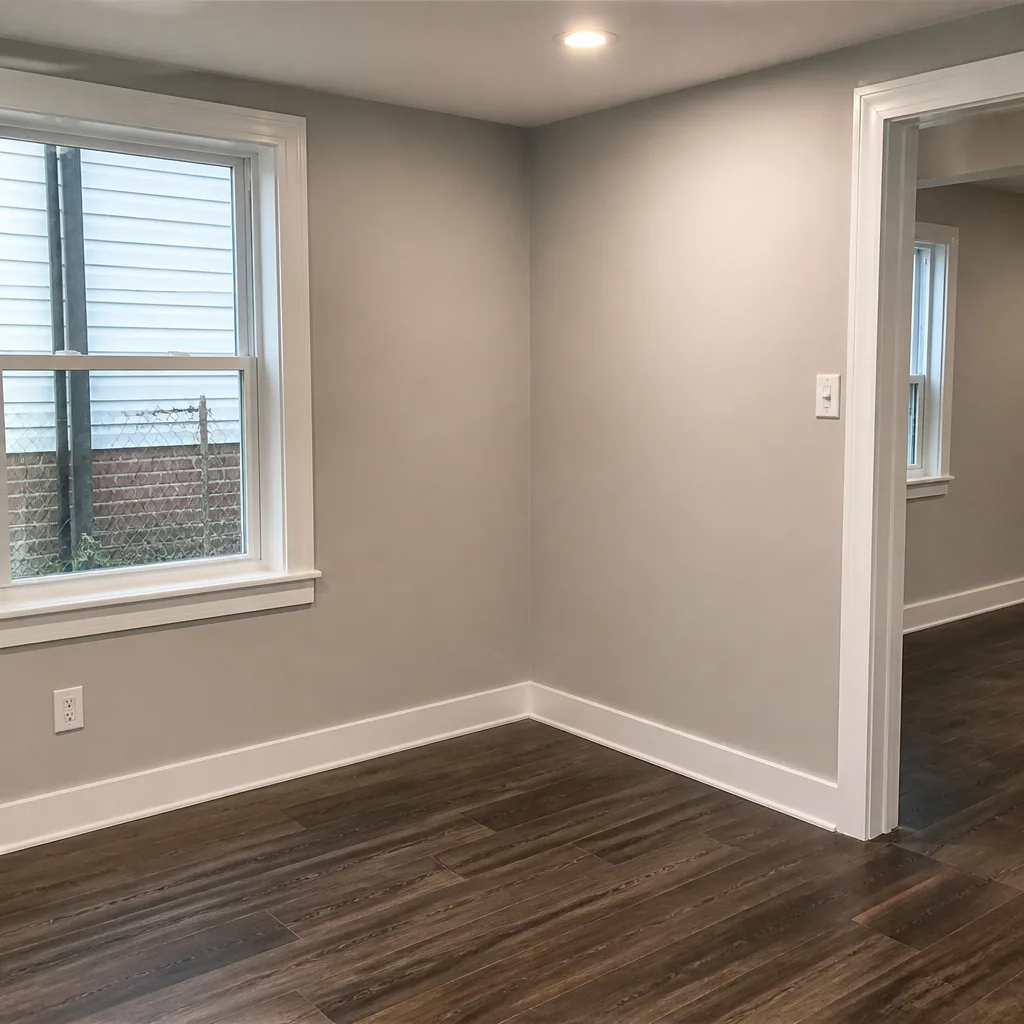 After
After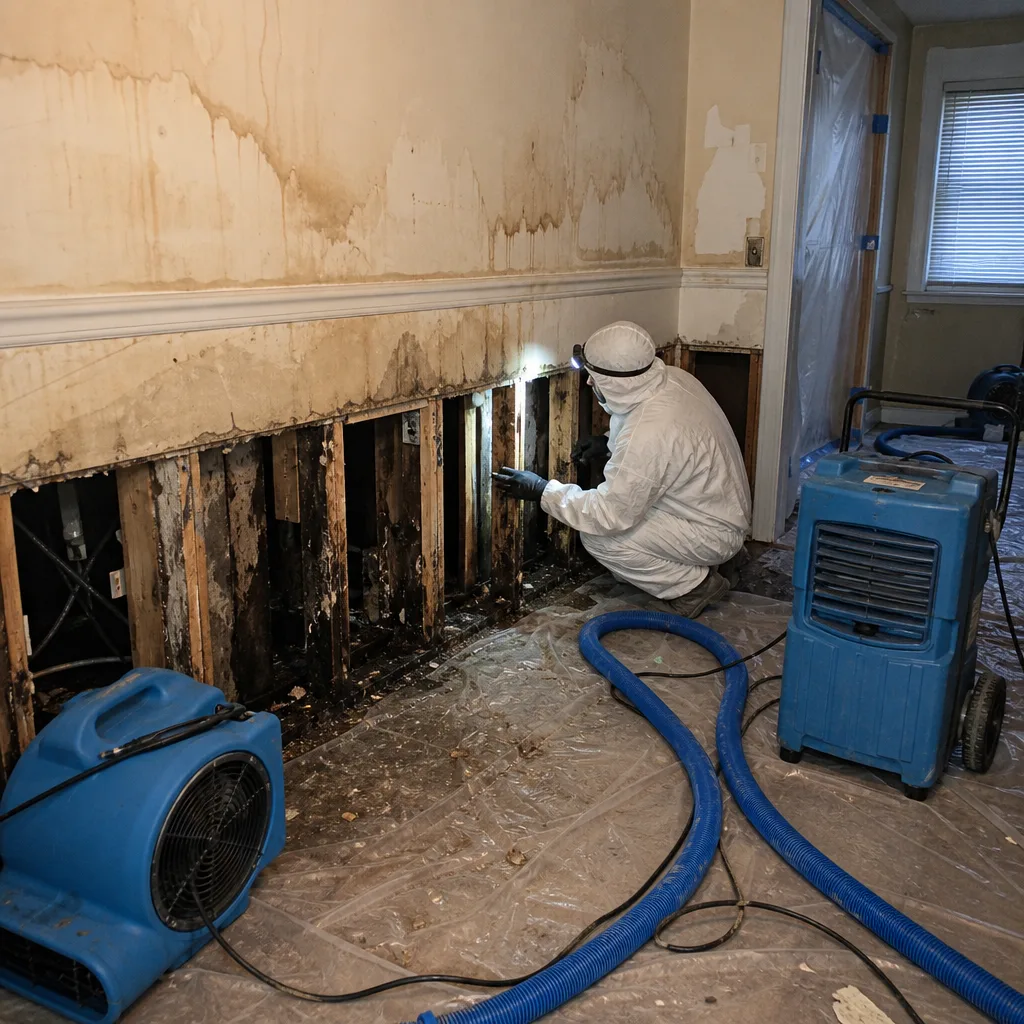 Before
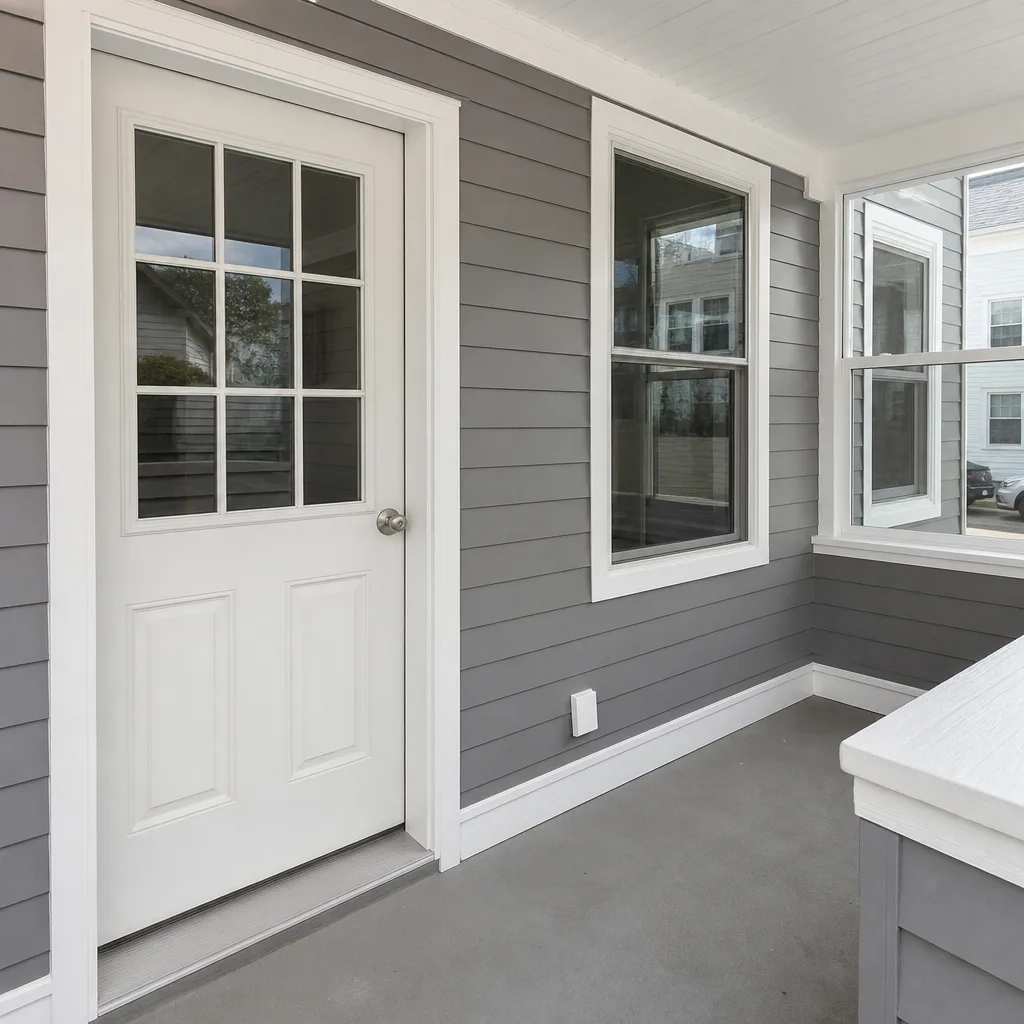 After
After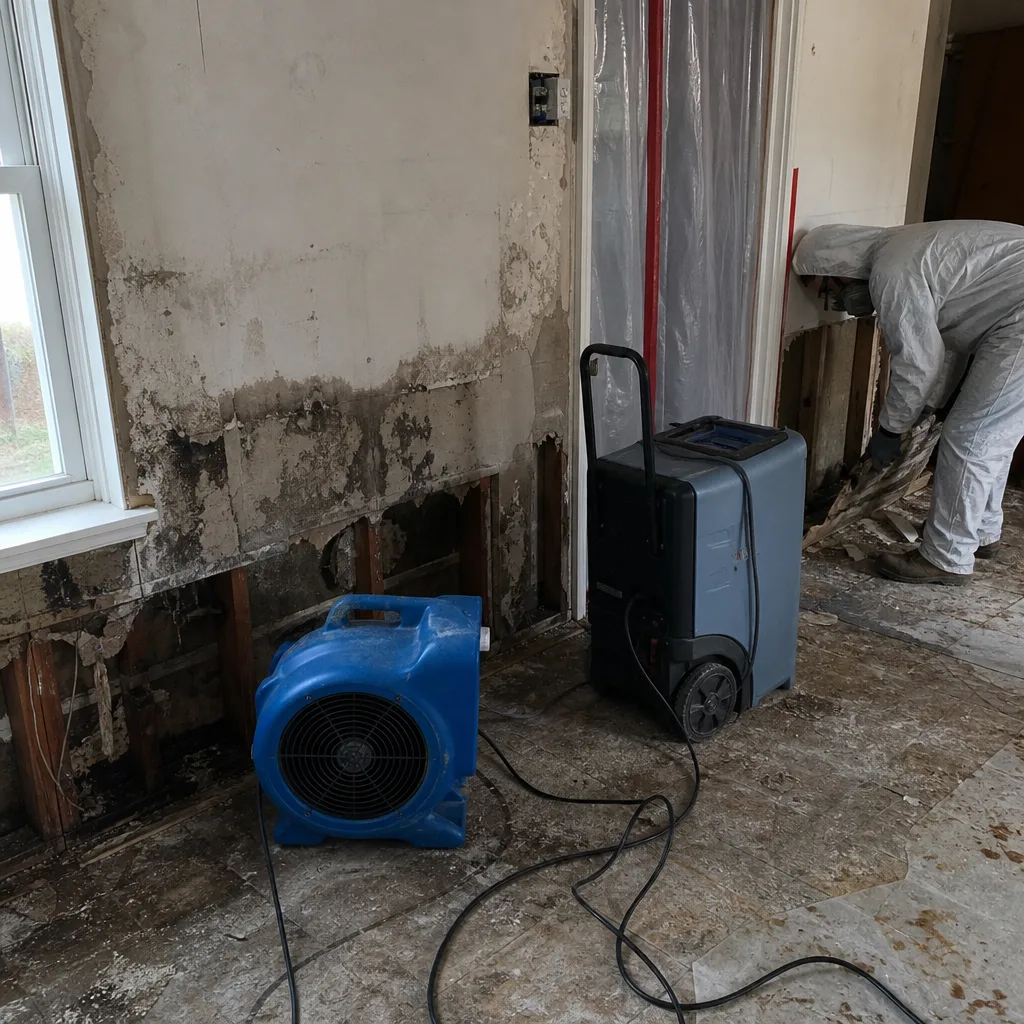 Before
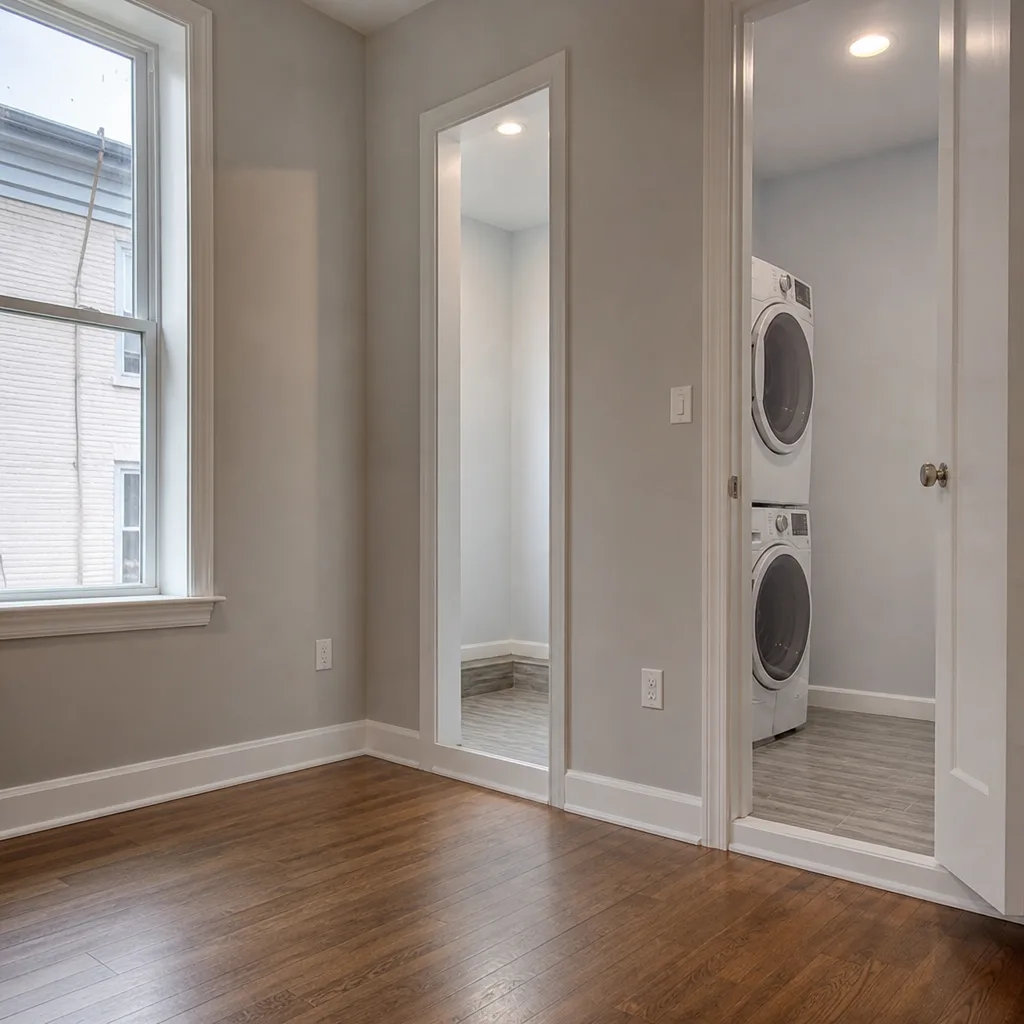 After
After24/7 Emergency Storm & Disaster Restoration in Financial District
Storm and disaster restoration in Financial District means moving fast when surge water, wind, or falling debris breaches a building. Our crews are dispatched from the New York City office and arrive anywhere in the Financial District typically within 45 minutes, with the first call answered live at any hour. We start with a free visual inspection, document everything for the claim, and get extraction or stabilization running the same visit. Call (640) 400-9404 the moment water is inside or a window is gone. The sooner we start pulling moisture out of subgrade rooms and board-ready documentation is in motion, the less damage spreads into the masonry and steel that make up most of the district’s older buildings.
Understanding Storm & Disaster Restoration Severity in Financial District Properties
Financial District storm losses rarely behave like textbook water damage. Most of the district sits on landfill, and the East River and Hudson River push surge water into below-grade spaces in ways that make even a moderate storm a complicated restoration job. The first distinction is water category. Category 1 is clean water from a broken supply line. Category 2 carries contaminants. Category 3 is grossly unsanitary water: river surge, sewage-tinged floodwater, or anything that’s been sitting in a sub-basement for more than 48 hours. Most Financial District surge events are Category 3 by the time a crew arrives. That means full containment, antimicrobial treatment, and removed materials rather than drying in place. We run moisture mapping with thermal imaging across concrete slabs, behind drywall, and inside elevator pits. The salt in tidal water is hygroscopic, so it pulls moisture from the air and keeps materials damp long after the visible water is gone. If a crew treats a FiDi basement flood as Category 1 water and skips chloride testing, mold comes back. We don’t skip that step.
Why Financial District Property Owners Choose Floodline Restoration Co.
- 45-minute response commitment in Financial District. We dispatch from the New York City office and a crew is usually on-site in under an hour, not after lunch.
- Live person on the phone, every time. Our dispatch board is staffed by a person who knows restoration, not a recording. At 2 a.m., you get a voice and a plan.
- IICRC-certified crews, WRT and ASD trained. Our technicians carry Water Restoration Technician and Applied Structural Drying certifications from IICRC, and we train to RIA and IFA standards as well.
- Free visual inspection before any work begins. We look, measure, and tell you what needs to happen. The estimate follows the inspection, not the other way around.
- Direct insurance billing. We prepare the line-item scope, submit it to your carrier, and communicate with the adjuster throughout. You don’t carry messages.
- One team from extraction to final coat of paint. The same certified crew that reads the moisture map on day one handles drying, board-ready documentation, and any reconstruction. No mid-job handoff.
Our Storm & Disaster Restoration Process
Inspection & Assessment
We start with moisture mapping across floors, walls, and below-grade cavities. In Financial District buildings on landfill, we pay particular attention to concrete slabs and any material that may have touched tidal water. We also photo document everything for your carrier and your condo or co-op board.
Extraction & Stabilization
Standing water leaves immediately. If wind has opened a wall or roof, we board up and tarp before any drying starts. In converted office towers, that often means coordinating with building management on service elevator access and occupied floors.
Drying & Dehumidification
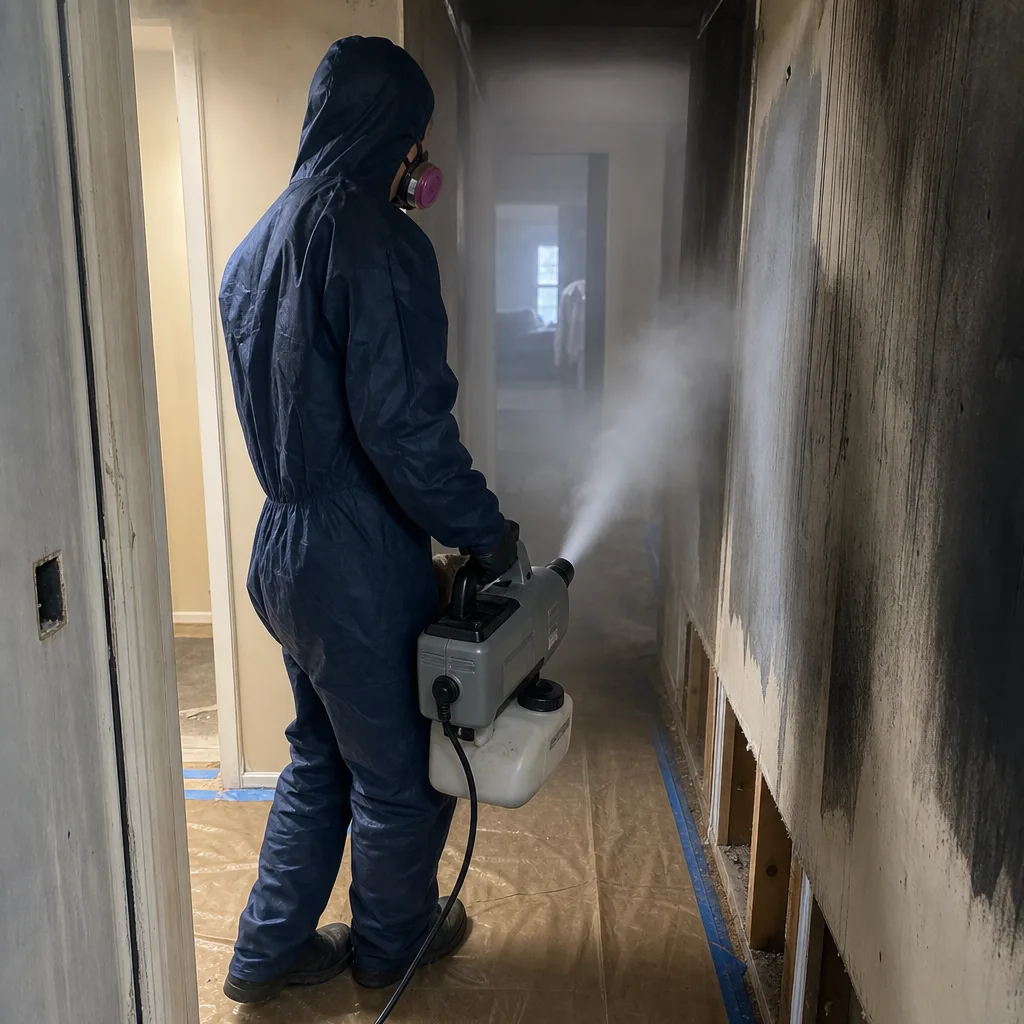
We set professional-grade Dri-Eaz and Phoenix dehumidifiers and air movers rated for low-airflow subgrade rooms. In below-grade spaces behind Pearl Street, standard structural drying equipment alone won’t overcome the elevated groundwater table, so we add containment barriers to force air through the affected cavities.
Cleaning & Sanitization
After the drying standard is met, we apply antimicrobial treatment to surfaces that took on Category 3 water. This step matters in Financial District because salt left behind will re-wet treated surfaces and restart mold cycles if it is not tested for and addressed.
Chloride Testing & Salt Remediation
Financial District storm losses that contacted river water get chloride testing before closing the job. If chloride levels are elevated in wall cavities or under slabs, we continue drying and treatment until the material is stable. This is the step that separates a finished job from a recurring mold odor.
Repairs & Restoration
Once the science is done, we rebuild. Drywall, trim, flooring, paint, custom wood doors, and any carriage-house finish work all come from the same crew. The estimate you receive covers the repair scope, so the number does not change in the middle of the job.
Need Emergency Storm & Disaster Restoration in Financial District Now?
Crews minutes away, answering live 24 hours a day. The sooner we start, the less it costs.
Working With Your Insurance Company
Storm damage in Financial District almost always involves a claim, and claims go smoother when documentation starts in the first hour. We photograph every affected room, log moisture readings daily, and build a line-item scope of work using industry-standard estimating software your carrier can read without translation. If your building sits in a FEMA Zone AE flood zone, the adjuster will ask specific questions about surge versus wind. We answer those with documentation, not conversation. Our team communicates directly with the adjuster, keeps your board’s property manager informed, and bills the carrier directly where your policy allows. You never carry paperwork between parties.
What We Provide Your Insurer
- Thorough documentation of the loss
- Photos of all damage, room by room
- Moisture readings and drying logs
- A detailed, line-item scope of work
- Direct coordination with your carrier
Built for Financial District’s Loss Calendar
Storm losses in the Financial District follow a pattern you can set a calendar by. Nor’easters from November through March drive brackish water into sub-basements and parking garages, especially along Water Street and the blocks east of Pearl Street where the original shoreline once ran. January deep freezes burst supply lines in converted office buildings whose plumbing was retrofitted through poured concrete, not chases. Spring thaw brings groundwater to the surface in the landfill soils south of Chambers. Summer thunderstorms overload the district’s combined sewers fast, pushing backflow into below-grade mechanical rooms. And hurricane season from August through October is the reason this neighborhood now plans for ocean surge as a routine condition, not a once-a-century event. Every one of these events leaves moisture in spaces that never dry naturally, which is why daily moisture readings and chloride testing are part of every storm job we run to the end.
Storm & Disaster Restoration Across Financial District’s Neighborhoods
Response routes through the Financial District change block by block. The narrow streets around Stone Street and Hanover Square slow a truck on a normal day, so our crews arrive equipped with hand-carry extraction units to start pulling water while the full truck sits in traffic. Along Water Street and South Street, the issue is almost always below grade: parking garages, bank vaults, and building mechanical rooms sitting at or below sea level where surge water concentrates and sits. The luxury residential conversions around Wall Street and Exchange Place bring a different set of requirements: occupied upper floors, concierge access rules, and building boards that want a scope of work filed before any demolition starts. In the blocks near Battery Park, buildings on the old shoreline south of Pearl Street fight chronic groundwater seepage even between storms. And up near the Brooklyn Bridge approach, older pre-war masonry buildings expose more wind damage on exterior windows and roof assemblies after a hard nor’easter. Each of these patterns changes what a storm restoration job looks like, which is why a Financial District crew needs to know the district, not just the drill.
Specialized Storm & Disaster Restoration Services We Offer in Financial District
Storm Damage Cleanup
Storm cleanup in Financial District starts with removing whatever the sky and the rivers left behind: broken glass, dislodged masonry, soaked drywall, and salt-stained floors. We clear, contain, and document before drying begins. In converted condos, we route debris through building-approved channels, not down the resident elevator.
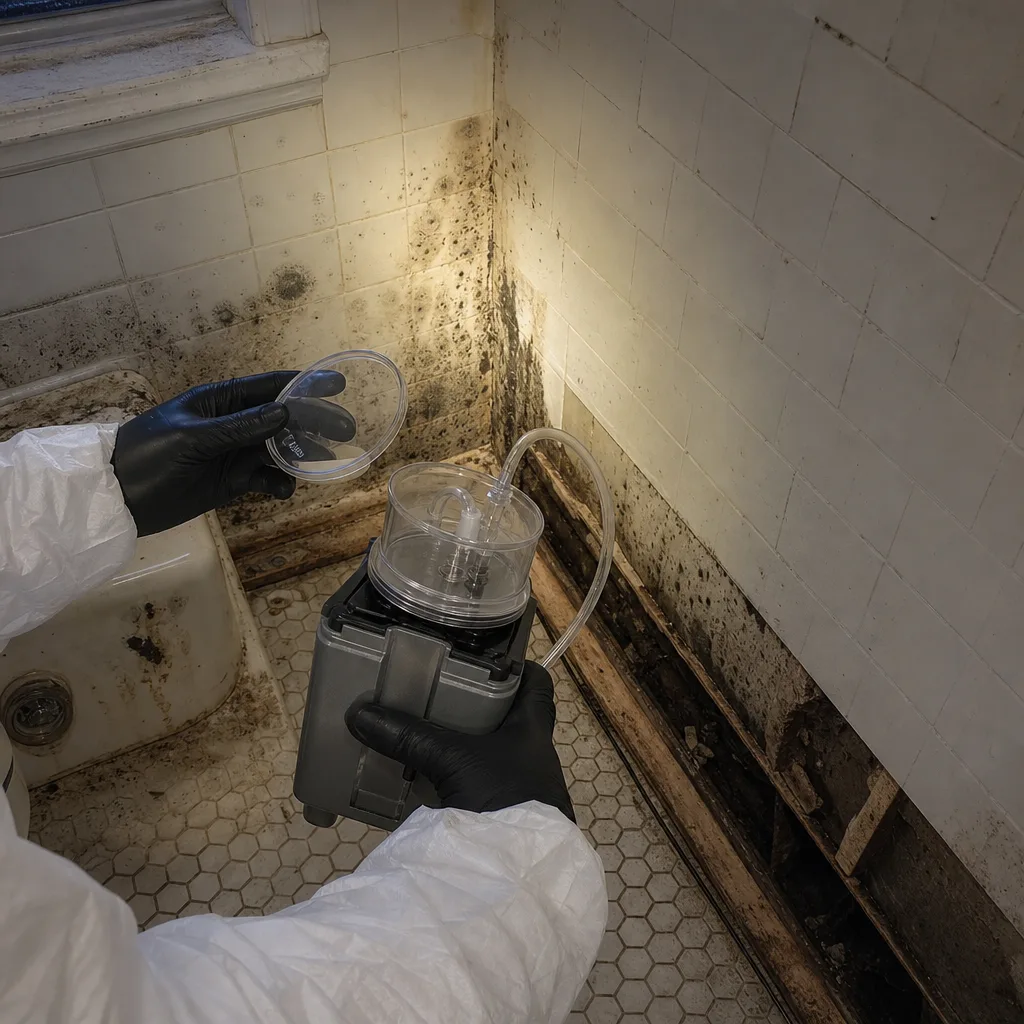
Flood Damage Restoration
Flood work in the Financial District is a saltwater discipline. Our team tests for chloride contamination, uses marine-grade drying protocols in subgrade rooms, and treats groundwater seepage as a separate problem from surface water intrusion. Most flood losses here require full containment and antimicrobial treatment, not just fans on wet carpet.
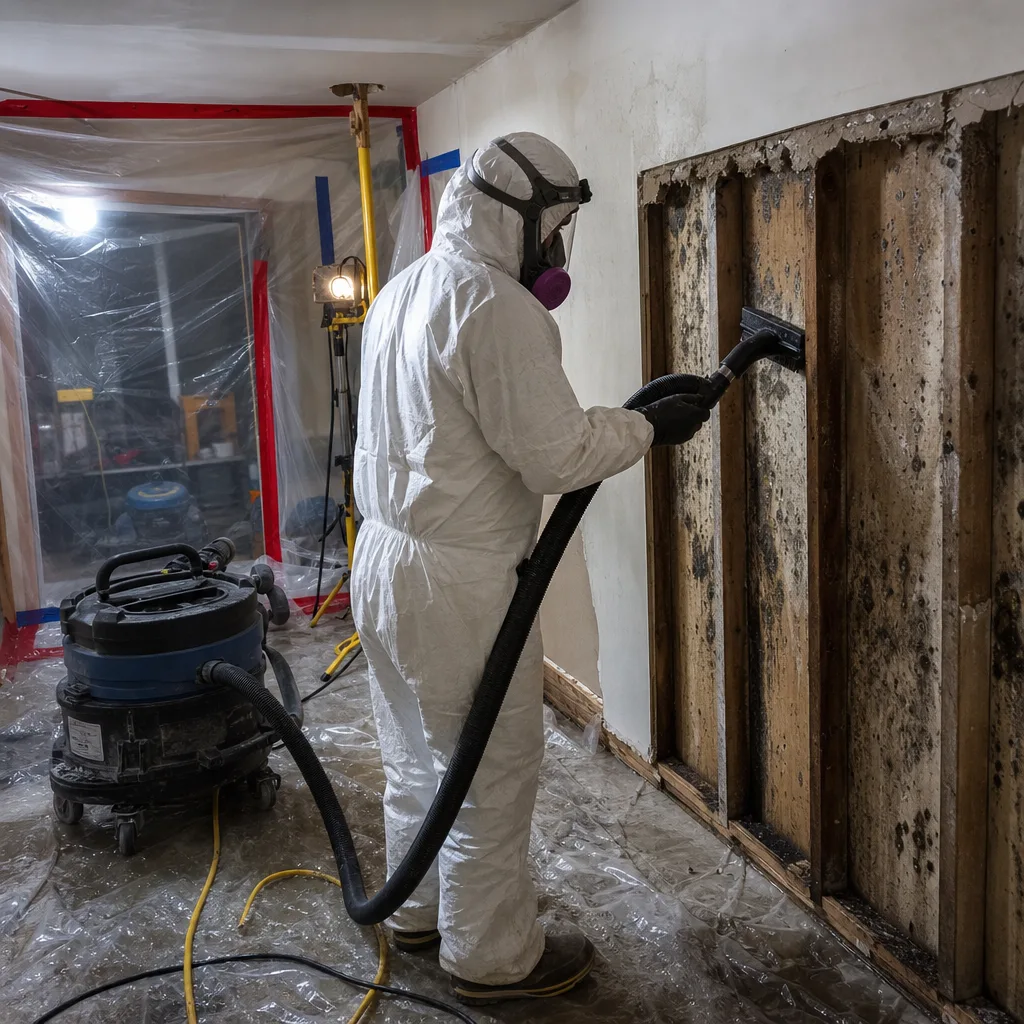
Emergency Board-Up
When a window fails or a wall opens during a nor’easter, we board up the same day, often within the hour. Board-ups on the exposed east face of the district near South Street have to withstand sustained wind off the harbor, so we secure them to the building structure, not the window frame.
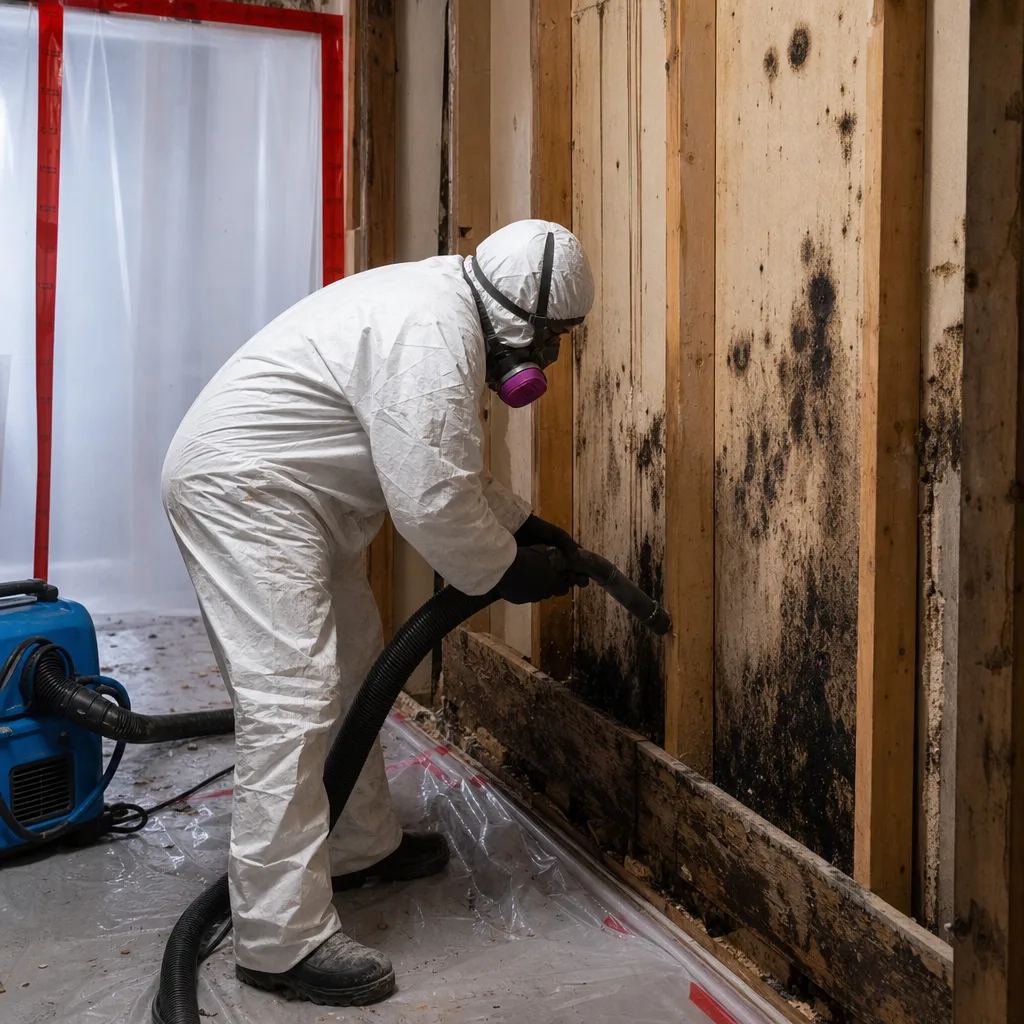
Roof Tarping
Wind damage on the district’s older masonry buildings frequently starts at the roof membrane. We tarp and secure openings fast, then work with the building’s maintenance staff on access points. The goal is stopping water before it works its way down through occupied floors.
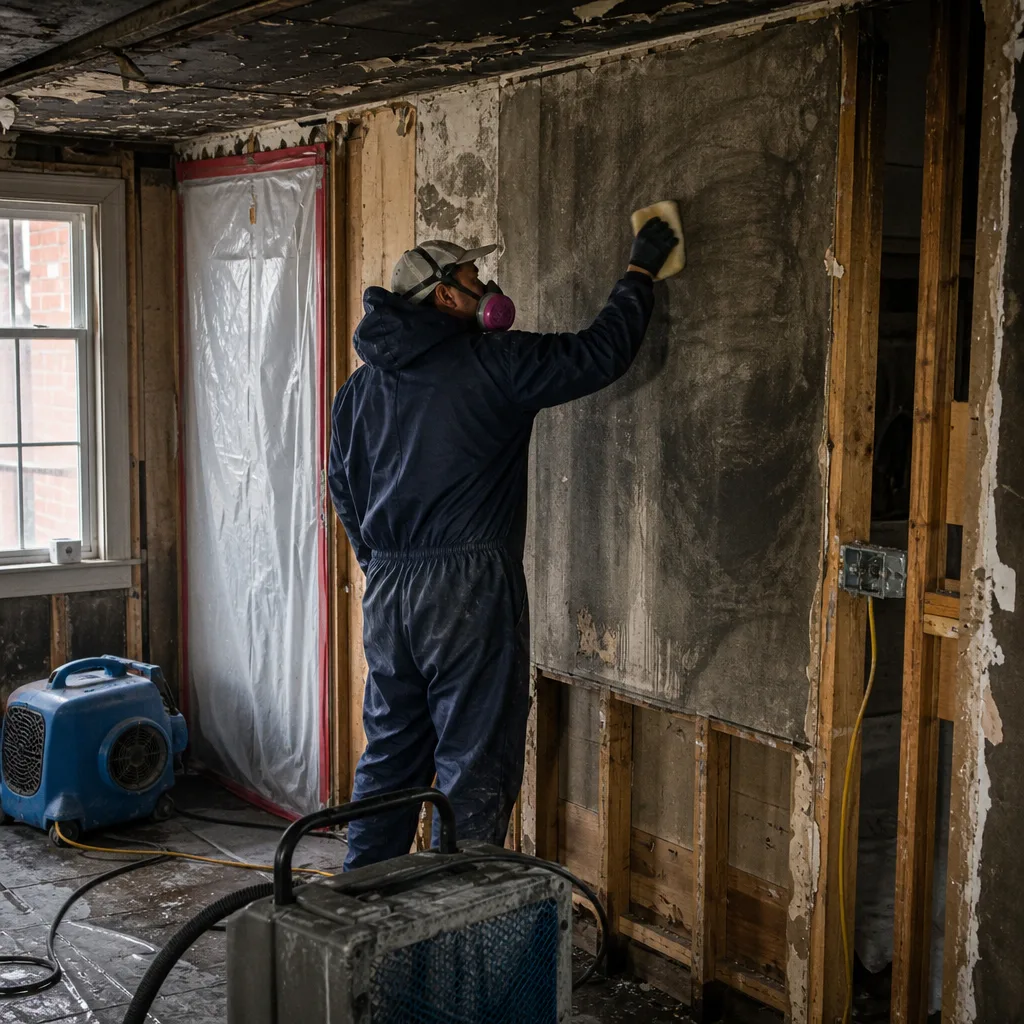
Debris Removal
After a storm moves through, the Financial District’s narrow streets collect debris fast: construction sheeting, glass, roof gravel, sign panels. We clear and haul debris from the property and keep the site safe for residents and pedestrians. If debris has breached a unit, we photograph it in place before removal for the insurance file.
Wind Damage Repair
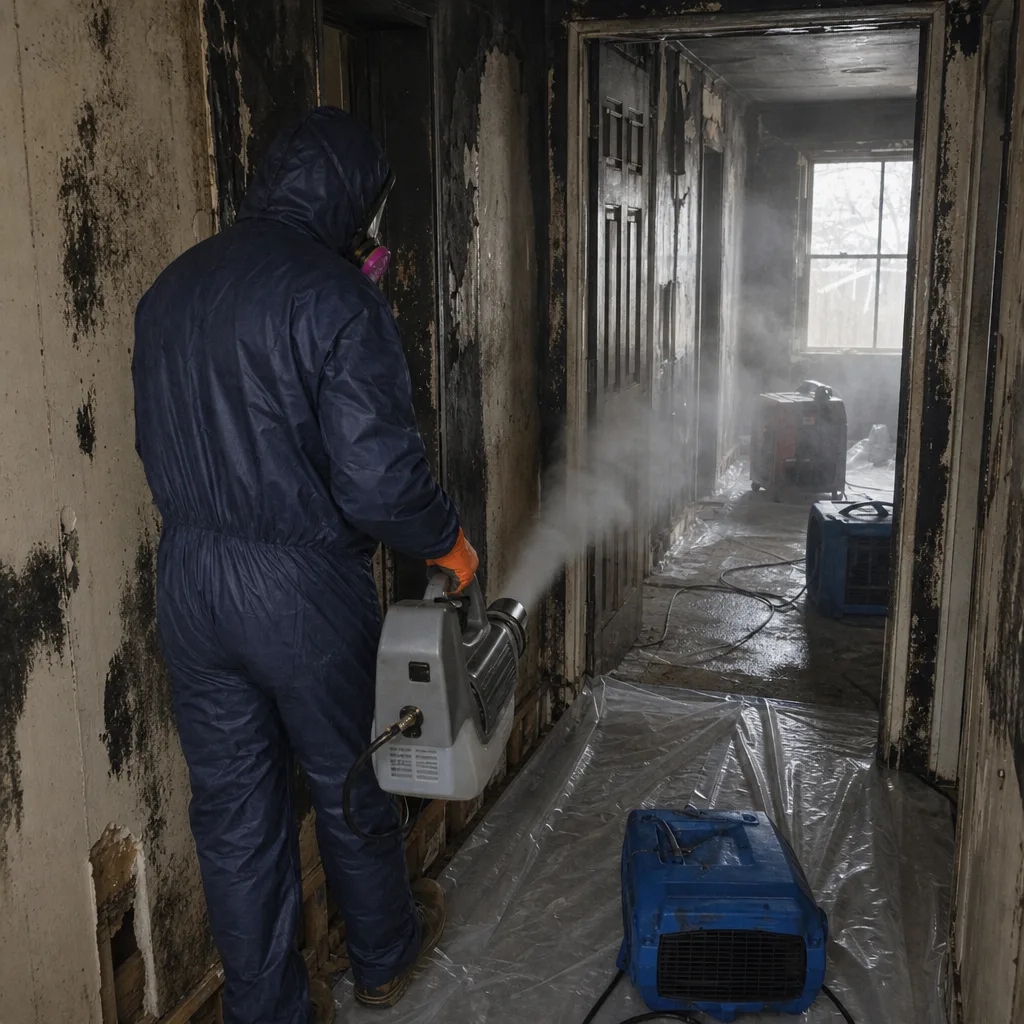
Wind in the Financial District tunnels between towers and hits specific corners hard. We repair damaged windows, doors, and cladding, and we pay particular attention to custom wood doors and carriage-house finishes in the district’s restored pre-war buildings, where matching materials matters as much as making the repair watertight.
What happens when you call
- 1
A real person answersNo phone trees - you reach a local pro.
- 2
You get an upfront price rangeHonest numbers before anyone is dispatched.
- 3
A background-checked tech heads outLicensed & insured, dispatched right away.
- 4
You approve before work beginsNothing starts until you say go.
Storm & Disaster Restoration Costs in Financial District, NY
Storm and disaster restoration pricing in Financial District runs higher than the outer boroughs, and for specific reasons: buildings are dense and access is constrained, below-grade work is common, and board-approval documentation adds time. A typical storm cleanup with extraction and drying in a Financial District condo runs $2,800 to $6,500. Flood damage restoration on a sub-basement or mechanical room with Category 3 water usually lands between $4,000 and $12,000 depending on square footage and how many sides of the room held the water. Emergency board-up or roof tarping is the cheapest first step you can take: $350 to $900 for a standard window or roof penetration. Wind damage repair varies the widest because materials drive it. A standard floor-level window replacement runs $700 to $1,800; a custom wood door restoration can run $2,000 to $5,500 when the finish and trim have to match. What moves the price most is whether materials can be dried or have to be removed. Saltwater-soaked drywall almost always comes out. A free visual inspection gets you a firm line-item scope before any work starts, and most storm losses are covered in whole or part by your policy minus deductible. Call (640) 400-9404 and we’ll help you sort out what the claim covers.
We Also Serve Cities Near Financial District
Our crews work throughout the metro area. We regularly serve storm and disaster restoration jobs in Midland Beach, New Springville, Oakwood, and Travis – Chelsea. Same standards, same team, same equipment. Call us from anywhere in the region and a live person answers.
Financial District Storm & Disaster Restoration Questions, Answered
Why does our Financial District basement still smell musty years after Hurricane Sandy?
Because salt from the surge is still in the materials. Salt is hygroscopic: it pulls moisture from the air and keeps drywall, concrete, and wood damp indefinitely, even after visible water is gone. A musty smell in a FiDi basement years after Sandy almost always means chloride contamination was never addressed. We test for chloride, remove what cannot be dried, and treat what can. Call (640) 400-9404 and we’ll test before we prescribe.
How do you handle board-approval delays in converted FiDi condos during a flood emergency?
We keep working while the approval moves. Board-ready documentation is prepared from the first hour with photos and scope of work formatted the way boards expect. Our crew is on-site running emergency extraction and building a written restoration scope that gets filed the same day. Water damage does not stop while a board deliberates, and neither do we. If an approval is delayed, our documentation package makes the case airtight and keeps the claim moving.
What does it mean that our building sits on landfill when it comes to storm surge?
It means the ground under your building was once riverbed, and water moves through it more readily than solid Manhattan schist. Landfill soils stay saturated longer, groundwater sits higher, and subgrade levels draw moisture in from below even when no water is coming through the walls. That is why we use more drying equipment and take longer in Financial District below-grade spaces than we would in an upland building of the same square footage.
Can you restore a custom wood door or carriage-house finish after hurricane wind damage in FiDi?
Yes. Our team includes finish carpenters who work with salvaged and matching materials. We restore custom wood doors, carriage-house finishes, and period trim in the district’s pre-war buildings. The work is scoped, documented, and priced in writing before it starts. If the door can be repaired rather than replaced, we repair it.
Is floodwater from the East River always Category 3?
Almost always, yes. Category 3 is water containing sewage, chemicals, or other contaminants, and East River water picks up plenty on its way into your building. It carries fuel residue from the harbor, sewage overflow, and decades of urban runoff. Treating it as clean water is a liability. We treat any below-grade water from a Financial District surge event as Category 3 unless testing proves otherwise, and we test every time.
How long does drying and remediation take in a Financial District building?
Most below-grade drying jobs in the Financial District take 3 to 7 days to reach dry standard. Buildings on landfill with chronic groundwater seepage can take longer, especially if multiple below-grade rooms are involved. We monitor daily with moisture readings and give you the log when the job closes. The schedule is never a guess: it is a measurement.
Can we stay in our home while you work on storm damage?
Usually yes, if the affected area can be sealed off from living space with containment barriers and negative air. For Category 3 water, we set containment and run air scrubbers to keep contaminants from moving through the rest of the unit. In heavy damage with compromised structure or extensive mold, we may recommend temporary relocation. We give you a straight answer after the inspection.
What should I do in the first 30 minutes after floodwater enters my FiDi building?
Call us at (640) 400-9404, then shut off electricity to the affected area if you can reach the panel without walking through water. Do not wade through floodwater in a basement or sub-basement, especially in the Financial District where unseen hazards live under the surface. Move what you can to higher ground, take photos of the water line before anything is disturbed, and do not run fans or HVAC equipment. Then wait for our crew: we are usually inside the building in under an hour.
The Financial District Protocol
Most restoration companies run the same playbook in every neighborhood. That playbook fails here. Much of the Financial District sits on landfill that was never engineered for current tidal conditions. After Hurricane Sandy, saltwater remained trapped in subgrade soils, and chloride testing on basement materials can still read positive more than a decade later. A contractor who treats a FiDi surge loss as ordinary Category 1 water damage and walks away when the floor feels dry has not finished the job. They have just started a mold cycle. We test for chloride before closing any job that touched river water. We run sub-slab drying on landfill instead of assuming the slab is fine. We prepare board-ready documentation from the first hour because we know converted condo boards in this district will halt work if the scope is not filed properly. That is the Financial District protocol. It costs a little more in time and testing. It costs a lot less than ripping out finished walls twice.
On Pearl Street, our crew was called after a nor’easter pushed brackish water into a converted pre-war office building’s sub-basement. We used moisture mapping to chart chloride contamination across switchgear rooms and set containment while running Dri-Eaz dehumidifiers and air movers around Injectidry wall-drying systems. Because the building board required pre-loss condition documentation, we logged moisture readings daily until the dry standard was met, then applied antimicrobial treatment to prevent salt-driven re-wetting. The job closed with a written scope on file and a moisture log in the homeowner’s hands. That is how we leave every Financial District job.
Serving Financial District, NY - Our Local Coverage Area
We’re based in the Financial District area and know this community well. Use the map below to see our service coverage - if you’re nearby, we can almost certainly help.
Call Floodline Restoration Co. for Storm & Disaster Restoration in Financial District
If storm water, wind, or debris has found its way into your Financial District building, call (640) 400-9404 now. A live person answers. A certified crew is dispatched to the Financial District. The inspection is free, the estimate is written, and the work is backed by our 90-Day Done Right Promise: if it is not done right, we make it right, in writing, with no arguing. We offer $50 off any repair over $250, an $89 seasonal tune-up, and a 5% senior and veteran discount. That is a square deal: no surprises on the bill, and we’ll be there when we say. Floodline Restoration Co. also handles Storm & Disaster Restoration across the metro area, and we serve Financial District with the same crew from first extraction to finished rebuild.
Written by Curt Bowman, Owner at Floodline Restoration Co., serving Financial District, NY.