
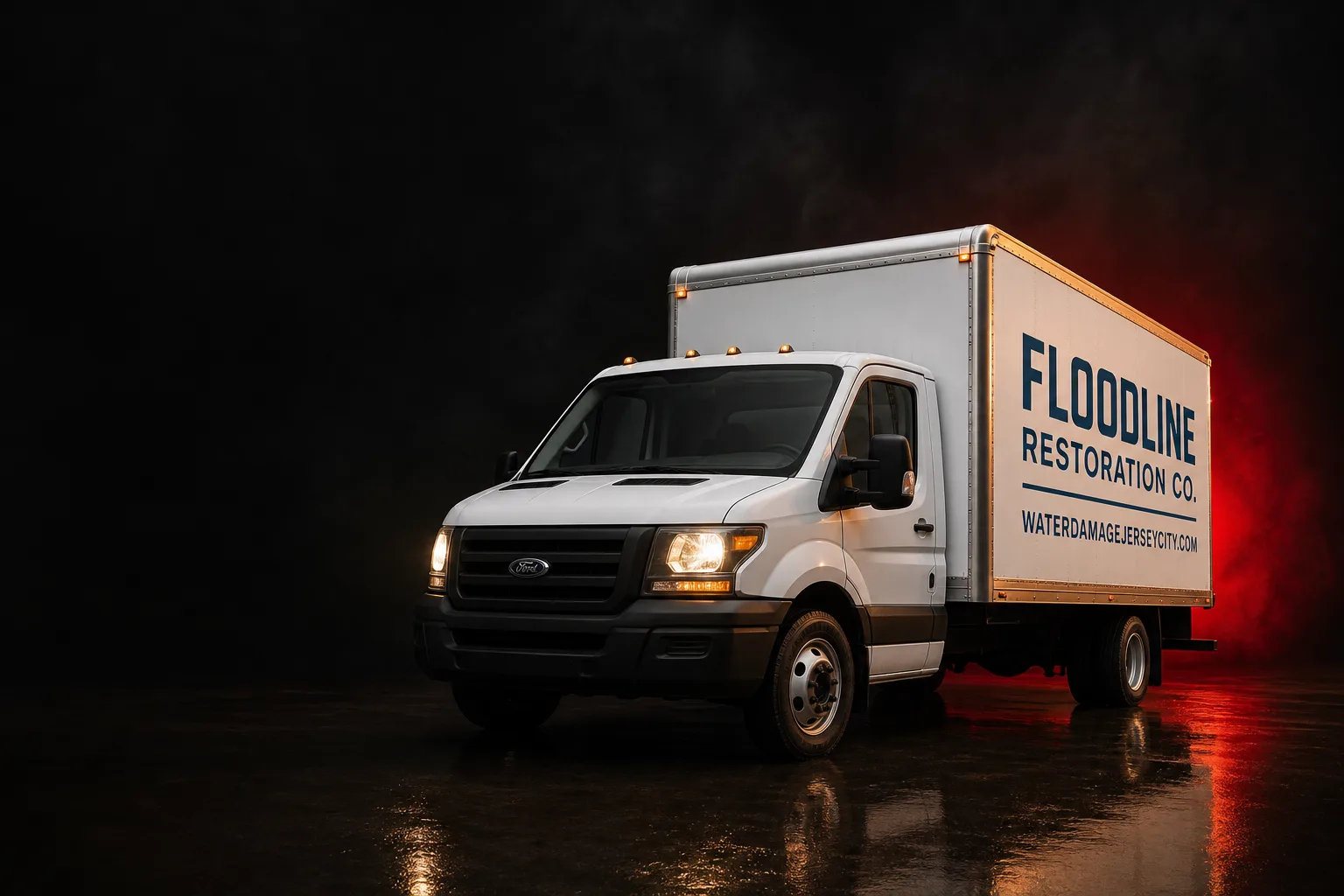
Free visual inspection and a written scope of work before any mitigation begins - photos, moisture readings, and drying logs go in your claim file
The scope we write is the scope we bill. Anything new gets shown to you, in writing, before we touch it.
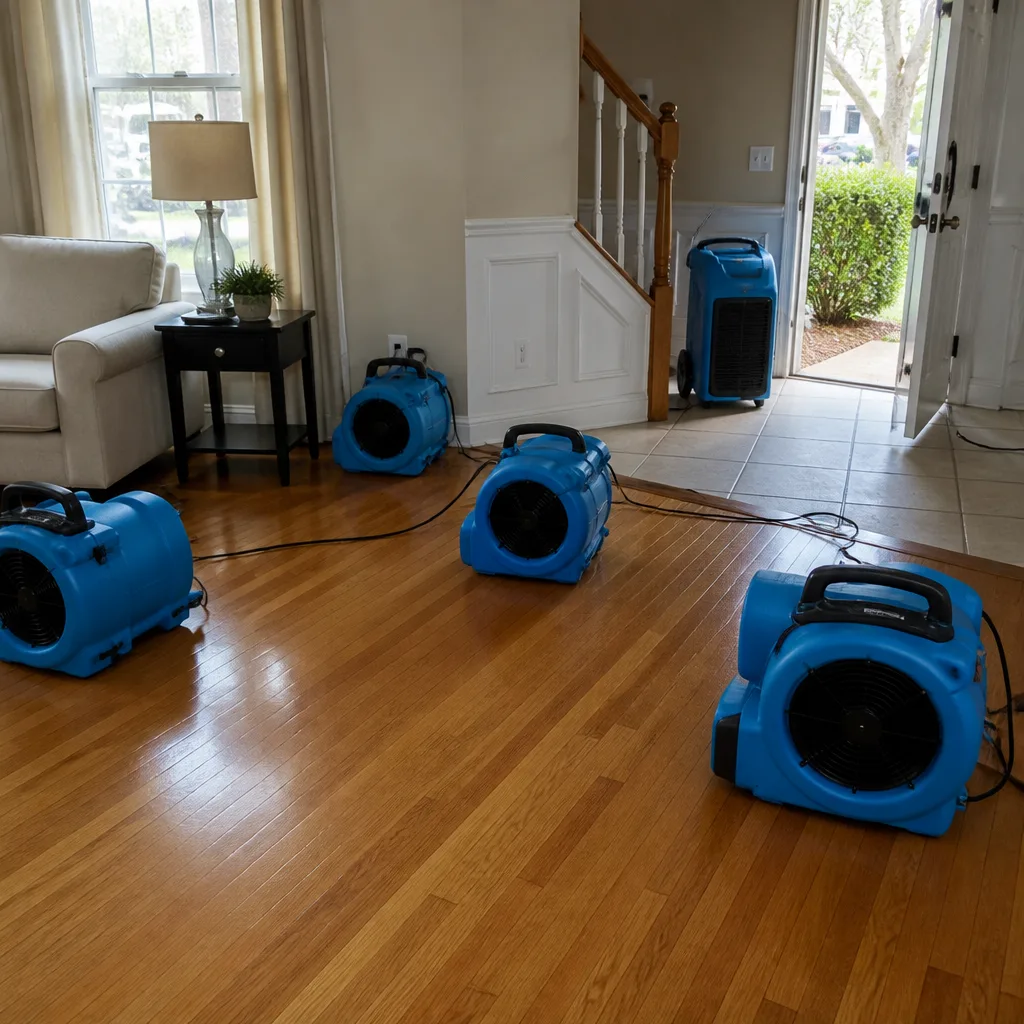
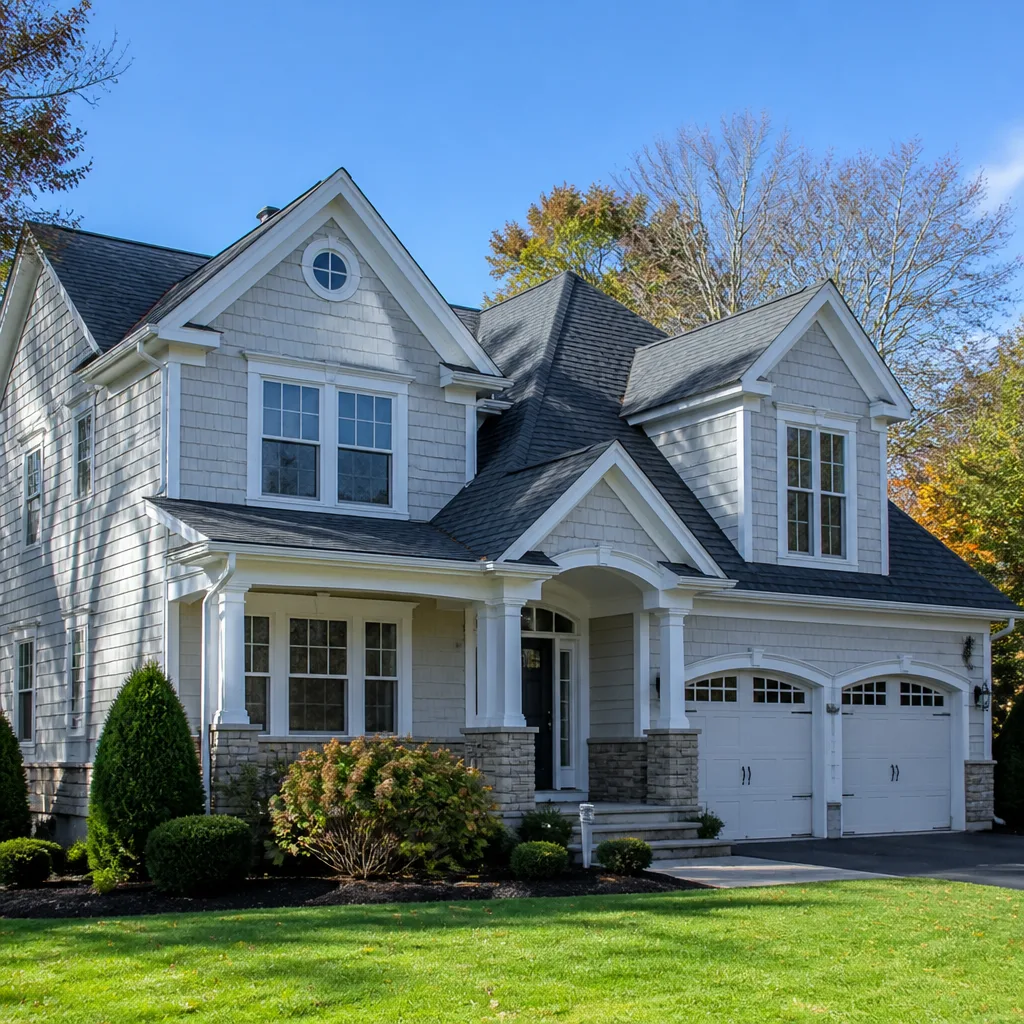
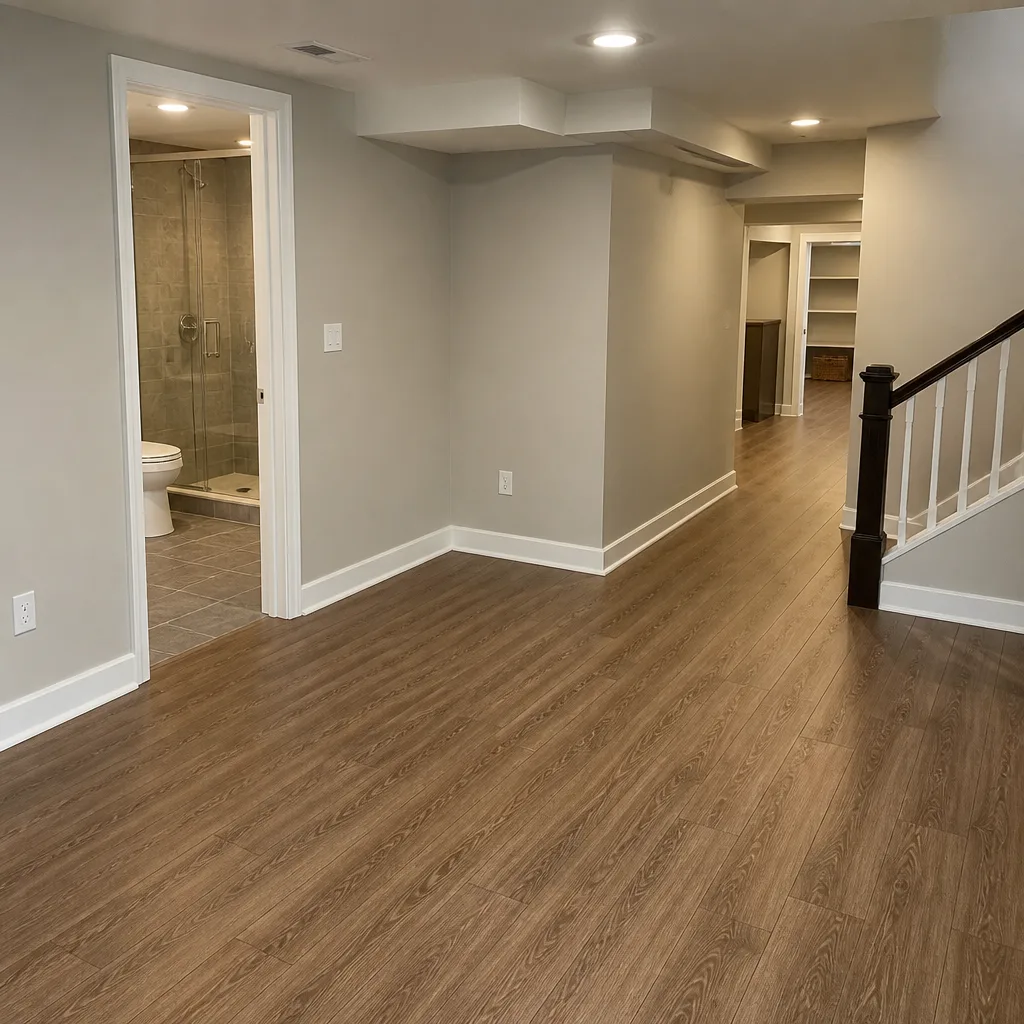
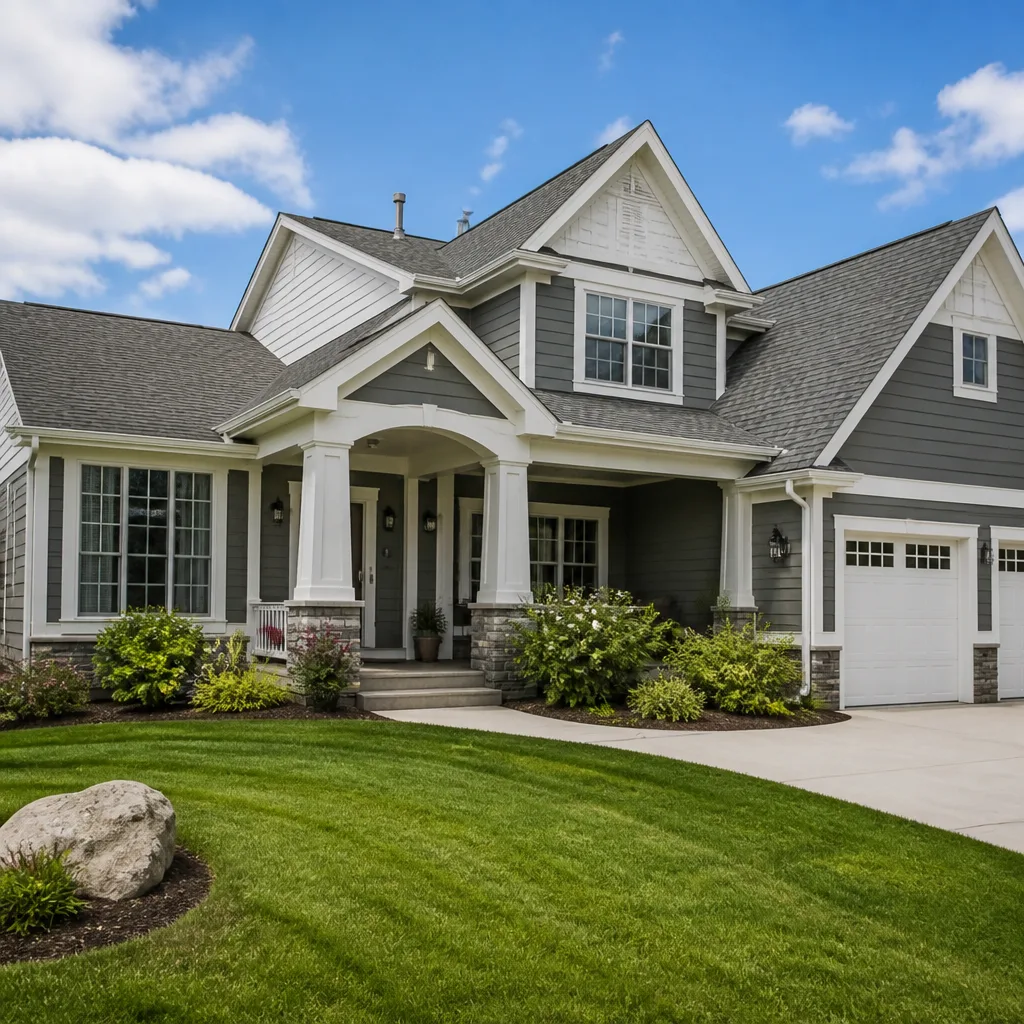
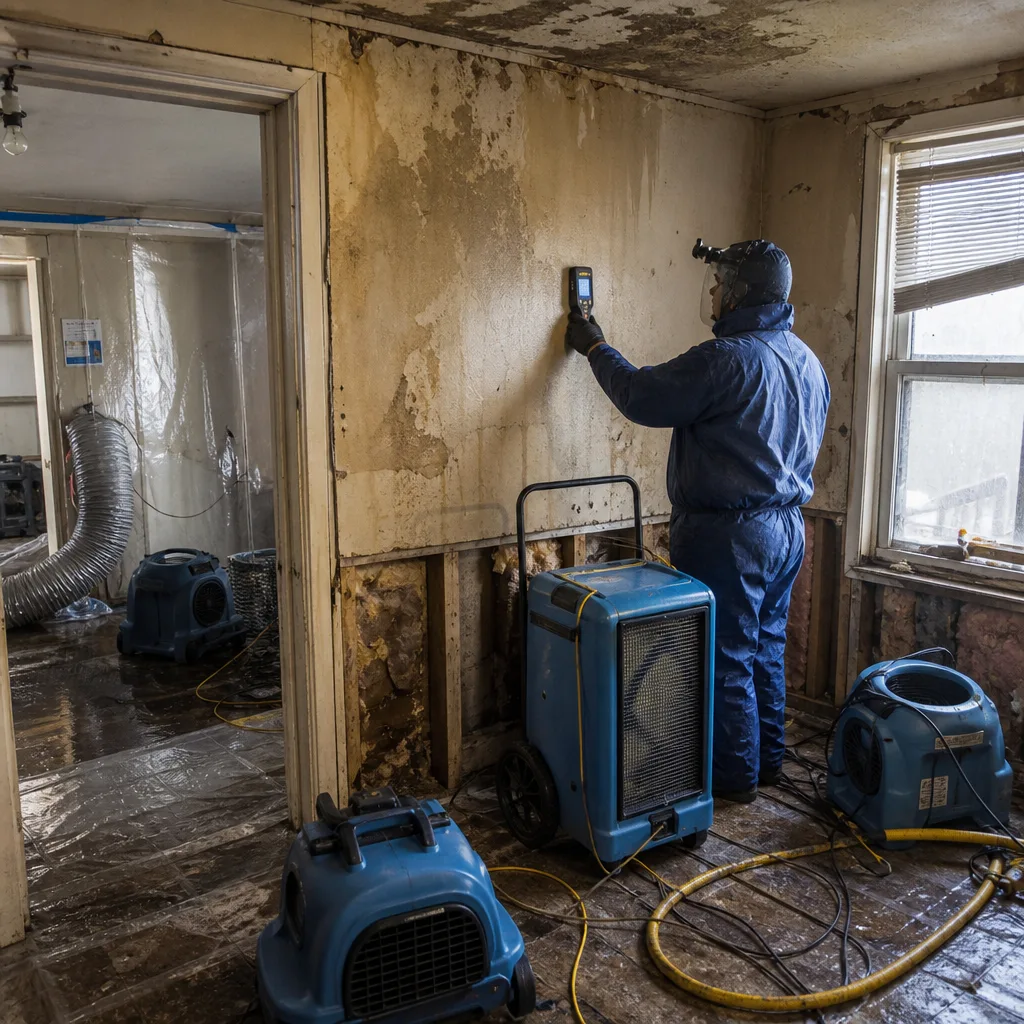 Before
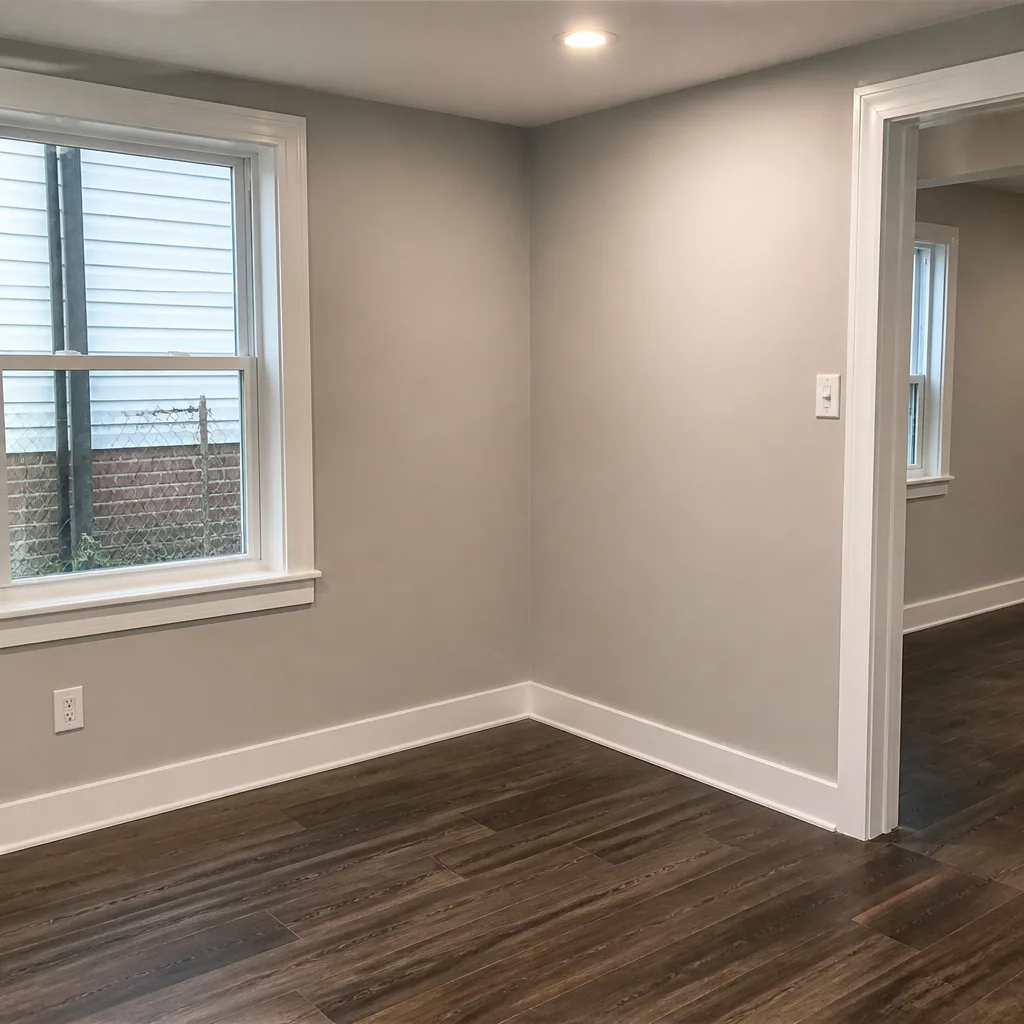 After
After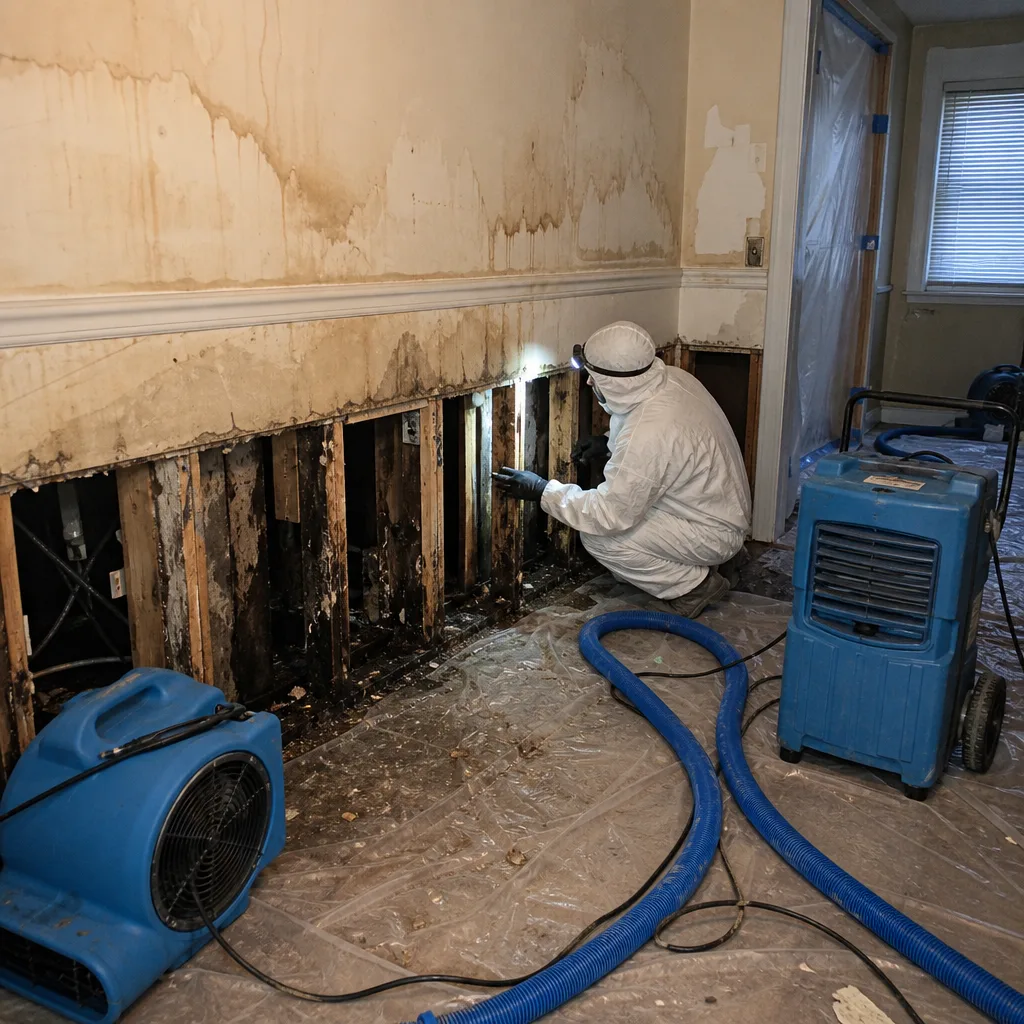 Before
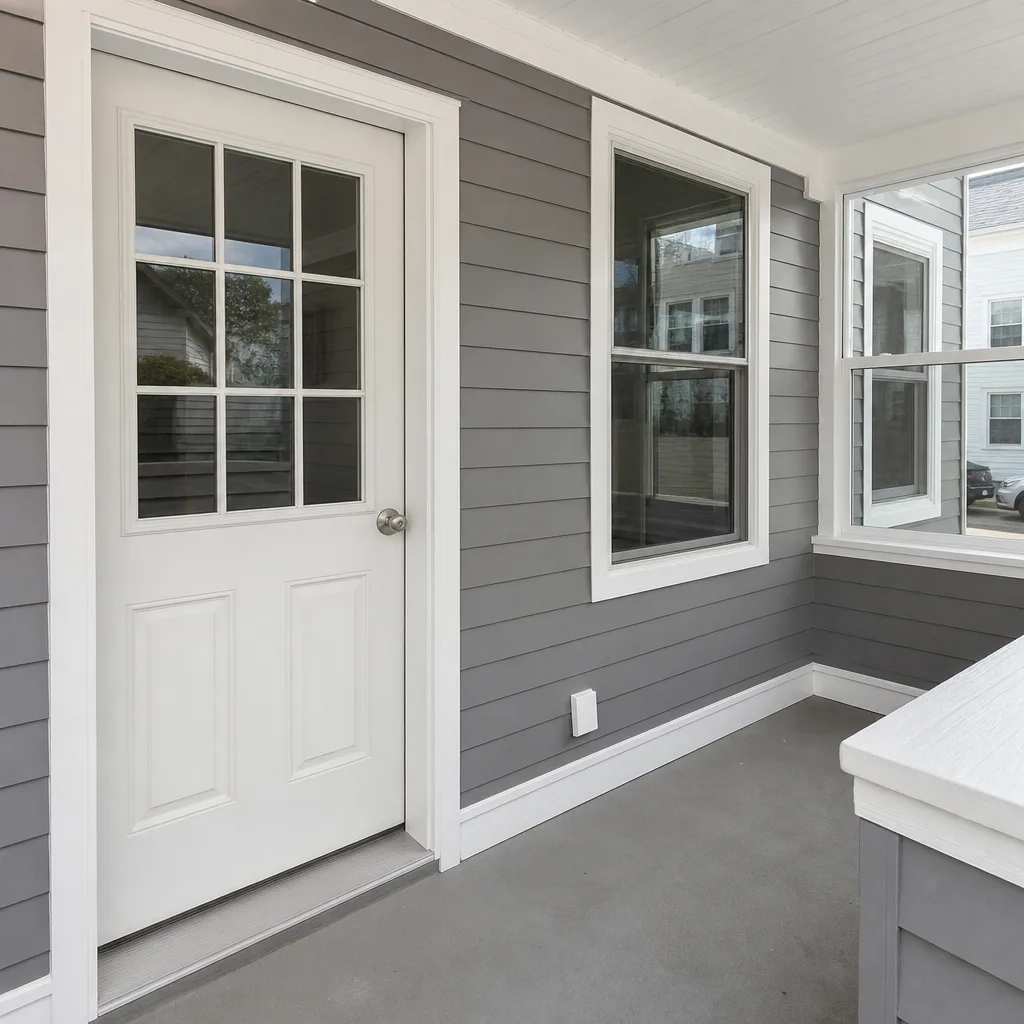 After
After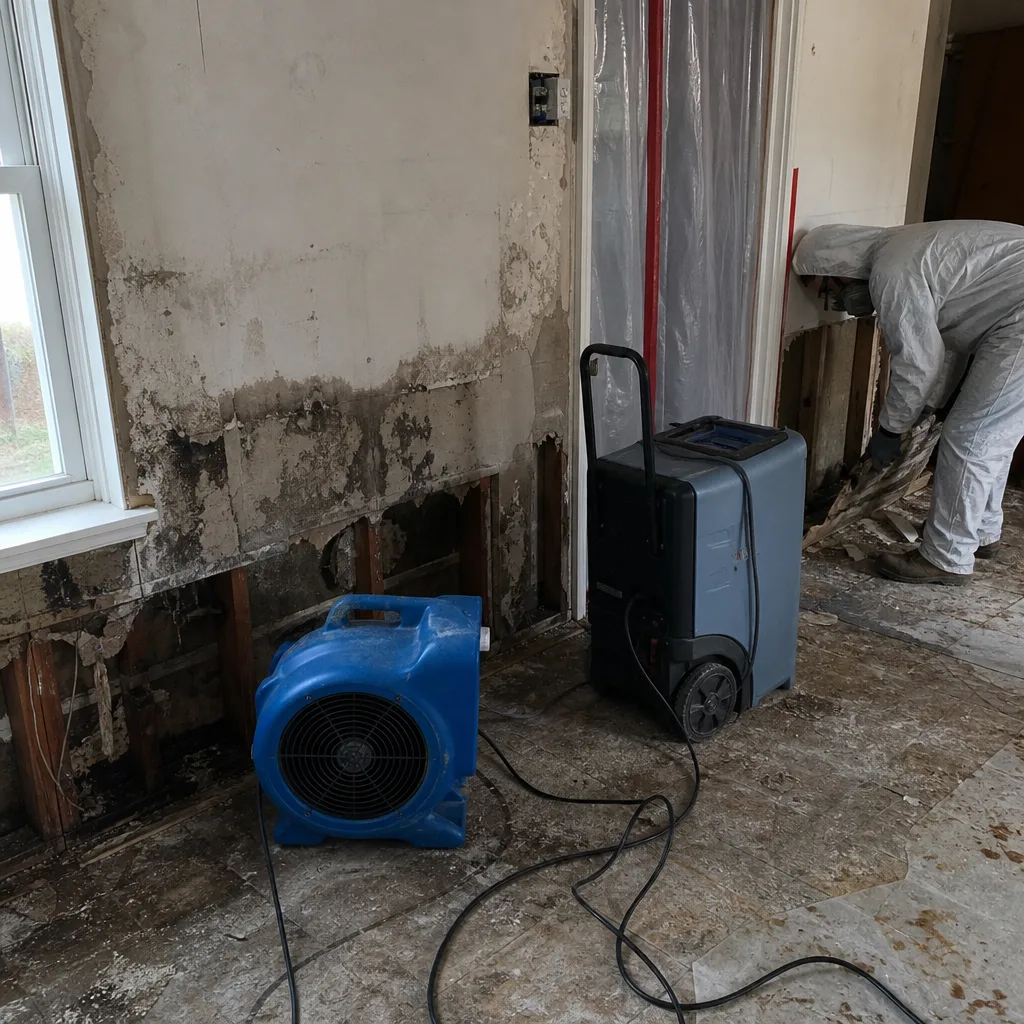 Before
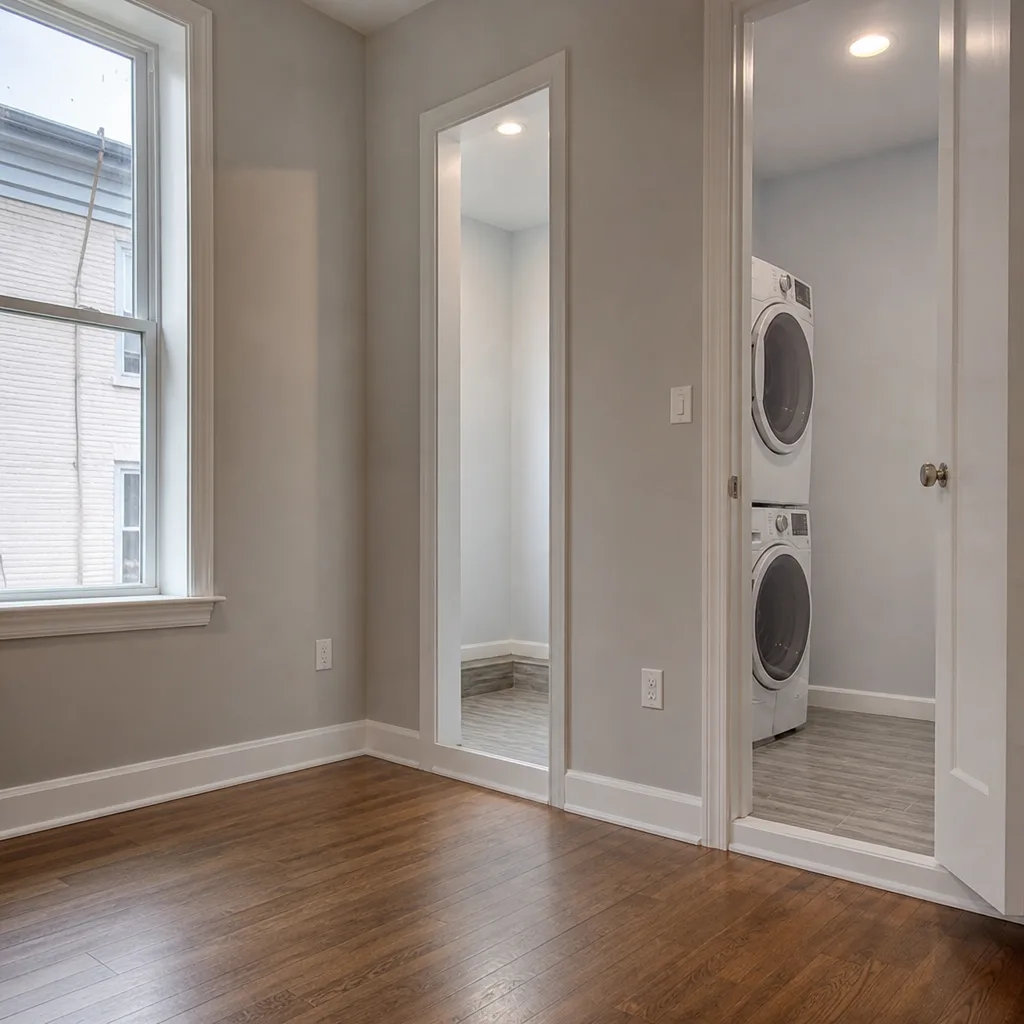 After
After24/7 Emergency Reconstruction & Cleanup in Financial District
Reconstruction and cleanup in the Financial District starts with a live person on the phone at (640) 400-9404, any hour, any day. We dispatch crews into the Financial District immediately for storm surge, flooding, fire, and sewage damage. The first hour matters more here than almost anywhere else in New York City, because saltwater from the Hudson and East Rivers corrodes electrical systems, rusts structural steel, and wicks into drywall faster than freshwater ever will. A free visual inspection gets us on site, gets the damage mapped, and gets a written scope in your hands before we touch a single wall.
Understanding Reconstruction & Cleanup Severity in Financial District Properties
The Financial District’s building stock is unlike any other neighborhood in the five boroughs. Pre-war masonry towers from the 1880s through 1930s sit shoulder to shoulder with mid-century steel-frame office blocks and luxury residential conversions, and almost all of them concentrate mechanical systems below grade. Elevator pits, switchgear rooms, HVAC plants, and parking garages sit at or near sea level, built on historical landfill with poor drainage and elevated groundwater. When water enters these spaces, it is rarely clean. Category 3 water, the classification for sewage, tidal surge, or standing groundwater, carries bacteria, chlorides, and sediment into porous materials like drywall, insulation, and concrete. Moisture mapping with thermal imaging and hygrometers tells us how far the damage traveled behind walls and under floors. In the Financial District, we treat every below-grade water event with a chloride test before we close the job, because salt residue left in masonry and wall cavities keeps pulling moisture from the air indefinitely. Standard structural drying without salt remediation fails here. That is not a hypothetical. We have seen it happen in buildings where another contractor signed off on a dry reading and the mold cycle restarted within weeks.
Why Financial District Property Owners Choose Floodline Restoration Co.
- 45-minute response commitment to properties inside the Financial District, with a live dispatcher tracking the crew from the moment you hang up.
- 24/7 live answer, never a recording. At 2 a.m. on a Tuesday, a person picks up. A background-checked, uniformed technician reaches your building the same visit.
- IICRC-certified crews, trained to WRT, FSRT, and AMRT standards, with RIA and IFA protocols for structural drying and mold remediation.
- Free visual inspection with photo documentation and a written scope before work starts. No pressure, no surprises.
- Direct insurance billing. We communicate with your adjuster, provide line-item estimates, and hand over moisture logs without you playing messenger.
- One team from extraction to rebuild, so the crew that reads the moisture map on day one is the same crew that reinstalls your baseboards on the last day. Our Reconstruction & Cleanup team handles the entire job.
Our Reconstruction & Cleanup Process
Inspection & Assessment
We arrive, walk the affected area with you, and document everything. Thermal imaging finds moisture where you cannot see it. Chloride testing tells us if tidal water is the culprit, which changes the entire drying protocol.
Extraction & Stabilization
Standing water comes out with professional-grade extraction units. We shut off electrical circuits feeding affected areas, brace compromised drywall, and secure the space to prevent further damage while we work.
Drying & Dehumidification
Dri-Eaz dehumidifiers and Phoenix air movers run on a calculated layout. Daily moisture readings get logged and shared with you and your carrier. In the Financial District, below-grade spaces need marine-grade drying that accounts for salt retention, not just relative humidity.
Cleaning & Sanitization
Category 3 water means antimicrobial treatment. HEPA air scrubbers run during the cleanup phase. Surfaces that touched sewage or tidal water get disinfected or removed, depending on porosity and salvageability.
Chloride Remediation & Specialty Treatment
This is the step competitors skip. We test for chloride contamination in below-grade materials. Where salt remains, we treat or remove the material entirely. In buildings near the East River shoreline, this is the difference between a job that stays dry and a mold cycle that returns in six weeks.
Repairs & Restoration
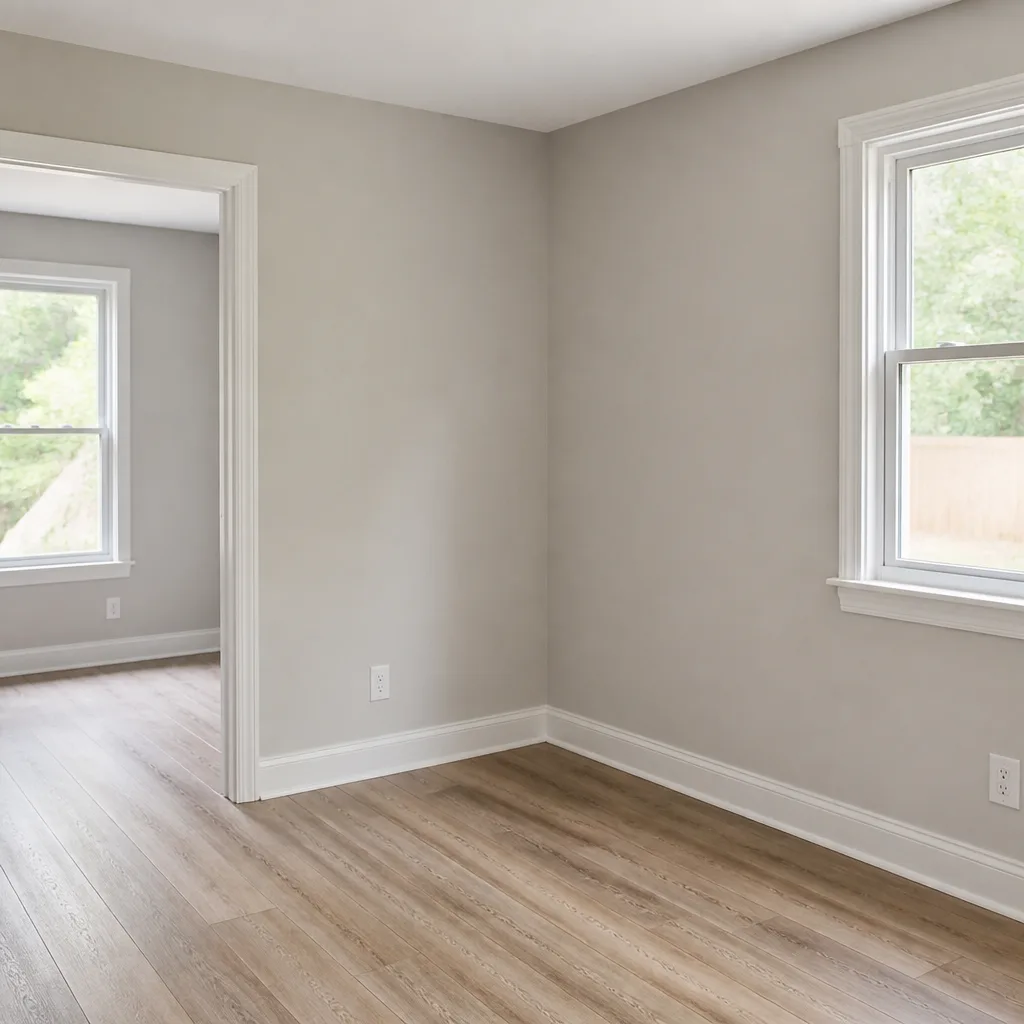
Drywall, flooring, paint, trim, custom millwork. We rebuild to the building’s pre-loss condition, matching materials and finishes to your co-op or condo’s specifications. The moisture log gets delivered with the finished job, in writing.
Need Emergency Reconstruction & Cleanup in Financial District Now?
Crews minutes away, answering live 24 hours a day. The sooner we start, the less it costs.
Working With Your Insurance Company
Most Financial District losses involve an insurance carrier, and we handle that relationship directly. From the first hour, we photograph every room, every surface, every piece of equipment we bring in. We produce industry-standard estimates in the format adjusters expect, with line items tied to the actual scope of work. Our team communicates with your carrier, sends the drying logs, and answers the adjuster’s questions so you do not spend your evenings on hold. If your board or management company needs documentation, we provide that too. The goal is a square deal: you get the restoration your building needs, your carrier gets the documentation it requires, and nobody argues about what was and was not done.
What We Provide Your Insurer
- Thorough documentation of the loss
- Photos of all damage, room by room
- Moisture readings and drying logs
- A detailed, line-item scope of work
- Direct coordination with your carrier
Built for Financial District’s Loss Calendar
The Financial District’s calendar of property damage follows a pattern shaped by geography. January deep freezes burst supply lines in pre-war masonry towers, sending water down through occupied floors into commercial spaces below. Spring thaw raises the water table, and the landfill soils east of the old Pearl Street shoreline start pushing groundwater into subgrade levels. Summer thunderstorms overwhelm the district’s storm drains in minutes, backing water into basement mechanical rooms and loading docks. Nor’easters in late fall and winter drive surge up the East River, and the district’s position at the confluence of the Hudson, East River, and New York Harbor funnels that water straight into the streets and below-grade vaults. FEMA designates large portions of the Financial District as Zone AE high-risk flood. That designation matters when your board decides whether to restore or replace flood-damaged systems. We work that calendar, stock equipment accordingly, and keep crews stationed close enough to respond when storm warnings hit.
Reconstruction & Cleanup Across Financial District’s Neighborhoods
The Financial District is not one uniform grid. The blocks around Wall Street and Broad Street carry the oldest building stock, masonry towers with deep subgrade vaults that flood from below, not through windows. Along Water Street and South Street, modern office and residential conversions sit directly on the East River shoreline, where surge events push brackish water into parking garages and lobby levels. The residential conversions concentrated around Pearl Street, Stone Street, and the Seaport district bring their own challenges: co-op and condo boards with strict renovation rules, service corridors too narrow for standard equipment, and occupied upper floors above the work zone. Buildings fronting Battery Park and the Hudson River side deal with salt spray corrosion on window systems and exterior doors after every storm. Each corridor has a different loss pattern, and our crews know the difference between a surge job on Water Street and a burst riser on Broadway. When a converted condo on Pearl Street took on brackish surge water in its subgrade mechanical room, our crew performed full-service reconstruction after a marine-grade structural drying protocol. We set up containment around the elevator pit, used Dri-Eaz dehumidifiers and air movers to hit target moisture readings, then removed chloride-stained drywall and flooring before reinstalling custom millwork to match the building’s pre-loss condition. That is what Reconstruction & Cleanup in Financial District looks like in practice.
Specialized Reconstruction & Cleanup Services We Offer in Financial District
Full-Service Reconstruction
When the drying is done, the rebuilding starts, and we do not hand the job to a different company. Our full-service reconstruction covers everything from structural framing and electrical repair to finish carpentry and paint. In the Financial District’s converted lofts and historic buildings, that means matching pre-war moldings, sourcing period-appropriate hardware, and working to board-approved specifications. The same crew that ran the dehumidifiers reads the final moisture map and rebuilds what needs rebuilding.
Drywall & Flooring Repair
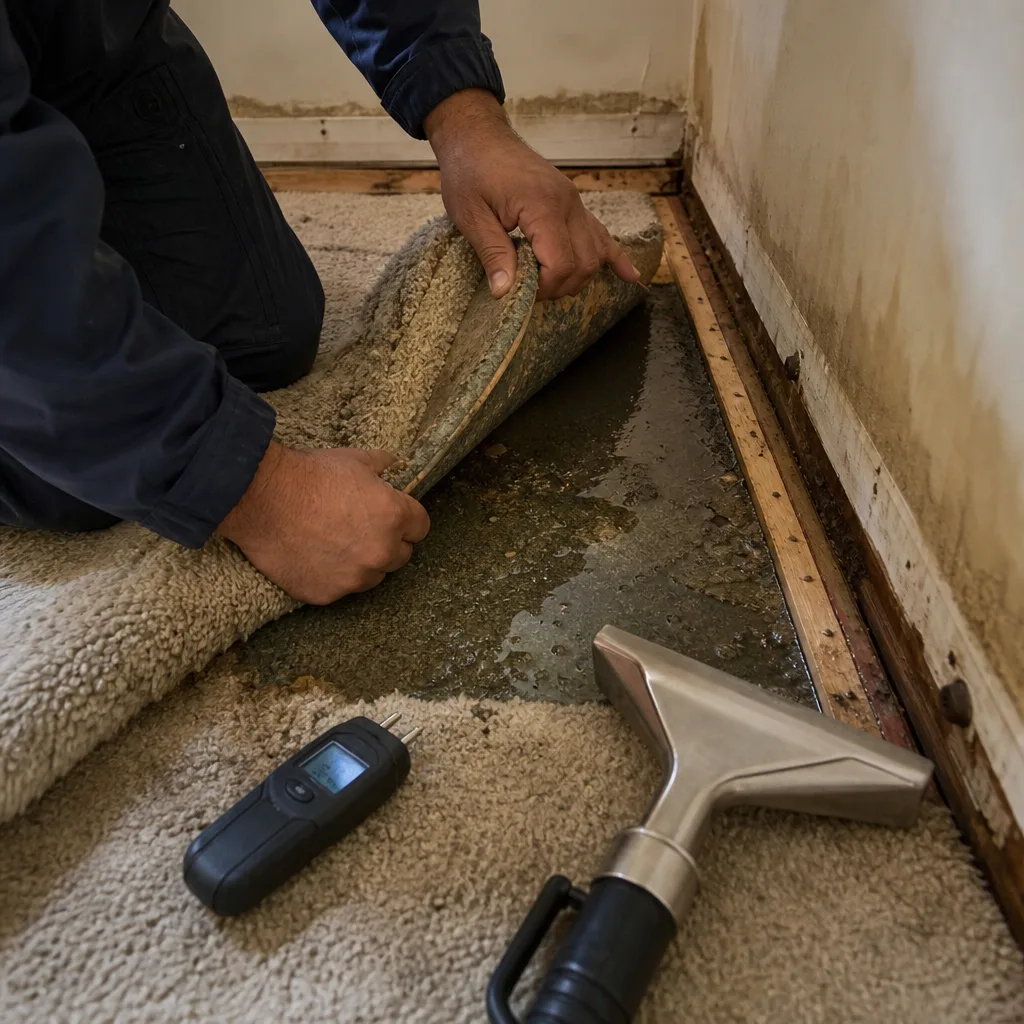
Salt-soaked drywall below grade in the Financial District rarely dries clean. We cut to the flood line, treat the framing, and replace with proper moisture-resistant materials where coastal conditions demand it. Flooring in these buildings runs from original hardwood in landmarked lobbies to engineered plank in residential conversions. We match existing flooring or work with your adjuster on a reasonable replacement scope. Chloride-stained materials get removed, not just dried, because the salt will keep pulling moisture back in.
Contents Restoration & Pack-Out
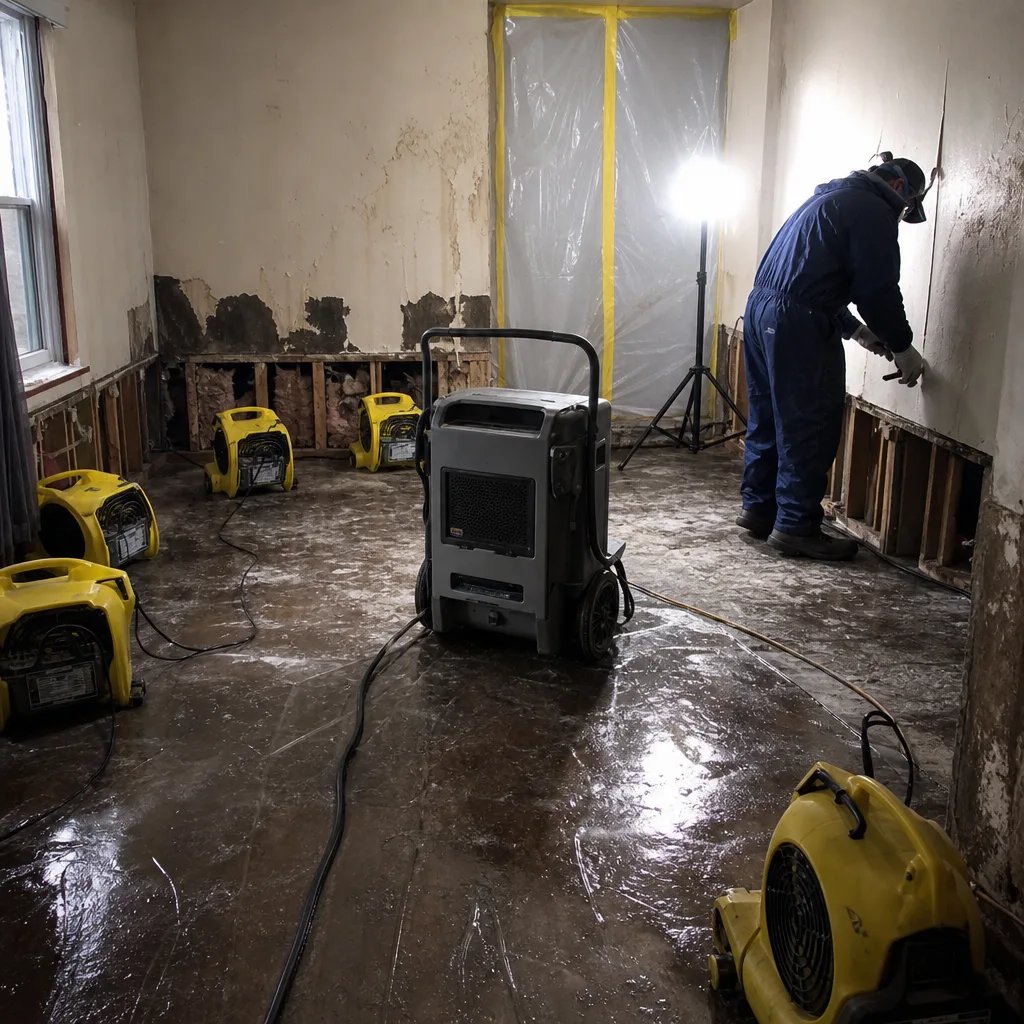
Financial District homes and offices hold art, documents, electronics, and furniture that water damage reaches fast. We pack out contents, inventory with photos, clean what is salvageable, and store the rest until reconstruction is complete. For buildings with occupied floors above the damage, pack-out keeps your residents or tenants functioning while we work below. Electronics that touched brackish water get evaluated by corrosion specialists, not wiped down and handed back.
Carpet & Upholstery Cleaning
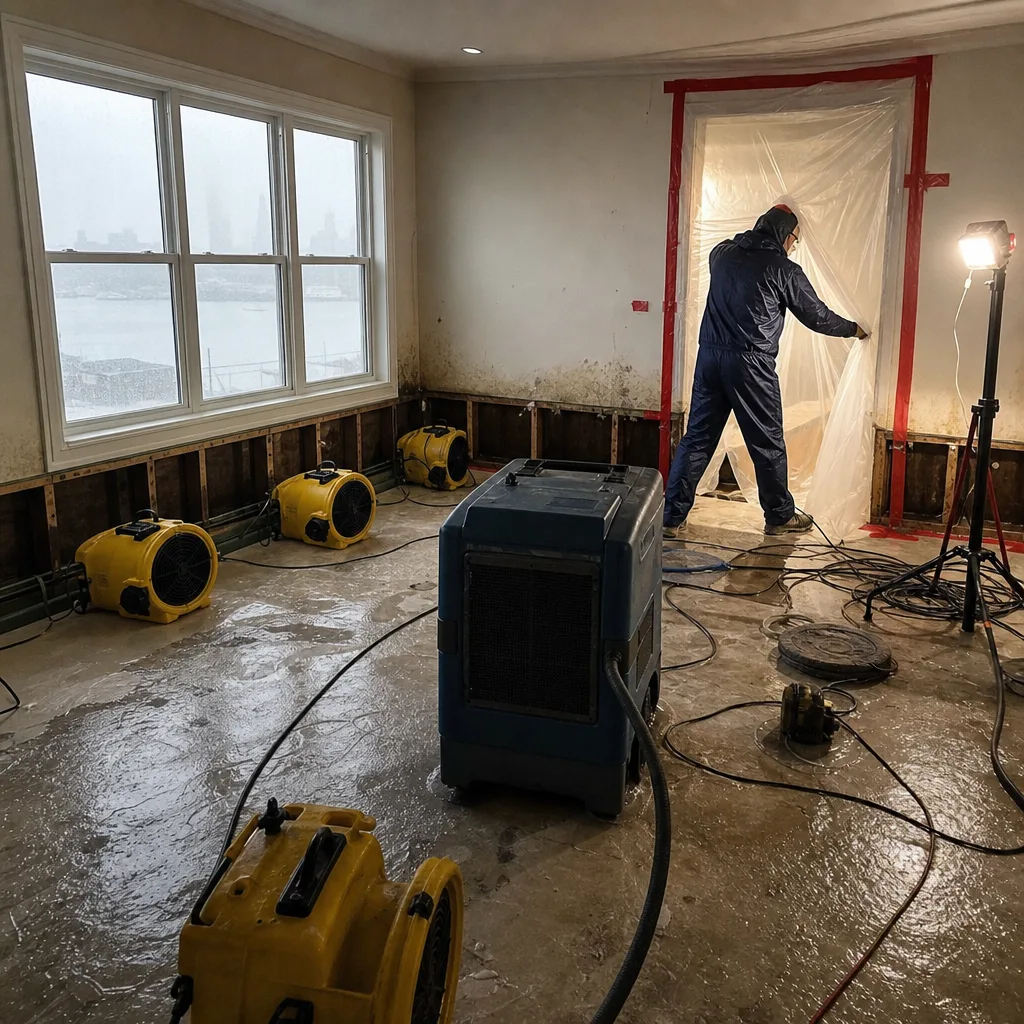
After a Category 1 or Category 2 loss, carpet and upholstery often survive with professional extraction and cleaning. We use professional-grade extraction units and HEPA filtration during the cleaning process. In the Financial District, where board approvals can slow a full replacement, cleaning salvageable materials is often the difference between a two-week job and a six-month board battle.
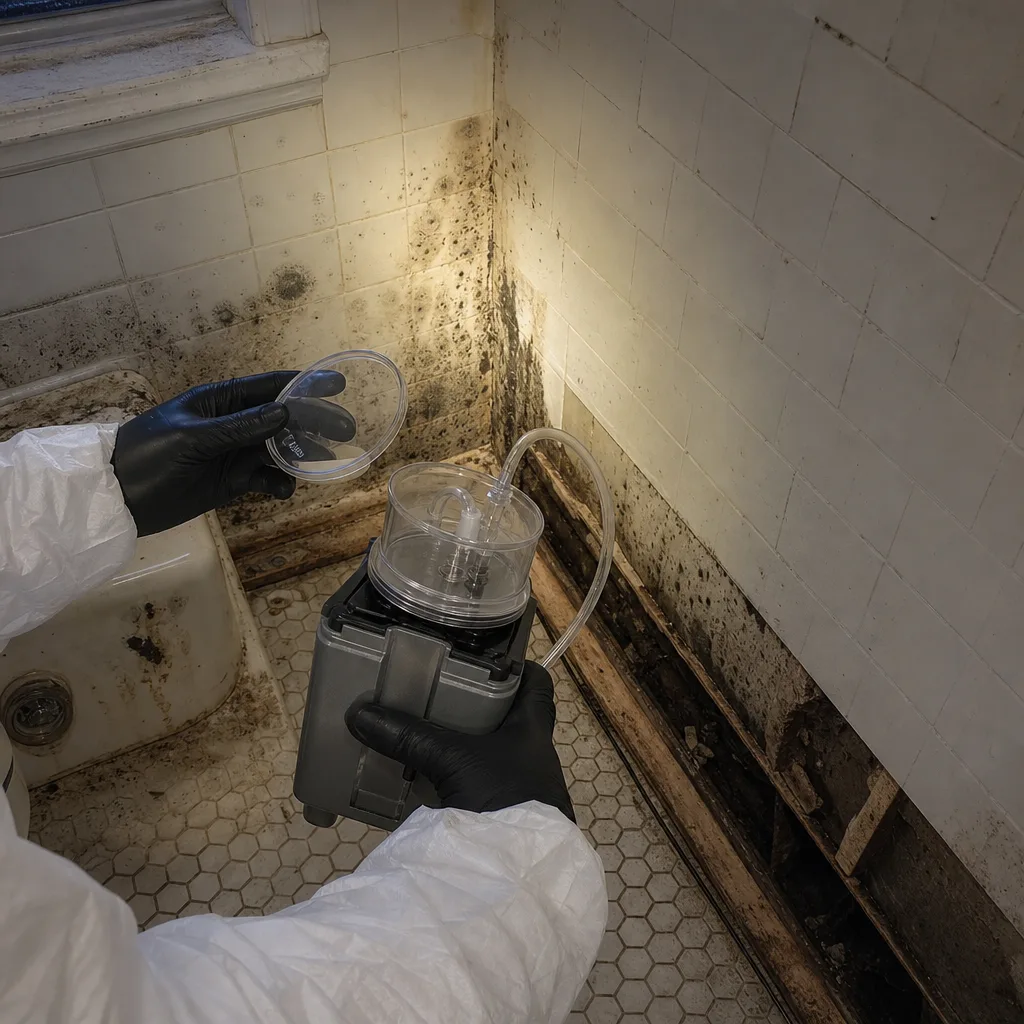
Post-Construction Cleanup
After the rebuild, before you move back in, the fine dust settles everywhere. Drywall dust, sanding residue, and construction debris infiltrate every surface in a converted loft or office floor. We run HEPA air scrubbers during the cleanup phase, wipe every surface, and leave the space ready for occupancy. Your board gets the clearance documentation. You get your home back.
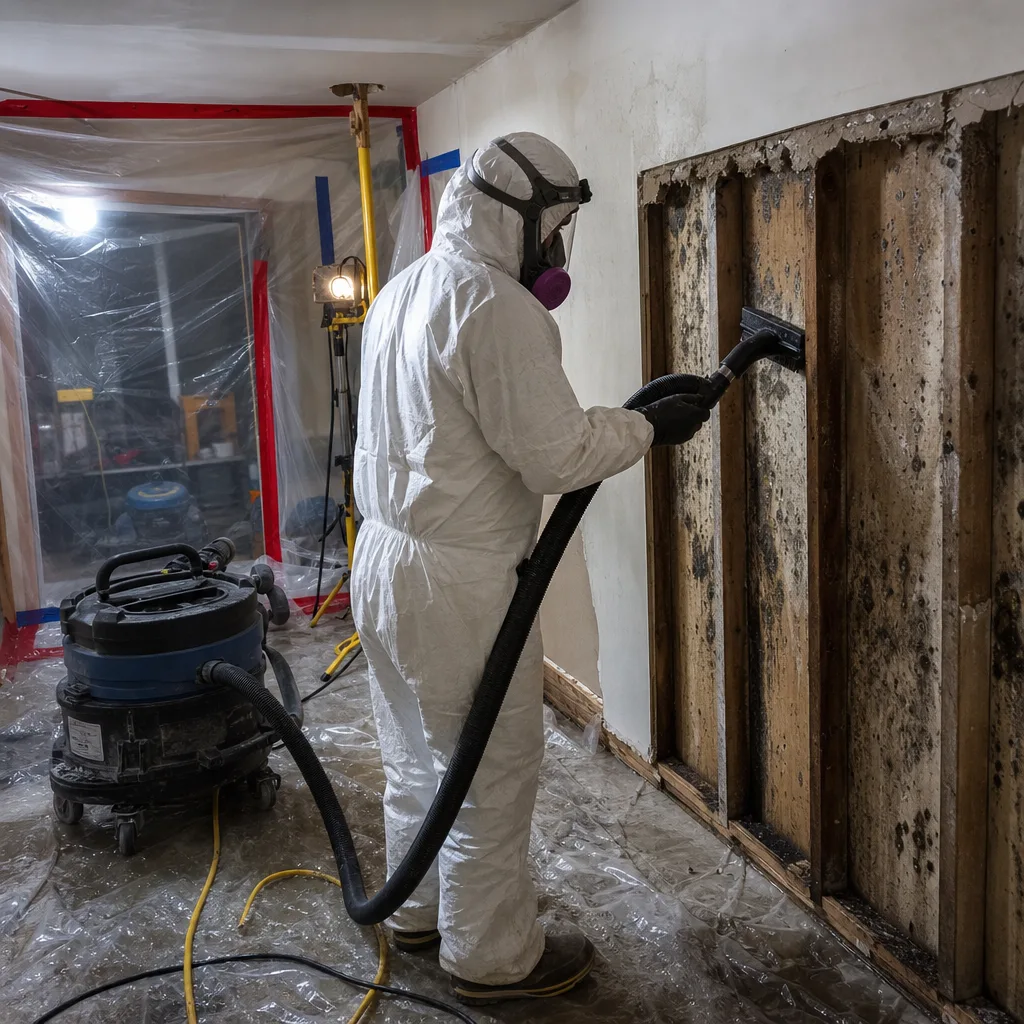
What happens when you call
- 1
A real person answersNo phone trees - you reach a local pro.
- 2
You get an upfront price rangeHonest numbers before anyone is dispatched.
- 3
A background-checked tech heads outLicensed & insured, dispatched right away.
- 4
You approve before work beginsNothing starts until you say go.
Reconstruction & Cleanup Costs in Financial District, NY
A typical water damage cleanup in a Financial District condo runs $1,800 to $4,500 for Category 1 clean water, while a Category 3 surge or sewage loss in a below-grade space typically runs $6,000 to $18,000 depending on square footage and chloride contamination. Drywall and flooring repair after drying runs $3 to $8 per square foot for standard work, and custom millwork matching in a historic building pushes higher. Full reconstruction of a flooded subgrade mechanical room commonly falls between $25,000 and $90,000 when electrical, elevator, and HVAC components are involved. What moves the price is the salt test result, the board approval timeline, and the condition of the building’s original systems. We provide a free visual inspection and a written scope before work starts, so you know the number before you commit. The $50 Off Any Repair Over $250 offer applies to smaller jobs, and seniors and veterans always get 5% off.
We Also Serve Cities Near Financial District
Our crews serve Financial District and the surrounding communities, including Midland Beach, New Springville, Oakwood, and Travis – Chelsea. If your property sits just outside the district lines, call (640) 400-9404 and we will confirm coverage.
Serving Financial District, NY - Our Local Coverage Area
We’re based in the Financial District area and know this community well. Use the map below to see our service coverage - if you’re nearby, we can almost certainly help.
Financial District Reconstruction & Cleanup Questions, Answered
How do you know if my Financial District basement still has salt damage from Hurricane Sandy?
We test for chloride contamination before closing any below-grade water job in the Financial District. Salt left by tidal surge is hygroscopic, meaning it pulls moisture from the air and keeps re-wetting drywall and masonry. If your basement took on water in 2012 and you are still seeing recurring mold, buckling drywall, or efflorescence on concrete, the salt is likely still active. A chloride test tells us in minutes whether remediation is needed. Call (640) 400-9404 and we will test before we quote.
What does a Category 3 water loss in the Financial District mean for my condo’s drywall?
Category 3 water contains sewage, tidal surge, or standing groundwater. In the Financial District, that almost always means salt water from the rivers and harbor. Drywall that absorbed Category 3 water must be cut out, not just dried, because the porosity of gypsum traps contaminants permanently. Even if the surface feels dry, the inside of the wall cavity holds residue that will feed mold and corrode framing.
Can you match custom millwork and finishes in a historic FiDi loft conversion?
Yes. We have rebuilt pre-war moldings, custom wainscoting, and period-appropriate doors in converted lofts and landmarked Financial District buildings. We source materials to match the existing profile, grain, and finish, and we work to the board’s written specifications. The goal is that you cannot tell where the damage ended and the repair began.
Why do I need a drying log for my co-op board after a water leak?
Co-op and condo boards in the Financial District require documentation that the drying process reached industry standards before rebuilding begins. The drying log records daily moisture readings, humidity levels, and equipment placement, proving the space hit the dry standard. We give you the log in writing, and we send it directly to your board and your insurance carrier.
What is the first step after a surge event floods my building’s parking garage in the Financial District?
Call (640) 400-9404. Do not enter the garage. Saltwater and standing floodwater can be electrically live if subgrade switchgear or wiring is submerged. We arrive, shut down affected circuits, perform a chloride test, and begin extraction. The sooner we start, the less corrosion spreads through the mechanical systems.
How fast can you actually get to a Financial District property?
Our response commitment is 45 minutes for properties inside the Financial District. A live dispatcher coordinates the crew and tracks them from dispatch to arrival. We know the streets, the loading zones, and the building access procedures, so we do not lose time figuring it out on site.
Will my insurance cover reconstruction and cleanup after a surge or flood?
Most standard policies cover water damage from burst pipes and sudden events, but flood surge from a named storm requires flood insurance. We photograph everything from the first hour, produce line-item estimates, and coordinate directly with your adjuster. If your building’s board carries a master policy, we document in the format that policy requires.
Do I need full reconstruction or just cleanup after a water loss in the Financial District?
The answer depends on the water category and the chloride test result. Clean water from a burst supply line often resolves with extraction, drying, and targeted repairs. Category 3 water from surge or sewage typically requires removal of affected drywall, flooring, and insulation, followed by reconstruction. We will tell you which one you have, in plain terms, with a written scope.
If you are standing in a wet basement or facing a damaged wall in the Financial District, call (640) 400-9404. A live person answers, day or night. We will send a certified crew, write the scope before work starts, and stand behind the result with the 90-Day Done Right Promise in writing. That is how we have done it since Curt Bowman founded Floodline Restoration Co. in 2010, and that is how we do it in the Financial District today.
Written by Curt Bowman, Owner at Floodline Restoration Co., serving the Financial District and surrounding communities since 2010.