

Free visual inspection and a written scope of work before any mitigation begins - photos, moisture readings, and drying logs go in your claim file
The scope we write is the scope we bill. Anything new gets shown to you, in writing, before we touch it.
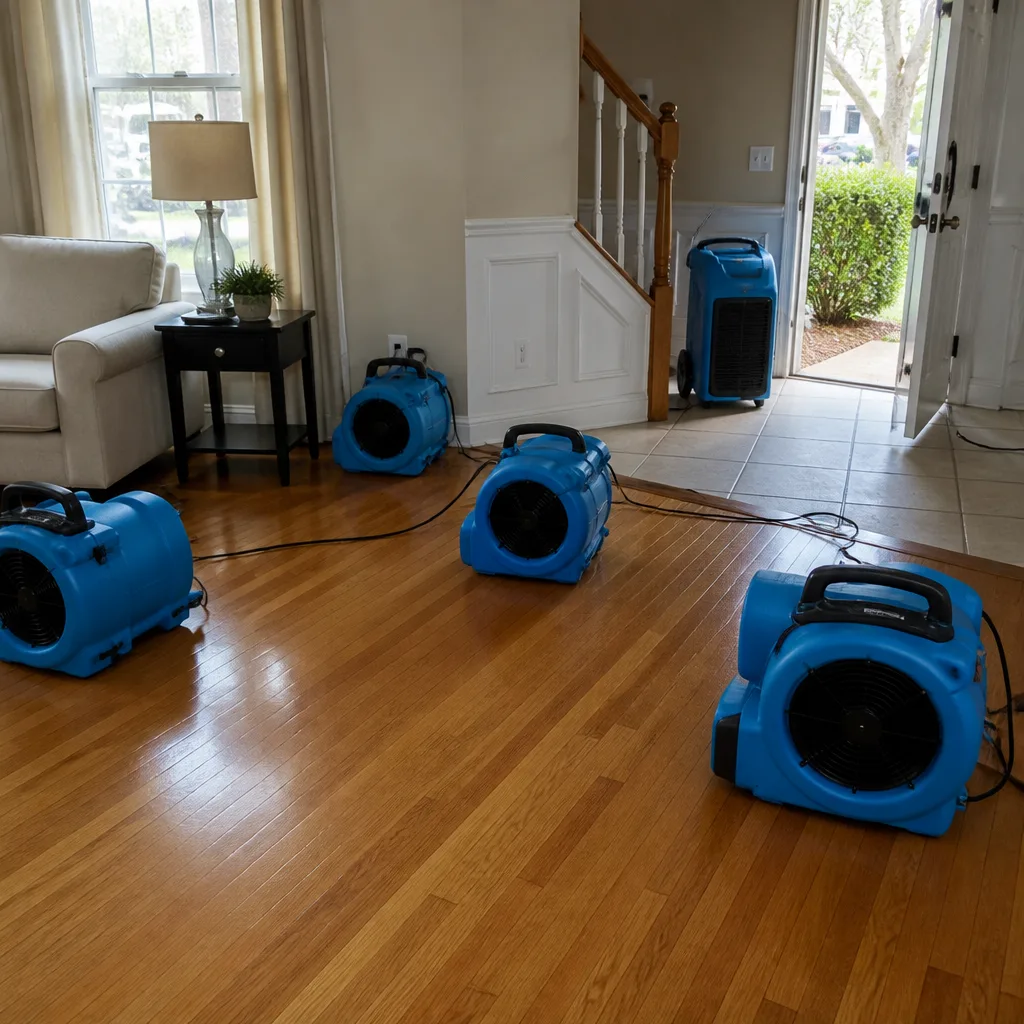
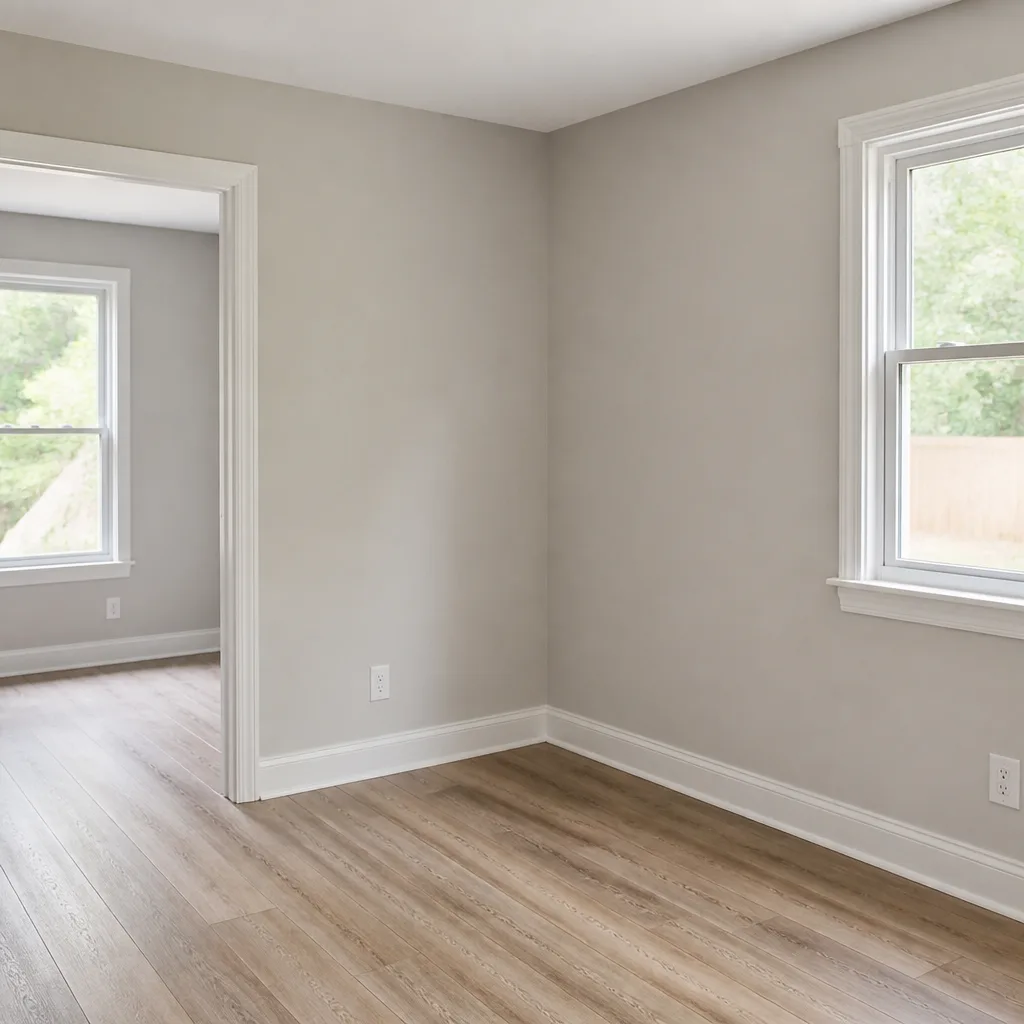
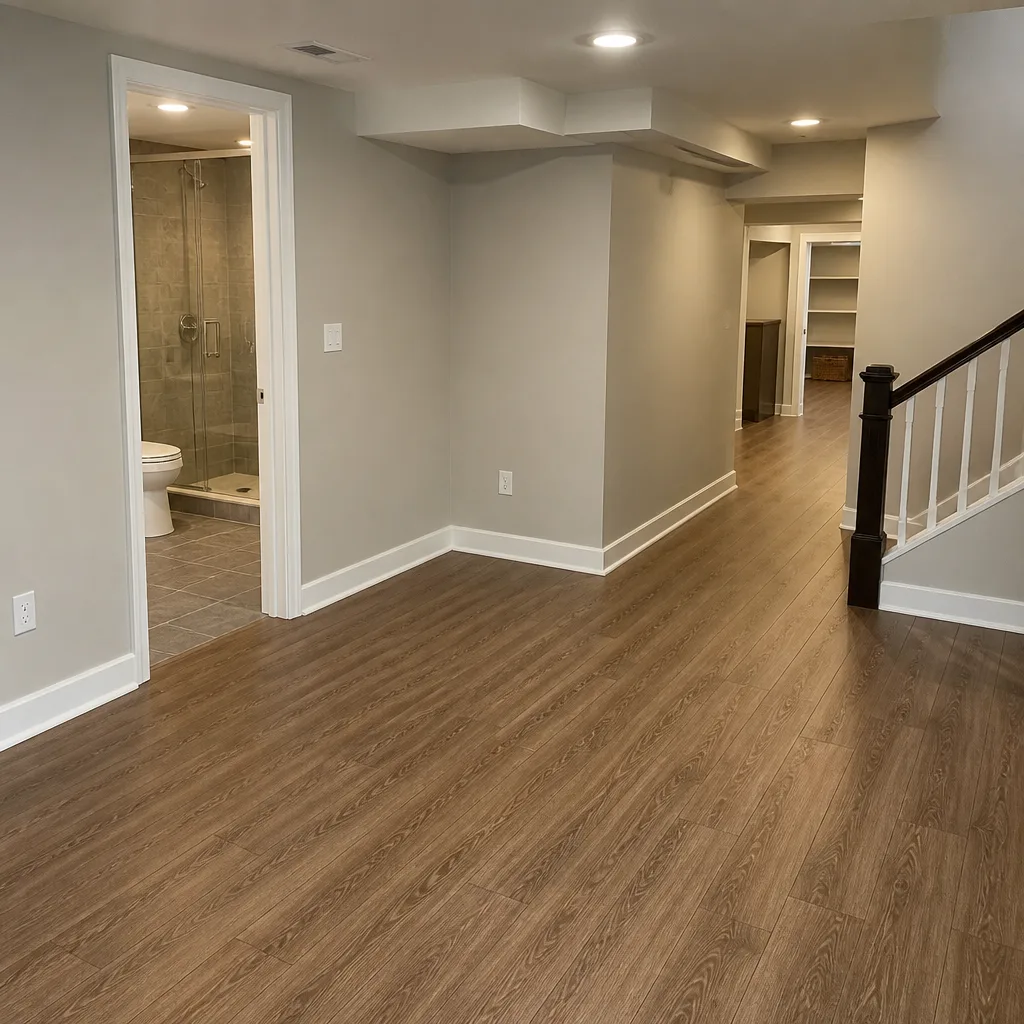
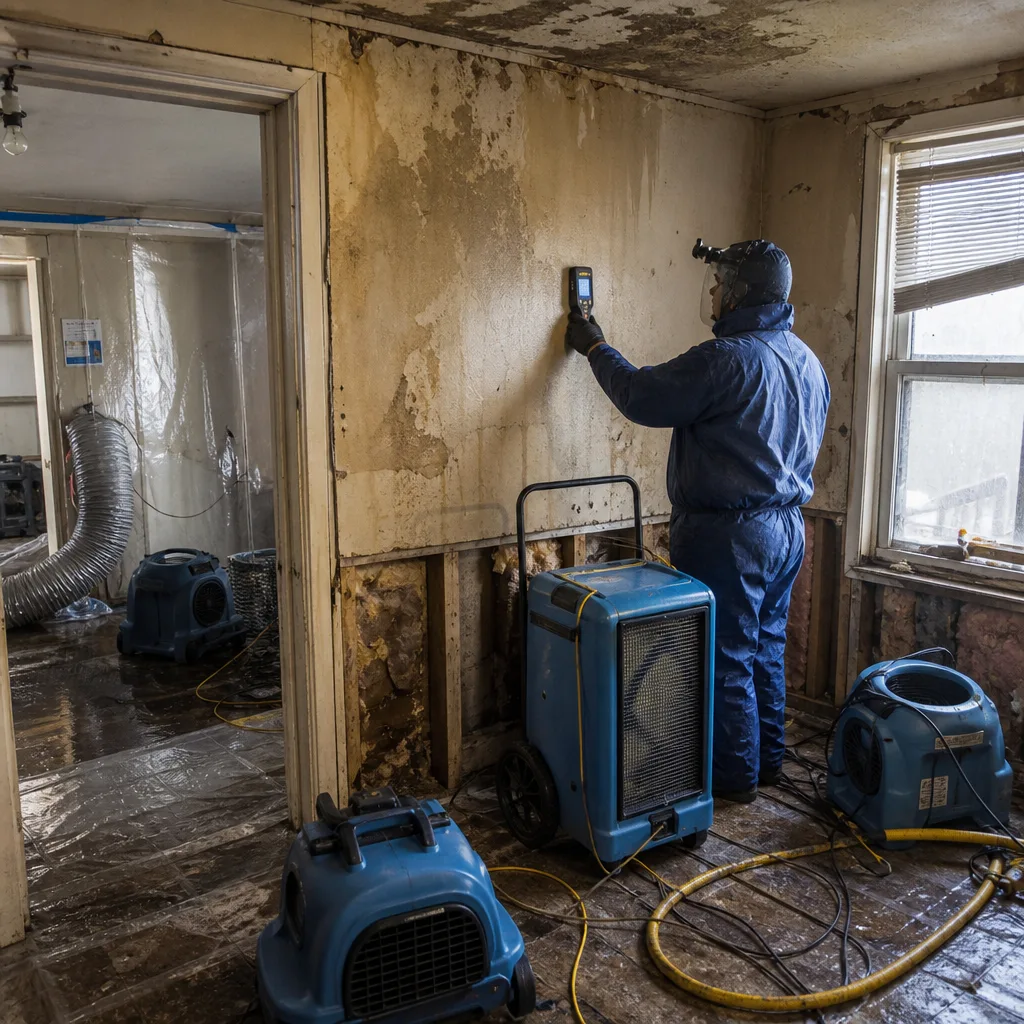 Before
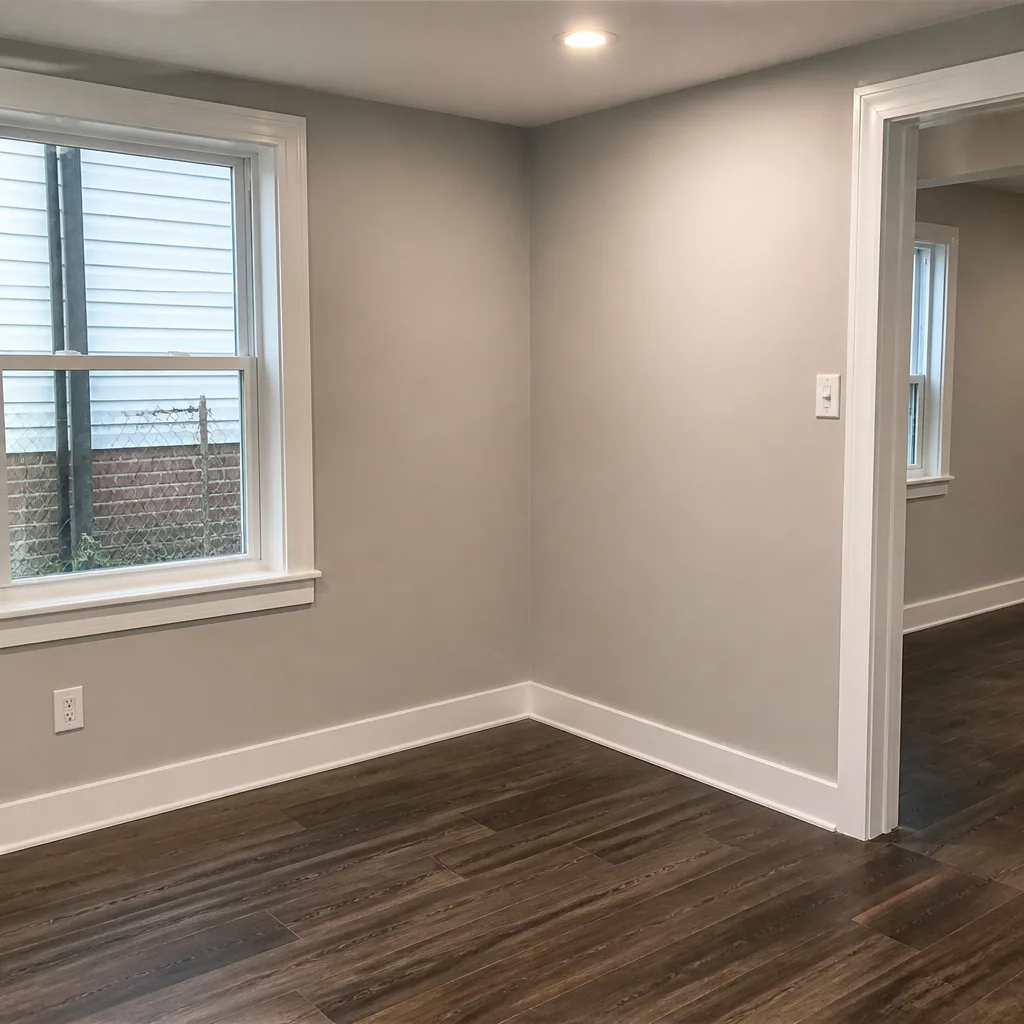 After
After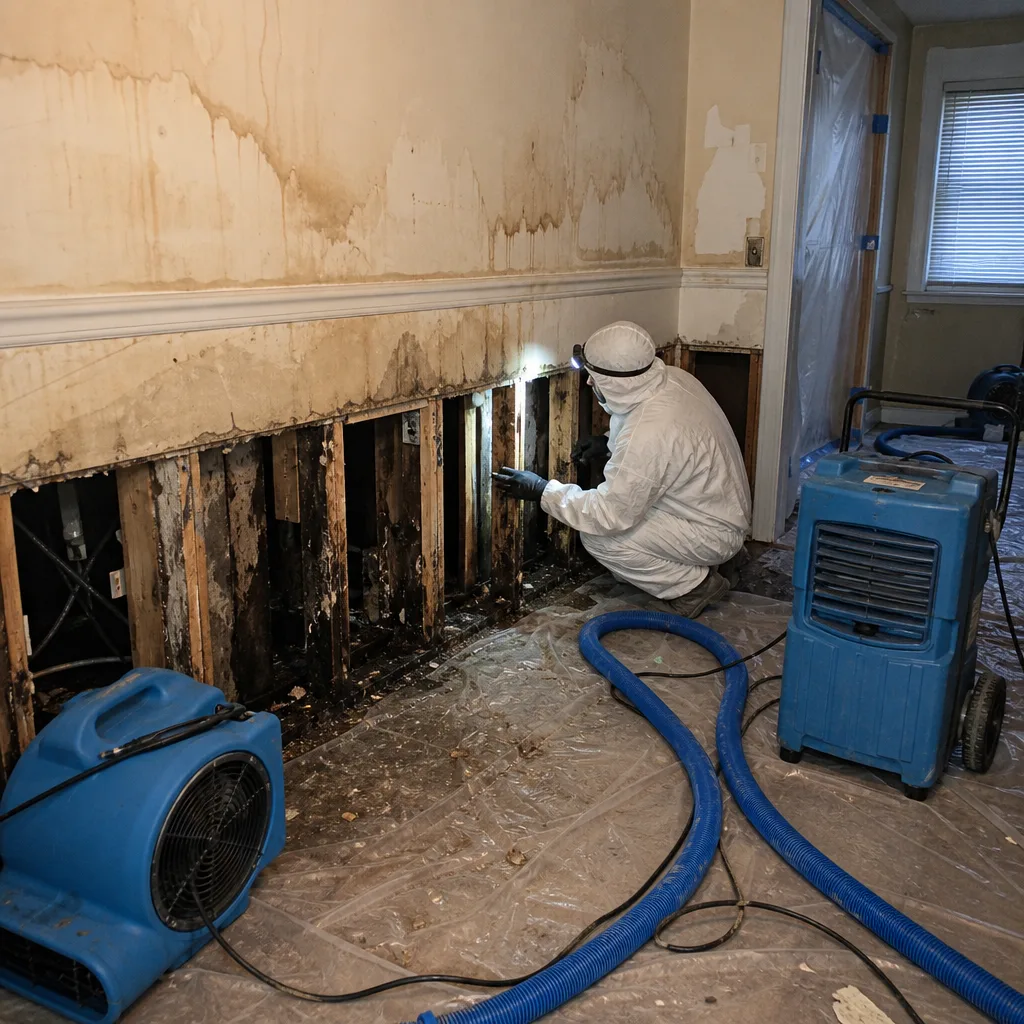 Before
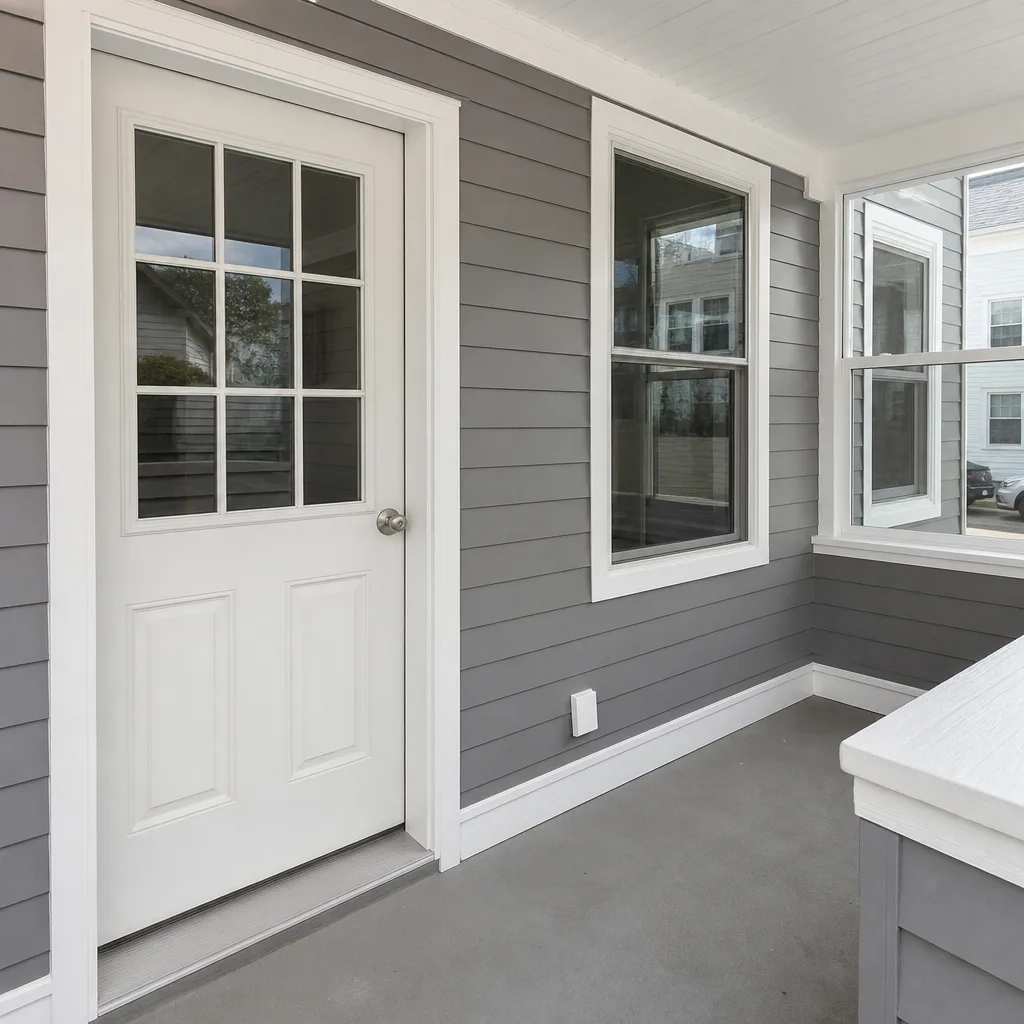 After
After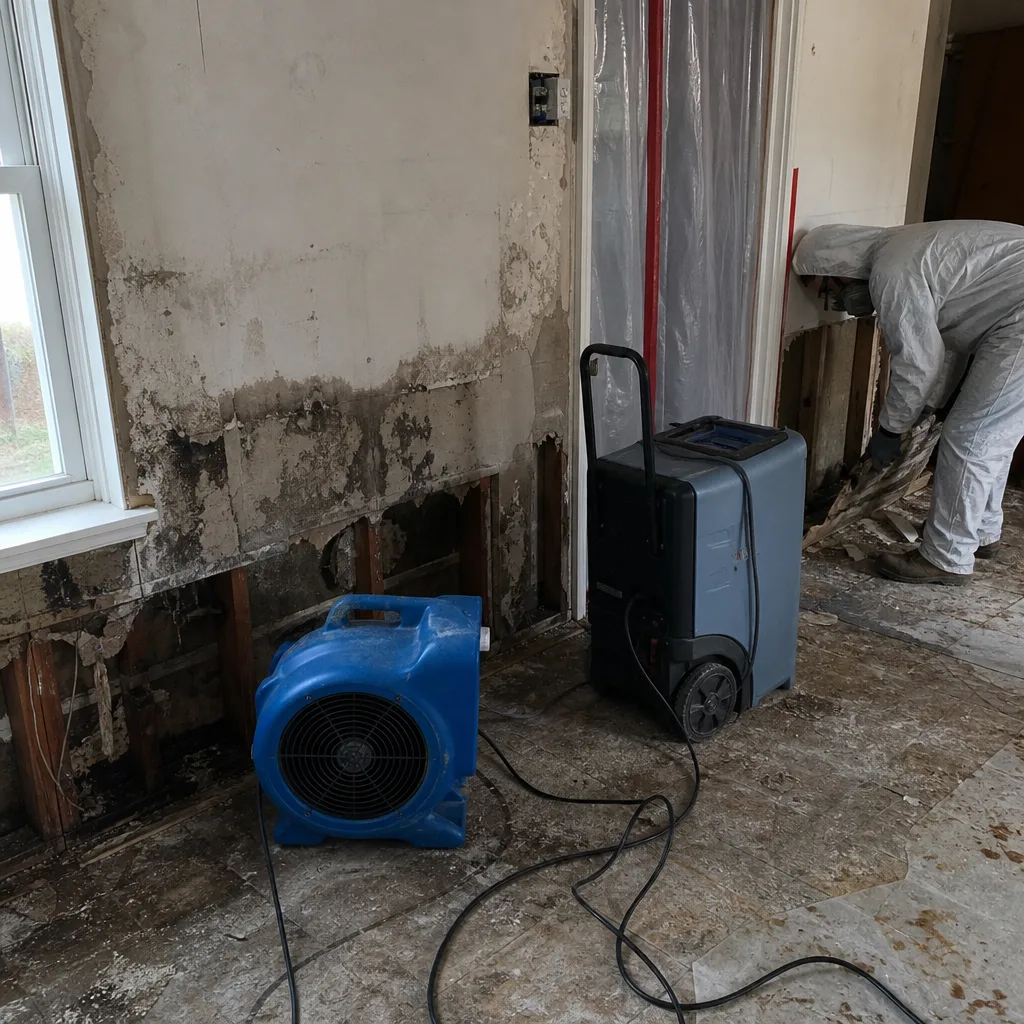 Before
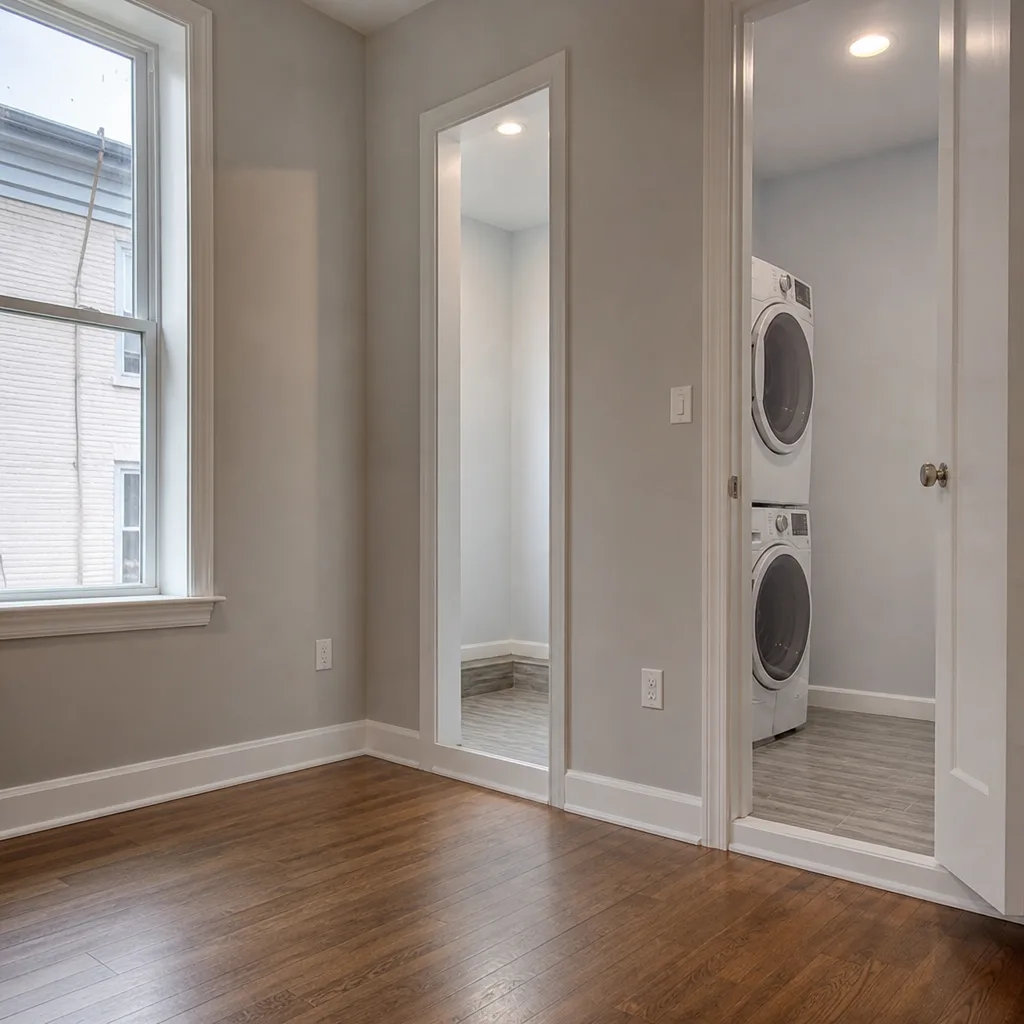 After
After24/7 Emergency Mold Remediation in Financial District
Mold remediation in Financial District costs between $1,800 and $6,500 for a typical contained job, and we answer the phone live at (640) 400-9404 around the clock. A certified crew can reach FiDi properties within 45 minutes most days. If you see dark staining spreading across drywall or smell must in a converted condo that never quite goes away, the clock matters. Spores double every 24 to 48 hours in the humid subgrade levels common to this neighborhood, and by the time you see it on the surface, the colony behind the wall is often three times larger.
We don’t put you through to an answering service. A live dispatcher picks up at 2 a.m., asks the right questions, and gets a Mold Remediation crew rolling toward Pearl Street, Stone Street, or Water Street. The first hour is when containment goes up, and containment is what keeps a $2,000 job from becoming a $12,000 job.
Understanding Mold Remediation Severity in Financial District Properties
Not all mold is the same job. A small colony behind a bathroom vanity is a one-day containment and removal. A subgrade mechanical room with active spore counts above 10,000 per cubic meter and visible growth across concrete block is a full-scale remediation requiring negative air pressure, HEPA air scrubbing, and clearance testing before anyone reoccupies the space. The difference comes down to moisture source, square footage of affected material, and whether the water that started it was clean or contaminated.
Financial District buildings complicate every level of this. Pre-war masonry towers from the 1880s through the 1930s have thick brick walls that hold moisture for months. Mid-century steel-frame office buildings converted to luxury condos pack mechanical systems, switchgear, and HVAC plant into below-grade levels sitting near sea level on historical landfill. That geology is the problem. Landfill soils east of the original Pearl Street shoreline drain poorly. Groundwater sits high. And when a nor’easter or heavy rain drives water into a subgrade room, the standard drying playbook used in most of the five boroughs fails here because the water moving through those walls isn’t fresh. It’s been underground long enough to pick up chlorides, minerals, and organic matter.
Why Financial District Property Owners Choose Floodline Restoration Co.
- 45-minute response commitment to Financial District – From our New York City dispatch office, a live coordinator confirms a crew and a window before you hang up.
- 24/7 live answer, never an automated system – A person picks up the phone at 2 a.m. and knows what questions to ask. No phone tree, no “leave a message.”
- IICRC-certified crews trained to WRT, FSRT, and AMRT standards – Background-checked, uniformed technicians who carry moisture meters, thermal imaging, and HEPA equipment, not guesswork.
- Free visual inspection with photo documentation – We document everything before, during, and after, so you and your carrier see exactly what was found and what was done.
- Direct insurance billing – We talk to your adjuster, submit the line-item scope, and handle the paperwork. You never play messenger.
- One team from extraction to reconstruction – The same certified crew that contains the mold reads the daily moisture log, hits dry standard, and rebuilds what was removed. No mid-job handoff.
Our Mold Remediation Process
Inspection & Assessment
We start with a visual inspection and moisture mapping using thermal imaging and hygrometers. In Financial District basements, we test for chloride contamination before anything else because salt from past tidal surges changes the entire approach.
Containment & Stabilization
Negative air pressure and 6-mil poly containment isolate the affected area. In occupied condo conversions on Broad Street or Exchange Place, this means proper board notification and corridor protection for neighbors.
Drying & Dehumidification
Professional-grade Dri-Eaz and Phoenix dehumidifiers plus XPOWER air movers run until moisture readings match pre-loss condition. We log readings daily and share the log with you and your carrier.
Cleaning & Sanitization
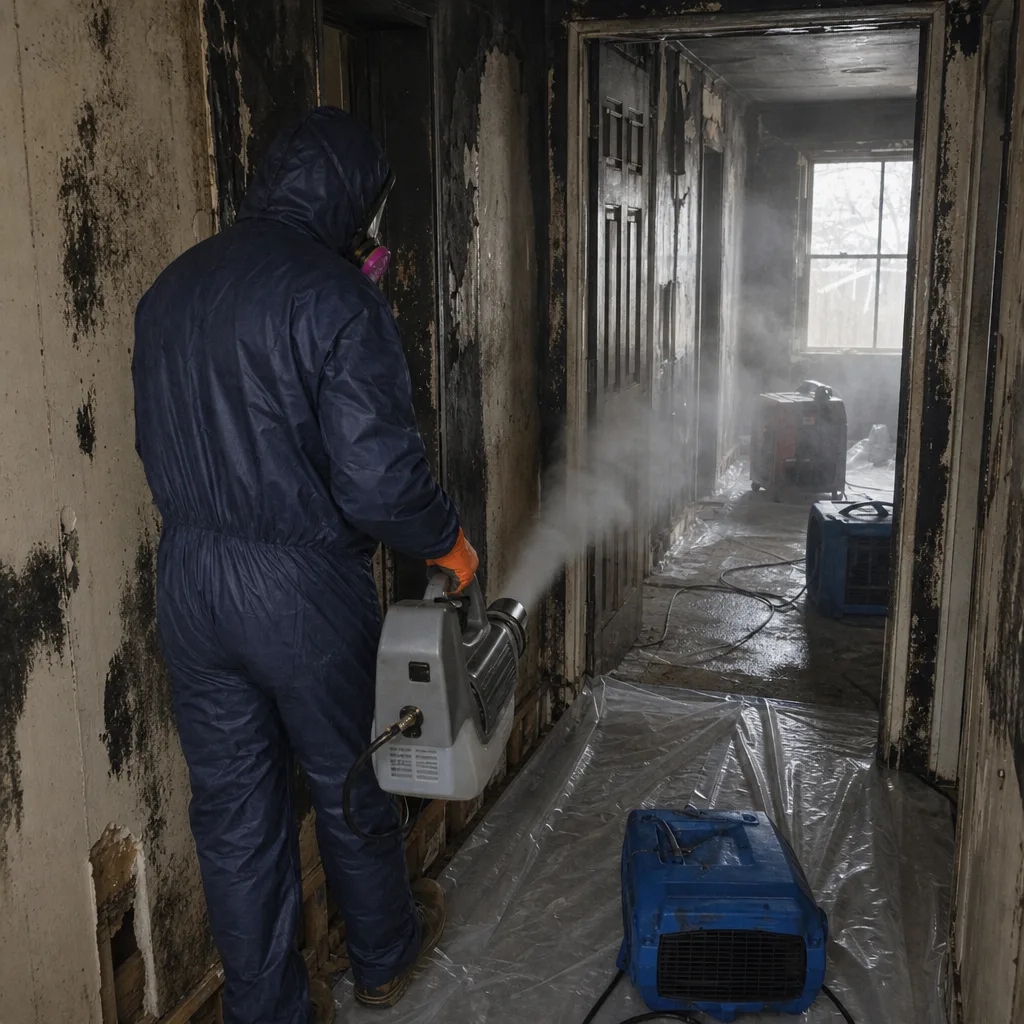
HEPA air scrubbing runs throughout the job. Contaminated surfaces are treated with appropriate antimicrobial products, and affected drywall, insulation, or carpet is removed and bagged on site.
Chloride-Aware Specialty Treatment
In Financial District subgrade levels, we treat salts left behind by storm surge. Without this step, the masonry keeps pulling moisture from the air and mold returns within months even after a textbook job.
Repairs & Restoration
We rebuild what was removed: drywall, trim, flooring, and surface finishes. The job is done when clearance testing passes and the 90-Day Done Right Promise is in your hands in writing.
Need Emergency Mold Remediation in Financial District Now?
Crews minutes away, answering live 24 hours a day. The sooner we start, the less it costs.
Working With Your Insurance Company
Mold claims in Financial District are rarely simple. Carriers want to see that moisture source was addressed, that containment was proper, and that drying reached industry standards before any reconstruction was billed. That’s why we document from the first hour. Photo records room by room, moisture readings with date and time stamps, a line-item scope of work using standard industry estimating software, and direct adjuster communication. We speak their language because we’ve worked these claims in FiDi buildings where the adjuster has never seen below-grade conditions on landfill and doesn’t understand why this job needs chloride treatment instead of a standard freshwater protocol. Our documentation explains it in terms the carrier accepts.
What We Provide Your Insurer
- Thorough documentation of the loss
- Photos of all damage, room by room
- Moisture readings and drying logs
- A detailed, line-item scope of work
- Direct coordination with your carrier
Built for Financial District’s Loss Calendar
Financial District doesn’t have one mold season. It has several, and they follow the water. Winter brings heating season condensation in poorly insulated pre-war walls and the occasional frozen supply line in a building where the riser runs through an unheated mechanical chase. Spring thaw and heavy rain expose chronic seepage in subgrade levels where landfill groundwater has nowhere to drain. Summer thunderstorms overwhelm the district’s combined sewer infrastructure, sending Category 3 water into basements and vaults that were never designed to dry quickly. And of course there’s hurricane season, which for this neighborhood isn’t an abstraction. Since 2012, every owner of a below-grade space in FiDi thinks about surge differently because they’ve either dealt with saltwater intrusion or know someone who has.
Each of these events leaves behind a different moisture signature, and each requires a different drying strategy. A January condensation problem doesn’t need the same protocol as an August sewage backup. We’ve done enough Financial District mold jobs to know which one you’re looking at within the first twenty minutes on site.
Mold Remediation Across Financial District’s Neighborhoods
The Financial District is compact, but the building stock changes block by block, and so does the nature of the water problems. Along the Pearl Street corridor east of the original shoreline, the ground is pure landfill with poor drainage, and subgrade mechanical rooms here run chronic humidity even without a storm. Buildings on Stone Street and the surrounding historic district are pre-war masonry with thick party walls that wick moisture laterally, allowing a neighboring unit’s leak to become your mold problem months later. The luxury residential conversions clustered near Broad Street and Exchange Place tend to have deeply buried mechanical plants, sometimes three or four levels down, where the concrete never fully dries and the air handler pulls must through the risers. And in the newer towers along West Street facing the Hudson, wind-driven rain enters through facade gaps during winter nor’easters, wetting insulation that sits hidden until black mold appears on the ceiling below.
All of it is Financial District mold. None of it responds to a generic city-wide treatment plan.
Specialized Mold Remediation Services We Offer in Financial District
Mold Inspection & Testing
Before any remediation, we need to know what we’re dealing with and where it started. In Financial District buildings, that means moisture mapping to trace the source, often through concrete and brick that looks perfectly dry. We take air and surface samples when needed, send them to a third-party lab, and tell you exactly what species is present and what it means. A musty odor in a Pearl Street tower basement with no visible mold is usually hiding inside wall cavities, and we find it with thermal imaging and borescope inspection, not guesswork.
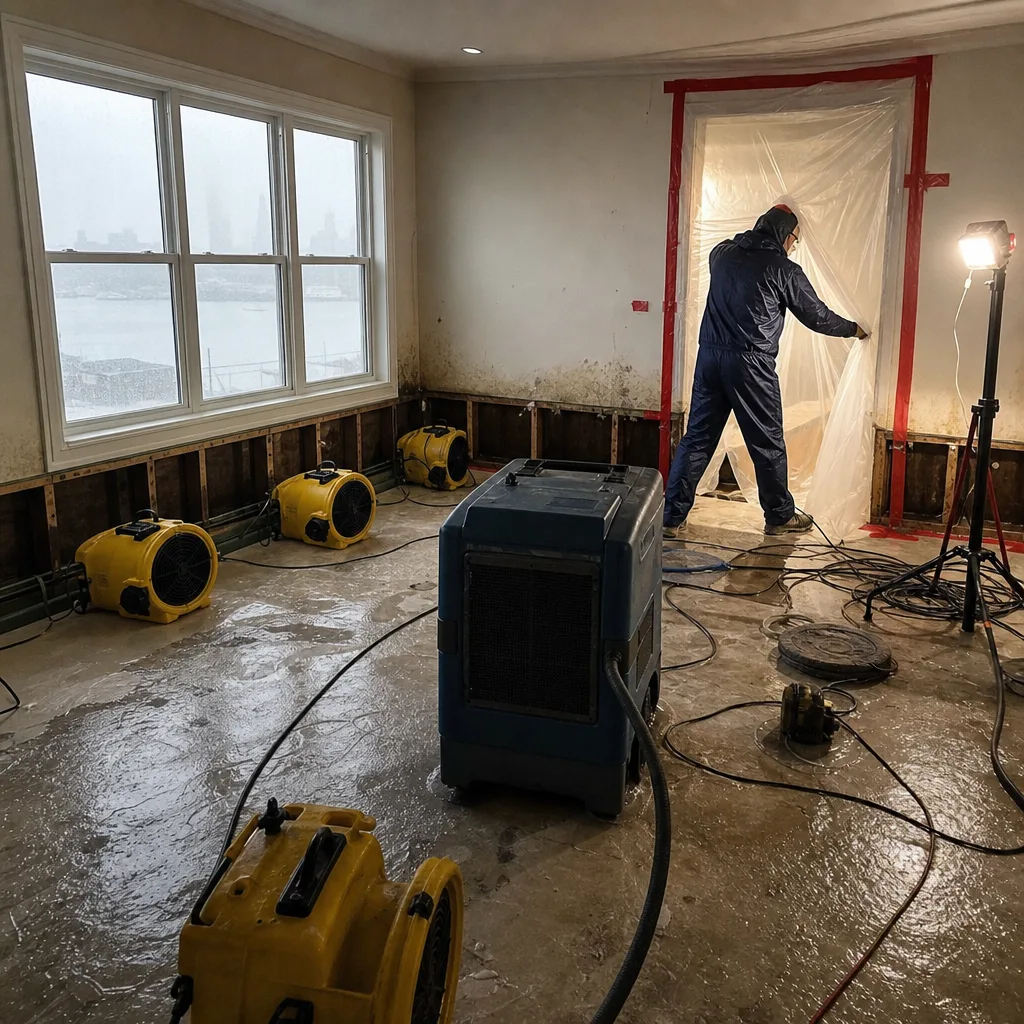
Mold Removal
Mold removal in Financial District properties means removing affected material, not just killing surface growth. We cut out contaminated drywall, remove wet insulation, and bag it all on site under containment. In pre-war buildings, this often means preserving original plaster where possible and understanding how to work around old wiring and plumbing that no schematic fully documents. The goal is a clean interior cavity, not a painted-over problem.
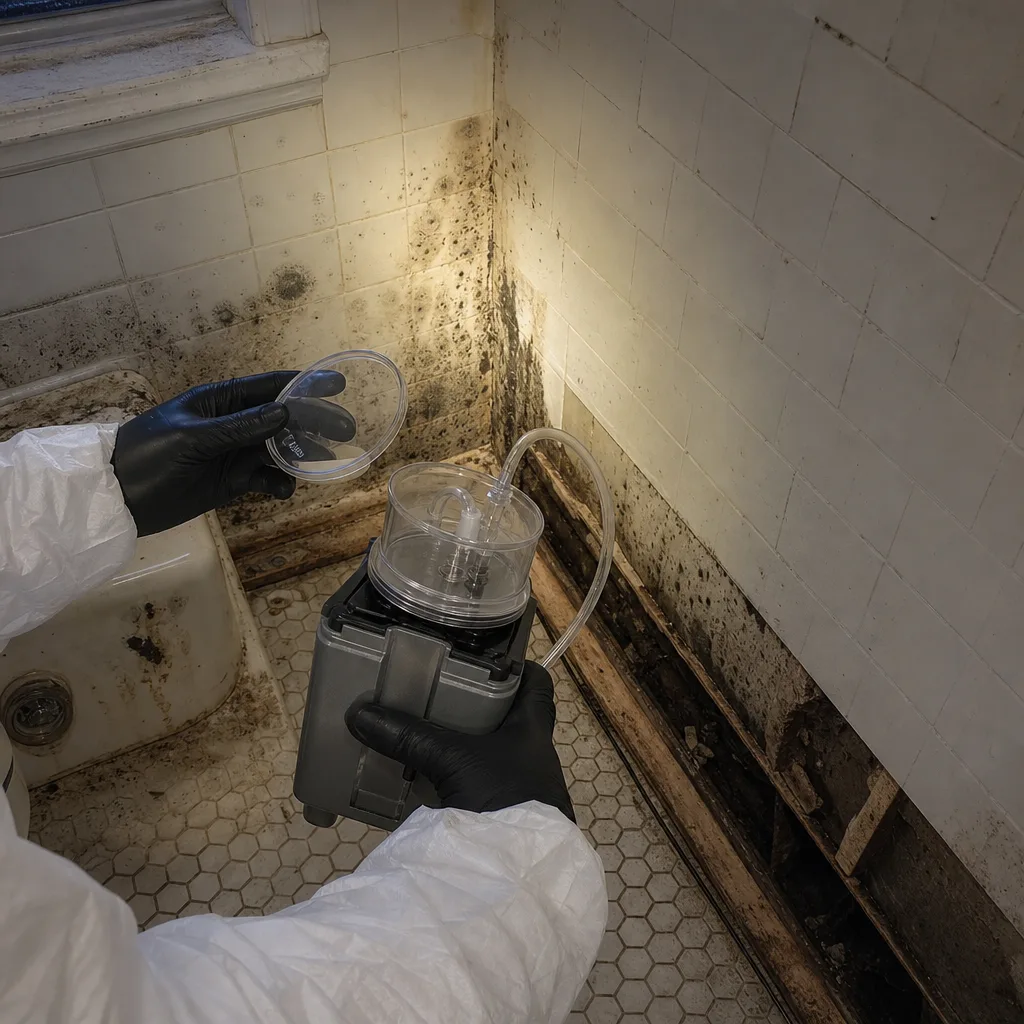
Black Mold Remediation
Black mold, most commonly Stachybotrys chartarum, needs constant moisture and cellulose to thrive. In FiDi basements and mechanical rooms, the moisture source is often chronic seepage or a decades-old salt problem, and the cellulose is drywall paper, wood framing, or ceiling tiles. Full containment, HEPA air scrubbing, proper removal, and a moisture correction plan that addresses the actual source. We don’t treat black mold like ordinary mildew.
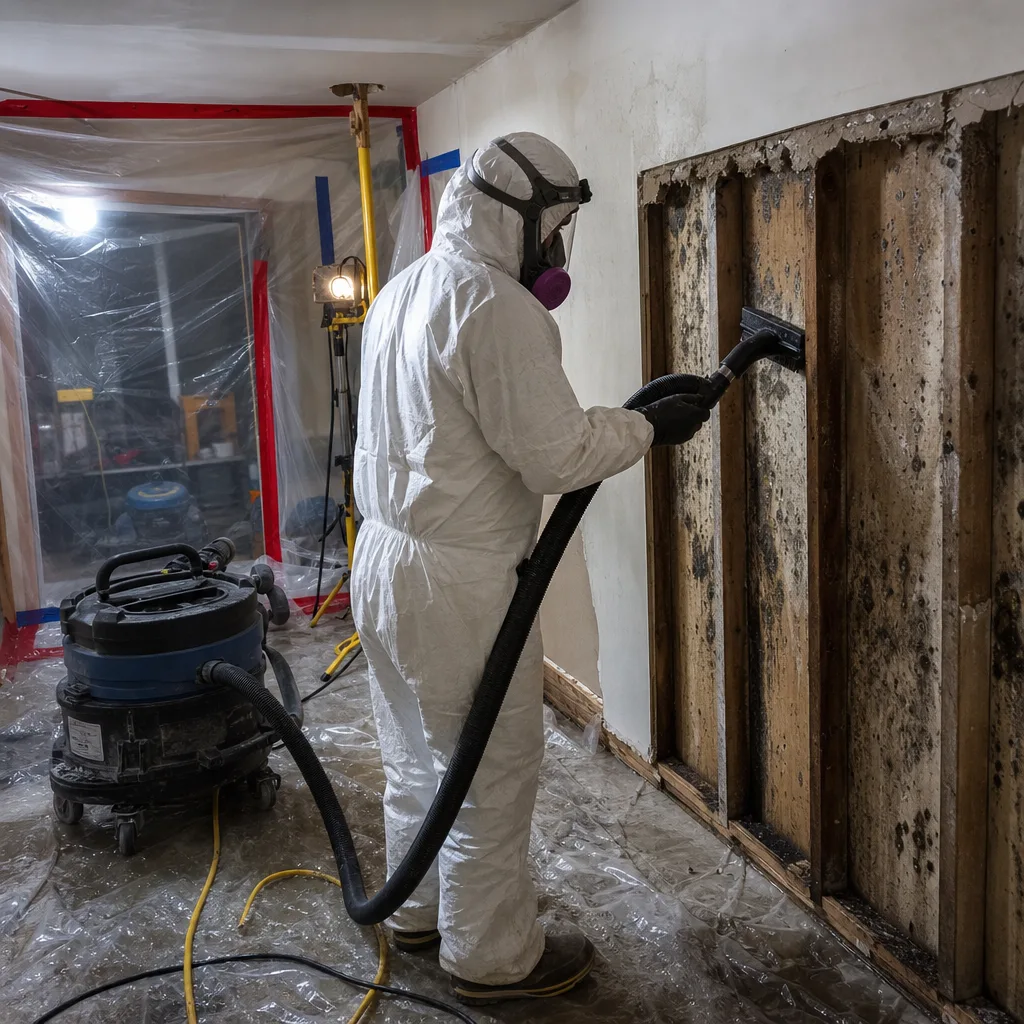
Air Quality Restoration
After a mold job, the air in the affected space needs to be cleaner than it was before the problem started. We run HEPA air scrubbers throughout remediation, then perform post-remediation clearance testing to confirm spore counts have returned to normal background levels for the building type. In converted office buildings with shared mechanical systems, we also check whether the ductwork and air handlers are distributing mold spores to other floors. If they are, that’s part of the job.
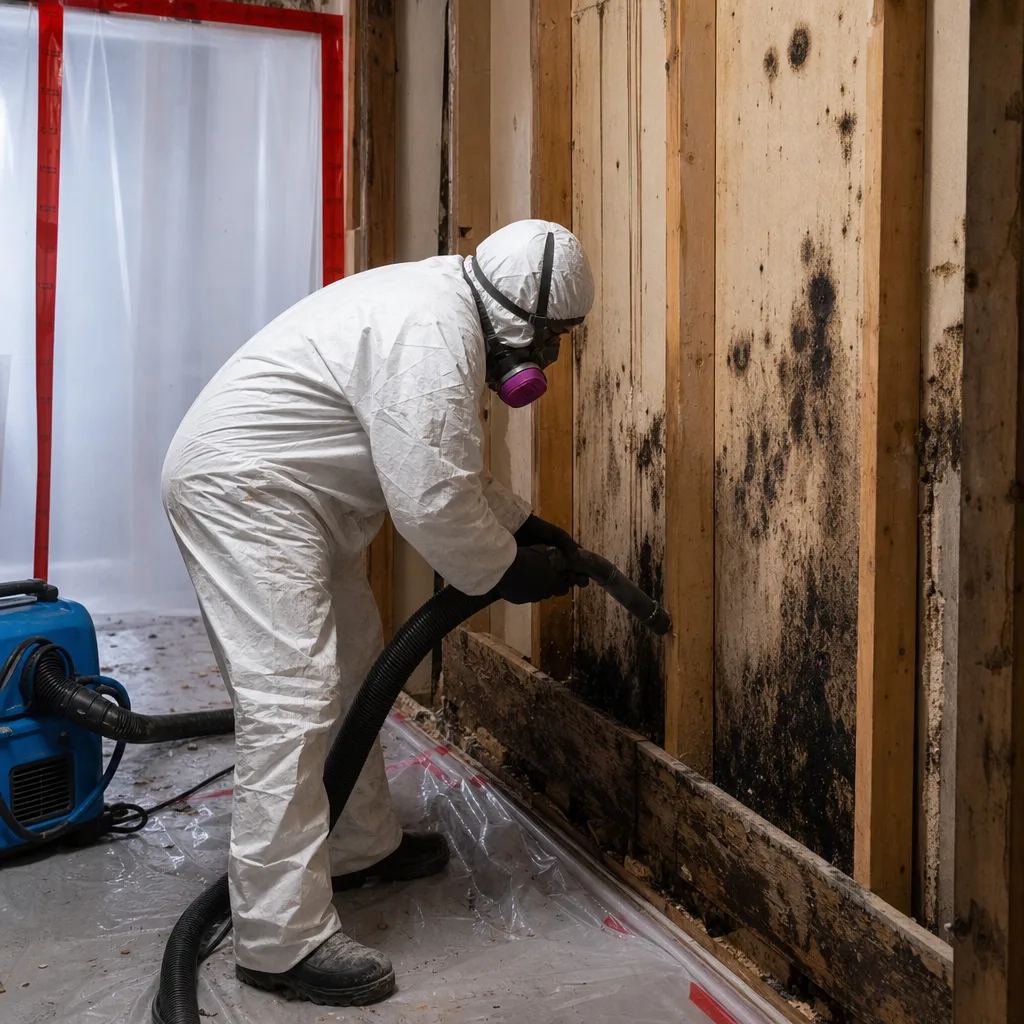
Crawl Space Treatment
Some older Financial District buildings have shallow crawl spaces or utility vaults that run damp year-round. We encapsulate where appropriate, install proper vapor barriers and drainage, and treat surfaces to prevent recurrence. In a district where the water table sits just feet below street level, crawl space moisture control isn’t optional. It’s the difference between a dry basement and a permanent musty smell in the lobby.
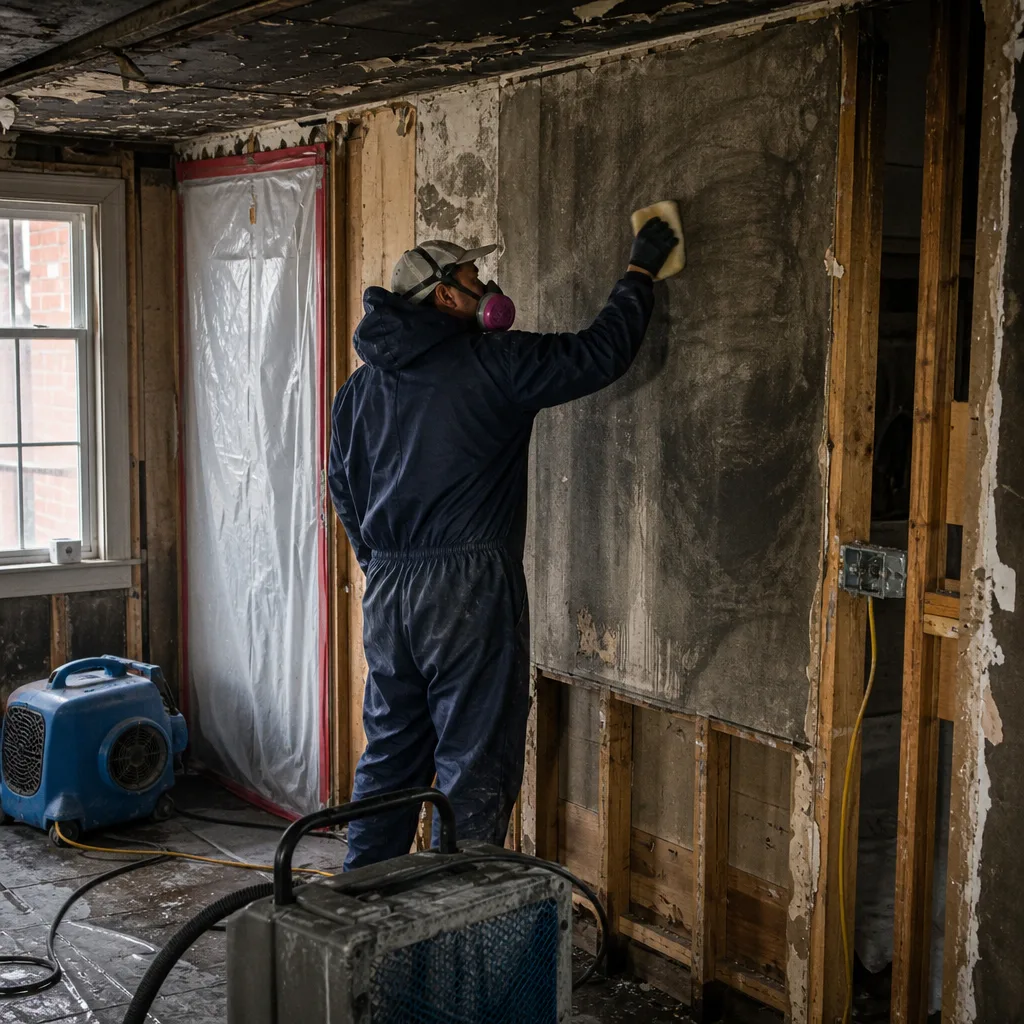
Moisture & Humidity Control
This is the part most remediation companies skip. We don’t. In Financial District, where buildings sit on landfill and below-grade spaces never fully dry on their own, ongoing dehumidification and moisture management is the long-term answer. We specify and install commercial dehumidifiers and humidity monitoring so your building manager or condo board has data, not anecdotes, when the musty smell returns next spring.
What happens when you call
- 1
A real person answersNo phone trees - you reach a local pro.
- 2
You get an upfront price rangeHonest numbers before anyone is dispatched.
- 3
A background-checked tech heads outLicensed & insured, dispatched right away.
- 4
You approve before work beginsNothing starts until you say go.
Mold Remediation Costs in Financial District, NY
A small, contained bathroom mold removal in a Financial District condo typically runs $1,800 to $3,200. A full basement or mechanical room remediation with containment, air scrubbing, material removal, and reconstruction ranges from $4,500 to $12,000. Chloride-aware treatment for subgrade spaces with historical salt contamination adds $800 to $2,500 depending on square footage because it requires specialty testing and extended drying protocols. When insurance is involved, most of this falls under a covered water loss if the moisture source was sudden and accidental. Chronic seepage or long-term humidity issues generally sit outside coverage. The free visual inspection tells you where your situation lands before you spend a dollar on remediation.
Call (640) 400-9404 and we’ll give you a written scope, not a guess. All our Financial District estimates are free, and a firm price is always agreed before work starts. No surprises on the bill.
We Also Serve Cities Near Financial District
Our crews serve all of Lower Manhattan and the surrounding boroughs. If you own property in Midland Beach, New Springville, Oakwood, or Travis – Chelsea, the same certified technicians and the same Financial District standards apply. We dispatch locally from our New York City office, and we answer the phone live at (640) 400-9404 no matter which neighborhood you’re calling from.
Serving Financial District, NY - Our Local Coverage Area
We’re based in the Financial District area and know this community well. Use the map below to see our service coverage - if you’re nearby, we can almost certainly help.
Financial District Mold Remediation Questions, Answered
How does salt from Hurricane Sandy still affect mold growth in Financial District basements?
Salt left behind by Sandy’s 2012 tidal surge is still wicking moisture through basement masonry today because it’s hygroscopic and pulls water from the air indefinitely. That’s why a mold job in a FiDi basement can look clean for six months, then bloom again. We test for chloride contamination before we close any subgrade job, and we treat it with protocols specific to marine-grade damage, not standard freshwater drying.
Do I need board approval for mold remediation in a FiDi condo or co-op?
Yes, and the process varies by building. In a converted pre-war co-op on Broad Street, your board or managing agent typically needs to approve any work that touches common elements: risers, demising walls, subgrade mechanical areas, and shared corridor containment. We’ve handled dozens of these approvals, and we keep communication with the board clear from day one. Ignoring this step risks a stop-work order that leaves containment up and spore counts rising. Call (640) 400-9404 and we’ll help you figure out what your building requires before we start.
What is Category 3 water, and why is it common in Financial District mold jobs?
Category 3 water is grossly contaminated, carrying pathogens, sewage, or heavy chemical pollutants. In Financial District, this comes from storm surge, sewer backups during heavy rain, and groundwater intrusion that has moved through landfill. Any porous material touched by Category 3 water, like drywall, carpet, or insulation, must be removed, not dried. Treating it as clean water is how you get mold that keeps coming back.
How do you handle mold in below-grade mechanical rooms surrounded by landfill groundwater?
Those rooms never dry on their own. Landfill groundwater sits against the foundation, and the concrete is permanently damp. We approach them differently than any above-grade space: chloride testing first, then aggressive dehumidification with commercial Phoenix and Dri-Eaz equipment, containment with air scrubbing, and often a permanent drainage and humidity control plan so the space stays dry after we leave. One of our crews recently worked a Pearl Street pre-war tower where the moisture source was Sandy salt residue still wicking through brick, a problem that no amount of standard drying would have solved. We tested, removed the contaminated drywall, applied antimicrobial treatment, and kept daily drying logs until readings matched pre-loss condition.
The pre-war building on our block has an ongoing musty smell in the basement despite no recent flood. Is this mold?
Almost certainly, and it’s the most common call we get from Financial District co-op and condo boards. Pre-war masonry walls hold moisture for months, and when that moisture feeds a mold colony inside a wall cavity, you smell it long before you see it. We find it with thermal imaging, moisture mapping, and borescope inspection. The fix usually means opening the wall, removing the affected material, treating the cavity, and correcting whatever is keeping it wet. A visual inspection tells you what you’re dealing with.
How fast can you actually get to a Financial District property?
In most cases, within 45 minutes of your call. We’re not a national franchise routing you through a call center in another state. A live dispatcher at (640) 400-9404 confirms a local crew and a window, and the truck rolls from our New York City office directly into FiDi.
Will my insurance cover mold remediation in Financial District?
It depends on the source. If the mold came from a sudden and accidental covered water loss, like a burst pipe or storm surge entering through a damaged opening, remediation is typically covered. Chronic seepage, groundwater intrusion, and long-term humidity are usually not. We document everything and coordinate directly with your adjuster to maximize what your policy covers. For an exact answer on your situation, call (640) 400-9404 and we’ll walk through it.
What should I do in the first 30 minutes after finding mold?
Don’t disturb it. Don’t wipe it, spray it with bleach, or run a fan. Disturbing mold releases spores and spreads the problem. Close the door to the affected area if possible, shut off any HVAC that serves the space, and call us. The sooner containment goes up, the smaller the job stays.
We’re Floodline Restoration Co., and we’ve been handling water and mold damage in New York City’s oldest and most challenging buildings for years. The 90-Day Done Right Promise is in every scope we write, and we stand behind it. If you’ve got a musty smell in a FiDi basement, black mold in a converted condo, or a board breathing down your neck about air quality, call us at (640) 400-9404. A real person answers, and we’ll be there when we say.
Written by Curt Bowman, Owner at Floodline Restoration Co., serving New York City since 2010.