

Free visual inspection and a written scope of work before any mitigation begins - photos, moisture readings, and drying logs go in your claim file
The scope we write is the scope we bill. Anything new gets shown to you, in writing, before we touch it.


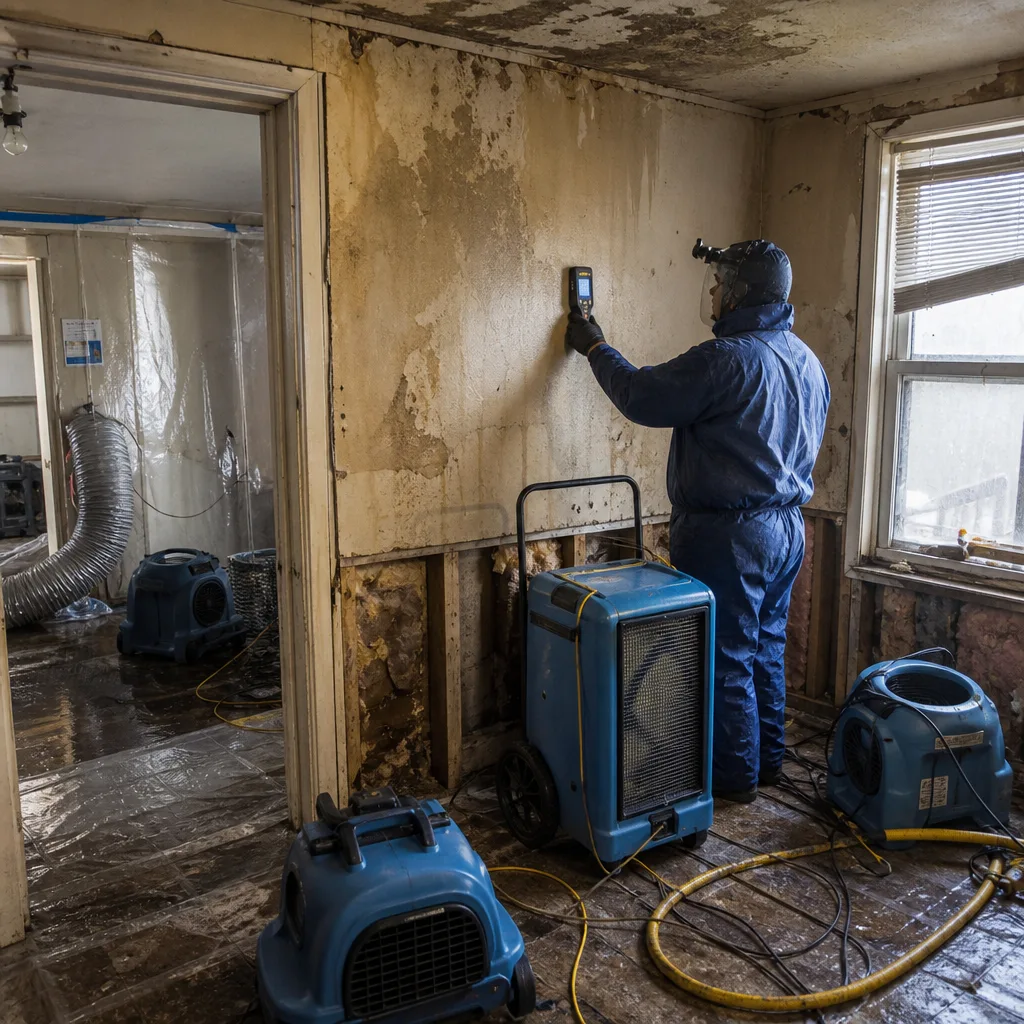 Before
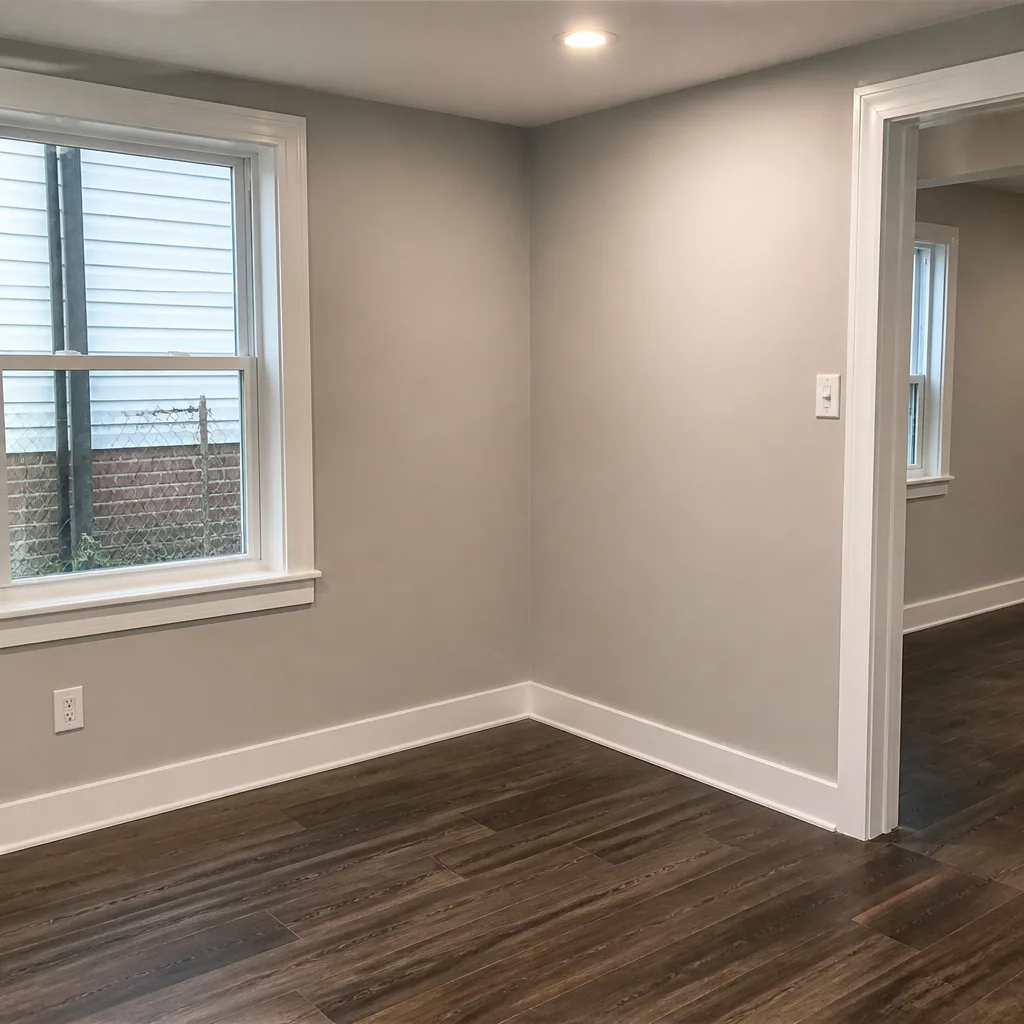 After
After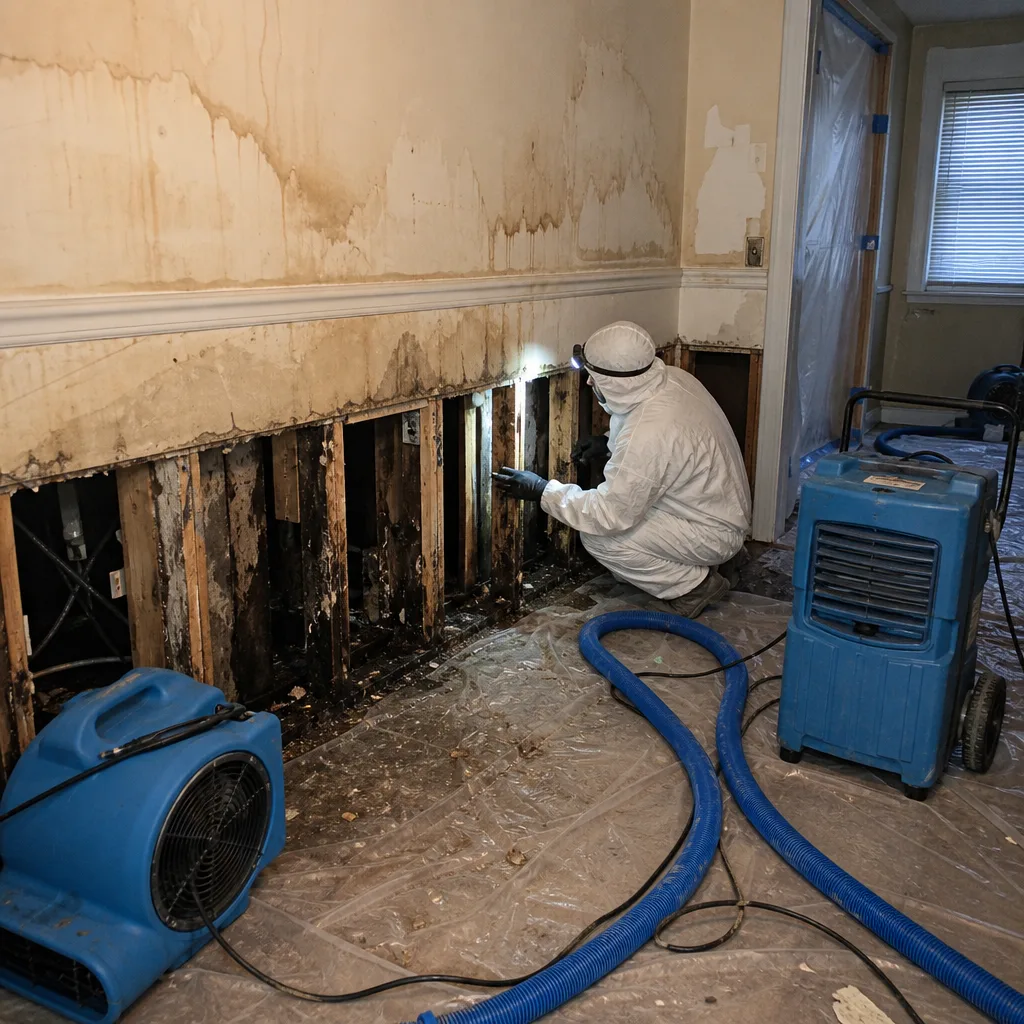 Before
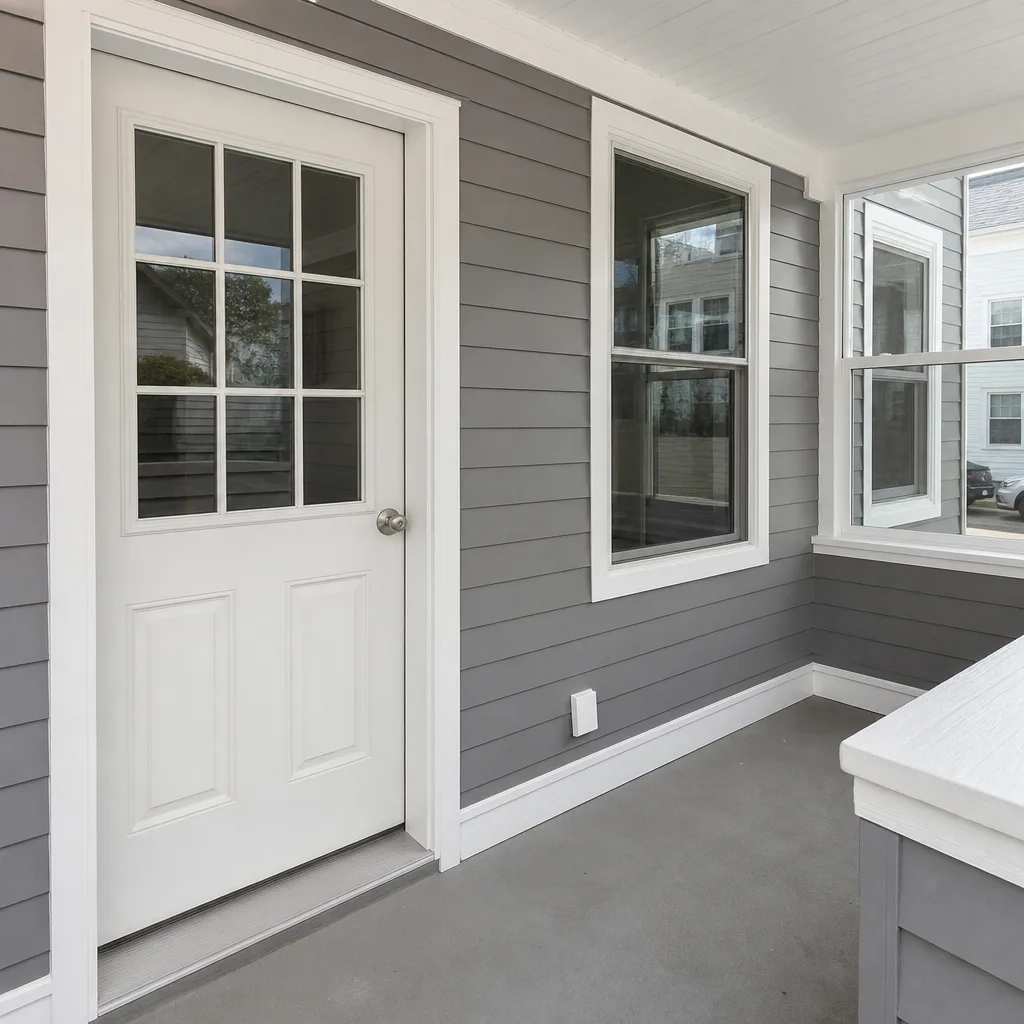 After
After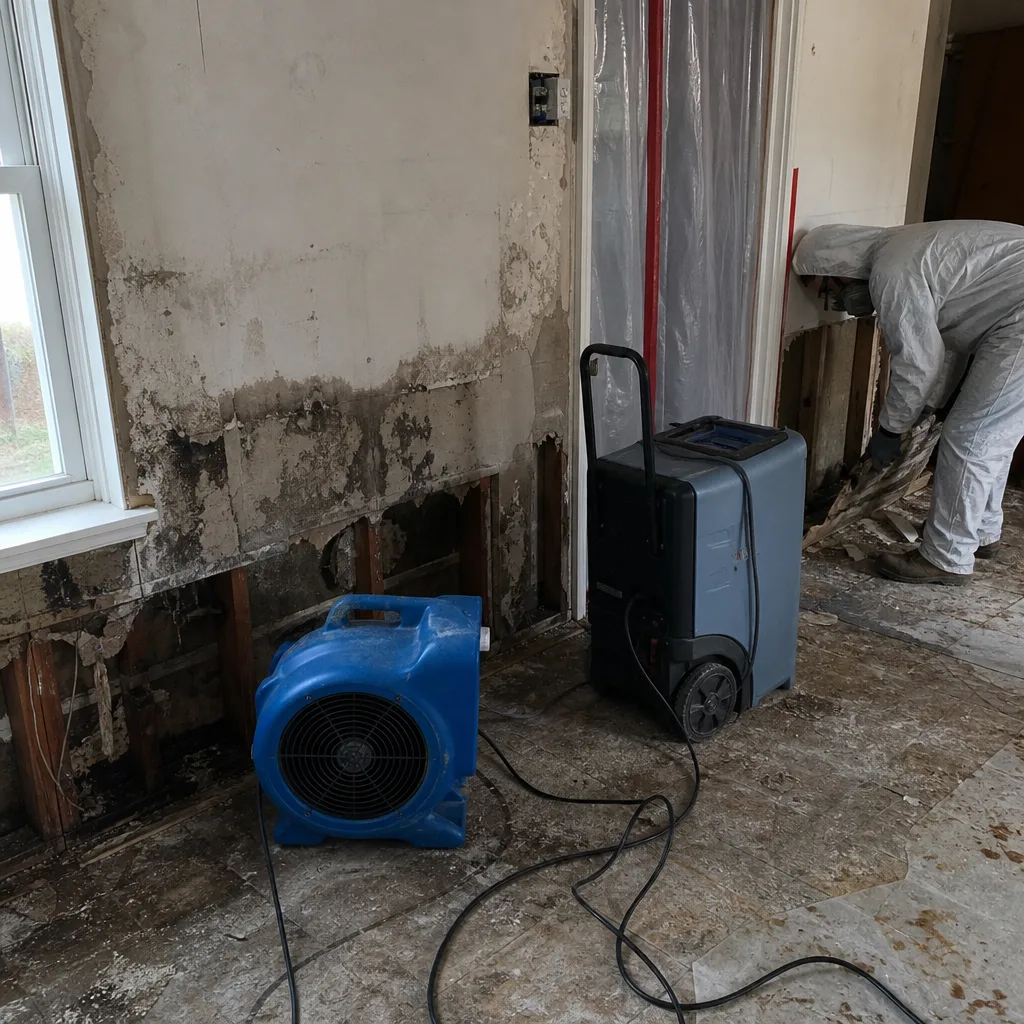 Before
 After
After24/7 Emergency Biohazard & Crime Scene Cleanup in Financial District
Biohazard and crime scene cleanup in the Financial District requires a crew that can get through a condo board, past a freight elevator, and into a below-grade space without wasting a minute. Our live dispatchers answer at (640) 400-9404 around the clock, every day of the year, and we dispatch certified technicians into FiDi the same hour you call. The first hour matters because blood, bodily fluids, and other biological material begin breaking down immediately, and in the Financial District’s low-lying basement spaces, that same material can wick into concrete and drywall that already carries salt residue from past storm surges. We start with a free visual inspection, set containment before anything else moves, and give you a written scope of work before a single bag leaves the building.
Understanding Biohazard & Crime Scene Cleanup Severity in Financial District Properties
Biohazard work in the Financial District is not the same job as biohazard work anywhere else in the five boroughs. Most of the district sits on historical landfill south of the original Pearl Street shoreline, and the water table is close enough to the surface that subgrade spaces stay humid even in dry weeks. When biological material soaks into concrete or gypsum in those conditions, the contamination spreads laterally through porous materials faster than it would in a dry suburban basement. We classify water-based biohazard by IICRC categories: Category 1 is clean water, Category 2 carries significant contamination, and Category 3 is grossly contaminated. In FiDi basement mechanical rooms and converted storage spaces, a blood or bodily fluid release can quickly behave like a Category 3 event because the surrounding materials are already compromised by salinity, chronic seepage, and airborne humidity. Our technicians run chloride testing and moisture mapping before we decide what gets cleaned, what gets cut out, and what needs antimicrobial treatment that will actually hold in a marine-adjacent building.
Why Financial District Property Owners Choose Floodline Restoration Co.
- 45-minute response commitment: When you call from a Financial District address, we commit to having a certified crew rolling toward your building within 45 minutes. For unattended death or blood cleanup, speed is a public health issue, not a scheduling convenience.
- Live answer, 24 hours a day: A real person picks up the phone at two in the morning. You will never reach an answering service or a recording when the call is about a trauma scene.
- IICRC-certified technicians: Our crews carry IICRC standards for trauma scene cleanup, water damage restoration, and applied microbial remediation. We train to RIA and IFA standards as well, and every technician is background-checked and uniformed.
- Free visual inspection: Before we quote anything, we walk the site and document what we see. You get a written scope and a line-item estimate, not a vague ballpark.
- Direct insurance billing: We bill your carrier directly, coordinate with your adjuster, and hand over the documentation they need. You are not the messenger between us and the insurance company.
- One team from start to finish: The same crew that sets containment and removes contaminated material is the crew that dries, sanitizes, and rebuilds. Nobody hands your job off to a subcontractor you never approved, and we stand behind it with the 90-Day Done Right Promise in writing.
Our Biohazard & Crime Scene Cleanup Process
Inspection & Assessment
We start with moisture mapping, chloride testing where the space sits on landfill, and a visual walk of the affected area. In Financial District buildings, this often means coordinating with building management or a co-op board before we even open a service door, so we handle that communication for you.
Containment & Stabilization
We set up HEPA-filtered negative air containment so nothing moves from the affected space into occupied floors or hallways. In a converted office building with central HVAC, that means sealing returns and running air scrubbers before disturbing any contaminated material.
Removal of Contaminated Material
Blood, bodily fluids, and porous materials that cannot be fully decontaminated are removed under containment and double-bagged as regulated medical waste. Non-porous surfaces get cleaned, not replaced, when testing shows they can be saved.
Drying & Dehumidification
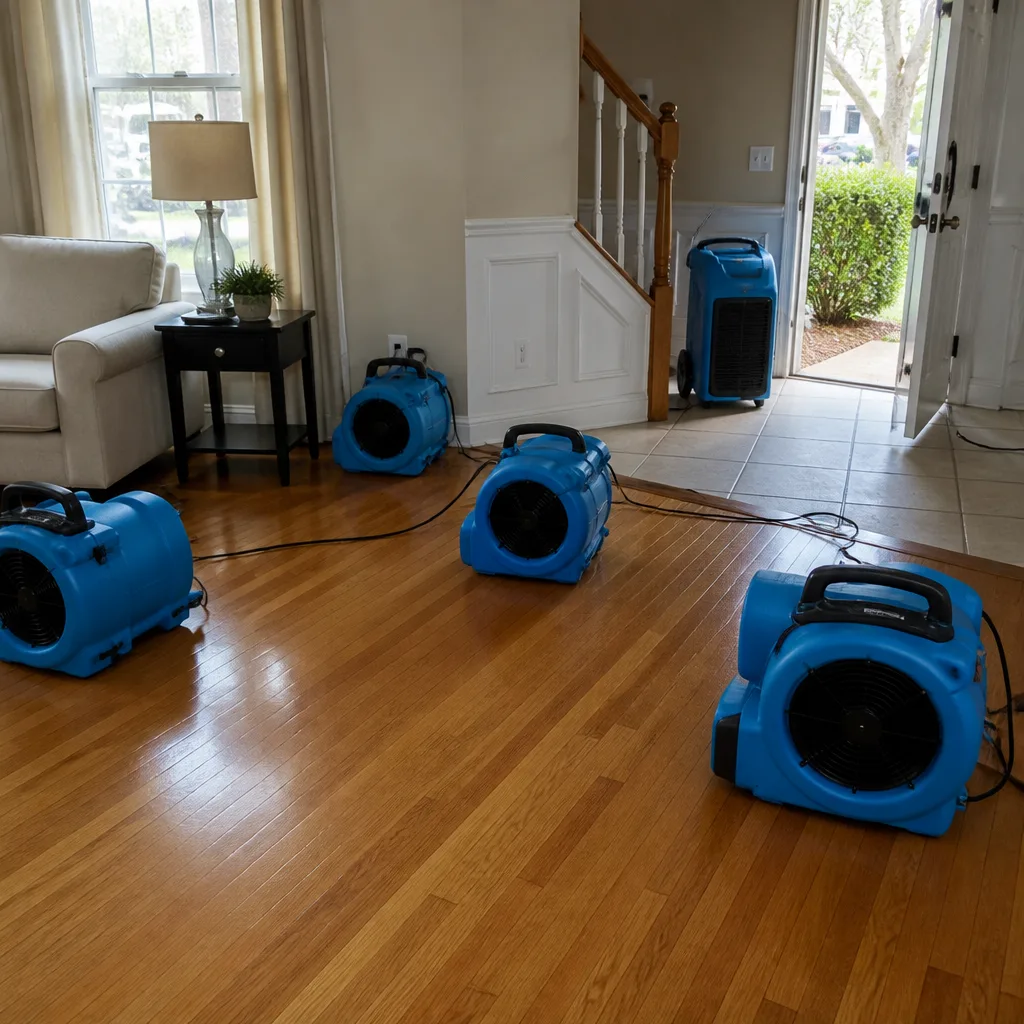
In FiDi’s subgrade spaces, we run professional-grade dehumidifiers and air movers from Dri-Eaz and Phoenix until the moisture readings reach dry standard. This step is what prevents a cleaned unit from rebounding with mold two months later.
Cleaning & Antimicrobial Treatment
We apply hospital-grade disinfectants and antimicrobial agents rated for the specific contamination we found. In spaces with chloride contamination from past floodwater, we treat for that chemistry first so the antimicrobial actually bonds.
Repairs & Restoration
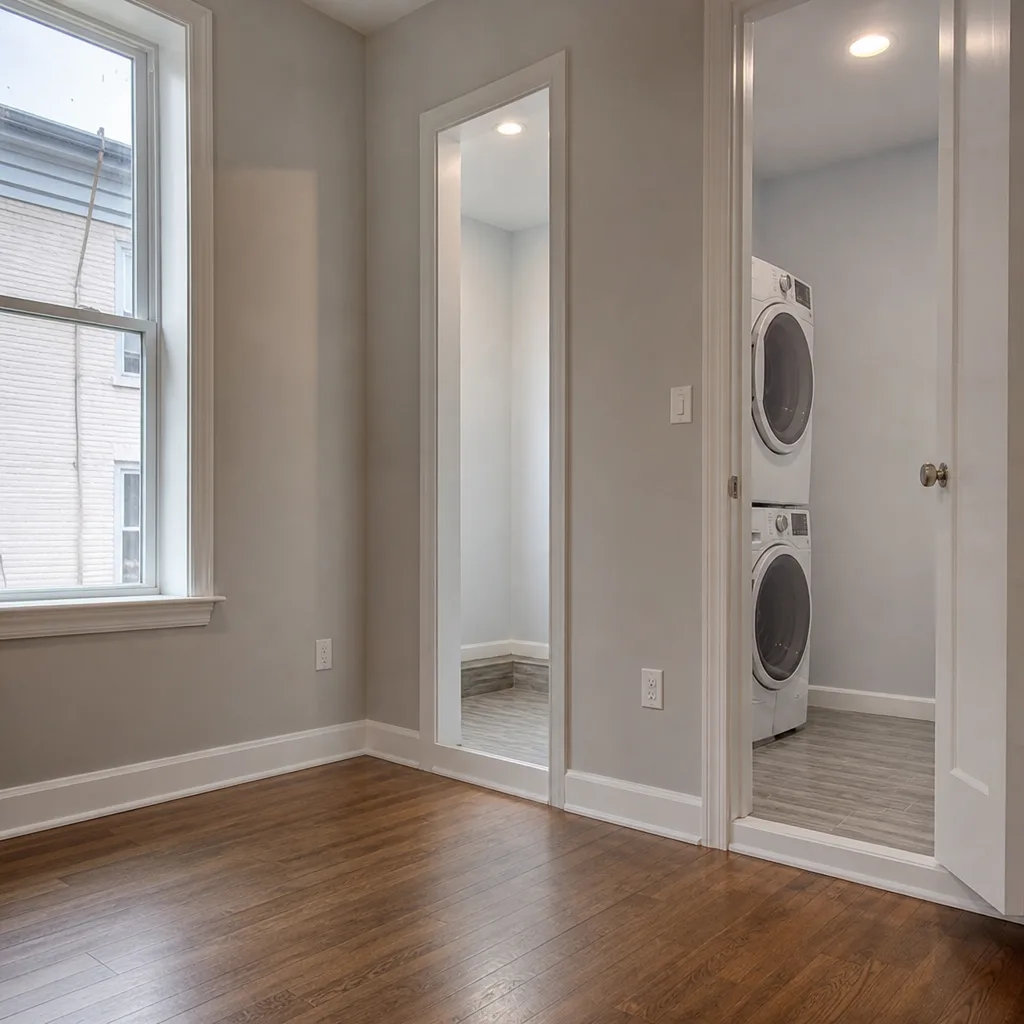
Any drywall, flooring, or trim we removed gets rebuilt by the same Floodline crew. We hand you the written scope, the drying logs, and the clearance documentation, and the 90-Day Done Right Promise stays in effect after we leave.
Need Emergency Biohazard & Crime Scene Cleanup in Financial District Now?
Crews minutes away, answering live 24 hours a day. The sooner we start, the less it costs.
Working With Your Insurance Company
Most biohazard and crime scene cleanup claims in the Financial District are covered under homeowner or condo policies, and we have handled enough of them on Water Street, Pearl Street, and South Street to know exactly what carriers ask for. From the first hour, we photograph everything, log moisture readings, and build a line-item scope that matches the loss. We talk to your adjuster directly, send documentation straight to the carrier, and bill them for covered work. You stay out of the middle of it. That matters in a converted condo or co-op where the board’s insurance and your unit policy may both come into play. We sort out which policy covers what before any work begins, so you are not chasing reimbursements later.
What We Provide Your Insurer
- Thorough documentation of the loss
- Photos of all damage, room by room
- Moisture readings and drying logs
- A detailed, line-item scope of work
- Direct coordination with your carrier
Built for Financial District’s Loss Calendar
Biohazard and trauma scenes do not keep a weather schedule, but the Financial District’s building calendar does. Nor’easter season runs from late fall through early spring and pushes tidal water into the same below-grade spaces where mechanical rooms and storage units sit. Summer brings heat and humidity that accelerate decomposition and make subgrade spaces sweat, which is exactly when unattended deaths and tenant health emergencies spike. Condo conversions and co-op buildings run on board vote cycles, which means access permissions can take longer in some months than others. We know which buildings on Broad Street, Exchange Place, and Battery Place have freight elevator restrictions, which require a certificate of insurance on file before a vendor steps through the door, and which management offices process after-hours access quickly. That local knowledge is part of why a call to our Biohazard & Crime Scene Cleanup team turns into actual work faster than an out-of-town franchise could manage.
Biohazard & Crime Scene Cleanup Across Financial District’s Neighborhoods
The Financial District is not one flat grid. The old commercial core around Wall Street and Broad Street runs on pre-war masonry towers with elevators, loading docks, and union building staff. The residential conversions concentrated near Water Street and South Street sit on the landfill side of Pearl Street, which puts them closest to the water table and the storm surge exposure that shapes how we test and treat every below-grade job. The Stone Street corridor mixes narrow 19th-century buildings with tight service stairs, and nobody gets a dump cart through those doorways without planning. Up by City Hall and the Federal Reserve, we work around security perimeters and scheduled access windows. Over near Battery Park, residential towers date from multiple eras, and the older ones have basement mechanical rooms that flood on a king tide. Each pocket of the Financial District has its own access rules, its own building materials, and its own moisture history, and we plan every job around the building, not just the room.
When we serve Financial District properties, the dispatch board shows the specific building, the freight entrance, and the contact who opens the door. That is the difference between a crew standing at the service entrance waiting for a property manager and a crew that is already setting containment.
Specialized Biohazard & Crime Scene Cleanup Services We Offer in Financial District
Trauma & Unattended Death Cleanup
We handle unattended deaths in FiDi apartments, basement storage units, and office conversions with the same methodical care: contain the space, remove the biological material, dry to standard, and restore the unit. The Water Street job our crew handled recently involved an unattended death in a basement storage unit on landfill south of Pearl Street. Before any pack-out, we ran moisture mapping because the subgrade carried chronic seepage. The readings showed Category 3 water wicking up from a prior surge event, not just the biohazard we were called to clean. We set containment, ran air movers and dehumidifiers, and documented everything in drying logs the co-op board could review line by line.
Blood & Bodily Fluid Cleanup
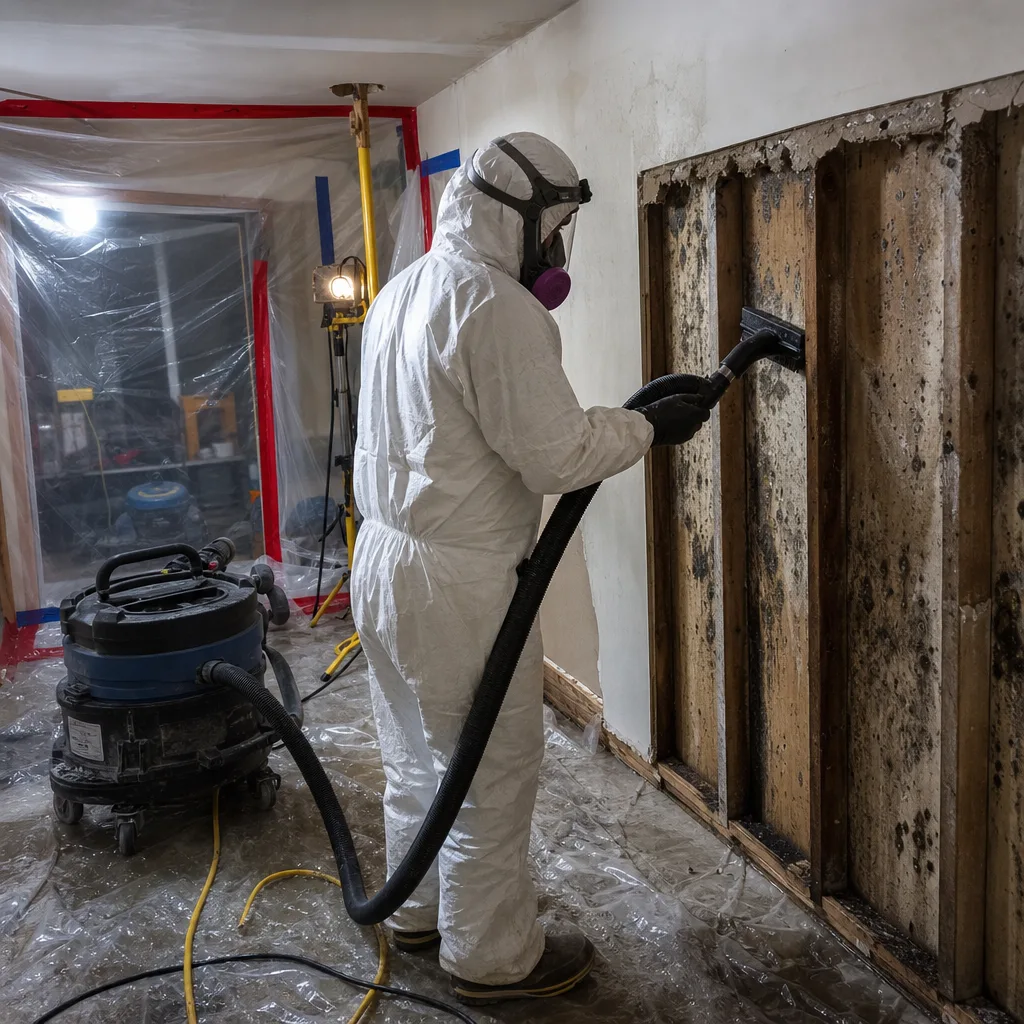
Bloodborne pathogen cleanup follows strict OSHA rules for handling, disposal, and surface decontamination. In a Financial District unit with tile over concrete, the blood usually sits on top and can be fully removed. In a pre-war building with wood subfloors, blood and fluids penetrate down and require removal of the affected material. We test before we decide, and the written scope shows exactly what we removed and why.
Infectious Disease Disinfection
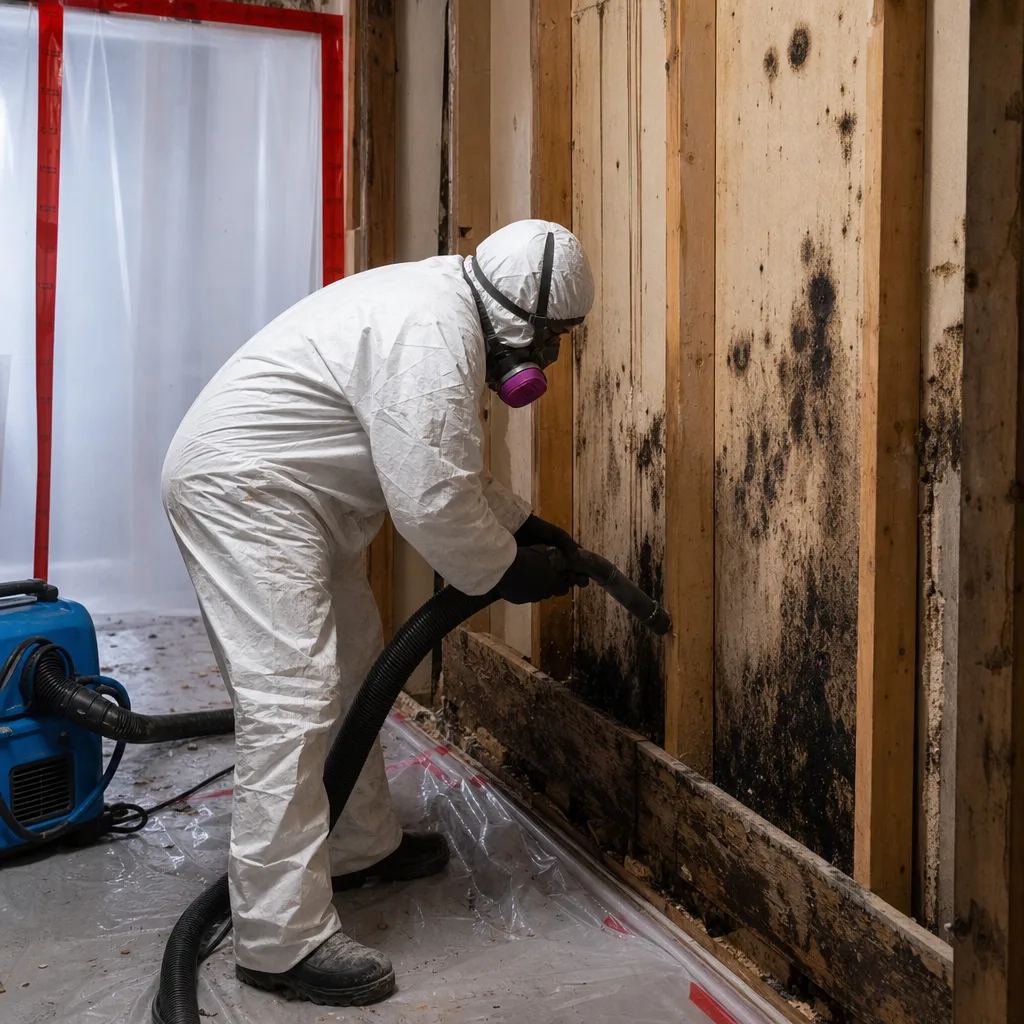
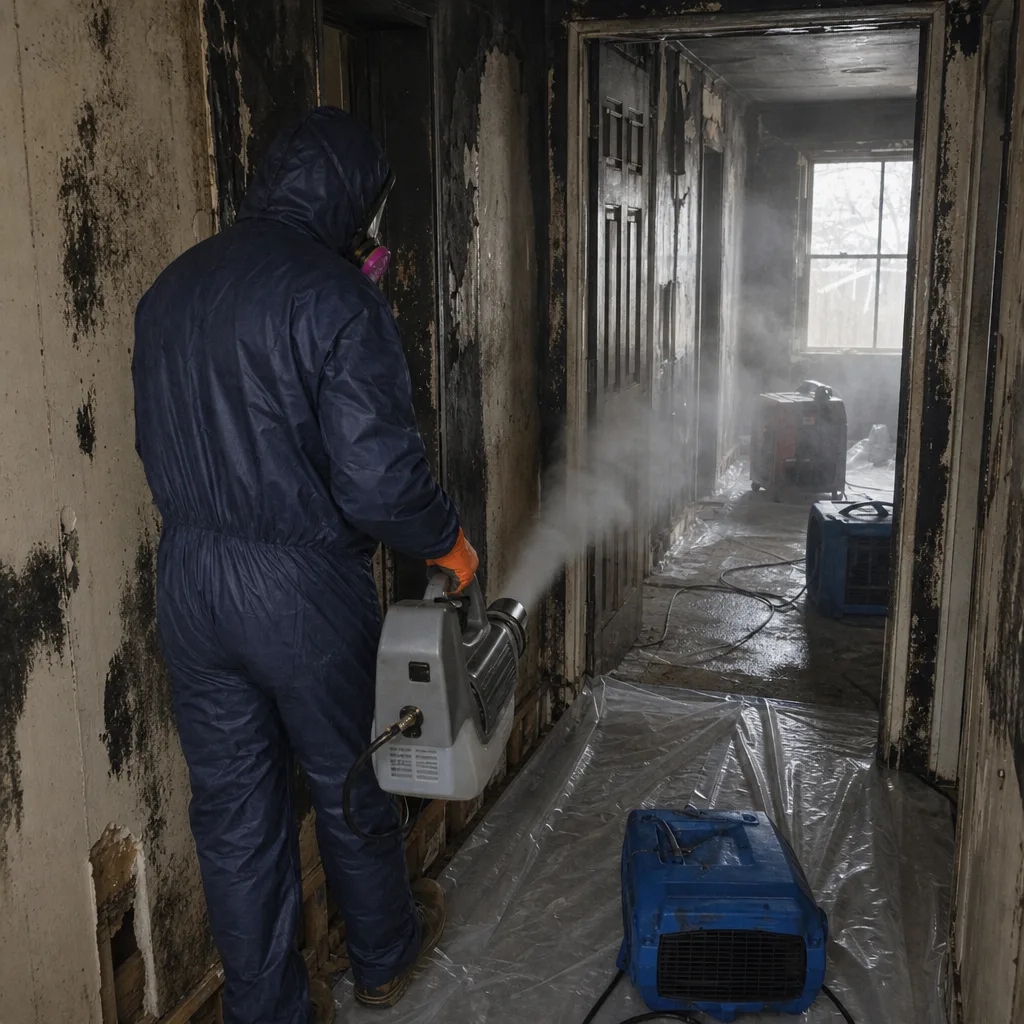
When a building on Maiden Lane or Pine Street asks for infectious disease disinfection, we go beyond wiping surfaces. We set containment where needed, run HEPA air scrubbers, fog and treat high-touch and occupied areas according to the pathogen involved, and provide a written clearance summary. In luxury residential towers with shared HVAC, we coordinate with building engineers to avoid cross-contaminating other floors during treatment.
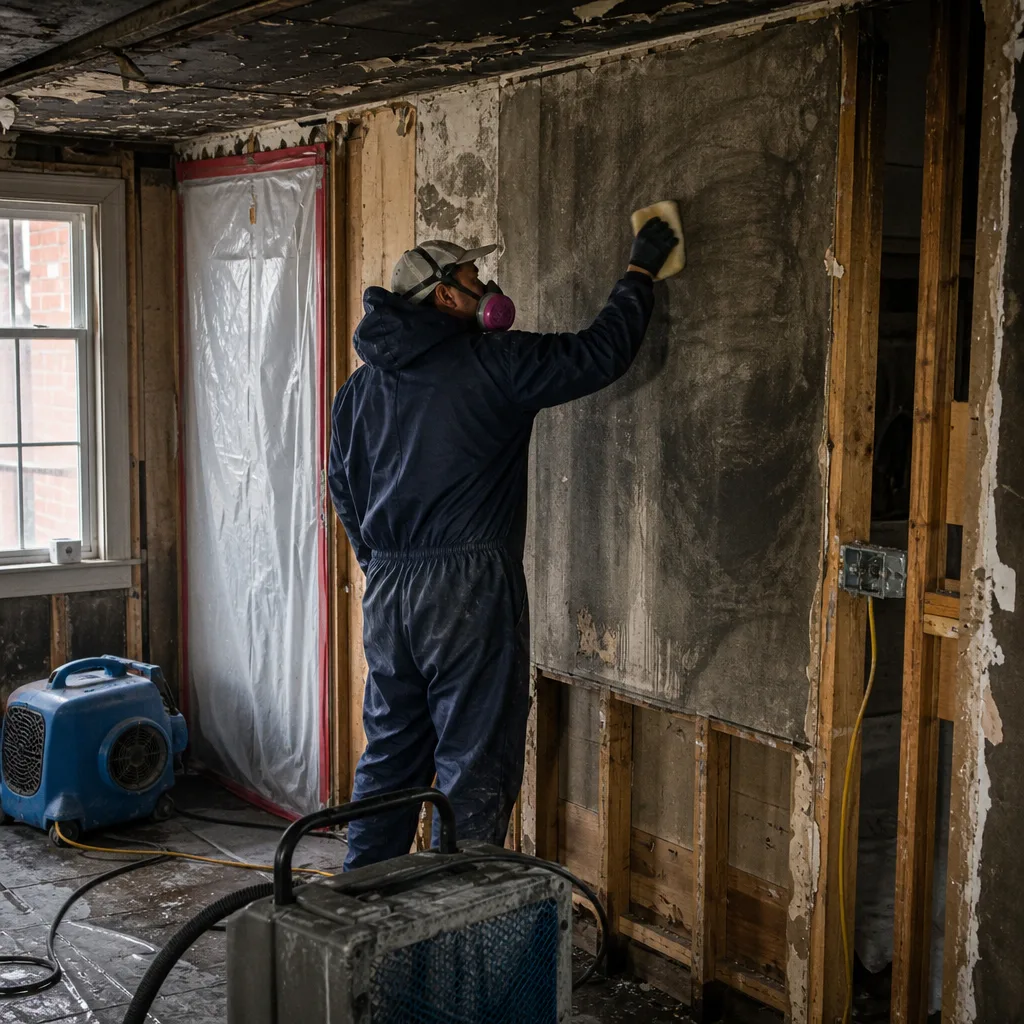
Hoarding Cleanup
Hoarding cleanup in the Financial District often involves a unit inside a converted office building with no exterior access for debris. We work with the board and property manager to route the pack-out through freight elevators, secure disposal, and schedule the work to minimize impact on neighbors. The written scope keeps everyone aligned on what stays and what goes.
What happens when you call
- 1
A real person answersNo phone trees - you reach a local pro.
- 2
You get an upfront price rangeHonest numbers before anyone is dispatched.
- 3
A background-checked tech heads outLicensed & insured, dispatched right away.
- 4
You approve before work beginsNothing starts until you say go.
Biohazard & Crime Scene Cleanup Costs in Financial District, NY
In the Financial District, trauma and unattended death cleanup typically runs $2,500 to $7,500 for a contained single-unit job with no structural rebuild. Blood and bodily fluid cleanup in a small apartment or office usually lands between $1,200 and $3,800. Infectious disease disinfection for a single residential unit runs $800 to $2,500 depending on square footage and whether we need containment. Hoarding cleanup starts around $3,000 and rises with volume, access difficulty, and whether structural damage exists underneath the debris. What moves the price in FiDi is access: freight elevator bookings, board-required insurance certificates, and tight service corridors that slow the pack-out. Insurance often covers the cleanup portion, and we will confirm coverage and bill your carrier directly before work starts. The free visual inspection gives you a firm number, not a range that shifts after we start. Call (640) 400-9404 for an exact quote, and we will have a crew there within 45 minutes.
We Also Serve Cities Near Financial District
Our crews regularly run from the Financial District out to Midland Beach, New Springville, Oakwood, and Travis – Chelsea. The same live dispatch, the same IICRC-certified technicians, and the same written guarantee apply no matter which side of the harbor the call comes from.
Serving Financial District, NY - Our Local Coverage Area
We’re based in the Financial District area and know this community well. Use the map below to see our service coverage - if you’re nearby, we can almost certainly help.
Financial District Biohazard & Crime Scene Cleanup Questions, Answered
How does your team handle biohazard cleanup in Financial District basements that flooded during Hurricane Sandy?
We test for chloride contamination before starting any biohazard cleanup in a FiDi basement with surge history. Salt left behind after Sandy seeps into concrete and drywall, where it keeps pulling moisture from the air and re-wetting materials long after the water receded. That salt can also interfere with antimicrobial treatments. We run chloride testing, map the moisture, and treat the salt problem as part of the biohazard scope, not an add-on. Call (640) 400-9404 and we will walk the space and explain what testing shows.
Do you need special access permissions for crime scene cleanup in a converted Financial District office building?
Yes. Converted office buildings in the Financial District require insurance certificates on file, freight elevator reservations, and often board or management approval before any vendor enters a unit. Our team handles those permissions for you, so you do not spend time running down a property manager while the scene sits untreated. Call (640) 400-9404 and we will start the access paperwork immediately.
What category of water is typically involved in a FiDi basement biohazard job?
Most FiDi basement biohazard jobs involve Category 3 water, which is grossly contaminated. Blood, bodily fluids, sewage, and standing water that has wicked through landfill-saturated concrete all fall into this category. The salt residue from prior storm surges can push what would be Category 2 water elsewhere into Category 3 territory here. Category 3 requires full containment, removal of affected porous materials, and antimicrobial treatment.
Can you prevent mold after an unattended death cleanup in a high-humidity Financial District subgrade space?
Yes, if the drying is done to standard. We run professional-grade dehumidifiers and air movers until moisture readings reach the dry standard for each material, and we log every reading. In FiDi’s subgrade spaces, where the water table and salt-damp walls keep humidity high, this step takes longer than in a dry suburban basement, but skipping or shortening it is how mold colonies start. Call (640) 400-9404 for an assessment of the space and what it will take to dry it properly.
Do you handle infectious disease disinfection in luxury residential buildings in the Financial District?
We do. Our crews disinfect under containment where the pathogen requires it, run HEPA air scrubbers, and coordinate with building engineers so shared HVAC systems do not spread anything across floors. We provide written clearance after treatment, and the same 90-Day Done Right Promise applies. Call (640) 400-9404 for a scope.
How fast can a crew actually get to my Financial District address?
From the time you call, we commit to having a certified crew dispatched within 45 minutes. Live dispatchers answer around the clock, and our scheduling board tracks every open job so the closest available crew in the Financial District is assigned immediately. Call (640) 400-9404 and you will speak to a person who can dispatch right now.
Will my insurance cover biohazard cleanup in a Financial District condo?
Most condo and co-op policies in New York include coverage for trauma and biohazard cleanup, but the exact details depend on whether the loss is in your unit or a common area. We review your policy, coordinate with your adjuster, and bill the carrier directly. For board-level claims, we work with the building’s insurance as well. Call (640) 400-9404 and we will help sort out coverage before work starts.
What should I do in the first 30 minutes after discovering a biohazard situation?
Do not enter the affected area. Do not turn on HVAC systems, and do not attempt to clean blood or bodily fluids yourself. If the building has a management office or super, notify them so they can shut off recirculation to the affected floors. Then call (640) 400-9404. Our dispatcher will walk you through what to do until the crew arrives, and we will coordinate with building staff from the first call.
Written by Curt Bowman, Owner at Floodline Restoration Co., serving Financial District and the surrounding New York City area.