
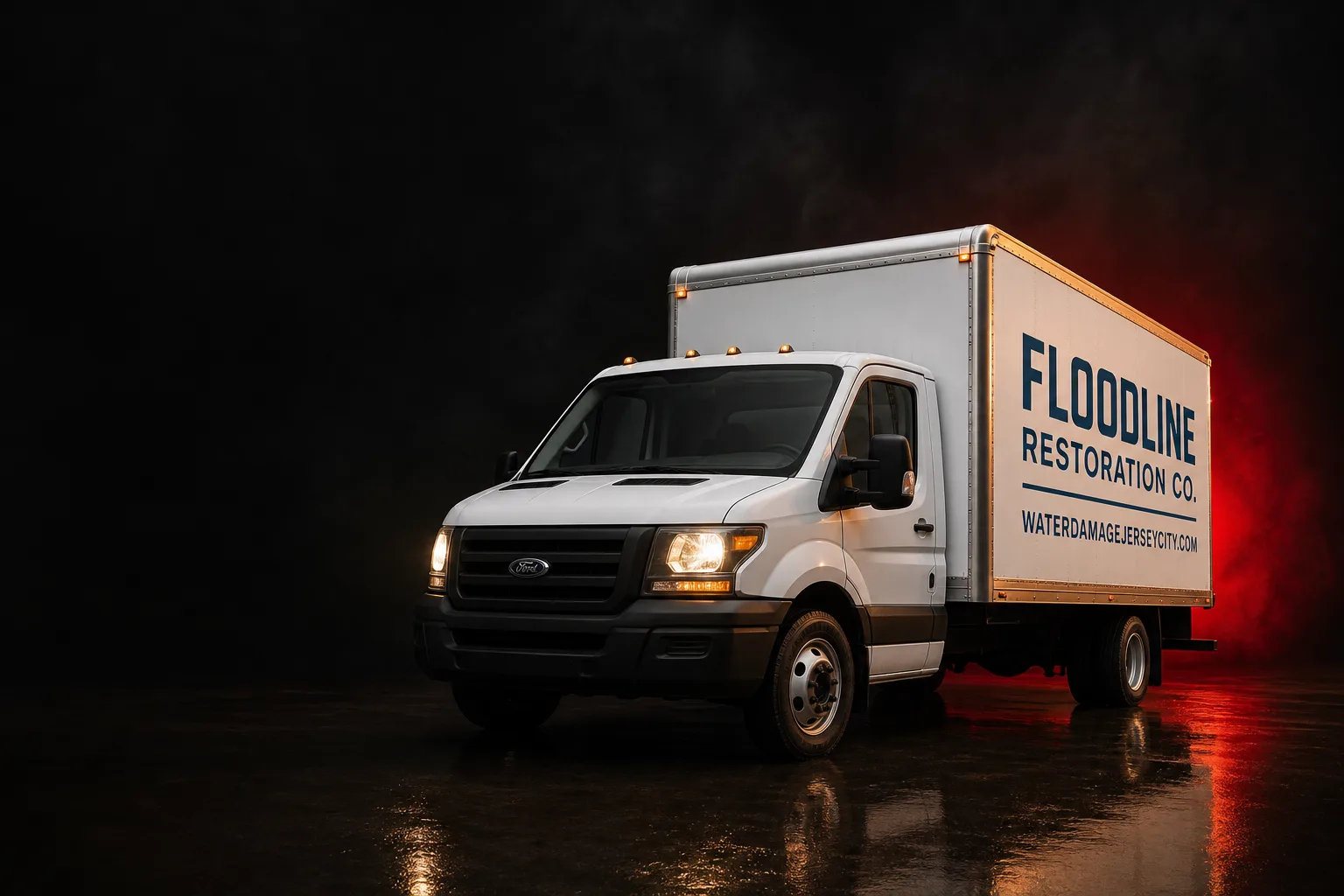
Free visual inspection and a written scope of work before any mitigation begins - photos, moisture readings, and drying logs go in your claim file
The scope we write is the scope we bill. Anything new gets shown to you, in writing, before we touch it.
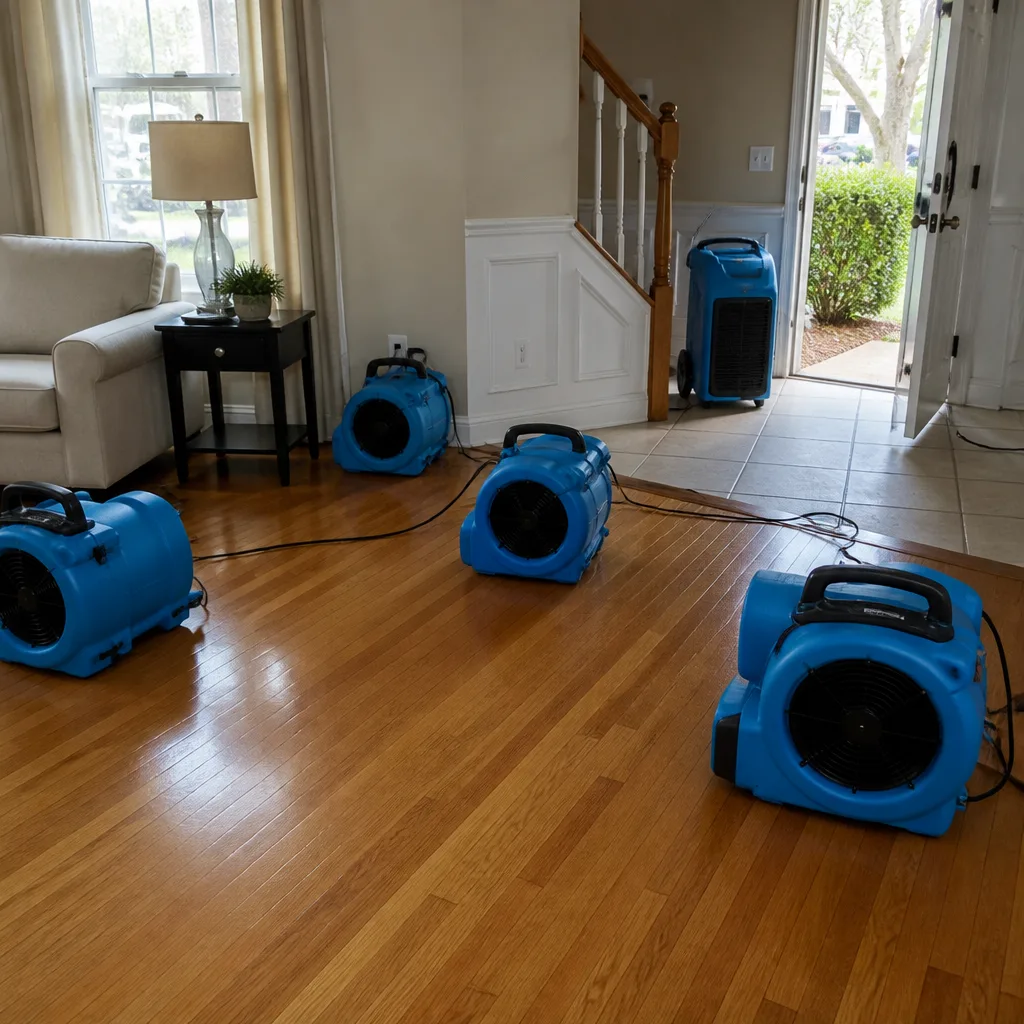
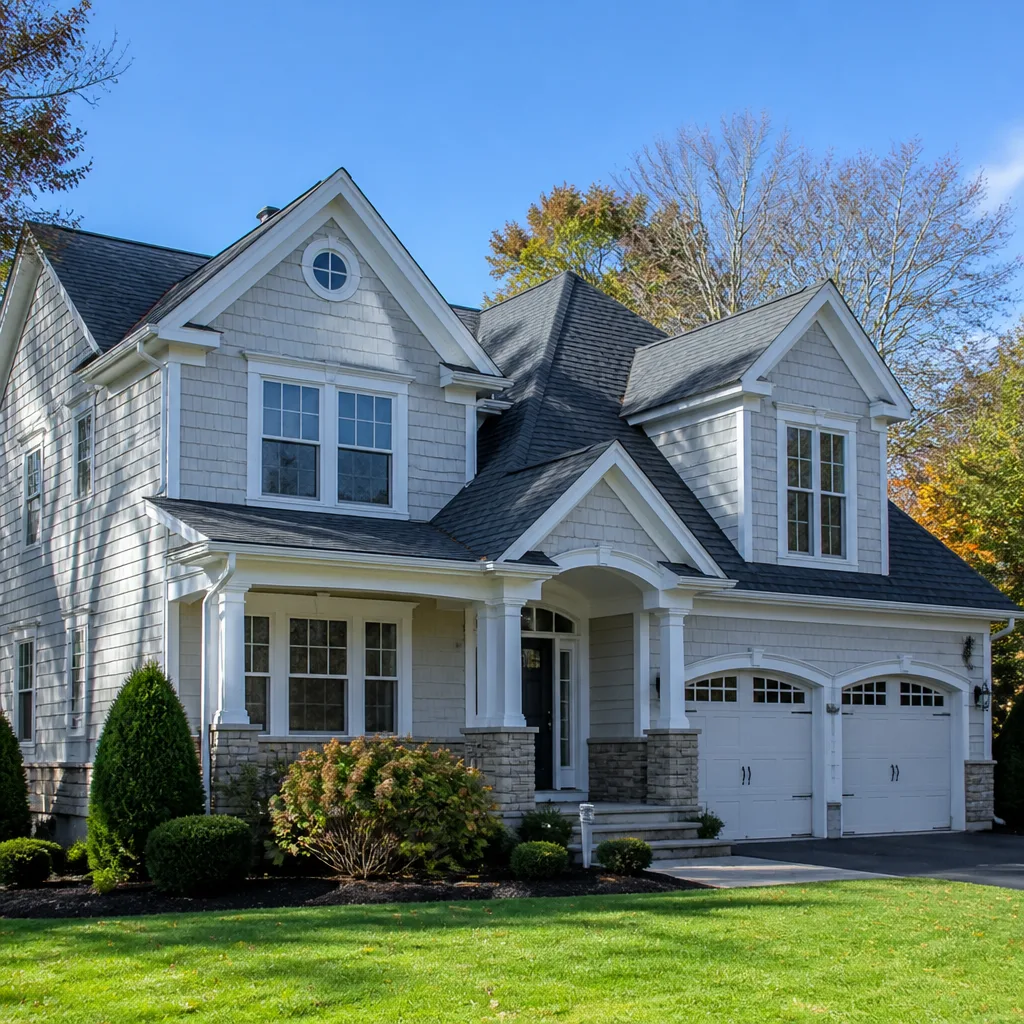
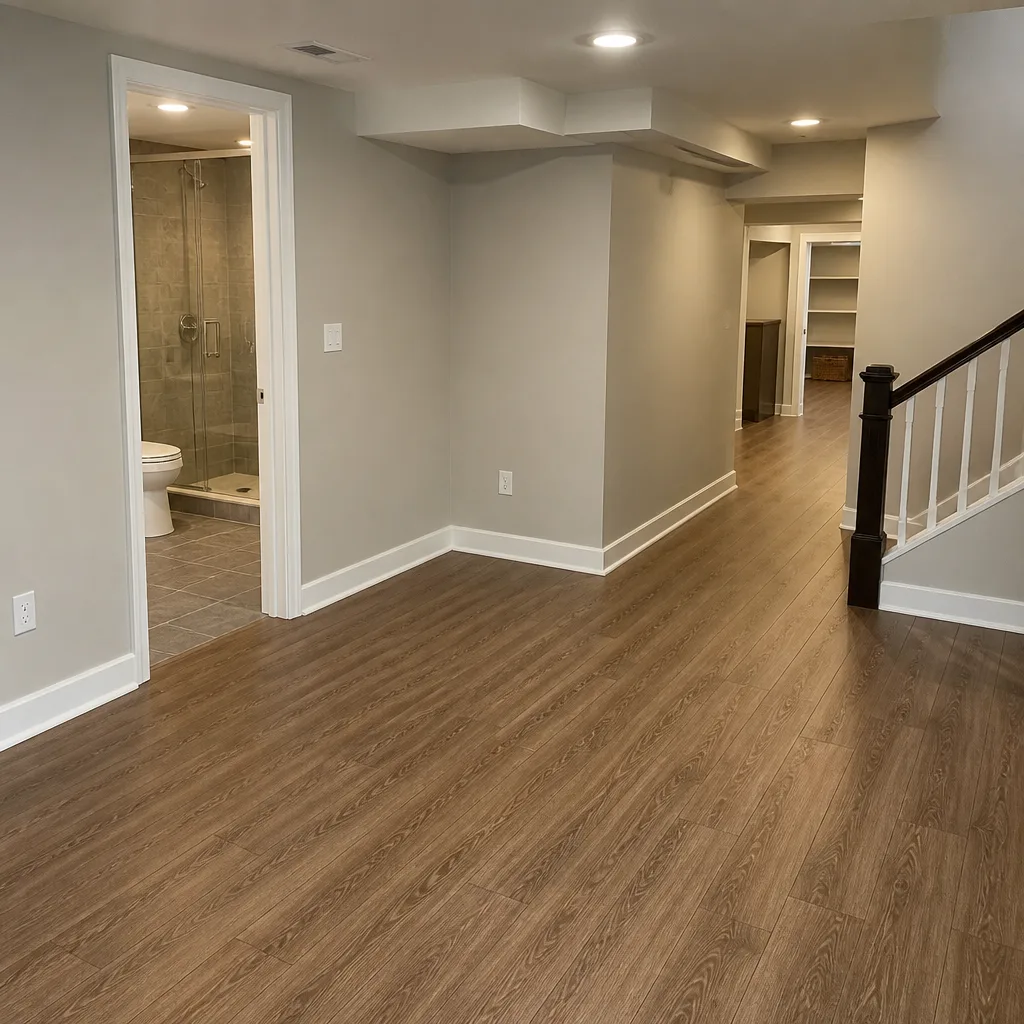
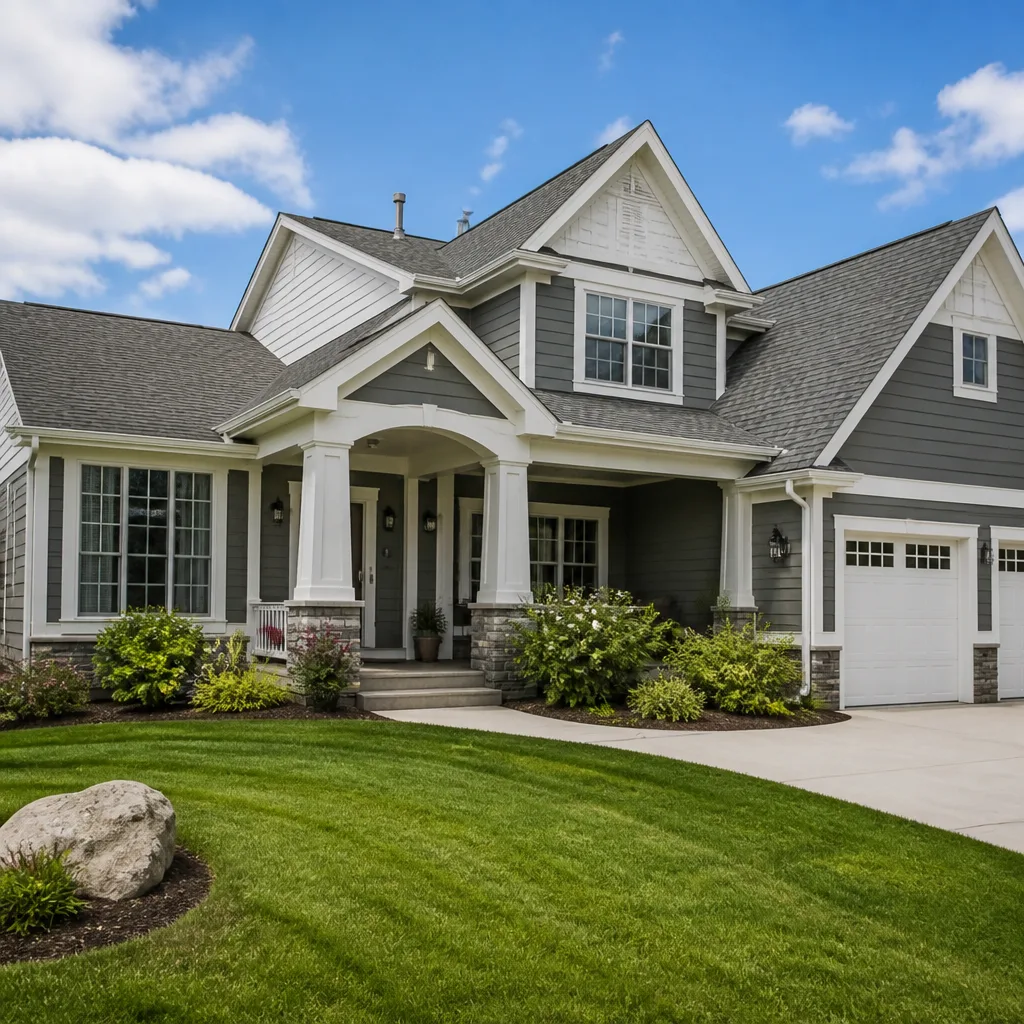
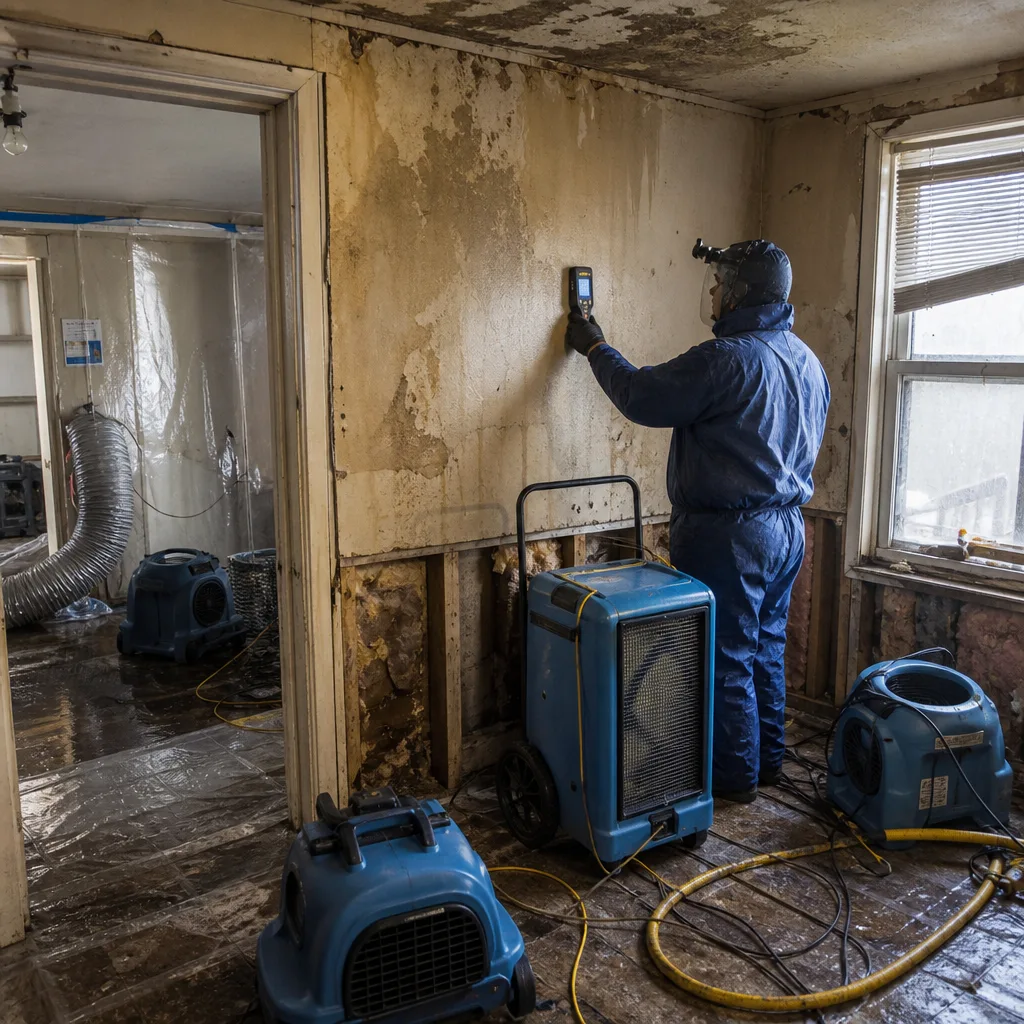 Before
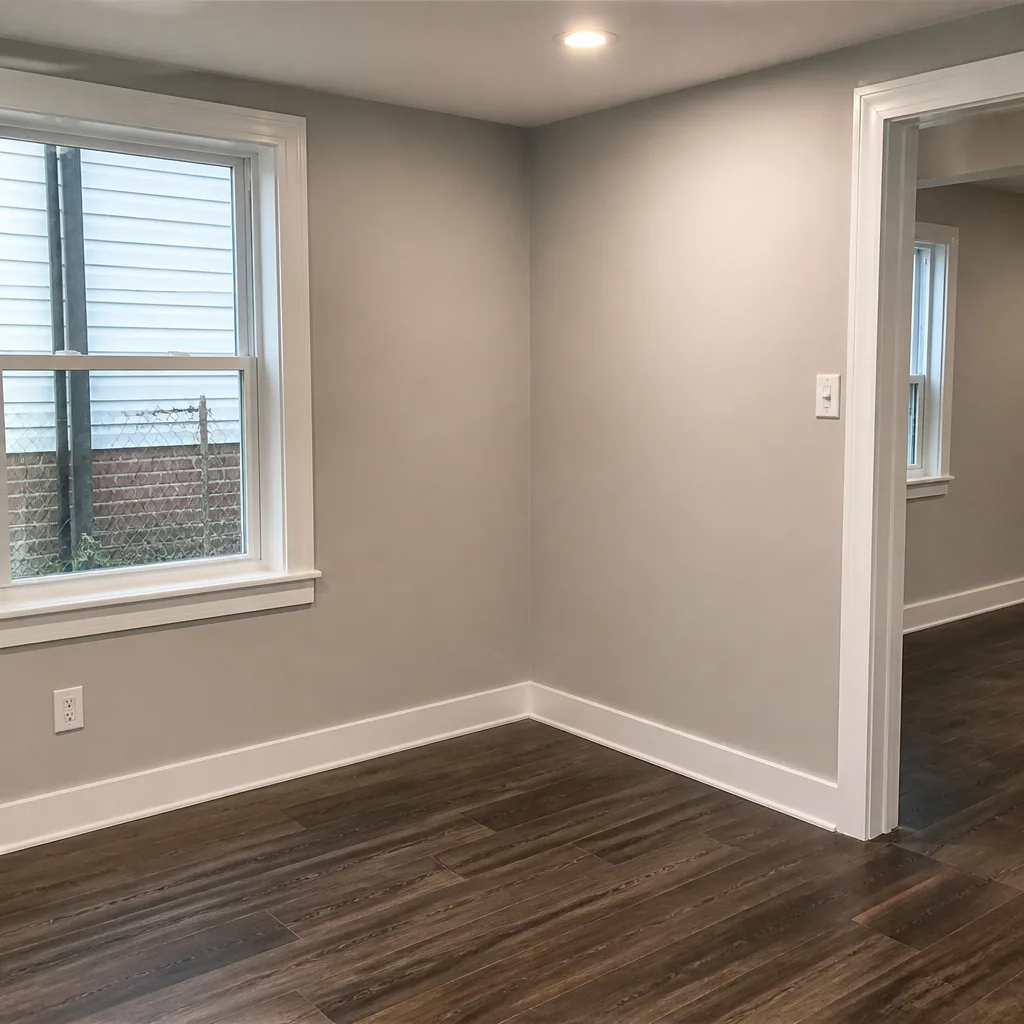 After
After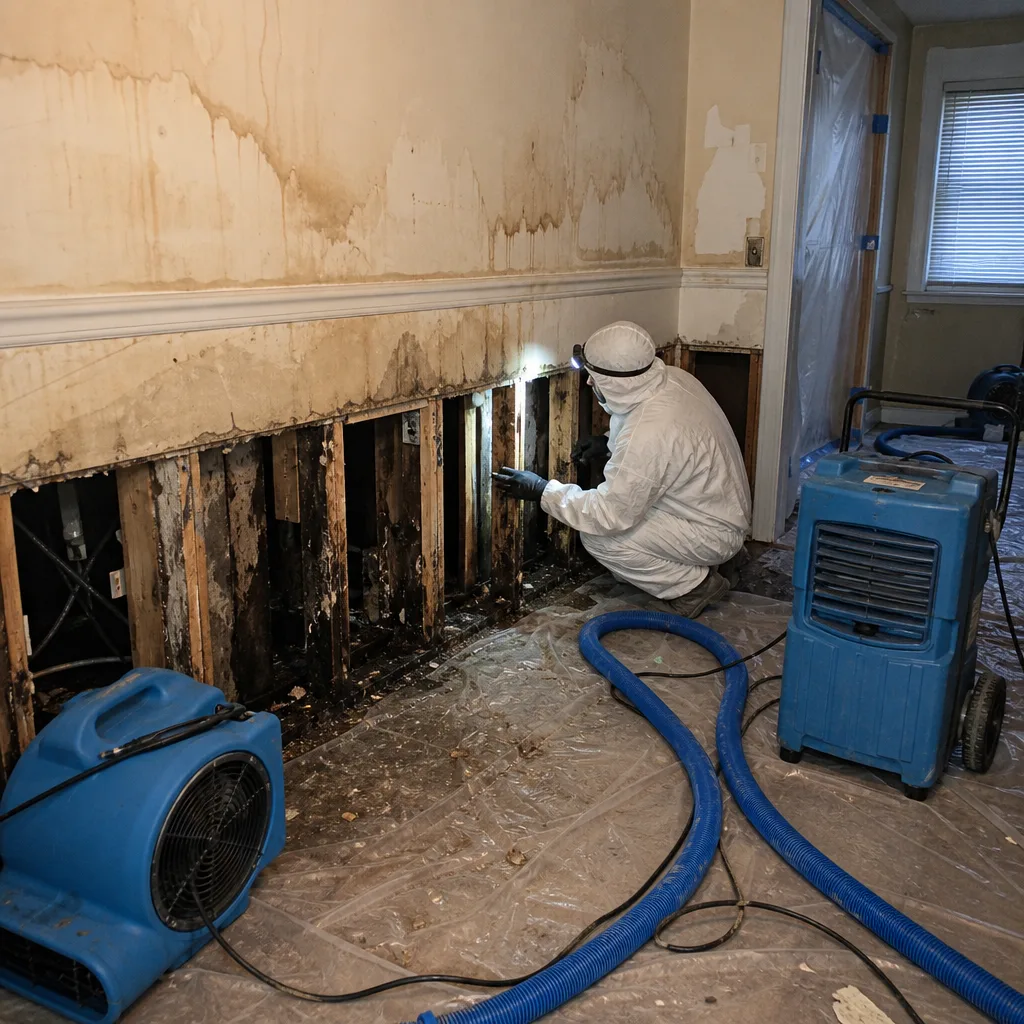 Before
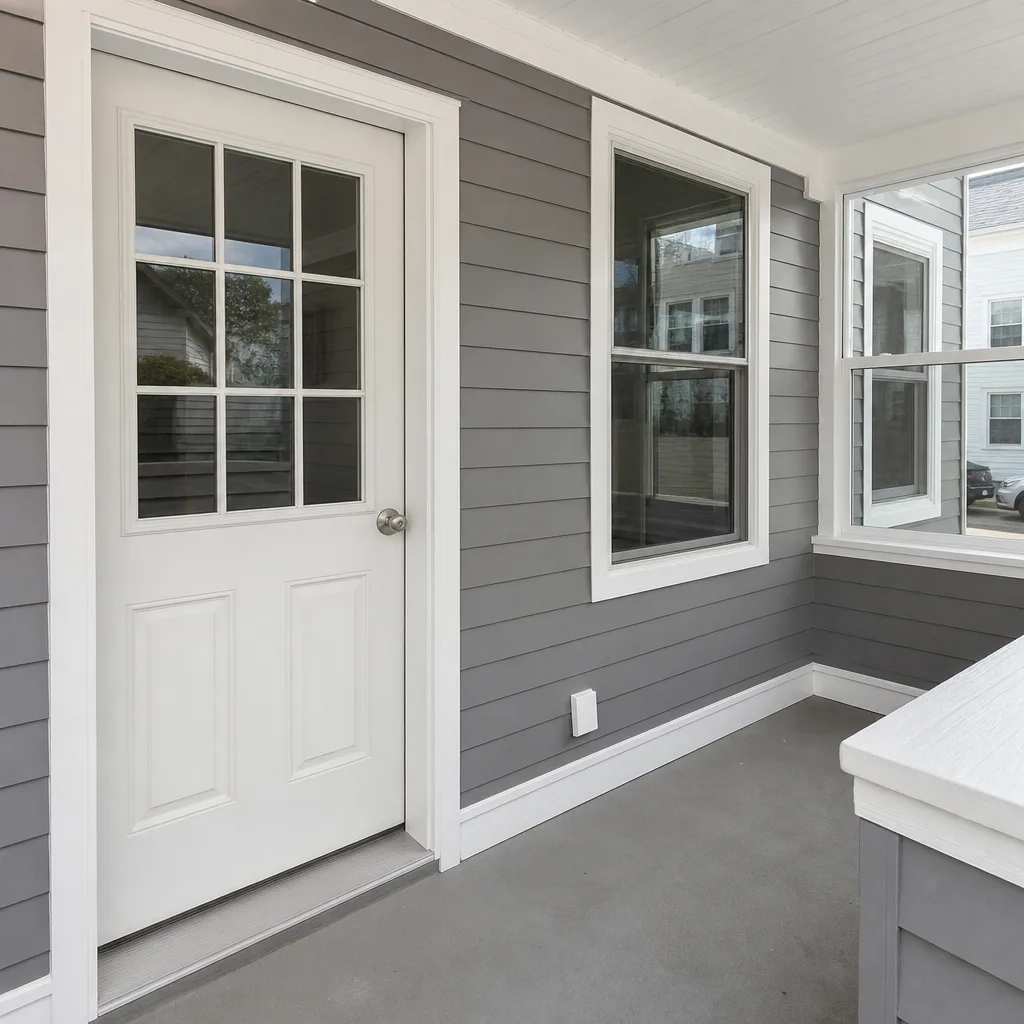 After
After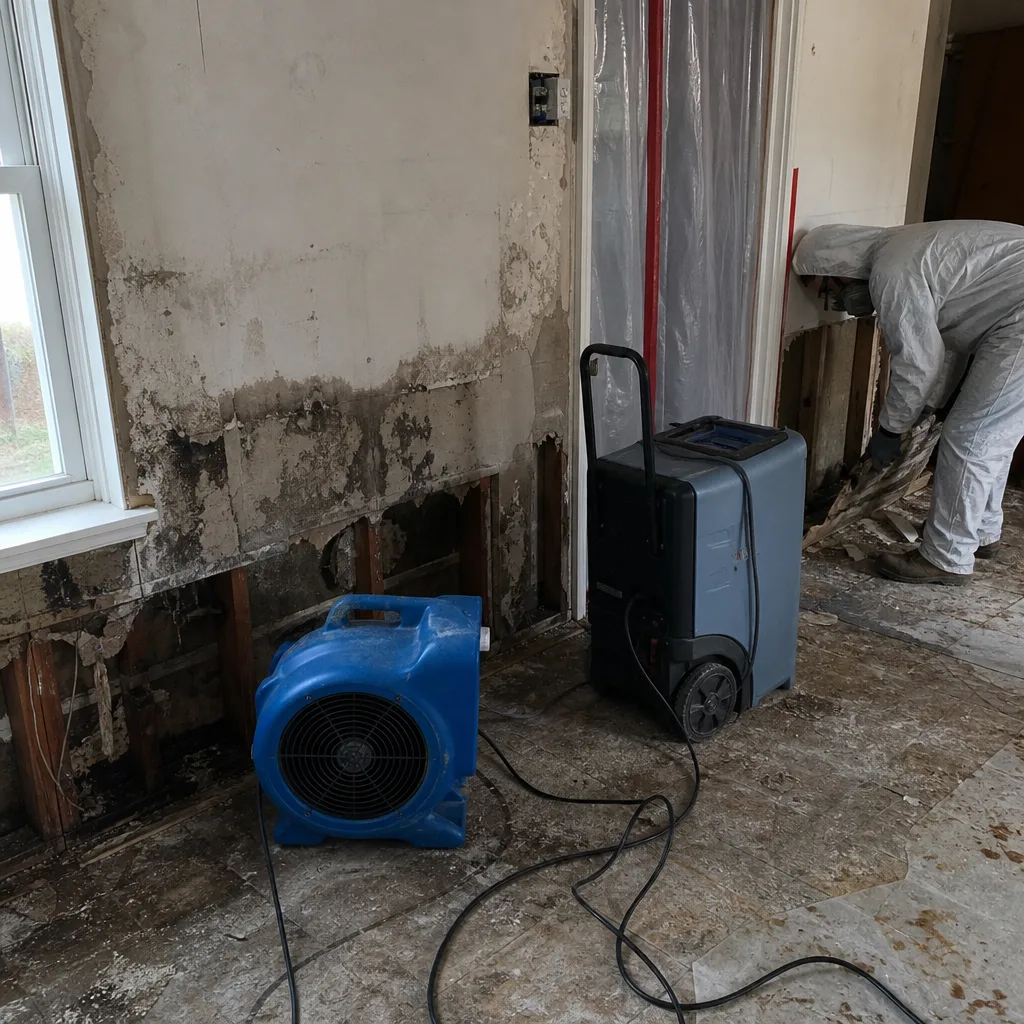 Before
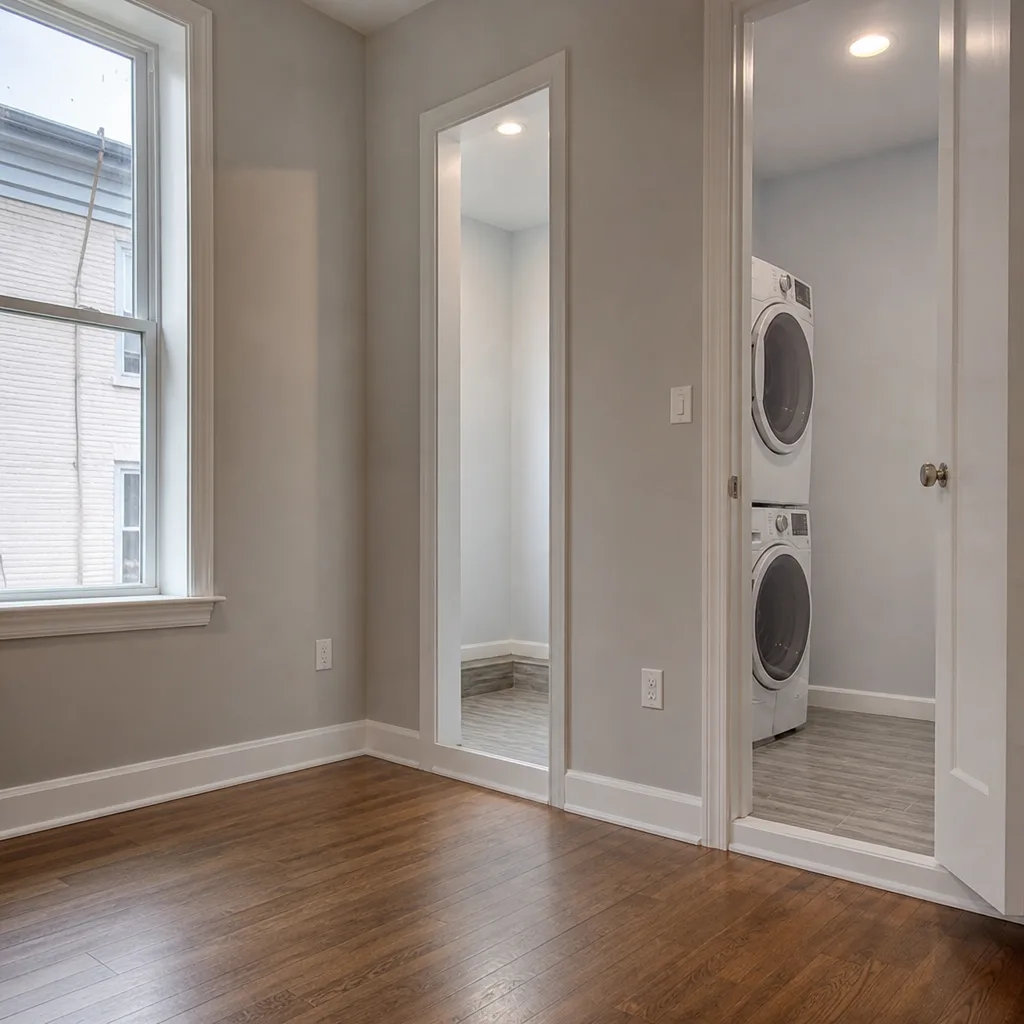 After
After24/7 Emergency Water Damage Restoration in Financial District
Water damage restoration in Financial District, NY typically costs $800-$4,200 depending on the category of water, square footage affected, and whether subgrade salt testing is required. Most extraction jobs in the district can be started the same day you call. We answer the phone live at (640) 400-9404 around the clock, and a crew can reach most Financial District addresses within 45 minutes.
When water is moving through a Financial District building, the first hour sets the cost of the job. Water wicks up drywall, saturates subflooring, and finds its way into the corridor below before you finish reading an insurance policy. In a district where much of the building stock predates 1930 and sits on landfill at sea level, that first hour matters more than almost anywhere else in Manhattan. Call us the moment you see water. We’ll walk you through shutting off the source while the dispatch board sends a certified crew your way. Every call is answered by a person, not a recording, at any hour.
Understanding Water Damage Restoration Severity in Financial District Properties
Water damage in the Financial District splits into three categories that change how a restoration job is scoped. Category 1 is clean water from a burst supply pipe or faucet. Category 2 carries contaminants, often from washing machine overflow, sump failure, or a pipe draining through occupied space. Category 3 is black water: storm surge, sewage, or harbor saltwater. In most of New York City, a basement puddle from a recent storm might be Category 1. In the Financial District, where FEMA Zone AE flood designation covers large sections of the district and the soils east of the old Pearl Street shoreline still hold chlorides from the 2012 surge, a basement puddle often demands testing before it can be classified at all.
Salt is hygroscopic. It pulls moisture from the air and re-wets building materials indefinitely. That means a restoration technician who dries a subgrade mechanical room to the standard IICRC moisture reading but never tests for chloride contamination can close a job that will start sweating again in June. We test. The pre-war masonry towers along Broadway and Wall Street, the mid-century steel-frame office blocks, the luxury residential conversions going up every year: these buildings concentrate their mechanical systems below grade, at or near sea level, on land that was water 200 years ago. Structural drying here is never just about running fans. It is about knowing what the wall is pulling back out of the ground.
Why Financial District Property Owners Choose Floodline Restoration Co.
- 45-minute response commitment. Our dispatch board sends crews from within the metro area to Financial District addresses with a target arrival window you can hold us to. We’ll be there when we say.
- A live person answers, 24/7. No phone tree, no recording, no “leave a message and someone will get back to you.” A dispatcher picks up at 2 a.m. and a certified crew reaches your building the same visit.
- IICRC-certified crews. Our technicians carry WRT (Water Restoration Technician) and ASD (Applied Structural Drying) certifications, with RIA and IFA training. Background-checked and uniformed on every job.
- Free visual inspection. We assess the loss before you sign anything. You get a written scope with line items, not a verbal estimate you can’t read later.
- Direct insurance billing. We bill your carrier directly and coordinate with your adjuster. You never play messenger between Floodline and the insurance company.
- One team from extraction to reconstruction. The same certified crew that reads the moisture map on day one handles daily readings, hands the log to you and your carrier, and rebuilds what needs rebuilding. No mid-job handoff to a subcontractor you never vetted.
Our Water Damage Restoration Process
Inspection & Assessment
We arrive and map the full extent of water migration using Dri-Eaz thermal imaging cameras and hygrometers. In a Financial District subgrade space, this includes chloride testing for salt contamination before we write the drying plan. The line the water left is where we start.
Extraction & Stabilization
Standing water comes out with truck-mounted extraction units and submersible pumps rated for subgrade vaults and mechanical rooms. In converted office buildings, we coordinate building engineer access and board sign-off before equipment goes in.
Drying & Dehumidification
Phoenix axial air movers and high-capacity dehumidifiers run continuously, with daily moisture readings logged against a dry standard. We do not close a job because the floor looks dry. We close it because the readings confirm it.
Cleaning & Sanitization
Affected surfaces get antimicrobial treatment appropriate to the water category. For salt-contaminated materials, this includes corrosion remediation on conduit, junction boxes, and elevator hydraulic lines exposed to chlorides.
Salt & Corrosion Treatment
In FiDi specifically, we test for hygroscopic salt residue and apply targeted treatments to keep chloride-contaminated masonry from re-wetting. This step is rarely offered by restoration companies that don’t understand the district’s surge history.
Repairs & Restoration
We rebuild what was removed: drywall, flooring, trim, paint, and any subgrade mechanical repairs. The same crew that started the job finishes it, and you get the 90-Day Done Right Promise in writing before we leave.
Need Emergency Water Damage Restoration in Financial District Now?
Crews minutes away, answering live 24 hours a day. The sooner we start, the less it costs.
Working With Your Insurance Company
Most Financial District water losses are covered under standard condo or co-op policies, but the difference between a smooth claim and a denied one is documentation from the first hour. We photograph every affected room before extraction begins. We log moisture readings daily. We write a line-item scope of work that your adjuster can read against industry-standard pricing without questioning what each line means. Then we coordinate directly with your carrier, so you are not forwarding emails at midnight while your subfloor sits wet. When the claim is settled, we bill the carrier directly. You see the same paperwork.
What We Provide Your Insurer
- Thorough documentation of the loss
- Photos of all damage, room by room
- Moisture readings and drying logs
- A detailed, line-item scope of work
- Direct coordination with your carrier
Built for Financial District’s Loss Calendar
The Financial District sees water losses on a schedule, and the schedule is shaped by geography. January and February bring deep freezes that burst supply lines in pre-war masonry walls along Water Street and Pearl Street, especially in unheated service corridors and mechanical closets. Spring thaw saturates the landfill soils east of Pearl Street, pushing groundwater into older sub-basements through foundation cracks that have been there since the Coolidge administration. Summer thunderstorms overwhelm perimeter drains and send stormwater into below-grade loading docks and parking garages. Nor’easters, which track up the Atlantic in fall and winter, pile harbor water against the district’s three waterfronts and test the same subgrade spaces Hurricane Sandy flooded in 2012. If you own or manage a Financial District property, the question is not whether water will find those spaces. It is whether you’ll have a restoration crew that knows the building type before the water arrives. Our Water Damage Restoration team has worked every type of loss on this calendar.
Water Damage Restoration Across Financial District’s Neighborhoods
The Financial District is compact, but its building types shift block by block, and each shift changes the restoration approach. Along Exchange Place and the narrow lanes east of Broadway, the pre-war conversions dominate: 1920s office buildings turned into residential lofts, with mechanical systems stacked in subgrade levels that sit below the water table. These jobs demand containment at corridor mouths and building engineer escorts before any equipment moves. Around Wall Street and lower Broadway, the steel-frame office towers from the 1960s and 1970s carry heavy switchgear and elevator plant in vaults that require drying plans built around live electrical systems, not open floors. Near Battery Park and the district’s western edge, luxury residential towers with subgrade parking garages and amenity floors see storm surge intrusion that’s saltwater, not sewer, and needs chloride testing before anyone calls it dry. In the blocks around Fulton Street and the Seaport, older retail and mixed-use buildings with shared basements complicate responsibility and demand restoration crews who know how to document a loss for multiple carriers. The district’s ZIP codes, 10004, 10005, 10006, and 10038, span every one of these challenges. We dispatch to all of them the same day.
We were called to a 1920s pre-war conversion on Exchange Place after a burst pipe in a mechanical closet sent Category 2 water through a service corridor into the building’s subgrade switchgear room. Our crew set up containment at the corridor mouth, mapped moisture with our Dri-Eaz infrared cameras, and ran Phoenix axial air movers with dehumidifiers for 96 hours, but we didn’t close the scope of work until we confirmed chloride levels in the concrete floor were below the threshold that would trigger ongoing mold cycles, even though the water had come from a domestic pipe, not tidal surge. That’s the difference between following a generic drying protocol and knowing this district’s subgrade chemistry.
Specialized Water Damage Restoration Services We Offer in Financial District
For full-service Water Damage Restoration in Financial District, we bring every phase of the job under one roof.
Emergency Water Extraction
Standing water in a FiDi subgrade space lifts floor finishes, saturates drywall, and corrodes conduit within 48 hours. We arrive with truck-mounted extraction units and submersible pumps rated for basement vaults and mechanical rooms. Extraction is running the same visit, not scheduled for tomorrow.
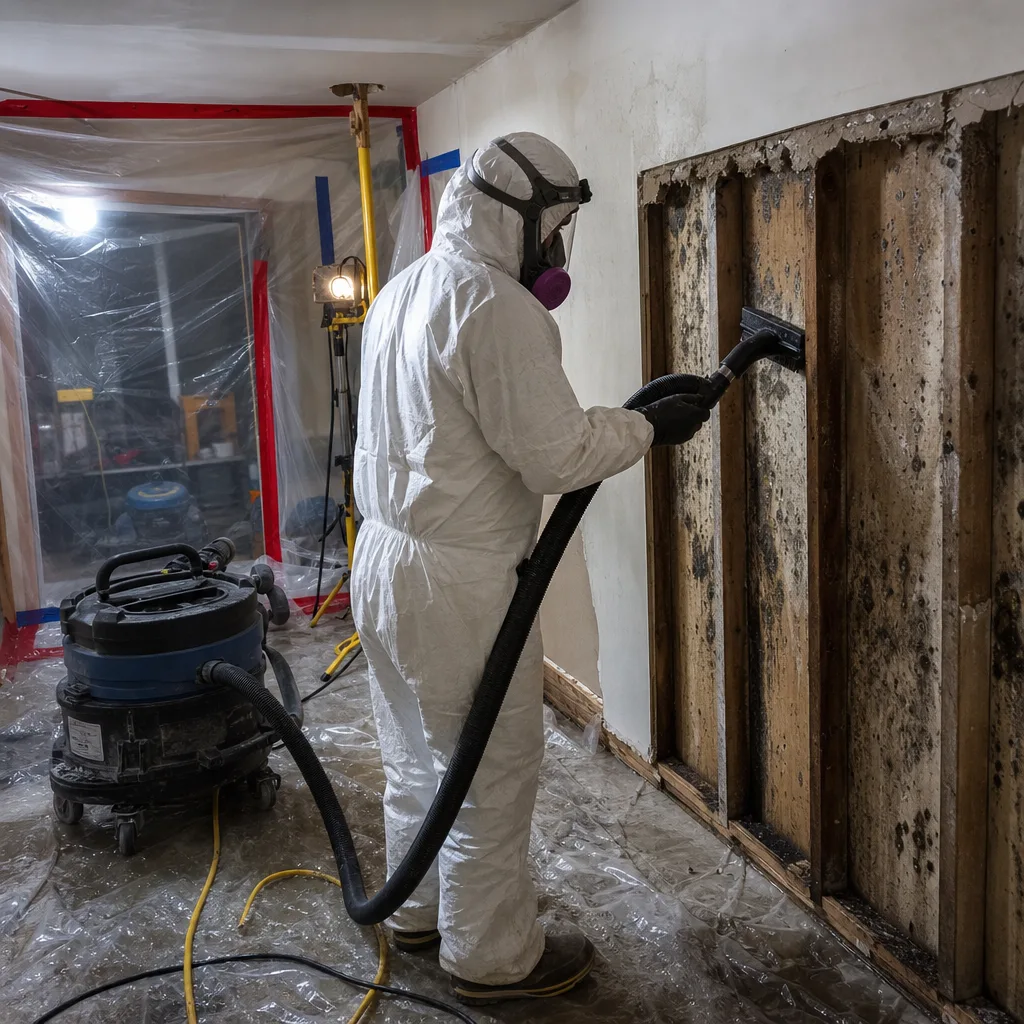
Structural Drying & Dehumidification
In a district where many below-grade walls are limestone or brick masonry behind modern finishes, drying is a science, not a fan lease. We run Dri-Eaz, Phoenix, and B-Air equipment on a moisture map, take daily readings, and hand you and your adjuster a drying log that shows the exact dry standard being met.
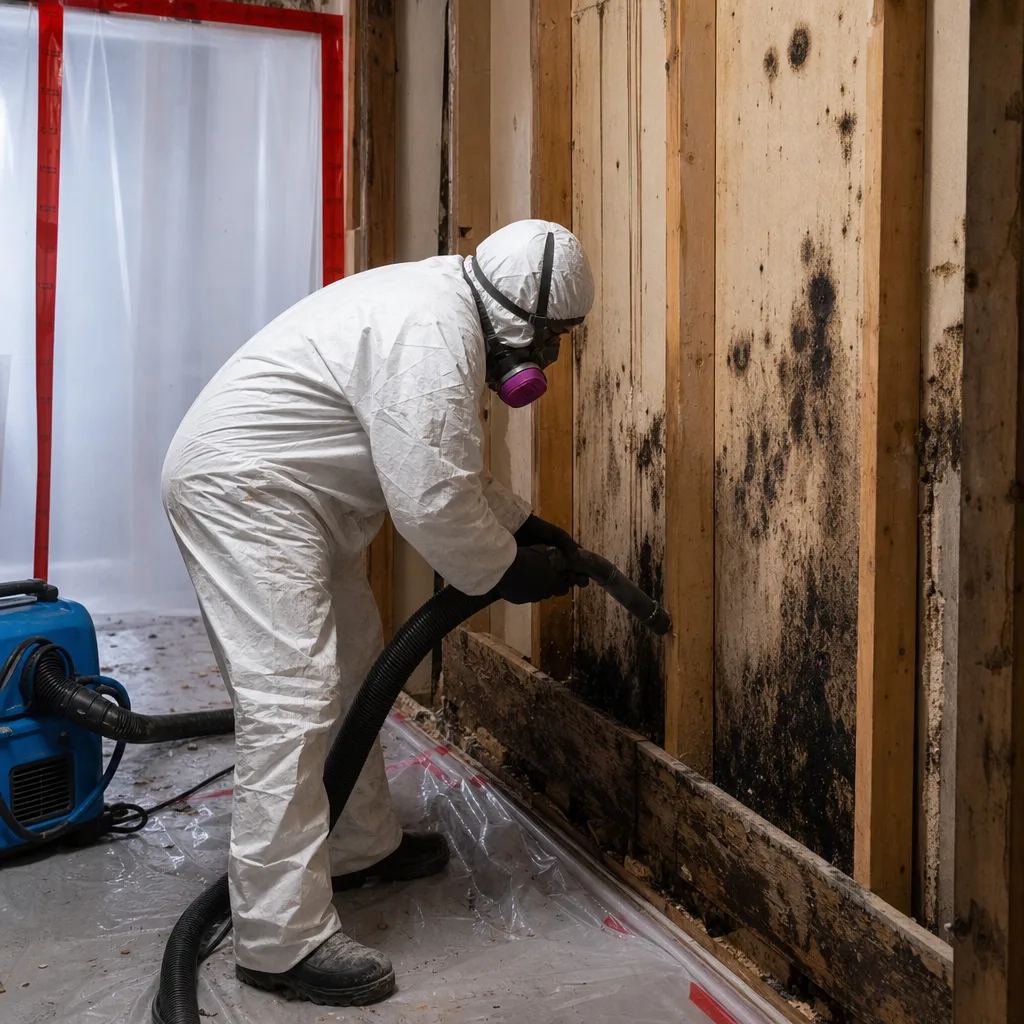
Basement Water Removal
Financial District basements are often shared among multiple units or stacked mechanical floors. We contain the affected area before pumping, document which unit’s system failed, and coordinate access with the building board so extraction does not stall halfway through. Salt testing is included on any basement that could have seen tidal influence.
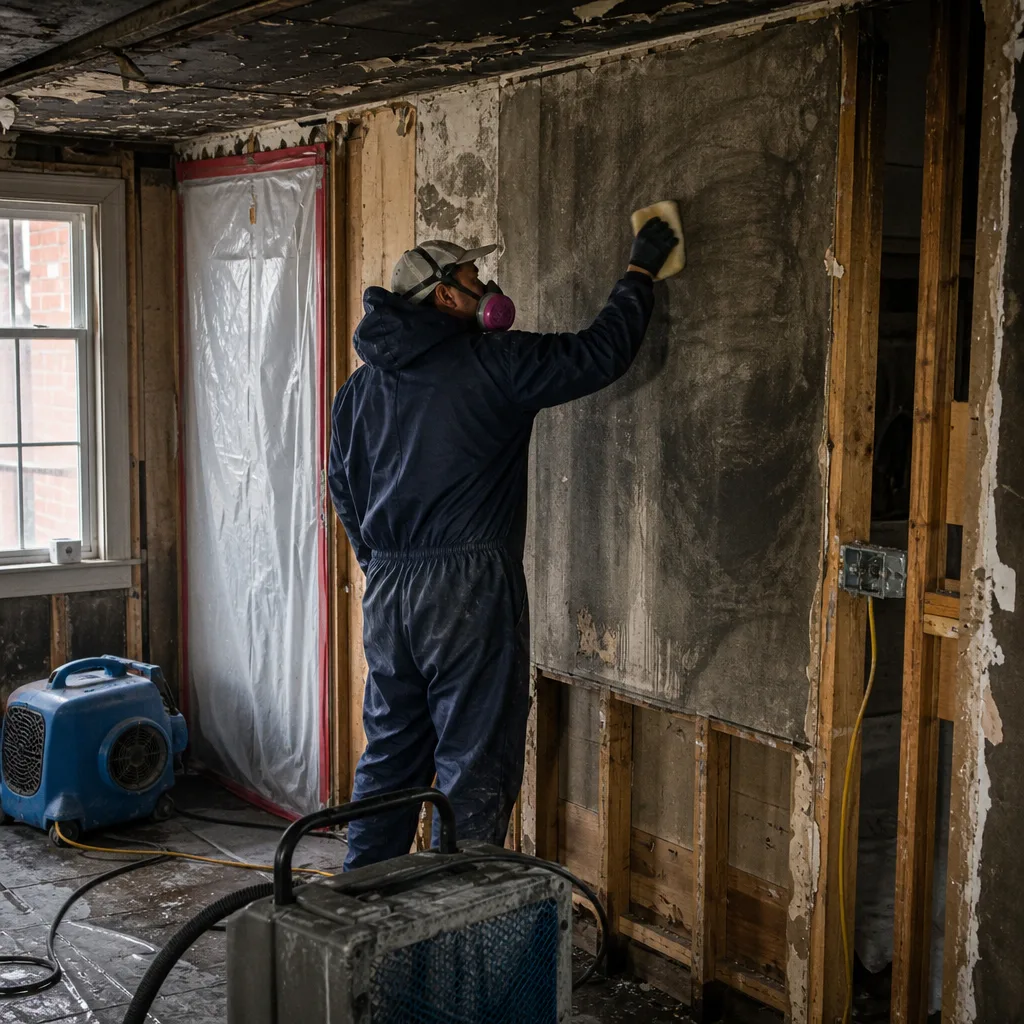
Flood Cleanup
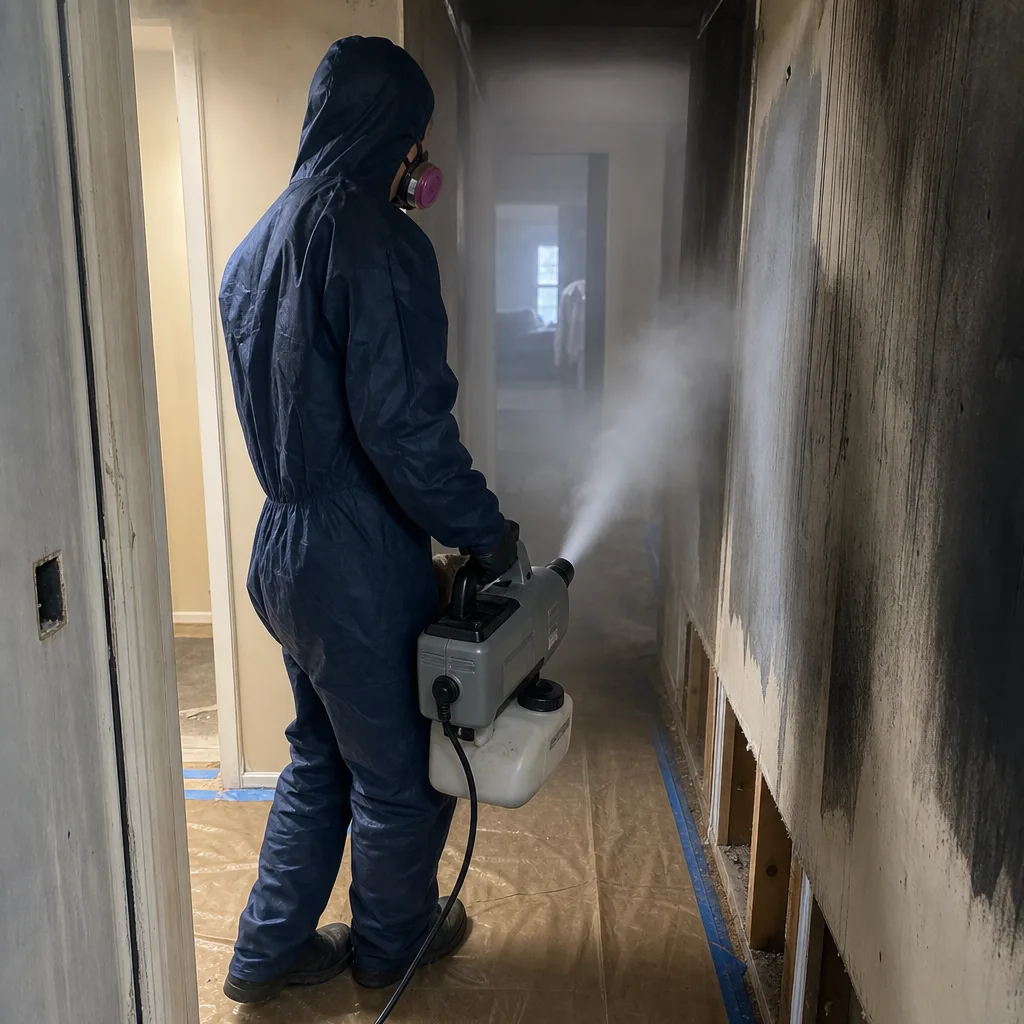
If storm surge or sewer backup has entered your space, we treat it as Category 3 from the start: full containment, antimicrobial treatment, and disposal of contaminated porous materials. In FiDi, we assume floodwater touched salt and test for chlorides even when the event looks freshwater at first glance.
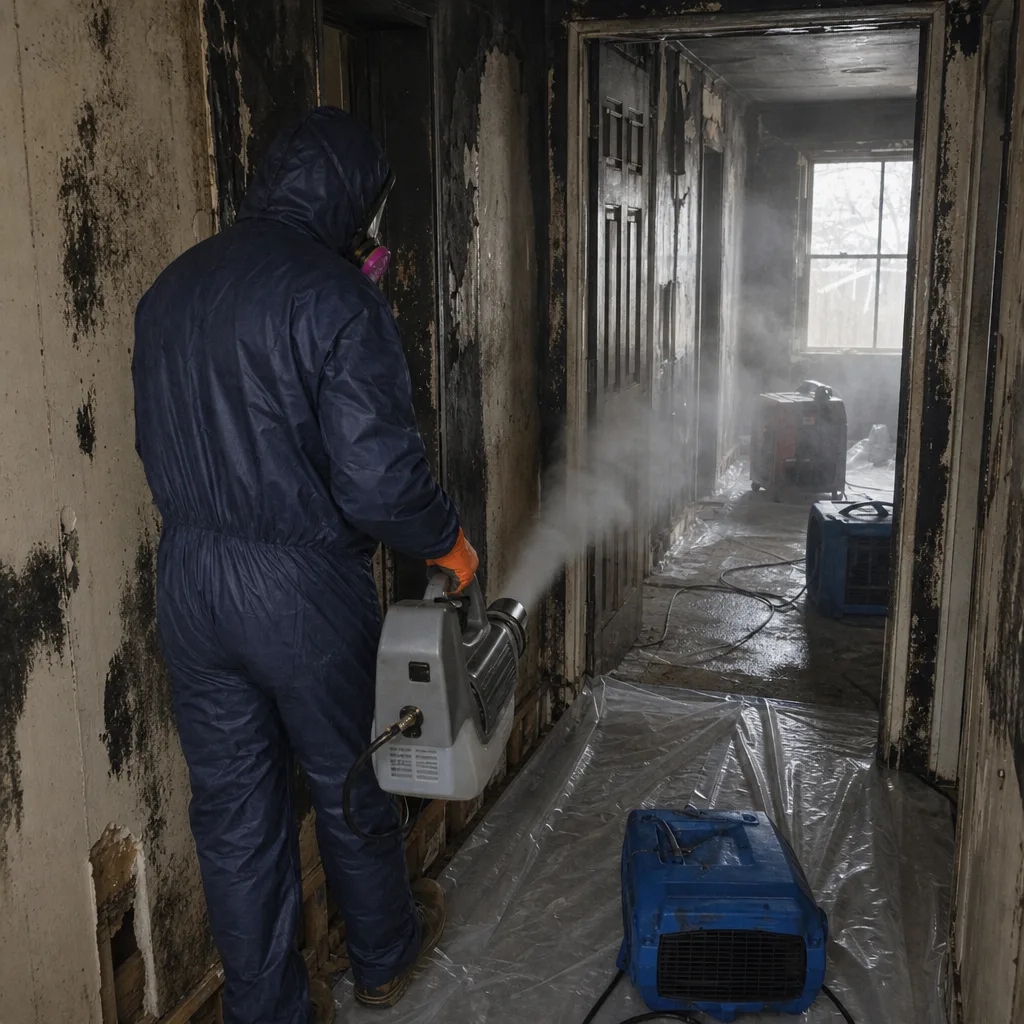
Burst Pipe Restoration
A frozen supply line in a Wall Street tower or a failed fitting in a converted condo on Pearl Street sends water through finished ceilings and walls fast. We extract, dry, and rebuild the affected areas, including any subgrade mechanical repair, with one crew from first response to final paint.
What happens when you call
- 1
A real person answersNo phone trees - you reach a local pro.
- 2
You get an upfront price rangeHonest numbers before anyone is dispatched.
- 3
A background-checked tech heads outLicensed & insured, dispatched right away.
- 4
You approve before work beginsNothing starts until you say go.
Water Damage Restoration Costs in Financial District, NY
Water damage restoration in the Financial District runs higher than the borough average because the building stock is older, access is tighter, and subgrade spaces often require board coordination and engineer escorts before equipment moves. A typical emergency water extraction in a converted Financial District condo runs $800-$1,800. Structural drying of a single unit or mechanical room typically lands between $1,500 and $3,500 depending on square footage and how long the water sat. Basement water removal in a shared subgrade space runs $2,000-$4,200 when containment, salt testing, and corrosion treatment are included. If the loss is covered, your insurer pays most or all of that; we handle the documentation and direct billing. If it’s out of pocket, the free visual inspection gives you a written scope before you commit. Call (640) 400-9404 for an exact quote on your building and loss.
We Also Serve Cities Near Financial District
Floodline Restoration Co. serves the entire lower Manhattan water loss corridor and the boroughs beyond. We dispatch crews daily to Midland Beach, New Springville, Oakwood, and Travis – Chelsea, with the same 45-minute response commitment and the same written 90-Day Done Right Promise. If your property sits just outside the district line, call us. The service radius covers you.
Serving Financial District, NY - Our Local Coverage Area
We’re based in the Financial District area and know this community well. Use the map below to see our service coverage - if you’re nearby, we can almost certainly help.
Financial District Water Damage Restoration Questions, Answered
Why does a basement water loss in the Financial District sometimes need salt testing before you’ll close the job?
Salt left behind after a surge event is hygroscopic, meaning it pulls moisture from the air and re-wets building materials long after visible water is gone. In the Financial District, where Hurricane Sandy’s 2012 storm surge pushed saltwater into subgrade mechanical rooms and parking garages, chlorides remain embedded in concrete and masonry. A technician who dries the floor to standard moisture readings but never tests for chloride contamination can close a job that will start sweating again months later. We test for salt before closing any FiDi subgrade loss, even when the current event came from a domestic pipe. Call (640) 400-9404 if you suspect salt contamination in your building.
How does your crew handle water extraction in a pre-war Financial District building with no freight elevator and narrow stairwells?
We carry portable extraction units and compact air movers that fit through stairwell doors and service corridors without freight elevator access. On pre-war Financial District jobs, we sequence equipment through the building’s approved service route, coordinate with the building engineer for mechanical room access, and contain the affected area at the corridor mouth to keep dust and moisture from spreading to occupied floors. The job takes longer than a ground-level garage, but the protocol is familiar to us. Call (640) 400-9404 for a site walk.
Can you dry out a subgrade switchgear room in a FiDi office tower without shutting off power to occupied floors?
Yes, but it requires containment and targeted drying rather than whole-floor air movement. We set up barriers around the switchgear room, run dehumidifiers and air movers inside the contained space, and coordinate with the building’s electrical team to monitor equipment clearances. Power to occupied floors stays on. The drying log includes readings specific to electrical areas, and we do not open the containment until the dry standard is confirmed. Call (640) 400-9404 and ask about our subgrade electrical room protocol.
What’s different about a burst pipe restoration in a converted Financial District condo versus a typical apartment?
Converted Financial District condos are former office buildings, which means mechanical systems are often in subgrade levels rather than inside the unit, and access to those systems requires building board approval and sometimes an engineer escort. The burst pipe may be in a shared mechanical closet serving multiple units. We document which system failed, coordinate access before extraction begins, and write a scope of work that the board can review against the building’s own maintenance records. That prevents the mid-job stop that happens when a contractor ignores the conversion’s ownership structure. Call (640) 400-9404 for an inspection.
How do you determine whether wet drywall in a Financial District basement can be dried or must be removed?
We test the drywall’s moisture content with penetrating meters and assess the water category. Category 1 water on drywall with readings below 15% can usually be dried in place. Category 2 or 3 water on drywall almost always requires removal, because contaminants stay embedded even after the surface dries. In FiDi basements with chloride exposure, we add salt testing to that decision: if the drywall has absorbed saltwater at any point, we remove it rather than fight a mold cycle we cannot win. The written scope shows you exactly what we’re removing and why. Call (640) 400-9404 for a free visual inspection.
How fast can a crew actually reach my Financial District property?
We commit to a 45-minute response window for Financial District addresses. Dispatch is live around the clock, so someone answers when you call at 2 a.m., and the crew reaches your building the same visit, not the next morning. In a district where water in a subgrade mechanical room can damage switchgear and elevator plant within hours, that speed is the difference between a cleanup and a major claim. Call (640) 400-9404 now.
Will my insurance cover water damage restoration in the Financial District?
Most condo, co-op, and commercial policies cover sudden water losses like burst pipes and storm surge, but coverage depends on how the loss originated and how quickly you document it. We photograph every affected area before extraction begins, log daily moisture readings, and write line-item scopes that match your adjuster’s expectations. We bill your carrier directly and coordinate with the adjuster so you do not carry messages between parties. If coverage is denied, you’ll know why in writing and we can tell you what the out-of-pocket scope looks like before work starts. Call (640) 400-9404.
What should I do in the first 30 minutes after discovering water in my Financial District property?
Shut off the water source if you can safely reach it. Kill power to any affected area where water may have reached electrical fixtures, but do not enter standing water in a subgrade space if the electrical panel is nearby. Call (640) 400-9404. We’ll walk you through the rest on the phone while the crew is dispatched. Move valuables and furniture out of the wet zone if you can do so without entering flooded areas. Photograph everything before extraction begins. Do not run a shop vac on carpet if the water source is unknown; a wrong first move can spread contamination and make the claim harder. Call us first.
Call (640) 400-9404 now for a free visual inspection or emergency dispatch to your Financial District property. We answer live, 24 hours a day, and we’ll be there when we say. Done right, and backed in writing by the 90-Day Done Right Promise, with the Keystone Standard on every job.
Written by Curt Bowman, Owner at Floodline Restoration Co., serving the Financial District since 2010.