
Free visual inspection and a written scope of work before any mitigation begins - photos, moisture readings, and drying logs go in your claim file
The scope we write is the scope we bill. Anything new gets shown to you, in writing, before we touch it.
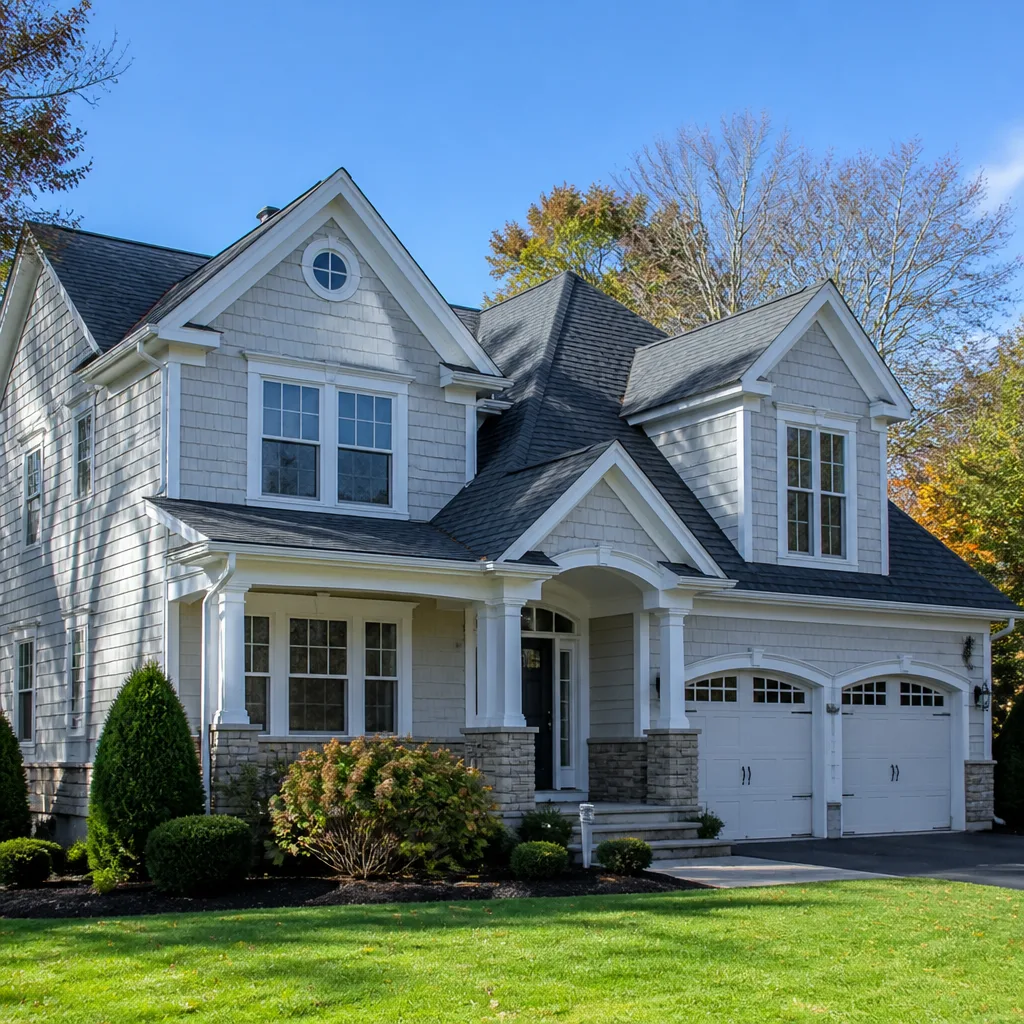
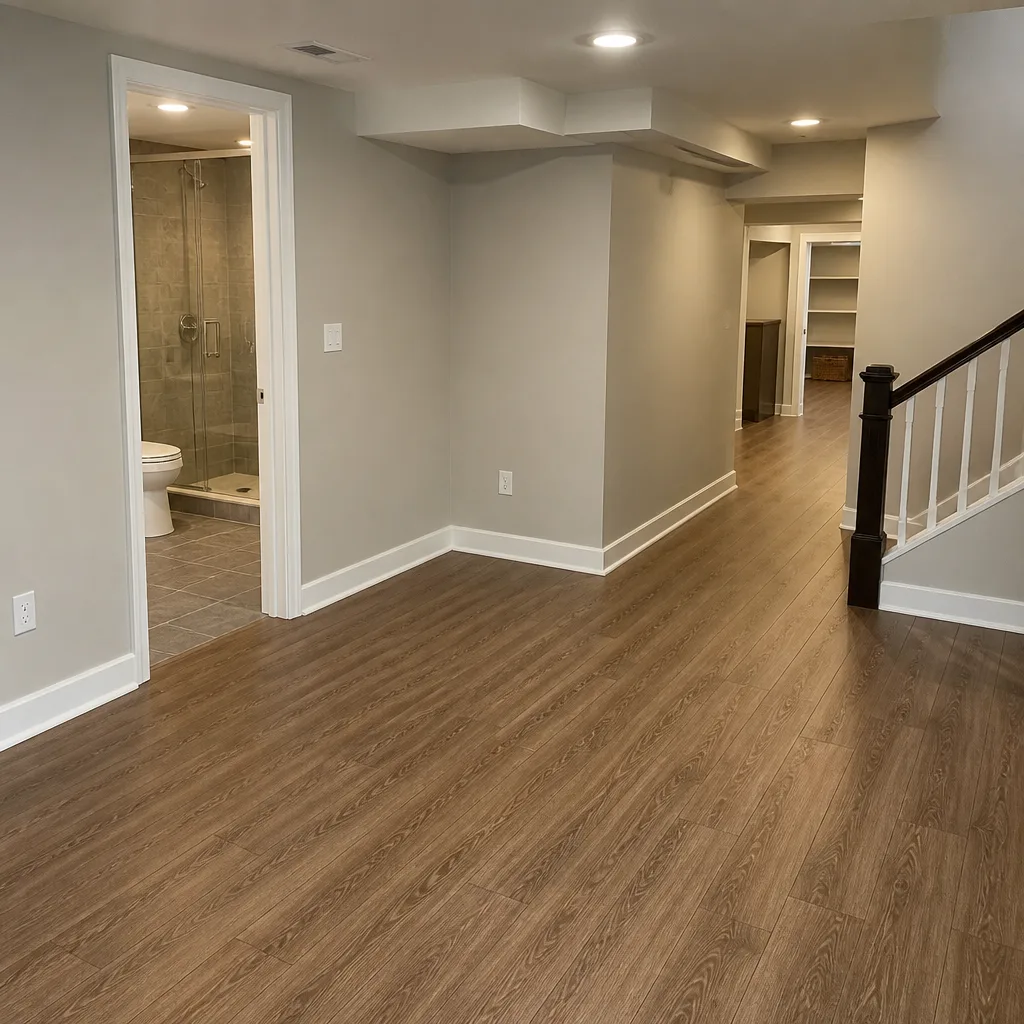
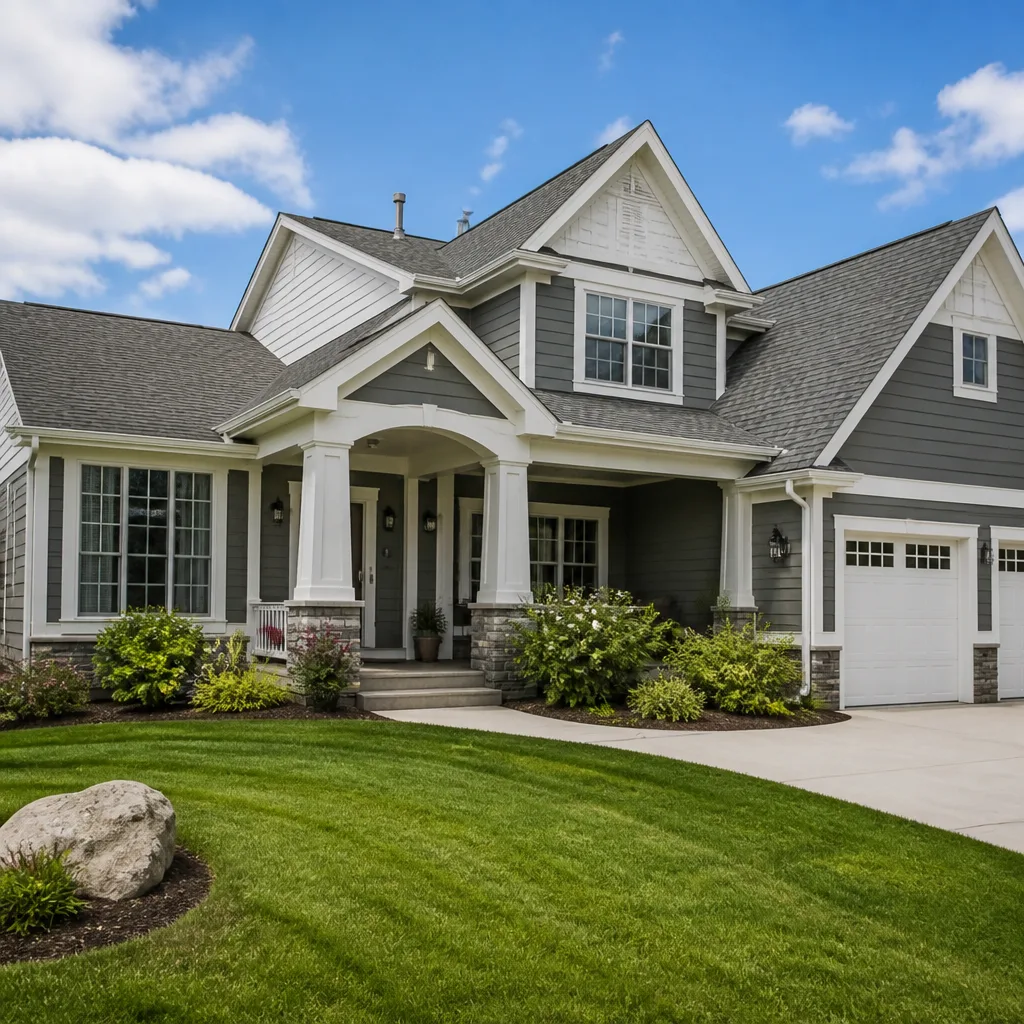
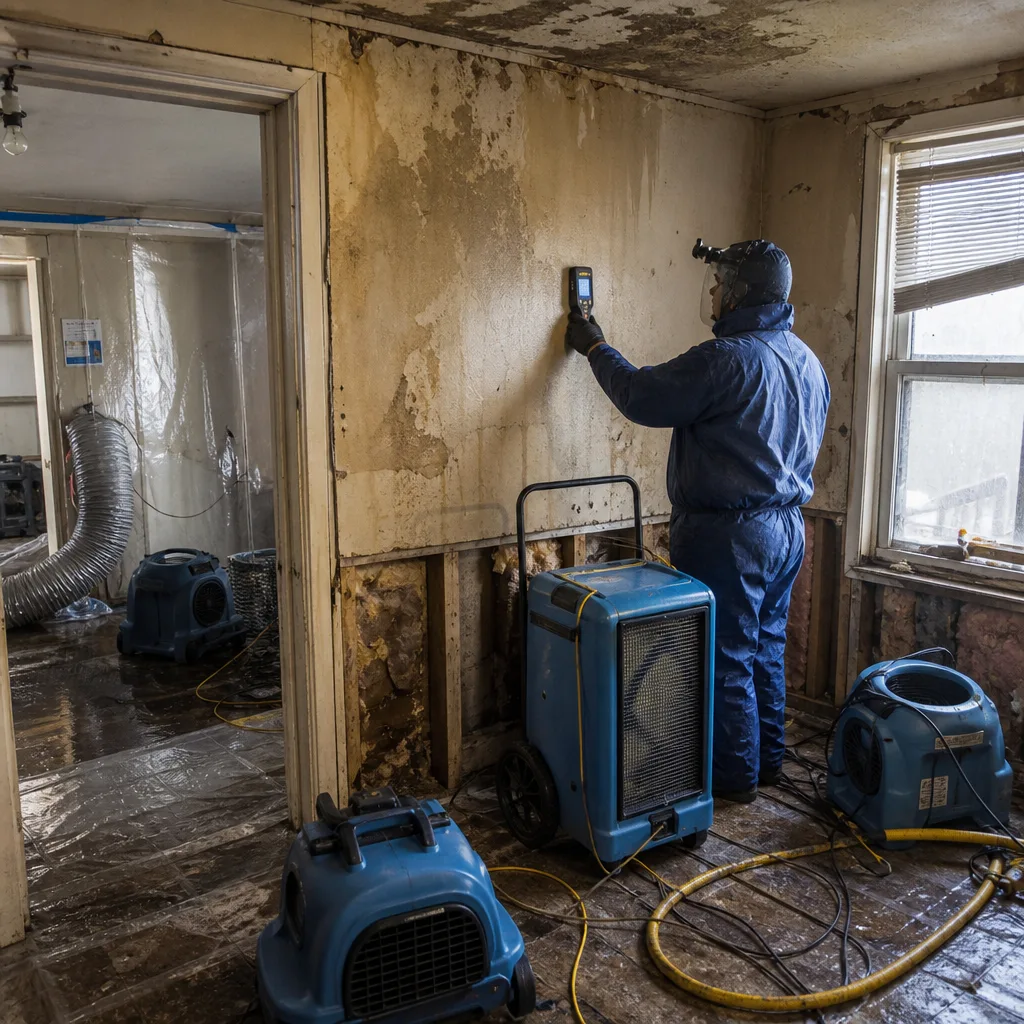 Before
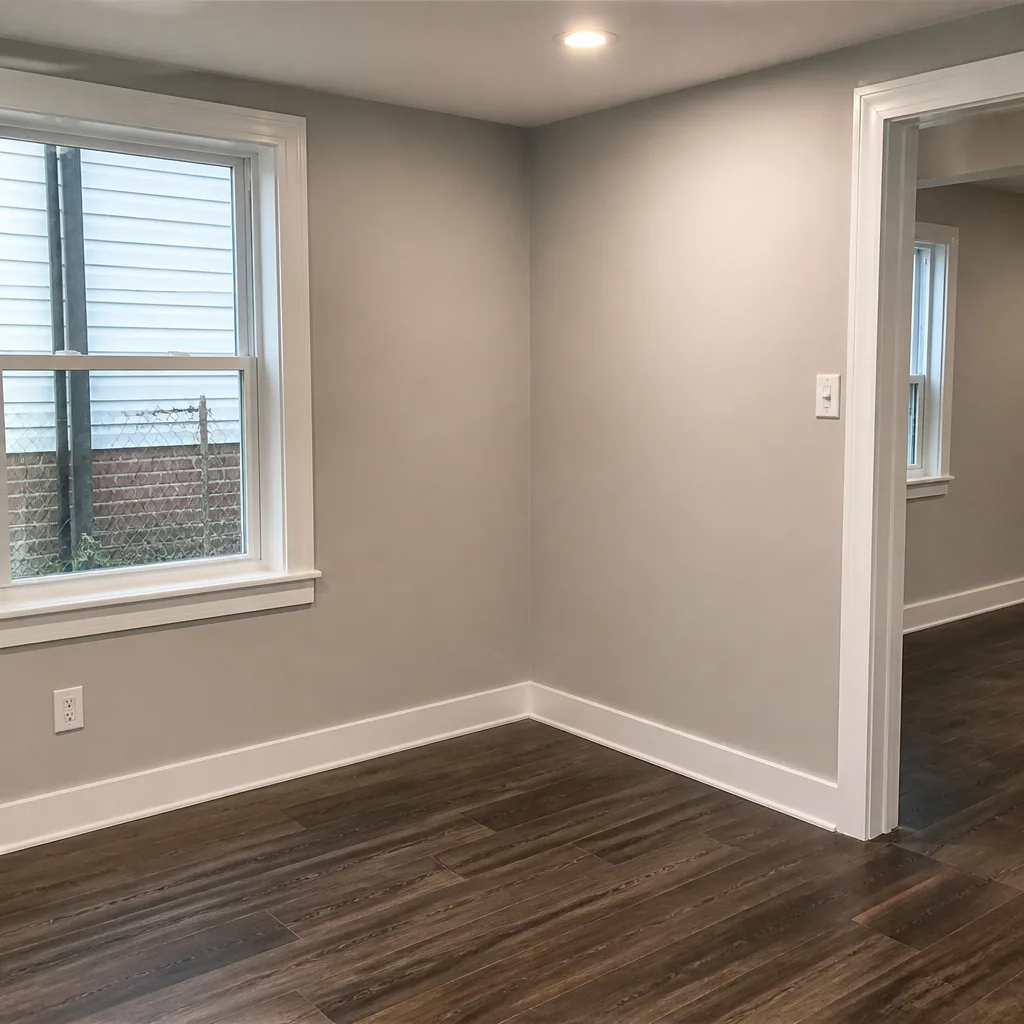 After
After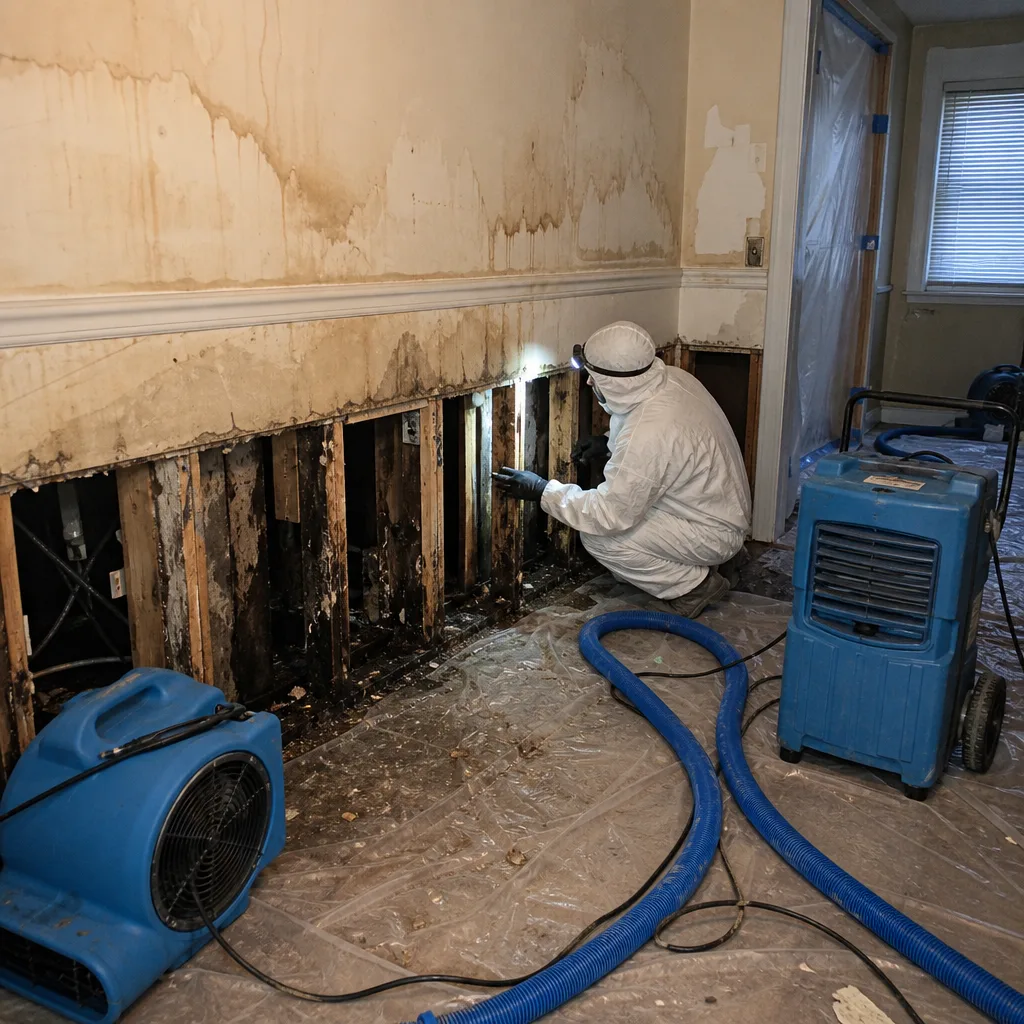 Before
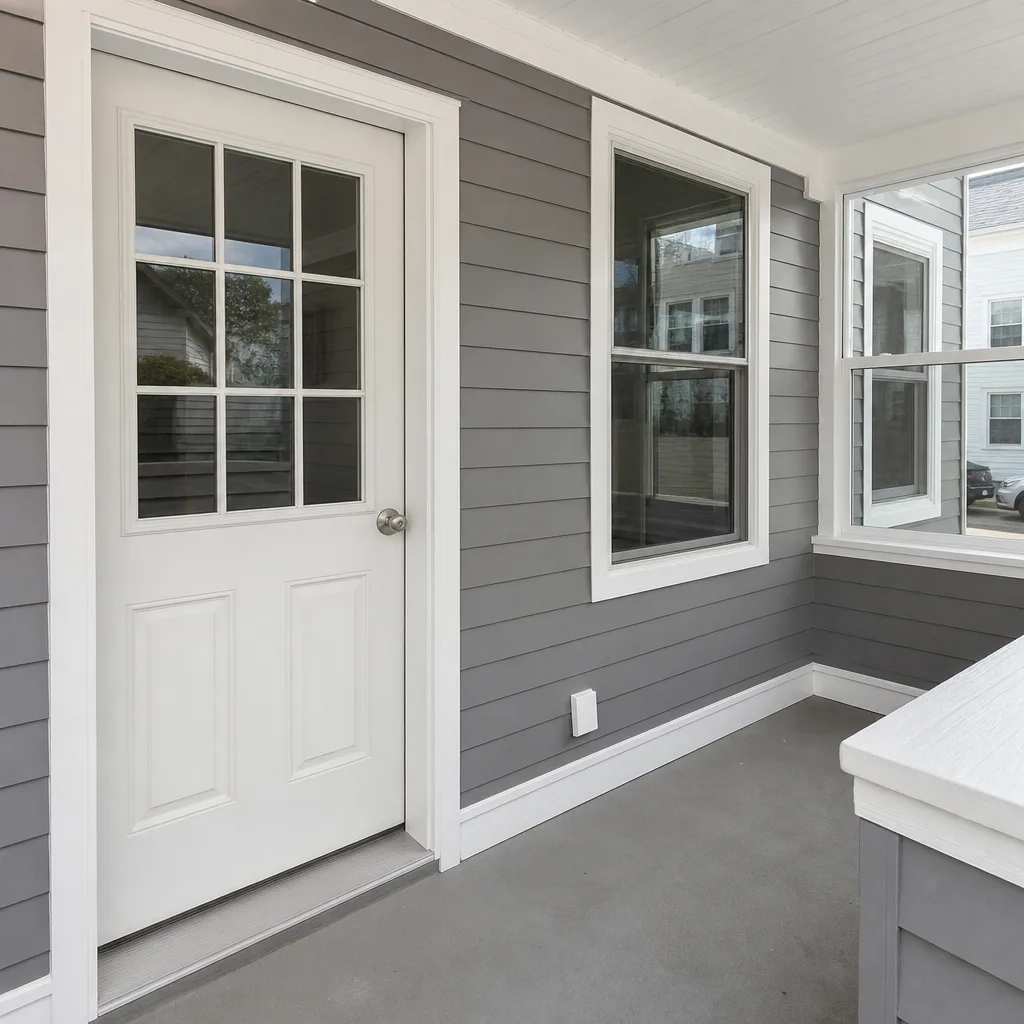 After
After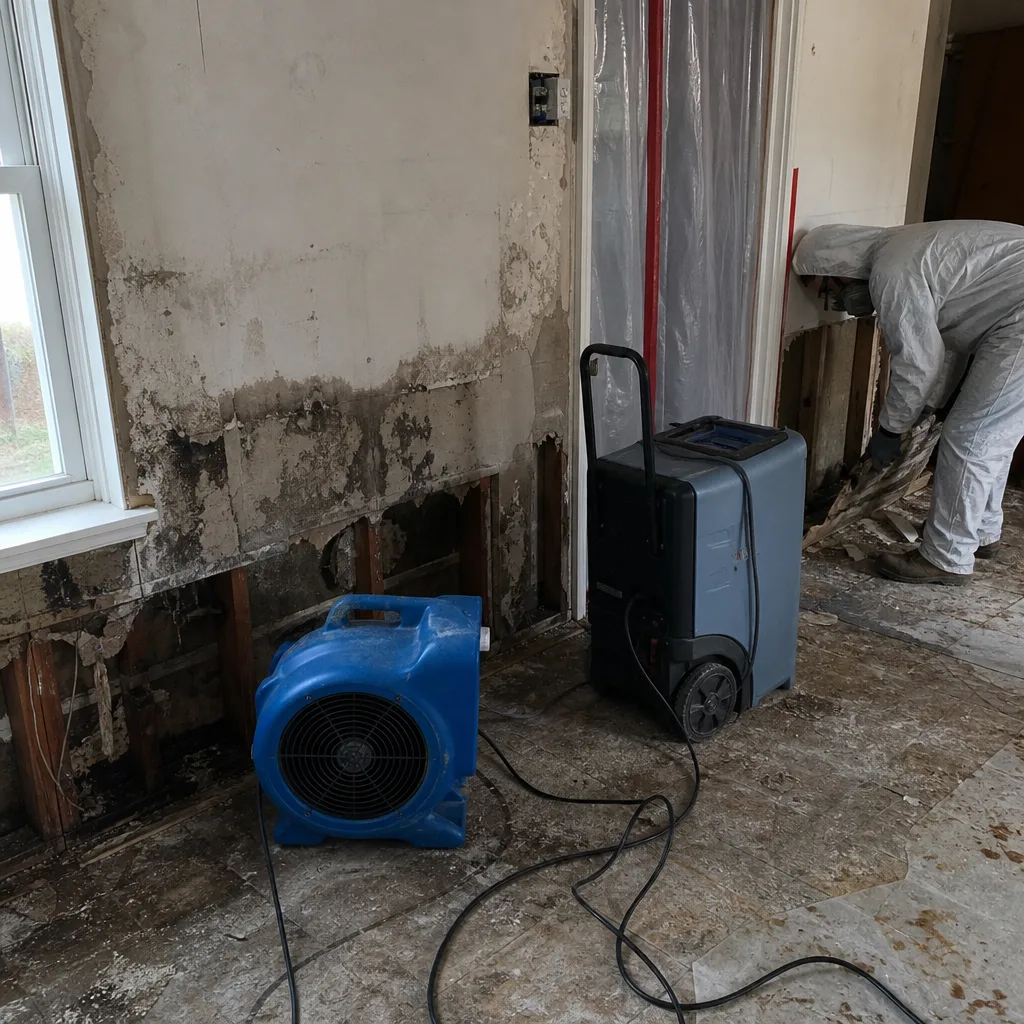 Before
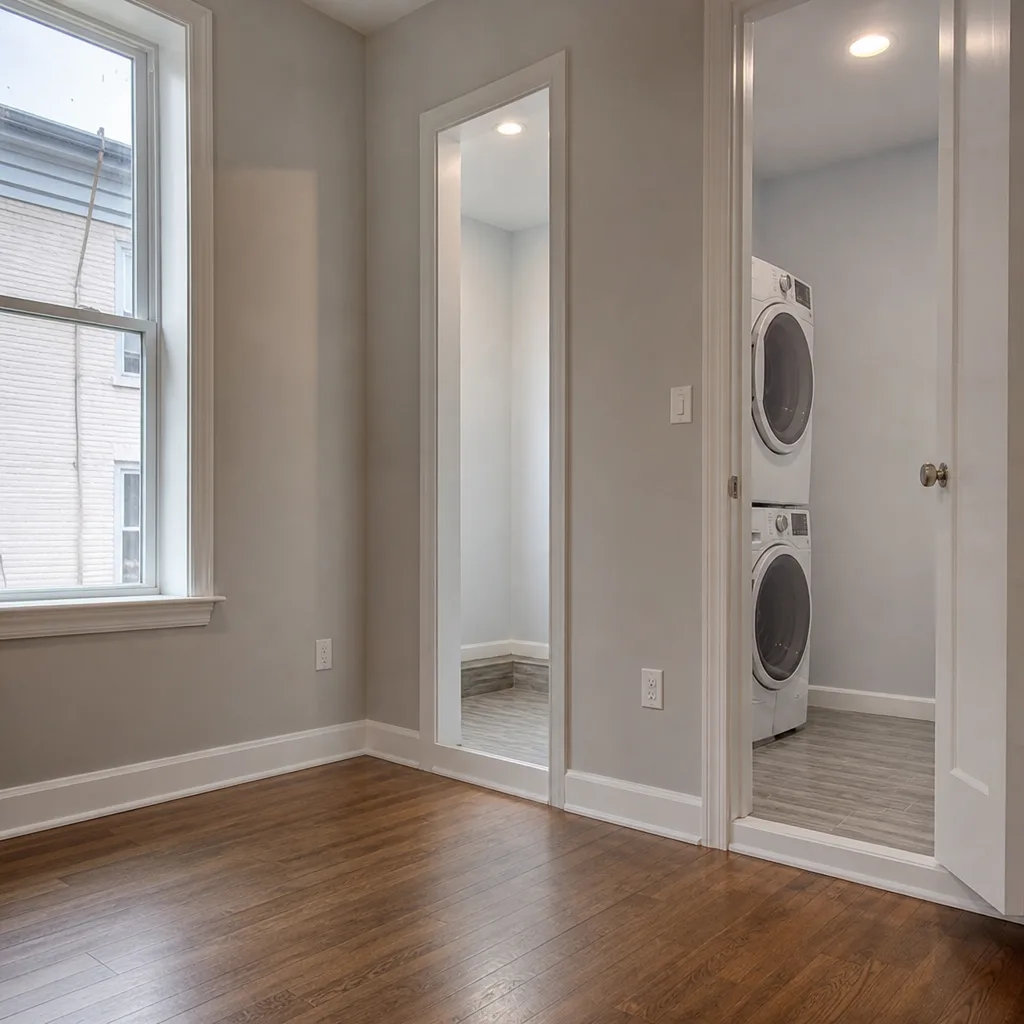 After
After24/7 Emergency Fire & Smoke Damage Restoration in Financial District
When a fire hits a Financial District property, the first hour dictates how much can be saved. Smoke and soot begin etching into surfaces within minutes, and in a district where so many buildings carry salt residue from past storm surges, that timeline compresses further. We answer the phone with a live dispatcher at 2 a.m. and every other hour, and we dispatch crews inside the Financial District area right away. Call (640) 400-9404 for a free visual inspection. The sooner extraction, containment, and air scrubbing start, the less damage spreads to neighboring units, original woodwork, and below-grade mechanical spaces.
Understanding Fire & Smoke Damage Restoration Severity in Financial District Properties
Not all fire damage behaves the same way, and in the Financial District, the building stock writes its own rules. A kitchen fire in a converted 1920s office building leaves different residue signatures than one in a new construction condo near the Seaport. We classify soot by type: dry soot from high-oxygen fires that burns off paper and wood, wet soot from smoldering low-heat fires that leaves a sticky, corrosive film, and protein soot from grease fires that is nearly invisible but carries an acrid odor that lingers for months if untreated. Smoke migration follows building systems, moving through elevator shafts, pipe chases, and the narrow service corridors that thread through pre-war masonry towers. In Financial District’s older structures, smoke routinely travels from a lower-floor unit into upper floors and even adjacent buildings through shared plenums and original cast-iron radiators. That’s why we always scope damage beyond the fire room itself before we begin.
Below-grade levels add a second layer of severity. The mechanical rooms in Financial District buildings sit at or near sea level, often in landfill soil with a high water table. When a sprinkler system discharges during a fire, that water pools in subgrade spaces where tidal seepage may already be present. We’ve seen Category 3 water from sprinkler discharge mix with pre-existing groundwater intrusion, contaminating drywall and insulation behind fire-damaged walls. Treating that as ordinary wetness fails every time.
Why Financial District Property Owners Choose Floodline Restoration Co.
- 45-minute response commitment: Our dispatch board puts a crew in motion the moment you call, with a target of 45 minutes to your Financial District building.
- 24/7 live answer, always a person: A live dispatcher picks up at 2 a.m. or 2 p.m. No recordings, no answering service that takes a message and hopes for the best.
- IICRC-certified crews, trained to FSRT and WRT standards: Our technicians hold fire and smoke restoration and water damage technician certifications, with ongoing training through RIA and IFA programs.
- Free visual inspection with a written scope: We look before we quote, and we put the plan on paper before any work starts. No surprises on the bill.
- Direct insurance billing: We communicate with your adjuster from the first hour and bill your carrier directly. You don’t play messenger.
- One team from first response to final coat of paint: The same certified crew that extracts water and scrubs soot also rebuilds what needs rebuilding, all under the 90-Day Done Right Promise in writing.
Our Fire & Smoke Damage Restoration Process
Inspection & Assessment
We start with thermal imaging and moisture mapping, not guesswork. In Financial District buildings, we test for chloride contamination in areas that may have seen past tidal water, because salt changes how we treat both soot and moisture. We photograph everything room by room before we touch a thing.
Extraction & Stabilization
Any standing water from sprinklers or firefighting comes out first, using truck-mounted and portable extraction units. We board up openings, tarp compromised sections, and secure the property so smoke odor doesn’t keep migrating into neighboring condo units.
Drying & Dehumidification
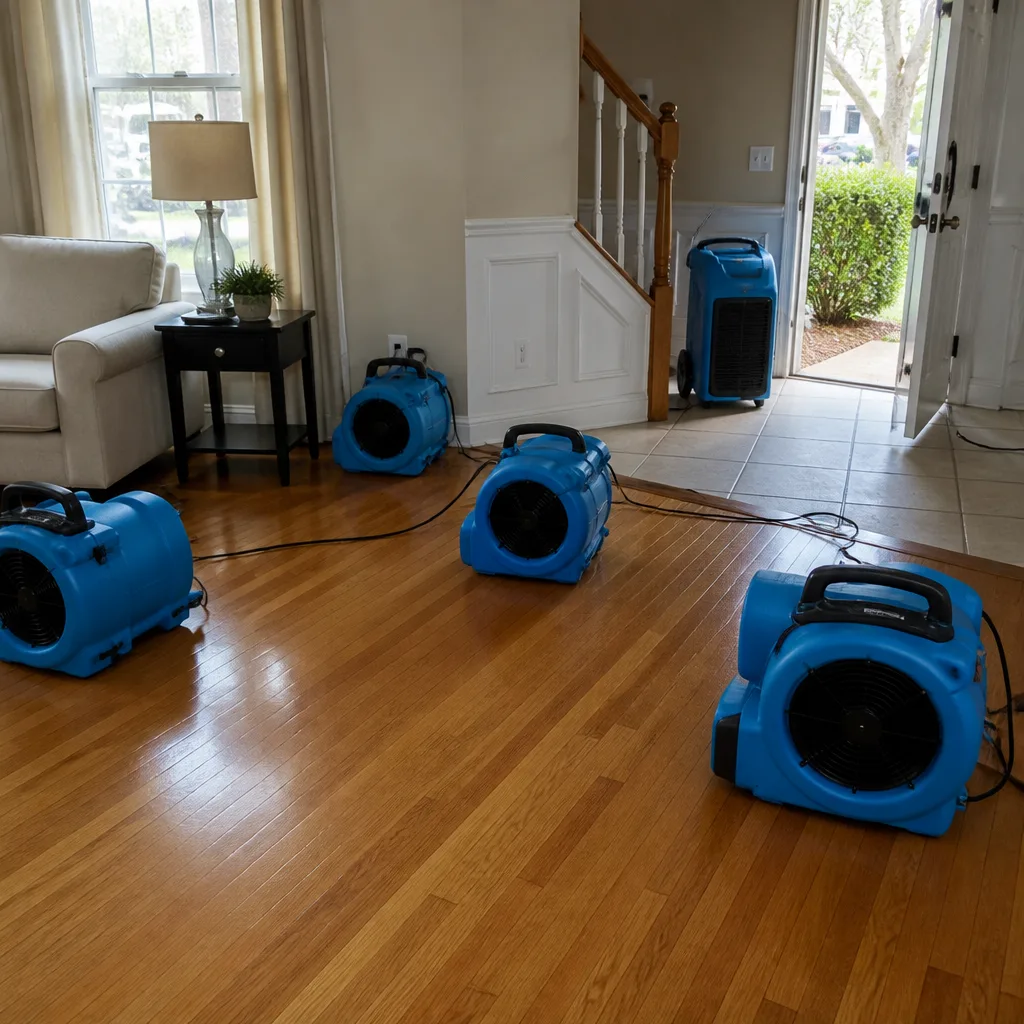
We run Dri-Eaz and Phoenix dehumidifiers with XPOWER air movers, sized to the actual cubic footage and the moisture load we measured. In below-grade mechanical rooms, we monitor for groundwater seepage that standard drying logs miss. Daily readings are logged and shared with you and your carrier.
Cleaning & Sanitization
Soot and smoke residue come off with the right chemistry for each surface. We use HEPA filtration and air scrubbing to pull airborne particulates out of the breathing space before they settle into open-grain wood, plaster, and textiles.
Odor Removal & Deodorization
For Financial District properties with salt-laden materials, we run hydroxyl generators and thermal fogging after chloride testing tells us what we’re actually fighting. Masking a smell never works; neutralizing it at the source does.
Repairs & Restoration
Our crew rebuilds damaged framing, drywall, millwork, and finishes to match. When custom cabinetry or hand-carved doors need work, we match stain, grain, and profile so the repair doesn’t announce itself. The job ends with a written sign-off and the 90-Day Done Right Promise in your hands.
Need Emergency Fire & Smoke Damage Restoration in Financial District Now?
Crews minutes away, answering live 24 hours a day. The sooner we start, the less it costs.
Working With Your Insurance Company
We’ve handled hundreds of fire claims in New York City, and we know what adjusters need to approve a loss quickly and fully. From the first hour, we document the scene with photos, written notes, and moisture readings. We write estimates in the industry-standard format your carrier expects, and we speak directly with your adjuster so you don’t have to translate restoration language. If your policy covers fire and smoke damage, which most Financial District condo and co-op policies do, we bill your carrier directly and walk you through any out-of-pocket portion before work begins. A written scope of work, agreed to before we start, is the closest thing to a square deal there is.
What We Provide Your Insurer
- Thorough documentation of the loss
- Photos of all damage, room by room
- Moisture readings and drying logs
- A detailed, line-item scope of work
- Direct coordination with your carrier
Built for Financial District’s Loss Calendar
Fire and smoke damage in the Financial District doesn’t follow a single season, but certain months bring familiar patterns. January and February see space heater fires in converted lofts and older office-to-residential buildings where original heating systems strain against concrete and masonry. Spring brings thaw cycles that push groundwater up through landfill soil, keeping below-grade mechanical spaces damp even before a fire event. Summer thunderstorms dump rain fast enough to overwhelm roof drains on mid-century steel-frame buildings, and when water reaches electrical switchgear in a subgrade room, a small short becomes a smoke event that fills corridors. Nor’easters from October through December add storm surge pressure to everything near the Battery, and any fire in a surge-exposed building means fighting water and soot at once. Our crews plan for these patterns, and our equipment goes on the truck accordingly.
Fire & Smoke Damage Restoration Across Financial District’s Neighborhoods
The Financial District reads differently block by block. Along Wall Street and Broad Street, we’re usually working in pre-war masonry towers from the 1880s through the 1930s, where smoke travels through original elevator shafts and pipe chases and the board approval process moves on its own clock. Near South Street Seaport, converted loft buildings with wide-plank floors and exposed timber beams hold smoke in ways drywall never does, and the proximity to the East River means basement mechanical rooms run damp. In the residential conversions around Pearl Street and Stone Street, we see a lot of open-plan kitchens where a single grease fire spreads soot through custom cabinetry and across entire living floors. Up near the Brooklyn Bridge and along Water Street, newer high-rise condos have tighter construction, but shared HVAC returns can pull smoke from one unit into a dozen others in minutes. We know the service entrances, the freight elevator protocols, and the board requirements in each part of the district, and that knowledge keeps a job moving instead of stalling.
Specialized Fire & Smoke Damage Restoration Services We Offer in Financial District
Smoke & Soot Removal
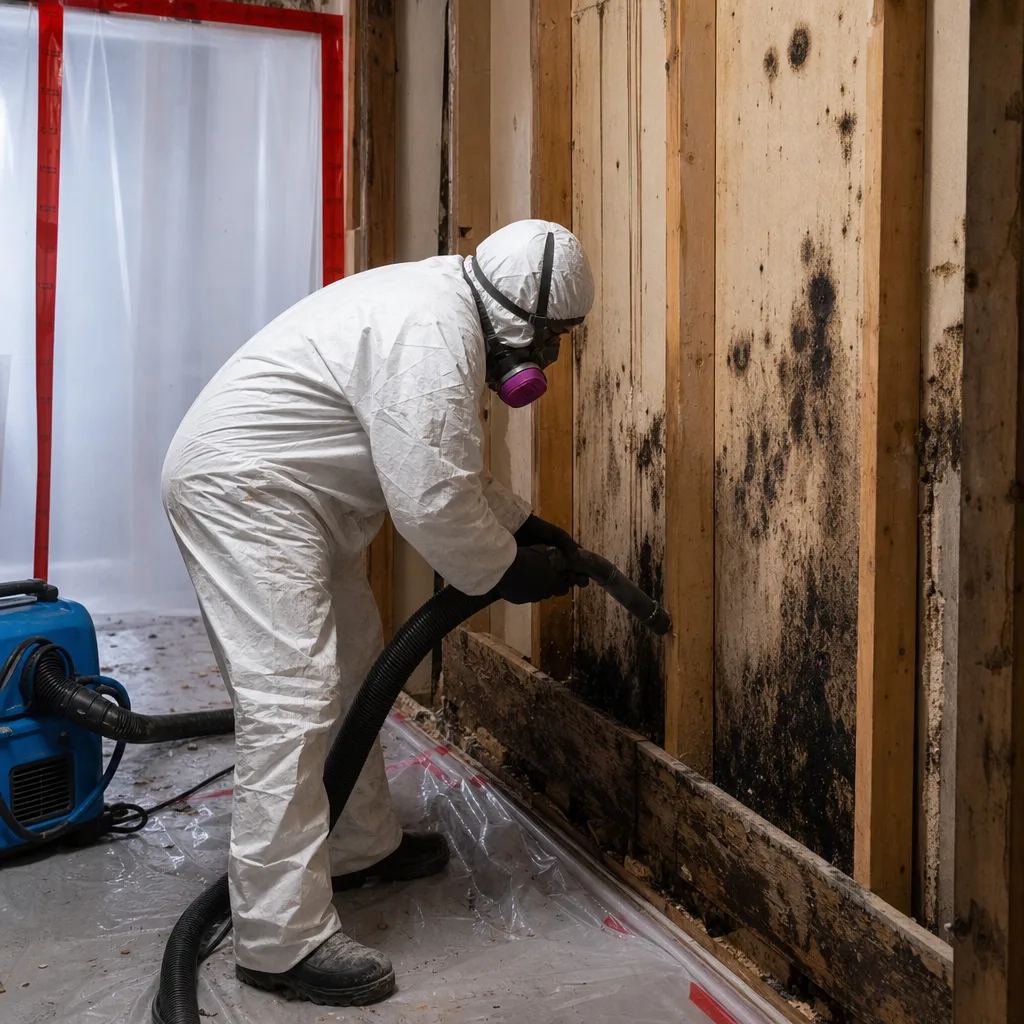
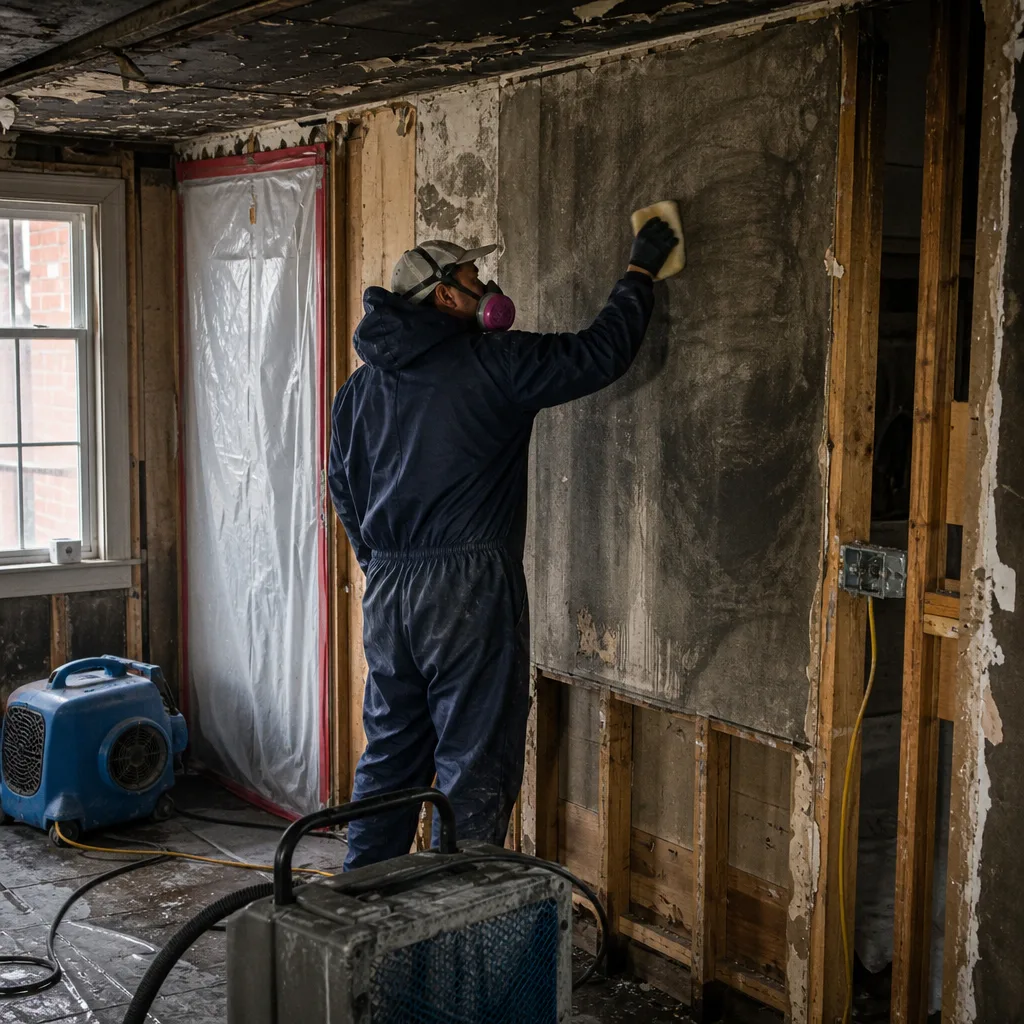
In a Financial District apartment with original plaster walls and pre-war wood trim, generic cleaning makes things worse. We test surfaces for chloride residue from past saltwater events, then choose the right cleaning method for each material, whether it’s dry sponge on plaster, HEPA vacuum on open-grain wood, or chemical sponge on painted surfaces. The brown film comes off; the wood doesn’t get damaged in the process.
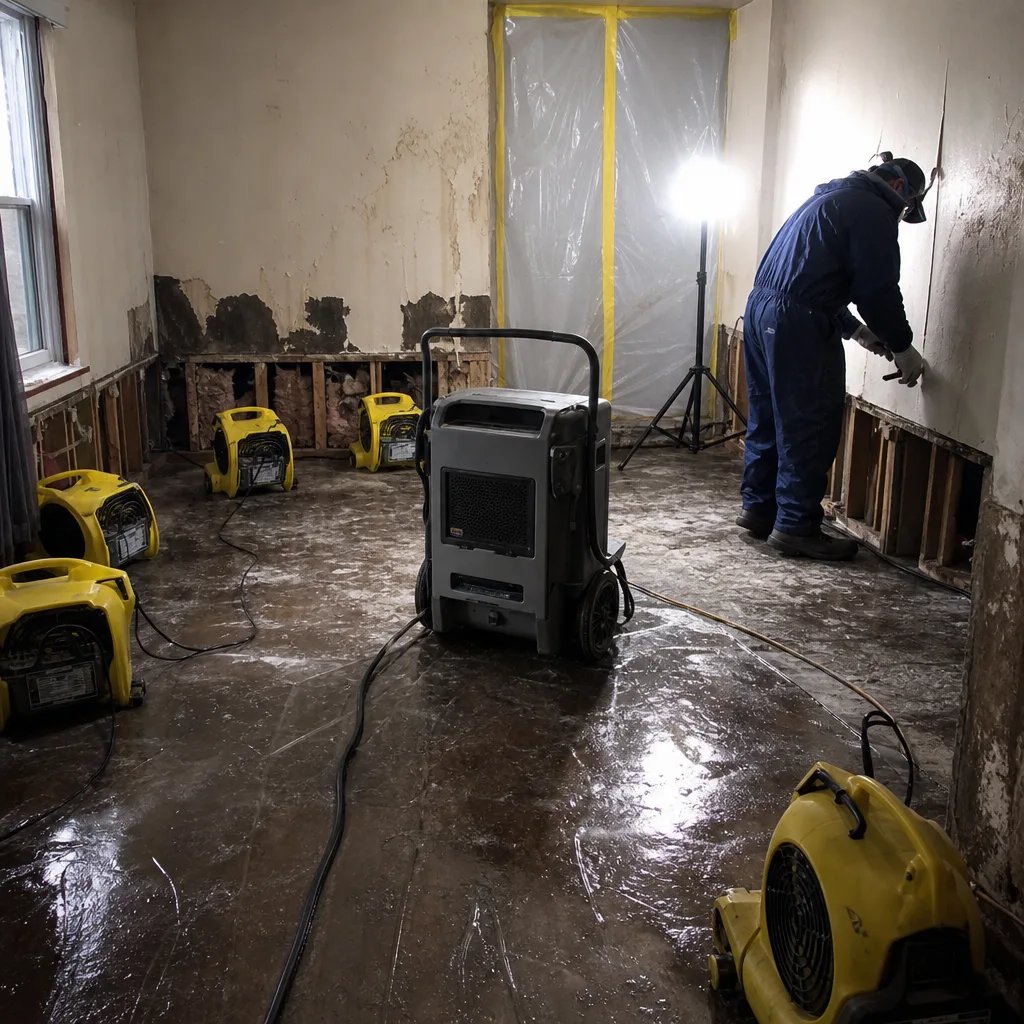
Odor Removal & Deodorization
Our Fire & Smoke Damage Restoration team treats odor at the source, not the surface. In converted Financial District lofts where smoke traveled through ductwork and behind walls, we run hydroxyl generators, thermal foggers, and ozone treatments sized to the space. Salt residue that re-wets materials and reactivates musty smells gets addressed with marine-grade dehumidification before we call the odor problem solved.
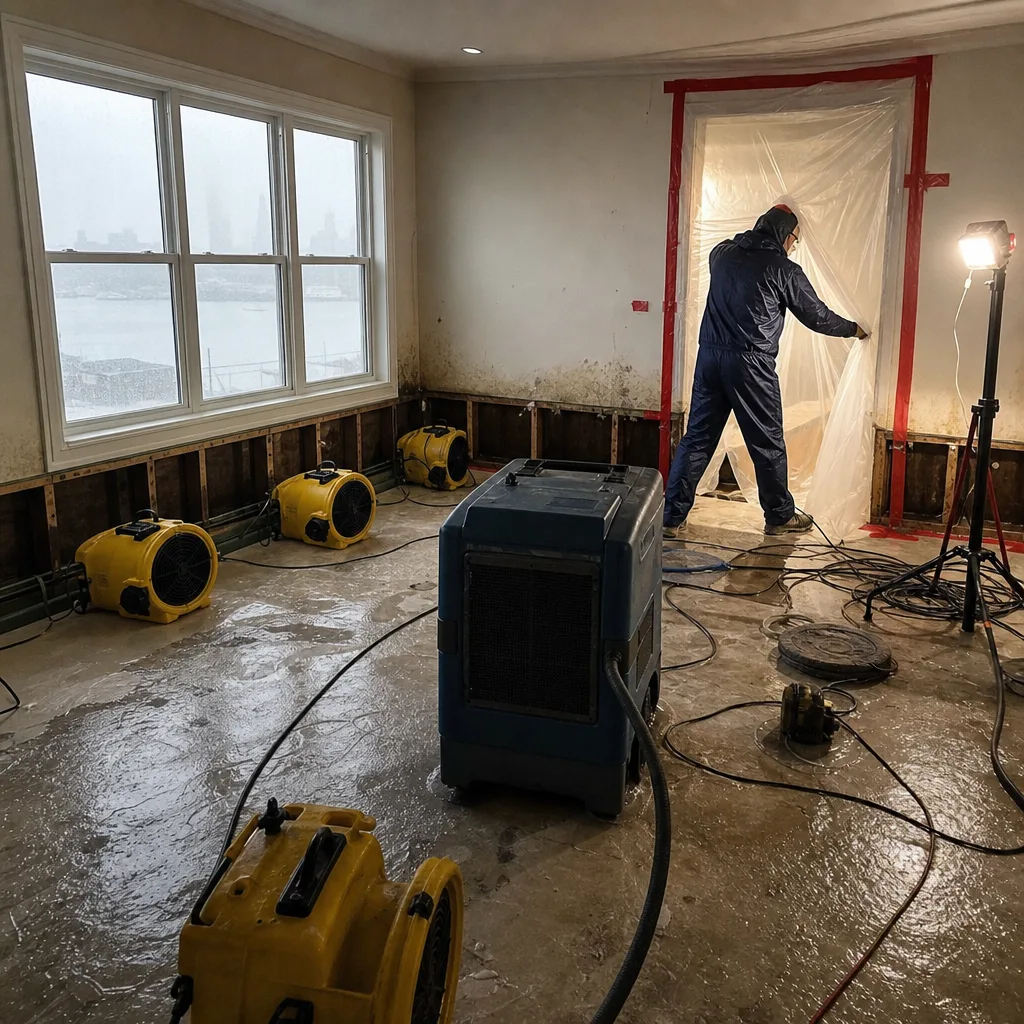
Structural Fire Repair
When framing, subflooring, or load-bearing sections are compromised, we rebuild to code. In Financial District co-ops and condos, that means coordinating with the building’s board and engineer on structural work. We match existing finishes, from custom walnut cabinetry to hand-carved entry doors, so the repair reads as original. The K.E.Y.S. code behind our 90-Day Done Right Promise applies to structural work the same as everything else: Krafted right, Every time, Your home first, Standing behind it.
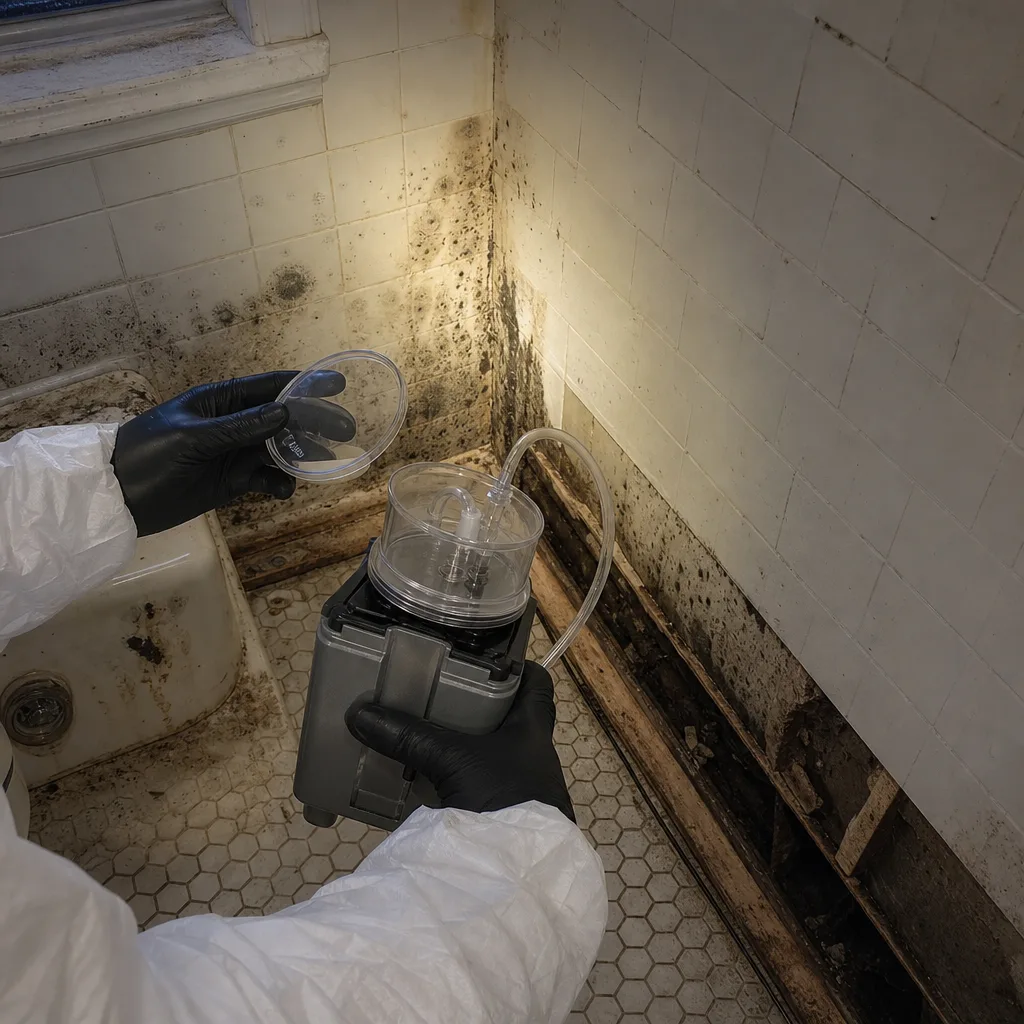
Fire Damage Cleanup
Cleanup starts with containment, because soot that gets airborne in a Financial District apartment travels through shared systems into neighboring units. We set up containments, run HEPA air scrubbers, and remove charred materials with care, especially in buildings where the board has rules about debris removal through common areas. Every step is documented with photos for your insurance file.
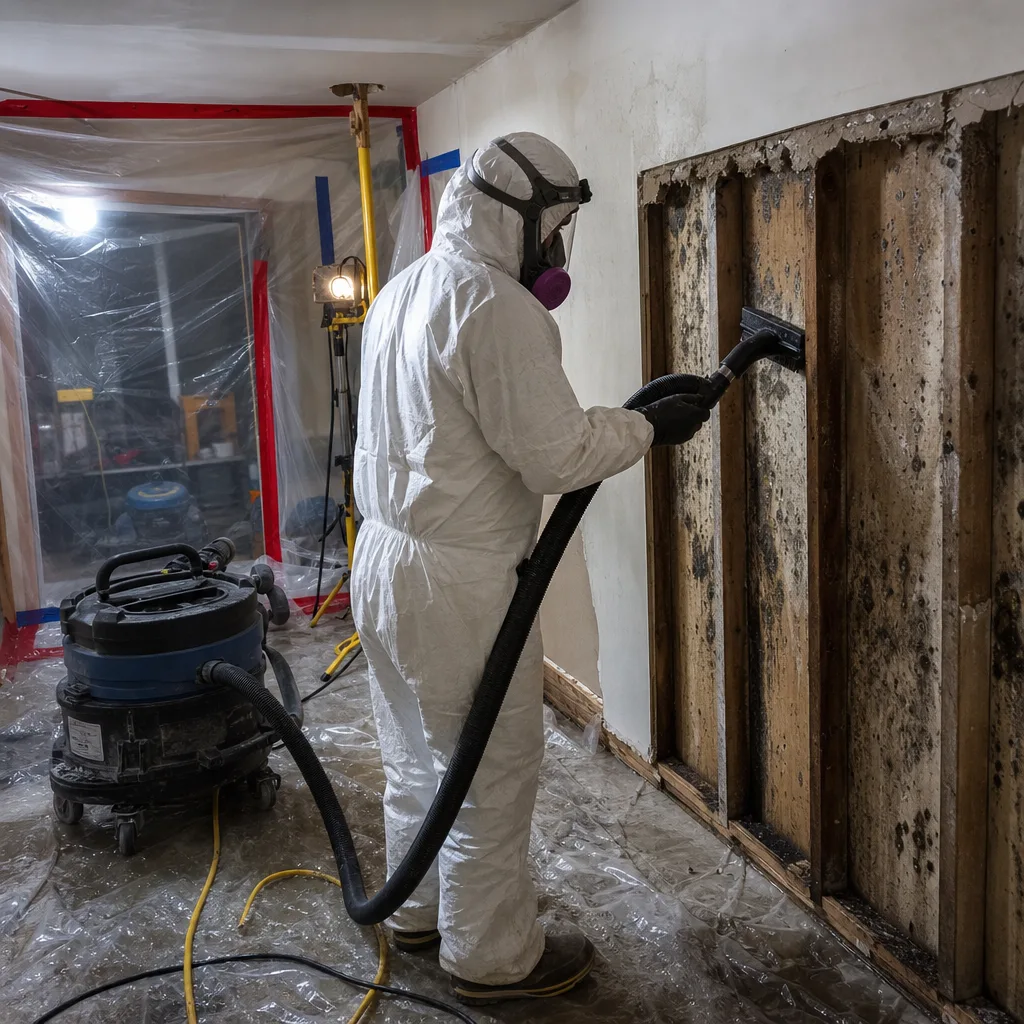
Contents Cleaning & Pack-Out
Custom furnishings, art, and clothing in Financial District homes often carry irreplaceable value. We pack out contents for ultrasonic cleaning and off-site restoration, with a documented inventory that your carrier accepts. Items that can be cleaned on site stay on site, under HEPA filtration, so your life isn’t unpacked in a warehouse longer than necessary.
Emergency Board-Up & Tarping
After a fire, a building left open is an invitation to theft, weather damage, and further smoke migration. We board up windows and doors with code-compliant materials, and in Financial District buildings with board approval requirements, we know what temporary work is allowed as an emergency measure. That keeps the building secure while the approval process runs its course.
What happens when you call
- 1
A real person answersNo phone trees - you reach a local pro.
- 2
You get an upfront price rangeHonest numbers before anyone is dispatched.
- 3
A background-checked tech heads outLicensed & insured, dispatched right away.
- 4
You approve before work beginsNothing starts until you say go.
Fire & Smoke Damage Restoration Costs in Financial District, NY
Prices in the Financial District run higher than the borough average because of building access, board protocols, and the age of the construction. A small contained kitchen fire with minor soot cleanup in one unit typically runs $2,800 to $6,500. A larger smoke event that spreads through multiple rooms, requires pack-out of contents, and demands odor treatment runs $9,000 to $22,000. Structural fire repair on a load-bearing section adds real cost, usually starting around $15,000 and rising with the scope. Your insurance policy covers most of this in standard fire and smoke losses, though saltwater-related pre-existing moisture may fall under a separate discussion with your adjuster. The free visual inspection we offer is the path to a firm, written scope. Call (640) 400-9404 and we’ll get you exact numbers, not ranges.
We Also Serve Cities Near Financial District
Our crews regularly respond to fire and smoke damage calls in Midland Beach, New Springville, Oakwood, and Travis – Chelsea. Same 24/7 live dispatch, same 45-minute commitment, same written scope before work starts.
Serving Financial District, NY - Our Local Coverage Area
We’re based in the Financial District area and know this community well. Use the map below to see our service coverage - if you’re nearby, we can almost certainly help.
Financial District Fire & Smoke Damage Restoration Questions, Answered
Why does fire and smoke damage in the Financial District often smell worse weeks after the fire is out?
Salt residue from past storm surge events is hygroscopic, meaning it keeps pulling moisture from the air and re-wetting porous materials like plaster, wood, and drywall, which reactivates smoke odor long after the visible soot is gone. Standard deodorization masks the smell temporarily but doesn’t address the salt-driven moisture cycle. In the Financial District, effective odor removal starts with chloride testing and marine-grade dehumidification before any fogging or ozone treatment. Call (640) 400-9404 for an assessment that accounts for the district’s salt history.
Can our crew start fire damage cleanup in a Financial District co-op without board approval?
Emergency mitigation, including board-up, water extraction, and containment, generally does not require board approval because delaying it risk further damage to the building. Structural repairs and changes to common elements do require board sign-off. We know which is which in Financial District buildings, and we document the emergency work so the board and your insurer both see a clear line between mitigation and repair. We’ll handle the communication.
Why does smoke odor settle into original pre-war wood doors and trim in Financial District apartments more than in newer drywall?
Pre-war wood doors and trim in the Financial District are typically open-grain hardwoods like oak, walnut, or mahogany. Smoke particles work into the grain and cling there, especially when the wood has absorbed salt over decades of coastal air and surge events. Newer painted drywall has a closed surface that’s easier to clean. Old wood needs careful HEPA vacuuming, chemical sponge work, and sometimes refinishing, done by someone who knows how to preserve the original character while removing the odor.
Does the Financial District’s flood history change how we handle fire damage in basement mechanical rooms?
Yes, significantly. A basement mechanical room that took on tidal water in 2012 or during a later surge may still carry chloride contamination, which holds moisture and accelerates corrosion on electrical components and metal framing. When a fire damages a below-grade mechanical room, we test for chlorides before we run standard dehumidifiers, because standard drying in a salt-laden space plateaus and leaves hidden moisture. We use marine-grade drying protocols and log readings until the dry standard is met, not just until the visible water is gone.
Can you match custom finishes on smoke-damaged built-ins and doors in a converted Financial District loft?
We match custom finishes by working from the existing piece, not a catalog. That means taking a sample from the undamaged area, testing stain and grain on the same wood species, and finishing to match sheen and age. We restored a converted-loft condo on Pearl Street where a kitchen fire sent wet smoke into custom walnut cabinetry and a hand-carved entry door. The building’s below-grade mechanical room held Category 3 water from the sprinkler system. Our techs ran containment and air movers, used moisture mapping to find saturated drywall behind the range hood, and matched the original stain on bespoke trim before pack-out for ultrasonic cleaning. The owner’s only complaint was that the repaired section looked better than the original.
How fast can someone actually get to a Financial District fire damage call?
Our target is 45 minutes from your call to our crew’s arrival at your Financial District building. A live dispatcher takes your call at any hour, confirms your location and the nature of the damage, and puts the nearest certified crew in motion immediately. In a district where every hour spreads smoke further through shared systems, speed matters more than almost anywhere else.
Will my insurance cover fire and smoke damage restoration in the Financial District?
Most standard co-op, condo, and homeowners policies in the Financial District cover fire and smoke damage, including structural repair, contents cleaning, and odor removal. The claims process runs smoother when documentation starts in the first hour, with photos, moisture readings, and a line-item scope that matches your carrier’s format. We coordinate directly with your adjuster and bill your carrier directly for covered losses. Any out-of-pocket portion is put in writing before work begins.
What should I do in the first 30 minutes after a fire in my Financial District apartment?
Call your building’s front desk or super first, then call us at (640) 400-9404. Don’t touch walls, cabinets, or contents, because soot smears and becomes far harder to remove. Don’t turn on ceiling fans or HVAC systems, which spreads smoke through shared ducts. Don’t use electrical outlets in the affected area until they’ve been checked. Open windows only if it’s safe to do so and won’t push smoke into common areas. Then stay out of the damaged rooms until a professional assessment is done.
Fire and smoke damage in the Financial District fails quietly when three variables are ignored: saltwater history in the walls, board approval timelines, and below-grade moisture that never dried. Generic restoration never touches those. We do. Call (640) 400-9404 for a free visual inspection and a written scope, and we’ll be there when we say. Floodline Restoration Co. has served New York City for 42 years under the same name and the same promise: done right, and backed in writing.
Written by Curt Bowman, Owner at Floodline Restoration Co., serving New York City with fire and smoke restoration since 2010.