
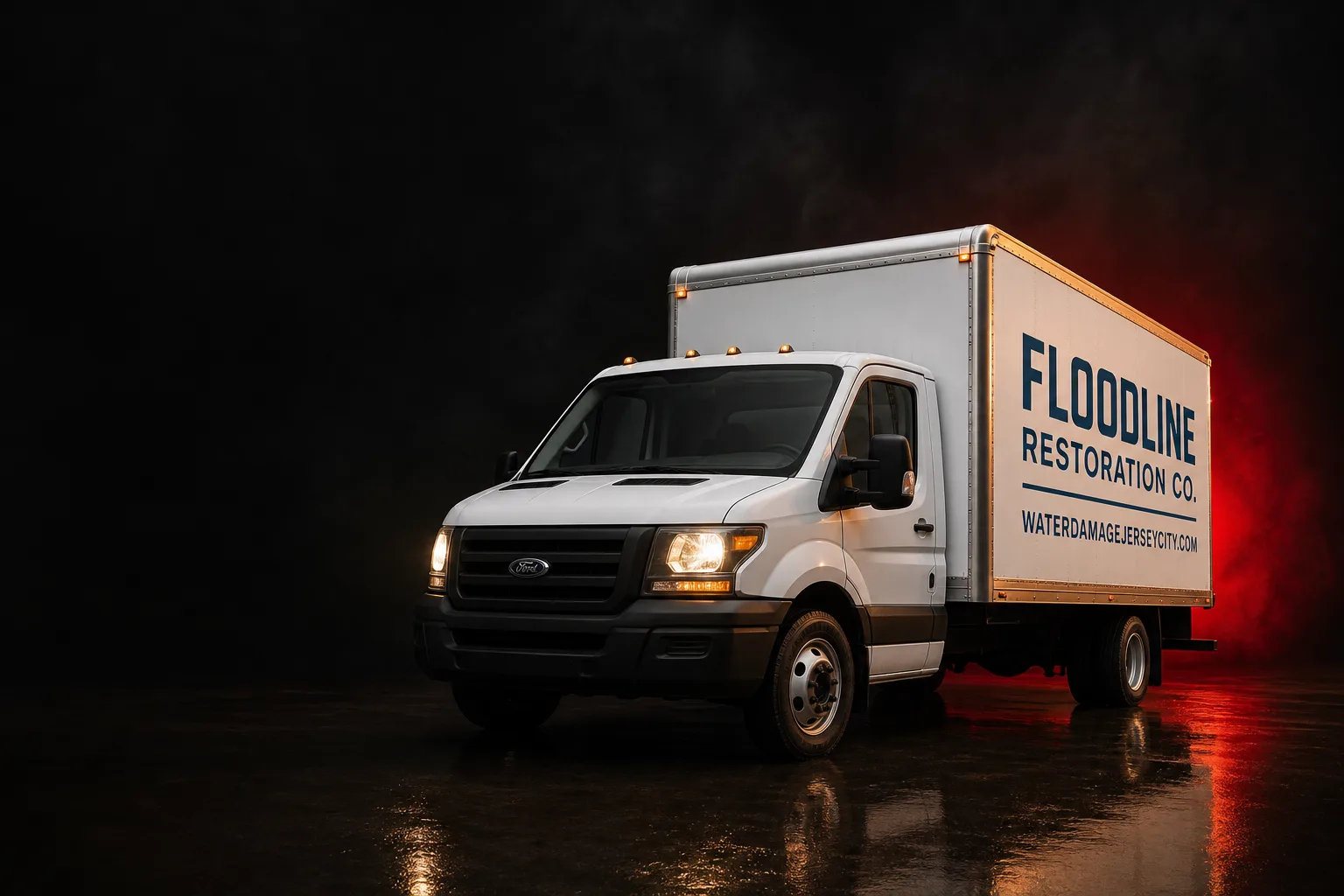
Free visual inspection and a written scope of work before any mitigation begins - photos, moisture readings, and drying logs go in your claim file
The scope we write is the scope we bill. Anything new gets shown to you, in writing, before we touch it.

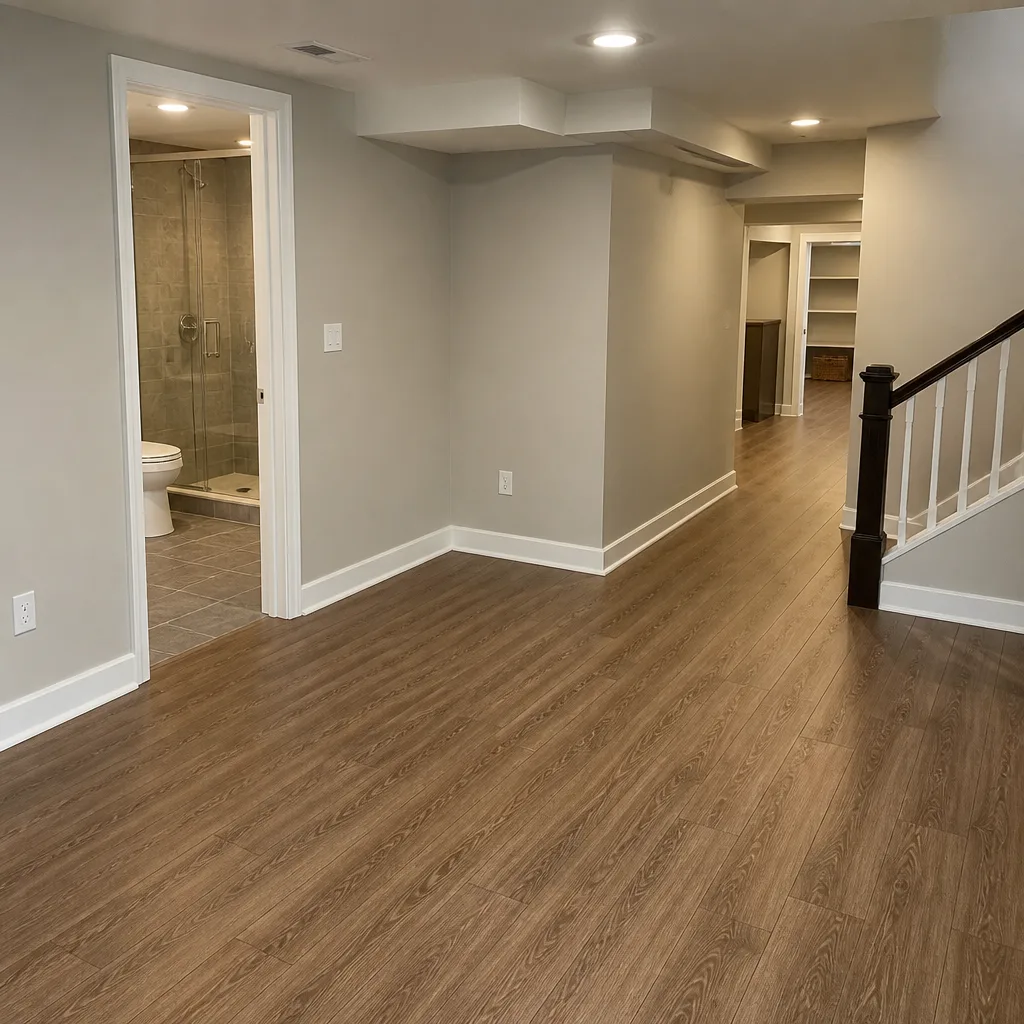
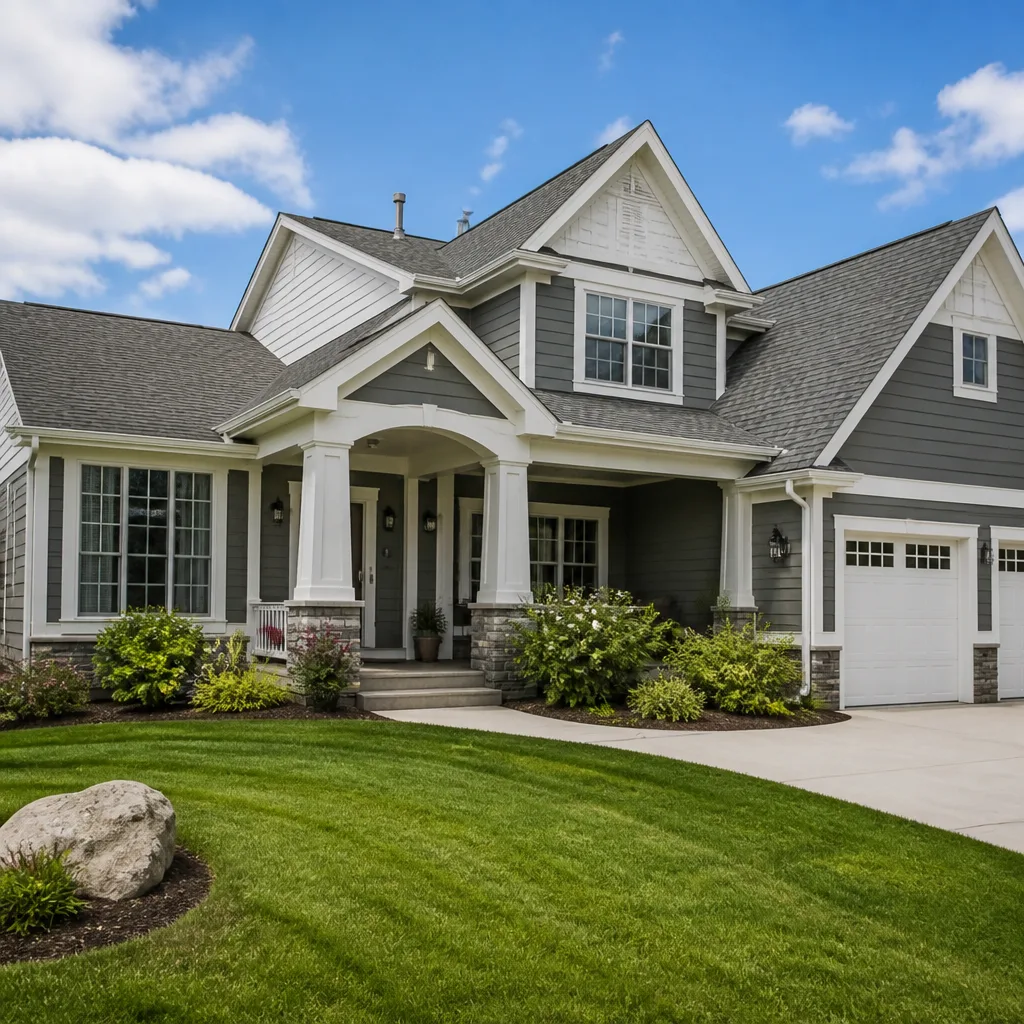
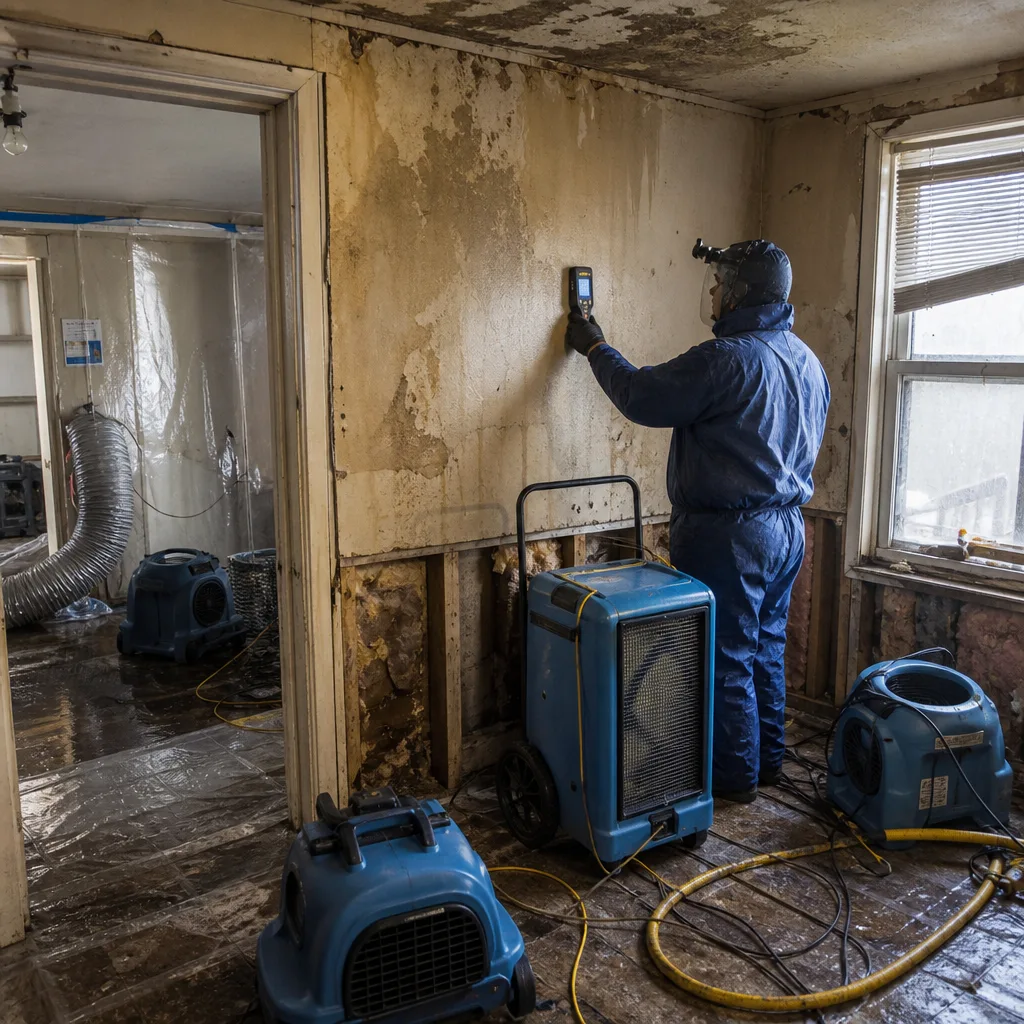 Before
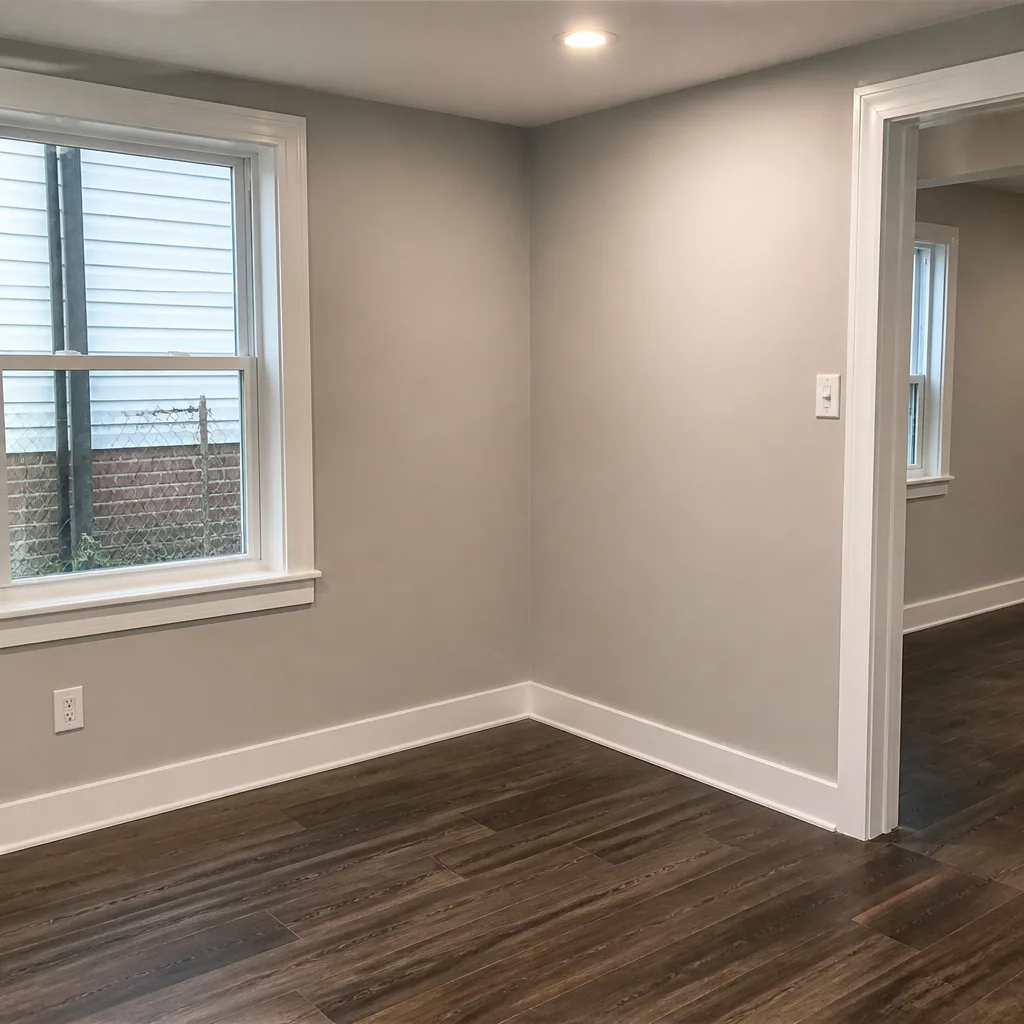 After
After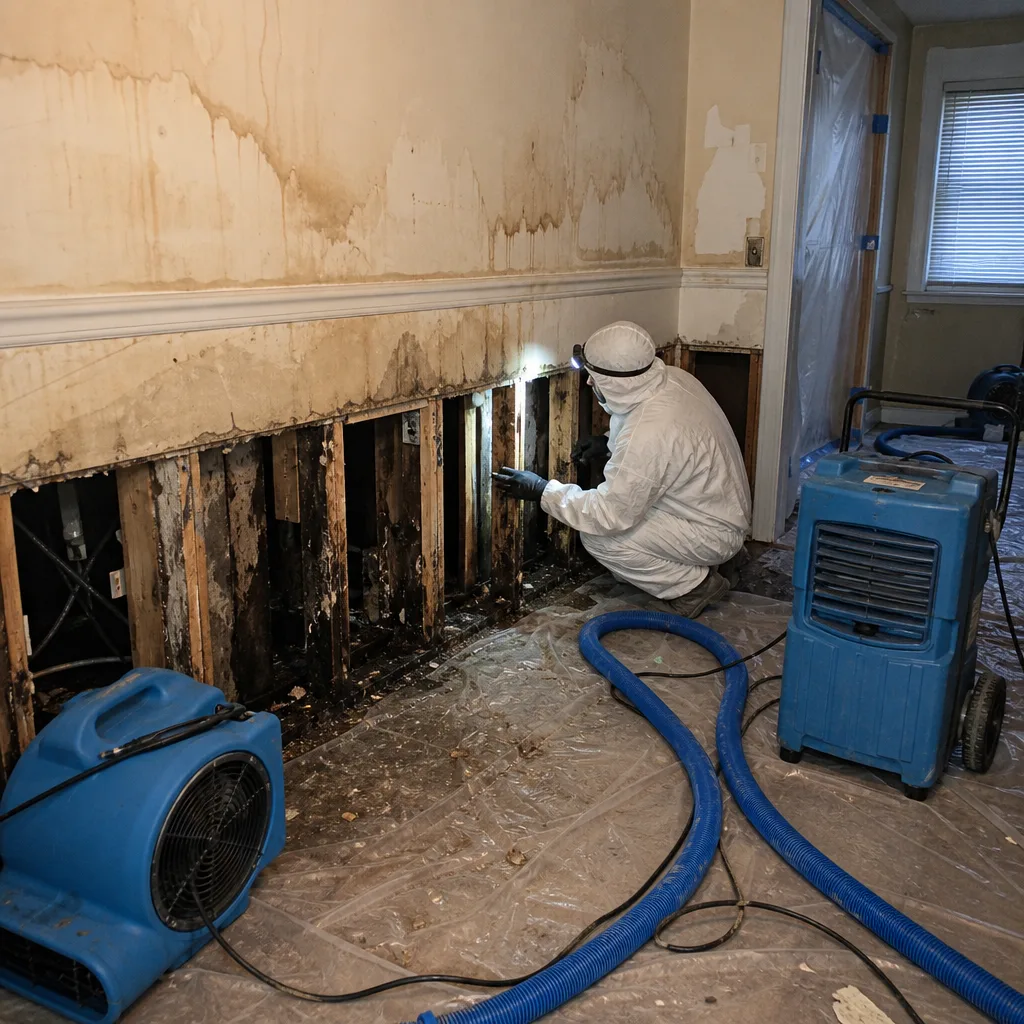 Before
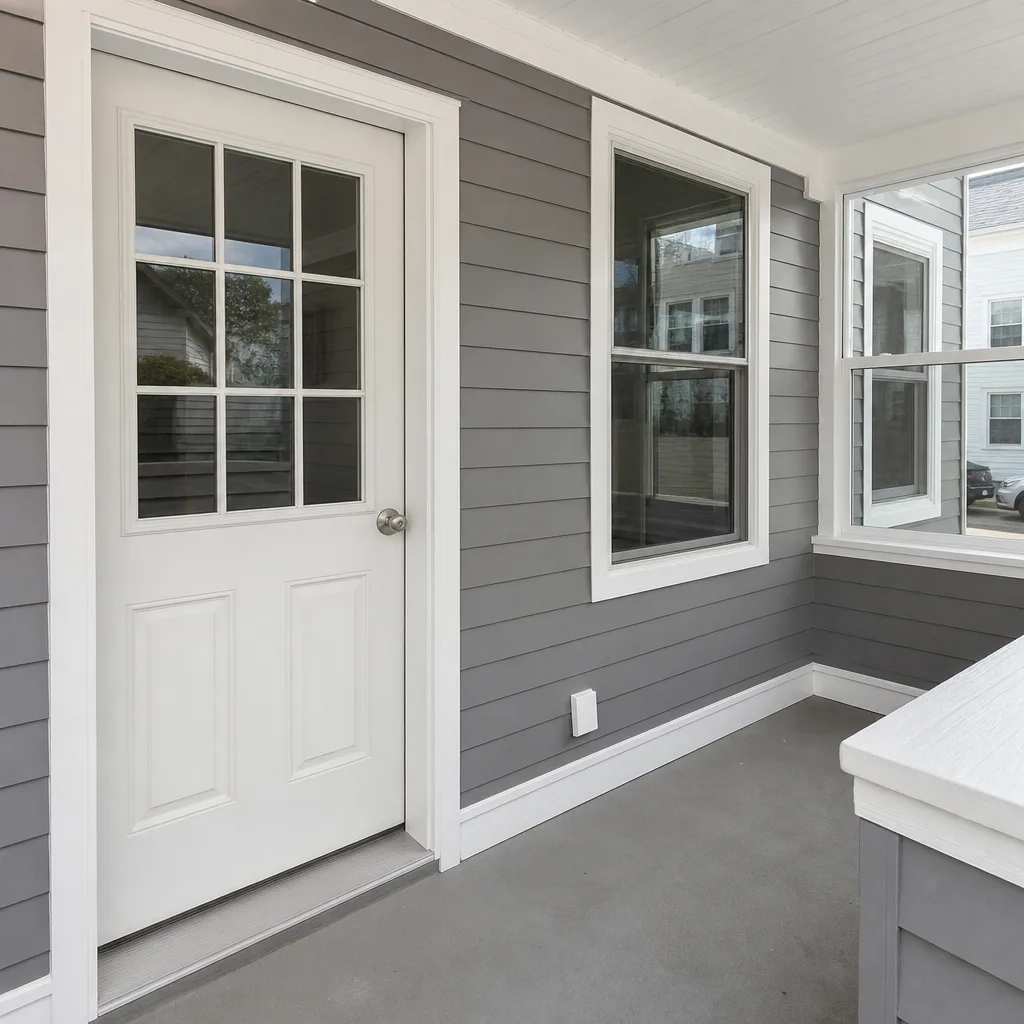 After
After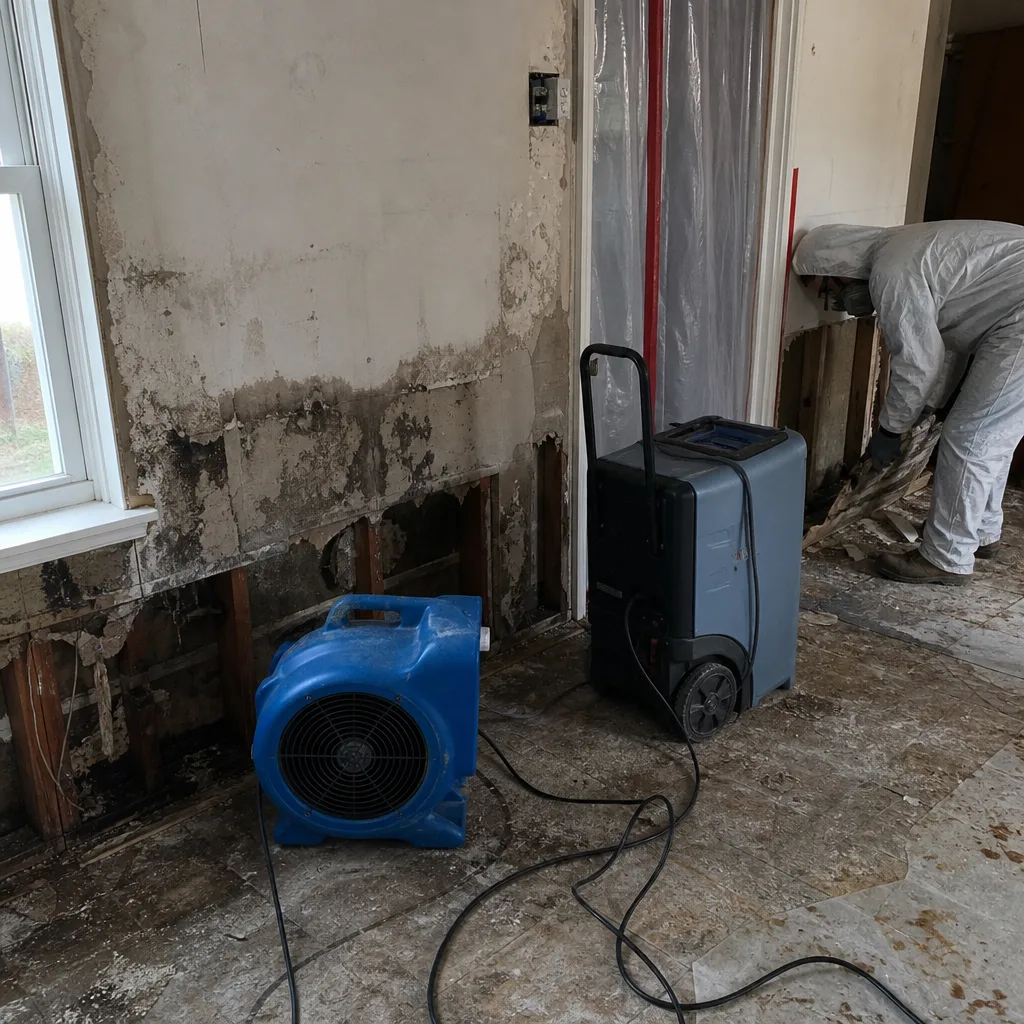 Before
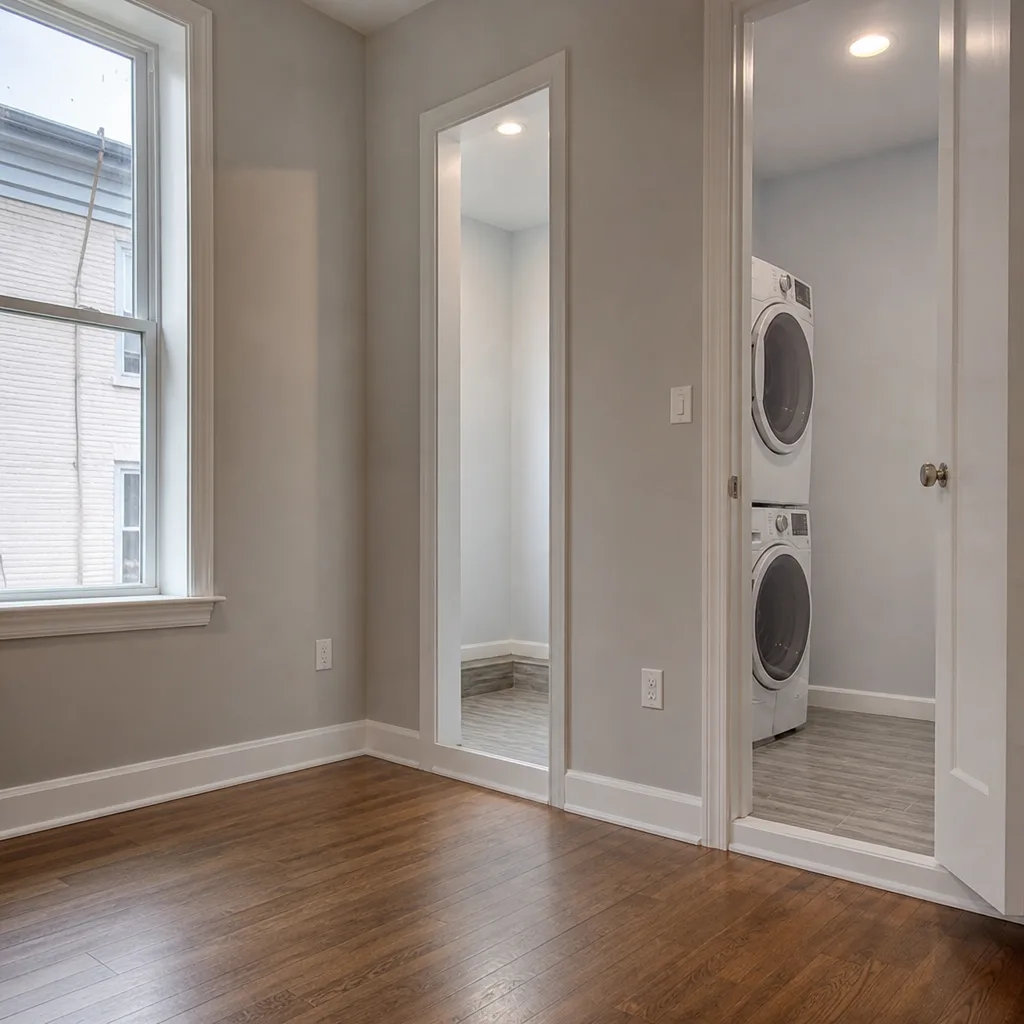 After
After24/7 Emergency Commercial Restoration in Financial District
Commercial restoration in the Financial District moves on two clocks: the water’s clock and the landlord’s clock. When a subgrade mechanical room floods or a pre-war tower’s supply line lets go, every hour that passes spreads damage through limestone block and steel framing that has stood since the 1880s. Our crews answer live at (640) 400-9404 around the clock, every day of the year. A free visual inspection gets a certified technician to your address inside the Financial District, often within 45 minutes, with moisture meters and thermal imaging in hand. The first hour determines whether you’re drying a contained loss or rebuilding an entire below-grade equipment floor.
Understanding Commercial Restoration Severity in Financial District Properties
Not all water in the Financial District is the same water. Restoration technicians classify it in three categories. Category 1 starts clean, a ruptured supply line or a failed boiler feed. Category 2 carries significant contamination, think condensate overflow or sump failure. Category 3 is grossly unsanitary: sewage, harbor backflow, or storm surge carrying Hudson River sediment. In the Financial District, the category question is complicated by an older, hidden variable: salt. Many commercial basements here sit on historical landfill east of the original Pearl Street shoreline, below the surrounding water table. That means groundwater and any storm-driven intrusion arrives laden with chlorides. A Category 3 loss in a Wall Street tower from 2012 storm surge can leave salt crystals behind. Salt is hygroscopic. It pulls moisture from the air, re-wets structural materials indefinitely, and restarts mold colonies months after a standard freshwater drying job is signed off. Our crews test for chloride contamination before closing any Financial District commercial water loss, because skipping that test is the most common reason a “dried” mechanical room fails re-inspection.
Why Financial District Property Owners Choose Floodline Restoration Co.
- 45-minute response commitment: Our live dispatch board tracks crews by current job location, so a certified team reaches Financial District addresses fast, not “whenever a truck frees up.”
- A real person answers, 24/7: At 2 a.m. on a Sunday, you get a live dispatcher who can send a crew. No answering service, no call-back promise.
- IICRC-certified crews, WRT and FSRT: Our technicians carry Water Damage Restoration and Fire & Smoke Restoration certifications, plus AMRT for mold work, so the person holding the moisture meter knows what the reading means.
- Free visual inspection: We assess the loss and give you a written scope of work before any equipment gets plugged in. You know the cost before we start.
- Direct insurance billing: We document every stage, coordinate with your adjuster, and bill the carrier directly. You don’t play messenger between us and the insurer.
- One team from extraction to rebuild: The crew that reads the moisture map on day one handles daily readings, logs everything, and rebuilds what needs rebuilding. No mid-job handoff to a subcontractor.
Our Commercial Restoration Process
Inspection & Assessment
We arrive, map the affected area, and identify the water category immediately. In the Financial District, we also test for chloride contamination, especially below grade. Thermal imaging and hygrometers locate moisture inside walls and slabs that a visual walkthrough misses.
Extraction & Stabilization
Commercial-grade extraction and containment start the same visit. We stage equipment in coordination with your building’s management, especially in occupied upper floors where noise and corridor access matter. Tidal or sewage-contaminated water is treated as such from the first hour, never as ordinary freshwater.
Drying & Dehumidification
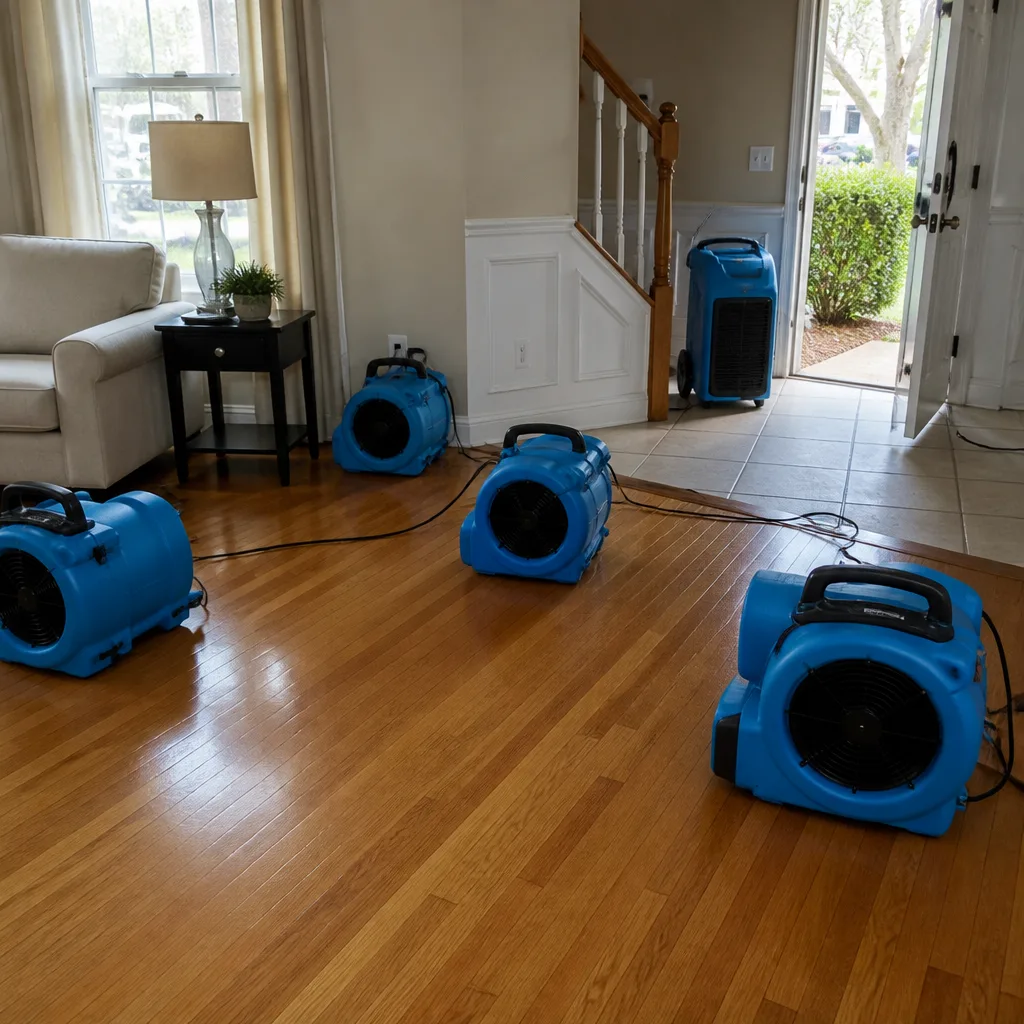
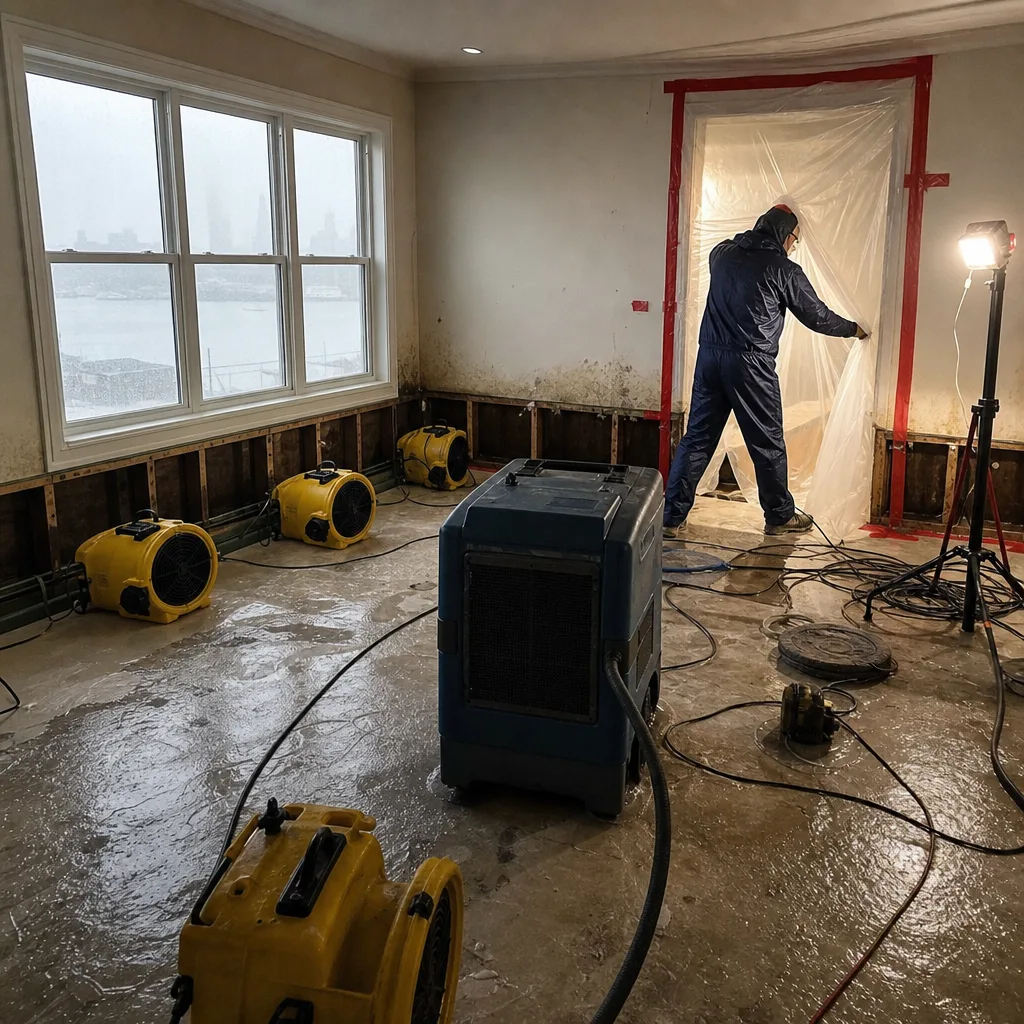
Dri-Eaz, Phoenix, and XPOWER air movers and dehumidifiers are placed according to a psychrometric reading, not a guess. We log readings every four hours through the drying period and adjust placement daily. In Financial District basements with high groundwater, we typically extend drying targets because building materials equilibrate with the surrounding soil’s moisture load, not just the air.
Cleaning & Sanitization
HEPA air scrubbers run throughout active work to capture airborne spores. Hard surfaces get an antimicrobial treatment appropriate to the contamination class. For salt-impacted concrete, we specify chloride-mitigating treatments before any rebuild begins.
Document & Inventory Recovery
Large-loss scenarios in financial offices often involve file rooms, server closets, and paper records that can’t be replaced. We coordinate pack-out, freeze-drying where applicable, and inventory logging so nothing disappears during the process. Your commerce and your compliance obligations stay intact.
Repairs & Restoration
Once drying targets hit and materials test clean, the same crew handles reconstruction. Drywall, flooring, electrical, paint. The 90-Day Done Right Promise in writing means if any part of our work isn’t right, we make it right. No arguing, no paperwork battle.
Need Emergency Commercial Restoration in Financial District Now?
Crews minutes away, answering live 24 hours a day. The sooner we start, the less it costs.
Working With Your Insurance Company
Commercial restoration claims in the Financial District move faster when the documentation is airtight from hour one. We photograph every affected area before, during, and after mitigation. Moisture readings go into a daily log you can hand to your adjuster. Our line-item scope of work uses industry-standard estimating so the carrier recognizes every charge without back-and-forth. When your policy covers business interruption losses, our documentation of response time, equipment deployment, and drying milestones supports that claim directly. You get one team managing the loss and the paperwork, and you get a square deal: no surprises on the bill.
What We Provide Your Insurer
- Thorough documentation of the loss
- Photos of all damage, room by room
- Moisture readings and drying logs
- A detailed, line-item scope of work
- Direct coordination with your carrier
Built for Financial District’s Loss Calendar
The Financial District’s loss calendar is not the same as the rest of Manhattan’s. January deep freezes drive ruptured supply lines in pre-war towers, especially in unheated mechanical closets against exterior masonry walls. The spring thaw, combined with elevated groundwater from landfill soils, brings chronic basement seepage into buildings around Stone Street and lower Broad Street. Summer thunderstorms overwhelm aging storm drains fast, sending water across sidewalks and into subgrade loading docks. Autumn nor’easters push harbor water up through drainage systems, and when the surge coincides with a full-moon high tide, the East River and Hudson both back up into the district’s below-grade infrastructure. FEMA maps large sections of the Financial District as Zone AE high-risk flood. We schedule seasonal preparedness inspections for commercial owners who want to harden before the next event, not just react after it.
Commercial Restoration Across Financial District’s Neighborhoods
The Financial District is not one uniform building stock. Around Wall Street, the towers are steel-frame and the mechanical rooms are deep below grade, so a single failed feed line can flood a switchgear room three sublevels down before anyone notices. Along Stone Street and the historic blocks east of Broadway, you’re in pre-war masonry with narrow service corridors and occupied office space directly above any loss, which changes how we stage air movers and route drying ducts. The South Street Seaport corridor sits lowest to the water and takes the first hit from any surge event, with ground-floor retail and restaurant spaces bearing the brunt. Around Battery Park, converted luxury residential towers built from former office stock concentrate sophisticated mechanical systems in basements that sit at or near sea level. Each of these corridors demands a different response route, different containment strategy, and different drying plan.
Specialized Commercial Restoration Services We Offer in Financial District
Office & Retail Restoration
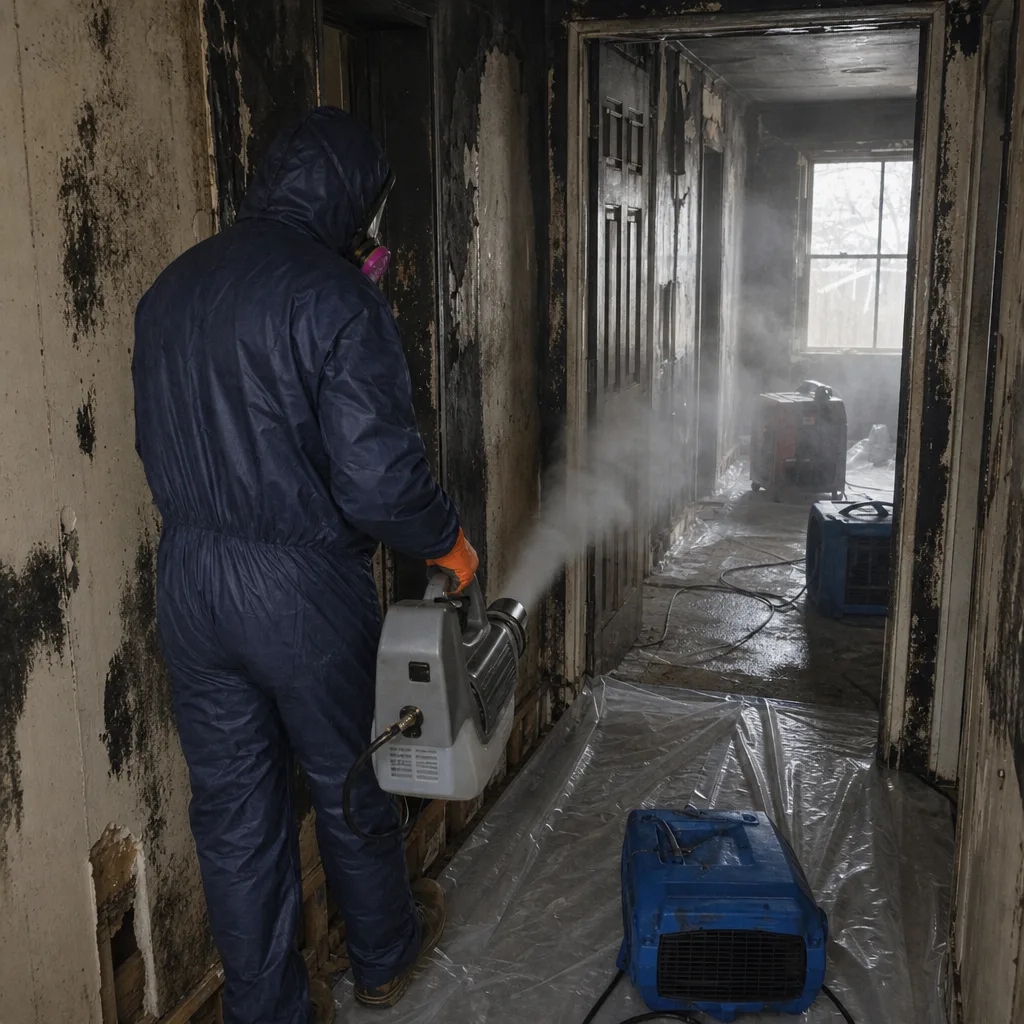
A water loss in a Financial District storefront or office suite stops revenue. We prioritize extraction, set up containment so upper floors and neighboring tenants stay unaffected, and get your space dried to a reoccupancy standard fast. Documented drying logs support your business interruption claim without argument.
Multi-Unit & HOA Restoration
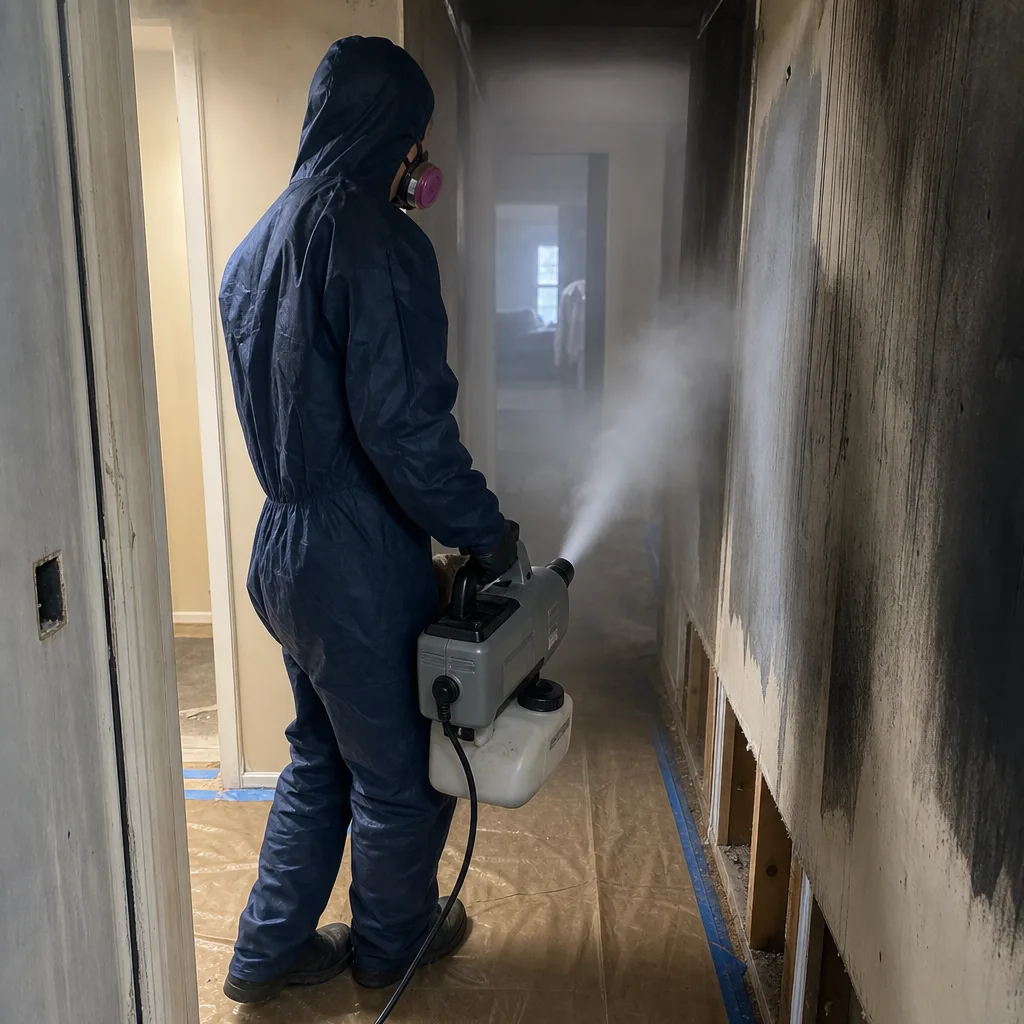
Converted co-op and condo buildings in the Financial District have board protocols, not just insurance policies. We coordinate pack-out, equipment staging, and daily access with building management. Our technicians complete the building’s required paperwork and follow its restoration rules, so the board has what it needs and your unit gets dry.
Industrial Facility Cleanup
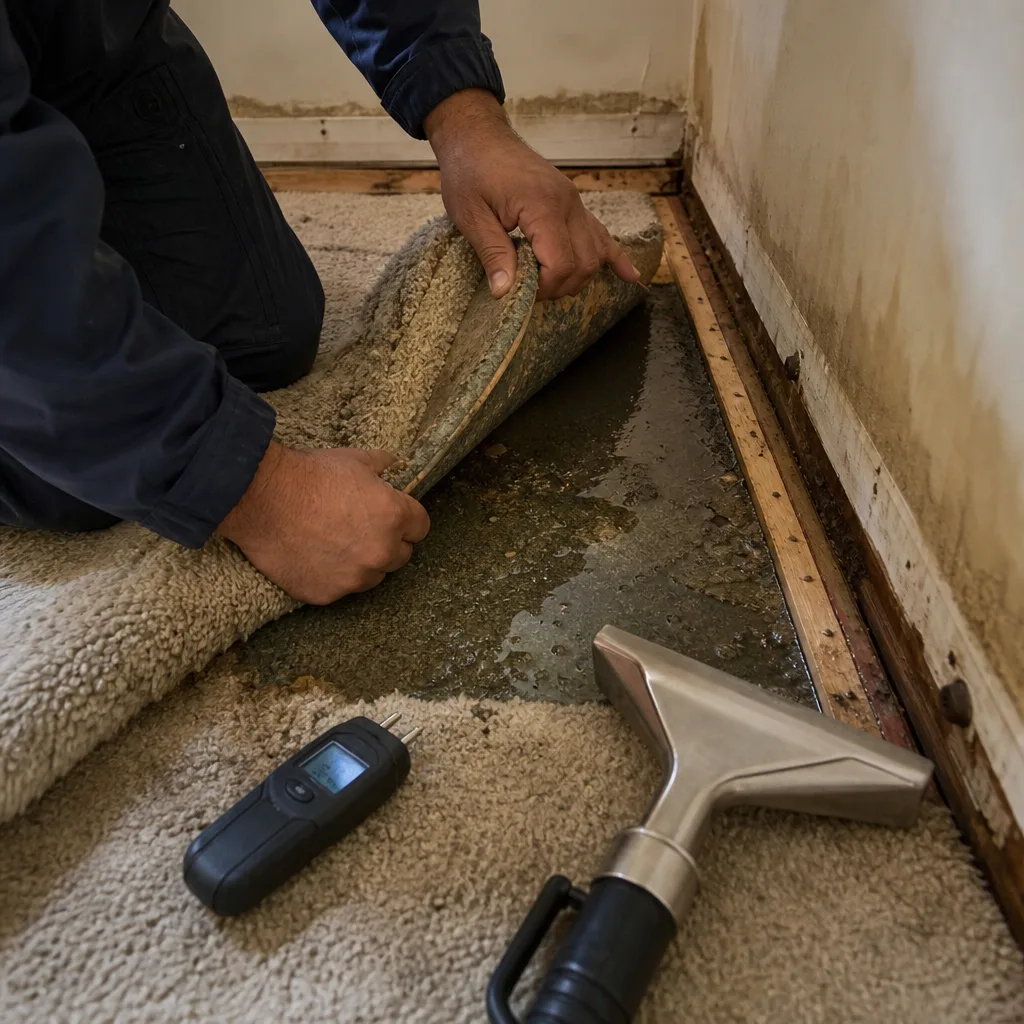
Loading docks, mechanical floors, and subgrade utility spaces in the Financial District collect contamination from storm runoff, sewage backup, and years of accumulated grime. We handle Category 2 and 3 cleanups with full PPE, containment, and disposal to code.
Large-Loss Response
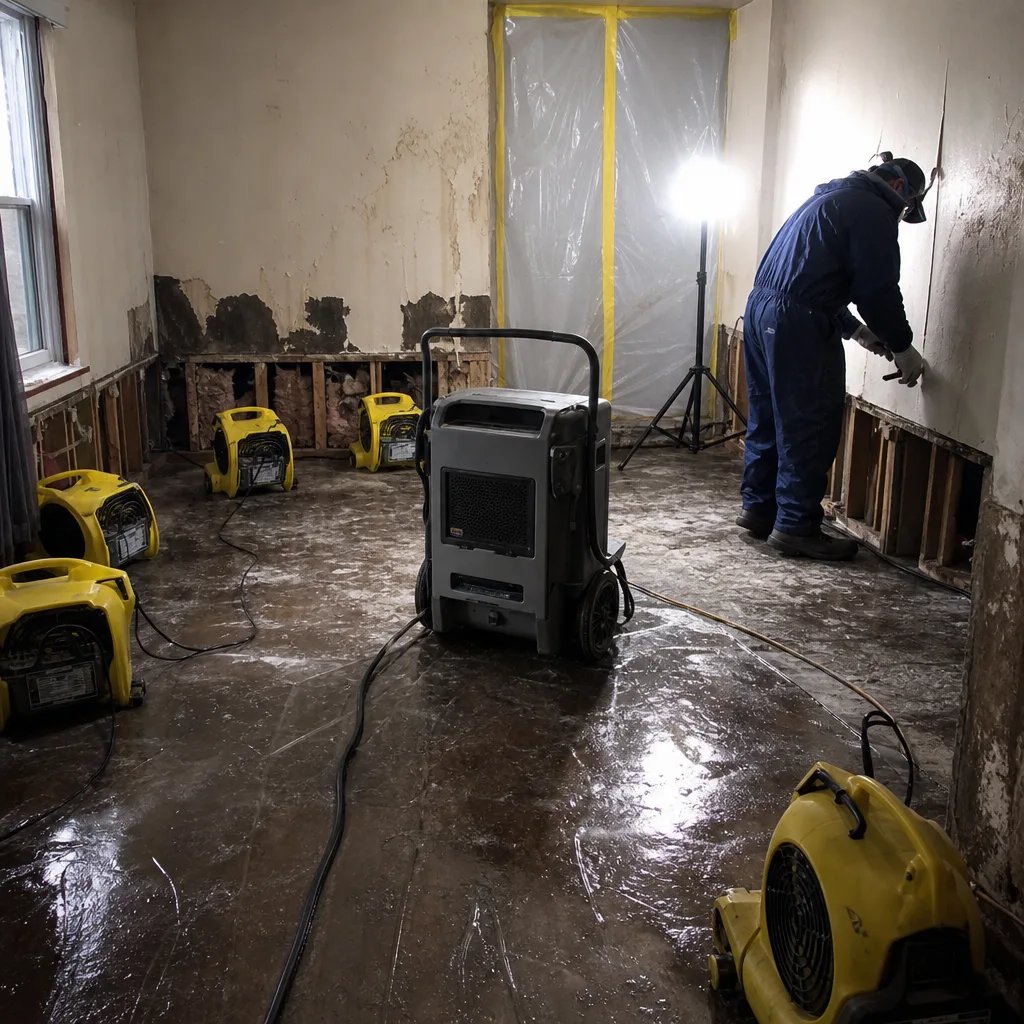
When a single event affects multiple floors or an entire block front, the response is logistics as much as restoration. We deploy multiple crews, staged equipment, and a single point of contact so the board or property manager isn’t coordinating five vendors. Large-loss work in the Financial District is our specialty, because one surge event or one ruptured main can hit a dozen storefronts along the same street.
Business Interruption Minimization
Every hour closed is revenue gone. We understand that in the Financial District, a restaurant on Stone Street can’t wait two weeks for a standard drying schedule. We compress drying targets where materials allow, run equipment overnight, and get your door back open as fast as physics permits. The documentation we keep proves to your carrier that every reasonable step was taken, so the loss period stays as short as possible.
What happens when you call
- 1
A real person answersNo phone trees - you reach a local pro.
- 2
You get an upfront price rangeHonest numbers before anyone is dispatched.
- 3
A background-checked tech heads outLicensed & insured, dispatched right away.
- 4
You approve before work beginsNothing starts until you say go.
Commercial Restoration Costs in Financial District, NY
Pricing for commercial restoration in the Financial District runs higher than the outer boroughs, and for good reason. Subgrade access, union building requirements, after-hours freight elevator scheduling, and saltwater-specific testing all carry real costs. A small Category 1 water loss in a single office suite typically runs $2,800 to $6,500. A multi-floor Category 2 or 3 event with business interruption exposure commonly lands between $18,000 and $85,000. Document and inventory recovery adds $3,000 to $20,000 depending on volume and contamination class. Chloride testing and salt-specific antimicrobial treatment, which standard restoration firms often skip, adds $400 to $1,800 but prevents the $10,000-plus failure of re-wetting and mold recurrence. We give you a free visual inspection and a written scope before any work begins, and we bill your carrier directly. Call (640) 400-9404 for an exact quote.
We Also Serve Cities Near Financial District
Our crews also cover commercial restoration in Financial District and the surrounding Staten Island communities: Midland Beach, New Springville, Oakwood, and Travis – Chelsea. If your property is near one of these areas, we can still reach you with the same 45-minute response commitment.
Serving Financial District, NY - Our Local Coverage Area
We’re based in the Financial District area and know this community well. Use the map below to see our service coverage - if you’re nearby, we can almost certainly help.
Financial District Commercial Restoration Questions, Answered
How do you know if a Financial District commercial basement needs saltwater-specific restoration after a water loss?
If the water came from storm surge, harbor backflow, or groundwater intrusion in a building east of Pearl Street, you need chloride testing before closing the job. Salt is hygroscopic and keeps re-wetting materials indefinitely. Our crews test concrete slabs and masonry for chloride contamination, and if present, we specify salt-mitigating antimicrobial treatment and an extended drying standard before any rebuild begins. The test costs a few hundred dollars; skipping it can cost a failed clearance and a reopened loss claim.
What makes large-loss response different in a converted pre-war Financial District office tower?
Access and containment. A pre-war tower has narrow service corridors, occupied upper floors, and a freight elevator schedule you must work around. Our team stages equipment in coordination with building management, sets up negative air containment so spores don’t migrate to occupied floors, and keeps drying logs structured for board review. The goal is to dry the loss without spreading it, and without turning the building’s day-to-day operations into a construction site.
Can you restore business-critical documents and inventory after a Category 2 or 3 water event in the Financial District?
Yes. We pack out documents, server components, and inventory, log every item, and route them to the right recovery method: freeze-drying, dehumidification, or specialized cleaning. Category 2 and 3 contamination adds sanitization and disposal steps that must be documented for compliance. Your insurer gets a full inventory with before and after condition status, so nothing is lost in the paper trail.
Why do Financial District commercial spaces often fail moisture clearance after standard drying from other restoration firms?
Because standard firms treat the space as a freshwater loss and skip chloride testing. In a basement that touched storm surge at any point, salt left in the concrete keeps the slab’s relative humidity elevated. Walls and floors test dry on the surface, but equilibrium moisture deep in the slab triggers mold within weeks. We test for salt, extend drying targets to compensate for the surrounding water table, and document moisture readings until the material reaches pre-loss condition.
How do you minimize business interruption during a major water loss in a Financial District storefront or restaurant?
We start extraction the same visit and run drying equipment continuously, including overnight when possible. We coordinate with your landlord or board to keep access routes clear and equipment noise scheduled around your operating hours. Every milestone is documented so your carrier sees an aggressive, reasonable response. The shorter the drying period, the shorter the business interruption claim, and the better your payout.
How fast can someone actually get to my Financial District commercial property?
Our dispatch board shows the closest certified crew and we quote a 45-minute arrival window for most addresses in the Financial District. The dispatcher is a live person, not a recording, and you’ll speak to them at any hour. Call (640) 400-9404 and a crew is on the way.
Do I really need full restoration, or can you just clean this up?
That depends on the water category and what the moisture meter says. A small Category 1 loss in a supply closet may only need extraction and rapid drying. A Category 3 event in a subgrade mechanical room almost always requires full containment, antimicrobial treatment, and often some reconstruction. We never sell work you don’t need. The free visual inspection and written scope tell you exactly what’s required, with a line-item breakdown you can review before signing anything.
What certifications do your technicians hold for commercial restoration?
Our crews are background-checked, uniformed, and certified to IICRC, RIA, and IFA standards. That includes Water Damage Restoration Technician, Fire & Smoke Restoration Technician, and Applied Microbial Remediation Technician certifications. The certifications matter in the Financial District, where co-op boards and insurance adjusters both expect formal protocol compliance, not just “we’ve done this before.”
Our Commercial Restoration team has seen every failure mode the Financial District can produce, from chronic landfill seepage to chloride-driven mold recurrence years after Sandy. We answer the phone with a person, show up with a plan, and stand behind the work in writing. The 90-Day Done Right Promise means we either fix it right or we come back and make it right. No fine print, no runaround.
Call (640) 400-9404 now for a free estimate. Our crews serve the Financial District around the clock, and the dispatcher who picks up will have a certified team moving your way before you hang up.
Written by Curt Bowman, Owner at Floodline Restoration Co., New York City’s full-cycle restoration crew.