

Free visual inspection and a written scope of work before any mitigation begins - photos, moisture readings, and drying logs go in your claim file
The scope we write is the scope we bill. Anything new gets shown to you, in writing, before we touch it.
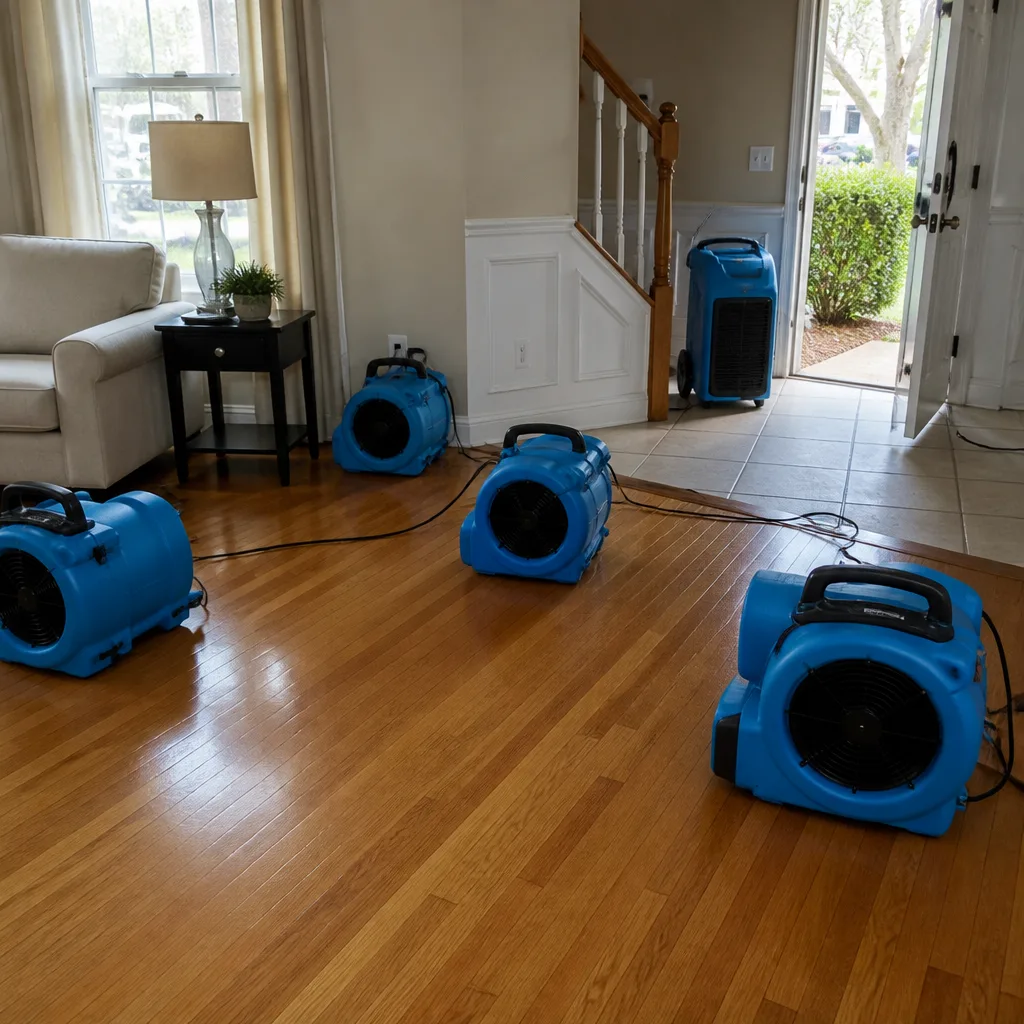
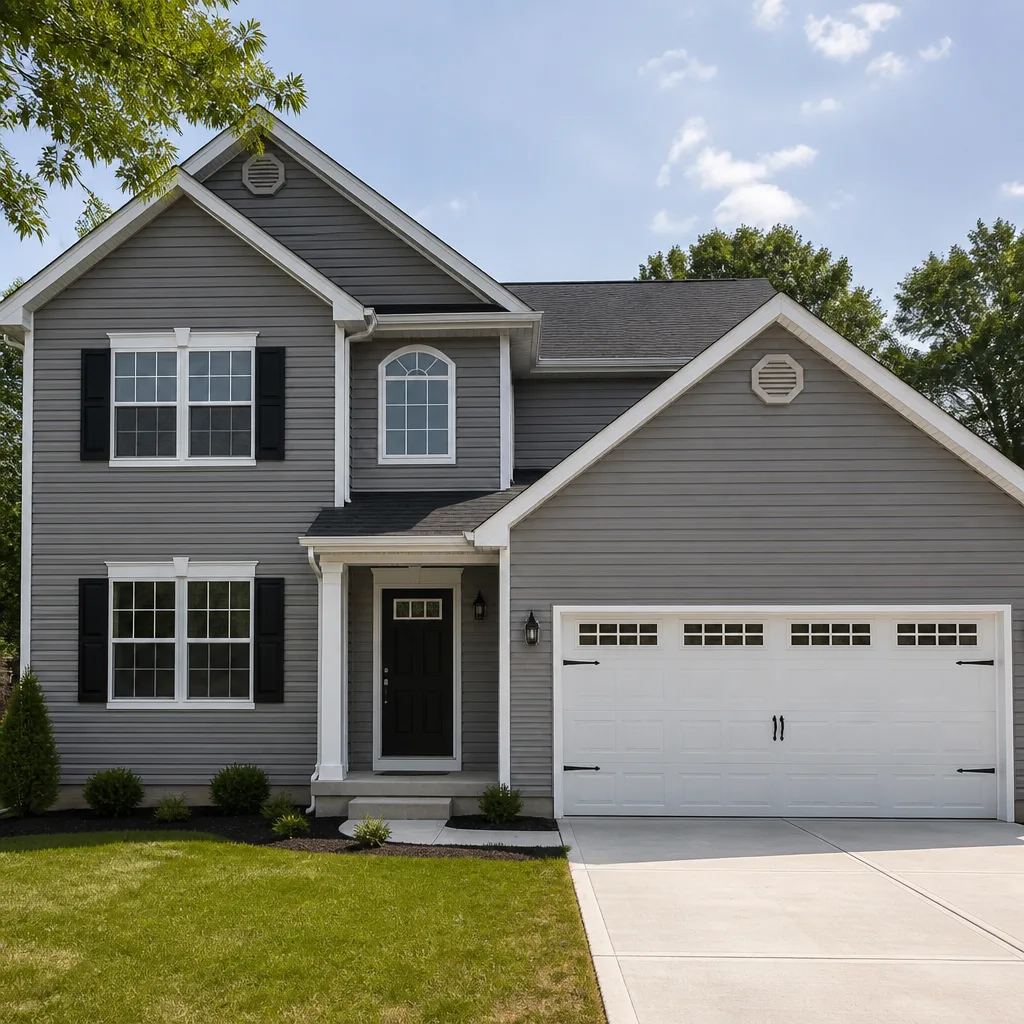
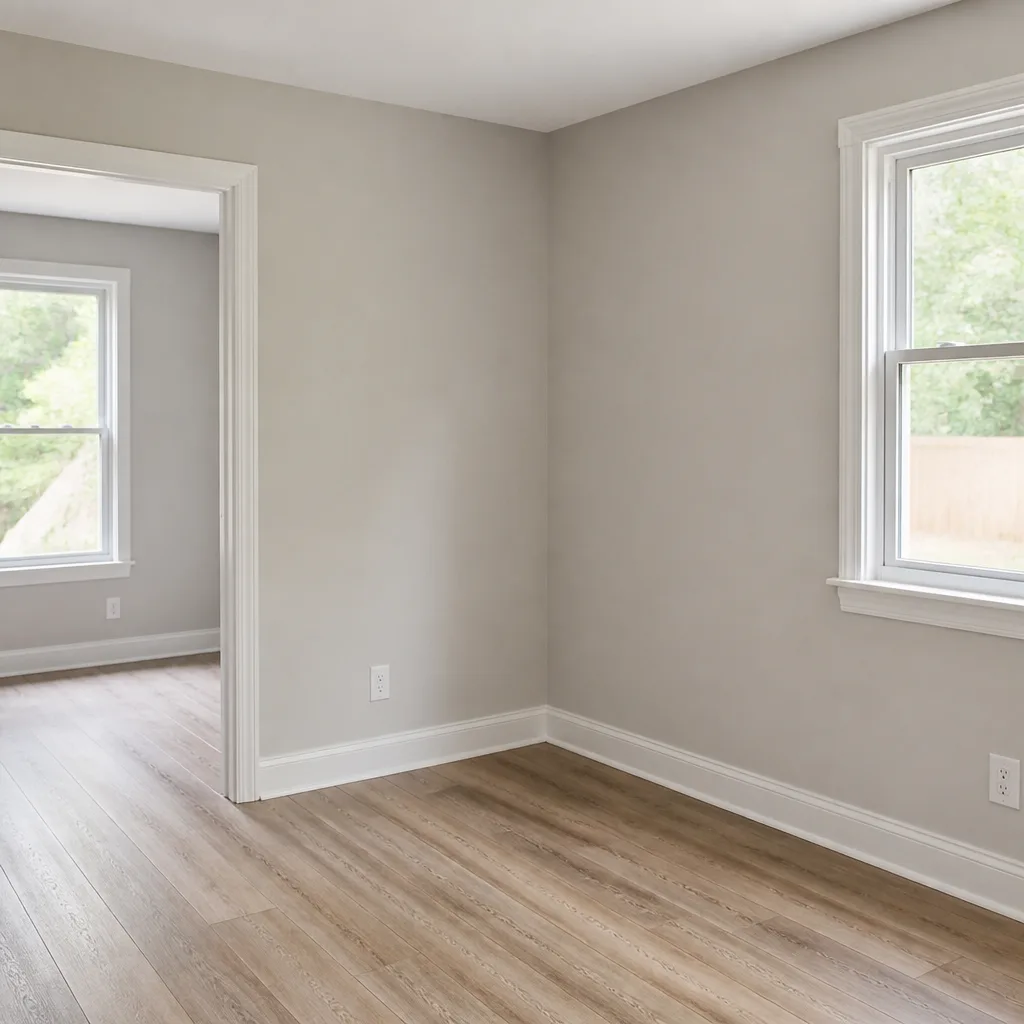
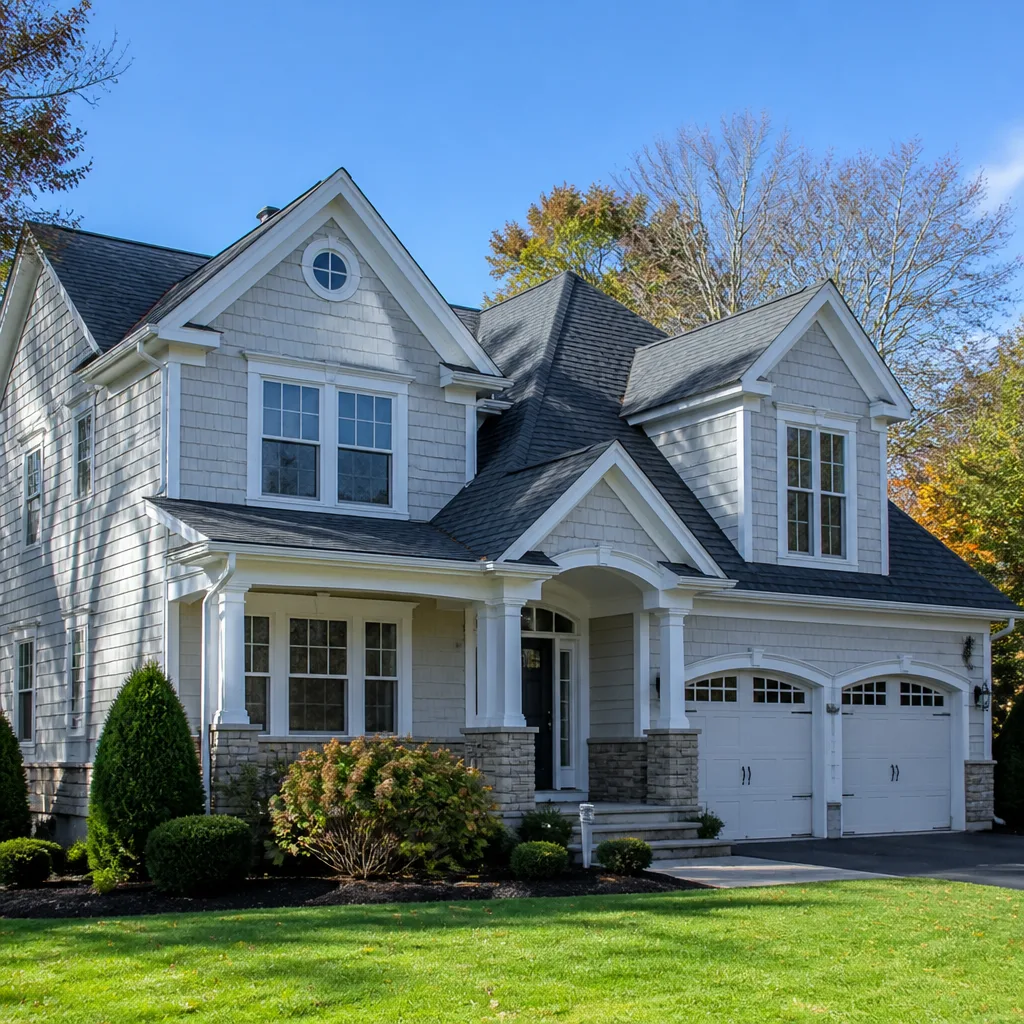
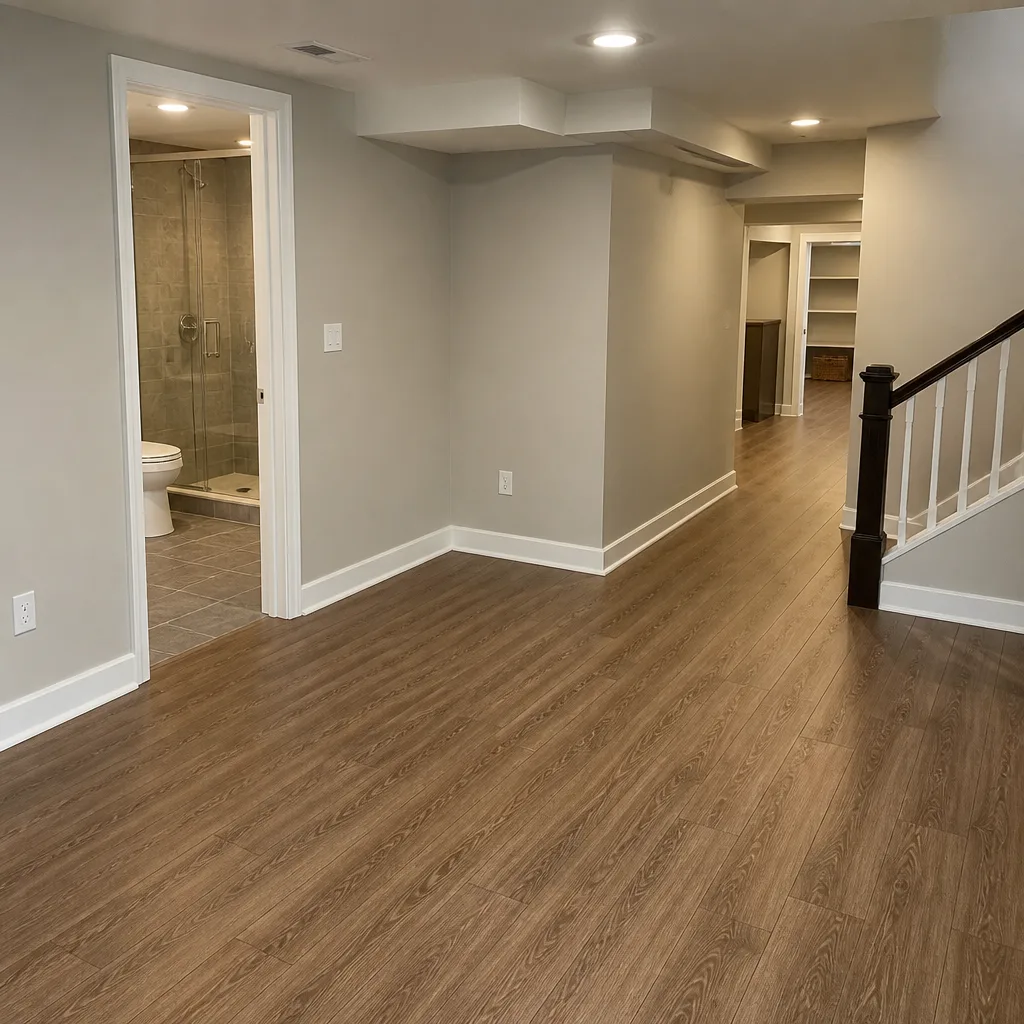

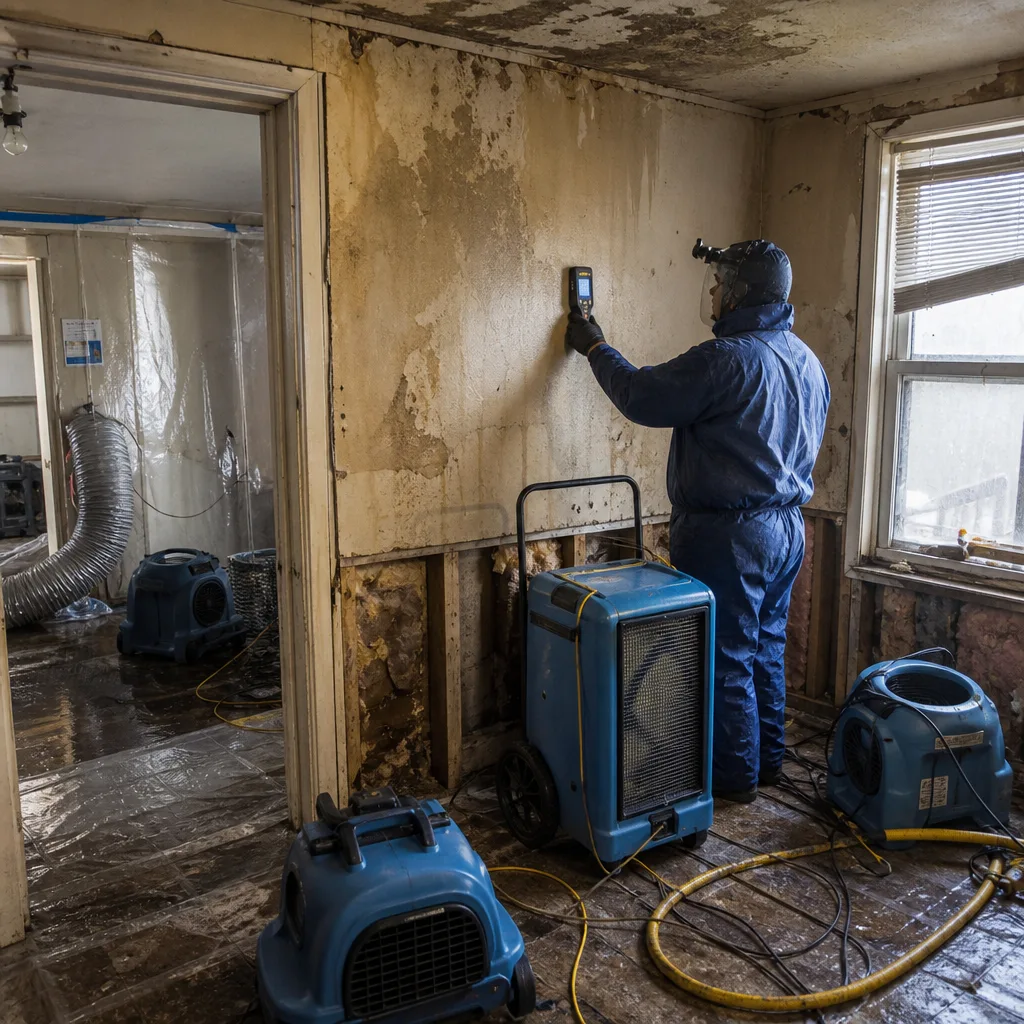 Before
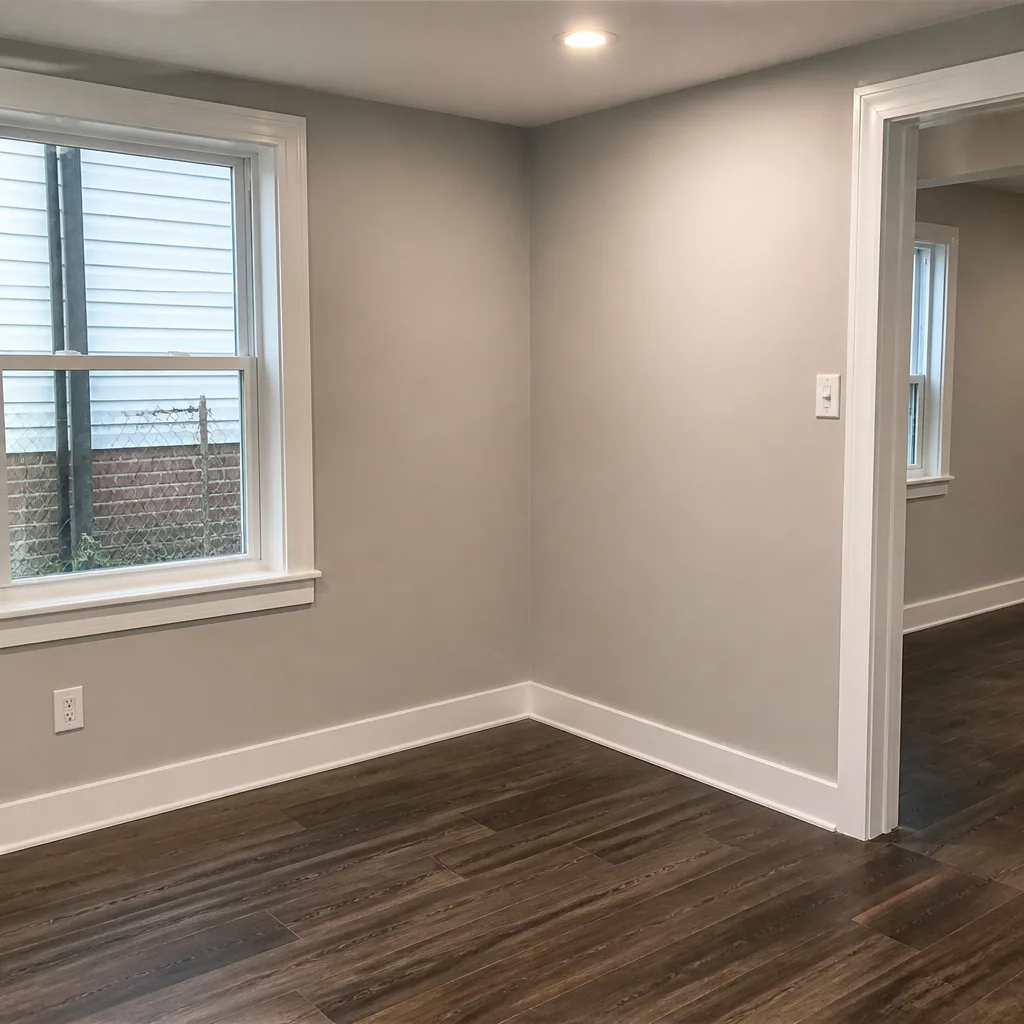 After
After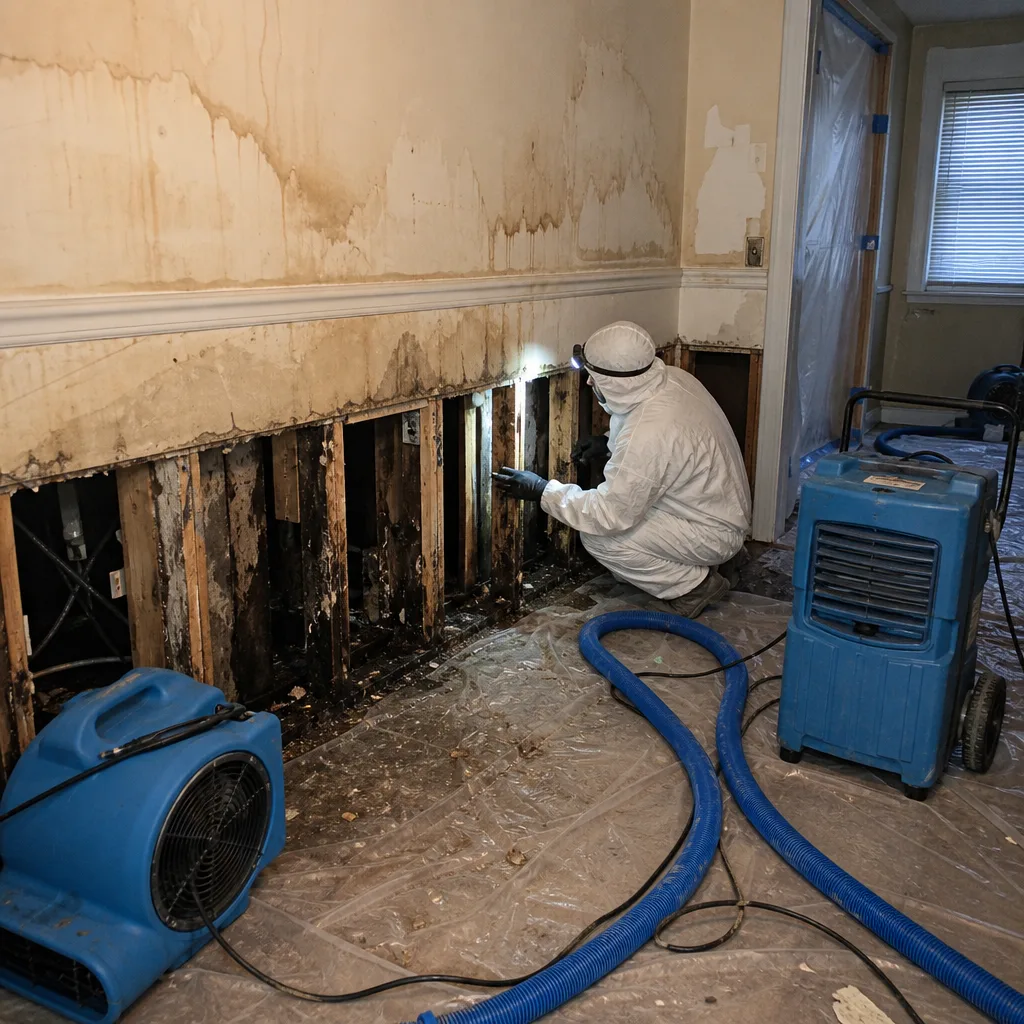 Before
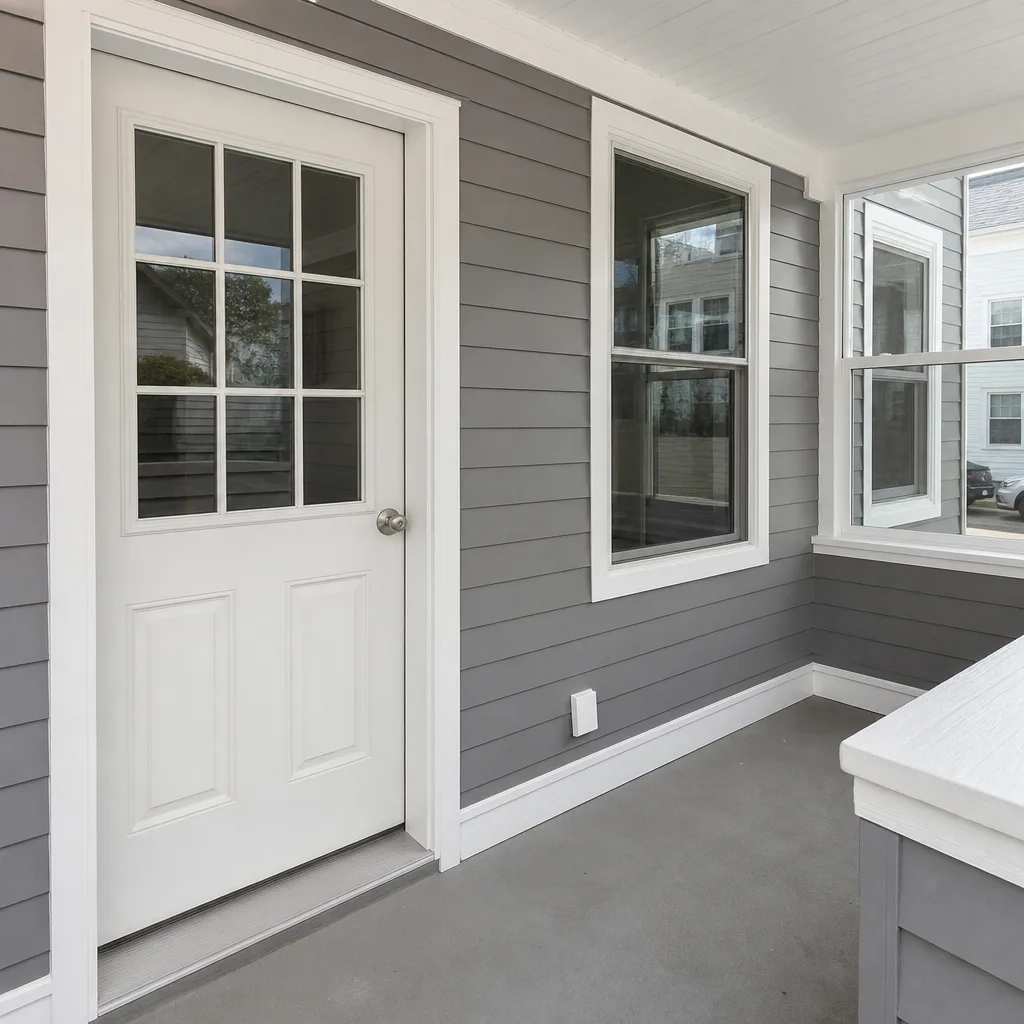 After
After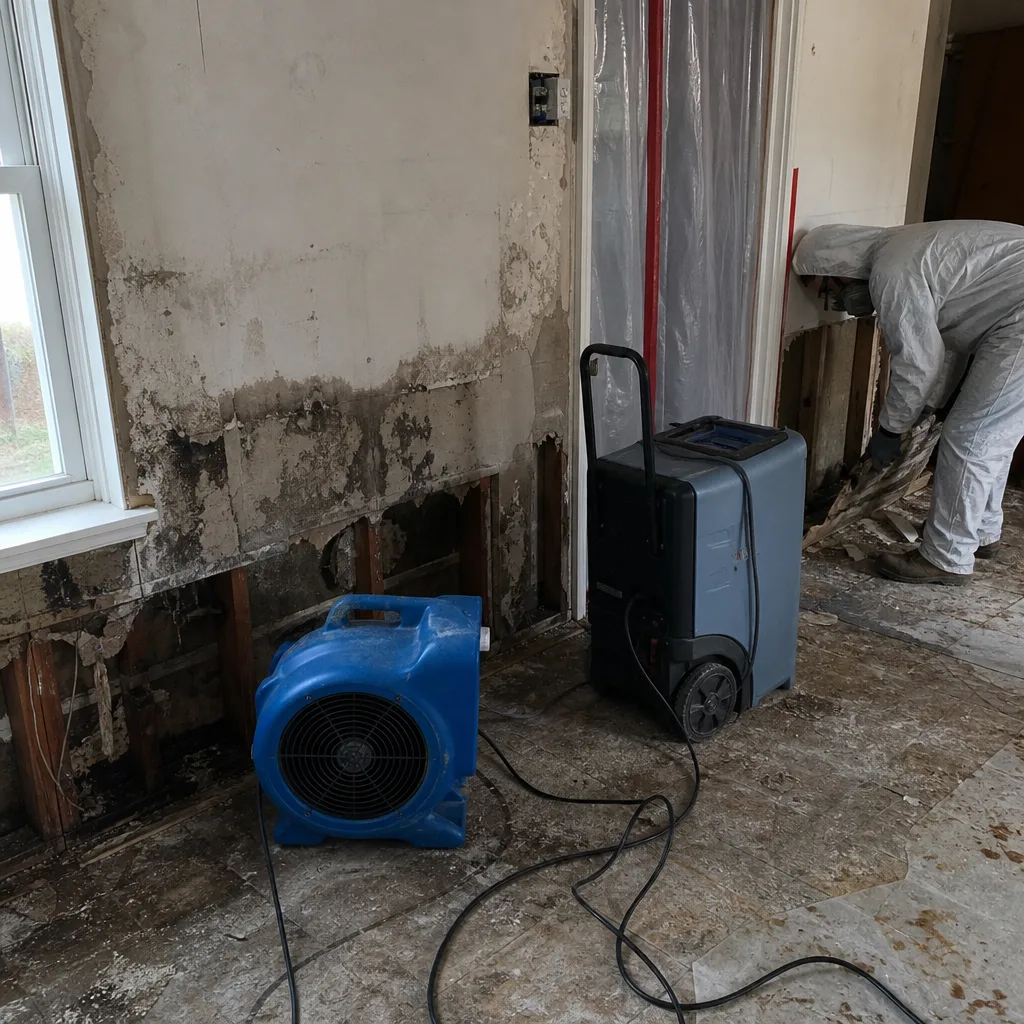 Before
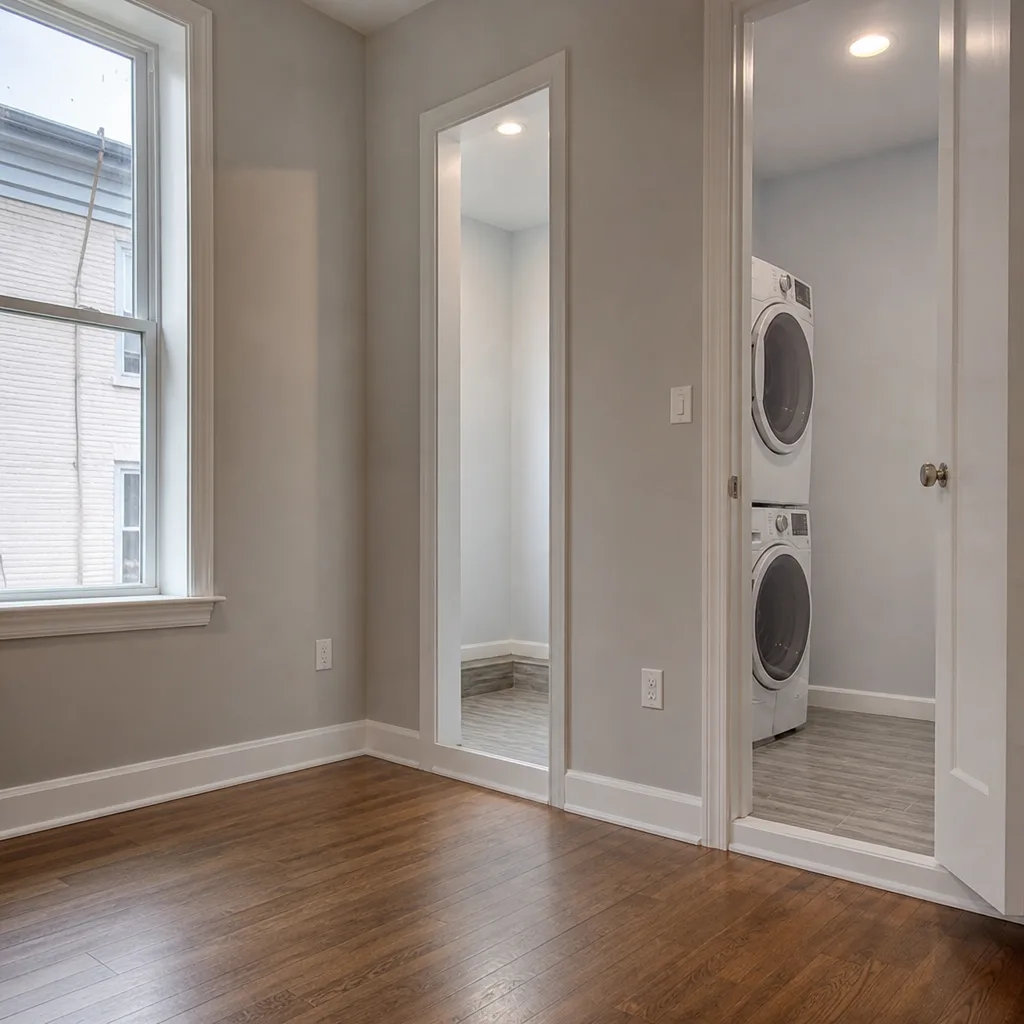 After
After24/7 Emergency Storm & Disaster Restoration in Travis – Chelsea
Storm damage in Travis – Chelsea moves fast, and so do we. Our crews are on call around the clock, with a live dispatcher answering at (640) 400-9404 no matter the hour. When a nor’easter pushes water over the bulkhead or wind tears a section of roof off a ranch on Chelsea Road, the first hour determines how much of your home can be saved. We dispatch from our New York City office directly into Travis – Chelsea, with a free visual inspection before any work is authorized. Water from the Arthur Kill doesn’t wait, and neither should you.
That first hour matters more here than in most Staten Island neighborhoods. Travis – Chelsea sits low and close to the tidal strait, which means floodwater arriving during a storm is often category 3, carrying sewage, salt, and whatever the surge picked up along the way. The longer it sits in a 1940s crawl space or slab foundation, the deeper it wicks into framing and insulation. Our Storm & Disaster Restoration team arrives fast, sets containment, and starts extraction the same visit.
Understanding Storm & Disaster Restoration Severity in Travis – Chelsea Properties
We classify floodwater into three categories, and Travis – Chelsea sees all three. Category 1 is clean water, typically from a burst supply line during a January freeze. Category 2 carries contaminants, like washing machine overflow or sump failure. Category 3 is what comes over the bulkhead from the Arthur Kill or backs up from the sewer system: water that carries pathogens, salt, and debris. After Sandy, much of Travis – Chelsea sat in category 3 for hours, and the homes here remember it.
What makes this neighborhood different is what happens after the standing water is gone. The housing stock is largely ranch and Cape Cod homes built between the 1940s and 1960s, many on slab foundations or shallow crawl spaces with minimal vapor barriers. Those slabs sit over what used to be tidal marsh, and the soil beneath holds moisture long after the storm passes. We use moisture mapping with thermal imaging and penetrating meters to find water that never shows on the surface, because in Travis – Chelsea, the surface lies.
Severity in this area isn’t just about how much water came in. It’s about how long the structure stays wet. Homes near the Fresh Kills boundary face elevated subsurface moisture year-round, which means a flood that would dry in five days elsewhere can take nine or ten here if the drying plan doesn’t account for soil wicking. That’s the difference between a restoration that holds and a mold problem that shows up six months later.
Why Travis – Chelsea Property Owners Choose Floodline Restoration Co.
- 45-minute response commitment. When you call with storm damage in Travis – Chelsea, we commit to having a crew at your door within 45 minutes. Live dispatch means no waiting on a call-back.
- 24/7 live answer. A real person picks up the phone at 2 a.m. Not a recording, not a script. Someone who can send help to Androvette Street or Chelsea Road immediately.
- IICRC-certified crews. Our technicians hold WRT, FSRT, and AMRT certifications, trained to handle water, fire, and mold restoration to industry standards. Background-checked and uniformed, every time.
- Free visual inspection. Before we write any scope, we walk the property with you and explain what we’re seeing. No charge, no obligation, no pressure.
- Direct insurance billing. We bill your carrier directly and talk to the adjuster ourselves. You don’t play messenger between our team and the insurance company.
- One team from extraction to reconstruction. The same crew that pulls water from your slab rebuilds the wall. No mid-job handoff, no inherited subcontractor, no finger-pointing.
Our Storm & Disaster Restoration Process
Inspection & Assessment
We start with thermal imaging and hygrometers to map moisture in walls, floors, and the slab. In Travis – Chelsea, we pay special attention to landfill-adjacent wicking that standard inspections miss. You get a written scope before any work begins.
Extraction & Stabilization
Standing water comes out with truck-mounted extraction units and submersible pumps. If storm damage exposed your home, we board up and tarp the same visit. The goal is stopping the loss from getting worse.
Drying & Dehumidification
Dri-Eaz LGR dehumidifiers and Phoenix air movers run continuously, while Injectidry mats pull water from slab foundations and hard-to-reach cavities. Daily moisture readings are logged until the dry standard is met, and in Travis – Chelsea we plan for extended drying cycles from subsurface moisture.
Cleaning & Sanitization
Category 3 water leaves pathogens behind. We sanitize all affected surfaces with EPA-registered antimicrobials and run HEPA air scrubbers to clear airborne contaminants. This is not optional work; it’s what makes the home safe to live in again.
Specialty Treatment for Storm Damage
Saltwater intrusion corrodes electrical connections, rusts door tracks, and damages insulation in ways freshwater doesn’t. We inspect for wind-driven water intrusion points, treat rust and corrosion, and address the tidal-wicking patterns specific to Arthur Kill exposure.
Repairs & Restoration
Drywall, flooring, trim, and structural framing get replaced as needed. The same crew that ran the drying equipment handles the rebuild, so nothing gets lost between teams. Workmanship carries the 90-Day Done Right Promise, in writing.
Need Emergency Storm & Disaster Restoration in Travis – Chelsea Now?
Crews minutes away, answering live 24 hours a day. The sooner we start, the less it costs.
Working With Your Insurance Company
Storm damage claims in Travis – Chelsea have a wrinkle most homeowners don’t see coming: adjusters who don’t know this neighborhood often misread the extended drying times as a second leak. When moisture readings stay high five days after the water is gone, the carrier assumes something else happened, and coverage gets denied. We’ve sat across from enough adjusters on Chelsea Road and Androvette Street to know how to document this correctly.
From the first hour, we photograph everything, log moisture readings daily, and build a line-item scope that speaks the carrier’s language. Our team communicates directly with your adjuster, so you’re not translating technical details over the phone. That means the claim moves faster and the drying log tells the real story: this is what happens when a slab sits over tidal soil, not a second water event.
What We Provide Your Insurer
- Thorough documentation of the loss
- Photos of all damage, room by room
- Moisture readings and drying logs
- A detailed, line-item scope of work
- Direct coordination with your carrier
Built for Travis – Chelsea’s Loss Calendar
Travis – Chelsea’s storm season doesn’t follow one calendar. January brings deep freezes that burst supply lines in uninsulated crawl spaces and slab plumbing. Spring thaw saturates the ground until the water table rises into basements and crawl spaces that stayed dry all winter. July and August thunderstorms drop inches of rain in an hour, overwhelming drainage that was never designed for the modern borough, and flash flooding runs through the low-lying blocks near the Arthur Kill.
The real season here, though, is nor’easter season, from September through April. Those storms push storm surge over bulkheads and into street-level foundations, carrying category 3 water deep into homes. Sandy was the worst example, but smaller nor’easters hit Travis – Chelsea every few years, and the homes here bear the scars. We keep crews staged and equipment ready through the entire coast-storm window, because the call always comes at night, and it always comes from a block near the water.
Storm & Disaster Restoration Across Travis – Chelsea’s Neighborhoods
The response route through Travis – Chelsea changes block by block. Over on Androvette Street, where the homes back toward the Arthur Kill, we respond to bulkhead overtopping and crawl space flooding during every significant nor’easter. The 1940s ranches on Chelsea Road sit close to the old landfill boundary, and there we routinely address slab wicking that extends drying times and confuses adjusters. Up near Victory Boulevard, wind damage to roofs and siding from storms sweeping off the Kill is the more common call.
Along the blocks near the Fresh Kills boundary, the failure mode shifts. Ground subsidence from the capped landfill means foundation cracks are more common, and water finds those cracks fast. Restoring storm damage on those streets often means repairing the foundation before rebuilding the wall, because otherwise the next high tide brings the same water back. Homeowners who’ve lived here twenty years know the pattern; homeowners new to the neighborhood call us wondering why their slab is wet when the storm ended three days ago.
Our Storm & Disaster Restoration in Travis – Chelsea coverage includes the residential streets north of Freshkills Park, the modest single-family blocks between the West Shore Expressway and the Kill, and the older housing stock near the former landfill access roads. Each pocket has its own storm behavior, and we know them by name.
Specialized Storm & Disaster Restoration Services We Offer in Travis – Chelsea
Flood Damage Restoration
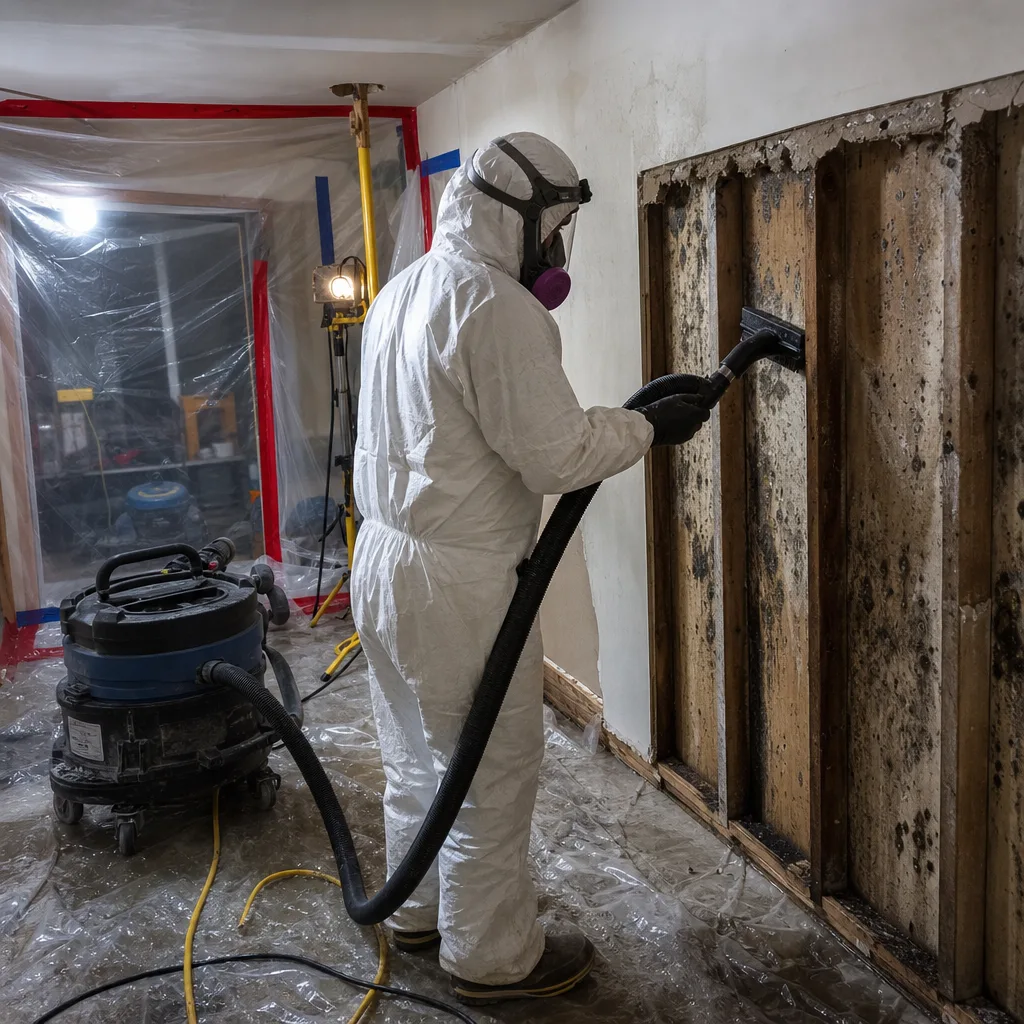
Floodwater in Travis – Chelsea is rarely clean. Whether it comes over the bulkhead from the Arthur Kill or backs up through a storm drain, it carries contaminants that require category 3 protocols. We extract, sanitize, dry to the dry standard, and rebuild, all with the same certified crew and a moisture log you can hold in your hand. For slab foundations near the landfill, we plan the drying phase around subsurface wicking, not just surface conditions.
Emergency Board-Up
Wind from the Arthur Kill hits Travis – Chelsea hard, and a broken window or torn door leaves your home open to rain, animals, and trespass. Our board-up crews seal openings the same visit, and we don’t use standard plywood on oversized detached workshop doors that need real sealing against tidal-driven wind. Every opening gets measured, cut, and secured to hold until permanent repairs are scheduled.
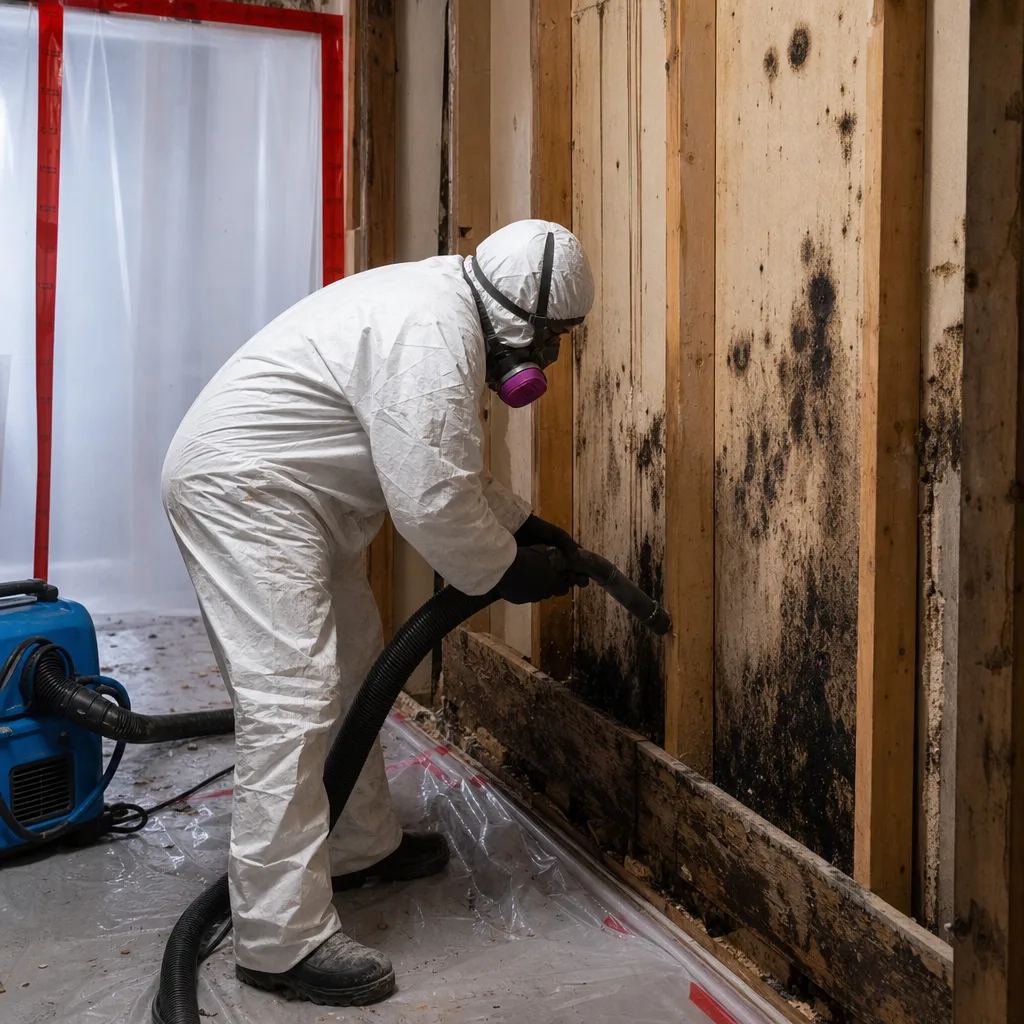
Storm Damage Cleanup
Downed trees, blown debris, water-logged insulation, and mud from the surge all need to come out before drying can start. Our crews remove debris from the property, extract standing water, and clear the areas that need attention from the areas that don’t. We work room by room, so nothing gets missed and nothing gets demoed that could have been saved.
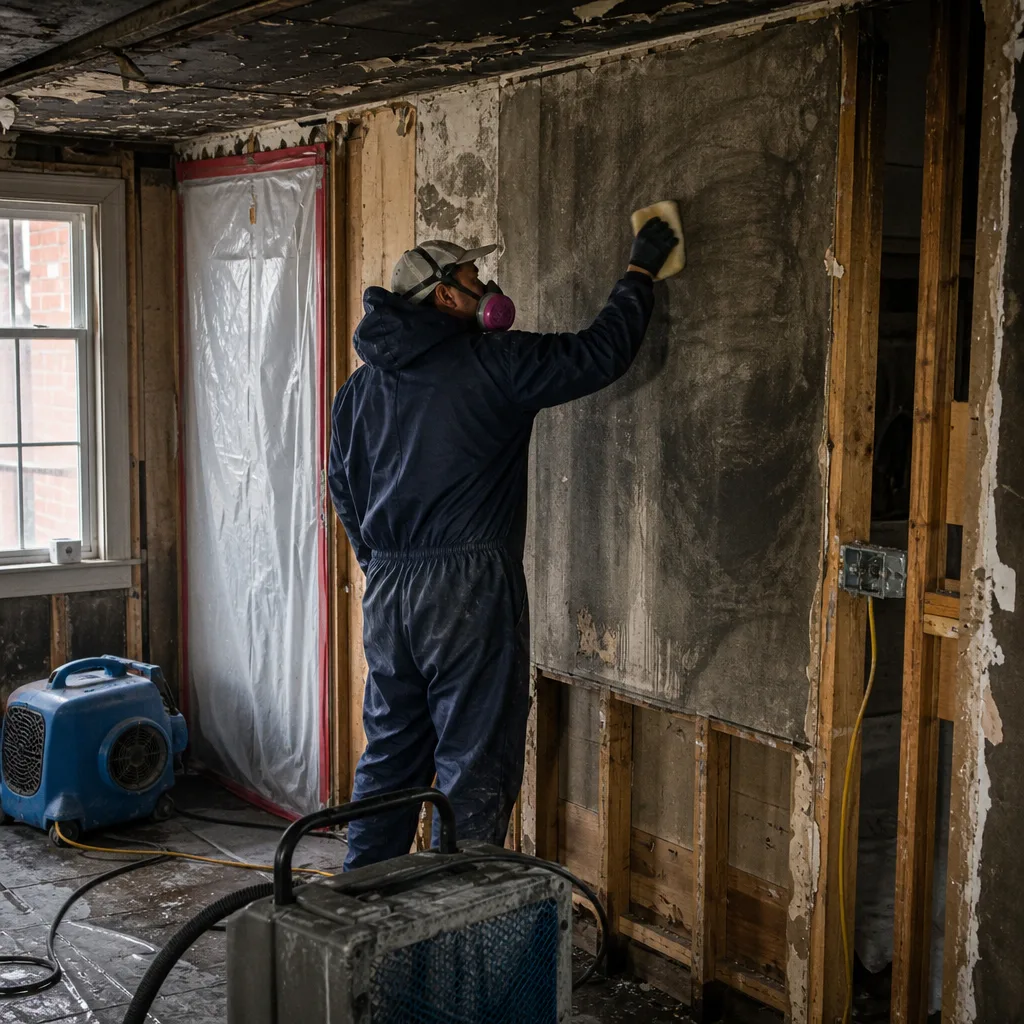
Roof Tarping
A nor’easter can strip shingles or tear a section of roof off in minutes. Fast tarping stops water from pouring through the ceiling and spreading the loss to every floor below. We secure tarps against the wind patterns that come off the Arthur Kill, because a tarp that fails in the next storm means the same damage twice. This is temporary protection, not a repair, and we scope the roof work before we leave.
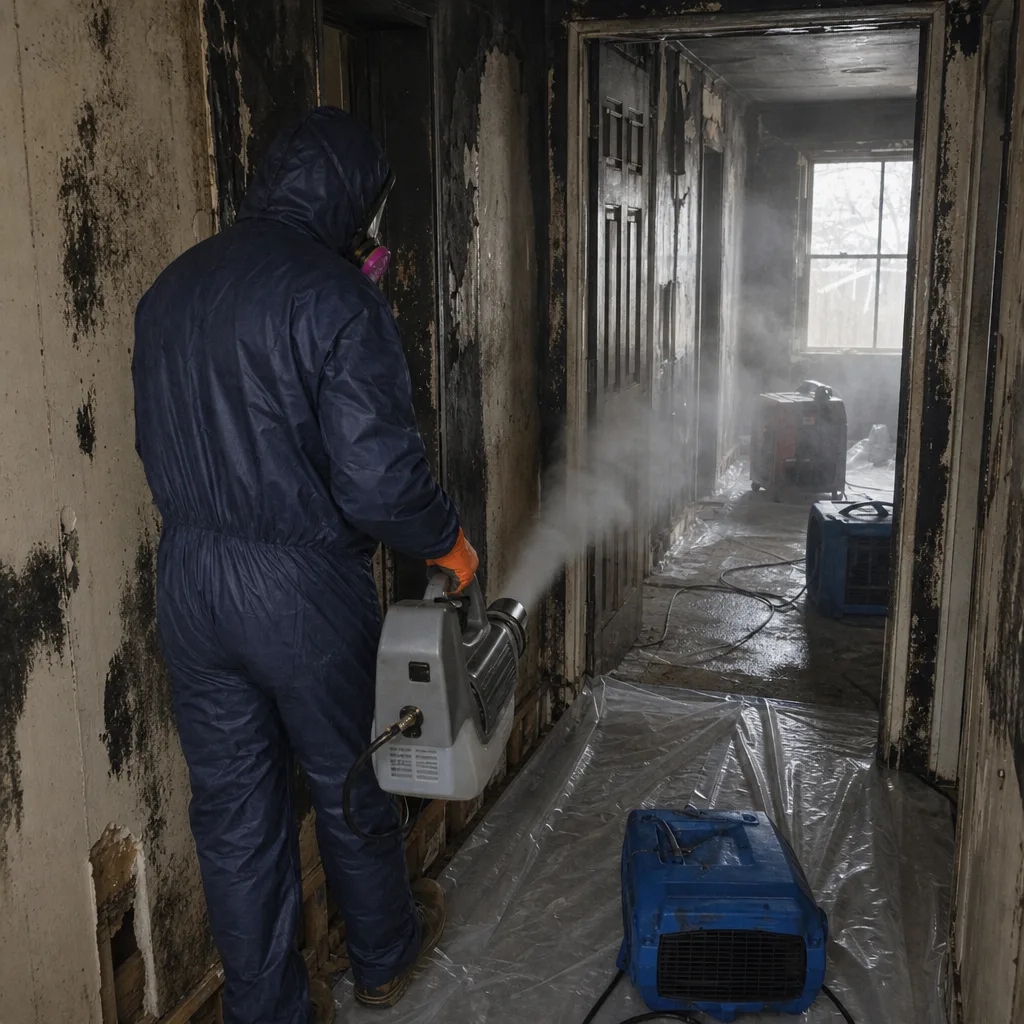
Debris Removal
Storm surge leaves behind what the water carried: branches, mud, garbage, and sometimes pieces of someone else’s dock. All of it has to come off the property before drying equipment can do its job. We handle the hauling and disposal, and we document what we removed for the insurance claim.
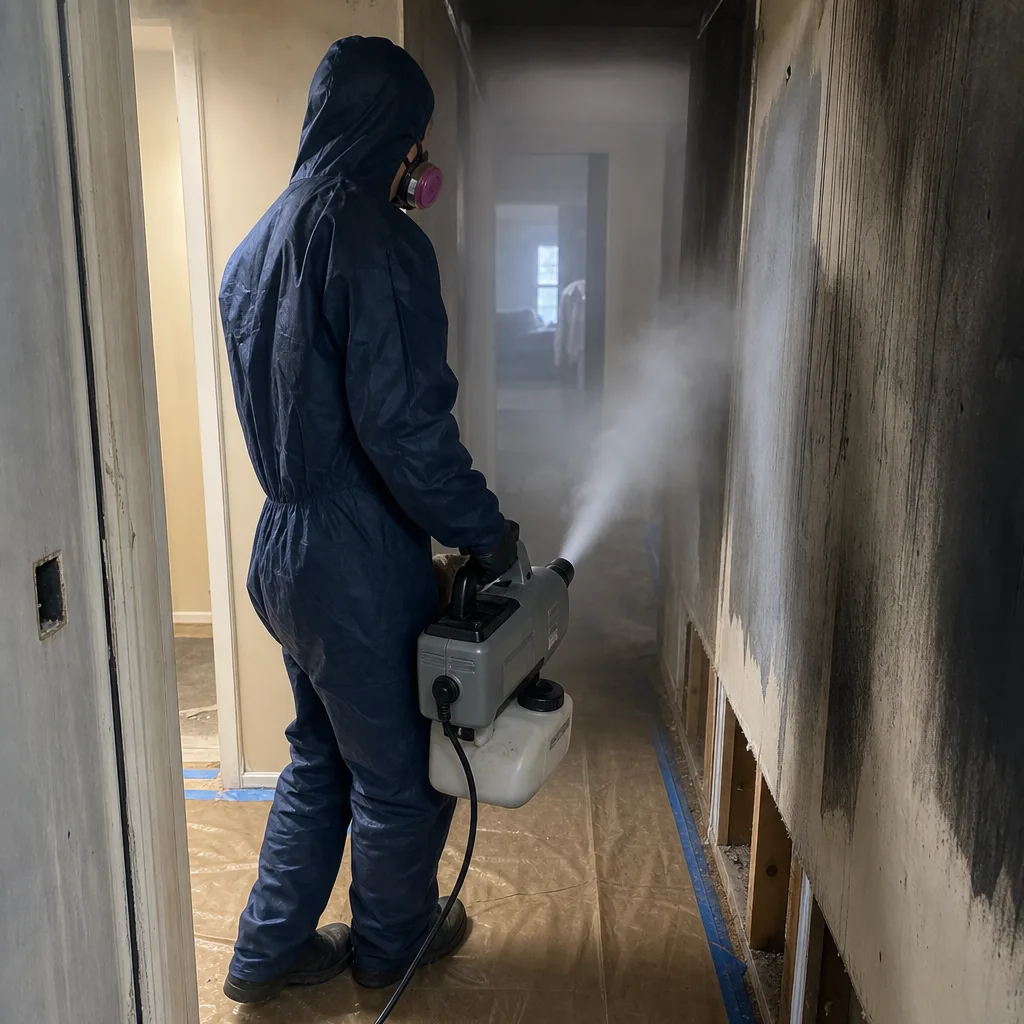
What happens when you call
- 1
A real person answersNo phone trees - you reach a local pro.
- 2
You get an upfront price rangeHonest numbers before anyone is dispatched.
- 3
A background-checked tech heads outLicensed & insured, dispatched right away.
- 4
You approve before work beginsNothing starts until you say go.
Storm & Disaster Restoration Costs in Travis – Chelsea, NY
Storm restoration pricing in Travis – Chelsea depends on how much water came in, how long it sat, and whether the slab foundation is wicking from below. A small category 1 cleanup in a finished basement runs $2,500 to $6,500. A category 3 flood event with extraction, containment, drying, and reconstruction of floors and lower wall sections runs $12,000 to $38,000. When the damage reaches structural framing or requires foundation work near the landfill boundary, costs climb past $50,000. Board-up and tarping alone run $400 to $1,800, depending on how many openings and what type of door or window needs sealing.
Two things move the price in Travis – Chelsea more than anything else: the extended drying cycles we’ve already covered, and whether saltwater reached electrical or ductwork. Salt corrodes fast, and the fix involves replacing components, not cleaning them. Insurance covers most storm-related losses, but the scope has to match the actual conditions on the ground. A free inspection gets you a firm number in writing before anything is signed. Call (640) 400-9404 and we’ll walk the property with you.
We Also Serve Cities Near Travis – Chelsea
Floodline Restoration Co. serves the broader Staten Island area around Travis – Chelsea, including Midland Beach, New Springville, Oakwood, and the Financial District. If your property sits near the water or near the old landfill boundary, we know the soil conditions and the storm behavior.
Serving Travis – Chelsea, NY - Our Local Coverage Area
We’re based in the Travis – Chelsea area and know this community well. Use the map below to see our service coverage - if you’re nearby, we can almost certainly help.
Travis – Chelsea Storm & Disaster Restoration Questions, Answered
How fast can you get to my Travis – Chelsea home after I call?
We commit to a 45-minute response for storm damage calls in Travis – Chelsea. A live dispatcher answers at (640) 400-9404 and sends the nearest available crew directly to your address, day or night.
Why does my Travis – Chelsea home take longer to dry after a flood than my cousin’s place in New Dorp?
Travis – Chelsea sits on low-lying former wetland directly adjacent to the capped Fresh Kills landfill. The soil beneath slab foundations here holds moisture year-round, and subsurface wicking keeps slabs wet long after standing water is gone. New Dorp sits on higher, drier ground with different subsurface conditions. Our drying plans here account for the local soil, which means longer equipment runtimes and daily moisture readings until the dry standard is actually met.
My adjuster says the water is gone, but my crawl space still smells musty on Androvette Street. What’s really happening?
The water you can see is gone, but the moisture beneath the slab isn’t. Landfill-adjacent soil wicks into foundations, and that humidity feeds musty odors and mold even after surface drying is complete. We document this with moisture meters and thermal imaging, then add the dehumidification days your claim needs. Call (640) 400-9404 and we’ll provide the drying log your adjuster is asking for.
Can standard roof tarping hold up to the wind coming off the Arthur Kill during a nor’easter?
Standard tarping often fails here. Wind off the Arthur Kill hits Travis – Chelsea with no obstruction, and a loosely secured tarp tears free in the first sustained gust. We use heavier anchoring patterns and overlap methods designed for exposed coastal wind, and we inspect the tarp after each subsequent storm until permanent roof work is done.
Why does my 1940s ranch on Chelsea Road get water in the slab after every high tide, not just big storms?
Your slab sits over what used to be tidal marsh. The water table rises with the tide, and moisture wicks up through the concrete. Older construction with minimal vapor barriers makes it worse. This isn’t a new leak and it isn’t a plumbing failure; it’s the local hydrology. We can map the moisture and scope a remediation plan that addresses the wicking, not just the symptom.
What’s the right scope of work for a Travis – Chelsea workshop that flooded during Sandy and still has rusted door tracks?
If the door tracks rusted and were never replaced, the surrounding framing likely still holds hidden moisture. The right scope includes replacing the track hardware, inspecting the door framing for corrosion and rot, addressing any slab wicking beneath the workshop, and drying the space to the dry standard before cosmetic work begins. We write that scope in a line-item estimate your carrier can read.
Will my insurance cover storm damage restoration in Travis – Chelsea?
Most standard homeowners policies cover storm-related water damage, wind damage, and the resulting restoration work. The key in Travis – Chelsea is documentation that supports the extended drying timeline. We bill your carrier directly and coordinate with your adjuster, using drying logs and moisture readings to show exactly what happened and why the equipment needed to run as long as it did.
What should I do in the first 30 minutes after storm water enters my home?
Call (640) 400-9404. Then, if it’s safe, shut off power to affected areas and move valuables to higher ground. Don’t wade through standing water from the Arthur Kill or storm surge; it’s category 3 and carries pathogens. Don’t turn on HVAC equipment. The sooner our extraction crew arrives in Travis – Chelsea, the more of your home we can save.
Written by Curt Bowman, Owner at Floodline Restoration Co., serving Travis – Chelsea with emergency storm and disaster restoration since the company’s founding in 2010.