
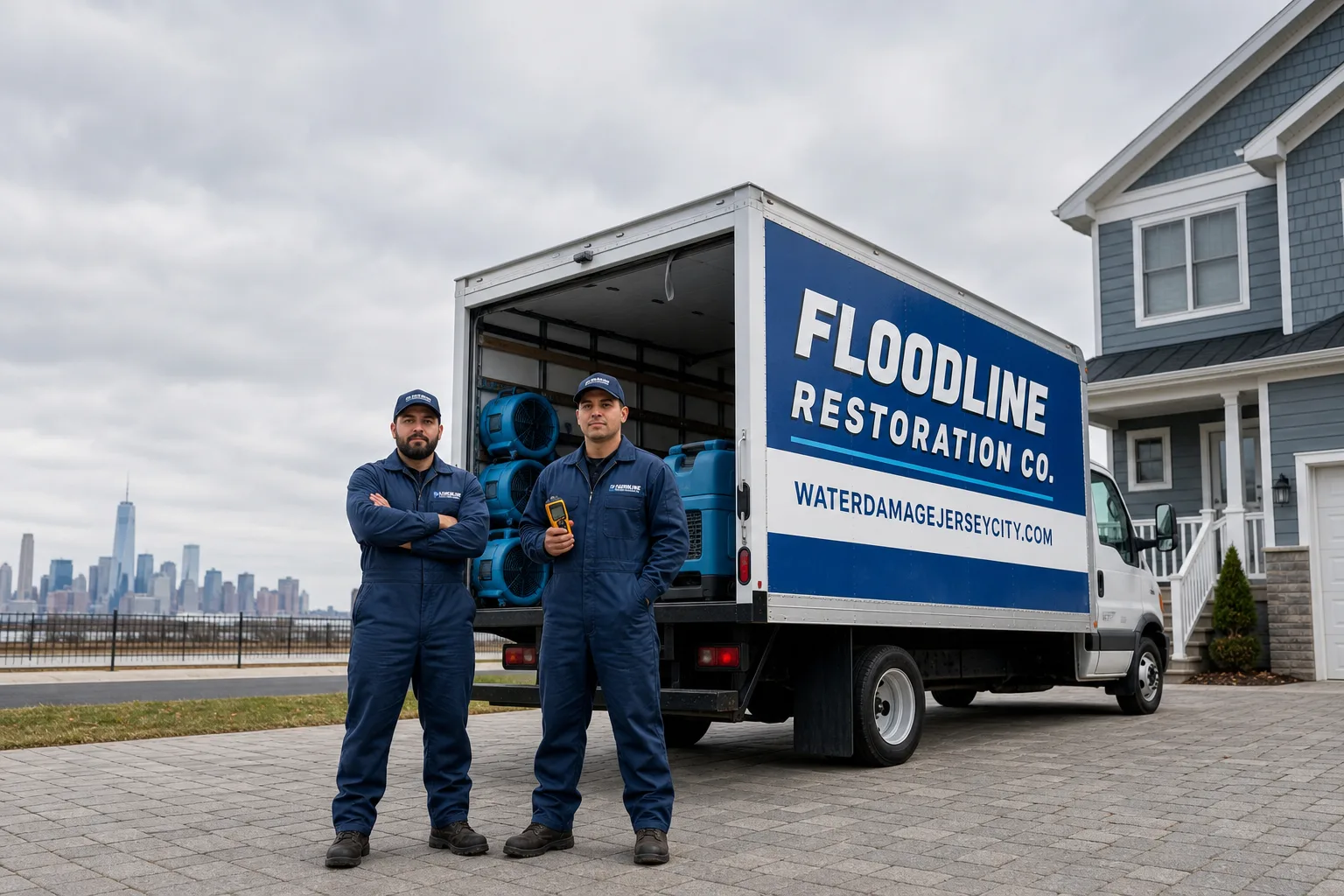
Free visual inspection and a written scope of work before any mitigation begins - photos, moisture readings, and drying logs go in your claim file
The scope we write is the scope we bill. Anything new gets shown to you, in writing, before we touch it.
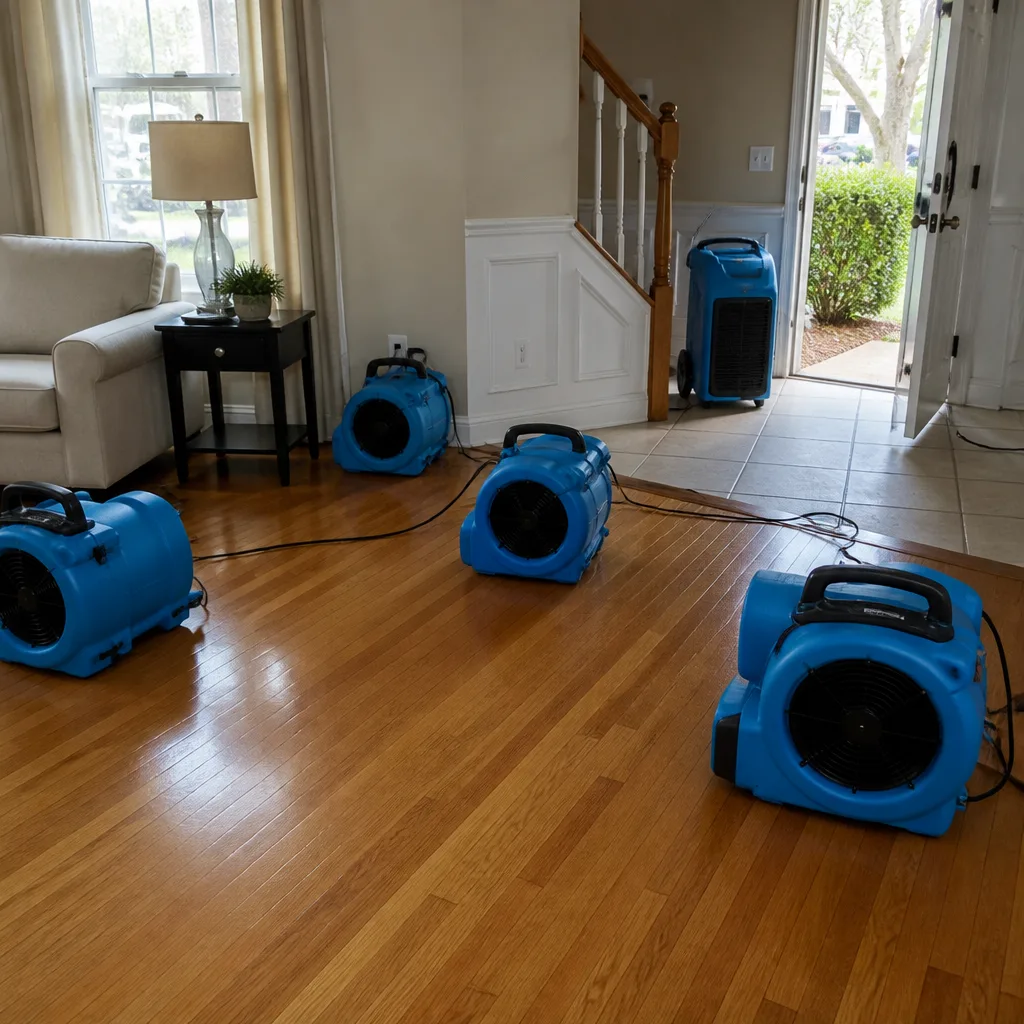

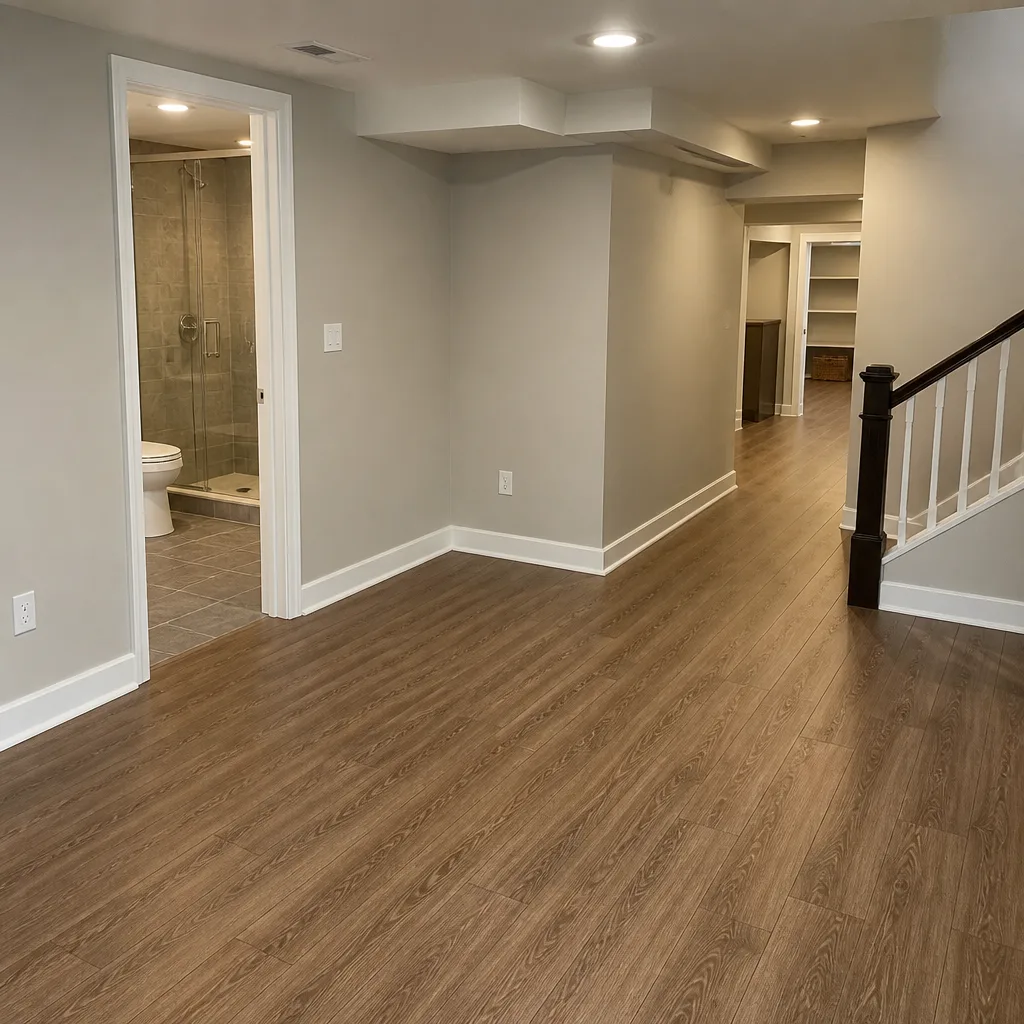
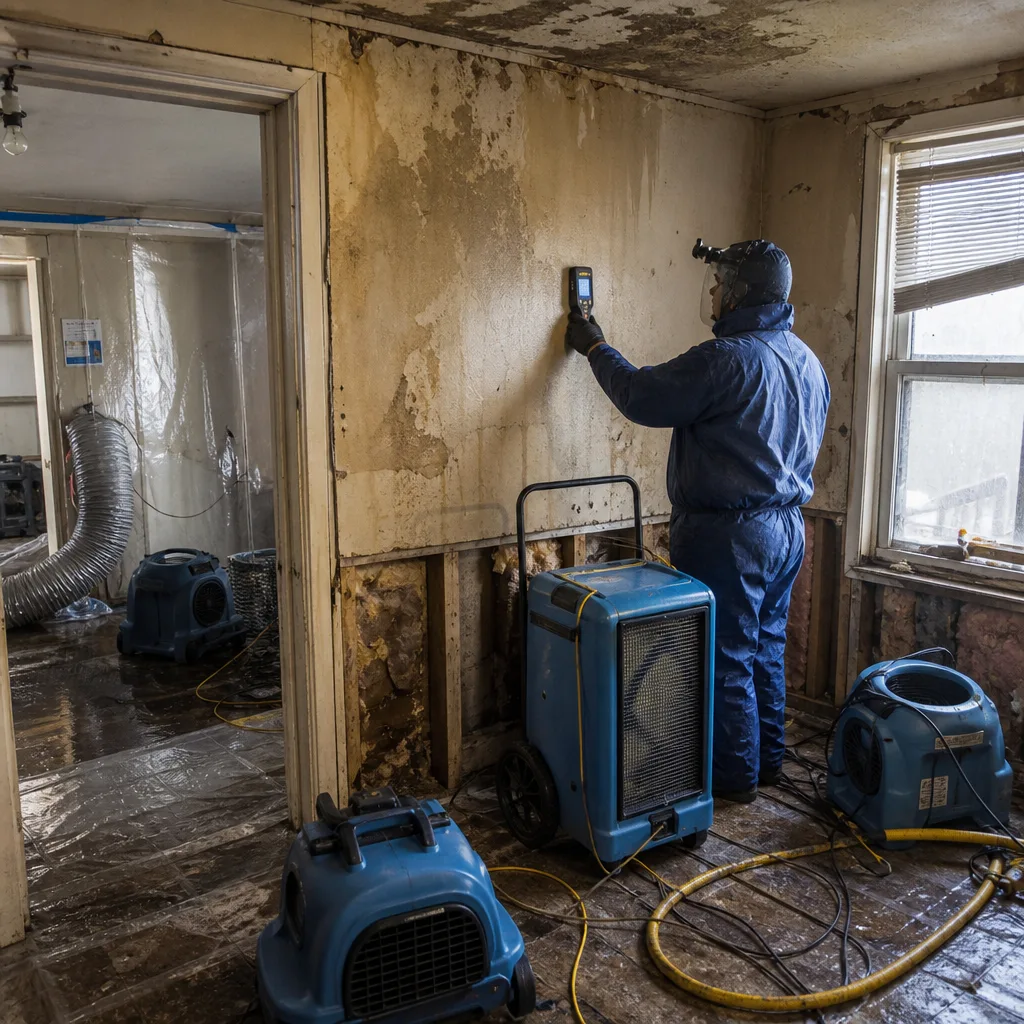 Before
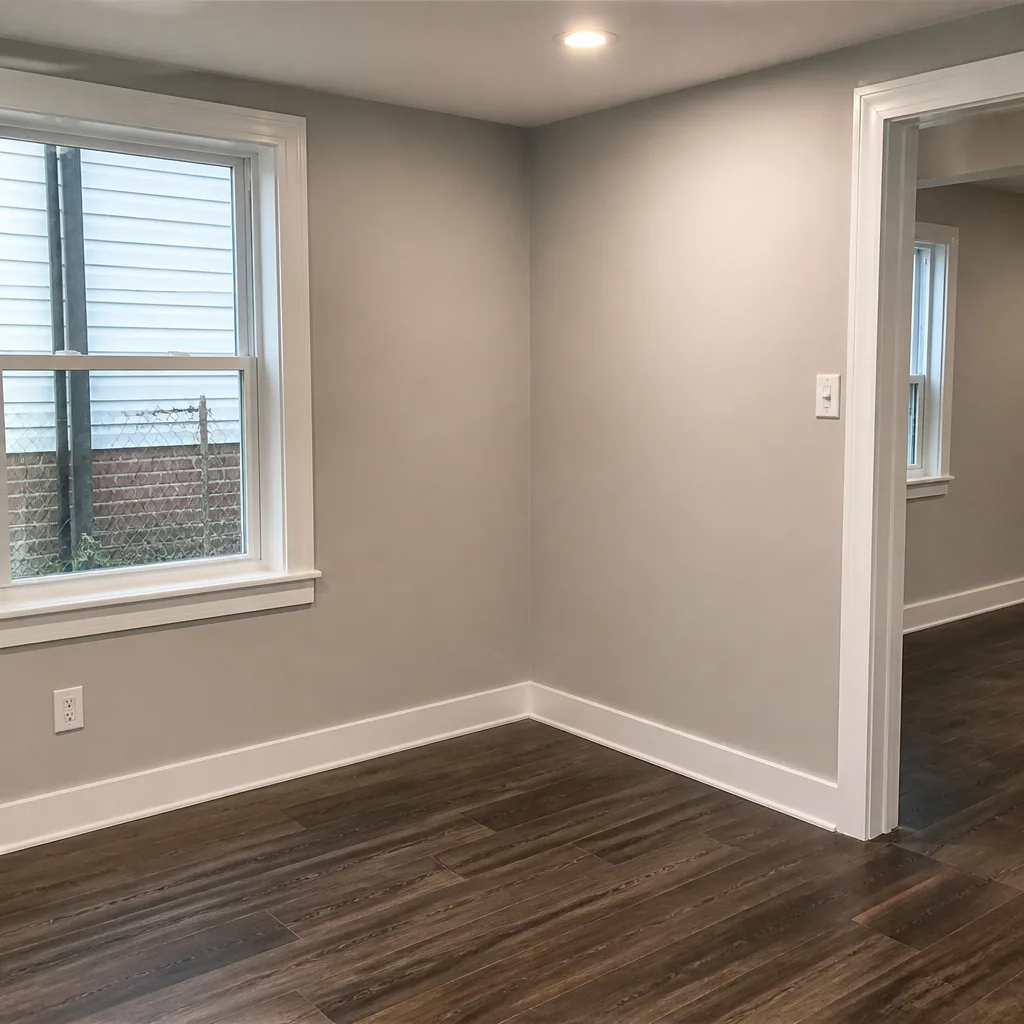 After
After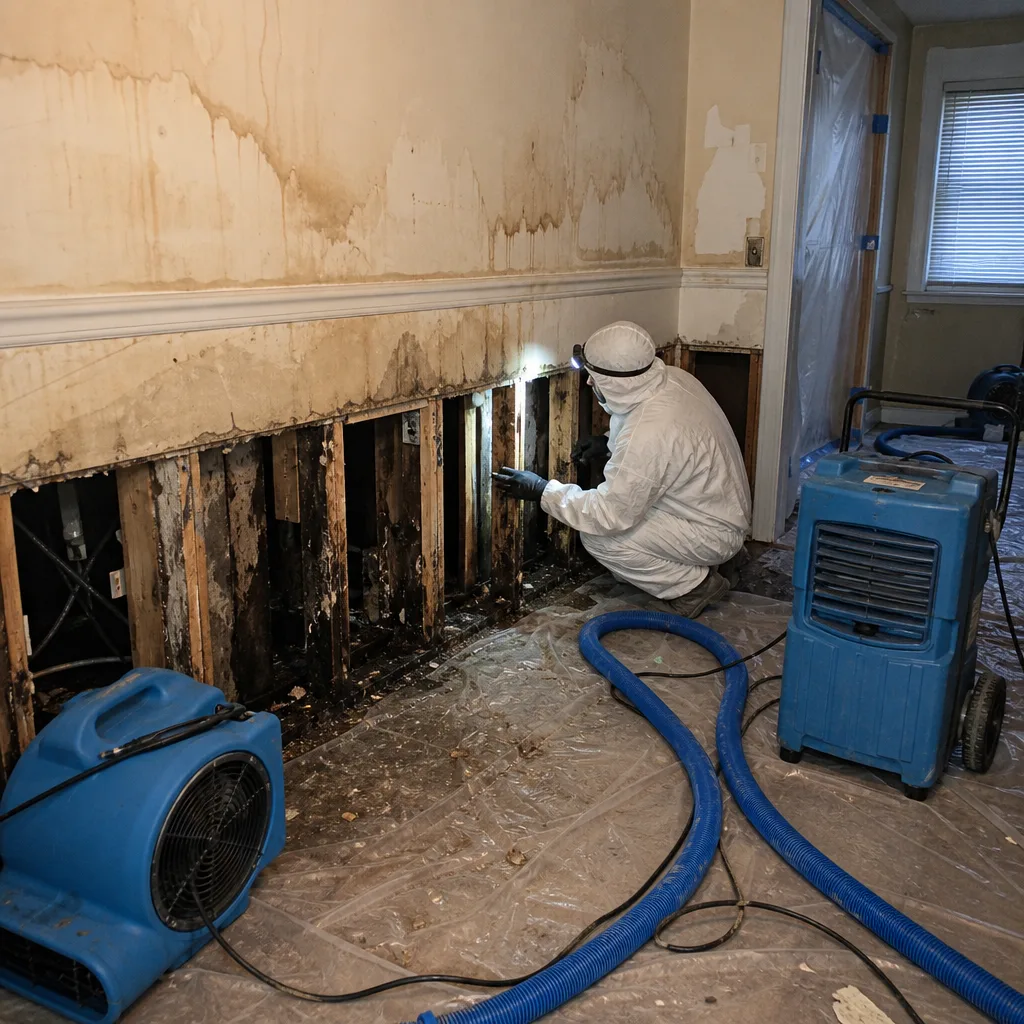 Before
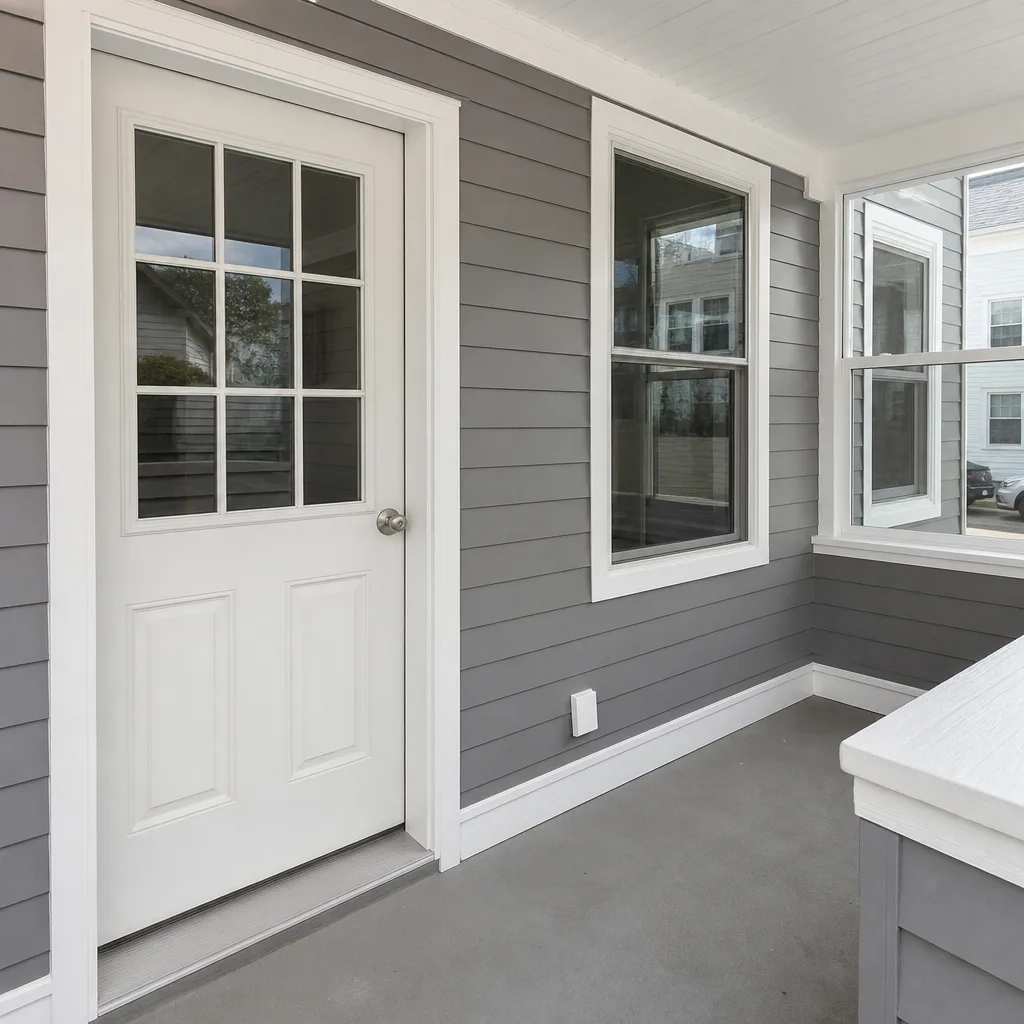 After
After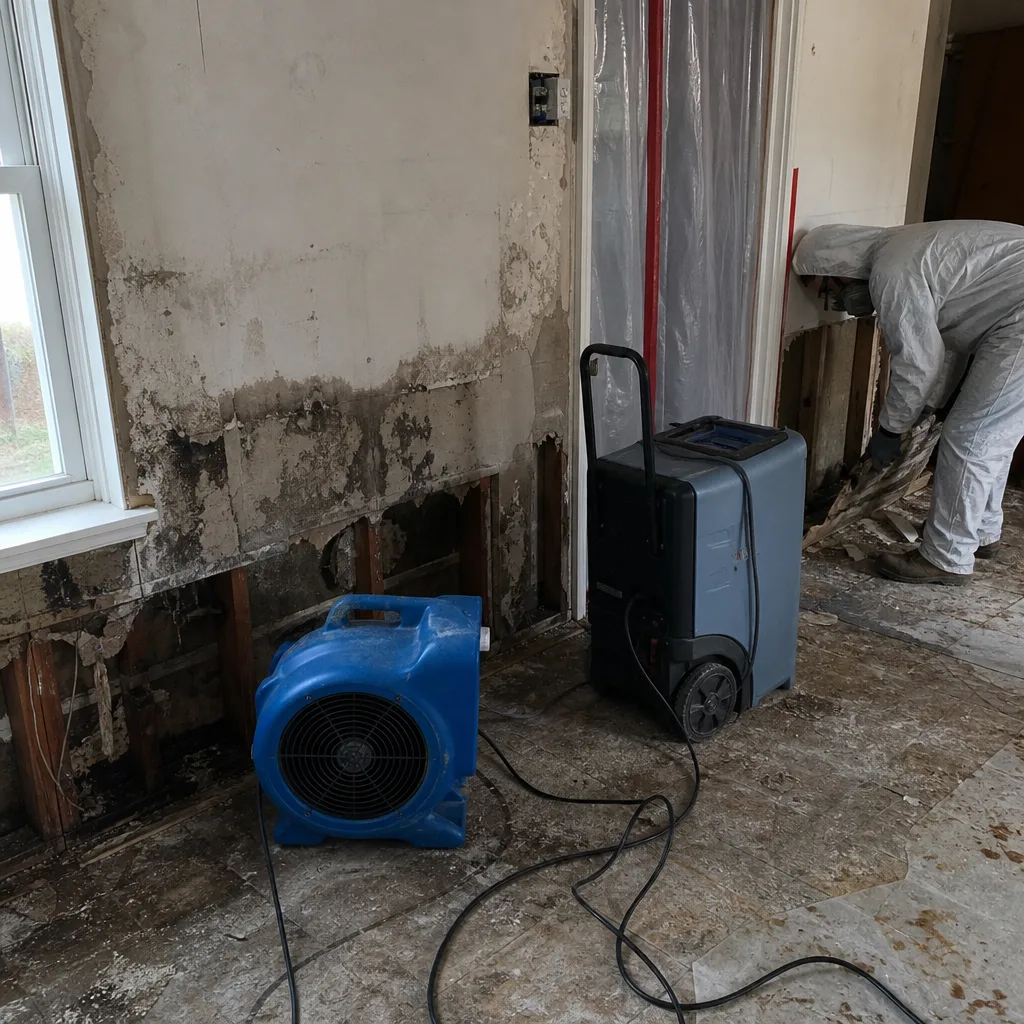 Before
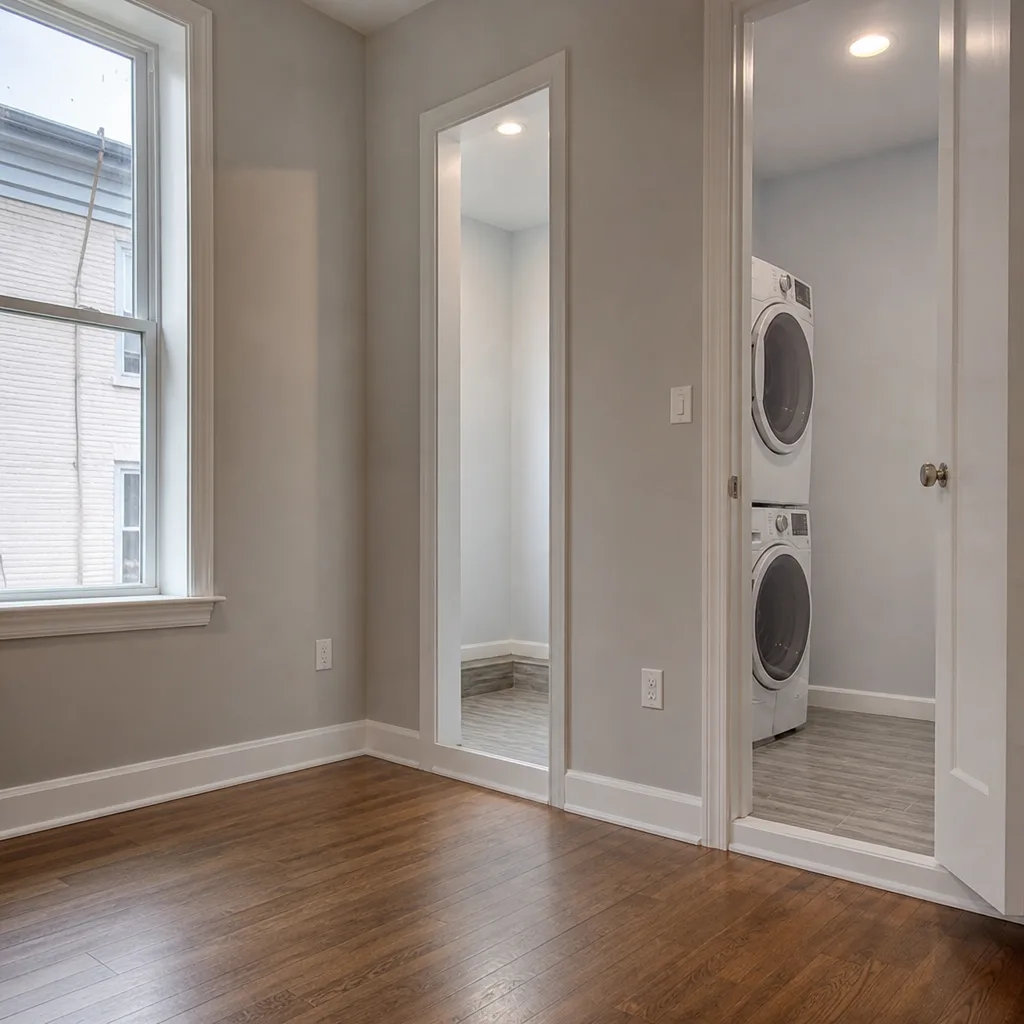 After
After24/7 Emergency Storm & Disaster Restoration in Midtown Manhattan
Storm damage in Midtown Manhattan rarely announces itself politely. A failed Con Edison steam riser on Lexington Avenue sends category 3 water through 22 floors of occupied commercial space. A nor’easter pushes the combined sewer backward through basement drains on 6th Avenue. A summer squall sends wind-driven rain through aging curtain-wall seals on a 1950s office tower. When you call Floodline Restoration Co. at (640) 400-9404, a live dispatcher answers. Not a recording. Not a callback queue. A person who knows the difference between a steam-line failure and a sewer surcharge, and who can have a certified crew moving toward your building within 45 minutes. The first hour after a Midtown storm event determines whether you’re drying a floor or rebuilding an elevator bank, a subbasement mechanical room, and two dozen tenant spaces. Our Storm & Disaster Restoration teams run 24/7, every day of the year, and the initial visual inspection costs you nothing. We’ll be there when we say. Done right, and backed in writing.
Understanding Storm & Disaster Restoration Severity in Midtown Manhattan Properties
Storm and disaster restoration in Midtown Manhattan is not a single trade. It’s a sequencing problem across five disciplines: water extraction, structural drying, contamination control, asbestos coordination, and reconstruction. Midtown’s building stock, most of it erected between the 1900s and the 1930s, then infilled with 1950s-to-1970s curtain-wall commercial high-rises, carries infrastructure that generic restoration scopes miss. Original pipe chases wrapped in asbestos-laden insulation. Subbasement mechanical rooms housing electrical switchgear, chillers, and telecom gear. Combined sewer laterals that surcharge during any sustained rainfall. Water damage here is classified category 1 (clean supply line), category 2 (gray water with biological contaminants), or category 3 (sewage, steam condensate with dissolved pipe scale, ground water from the combined sewer). Category 3 water in a Midtown basement means full removal of saturated porous materials, HEPA air scrubbing for airborne contaminants, and containment of any disturbed asbestos before drying can begin. Moisture mapping with thermal imaging and hygrometers drives the drying plan. Structural drying timelines stretch further here than almost anywhere else in the five boroughs: Midtown’s street-canyon geography slows airflow and traps humidity against building facades, which means wall cavities dry slower, and daily moisture readings matter more, not less.
Why Midtown Manhattan Property Owners Choose Floodline Restoration Co.
- 45-minute response commitment. Live dispatch, 24/7, with crews staged around Midtown Manhattan. We give you an arrival window and we hit it.
- A real person answers at 2 a.m. No automated system, no “leave a message.” A dispatcher picks up and a crew gets moving.
- IICRC-certified crews. Technicians hold IICRC WRT, FSRT, and AMRT certifications. They’ve scoped Midtown steam failures, sewer backups, and wind-driven rain events before.
- Free visual inspection. We assess the damage, map the moisture, and explain what you’re looking at before any work is authorized.
- Direct insurance billing. We bill your carrier directly and handle adjuster communication, so you’re not playing messenger between our team and the insurer.
- One crew from extraction to reconstruction. The same certified technicians who pull the water and run the drying also rebuild the walls. No mid-job handoff. No inherited crew.
Our Storm & Disaster Restoration Process
Inspection & Assessment
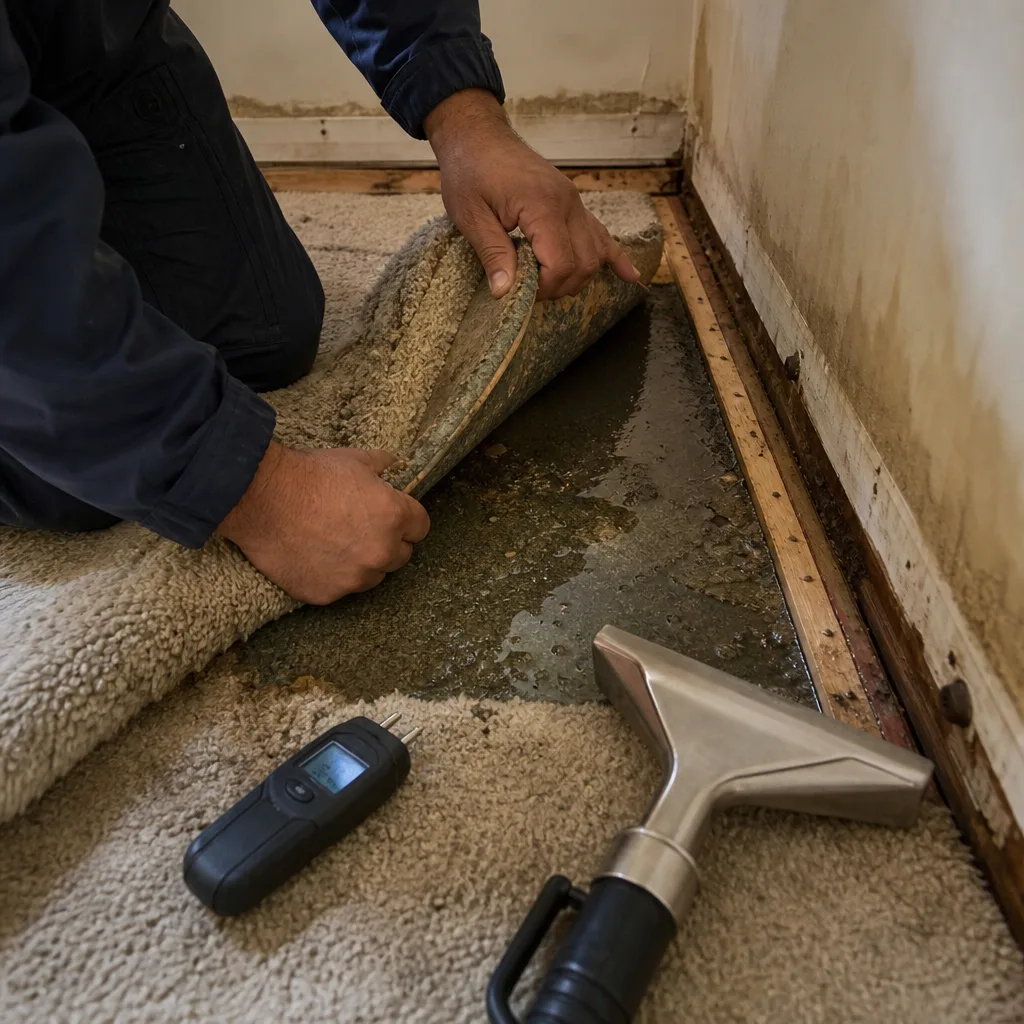
We arrive with thermal imaging cameras, moisture meters, and a digital scope list. Our lead tech walks every affected floor, identifies the water category, checks for asbestos-containing materials on pipe runs, and documents everything for your carrier. Within the first hour, you have a clear scope, not a vague promise.
Extraction & Stabilization
Professional-grade Dri-Eaz and XPOWER extraction units pull standing water from floor slabs, carpet systems, and wall cavities. We coordinate with Con Edison to isolate any active steam riser or pressure-reducing valve failure. Emergency board-up and roof tarping go up the same visit.
Drying & Dehumidification
Phoenix and Dri-Eaz desiccant dehumidifiers go in, sized to the cubic footage and humidity load. In Midtown’s street canyons, structural drying takes longer than open-grid cities, so we run daily moisture readings and log them. You see the log. So does your carrier.
Cleaning & Sanitization
Category 3 water and steam failures mean contaminated surfaces. We clean, disinfect, and run HEPA air scrubbers to capture airborne particulates. Any disturbed asbestos insulation gets full containment and abatement sequencing before we proceed.
Specialty Treatment
Storm and disaster work in Midtown often means sewer surcharge, steam-line failure, or wind-driven rain through curtain-wall seals. We treat each accordingly: antimicrobial application for category 3, corrosion mitigation for switchgear rooms, moisture-mapped drying for telecom infrastructure.
Repairs & Restoration
Once the dry standard is met, the same crew rebuilds. Drywall, flooring, electrical, paint. The 90-Day Done Right Promise covers the full job, in writing. If something isn’t right, we make it right. No paperwork battles, no arguing.
Need Emergency Storm & Disaster Restoration in Midtown Manhattan Now?
Crews minutes away, answering live 24 hours a day. The sooner we start, the less it costs.
Working With Your Insurance Company
Midtown losses are rarely simple. A steam riser failure on Lexington Avenue may involve Con Edison, the building owner, the commercial tenants, and multiple insurance carriers. A sewer surcharge in a pre-war office basement may trigger debates about flood exclusions and combined sewer overflow riders. Floodline Restoration Co. handles this every week. From the first hour, we document the loss the way adjusters need to see it: photos of every affected room, boundary sketches, moisture readings at every mapping point, and a line-item scope that matches industry-standard estimating software. We communicate directly with your adjuster in their language, including IICRC dry standards and restoration protocols. We are insured and bonded, with uniformed, background-checked technicians on every job. You get one point of contact, one team, one written guarantee.
What We Provide Your Insurer
- Thorough documentation of the loss
- Photos of all damage, room by room
- Moisture readings and drying logs
- A detailed, line-item scope of work
- Direct coordination with your carrier
Built for Midtown Manhattan’s Loss Calendar
Midtown Manhattan’s storm and disaster restoration call volume tracks a predictable rhythm. January and February bring deep freezes that burst supply lines in pre-war towers, flooding upper floors with clean category 1 water that migrates down through pipe chases and elevator shafts. March and April bring snowmelt and spring rains that saturate the soil around basement walls, while the aging combined sewer starts its seasonal complaints. June through August brings the double punch: intense convective storms that drop an inch of rain in 30 minutes onto impermeable Midtown asphalt, and nor’easter remnants that push tidal surge and ground water backward through below-grade drains. September through November is wind season, when aging curtain-wall seals on 1950s-to-1970s towers begin to fail and rain drives into occupied office space. The one constant across all of it: Midtown’s district steam network runs year-round, and a pressure-reducing valve failure on 6th, 7th, or Lexington Avenue doesn’t wait for a storm. Neither do we.
Storm & Disaster Restoration Across Midtown Manhattan’s Neighborhoods
Our crews move through Midtown Manhattan’s distinct corridors the way a local knows the blocks, because we’ve run restoration work in all of them. In the Theater District along 7th Avenue and Broadway, storm response often means coordinating with production schedules: a flooded stage-level mechanical room doesn’t just idle a building, it cancels shows, so we sequence extraction to keep the venue operational where possible. Over by Bryant Park, the 1920s-to-1930s masonry towers along 42nd Street carry original steam risers and asbestos-laden pipe insulation, making every water event a potential abatement trigger. In the Garment District near 8th Avenue and 36th Street, ground-floor commercial spaces and subbasement showrooms flood from combined sewer backup during summer downpours, and pack-out of inventory has to happen the same night. Down in the Murray Hill section east of Park Avenue, mid-century curtain-wall residential buildings get wind-driven rain through failing window seals, and drying has to account for the slower air movement in the street canyon. Different blocks, different loss profiles, same crew discipline.
Specialized Storm & Disaster Restoration Services We Offer in Midtown Manhattan
Emergency Board-Up
After a storm blows out a storefront window on 34th Street or peels back a roof membrane on a 9th Avenue walk-up, the building is open to weather, theft, and liability. We board up and tarp within hours, using heavy-duty plywood cut on site and anchored to code. Midtown’s foot traffic makes security a real concern, so we don’t leave a building accessible overnight. Call and we move.
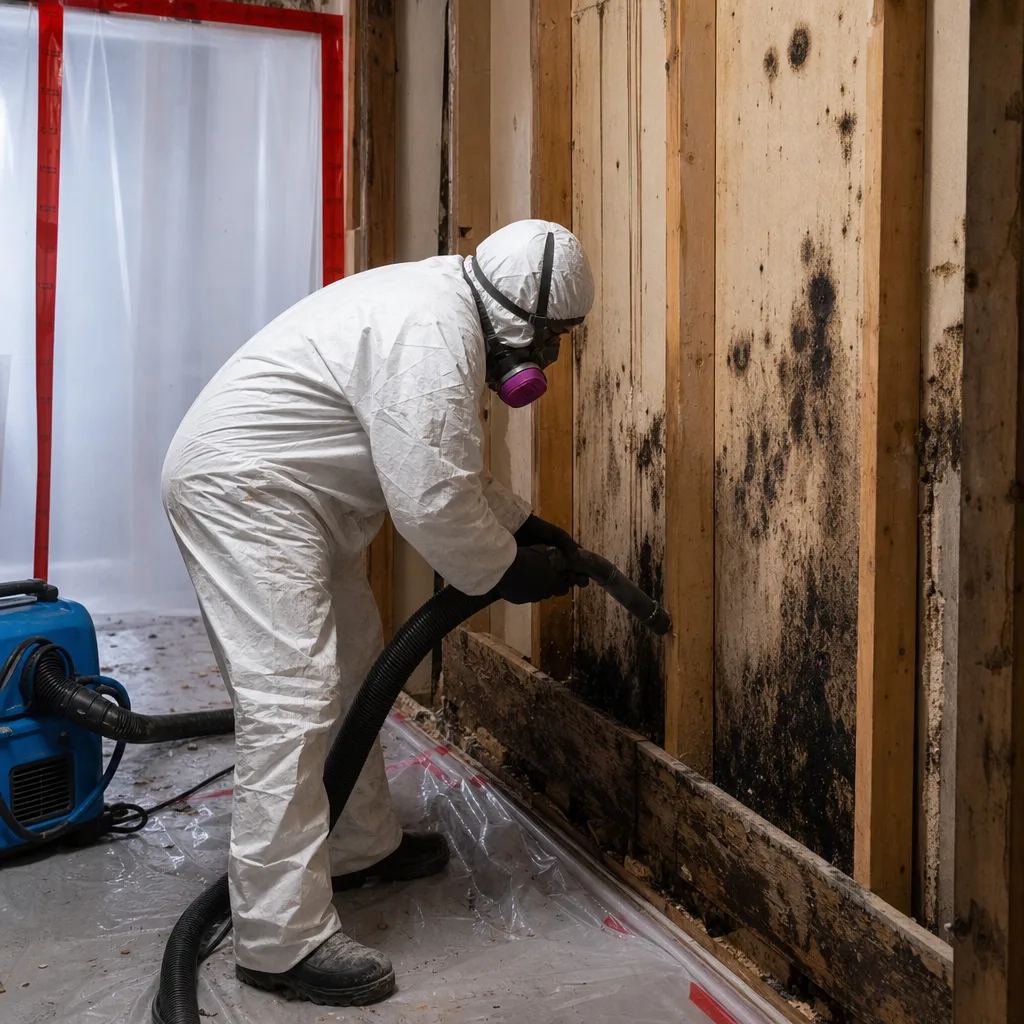
Storm Damage Cleanup
Debris on the street, saturated drywall, blown-in glass, mud tracked through a lobby: storm cleanup in Midtown has to be fast and complete. We bring dumpsters where the street permits allow, protect surfaces that don’t need replacement, and remove only what the scope calls for. Your carrier gets photos of everything. You get a clean, safe building.
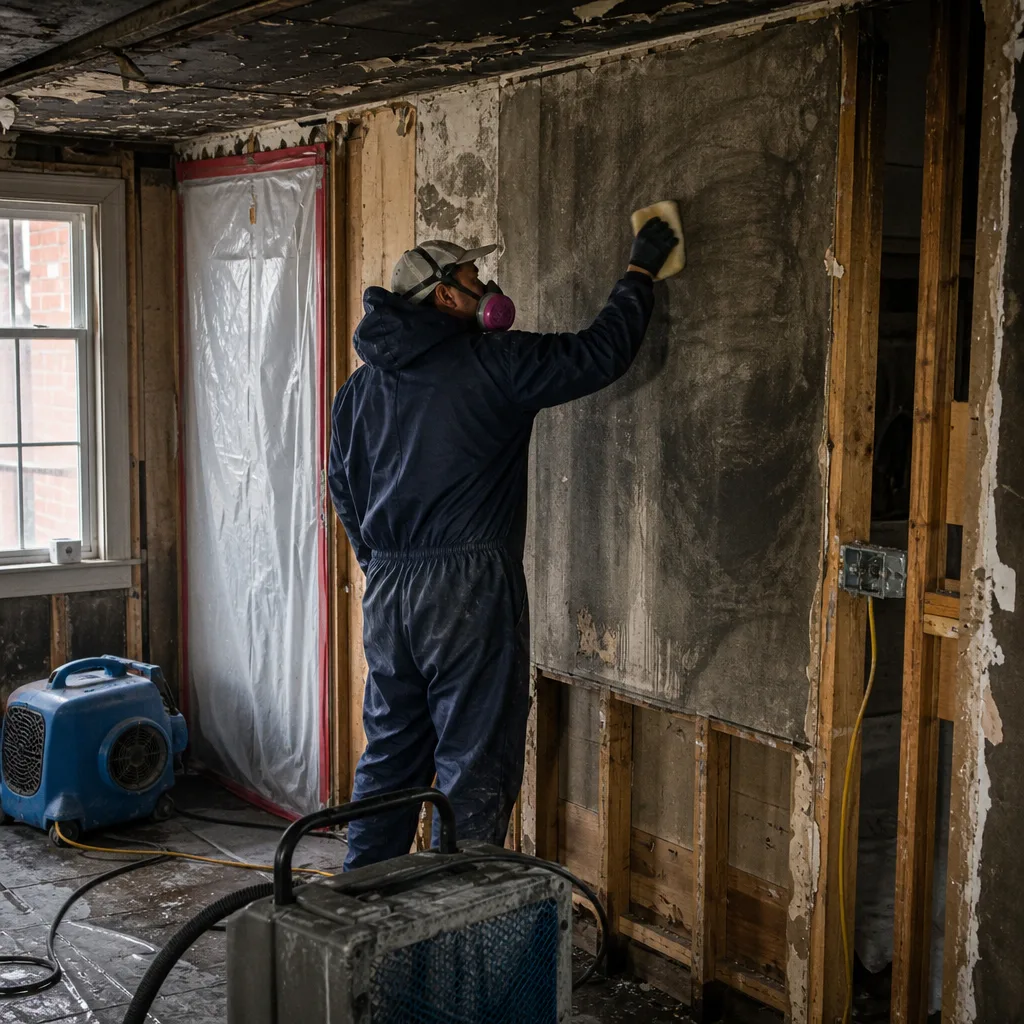
Flood Damage Restoration
Midtown floods differently than the outer boroughs. Ground water and sewage push up through basement drains when the combined sewer surcharges, and supply-line failures cascade down through stacked units. We extract the standing water, map the moisture, run professional-grade dehumidification, and sequence any asbestos abatement on disturbed pipe insulation before structural drying begins. One crew handles it all.
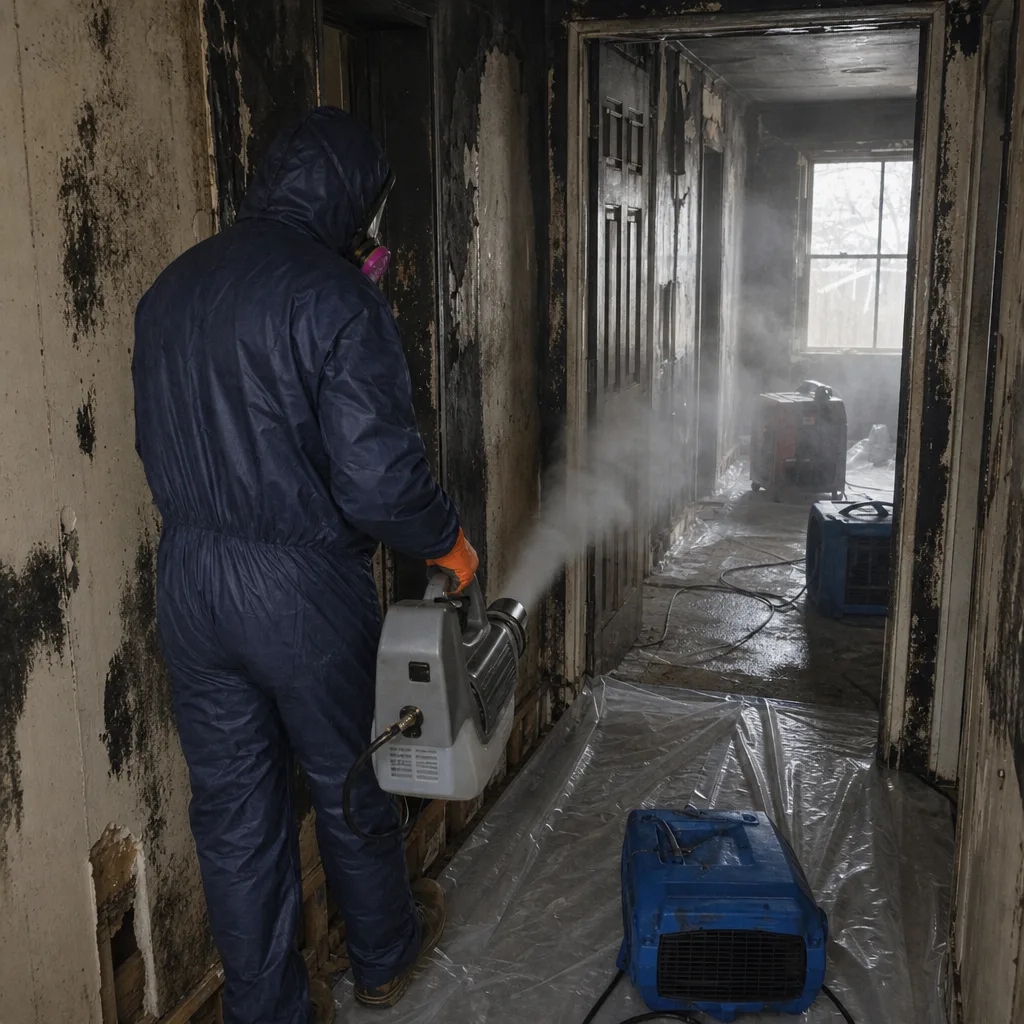
Roof Tarping
Wind-driven rain gets into Midtown towers through failed roof membranes and parapet seals. Before full roof replacement, tarping stops the water from spreading. We anchor tarps to survive Midtown’s street-level wind gusts, not just the next sunny day. A proper tarp buys time for your carrier to approve the permanent repair without secondary damage piling up.
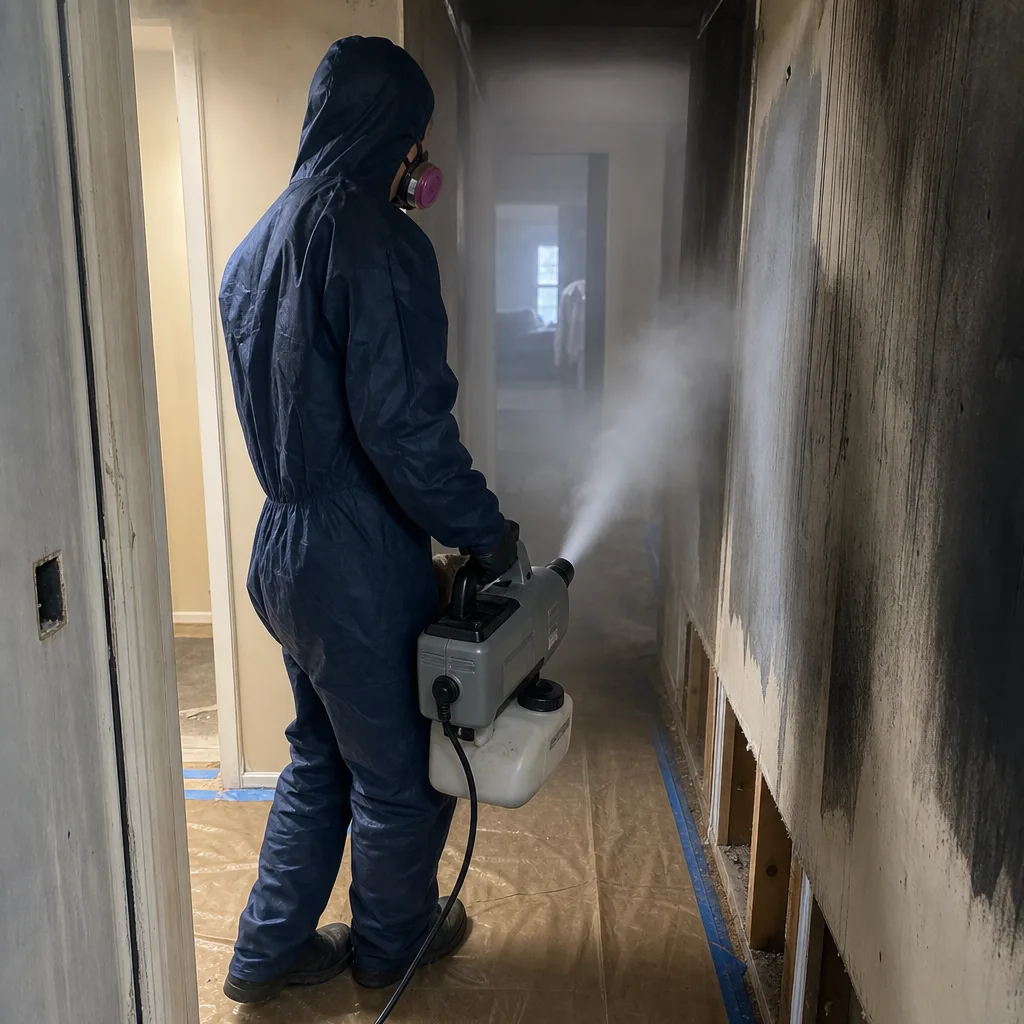
Debris Removal
Storm debris in Midtown isn’t just branches and leaves. It’s roof gravel, broken glass, ceiling tiles, and soaked carpet. We handle the removal, the sorting, and the disposal documentation. When the debris contains possible asbestos-containing materials, we stop and sequence abatement properly. You don’t want a crew carting friable insulation through a lobby.
What happens when you call
- 1
A real person answersNo phone trees - you reach a local pro.
- 2
You get an upfront price rangeHonest numbers before anyone is dispatched.
- 3
A background-checked tech heads outLicensed & insured, dispatched right away.
- 4
You approve before work beginsNothing starts until you say go.
Storm & Disaster Restoration Costs in Midtown Manhattan, NY
Storm and disaster restoration in Midtown Manhattan is structurally more expensive than in the outer boroughs, and the reasons are specific. Emergency board-up and tarping on a Midtown storefront typically runs $850 to $1,800, depending on square footage and street-level access. Storm damage cleanup in a flooded Midtown basement, including extraction, debris removal, and surface cleaning, typically lands between $3,500 and $9,000. Flood damage restoration involving category 3 water, with full containment and drying, ranges from $8,000 to $28,000 when subbasement mechanical rooms are involved. The cost movers in Midtown are elevator availability, asbestos coordination, after-hours work in occupied commercial buildings, and the extended drying timelines from the street-canyon microclimate. Insurance covers the majority of storm-related losses, subject to your policy’s flood and sewer backup exclusions. The free visual inspection is the path to a firm scope: we map the moisture, document the loss, and give you a written line-item before any work is authorized. A square deal, no surprises on the bill. Call (640) 400-9404 for an exact assessment.
We Also Serve Cities Near Midtown Manhattan
Our Midtown Manhattan crews provide the same 24/7 emergency storm and disaster restoration service to the surrounding communities, including Midland Beach, New Springville, Oakwood, and Travis – Chelsea. Same live dispatch, same certified technicians, same written guarantee. If your building is in one of these areas and you’re dealing with storm damage right now, call the same number: (640) 400-9404.
Serving Midtown Manhattan, NY - Our Local Coverage Area
We’re based in the Midtown Manhattan area and know this community well. Use the map below to see our service coverage - if you’re nearby, we can almost certainly help.
Midtown Manhattan Storm & Disaster Restoration Questions, Answered
How does Con Edison’s district steam system complicate water damage restoration in Midtown Manhattan high-rises?
Con Edison’s district steam network is the largest in the United States, running beneath 6th, 7th, and Lexington Avenues and heating hundreds of Midtown buildings. When a steam riser or pressure-reducing valve fails, the damage profile combines extreme heat, near-100% humidity saturation inside wall cavities, and disturbed asbestos insulation on the pipes themselves. A restoration crew without Midtown experience may not recognize the asbestos component or know how to coordinate isolation with Con Edison. We handle both, every week. Call (640) 400-9404 for a Midtown-specific scope.
What category of water is typical in Midtown basement floods during severe storms, and how does that affect what gets removed?
Midtown basement floods during nor’easters and summer convective storms are typically category 3 water, the most contaminated classification. The aging combined sewer surcharges, pushing ground water and sewage up through below-grade drains. Category 3 water means full removal of saturated porous materials: carpet, padding, drywall, and insulation. We apply antimicrobial treatments and run HEPA air scrubbers to control airborne contaminants. Surface-level waterproofing does nothing to prevent this pattern. Call (640) 400-9404 to have a technician assess your building’s backflow risk.
Why does structural drying in Midtown Manhattan take longer than in other NYC boroughs?
Midtown’s street-canyon geography is the direct cause. Tall buildings on narrow streets slow airflow and trap humidity against building facades, so wall cavities cannot shed moisture the way they would in the open-grid streets of Queens or the Bronx. Our structural drying plans in Midtown account for this with longer desiccant dehumidifier runtimes and daily moisture readings until the IICRC dry standard is met. We log every reading and share the log with you and your carrier. Call (640) 400-9404 for an honest drying timeline on your building.
Are pre-war high-rise mechanical rooms in Midtown a common hidden cost in storm and disaster restoration?
Yes, and it’s a cost most restoration scopes miss. Subbasement mechanical rooms in Midtown’s pre-war towers house electrical switchgear, chillers, and telecom infrastructure. When water reaches them, the drying and corrosion mitigation costs climb sharply. Our moisture mapping in these rooms typically shows readings above 90% RH around electrical gear, which requires priority dehumidification and sometimes pack-out to protect pre-loss condition. We scope mechanical rooms from the first inspection, not as an afterthought. Call (640) 400-9404 for a scope that accounts for your building’s infrastructure.
Does emergency board-up in Midtown require special coordination beyond typical storm response?
Yes. Midtown’s street-level access, foot traffic, and building management requirements add coordination layers. On a commercial storefront, we schedule board-up around street permits where required and insurance adjuster access. On an upper-floor residential unit with broken glass, we coordinate with building management for access and elevator scheduling. The security piece matters too: Midtown’s density means an unboarded opening is a theft and liability risk within hours. We board same-day, every day. Call (640) 400-9404 and a crew moves now.
How fast can someone actually get to my Midtown Manhattan building?
Our dispatch commitment is 45 minutes from the time you call, 24 hours a day, seven days a week. A live dispatcher picks up, confirms your location and the nature of the loss, and sends the nearest certified crew. In Midtown, where response time often determines whether a category 2 loss becomes category 3, the first hour matters. Call (640) 400-9404 now and we’ll tell you exactly when the crew arrives.
Do I really need full restoration, or just a cleaning?
It depends on the water category and the materials affected. If water was clean supply line and you caught it within hours, extraction and drying may be enough. If the water came from the combined sewer, a steam line, or sat for more than 24 hours, it’s category 3 and porous materials must be removed, not just cleaned. The free visual inspection gives you an honest answer without pressure. We’ll show you the moisture readings and explain what’s necessary versus what’s optional. Call (640) 400-9404 to schedule the inspection.
Who deals with my insurance adjuster?
We do. Floodline Restoration Co. documents the loss from the first hour, prepares a line-item scope in industry-standard format, and communicates directly with your adjuster. You’re not the go-between. We’re insured and bonded, our technicians are background-checked and uniformed, and our work is backed by the 90-Day Done Right Promise in writing. Call (640) 400-9404 and hand us the claim number; we’ll take it from there.
Written by Curt Bowman, Owner at Floodline Restoration Co., serving Midtown Manhattan with 24/7 storm and disaster restoration.