
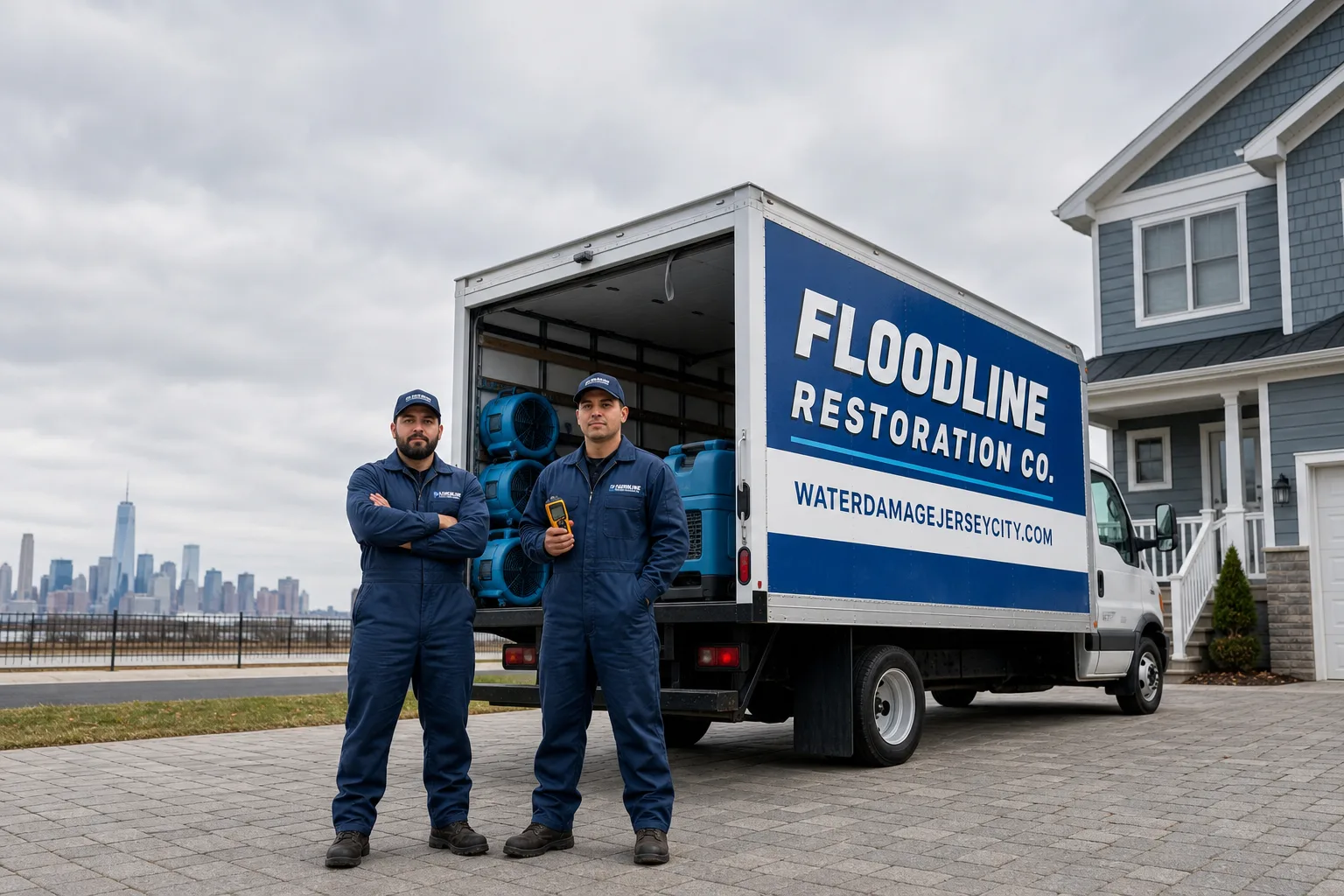
Free visual inspection and a written scope of work before any mitigation begins - photos, moisture readings, and drying logs go in your claim file
The scope we write is the scope we bill. Anything new gets shown to you, in writing, before we touch it.

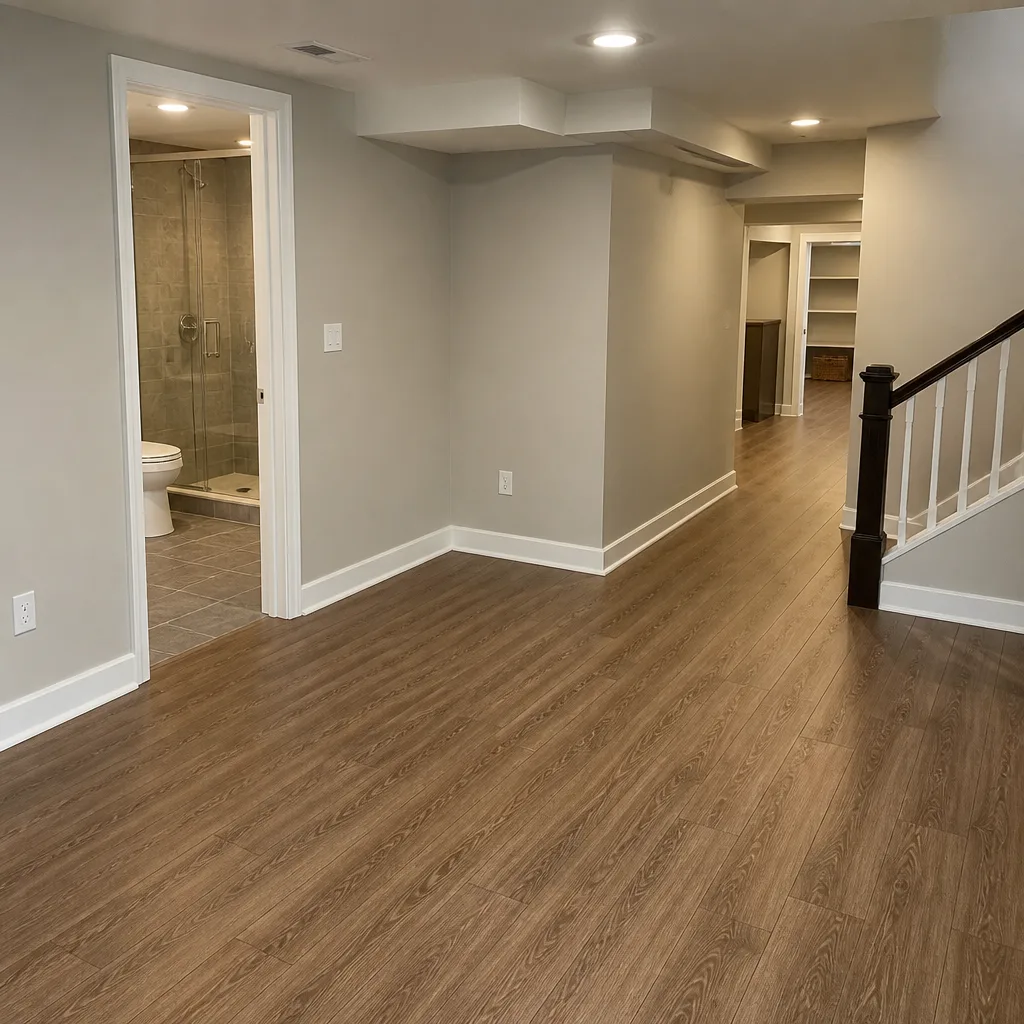

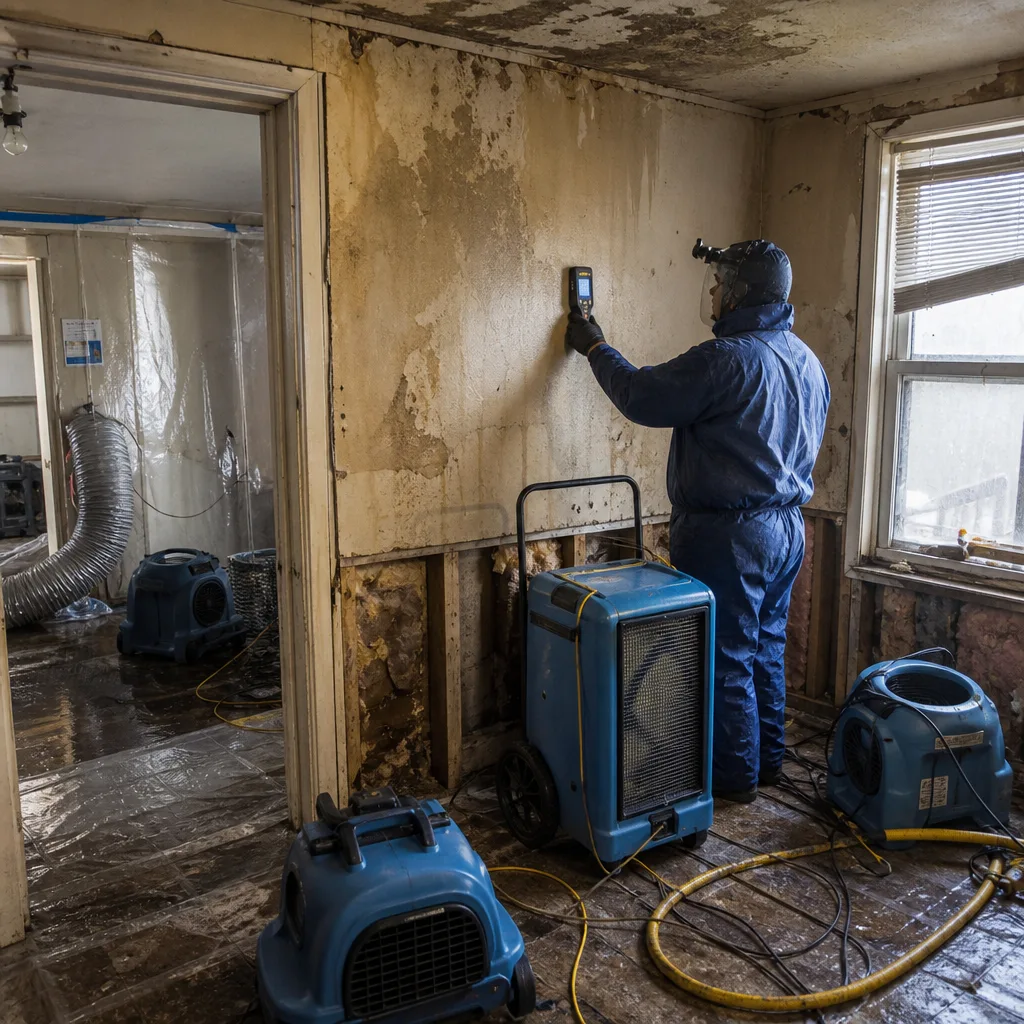 Before
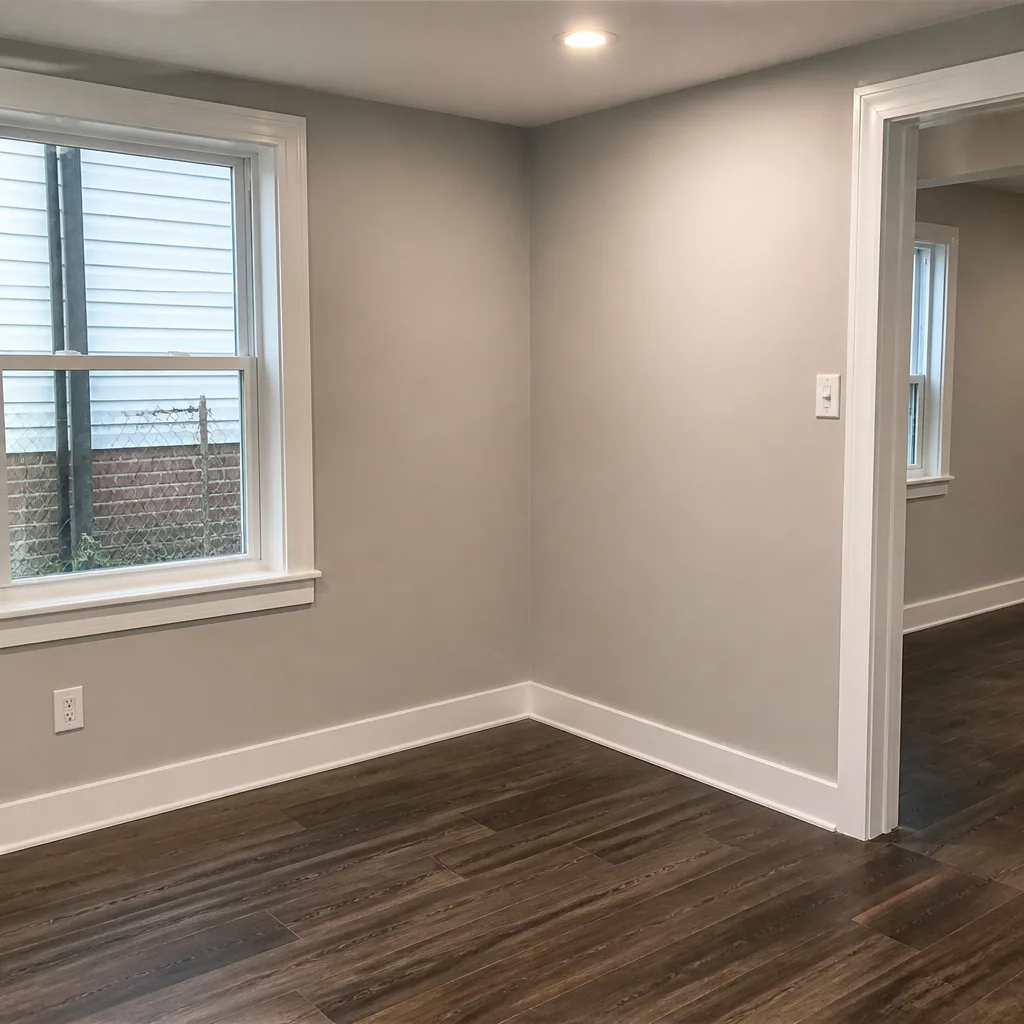 After
After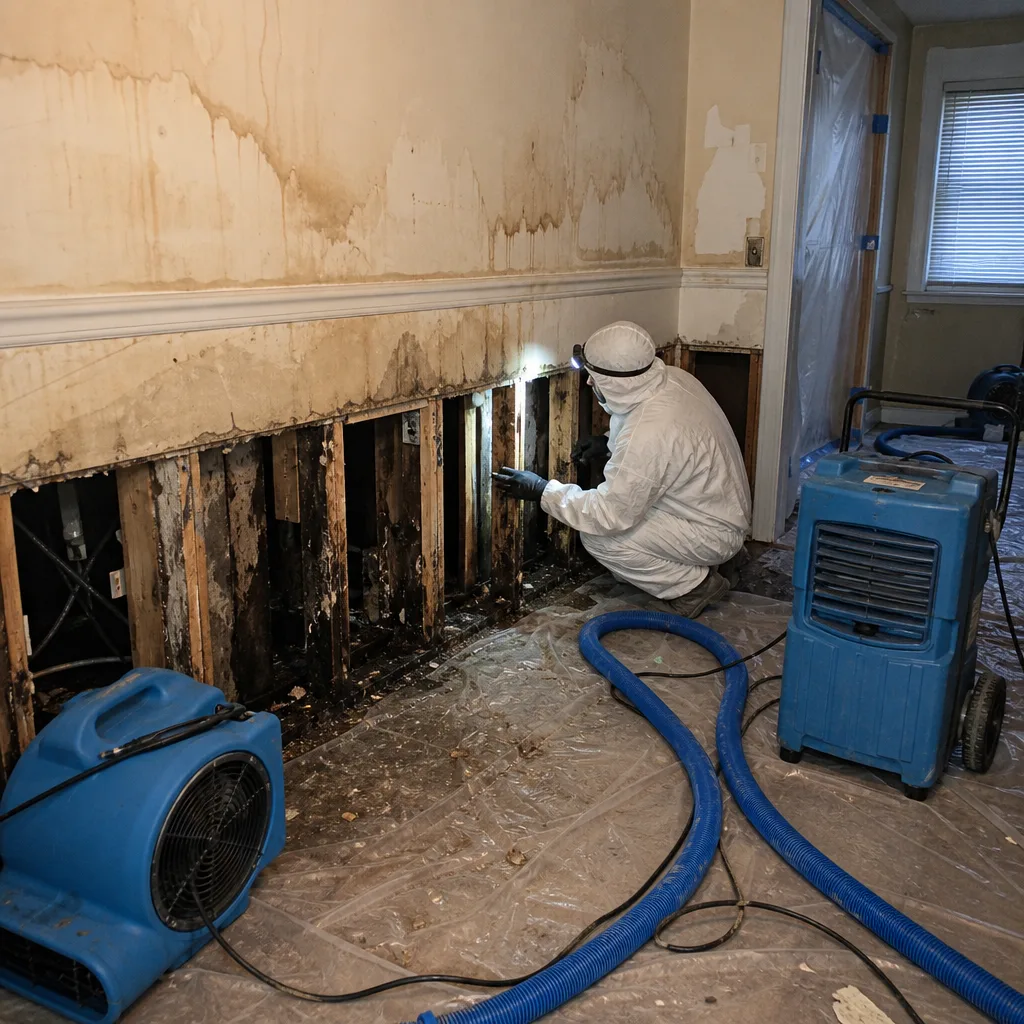 Before
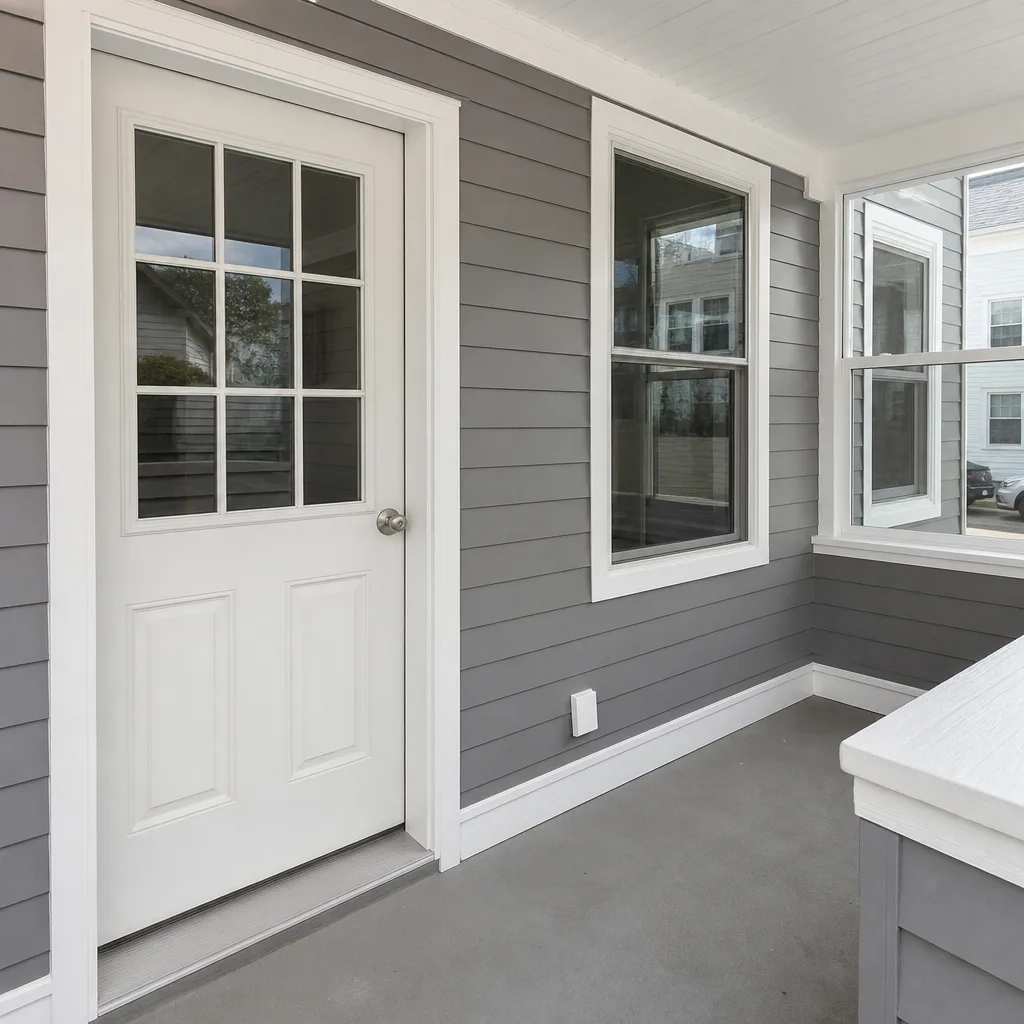 After
After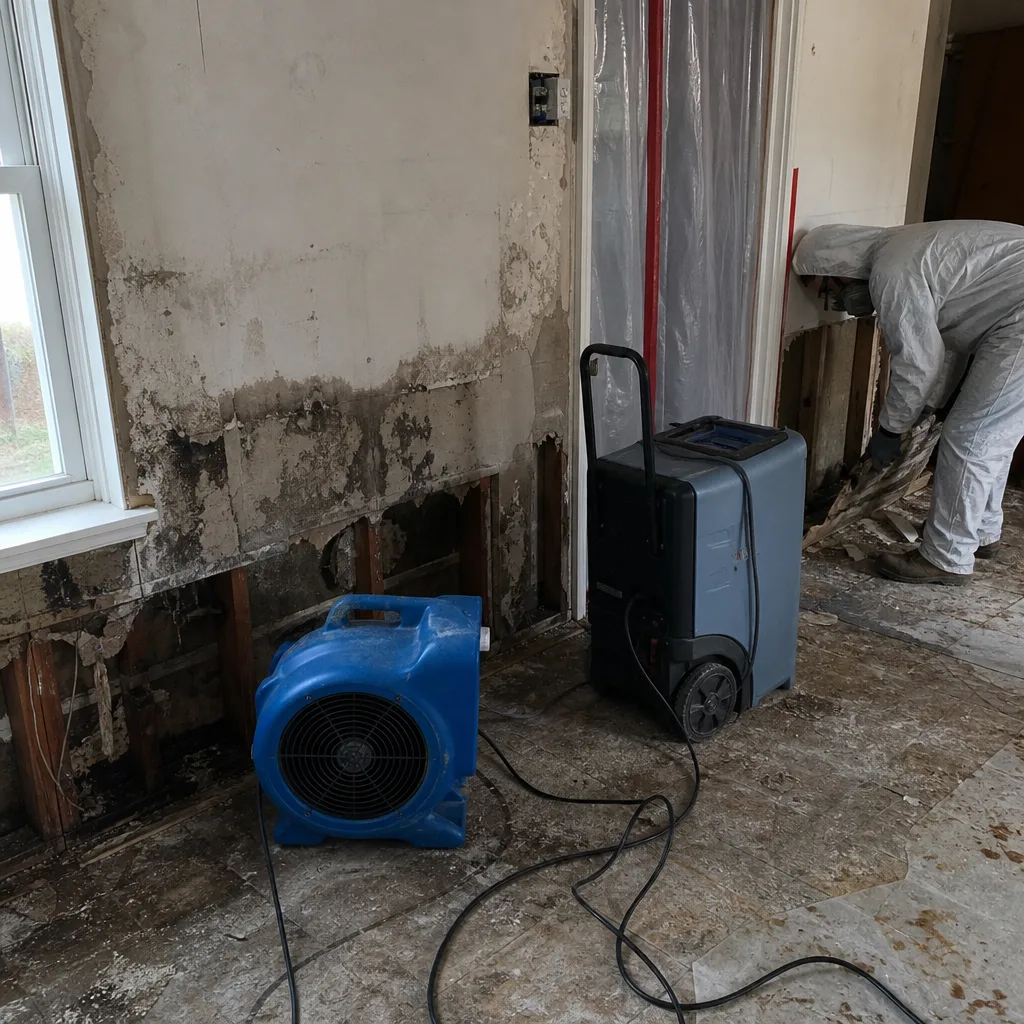 Before
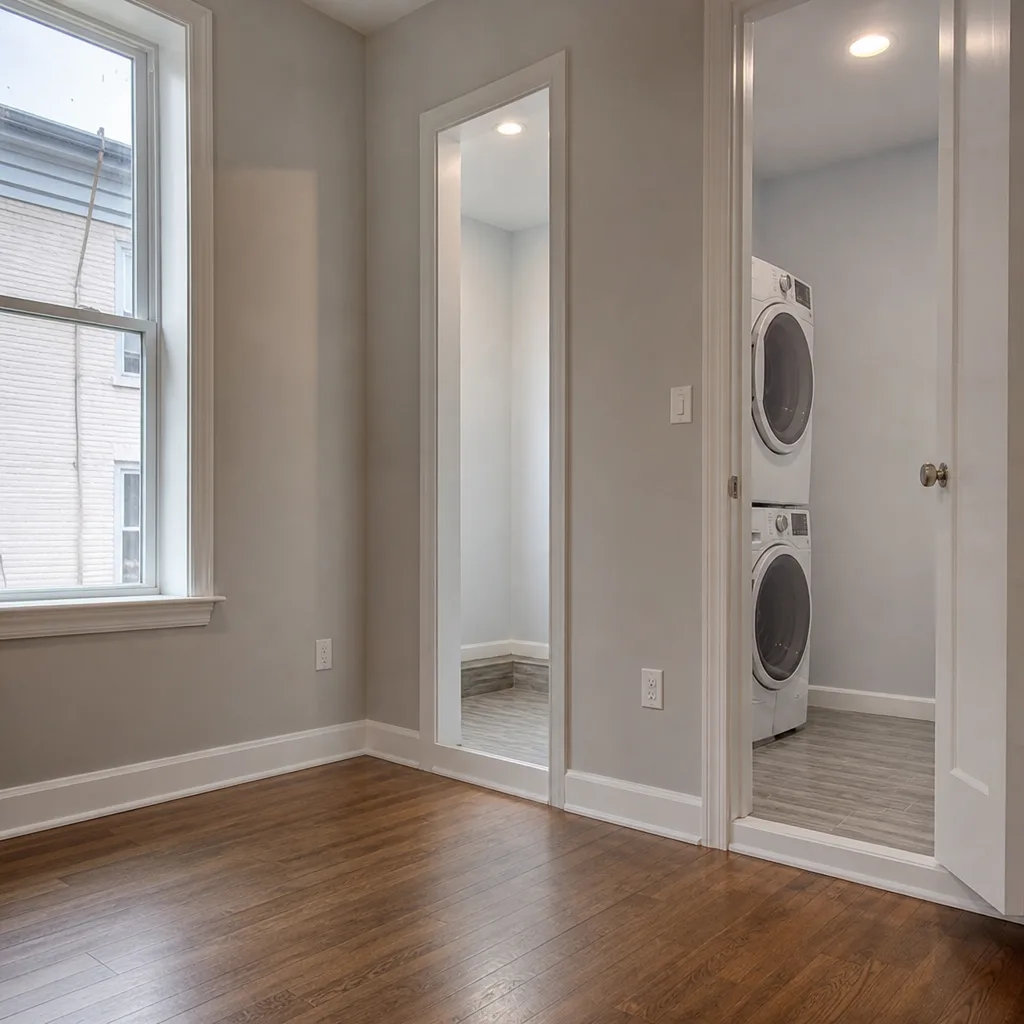 After
After24/7 Emergency Biohazard & Crime Scene Cleanup in Midtown Manhattan
When a traumatic event happens in a Midtown Manhattan high-rise, commercial space, or pre-war apartment, the first call matters more than anywhere else in the city. Biohazard and crime scene cleanup in this district isn’t a standard residential job; it requires crews who understand Con Edison’s district steam network, occupied floors above and below the loss, and the coordination of multiple parties with legal counsel in the room. You reach a live dispatcher at (640) 400-9404 any hour, any day. We dispatch a certified crew to Midtown Manhattan immediately, because every hour that biohazard material sits untreated inside a building with shared air handling and occupied tenant spaces increases contamination spread, occupant exposure, and final remediation cost.
The city doesn’t pause. The NYPD and FDNY complete their on-scene work, and then the property owner or building manager has to move, fast. Our team arrives for a free visual inspection, sets containment where it’s needed, and starts work the same visit. No answering service. No callback in the morning. A person picks up and a crew rolls out, 24 hours a day.
Understanding Biohazard & Crime Scene Cleanup Severity in Midtown Manhattan Properties
Biohazard events in Midtown Manhattan fall into distinct severity tiers, and the building stock here makes the tiers behave differently than in a single-family home. Blood and bodily fluid contamination in a pre-war tower off 6th Avenue is often compounded by original plaster walls that wick fluid into lath, a material that isn’t easily sanitized and often requires controlled removal rather than surface cleaning. Unattended death cleanup in a hotel room near Grand Central can involve decomposition fluids that penetrate carpet, padding, subfloor, and even the concrete slab beneath, releasing gases that migrate through wall cavities and HVAC returns into adjacent rooms.
Infectious disease disinfection in a commercial Midtown office requires understanding how shared ventilation moves pathogens: a single floor’s contaminant becomes a tower-wide exposure in hours. Hoarding cleanup in a pre-war apartment is rarely just removing contents; it’s confronting vermin contamination, structural overloading, blocked egress, and often asbestos dust from years of deferred maintenance in plaster ceilings and pipe chases. Tear gas residue from a security incident near Times Square penetrates fabrics, electronics, and soft building materials, and without proper chemical neutralization, the irritant reactivates every time someone touches or moves the affected surfaces.
Category 3 water contamination from a backed-up combined sewer in a subbasement mechanical room is a biohazard event in its own right. Sewage-contaminated water in a Midtown high-rise subbasement doesn’t just flood a storage room; it submerges electrical switchgear, telecom vaults, and chiller plants. The cleanup protocol is drastically different from a residential basement job. Midtown’s high-density commercial buildings don’t tolerate shortcuts, and neither do we.
Why Midtown Manhattan Property Owners Choose Floodline Restoration Co.
We’ve built our name in this city by doing the job the way building owners and managers need it done: with documentation, with proper containment, and with a crew that stays until the work is finished.
- Live answer, 24/7. A dispatcher here picks up at 2 a.m. on a Sunday. You’ll hear a voice, not a recording. We dispatch crews to Midtown Manhattan around the clock, every day of the year.
- 45-minute response commitment. Our Midtown crews are staged to reach addresses across the district quickly. When time is measured in contamination spread, response speed is part of the scope.
- IICRC-certified crews. Our technicians hold WRT, FSRT, and AMRT certifications where relevant, plus RIA and IFA training. They’re background-checked and uniformed, so you know who’s in your building.
- Free visual inspection. You get a straight assessment of what’s needed, with no obligation. A written scope of work follows, agreed before any work begins.
- Direct insurance billing. We communicate directly with your carrier, provide photo documentation and line-item estimates, and handle the claim paperwork. You’re not the messenger between us and them.
- One team, start to finish. From first containment to final repairs and restoration, the same Floodline Restoration Co. crew handles it. No mid-job handoff to a subcontractor you never vetted. We also offer our Biohazard & Crime Scene Cleanup full-cycle care for exactly this reason.
Our Biohazard & Crime Scene Cleanup Process
1. Inspection & Assessment
We walk the site in Midtown Manhattan with a trained eye, document what we find, and establish containment zones before anything is disturbed. Thermal imaging and moisture meters help us map contamination that’s hiding inside wall cavities or under flooring.
2. Containment & Stabilization
HEPA air scrubbers and negative air pressure contain airborne pathogens and odors. We seal off the affected area from occupied spaces, because in a Midtown high-rise, contamination doesn’t respect floor lines.
3. Removal & Decontamination
Biohazard-contaminated materials are removed under strict handling protocols. We use hospital-grade disinfectants and follow OSHA bloodborne pathogen standards for every surface, fixture, and material that can be salvaged.
4. Drying & Dehumidification
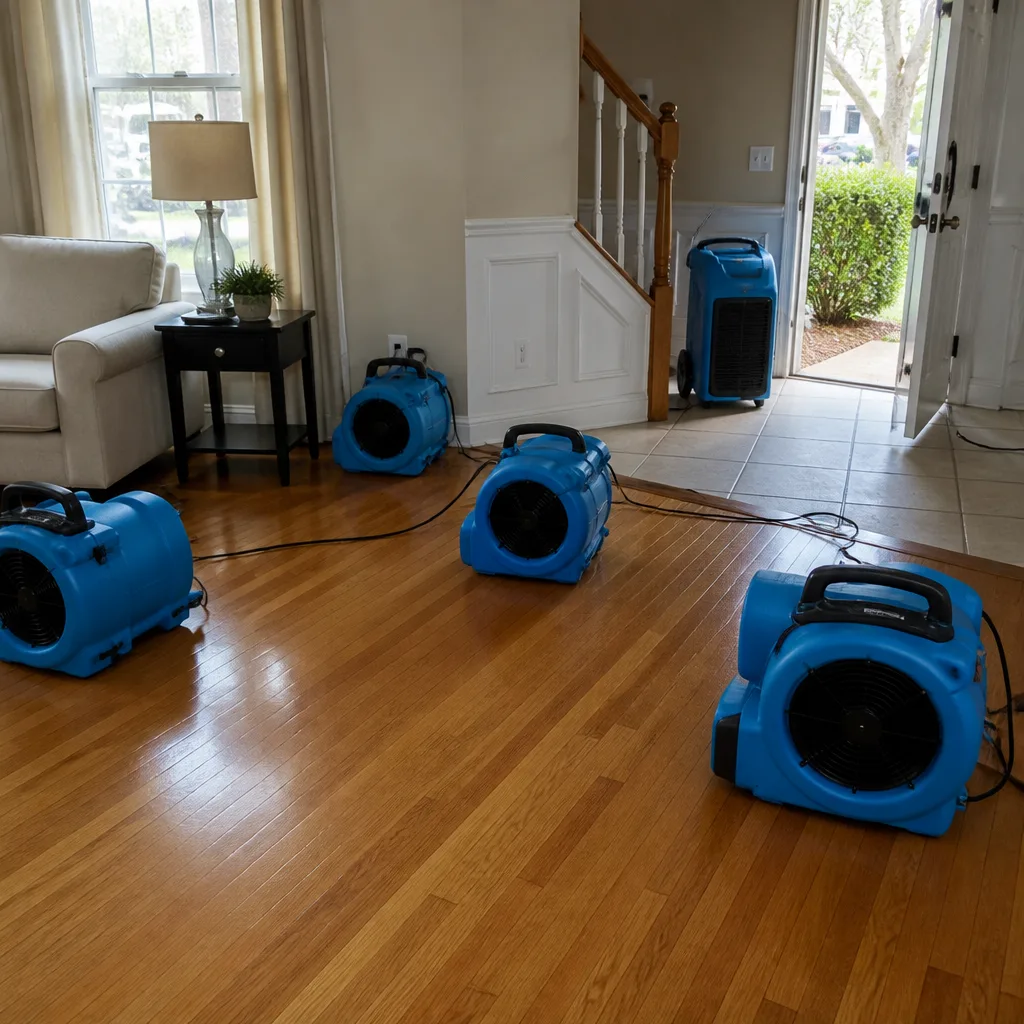
Midtown’s street-canyon geography traps humidity, so affected materials need aggressive drying. We run professional-grade Dri-Eaz and Phoenix air movers and dehumidifiers, with daily moisture readings logged until the dry standard is met.
5. Odor & Particulate Treatment
For hoarding, decomposition, or chemical contamination, we use hydroxyl generators and specialized thermal fogging to neutralize odors at the source, not just mask them. Air quality testing confirms the result.
6. Repairs & Restoration
We rebuild what was removed: drywall, flooring, paint, fixtures. The same Floodline crew handles the restoration and hands you a written, line-item record of everything we did, backed in writing.
Need Emergency Biohazard & Crime Scene Cleanup in Midtown Manhattan Now?
Crews minutes away, answering live 24 hours a day. The sooner we start, the less it costs.
Working With Your Insurance Company
Dealing with a carrier after a biohazard or crime scene event in Midtown Manhattan is exhausting when you’re doing it alone. We handle it differently. From the first hour on site, we’re building a claim file: photos of every affected area, room by room, before and after. Moisture readings and drying logs day by day. A detailed, line-item scope of work that your adjuster can review line by line. We then coordinate directly with your carrier so you’re not the one carrying messages back and forth.
Our 90-Day Done Right Promise stands behind the work. That’s the Keystone Standard: in writing, no arguing. If it’s not done right, we make it right.
What We Provide Your Insurer
- Thorough documentation of the loss
- Photos of all damage, room by room
- Moisture readings and drying logs
- A detailed, line-item scope of work
- Direct coordination with your carrier
Built for Midtown Manhattan’s Loss Calendar
Midtown Manhattan’s biohazard and crime scene cleanup calls don’t follow a neat seasonal pattern the way water damage does in the outer boroughs. Some seasons bring predictable volume. January deep freezes burst supply lines in pre-war office towers and older hotels, sending water through occupied commercial floors and into subbasement mechanical rooms. Summer thunderstorm flash flooding works its way into below-grade spaces through combined sewer backups. Nor’easters hitting the East River side of Midtown drive wind and water into facade gaps, soaking interior walls.
But the district’s unique exposure is its steam network. Con Edison’s district steam system, the largest in the United States, runs beneath 6th, 7th, and Lexington Avenues, heating hundreds of Midtown buildings. When a steam riser or pressure-reducing valve fails, the resulting event combines extreme heat, near-total humidity saturation inside wall cavities, and disturbed asbestos insulation on the pipes themselves. That’s not a flood. It’s a thermal-humidity-asbestos event. Restoration crews from outside Manhattan rarely scope it correctly. Our crew has seen it and knows what to do.
Biohazard & Crime Scene Cleanup Across Midtown Manhattan’s Neighborhoods
Midtown Manhattan isn’t one neighborhood. It’s a collection of distinct corridors, each with its own building character and failure profile. The Garment District, west of 7th Avenue, is dense with older commercial buildings and converted lofts where original pipe chases and shared vertical risers complicate containment. Around Times Square and the Theater District, we regularly respond to biohazard incidents in hotels and entertainment venues where occupant transfer risk is highest and discreet, fast response is essential. Along Lexington Avenue and into Murray Hill, pre-war residential buildings with steam radiators and original plaster walls present the asbestos-sequencing challenge in its most concentrated form. In the Plaza District near 5th Avenue, high-end retail and office spaces demand documentation quality and containment protocol that hold up under multiple insurers’ legal review.
Near Bryant Park and the 42nd Street corridor, mixed-use towers combine hotel, office, and retail in a single envelope. A biohazard event on one floor frequently involves three separate insurance carriers, two landlords, and a business interruption clock. Our crew navigates that coordination daily.
Specialized Biohazard & Crime Scene Cleanup Services We Offer in Midtown Manhattan
Infectious Disease Disinfection
Midtown’s shared HVAC and dense occupancy mean infectious disease disinfection requires more than wiping surfaces. We use electrostatic sprayers and hospital-grade disinfectants, with attention to returns, shared amenity spaces, and high-touch surfaces throughout the affected floor and adjacent common areas.
Trauma & Unattended Death Cleanup
Decomposition fluids in a Midtown apartment or hotel room penetrate porous materials fast. We remove affected flooring, drywall, and fixtures, sanitize the subfloor and framing, and return the space to a state where it can be restored. We work with the NYPD, FDNY, and your building manager to coordinate access and timing.
Hoarding Cleanup
Hoarding situations in Midtown pre-war buildings carry extra weight: vermin, structural overloading, blocked fire egress, and often asbestos dust. We sort, remove, sanitize, and rebuild. Our crews are trained for asbestos awareness and will coordinate abatement sequencing when it’s needed.
Crime Scene Cleanup
After the authorities release the scene, we remove biohazard material, clean blood and bodily fluid contamination from every affected surface, and restore the space. In Midtown’s multi-tenant buildings, we work with building management on containment and documentation.
Blood & Bodily Fluid Cleanup
We follow OSHA bloodborne pathogen standards for every surface, including materials that appear clean but may harbor invisible contamination. Sharp objects, broken glass, and contaminated textiles get separate, safe disposal.
What happens when you call
- 1
A real person answersNo phone trees - you reach a local pro.
- 2
You get an upfront price rangeHonest numbers before anyone is dispatched.
- 3
A background-checked tech heads outLicensed & insured, dispatched right away.
- 4
You approve before work beginsNothing starts until you say go.
Biohazard & Crime Scene Cleanup Costs in Midtown Manhattan, NY
Frankly, Midtown Manhattan pricing runs higher than the boroughs. A straightforward blood cleanup in a single-room incident typically runs $1,500 to $3,500. Unattended death cleanup, depending on the extent of decomposition and materials affected, commonly runs $3,000 to $8,000. Hoarding cleanup in a Midtown apartment ranges from $5,000 to $20,000 or more, based on volume, vermin, and asbestos concerns. Infectious disease disinfection for a single commercial floor typically falls between $2,000 and $6,000.
What moves the price in Midtown specifically is the building itself: asbestos in pipe chases, multi-tenant coordination, union building requirements, and after-hours work restrictions. Insurance covers much of this in most cases, and we bill directly. The free visual inspection is the fastest path to a firm, written scope. Call (640) 400-9404 for an exact quote. Estimates are free.
We Also Serve Cities Near Midtown Manhattan
While this page focuses on Midtown Manhattan, our crews also cover Midland Beach, New Springville, Oakwood, and Travis-Chelsea. If you’re nearby and need Biohazard & Crime Scene Cleanup in Midtown Manhattan, or just outside the district line, call us and we’ll route the nearest crew.
Midtown Manhattan Biohazard & Crime Scene Cleanup Questions, Answered
How does a Midtown Manhattan high-rise’s district steam system change the category of water in a biohazard cleanup?
Steam from Con Edison’s district system introduces extreme heat and near-100% humidity into wall cavities. If the steam disturbed asbestos insulation on the pipe chase, the water is classified Category 3 and requires both biohazard containment and licensed asbestos abatement sequencing. A standard restoration crew without Manhattan experience will often under-scope this. Call (640) 400-9404 for an evaluation.
What’s the biggest coordination challenge in Midtown Manhattan for crime scene cleanup in a mixed-use high-rise?
The biggest challenge is multi-tenant coordination. A single biohazard event in a Midtown high-rise often involves the property owner, the affected tenant’s insurance carrier, neighboring tenants’ legal counsel, building management, and the NYPD or FDNY. We manage all of it and document in a way that holds up under legal review. Call (640) 400-9404 to discuss your building.
Does Midtown Manhattan’s street-canyon geography actually slow down structural drying after a biohazard cleanup?
It does. Midtown’s street canyons trap humidity against building facades, reducing natural air exchange. We account for this with longer aggressive drying windows, more air movement, and daily moisture readings until the dry standard is met. Our Phoenix and Dri-Eaz equipment handles the load. Call (640) 400-9404 for a free assessment.
Are hoarding cleanup crews in Midtown Manhattan trained for asbestos in pre-war apartment buildings?
Our crews are trained in asbestos awareness and know how to identify materials commonly containing asbestos in pre-war buildings: pipe insulation, plaster, floor tiles, and mastic. We sequence abatement with licensed contractors before our biohazard team proceeds. Call (640) 400-9404 for a hoarding cleanup evaluation in Midtown Manhattan.
How does a category 3 sewage backup in a Midtown subbasement differ from a standard bathroom overflow in an outer-borough brownstone?
A Midtown subbasement backup often comes from the combined sewer system surcharging, bringing raw sewage and groundwater up through floor drains. It floods rooms holding electrical switchgear, chillers, and telecom infrastructure. The cleanup requires sewage removal, disinfecting, drying, and then evaluation of all submerged equipment. That’s a vastly different scope from a bathroom overflow. Call (640) 400-9404 for a walkthrough.
How fast can a crew reach a Midtown Manhattan address for a biohazard emergency?
Our 45-minute response commitment applies across Midtown Manhattan, with crews staged near the district throughout the day and night. A live dispatcher picks up, confirms your address, and routes the nearest certified team. Call (640) 400-9404 now.
Will my insurance cover biohazard or crime scene cleanup in Midtown Manhattan?
Most property and commercial policies include coverage for biohazard remediation after a covered event. We document the loss thoroughly from the first hour, provide line-item estimates, and coordinate directly with your adjuster. You’re not left interpreting policy language alone. Call (640) 400-9404 and we’ll walk you through it.
What should I do in the first 30 minutes after a biohazard event in Midtown Manhattan?
Secure the area and keep occupants out. Do not attempt to clean blood, bodily fluids, or decomposition material yourself; when the material is in a Midtown building, improper cleaning can spread contamination into shared ventilation and adjacent units. Call (640) 400-9404 immediately and keep foot traffic away until our crew arrives.
Serving Midtown Manhattan, NY - Our Local Coverage Area
We’re based in the Midtown Manhattan area and know this community well. Use the map below to see our service coverage - if you’re nearby, we can almost certainly help.
One Last Thing About Midtown Manhattan
Most restoration companies approach biohazard cleanup the same way everywhere: same protocol, same equipment, same assumptions. Midtown Manhattan doesn’t permit that. The district’s steam network, asbestos-laden high-rises, and multi-tenant commercial towers change the job from a standard residential cleanup into a coordinated, code-driven, infrastructure-aware restoration project. When a steam riser failed on a pre-war office tower near 7th Avenue and 42nd Street, our crew arrived to find near-100% humidity saturation inside wall cavities and disturbed asbestos insulation on the pipe chase. We set up containment, ran HEPA air scrubbers with XPOWER units, and coordinated with the building’s Con Edison steam engineer to isolate the riser before our biohazard team began antimicrobial treatment on the contaminated plaster surfaces. That’s the job. Not the exception.
If you own or manage property in Midtown Manhattan, and you’re facing a biohazard event, call (640) 400-9404. A person answers. A certified crew is dispatched. And we stand behind the work, in writing, with the 90-Day Done Right Promise.
Written by Curt Bowman, Owner at Floodline Restoration Co., serving Midtown Manhattan properties with full-cycle restoration since 2010.