
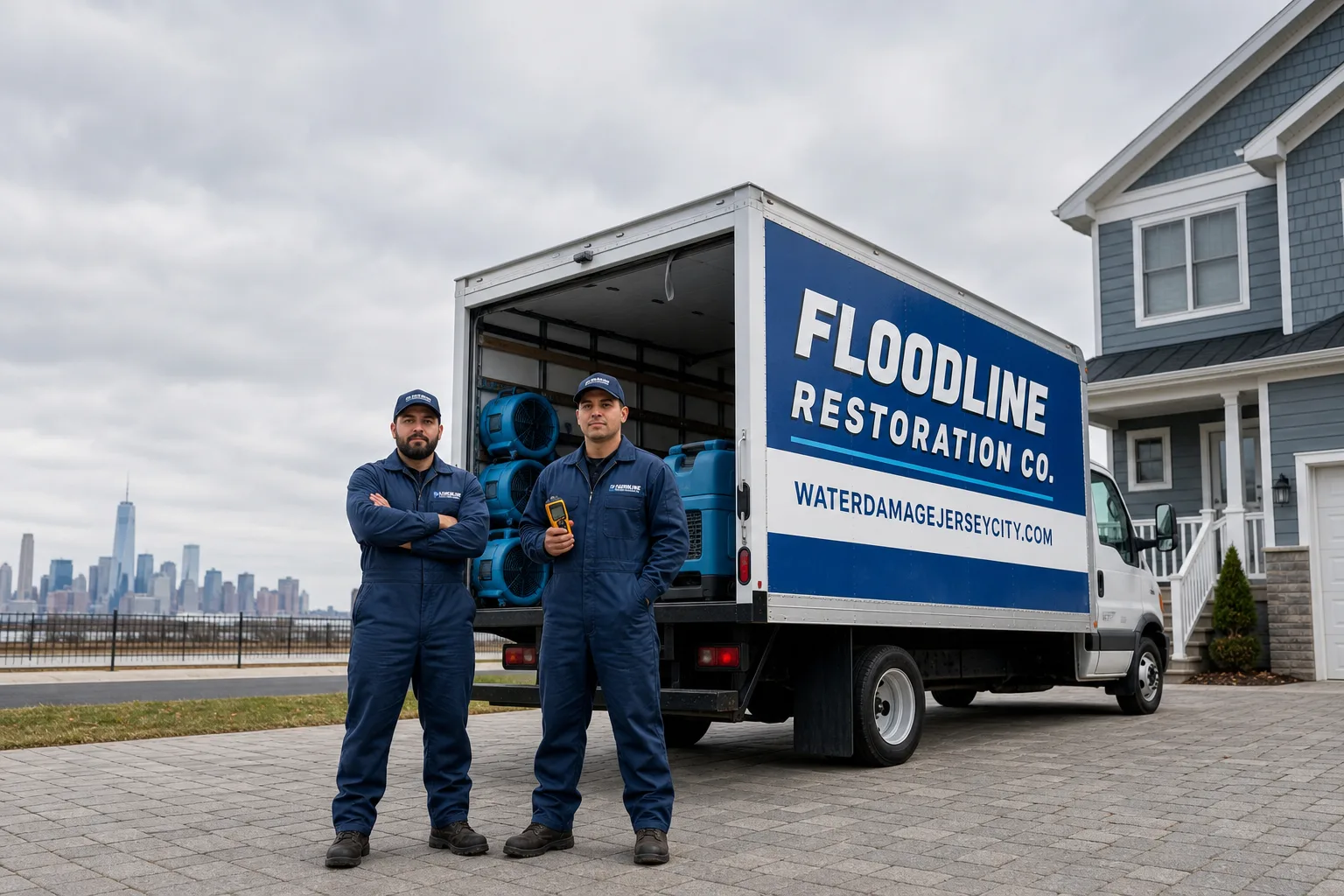
Free visual inspection and a written scope of work before any mitigation begins - photos, moisture readings, and drying logs go in your claim file
The scope we write is the scope we bill. Anything new gets shown to you, in writing, before we touch it.
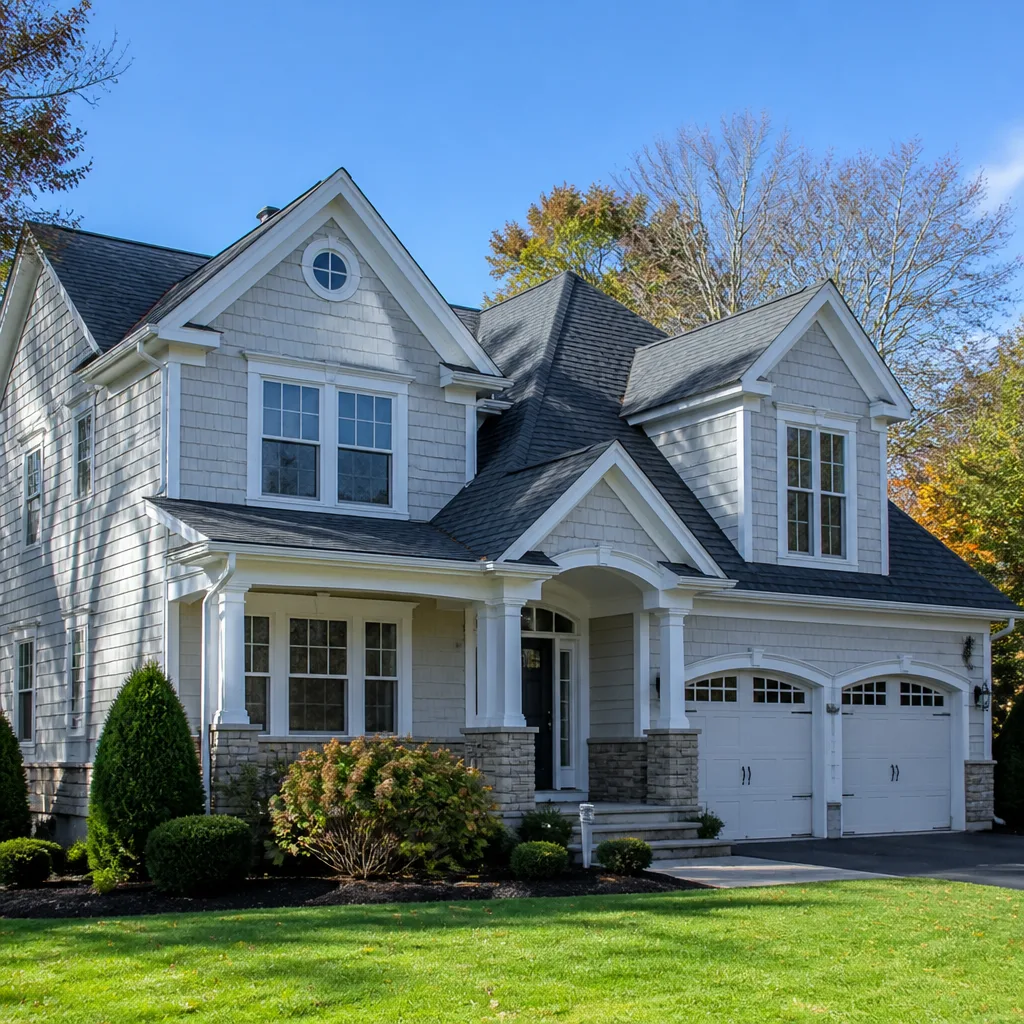
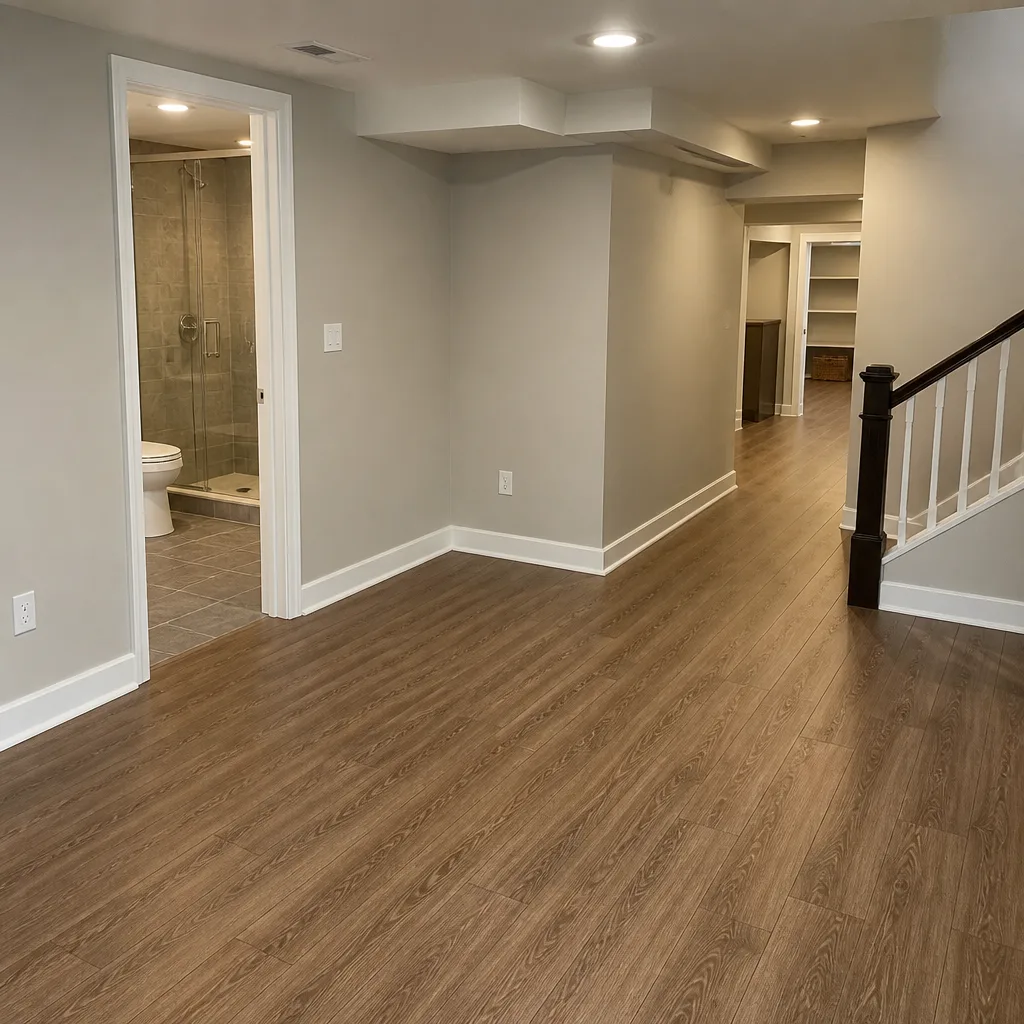
 Before
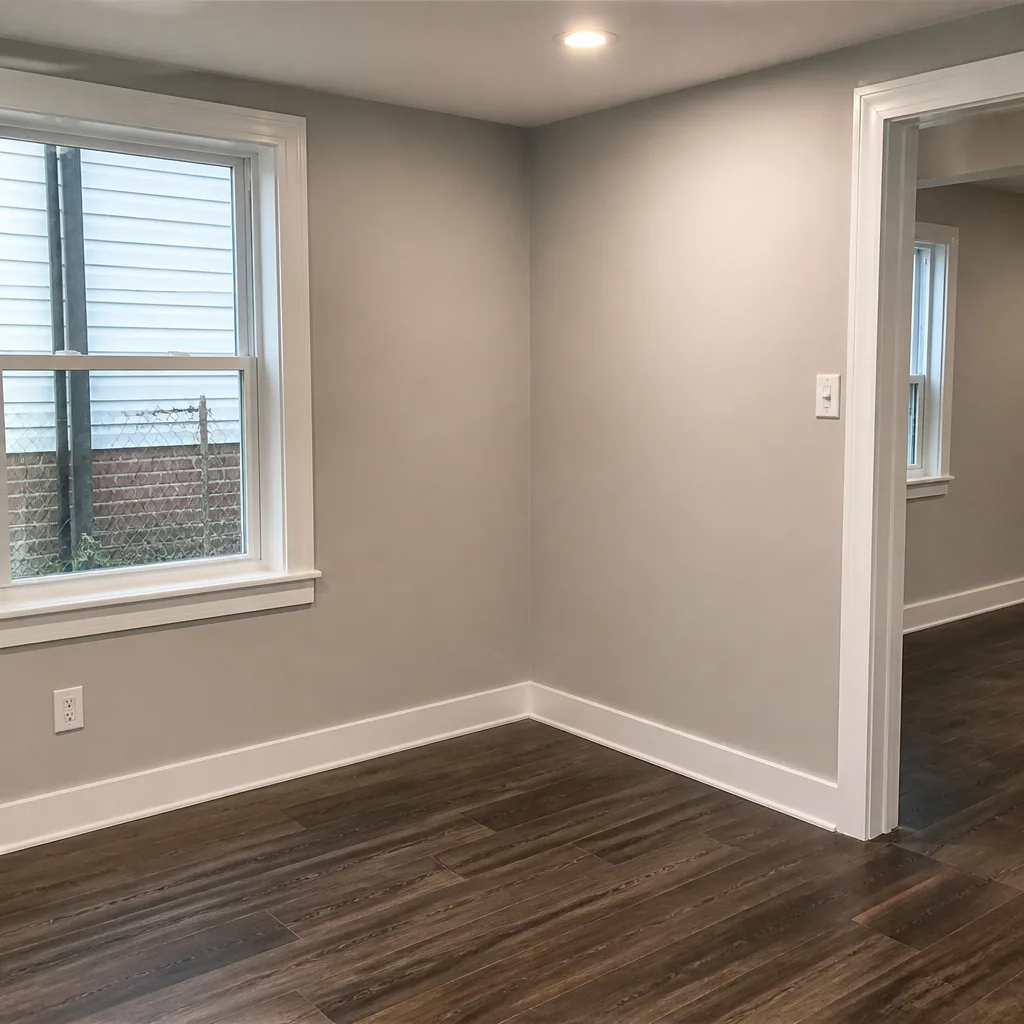 After
After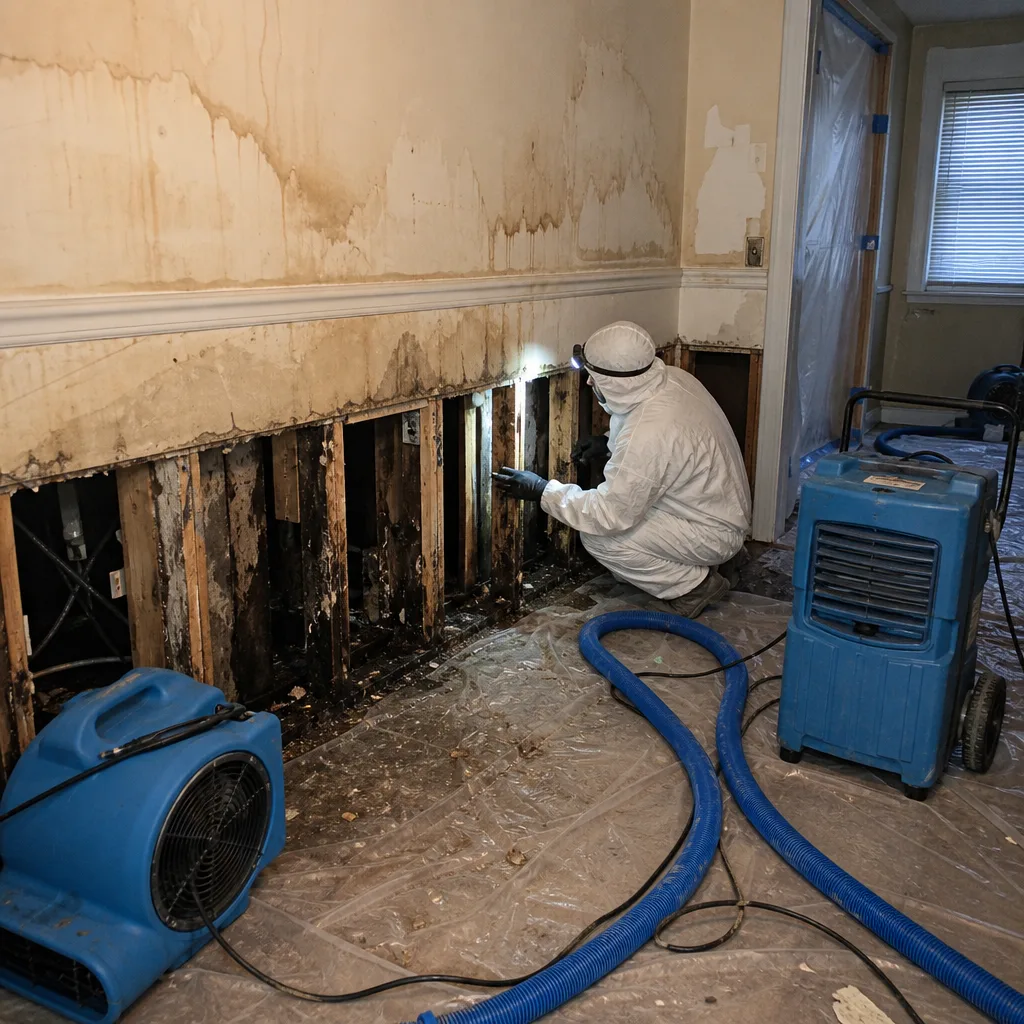 Before
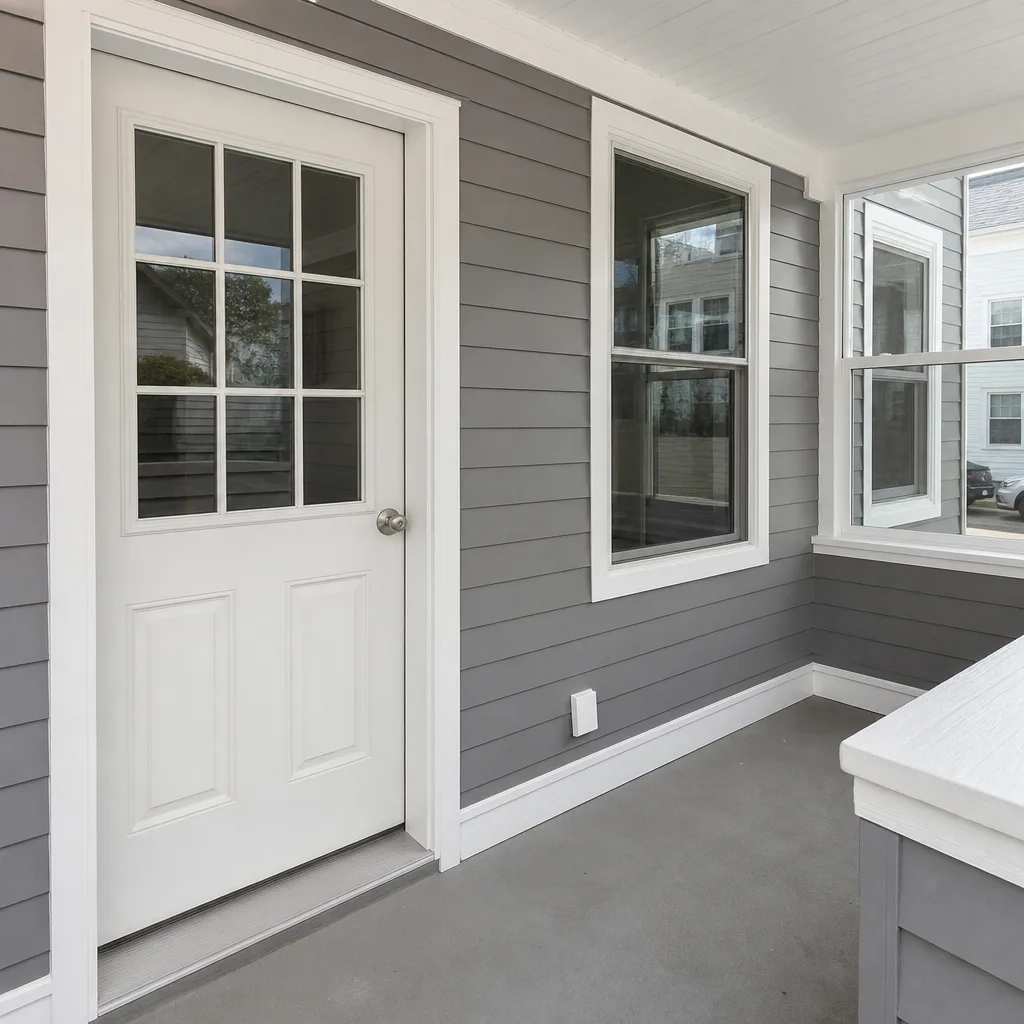 After
After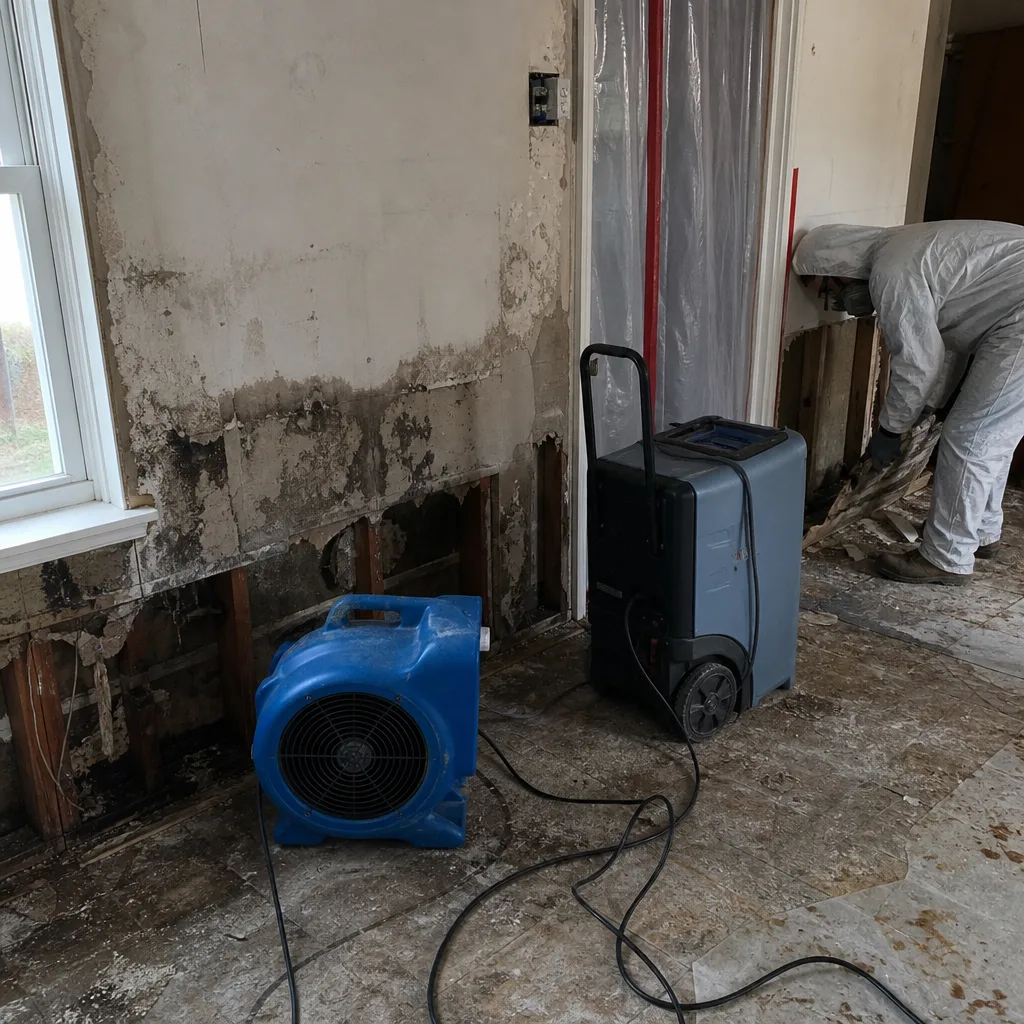 Before
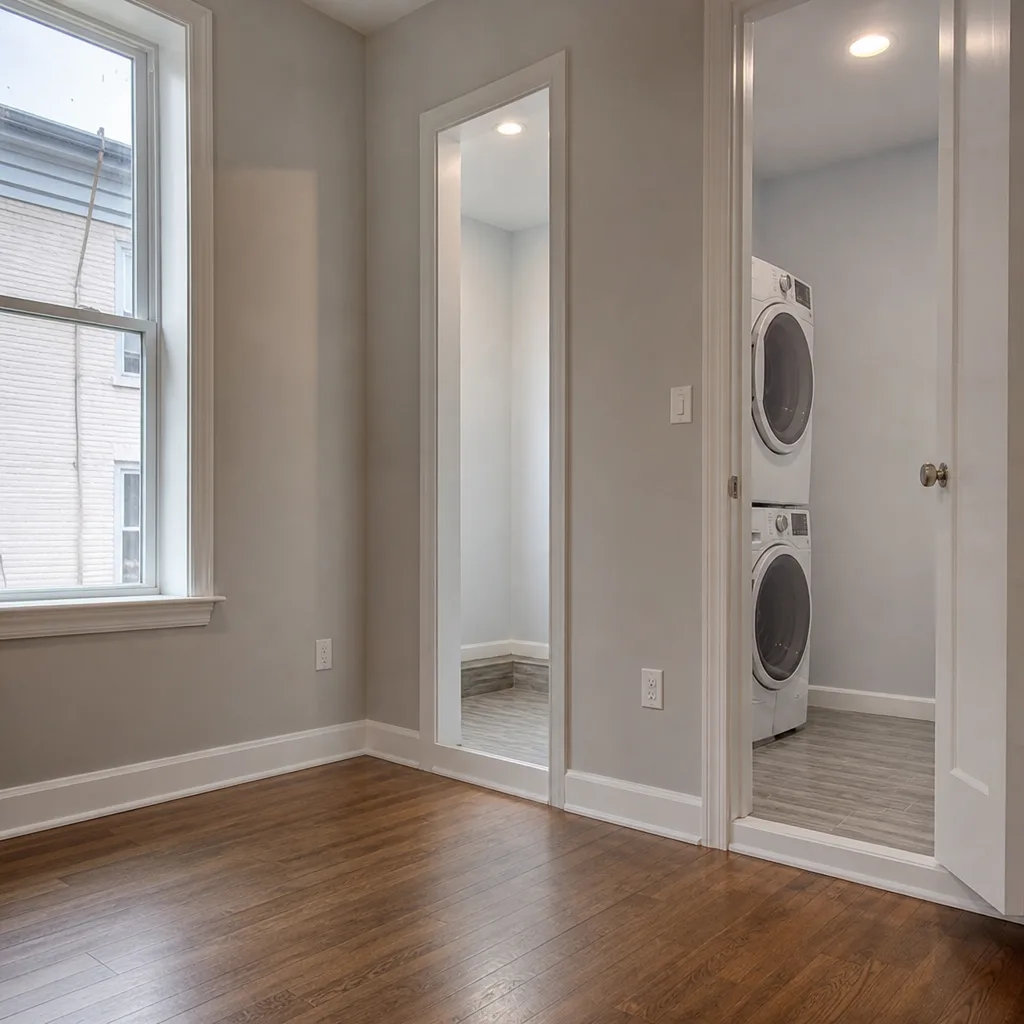 After
After24/7 Emergency Water Damage Restoration in Midtown West
Water damage restoration in Midtown West typically costs $1,800-$6,500 for a standard one-floor loss and $8,000-$35,000+ when a riser or supply line lets go and cascades through multiple tenement floors. Our crews reach most Midtown West addresses within 45 minutes, any hour of any day. The first call goes to a live dispatcher at (640) 400-9404, not a recording, and the first hour determines whether you’re drying plaster or replacing it plus everything behind it. In pre-war tenements, water moves through plaster-over-lath walls and old pipe chases faster than most people believe possible. We start with a free visual inspection, map every wet surface with moisture meters and thermal imaging, and get extraction running the same visit.
Understanding Water Damage Restoration Severity in Midtown West Properties
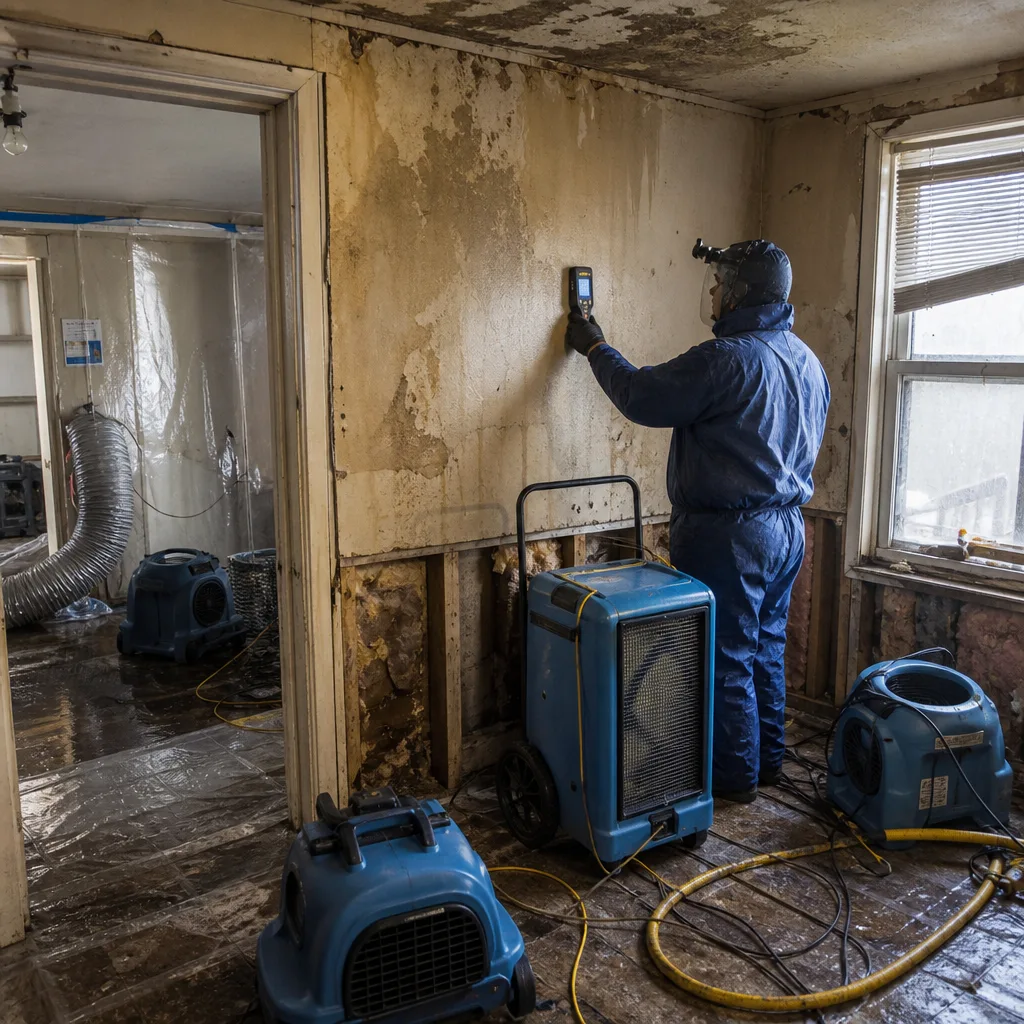
Water damage is classified by contamination level, not by how wet things look. Category 1 is clean water, usually a supply line or faucet. Category 2 carries some contamination, think washing machine overflow or a failed radiator valve pushing old pipe scale into the walls. Category 3 is grossly contaminated, including sewage, street water, and anything backing up from a drain. In Hell’s Kitchen walk-ups, a category 1 riser leak becomes category 2 within hours as it picks up decades of dust and pipe corrosion inside wall cavities. By the time water reaches four floors down through a cast-iron riser chase, every affected unit is effectively category 2 or 3. Moisture mapping matters more in Midtown West than in most markets because plaster walls hide saturation well. A wall can feel dry to the touch while holding 25% moisture content inside, feeding mold behind the surface. Our techs use thermal imaging and penetrating moisture meters to find what the eye misses, then set drying targets to the IICRC dry standard, not to “feels okay.”
Why Midtown West Property Owners Choose Floodline Restoration Co.
- 45-minute response commitment to Midtown West addresses: our dispatch board tracks crew location in real time, and we commit to a 45-minute arrival window for emergency water calls anywhere between West 34th and West 59th.
- A live person answers, 24/7: at 2 a.m. on a Tuesday you will speak to a dispatcher who can send a crew, not an answering service that takes a message for someone else.
- IICRC-certified crews with specific WRT and ASD credentials: every Floodline tech on a Midtown West job is background-checked, uniformed, and trained to IICRC Water Damage Restoration Technician and Applied Structural Drying standards, plus RIA and IFA protocols.
- Free visual inspection with moisture mapping: we document what is wet, what is at risk, and what must be opened up before any work is authorized, so you decide with real information.
- Direct insurance billing with a line-item scope: we send the estimate, photos, and drying logs straight to your adjuster. You do not carry paperwork between us and the carrier.
- One team from extraction to reconstruction: the same certified crew that runs extraction on day one handles drying, then rebuilds the drywall, trim, and paint. No handoff to a different sub you have never met.
Our Water Damage Restoration Process
Inspection & Assessment
We arrive, walk every affected room, and map moisture with penetrating meters and thermal imaging. In pre-1980 Midtown West buildings, we also check for asbestos-wrapped risers and lead paint before any cutting begins.
Extraction/Stabilization
Standing water comes out with truck-mounted or portable extraction units sized to your building’s access. In a narrow Hell’s Kitchen hallway, that means staged equipment in the alley or stairwell, not blocking egress.
Drying & Dehumidification
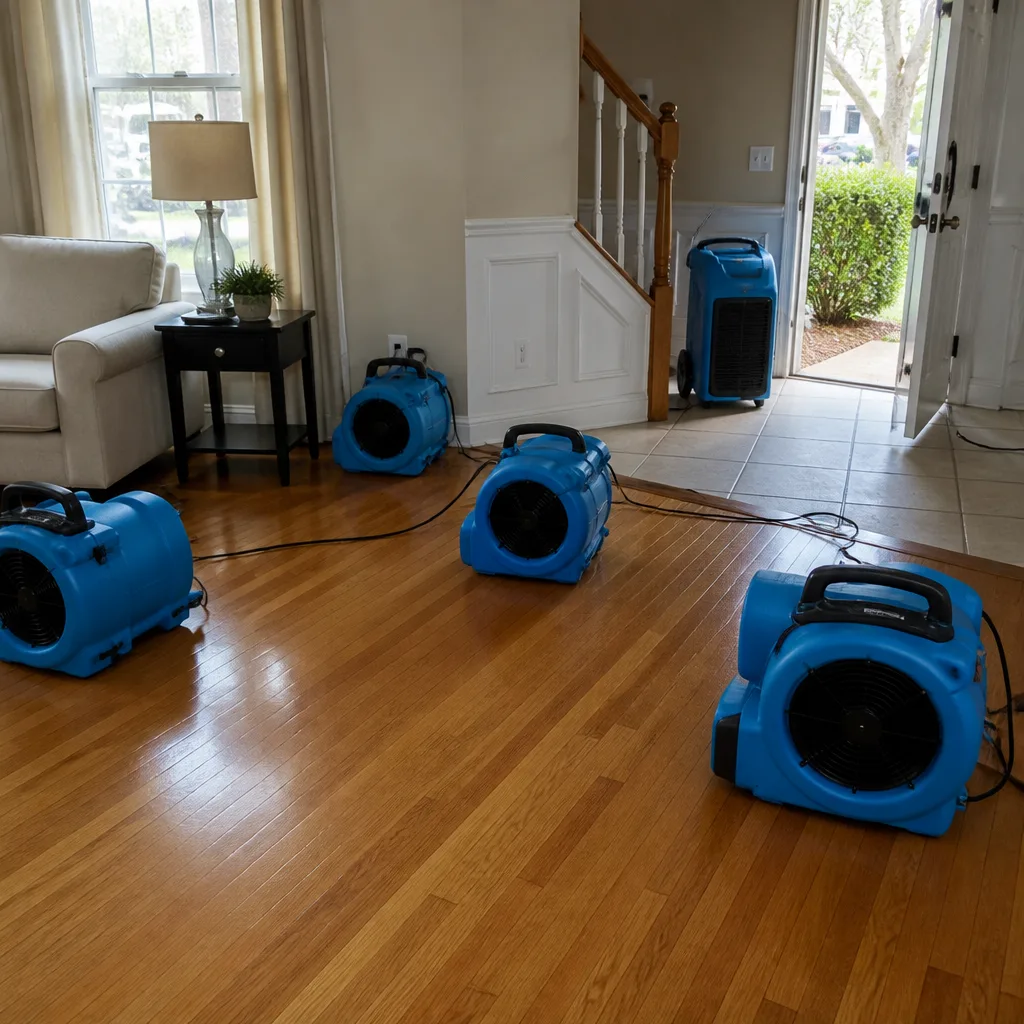
We place Dri-Eaz and Phoenix dehumidifiers and XPOWER air movers on a calculated layout, not wherever they fit. Daily moisture readings are logged until every surface hits the dry standard.
Cleaning & Sanitization
Category 2 and 3 water means antimicrobial treatment on affected framing and surfaces. We use HEPA filtration and, where required, containment barriers to keep dust and spores from migrating to neighboring units.
Specialty Treatment for Water Damage Restoration
Plaster-over-lath needs different drying than drywall. We use Injectidry systems to pull moisture from wall cavities without tearing out entire plaster walls, preserving original surfaces wherever possible.
Repairs & Restoration
We rebuild what had to come out, matching plaster, trim, and paint to the original. The goal is a unit that looks like the water never happened, with drying logs and a written 90-Day Done Right Promise in your hand.
Need Emergency Water Damage Restoration in Midtown West Now?
Crews minutes away, answering live 24 hours a day. The sooner we start, the less it costs.
Working With Your Insurance Company
Most Midtown West water losses are covered by property insurance, but the claim is won or lost in the first 48 hours of documentation. We photograph everything before we move anything. We log moisture readings every day. We write a line-item scope that uses industry-standard unit pricing your adjuster recognizes. Then we send it directly to the carrier and talk to the adjuster ourselves, so you are not relaying messages between two parties who speak different languages. If the adjuster wants a second look, we walk them through the loss on site. You get a square deal: no surprises on the bill, and no paperwork battles.
What We Provide Your Insurer
- Thorough documentation of the loss
- Photos of all damage, room by room
- Moisture readings and drying logs
- A detailed, line-item scope of work
- Direct coordination with your carrier
Built for Midtown West’s Loss Calendar
Midtown West water losses follow a seasonal rhythm that locals know and out-of-market contractors miss. January and February bring deep freezes that split supply lines in uninsulated pipe chases inside pre-war tenement walls, piping from the 1920s and 30s was not built for modern heating cycles. Spring thaw and heavy March rain push groundwater into basements across the Garment District, where old foundation walls and overloaded storm drains meet. Summer thunderstorms hit west-facing facades along the Hudson River corridor hard, wind-driven rain finds every cracked brick-and-mortar joint and failed window seal. Nor’easters in autumn and winter do the same, but with more sustained pressure. If your building has a flat roof over a loft floor, the freeze-thaw cycle works on the membrane all winter, and the leak shows up in early spring. We schedule seasonal tune-ups for exactly this reason, and the $89 Seasonal Tune-Up is available year-round. For property owners, the right time to call is before the ceiling stains, not after.
Water Damage Restoration Across Midtown West’s Neighborhoods
Midtown West spans several distinct building eras, and each neighborhood fails differently. Hell’s Kitchen, between Eighth Avenue and the Hudson River from West 34th to West 59th, is dominated by 5-to-7-story pre-war tenements with plaster-over-lath walls, cast-iron supply lines, and asbestos-wrapped steam risers. When a riser lets go at the fifth floor, water finds its way down through wall cavities and stairwell penetrations to the cellar, taking out ceilings on every level along the way. We stage equipment in alleys behind the buildings because hallways are too narrow for pack-out or large air movers. The Garment District, centered around Seventh and Eighth Avenues in the West 30s, brings larger loft floors and masonry-clad commercial structures from the same pre-war era, with flat roofs that fail on a schedule. Hudson Yards on the far west is entirely different, curtain-wall and MEP systems in supertalls that demand manufacturer-specific drying protocols. The Theater District, around Broadway between West 41st and West 54th, mixes old walk-ups with mid-century hotels, and a burst supply line in one hotel room cascades down through multiple guest floors before anyone notices. Response routes through Midtown West traffic are their own challenge, and our dispatch coordinates arrival times with building supers and property managers so access is ready when we are.
Specialized Water Damage Restoration Services We Offer in Midtown West
Emergency Water Extraction
Standing water in a Midtown West pre-war building moves through plaster and lath faster than through drywall. We run truck-mounted extraction where street access allows, and portable units in walk-ups. The goal is water out within the first hour of arrival.
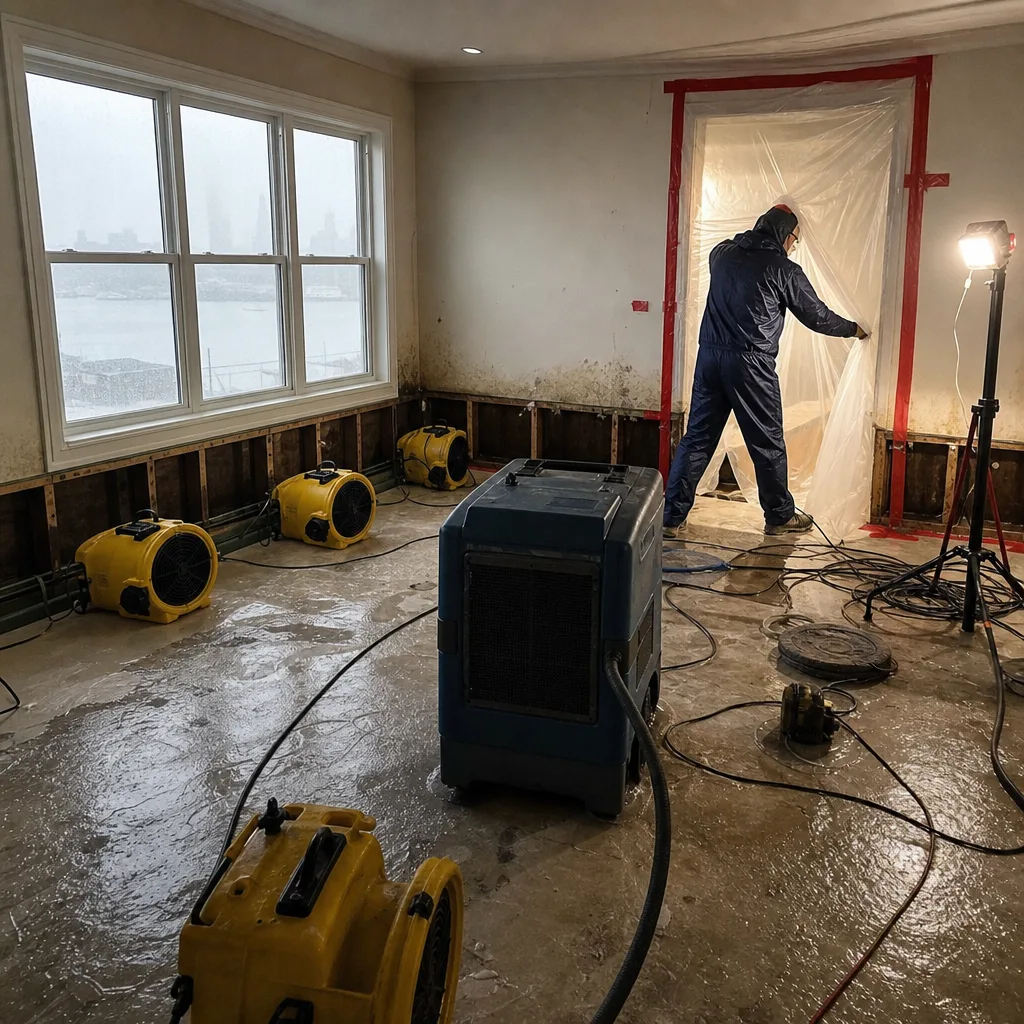
Structural Drying & Dehumidification
Plaster-over-lath and old-growth framing dry differently than modern materials. We use Dri-Eaz and Phoenix dehumidifiers with calculated air-mover placement, and Injectidry systems to pull moisture from inside wall cavities without unnecessary demolition. Daily moisture logs track progress to the IICRC dry standard.
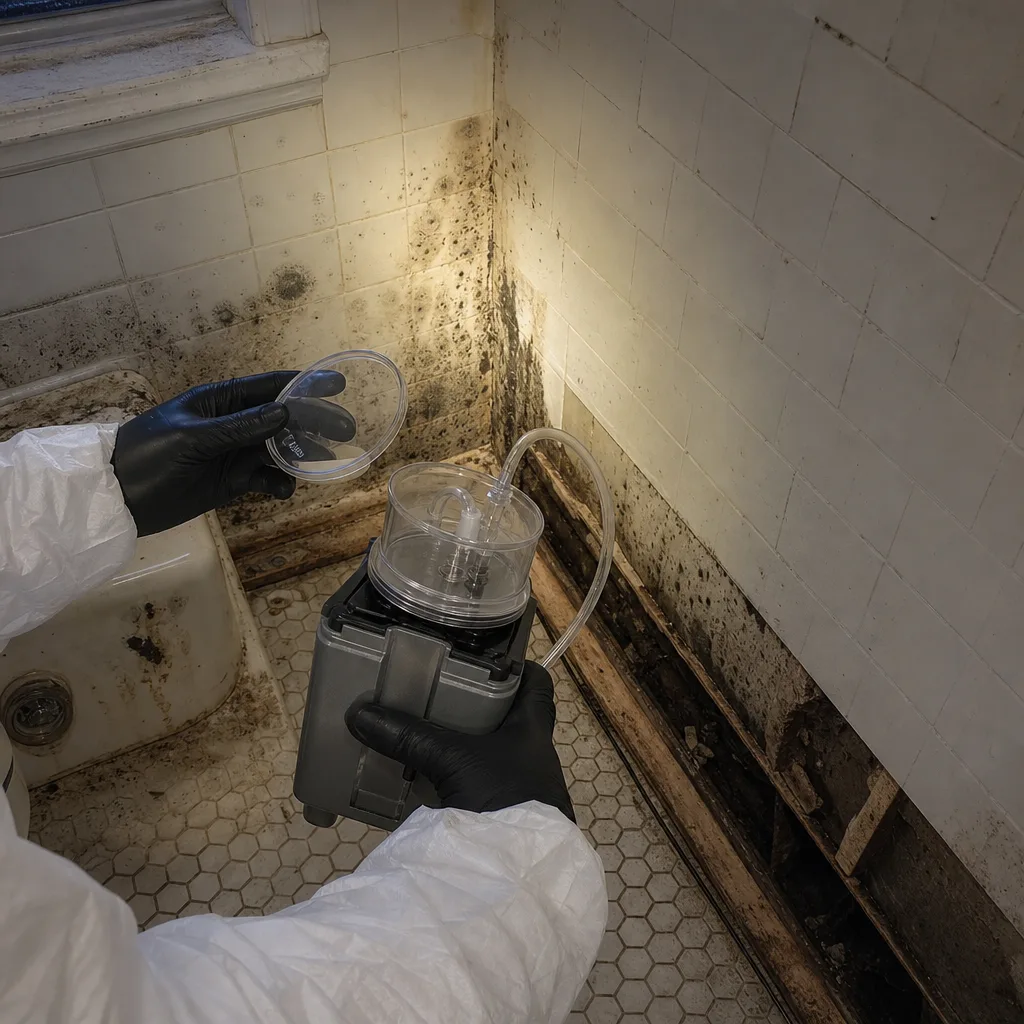
Flood Cleanup
Category 3 flood water in a Midtown West basement means sewage, street runoff, or drain backup. We contain the affected area, remove contaminated materials under proper protocols, and sanitize before drying begins. Protective containment goes up at every opening to neighboring units.
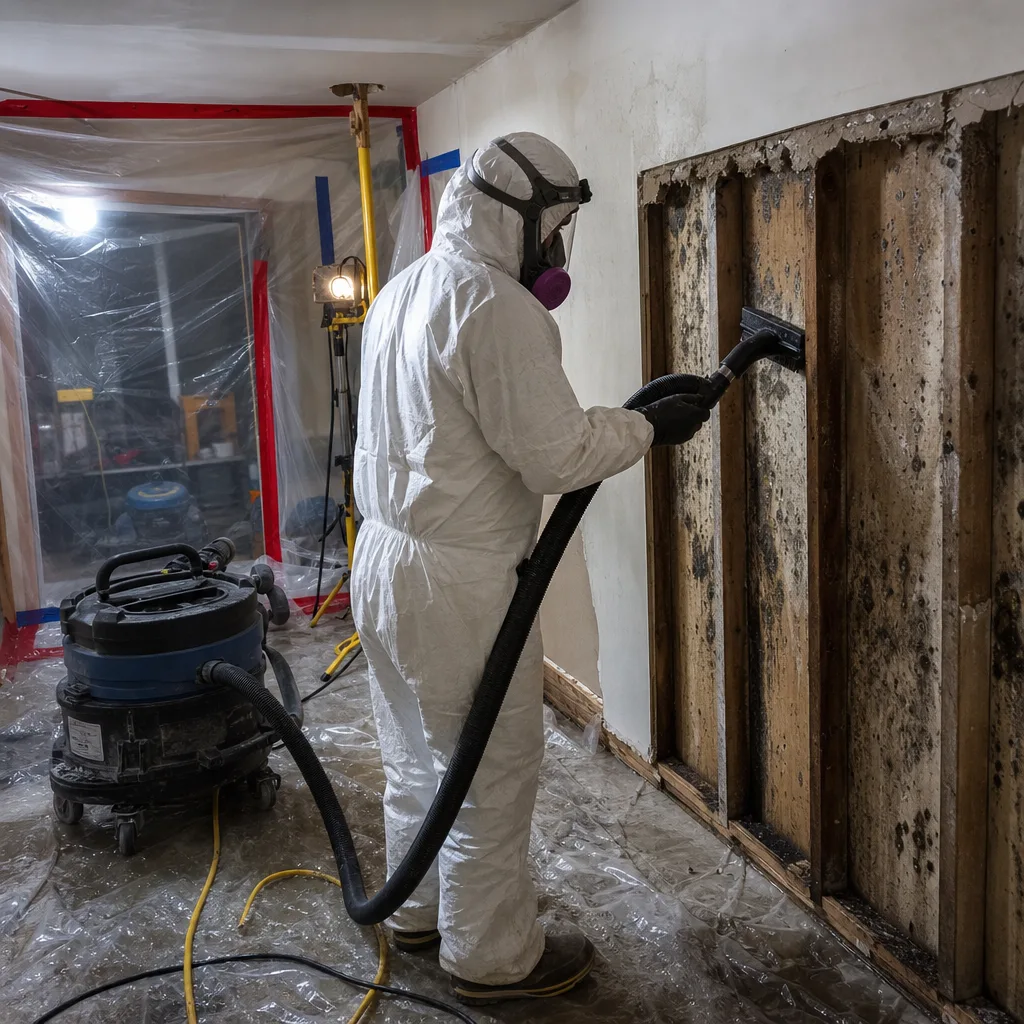
Burst Pipe Restoration
A burst supply line inside a Hell’s Kitchen tenement wall is a multi-floor event. We chase the water path through every affected unit, not just the one where the break happened. Plaster walls get inspected with thermal imaging to find hidden saturation before mold can establish.
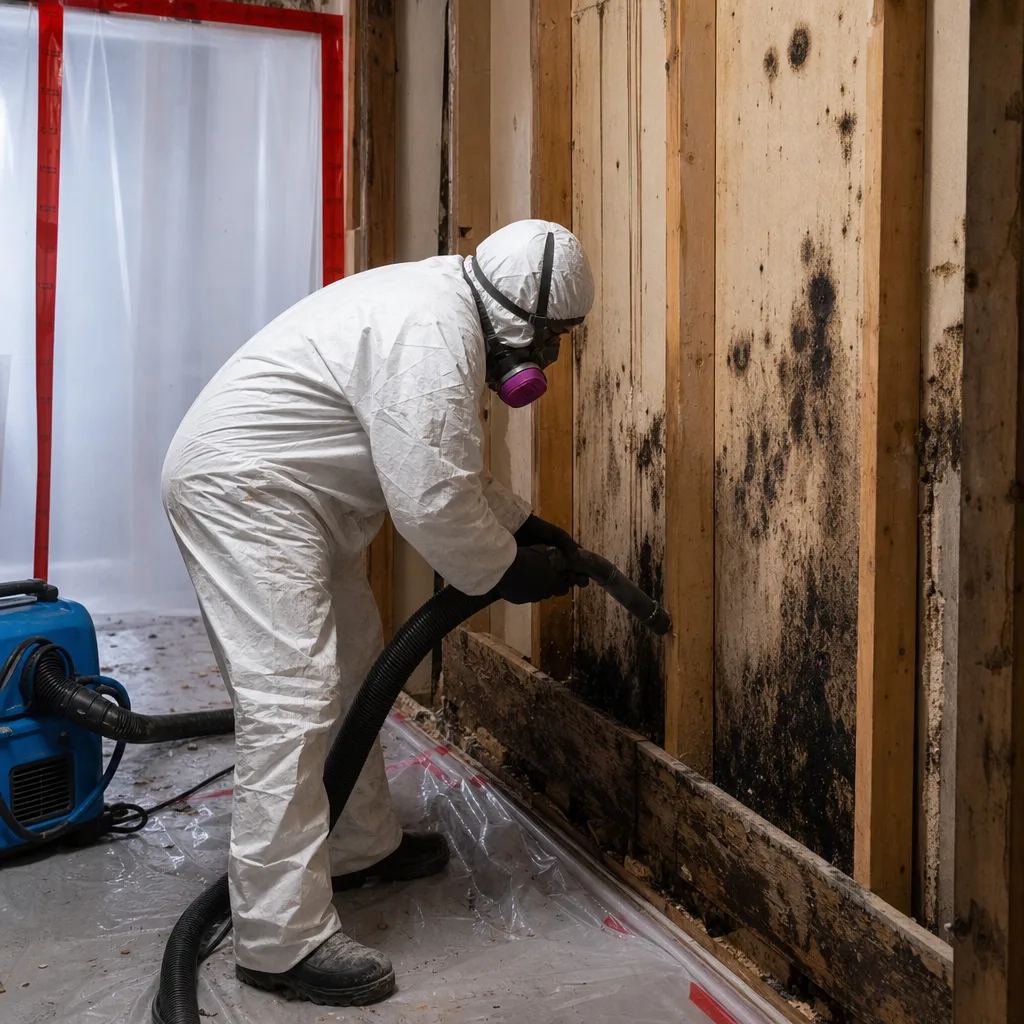
Basement Water Removal
Midtown West basements are tight, low-clearance spaces with old concrete and utility lines everywhere. We run submersible pumps and portable extraction, then set up drying with floor-level air movement designed for confined spaces. Sump and drain issues are documented for the adjuster.
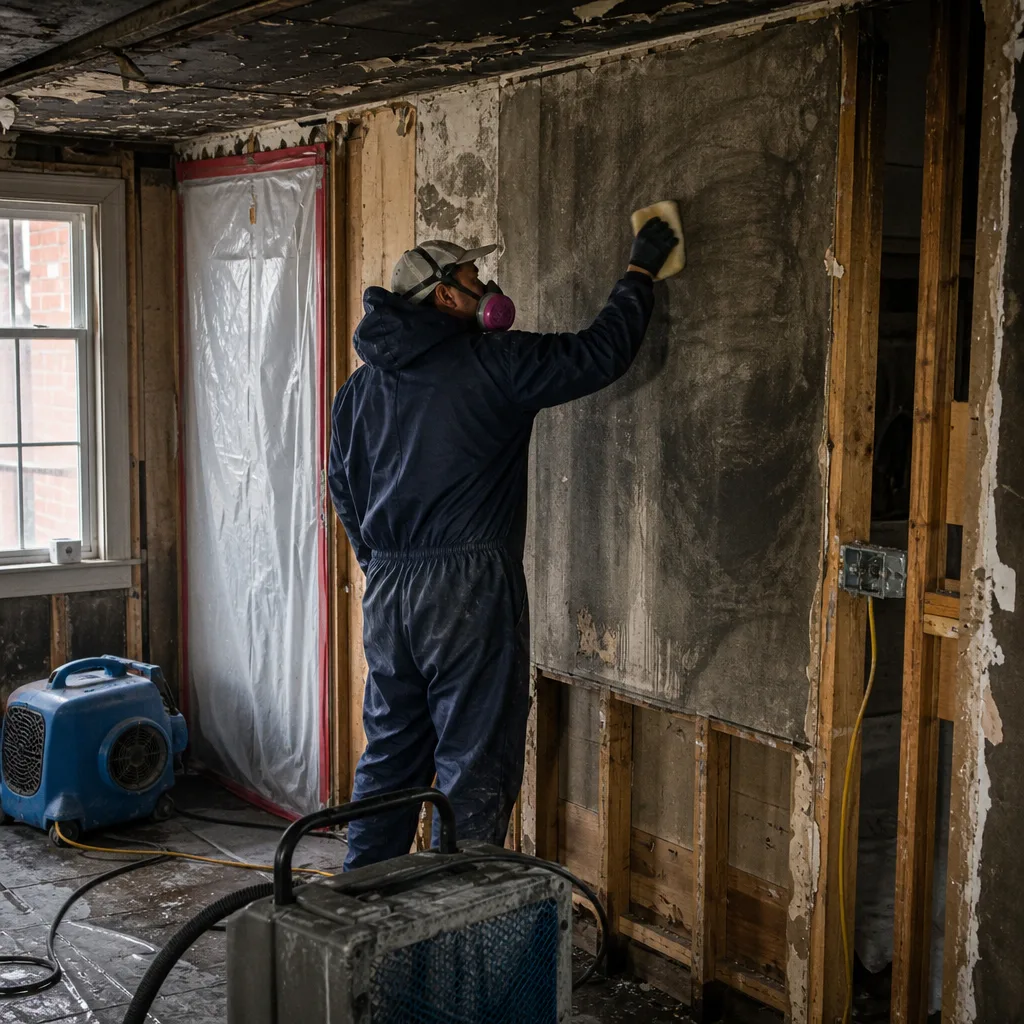
Ceiling & Roof Leak Water Damage
West-facing facades along the Hudson River corridor take wind-driven rain directly. We inspect exterior brick-and-mortar joints, window assemblies, and roof membranes where the leak originates, then dry the interior framing and plaster. Fixing the interior without addressing the exterior means the stain comes back in six weeks.
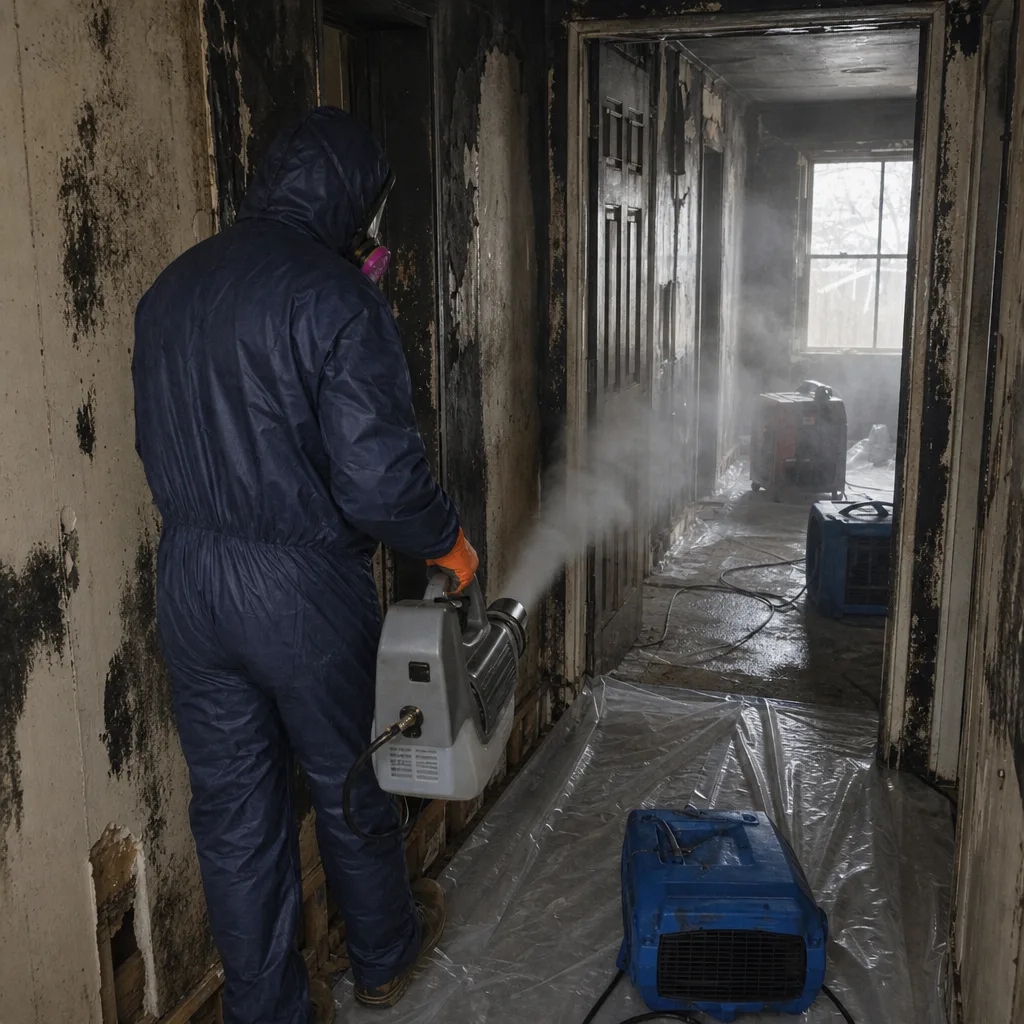
What happens when you call
- 1
A real person answersNo phone trees - you reach a local pro.
- 2
You get an upfront price rangeHonest numbers before anyone is dispatched.
- 3
A background-checked tech heads outLicensed & insured, dispatched right away.
- 4
You approve before work beginsNothing starts until you say go.
Water Damage Restoration Costs in Midtown West, NY
Real numbers for Midtown West’s market: a single-unit category 1 supply line leak with plaster drying and repainting runs $1,800-$4,200. A multi-floor riser failure in a Hell’s Kitchen walk-up typically lands between $12,000 and $45,000 depending on how many units are affected, whether asbestos or lead abatement is required, and how much plaster must be replaced. Basement sewage backups start around $3,500 and climb based on contamination level and contents affected. Ceiling and roof leak repairs run $900-$3,000 for drying and drywall, more if masonry repointing or roof membrane work is needed. What moves the price: number of floors affected, presence of asbestos or lead, whether walls are plaster or drywall, and how quickly extraction starts. The free visual inspection gives you a firm written scope before you spend anything. And the Senior & Veteran 5% Discount and $50 Off Any Repair Over $250 apply to the final invoice, always.
We Also Serve Cities Near Midtown West
Our crews cover Midtown West and the surrounding neighborhoods: Midland Beach, New Springville, Oakwood, and Travis – Chelsea. Same 45-minute response commitment, same live dispatch, same written guarantee.
Serving Midtown West, NY - Our Local Coverage Area
We’re based in the Midtown West area and know this community well. Use the map below to see our service coverage - if you’re nearby, we can almost certainly help.
Midtown West Water Damage Restoration Questions, Answered
How quickly can mold start on wet plaster in a Midtown West pre-war tenement?
Mold can establish on wet plaster and the lath behind it within 48 to 72 hours, faster in summer when Midtown West humidity runs high and there’s no AC running because the power is off. Plaster holds moisture longer than drywall, so the window is tighter than it looks. Call (640) 400-9404 the moment you see staining or smell mustiness.
Do I need an asbestos and lead survey before water damage restoration in Hell’s Kitchen?
Yes, if your building predates 1980. NYC DEP requires asbestos and lead surveys before any demolition, and in Hell’s Kitchen tenements, asbestos-wrapped steam risers and lead paint are the norm. We sequence the survey and any abatement before cutting into walls, so the job stays compliant and doesn’t get hit with a stop-work order.
What does ‘category 3 water’ mean for a flood in a Midtown West basement?
Category 3 means grossly contaminated, sewage, street runoff, or drain backup. Anything porous that absorbed category 3 water, like carpet, drywall, or cardboard boxes, should be removed, not dried in place. Structural framing gets sanitized before drying. This is a health issue, not just a moisture issue.
How do you handle water extraction in a narrow Hell’s Kitchen walk-up with no elevator?
We stage equipment at street level and run hoses up the stairwell or through windows where possible. Portable extraction units and smaller air movers go up with a two-person carry team. We’re used to tight hallways and no elevator. The key is starting extraction immediately, even before all equipment is staged, to stop water from spreading floor to floor.
Why does west-facing facade water damage keep coming back in Midtown West?
Because wind-driven rain against aging brick-and-mortar joints and failed window seals pushes water into the wall cavity every time a nor’easter hits from the Hudson side. Drying the interior without repairing the exterior entry points means the same stain comes back in a few weeks. We inspect the exterior as part of every west-facing leak job and fix the source, not just the symptom.
How fast can someone actually get here in Midtown West?
Forty-five minutes or less, any hour of any day. Our dispatch tracks crew positions in real time and routes the nearest available team to your address. You’ll speak to a live person at (640) 400-9404, not leave a message and hope.
Will insurance cover water damage restoration in Midtown West?
Most sudden and accidental water losses are covered, including burst pipes and storm intrusion. The issue is documentation. We photograph everything, log moisture readings daily, and send a line-item scope directly to your adjuster. Direct insurance billing means you’re not floating the bill while the claim processes.
What should I do in the first 30 minutes after discovering water damage?
Call (640) 400-9404 first. Then shut off the water supply if you can locate the source and the valve is accessible. Do not use a wet/dry vacuum on category 3 water. Do not cut into walls yourself, that’s how you hit an asbestos-wrapped riser. Move valuables to a dry area and wait for the crew. We’ll handle the rest and walk you through every step.
Last winter we handled a category 3 flood on West 47th Street between Ninth and Tenth Avenues, where a failed cast-iron supply line in a fifth-floor pre-war walk-up sent black water down through four floors of Hell’s Kitchen tenements. Our techs ran moisture mapping on every plaster wall, set up containment at each stairwell door to protect tenants, and coordinated with a licensed abatement contractor for asbestos-wrapped risers and lead paint before our Dri-Eaz dehumidifiers and air movers could start structural drying. The building’s narrow hallway made pack-out impossible, so we staged equipment in the alley behind the building and rotated drying logs every four hours until every floor reached pre-loss condition.
In Midtown West’s Hell’s Kitchen tenements, a single burst steam riser can cascade water through 10 to 20 floors of plaster-over-lath walls in under an hour, and NYC DEP mandates asbestos and lead surveys before any demolition. Our crews routinely sequence air-clearance testing and abatement before a single air mover is placed. That compliance layer catches contractors from Chelsea or the Upper West Side off guard every time. It is the norm here, not the exception. And it is why our Water Damage Restoration team structures every Midtown West job around the building’s age, materials, and access constraints from the first phone call.
If you own or manage property in Midtown West, call (640) 400-9404 for a free visual inspection and a firm written scope. Done right, and backed in writing.
Written by Curt Bowman, Owner at Floodline Restoration Co., serving Midtown West and the surrounding New York City neighborhoods since 2010.