
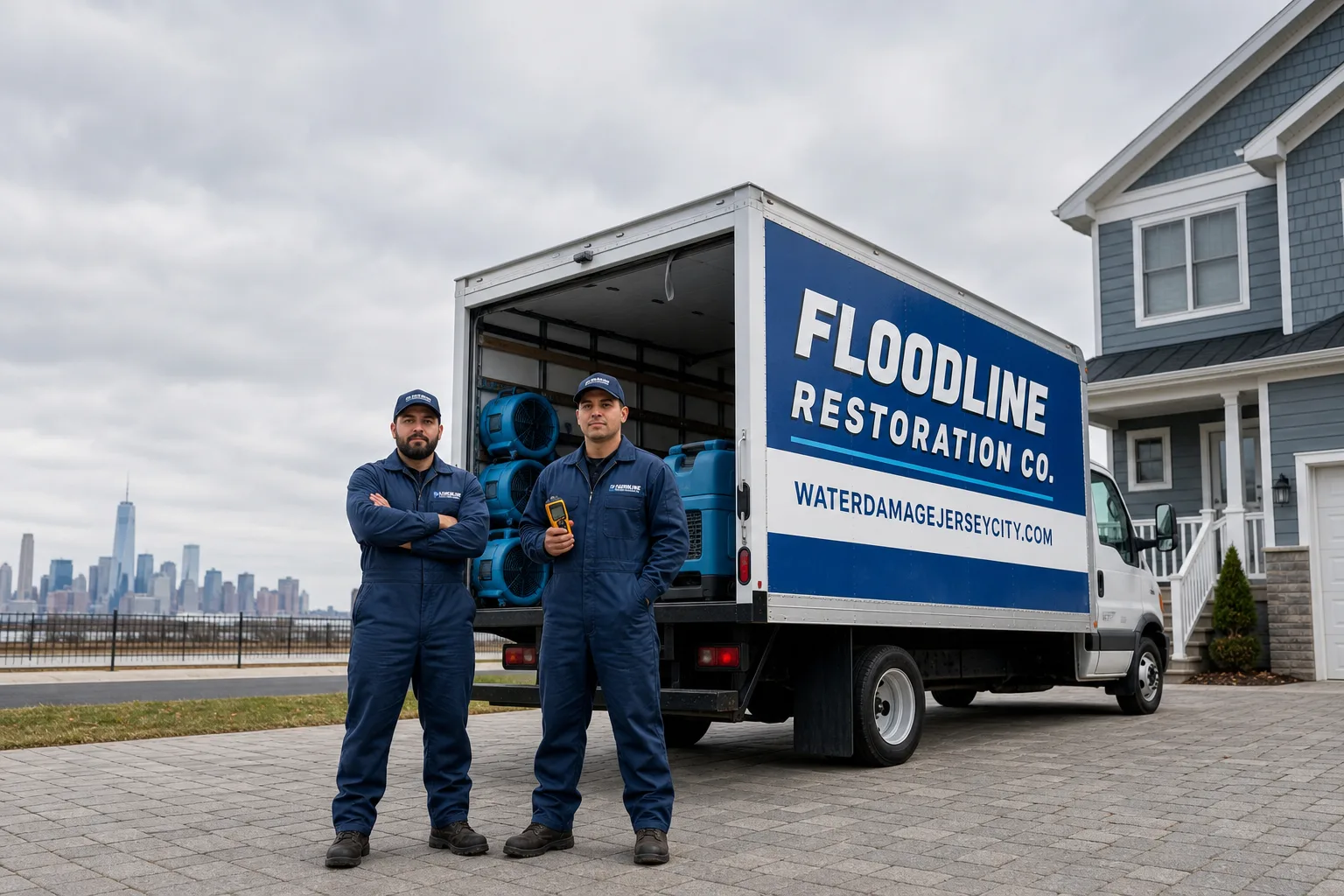
Free visual inspection and a written scope of work before any mitigation begins - photos, moisture readings, and drying logs go in your claim file
The scope we write is the scope we bill. Anything new gets shown to you, in writing, before we touch it.
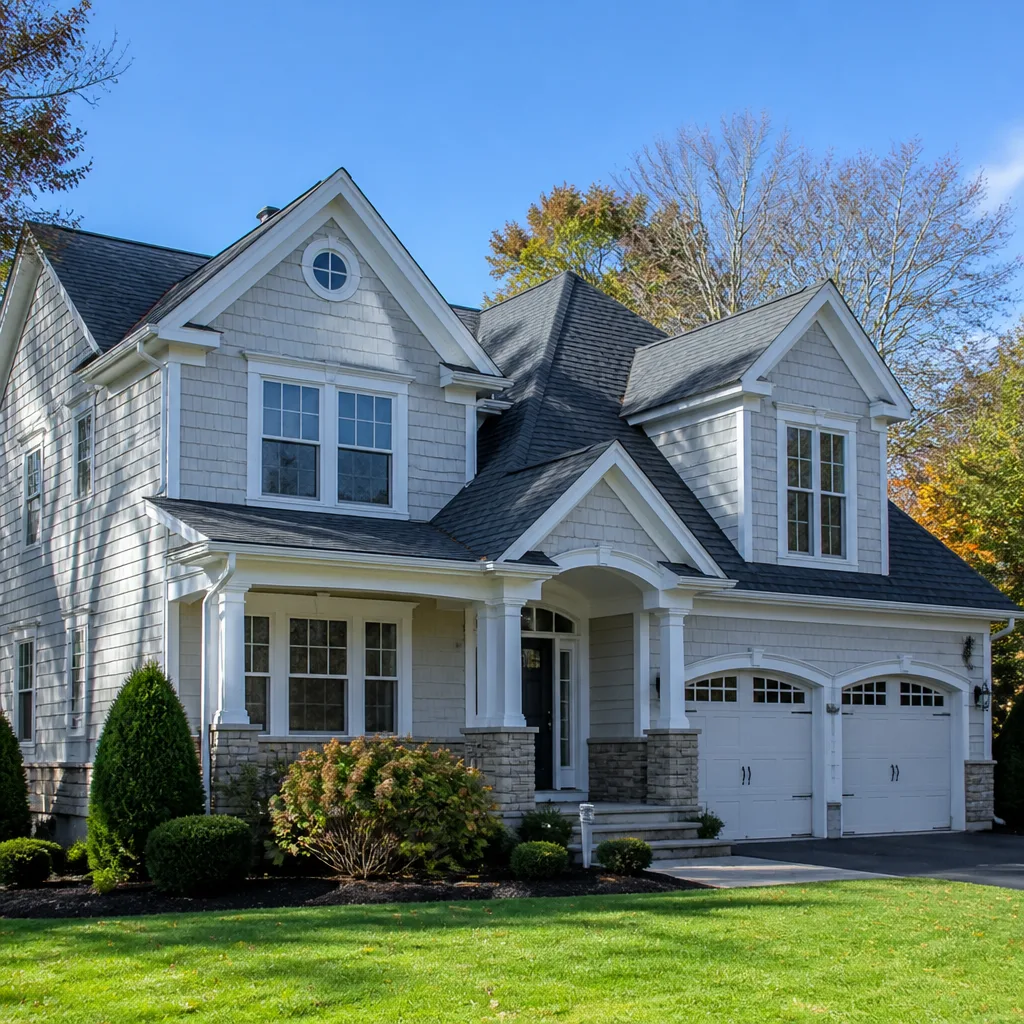
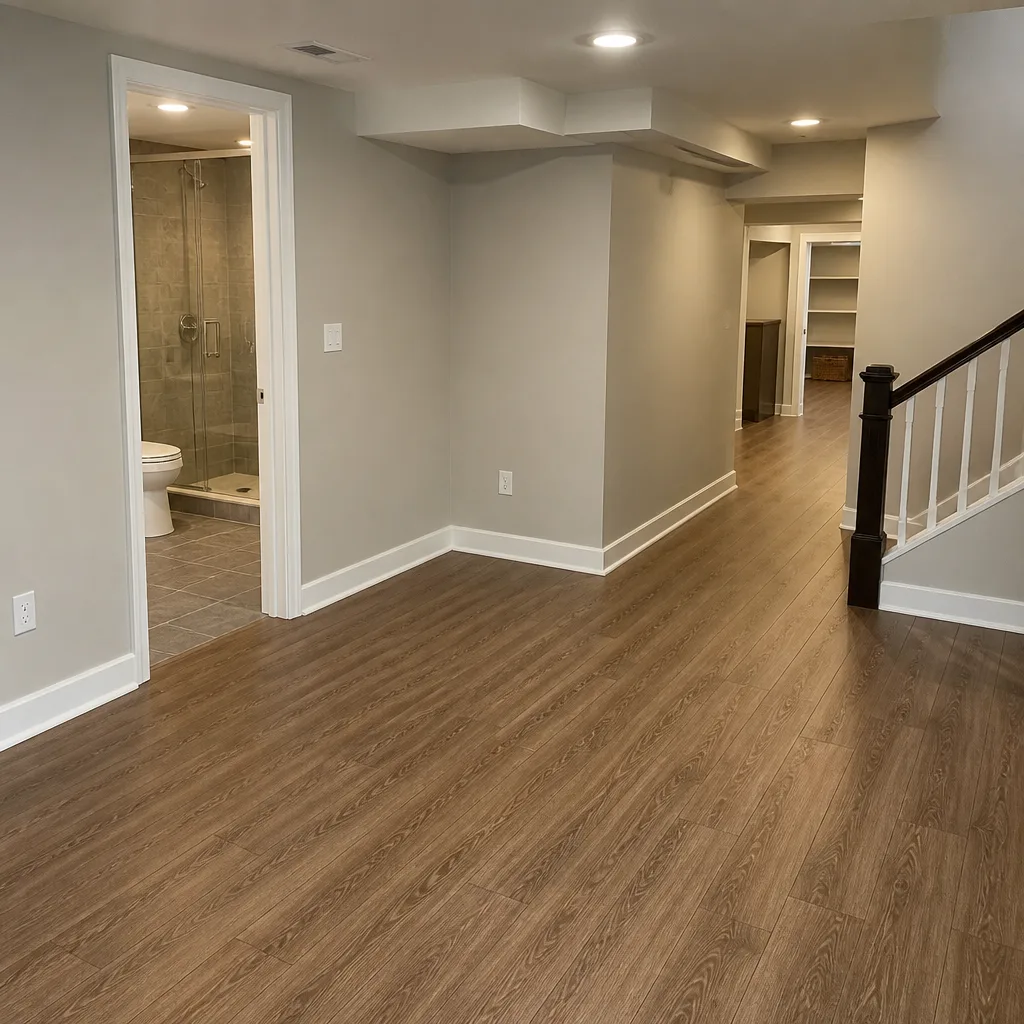
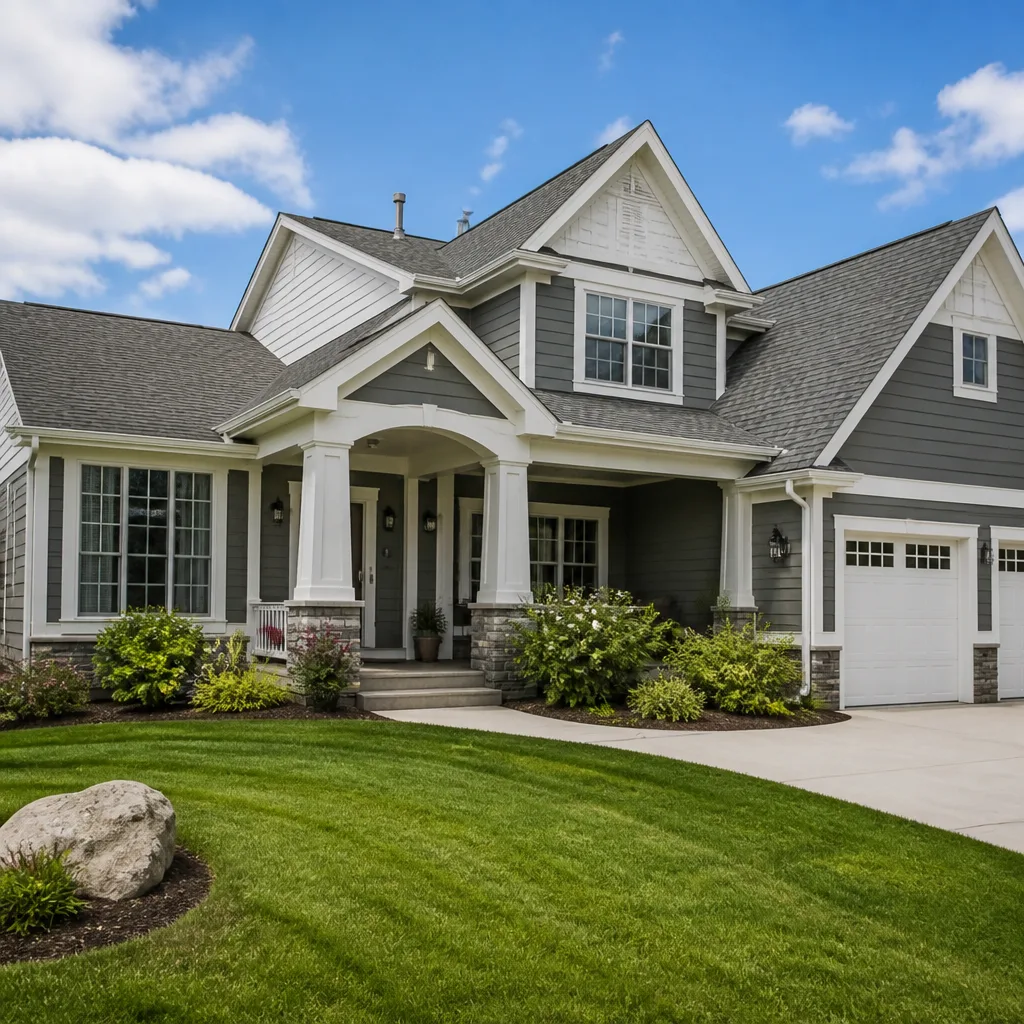
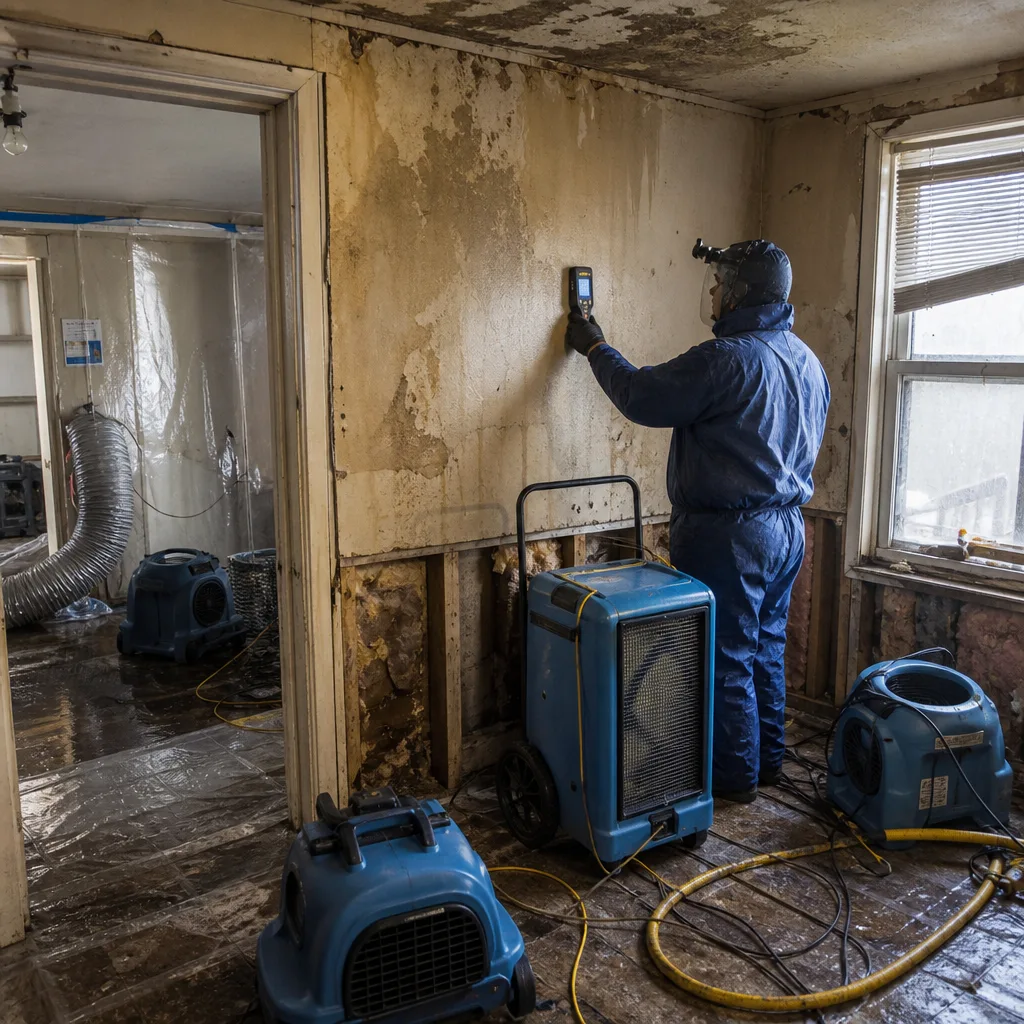 Before
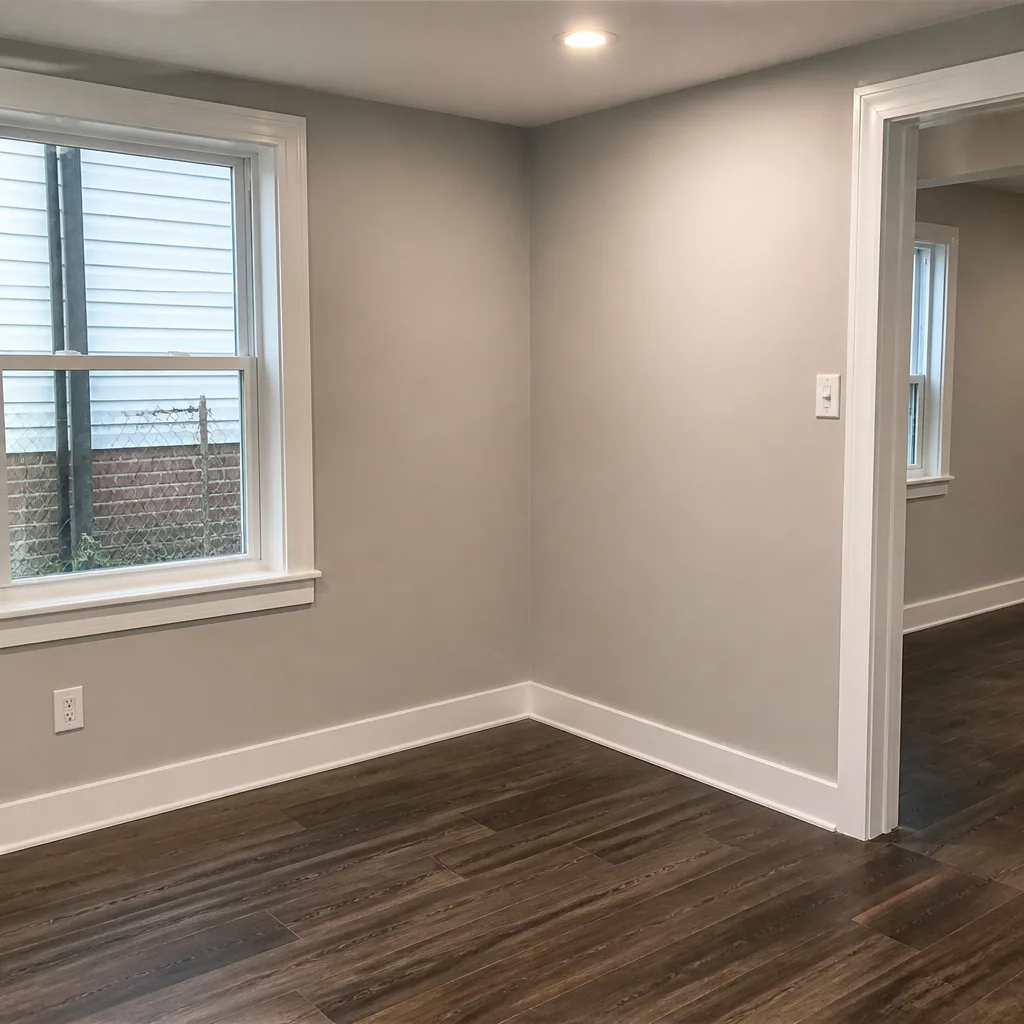 After
After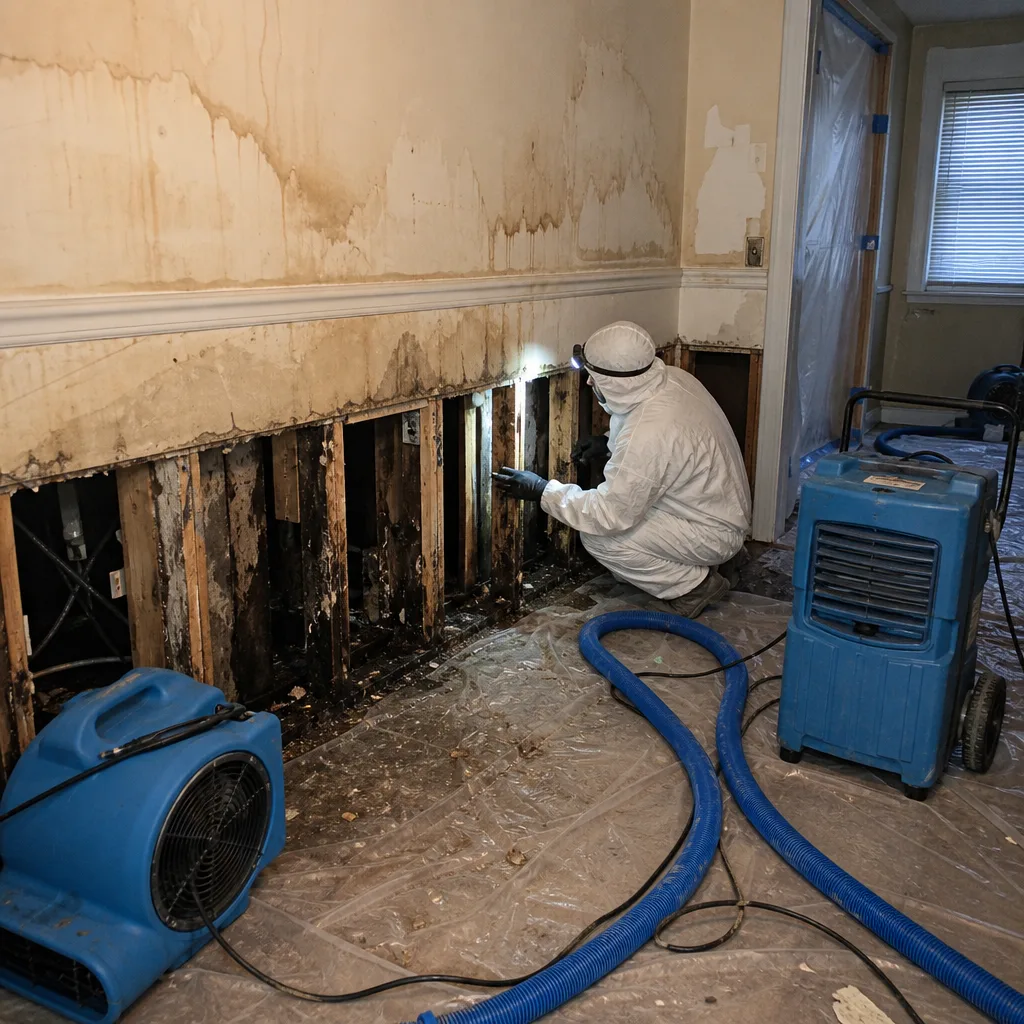 Before
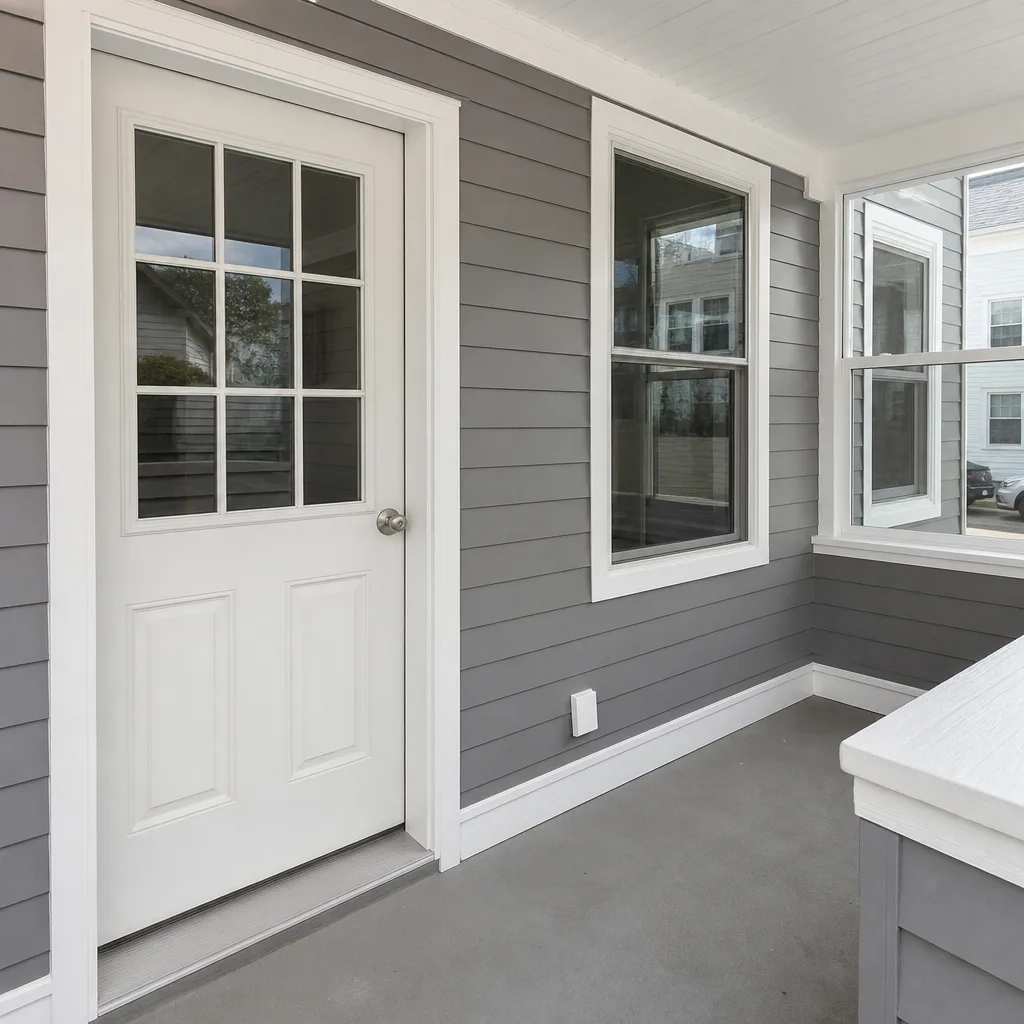 After
After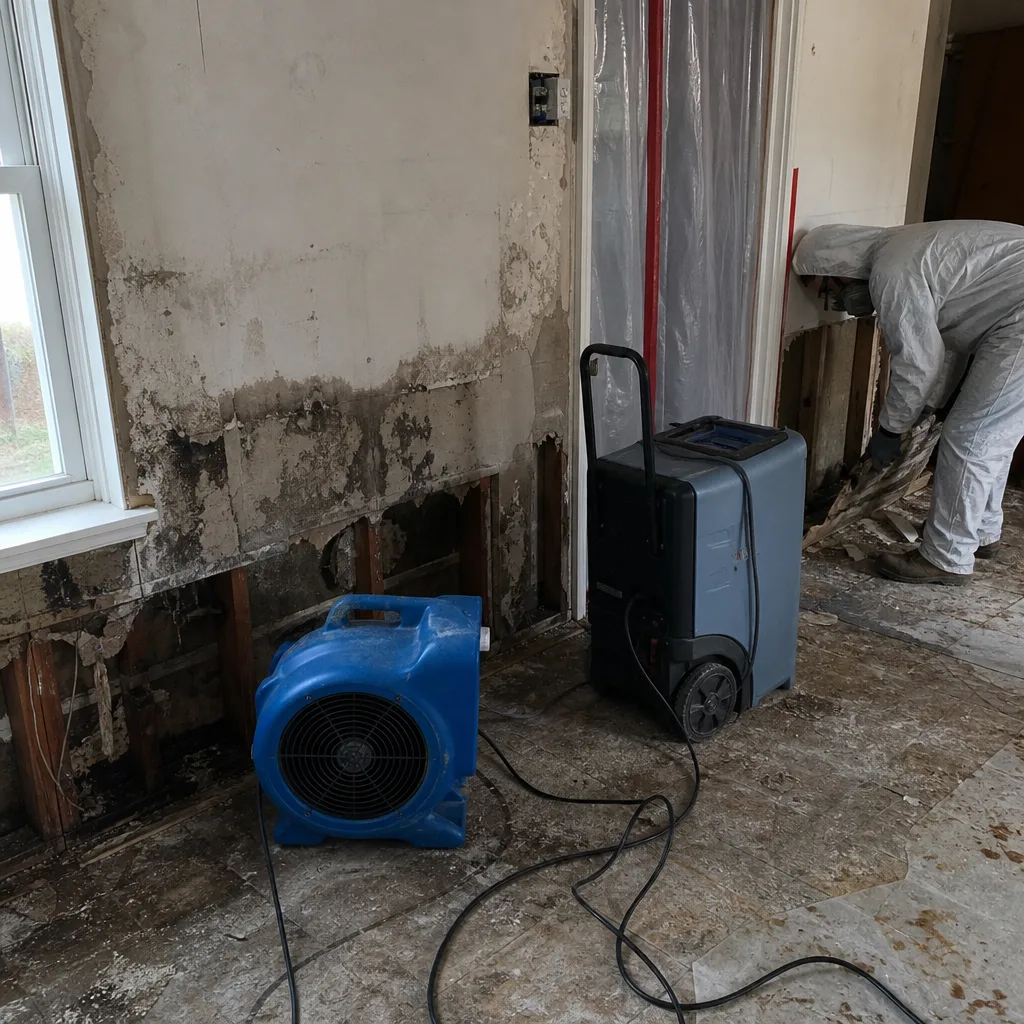 Before
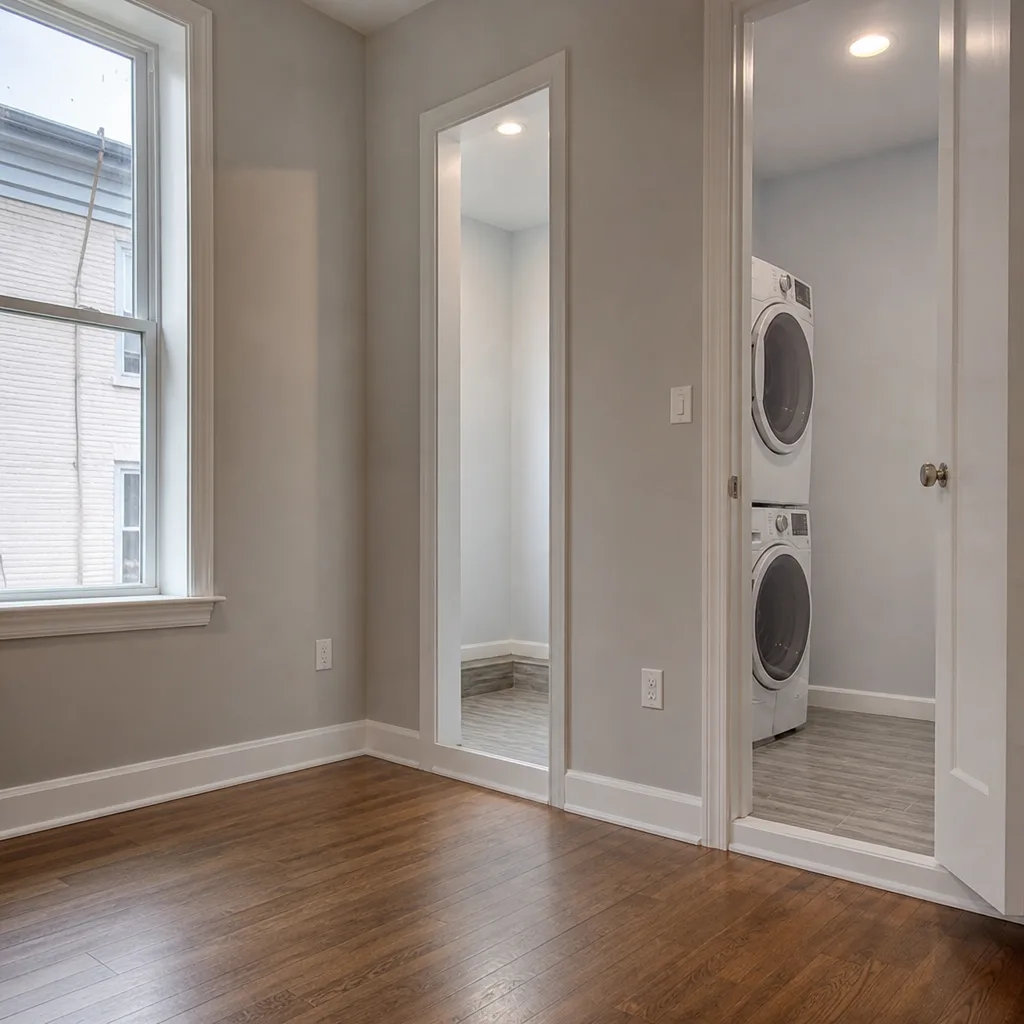 After
After24/7 Emergency Fire & Smoke Damage Restoration in Midtown West
A kitchen fire in a Hell’s Kitchen tenement doesn’t stay in one apartment for long. Smoke pushes through plaster-over-lath walls, shared pipe chases, and stairwells within minutes, and soot begins etching surfaces within hours. That’s why our crews answer live 24 hours a day and dispatch into Midtown West immediately. Call (640) 400-9404 and a real person picks up, not a recording. We send background-checked, IICRC-certified technicians with HEPA air scrubbers and negative air pressure equipment on the same call. The first hour after the fire department leaves decides how much of your home can be saved, and how much gets torn out and rebuilt. We provide a free visual inspection, stabilize the structure, and start containment before soot has a chance to migrate into neighboring units. In Midtown West, where a single fire routinely affects multiple apartments and multiple insurers, starting fast isn’t optional. It’s the only way to keep a bad night from becoming a months-long claim.
Understanding Fire & Smoke Damage Restoration Severity in Midtown West Properties
Fire damage in Midtown West follows patterns tied directly to the building stock. In Hell’s Kitchen’s 5-7 story walk-ups, fires tend to involve kitchens and steam riser chases, producing a mix of protein soot from burned food and hydrocarbon soot from combusted building materials. Protein soot is nearly invisible but deeply acidic, etching brass fixtures and lacquered millwork within 48 hours. Hydrocarbon soot spreads as a black, oily film that requires chemical sponge cleaning before any repainting can hold. In Theater District lofts and Garment District commercial spaces, the larger floor plates and open ductwork mean smoke migrates fast across a whole building, even when the fire itself was small. Hudson Yards high-rises add a different layer: pressurized stairwells and elevator shafts can channel smoke vertically across multiple floors, while MEP systems need manufacturer-specific drying and restoration protocols. Understanding the soot type and the building’s pressure dynamics tells us which rooms need full cleaning, which need sealing, and which can be saved with targeted odor control. That’s the difference between a firm, defensible scope and a guesswork estimate that balloons later.
Why Midtown West Property Owners Choose Floodline Restoration Co.
- 45-minute response commitment. We dispatch from our New York City office and reach Midtown West addresses quickly, with crews that know the neighborhood’s buildings.
- 24/7 live answer, every time. A real dispatcher picks up at 2 a.m. Not a phone tree, not an answering service. You’ll tell a person what happened and a crew gets moving.
- IICRC-certified crews. Our techs hold IICRC certifications including WRT (Water Damage Restoration Technician) and FSRT (Fire & Smoke Restoration Technician), plus RIA and IFA training. Certifications match the work, not a sales pitch.
- Free visual inspection. We walk the affected area, identify soot type and migration paths, and give you a straight read before anyone signs anything.
- Direct insurance billing. We work directly with your carrier, send adjusters our documentation, and bill the claim. You never play messenger.
- One team from extraction to reconstruction. The same Floodline crew that contains the soot on day one handles structural drying, contents cleaning, and the final rebuild. No mid-job handoff to a stranger.
Our Fire & Smoke Damage Restoration Process
Inspection & Assessment
We identify soot residue type, map smoke migration through walls and chases, and document every affected room with photo and video. In pre-war buildings, this includes checking for asbestos-wrapped steam risers and lead paint before any wall is opened.
Emergency Board-Up & Containment
We secure windows, doors, and damaged roof areas with board-up and tarping, then seal the affected zone with containment barriers. HEPA air scrubbers and negative air pressure keep soot from spreading to adjacent units.
Soot & Smoke Removal
We use dry chemical sponges, HEPA vacuums, and specialized detergents to remove soot from walls, ceilings, and hard surfaces before it etches and stains permanently.
Drying & Dehumidification
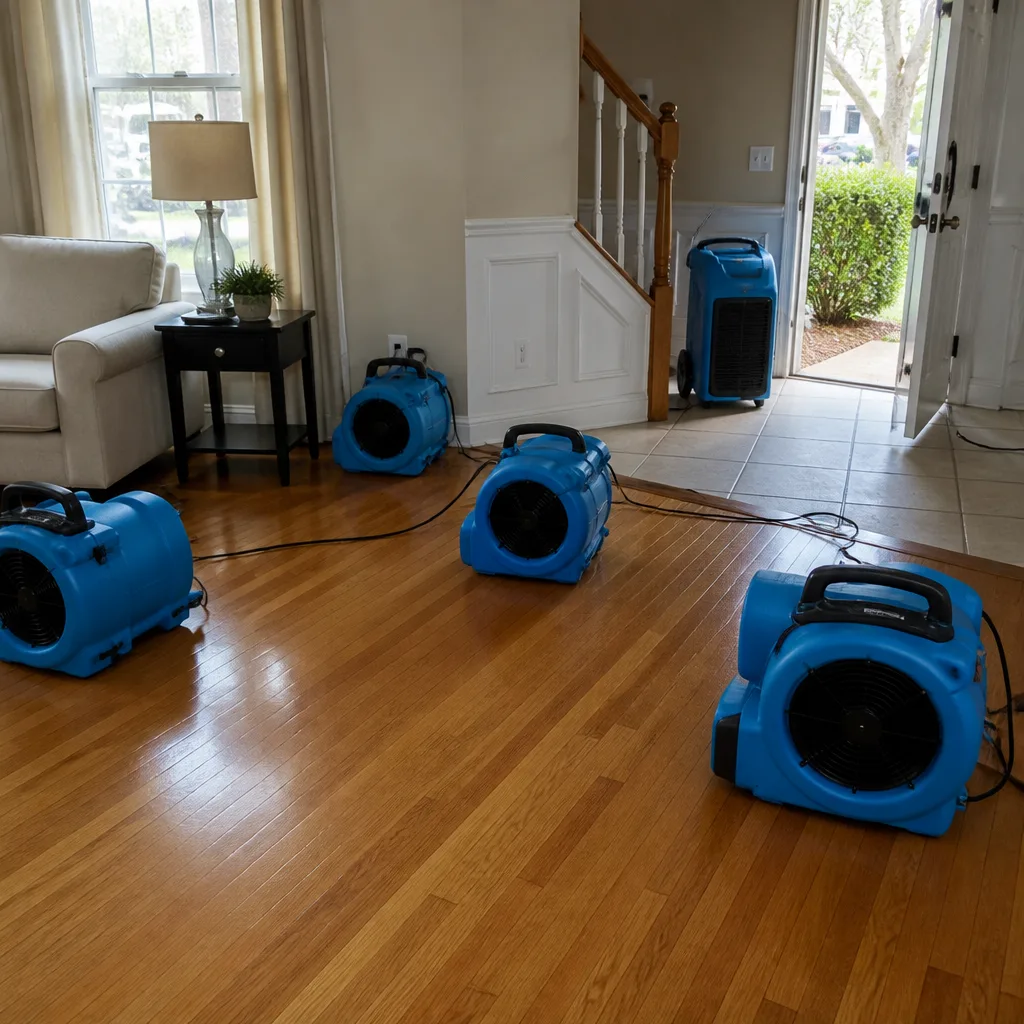
Water from firefighting carries its own classification. We moisture-map affected areas, place Dri-Eaz and Phoenix air movers with dehumidifiers, and log readings daily until surfaces meet the dry standard.
Odor Removal & Deodorization
Hydroxyl generators and thermal fogging neutralize smoke particles embedded in plaster, wood, and textiles. For contents, we use ultrasonic cleaning and ozone treatment where appropriate.
Repairs & Restoration
We rebuild damaged framing, drywall, plaster, flooring, and millwork to pre-loss condition. The same crew that started the job finishes it, and you get our 90-Day Done Right Promise in writing.
Need Emergency Fire & Smoke Damage Restoration in Midtown West Now?
Crews minutes away, answering live 24 hours a day. The sooner we start, the less it costs.
Working With Your Insurance Company
A fire claim in Midtown West often involves more than one insurer. Your carrier handles your unit. Your neighbor’s carrier handles theirs. The building’s carrier may handle common areas. We’ve worked that three-way split many times in Hell’s Kitchen walk-ups and Theater District lofts, and we know what each adjuster needs to see. From the first hour, we document with photos, moisture readings, and line-item scopes that meet industry standards. We speak directly with adjusters, provide drying logs and containment records, and bill the claim directly so you’re not fronting money or chasing paperwork. Curt Bowman founded Floodline Restoration Co. to run on a dispatch board, not a sales desk. That means our documentation is built for claim approval, not for padding a bid.
What We Provide Your Insurer
- Thorough documentation of the loss
- Photos of all damage, room by room
- Moisture readings and drying logs
- A detailed, line-item scope of work
- Direct coordination with your carrier
Built for Midtown West’s Loss Calendar
Fire and smoke damage in Midtown West follows the seasons, and people who’ve lived here through a few winters know the rhythm. January’s deep freezes stress the old supply lines in Hell’s Kitchen walk-ups, and when a pipe bursts behind a wall, the water often finds a junction box or an old line and a small electrical fire follows. Spring thaw pushes water through aging brick-and-mortar joints on west-facing facades along the Hudson River corridor, and in the Garment District’s flat-roof loft buildings, freeze-thaw cycles crack roofing membranes and interior leaks can start electrical fires in old switchgear. Summer brings thunderstorm flash flooding and overloaded window AC circuits in pre-war units that were never wired for that load. Nor’easters in fall and winter drive wind-blown rain through aging window assemblies in mid-century office and hotel towers, and once water reaches a corridor’s electrical chase, a smoke event is often close behind. We see the same addresses, the same building systems, the same failure points year after year. That local repetition means our crews arrive already knowing where smoke will have traveled before we open the first wall.
Fire & Smoke Damage Restoration Across Midtown West’s Neighborhoods
Response routes differ block by block. In Hell’s Kitchen, our crews work the 5-7 story walk-ups between West 34th and West 59th, where tight stairwells and back-court fire escapes shape every piece of equipment we carry up. We know the tenement layouts: kitchens at the rear, steam risers in the walls, plaster-over-lath everywhere. In the Theater District, buildings along Eighth Avenue and Broadway tend to be larger, with ground-floor retail and commercial spaces under residential units. Smoke from a first-floor kitchen fire pulls upward through ductwork and pipe chases, and our containment setup has to account for active street-level entryways while we work above. In the Garment District, the loft buildings between Seventh and Ninth Avenues have open floor plates and freight elevators, so smoke spreads horizontally faster than in compartmentalized tenements; we isolate by floor with negative air pressure and seal elevator doors first. Over in Hudson Yards and the far west blocks near Eleventh Avenue, the newer high-rises demand a different protocol entirely: pressurized corridors, manufacturer-specific interior finish systems, and curtain-wall assemblies that need specialized drying targets. A crew that knows which building stock they’re walking into moves faster and makes fewer mistakes. That’s what we mean when we say we serve Midtown West locally, block by block.
Specialized Fire & Smoke Damage Restoration Services We Offer in Midtown West
As our Fire & Smoke Damage Restoration team works the full scope of a fire loss, we focus on the services that matter most in Midtown West’s building stock. Here’s how each one plays out in the neighborhood.
Smoke & Soot Removal
Soot in a pre-war tenement does not stay put. It moves through plaster-over-lath walls, under baseboards, and into shared pipe chases, and it leaves an acidic residue that corrodes metal fixtures and stains painted surfaces permanently if not addressed fast. We use dry chemical sponges, HEPA vacuuming, and detergents chosen for the specific soot type: protein soot from kitchen fires needs a different chemistry than hydrocarbon soot from electrical burns. In Hell’s Kitchen specifically, we’re almost always working in rooms where neighboring units share wall cavities, so we contain the work area and scrub surfaces before soot has a chance to migrate through the lath.
Odor Removal & Deodorization
Smoke odor in old plaster and hardwood is persistent. It embeds in porous materials and comes back every time the humidity shifts. We use thermal fogging to penetrate deep into plaster and wood, hydroxyl generators for continuous neutralization while we work, and ozone treatment for sealed contents. In Theater District lofts with open ductwork, we also clean and deodorize the HVAC system, because smoke particles settle in ductwork and redistribute for weeks after the fire. The goal is not masking the smell. It’s removing the smoke particles entirely.
Emergency Board-Up & Tarping
In Hell’s Kitchen, an open window or a compromised door isn’t just an invitation to weather. It’s an invitation to theft, vandalism, and a whole block watching an empty apartment. Emergency board-up matters more here than in a suburban house, because the building’s security depends on every access point. We board and tarp same-visit, secure doors and windows with plywood and appropriate fasteners, and make the property safe and locked before we leave. For a fire that burned through a roof on a Garment District loft or a west-facing wall on a Hudson Yards high-rise, we tarp with reinforced poly and secure against wind-driven rain off the Hudson.
Fire Damage Cleanup
Before restoration starts, the debris has to go. We remove charred materials, water-damaged drywall, and compromised contents, always in coordination with DEP requirements when we’re in pre-1980 buildings. In Midtown West’s pre-war housing stock, that means checking for asbestos in insulation, lead in paint, and not opening walls until the surveys are done. Cleanup isn’t just hauling debris; it’s the first pass of the restoration itself, done carefully so that we don’t spread contamination into areas that can be saved.
Contents Cleaning & Pack-Out
In a 1910 Hell’s Kitchen apartment, the contents are often irreplaceable: family photos, documents, books, the things that insurance can’t write a check for. We pack out salvageable contents, inventory everything with photos, and clean with ultrasonic equipment where appropriate. For smoke-damaged textiles and soft goods, we coordinate with specialized cleaners. What can’t be saved, we document for your claim. What can, we return clean and deodorized. In Hudson Yards high-rises, this often means coordinating with building management for freight elevator scheduling and moving contents through service corridors.
Structural Fire Repair
After fire, smoke, and water damage are addressed, the structure itself needs rebuilding. We handle framing, floor replacement, drywall, plaster repair, painting, and finish carpentry. In pre-war tenements, we match plaster rather than defaulting to drywall, because the building’s character is part of what makes it worth living in. The same Floodline crew that did the extraction and drying does the rebuild, so there’s no discontinuity, no handoff, and no arguing about who did what. The 90-Day Done Right Promise covers it all, in writing.
What happens when you call
- 1
A real person answersNo phone trees - you reach a local pro.
- 2
You get an upfront price rangeHonest numbers before anyone is dispatched.
- 3
A background-checked tech heads outLicensed & insured, dispatched right away.
- 4
You approve before work beginsNothing starts until you say go.
Fire & Smoke Damage Restoration Costs in Midtown West, NY
Here’s what we actually see in Midtown West, based on the work we’ve done across Hell’s Kitchen, the Theater District, the Garment District, and Hudson Yards. Smoke and soot removal alone in a single tenement apartment typically runs $2,800 to $6,500, depending on soot type, how far smoke migrated, and whether shared wall cavities are involved. Odor removal and deodorization adds $1,200 to $3,800 for a full-apartment treatment with thermal fogging and hydroxyl generators. Emergency board-up and tarping in Midtown West runs $450 to $1,200 for a standard window or door, and more when roof areas or multiple access points are compromised. Full fire damage cleanup including debris removal, water mitigation from firefighting, and structural repairs runs $12,000 to $45,000 on a tenement apartment, and significantly more in a Theater District loft or Hudson Yards high-rise where MEP systems and manufacturer-specific finishes are involved. What moves the price most in Midtown West is the DEP compliance layer: asbestos and lead surveys, possible abatement, and air-clearance testing before demolition can proceed. That sequence alone can add $3,000 to $10,000 and a week of schedule to a pre-war building job. The honest path is a free inspection that becomes a firm, line-item scope. Call (640) 400-9404 and we’ll put one together for you.
We Also Serve Cities Near Midtown West
Beyond Midtown West, our crews serve Midland Beach, New Springville, Oakwood, and Travis-Chelsea. If you’re outside those areas, call anyway. We’ll tell you honestly whether we can reach you, and if not, who we’d trust to do the job.
Serving Midtown West, NY - Our Local Coverage Area
We’re based in the Midtown West area and know this community well. Use the map below to see our service coverage - if you’re nearby, we can almost certainly help.
Midtown West Fire & Smoke Damage Restoration Questions, Answered
Do I really need an asbestos survey before fire restoration in a Hell’s Kitchen tenement?
Yes, if the building predates 1980 and the fire affected walls, ceilings, or steam risers. NYC DEP mandates asbestos surveys before any demolition, and Hell’s Kitchen tenements almost always have asbestos-wrapped steam risers. Skipping the survey triggers stop-work orders and fines, and stalls your restoration. We coordinate the survey, the DEP notification, and any abatement before we open a wall.
How does smoke from a neighboring unit affect my Midtown West apartment?
Smoke travels through shared wall cavities, pipe chases, and stairwells, even when the fire was in another unit entirely. In pre-war tenements, the plaster-over-lath construction means smoke particles settle into your wall cavities and re-emerge as odor for weeks. You need containment and cleaning in your unit even if you had no fire. We’ve handled dozens of these secondary smoke claims in Hell’s Kitchen and the Theater District.
What kind of water damage should I expect after a fire in a Theater District loft?
Firefighting water in a loft typically saturates flooring and migrates downward into lower units. In Theater District buildings with large open floor plates, water pools over wide areas before finding its way down through floor assemblies. We classify that water by source and contamination level, moisture-map the entire affected area, and dry thoroughly before any restoration begins. That water damage is part of the same claim, not a separate problem.
Can you salvage contents from a fire in my Hudson Yards high-rise?
Often yes. We pack out smoke-damaged contents, inventory everything, and clean with ultrasonic equipment and specialized deodorizing processes. In Hudson Yards, we coordinate with building management for freight elevator access and staging. Some items can’t be saved, and we document why for your insurer. Most hard goods and many textiles can be restored if we get to them before soot etches surfaces.
Why is emergency board-up more urgent in Hell’s Kitchen than in suburban homes?
In a Hell’s Kitchen walk-up, an open window or damaged door exposes not just your apartment but the building’s shared security. Street-level access points in Midtown West get noticed fast, and a vacant fire-damaged unit invites theft and squatters. Board-up and tarping in the first hours protects your property and your neighbors’. We treat it as an emergency service on every fire call.
How fast can you actually get to my Midtown West address?
We commit to a 45-minute response for Midtown West addresses, with live dispatch 24/7. Call (640) 400-9404 and a person answers. A crew is dispatched from our New York City office immediately, and we start containment on the same visit. In a fire, the first hours determine how much gets saved.
Will my insurance cover fire and smoke damage in Midtown West?
Typically yes, under the fire and smoke provisions of your homeowner’s or co-op/condo policy. The complexity in Midtown West is the multi-insurer situation: your carrier, your neighbor’s carrier, and the building’s carrier may all be involved. We handle direct billing and adjuster communication for all of it, so you’re not coordinating between three claims desks.
What should I do in the first 30 minutes after a fire in my Midtown West apartment?
Call your insurer and call us at (640) 400-9404. Do not enter the unit until the fire department says it’s safe. Don’t touch soot-covered surfaces, because oils from your skin set the soot and make cleaning harder. Don’t turn on HVAC systems, which spreads smoke particles. Don’t eat food exposed to smoke. And don’t wait. Containment in the first hours saves contents and cuts restoration cost.
If you’ve had a fire in Midtown West and you need someone who answers the phone at 2 a.m., knows the tenements and lofts and high-rises, and stands behind the work in writing, call Floodline Restoration Co. today at (640) 400-9404. Estimates are free, inspection is free, and the 90-Day Done Right Promise is in your hands before we start.
Written by Curt Bowman, Owner at Floodline Restoration Co., serving Midtown West and the surrounding area.