
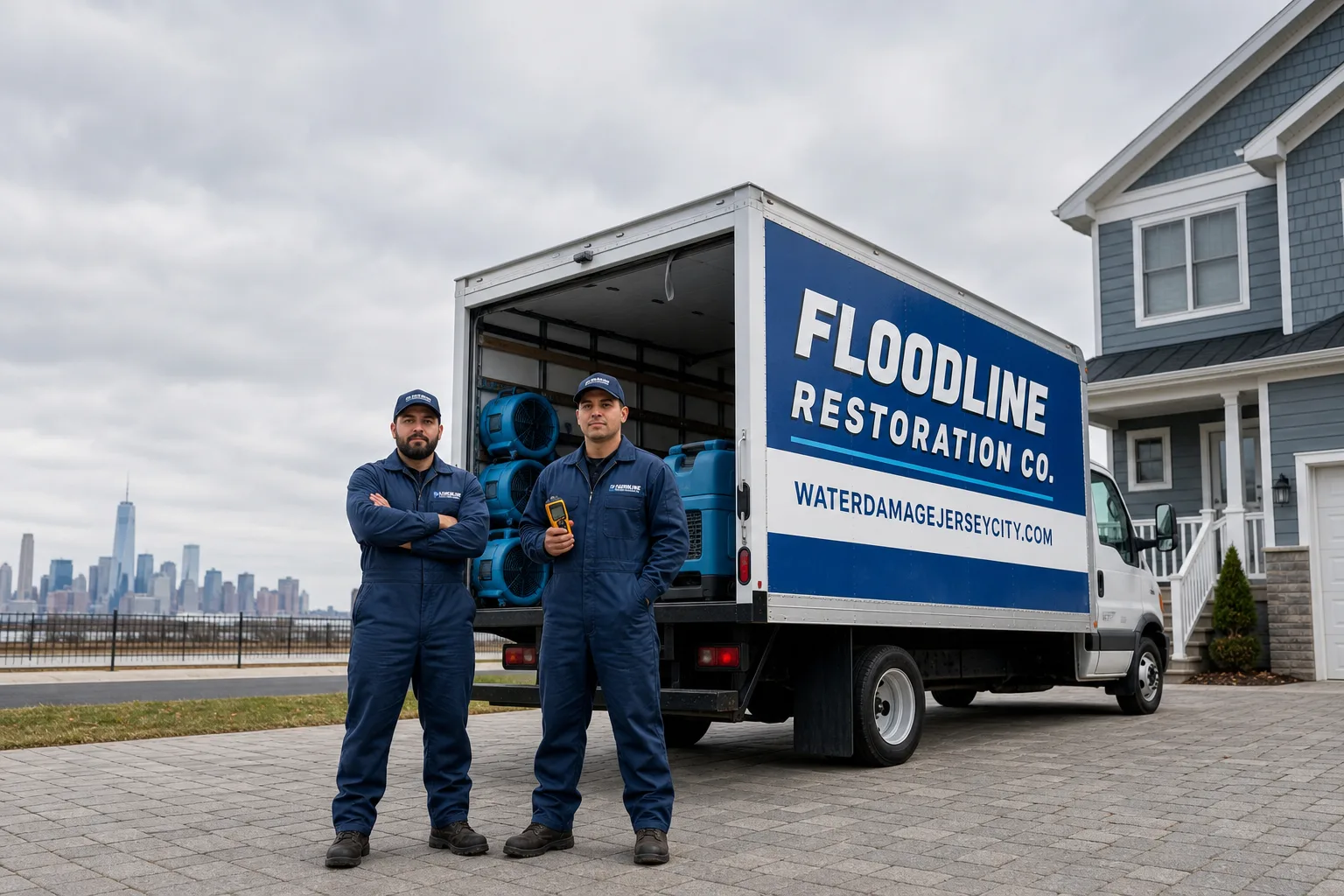
Free visual inspection and a written scope of work before any mitigation begins - photos, moisture readings, and drying logs go in your claim file
The scope we write is the scope we bill. Anything new gets shown to you, in writing, before we touch it.
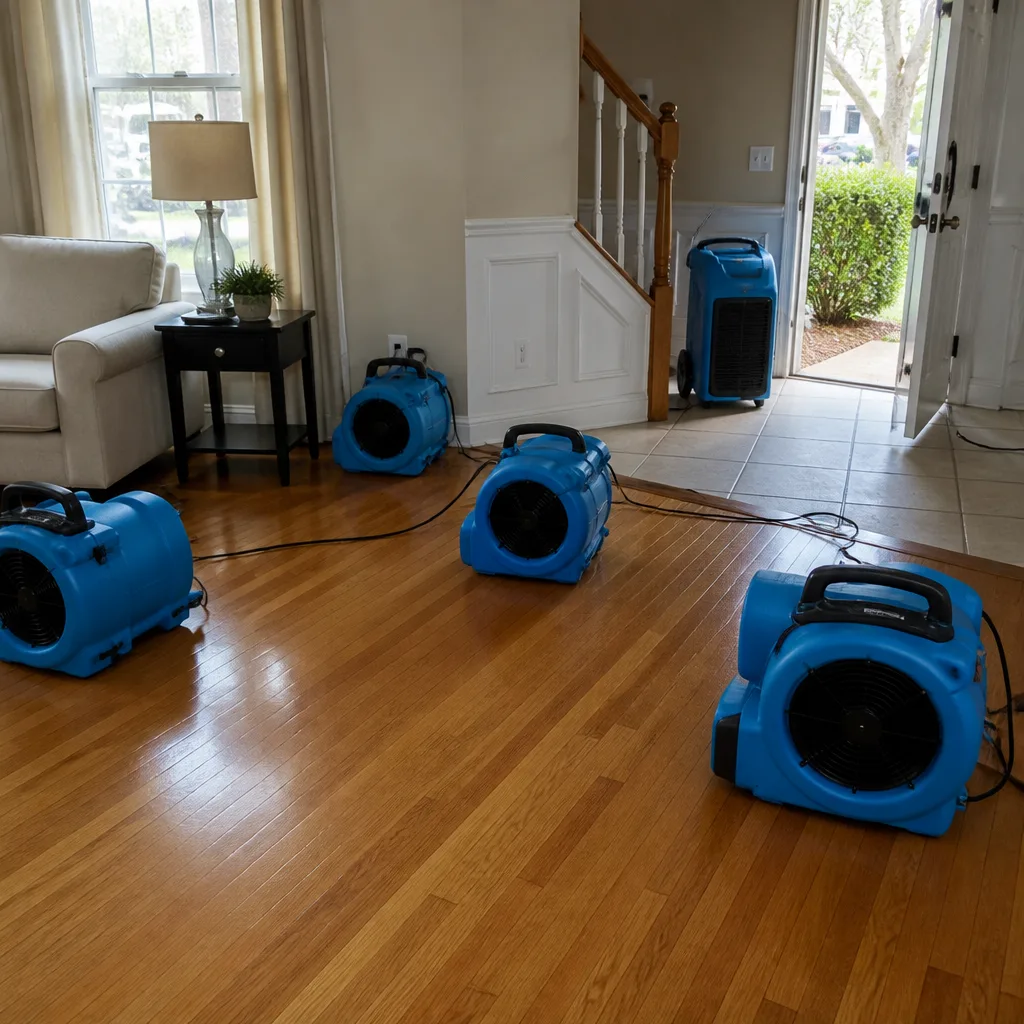
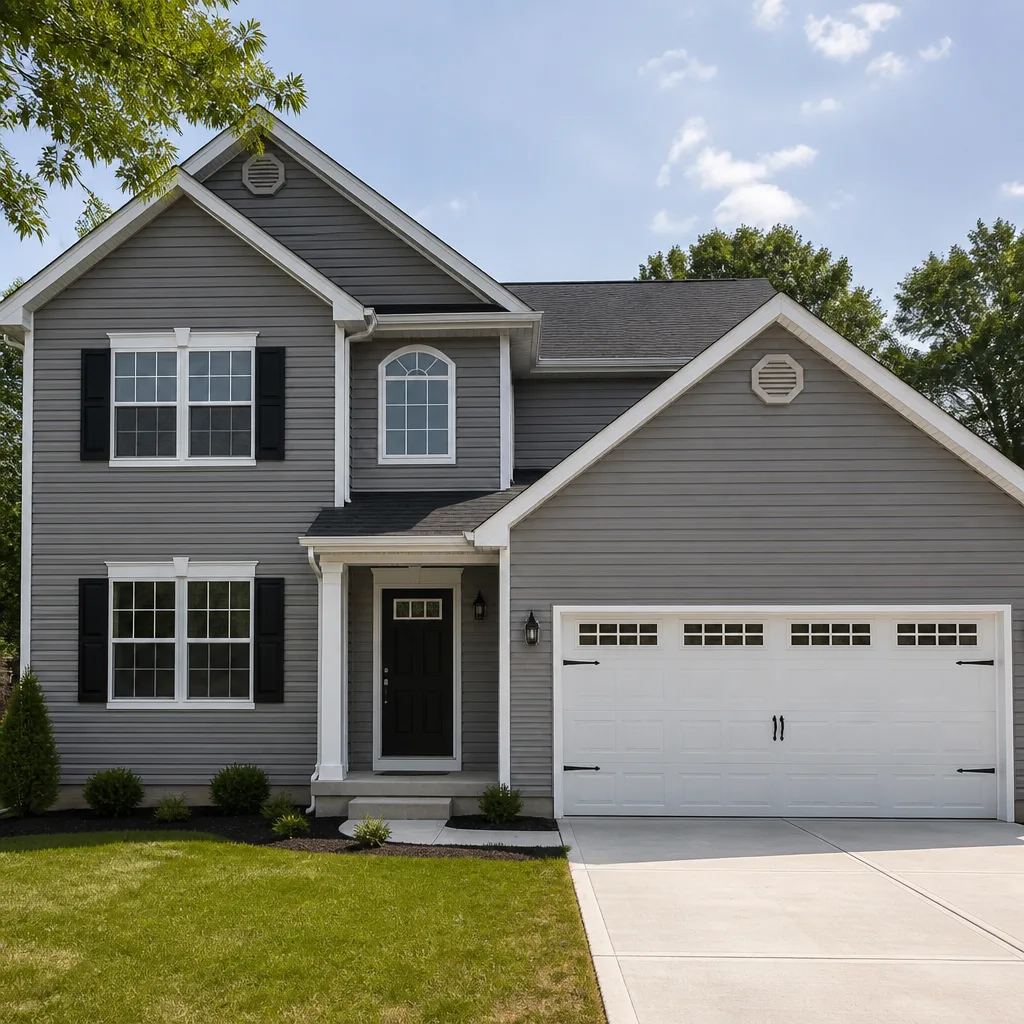
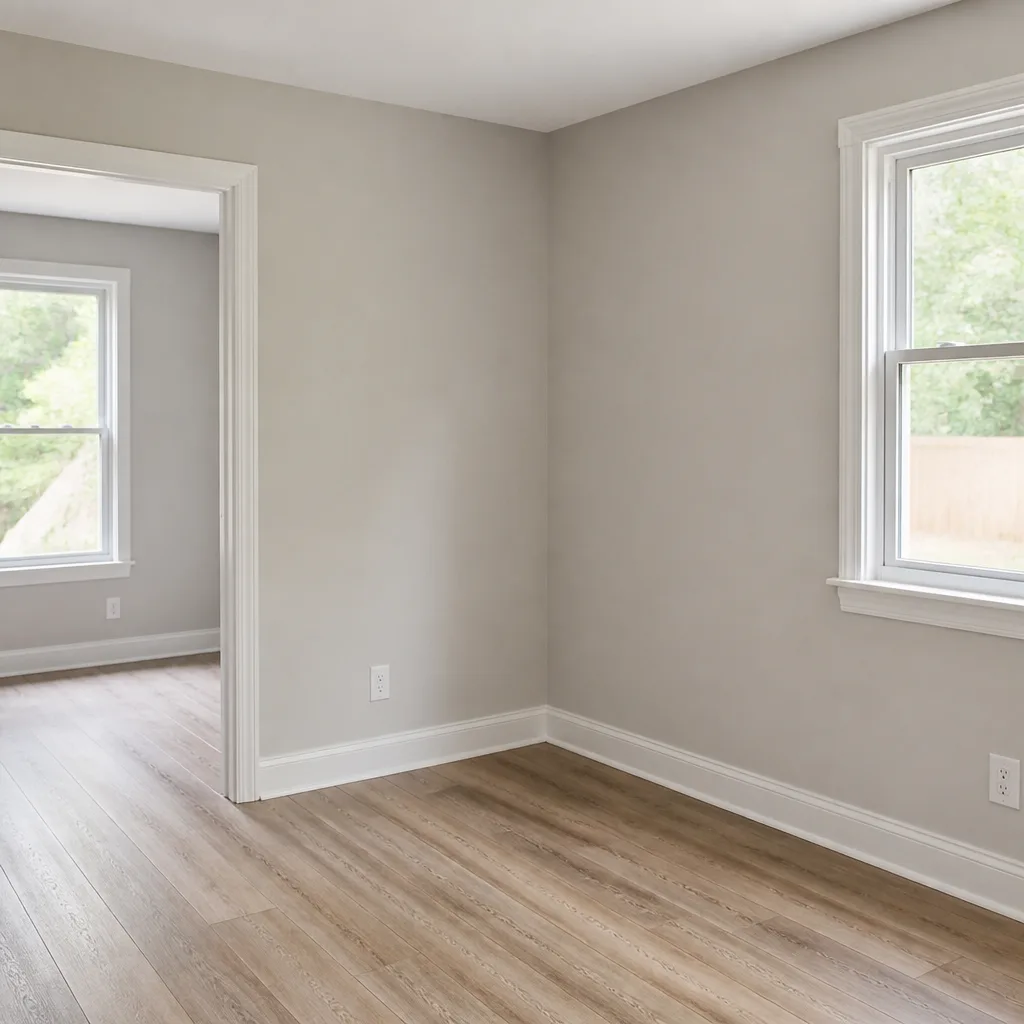
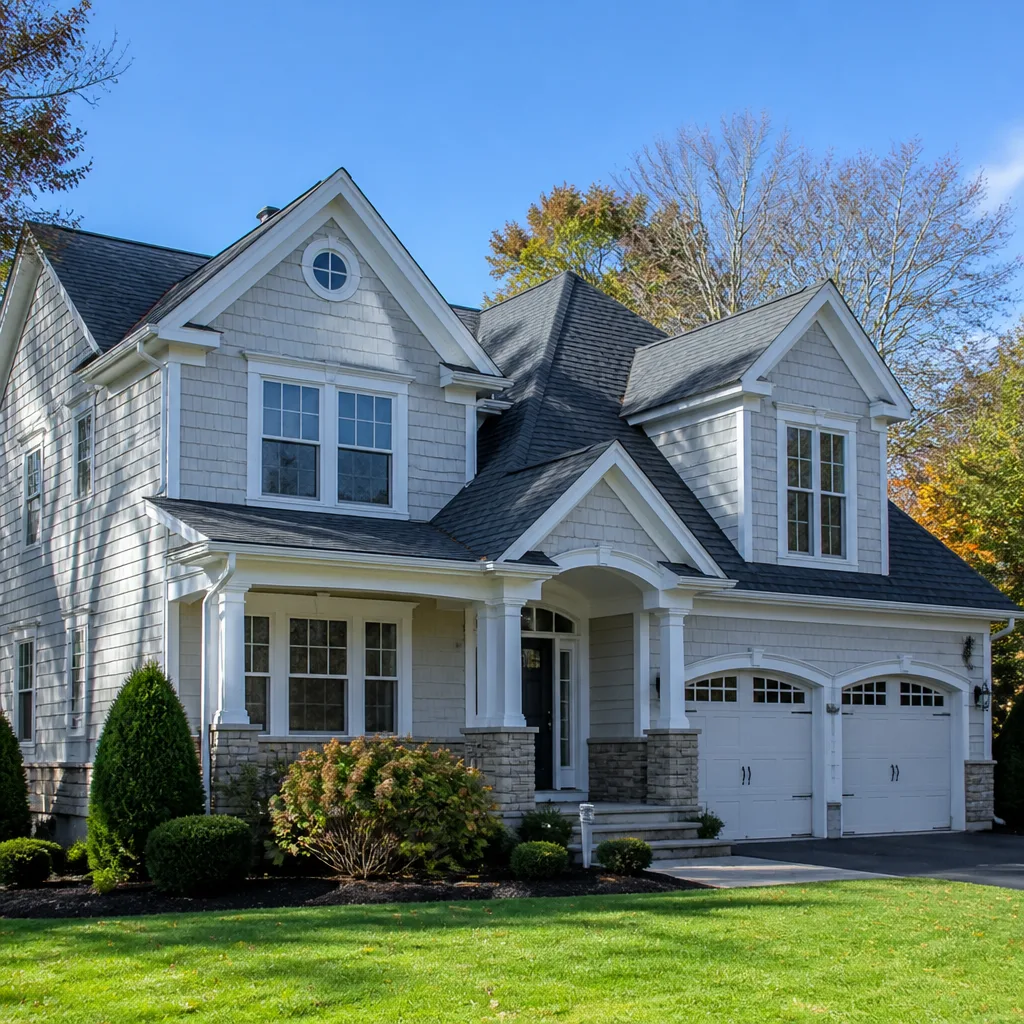
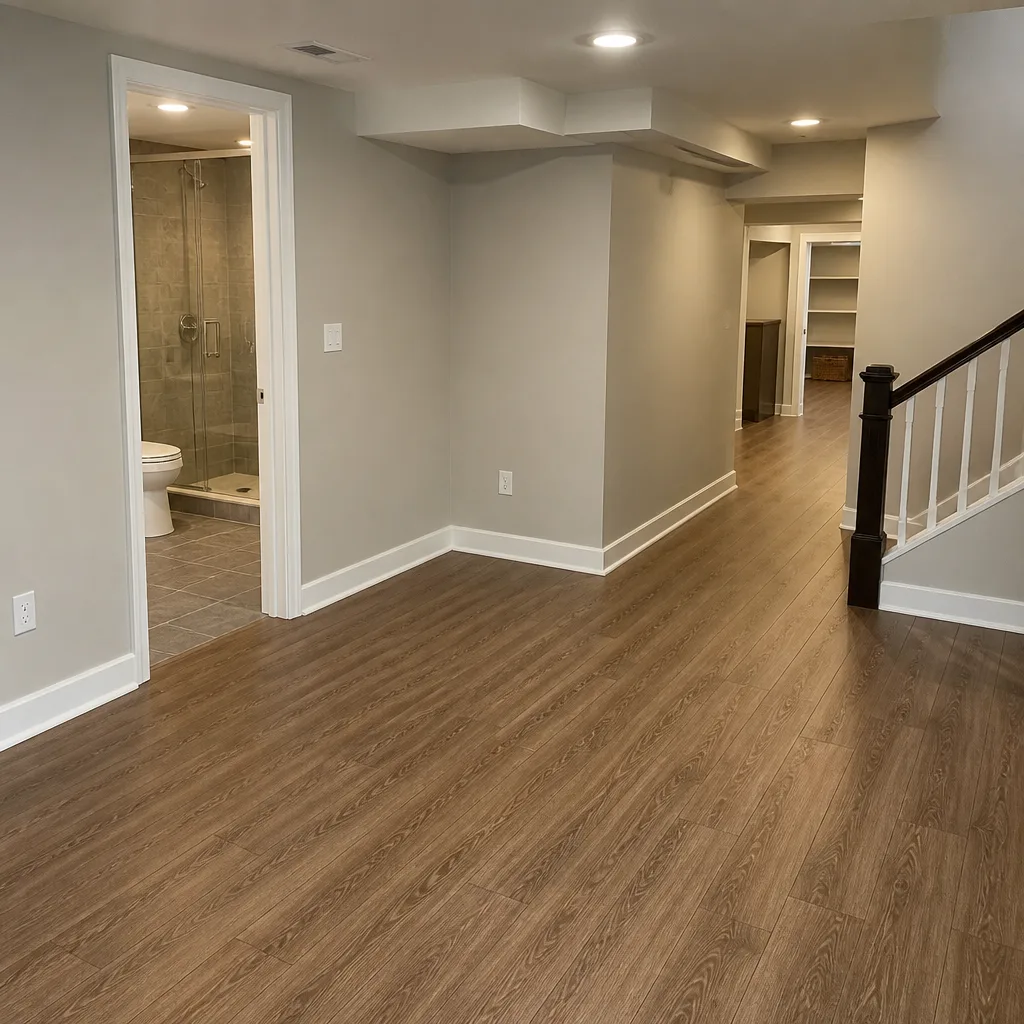
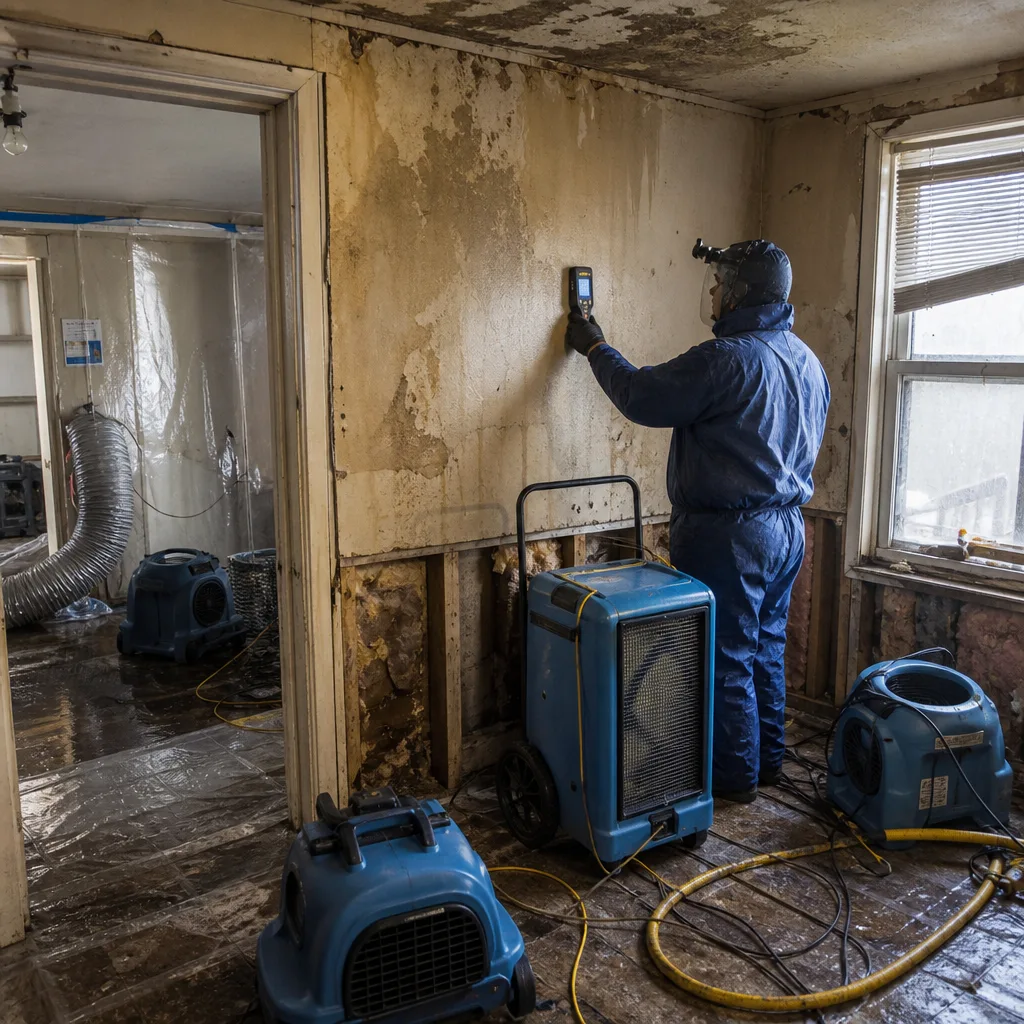 Before
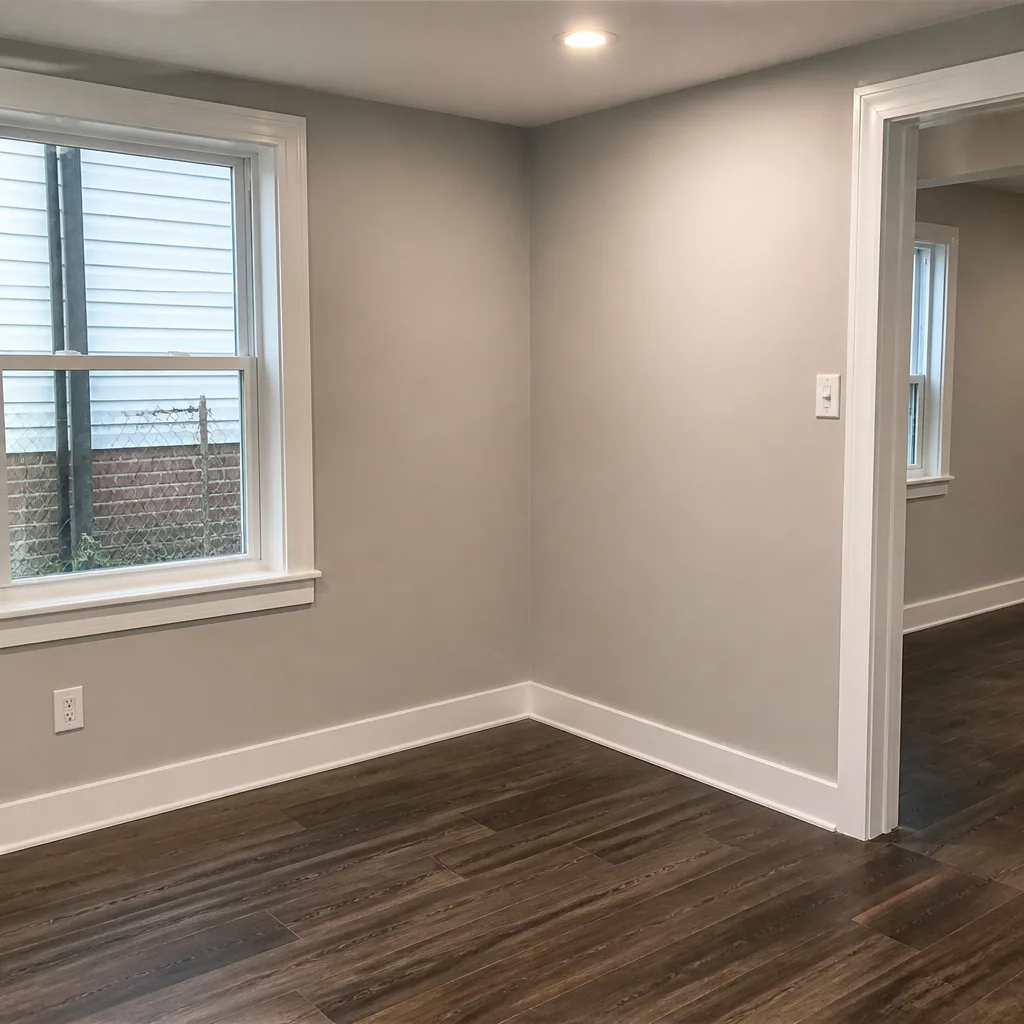 After
After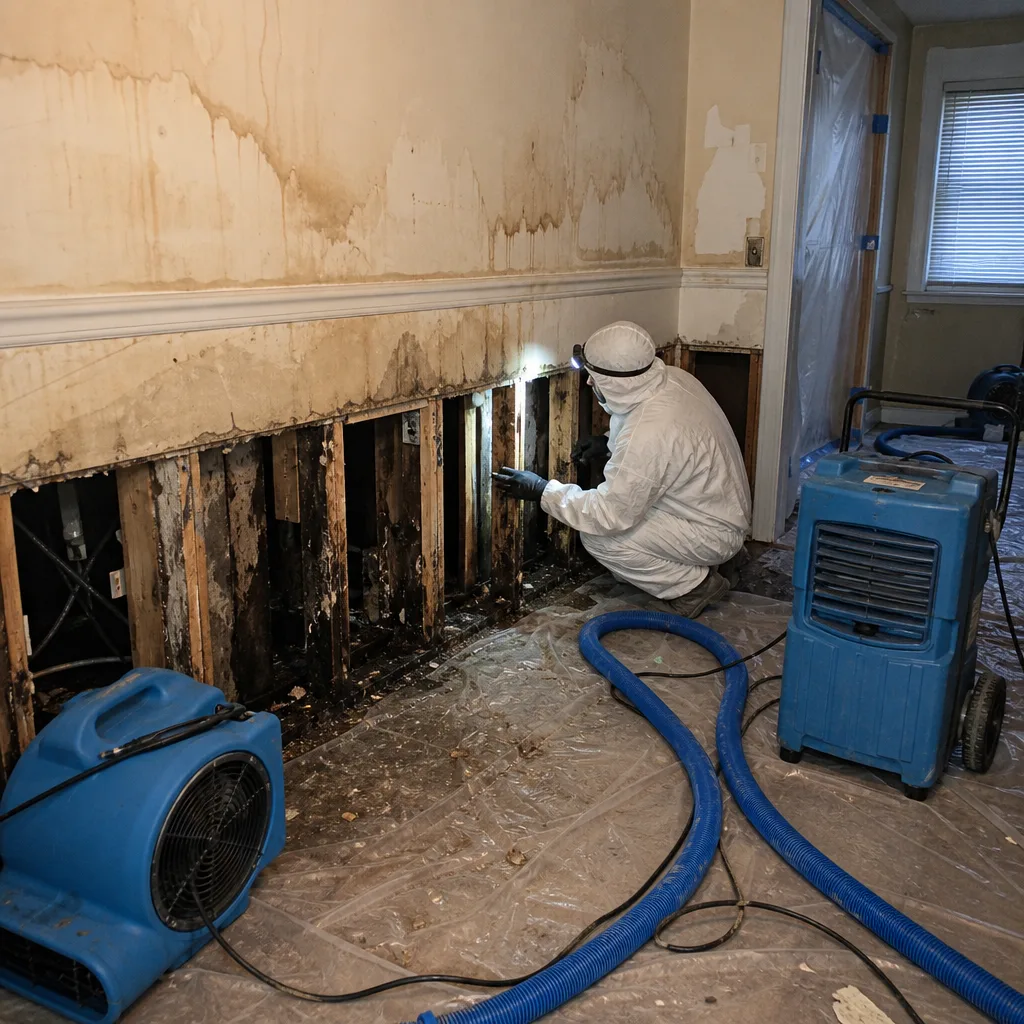 Before
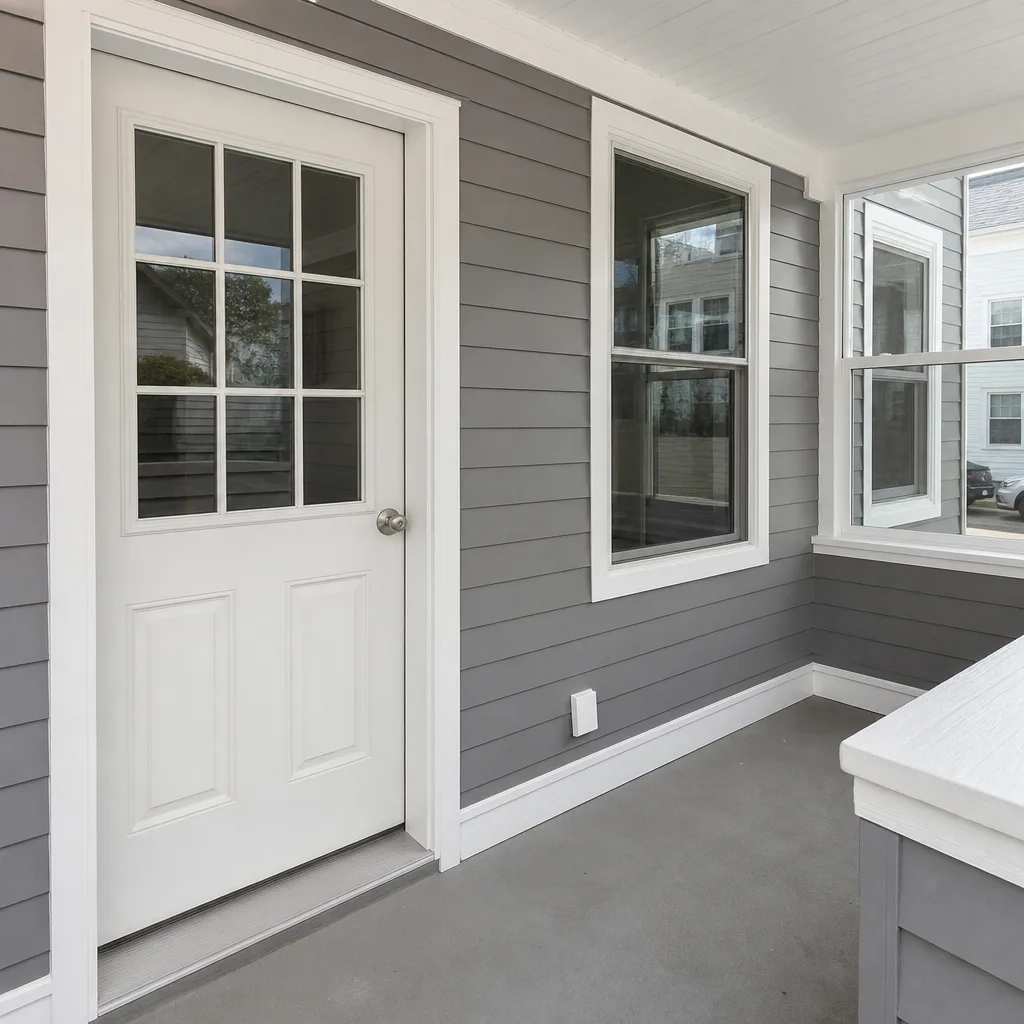 After
After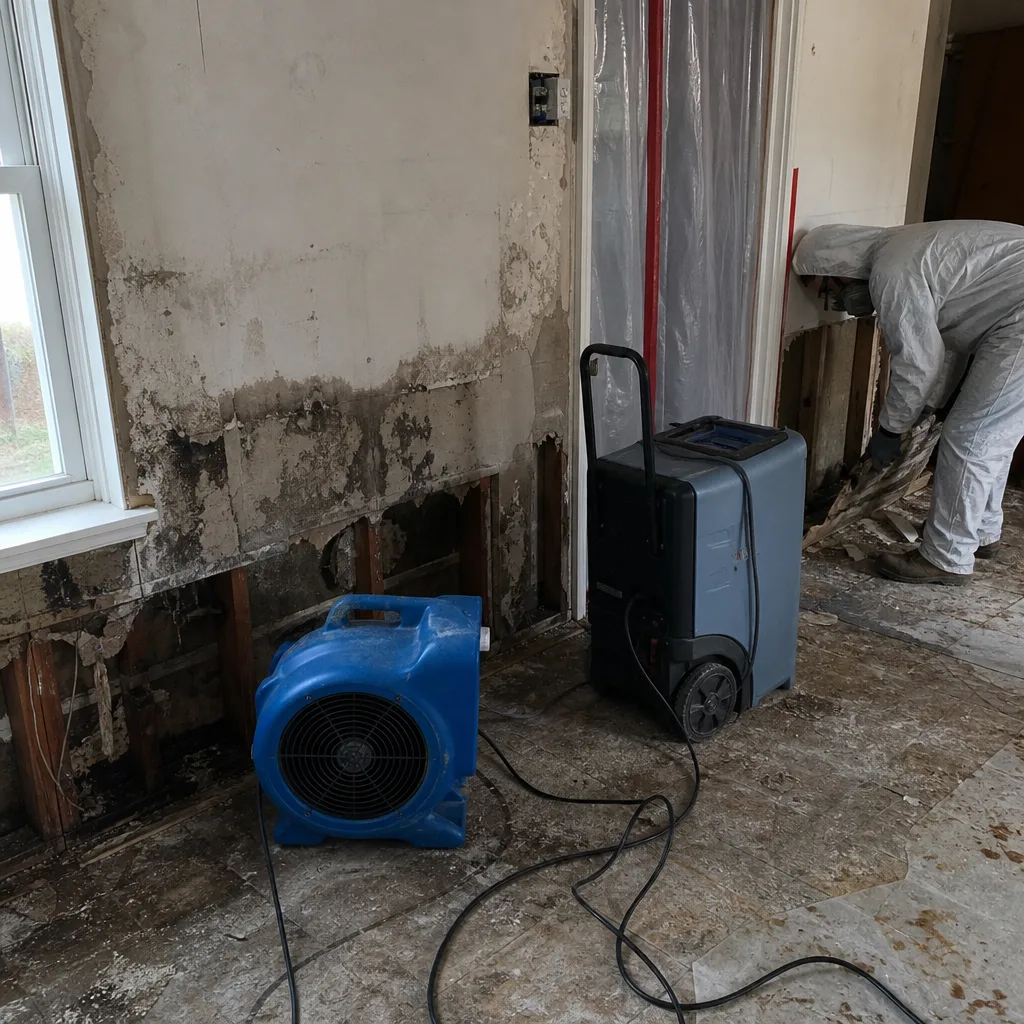 Before
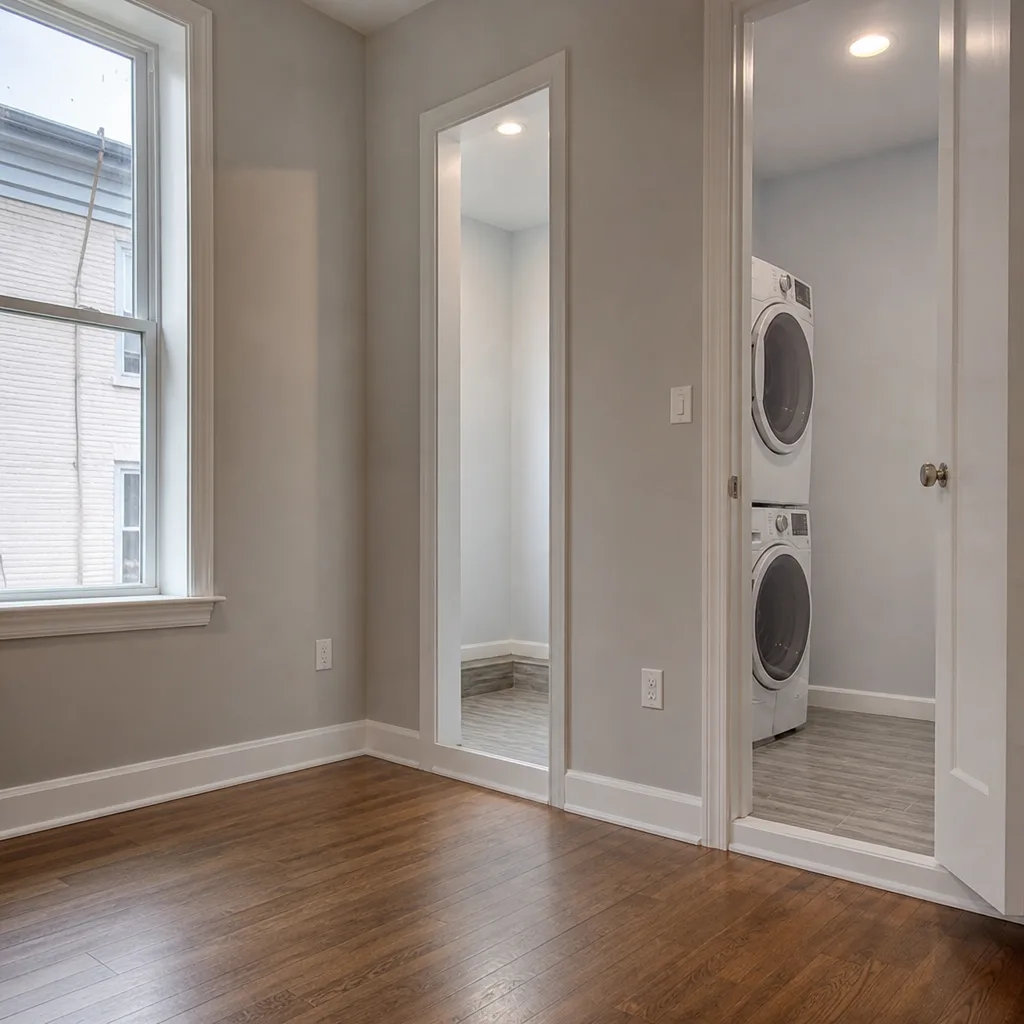 After
After24/7 Emergency Sewage Cleanup in Midtown West
When a sewage line backs up in a Midtown West building, every hour of delay pushes contaminated water deeper into flooring, wall cavities, and the units below. Our crews are inside Midtown West properties around the clock, with a live dispatcher answering at (640) 400-9404 and a certified team running extraction the same visit. We start with a free visual inspection, moisture mapping, and a written scope before any demolition begins. In pre-war buildings especially, the first hour decides whether this stays a contained cleanup or becomes a multi-floor Category 3 restoration. Call now. We answer in person, not with a recording.
Understanding Sewage Cleanup Severity in Midtown West Properties
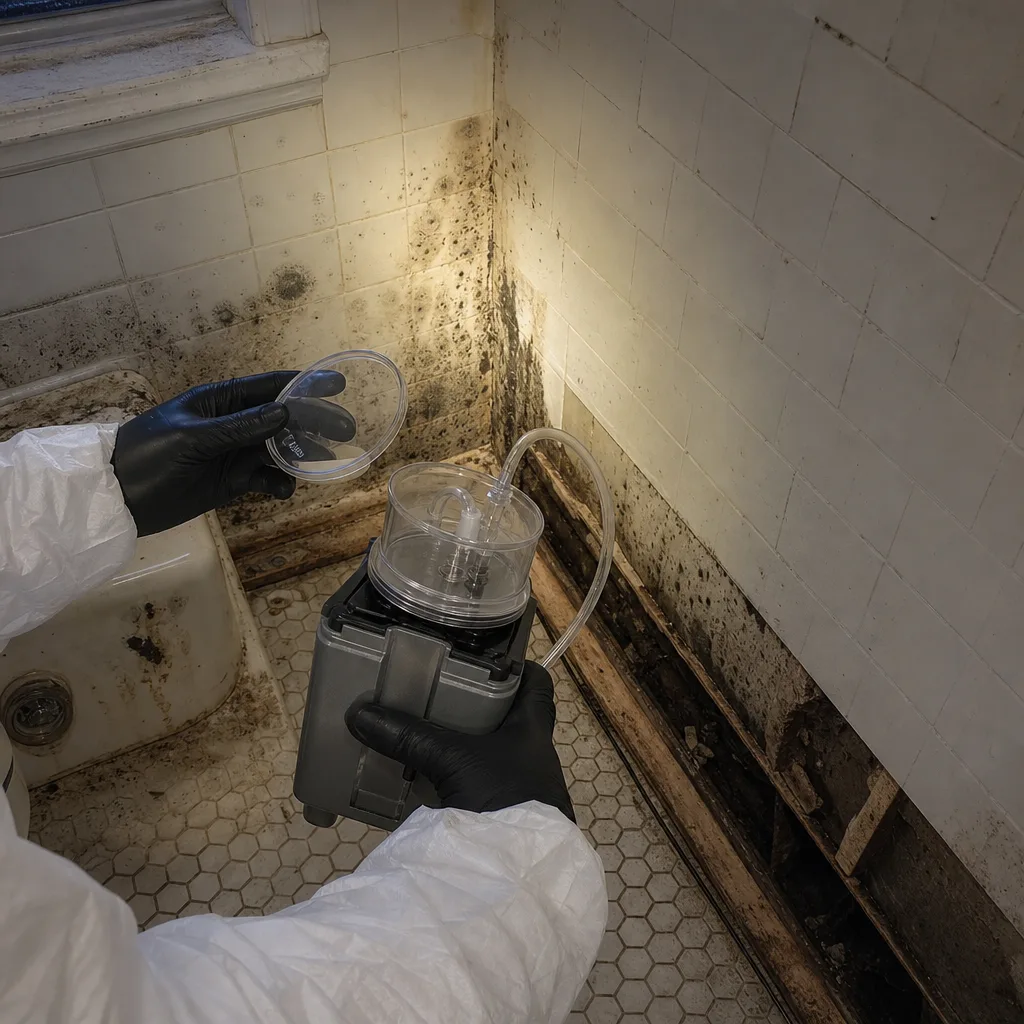
Sewage is Category 3 water under the IICRC standard: grossly contaminated with pathogens, bacteria, and parasites. That means the extraction, containment, and sanitization rules are fundamentally different from a clean-water pipe burst. In Midtown West’s pre-1980 housing stock, those rules get more complicated. A cracked cast-iron waste line behind a Hell’s Kitchen plaster-over-lath wall doesn’t just flood a bathroom floor. Black water wicks into the lath, migrates up the plaster keys, and seeps into the neighboring unit’s ceiling cavity within hours. On commercial loft floors in the Garment District, Category 3 water spreads laterally across open floor plates before gravity shows it to the tenant below. Moisture mapping with thermal imaging and penetrating meters is how we find the pockets that visual inspection misses. Without that, hidden contamination turns into mold inside 48 hours. The difference between a one-room cleanup and a full-floor remediation is how fast the moisture gets measured, contained, and logged.
Why Midtown West Property Owners Choose Floodline Restoration Co.
- 45-minute response commitment: We dispatch crews already staged near Midtown West, so extraction typically starts inside the hour for emergency sewage jobs.
- 24/7 live answer: A real person picks up the phone at 2 a.m., not an automated system. You speak to someone who can send a crew, not take a message.
- IICRC-certified crews: Our technicians hold WRT and ASD certifications, and every sewage job is led by someone trained for Category 3 containment and sanitization.
- Free visual inspection: We’ll assess the damage, map the moisture, and give you a written scope before any work is authorized.
- Direct insurance billing: We work with your carrier, provide photo documentation and drying logs, and bill the insurer directly where applicable.
- One team from extraction to reconstruction: We don’t hand your job to a sub. The same crew that contains the Category 3 water handles the rebuild, so nobody inherits a mystery mid-job.
Our Sewage Cleanup Process
Inspection & Assessment
We arrive, assess Category 3 water extent, and run moisture mapping with thermal imaging and penetrating meters. In pre-1980 Midtown West buildings, we immediately flag the need for DEP-required asbestos and lead surveys before any cuts. You get a written scope and a firm path forward before work starts.
Extraction & Stabilization
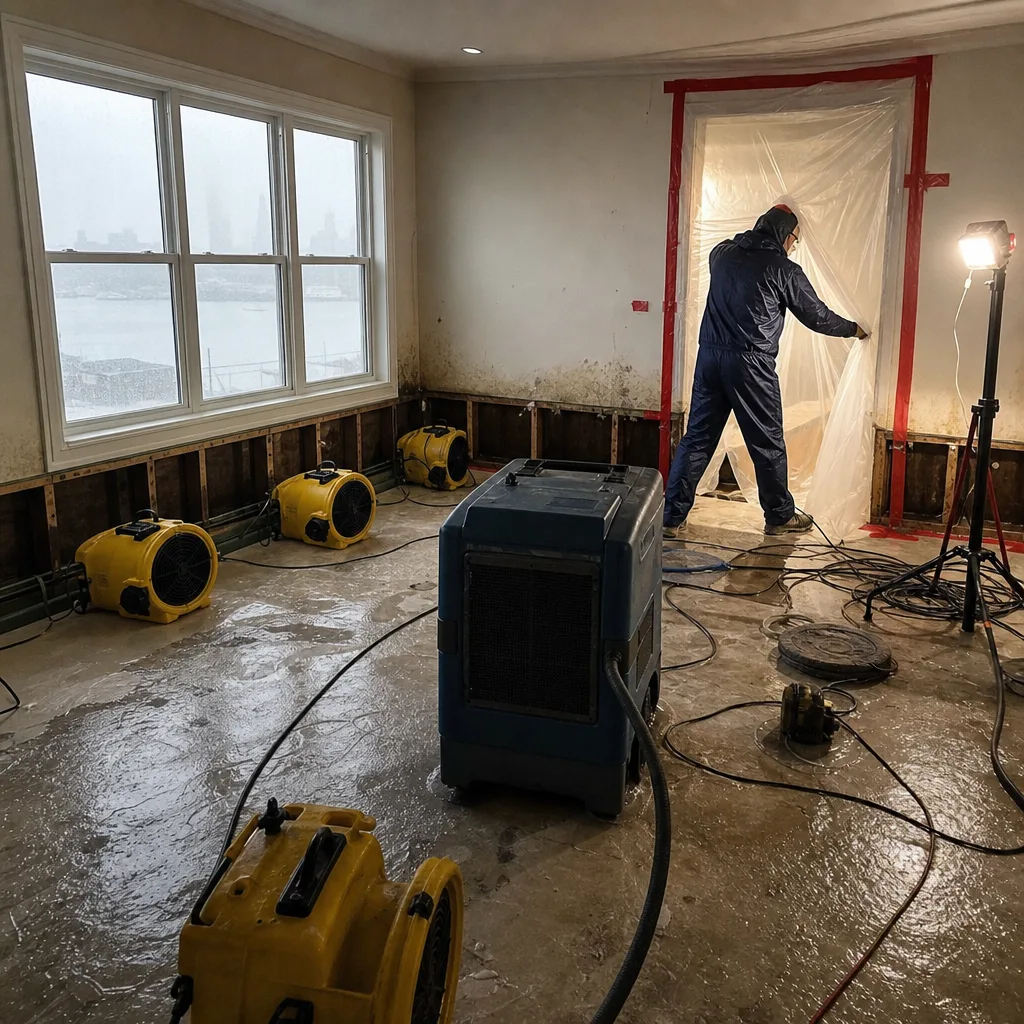
Using truck-mounted and portable Dri-Eaz extraction pumps, we remove standing black water and set up containment to stop cross-contamination. Air movers and dehumidifiers go live on day one to stabilize the space while compliance steps move forward.
Drying & Dehumidification
Professional-grade dehumidifiers and air movers stay running until the dry standard is met. We take daily moisture readings in wall cavities and under flooring, and we log every reading. In a Hell’s Kitchen tenement, that log is what the carrier and the building management need to see.
Cleaning & Sanitization
After the structure reaches the dry standard, we sanitize all affected surfaces with EPA-registered antimicrobials. HEPA air scrubbers run throughout the process to capture airborne pathogens from sewage aerosolization. Every affected inch gets documented before reconstruction begins.
Specialized Sewage Treatment
For Midtown West’s pre-war buildings, this step includes crawl space sewage removal under Hell’s Kitchen kitchens, disinfecting cast-iron waste lines that stay in place, and treating floor joists in lofts where black water pooled in structural bays. We don’t just dry the surface; we treat the path the sewage traveled.
Repairs & Restoration
Once sanitization is complete and air-clearance testing passes where required, we rebuild. Plaster-over-lath replacement, new flooring, baseboards, paint, and any structural carpentry needed. The same Midtown West crew that started your extraction finishes your walls. One team, one standard, one written guarantee.
Need Emergency Sewage Cleanup in Midtown West Now?
Crews minutes away, answering live 24 hours a day. The sooner we start, the less it costs.
Working With Your Insurance Company
Sewage cleanup in Midtown West routinely involves two or more insurers: the unit owner, the unit below, the co-op or condo board, and sometimes the commercial tenant on the ground floor. From the first hour, we document everything your carrier will ask for. Photos room by room, moisture readings taken twice daily, a line-item scope of work that matches industry-standard estimating software, and direct communication with your adjuster so you are not the messenger between us and the carrier. Floodline Restoration Co. has done this for years, and the documentation we produce is built to hold up when a multi-tenant claim gets complicated. The 90-Day Done Right Promise is in writing, and so is every reading we take.
What We Provide Your Insurer
- Thorough documentation of the loss
- Photos of all damage, room by room
- Moisture readings and drying logs
- A detailed, line-item scope of work
- Direct coordination with your carrier
Built for Midtown West’s Loss Calendar
Midtown West’s sewage issues do not follow a clean pattern. They follow the neighborhood’s physics. January deep freezes stress cast-iron and galvanized waste lines in Hell’s Kitchen walk-ups, and when a frozen section cracks, the result is a Category 3 backup that travels through floor joists and plaster ceilings. Spring thaw brings the side effect: saturated soil pushes groundwater into cracked sewer laterals, and in older tenements, those laterals date to the 1920s. Summer thunderstorm flash flooding overwhelms the combined sewer system that serves the Theater District and Garment District, sending sewage-tainted stormwater back into basement mechanical rooms of mid-century office towers. Nor’easters with wind-driven rain hit west-facing facades along the Hudson River corridor, and when roof drains on flat-membrane Garment District loft buildings clog with debris, the water backs up in weird places. In Midtown West, the loss calendar is year-round, and every entry on it is a sewage job waiting for someone who knows how these buildings fail.
Sewage Cleanup Across Midtown West’s Neighborhoods
We run response routes into every corner of Midtown West, and the building types change block by block. In Hell’s Kitchen, the 5 to 7 story pre-war tenements between West 34th and West 59th present the same repeating challenge: plaster-over-lath walls hiding cast-iron waste lines that have been corroding from the inside for a century, with DEP-required asbestos and lead surveys triggered the moment we need to cut into a wall or floor. A sewage backup in one of these buildings rarely stays in one unit. The Garment District, roughly West 34th to West 42nd between 7th and 9th Avenues, adds large-floor-plate loft buildings where black water crosses open floor space fast, saturating hardwood floors and structural joists before anyone notices. Around the Theater District, the buildings are a mix of older masonry construction and vertical commercial space, where a toilet overflow on the 9th floor can run down a riser and show up in the lobby. Hudson Yards and the far west side are another scope entirely: curtain-wall supertalls and newer MEP systems that require manufacturer-specific drying protocols. We work all of it, and our crews know which containment strategy each part of Midtown West demands. For the full picture of how we handle this damage type, see our Sewage Cleanup team’s approach.
Specialized Sewage Cleanup Services We Offer in Midtown West
Sewage Backup Cleanup
A sewage backup in a Midtown West tenement is never just a toilet issue. Water flows downhill through wall cavities, floor joists, and the ceiling of the apartment below. We trace the water path with moisture mapping and infrared cameras, contain the spread, and extract before the contamination reaches structural members. Every backup gets the same DEP-aware assessment: if we have to cut anything in a pre-1980 building, asbestos and lead compliance is in the schedule from the beginning, not discovered halfway through.
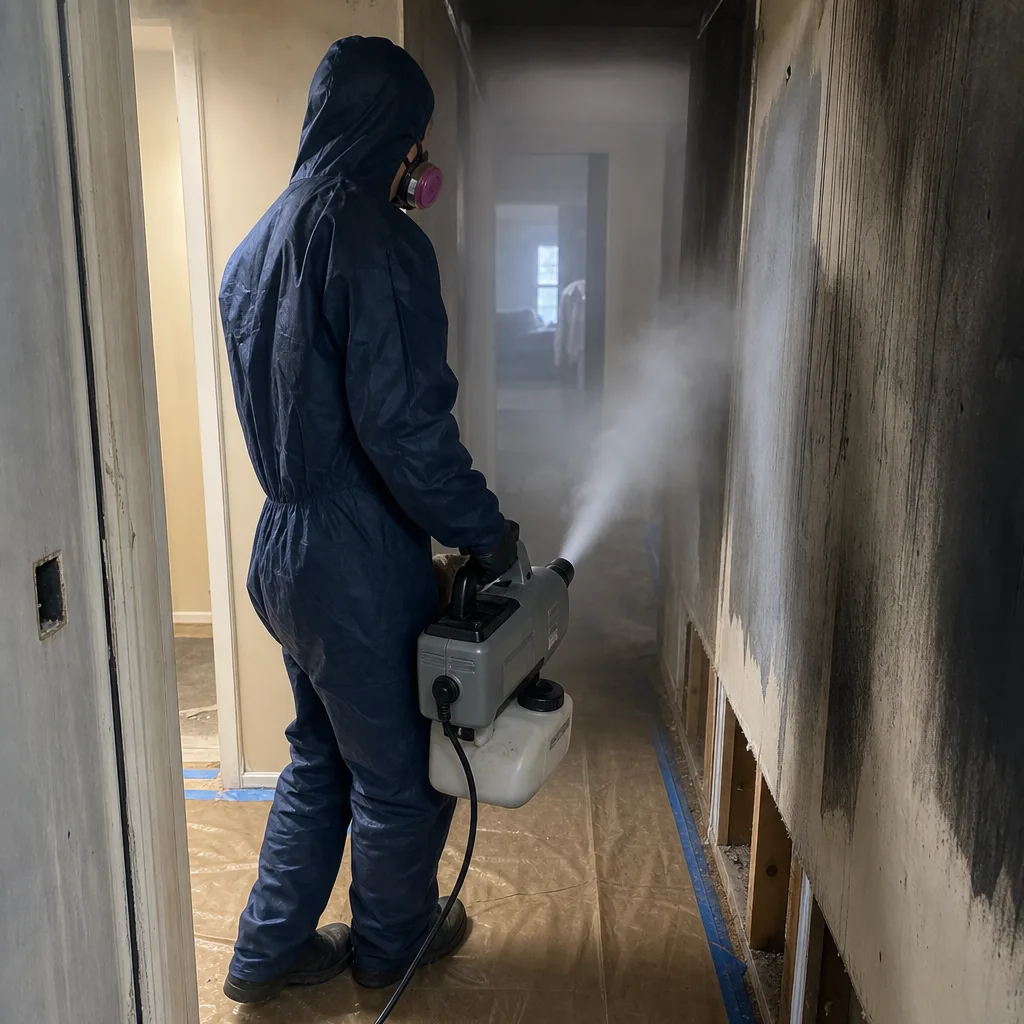
Black Water Extraction
Black water is Category 3 water by definition, and extracting it safely takes more than a portable shop vac. We use professional-grade Dri-Eaz extraction pumps and truck-mounted units where access allows, followed by HEPA air scrubbing and containment to prevent aerosolized pathogens from spreading into uncontaminated rooms. In loft buildings and theater-district commercial spaces with open floor plans, we build full containment chambers around the affected zone, so a sewage spill in one corner doesn’t force a full-floor shutdown.
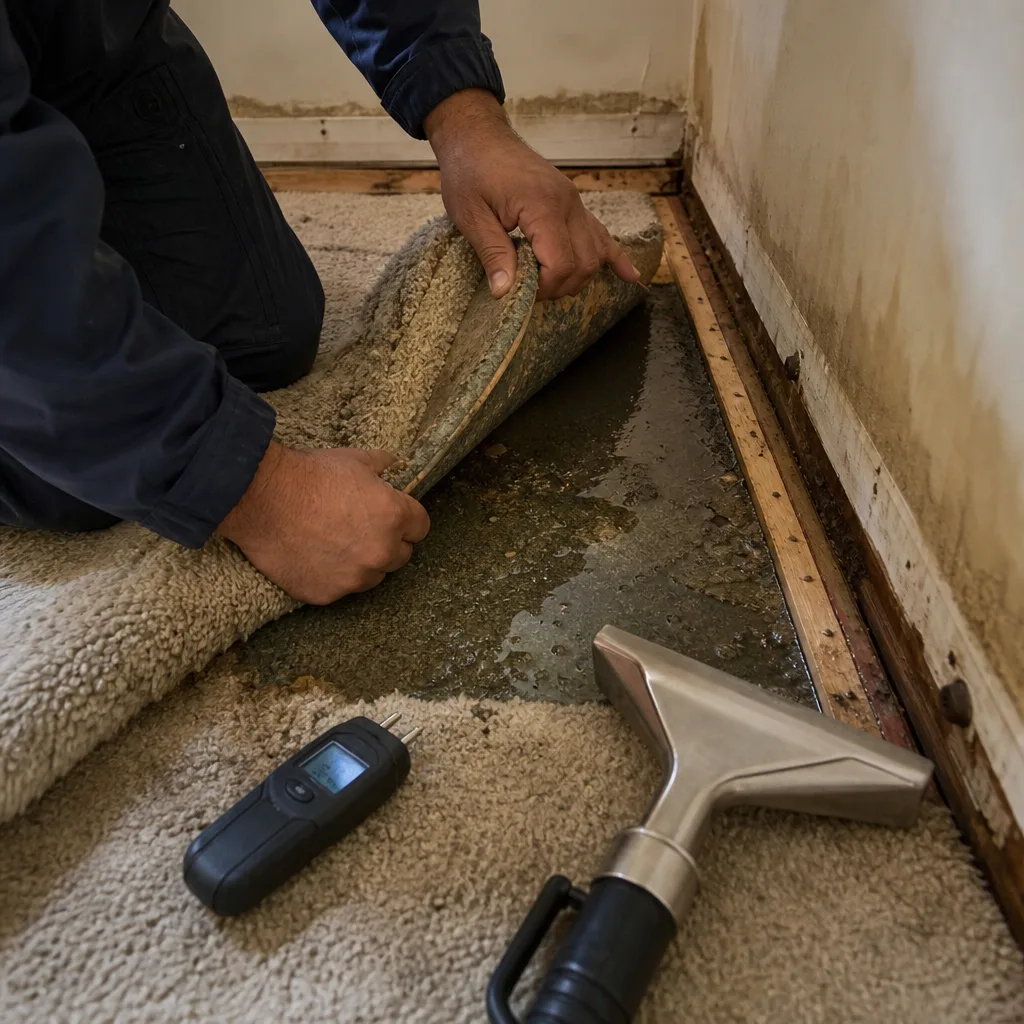
Sanitization & Disinfection
After extraction and drying, every surface the sewage touched gets sanitized with EPA-registered antimicrobials. That includes the visible surfaces: flooring, walls, base trim, and the stud bays behind them. In Midtown West’s pre-war buildings, it also includes the hidden paths: cast-iron waste lines, plumbing chases, and the crawl spaces under Hell’s Kitchen kitchens where sewage pooled for days before anyone noticed. We document the sanitization process the same way we document moisture readings: in writing, with photos, for the carrier.
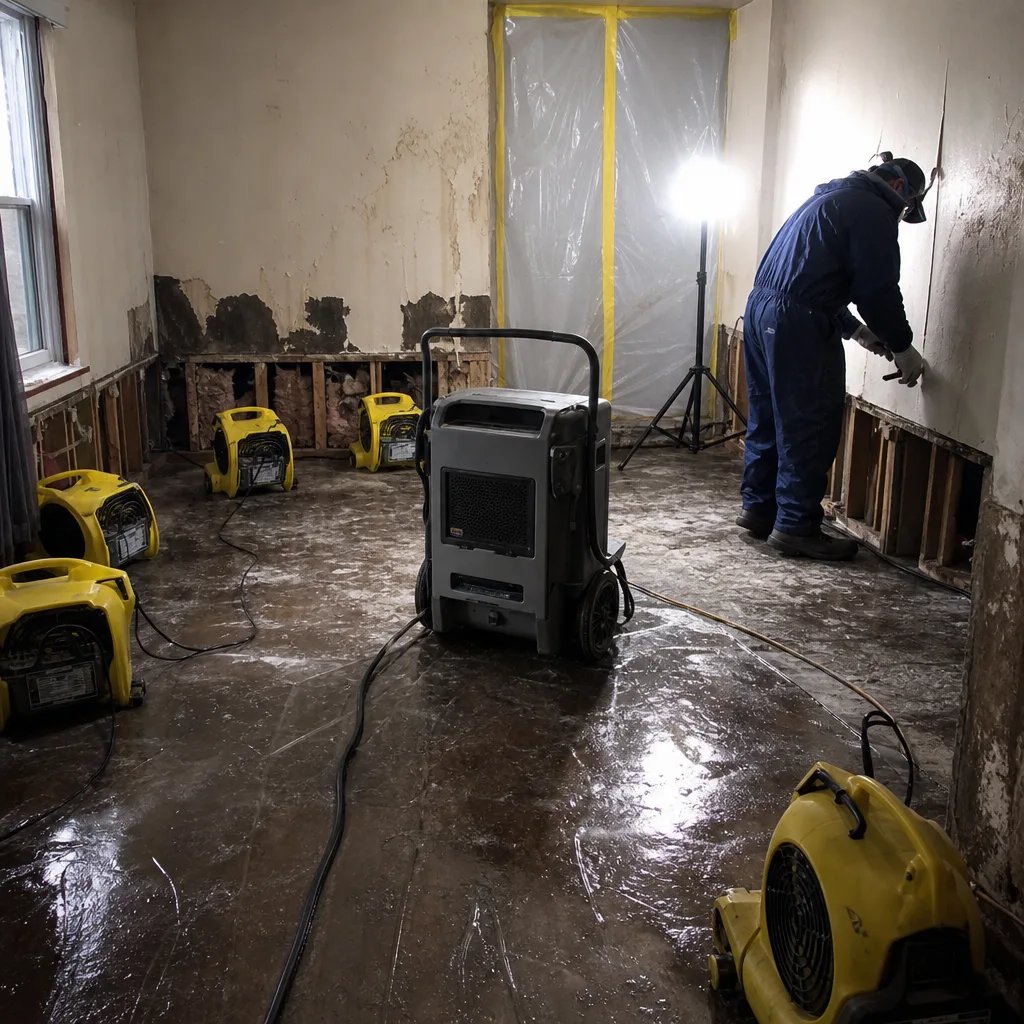
Toilet Overflow Cleanup
We respond to toilet overflows in Midtown West apartments and office spaces daily. The cleanup starts the same way whether the overflow came from a cracked wax ring in a Hudson Yards tower or a clogged line in a 1920s walk-up: contain the water, extract everything, dry the space, and sanitize. What changes is the access and the compliance layer. In a Garment District loft, we are working around tenants and machinery. In a pre-war Hell’s Kitchen apartment, we are holding containment while abatement clears. We have run both, and we know which one we’re walking into before we ring the bell.
Septic Failure Cleanup
Most of Midtown West runs on municipal sewer, but private septic systems still exist on some older properties and in converted buildings. When a septic field fails and backs up into a basement or crawl space, the work is the same Category 3 response plus the failed system itself. We extract, dry, and sanitize the affected space, then coordinate the septic repair with a licensed contractor so the cleanup and the fix don’t happen on separate schedules.
What happens when you call
- 1
A real person answersNo phone trees - you reach a local pro.
- 2
You get an upfront price rangeHonest numbers before anyone is dispatched.
- 3
A background-checked tech heads outLicensed & insured, dispatched right away.
- 4
You approve before work beginsNothing starts until you say go.
Sewage Cleanup Costs in Midtown West, NY
In Midtown West, a straightforward toilet overflow cleanup in a single apartment with immediate containment typically runs $1,200 to $3,400. A sewage backup that crosses multiple rooms, penetrates walls, or involves black water extraction from a crawl space generally lands between $4,500 and $9,000. Full Category 3 remediation in a pre-war tenement, where DEP-required asbestos and lead surveys add compliance time and abatement costs, often runs $10,000 to $25,000 or more across multiple units. What moves the price: the square footage of contaminated material, whether joists and lath are saturated, how many floors the sewage traveled, and whether air-clearance testing and third-party monitoring are required. Most Midtown West sewage jobs involve insurance, and direct carrier billing takes the out-of-pocket burden off the property owner. The path to a firm number is a free visual inspection and moisture map. Call (640) 400-9404 and we’ll give you a written scope, not an estimate built on guesses. Senior and veteran customers receive a 5% discount on every job, always, and $50 off any repair over $250.
We Also Serve Cities Near Midtown West
Floodline Restoration Co. crews respond across the wider metro. We serve Midland Beach, New Springville, Oakwood, and Travis – Chelsea for sewage cleanup and full-cycle restoration. If you’re in any of those areas and facing a Category 3 loss, call us and we’ll have a live dispatcher routing the nearest certified crew to you. Same team, same standard, same written guarantee. For a fuller picture of our service area, visit Midtown West.
Serving Midtown West, NY - Our Local Coverage Area
We’re based in the Midtown West area and know this community well. Use the map below to see our service coverage - if you’re nearby, we can almost certainly help.
Midtown West Sewage Cleanup Questions, Answered
Does Floodline Restoration handle the required asbestos/lead surveys before sewage cleanup demolition in Hell’s Kitchen pre-war buildings?
Yes. Our Midtown West crews identify the need for DEP-required asbestos and lead surveys during the initial inspection, before any demolition begins. We hold containment and run drying equipment while the surveys and any required abatement clear. This sequence is normal for pre-1980 buildings in Midtown West, and we schedule it so your mitigation timeline doesn’t surprise you.
What makes sewage cleanup in a Midtown West tenement different from a single-family home in Queens?
Three things. The building stock: plaster-over-lath walls and cast-iron waste lines that hide contamination and complicate access. The compliance layer: DEP asbestos and lead rules trigger the moment we cut into pre-1980 construction, which single-family homes in Queens don’t face the same way. And the verticality: a sewage backup on the 4th floor of a Hell’s Kitchen walk-up routinely spreads to the unit below through joist bays and plumbing chases, so containment has to account for multiple occupied units from day one.
How do you handle category 3 water from a sewage backup in a garment district loft with an open floor plan?
We build a full containment chamber around the contaminated zone using negative air pressure, so the open floor plan doesn’t turn a contained spill into a full-floor shutdown. Black water extraction runs inside containment while HEPA scrubbers clean the surrounding air. The water path is mapped across the open floor plate, and every affected square foot gets sanitized before the space returns to use.
Will your team pack out tenant belongings from a Hell’s Kitchen apartment before sewage extraction?
Yes. We document, pack, and move tenant belongings out of the affected area before extraction begins. In Midtown West apartments, that often means working in tight spaces with narrow stairwells and no service elevator, so our crews are used to moving furniture and personal items carefully through small pre-war hallways. Items that were contaminated by sewage are documented separately for insurance purposes.
In Midtown West high-rises, can toilet overflows in one unit contaminate the building’s riser and affect other floors’ sewage cleanup?
Yes. A toilet overflow in a high-rise can drain into the building’s vertical riser and travel down multiple floors inside wall cavities and chase spaces. The unit below often shows damage first, while the source unit stays dry. We trace the riser path with moisture mapping, coordinate with building management for access to adjacent units, and document the vertical spread for every insurer involved. This is routine in Midtown West’s mid-century office towers and newer Hudson Yards construction.
How fast can a Floodline crew actually get to a Midtown West sewage emergency?
Our 45-minute response commitment means a certified crew is typically on site inside the hour for sewage emergencies in Midtown West. The call goes to a live dispatcher at (640) 400-9404, not a recording, and the nearest staged crew gets routed immediately. Sewage waits; we don’t.
Will my insurance cover sewage cleanup in Midtown West?
Most Midtown West property insurance policies cover sewage backup cleanup when the loss is sudden and accidental, but the coverage depends on your specific policy and whether you carry a sewer backup endorsement. We document everything from the first hour, work directly with your adjuster, and bill the carrier directly where applicable. The best way to know for sure is to call us, then call your carrier with our written scope in hand.
What should I do in the first 30 minutes after a sewage backup in Midtown West?
Shut off the water supply to the affected fixture if you can do so safely, turn off electricity to the affected area if water is near outlets or wiring, and call (640) 400-9404. Do not enter the contaminated area without proper protection, and do not run fans or HVAC systems that could spread sewage aerosol through the space. Stay out, keep people and pets away from the affected rooms, and let our crew handle the containment.
Call Floodline Restoration Co. at (640) 400-9404 for emergency sewage cleanup in Midtown West. A live dispatcher answers around the clock, a certified crew arrives in about 45 minutes, and the 90-Day Done Right Promise is in your hands in writing. Free visual inspection. Direct insurance billing. One team from extraction to rebuild. Senior and veteran 5% discount, always. $50 off any repair over $250.
Written by Curt Bowman, Owner at Floodline Restoration Co., serving Midtown West since 2010.