
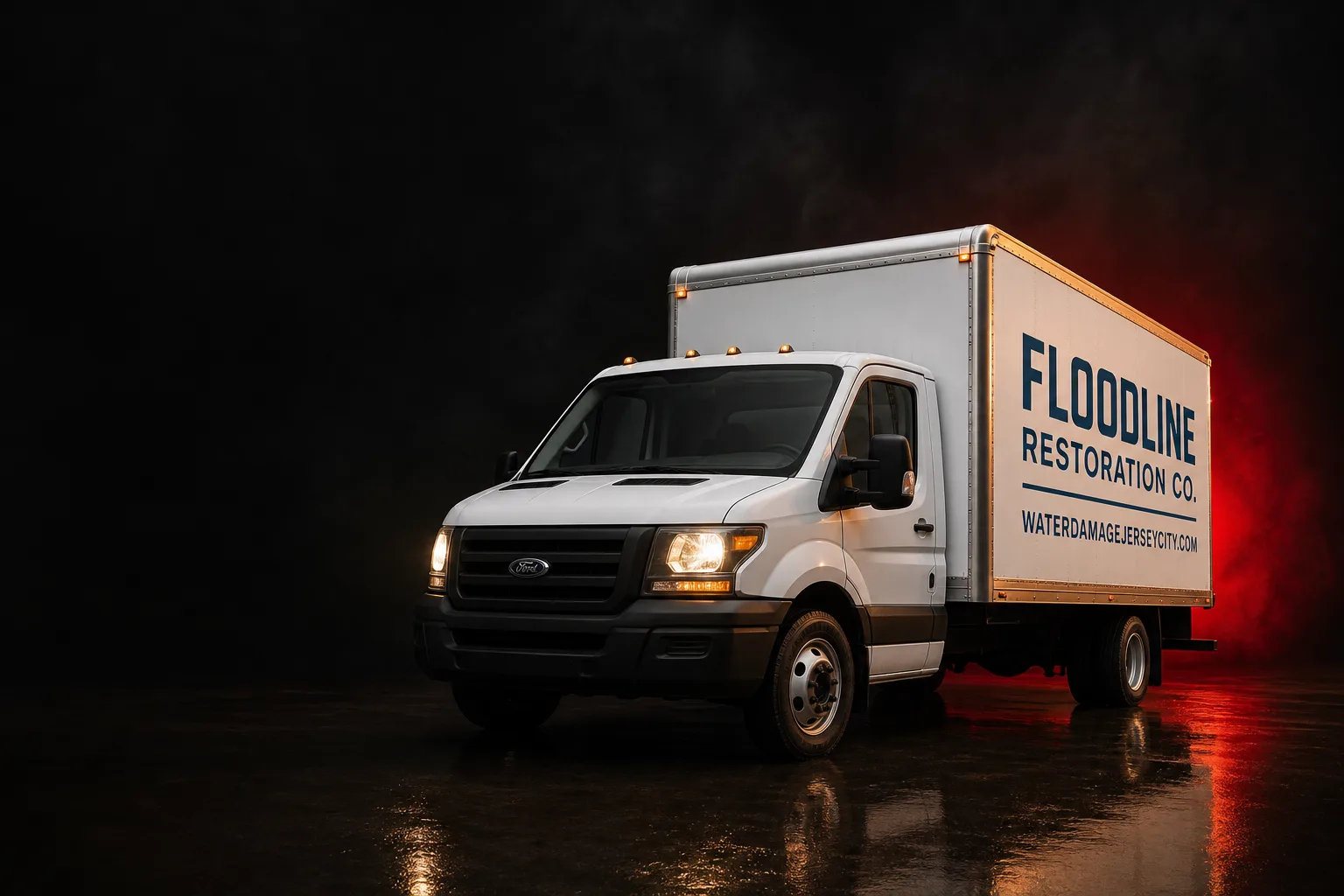
Free visual inspection and a written scope of work before any mitigation begins - photos, moisture readings, and drying logs go in your claim file
The scope we write is the scope we bill. Anything new gets shown to you, in writing, before we touch it.
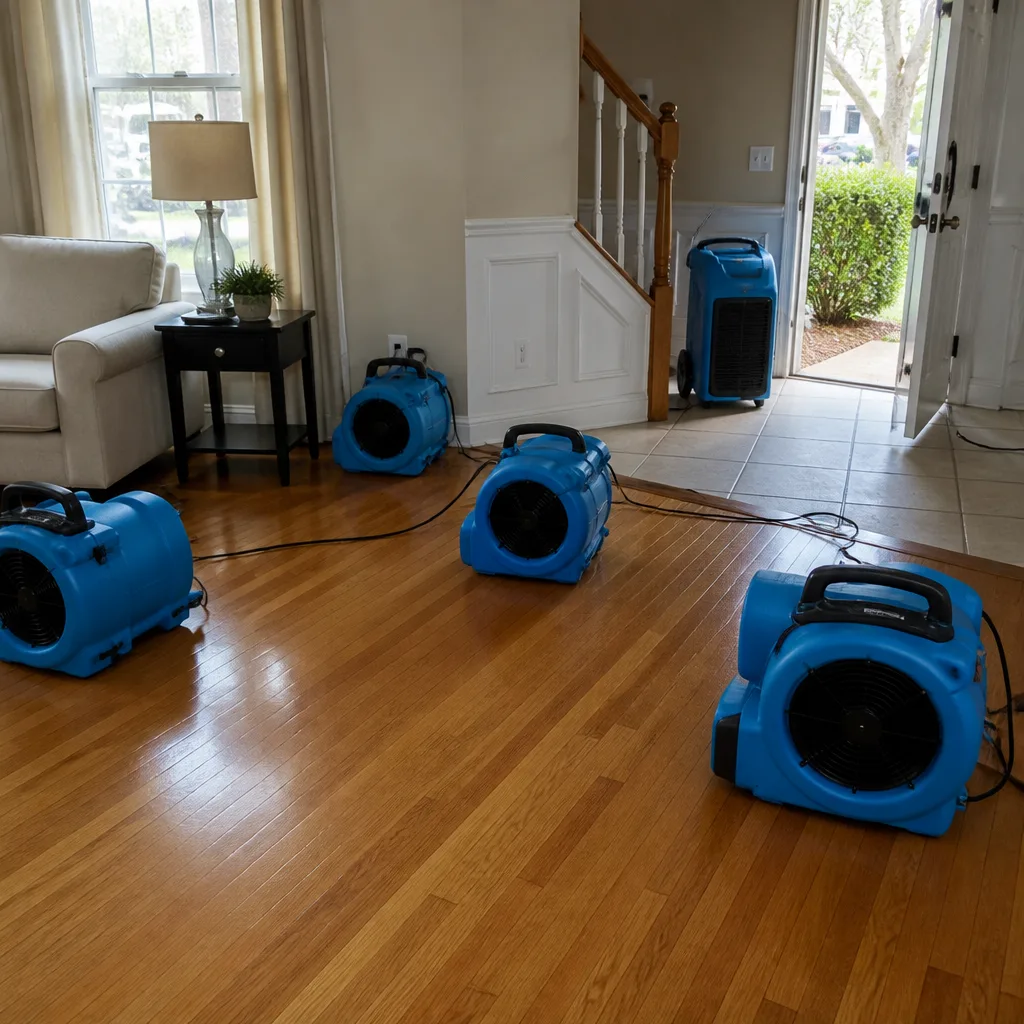
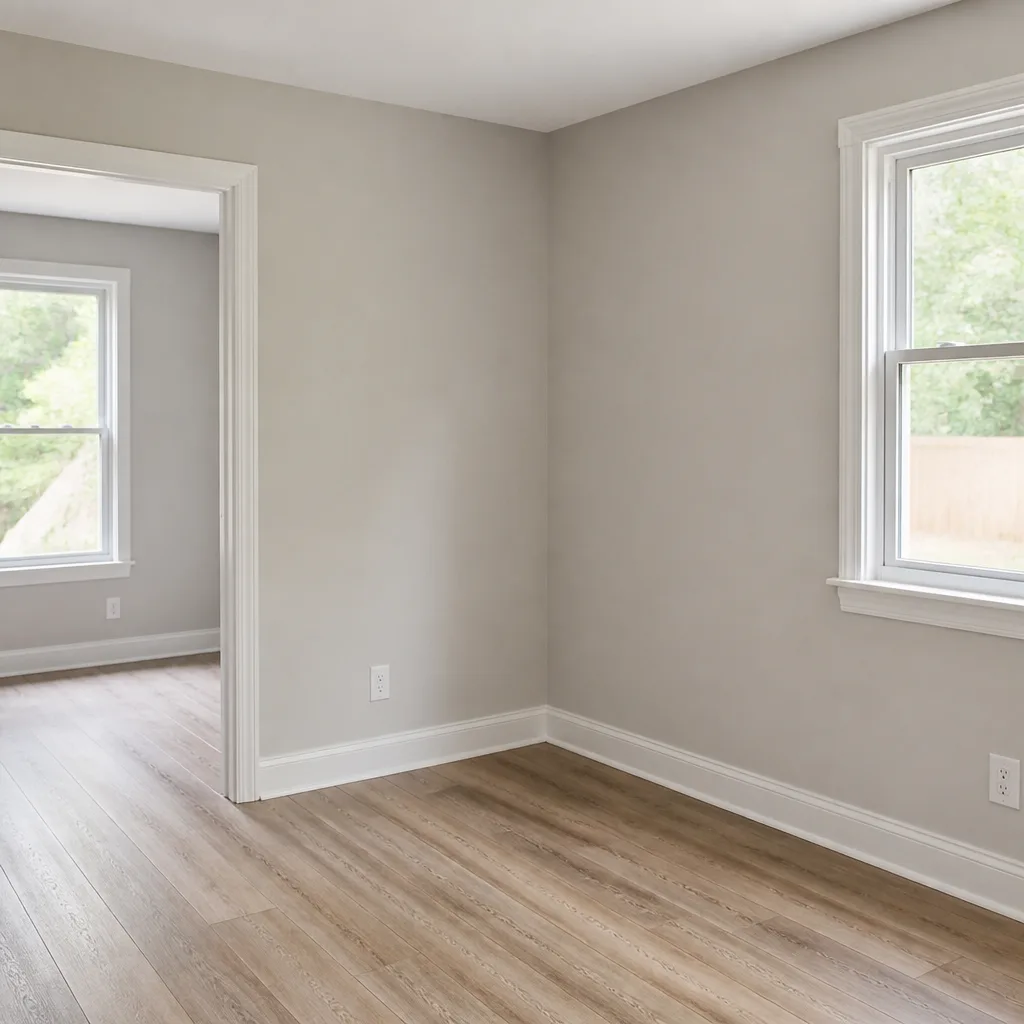
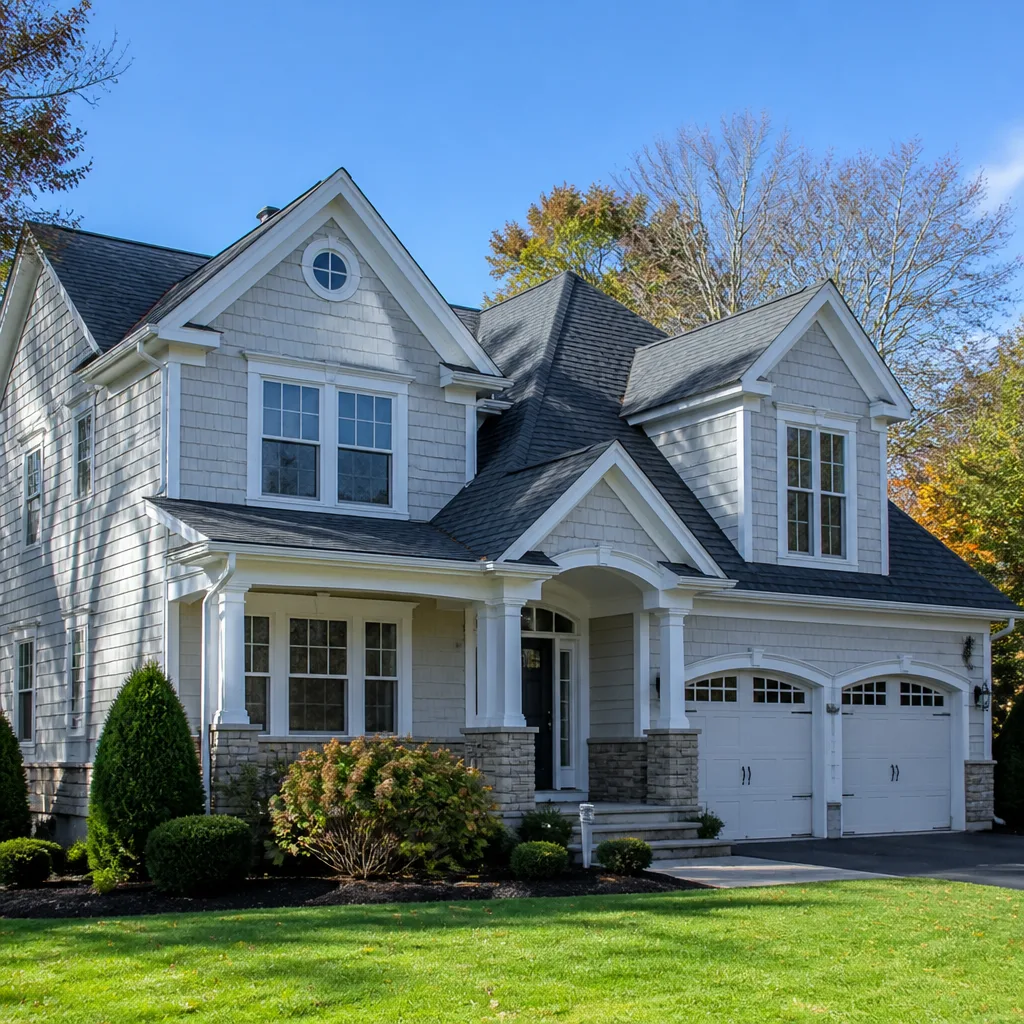
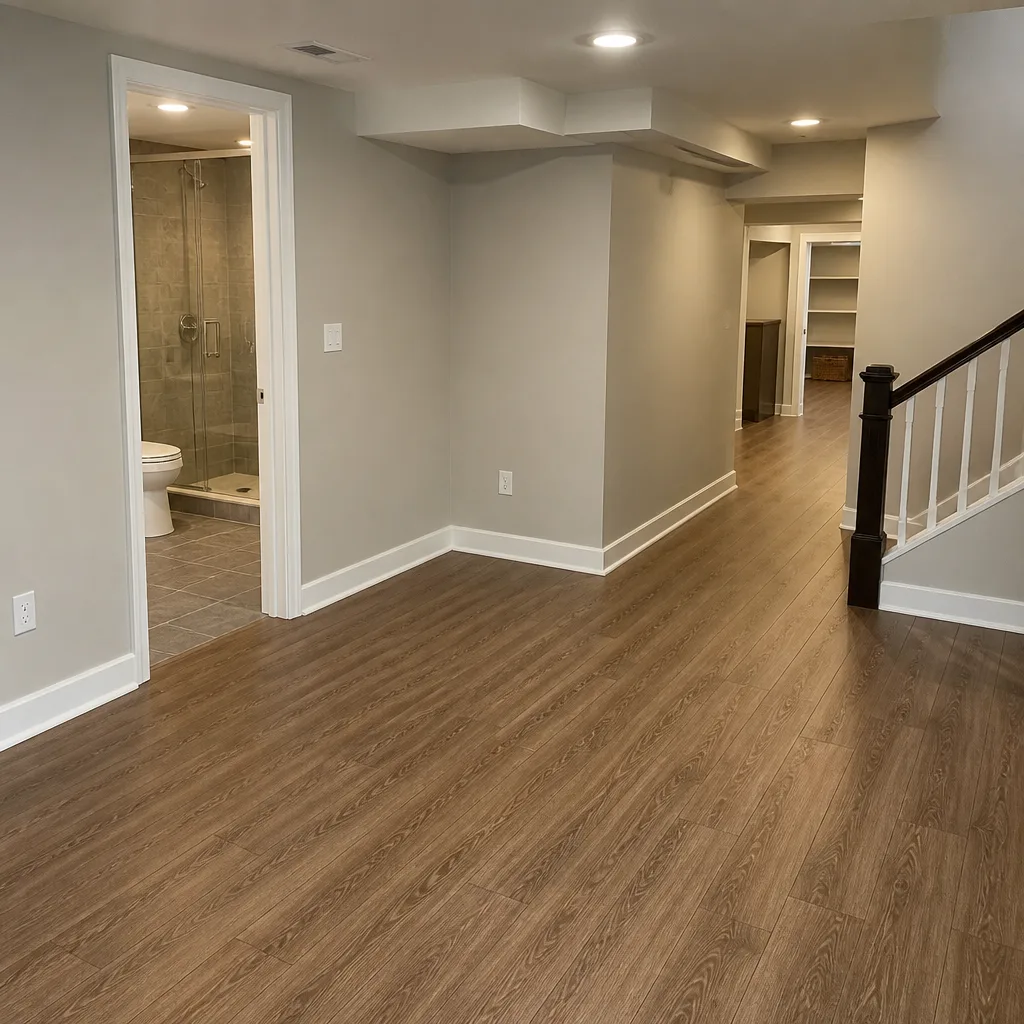
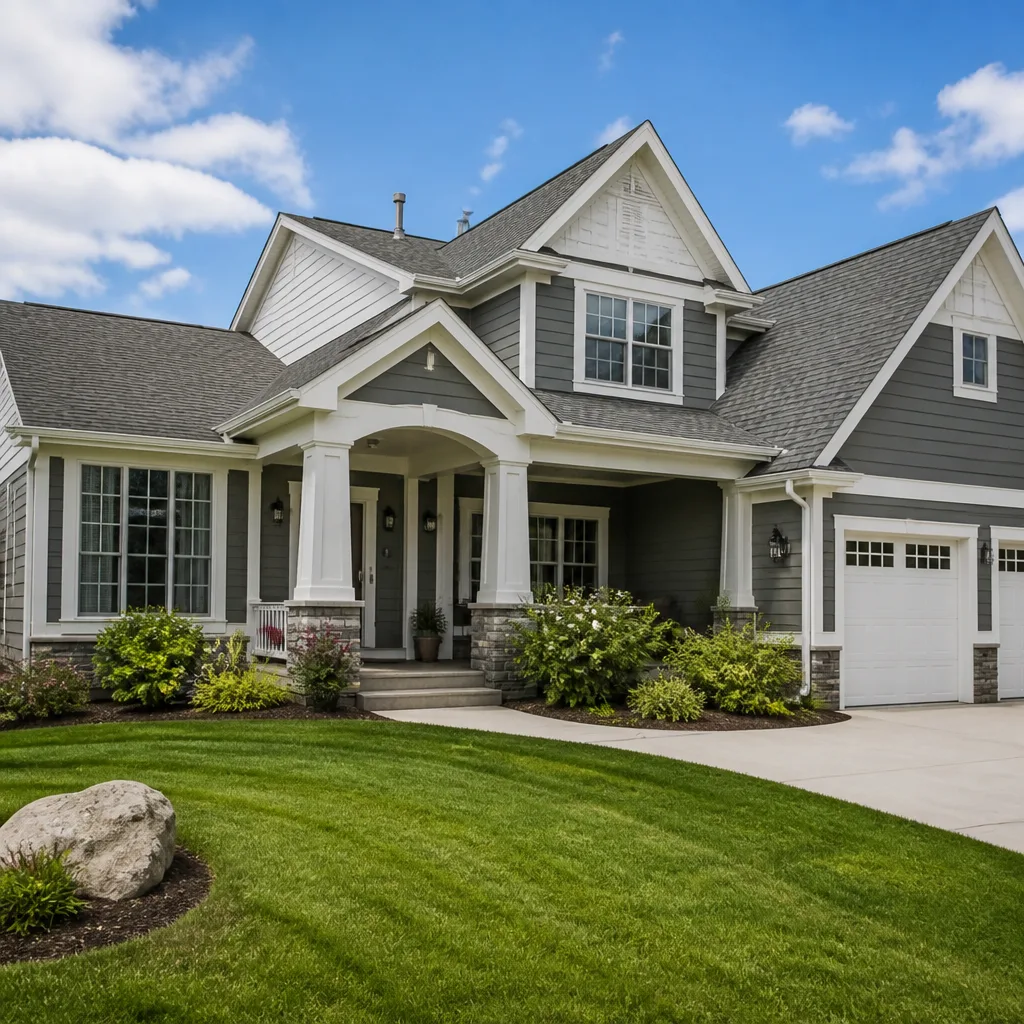
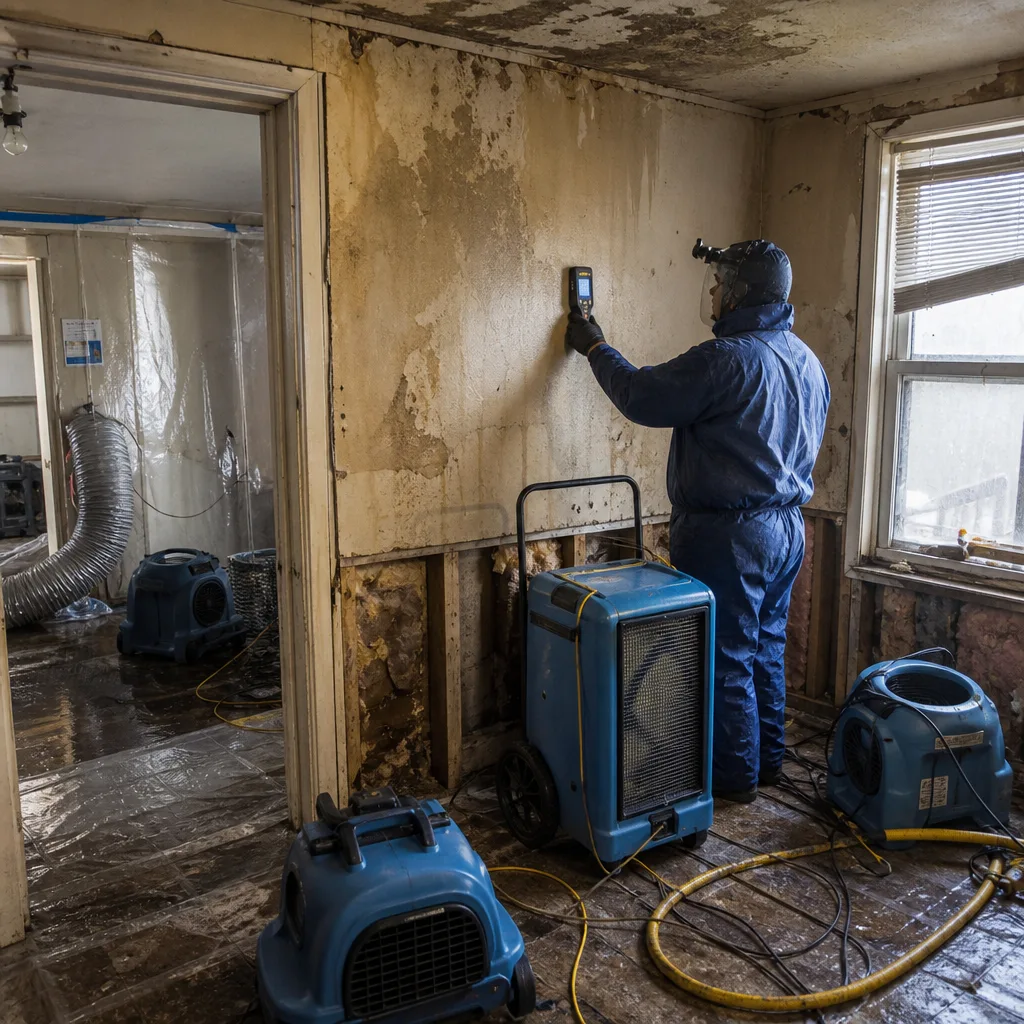 Before
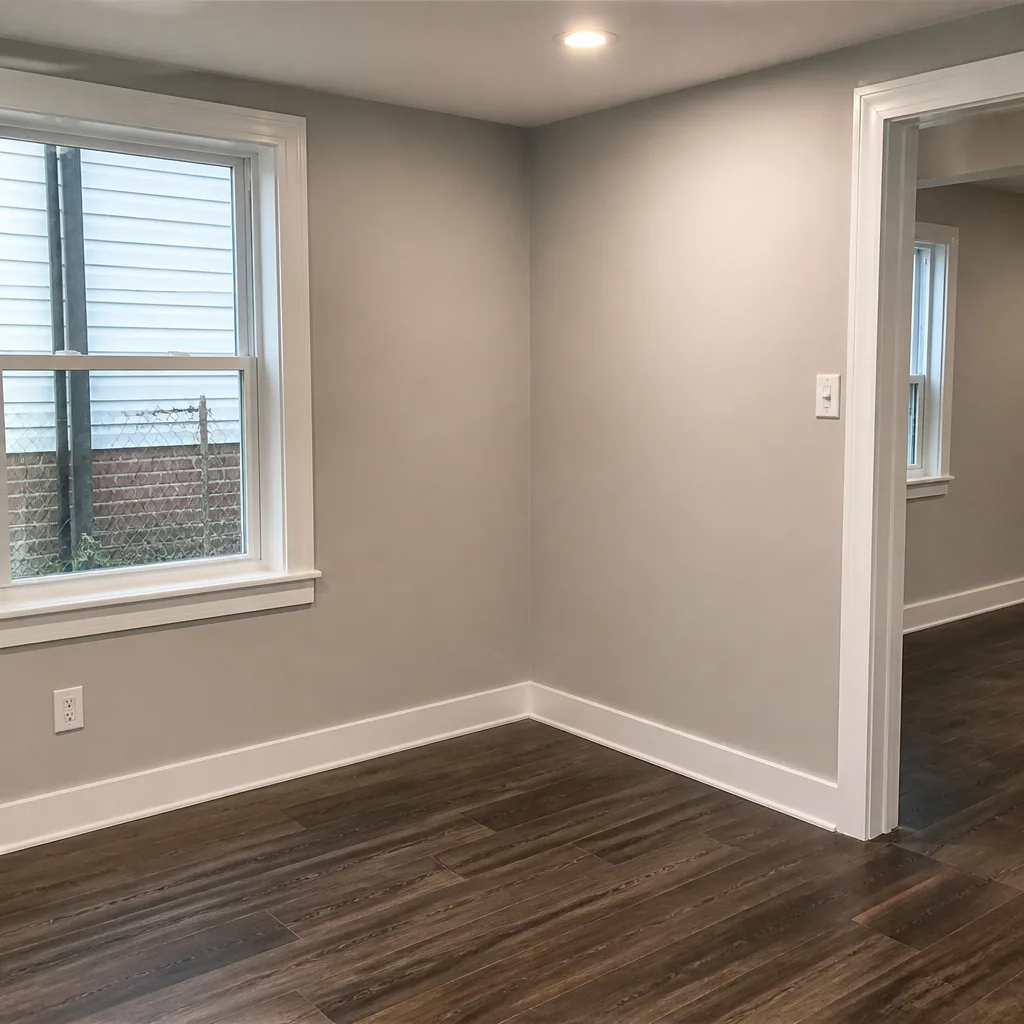 After
After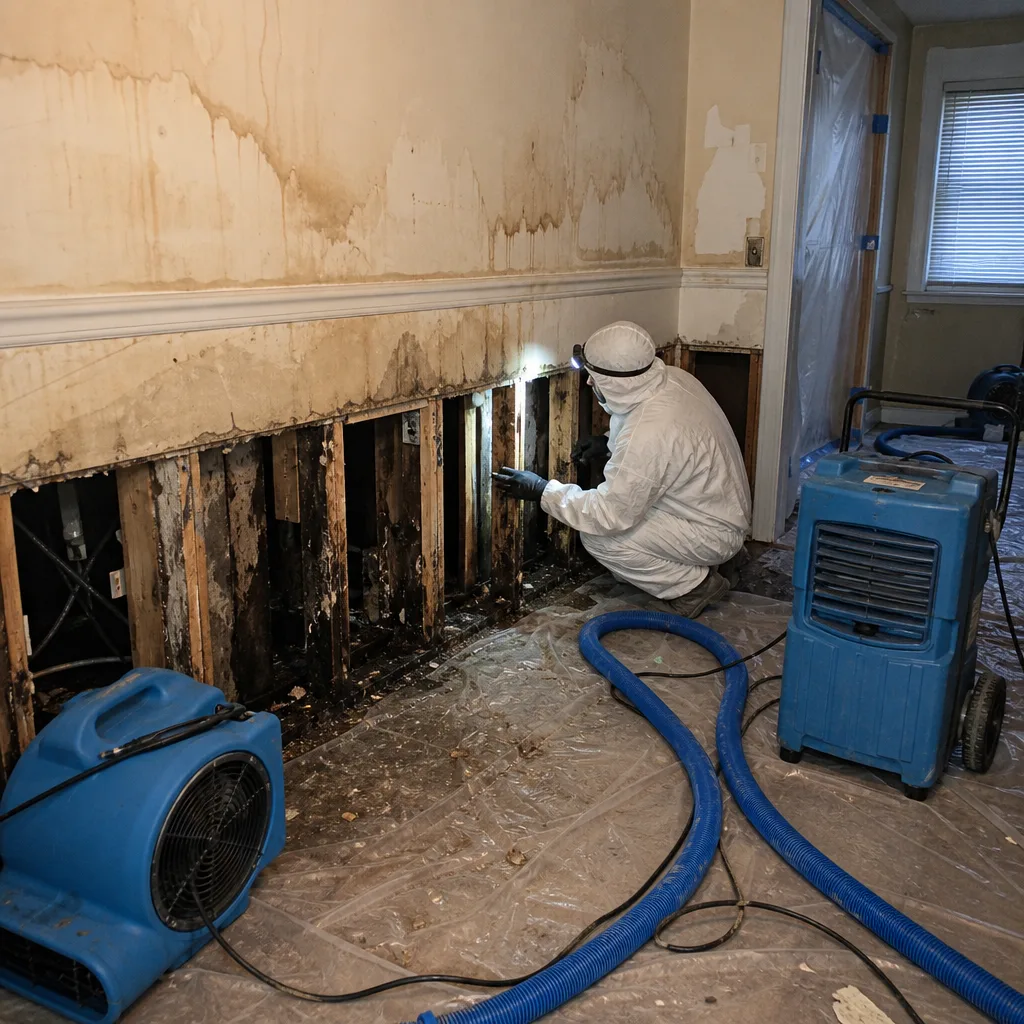 Before
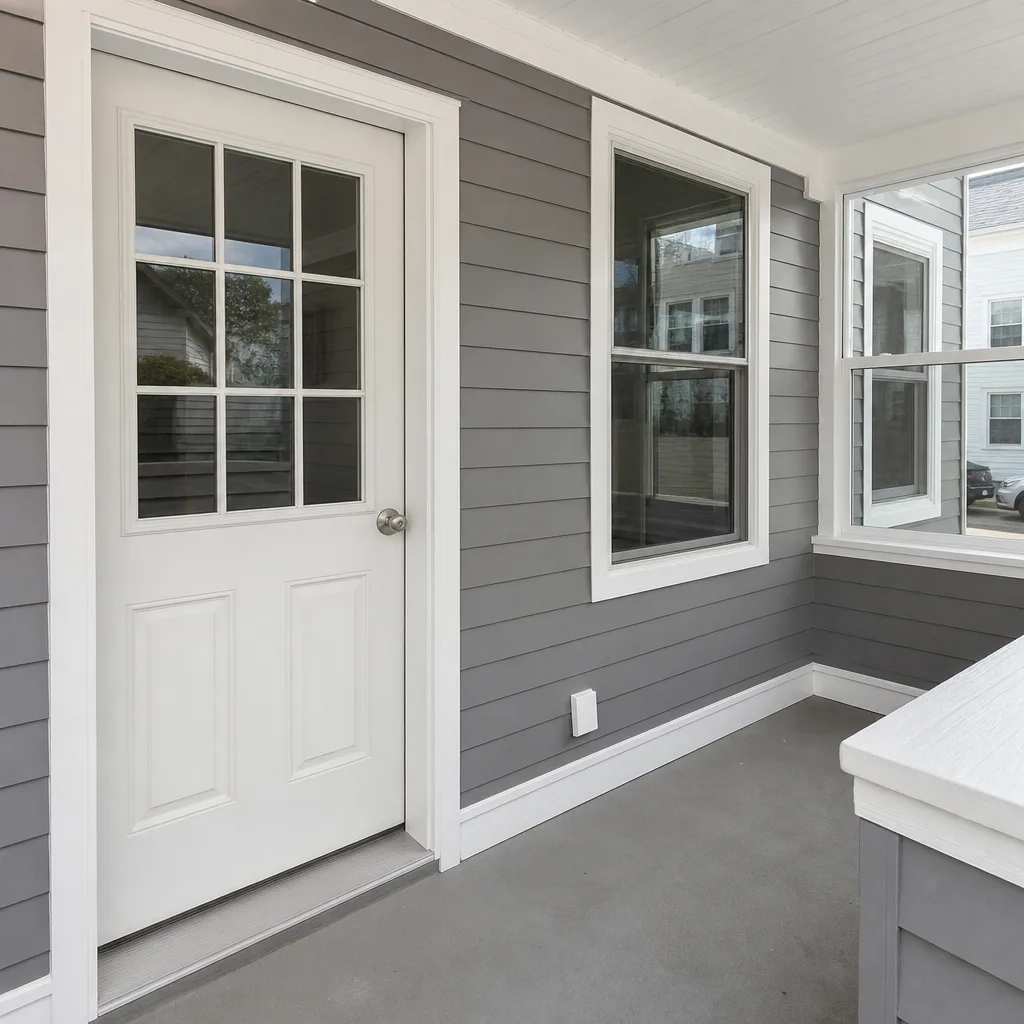 After
After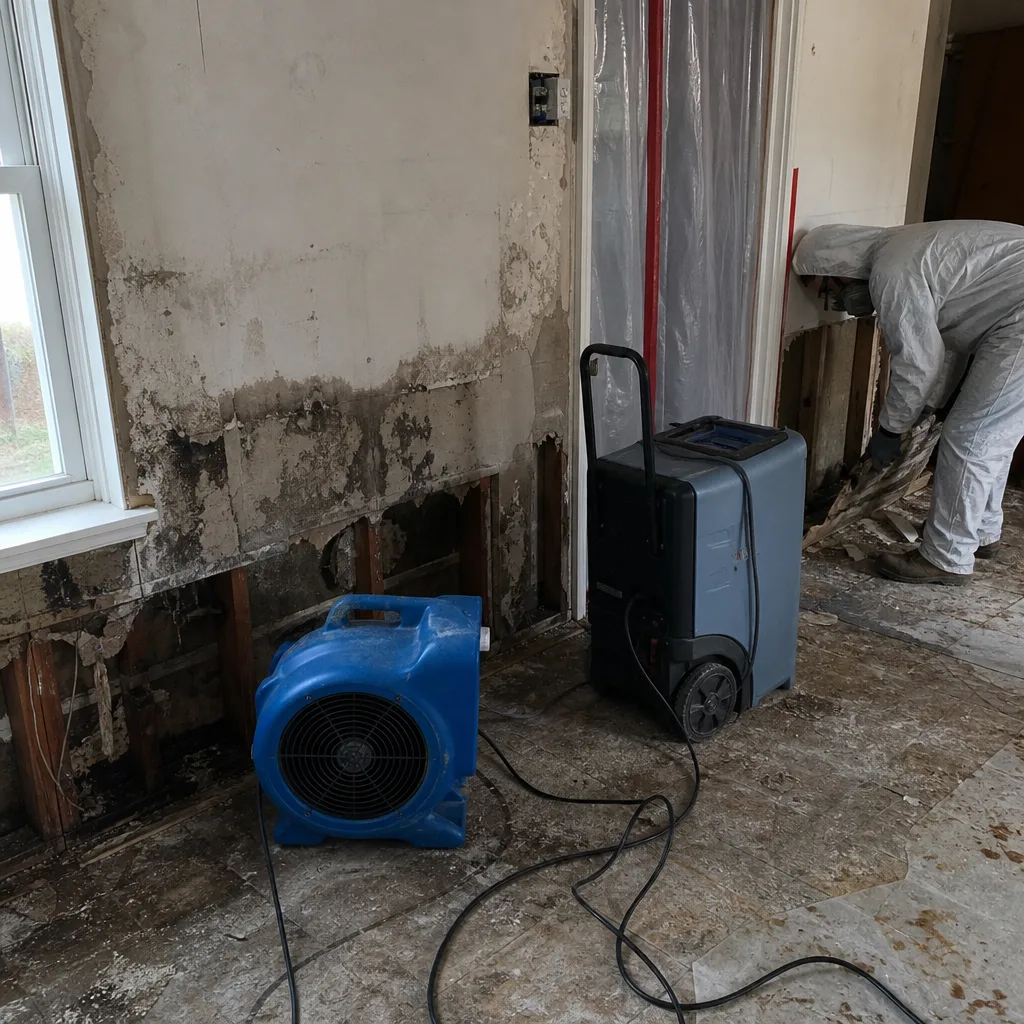 Before
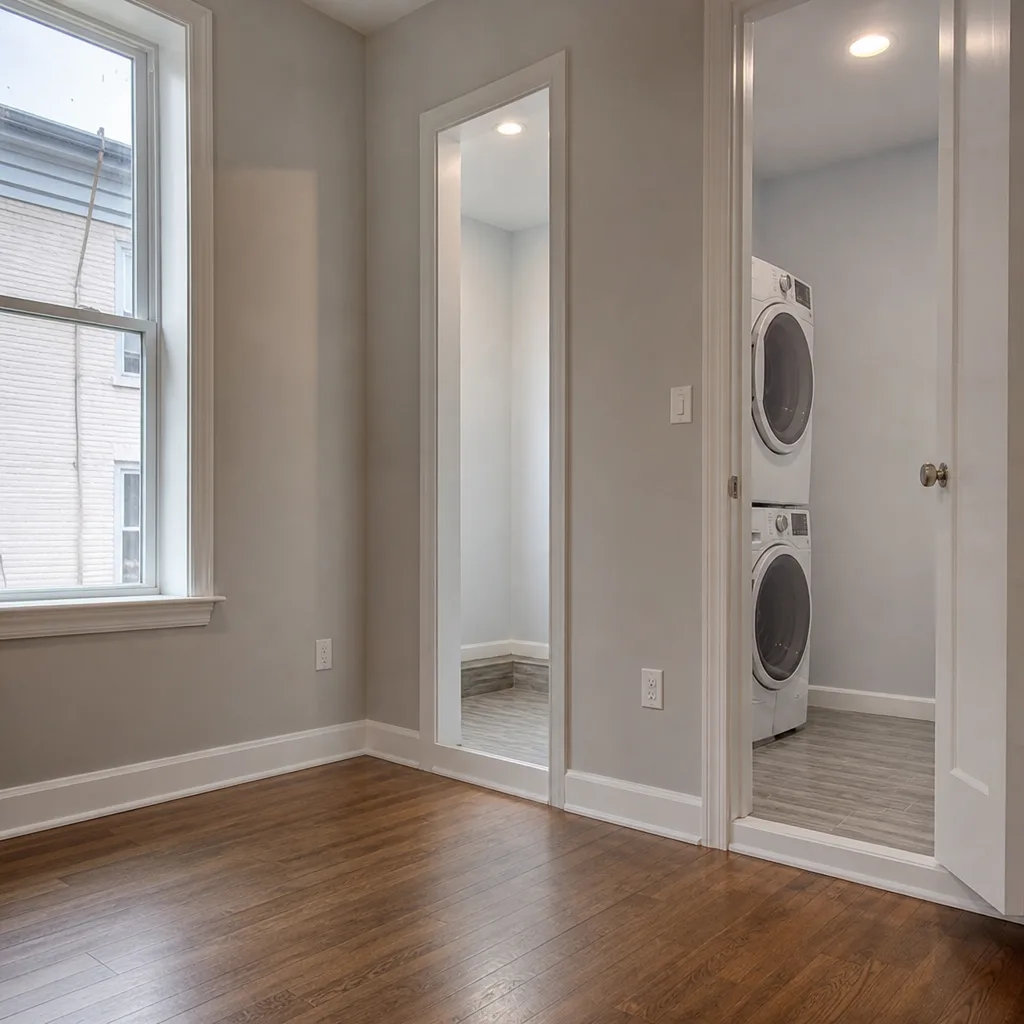 After
After24/7 Emergency Sewage Cleanup in Jersey City
A sewage backup in a Jersey City rowhouse basement is not a wait-until-morning problem. Category 3 water carries pathogens, and every hour it sits against plaster-over-masonry walls it wicks further up the foundation. Our crews are on call around the clock, dispatched from our metro office into Jersey City neighborhoods within 45 minutes, and we answer the phone with a live person at 2 a.m. Call (640) 400-9404 the moment you see soil or smell gas from a floor drain. The first hour determines whether you save the basement or replace it.
Understanding Sewage Cleanup Severity in Jersey City Properties
Not all water is equal, and Jersey City’s housing stock makes the worst category worse. Clean water from a supply line is Category 1. Gray water from a washing machine is Category 2. Sewage, toilet backflow, or any water that has touched feces is Category 3, sometimes called black water. It carries E. coli, hepatitis, salmonella, and parasites. In Jersey City, where much of the housing stock predates 1930, cast-iron drain lines under Greenville and The Heights have had a century to crack, sag, and invite root intrusion. When a lateral fails, the sewage that backs up is often mixed with Newark Bay tidal surge, which means the Category 3 designation is not a technicality. It is a health hazard that requires full containment, antimicrobial treatment, and disposal under New Jersey environmental rules. Finished below-grade basements in Bergen-Lafayette and Journal Square sit at or below the water table, which extends drying timelines and changes the entire scope of work.
Why Jersey City Property Owners Choose Floodline Restoration Co.
- 45-minute response commitment to Jersey City neighborhoods. Our dispatch board shows the nearest certified crew, not the next sales appointment. A live person answers, and a uniformed technician is rolling within the hour.
- 24/7 live answer, every day. You’ll never get a recording or a call-back queue at midnight. Curt Bowman built this company around a dispatch board, not a sales desk, in 2010, and that has not changed.
- IICRC-certified crews trained to WRT, FSRT, and AMRT standards. Background-checked, uniformed technicians handle Category 3 water the way the protocols require, every time.
- Free visual inspection before any work begins. We walk the loss site with you, explain what we see, and hand you a written scope before a single piece of equipment comes off the truck. No pressure, no obligation.
- Direct insurance billing. We bill your carrier directly and send photo documentation and moisture logs to the adjuster, so you are not the messenger between Floodline and the insurance company.
- One team from extraction to reconstruction. The same certified crew that extracts Category 3 water handles the drying, the sanitation, and the rebuild. No mid-job handoff to a sub you have never met.
Our Sewage Cleanup Process
Inspection & Assessment
We start with a thermal imaging camera and a moisture meter, not a mop. We identify the source of the backup, classify the water category, and map how far moisture has traveled through walls and flooring. In Jersey City’s attached row houses, that means checking the party wall and the basement slab, not just the visible spill.
Extraction & Stabilization
We pull standing Category 3 water with a Phoenix 200 HT or similar professional-grade extractor, then shut down the source. If the backup is tidal, we seal the sump pit first so the extraction is not undone overnight. This is the step most often done wrong in flood-zone neighborhoods like Greenville.
Drying & Dehumidification
We set professional-grade equipment: Dri-Eaz dehumidifiers, XPOWER air movers, and hygrometers to track moisture daily. In Jersey City’s plaster-over-masonry walls, we run drying longer than standard because lime plaster holds water like a sponge. We hand you the drying log, not just a verbal update.
Cleaning & Sanitization
All affected surfaces get an EPA-registered antimicrobial treatment. We HEPA-vacuum and wipe down every exposed surface. In attached row houses, we run a Dri-Eaz HEPA 500 air scrubber to keep aerosolized particulates from migrating through shared voids into the neighbor’s unit.
Containment & Air Scrubbing
Before any drywall or trim is disturbed, we set up full containment with negative air pressure. This is not optional on Category 3 jobs. It protects your family, your neighbors, and our crew. If your home is a two-family, the tenant’s unit gets sealed off as well.
Repairs & Restoration
Once the moisture readings hit the dry standard, we rebuild what came out: drywall, baseboards, flooring, and any structural repairs. Because we are a full-cycle restoration company, the same crew that wet-vacced the floor is the crew that hangs the new drywall. You never inherit a sub.
Need Emergency Sewage Cleanup in Jersey City Now?
Crews minutes away, answering live 24 hours a day. The sooner we start, the less it costs.
Working With Your Insurance Company
A sewage backup claim in Jersey City moves faster when the documentation is built from hour one. We photograph every room before we touch anything, log moisture readings daily, and send a line-item scope directly to your carrier. If your policy includes sewer backup coverage, we speak in the language adjusters expect: dry standard met, containment sealed, antimicrobial applied. You do not chase paperwork. We bill your carrier directly and keep you copied. For homeowners in Greenville and other FEMA flood zones, we also watch the Substantial Damage line closely, which we cover below, because one careless line item can cost a homeowner six figures.
What We Provide Your Insurer
- Thorough documentation of the loss
- Photos of all damage, room by room
- Moisture readings and drying logs
- A detailed, line-item scope of work
- Direct coordination with your carrier
Built for Jersey City’s Loss Calendar
Jersey City’s geography dictates when sewage backups spike. January deep freezes send supply lines bursting in uninsulated basements across The Heights, and the same freeze can crack old cast-iron drain stacks in pre-war walkups near Journal Square. Spring thaw pushes groundwater up through foundation cracks in Bergen-Lafayette, and when that groundwater meets a failing lateral, the result is a mixed black water backup. Summer thunderstorms overwhelm the combined sewer system in low-lying Greenville, forcing sewage back through basement floor drains. And every time a nor’easter or tropical remnant stacks storm surge against Newark Bay, the same streets flood again. The pattern is not a one-time catastrophe here. It is a recurring seasonal reality in specific zip codes. Call us when it happens in yours.
Sewage Cleanup Across Jersey City’s Neighborhoods
The response route matters. Our crews know that Greenville means one-way streets near the Bayonne line, basements that sit in FEMA Special Flood Hazard Areas, and sump pits that can re-flood on a rising tide. In The Heights, we expect steep streets, narrow alley-load garages, and 1910-era cast-iron laterals with root intrusion behind Bowers Street and Ogden Avenue. Journal Square means attached walkups where a sewage backup in one unit travels through shared plumbing chases into the unit below, so containment and air scrubbing are non-negotiable. Bergen-Lafayette row houses often have finished basements directly below grade with no drainage slope to daylight, which changes how we stage extraction. And along the Hudson waterfront high-rises, a sewage event in one condo unit can cascade through common areas, meaning HOA liability and coordination with building management from day one. Each neighborhood has its own failure pattern, and we have seen them all.
Specialized Sewage Cleanup Services We Offer in Jersey City
Sewage Backup Cleanup
When a clogged or collapsed lateral forces sewage back through basement drains in Jersey City, speed matters. We clear the line, contain the spill, extract the Category 3 water, and begin antimicrobial treatment the same visit. Most sewage backup jobs are completed in a single visit using Dri-Eaz and Phoenix equipment, with drying logs handed to you and your carrier.
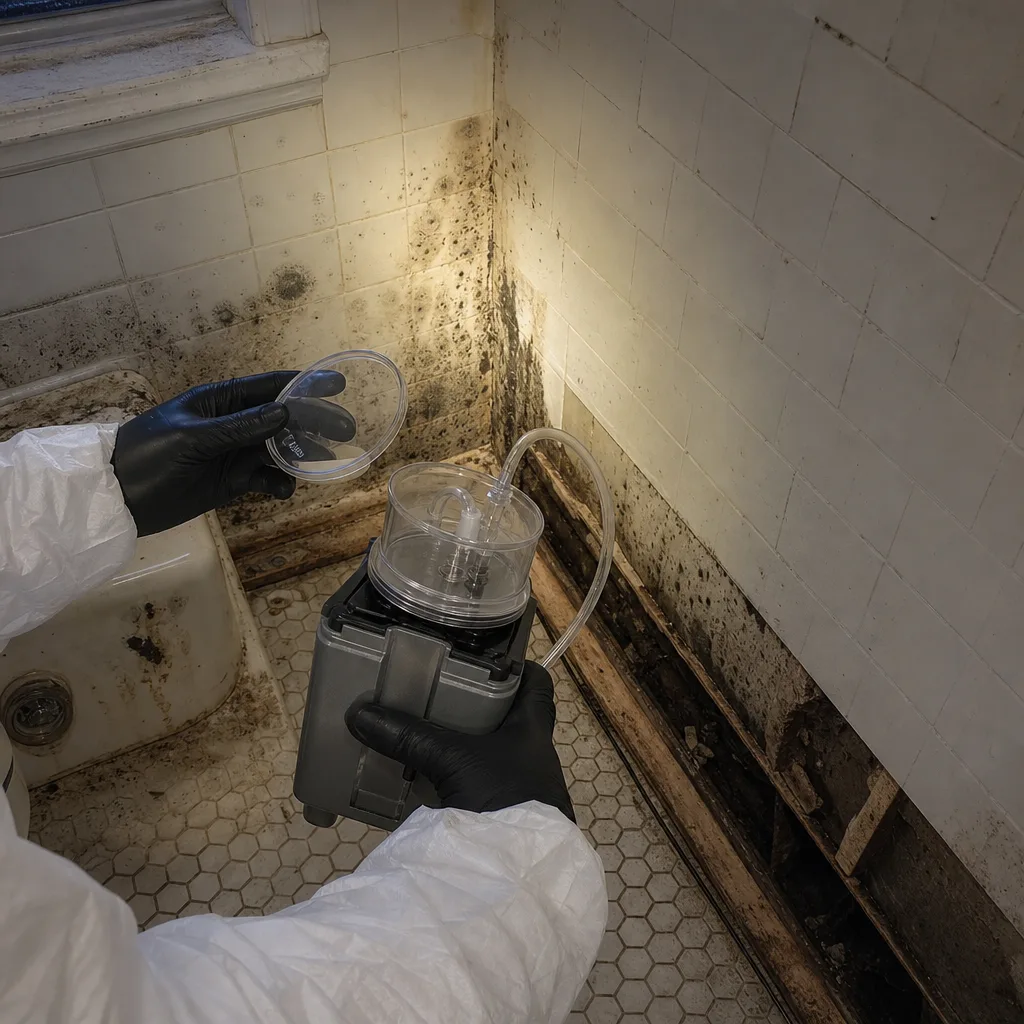
Black Water Extraction
Black water extraction in Jersey City basements is not simple wet-vac work. We use truck-mounted and portable extraction units rated for Category 3, which means solids, pathogens, and odor. In Greenville and other Newark Bay-adjacent areas, this often means extracting water that has been mixed with tidal surge, which changes the contamination profile and the disposal protocol.
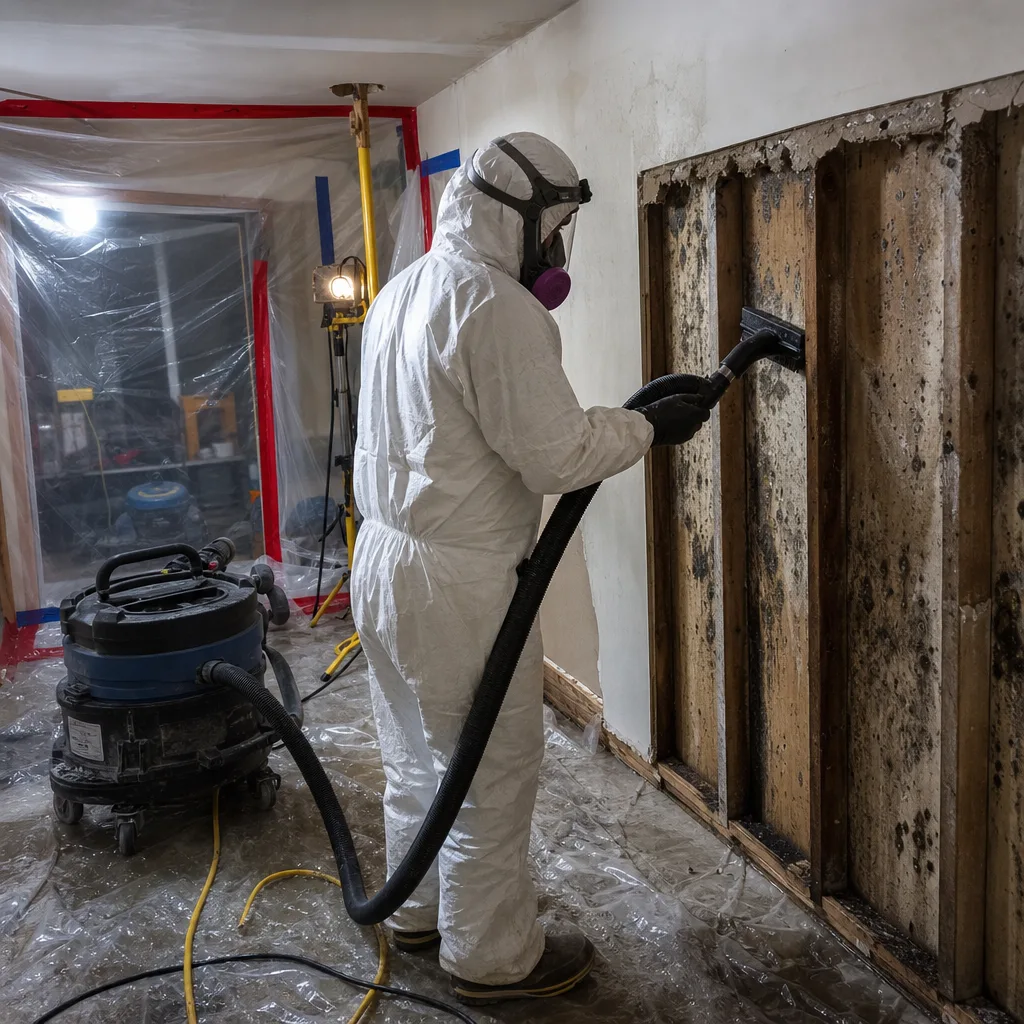
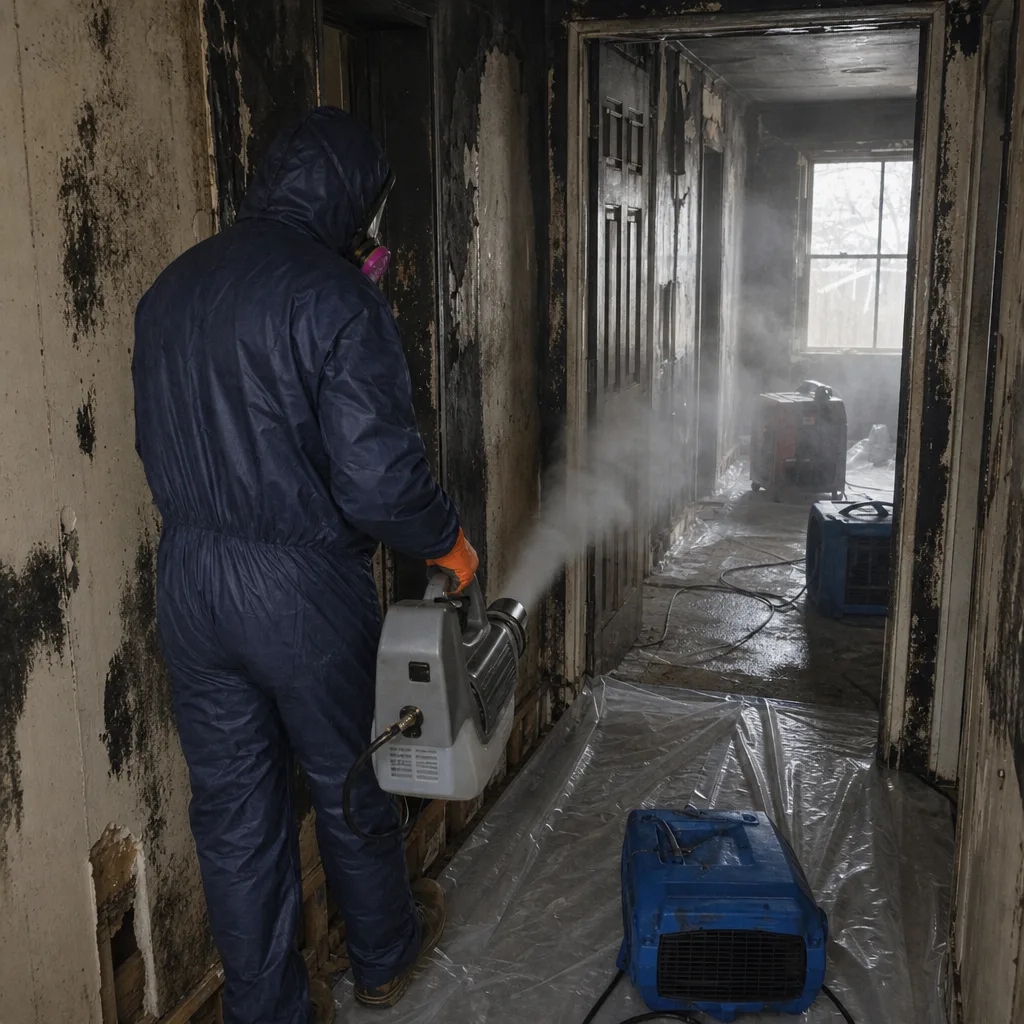
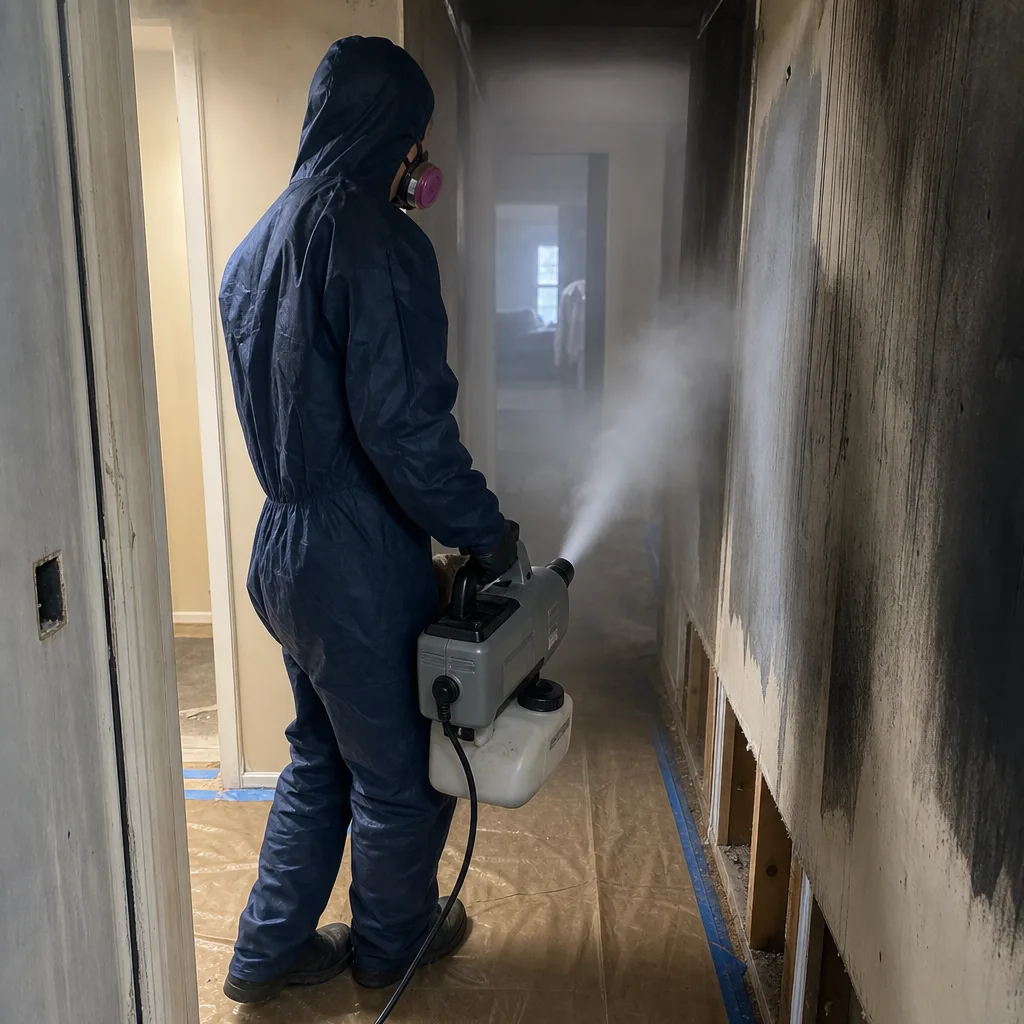
Sanitization & Disinfection
After extraction, we apply EPA-registered antimicrobials to every affected surface, including the concrete slab, stud cavities, and the low 18 inches of wall that wicked moisture. In attached Jersey City housing, we also set up air scrubbing with HEPA filtration so sewage particulates do not drift into a neighbor’s living space through a shared attic or party wall void.
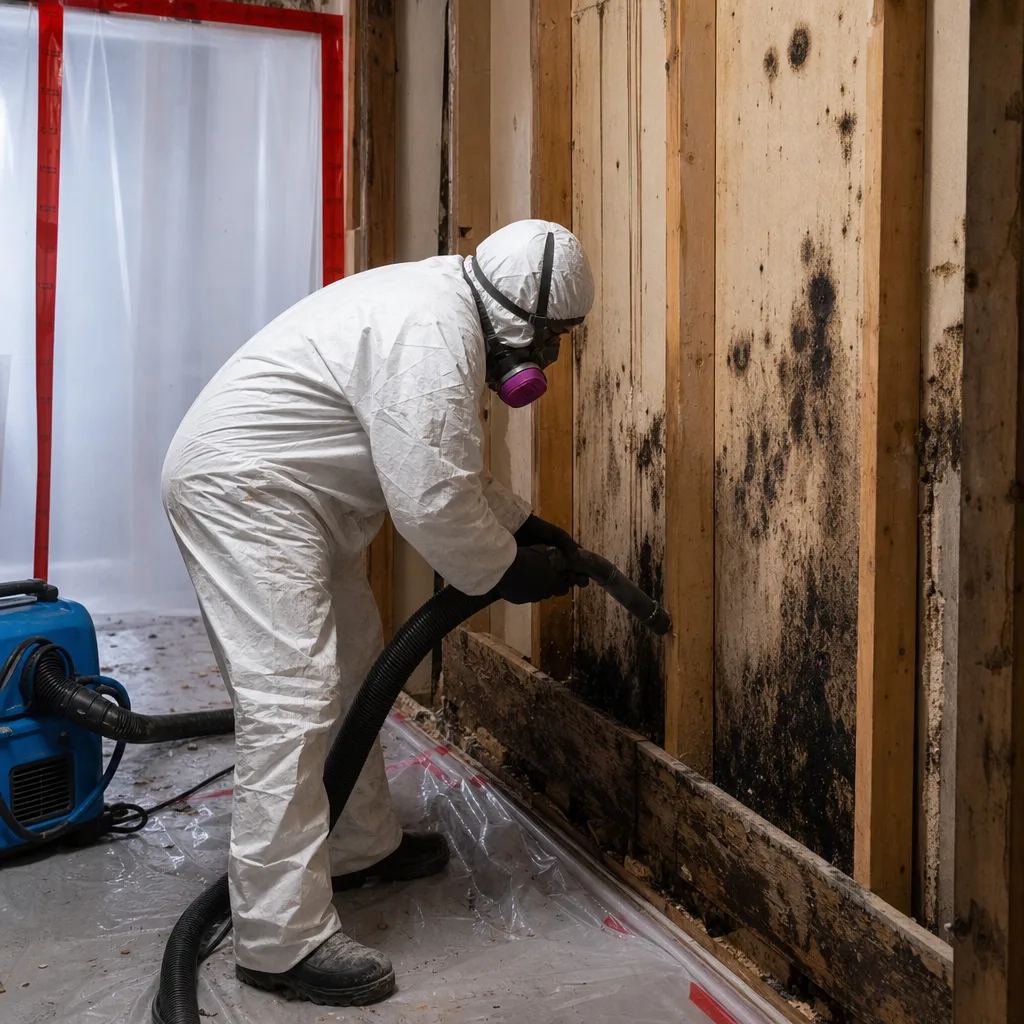
Toilet Overflow Cleanup
A toilet overflow in a Journal Square apartment or a Greenville Cape usually spreads within minutes. We respond the same hour, extract the spill, remove and dispose of contaminated flooring and baseboard, and sanitize the subfloor. If the overflow came from a building stack backup, we flag the underlying plumbing issue for your plumber rather than just mopping up the mess.
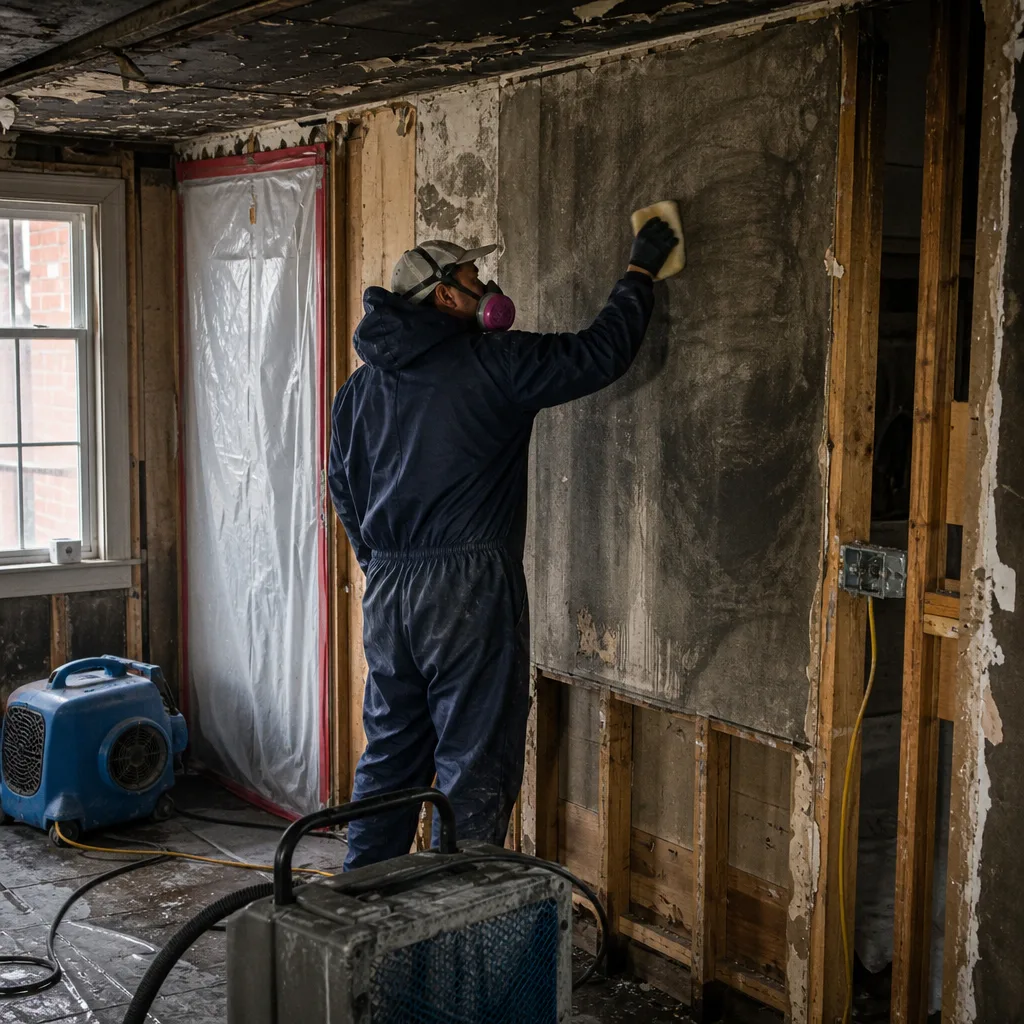
Septic Failure Cleanup
Some older Jersey City properties near the western edge still run on septic systems, and when a septic field fails it can surface as black water in the yard or a basement backup. We extract, contain, and sanitize, then coordinate with a septic contractor for the system repair. Our scope-of-work report separates the cleanup from the system failure, which keeps your insurance claim clean.
Crawl Space Sewage Removal
Crawl spaces under Jersey City rowhouses are tight, dark, and often damp already. When a broken line floods one, we send technicians in full PPE with portable extraction and HEPA air scrubbers. We do not leave sewage-soaked soil under your house. The dirt comes out, the area is treated, and we log moisture before closing the access.
What happens when you call
- 1
A real person answersNo phone trees - you reach a local pro.
- 2
You get an upfront price rangeHonest numbers before anyone is dispatched.
- 3
A background-checked tech heads outLicensed & insured, dispatched right away.
- 4
You approve before work beginsNothing starts until you say go.
Sewage Cleanup Costs in Jersey City, NJ
A straightforward sewage backup cleanup in Jersey City runs $1,200 to $3,500 for a single basement extraction with sanitization and basic drying. If the backup affects multiple rooms, or if drywall, flooring, and baseboards must come out, expect $4,000 to $9,000. Full Category 3 remediation with containment, air scrubbing, wall and floor replacement, and structural drying in a Greenville or The Heights finished basement typically lands between $8,000 and $18,000. What moves the number: how long the water sat, whether walls wicked moisture above the 18-inch line, and whether tidal re-inundation forces an extended drying timeline. Insurance often covers the cleanup and mitigation when the policy has sewer backup coverage; the rebuild portion depends on your policy. The free visual inspection gives you a firm, written scope before anything begins, so you know the number before you sign.
We Also Serve Cities Near Jersey City
Beyond Jersey City, our crews respond to sewage backups in Secaucus, Kearny, Hoboken, and Union City, often within the same hour. If you are in a neighboring town and the basement drain is backing up, call us at (640) 400-9404.
Jersey City Sewage Cleanup Questions, Answered
How does Jersey City’s Substantial Damage rule affect my sewage cleanup in Greenville?
In Jersey City’s FEMA Special Flood Hazard Areas, including much of Greenville, if your total restoration cost, cleanup plus rebuild, equals or exceeds 50% of your building’s pre-damage market value, the structure must be brought into current floodplain compliance, which often means elevating a 100-year-old row house. We write our scope-of-work reports to document every line item carefully and flag any risk before work begins. Call (640) 400-9404 and we will explain where your job stands while we are still standing in the basement.
Can sewage backup in my Journal Square walkup contaminate neighboring units?
Yes, and this is exactly why we set up containment and HEPA air scrubbing on attached housing in Journal Square and The Heights every single time. Sewage particulates travel through shared attic voids, floor joist bays, and chase walls. If we skip containment, we are not just exposing your family, we are exposing your neighbor’s. We never skip it. Call (640) 400-9404 if you smell sewage in a shared vestibule or hear gurgling from a wall you share.
Why did you delay structural drying after extracting sewage from my basement near Newark Bay?
Because if a high tide or storm surge pushes Category 3 water back through the municipal system into your cast-iron drain while our air movers are running, the drying plan is void and we start again. In low-lying neighborhoods near Newark Bay and the Hackensack River, we verify the tide has receded below the slab before we commit to structural drying. It is not a delay for its own sake; it is the only way to dry a basement once, correctly, without re-contamination.
What’s the difference between a sewage backup and a septic failure in Jersey City?
A sewage backup comes from a municipal sewer line or lateral, usually a clog or collapsed cast-iron pipe. A septic failure is a private on-site system issue, mostly on older properties near the western edges of the city. Both produce Category 3 water and get the same cleaning and sanitization protocol from us, but the insurance claim and the underlying repair path are different. We separate the cleanup from the system failure in our scope so your carrier understands what they are paying for.
Do I need a public adjuster for sewage cleanup in Bergen-Lafayette?
You do not need one, but you absolutely need a restoration company that documents the loss like an adjuster would. We photograph every room before we move anything, log moisture readings daily, and provide a line-item scope with industry-standard pricing. If your claim is complex, or if you are near the Substantial Damage threshold, we can coordinate with a public adjuster you hire. We bill your carrier directly either way.
How fast can you actually get to my house in Jersey City?
Our commitment is 45 minutes to most Jersey City neighborhoods. We answer the phone with a live person at any hour, and the nearest certified crew gets dispatched immediately. No call-back queue, no answering service, no waiting for a “regional manager” to approve the response.
Can we stay in the house during sewage cleanup?
In most single-family homes, yes, as long as the affected area is sealed with containment and the rest of the house has clear air. In attached housing where sewage particulates have migrated into shared voids, we may recommend temporary relocation while air scrubbing runs. We tell you straight at the free inspection, before we start, so there are no surprises.
What should I do in the first 30 minutes after a sewage backup in Jersey City?
Turn off electricity to the affected area at the breaker if you can reach it safely. Do not flush toilets or run water. Keep children, pets, and anyone with respiratory issues away from the area. Open windows if the smell is strong. Then call (640) 400-9404. The first 30 minutes decide whether we are cleaning a contained spill or tearing out drywall next week.
The Greenville Tide Constraint: Why We Wait Before Drying
Here is something a national franchise’s sewage cleanup page will not tell you. In Jersey City’s FEMA Special Flood Hazard Areas, particularly Greenville and the southern lowlands, a sewage backup is often not a single event. Newark Bay tidal flooding pushes Category 3 water back through the municipal system into cast-iron basement drains. We have seen basements re-flood overnight after extraction because a crew did not seal the sump pit first or check the tide chart. Our protocol in these neighborhoods is simple: extract, contain, verify the tide has receded below the slab, then start structural drying. That re-inundation cycle is real, and skipping the verification step voids the drying plan and costs you days. Jersey City homeowners near the Bay know exactly what we are talking about.
Serving Jersey City, NJ - Our Local Coverage Area
We’re based in the Jersey City area and know this community well. Use the map below to see our service coverage - if you’re nearby, we can almost certainly help.
A Bowers Street Job We Will Not Forget
We ran a sewage backup cleanup on a 1910 brick row house on Bowers Street in The Heights after a root-blocked cast-iron lateral backed Category 3 water into a finished basement. Our techs set up full containment, used a Dri-Eaz HEPA 500 for air scrubbing, extracted black water with a Phoenix 200 HT, then ran moisture mapping and documented drying logs across plaster-over-masonry walls after antimicrobial treatment. The scope-of-work report was written to stay under Jersey City’s Substantial Damage threshold, protecting the homeowner from a forced elevation order. That is the job: clean the mess, document every reading, and keep the homeowner out of a compliance nightmare.
Written by Curt Bowman, Owner at Floodline Restoration Co., serving Jersey City with certified sewage cleanup and full-cycle restoration since 2010.