
Free visual inspection and a written scope of work before any mitigation begins - photos, moisture readings, and drying logs go in your claim file
The scope we write is the scope we bill. Anything new gets shown to you, in writing, before we touch it.

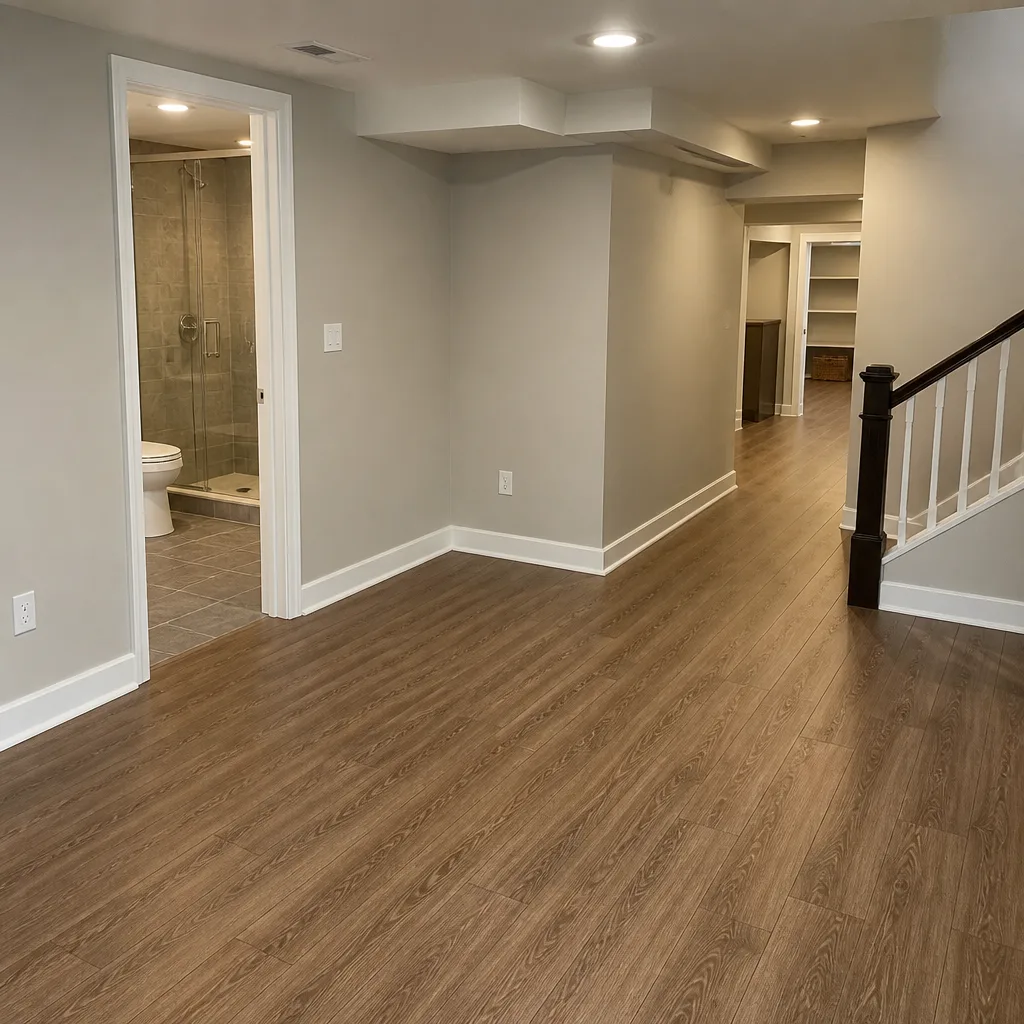

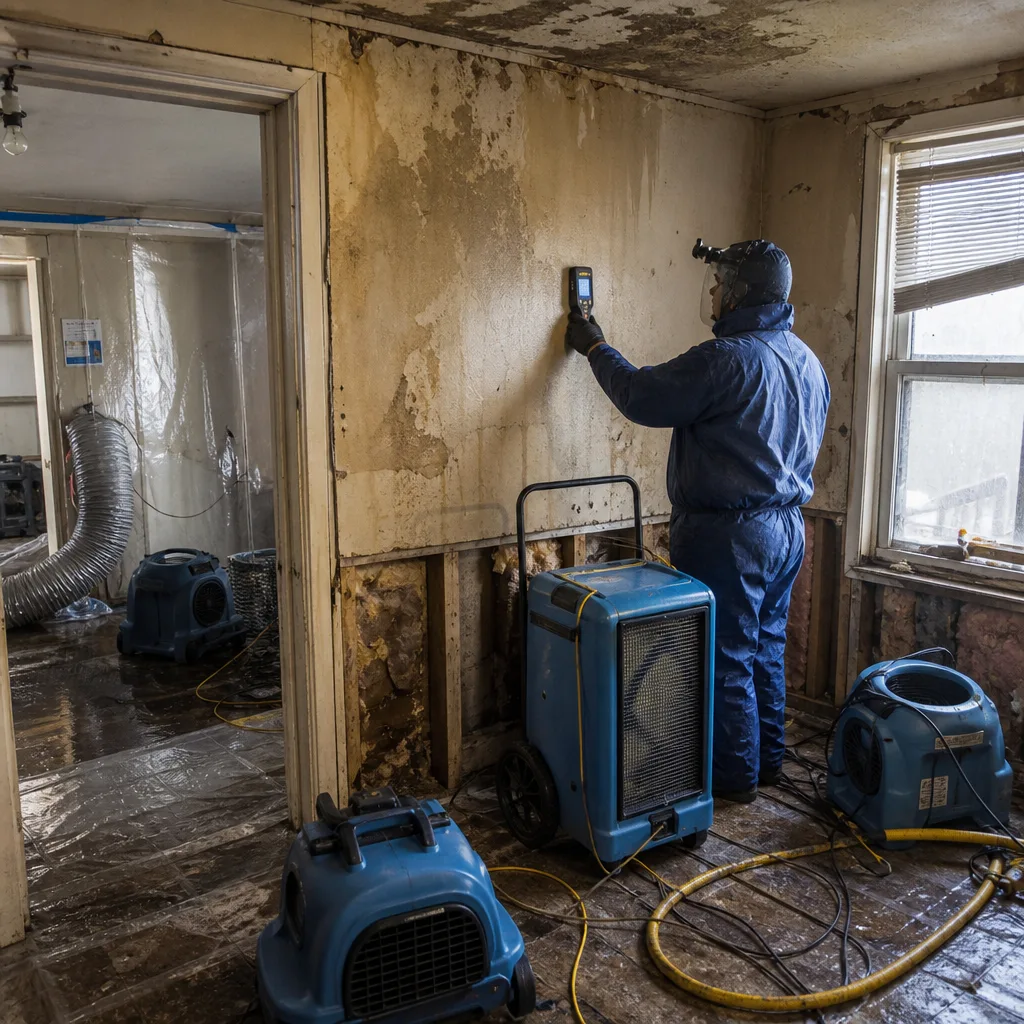 Before
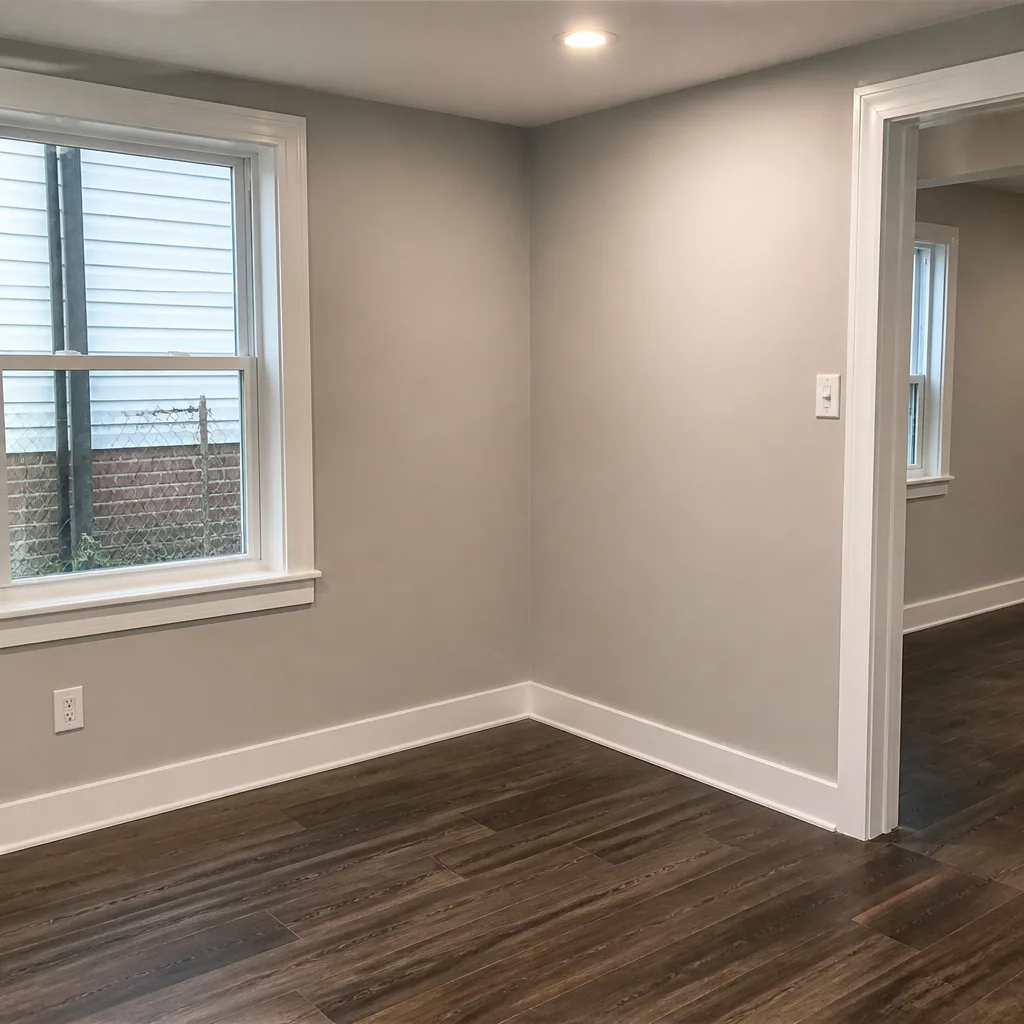 After
After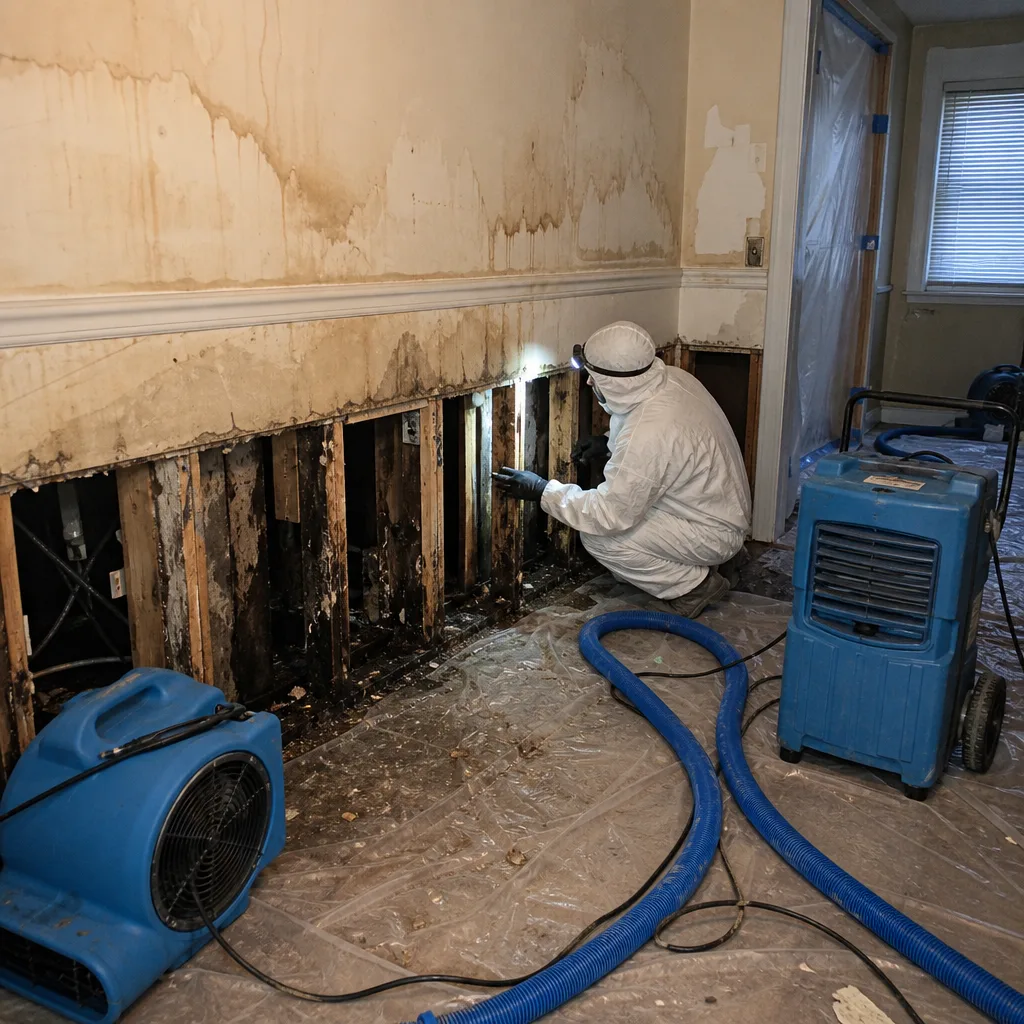 Before
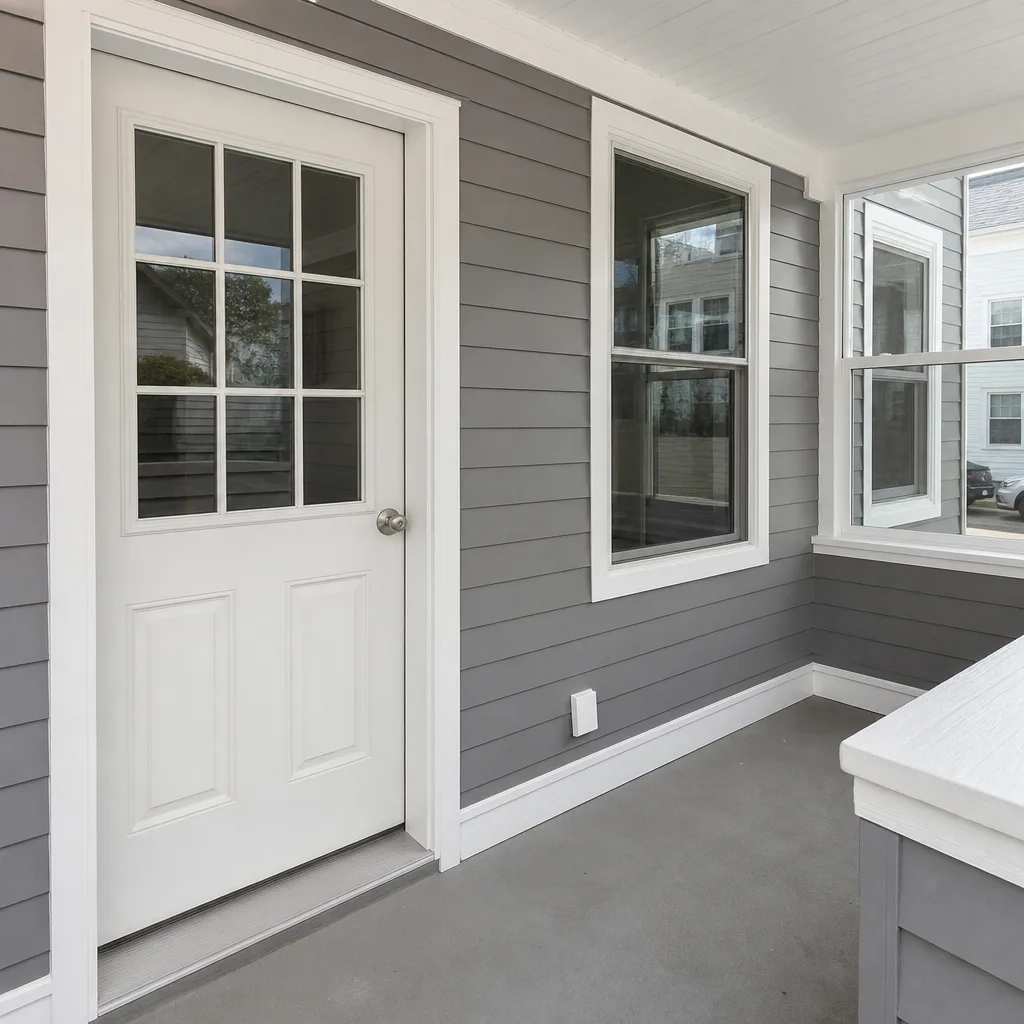 After
After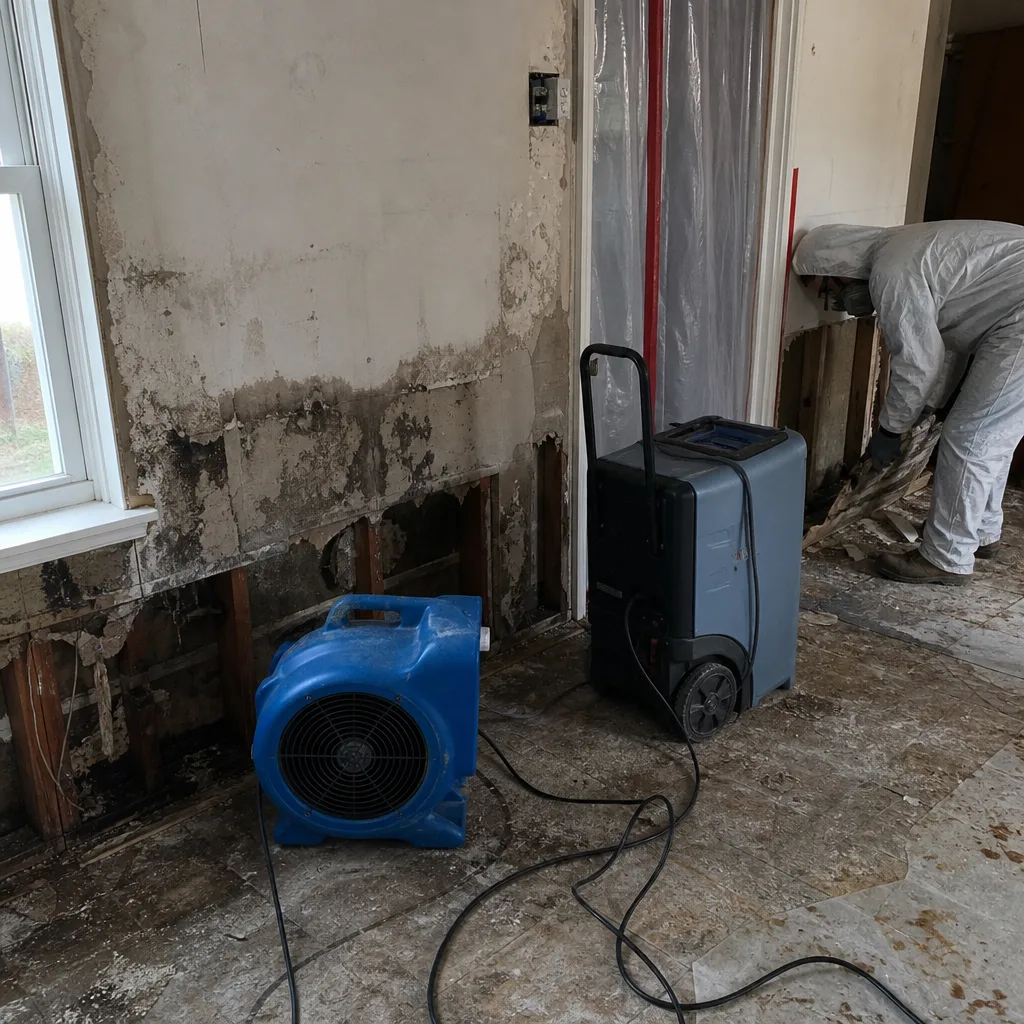 Before
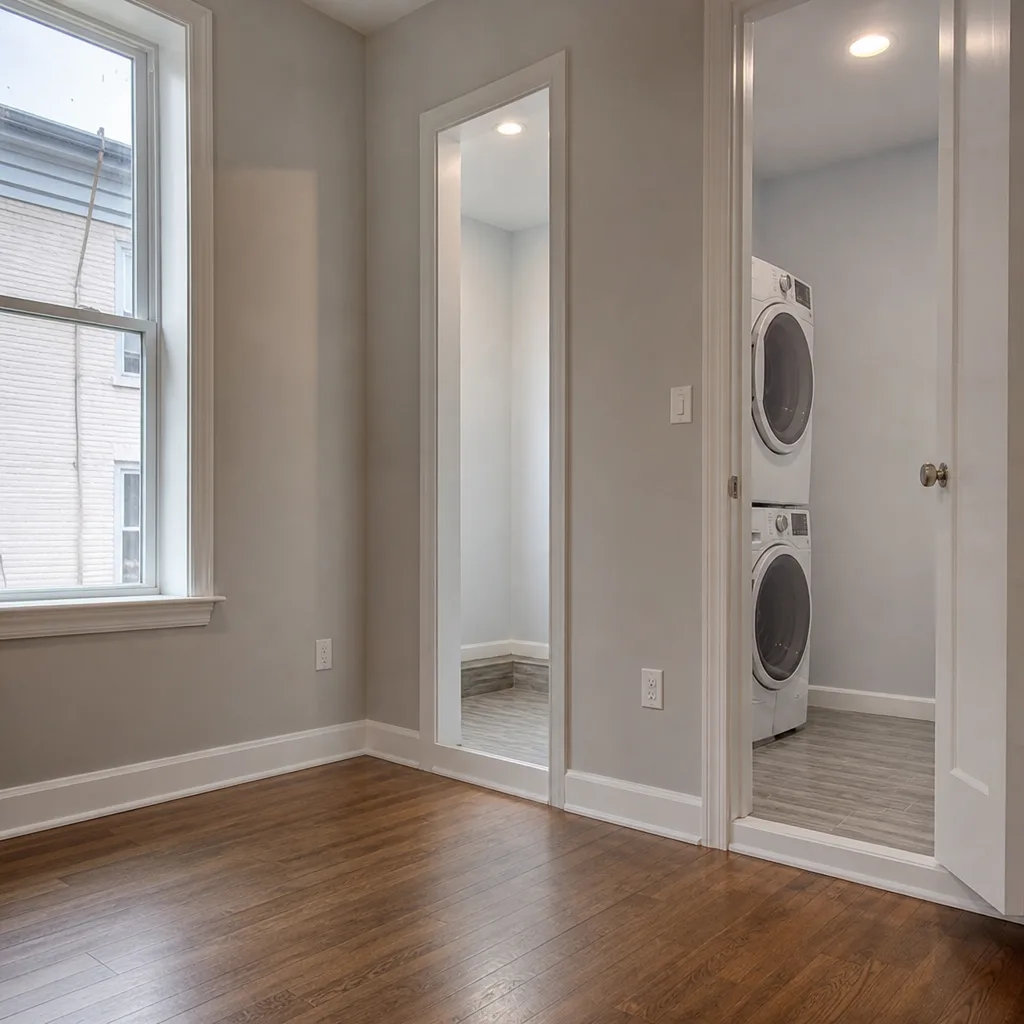 After
After24/7 Emergency Sewage Cleanup in Hoboken
Sewage cleanup in Hoboken is a call you should make the moment you see black water backing up into a basement or first-floor bath. A live dispatcher at (640) 400-9404 answers around the clock, every day, and we get a Floodline Restoration Co. crew moving toward your block within 45 minutes. The first hour matters more here than almost anywhere in New Jersey because Hoboken sits at sea level in a sewer bowl: once Category 3 water pools, it wicks into century-old brick party walls fast. Our Sewage Cleanup team handles the full job, and we start with a free visual inspection before any work is approved.
Understanding Sewage Cleanup Severity in Hoboken Properties
Not all water in a basement is equal, and in Hoboken the distinction matters more than in drier, higher towns. Category 1 water comes from a supply line break. Category 2 carries soaps or food waste and is called grey water. Category 3 water is what we deal with on sewage calls: it contains human waste, pathogens like E. coli and hepatitis A, and it requires full PPE, containment, and antimicrobial treatment. Hoboken’s combined sewer system means floodwater in the street and sewage in the pipe are one system. When it backs up during a nor’easter, what comes through the floor drain during a storm is almost always Category 3, even if it looks like dirty rainwater. Our crews test, log, and treat accordingly, using moisture mapping to track how far contaminated water moved through brick foundations, plaster, and subfloor cavities in pre-war brownstones on blocks like Adams, Bloomfield, and Garden Street.
Why Hoboken Property Owners Choose Floodline Restoration Co.
- 45-minute response commitment from a Hoboken-area dispatch: calls go to a live person at (640) 400-9404, not a recording, and crews stage on western blocks where flooding hits first.
- 24/7 live answer, every day: you will not leave a message during a sewage backup at 2 a.m. A dispatch board, not a sales desk, moves the crew.
- Certified technicians trained to IICRC, RIA, and IFA standards: our WRT, FSRT, and AMRT-certified crew handles Category 3 safely and legally.
- Free visual inspection before any work starts: we walk the loss, explain what we see, and give you a firm written scope. No pressure.
- Direct insurance billing: we document from minute one and talk to your adjuster so you don’t have to play middleman.
- One team from extraction to reconstruction: the same crew that pulls sewage water also rebuilds the drywall that came out. No mid-job handoff.
Our Sewage Cleanup Process
Inspection and Assessment
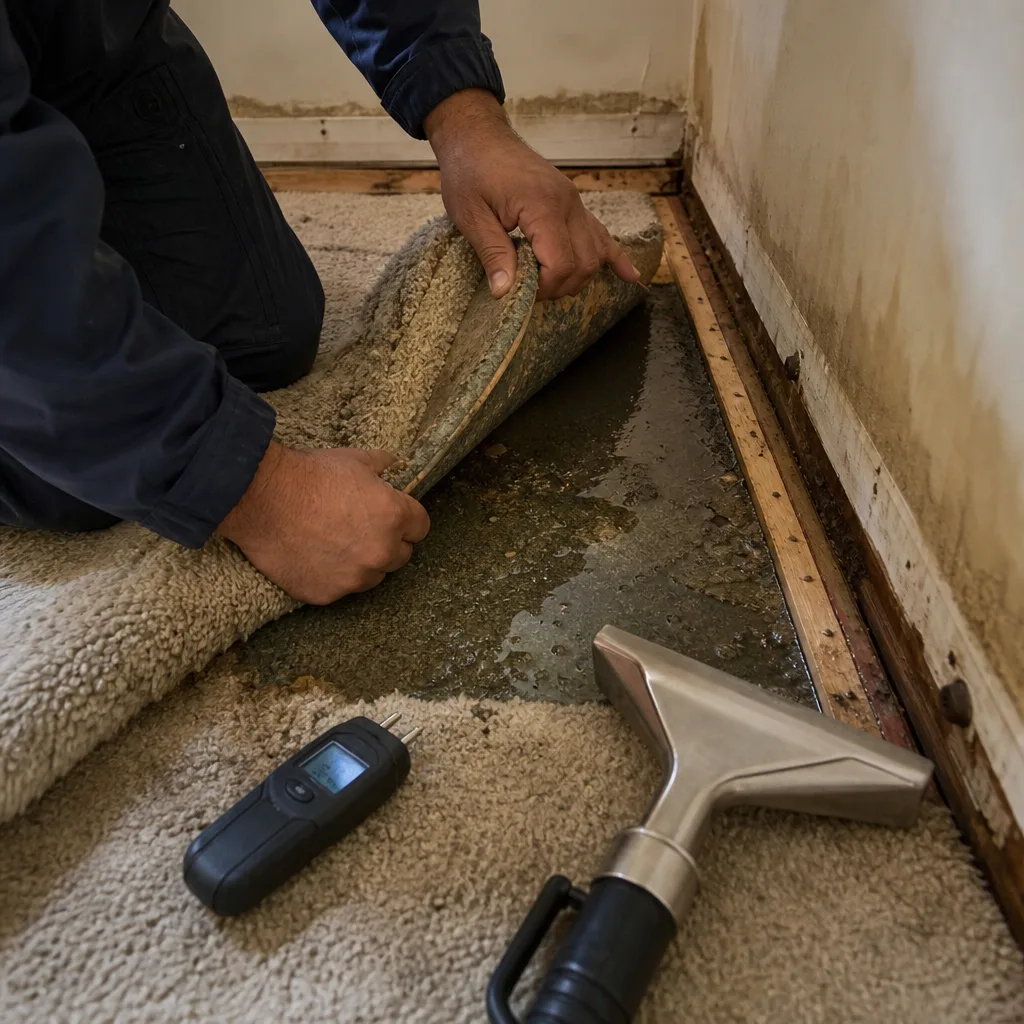
We start with a full walkthrough using thermal imaging and moisture meters to find where Category 3 water moved, including behind baseboards and under tile in Hoboken’s older basements. You get a written scope before any extraction starts.
Extraction and Stabilization
We extract standing sewage with truck-mounted extraction units, then stabilize the area with containment barriers to stop airborne contaminants from reaching upper floors or neighboring condo units.
Drying and Dehumidification
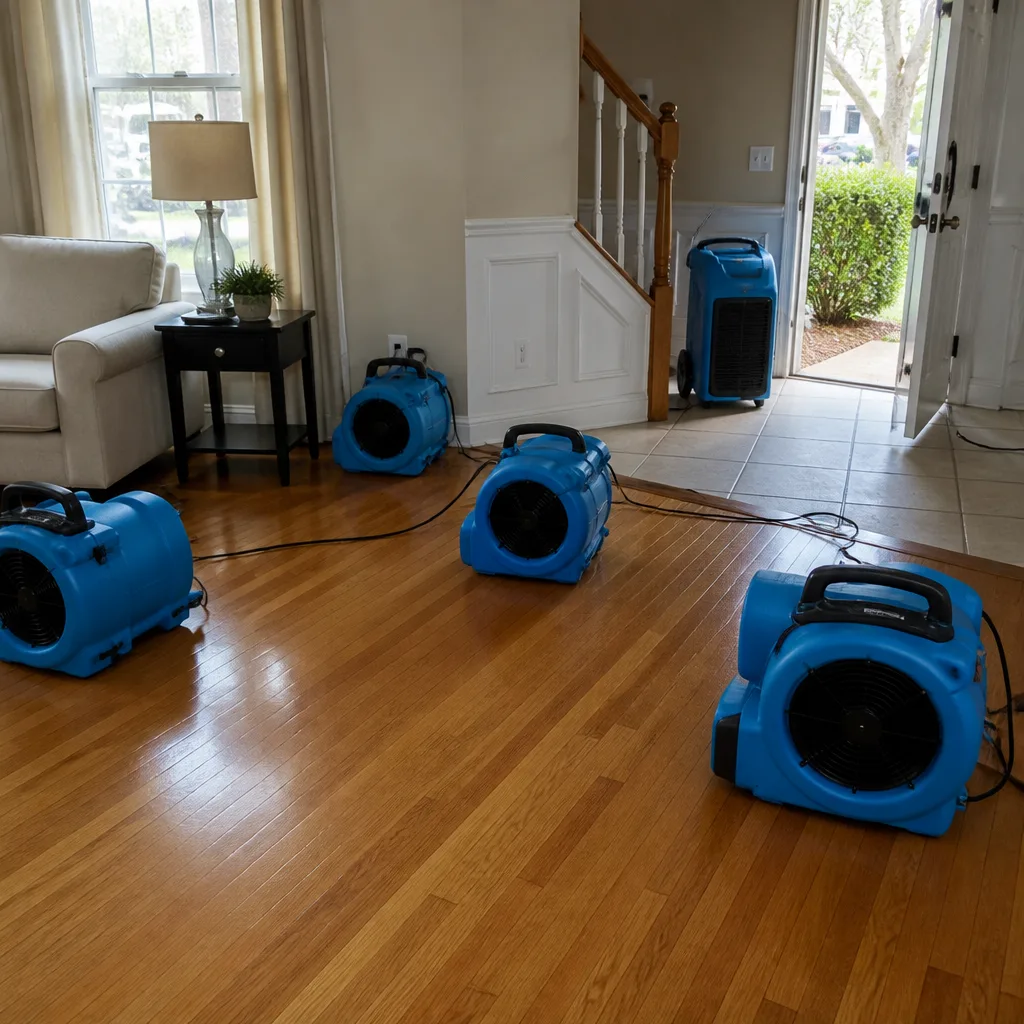
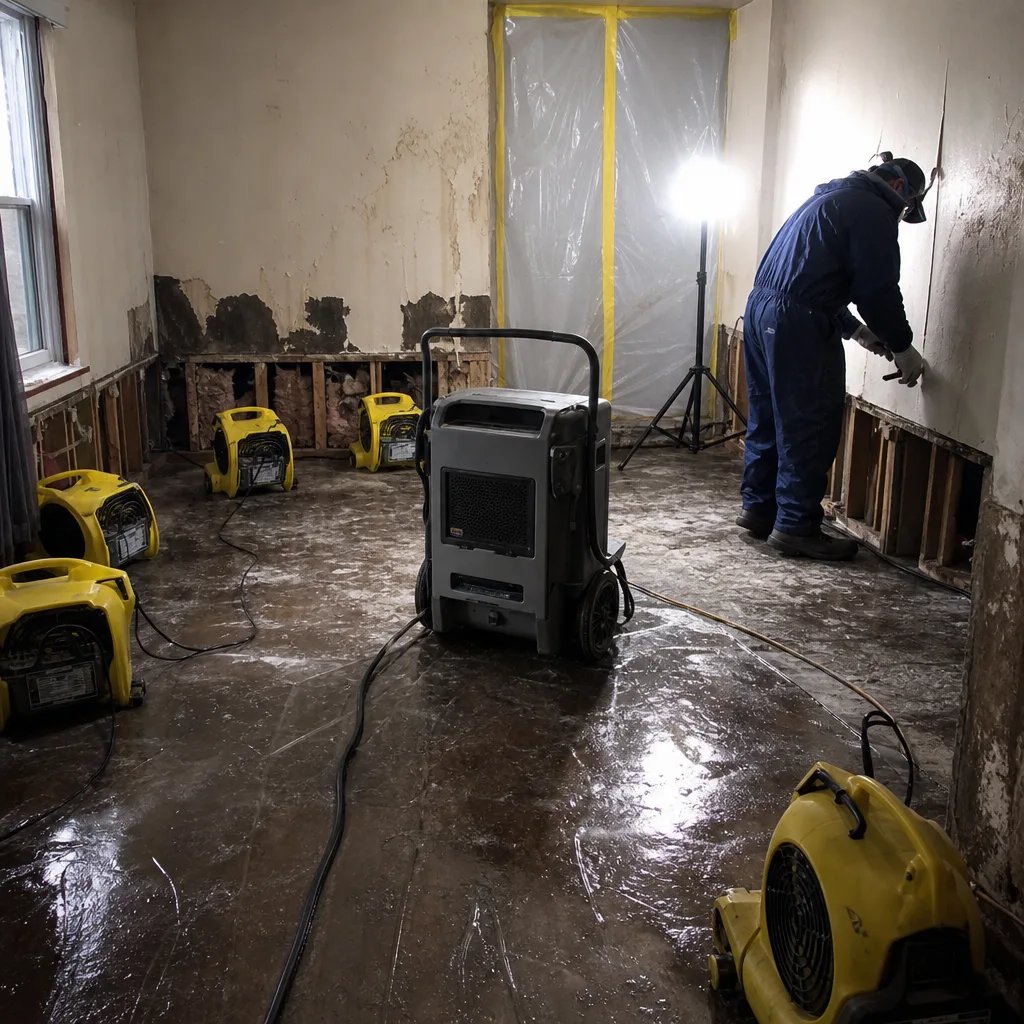
Using Dri-Eaz dehumidifiers and Phoenix air movers, we dry structural cavities and run daily moisture readings until the dry standard is met, logged and handed to you and your carrier.
Cleaning and Sanitization
All affected surfaces get antimicrobial treatment. We remove and bag porous materials that cannot be salvaged, including saturated carpet, drywall, and insulation from pre-war basement framing.
Black Water Specialty Treatment
We treat Category 3 contamination as a biohazard, not just a wet basement. HEPA air scrubbers run during demolition and drying, and we specifically address wicking in shared brick party walls common to Hoboken rowhouses.
Repairs and Restoration
The same crew reconstructs what was removed, from drywall and trim to flooring and paint. We finish the job to pre-loss condition and hand you the 90-Day Done Right Promise in writing.
Need Emergency Sewage Cleanup in Hoboken Now?
Crews minutes away, answering live 24 hours a day. The sooner we start, the less it costs.
Working With Your Insurance Company
Most Hoboken condo and brownstone policies cover sewage backup, but only when the claim is documented the right way from the first hour. We photograph the loss room by room before we move anything, log every moisture reading, and write a line-item scope your adjuster can review without follow-up calls. When a sewage event crosses into a neighboring unit through a shared foundation wall, we coordinate directly with the condo association’s carrier as well, which keeps the claim moving instead of stalling over ownership disputes. Over the past decade of handling Hoboken’s storm-driven sewage calls, Curt Bowman’s crews have learned that the claim goes smoother when the documentation is thorough enough to stand on its own.
What We Provide Your Insurer
- Thorough documentation of the loss
- Photos of all damage, room by room
- Moisture readings and drying logs
- A detailed, line-item scope of work
- Direct coordination with your carrier
Built for Hoboken’s Loss Calendar
The sewage cleanup season in Hoboken runs all year, but it spikes when the weather turns. Nor’easters between October and March push storm surge up the Hudson and overwhelm the combined sewer system, sending Category 3 water back through basement floor drains on western blocks first. January and February deep freezes burst supply lines in unheated rear additions and garden-level units, and the resulting water damage often turns septic quickly when it hits old cast-iron drain waste systems. Summer thunderstorms can dump two inches an hour onto impervious streets, overwhelming catch basins and sending street runoff and sewage into basements on low-lying blocks near Stevens Institute. Spring thaw adds groundwater pressure against century-old brick foundations. The pattern is predictable enough that experienced Hoboken crews stage equipment on interior blocks before a named storm, not on the waterfront where the TV cameras set up.
Sewage Cleanup Across Hoboken’s Neighborhoods
Our crews run routes through Hoboken’s brownstone blocks daily and know which streets flood first. On the western residential blocks near Monroe and Jackson Streets, stormwater drains off the higher terrain above the city and pools before the overtaxed combined sewer can move it. Those basements flood before the Hudson even rises, which means sewage calls come from Adams, Jefferson, and Madison Streets hours before a storm’s peak. In the Garden Street Historic District, century-old rowhouse basements share brick party walls, so a sewage backup in one unit routinely sends contaminated moisture into the adjacent condo before anyone notices. Uptown near Stevens Institute and along Washington Street, commercial-grade basement spaces often hold mechanical rooms and electrical panels close to floor drains, so we prioritize electrical shutoff and panel inspection before extraction in those buildings. The low-lying interior blocks, not the waterfront, are where we stage pump trucks and drying equipment when a nor’easter is tracking toward the harbor.
Specialized Sewage Cleanup Services We Offer in Hoboken
Black Water Extraction
Category 3 water is a biohazard, and we treat it that way from the first call. Our crews run truck-mounted extraction units in full PPE, set containment, and run HEPA air scrubbers throughout the job. In Hoboken, where a combined sewer backup can sit in a brownstone basement for hours before anyone notices, this is the service that prevents a wet basement from becoming a permanent health problem.
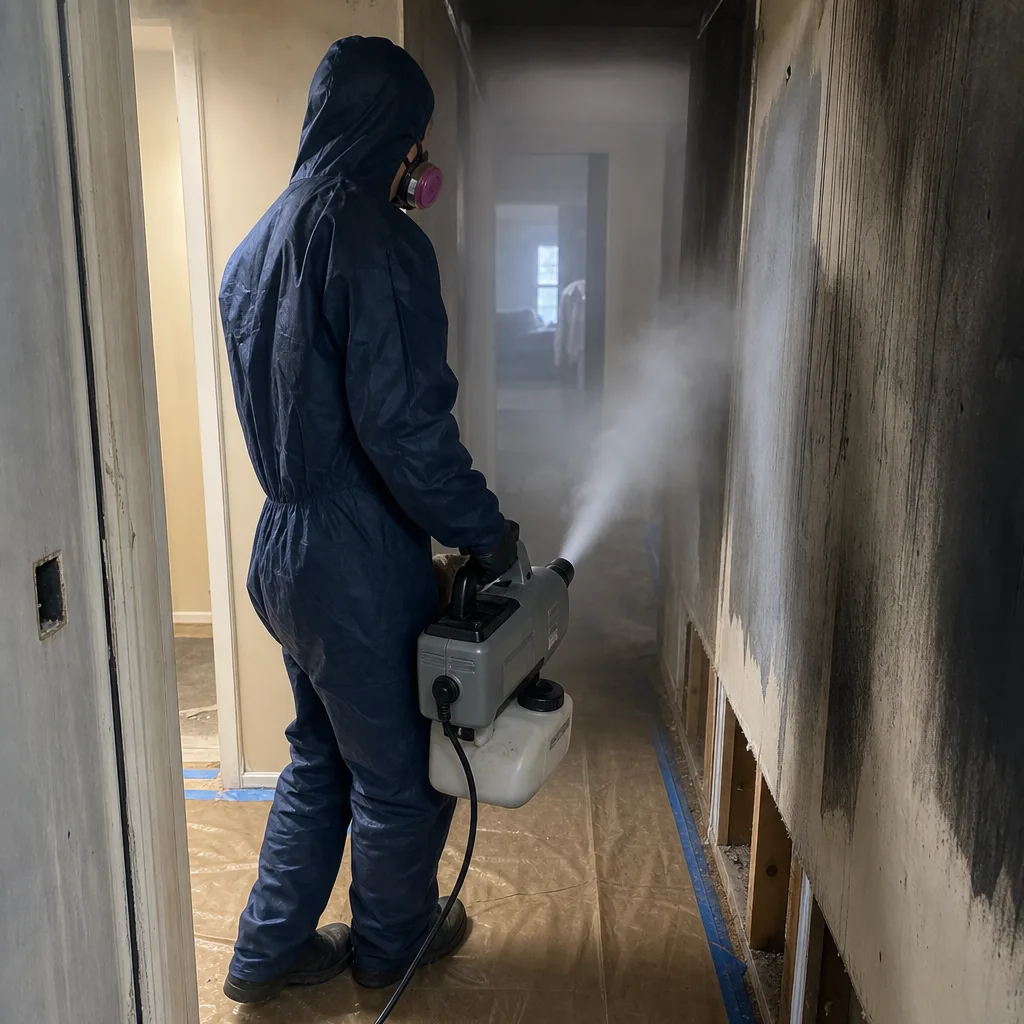
Sewage Backup Cleanup
When the combined sewer system backs up through floor drains or a toilet, the water brings bacteria, viruses, and whatever else the street runoff carried in. We remove contaminated water, cut out saturated drywall and insulation, and apply antimicrobial treatment to every affected surface. Our documentation includes photos and moisture logs your condo association’s carrier will actually accept.
Sanitization and Disinfection
This is the step that separates a real sewage cleanup from a water extraction that just removed what was visible. We treat all affected framing, brick, and concrete with broad-spectrum antimicrobials after drying, and we verify the work with post-remediation moisture readings. In pre-war Hoboken basements, where brick foundations and plaster walls hold more moisture than modern materials, this step keeps the smell from coming back in three months.
What happens when you call
- 1
A real person answersNo phone trees - you reach a local pro.
- 2
You get an upfront price rangeHonest numbers before anyone is dispatched.
- 3
A background-checked tech heads outLicensed & insured, dispatched right away.
- 4
You approve before work beginsNothing starts until you say go.
Sewage Cleanup Costs in Hoboken, NJ
A typical sewage backup cleanup in Hoboken runs $2,800 to $6,500 when it involves a single basement, direct extraction, antimicrobial treatment, and removal of saturated drywall and flooring. A multi-room Category 3 event that crosses into neighboring condo units through shared brick party walls often lands between $7,000 and $18,000 because containment, demolition, and drying extend across multiple ownerships. A toilet overflow isolated to one bathroom and hallway may be as low as $1,500 to $3,000 if we get there before the water saturates subfloor. The variables are how long the sewage sat, whether it soaked into brick or plaster, and how much porous material needs removal. Insurance covers most Hoboken sewage backups when documented correctly, and direct billing means you are not floating the claim. We inspect the loss for free and hand you a firm written scope before any work begins.
We Also Serve Cities Near Hoboken
Floodline Restoration Co. crews also respond to sewage cleanup calls in Union City, Weehawken, Secaucus, and Jersey City. Same live dispatch, same 45-minute response commitment, same 90-Day Done Right Promise in writing.
Serving Hoboken, NJ - Our Local Coverage Area
We’re based in the Hoboken area and know this community well. Use the map below to see our service coverage - if you’re nearby, we can almost certainly help.
Hoboken Sewage Cleanup Questions, Answered
My condo is in a brownstone on Adams Street. After the last nor’easter, the basement had sewage backup. Which Hoboken blocks tend to flood first, and why should that affect my cleanup timeline?
The western residential blocks, including Adams, Jefferson, and Monroe Streets, flood first and deepest because stormwater drains off the higher terrain above the city and pools there before the combined sewer can move it. You should treat any backup on those blocks as an immediate Category 3 event, because once contaminated water sits in a shared brick foundation, it wicks into neighboring units within hours. Call (640) 400-9404 as soon as you see water and we will start extraction the same visit.
How do your crews handle sewage cleanup in a multi-unit brownstone where the water crossed into two neighboring condos through the shared foundation?
We set containment at the boundaries of your unit first, then map the moisture through the shared party wall with thermal imaging and moisture meters. We coordinate directly with the condo association and the affected neighbors, document beyond your unit’s boundary for the association’s carrier, and dry the shared wall from both sides when access allows. We do not stop at your door, because sewage water does not stop there either.
After Hurricane Sandy, my neighbors replaced their basement drywall themselves but the smell came back. What did they likely miss, and would your process be different in a Hoboken row house?
What they almost certainly missed was the framing and insulation behind the drywall, and possibly the brick party wall itself. In a pre-war Hoboken row house, contaminated moisture wicks through brick and plaster far beyond the visible wet line. Our process includes moisture mapping, removal of all saturated porous material, antimicrobial application to structural surfaces, and documented drying until the dry standard is met. Then we hang new drywall. That order is the difference.
I live on a western block near Stevens Institute. During heavy rain, the street floods before the river even rises. Should I wait for the water to recede before calling for sewage cleanup?
Do not wait. The water backing into your basement during heavy rain on those blocks is almost always Category 3 because it is coming through the combined sewer. Every hour it sits in a brick basement it wicks up walls and into shared party walls. Call us while the water is still there. We will stage equipment, begin extraction as soon as the entry point is accessible, and stop the contamination from spreading while the storm is still passing.
What does the pre-loss condition standard mean for a century-old Hoboken brownstone with exposed brick basement walls that had some pre-existing moisture issues?
Pre-loss condition means we restore your property to the condition it was in before the sewage backup, not better than it was. If your basement already had humidity on the brick walls from groundwater seepage, we document that during the initial inspection, we treat and dry the sewage-affected areas, we do not rebuild beyond what existed before the loss, and we note the pre-existing condition in writing for your file. That keeps the claim honest and the adjuster cooperative.
How fast can a crew actually get to my Hoboken brownstone during a nor’easter?
We commit to a 45-minute response for Hoboken calls, day or night, and we dispatch from a Hoboken-area staging position when a storm is tracking toward the harbor. During active nor’easters, our crews are already staged on the interior blocks where flooding hits first. Call (640) 400-9404 and a dispatcher will tell you exactly which crew is closest and when they will arrive.
Do I really need full sewage remediation, or can I just bleach the floor and run a fan?
Bleach and a fan will not remove Category 3 contaminants from brick, drywall, or subfloor, and they will not stop the smell from returning in three months. Porous material that absorbed sewage water has to come out. Hard surfaces need antimicrobial treatment after drying. In a Hoboken brownstone, shared brick party walls must be checked for wicking, because that contamination will spread into neighboring units. We give you a free visual inspection and a written scope so you can see exactly what is needed before committing.
Will my condo association insurance cover sewage cleanup that started in my unit but spread into the common wall?
Most Hoboken condo policies cover sewage backup within your unit, and the association’s master policy covers common elements including shared party walls. What matters is documentation showing where the water went and what it affected. We photograph and log everything, we write a line-item scope that separates your unit from common areas, and we submit it to the right carrier from the start. Direct billing means you are not carrying two claim payments on your credit card while the association figures out their side.
Written by Curt Bowman, Owner at Floodline Restoration Co., serving Hoboken with live-dispatched sewage cleanup crews. Founded in 2010, Floodline Restoration Co. handles every phase of restoration from first extraction to finished rebuild, backed by the 90-Day Done Right Promise in writing.