
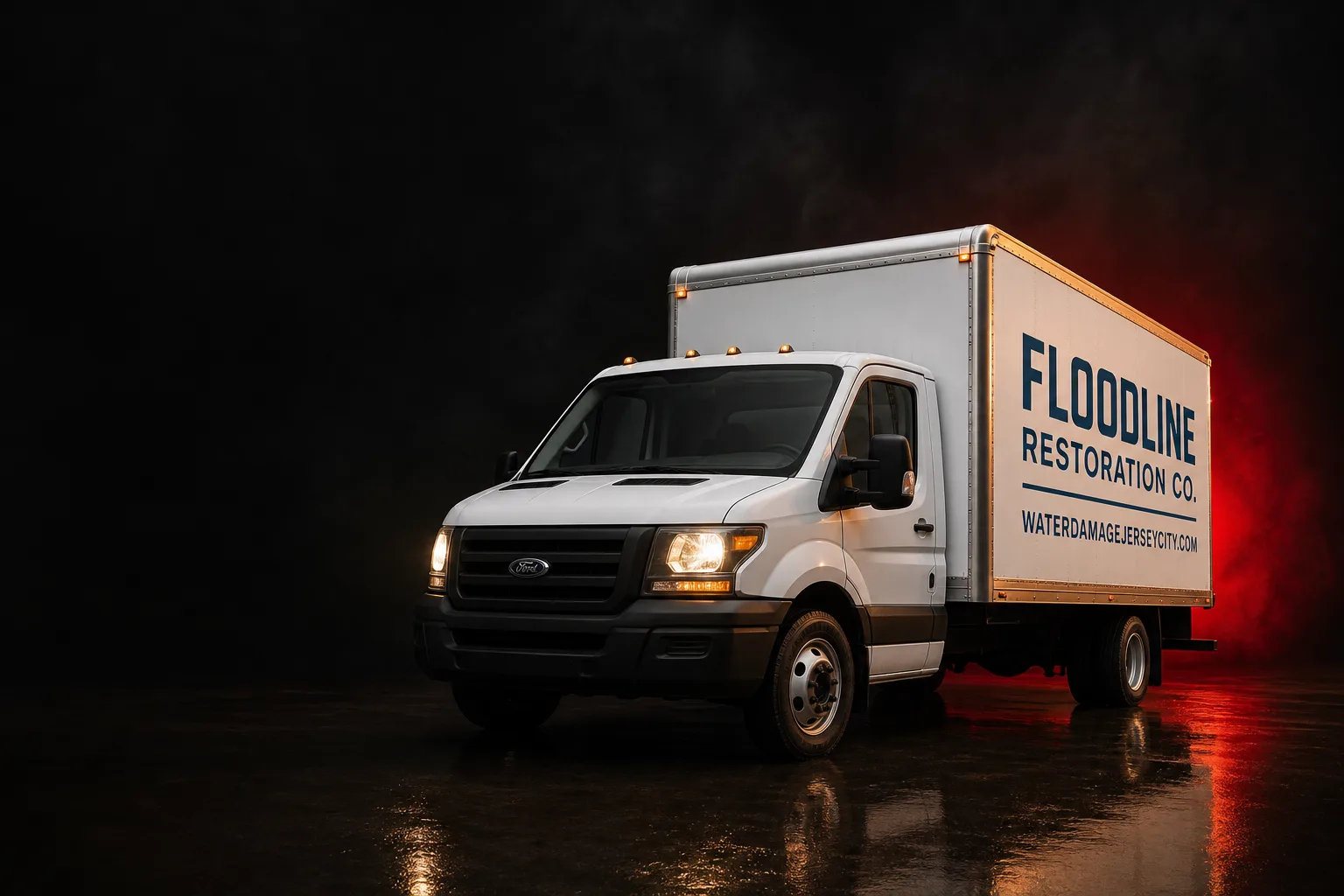
Free visual inspection and a written scope of work before any mitigation begins - photos, moisture readings, and drying logs go in your claim file
The scope we write is the scope we bill. Anything new gets shown to you, in writing, before we touch it.
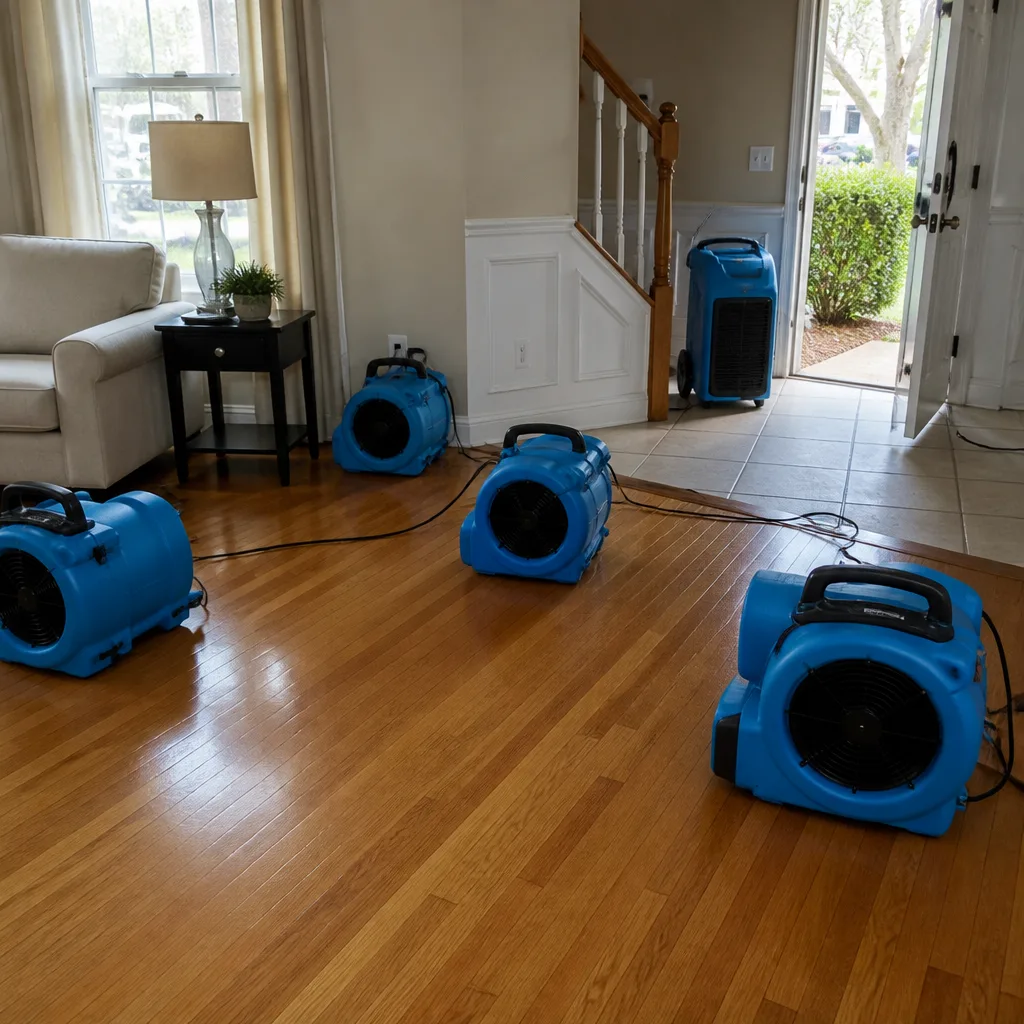
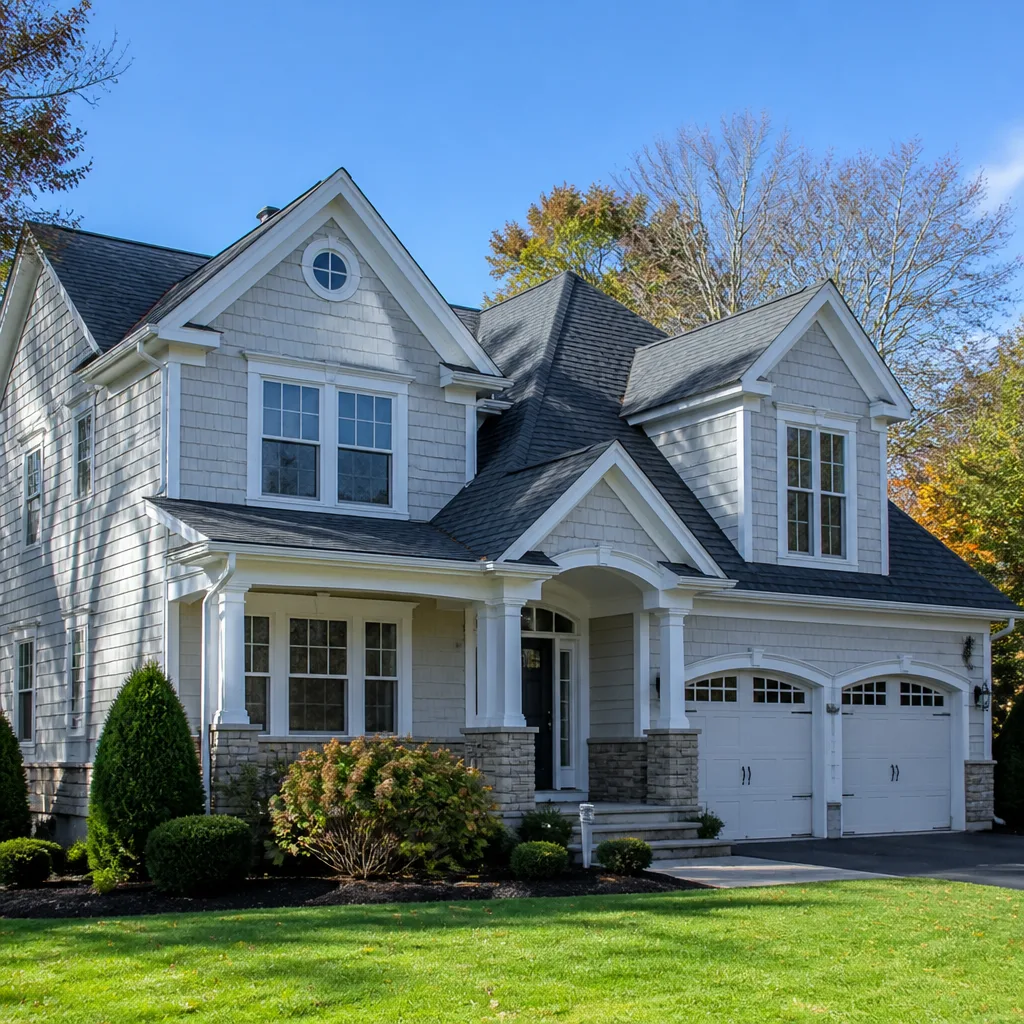
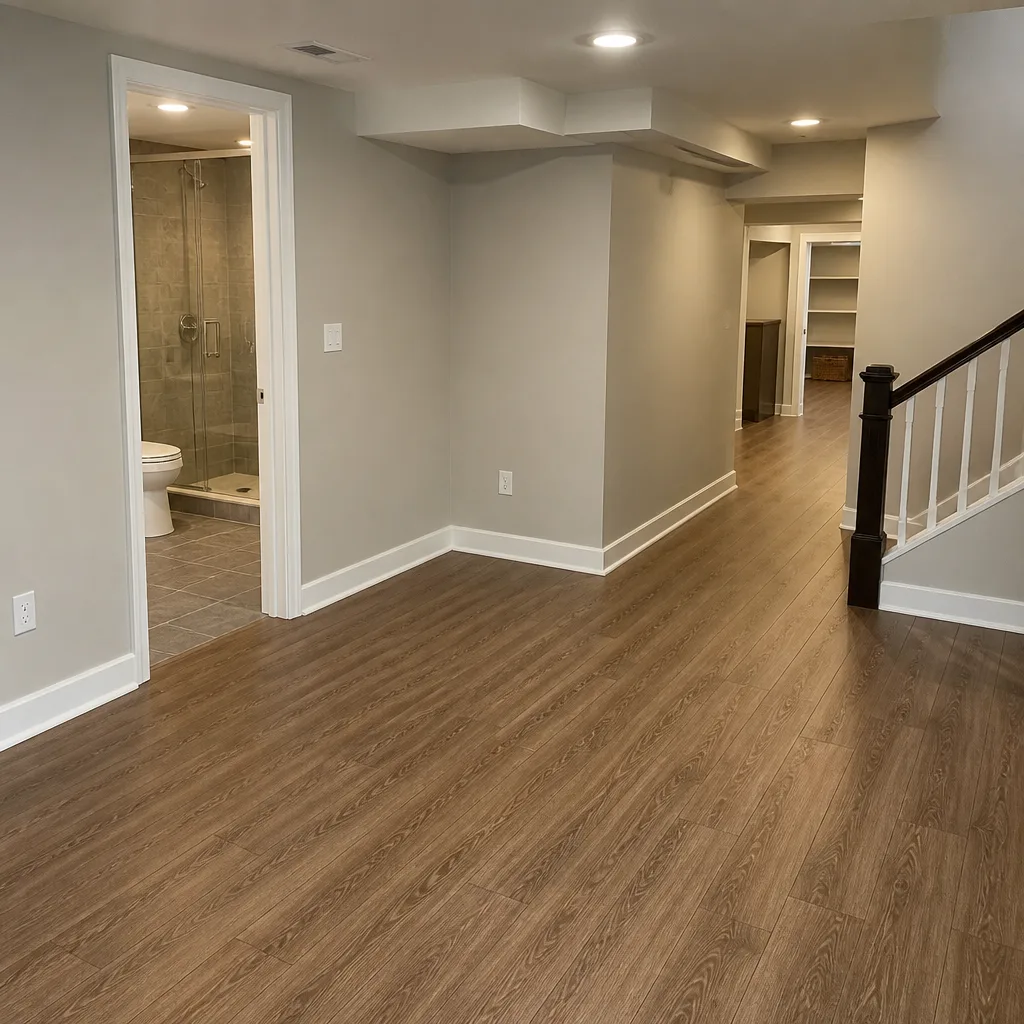
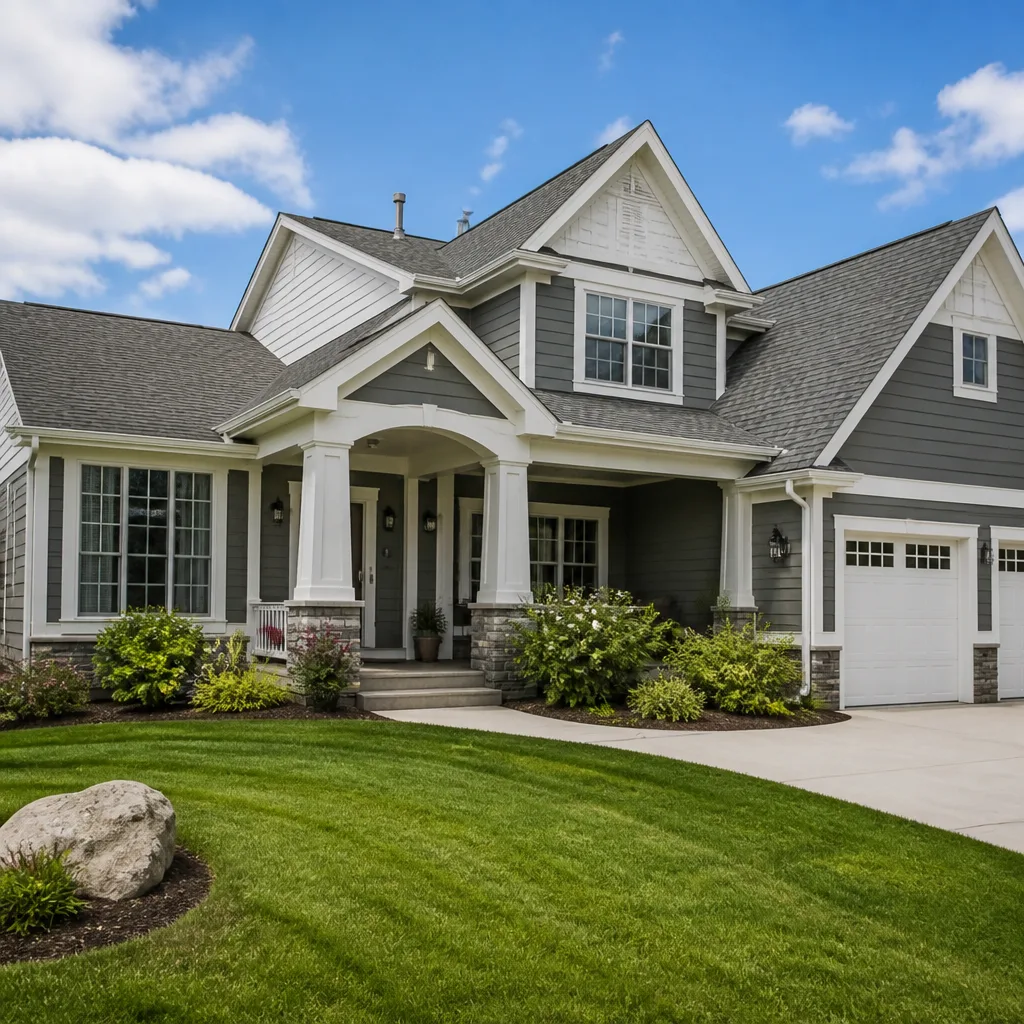
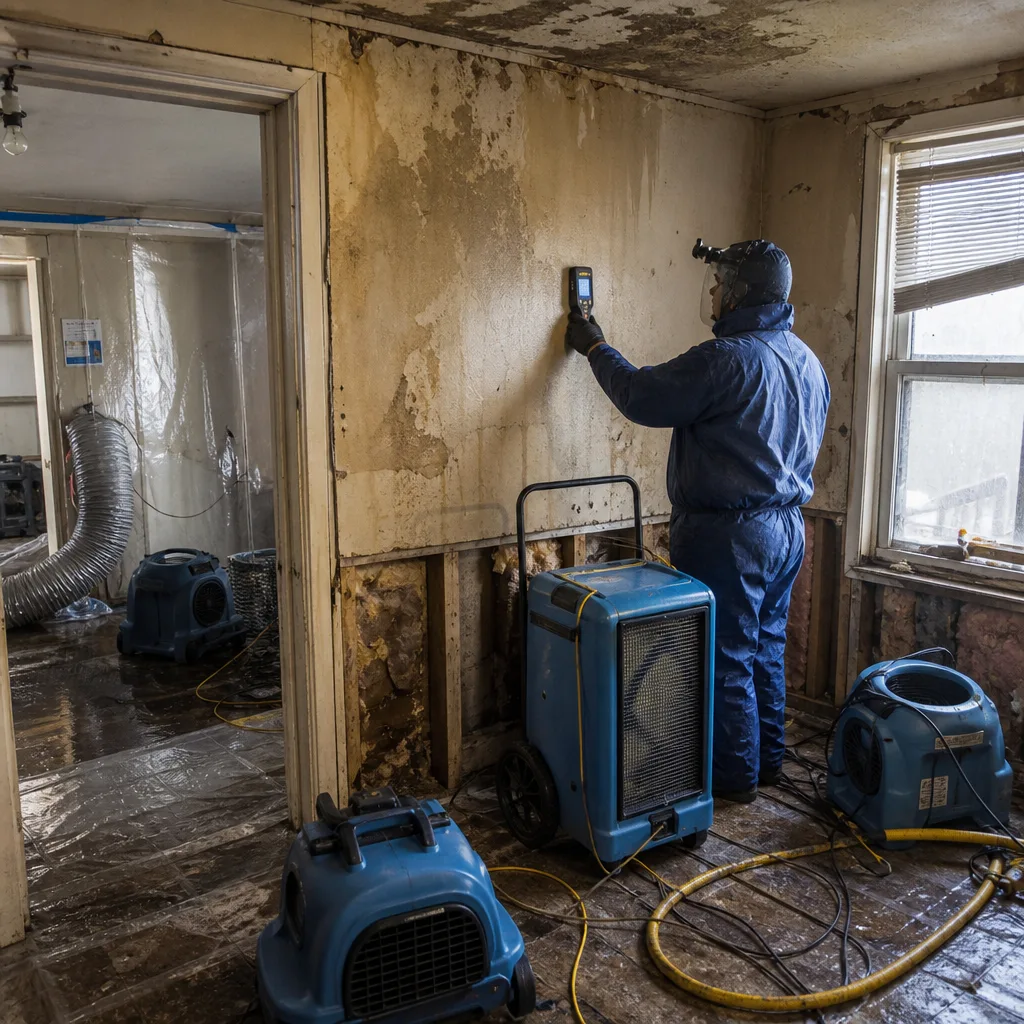 Before
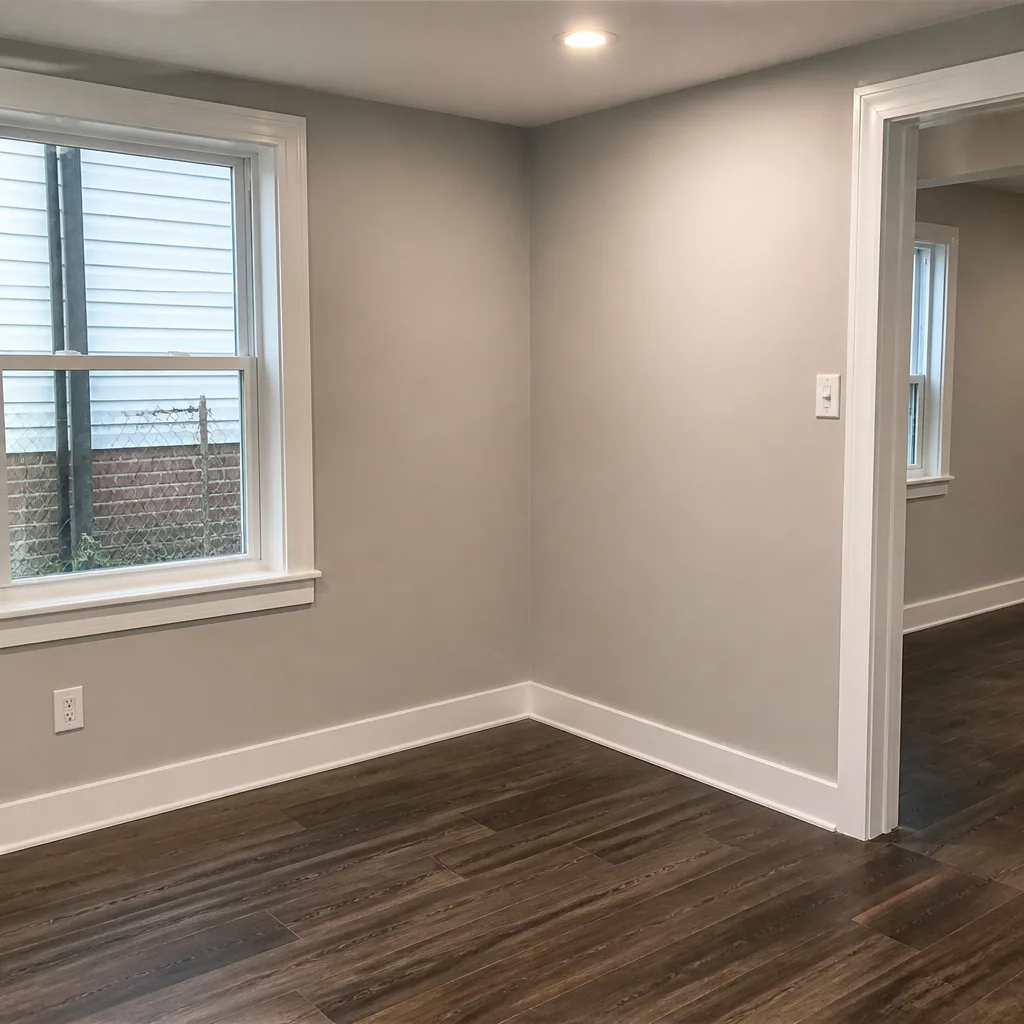 After
After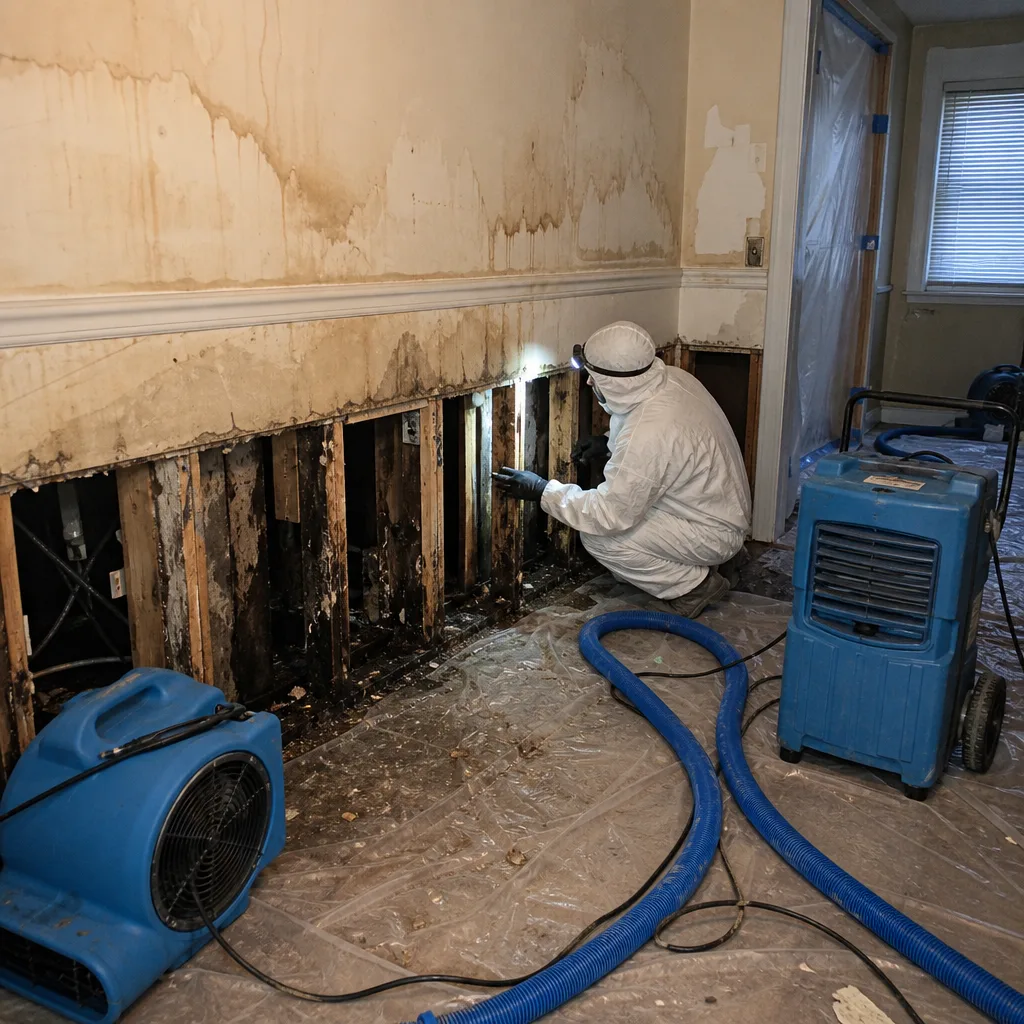 Before
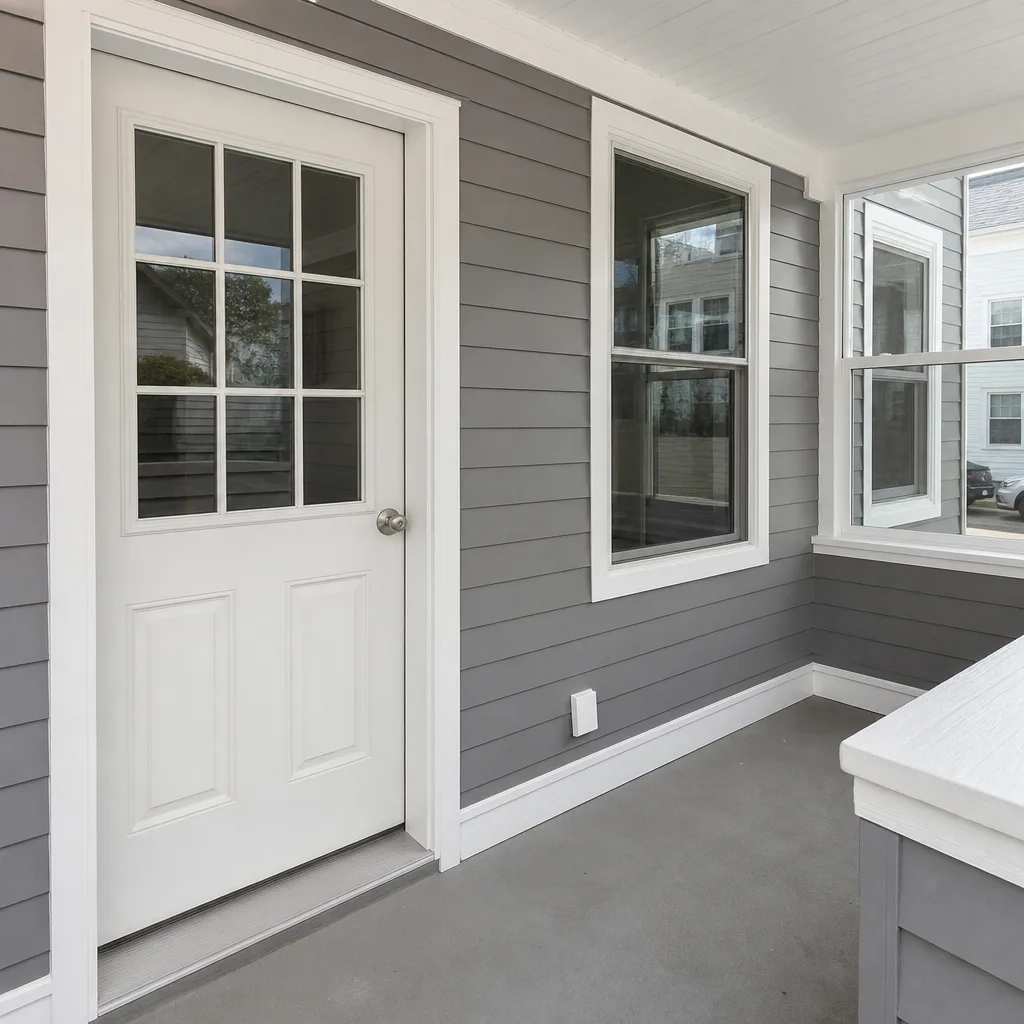 After
After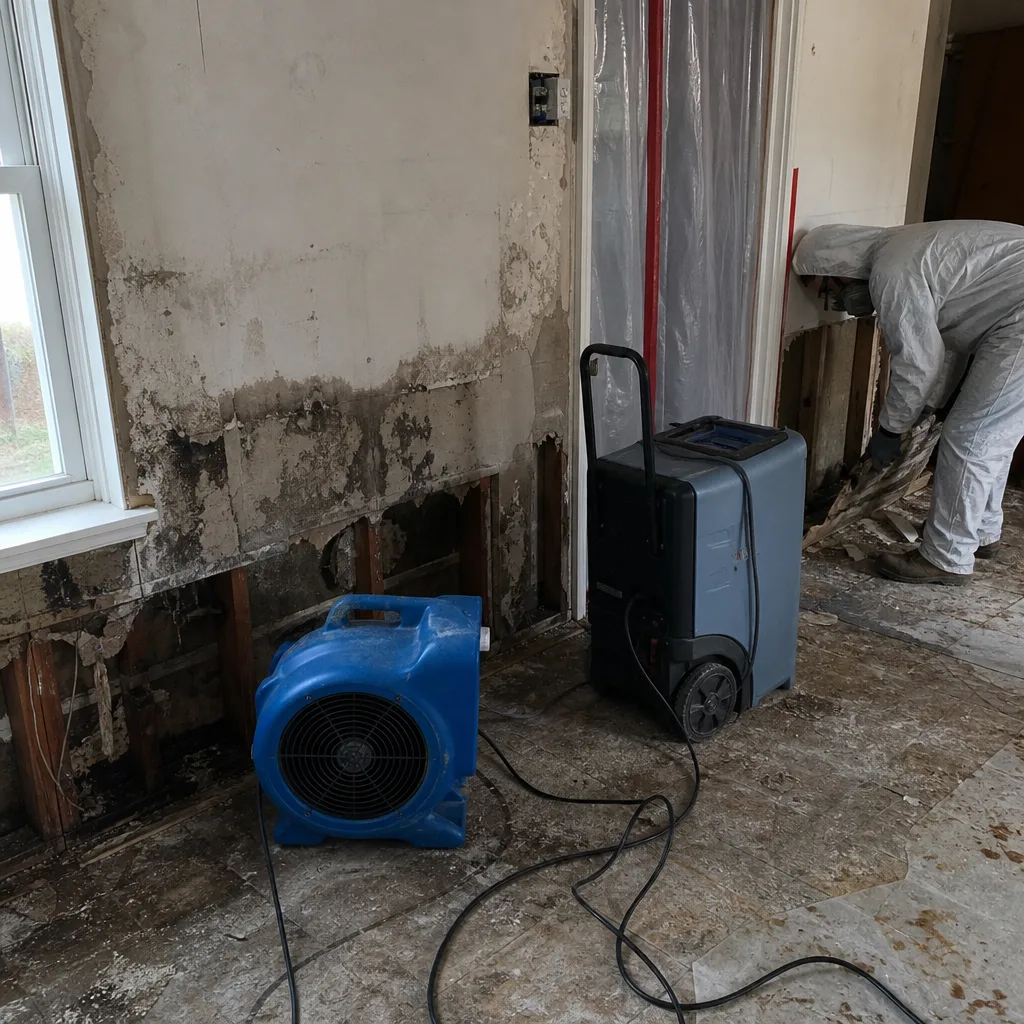 Before
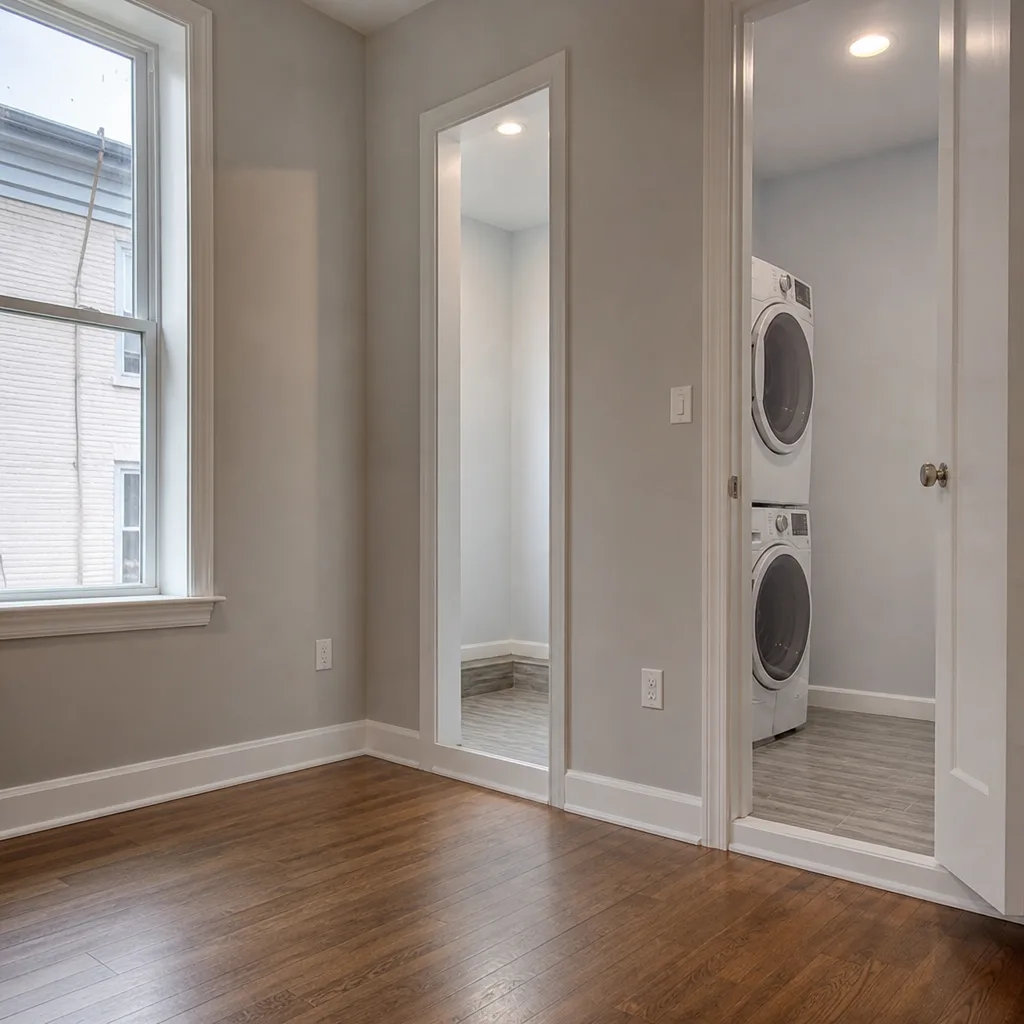 After
After24/7 Emergency Commercial Restoration in Jersey City
When a pipe bursts inside a Journal Square office at 3 a.m. or a nor’easter pushes Hudson River water into a Greenville storefront, you need a crew that answers the phone and moves. Floodline Restoration Co. runs live dispatch 24 hours a day, 7 days a week, with certified technicians staged around Jersey City so a crew can be on-site fast. Water wicks through old brick and plaster-on-masonry walls within hours, not days. Sheetrock, inventory, subflooring, electrical runs near the floor: all of it takes on damage faster than most building owners expect. Call (640) 400-9404 the moment you see water, and we’ll have a truck rolling while you’re still shutting off the main. The first visual inspection is free. The first hour is the difference between drying a space and gutting it.
Understanding Commercial Restoration Severity in Jersey City Properties
Commercial restoration in Jersey City carries a severity profile that inland towns like Montclair or Morristown rarely face, and it starts with what the water is, not just where it went. Category 1 water comes from a clean supply line, the kind that bursts in a bathroom wall in a Heights walkup. Category 2 carries significant contamination: washing machine overflow, sump pump failure, the nor’easter surge that backs up through a floor drain. Category 3 is the one property owners dread, sewage or Hudson River floodwater, and it demands full containment, disposal of affected materials, and disinfection before drying can even begin. Jersey City’s building stock compounds every category. Plaster-over-masonry walls in a 1910 Bergen-Lafayette storefront hold moisture for weeks, so what looks dry on the surface is still wicking at 95% relative humidity six inches deep. We moisture-map every wall with hygrometers and thermal imaging before we ever place a fan, because drying the surface while the wall behind it stays wet is how mold gets a foothold in a finished basement office off West Side Avenue.
Why Jersey City Property Owners Choose Floodline Restoration Co.
- 45-minute response commitment. Our Jersey City crews are dispatched from staging points around the city, not from a call center two states away. We tell you when we’ll arrive, and we’re there when we say.
- 24/7 live answer, always a person. A live dispatcher picks up at 2 a.m. Not a recording. Not a callback service. You get a human being who starts the dispatch while you’re still on the line.
- IICRC-certified crews on every job. WRT, FSRT, and AMRT certifications mean the tech in your building has documented training in water damage, fire and smoke, and mold remediation. Not an apprentice learning on your inventory.
- Free visual inspection, always. We walk the loss with you, identify what’s salvageable and what isn’t, and put the scope in writing before any work begins. No pressure, no surprises.
- Direct insurance billing. We bill your carrier directly and coordinate with your adjuster, so you’re not playing messenger between us and the insurance company while your business sits closed.
- One team from extraction to rebuild. The same certified crew that reads the moisture map on day one handles daily readings, hands the log to you and your carrier, and rebuilds what needs rebuilding. No mid-job handoff.
Our Commercial Restoration Process
Inspection & Assessment
We arrive, shut down hazards, and walk the entire loss with you. Thermal imaging finds water inside walls and under flooring that the eye can’t see. We document everything with photos, map the damage, and write the scope in plain English before any equipment comes off the truck.
Extraction & Stabilization
Standing water comes out first, wherever it is. Truck-mounted extraction units pull water from floors, carpet, and wall cavities. We board up broken doors, tarp damaged roofs, and stabilize what’s teetering so the damage stops spreading that hour. For sewage or floodwater, we set hard containment before extraction begins.
Drying & Dehumidification
Commercial-grade air movers and LGR dehumidifiers from Dri-Eaz and Phoenix go to work, sized to the cubic footage of your space, not the square footage. We place them based on a psychrometric reading of the room, take daily readings, and keep running them until the moisture log shows your structure has hit the dry standard.
Cleaning & Sanitization
After drying comes cleaning: antimicrobial treatments on Category 3 losses, HEPA vacuuming of soot and debris, deodorization for smoke-affected spaces, and full surface cleaning of salvageable contents. Every surface that touches your employees or customers gets treated.
Specialty Treatment
Jersey City commercial properties need specific work inland buildings don’t. We replace corroded springs, hinges, rollers, and tracks on overhead doors with galvanized and stainless hardware. We treat cast-iron drain lines damaged by root intrusion. We document scopes carefully for the Substantial Damage rule in Greenville and other flood-zone districts.
Repairs & Restoration
Once the space is dry and clean, the same crew rebuilds. Drywall, paint, flooring, millwork, electrical finishes, doors, and the overhead dock hardware. You get a finished, operational space and a written 90-Day Done Right Promise. Done right, and backed in writing.
Need Emergency Commercial Restoration in Jersey City Now?
Crews minutes away, answering live 24 hours a day. The sooner we start, the less it costs.
Working With Your Insurance Company
Commercial restoration claims in Jersey City succeed or stall on documentation, especially in flood zones where the Substantial Damage rule turns a small scope into a compliance trigger. We start documenting in the first hour: photos of the source, photos of every affected room, moisture readings captured before anyone touches a wall. Our written scopes use industry-standard estimating language your adjuster recognizes, with line items that match what we actually do, so you never get a denial built on vague wording. When your carrier sends an adjuster, our crew chief walks the loss with them and points out exactly what we found. Direct carrier billing means we handle the paperwork, and you stop being the middleman between us and the insurance company. In our experience, adjusters respond to specificity; a moisture log with daily readings is hard to argue with.
What We Provide Your Insurer
- Thorough documentation of the loss
- Photos of all damage, room by room
- Moisture readings and drying logs
- A detailed, line-item scope of work
- Direct coordination with your carrier
Built for Jersey City’s Loss Calendar
Jersey City’s commercial restoration calendar follows the water, and the water has a rhythm here. January and February bring deep freezes that burst supply lines in unheated storage rooms and stairwells, the same aging pipes that have survived fifty winters but not fifty-one. March and April mean spring thaw and the first heavy rains, when cast-iron drain lines under old brick floors in Journal Square and The Heights back up with groundwater and root intrusion. Summer thunderstorms dump two inches an hour on streets with storm drains that were sized for a smaller city, pushing water into basement offices and below-grade retail across Greenville and the western districts. And then comes nor’easter season, from late fall through early winter, when Hudson River surge and Newark Bay tidal flooding re-inundate the same low-lying blocks that went under during Sandy. Businesses on those blocks don’t treat flooding as a once-a-decade event; they treat it like a seasonal operating cost. We plan our Jersey City crew staging around that calendar, because we know the calls are coming before the first headline hits.
Commercial Restoration Across Jersey City’s Neighborhoods
Jersey City is not one market; it’s a dozen. The old industrial lofts and converted warehouses around the Holland Tunnel approach and off Route 440 in the western industrial district run heavy overhead dock doors, and those doors fail on salt corrosion. Springs snap mid-operation, stranding delivery trucks and leaving loading bays exposed. Our crew got called to a converted warehouse off Route 440 after a nor’easter blew salt spray through a corroded overhead dock door, flooding the floor with three inches of Category 2 water. Within hours our techs set up containment and ran our Injectidry panel system under the warped steel shelving while we moisture-mapped the masonry walls. The salt-rusted track had seized, so we replaced the rollers and springs with a galvanized set, treated every hinge with a corrosion inhibitor, and ran dehumidification for four days until our moisture readings matched the pre-loss condition. That’s a routine call here, and it isn’t in Montclair.
Downtown and the waterfront high-rises present a different profile: a single pipe burst on the 22nd floor cascades water through stacked units, common corridors, and elevator shafts under condo HOA liability that gets legally complicated fast. Finished below-grade offices in Greenville and the southern lowlands sit inside FEMA Special Flood Hazard Areas, so every nor’easter means mitigation and every mitigation means documenting the scope carefully enough to hold the line under the 50% Substantial Damage threshold. Bergen-Lafayette and The Heights run on 19th-century brick and plaster, where water hangs around for weeks if the drying isn’t aggressive. Journal Square mixes old masonry office walkups with newer construction, and the old stock usually loses when a pipe goes. We route crews to all of it, because the building type decides the drying plan, and we’ve worked all of them.
Specialized Commercial Restoration Services We Offer in Jersey City
Office & Retail Restoration
Water doesn’t respect business hours. When a supply line lets go over a retail floor on Newark Avenue or a sprinkler head pops in a Journal Square office suite, every hour closed is revenue lost. We extract, dry, and rebuild the space with your reopening dates in mind, not ours. Salvageable inventory gets cleaned and logged; unsalvageable gets documented for your carrier. Finished below-grade retail in Greenville needs special attention because the same floor will likely see water again, and the drying plan has to account for what the building’s original construction will do over the following weeks.
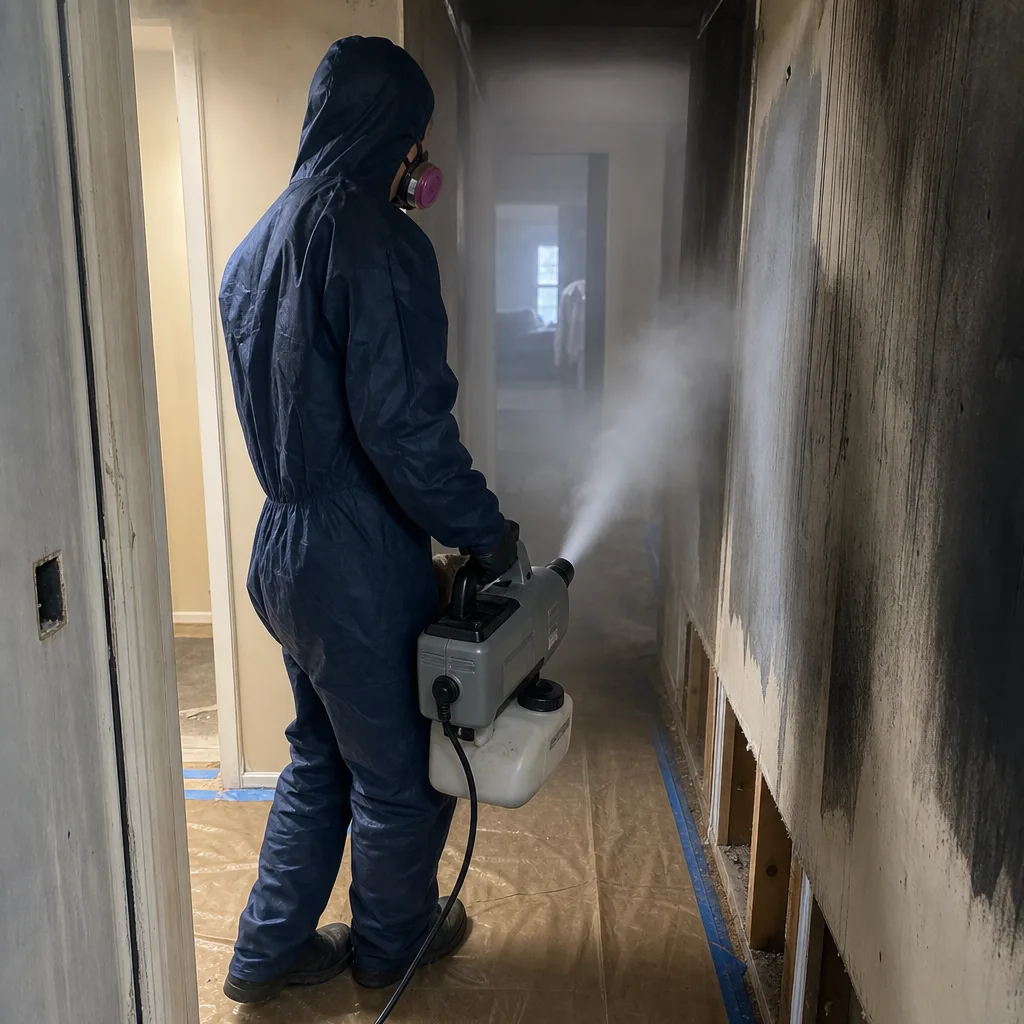
Multi-Unit & HOA Restoration
A leak in one unit becomes a restoration in five, and Jersey City’s dense two-to-four-family brick rowhouses and high-rise condo towers make containment the first job. We work with property managers and HOA boards to scope the loss across units, document each unit’s damage separately for insurance, and keep common areas dry so residents aren’t walking through standing water to get to their doors. On waterfront towers, we coordinate with building management for elevator shaft access and vertical pipe chases, because water travels down faster than most property managers expect.
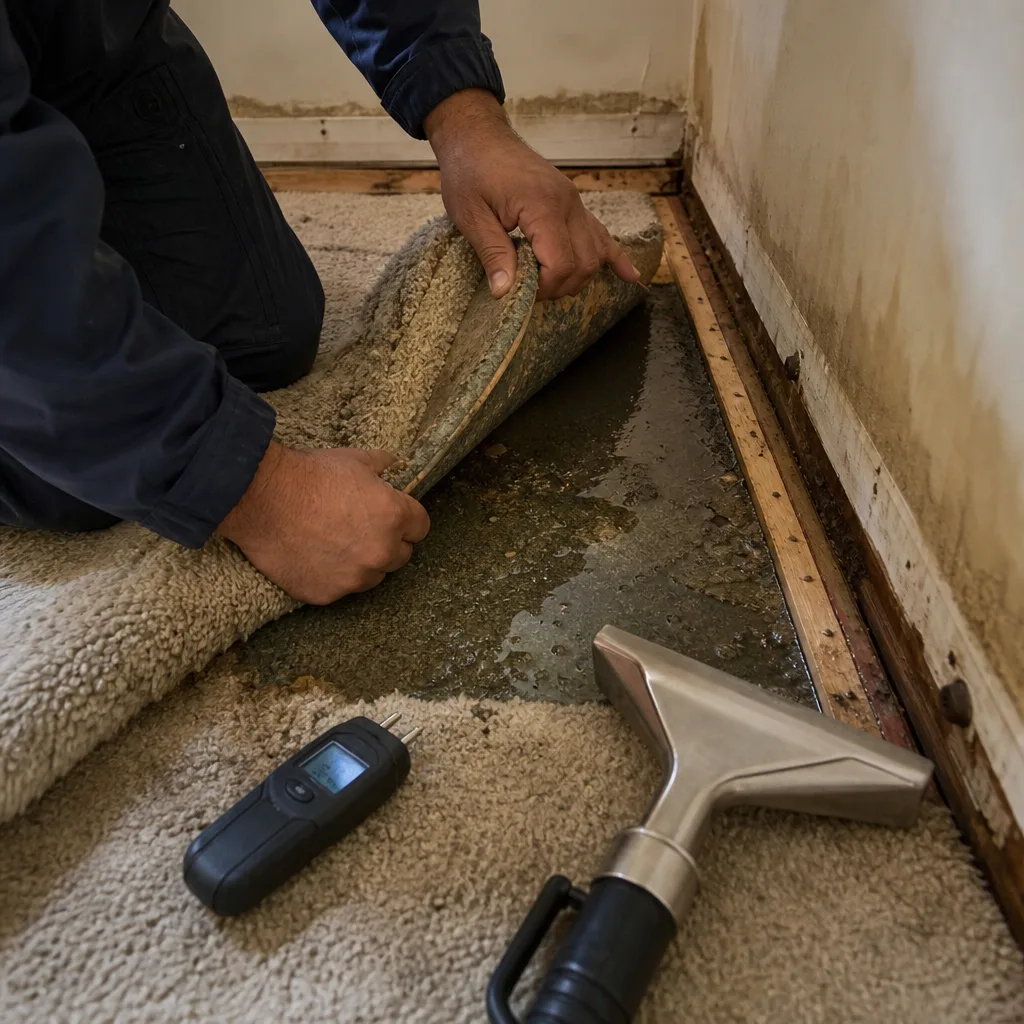
Industrial Facility Cleanup
The industrial districts along Route 440 and the Holland Tunnel corridor run on docks, conveyors, electrical floors, and inventory that can’t sit wet. We bring the drying capacity to match the cubic footage: multiple LGR dehumidifiers, high-volume air movers, and hard containment when the water is Category 3. Corroded overhead door hardware gets replaced or treated so the dock stays operational. Our Injectidry panel system dries wall cavities and under shelving without tearing out finished surfaces, which means less inventory damage and less downtime.
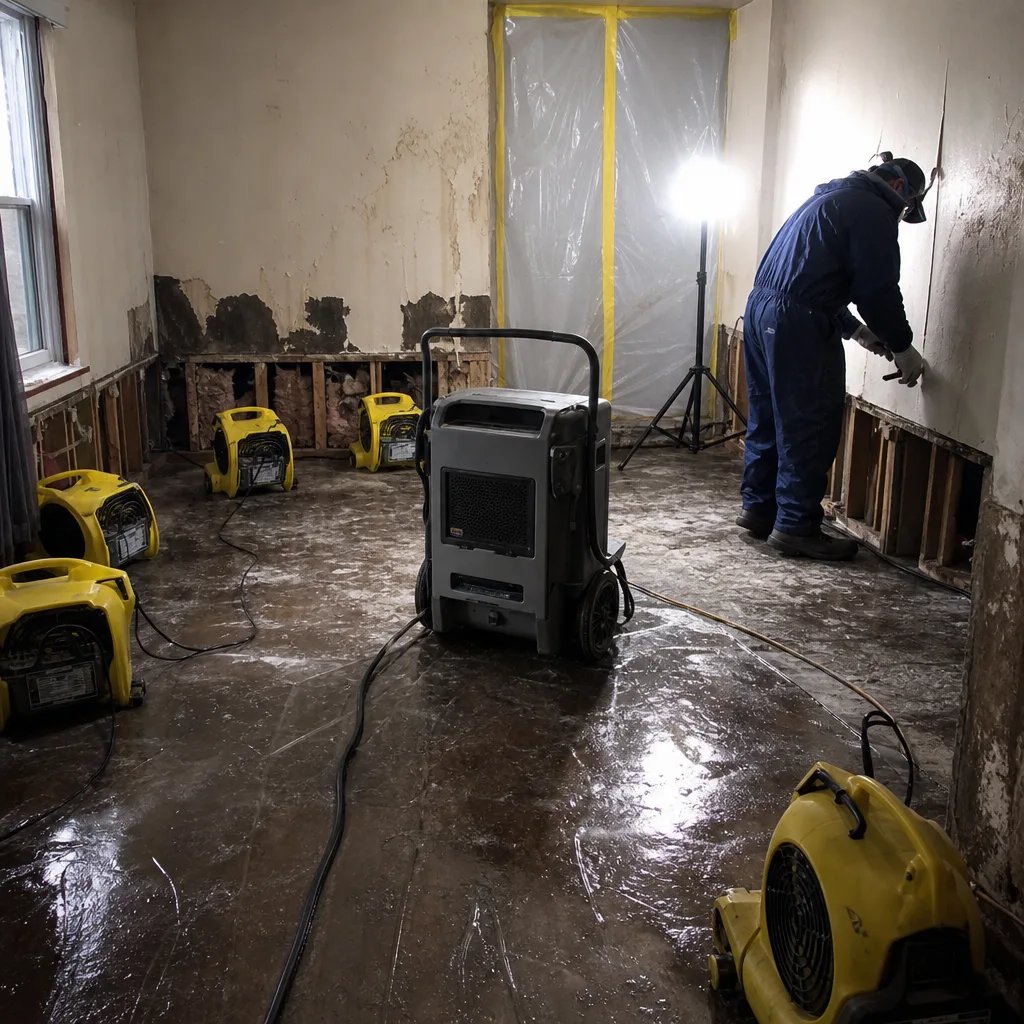
Large-Loss Response
When a nor’easter puts three feet of water into a Greenville warehouse or a fire sprinkler system dumps thousands of gallons through a retail floor, this is no longer a one-truck job. Floodline stages additional crews, brings in larger extraction and drying equipment, and runs the job with a dedicated project manager who handles the carrier, the tenant, and the building owner. Large losses in Jersey City’s flood zones carry extra legal weight under Substantial Damage rules, and we document from hour one with that threshold in mind.
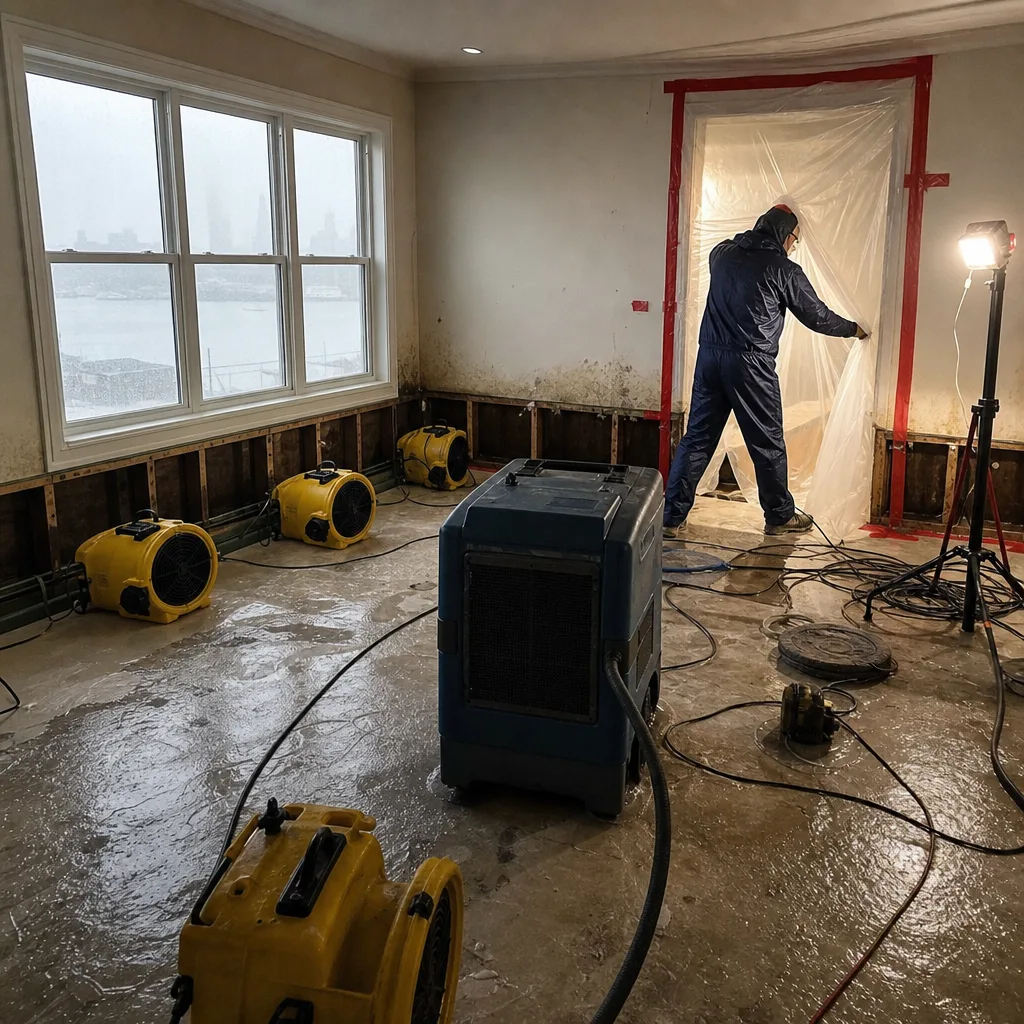
Business Interruption Minimization
Your business runs on the clock. Every day a storefront on Central Avenue or an office on Montgomery Street sits closed costs real revenue, and the faster we dry, the sooner you’re back open. We work nights and weekends when it matters. We set up temporary power, temporary walls, and negative air containment so portions of a building can reopen while the rest is still drying. For retail, that might mean getting the sales floor open while the back stockroom stays contained. For offices, it means drying the server room first and the conference room later.
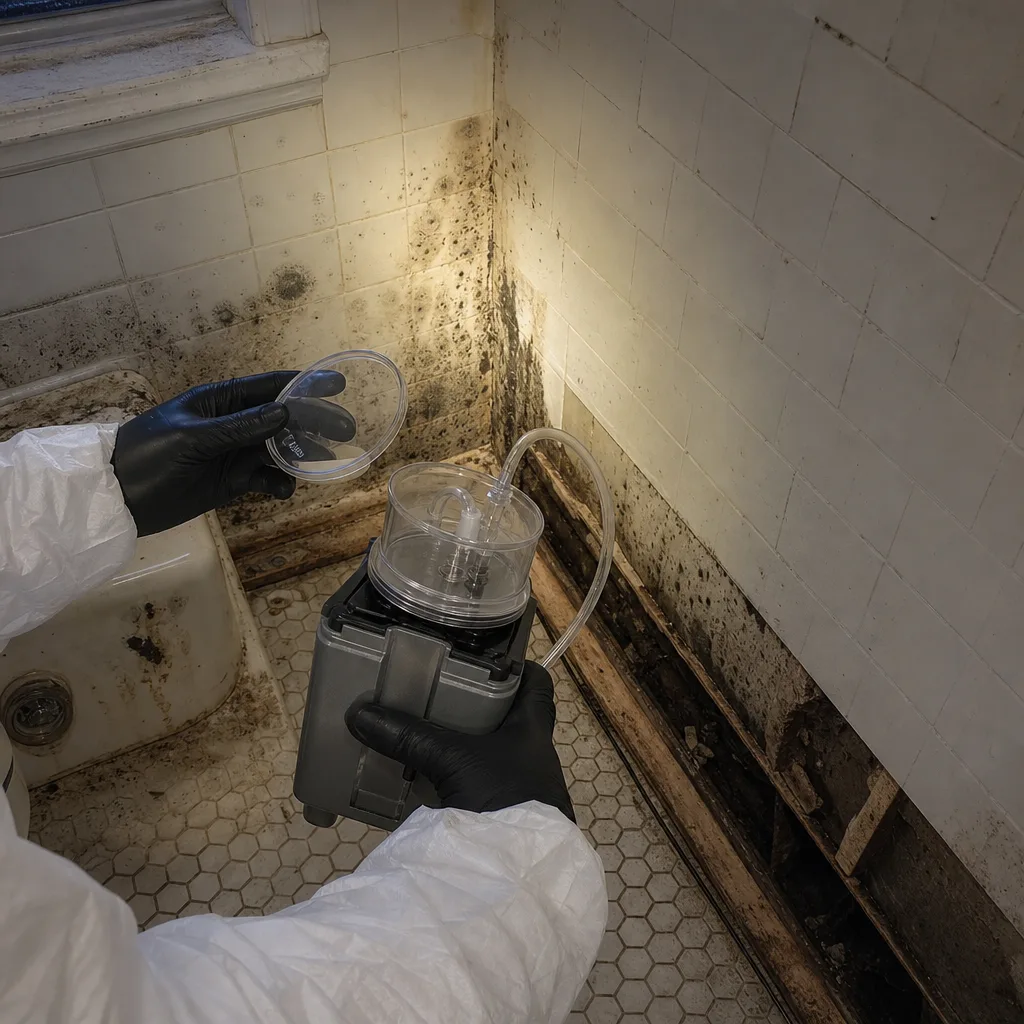
What happens when you call
- 1
A real person answersNo phone trees - you reach a local pro.
- 2
You get an upfront price rangeHonest numbers before anyone is dispatched.
- 3
A background-checked tech heads outLicensed & insured, dispatched right away.
- 4
You approve before work beginsNothing starts until you say go.
Commercial Restoration Costs in Jersey City, NJ
A small office water loss in Jersey City, the kind from a burst supply line in a single room, typically runs $2,500 to $5,500 for extraction, drying, and rebuild. A retail space with water across 1,500 square feet usually lands between $8,000 and $18,000 depending on flooring, millwork, and what inventory was damaged. Sewage backups into a Greenville basement office start around $4,000 for containment, Category 3 cleaning, and disinfection before any rebuild. Large-loss nor’easter flooding in a warehouse can exceed $75,000, and that’s without triggerng the Substantial Damage threshold. What moves the price: how quickly we started, the water category, how much finished surface has to come out, and whether the space sits in a flood zone where rebuilding means bringing things to current code. The free visual inspection gives you a firm, written scope before any work begins, and we bill your carrier directly so you’re not financing the restoration out of pocket.
We Also Serve Cities Near Jersey City
Floodline Restoration Co. runs commercial restoration crews across the Hudson County area, including Secaucus, Kearny, Hoboken, and Union City. If your building sits near Jersey City, call us and we’ll route the nearest available crew.
Serving Jersey City, NJ - Our Local Coverage Area
We’re based in the Jersey City area and know this community well. Use the map below to see our service coverage - if you’re nearby, we can almost certainly help.
Jersey City Commercial Restoration Questions, Answered
How does Jersey City’s Substantial Damage rule affect commercial restoration scope of work?
Under New Jersey’s enforcement of FEMA’s Substantial Damage rule, if a restoration scope equals or exceeds 50% of the building’s pre-damage market value, the entire structure must be brought into current floodplain compliance, often requiring costly elevation. In Jersey City’s Greenville and southern flood zones, this means a $60,000 water remediation can legally become a six-figure compliance obligation. We document every scope carefully, coordinate with public adjusters when the numbers get close to the threshold, and write the restoration plan to preserve what’s repairable without triggering the threshold unnecessarily. Call (640) 400-9404 before you sign anything that a contractor put in front of you without flood-zone language in mind.
Why do garage-door springs fail so much faster on Jersey City commercial properties?
Hudson River salt air attacks unprotected steel hardware year-round, and Jersey City’s loading docks and street-level overhead doors sit close enough to the water that the salt load is constant. Springs and hinges on those doors corrode within 2 to 3 years, far faster than inland, and they snap mid-operation without warning. We replace failed hardware with galvanized springs and stainless steel hinges and rollers, and we treat surviving hardware with corrosion inhibitor during any restoration that gives us access. A dock door that strands delivery trucks costs more than the hardware that prevents it.
How soon does mold start on wet drywall in a Jersey City storefront after a pipe burst?
Colonization can begin within 48 to 72 hours when drywall stays wet, and Jersey City’s humid summer months can compress that window. Plaster-over-masonry walls in older Bergen-Lafayette and Heights buildings stay wet even longer because the masonry behind the plaster wicks moisture outward for weeks. The fix is aggressive drying started the same day, not just fans pointed at the surface. We moisture-map the wall cavity and run dehumidification until the readings say dry, not until the surface feels dry. Call (640) 400-9404 the day you see water.
What should a Jersey City business owner do if the sewer line backs up into a basement office in the middle of the night?
Get everyone out of the space and shut off anything that could draw air through the area. Category 3 water from a sewer backup carries pathogens, and you don’t want fans running before containment is set. Then call us at (640) 400-9404. We arrive, set hard containment so the contamination doesn’t travel through your HVAC, extract the sewage, remove affected materials, and disinfect before drying. Old cast-iron drain lines under Jersey City’s brick commercial floors are prone to root intrusion and cracking, and heavy rain pushes the backup into basements fast. Don’t wait until morning.
Does a waterfront high-rise office in Jersey City need a different restoration approach than an old brick warehouse?
Yes, and the difference is structural. A high-rise water loss travels vertically through pipe chases, elevator shafts, and stacked units, so restoration means working across multiple floors with building management, elevator access, and HOA liability in play. An old brick warehouse off Route 440 is a horizontal loss: water pools across big floor plates, masonry walls hold moisture for weeks, and the overhead dock hardware has likely corroded. The drying plan, the containment plan, and the documentation for insurance all change based on the building type. We work both building types in Jersey City every month and scope accordingly.
How fast can a crew actually get to a commercial property in Jersey City?
Our commitment is 45 minutes from your call to a certified crew on-site in Jersey City, 24 hours a day. We stage crews around the city because we know the call patterns: nor’easter flooding in Greenville, pipe bursts in Journal Square, dock door failures in the western industrial district. A live dispatcher answers when you call (640) 400-9404 and starts the truck moving while you’re still on the line.
Do I really need full remediation, or can my crew just clean it up?
Depends on the water category and where it went. Clean water from a supply line on a tile floor might only need extraction and drying. Category 3 water, or clean water that soaked into drywall and sat for days, needs more: containment, removal of affected materials, disinfection, and drying to standard. Anyone who tells you a mop and a fan will handle a sewage backup or a flooded basement office is either uninformed or cutting corners. We’ll tell you honestly what’s required, put it in writing, and show you the moisture readings that back it up.
What certifications do the technicians have?
Our crews are background-checked and uniformed, and they hold IICRC certifications including WRT (Water Damage Restoration Technician), FSRT (Fire and Smoke Restoration Technician), and AMRT (Applied Microbial Remediation Technician), with additional training to RIA and IFA standards. Every job, every tech. The person in your building has documented training in exactly what they’re doing, and we’re happy to show you the certifications before we start.
Written by Curt Bowman, Owner at Floodline Restoration Co., serving Jersey City since 2010.