

Free visual inspection and a written scope of work before any mitigation begins - photos, moisture readings, and drying logs go in your claim file
The scope we write is the scope we bill. Anything new gets shown to you, in writing, before we touch it.
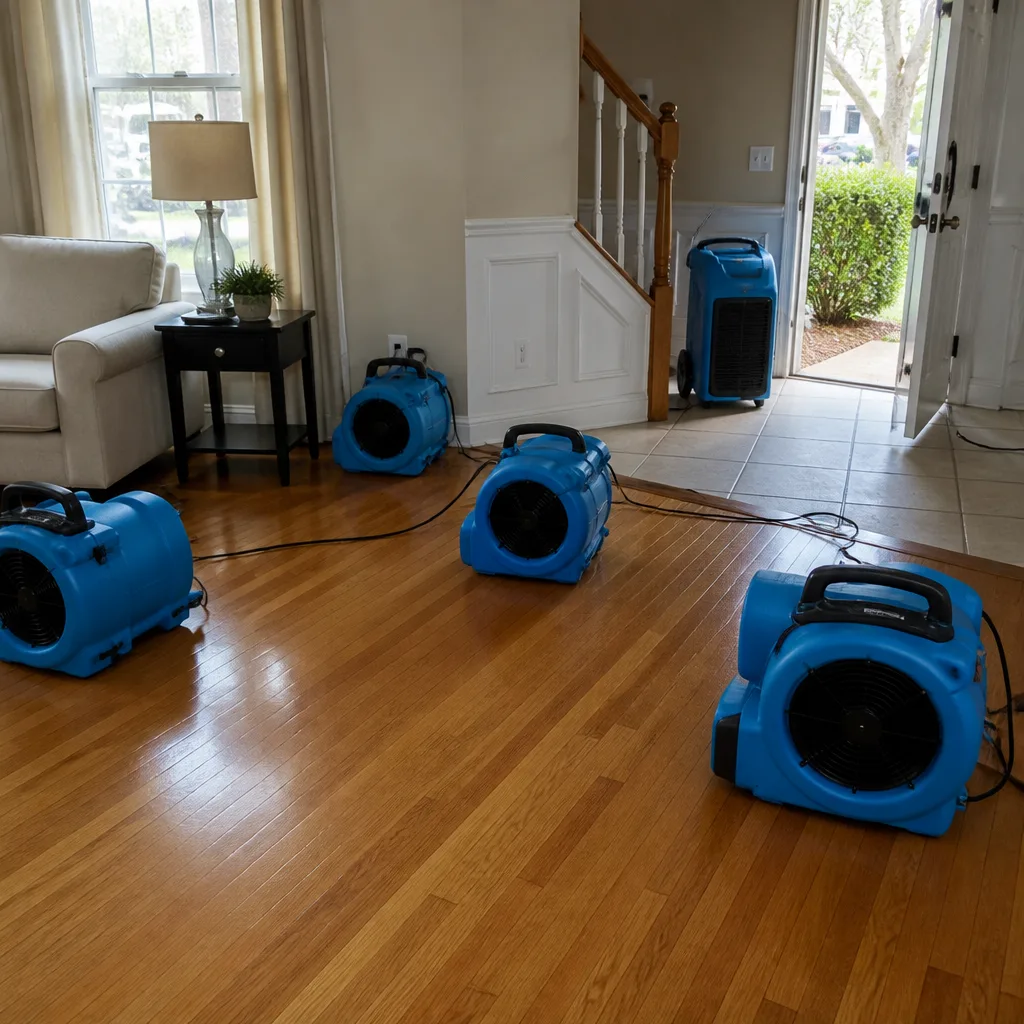
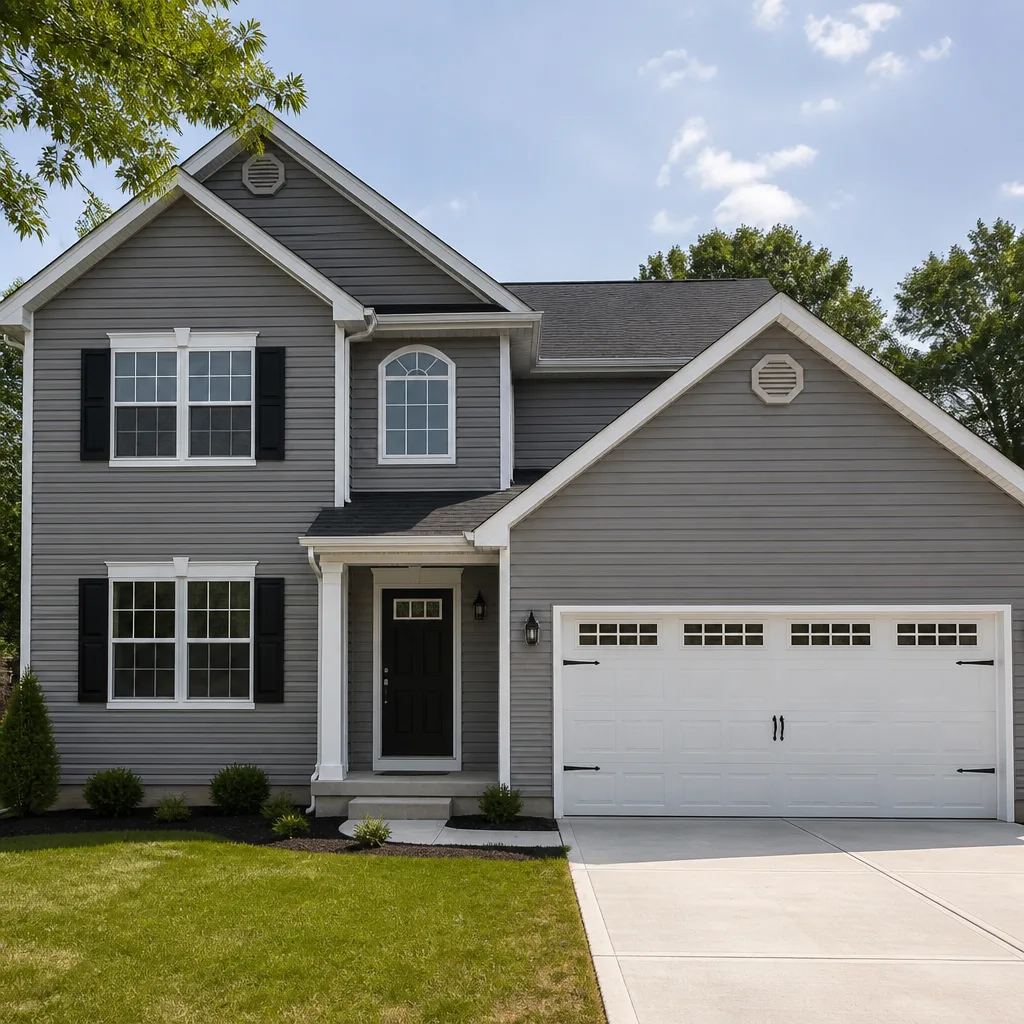
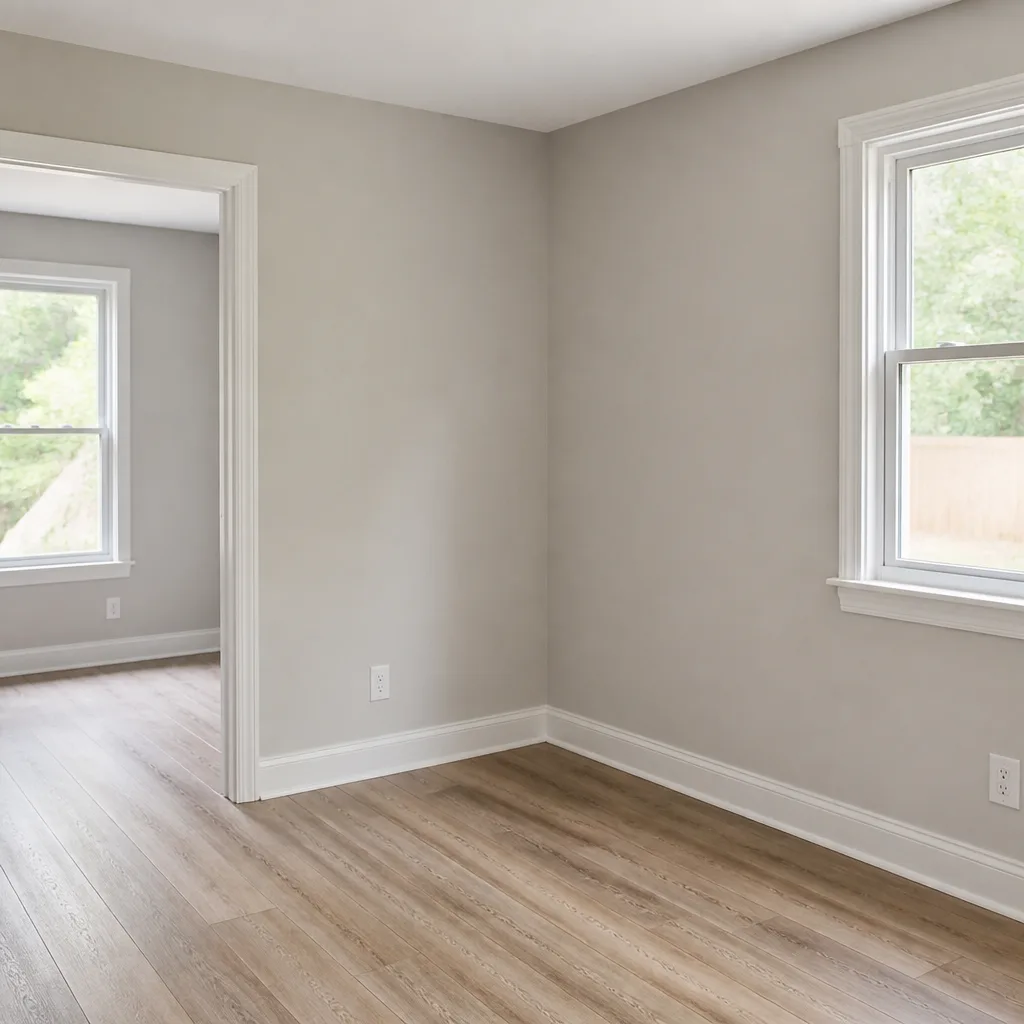
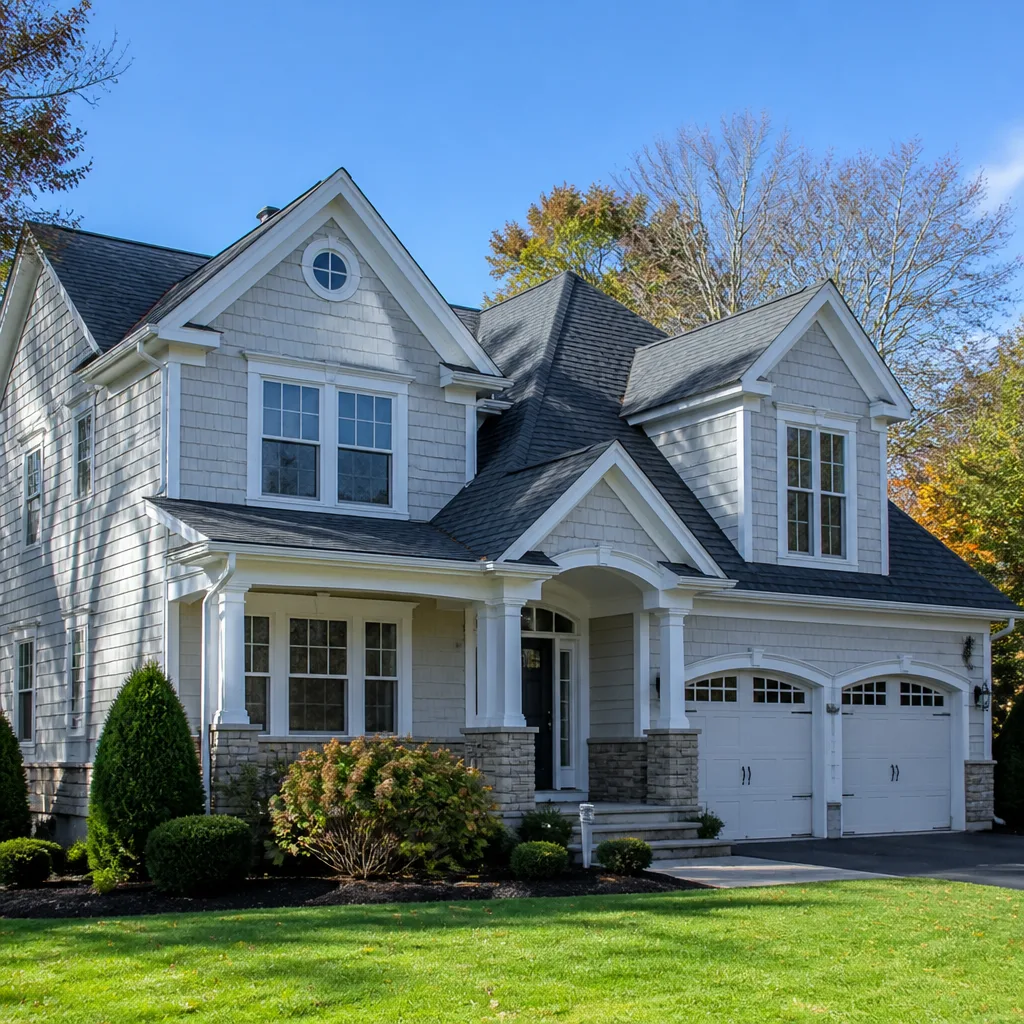
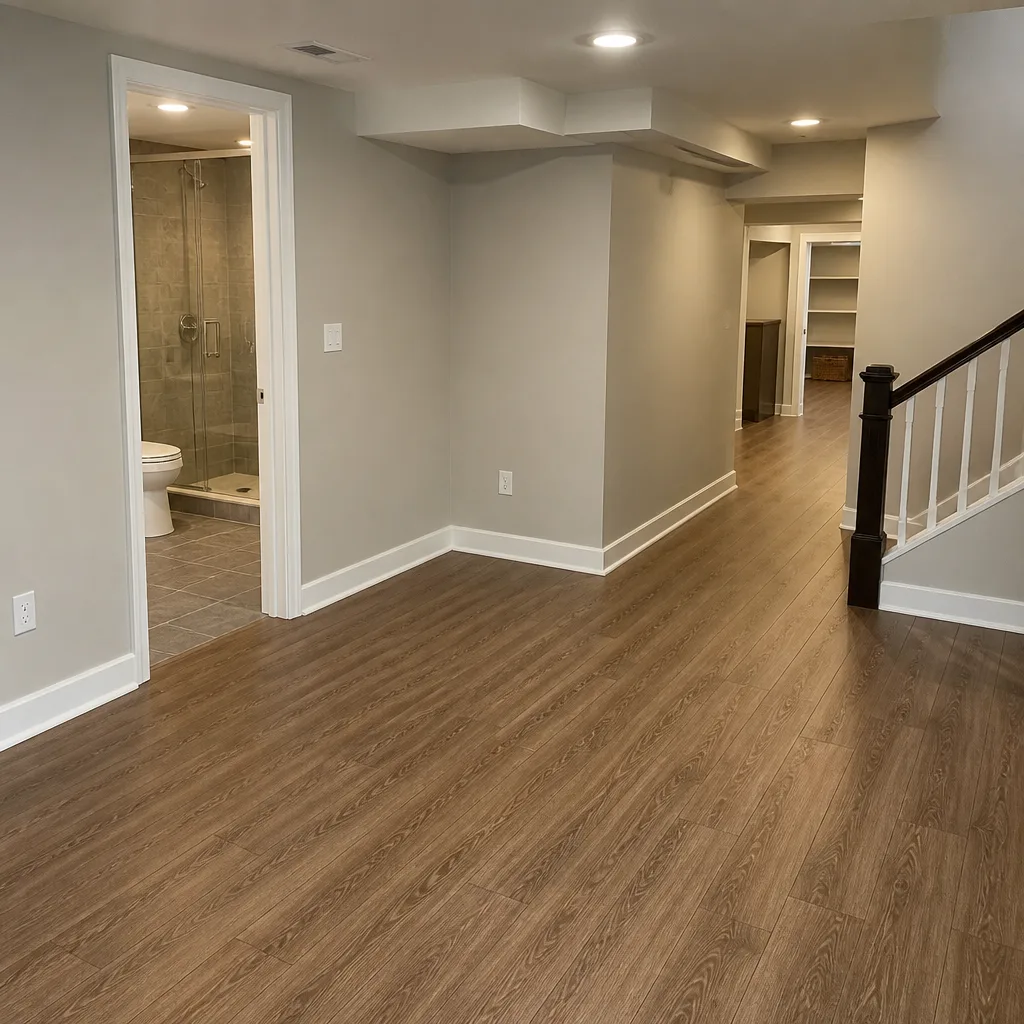

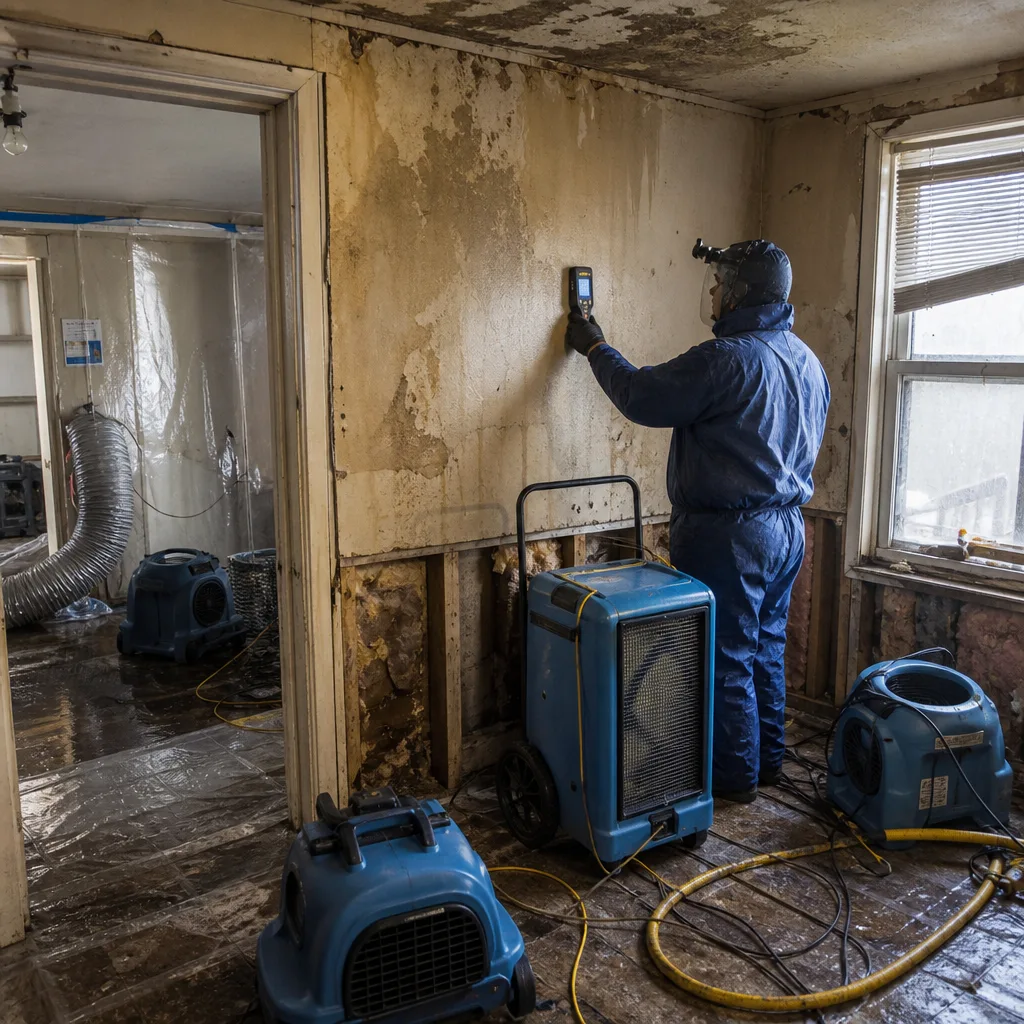 Before
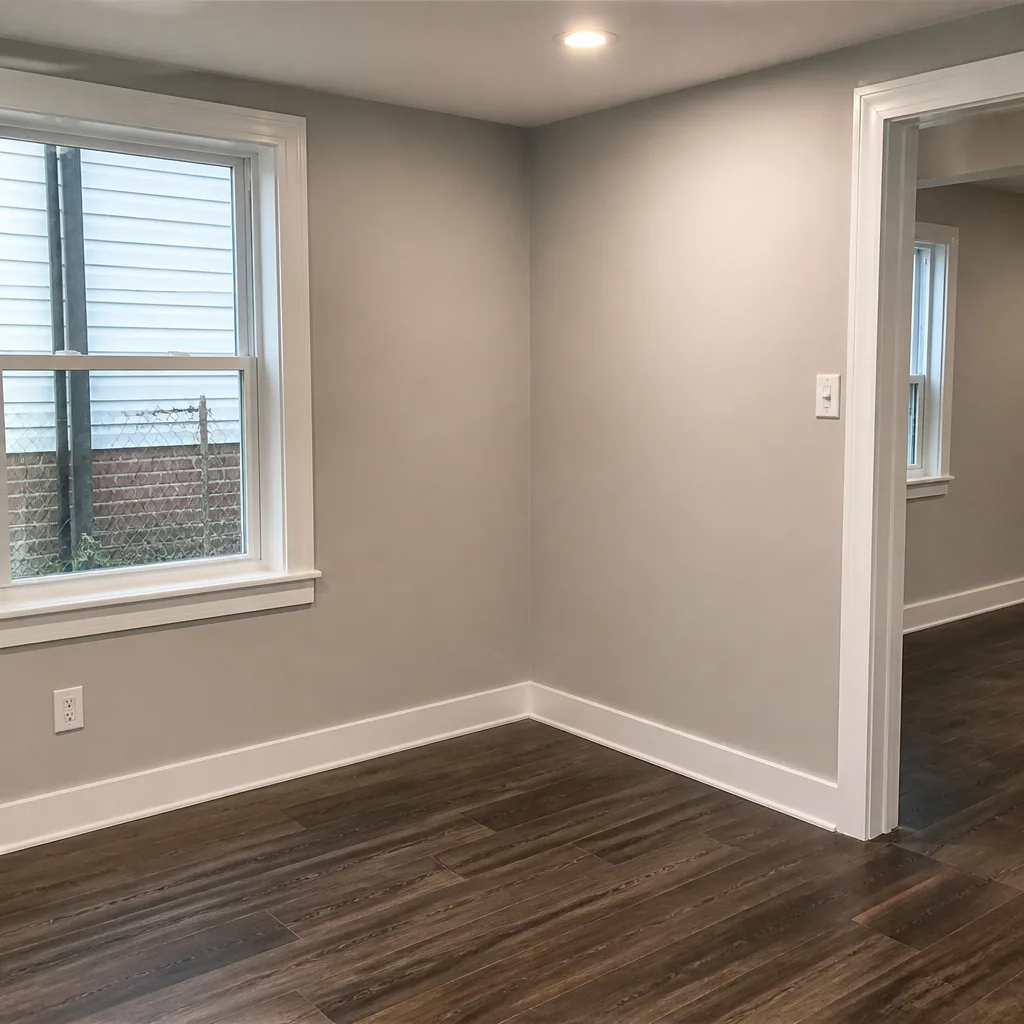 After
After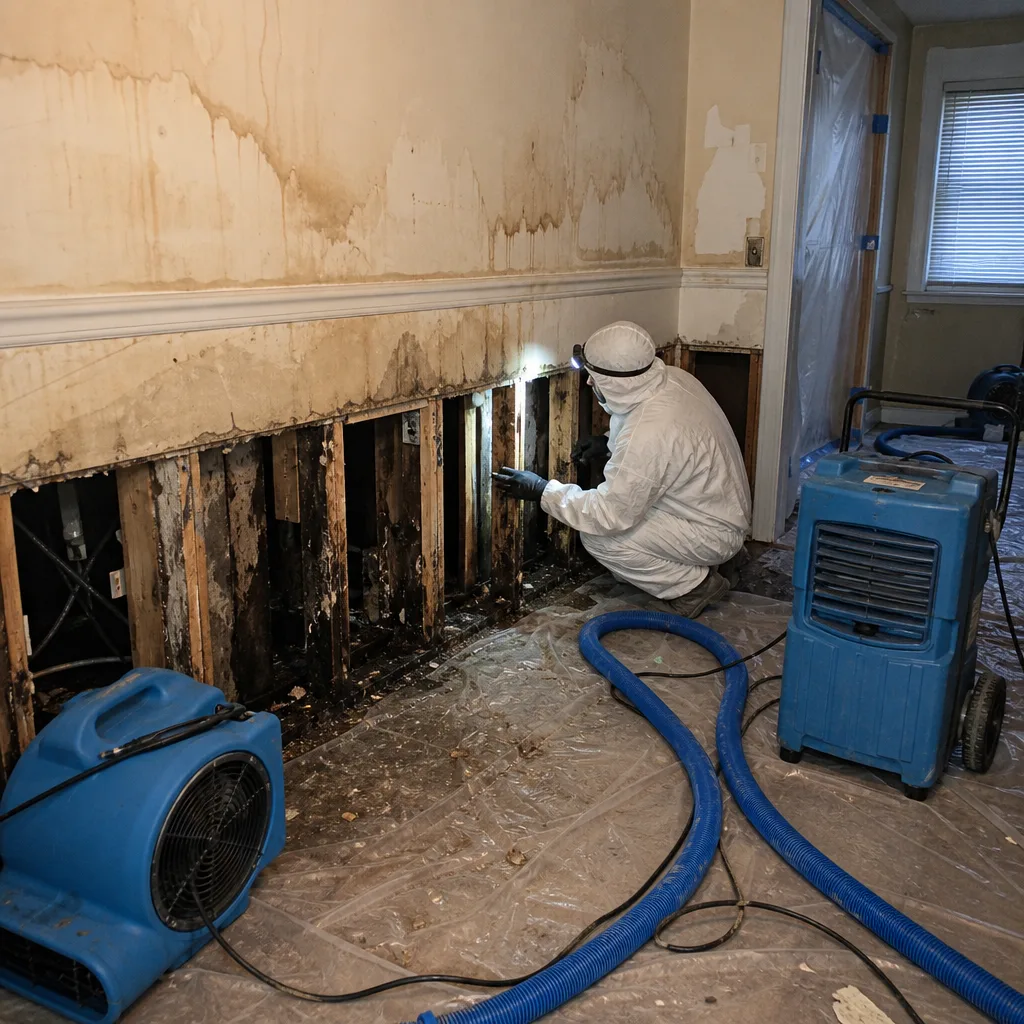 Before
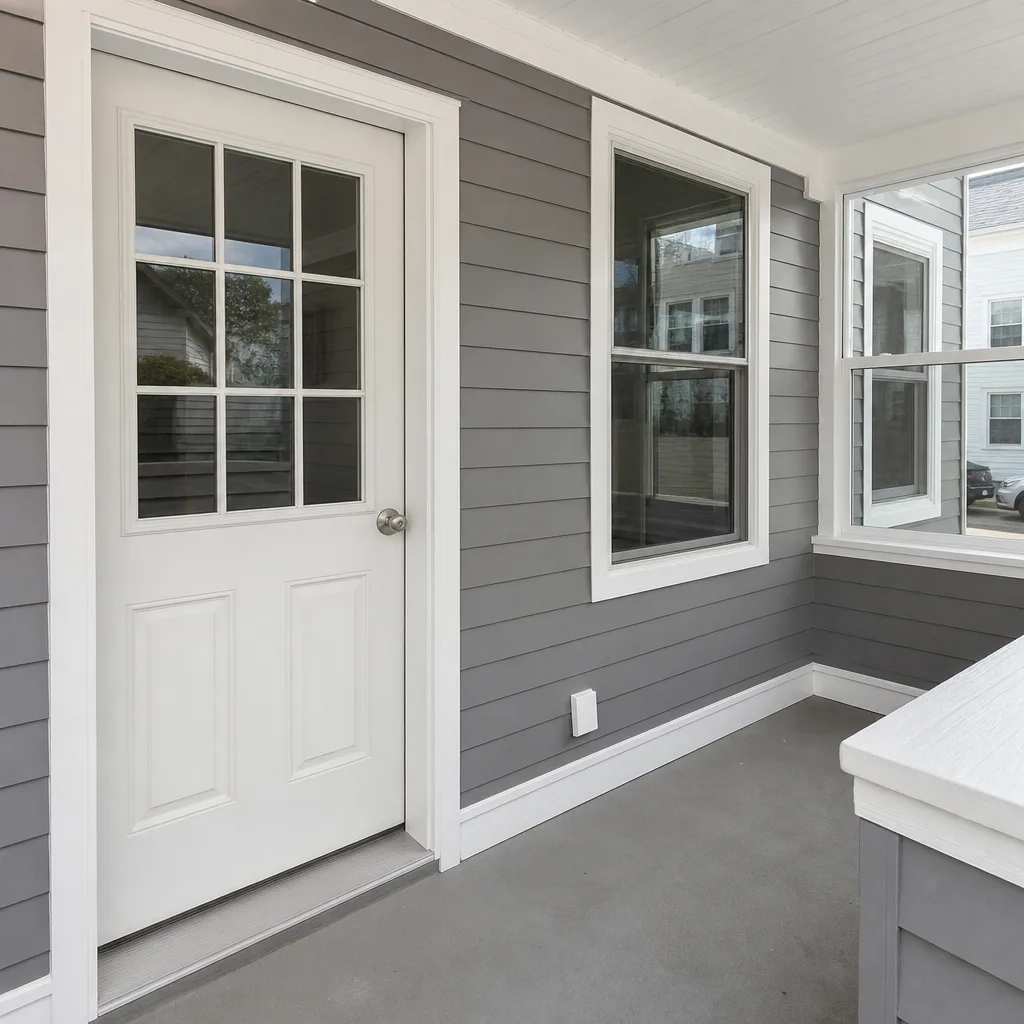 After
After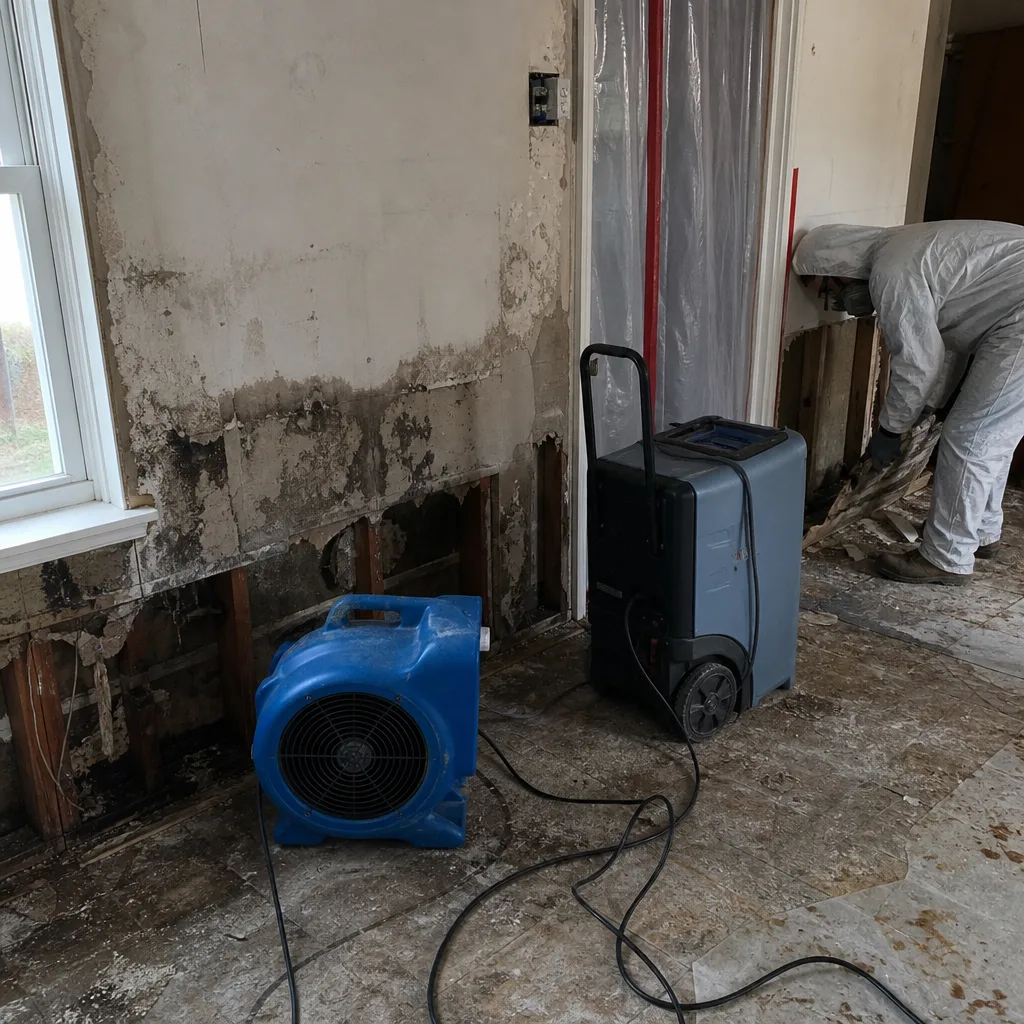 Before
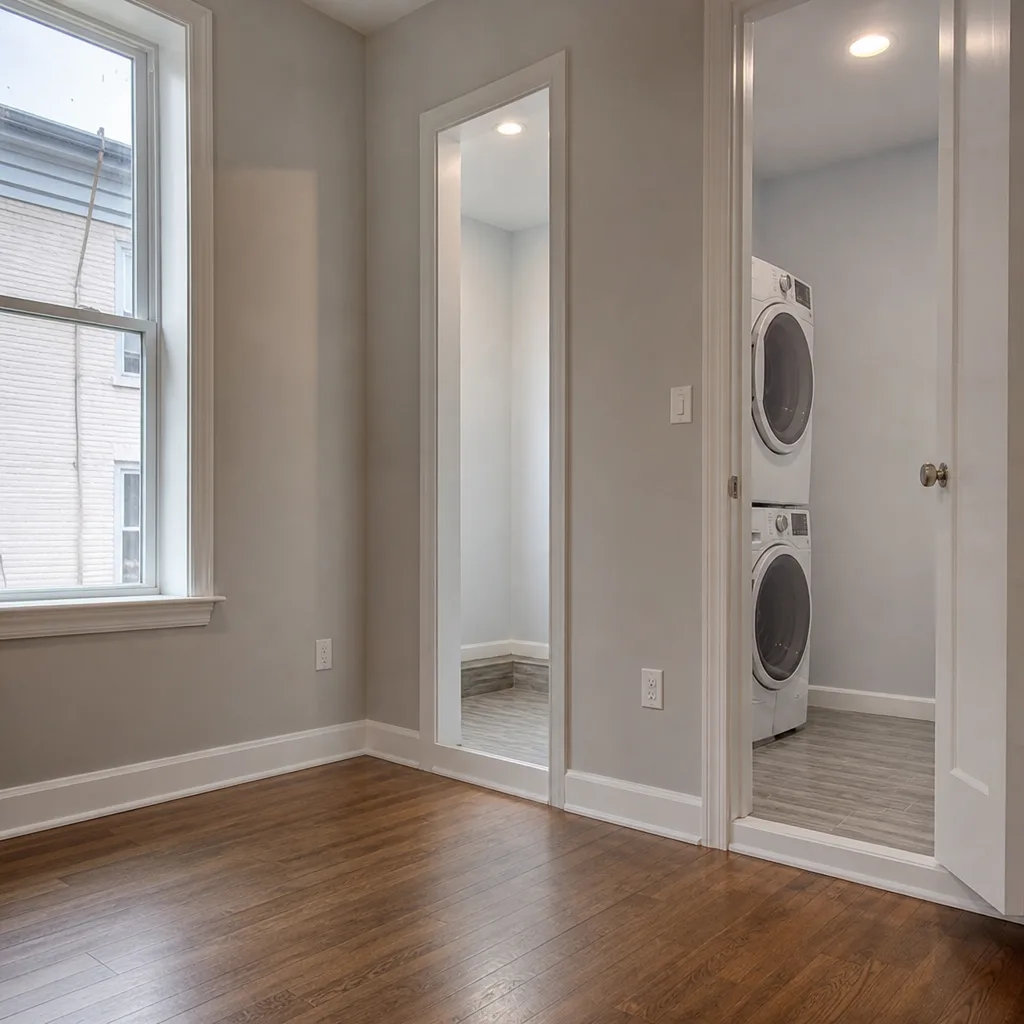 After
After24/7 Emergency Water Damage Restoration in Travis – Chelsea
Water damage restoration in Travis – Chelsea typically costs between $2,800 and $7,500 depending on the water category and square footage affected, and a crew can usually reach your door within 45 minutes of your call. We answer live around the clock at (640) 400-9404, because the first hour after a pipe bursts or storm surge backs up through a floor drain is the hour that decides whether you’re drying sheetrock or replacing it. Floodline Restoration Co. dispatches locally stationed crews into every corner of Travis – Chelsea, from Victory Boulevard to the blocks along the Arthur Kill, and we start with a free visual inspection so you know exactly what you’re dealing with before a single fan gets plugged in.
Understanding Water Damage Restoration Severity in Travis – Chelsea Properties
Water damage falls into three categories, and getting the classification right in Travis – Chelsea matters more than in most neighborhoods. Category 1 is clean water from a burst supply line or an overflowing tub. Category 2 carries contaminants, like washing machine discharge. Category 3, often called black water, includes anything that’s been in contact with the Arthur Kill, storm surge, or sewage. Here’s the part that catches people off guard: floodwater that comes up through a Travis – Chelsea basement slab is almost never Category 1, even if it looks clear. Older ranch and Cape Cod homes in this area, many built from the 1940s through the 1960s, sit on slab foundations or shallow crawl spaces with minimal vapor barriers. That construction wicks moisture upward and holds it. We use moisture mapping and thermal imaging to find water that’s traveled behind baseboards and under vinyl flooring, because in these homes, the visible puddle is rarely the whole story.
Why Travis – Chelsea Property Owners Choose Floodline Restoration Co.
- 45-minute response commitment. We keep crews staged near Travis – Chelsea so a call at 2 a.m. gets a truck rolling, not a callback.
- Live answer, 24/7. A real dispatcher picks up every call, every hour, every day. You won’t get a recording or an answering service.
- IICRC-certified crews. Our technicians hold WRT and ASD certifications and they’re background-checked and uniformed on every job.
- Free visual inspection. We assess the damage and walk you through the scope before any work begins, in plain language.
- Direct insurance billing. We document everything and communicate with your adjuster so you don’t play messenger.
- One team, start to finish. Extraction, drying, and rebuild are handled by the same Floodline crew. No mid-job handoffs.
Our Water Damage Restoration Process
Inspection & Assessment
We start with thermal imaging and moisture meters to map where the water went, not just where it pooled. In Travis – Chelsea’s older slab homes, this step is critical because subsurface moisture from landfill-adjacent soils can masquerade as a fresh leak. You get a written scope before any equipment comes off the truck.
Extraction & Stabilization
Standing water comes out with truck-mounted extractors and submersible pumps. We remove saturated carpet pad, baseboards, and drywall that can’t be saved, and we stabilize the structure so the damage stops spreading. For Arthur Kill floodwater, we treat everything as Category 3 from the first minute.
Drying & Dehumidification
Dri-Eaz and Phoenix air movers push air into wall cavities while low-grain dehumidifiers pull moisture out of the structure. We take daily readings with hygrometers and log them until every room hits the dry standard. Near the Fresh Kills boundary, we expect longer dry times and plan for them from day one.
Cleaning & Sanitization
We clean and disinfect all affected surfaces using antimicrobial treatments appropriate for the water category. In older Travis – Chelsea ranch homes with minimal vapor barriers, this step is not optional. Mold can colonize in 24 to 48 hours after extraction if surfaces aren’t treated properly.
Moisture Verification & Clearance
We don’t pull equipment based on a hunch. Every job gets a final round of moisture readings that we compare against the dry standard for the building materials involved. The log goes to you and your insurance carrier. If readings at the slab edge stay elevated, we extend drying rather than walk away and hope for the best.
Repairs & Restoration
Once the structure is dry, the same Floodline crew handles repairs: drywall, trim, flooring, and paint. We’re a full-cycle restoration company, which means you’re not calling a different contractor for the rebuild. The job isn’t done until the house is back to pre-loss condition and the paperwork is in your hands.
Need Emergency Water Damage Restoration in Travis – Chelsea Now?
Crews minutes away, answering live 24 hours a day. The sooner we start, the less it costs.
Working With Your Insurance Company
We’ve spent years handling water damage claims in Travis – Chelsea, and we know what adjusters need to see. Documentation starts the moment we arrive: photos of every affected room, moisture readings mapped to square footage, and a line-item scope of work. The extended drying timelines common near the Fresh Kills boundary are exactly the kind of thing an adjuster questions, so we document the subsurface moisture evidence and the extended scope in writing. You won’t have to explain to your carrier why drying took longer than the industry average. We handle that conversation directly. Our crews are trained to IICRC, RIA, and IFA standards, and every job gets a written scope before work begins, so there are no surprises on the bill.
What We Provide Your Insurer
- Thorough documentation of the loss
- Photos of all damage, room by room
- Moisture readings and drying logs
- A detailed, line-item scope of work
- Direct coordination with your carrier
Built for Travis – Chelsea’s Loss Calendar
Water damage in Travis – Chelsea follows a rhythm that anyone who’s lived here long enough can feel coming. January and February bring deep freezes that split supply lines in unheated crawl spaces under 1950s Capes. When the thaw hits in March, saturated ground pushes water through foundation cracks and up through slabs. Summer thunderstorms dump inches of rain in an hour, and the neighborhood’s low elevation means street drains back up before the storm passes. Nor’easter season from late fall through early spring pushes Arthur Kill tidal water into basements along the western edge of the neighborhood. And underlying all of it, the former Fresh Kills landfill’s soil conditions mean that even after the water is gone, the ground keeps pushing moisture upward. We plan for that. Our drying protocols in Travis – Chelsea account for elevated ambient moisture that other crews don’t expect until they’re two weeks into a job and wondering why the readings won’t drop.
Water Damage Restoration Across Travis – Chelsea’s Neighborhoods
Travis – Chelsea runs along Victory Boulevard and the western edge of Staten Island, and the loss patterns shift block by block. Homes closest to the Arthur Kill, near the Travis waterfront, see tidal surge and saltwater intrusion more than anywhere else in the neighborhood. The blocks around Chelsea Road and the older sections near the former landfill tend to deal with slab moisture and the slower, hidden damage that comes with it. The ranch homes off Victory Boulevard are the classic Travis – Chelsea water damage call: a crawl space that’s been damp for years, a burst pipe that turned a hidden problem into an emergency. Up closer to the West Shore Expressway, we see more stormwater runoff issues when heavy rain overwhelms the drainage. Every crew we send into Travis – Chelsea knows these streets, because the same dispatch team that answers the phones coordinates local scheduling from our New York City office. We’re not reading a map trying to find you. We’re already in the area.
Specialized Water Damage Restoration Services We Offer in Travis – Chelsea
Emergency Water Extraction
When a pipe lets go or storm surge comes through the back door, standing water needs to come out immediately. We run truck-mounted extractors and submersible pumps to pull hundreds of gallons off the floor fast. In Travis – Chelsea’s slab homes, extraction is just the opening move. The moisture that’s already wicked into the concrete is the fight that comes next.
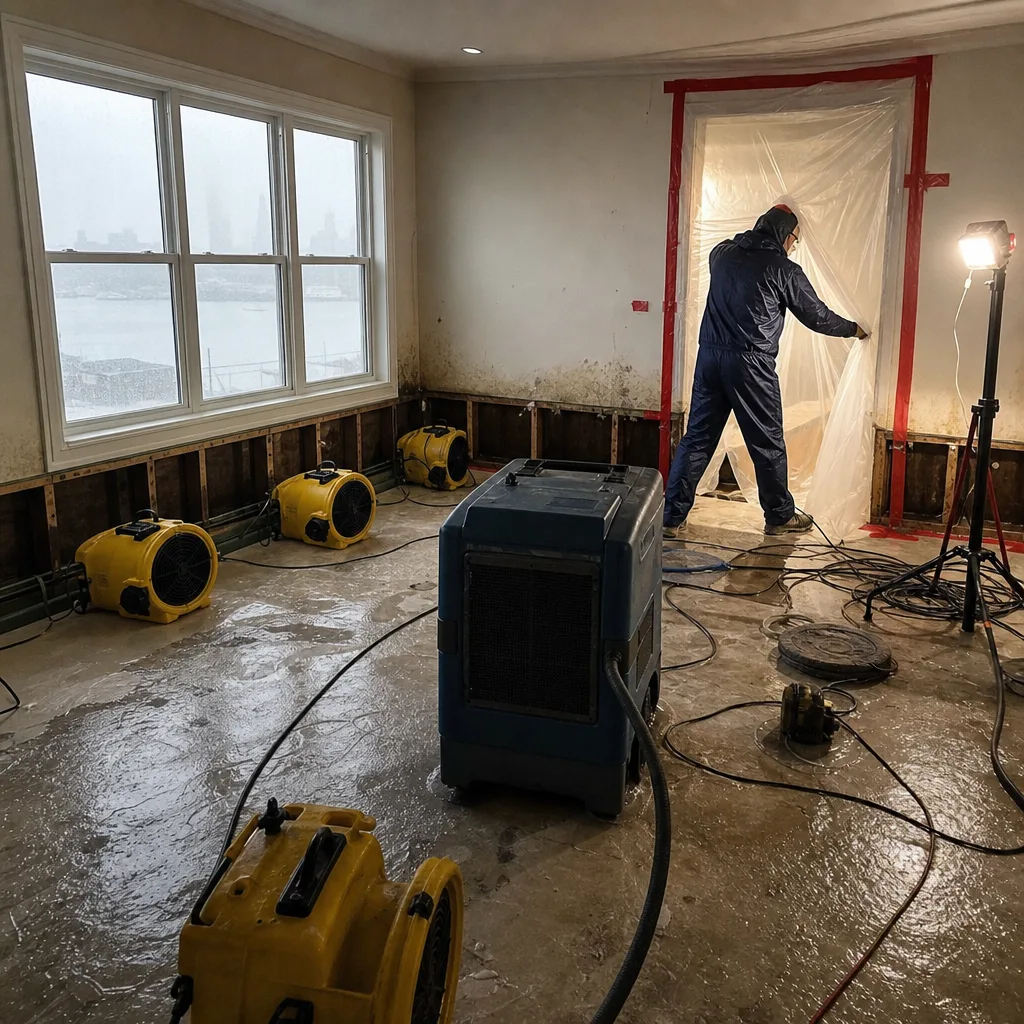
Structural Drying & Dehumidification
This is the service that matters most near the Fresh Kills boundary. Our techs run Dri-Eaz, Phoenix, and XPOWER air movers alongside low-grain dehumidifiers and track daily moisture readings with hygrometers. Standard drying timelines don’t hold here. Ground-level methane pressure and high subsurface moisture push water up through slab foundations, which means we monitor slab-edge readings closely and extend the drying plan when the ground won’t let go. Our crew recently completed a water extraction job on a 1950s Cape Cod on Victory Boulevard, where a burst pipe saturated the crawl space. Using Dri-Eaz and Phoenix air movers, we set up containment and ran structural drying with continuous moisture mapping. Even after 72 hours, moisture readings at the slab edge remained elevated, and our techs identified the cause as subsurface moisture wicking from landfill-adjacent soils. We extended the drying plan and documented the extended scope of work for the adjuster, ensuring the homeowner reached pre-loss condition without a second round of mitigation.
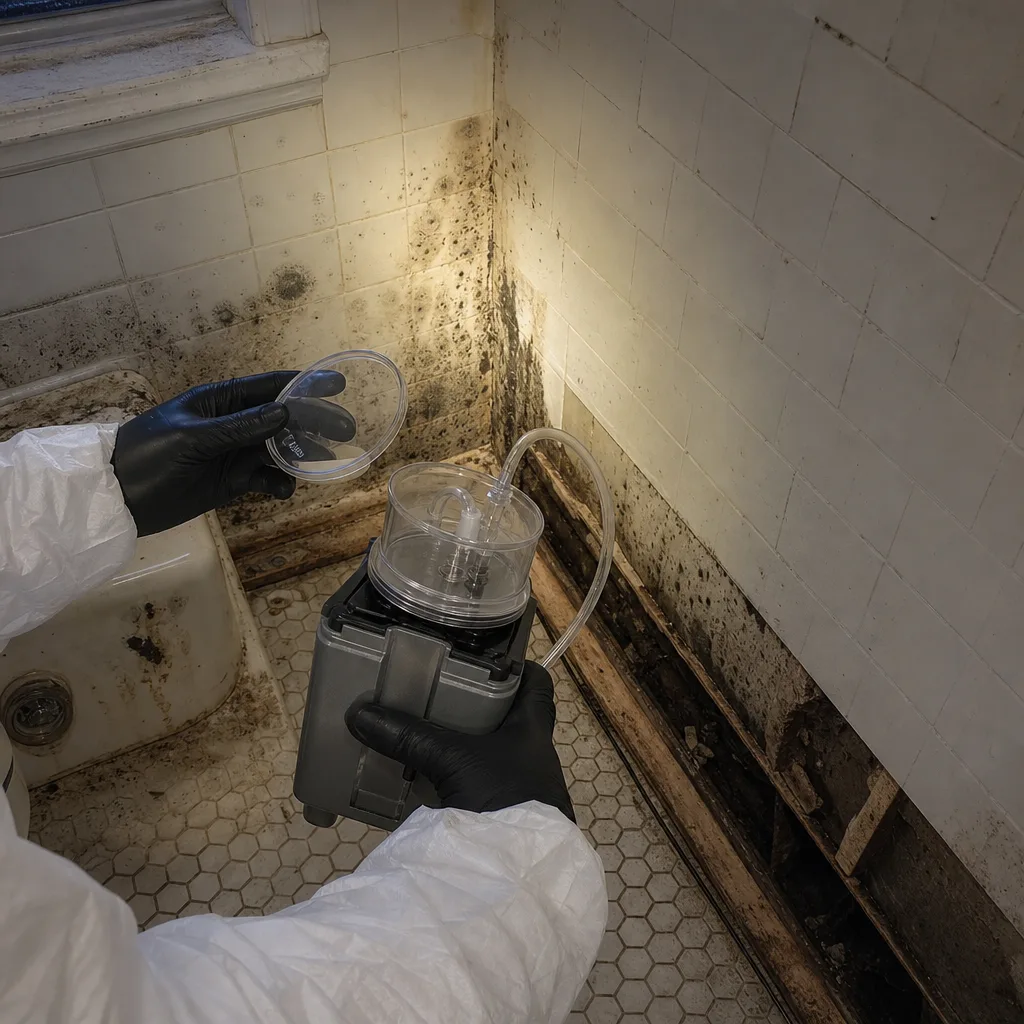
Flood Cleanup
Arthur Kill floodwater is always Category 3. It carries tidal contaminants, sewage, and whatever else the water picked up on its way into your home. Flood cleanup in Travis – Chelsea means treating the job as a black-water loss from the start: full containment, antimicrobial treatment, and removal of porous materials that can’t be sanitized. In older ranch homes with minimal vapor barriers, skipping antimicrobial treatment is how you get mold colonization within 48 hours of extraction.
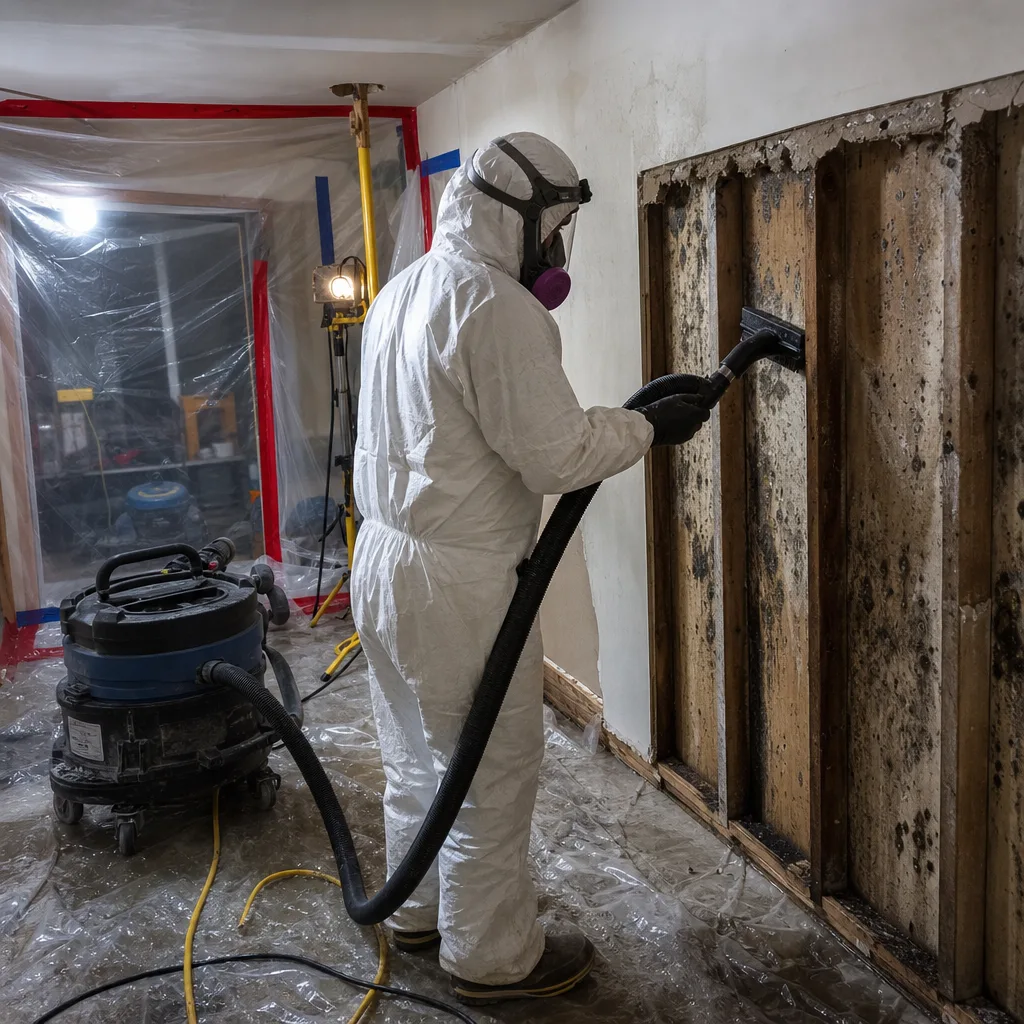
Burst Pipe Restoration
A frozen supply line in a Travis – Chelsea crawl space can dump water for hours before anyone notices. We trace the leak, stop it, extract the water, and then assess what can be dried and what needs to come out. Drywall that’s been soaking in Category 1 water for less than 24 hours can often be saved. Anything wet longer than that, or anything in contact with Category 2 or 3 water, usually can’t.
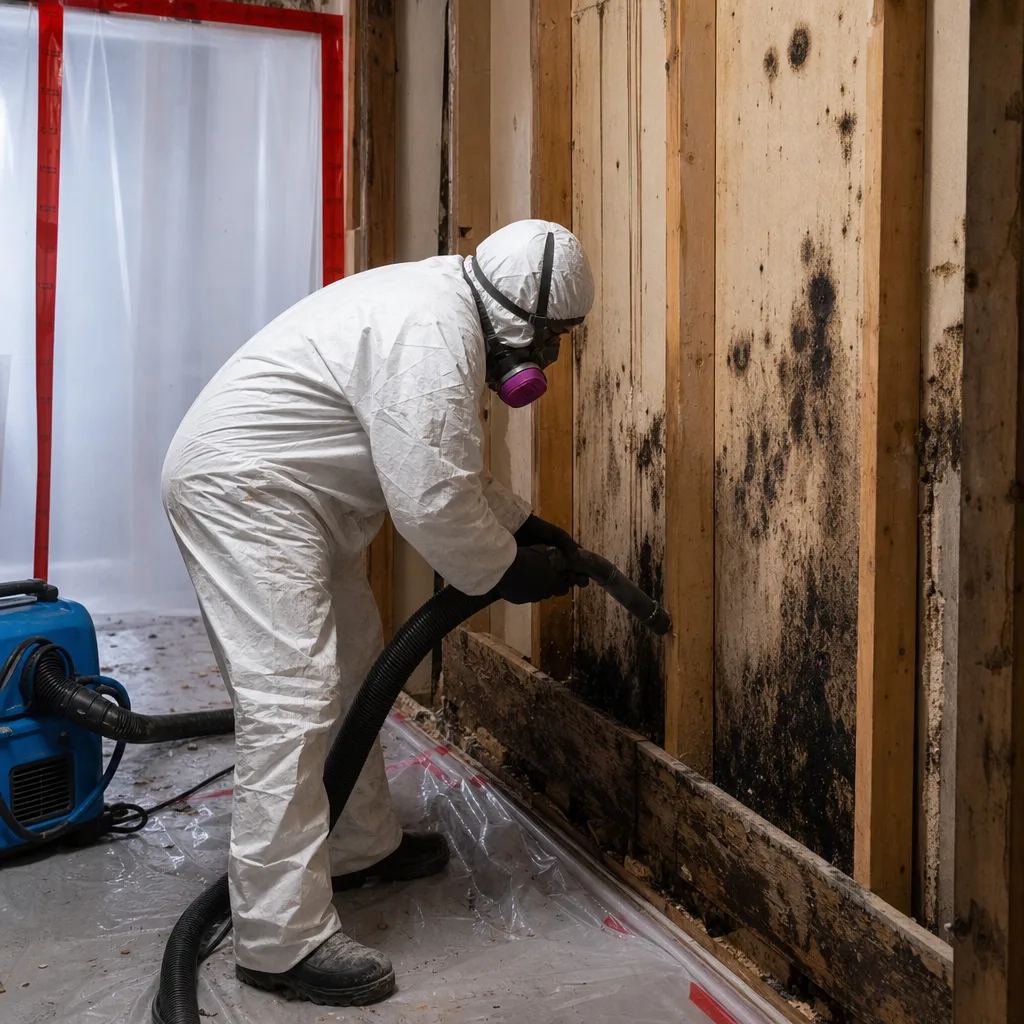
Basement Water Removal
Basements in Travis – Chelsea’s mid-century homes tend to be either shallow crawl spaces or partially finished slabs. Neither handles water well. We pump them out, remove saturated materials, and set up containment and drying. For slab foundations near the landfill boundary, we pay special attention to slab-edge moisture readings, because that’s where hidden moisture resurfaces weeks later if a crew pulls equipment too early.
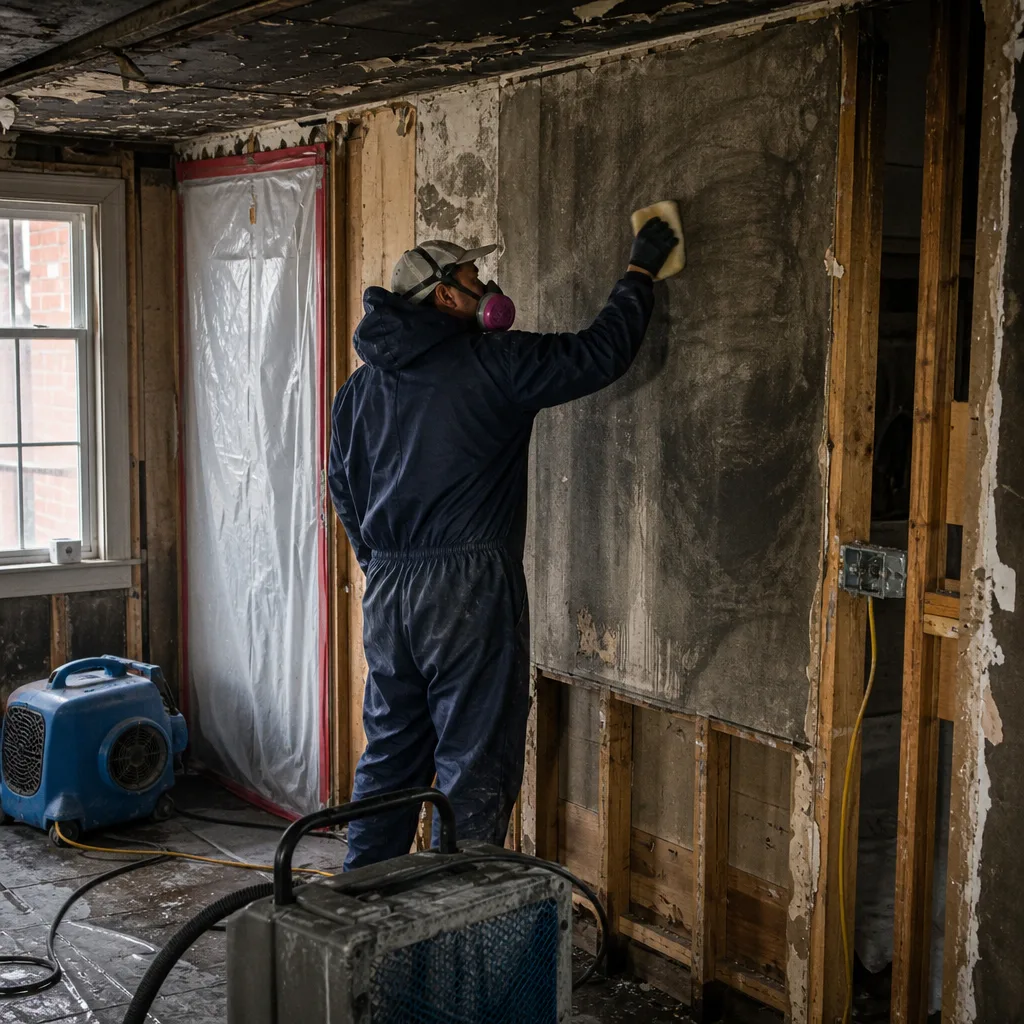
What happens when you call
- 1
A real person answersNo phone trees - you reach a local pro.
- 2
You get an upfront price rangeHonest numbers before anyone is dispatched.
- 3
A background-checked tech heads outLicensed & insured, dispatched right away.
- 4
You approve before work beginsNothing starts until you say go.
Water Damage Restoration Costs in Travis – Chelsea, NY
A typical water damage restoration job in Travis – Chelsea runs $2,800 to $7,500 depending on how far the water traveled and what category it falls into. Emergency water extraction alone, when the damage is caught early, starts around $1,200 to $2,000. Structural drying with daily moisture monitoring adds $1,500 to $3,000 depending on square footage and how long the drying runs. Flood cleanup from Arthur Kill surge costs more, typically $4,000 to $9,000, because Category 3 water requires containment, antimicrobial treatment, and more material removal. Basement water removal in an older Travis – Chelsea ranch falls in that $2,800 to $5,500 range unless the slab itself is compromised, which pushes the number higher. Most homeowner policies cover these costs minus your deductible, and we bill your carrier directly. The free visual inspection is how you get from a rough range to a firm number. Call (640) 400-9404 and we’ll walk the property with you and put the scope in writing. Estimates are free.
We Also Serve Cities Near Travis – Chelsea
Our Water Damage Restoration crews cover Travis – Chelsea and the surrounding Staten Island neighborhoods. If you’re in Midland Beach, New Springville, Oakwood, or the Financial District, we’re already close by. Dispatch coordinates from our New York City office, and crews stage throughout the borough so response times stay tight across the area. Call the same number: (640) 400-9404.
Serving Travis – Chelsea, NY - Our Local Coverage Area
We’re based in the Travis – Chelsea area and know this community well. Use the map below to see our service coverage - if you’re nearby, we can almost certainly help.
Travis – Chelsea Water Damage Restoration Questions, Answered
How does being near the former Fresh Kills landfill affect water damage restoration in Travis – Chelsea?
Being near the former Fresh Kills landfill means post-flood structural drying can run significantly longer than industry norms because methane pressure and high subsurface moisture wick up through slab foundations. This failure mode often gets misattributed to a second leak when a restoration crew isn’t familiar with landfill-adjacent soil conditions. We account for it from the first moisture map, and we document the extended drying timeline for your insurer so you’re not left explaining it. Call (640) 400-9404 if you’re seeing moisture come back after a previous mitigation.
What water category does Arthur Kill floodwater fall into for restoration?
Arthur Kill floodwater is always Category 3, meaning black water with tidal contaminants. It requires full containment, antimicrobial treatment, and removal of porous materials that can’t be sanitized. Treating it as Category 1 is a mistake that leads to mold and health issues later. We classify and handle it correctly from the first response. Call (640) 400-9404 for a free assessment if surge water has entered your home.
Why does structural drying take longer in Travis – Chelsea than in other Staten Island neighborhoods?
Structural drying takes longer in Travis – Chelsea because the neighborhood sits on low-lying land adjacent to the former Fresh Kills landfill, where high subsurface moisture and methane pressure push water up through slab foundations. Ambient moisture levels also run higher year-round near the Arthur Kill. We plan for extended timelines and keep equipment running until every reading hits the dry standard. Call (640) 400-9404 if a previous crew pulled equipment early and the moisture came back.
Can you restore a 1940s ranch home basement after a flood without gutting it?
Sometimes. It depends on how far the water traveled, how long it sat, and what materials are involved. If the water was caught within 24 hours and the walls are drywall over framing with open cavities, we can often dry in place. If insulation wicked water or the water was Category 3, gutting to the studs is usually the safer route. The free visual inspection and moisture mapping give you a firm answer before any work starts. Call (640) 400-9404.
How do you document a Travis – Chelsea water damage job for my insurance claim?
We document everything from the first hour: photos of every affected room, moisture readings mapped to square footage, daily drying logs, and a line-item scope of work. For the extended drying timelines near the landfill boundary, we document the subsurface moisture evidence and the extended scope so your adjuster has a clear picture. We communicate with your carrier directly. Call (640) 400-9404 and we’ll start the documentation the moment we arrive.
How fast can a water damage crew actually reach Travis – Chelsea?
We commit to a 45-minute response time for emergency water damage calls in Travis – Chelsea. Our dispatch is live 24 hours a day, and we stage crews throughout Staten Island. When you call (640) 400-9404, a real dispatcher answers and gets a truck rolling. Not a callback, not a recording.
Will my homeowner’s insurance cover water damage restoration in Travis – Chelsea?
Most standard policies cover sudden and accidental water damage like a burst pipe, assuming the damage wasn’t caused by neglected maintenance. Floodwater from the Arthur Kill requires a separate flood policy, which many Travis – Chelsea homeowners carry because of the neighborhood’s flood history. We bill the carrier directly and coordinate with your adjuster. Call (640) 400-9404 and we’ll review your policy situation during the free inspection.
What should I do in the first 30 minutes after discovering water damage in Travis – Chelsea?
Shut off the water source if you can do so safely, kill power to affected areas if there’s any chance water reached electrical outlets, and call (640) 400-9404. Don’t use a shop vac on Category 2 or 3 water, and don’t pull up carpet padding yourself if the water came from the Arthur Kill or a sewage line. The first hour determines whether materials dry in place or get replaced. Call us first, and we’ll tell you what’s safe to do while the crew is on the way.
Floodline Restoration Co. has been answering the phone with a live person since Curt Bowman founded the company in 2010. We built the business around a dispatch board, not a sales desk, because water damage in Travis – Chelsea doesn’t wait for business hours. Every job we do in this neighborhood gets the 90-Day Done Right Promise in writing. If it’s not done right, we make it right. No arguing, no paperwork battles. Senior and veteran homeowners save 5% on every job, there’s $50 off any repair over $250, and the $89 seasonal tune-up is available year-round. Call (640) 400-9404 for a free estimate, or read more about Water Damage Restoration in Travis – Chelsea on our city page.
Written by Curt Bowman, Owner at Floodline Restoration Co., serving Travis – Chelsea, NY since 2010.