
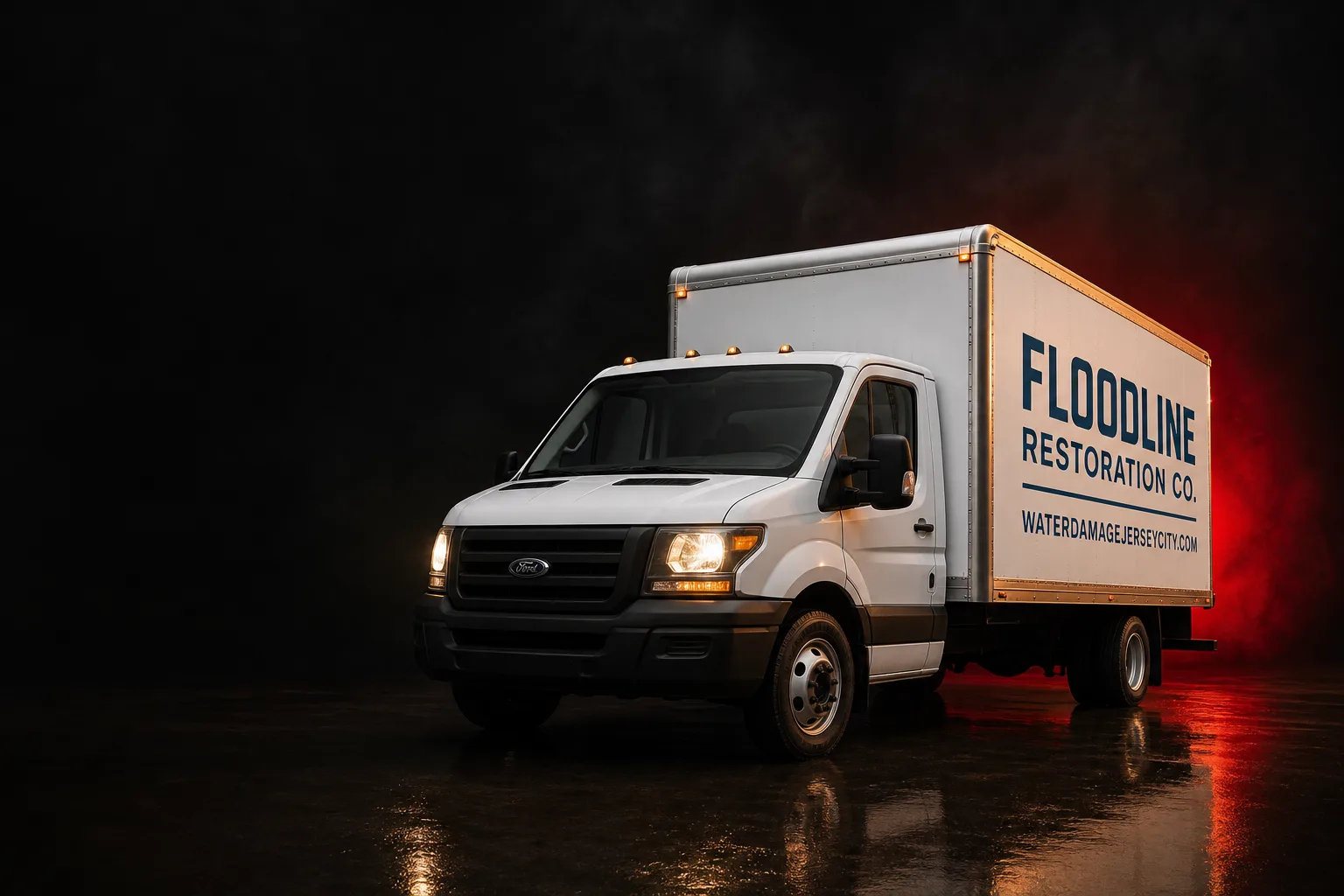
Free visual inspection and a written scope of work before any mitigation begins - photos, moisture readings, and drying logs go in your claim file
The scope we write is the scope we bill. Anything new gets shown to you, in writing, before we touch it.
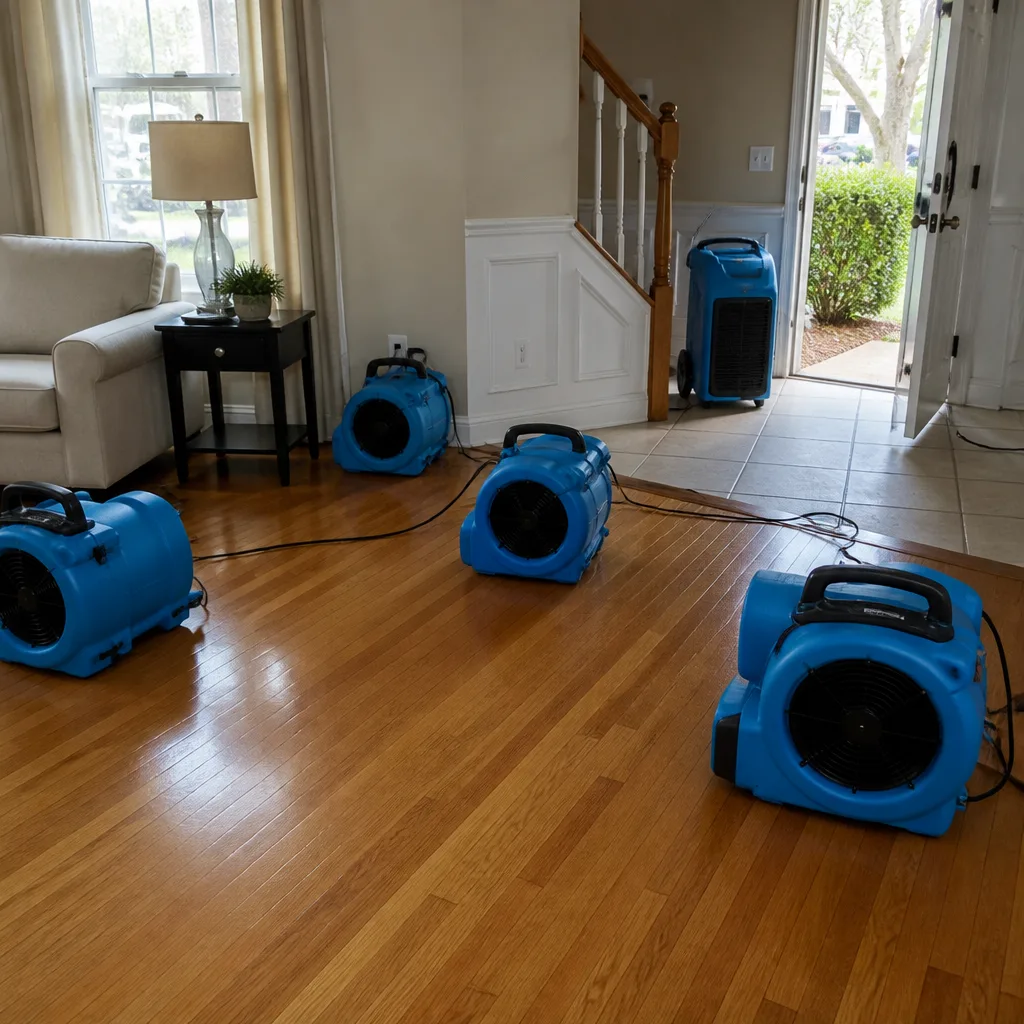
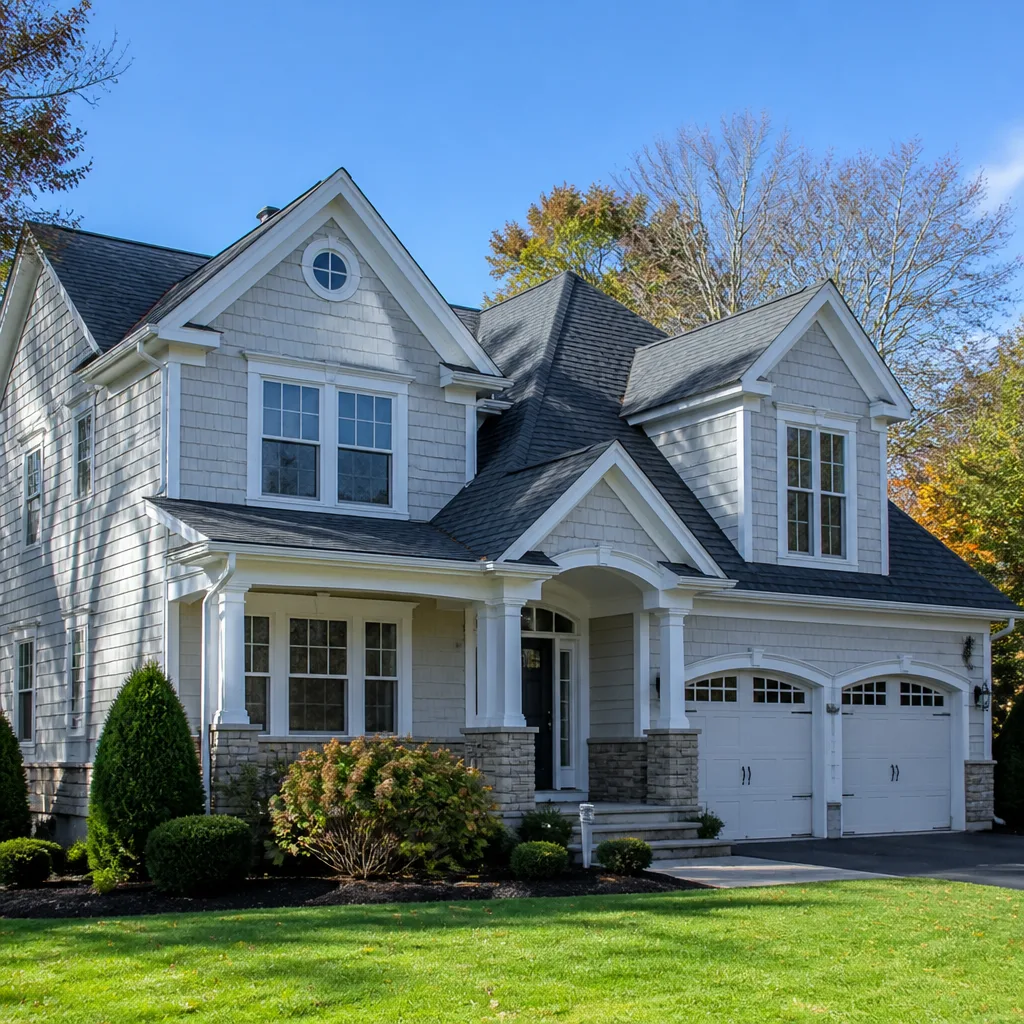
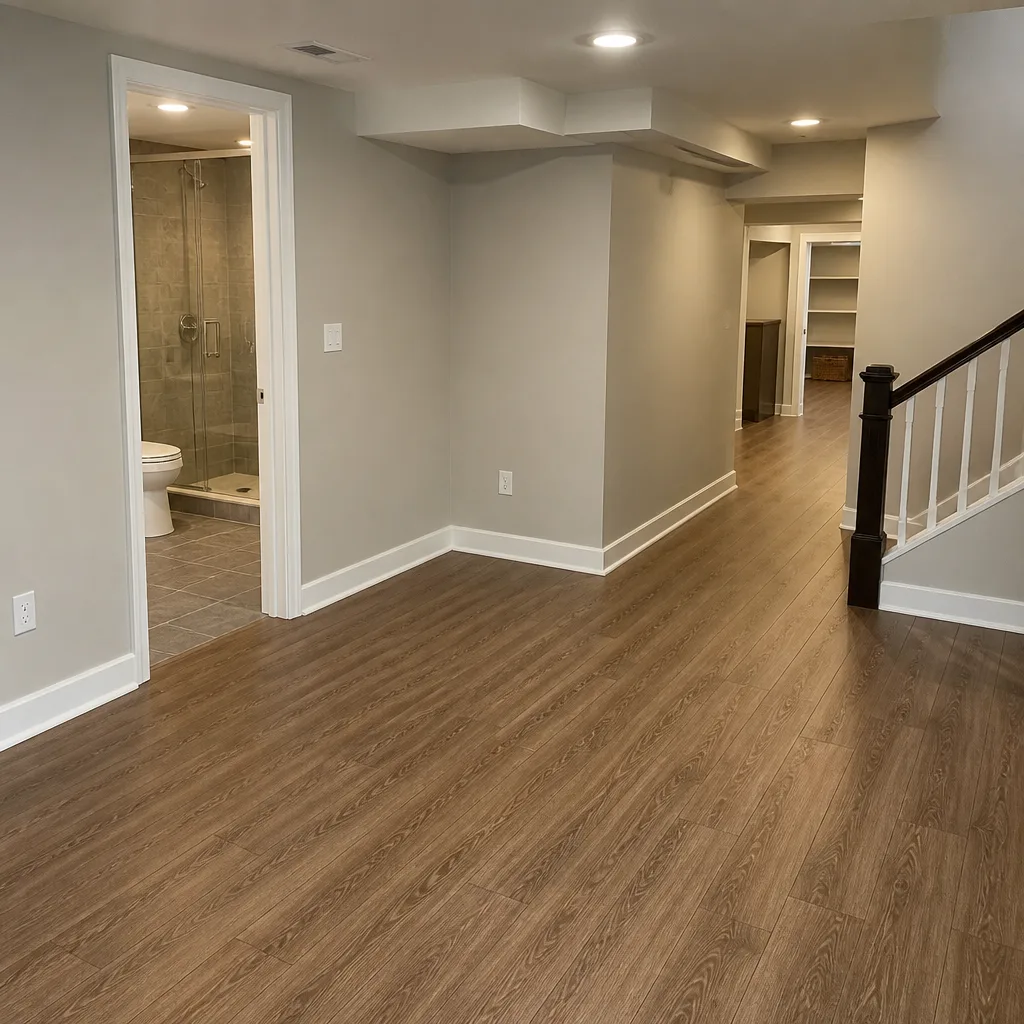
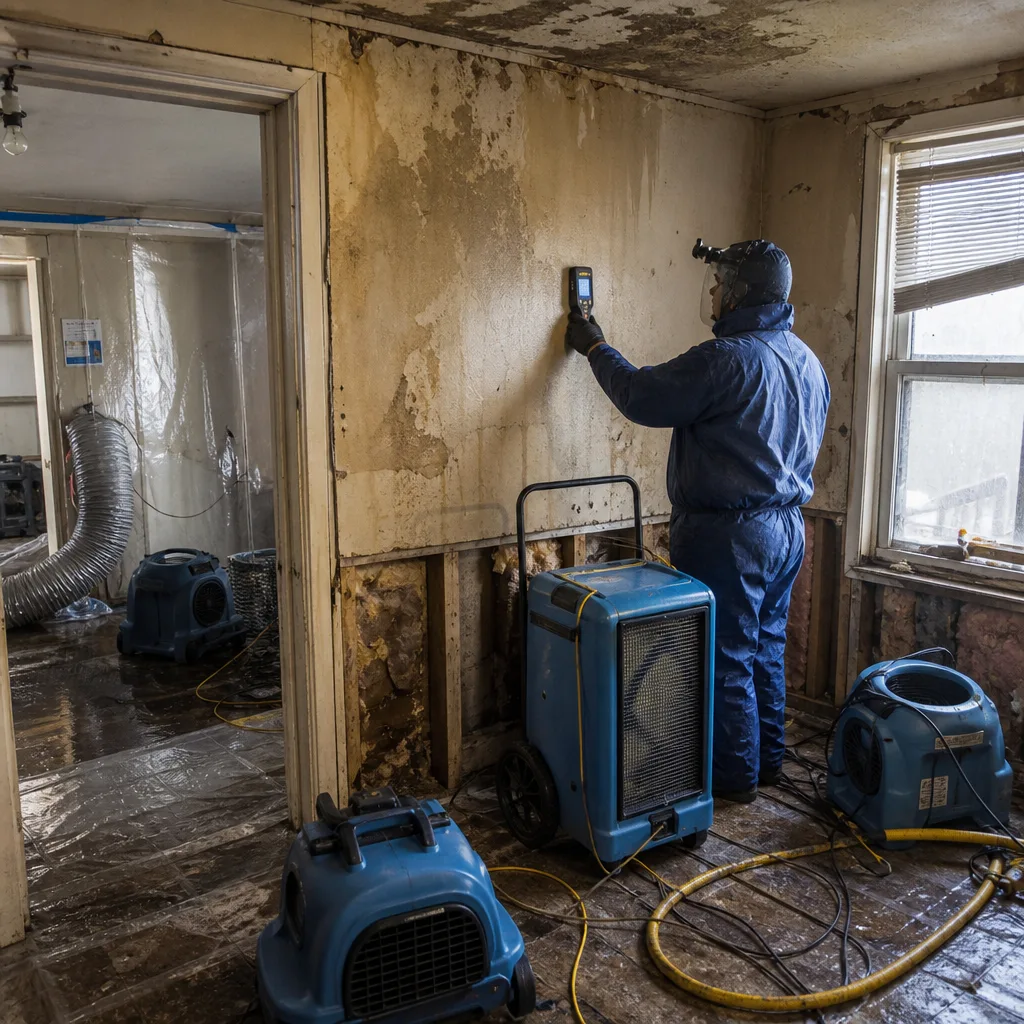 Before
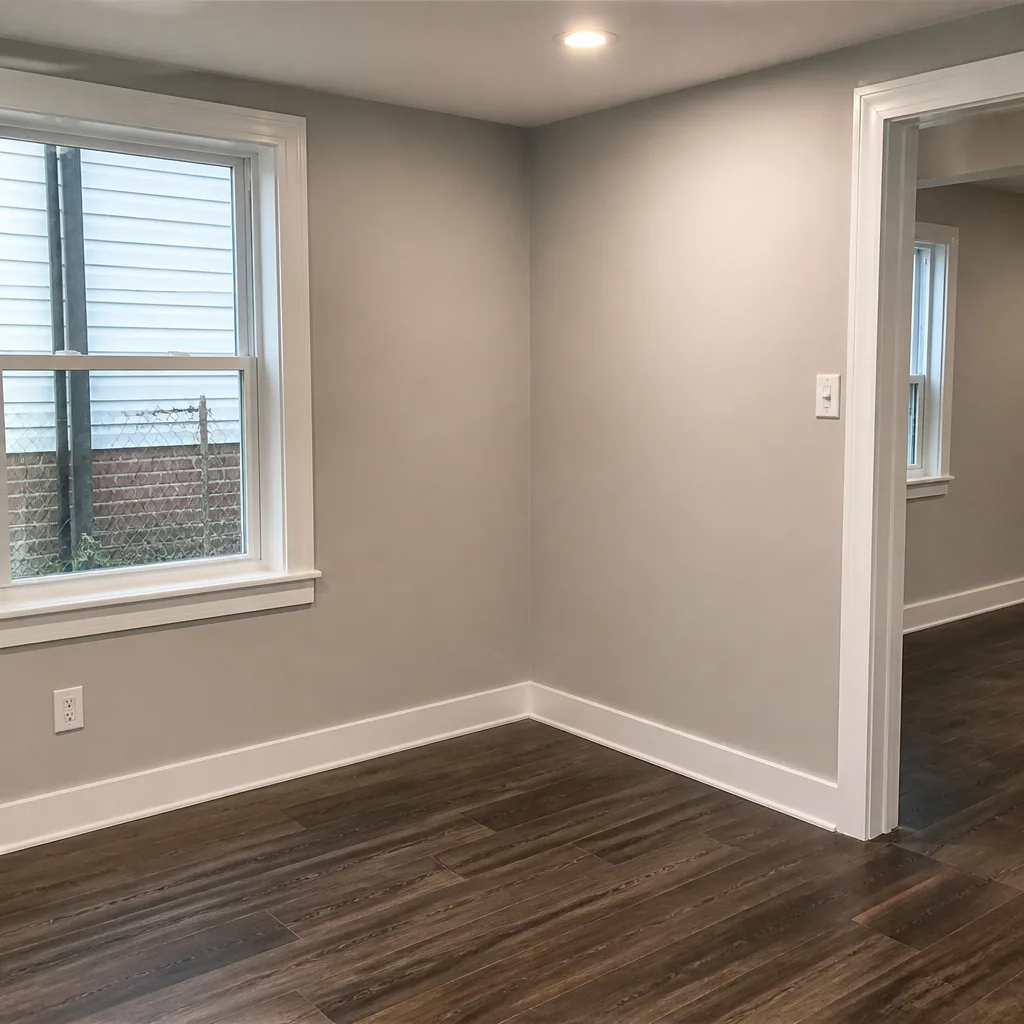 After
After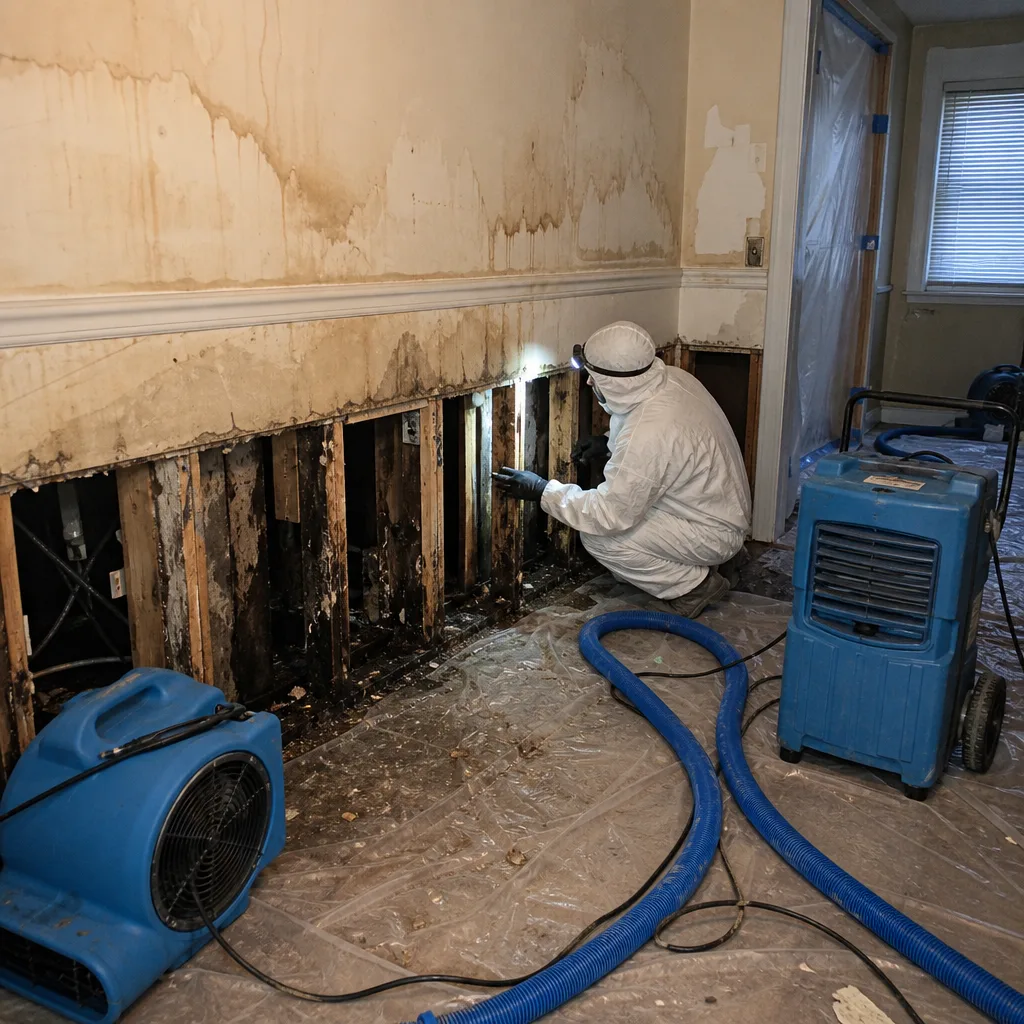 Before
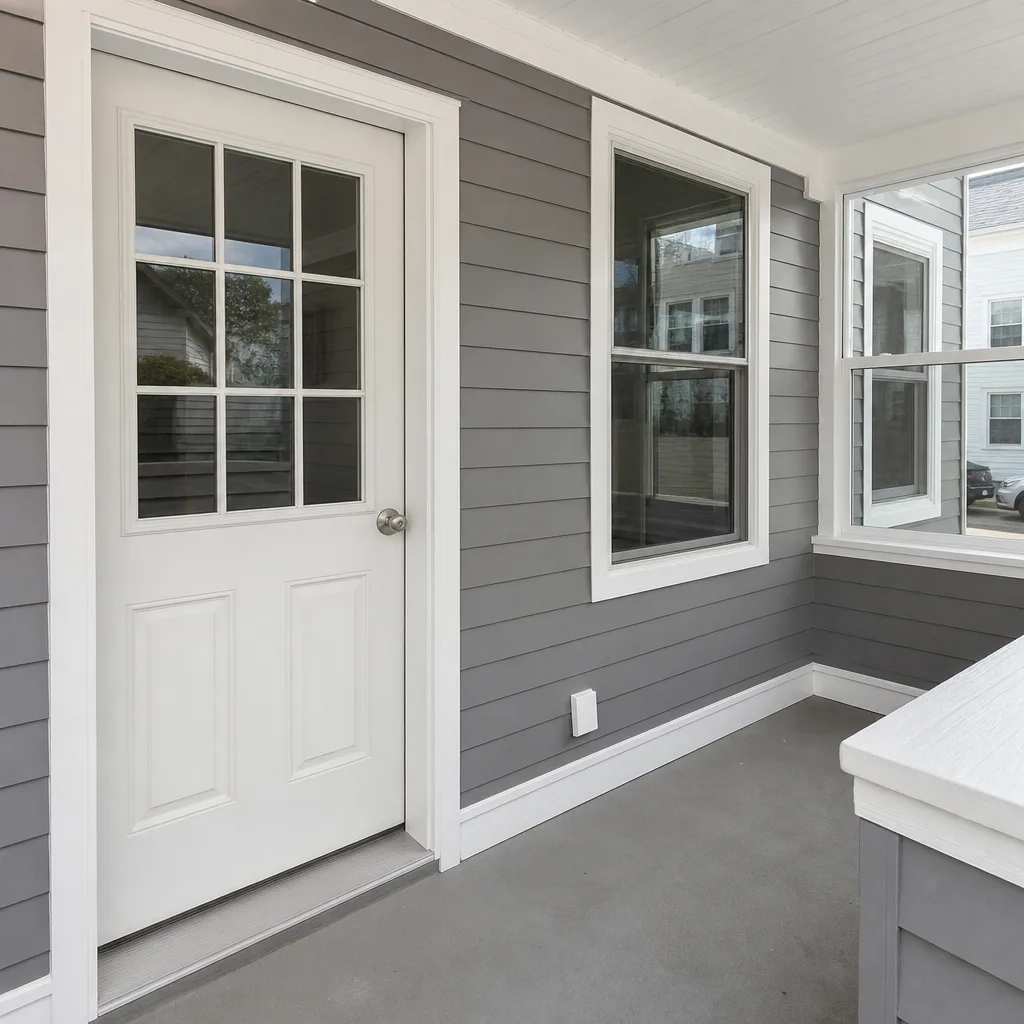 After
After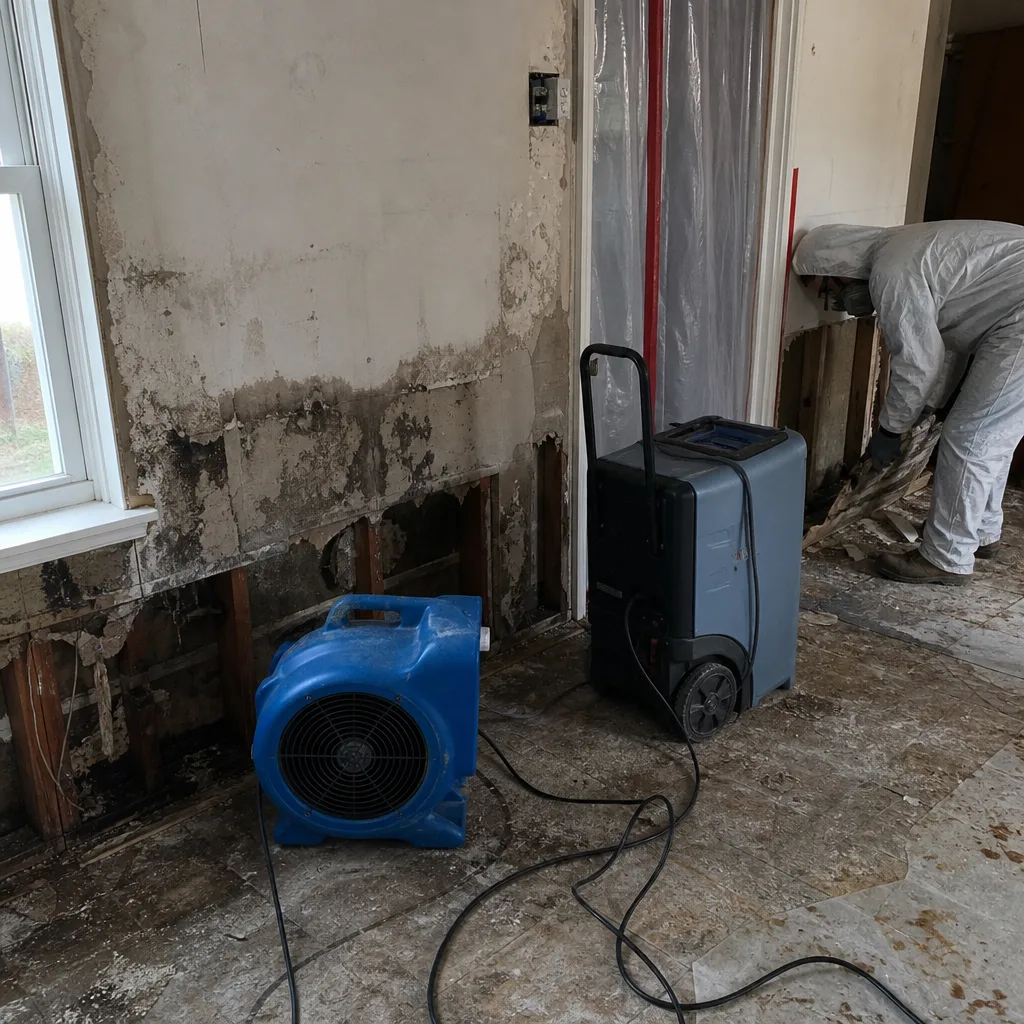 Before
 After
After24/7 Emergency Commercial Restoration in Lower Manhattan
When a commercial property below Canal Street takes on water, loses a storefront door to a nor’easter, or shows signs of saltwater corrosion in a sub-basement vault, our Storm & Disaster Restoration in Lower Manhattan team responds immediately, every hour of delay spreads the damage and pushes your reopening date further out. Floodline Restoration Co. keeps a live dispatcher on the phone at 2 a.m., not a recording, and our crews reach any address in Lower Manhattan the same visit, with extraction equipment running before the first moisture map dries. Call (640) 400-9404 for a free visual inspection and a written scope of work. The line the water left is where we start.
Understanding Commercial Restoration Severity in Lower Manhattan Properties
Lower Manhattan isn’t just another flood zone. It’s a FEMA Zone AE corridor wrapped by the Hudson, East River, and New York Harbor on three sides, with Battery Park City built on landfill and the Financial District sitting on made ground that predates modern building codes. That means a “minor” water event here is rarely minor. We classify restoration by category for a reason: Category 1 from a burst clean-water supply line, Category 2 from sump overflow or dishwasher discharge, Category 3 from surge water loaded with harbor brine, sewage, and fuel residue. Category 3 is what Battery Park City and South Street Seaport basements actually see during a storm push, and it changes everything: the drying standard, the demolition scope, whether sub-grade electrical conduit gets replaced rather than dried in place. In a 19th-century cast-iron Tribeca loft, a Category 2 event can wick through timber beams at a rate that surprises owners who’ve never dealt with pre-war construction. In a 1980s Battery Park City residential complex, the same event hits a mechanical room built into a grade that puts it directly in the path of any tidal surge. Severity here isn’t about how much water you see, it’s about what the water carried and where it wicked.
Why Lower Manhattan Property Owners Choose Floodline Restoration Co.
- 45-minute response commitment. A live dispatcher takes your call and a certified crew is rolling toward Lower Manhattan immediately, not after a callback window.
- 24/7 live answer, every day. A real person picks up at 2 a.m. You never leave a message and wait while water keeps moving through your sub-grade spaces.
- IICRC-certified crews. Our technicians hold WRT, FSRT, and AMRT certifications and work to IICRC, RIA, and IFA standards. Background-checked and uniformed, every job.
- Free visual inspection. We walk the damage with you, explain what we see, and hand you a written scope before any work begins. No pressure, no surprises.
- Direct insurance billing. We bill your carrier directly and coordinate with your adjuster, so you never play messenger between us and the claims desk.
- One team from extraction to reconstruction. The same crew that reads the moisture map on day one handles daily readings and rebuilds what needs rebuilding. No mid-job handoff.
Our Commercial Restoration Process
Inspection & Assessment
We arrive, walk every affected space including elevator pits and electrical vaults, and run thermal imaging and hygrometer readings to map moisture you can’t see. In Lower Manhattan, we specifically check sub-grade conduits for chloride residue from previous brine intrusion, even in buildings that “escaped” Sandy.
Extraction & Stabilization
Standing water comes out first, using truck-mounted and portable extraction units sized to the space. We set containment where Category 3 water is present and secure the area so your business can assess options without further exposure.
Drying & Dehumidification
Dri-Eaz LGR dehumidifiers paired with Phoenix air movers run on a daily monitoring schedule. We log hygrometer readings until the dry standard is met, and we hand that log to you and your carrier, not just our own file.
Cleaning & Sanitization
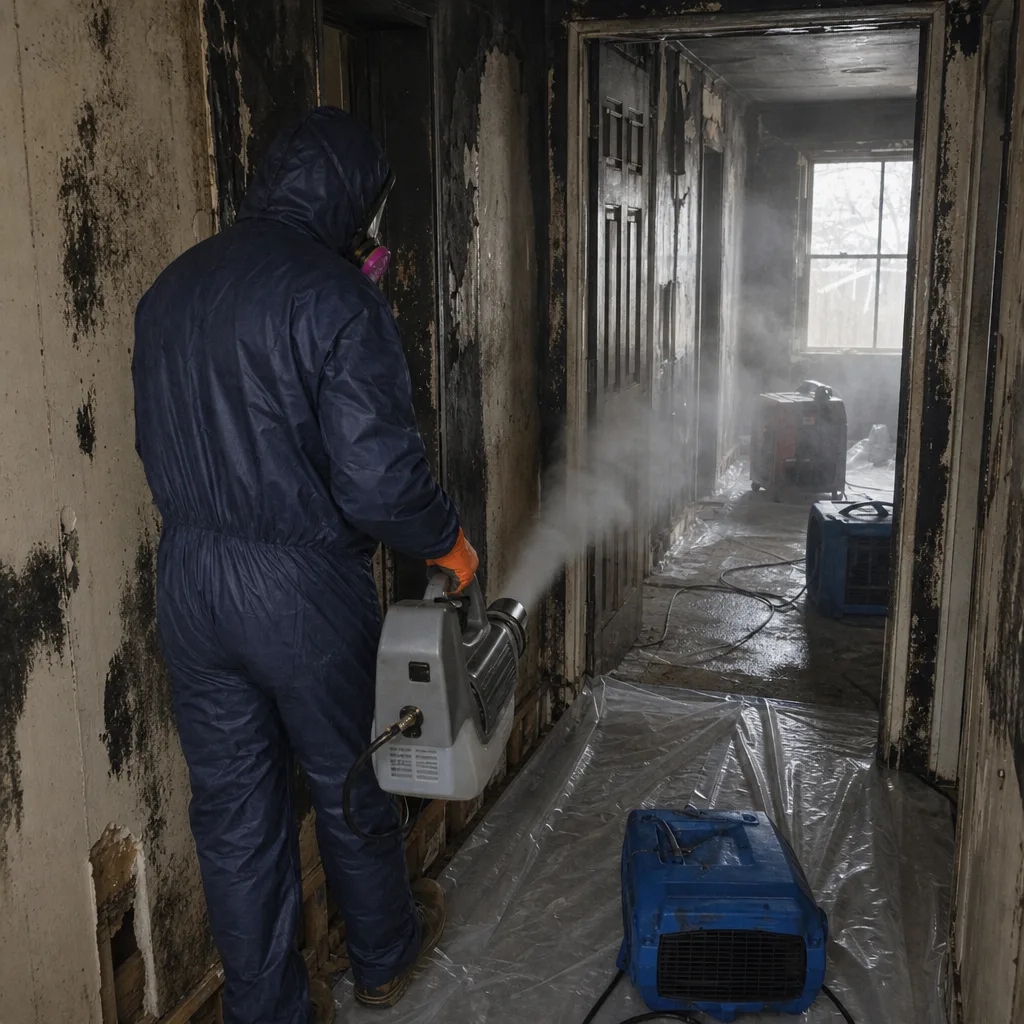
We clean affected surfaces and run HEPA air scrubbers where particulate from soot, sewage, or mold is present. Antimicrobial treatment gets applied where Category 3 water touched porous materials or sub-grade steel.
Chloride & Corrosion Treatment
This step is specific to Lower Manhattan. We inspect junction boxes, conduit runs, and elevator pit equipment for salt-driven corrosion, replace corroded conductors rather than painting over them, and document everything for your claim.
Repairs & Restoration
Storefront doors get replaced to impact-rated standards, drywall and flooring restored, and mechanical systems brought back to pre-loss condition. One team, one scope, one written guarantee.
Need Emergency Commercial Restoration in Lower Manhattan Now?
Crews minutes away, answering live 24 hours a day. The sooner we start, the less it costs.
Working With Your Insurance Company
Insurance claims for commercial restoration in Lower Manhattan get complicated fast when saltwater is involved, because what looks like “just water damage” often turns out to be chloride corrosion that standard adjuster software doesn’t catch. We’ve handled enough of these to know the documentation has to be exact from hour one. Our crew photographs every room, every conduit run, every elevator pit before demolition starts. We take moisture readings on switchgear and junction boxes and log them with dates and times. Then we write a line-item scope that matches the loss, coordinate directly with your carrier’s adjuster, and bill the carrier directly so you’re not floating the cost while your building sits dark.
What We Provide Your Insurer
- Thorough documentation of the loss
- Photos of all damage, room by room
- Moisture readings and drying logs
- A detailed, line-item scope of work
- Direct coordination with your carrier
Built for Lower Manhattan’s Loss Calendar
Lower Manhattan’s restoration calendar runs on water, not seasons. January freezes snap supply lines in pre-war Financial District mechanical rooms and turn slow leaks into ceiling collapses by the time anyone notices. Spring brings thaw-and-seepage into sub-grade spaces in Tribeca’s converted cast-iron buildings, where nobody’s looked at the elevator pit since the last nor’easter. Summer thunderstorms overload aging drainage around South Street Seaport, and a 30-minute downpour can push water into retail basements that had never flooded before. Nor’easters and the tail of Atlantic hurricane season from August through October are the real threat, with storm surge crossing bulkheads and sending Category 3 brine into Battery Park City basements and Financial District vaults. Coastal surge doesn’t care about your reopening date. Neither do we, but we do show up faster than the water recedes.
Commercial Restoration Across Lower Manhattan’s Neighborhoods
Response routes through Lower Manhattan depend on what kind of building we’re heading into. In the Financial District, that means pre-war office towers converted to residential after 2000, with elevator pits and electrical vaults sitting at grades that storm surge reaches first. We check those spaces on every call, even when the visible damage is a warped storefront door. Battery Park City is landfill ground with 1980s and 90s residential complexes where mechanical rooms share the building’s lowest point with whatever the Hudson pushes in. Our teams carry chloride test swabs and know to read a moisture map differently when the concrete has been salt-saturated once before. Tribeca’s cast-iron and timber-beam lofts absorb water through century-old masonry and wick it through floors in patterns that surprise anyone used to drywall-and-stud construction. The South Street Seaport corridor mixes retail, food service, and historic structures, where an evening surge event leaves behind odor, corrosion, and a landlord asking how fast the tenant can reopen. Lower Manhattan isn’t one building type. It’s four or five, stacked on top of each other, all below sea level where it counts.
After a nor’easter pushed surge into a Financial District office tower’s sub-basement, our crews set containment in the elevator pit, used Dri-Eaz LGR dehumidifiers and Phoenix air movers for structural drying, and took moisture readings on switchgear conduits where Category 3 saltwater had wicked into junction boxes. We replaced corroded conductors and applied antimicrobial treatment before restoring the space to pre-loss condition. That’s the standard we bring to every Commercial Restoration job in Lower Manhattan.
Specialized Commercial Restoration Services We Offer in Lower Manhattan
Office & Retail Restoration
Storefront flooding, burst pipes above retail floors, and wind-damaged entry doors all need speed and a straight scope. We dry, clean, and rebuild retail and office space in Lower Manhattan with an eye toward reopening, not just restoring. Impact-rated door replacement is part of the job when the next storm’s wind load is already on the calendar.
Multi-Unit & HOA Restoration
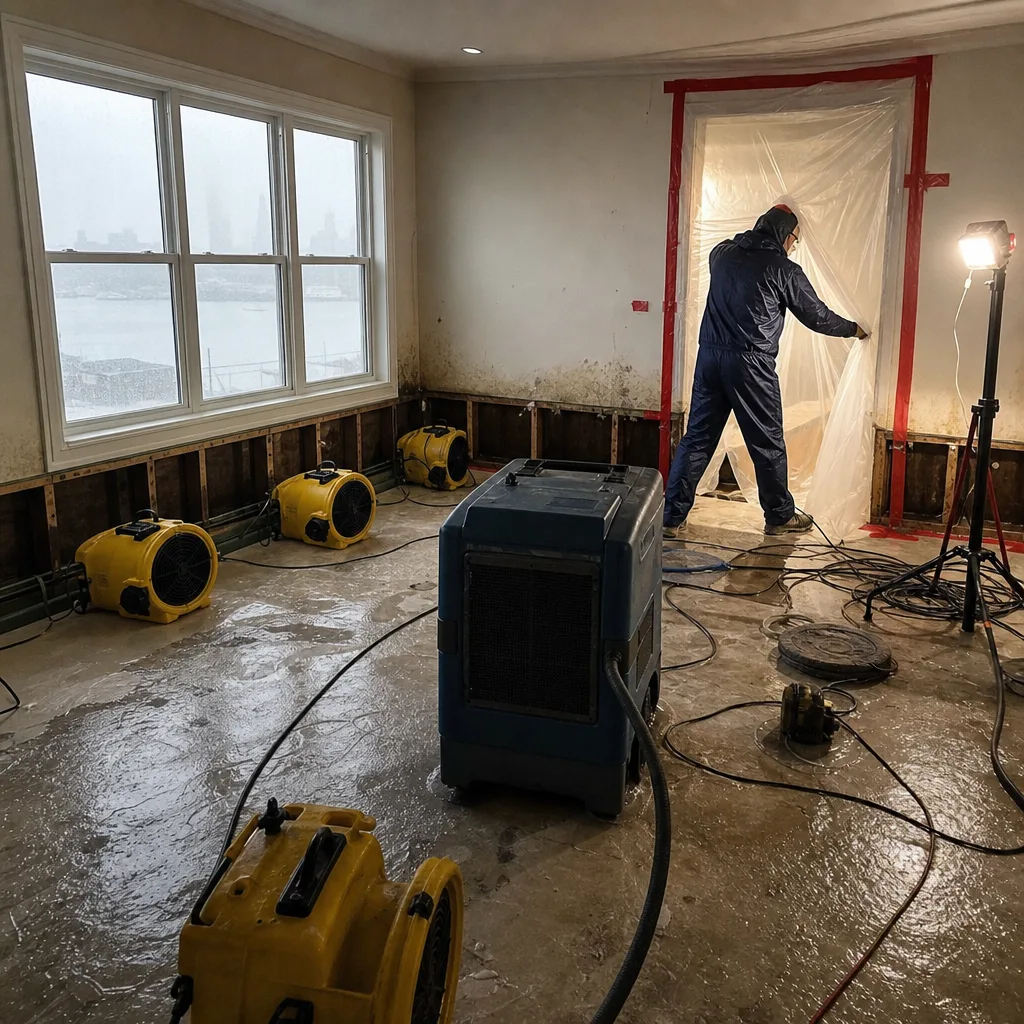
Condo boards and building managers in Battery Park City and the Financial District face a different problem than single tenants: shared mechanical rooms, elevator pits, and corridors that don’t belong to any one owner. We work directly with HOAs and property managers, write scopes that match the building’s actual shared infrastructure, and keep unit owners informed without turning the restoration into a committee meeting.
Industrial Facility Cleanup
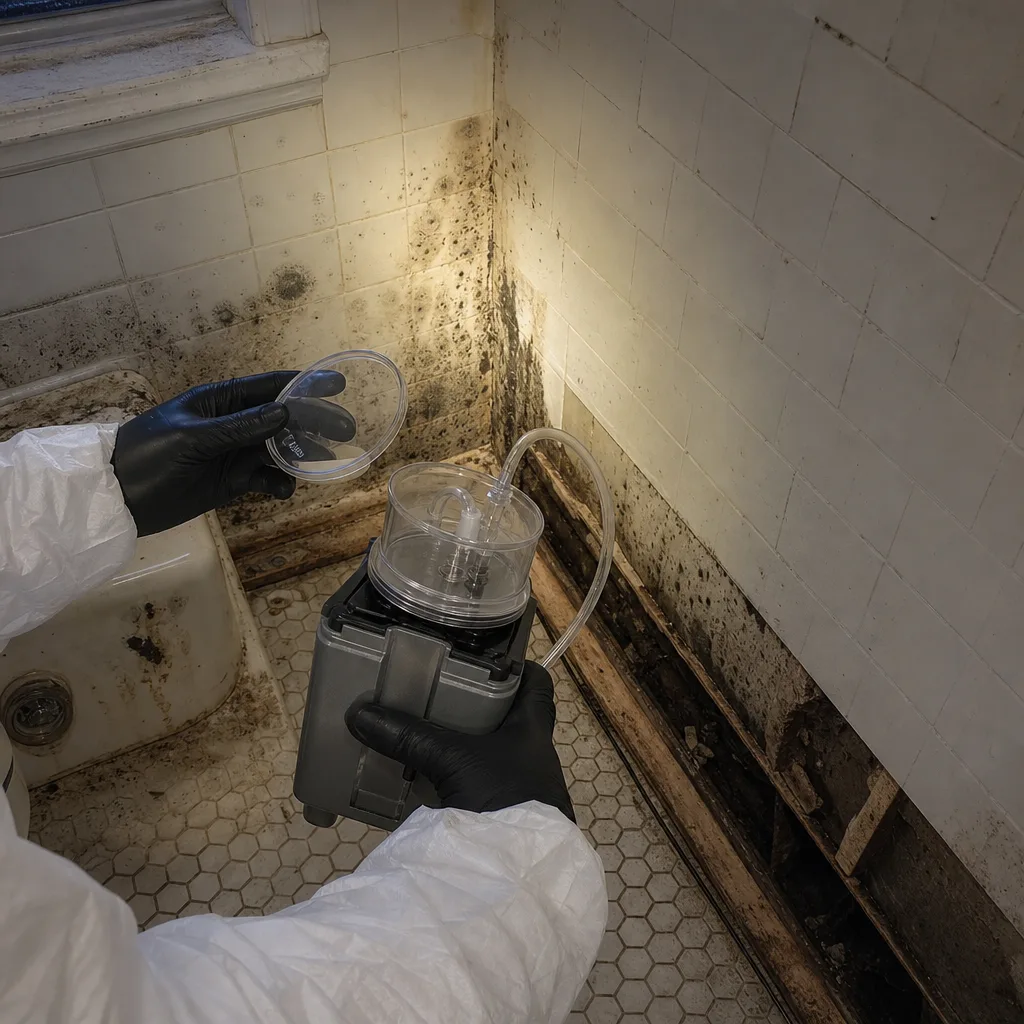
Print shops, commercial kitchens, and light manufacturing spaces near South Street Seaport carry their own risks: grease, fuel, and chemical residue mixed with surge water. Our crews handle industrial cleanup to IICRC standards, with containment and air scrubbing rated for what’s actually in the space, not what’s on the label.
Large-Loss Response
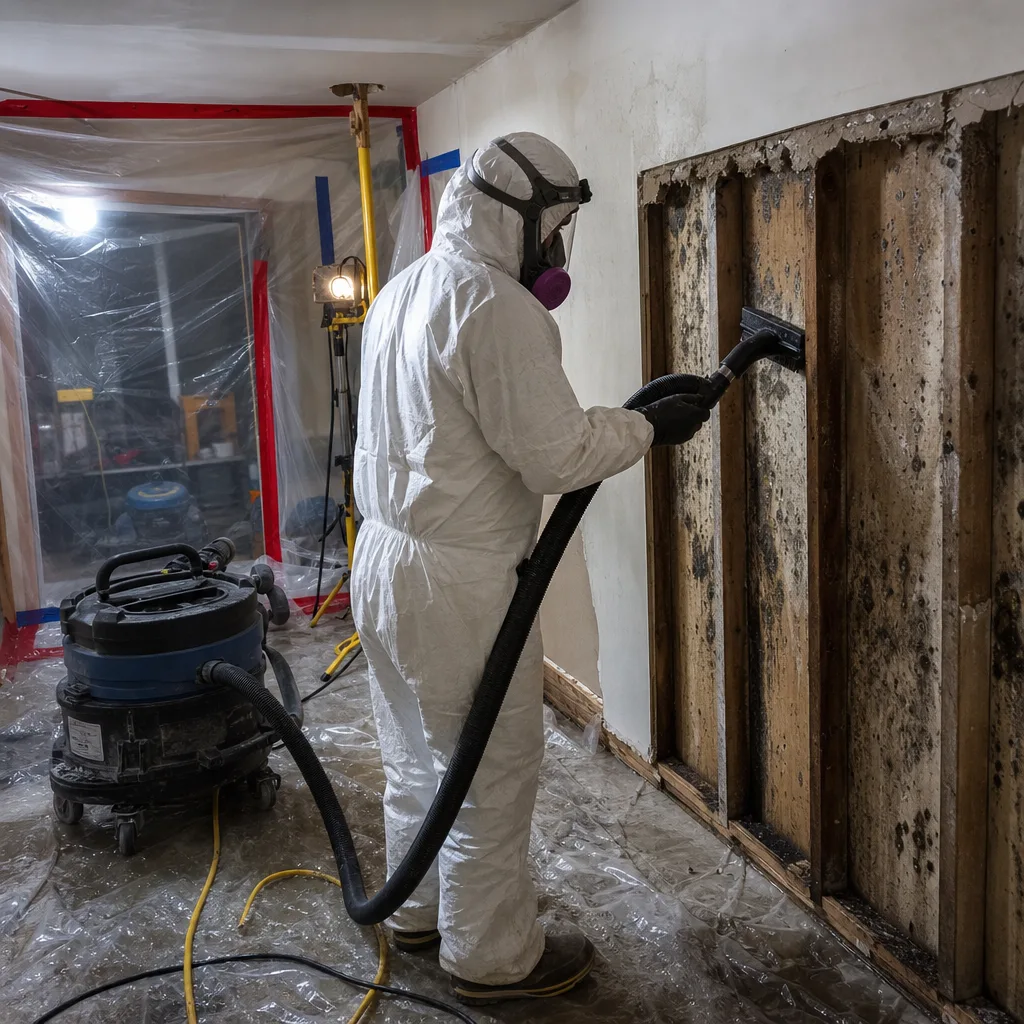
When a nor’easter takes out multiple floors or a whole retail concourse, the job isn’t one crew, it’s a plan. We scale teams, equipment, and drying capacity to match the footprint, and we run daily moisture logs across every affected zone so your carrier sees the full scope from day one. Large-loss work in Lower Manhattan is where our dispatch-board model beats a sales-desk model every time.
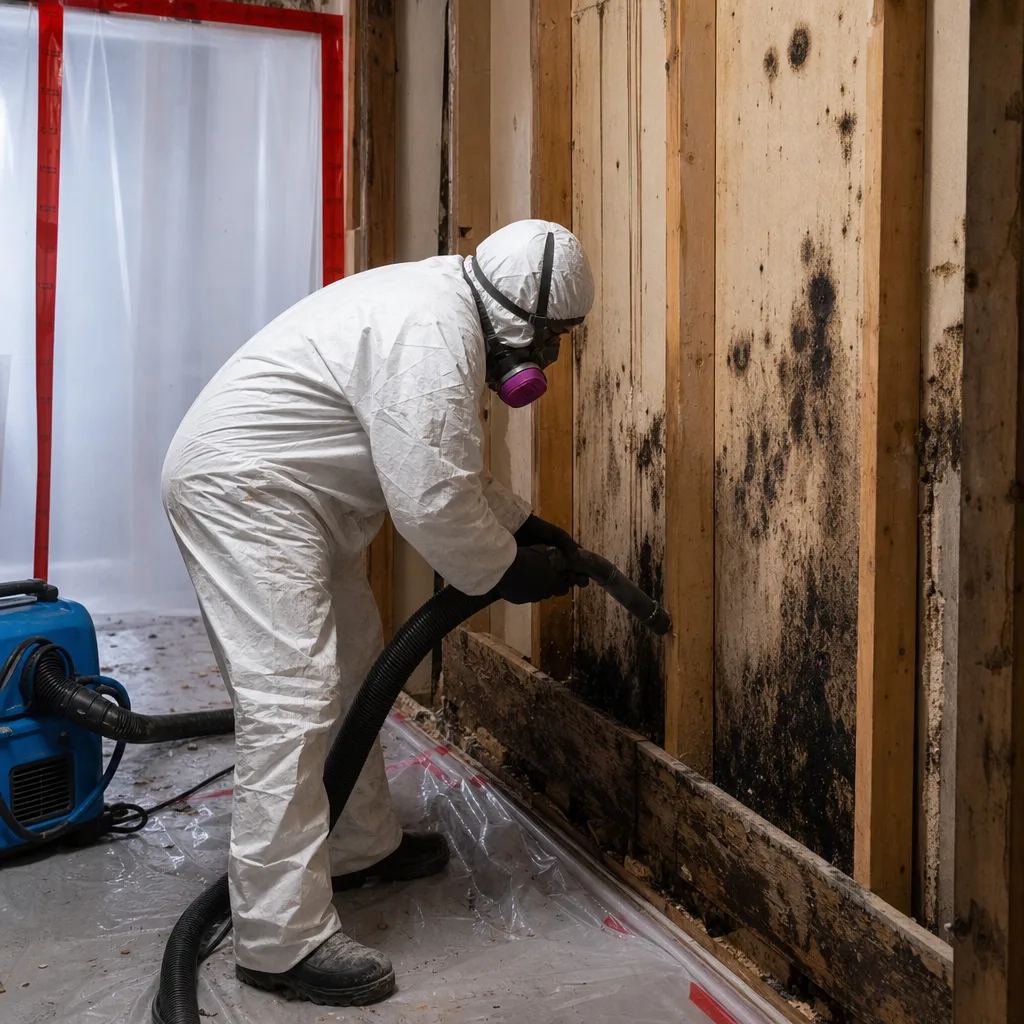
Business Interruption Minimization
Every day a Lower Manhattan office or retail space sits closed is revenue gone. Our single-visit approach, professional-grade Dri-Eaz and Phoenix equipment, and written scope before work starts all target one thing: getting you back open. We also coordinate directly with your carrier so the claim doesn’t become the bottleneck.
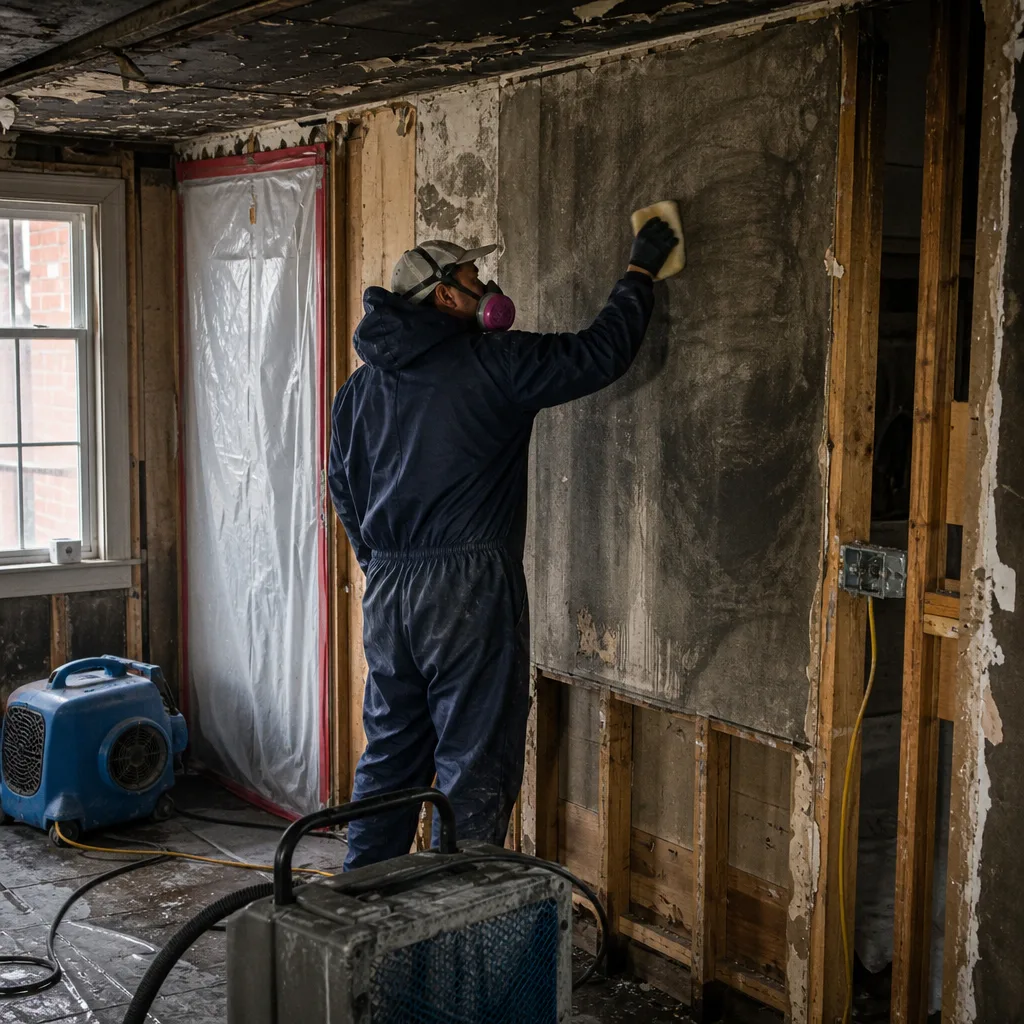
Document & Inventory Recovery
Financial District firms keep paper and digital archives in sub-grade storage rooms. After a surge event, those documents need freeze-drying, digitization, or both, and the inventory needs cataloging for the claim. We provide the documentation your insurer expects and the recovery your files require.
What happens when you call
- 1
A real person answersNo phone trees - you reach a local pro.
- 2
You get an upfront price rangeHonest numbers before anyone is dispatched.
- 3
A background-checked tech heads outLicensed & insured, dispatched right away.
- 4
You approve before work beginsNothing starts until you say go.
Commercial Restoration Costs in Lower Manhattan, NY
Commercial restoration pricing in Lower Manhattan runs higher than inland boroughs because the work scope is nearly always deeper. A single storefront door replacement with impact-rated glazing and framing typically runs $3,800-$7,500. A small retail space with Category 2 water from a burst pipe, requiring extraction, drying, and drywall replacement, usually lands between $4,200 and $11,000. Sub-basement mechanical room restoration after Category 3 saltwater intrusion, which includes conduit replacement, elevator pit decontamination, and structural drying, commonly runs $18,000-$45,000 depending on how much chloride corrosion we find once we open the junction boxes. Multi-floor large-loss response with multiple air movers, daily monitoring, and reconstruction runs into six figures and should always start with a free visual inspection and a written line-item scope. Insurance covers most of these losses when documented properly from the first hour. Call (640) 400-9404 and we’ll put a firm number in writing before any work begins.
We Also Serve Cities Near Lower Manhattan
Our crews regularly respond to commercial properties in Lower Manhattan and the nearby areas of Midland Beach, New Springville, Oakwood, and Travis – Chelsea. If your building sits outside the immediate surge zone but still takes water, call and we’ll route the nearest available crew.
Serving Lower Manhattan, NY - Our Local Coverage Area
We’re based in the Lower Manhattan area and know this community well. Use the map below to see our service coverage - if you’re nearby, we can almost certainly help.
Lower Manhattan Commercial Restoration Questions, Answered
How fast can a crew actually reach my Lower Manhattan property?
We commit to a 45-minute response for commercial properties in Lower Manhattan. A live dispatcher answers at any hour, every day, and the nearest certified crew is rolling immediately. Call (640) 400-9404 and you’ll hear a person, not a recording.
How does saltwater surge in Lower Manhattan change the drying scope for commercial mechanical rooms?
Saltwater leaves chloride residue behind long after the water is gone, and that residue keeps corroding electrical conduit, switchgear housings, and elevator components for years. Standard drying logs don’t capture it. In Lower Manhattan, a proper scope includes chloride testing on sub-grade steel and conduit, and often replacement of junction boxes rather than drying in place.
Why do you inspect elevator pits in pre-Sandy Financial District buildings even when they ‘escaped’ flooding?
Because saltwater intrusion from Sandy often reached elevator pits and sub-basements without ever showing up as visible damage in the floors above. Buildings that “escaped” the 2012 storm frequently had partial brine intrusion that was inadequately dried, and the resulting corrosion only becomes visible years later as an electrical fault or a failed elevator component. We check the pit first, before we quote anything else.
What wind-rating or impact-rating do commercial storefront doors need in Lower Manhattan?
Lower Manhattan lies in a high wind-load zone, and replacement commercial entry doors must meet the current NYC Building Code wind provisions and be impact-rated for flying debris where the frontage faces the harbor. If your current door was installed before the most recent code revision, it likely doesn’t comply. We specify and install doors that meet the rating, and we document it for your insurer. Call (640) 400-9404 for a free assessment.
Can you handle a retail space in Battery Park City where a nor’easter warped the entry door and wet the basement mechanical room?
Yes. That exact scenario is common in Battery Park City, where the land is landfill and every basement sits below surge reach. We replace the door to impact-rated standard and run the full saltwater restoration scope on the mechanical room in one job, with one written guarantee. No handoff between a door company and a water damage crew.
What is the timeline risk for a commercial tenant in Lower Manhattan after floodwater reaches a sub-basement electrical vault?
The risk is weeks or months of unseen corrosion, followed by a sudden failure after you’ve reopened. Saltwater in a vault doesn’t just short circuits immediately. It leaves chloride deposits that slowly eat through connections and housings. If the vault isn’t properly decontaminated and components aren’t replaced, the building can pass a visual inspection and fail on a Thursday night three months later. We address the vault as part of the initial scope, not as a callback.
Will insurance cover saltwater corrosion restoration in my Lower Manhattan building?
Most commercial policies cover the restoration when the claim is documented properly from the first hour and the scope accounts for saltwater-specific damage. Our line-item scopes include chloride testing, conduit replacement, and elevator pit decontamination, and we coordinate directly with your adjuster so the claim doesn’t get denied for missing documentation. Call (640) 400-9404 before you file anything and we’ll walk you through it.
What should I do in the first 30 minutes after water enters my Lower Manhattan commercial space?
Shut off power to affected sub-grade areas if you can do so safely, keep people out of standing water that may carry harbor brine or sewage, and call (640) 400-9404. Take photos from a safe distance. Don’t open electrical panels or touch conduit in a flooded vault. The faster our crew arrives, the less corrosion and structural damage we have to undo.
If your Lower Manhattan commercial property has taken on water, lost a door to wind, or shown signs of salt corrosion in a sub-grade space, call Floodline Restoration Co. at (640) 400-9404 for a free visual inspection and a written scope. We answer live, 24 hours a day, and we stand behind the work in writing.
Written by Curt Bowman, Owner at Floodline Restoration Co., serving Commercial Restoration in Lower Manhattan with certified crews and the 90-Day Done Right Promise.