
Free visual inspection and a written scope of work before any mitigation begins - photos, moisture readings, and drying logs go in your claim file
The scope we write is the scope we bill. Anything new gets shown to you, in writing, before we touch it.
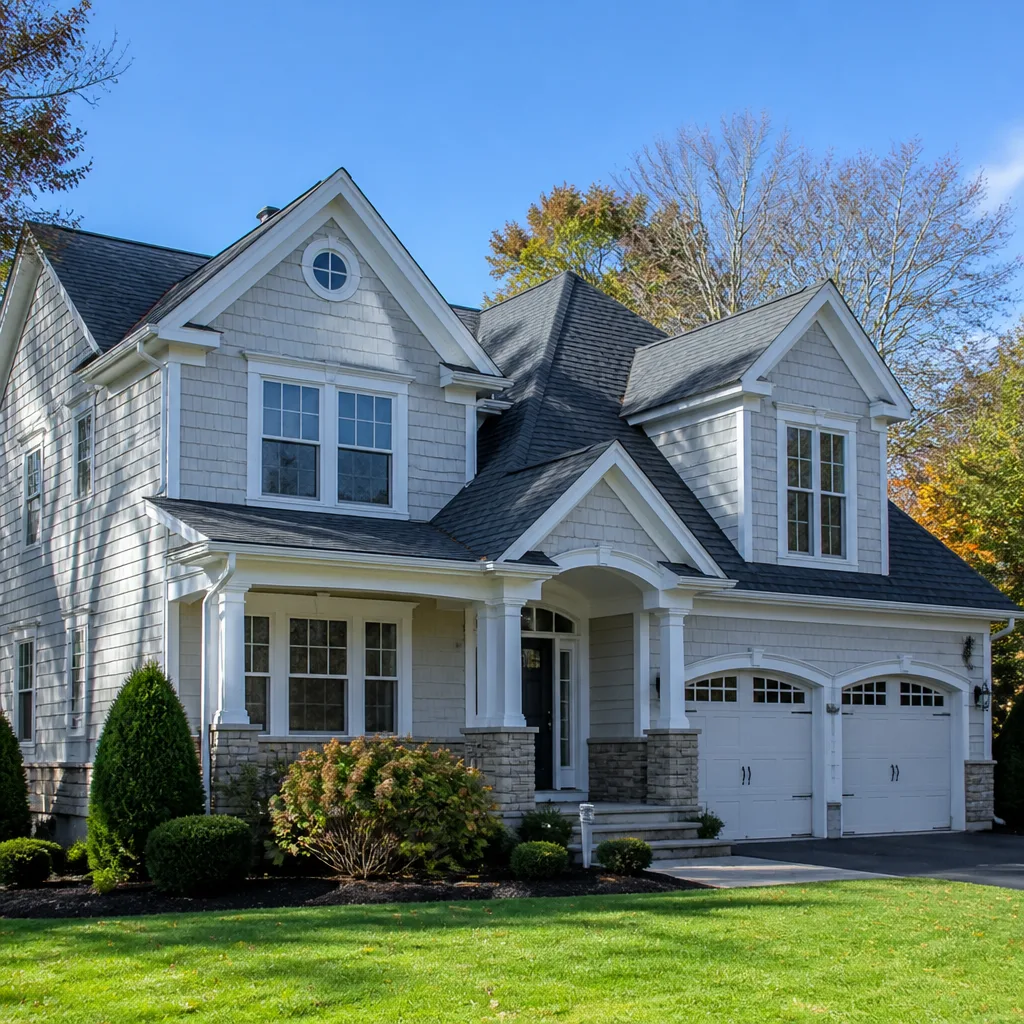
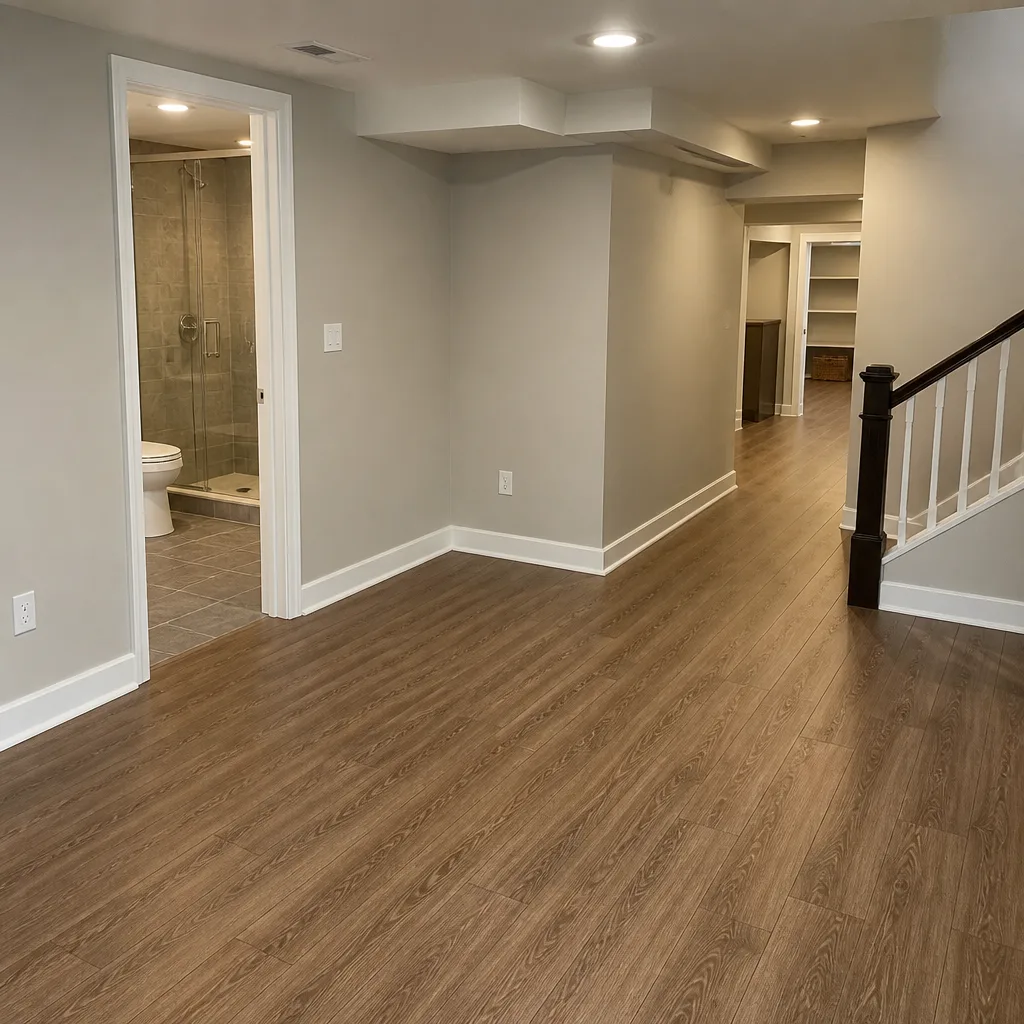
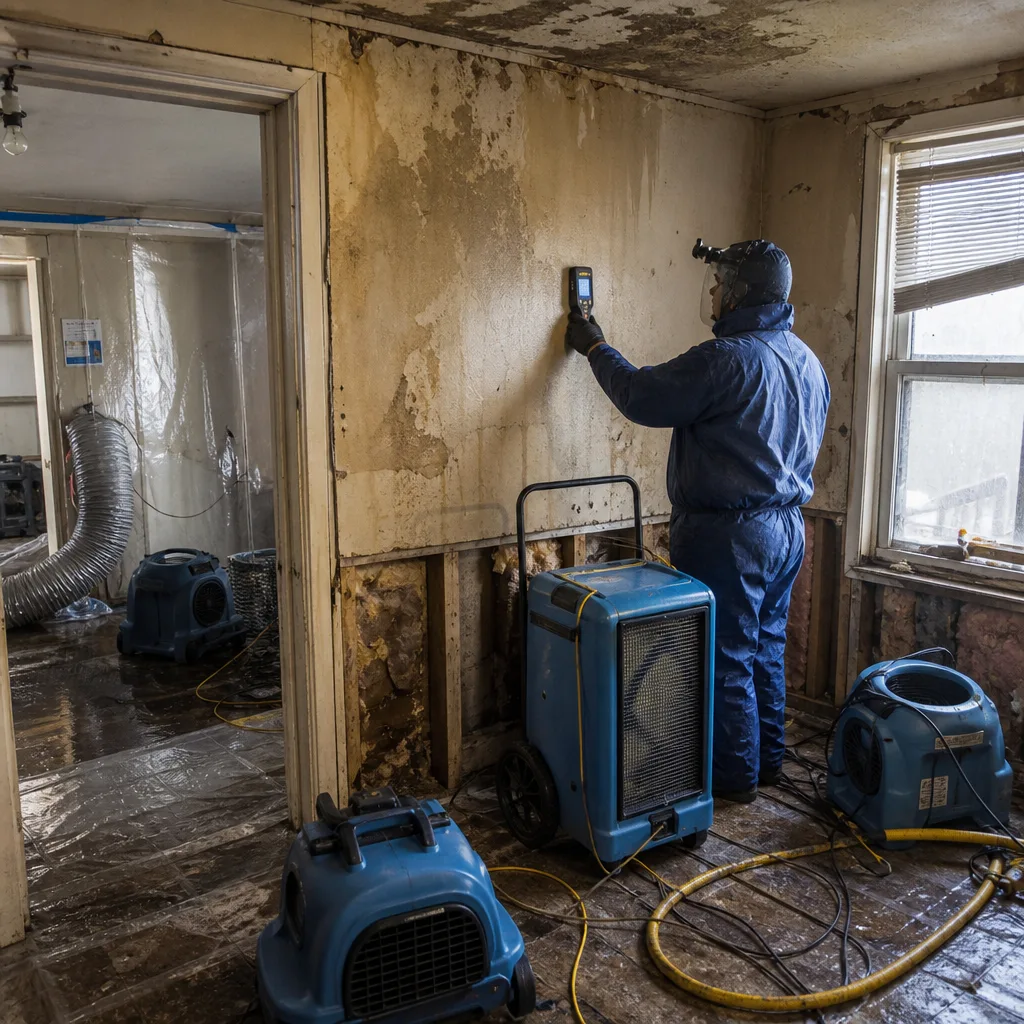 Before
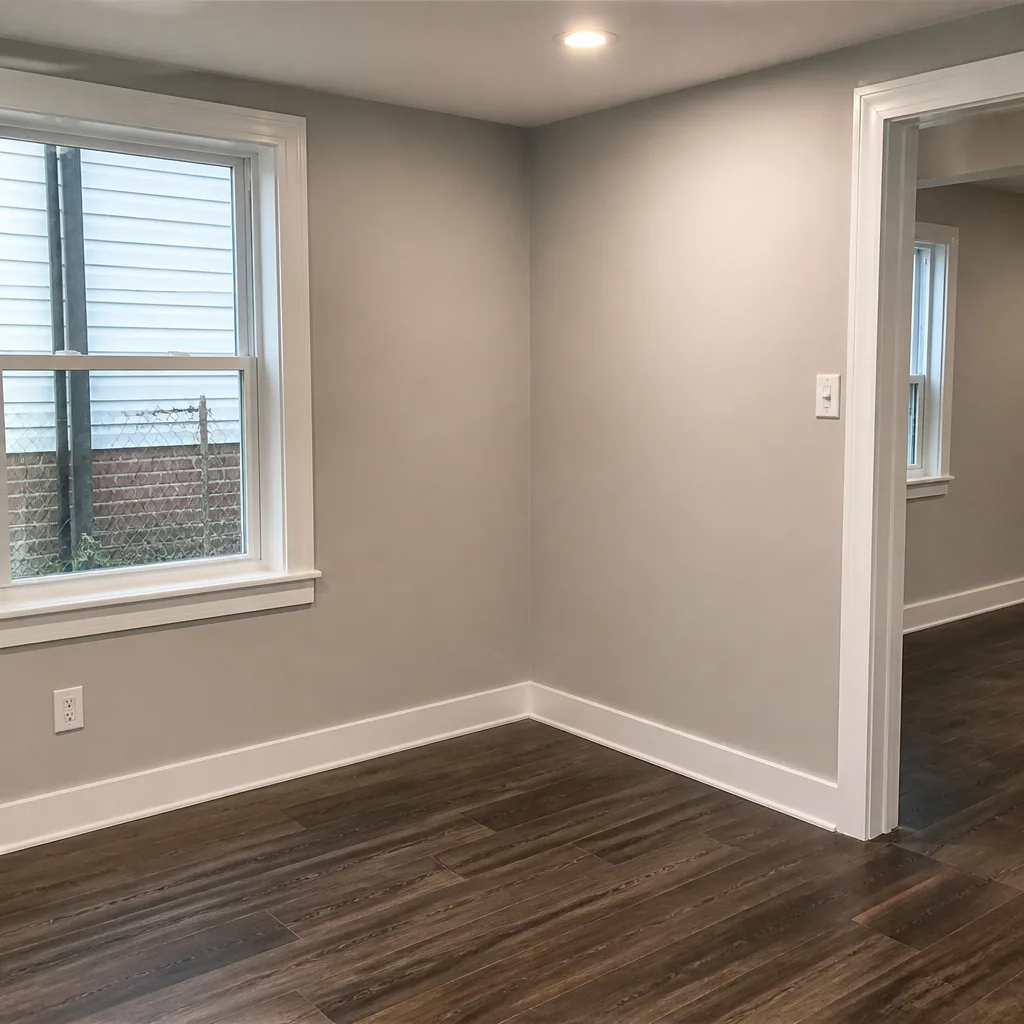 After
After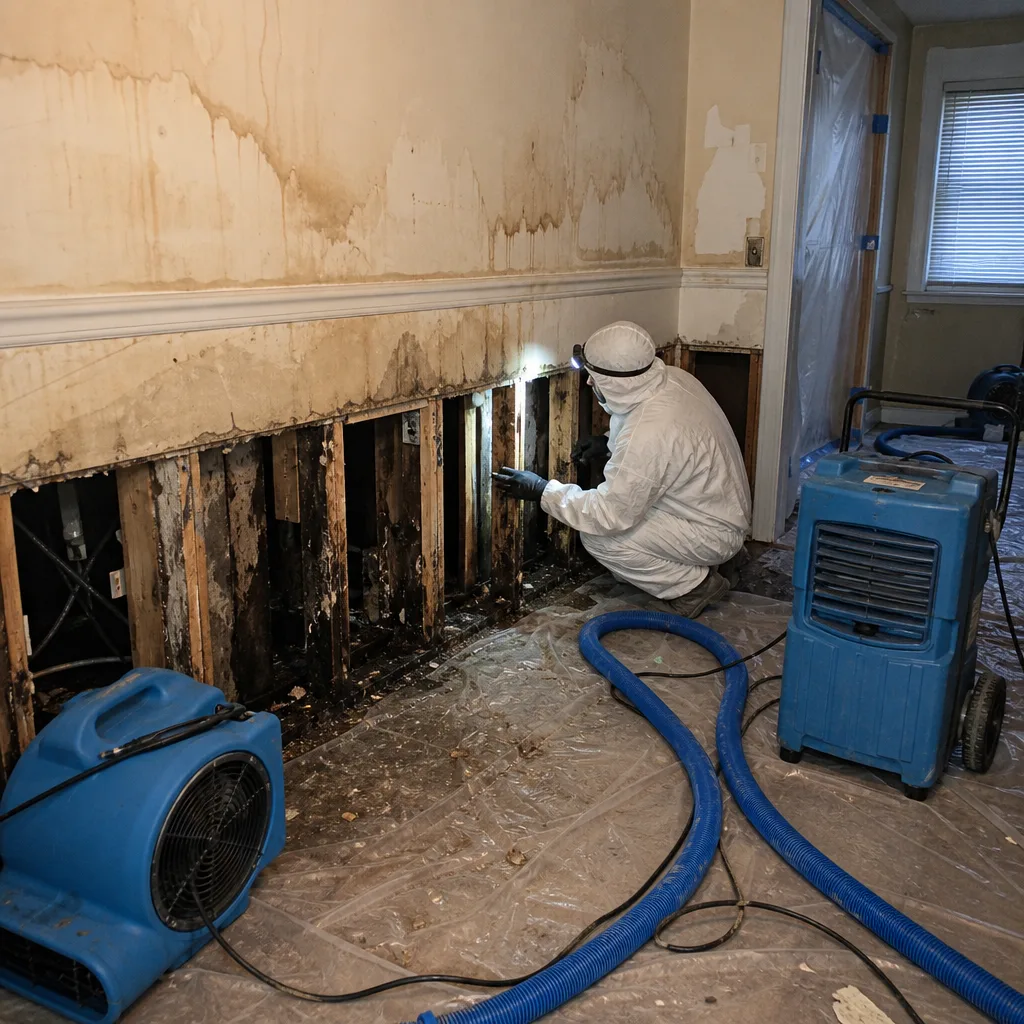 Before
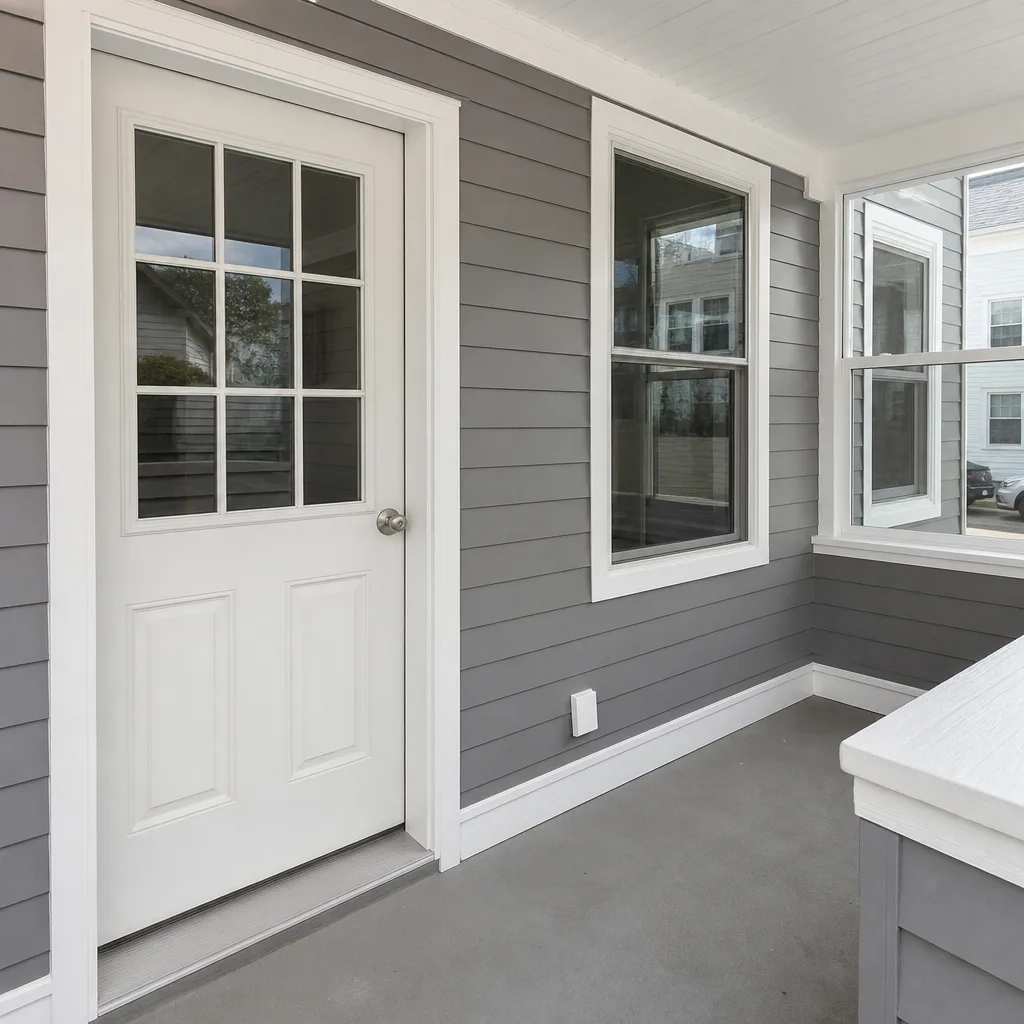 After
After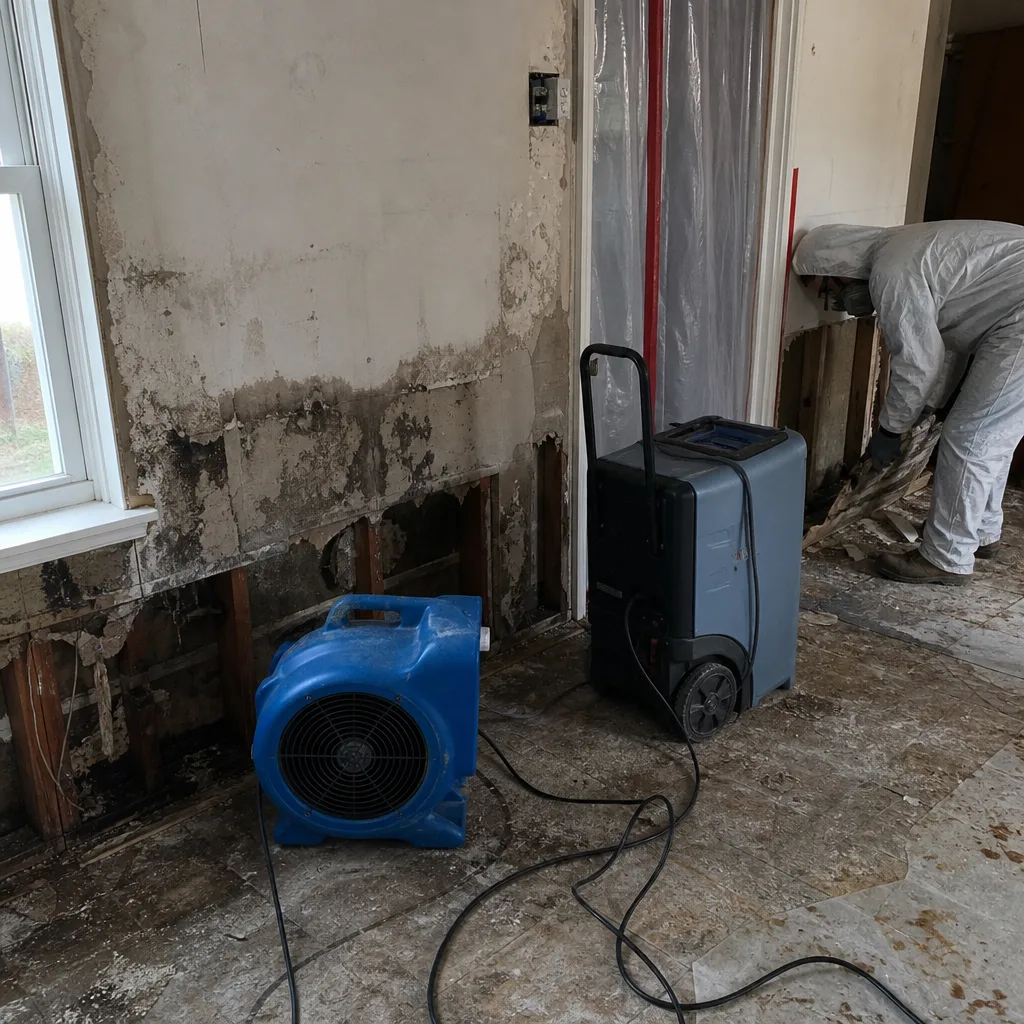 Before
 After
After24/7 Emergency Storm & Disaster Restoration in Lower Manhattan
Storm damage in Lower Manhattan moves fast, and so do we. Floodline Restoration Co. answers live around the clock at (640) 400-9404, with crews dispatched into the Financial District, Battery Park City, Tribeca, and every surrounding block the same hour you call. The first hour after a surge, a nor’easter, or wind-driven rain matters more here than almost anywhere in the city: brackish water from the Hudson or East River starts corroding conduit, switchgear, and structural steel within days, not weeks. We arrive for a free visual inspection, get extraction running the same visit, and start the moisture map that tells us exactly what has to dry and what has to come out. That’s how we keep a bad night from turning into a condemned mechanical room.
Understanding Storm & Disaster Restoration Severity in Lower Manhattan Properties
Not all storm water is equal. In Lower Manhattan, most surge events are Category 3 water: the Hudson, East River, and New York Harbor are brackish or saltwater, meaning what comes through a bulkhead door or up through a floor drain carries salt, silt, sewage, and whatever else the tide picked up. Category 3 is grossly contaminated. It requires extraction, antimicrobial treatment, and controlled disposal of soaked materials, not just drying. Our techs also classify Category 1 and 2 water when we find them, usually from a broken supply line or a roof leak that never breached the building envelope. Elevator pits and sub-basement mechanical rooms in pre-Sandy Financial District towers and 1980s Battery Park City complexes sit directly in the path of this. Moisture mapping with thermal imaging and hygrometers tells us whether trapped brine is still moving through slab cracks and block walls, which is why we log daily readings until the dry standard is met, not a day sooner.
Why Lower Manhattan Property Owners Choose Floodline Restoration Co.
- A live dispatcher answers at 2 a.m. Not a recording. A real person who knows this neighborhood and can route a crew to Rector Place or Broadway within minutes.
- IICRC-certified crews trained for saltwater damage. Our techs hold WRT and FSRT certifications and know chloride corrosion, not just standing water.
- Free visual inspection before any work begins. You see the scope in writing, with a line-item estimate, before we touch anything.
- Direct insurance billing with photo documentation. We document the loss from hour one, send the adjuster what they need, and communicate directly so you don’t play messenger.
- One team from extraction to rebuild. The same certified crew that reads the moisture map on day one handles daily readings and rebuilds what needs rebuilding.
- Everything backed by the 90-Day Done Right Promise. If it’s not done right, we make it right, in writing, no arguing. That’s the Keystone Standard.
Our Storm & Disaster Restoration Process
Inspection & Assessment
We walk the affected floors and sub-grade spaces with thermal imaging, hygrometers, and moisture probes. In Lower Manhattan, that means checking elevator pits, basement electrical vaults, and any space below the FEMA flood elevation. You get a written scope before any work starts.
Extraction & Stabilization
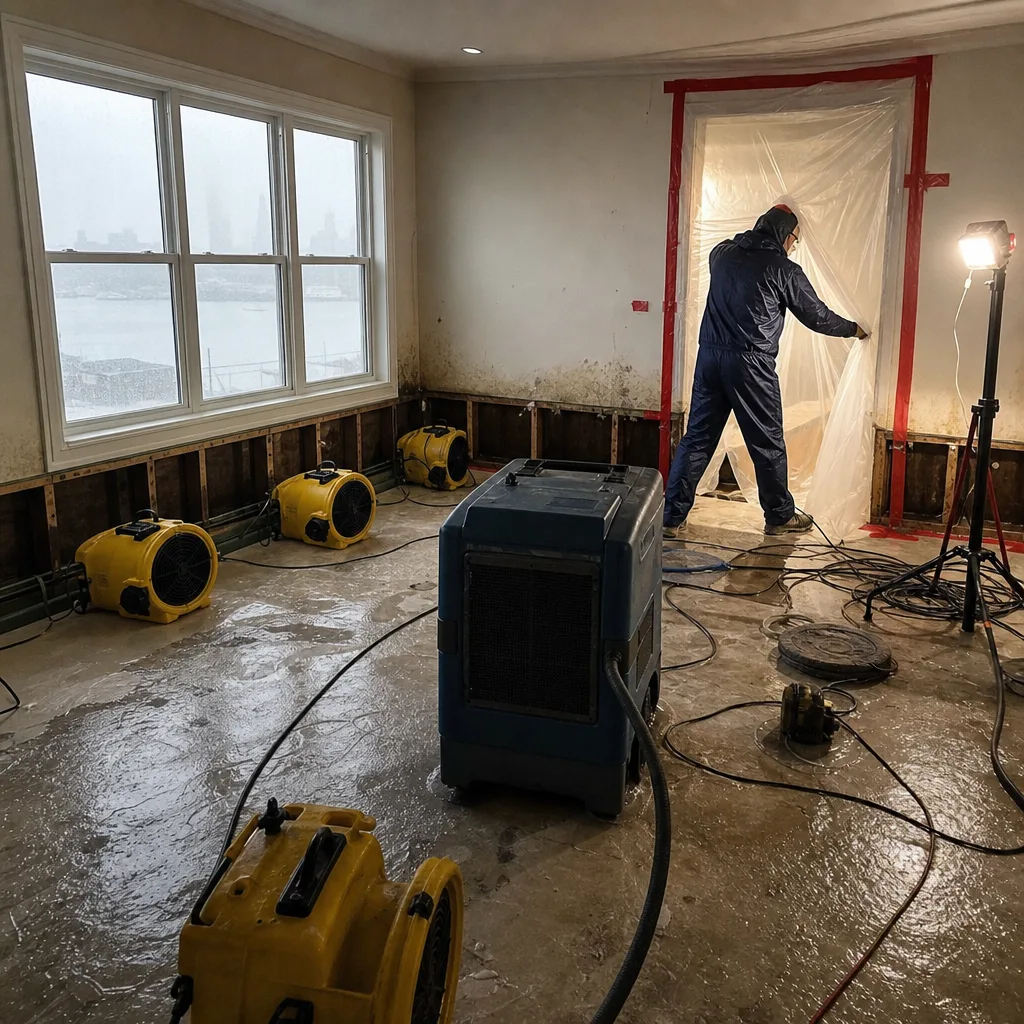
Category 3 water comes out with truck-mounted extraction and submersible pumps in elevator pits and vaults. We remove soaked drywall, insulation, and carpeting that cannot be economically dried. The goal is to stop salt and sewage from sitting against concrete and steel.
Drying & Dehumidification
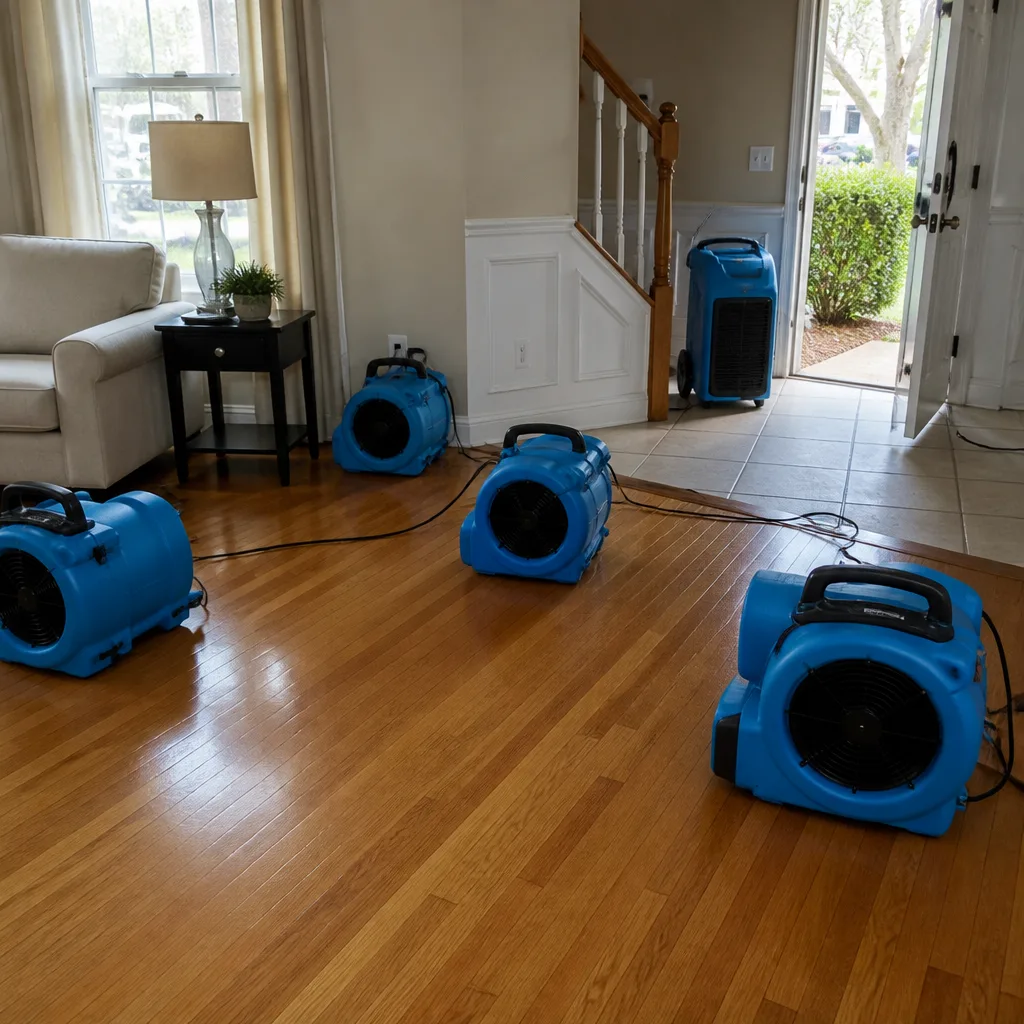
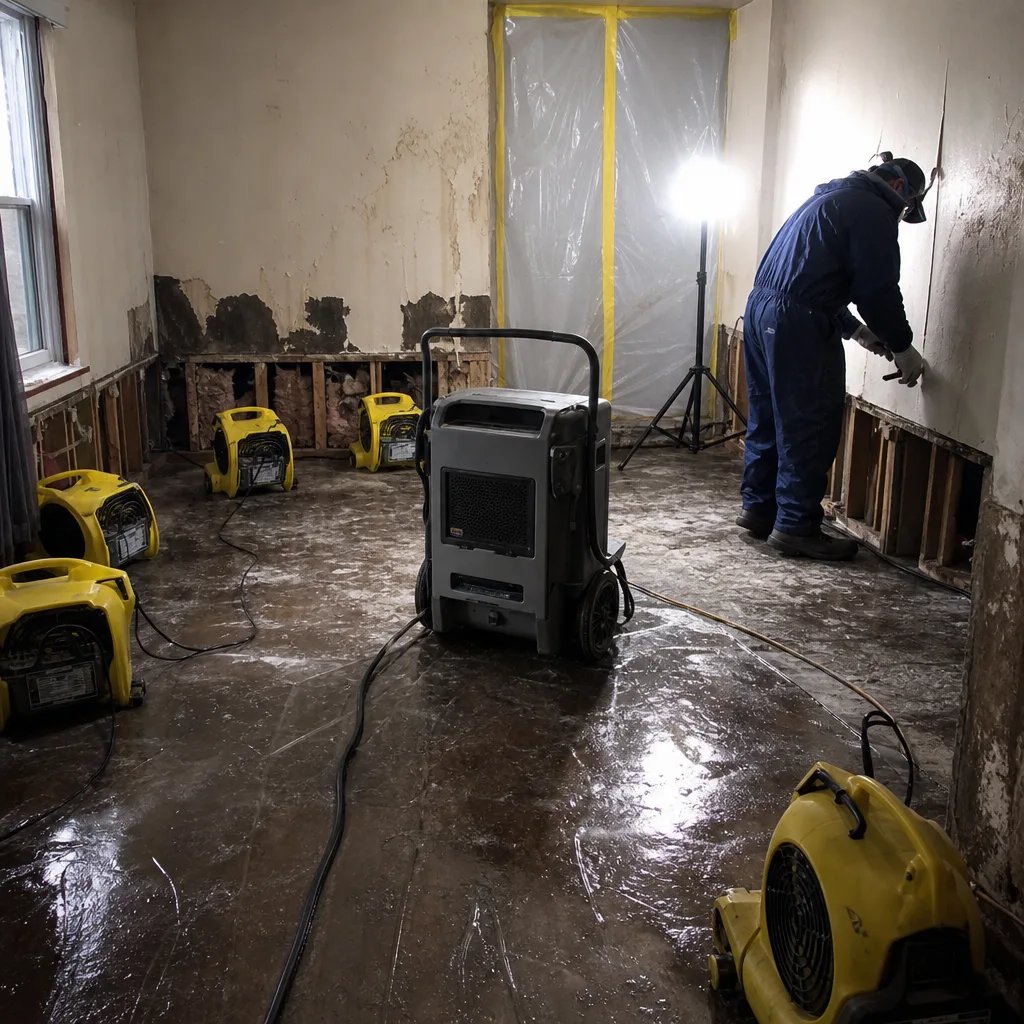
We set up professional-grade air movers and Dri-Eaz LGR dehumidifiers, then log daily moisture readings until the dry standard is met across every affected wall, slab, and chase. Chloride-contaminated masonry takes longer than fresh water. We don’t cut drying short.
Cleaning & Sanitization
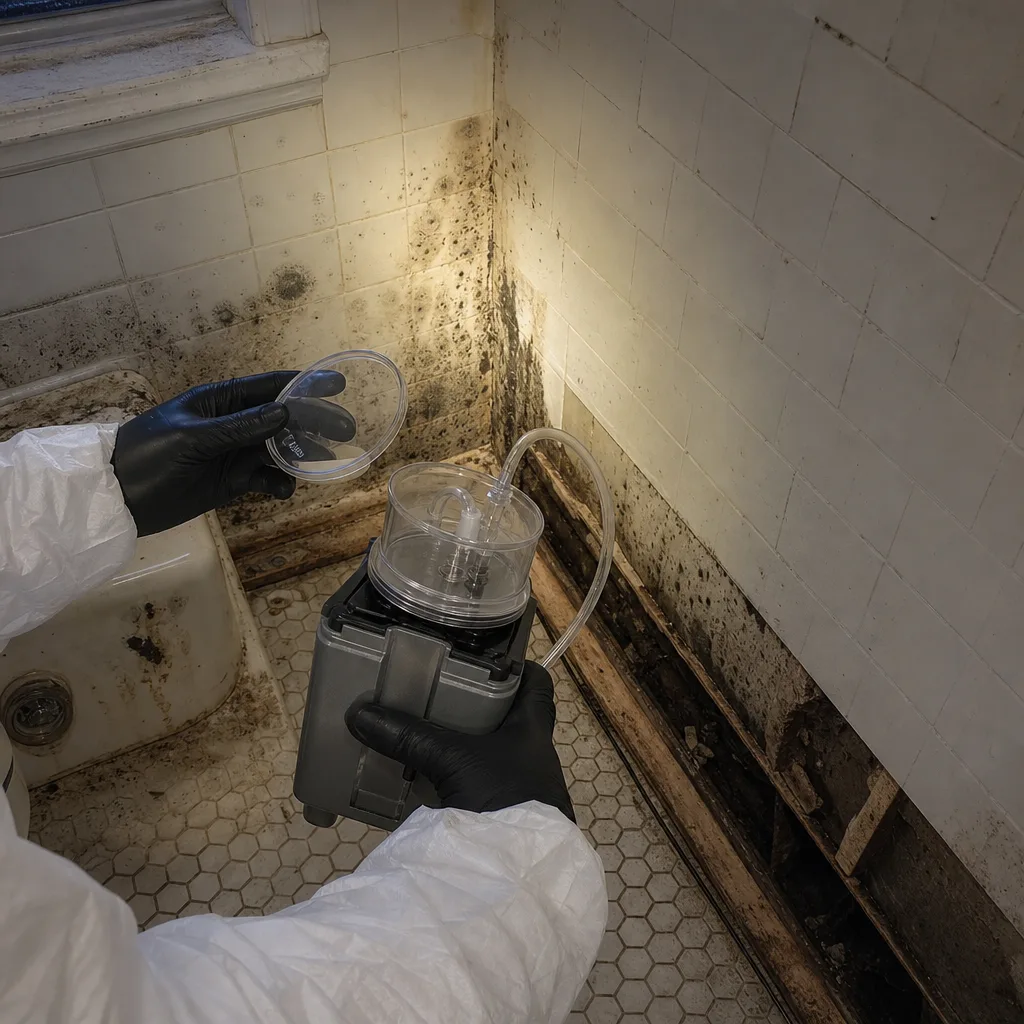
Antimicrobial treatment on structural surfaces, HEPA air scrubbing to clear airborne spores and soot, and controlled disposal of Category 3 debris. We clean what can be saved and remove what cannot.
Corrosion & Specialty Treatment
Post-surge, we inspect for chloride-driven corrosion on conduit, junction boxes, panel interiors, and mechanical fasteners. Where we find white crust or pitting, we scope replacement with stainless or coated components before rebuilding closes walls. This is the part inland crews miss.
Repairs & Restoration
From drywall and flooring to full mechanical room rebuilds, the same certified crew finishes what extraction started. You don’t get handed off to a subcontractor you’ve never met. At the end, you get the moisture log and the 90-Day Done Right Promise in writing.
Need Emergency Storm & Disaster Restoration in Lower Manhattan Now?
Crews minutes away, answering live 24 hours a day. The sooner we start, the less it costs.
Working With Your Insurance Company
Storm damage claims in Flood Zone AE properties are often complicated, but they don’t have to be painful for you. Floodline Restoration Co. documents the loss from the first hour: photos of every affected room, moisture readings, a line-item scope of work, and a drying log your adjuster can verify. We bill your carrier directly and communicate with them ourselves, so you get a square deal and a straight answer instead of a paper trail you have to manage. Hurricane Sandy taught this neighborhood that under-documented damage gets denied; we make sure that doesn’t happen. We also know when corrosion failures years after a flood event can still be tied back to the original loss, and we’ll document accordingly.
What We Provide Your Insurer
- Thorough documentation of the loss
- Photos of all damage, room by room
- Moisture readings and drying logs
- A detailed, line-item scope of work
- Direct coordination with your carrier
Built for Lower Manhattan’s Loss Calendar
Lower Manhattan’s storm losses follow a pattern anyone who has lived here twenty years knows. Nor’easters from October through April push a tidal surge up through the Battery and into sub-basements around South End Avenue and Rector Place. Deep winter freezes snap supply lines in 19th-century Tribeca loft buildings where pipes run through unheated crawl spaces. Summer thunderstorm downpours overwhelm the combined storm and sanitary drainage in pre-war Financial District buildings, sending Category 3 water up through floor drains nobody knew were connected to the sewer. The common thread, year-round, is salt. Even a nor’easter that only leaves an inch of water in a basement deposits chloride-laced silt that keeps attacking concrete and steel long after the surface looks dry. That’s why we inspect for corrosion before we quote, not after the drywall goes back up.
Storm & Disaster Restoration Across Lower Manhattan’s Neighborhoods
Battery Park City is ground zero for surge restoration in Lower Manhattan. The residential complexes between South End Avenue and the Esplanade, built on Hudson River landfill, have sub-basement mechanical rooms and elevator pits that sit at or below the FEMA flood elevation. When a nor’easter pushes water into those pits, we see saltwater intrusion into the sump and corrosion on the elevator cabling and electrical connections within days.
In the Financial District, the story is different. Converted office towers along Broadway and Wall Street put residential units above lobby level, but the basements still hold the electrical switchgear, boilers, and telecom vaults. Surge water there means emergency board-up at street level and priority drying around panels and conduit. Tribeca’s cast-iron and timber-beam lofts carry a different risk altogether: saturated mortar around old cast-iron drainage risers snaps pipes at the slab during heavy rain, and most of those buildings predate modern flood-proofing entirely. We route our board-up and tarping crews to the South Street Seaport and the Civic Center blocks first when a storm is forecast, because those doors and windows take the worst wind off the East River.
Specialized Storm & Disaster Restoration Services We Offer in Lower Manhattan
Storm Damage Cleanup
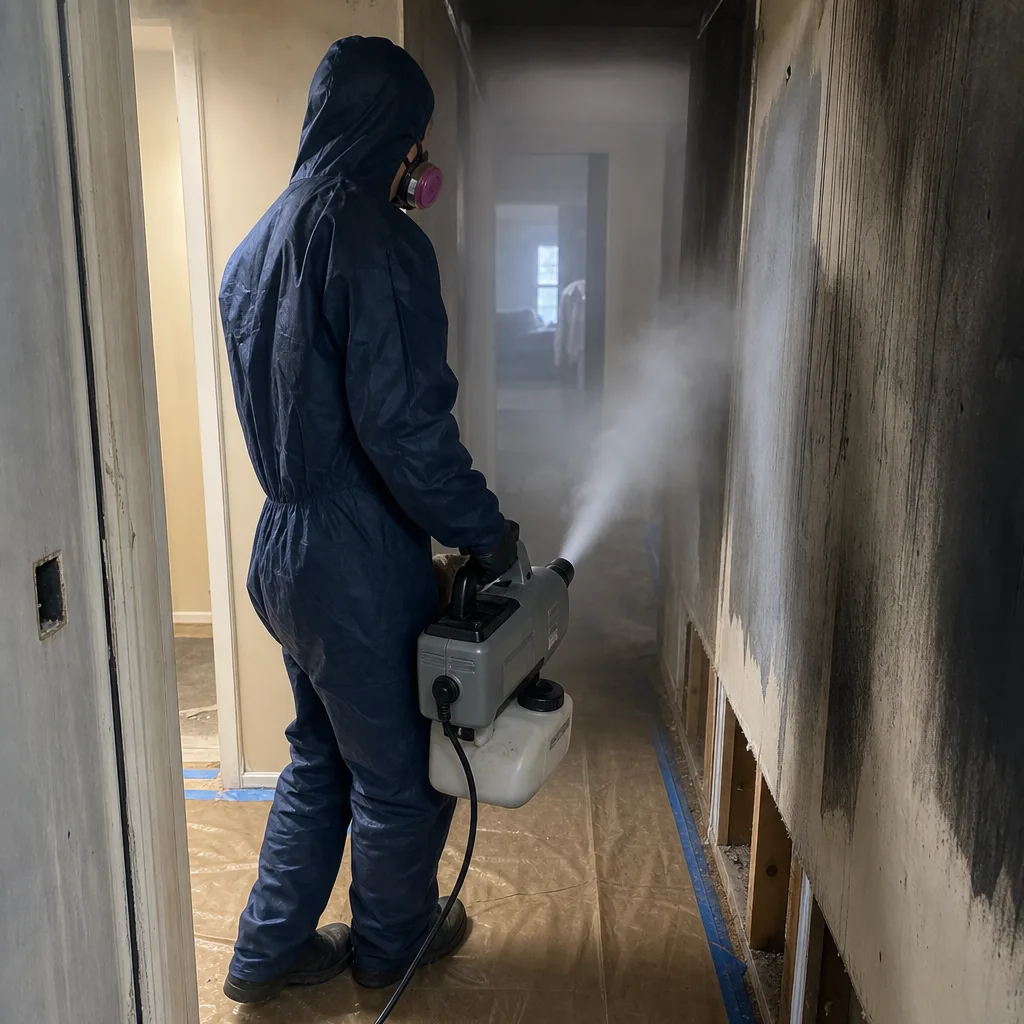
After a surge or nor’easter, the first job is getting Category 3 water and its debris out of living spaces and mechanical rooms. We extract from elevator pits, basement vaults, and ground-level retail, then remove soaked drywall, insulation, and anything else holding salt and sewage against the structure. Antimicrobial treatment follows on the concrete and masonry before drying begins.
Flood Damage Restoration
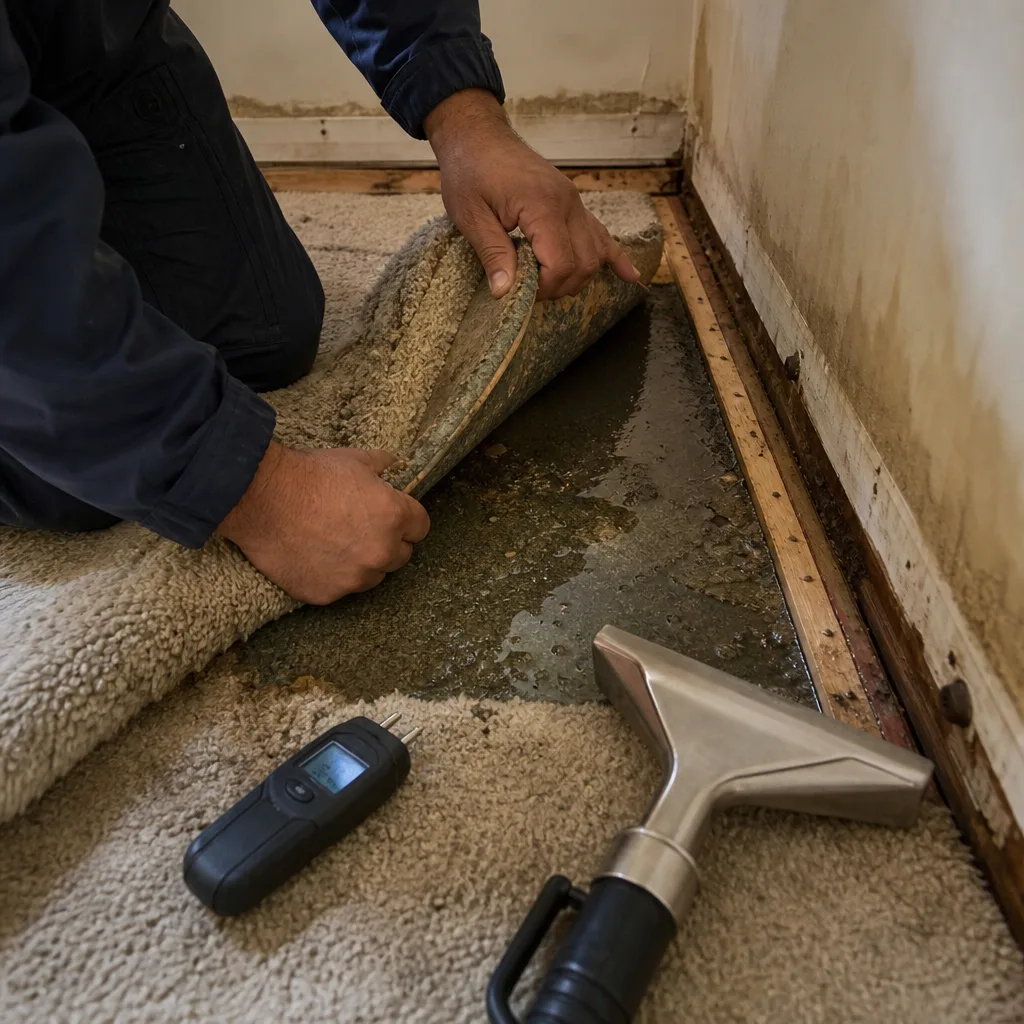
Saltwater flood restoration in Lower Manhattan is a different discipline from inland freshwater work. Chloride-driven corrosion in electrical panels, conduit, and structural fasteners begins within days and continues for years if the brine isn’t flushed and dried. Our crews know to inspect junction boxes and feeder connections in any pre-Sandy building before quoting, because we’ve found white chloride crusting on conductors in buildings that were supposedly “dried” a decade ago.
Emergency Board-Up
Broken glass on Water Street, a splintered storefront on Fulton, a blown-out lobby window on Maiden Lane: our board-up crews respond fast with measured, secured plywood that keeps weather and people out. In Lower Manhattan’s dense streetscape, that means working around scaffolding, sidewalk sheds, and active pedestrian traffic while still getting the opening sealed the same call.
Roof Tarping
Wind-driven rain finds gaps in older roofing that flat-membrane systems on Tribeca lofts and Financial District towers don’t tolerate. We tarp exposed roofs and parapet damage to stop the water at the source before it can migrate down through floors. On a dense block, that often means coordinating roof access and staging with neighboring buildings.
Debris Removal
Surge debris, wind-blown construction material, and saturated contents get removed and disposed of properly. We separate Category 3 debris from salvageable items, document everything for the claim, and leave the site clean enough to dry. No dumpsters parked on the sidewalk for a week; we schedule removal that respects the building’s access points.
What happens when you call
- 1
A real person answersNo phone trees - you reach a local pro.
- 2
You get an upfront price rangeHonest numbers before anyone is dispatched.
- 3
A background-checked tech heads outLicensed & insured, dispatched right away.
- 4
You approve before work beginsNothing starts until you say go.
Storm & Disaster Restoration Costs in Lower Manhattan, NY
Storm damage cleanup in Lower Manhattan usually starts around $1,800 to $4,500 for a single room with Category 3 water extraction, antimicrobial treatment, and structural drying. A full sub-basement or elevator pit restoration in Battery Park City or the Financial District commonly runs $6,000 to $22,000, depending on how much of the mechanical or electrical system the saltwater reached. Emergency board-up runs $400 to $1,200 per opening, more when scaffolding or sidewalk shed coordination is needed. Roof tarping after a nor’easter typically lands between $600 and $2,000. What moves the price most in Lower Manhattan is access (freight elevators, tight stairwells, city permitting) and corrosion remediation in electrical systems. The free visual inspection gets you a written, line-item scope so you know the full number before work begins. Insurance covers most storm-related flood and wind losses here; we bill your carrier directly.
We Also Serve Cities Near Lower Manhattan
Floodline Restoration Co. serves property owners across New York’s coastal neighborhoods, including Midland Beach, New Springville, Oakwood, and Travis – Chelsea. Every community gets the same live 24/7 dispatch, certified crews, and the 90-Day Done Right Promise in writing. Call (640) 400-9404 and you’ll reach a real person who can route a crew to you within minutes.
Lower Manhattan Storm & Disaster Restoration Questions, Answered
How quickly does saltwater from a Lower Manhattan storm surge corrode our building’s basement electrical panel?
Saltwater corrosion in Lower Manhattan’s electrical systems starts within 48 to 72 hours. We routinely find white chloride crusting on copper conductors and pitting on bus bars before a week has passed. Panels that took surge water should never be left in service; we scope replacement of breakers, lugs, and often the whole panel enclosure after a Category 3 event. Call (640) 400-9404 and we’ll inspect the panel before it fails under load.
Do restoration contractors in Lower Manhattan need different drying equipment than inland crews use after a storm?
Yes. Saltwater-laden masonry and concrete dry slower than freshwater-soaked materials, and chloride contamination requires more aggressive moisture removal. We run Dri-Eaz LGR dehumidifiers at higher capacity in sub-basement vaults and elevator pits, paired with targeted air movers on the block walls where trapped brine re-wets surfaces for months. Lower Manhattan’s high humidity and dense construction also mean we hold drying longer than an inland job would before closing walls.
Are buildings that ‘only’ had a few inches of water in 2012 still at risk for storm-related failures now?
Absolutely. Buildings in Battery Park City and the Financial District that took even a few inches of surge during Sandy often had sub-grade spaces “dried” without addressing the salt that soaked into slab cracks and mortar. That trapped brine re-wets finished walls during humid summers, feeds hidden mold behind baseboards, and corrodes conduit and junction boxes slowly until something fails. We inspect for this specifically in pre-Sandy buildings before quoting any restoration work.
What does an emergency board-up in Lower Manhattan look like after a nor’easter?
Our board-up crews arrive in a marked vehicle with a live dispatcher coordinating the route, then measure and cut plywood to fit the opening before securing it with proper fasteners, not nails gun-driven at random. On busy blocks like Water Street or Fulton, that means working around sidewalk sheds and pedestrian barriers while still sealing the opening the same call. Board-up in Lower Manhattan typically runs $400 to $1,200 per opening.
How can we tell if the water in our Lower Manhattan basement is category 3 versus just category 2?
If the water came from the Hudson, East River, or New York Harbor, or backed up through a floor drain connected to the combined sewer, it is Category 3. That means it carries sewage, salt, and microbial contamination, not just rain. Category 3 water requires extraction, antimicrobial treatment, and controlled disposal of soaked materials. If you’re not sure, treat it as Category 3 until a certified crew confirms otherwise. Call (640) 400-9404 and we’ll identify it on site.
How fast can you actually get to our Lower Manhattan building?
We’re dispatching crews inside Lower Manhattan throughout the day and night, with a live person answering at (640) 400-9404. Most calls in Battery Park City, the Financial District, and Tribeca see a crew on site within 45 minutes. Extraction starts the same visit.
Will our insurance cover storm surge damage in a FEMA Flood Zone AE building?
Most flood losses in Zone AE properties are covered under a separate flood policy, while wind-driven rain and roof leak damage typically fall under your standard property policy. The distinction matters, and adjusters often split the claim. We document everything from hour one and bill your carrier directly, so you’re not left arguing coverage percentages alone. We’ll coordinate with your adjuster throughout.
What should we do in the first 30 minutes after storm water gets into our Lower Manhattan basement?
First, do not enter standing water in a basement with electrical panels or appliances submerged; salt water conducts. Call (640) 400-9404 and get a crew en route. If it’s safe, shut off power at the main breaker above the water line and move valuables to higher ground. Do not attempt to pump out elevator pits or electrical vaults yourself; the water may be concealing energized connections. We handle the rest, starting with extraction and a full moisture map.
Serving Lower Manhattan, NY - Our Local Coverage Area
We’re based in the Lower Manhattan area and know this community well. Use the map below to see our service coverage - if you’re nearby, we can almost certainly help.
Storm & Disaster Restoration in Lower Manhattan: Saltwater Is the Whole Game
Here’s what the franchise websites won’t tell you: Storm & Disaster Restoration in Lower Manhattan is fundamentally a corrosion problem. The Hudson, the East River, and New York Harbor aren’t freshwater. When a nor’easter or hurricane pushes a tide into a Battery Park City sub-basement, it deposits chloride-laced brine that attacks electrical conduit, elevator cabling, cast-iron risers, and structural steel for years after the surface looks dry. Inland crews that treat this like a big rain puddle miss the slow-developing failure entirely. We don’t.
Take the Rector Place complex after a nor’easter pushed a surge into the sub-basement. Our techs found the elevator pit sump and a main electrical junction box already showing white chloride crusting on conductors within 72 hours. We performed full Category 3 extraction of the pit, set containment around the vault, and treated the concrete with antimicrobial agents while our moisture mapping logged readings in the 90%+ relative humidity range for the surrounding block walls. We replaced the corroded 200-amp feeder connectors with stainless lugs, set perimeter air movers and a Dri-Eaz LGR 2800i dehumidifier, and held the drying until structural targets were met. That’s what storm restoration looks like south of Chambers Street.
We also know the neighborhood-specific failure patterns. Post-Sandy buildings that were “dried” a decade ago still fail: trapped brine in slab cracks re-wets finished walls during humid summers, and hidden mold grows behind baseboards in Battery Park City. Garage equipment on waterfront-facing buildings along South End Avenue develops red rust within 18 months from salt spray alone. Cast-iron drainage risers in pre-1910 Tribeca lofts snap at the floor slab when saltwater-soaked mortar around the pipe expands, flooding lower floors with Category 3 water during a heavy rain. These are the jobs we plan for when we stock trucks and train crews.
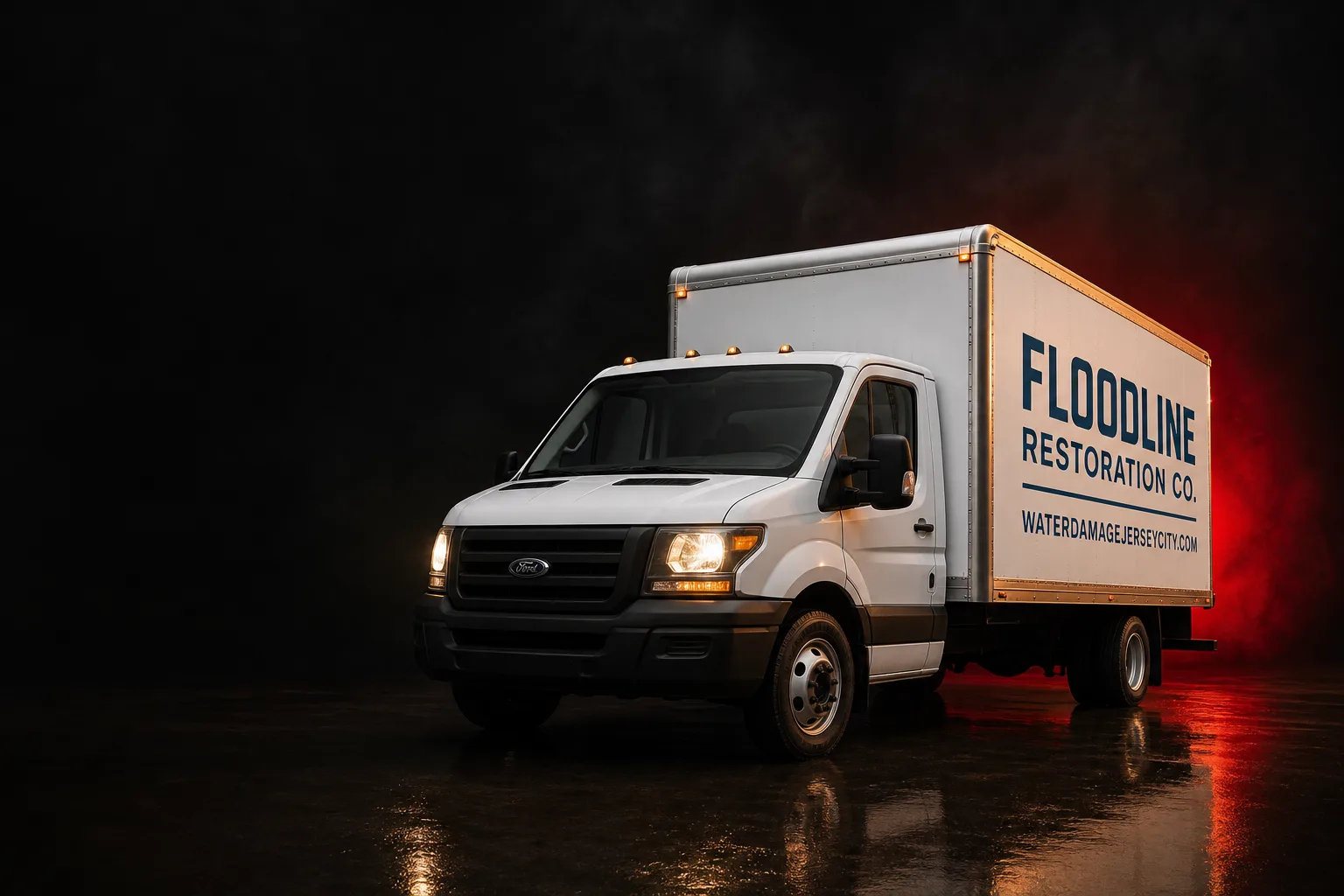
Curt Bowman founded Floodline Restoration Co. in 2010 around a dispatch board, not a sales desk. The crews we send into Lower Manhattan are background-checked, uniformed, and certified to IICRC, RIA, and IFA standards. We answer the phone with a live person at 2 a.m. We finish the job with the same crew that started it. And we put the 90-Day Done Right Promise in your hands in writing. That’s the Keystone Standard: Krafted right, Every time, Your home first, Standing behind it. Call (640) 400-9404 for a free estimate, and we’ll be there when we say.
Written by Curt Bowman, Owner at Floodline Restoration Co., serving Lower Manhattan since 2010.