
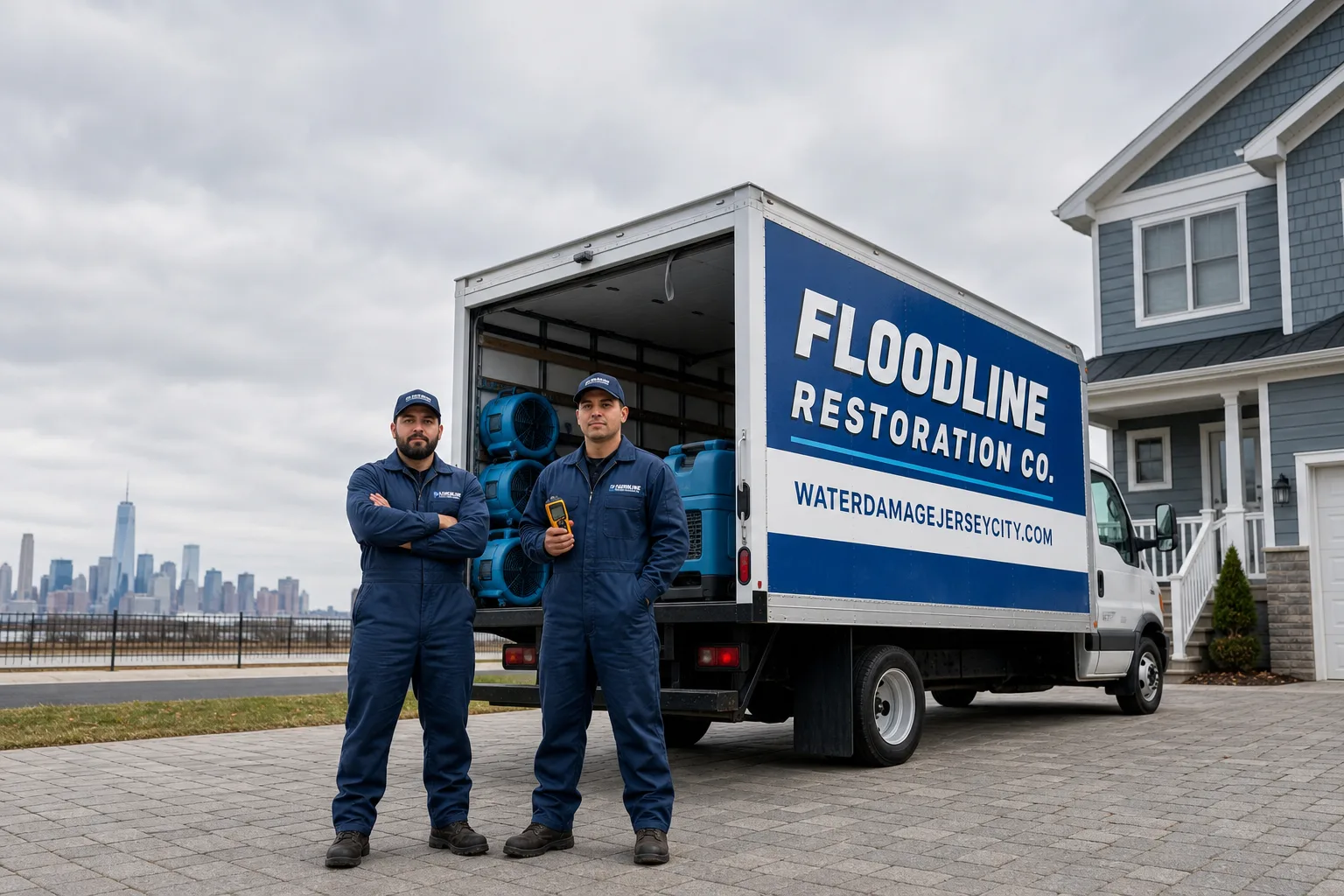
Free visual inspection and a written scope of work before any mitigation begins - photos, moisture readings, and drying logs go in your claim file
The scope we write is the scope we bill. Anything new gets shown to you, in writing, before we touch it.
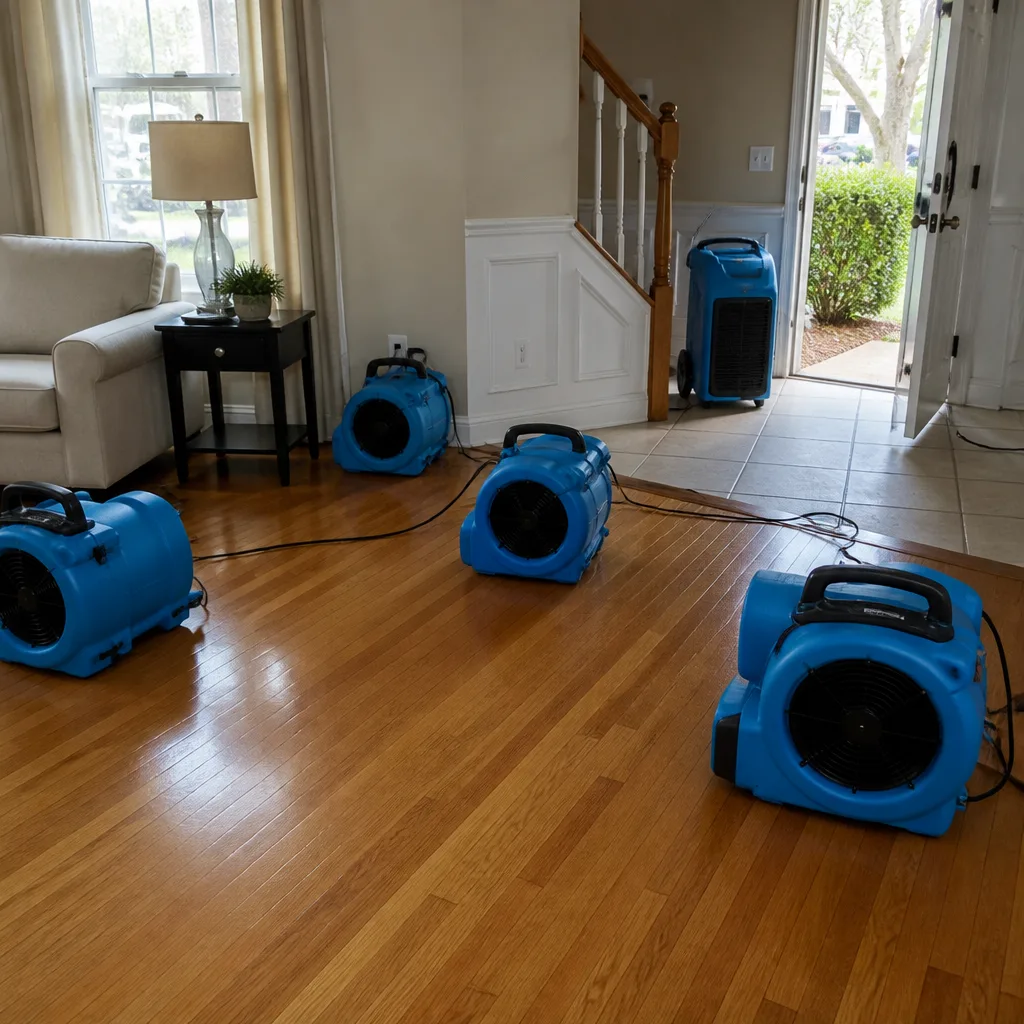
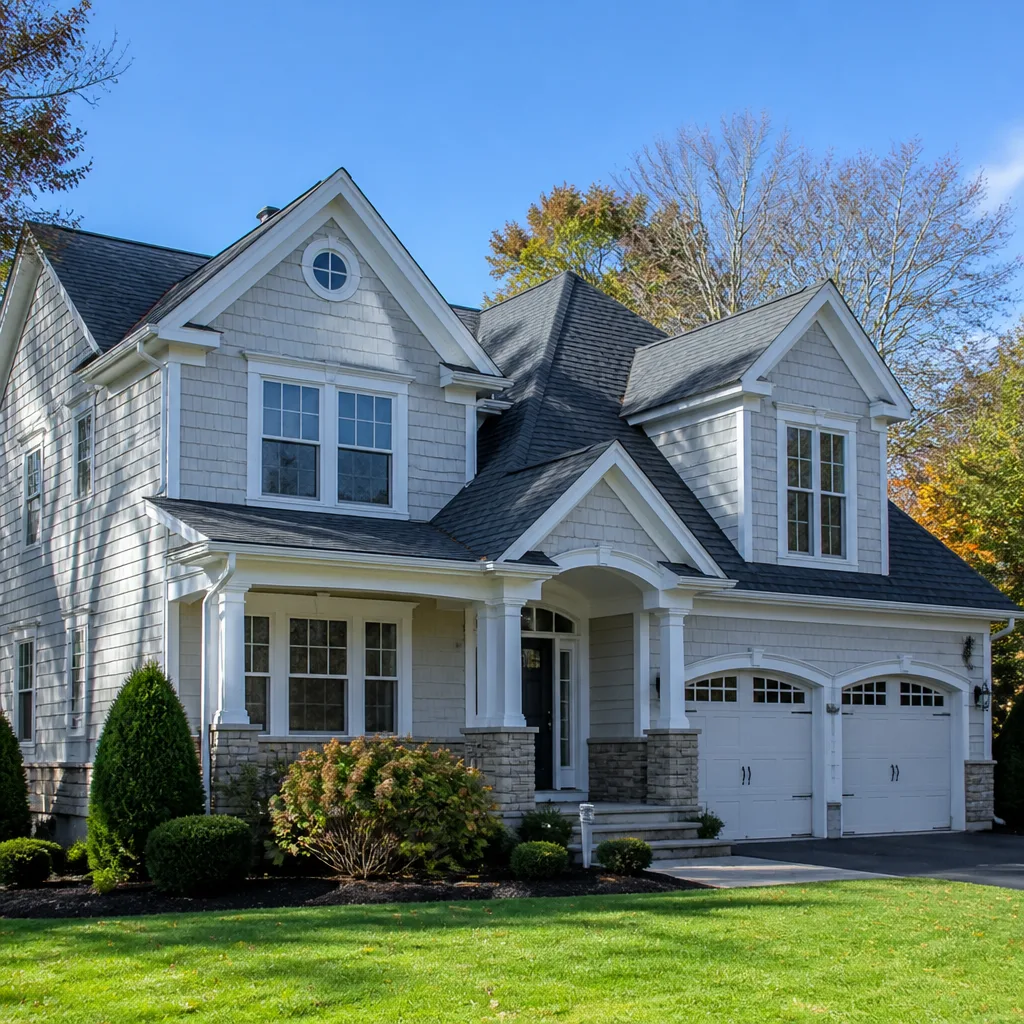
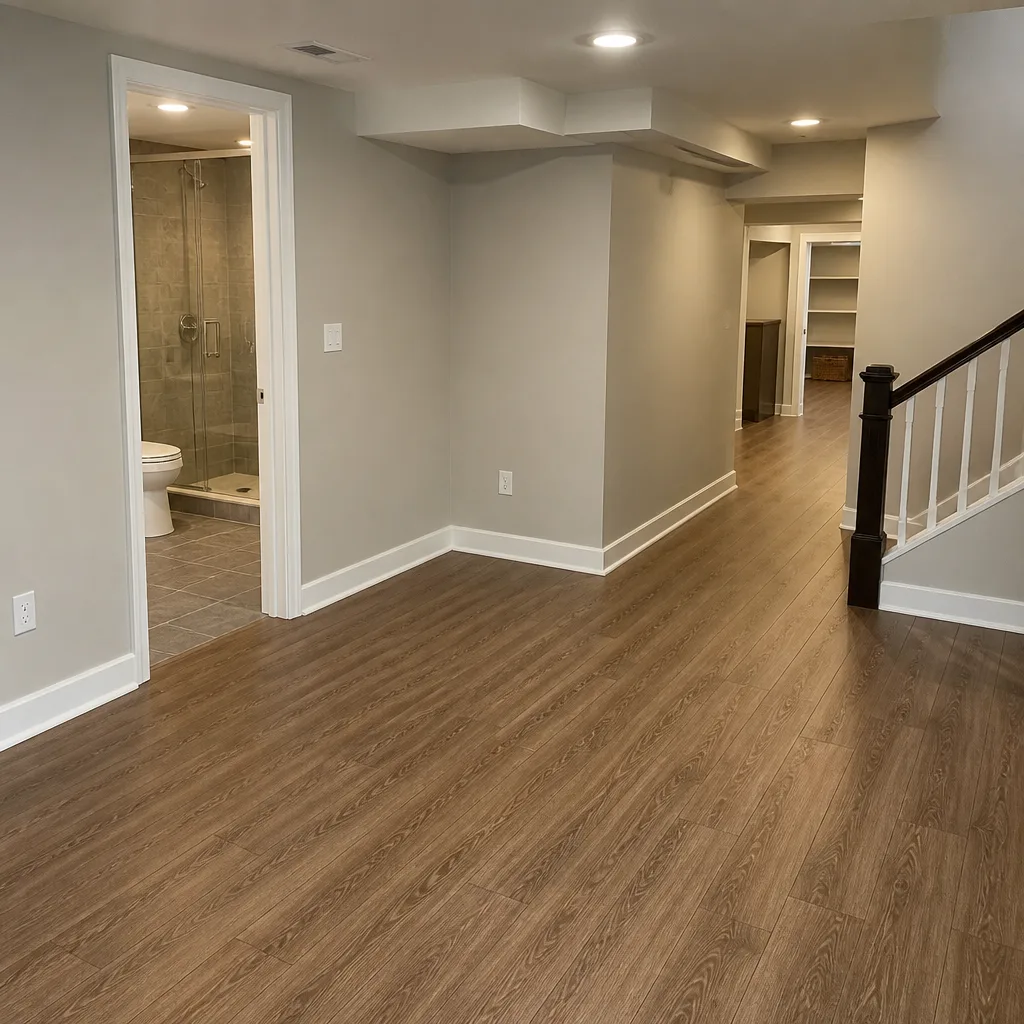
 Before
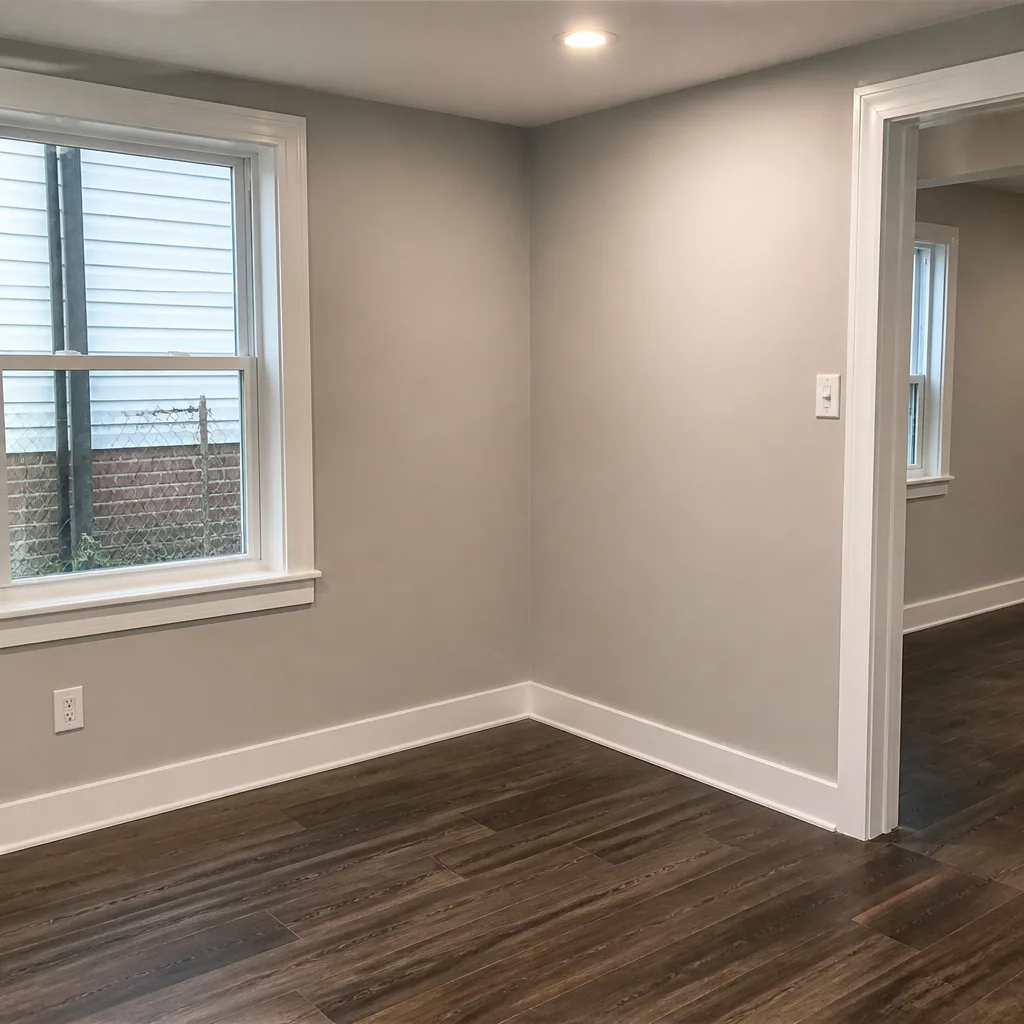 After
After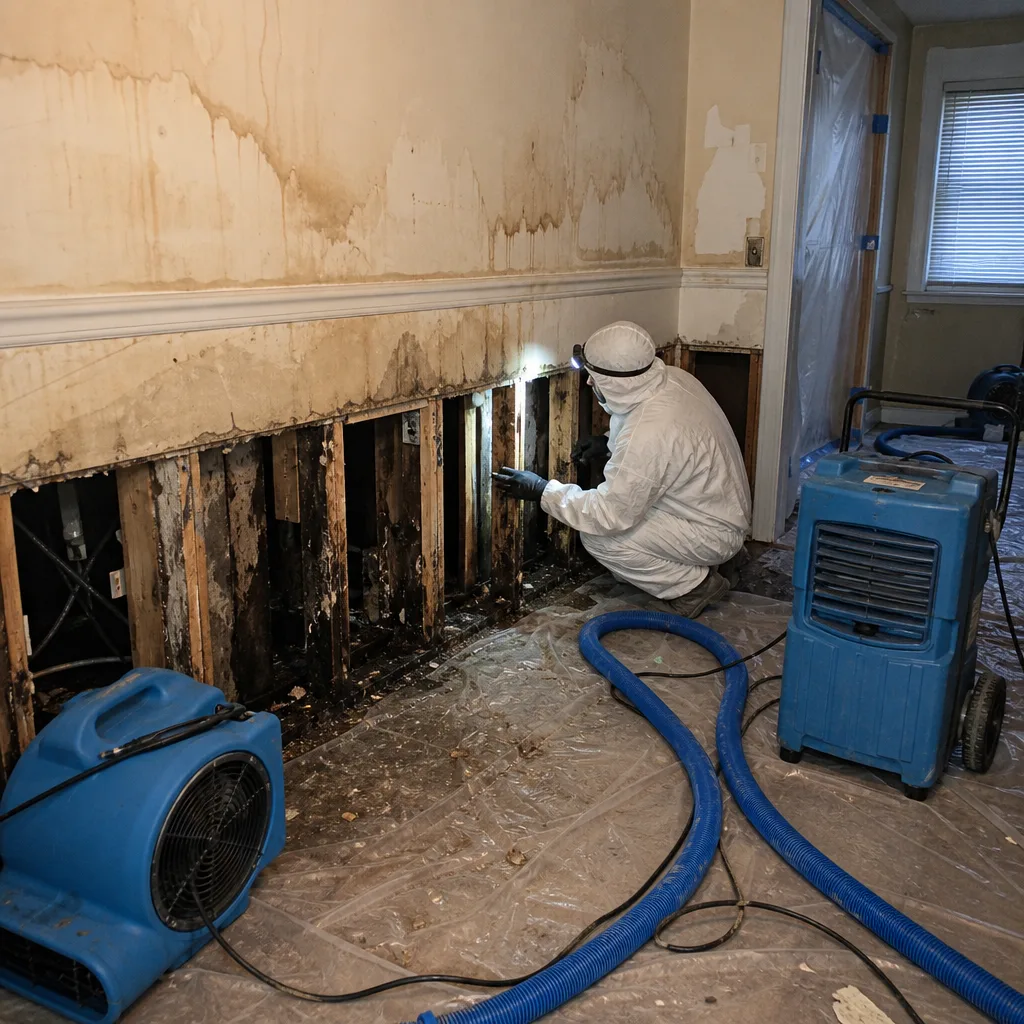 Before
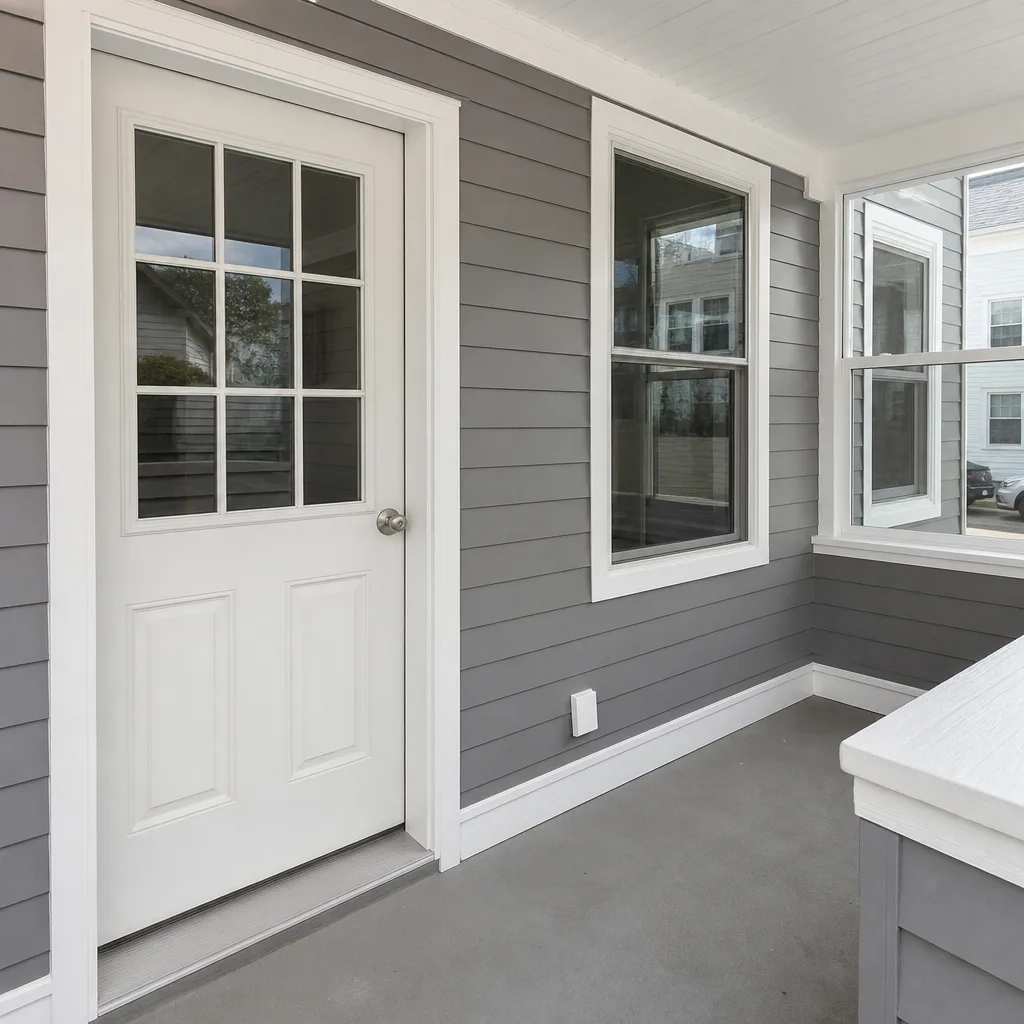 After
After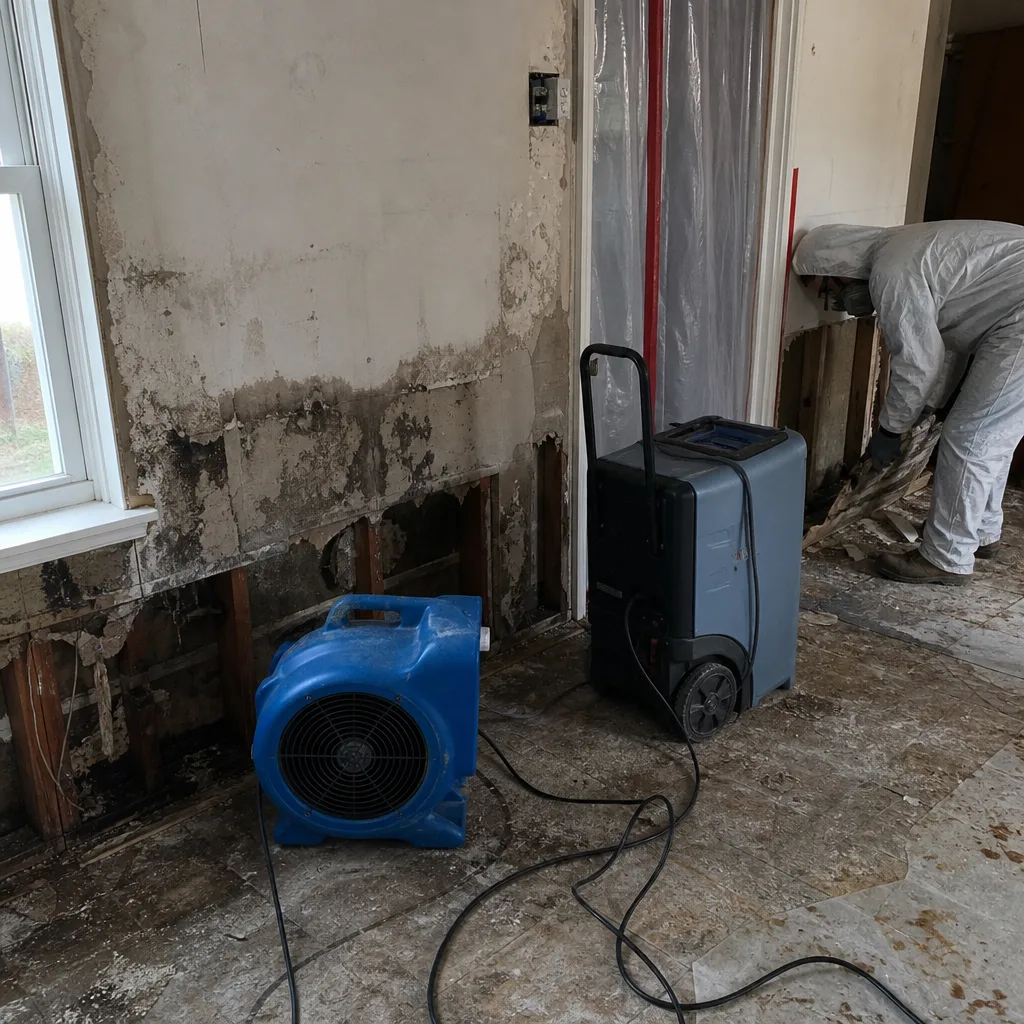 Before
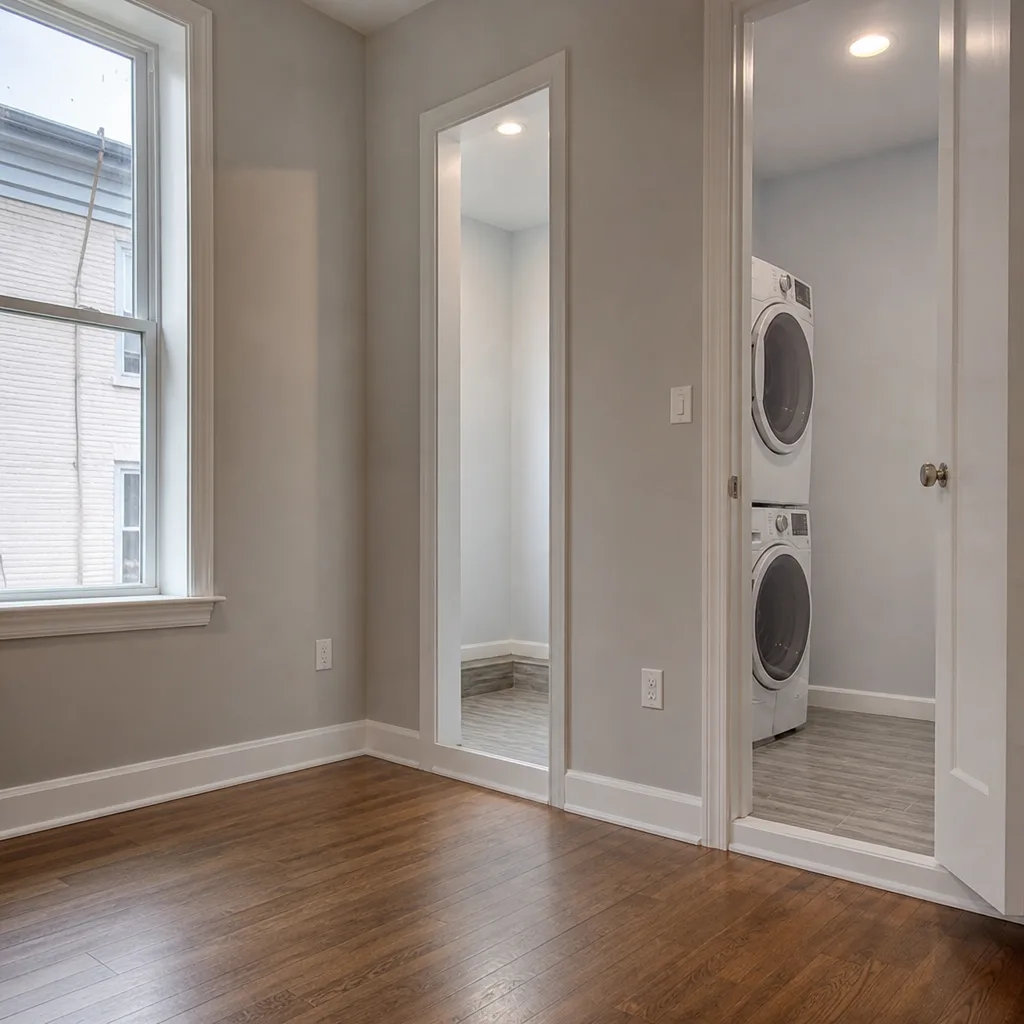 After
After24/7 Emergency Mold Remediation in Midtown West
Mold in a Midtown West apartment or commercial space doesn’t wait for business hours, and neither do we. Floodline Restoration Co. answers live around the clock at (640) 400-9404, with certified crews dispatched into Hell’s Kitchen, the Garment District, and Hudson Yards the moment you call. Rapid containment is the difference between treating one affected wall and stripping multiple floors, especially in pre-war buildings where steam riser chases carry humidity vertically through 10 to 20 units. We arrive for a free visual inspection, set containment the same visit when the situation calls for it, and give you a written scope before any work begins. The longer mold sits behind plaster-over-lath, the deeper the remediation goes, and the more tenants and insurers get drawn in.
Understanding Mold Remediation Severity in Midtown West Properties
Mold severity in Midtown West follows real structural patterns, and anyone who has lived in a Hell’s Kitchen tenement knows the signs: bubbling plaster below a steam riser chase, a persistent mustiness in the back bedroom that opens onto the air shaft, dark staining along the ceiling line of a top-floor loft after a spring thaw. We classify mold contamination by affected square footage and spore activity: Condition 1 is normal indoor ecology; Condition 2 is settled spores requiring cleaning and source correction; Condition 3 is active fungal growth requiring containment, HEPA air scrubbing, and clearance testing before the space is returned to use. In Midtown West’s 1890s through 1930s buildings, hidden reservoirs of moisture behind plaster-over-lath mean the visible staining is almost never the full story. Our moisture mapping tools read through wall cavities to find what a visual inspection misses. Without that step, a contractor can dry the surface, pull the air movers, and leave the lath wet behind untouched plaster, feeding the same mold colony all over again a month later. In a dense rental building where neighboring tenants share air shafts, that oversight becomes a building-wide liability and invites re-inspections from adjacent units.
Why Midtown West Property Owners Choose Floodline Restoration Co.
- 45-minute response commitment: We dispatch crews from the New York City office into Midtown West immediately, and we’re there when we say.
- 24/7 live answer: A real dispatcher picks up at 2 a.m., not a recording. You’ll never leave a message during a mold emergency.
- IICRC-certified crews: Our technicians hold IICRC certifications including WRT and AMRT, plus RIA and IFA training, so they understand both the mold science and the building systems it hides behind.
- Free visual inspection: We assess the affected area at no charge and give you a straight assessment before any work is authorized.
- Direct insurance billing: We bill your carrier directly and handle the documentation from the first moisture reading to the final clearance report.
- One team from extraction to reconstruction: You won’t get handed off to a third party mid-job. The same Floodline crew runs the drying, the remediation, and the rebuild.
Our owner, Curt Bowman, built Floodline Restoration Co. in 2010 around a dispatch board, not a sales desk. Every job carries the 90-Day Done Right Promise in writing. If it’s not done right, we make it right, no arguing, no paperwork battles. That’s the Keystone Standard, and it applies to every mold remediation we perform in Midtown West.
Our Mold Remediation Process
Inspection & Assessment
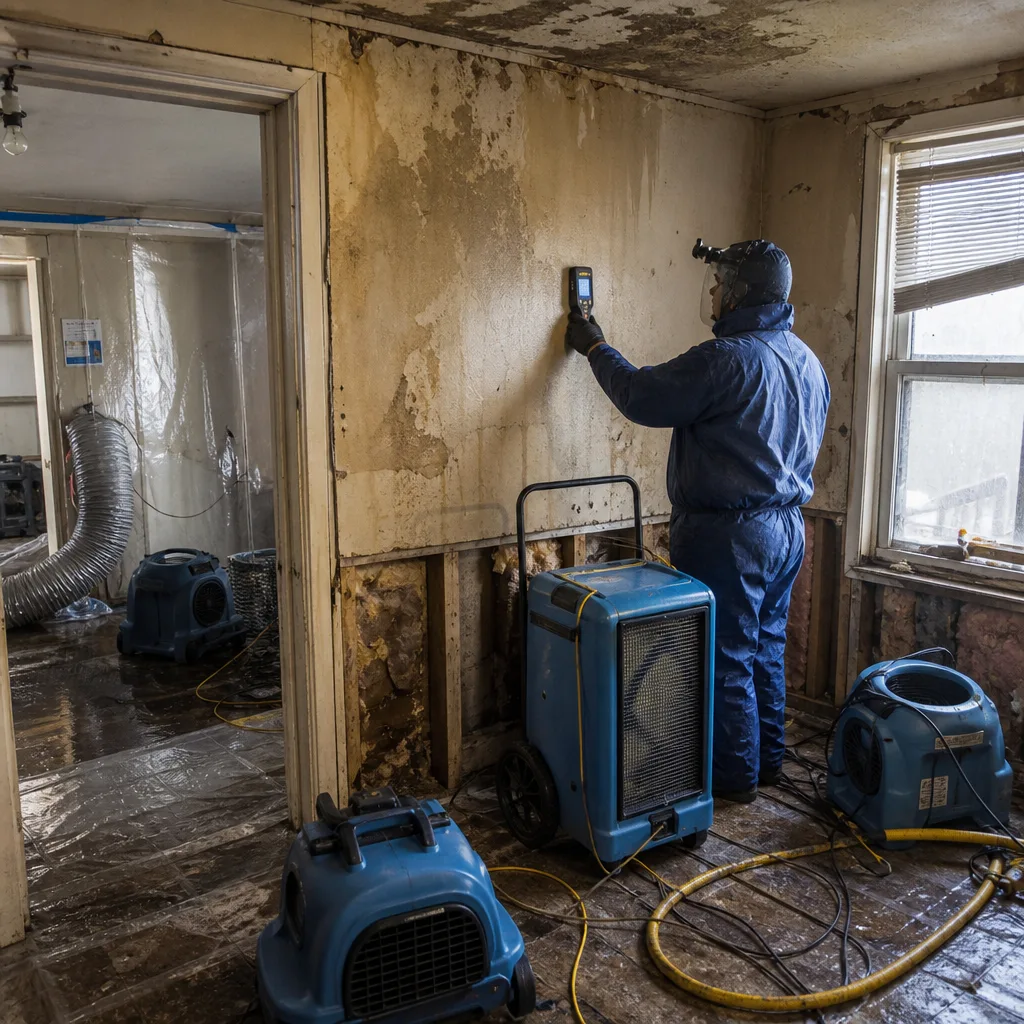
We start with moisture mapping across affected areas using thermal imaging and hygrometers, then assess visible growth and hidden reservoirs behind plaster and drywall. You get a written scope with photos and a firm plan before any containment goes up.
Containment & Source Stabilization
If we’re the first on scene after a leak or flood, we stop the water at its source before it feeds more mold, and we also handle Sewage Cleanup in Midtown West when contamination is involved. That means shutting down the supply line, extracting standing water, and removing saturated materials that can’t be saved.
Drying & Dehumidification
We deploy professional-grade Dri-Eaz dehumidifiers and XPOWER air movers sized to the building’s layout. Daily moisture readings are logged until each affected room meets the dry standard, and that log goes to you and your carrier.
HEPA Air Scrubbing & Surface Cleaning
HEPA-filtered air scrubbers run continuously during remediation to capture airborne spores. All affected surfaces are cleaned with antimicrobial treatment appropriate for the building materials, including plaster-over-lath assemblies common in Midtown West’s pre-war housing stock.
Mold Removal & Specialty Treatment
Affected porous materials are removed under containment. Where DEP-mandated asbestos or lead surveys flag a riser wrap or old paint layer, a licensed abatement contractor handles that specific component before we continue remediation. We coordinate the entire sequence so you don’t chase contractors.
Clearance Testing & Restoration
Air clearance testing confirms spore counts have returned to normal levels before we rebuild. Then the same crew replaces drywall, restores finishes, and hands you the moisture log and documentation packet backing the 90-Day Done Right Promise.
Need Emergency Mold Remediation in Midtown West Now?
Crews minutes away, answering live 24 hours a day. The sooner we start, the less it costs.
Working With Your Insurance Company
Mold claims in Midtown West usually ride on the original water event, and carriers move faster when documentation is tight from hour one. We photograph every affected area before we touch it, log moisture readings daily, and submit industry-standard estimates your adjuster can process without back-and-forth. We speak directly with your carrier, provide the line-item scope in writing, and bill them directly. You don’t play messenger between Floodline and the insurer. When a job involves DEP-required surveys, we document those compliance steps so the claim includes them from day one rather than stalling mid-mitigation.
What We Provide Your Insurer
- Thorough documentation of the loss
- Photos of all damage, room by room
- Moisture readings and drying logs
- A detailed, line-item scope of work
- Direct coordination with your carrier
Built for Midtown West’s Loss Calendar
Midtown West’s mold season follows a predictable rhythm, and it starts with the buildings themselves. January deep freezes burst supply lines in Hell’s Kitchen tenements, sending water through plaster ceilings and down shared riser chases. The water stops, the heat returns, and within 48 hours the wall cavities behind century-old lath are warm, dark, and growing colonies. Spring brings freeze-thaw cycling that stresses the flat roofing membranes on Garment District loft buildings, and every thaw drips water into top-floor units that have been dry for years. Summer thunderstorm flash flooding overwhelms aging drains and basement sumps in walk-ups, while nor’easters in the fall drive wind-blown rain through aging brick mortar joints on the west-facing facades along the Hudson River corridor. The mold that follows isn’t a one-time event; it’s a recurring condition of this housing stock. Understanding that pattern means treating the source rather than chasing the symptom every time a new stain appears.
Mold Remediation Across Midtown West’s Neighborhoods
Working mold remediation in Midtown West means adapting to very different buildings block by block. In Hell’s Kitchen, between 9th and 12th Avenues, the 5 to 7 story pre-war tenements demand the most patience: plaster-over-lath walls, cast-iron and galvanized supply lines that have seen a century of pressure swings, and asbestos-wrapped steam risers running vertically through every apartment. When a riser fails on 4, we’re tracking water into 3 and 2 within hours, and the DEP survey requirement kicks in before any demolition. In the Garment District, the large-floor-plate loft buildings present a different challenge: wide-open interiors with masonry-clad exteriors, flat roofs, and aging wall assemblies that trap moisture between brick and plaster. Our crews regularly see top-floor mold tied directly to freeze-thaw roof leaks. The Theater District mixes old masonry construction with heavy foot traffic and aging mechanical systems, where a failed HVAC condensate line in one tenant space creates humidity that migrates into adjoining spaces. Hudson Yards is a different animal entirely: curtain-wall supertalls with MEP systems that require manufacturer-specific drying protocols, not the standard playbook a residential contractor would bring to a Hell’s Kitchen walk-up. We carry both playbooks, and our equipment trailers are stocked for both.
Specialized Mold Remediation Services We Offer in Midtown West
Mold Inspection & Testing
Most Midtown West jobs should start with an honest inspection before anyone rips into a wall. Our inspectors use thermal imaging and moisture meters to find what’s hidden, then recommend testing only where the findings call for it. In pre-war tenements where adjacent tenants share air shafts, baseline testing protects you from liability down the line.
Mold Removal
Removal in Midtown West usually means opening plaster-over-lath assemblies, which is slow, dusty work that requires containment on every affected floor. We coordinate with building management to minimize disruption, and we schedule work around the realities of occupied rentals rather than pretending a building is empty.
Black Mold Remediation
Stachybotrys chartarum is the one tenants name in complaints, and in a dense building a single affected unit can trigger re-inspections from every adjacent renter. We treat black mold with full containment, HEPA air scrubbing, antimicrobial treatment, and clearance testing, with documentation that stands up to the building’s counsel and your carrier.
Air Quality Restoration
After physical removal, the air in a Midtown West unit still carries what a HEPA scrubber can capture. We run air scrubbers through remediation and beyond, then confirm with post-remediation verification that spore counts returned to normal. That verification is the only honest way to call a mold job finished in a shared-stack building.
Crawl Space Treatment
Walk-up basements and crawl spaces under Hell’s Kitchen tenements hold decades of accumulated moisture. We treat them with vapor barriers, drainage correction, and dehumidification sized to the actual space. Crawl space work here is about keeping the foundation dry before the walls above it start growing anything.
Moisture & Humidity Control
The cheapest mold remediation in Midtown West is the one you prevent. We install and calibrate dehumidification systems for buildings where steam risers and shared air shafts keep indoor humidity high year-round. In a city where the building itself traps moisture, controlling the humidity is the only long-term fix.
What happens when you call
- 1
A real person answersNo phone trees - you reach a local pro.
- 2
You get an upfront price rangeHonest numbers before anyone is dispatched.
- 3
A background-checked tech heads outLicensed & insured, dispatched right away.
- 4
You approve before work beginsNothing starts until you say go.
Mold Remediation Costs in Midtown West, NY
Mold remediation in Midtown West runs on a different cost structure than the suburbs, and it’s honest to say so. A small, contained removal behind a single bathroom wall in a Hell’s Kitchen walk-up runs $1,200 to $3,500. A multi-floor job involving a burst steam riser, with containment on three or four units and DEP survey coordination, usually lands between $8,000 and $25,000. Black mold requiring full containment and air clearance testing typically adds 30 to 50 percent over standard removal. When a licensed abatement contractor enters the picture for asbestos wrap or lead paint, you’re adding $2,000 to $8,000 depending on scope. Insurance covers mold remediation when it traces to a covered water event, and we document that chain from the first hour. The free visual inspection is the fastest path to a firm number; you’ll get a written scope and a line-item estimate before any work starts.
We Also Serve Cities Near Midtown West
Floodline Restoration Co. serves the full Midtown West area plus Mold Remediation in neighboring communities including Midland Beach, New Springville, Oakwood, and Travis – Chelsea. If your building sits just outside Midtown West, call us; our dispatch covers the surrounding area with the same live answer and 45-minute response commitment.
Midtown West Mold Remediation Questions, Answered
How does the DEP asbestos survey requirement change a Midtown West mold remediation timeline?
The NYC DEP requires an asbestos survey before any demolition in buildings constructed before 1980, and that covers nearly all of Midtown West’s housing stock. The survey itself takes one to three days, and if asbestos is found in the affected area, a licensed abatement contractor must remove it before standard remediation can proceed. That adds two to five working days to a typical job, sometimes more if air clearance testing is required. We sequence the survey into the first 72 hours so the job doesn’t stall mid-mitigation. Call (640) 400-9404 and we’ll walk you through the exact timeline for your building.
What is the most common mold source in 1920s-era Hell’s Kitchen tenements?
Failed steam risers are the single most common source, followed by burst galvanized supply lines in kitchen and bath walls. Both run vertically through apartments, so water from a 4th-floor failure feeds mold in the units below. The moisture soaks into plaster-over-lath assemblies, which hold water far longer than modern drywall, and the warm riser chases create an ideal mold environment. If you smell mustiness near a riser chase or see staining below a neighbor’s kitchen, call (640) 400-9404 for a free inspection before the colony spreads further.
Can you remediate mold in an occupied Midtown West rental without displacing tenants?
In most cases, yes. We set containment on the affected unit or units, run HEPA air scrubbers continuously, and keep remediation isolated from occupied spaces. For jobs that involve heavy demolition or multiple floors connected by a shared riser chase, temporary relocation may be the safer call, and we coordinate that reality with building management and the carrier. We’ve done dozens of occupied-building remediations in Hell’s Kitchen and the Garment District, and we plan the work around the people still living there.
How do freeze-thaw cycles on Garment District flat roofs cause recurring mold in top-floor lofts?
Flat roofing membranes on Garment District loft buildings expand and contract through every winter freeze-thaw cycle, and the seams eventually fail. Each spring thaw sends meltwater through those seams into the top-floor ceiling assembly, where it soaks into plaster and beams before anyone sees a stain. The mold that follows becomes a recurring event until the roof gets fixed or the ceiling assembly gets permanently dried and sealed, which is why we also provide our Storm & Disaster Restoration in Midtown West for widespread weather damage. We identify the difference between a one-time leak and a failing roof by mapping moisture patterns across the ceiling plane.
What makes mold remediation in Midtown West high-rises different from low-rise brownstones?
High-rise work adds vertical migration through shared chases, multi-floor containment, building management coordination, DEP survey compliance on pre-1980 construction, and often multiple insurance carriers on the same loss. Low-rise brownstones have their own challenges, but a Midtown West high-rise job means every floor below a failure is a potential claim. Our crews carry the equipment and the documentation discipline to run containment across multiple floors while keeping the rest of the building occupied and safe.
How fast can someone actually get to Midtown West?
We commit to a 45-minute response window for emergency mold calls in Midtown West, with a live dispatcher confirming your address and situation the moment you call. Our crews stage from the New York City office and know the streets, loading docks, and building access points across Hell’s Kitchen, the Garment District, and Hudson Yards. Call (640) 400-9404 and we’ll give you an exact ETA before you hang up.
Will insurance cover mold remediation in Midtown West?
Coverage depends on the originating water event. If the mold traces to a sudden and accidental covered loss, like a burst pipe or storm water intrusion, remediation is typically covered. Mold resulting from long-term humidity or deferred maintenance may not be. We document the chain from the first moisture reading so your carrier sees the covered cause clearly. We bill them directly and handle the adjuster communication. Call (640) 400-9404 and we can often give you a read on likely coverage before you file.
What should I do in the first 30 minutes after finding mold in Midtown West?
If there’s an active water source, shut it off at the fixture or building valve. Don’t disturb the mold or try to clean it yourself, especially in a pre-war building where asbestos and lead may be present in the affected materials. Close doors to contain the area, keep airflow low, and call (640) 400-9404. We’ll arrive for a free inspection, set containment if needed, and give you a written plan before any work begins. The first call is the cheapest part of the whole job.
Serving Midtown West, NY - Our Local Coverage Area
We’re based in the Midtown West area and know this community well. Use the map below to see our service coverage - if you’re nearby, we can almost certainly help.
Call Floodline Restoration Co. for Mold Remediation in Midtown West
Midtown West property owners deal with mold differently than the rest of the city. The pre-war buildings demand compliance steps and drying protocols that out-of-market contractors never anticipate, and surprises mid-job cost real money. Our Mold Remediation team works in this specific housing stock every week. We coordinate DEP surveys, handle the abatement sequence, run professional-grade drying with Dri-Eaz and XPOWER equipment, and bring you the clearance documentation that closes the claim. Every job carries the 90-Day Done Right Promise in writing. Senior and veteran discounts apply: 5 percent always, plus $50 off any repair over $250, and an $89 seasonal tune-up where applicable. Our technicians are background-checked and uniformed, and they treat your building like it’s their own. Call (640) 400-9404 now for a free estimate from a live person who knows Midtown West.
Written by Curt Bowman, Owner at Floodline Restoration Co., serving Midtown West, NY.