

Free visual inspection and a written scope of work before any mitigation begins - photos, moisture readings, and drying logs go in your claim file
The scope we write is the scope we bill. Anything new gets shown to you, in writing, before we touch it.
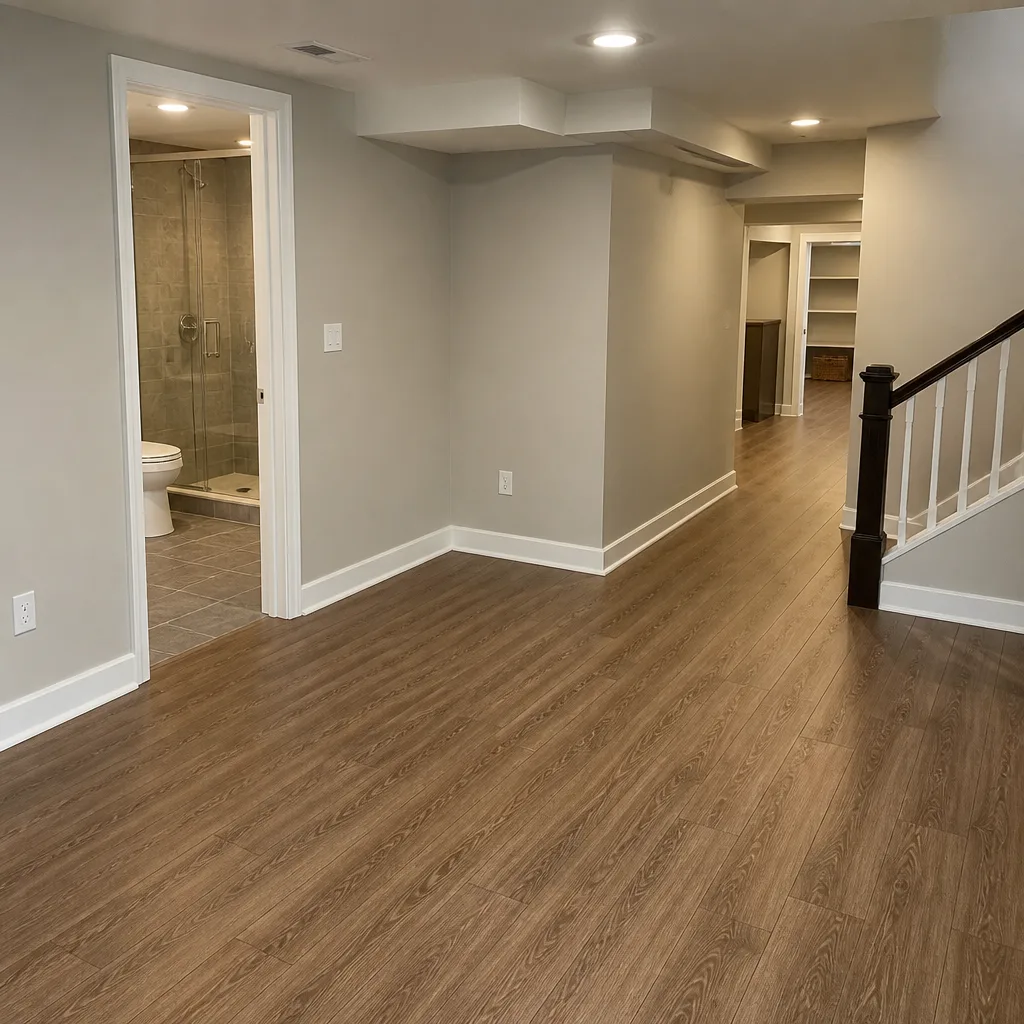
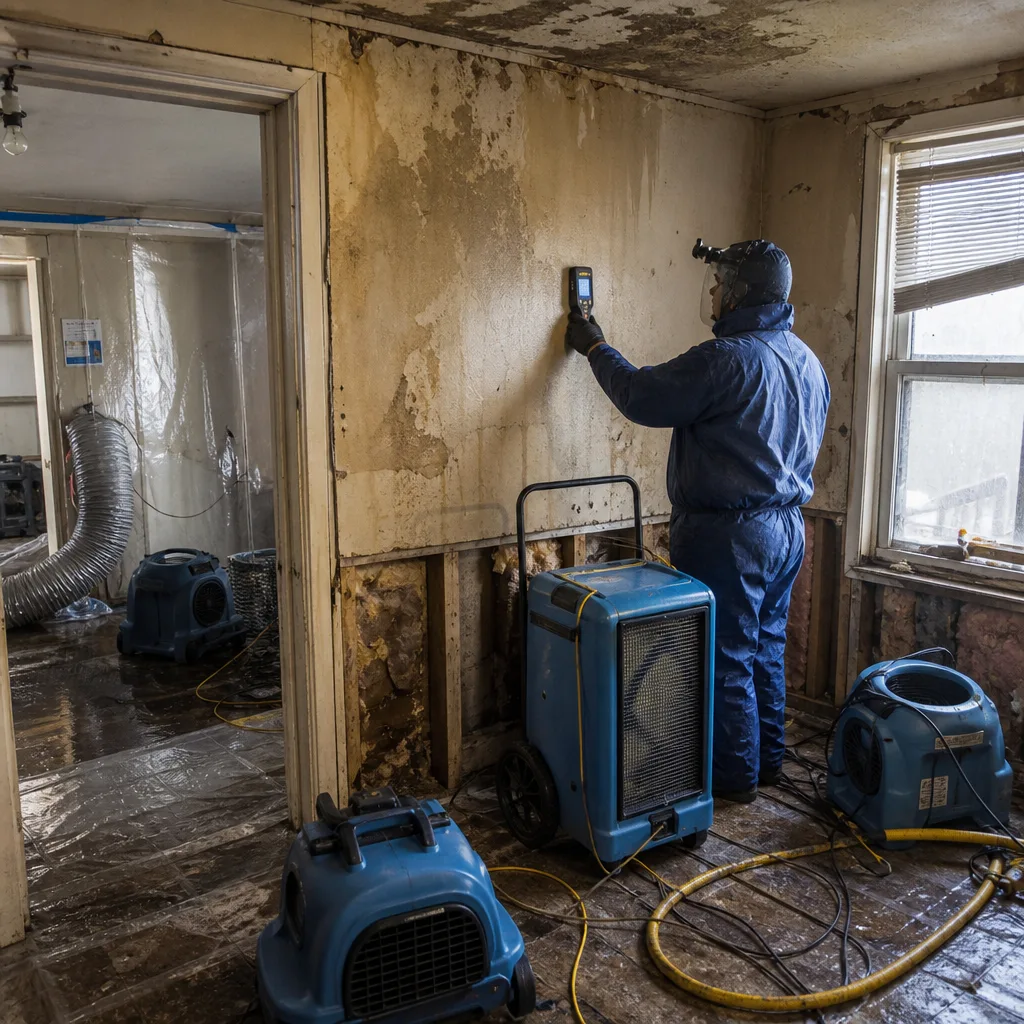 Before
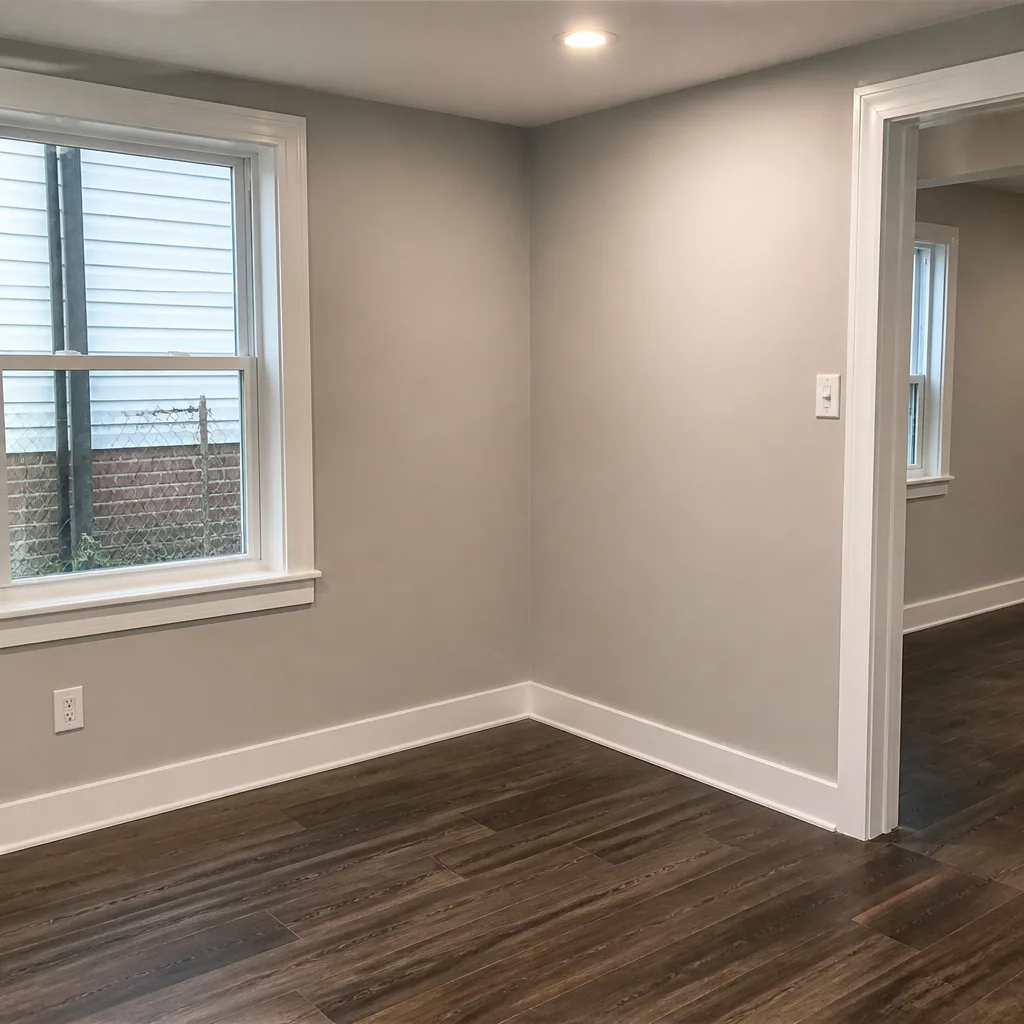 After
After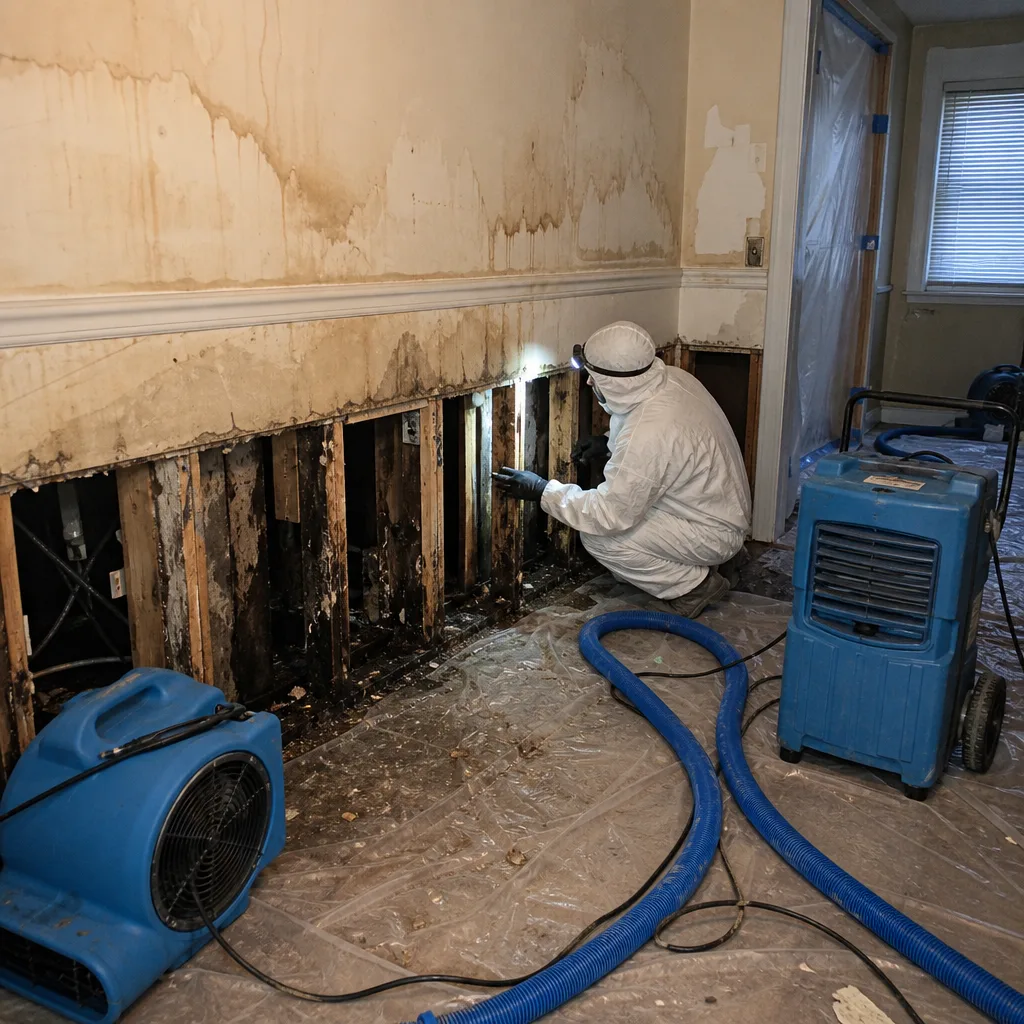 Before
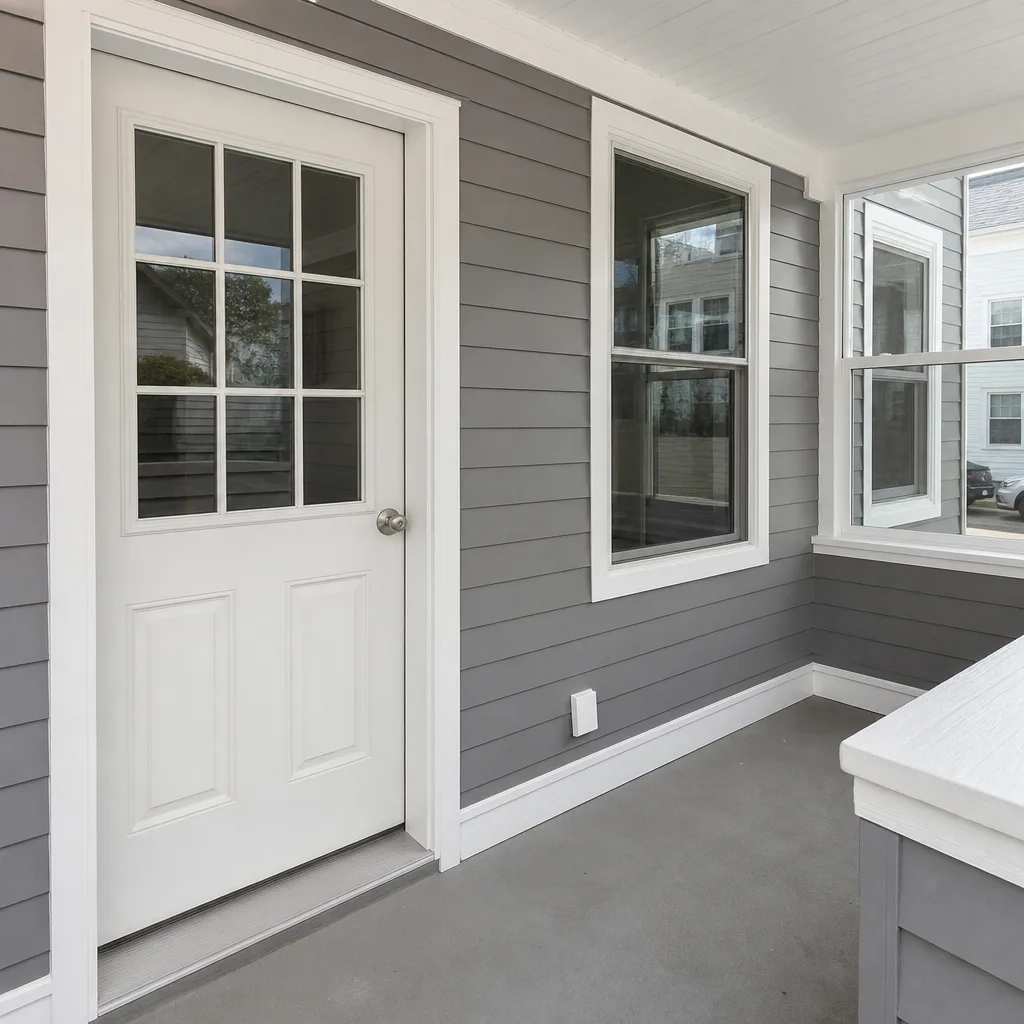 After
After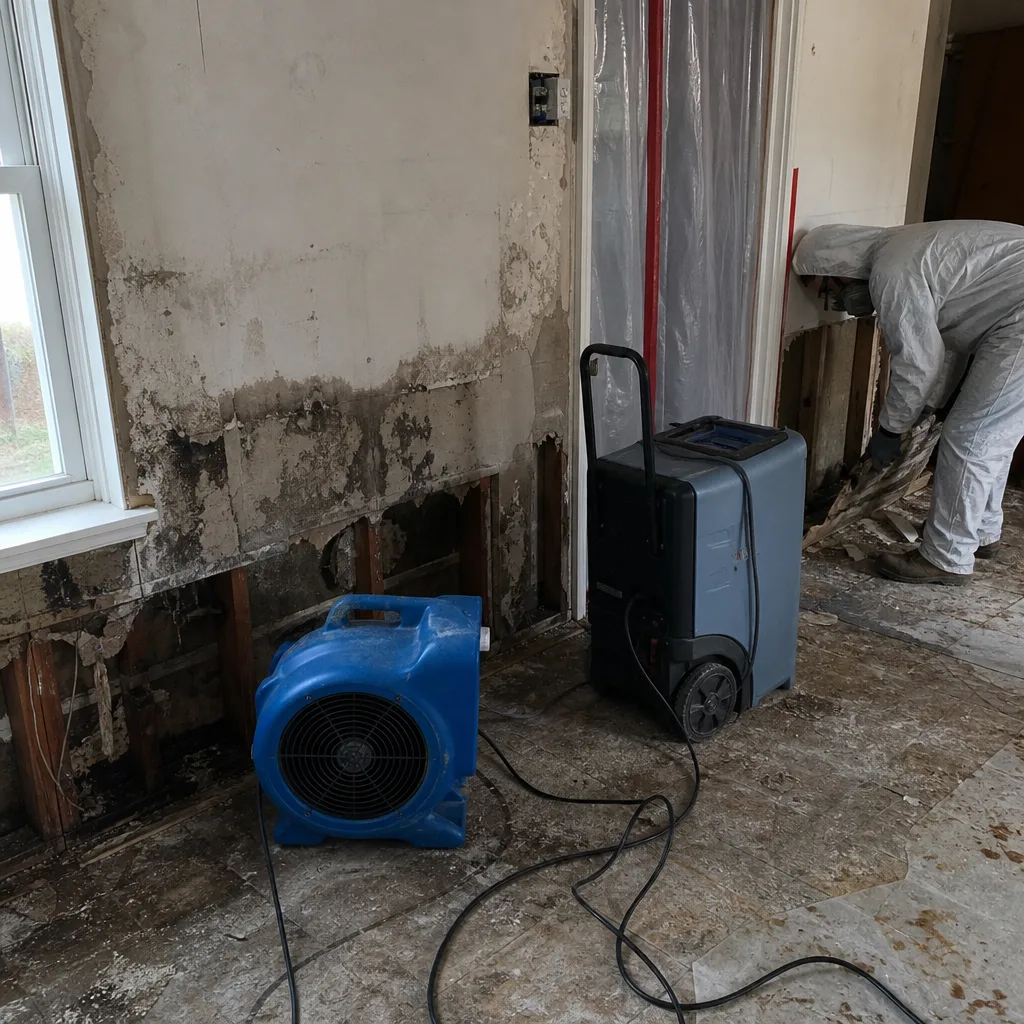 Before
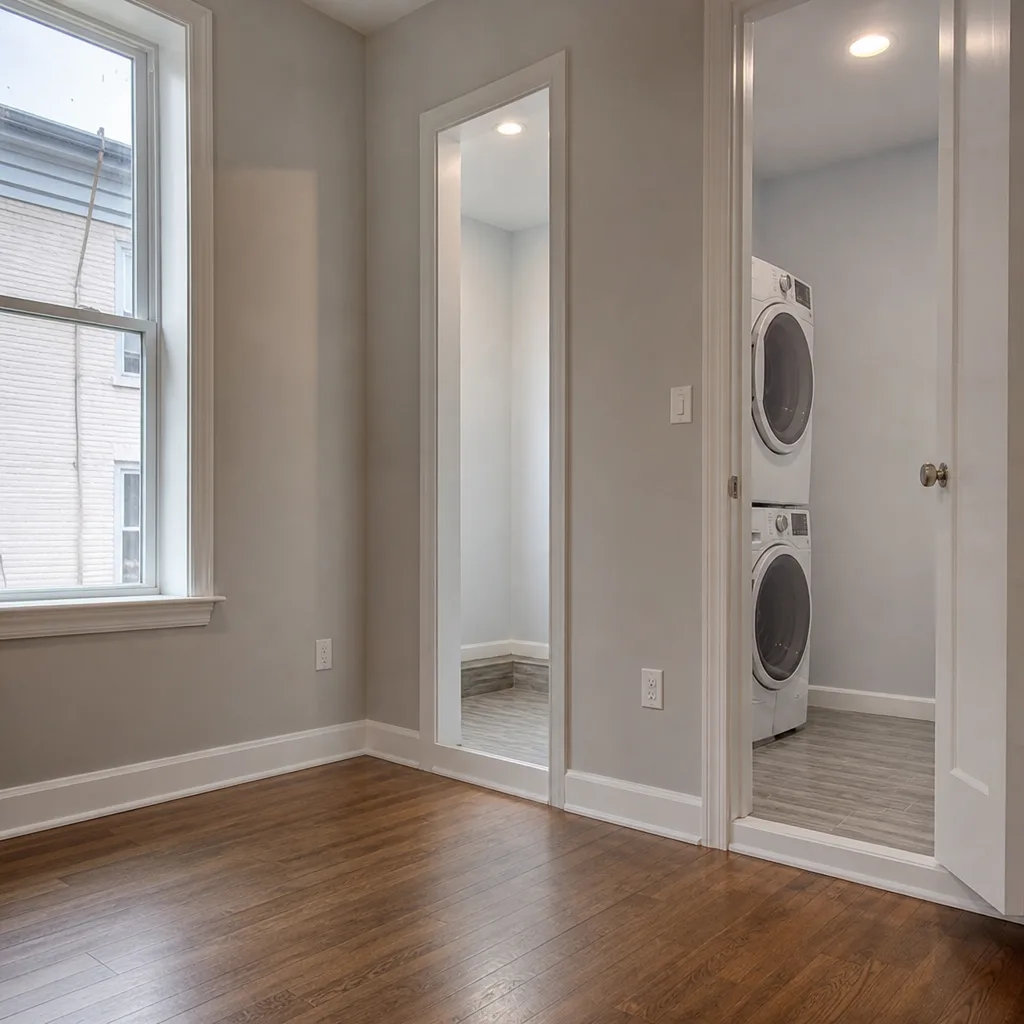 After
After24/7 Emergency Mold Remediation in Midland Beach
Mold remediation in Midland Beach runs $1,800 to $6,500 for a typical single-family home, and the work is usually completed in two to four days once containment is set. If you’ve spotted dark staining on drywall or smelled that sharp, musty odor in a back bedroom, call us at (640) 400-9404 right now. A live dispatcher answers at 2 a.m., not a recording, and a background-checked crew can be rolling toward Father Capodanno Boulevard or Graham Boulevard within about 45 minutes. The first hours matter because Midland Beach’s sandy, low-elevation soils hold flood moisture against slab edges and sill plates much longer than inland neighborhoods. Every day of delay lets mold move from surface growth into wall cavities, where it feeds on drywall paper and framing and turns a $2,000 cleanup into a $6,000 rebuild.
Understanding Mold Remediation Severity in Midland Beach Properties
Midland Beach has a housing stock that most remediation companies outside Staten Island never see. The neighborhood is dominated by small post-WWII single-family homes and converted seasonal bungalows, many sitting on slab-on-grade foundations or shallow crawl spaces just inches above the water table. When Lower New York Bay surges into those structures during a nor’easter or hurricane, the water doesn’t just recede. It wicks laterally into base plates, sill plates, and floor assemblies, and in Midland Beach’s slow-draining sandy soils, it stays there for weeks. That’s why containment, air scrubbing, and clearance testing are not optional add-ons here. They’re the only honest way to handle a property where hidden moisture keeps feeding mold long after the visible puddle is gone. For lifted post-Sandy homes on pilings, the open-air understructure creates a different failure pattern: moisture and humidity rise from the ground beneath the house, condensing on subfloor and joists, and mold grows unseen. Our crews have worked both housing types long enough to read the moisture map differently for each.
Why Midland Beach Property Owners Choose Floodline Restoration Co.
- 45-minute response commitment. When you call about mold in Midland Beach, we commit to having a uniformed technician at your door within 45 minutes. Live dispatch, real scheduling, not a call center estimating a window.
- 24/7 live answer, no recordings. A real person picks up the phone at any hour, every day. The dispatcher knows the difference between a cosmetic stain and a Category 3 contamination, and routes the call accordingly.
- IICRC-certified crews trained to AMRT and WRT standards. Our technicians hold Applied Microbial Remediation Technician and Water Restoration Technician certifications, with additional RIA and IFA training. We bring the right protocol, not just the right equipment.
- Free visual inspection. The first look costs you nothing. We map visible growth, check humidity levels, and give you a straight read on what needs to happen and what can wait. No scare tactics.
- Direct insurance billing. We bill your carrier directly and handle adjuster communication. You don’t play messenger between our crew and your insurance company.
- One team from first extraction to finished rebuild. The same Floodline crew that sets containment and pulls affected drywall also handles the reconstruction. No mid-job handoff to a subcontractor you’ve never met.
Our Mold Remediation Process
Inspection & Assessment
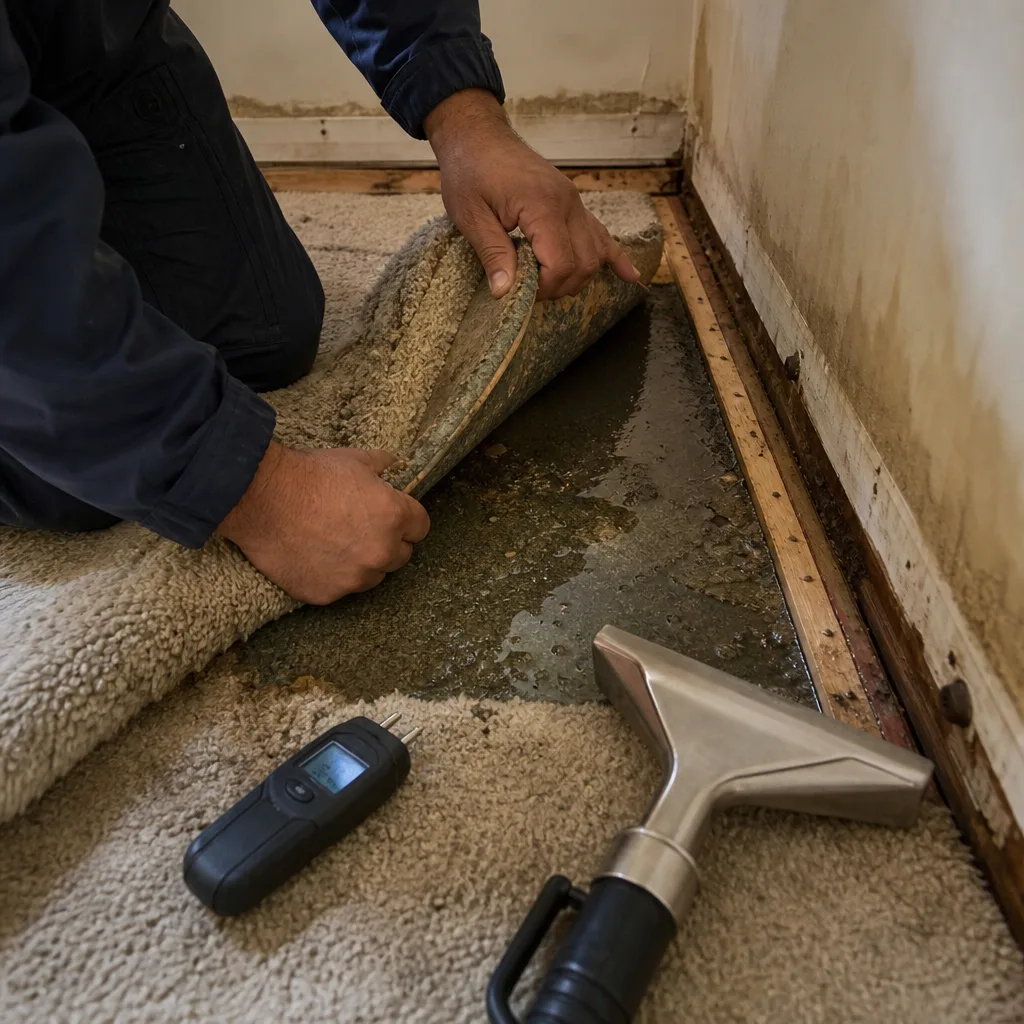
We start with a visual inspection and moisture mapping using thermal imaging and hygrometers. In Midland Beach’s slab homes, we pay particular attention to base plates and the bottom four feet of wall assemblies, where wicking moisture hides. For lifted homes, we inspect the understructure and joist bays from below.
Containment & Negative Air
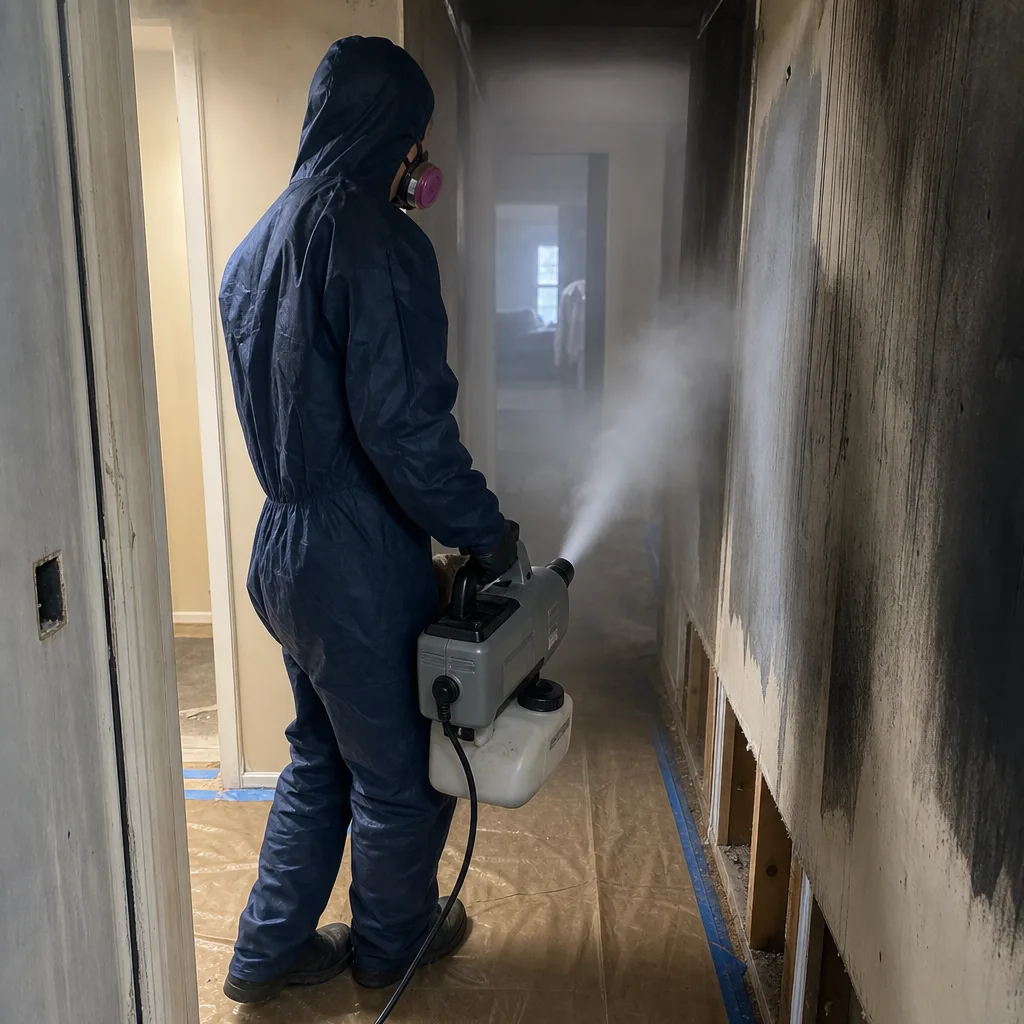
Before any drywall comes down, we set containment barriers and run HEPA air scrubbers under negative pressure. This keeps airborne spores from spreading into clean rooms and gives us a controlled zone to work inside. For Midland Beach’s small bungalow floor plans, this often means isolating one entire side of the house rather than a single room.
Material Removal & Controlled Demolition
Mold that has colonized drywall, insulation, or carpet cannot be scrubbed back to safe condition. We remove affected materials to the line where moisture mapping shows readings dropping into safe ranges. In slab-on-grade homes, that frequently means the bottom four feet of wall assembly. In lifted homes, we may need to access and treat the floor system from below.
Antimicrobial Treatment & HEPA Cleaning
All remaining framing, studs, and hard surfaces get an antimicrobial application that kills active spores and inhibits regrowth. We then HEPA-vacuum every surface in the containment zone, including trusses, duct openings, and electrical boxes that often get skipped.
Drying & Humidity Stabilization
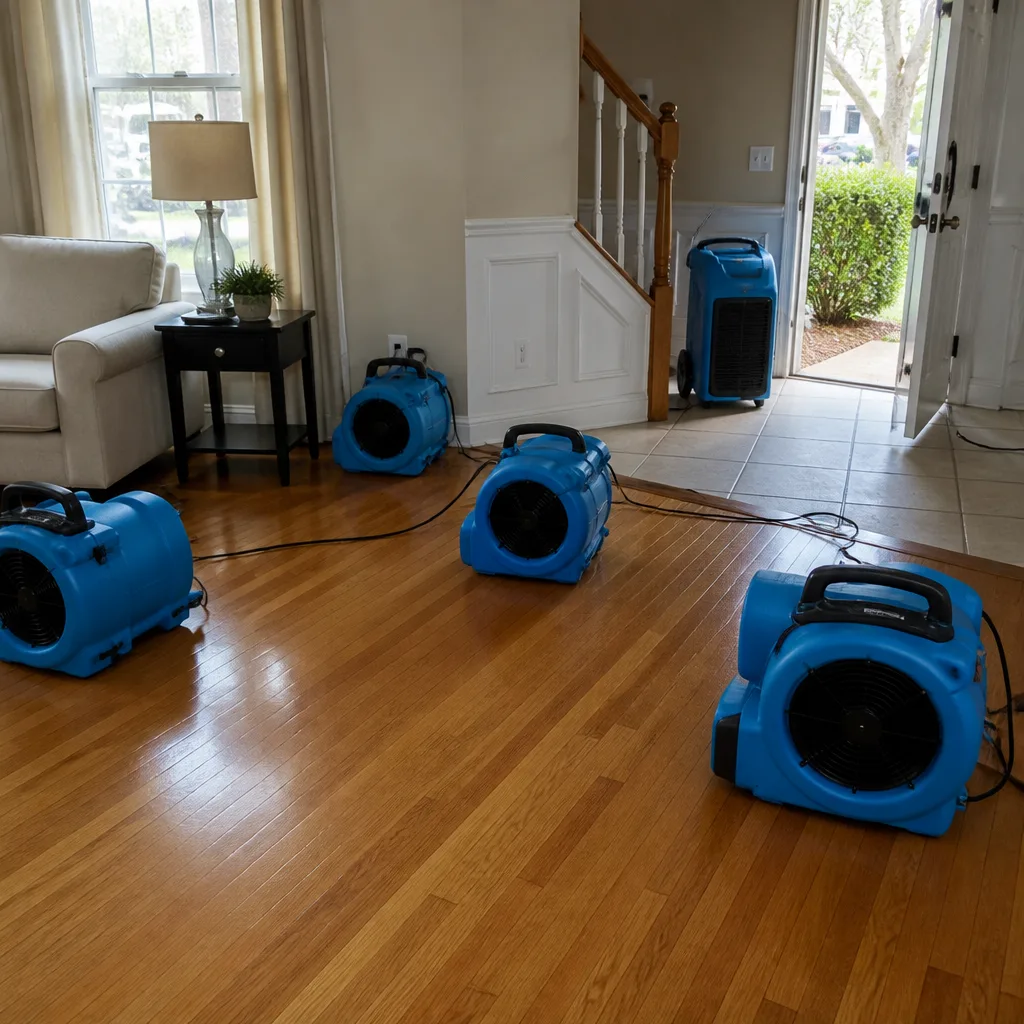
Dri-Eaz dehumidifiers and Phoenix air movers run until moisture readings reach the dry standard. In Midland Beach’s original-grade slabs, this step takes longer than average because the sandy soil beneath the slab keeps feeding moisture upward. We log readings daily and give you the log when we’re done, so you and your carrier can see the numbers.
Clearance Testing & Repairs
After drying and treatment, we run clearance testing to confirm spore counts have returned to normal background levels for a Midland Beach coastal home. Only then do we rebuild: drywall, paint, flooring, whatever was removed. The crew that read the moisture map on day one is the same crew that finishes the trim.
Need Emergency Mold Remediation in Midland Beach Now?
Crews minutes away, answering live 24 hours a day. The sooner we start, the less it costs.
Working With Your Insurance Company
Most Midland Beach mold remediation jobs are tied to a covered water loss: a nor’easter surge, a flooded crawl space after heavy rain, a supply line failure. When that’s the case, your homeowner’s policy typically responds. Our documentation starts in the first hour and never stops. We photograph every affected surface before, during, and after removal. Moisture readings go into a dated log that charts drying progress room by room. We write a line-item scope of work that matches industry-standard estimating so your carrier’s adjuster can process it without weeks of back-and-forth. And we talk to the adjuster directly. When questions come up about why a base plate needed replacement rather than drying, we answer them with data, not phone tag. Curt Bowman built Floodline Restoration Co. on this model: a square deal, documented properly, paid fairly.
What We Provide Your Insurer
- Thorough documentation of the loss
- Photos of all damage, room by room
- Moisture readings and drying logs
- A detailed, line-item scope of work
- Direct coordination with your carrier
Built for Midland Beach’s Loss Calendar
Midland Beach does not follow the same loss calendar as Elmhurst or Riverdale. The dominant driver here is coastal surge, and the mold calls follow a rhythm that local contractors have learned over four decades. Late summer and early fall bring the Atlantic hurricane window, when Lower New York Bay can push Category 3 seawater into low-lying blocks along Father Capodanno Boulevard and Graham Boulevard. The visible flooding recedes within days. The mold calls start 30 to 60 days later, as wicking moisture finally reaches the drywall’s interior face and the mustiness becomes impossible to ignore. Winter brings nor’easters with storm surge that rides the same pathways as hurricane push, plus deep freezes that burst supply lines in the neighborhood’s aging bungalow plumbing. Spring thaw exposes foundation seepage in slab homes where the water table sits just inches down. Every one of these events sets the mold clock running. The homes that get rapid extraction and drying in the first 48 hours are the ones that never need full remediation. The ones that wait are the ones we see in our busiest weeks.
Mold Remediation Across Midland Beach’s Neighborhoods
Midland Beach stretches across several distinct pockets, and each one has its own mold signature. The blocks along Father Capodanno Boulevard bear the full force of Lower New York Bay surge, and their ground-level bungalows and ranches see the worst Category 3 intrusions. Remediation here usually means full containment, extensive drywall removal below the four-foot line, and rebuild of lower wall assemblies. East toward Graham Boulevard, the pattern shifts to slab homes with moisture wicking up through the slab itself, where the work is often about crawl space treatment and subfloor drying rather than whole-wall demolition. In the blocks around Midland Avenue, the post-WWII bungalows built as seasonal getaways have shallow crawl spaces with dirt floors, and those need aggressive moisture and humidity control before any visible mold even appears. The neighborhoods around Hunter Avenue and the streets feeding into Olympia Boulevard include many elevated post-Sandy rebuilds, where the understructure is open air and mold tends to grow on the underside of floor systems, invisible from above. Each area gets a different containment plan and a different drying strategy. That’s the work.
Specialized Mold Remediation Services We Offer in Midland Beach
Mold Inspection & Testing
Before any remediation starts, we need to know what we’re dealing with and where it’s hiding. Our inspection in Midland Beach homes includes thermal imaging of wall cavities, humidity readings at slab level, and air sampling where the situation warrants it. For lifted homes, we inspect from underneath. For slab homes, we pay particular attention to base plates and kitchen and bath lower walls. The inspection ends with a clear scope of work, not a scare pitch.
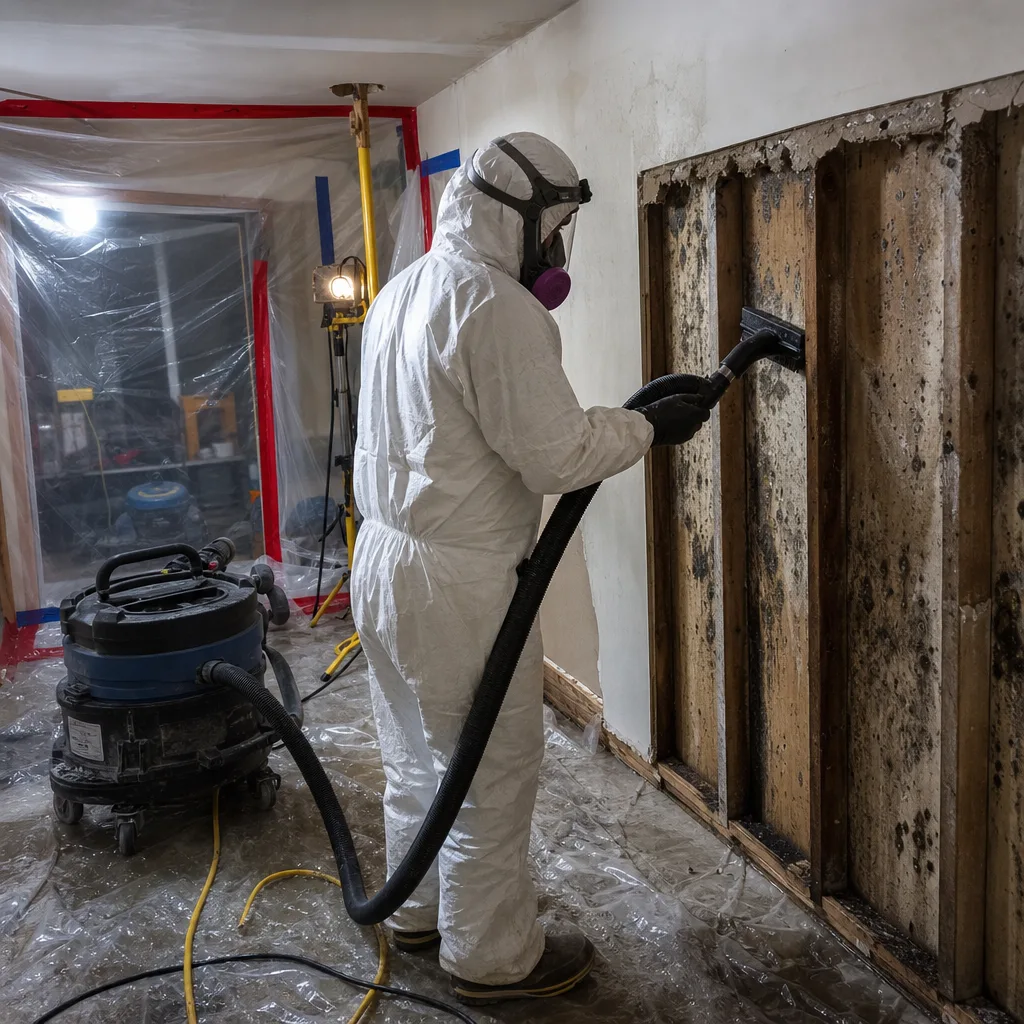
Mold Removal
This is the core of what we do in Midland Beach: contain the affected area, remove colonized materials, treat remaining surfaces, and verify the result. The goal is returning the home to a safe, dry state with documentation your insurer accepts. We remove what must be removed and treat what can be saved. Nothing more, nothing less.
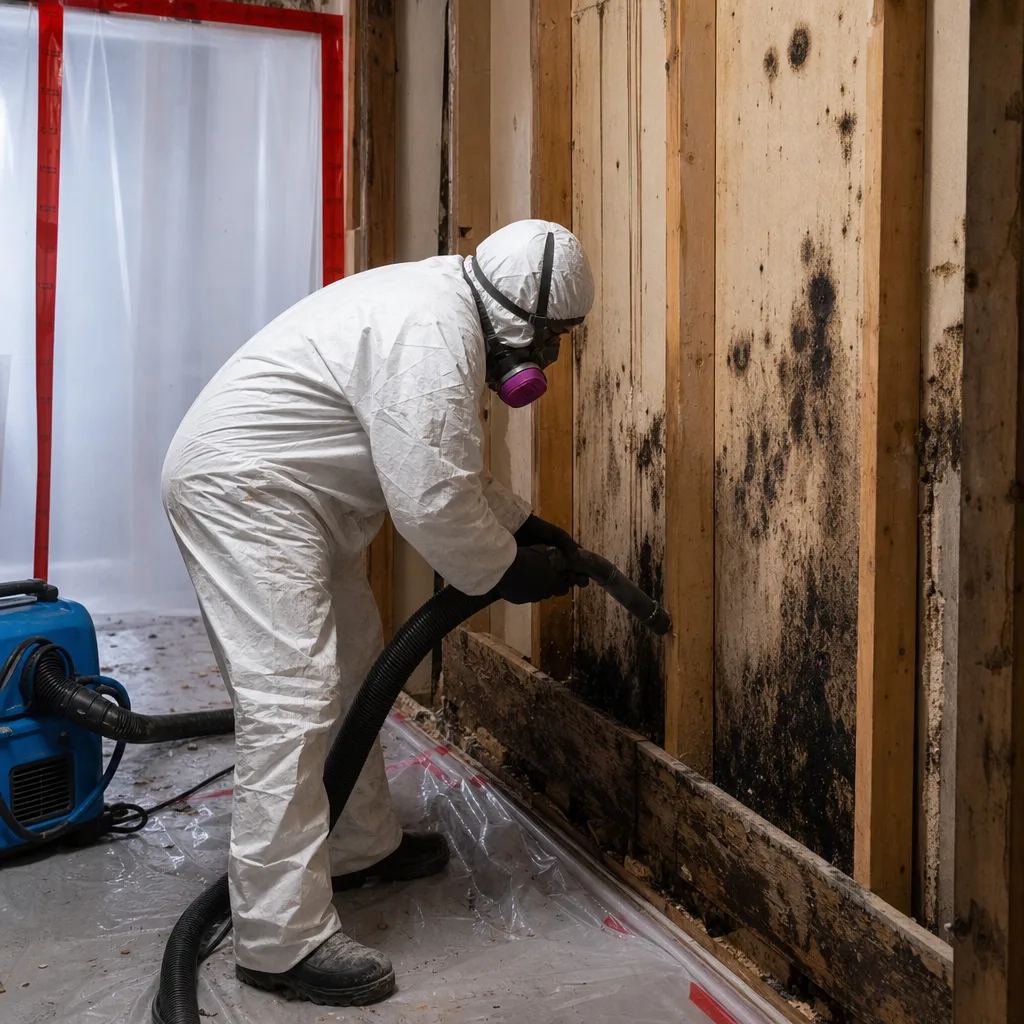
Black Mold Remediation
Stachybotrys, the strain homeowners call black mold, grows where water has been present for days or longer, which is exactly the pattern we see in Midland Beach’s storm-wicking bungalows. It colonizes drywall paper, subflooring, and ceiling tile. Remediation follows the same protocol as any mold: full containment, removal of affected material, antimicrobial treatment, and clearance testing. Black mold is not a special case, but it is a serious one, and it gets no shortcuts.
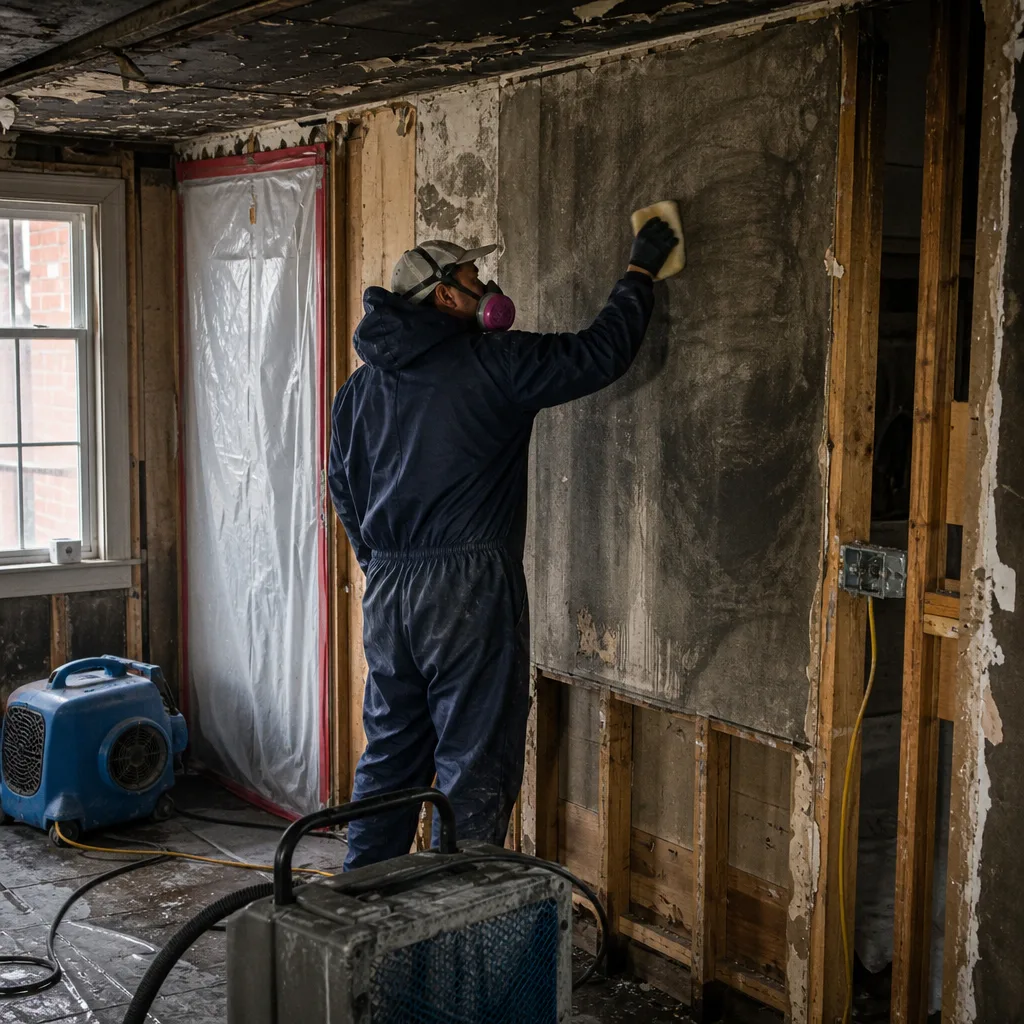
Air Quality Restoration
After physical remediation, the air inside a Midland Beach home can still carry elevated spore counts and that lingering damp smell. We run HEPA air scrubbers inside containment and throughout the home, then verify with clearance sampling. This is especially important in the neighborhood’s smaller bungalows, where single-pane windows and limited ventilation trap humidity that keeps the air heavy long after surfaces look clean.
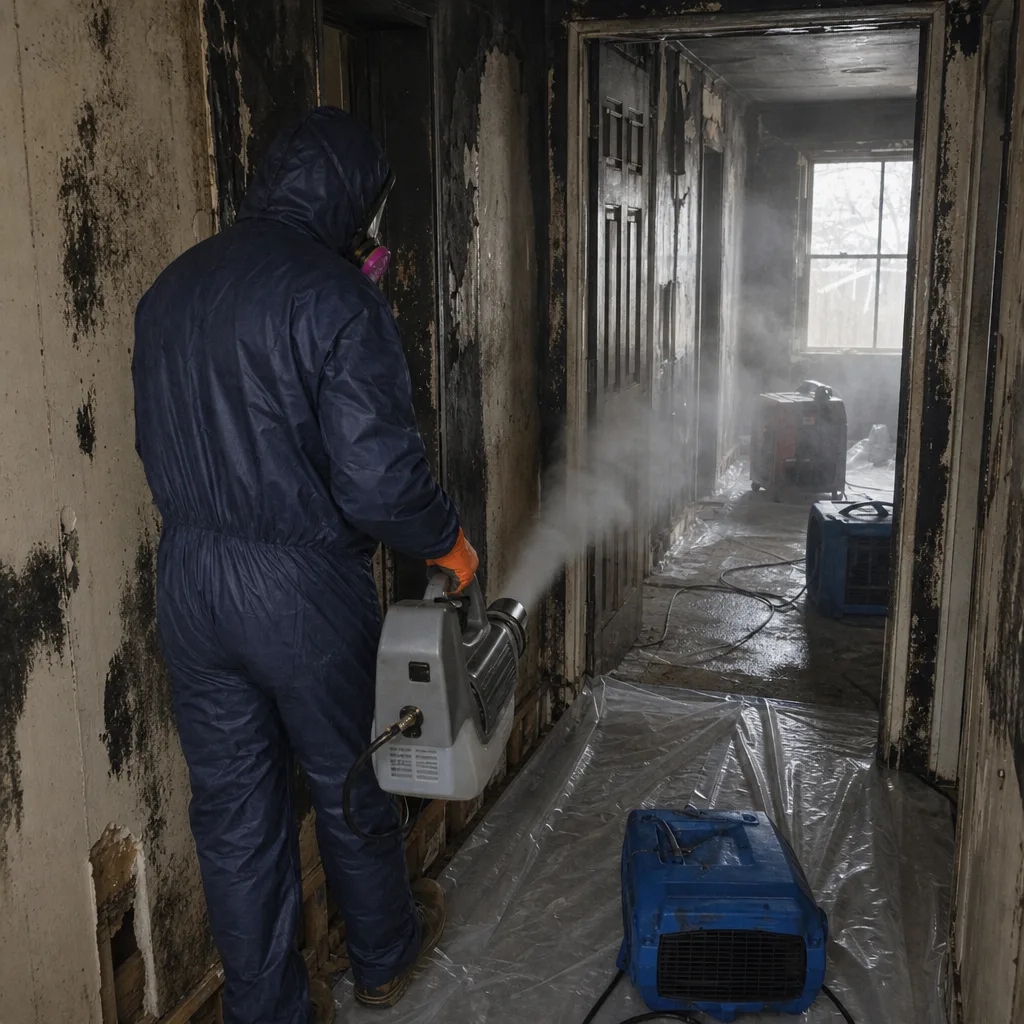
Crawl Space Treatment
The shallow crawl spaces under Midland Beach’s original-grade bungalows are the most overlooked mold reservoirs on the Island. Dirt floors, low clearance, and a water table measured in inches mean constant moisture. We treat the space itself: remove contaminated materials, apply antimicrobial to joists and subfloor, install or upgrade vapor barriers where appropriate, and measure humidity until it matches a safe range. For many Midland Beach homeowners, this is the difference between recurring mold calls and a one-time fix.
Moisture & Humidity Control
Mold is a moisture problem, not a dirt problem. In Midland Beach, where the surrounding soil and the proximity to the Bay push humidity higher than a Staten Island inland block, controlling ambient moisture is part of remediation. We evaluate drainage, ventilation, and dehumidification needs and recommend permanent fixes that keep the next storm from becoming the next mold colonization.
What happens when you call
- 1
A real person answersNo phone trees - you reach a local pro.
- 2
You get an upfront price rangeHonest numbers before anyone is dispatched.
- 3
A background-checked tech heads outLicensed & insured, dispatched right away.
- 4
You approve before work beginsNothing starts until you say go.
Mold Remediation Costs in Midland Beach, NY
What you pay for mold remediation in Midland Beach depends mostly on how far the moisture traveled before it was caught. A contained bathroom wall with minor colonization usually runs $1,200 to $2,500. A kitchen or bedroom where wicking from a flooded slab lifted moisture through base plates and into lower drywall typically costs $2,800 to $5,000. A whole-house remediation after Category 3 surge water from Lower New York Bay moved through multiple rooms can reach $6,000 to $12,000 or more, especially on slab homes needing wall removal below the four-foot line. Crawl space treatment in Midland Beach bungalows usually runs $1,500 to $4,000 depending on square footage and vapor barrier work. The free visual inspection is the path to a firm scope. You’ll see the numbers in writing before any work starts, and the 90-Day Done Right Promise stays in your hands whether your carrier pays or you do.
We Also Serve Cities Near Midland Beach
Floodline Restoration Co. serves Midland Beach and the surrounding Staten Island communities with the same 24/7 live dispatch and certified crews. We regularly work in New Springville, Oakwood, Travis – Chelsea, and the Financial District, along with the full Midland Beach area. If you’re anywhere nearby and need Mold Remediation, call and ask for a crew headed your way.
Serving Midland Beach, NY - Our Local Coverage Area
We’re based in the Midland Beach area and know this community well. Use the map below to see our service coverage - if you’re nearby, we can almost certainly help.
Midland Beach Mold Remediation Questions, Answered
Why do mold problems appear weeks after a flood in Midland Beach instead of immediately?
In Midland Beach’s slab-on-grade and shallow crawl space homes, floodwater soaks into sandy soil and wicks laterally through foundation assemblies for weeks after the visible water is gone. By the time mustiness becomes noticeable 30 to 60 days later, mold has usually colonized inside wall cavities. That’s why early extraction and drying matter more here than in almost any other Staten Island neighborhood.
How does remediation differ between lifted and original-grade homes in Midland Beach?
Original-grade slab homes need containment focused on the lower wall assemblies and often require drywall removal below the four-foot line, where wicking moisture collects. Lifted post-Sandy homes sit on open-air pilings, so our crews inspect and treat the understructure and floor system from below, where moisture rises and condenses unseen. Each housing type gets a different containment plan, drying strategy, and inspection protocol.
What category of water from a Lower New York Bay surge requires full material removal?
Surge water from the Bay is Category 3: heavily contaminated, carrying seawater, sewage, debris, and whatever else Lower New York Bay pushed onto Midland Beach streets. Any porous material touched by Category 3 water, including drywall, carpet, and insulation, requires removal and disposal. Hard surfaces need antimicrobial treatment and verification. This is an IICRC standard, and we follow it on every job.
How do you handle mold in the shallow crawl spaces of Midland Beach bungalows?
We treat crawl spaces as containment zones: remove contaminated materials, apply antimicrobial to joists and subfloor, install vapor barriers where the dirt floor allows, and run dehumidifiers until humidity readings stabilize. In Midland Beach’s original-grade bungalows, the crawl space is often where the problem starts, so it gets the same documentation and drying logs as any room in the house.
What should I do if I smell mustiness in my Midland Beach home but see no visible mold?
Call for a free visual inspection. In Midland Beach homes, a musty smell with no visible staining usually means hidden mold in wall cavities, beneath floor assemblies, or in the crawl space. We’ll run thermal imaging and humidity readings in the areas the smell is strongest, and most of the time we’ll find the source within the first hour. If there’s nothing to remediate, we’ll tell you that straight.
How fast can someone actually get to a Midland Beach home?
We commit to a 45-minute response for emergency mold calls in Midland Beach. Dispatch is coordinated from Floodline’s New York City office, with crews serving Midland Beach locally. A live person answers the phone at any hour and gets a crew moving immediately. The sooner containment starts, the smaller the final scope.
Will insurance cover mold remediation after a storm in Midland Beach?
When mold results from a covered water loss, like a nor’easter surge or a burst supply line, homeowner’s policies typically respond. Coverage details vary by carrier and policy, so we document every step with photos, moisture logs, and line-item scopes that match industry standards. We bill your carrier directly and talk to the adjuster ourselves, so you’re not caught in the middle.
Do I need to leave my home during remediation?
For contained, single-room remediation in a Midland Beach home, you can usually stay in unaffected areas of the house. For whole-house jobs with extensive containment, negative air, and material removal, we recommend relocating temporarily for health and comfort. We’ll tell you honestly which situation you’re in after the visual inspection, and we’ll give you a realistic timeline.
If you see the signs of mold in your Midland Beach home, or if you smell that damp, earthy odor that wasn’t there before last month’s storm, call Floodline Restoration Co. at (640) 400-9404. We’ll send a certified crew, document everything, and give you a written scope before any work begins. Done right, and backed in writing.
Written by Curt Bowman, Owner at Floodline Restoration Co., serving Midland Beach and the wider Staten Island area.