

Free visual inspection and a written scope of work before any mitigation begins - photos, moisture readings, and drying logs go in your claim file
The scope we write is the scope we bill. Anything new gets shown to you, in writing, before we touch it.
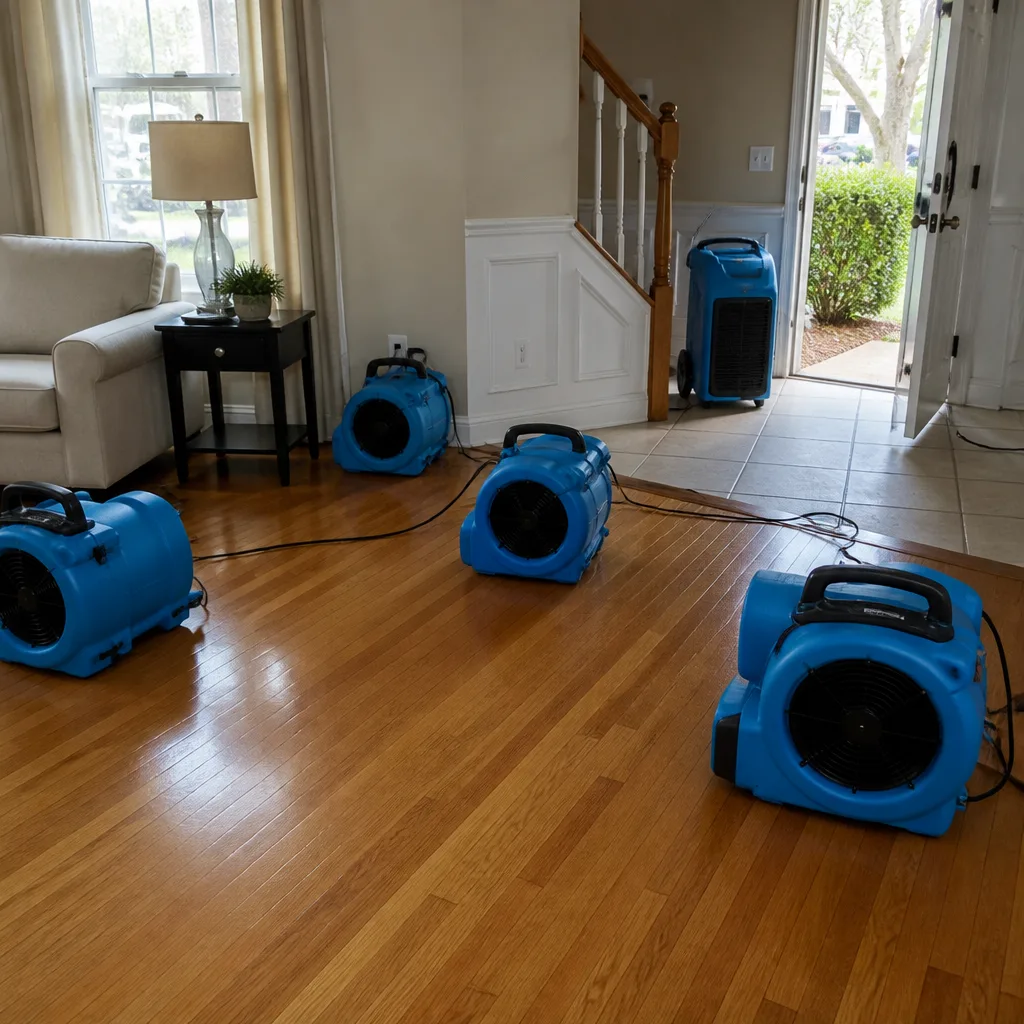
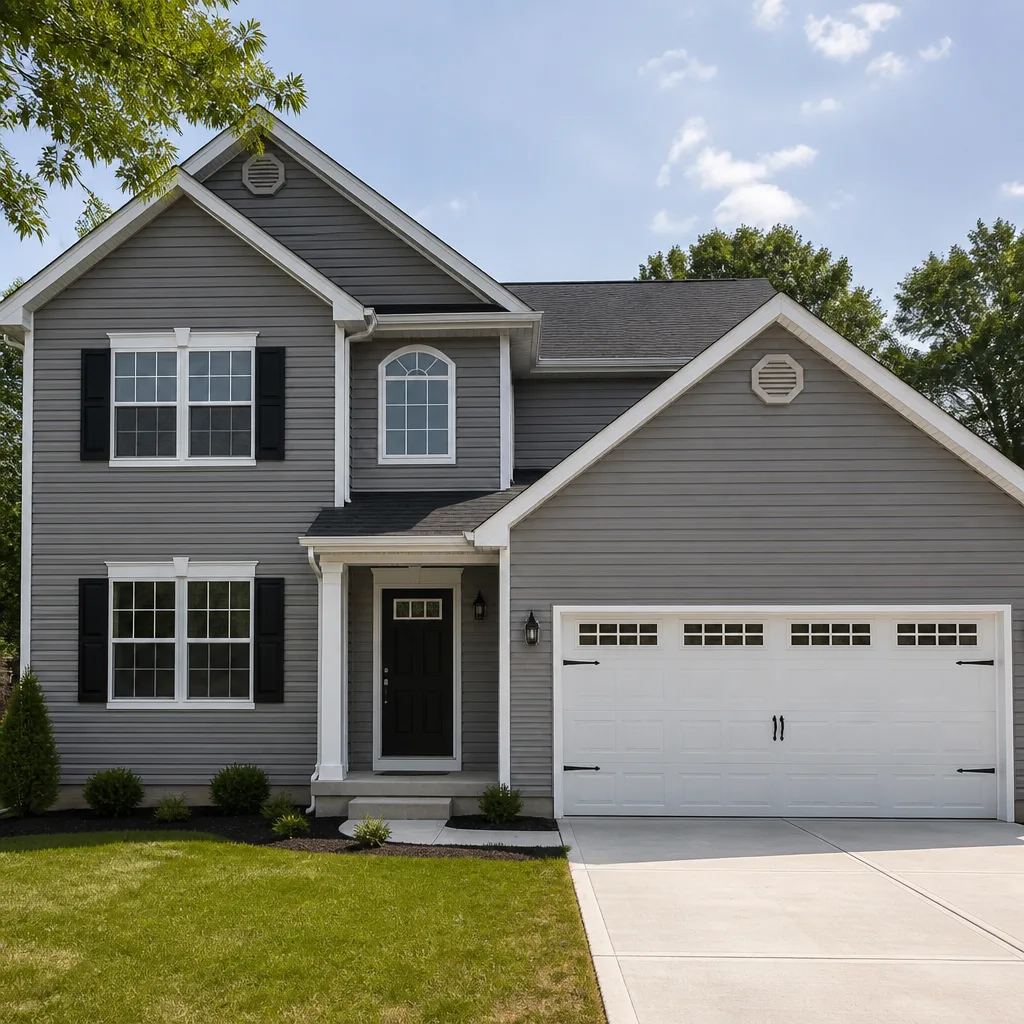
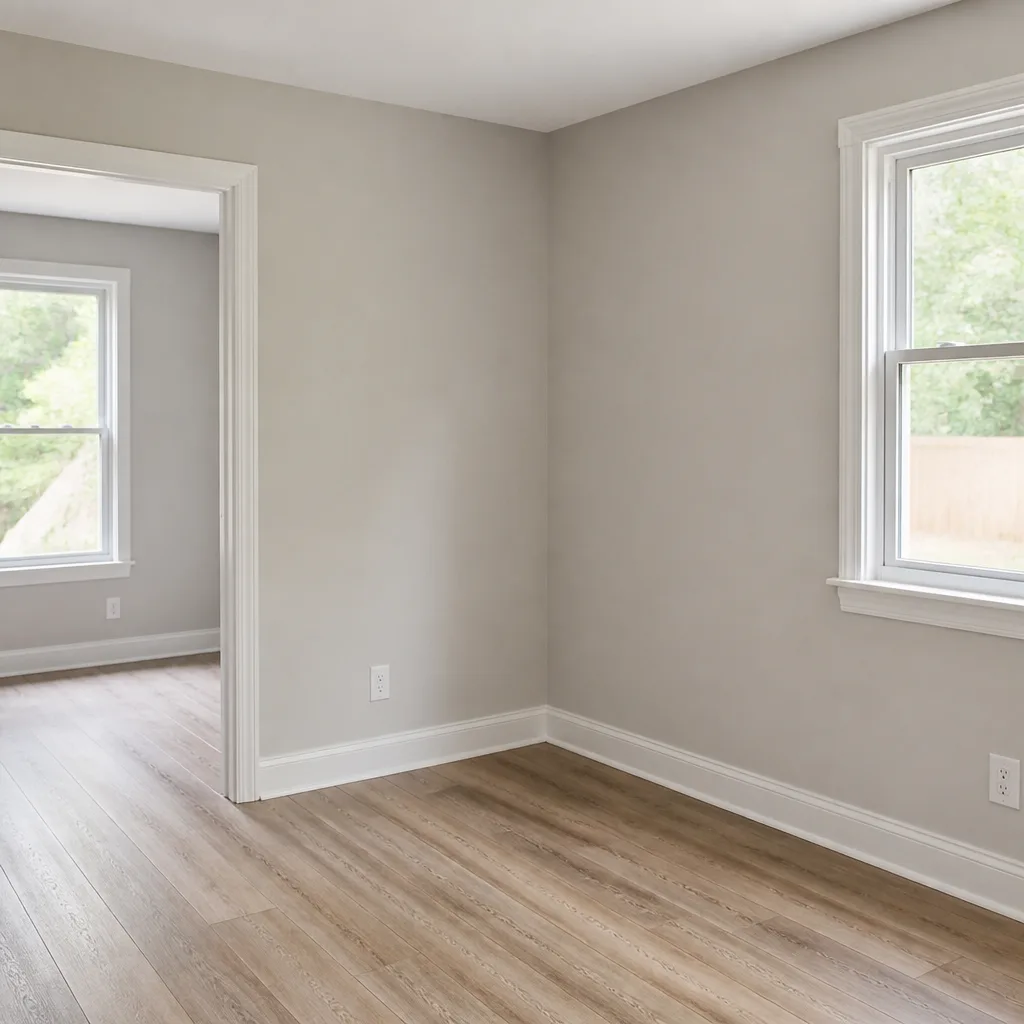
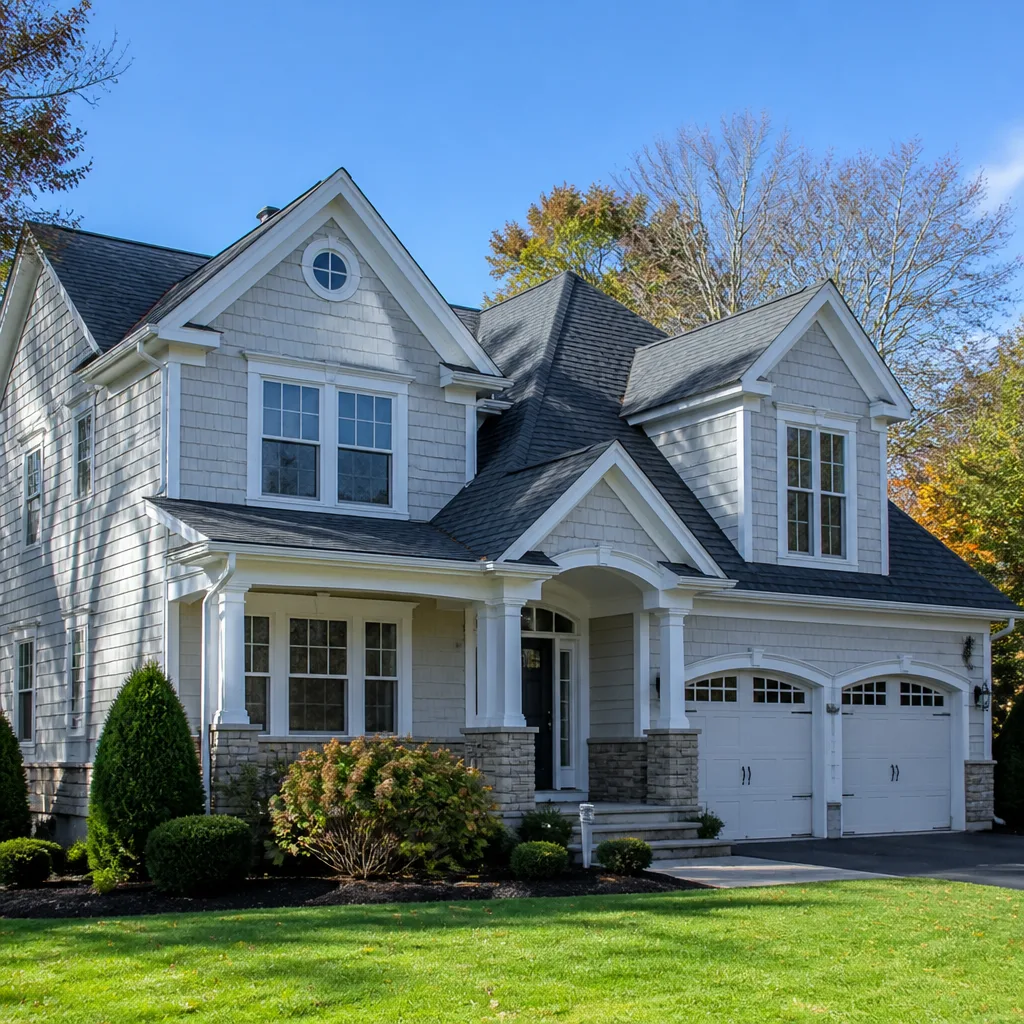
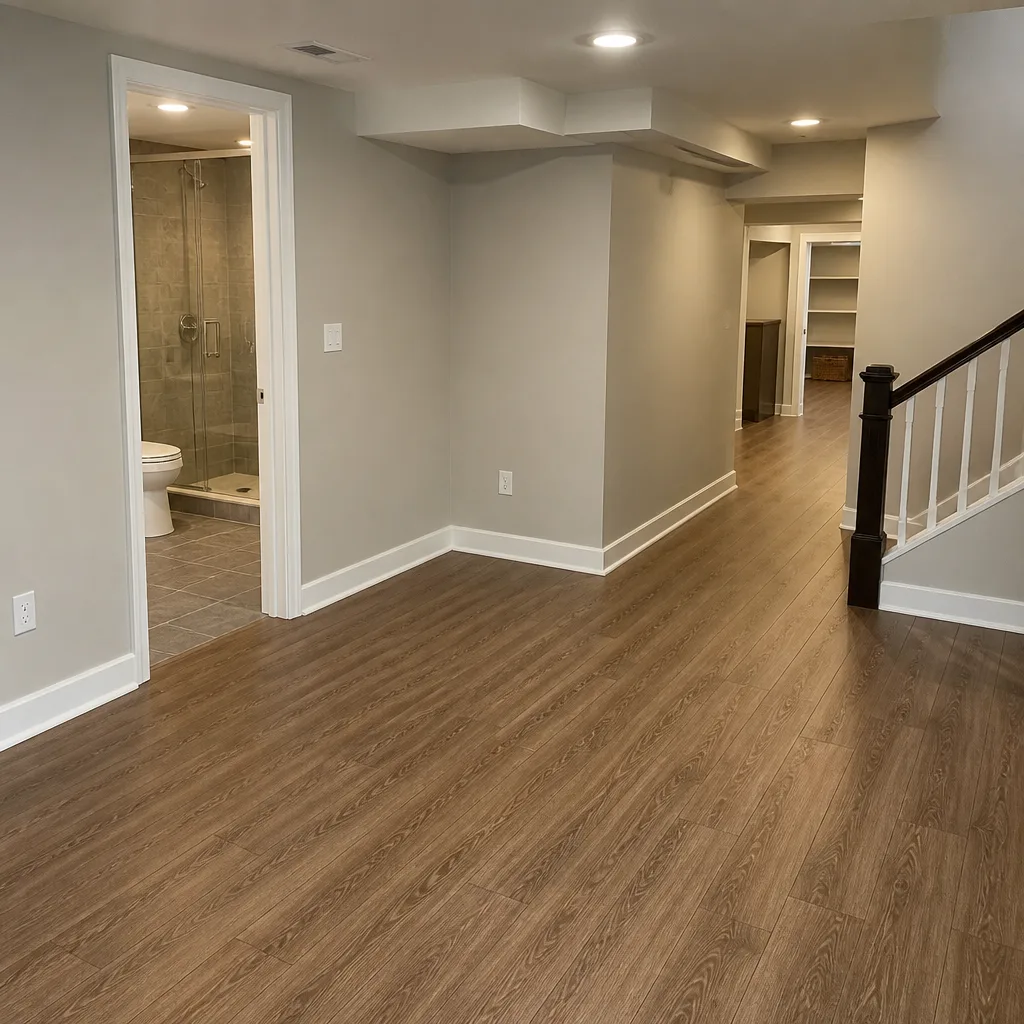
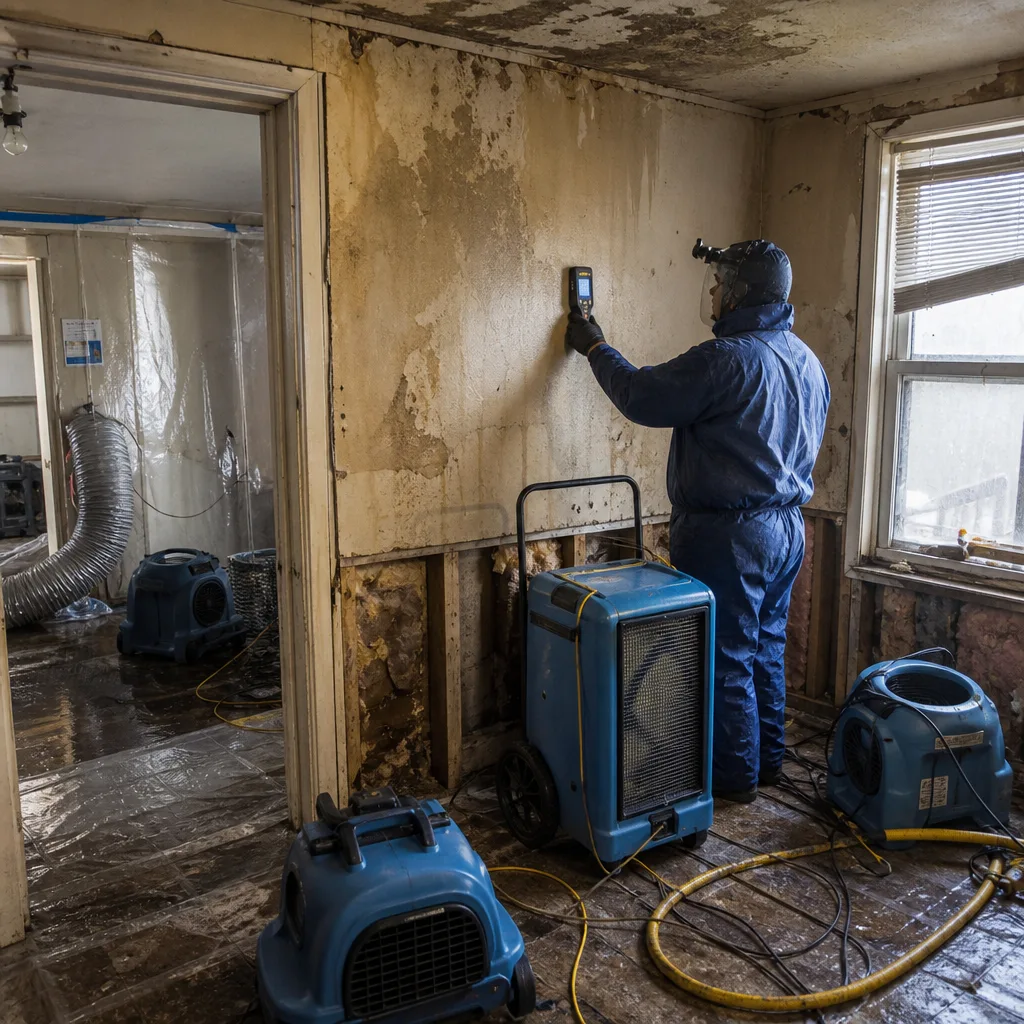 Before
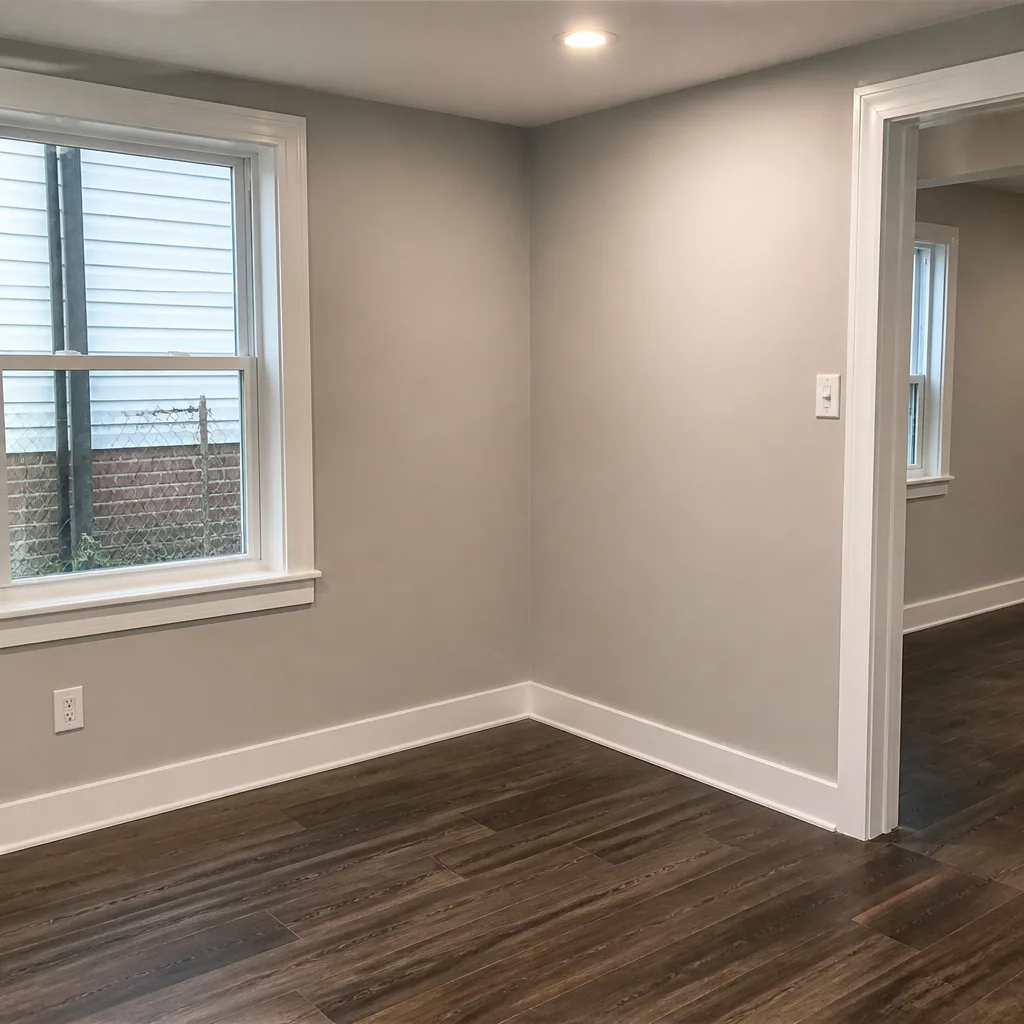 After
After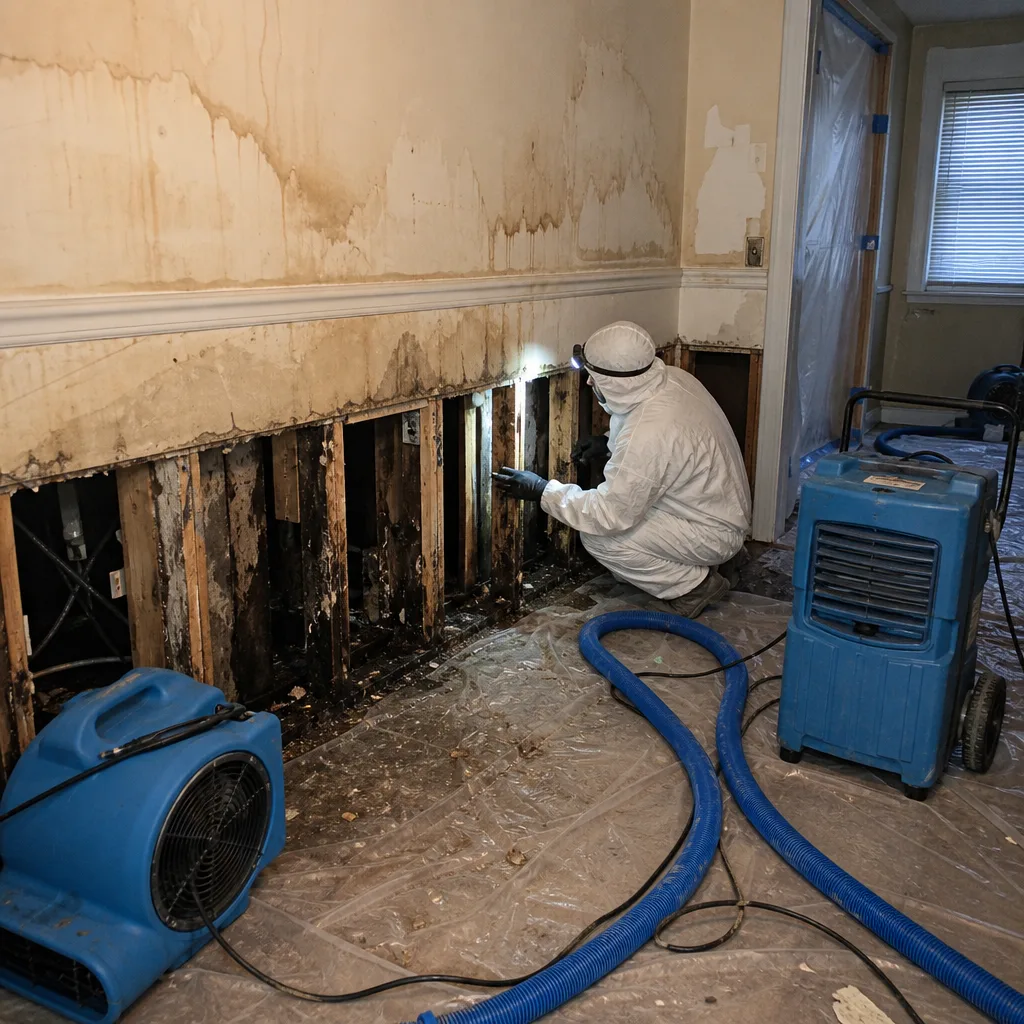 Before
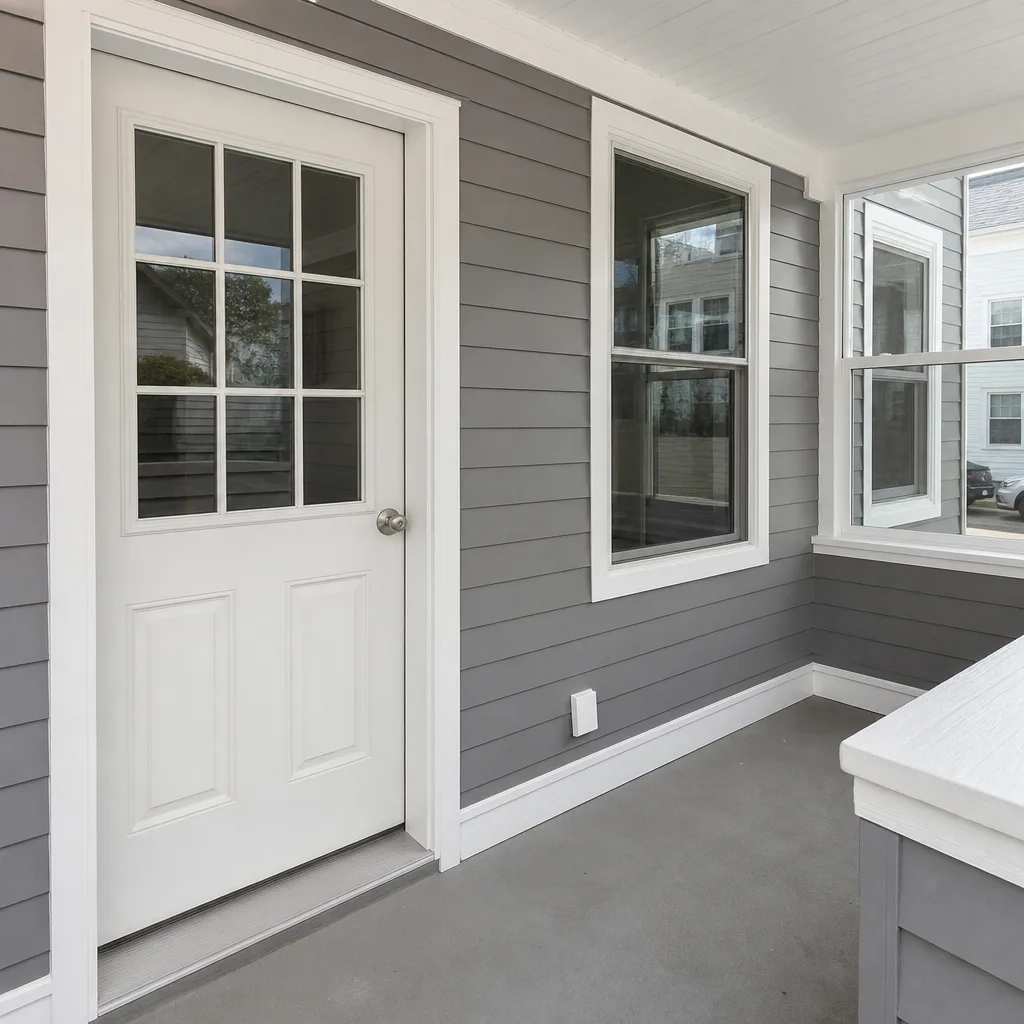 After
After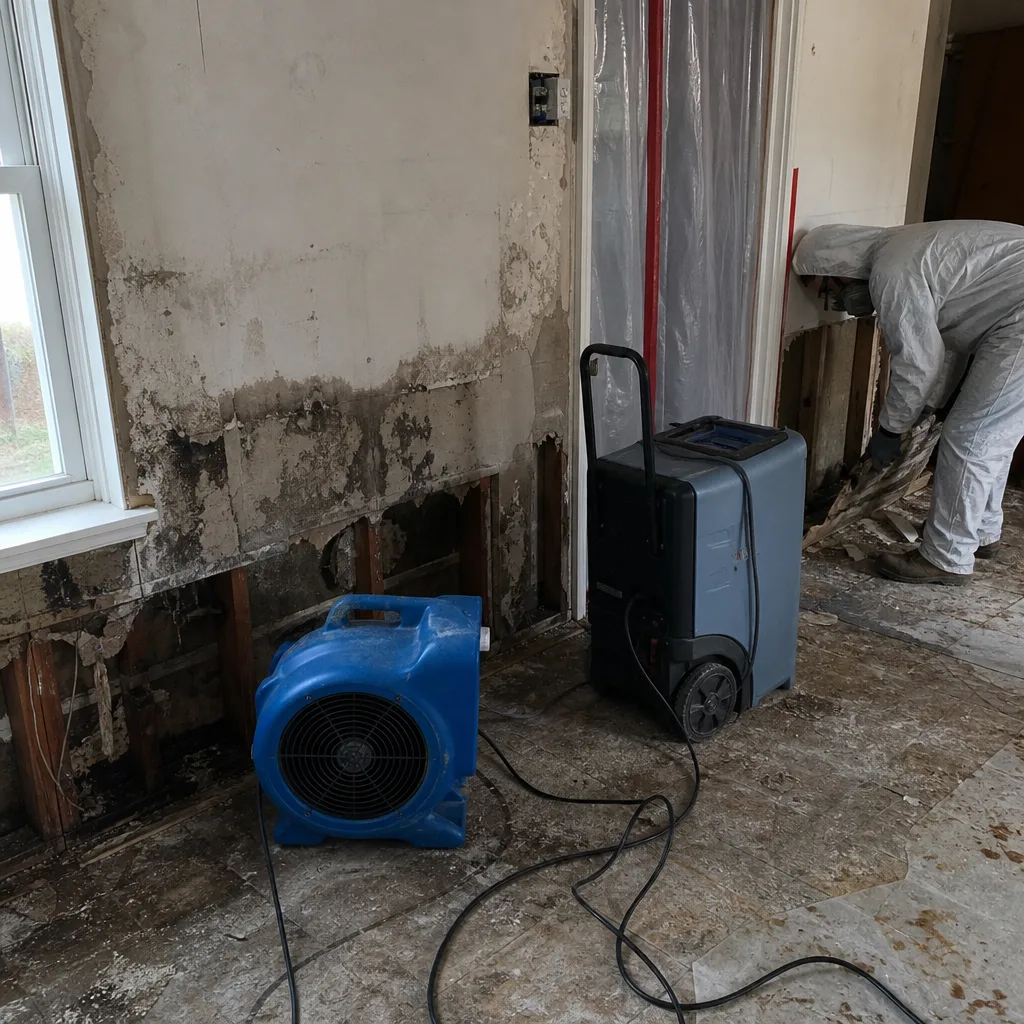 Before
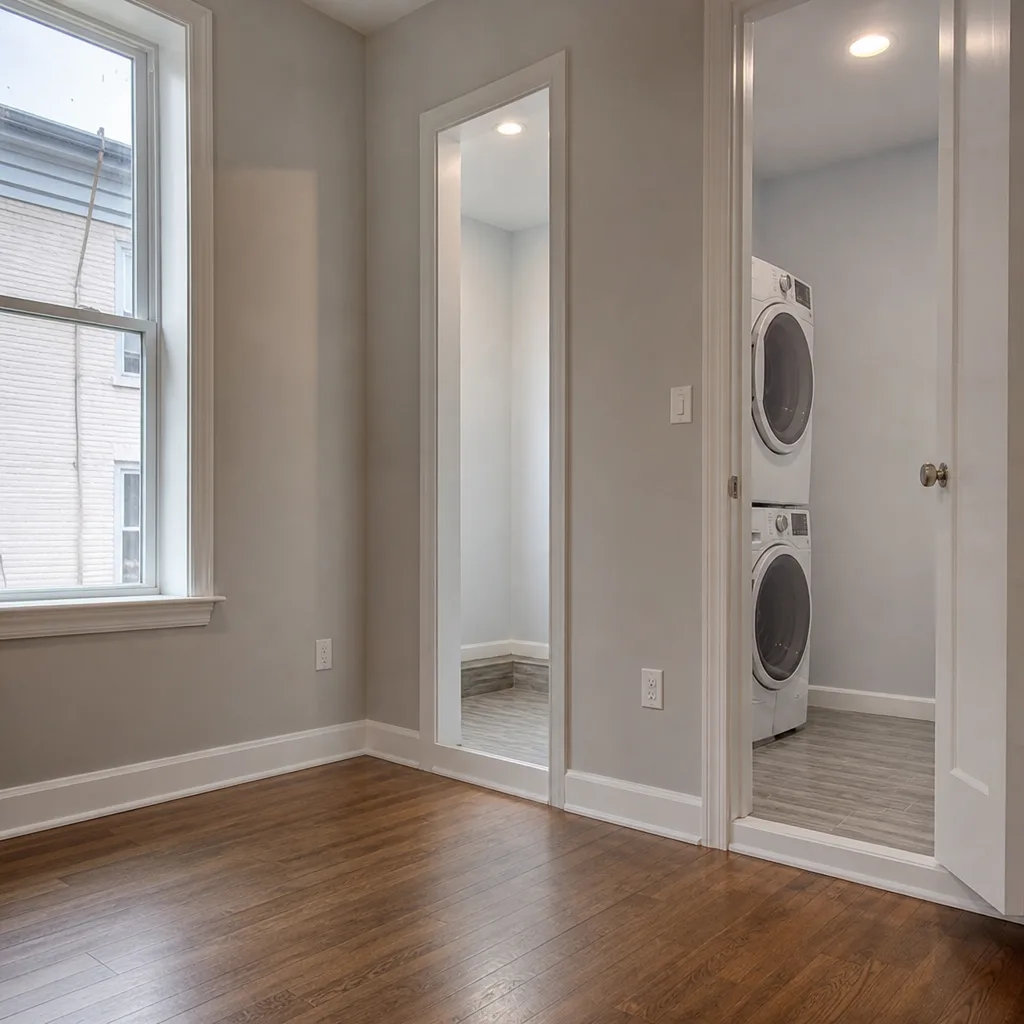 After
After24/7 Emergency Mold Remediation in Bayonne
Mold remediation in Bayonne typically costs $1,800-$6,500 depending on containment area, material removal, and whether asbestos abatement is required. Most jobs finish in 3-7 days. We answer the phone live at (640) 400-9404, any hour, and dispatch Bayonne crews the same day. When a back-flooded sewer pushes Category 3 water into a pre-war basement, mold colonization can begin within 48 hours, and saltwater accelerates the clock. The first hour matters because it determines whether we can dry building materials or must remove them. A free visual inspection gives you a written scope before any work starts, so you know exactly what you’re approving and what it costs.
Floodline Restoration Co. has served Bayonne homeowners with full Mold Remediation since 2010, and our crews understand this city’s specific flooding and housing patterns better than any general contractor crossing the bridge from elsewhere.
Understanding Mold Remediation Severity in Bayonne Properties
Mold severity in Bayonne breaks into three practical tiers, and the tier determines the approach. Tier one is surface colonization on non-porous materials: concrete foundation walls, steel beams, tile. This cleans with antimicrobial treatment and HEPA vacuuming. Tier two is mold embedded in porous material: drywall, plaster-and-lath, carpet pad, fiberglass insulation. These get removed, not cleaned, because the spores penetrate beyond the surface. Tier three is contamination behind finished walls or above ceilings where the source is hidden, usually from a slow pipe leak or recurring back-flooded sewer. That requires containment, negative air pressure, and air scrubbing to prevent cross-contamination while we open the cavity.
Bayonne’s housing stock makes tier two and three far more common than in newer suburbs. The dense brick row houses built between 1900 and 1945 have plaster-and-lath walls that wick moisture upward and hold it for weeks. Basements sit at tidal-water table elevation. A Category 3 event, sewage or saltwater, doesn’t just wet the floor. It feeds moisture into the lower wall cavities, where it stays until a restorer reads it with thermal imaging and hygrometers, not just a visual sweep. If someone cleans the visible mold and walks away, the cavity mold returns in six weeks. We’ve seen it on West 21st Street, on Avenue C, and throughout the Constable Hook district.
Why Bayonne Property Owners Choose Floodline Restoration Co.
- 45-minute response commitment: When you call, a live dispatcher sets a crew in motion immediately. We commit to a certified technician reaching your Bayonne address within 45 minutes for emergency calls.
- A real person answers, 24/7: No answering service, no automated routing. A live dispatcher picks up at 2 a.m. and stays on the line until the crew is on its way.
- IICRC-certified crews, trained to WRT and AMRT standards: Our technicians hold Water Restoration Technician and Applied Microbial Remediation Technician certifications, plus RIA and IFA training. Background-checked and uniformed on every job.
- Free visual inspection with a written scope: Before any work begins, we walk the property, document the conditions, and give you a line-item scope in writing. No surprises on the bill.
- Direct insurance billing: We bill your carrier directly and handle the adjuster conversation. You don’t play messenger.
- One crew from first extraction to finished rebuild: The same team that sets containment handles the daily moisture readings, removes the damaged materials, and rebuilds what needs rebuilding. No mid-job handoff to strangers.
Our Mold Remediation Process
Inspection & Assessment
We start with a full walk-through, thermal imaging, and moisture readings throughout the affected area. In Bayonne, we check specifically for elevated moisture in plaster-and-lath walls and original flooring that might conceal contamination. You get a written scope and a firm price before anything gets disturbed.
Containment & Source Control
We seal the affected area with 6-mil polyethylene sheeting and establish negative air pressure using HEPA-filtered air scrubbers. This prevents spores from spreading to clean rooms during removal. We locate and stop the moisture source, whether it’s a pipe, a foundation crack, or a back-flooded drain line.
Material Removal & Air Scrubbing
Porous contaminated materials come out: drywall, plaster sections, insulation, carpet, pad. Non-porous surfaces get HEPA vacuumed and treated. HEPA scrubbers run continuously during removal to capture airborne spores.
Structural Drying & Dehumidification
We use Dri-Eaz and Phoenix dehumidifiers plus XPOWER air movers to bring structural materials to dry standard. Daily moisture readings are logged and shared with you and your carrier. In Bayonne’s saltwater-influenced basements, this step often runs longer than inland jobs because masonry holds moisture at tidal-table elevations.
Antimicrobial Treatment & Cleaning
After drying, we apply appropriate antimicrobial treatments to all affected surfaces and clean remaining materials. Where asbestos-containing materials were disturbed, we coordinate licensed abatement before this step proceeds. This is a Bayonne-specific requirement most restorers miss entirely.
Repairs & Restoration
We rebuild what was removed: drywall, plaster, trim, flooring, paint. One crew handles everything, so the restoration matches the pre-loss condition. The 90-Day Done Right Promise covers the full scope in writing.
Need Emergency Mold Remediation in Bayonne Now?
Crews minutes away, answering live 24 hours a day. The sooner we start, the less it costs.
Working With Your Insurance Company
Mold claims in Bayonne usually hinge on the cause of the moisture. A sudden pipe burst that leads to mold is generally covered. Long-term seepage or repeated back-flooding may fall under different policy language. We don’t guess at your coverage. We document everything from the first hour, write estimates in the carrier’s own format, and talk directly with your adjuster so you don’t have to interpret policy language alone. For post-Sandy Bayonne homes, especially those with NJ RREM elevation history, adjusters ask more questions about pre-existing conditions and FEMA BFE compliance. We answer those questions with documentation, not assumptions.
What We Provide Your Insurer
- Thorough documentation of the loss
- Photos of all damage, room by room
- Moisture readings and drying logs
- A detailed, line-item scope of work
- Direct coordination with your carrier
Built for Bayonne’s Loss Calendar
Bayonne’s mold season is really four seasons, each with its own failure pattern. Winter brings deep freezes that burst supply lines in unheated basements and behind uninsulated exterior walls. Those leaks run silently for days or weeks before anyone notices, and by then the plaster-and-lath has wicked moisture up two feet. Spring thaw saturates the filled tidal land the city sits on, pushing groundwater into basements at the lowest point. Summer thunderstorms overwhelm storm sewers and back-flood drains, and because much of Bayonne sits at very low elevation, that water carries salt and sewage, not just rain. Nor’easters in fall and early winter drive surge from Newark Bay and Upper New York Bay simultaneously, compressing the window we have to dry materials before mold takes hold.
Every one of these events has a faster mold clock in Bayonne than in inland Hudson County towns. Saltwater intrusion corrodes steel and cast iron, which weakens joists and pipes, which creates new moisture pathways. It’s a compounding problem. A restorer who treats a Bayonne basement like a Kearny basement misses the salinity factor and loses the drying race.
Mold Remediation Across Bayonne’s Neighborhoods
We know the response routes because we drive them weekly. In the Bergen Point section, older single-family homes sit close to the Kill Van Kull and take on water from the south during coastal storms. Constable Hook, on the east side near Upper New York Bay, has many converted industrial-era structures where basements sit well below current flood plain expectations and sump systems run constantly. Midtown Bayonne, from roughly 8th to 30th Streets along Broadway and Avenue C, is dense two- and three-family row houses where a back-flooded sewer in one unit travels through common walls into the neighbor’s basement before anyone calls us. The Pamrapo section and areas near the Bayonne Golf Club have newer construction, but even there, the underlying filled land means groundwater intrusion after heavy rain is a question of when, not if.
Each area has a different typical call. Bergen Point calls us after nor’easters. Midtown calls after sewer back-flooding. Constable Hook calls after sump failures. We stage response accordingly, and we never arrive without the right equipment for the specific block we’re walking into.
Specialized Mold Remediation Services We Offer in Bayonne
Mold Inspection & Testing
A Bayonne mold inspection should test for more than visible growth. We take air samples and surface swabs, send them to an independent lab, and give you a written report that tells you what species you’re dealing with and in what concentrations. In pre-war row houses, we specifically check wall cavities and beneath original flooring, where mold hides behind 1920s finishes and never shows itself until the smell becomes undeniable.
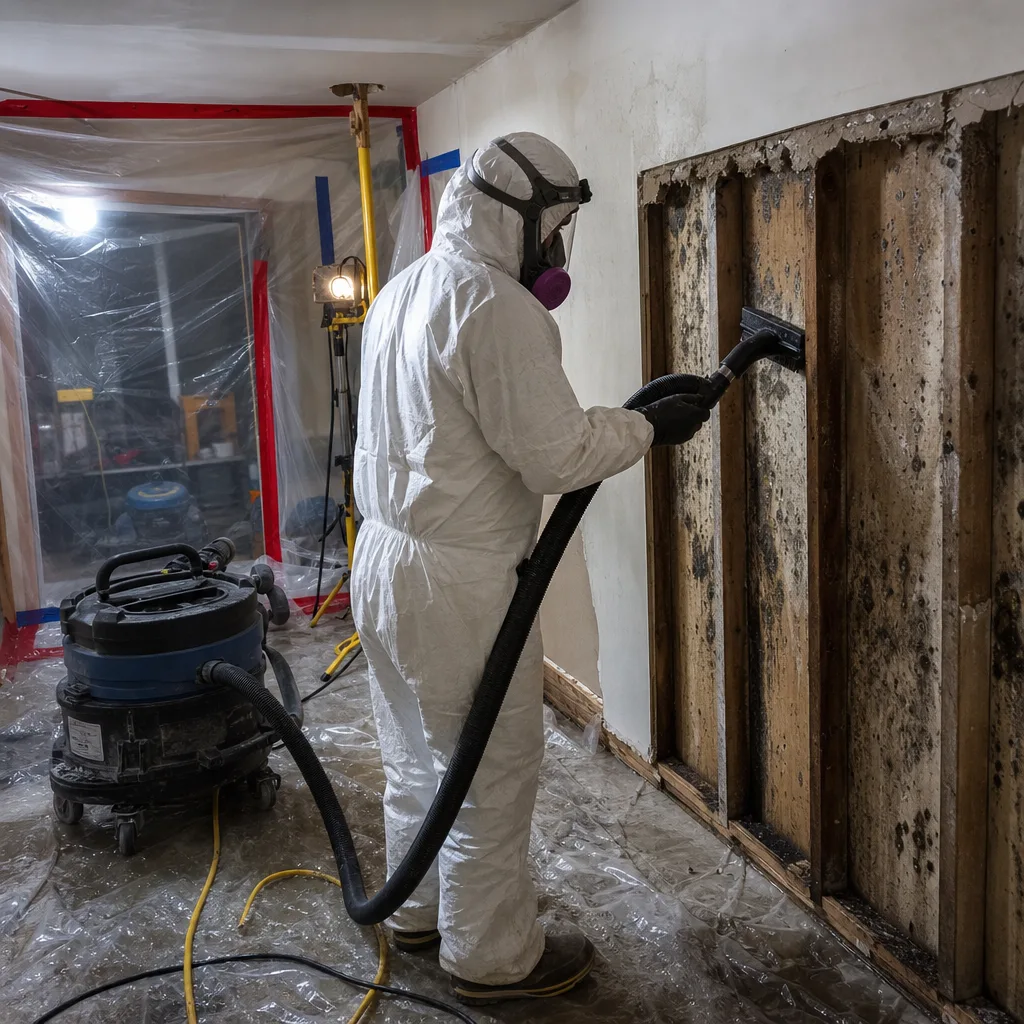
Mold Removal
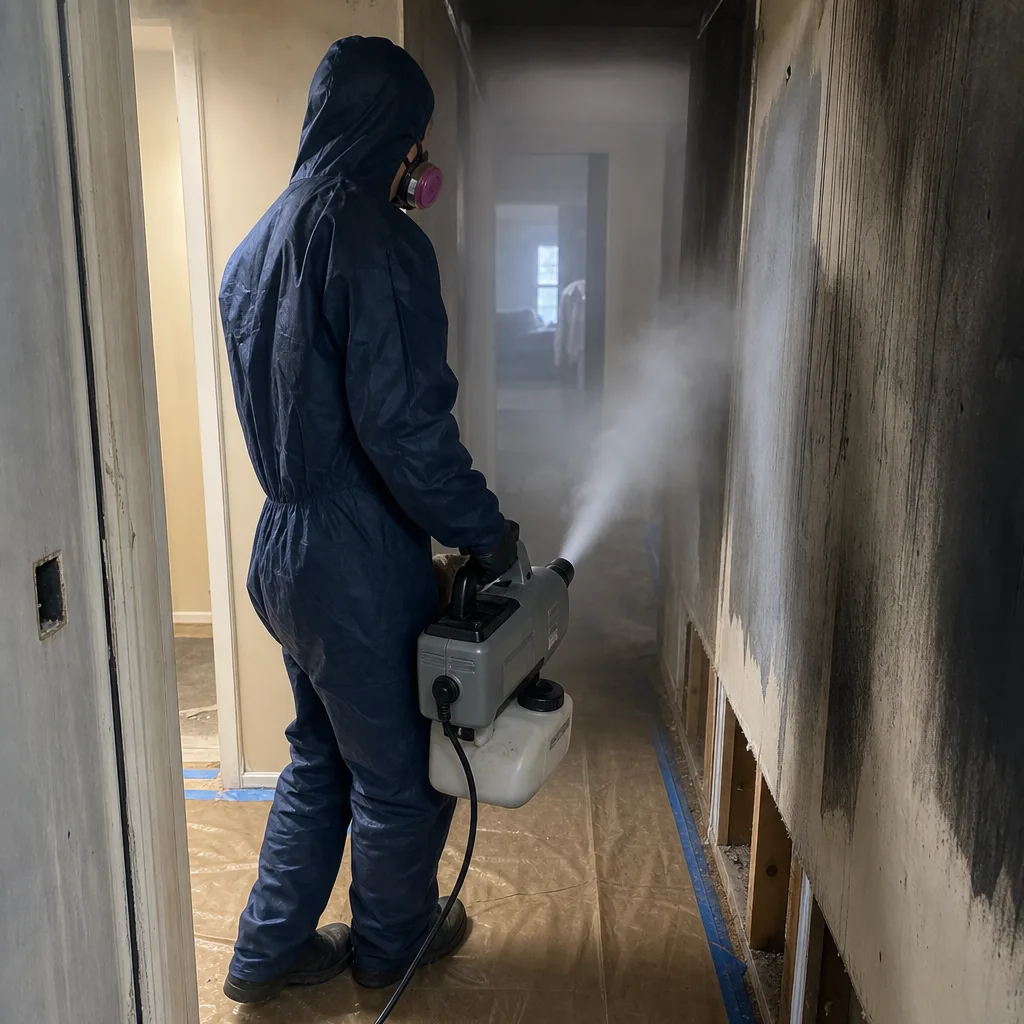
Removal means physical extraction of contaminated materials, not spraying over growth. In Bayonne, that frequently includes plaster-and-lath sections, original hardwood flooring that has wicked moisture, and baseboard trim that traps spores behind it. We contain the area, remove the material, and dispose of it properly. Then we dry to standard and rebuild with materials suited to a high-humidity, salt-air environment.
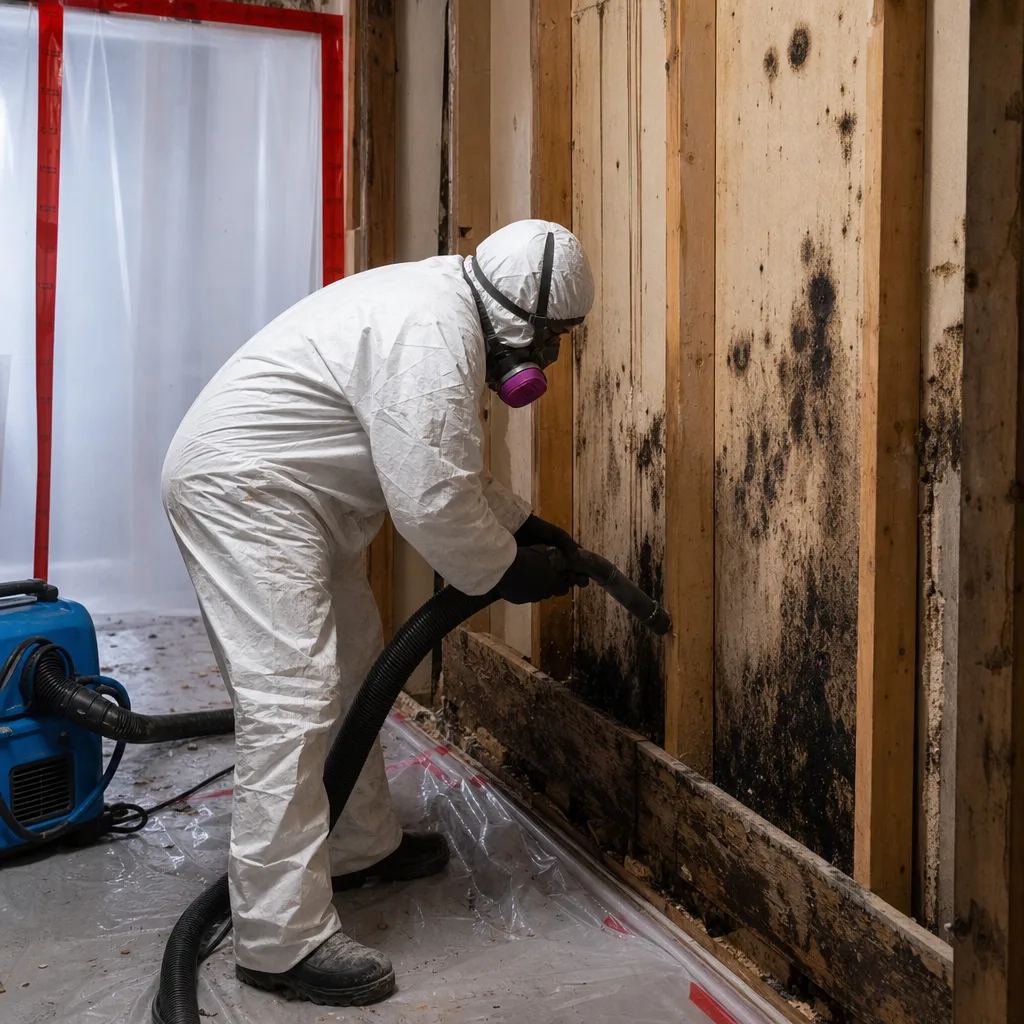
Black Mold Remediation
Stachybotrys chartarum, the species people call black mold, grows on materials that have been wet for days and have high cellulose content. Bayonne’s older row houses have plenty of that: original lath, horsehair plaster, old newspaper insulation. Black mold requires full containment and HEPA air scrubbing during removal. We handle it as a serious contamination event, not a cosmetic cleaning, and we document the clearance testing so you know the air is safe when we leave.
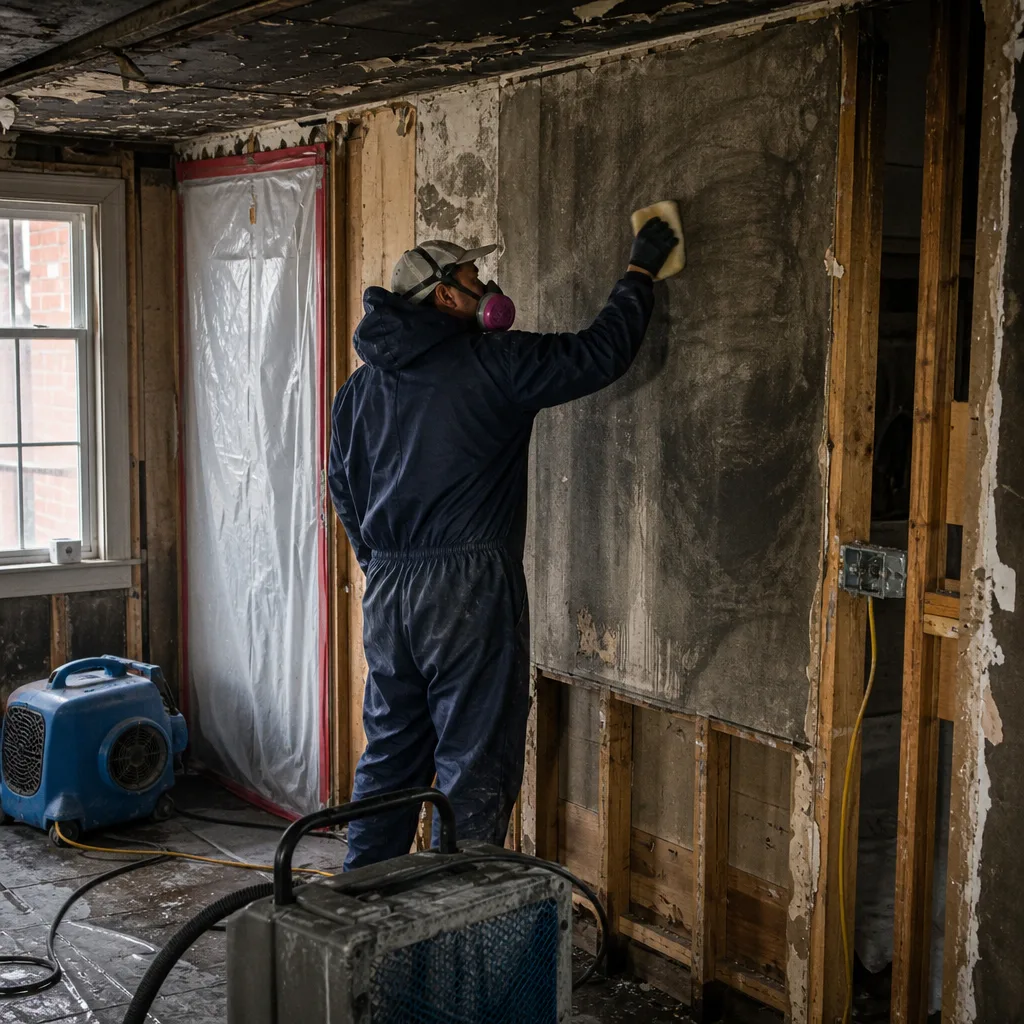
Air Quality Restoration
After mold removal, the air inside a Bayonne basement or closed-up row house can still carry elevated spore counts. We run HEPA air scrubbers for as long as clearance testing indicates, not just through the active removal. We also address the humidity side: a basement at tidal elevation naturally runs damp, so air quality restoration often pairs with mechanical ventilation or dehumidification upgrades.
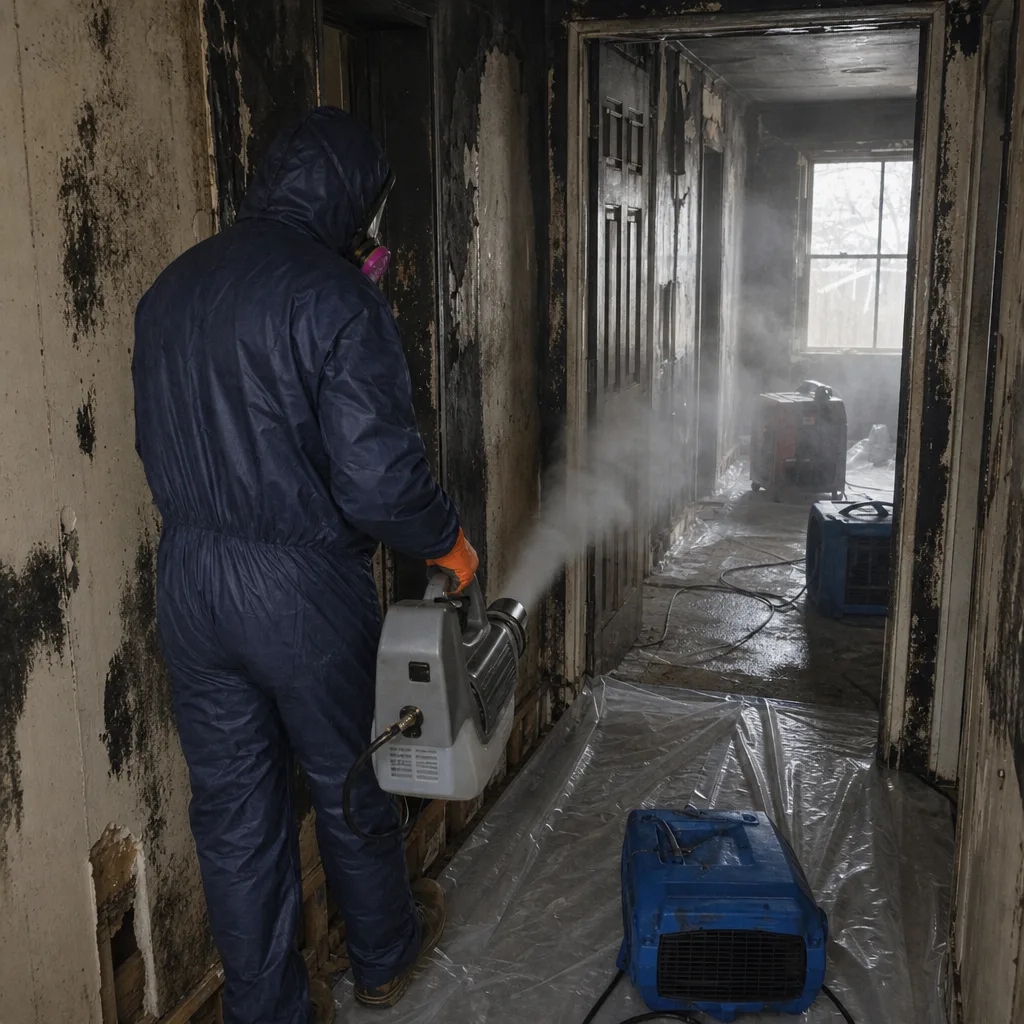
Crawl Space Treatment
Many Bayonne homes have low crawl spaces under front or rear additions, and these spaces feed mold spores into the living areas above. We clean, treat, and encapsulate crawl spaces where structural conditions allow, sealing out moisture and creating a clean air boundary. This is one of the most overlooked mold sources in Bayonne, and it’s one of the most common callbacks we resolve for homeowners who already had a “mold cleaning” that didn’t touch the crawl space.
What happens when you call
- 1
A real person answersNo phone trees - you reach a local pro.
- 2
You get an upfront price rangeHonest numbers before anyone is dispatched.
- 3
A background-checked tech heads outLicensed & insured, dispatched right away.
- 4
You approve before work beginsNothing starts until you say go.
Mold Remediation Costs in Bayonne, NJ
Mold inspection and testing alone in Bayonne runs $350-$650 with lab fees included. Mold removal for a contained area under 100 square feet runs $1,800-$3,200. A full basement remediation with wall removal, structural drying, and rebuild typically falls between $4,000 and $6,500, and that number climbs if asbestos-containing materials require licensed abatement first, which adds $1,500-$3,000 depending on the scope. Crawl space treatment ranges from $2,000-$5,000 based on square footage and encapsulation complexity.
What moves the price: the amount of material removed, whether containment is required, how long structural drying runs, and whether pre-1945 building materials trigger abatement. Insurance covers mold remediation when it results from a covered peril, like a burst pipe, and doesn’t cover it when it’s from long-term neglect. The free visual inspection gets you a firm written scope with real numbers, not a range on a brochure. Call (640) 400-9404 and we’ll walk the property with you.
We Also Serve Cities Near Bayonne
Our crews serve Bayonne and the surrounding Hudson County communities. We regularly handle mold remediation in Bayonne and also serve Jersey City, Harrison, Kearny, and Hoboken with the same 45-minute response commitment and live dispatch.
Bayonne Mold Remediation Questions, Answered
How does Bayonne’s saltwater intrusion from back-flooded sewers change the mold remediation approach compared to freshwater floods?
Saltwater speeds up mold colonization and corrodes structural metal faster. Our Bayonne protocol includes salinity readings on masonry and metal surfaces, more aggressive initial extraction, and an extended drying phase compared to freshwater jobs in inland towns. We also test for salt residue before applying antimicrobial treatments, because salt can neutralize some biocides if left in the material.
Do I need asbestos abatement before mold removal in my pre-1945 Bayonne row house?
If original floor tiles, pipe insulation, or plaster containing asbestos will be disturbed during mold removal, then yes, licensed abatement is required first. We can’t tell you that without testing, and testing is cheap compared to the liability of disturbing asbestos unknowingly. Our process includes material testing before any demolition begins in pre-1945 structures.
What happens if my Bayonne home went through the NJ RREM elevation program but was never completed?
We see this in post-Sandy Bayonne homes regularly: partial demolition, exposed framing, non-standard foundations. Before we write any remediation or rebuild scope, we check current FEMA Base Flood Elevation requirements for your specific address. A remediation that ignores BFE compliance sets you up for a failed inspection or a re-flood. We handle that coordination so your restoration is compliant, not just cosmetically complete.
Why does mold grow faster in Bayonne basements after flooding than in inland towns?
Bayonne sits on filled tidal land, and basements are at or near the water table. Even after we remove standing water, the surrounding soil stays saturated, so masonry walls keep wicking moisture back in. Salt from tidal surge also holds moisture in porous materials longer than freshwater does. The practical result is a 48-hour mold window that often tightens to 36 hours in Bayonne’s worst flood zones.
How do you decide what to dry versus remove in a Bayonne basement after Category 3 water?
Category 3 water is sewage-contaminated, so porous materials like carpet, pad, drywall, and insulation get removed, not dried. Non-porous materials like concrete and steel can be cleaned and dried. In Bayonne, saltwater complicates that: we check steel joists and cast-iron pipes for accelerated corrosion, and anything compromised gets replaced rather than dried. The decision is based on moisture readings, material type, and contamination level, not a rule of thumb.
How fast can you actually get to a Bayonne mold job?
Emergency calls get a 45-minute response commitment. For non-emergency inspections, we schedule within 24 hours in almost all Bayonne cases, often same day if you call before noon. A live dispatcher answers at (640) 400-9404 and tells you exactly when the crew will arrive.
Will my insurance cover mold remediation in Bayonne?
If the mold resulted from a covered peril, like a sudden pipe burst or a storm-related flood under a policy that includes that coverage, then remediation is typically covered. Long-term seepage or repeated back-flooding is often excluded. We bill your carrier directly and provide the documentation adjusters need: moisture logs, photos, line-item scope, and cause-of-loss reporting.
Can I stay in my Bayonne home during mold remediation?
If the affected area can be fully contained and the rest of the house has separate air, yes, in most cases. For large jobs or black mold contamination that affects main living spaces, we recommend temporary relocation. We’ll tell you honestly at the inspection. HEPA air scrubbers run during removal, but containment is about protecting the rest of your living space, and we don’t cut corners on it.
Serving Bayonne, NJ - Our Local Coverage Area
We’re based in the Bayonne area and know this community well. Use the map below to see our service coverage - if you’re nearby, we can almost certainly help.
The Coastal Saltwater Reality of Mold in Bayonne
Bayonne occupies a narrow peninsula nearly encircled by tidal waterways: Newark Bay to the west, the Kill Van Kull to the south, Upper New York Bay to the east. That geography is not abstract for homeowners. It means a single major storm can push saltwater surge from multiple directions at once, and it means basements here sit at an elevation where the water table does some of the work for a flood. Hurricane Sandy proved it catastrophically in 2012, and the FEMA flood-zone designations that followed now cover large portions of the city. For mold remediation, this changes the calculation: the drying window shrinks, the salt accelerates corrosion on whatever metal is down there, and the pre-war building materials hold moisture longer than anything built after 1960. You can read the FEMA flood maps at the FEMA Flood Map Service Center, and the NJ Department of Environmental Protection coastal flooding page tracks the tidal risk data behind those designations.
We remediated a 1920s brick row house on West 21st Street after a back-flooded sewer pushed Category 3 water into the basement. Our crew handled water extraction and structural drying, then uncovered original asbestos floor tiles beneath the old carpet and asbestos pipe insulation around the cast-iron waste lines. Both required licensed abatement before we could apply antimicrobial treatment and rebuild to pre-loss condition. That discovery changed the scope, the timeline, and the cost, and it’s exactly the kind of thing a restorer who skips pre-demolition testing misses until it’s a liability. In Bayonne, that scenario is common, not rare.
Contractors cut corners on these jobs in three predictable ways here. They skip asbestos testing in pre-1945 basements and disturb original flooring or pipe wrap. They finish “remediation” without accounting for the elevated moisture readings in plaster-and-lath walls, so mold comes back behind the new paint. They ignore FEMA Base Flood Elevation requirements on homes that went through the NJ RREM elevation program but were never completed, producing rebuilds that fail inspection. We’ve inherited each of these messes. We fix them by doing the testing, reading the moisture, and filing compliant scopes from the start.
Written by Curt Bowman, Owner at Floodline Restoration Co., serving Bayonne, NJ with mold remediation, water damage restoration, and full reconstruction services.