
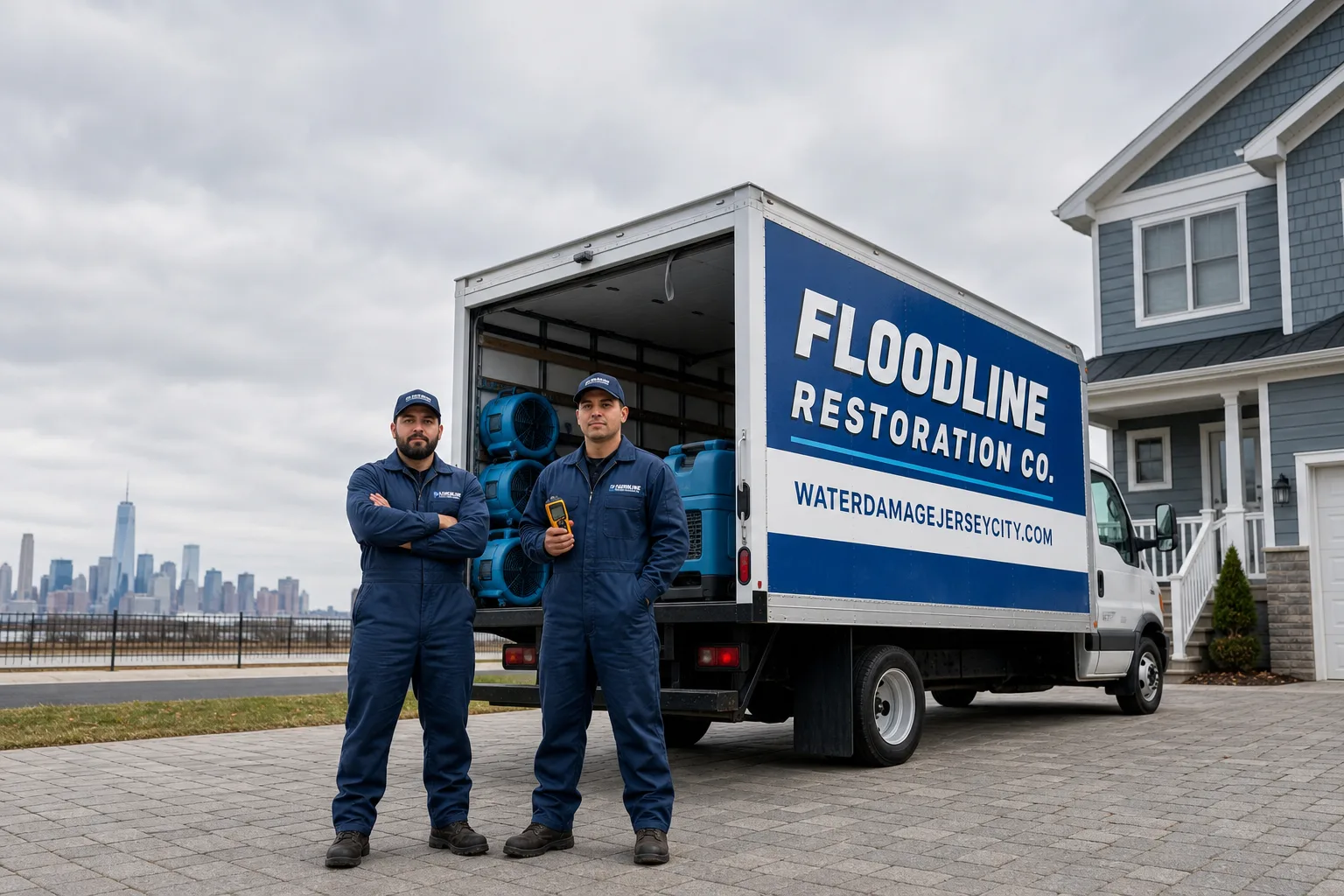
Free visual inspection and a written scope of work before any mitigation begins - photos, moisture readings, and drying logs go in your claim file
The scope we write is the scope we bill. Anything new gets shown to you, in writing, before we touch it.
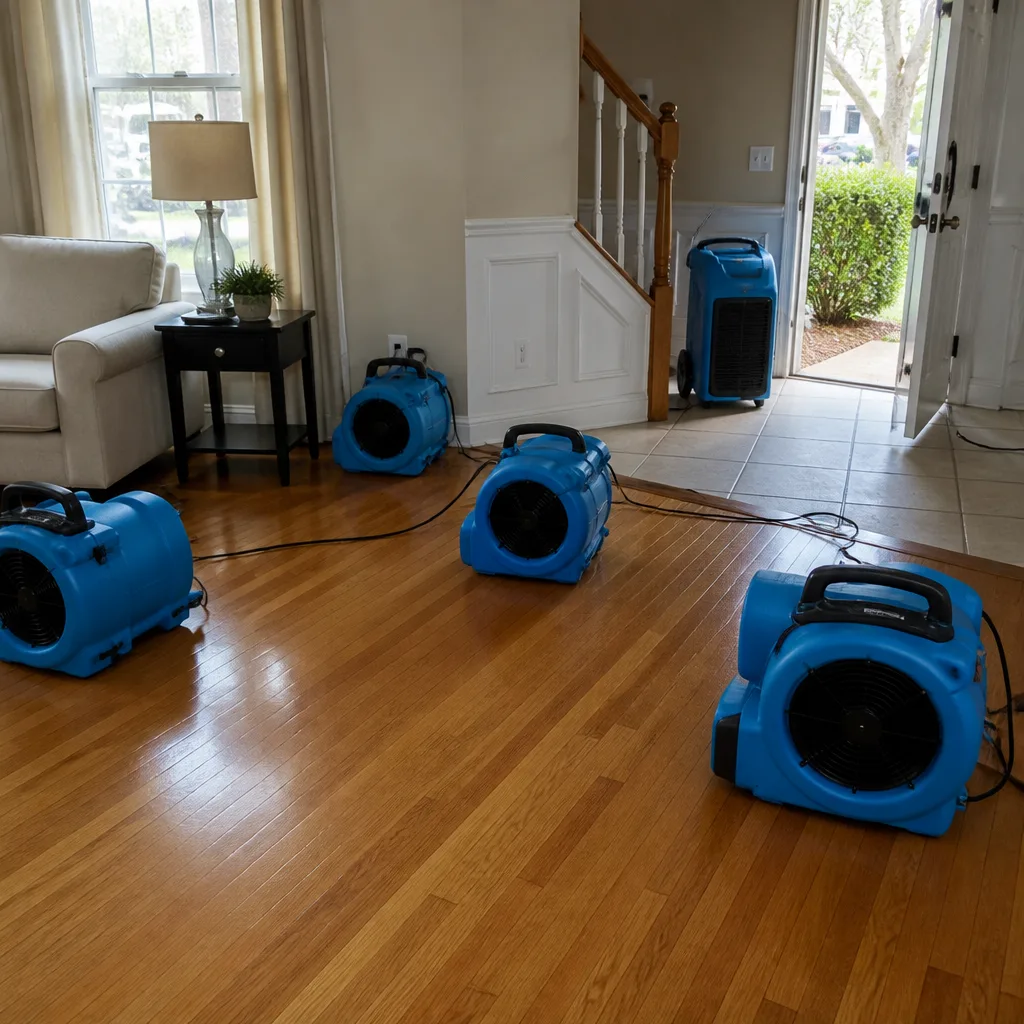
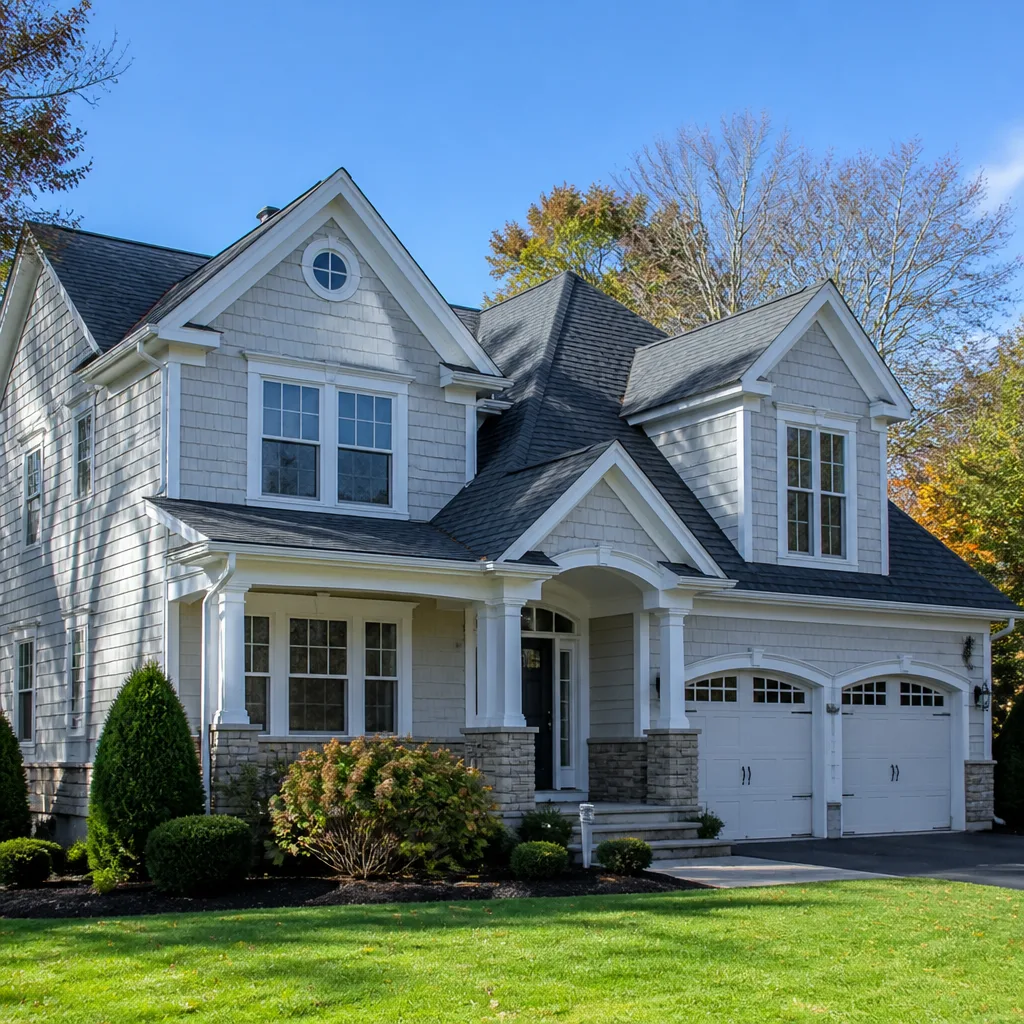
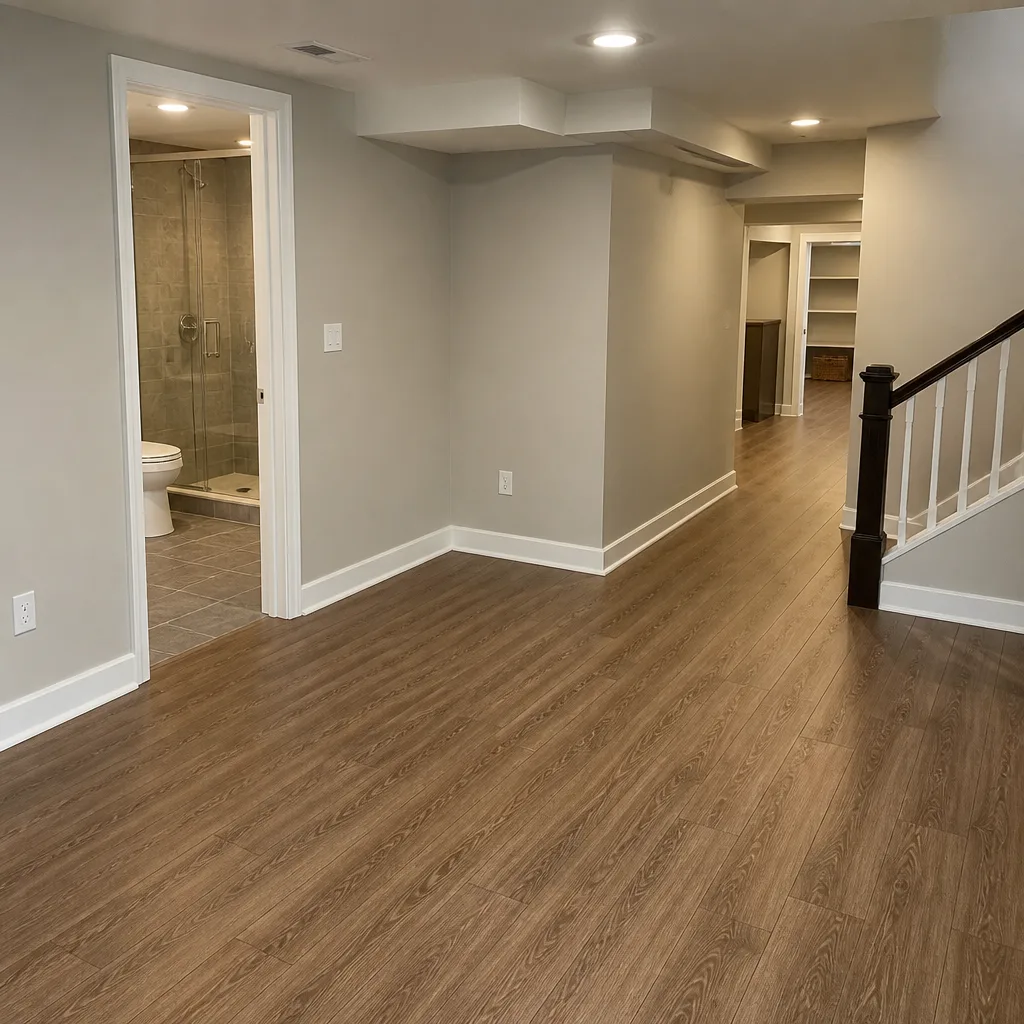
 Before
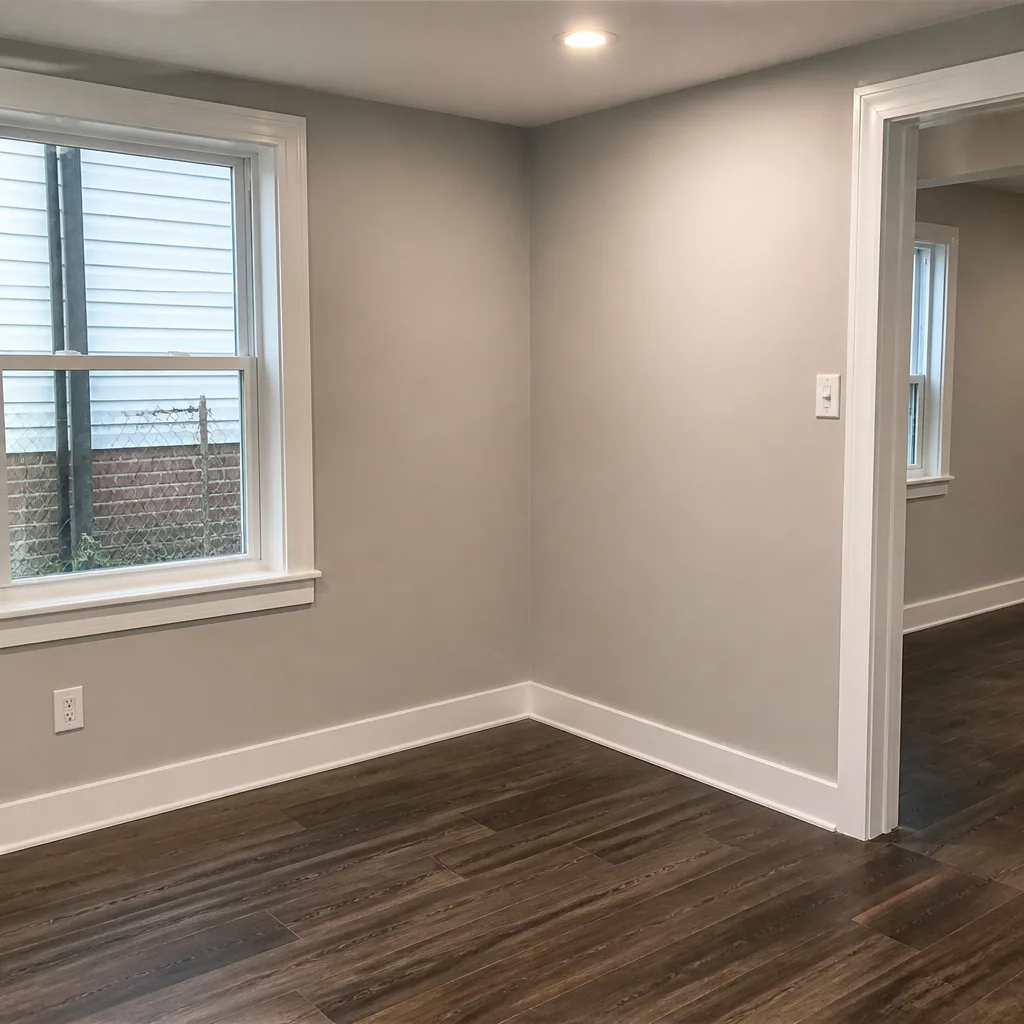 After
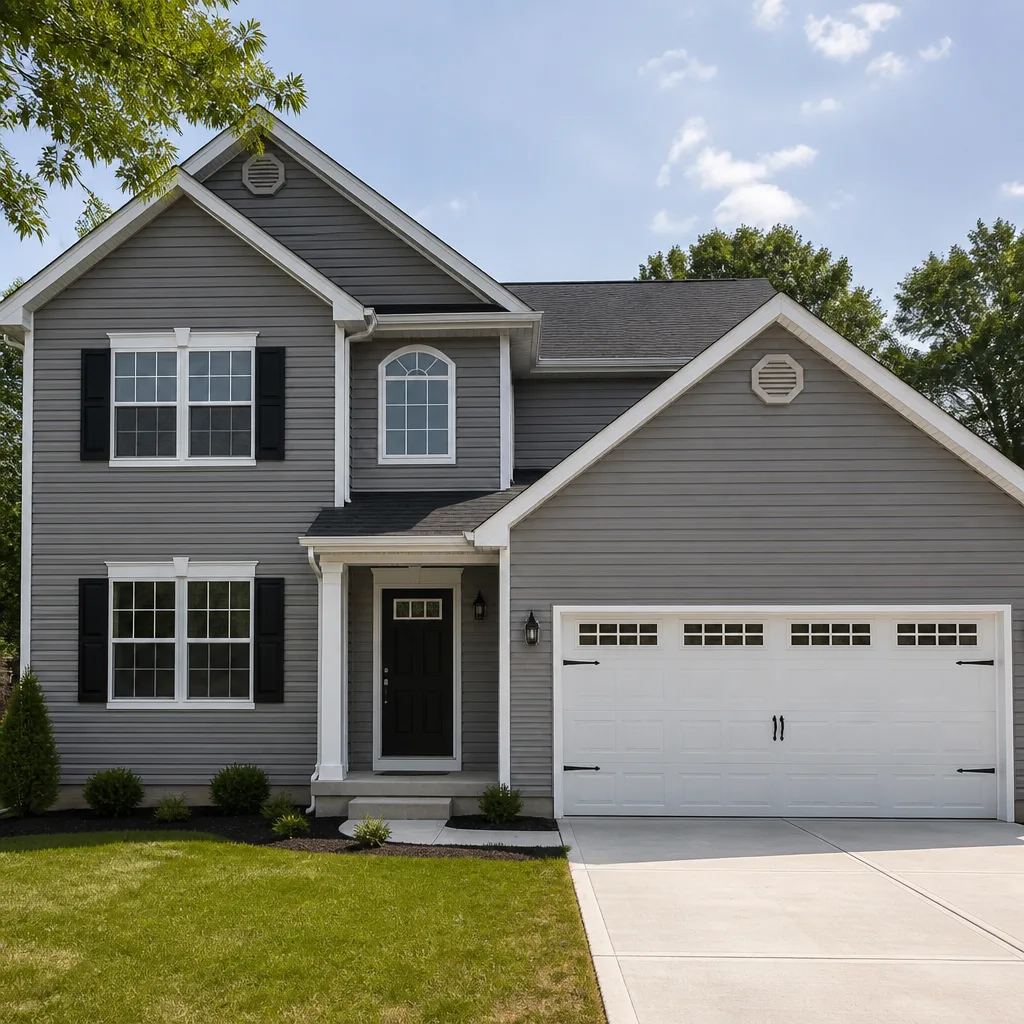
After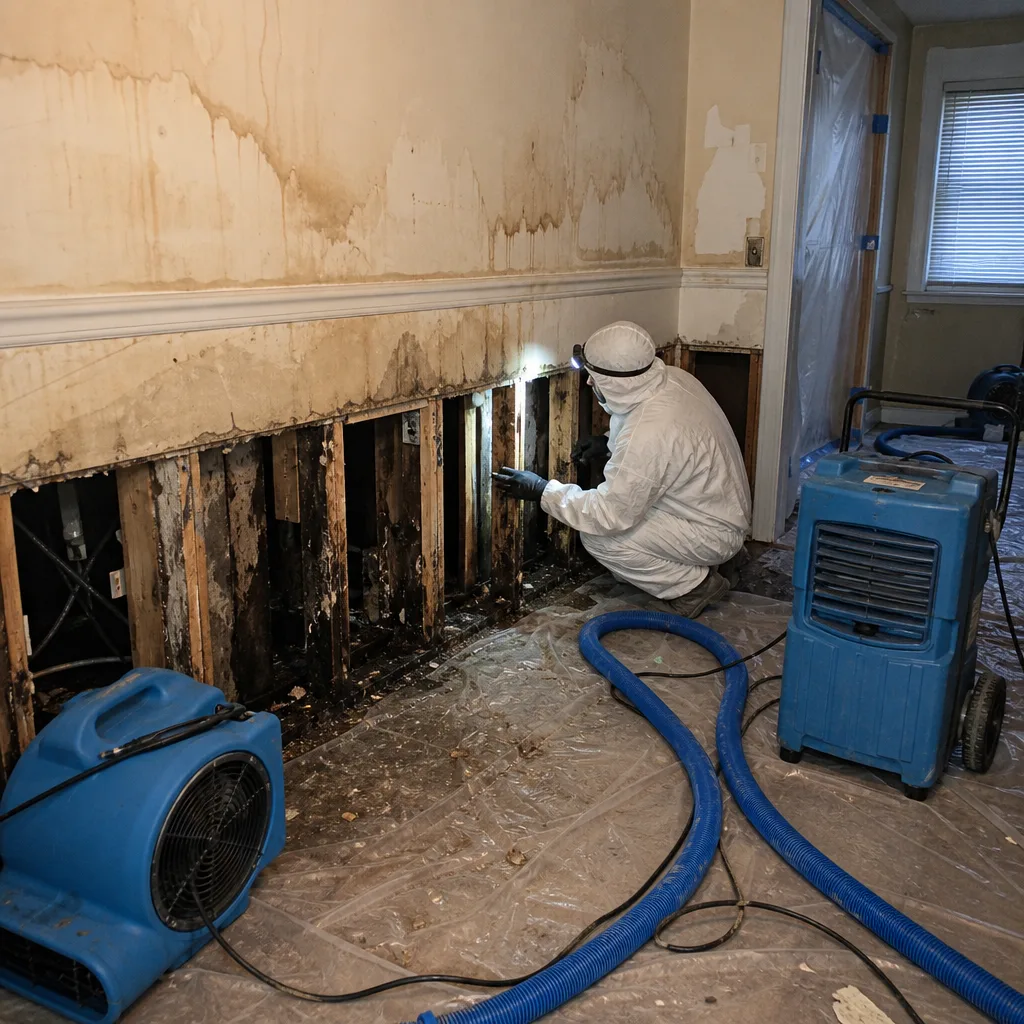 Before
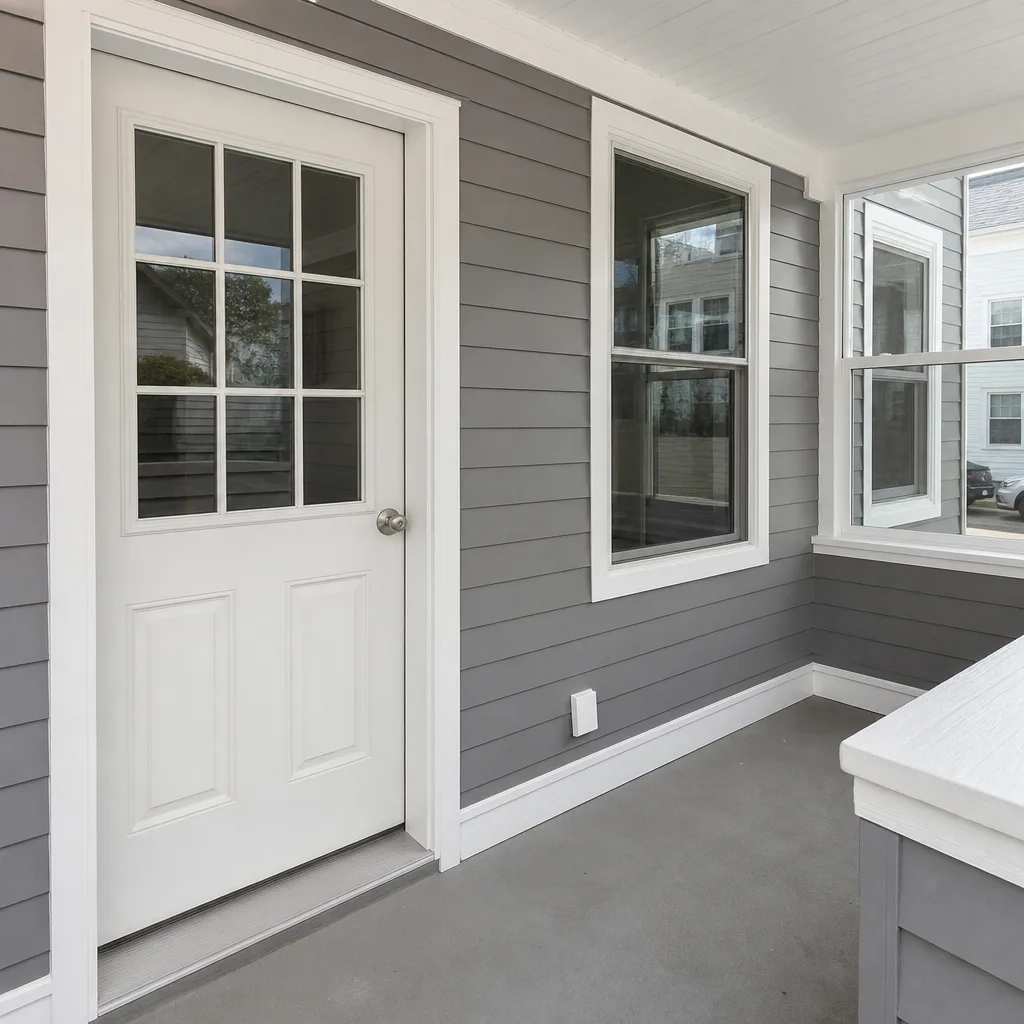 After
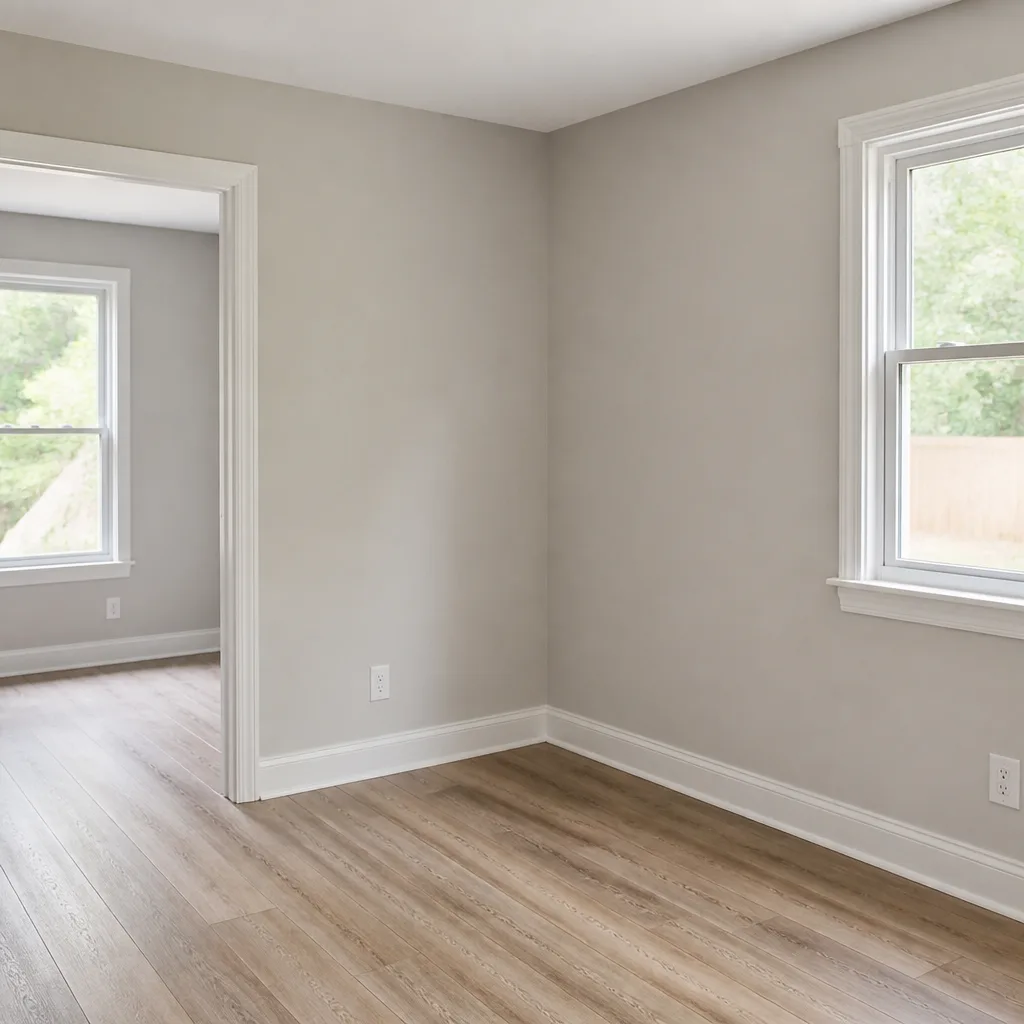
After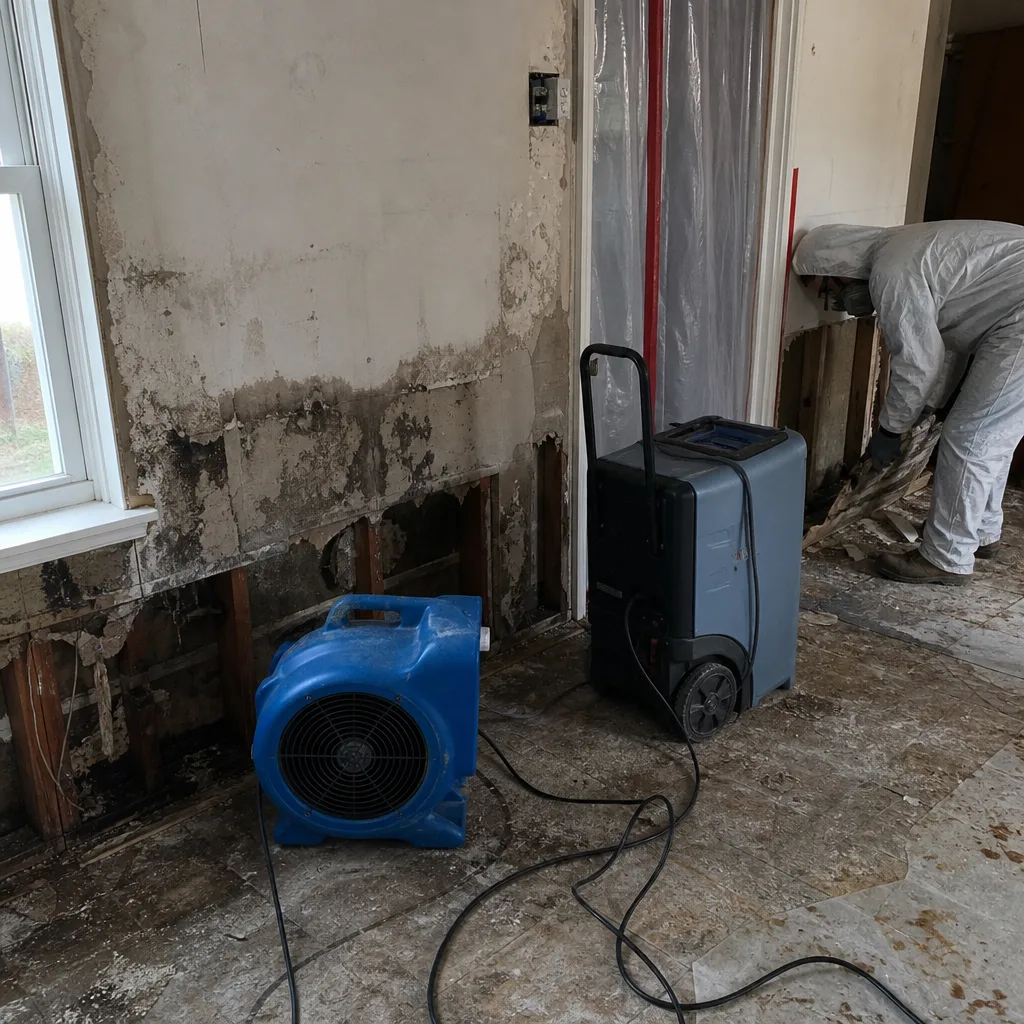 Before
 After
After24/7 Emergency Storm & Disaster Restoration in Sunset Park
Storm damage in Sunset Park moves fast, and so do we. When a nor’easter tears off roof flashing or bay water pushes into a basement on 44th Street, the first hour determines whether you’re dealing with a cleanup or a rebuild. Our Storm & Disaster Restoration teams are on call around the clock, with live dispatchers answering at 2 a.m. and crews rolling into Sunset Park within minutes, not days. Call (640) 400-9404 the moment you see water where it shouldn’t be, a sagging ceiling, or a window blown out. We arrive with thermal imaging, moisture meters, and a clear plan. The inspection is free. The peace of mind starts the moment a real person picks up the phone.
Key Takeaways
- Sunset Park’s pre-1930 brick rowhouses hide water in party walls that look dry at the surface.
- FEMA Zone AE reaches farther into the residential blocks west of 3rd Avenue than most owners know.
- Wind-damaged flashing on a flat rowhouse roof is the leading cause of the next leak, not the current one.
- We bill your carrier directly and provide a written scope before any work begins.
- Every job is backed by our 90-Day Done Right Promise, in writing.
Understanding Storm & Disaster Restoration Severity in Sunset Park Properties
Not all storm water is the same, and treating it as if it were is how Sunset Park basements end up with mold five years after the claim closed. Category 1 water comes from a clean source like a burst supply line. Category 2 carries contaminants. Category 3 is bay water, sewage, or anything that sat in a flooded street before it came through your foundation. In the blocks west of 3rd Avenue, storm surge from Upper New York Bay is Category 3, full stop. You don’t dry that drywall. You cut it out, bag it, and replace it. The same principle applies to wind damage. A lifted section of roof membrane over a pre-war rowhouse means moisture has already entered the plaster-on-brick cavity below. Surface readings lie. We use Dri-Eaz and Phoenix moisture meters with penetrating probes to read what’s inside the masonry, not just what’s on the paint. That’s the difference between a one-week mitigation and a recurring mold claim that follows the property through two more owners.
Why Sunset Park Property Owners Choose Floodline Restoration Co.
- 45-minute response commitment. When you call with an active leak or a blown-out window, we commit to having a crew dispatched and rolling toward Sunset Park within 45 minutes. Not a callback. Not a recording.
- A live person answers, day or night. No automated menu, no “leave a message after the tone.” At 3 a.m. on a Saturday, a dispatcher picks up and starts the process.
- IICRC-certified crews. Our technicians carry WRT, FSRT, and AMRT certifications and work to IICRC, RIA, and IFA standards. They’re background-checked and uniformed.
- Free visual inspection. Before any work is scoped, we walk the property with you, show you what we’re seeing, and explain it in plain language.
- Direct insurance billing. We bill your carrier directly and handle adjuster communication so you’re not the one playing phone tag for six weeks.
- One team from extraction to reconstruction. The same crew that pulls the water and runs the drying logs also rebuilds the wall. No handoffs, no “that’s another department.”
Our Storm & Disaster Restoration Process
Inspection & Assessment
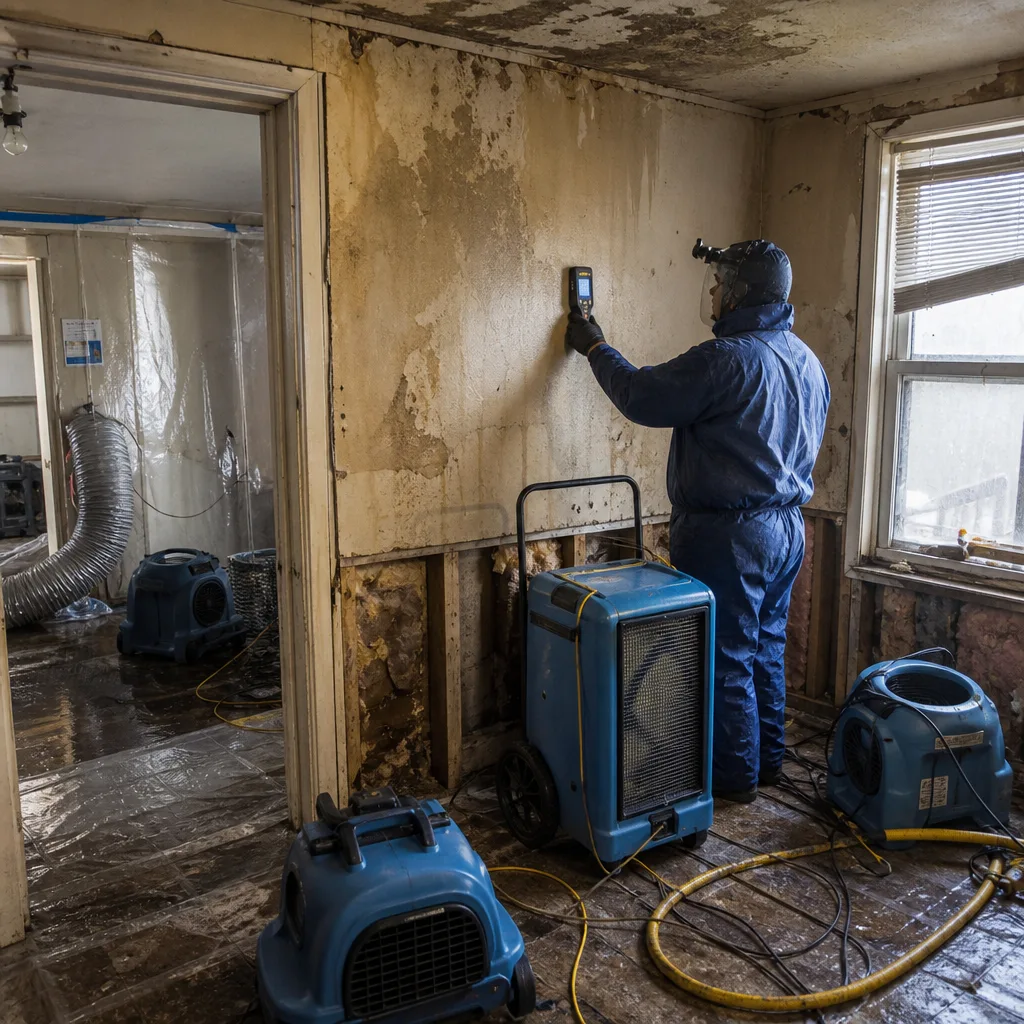
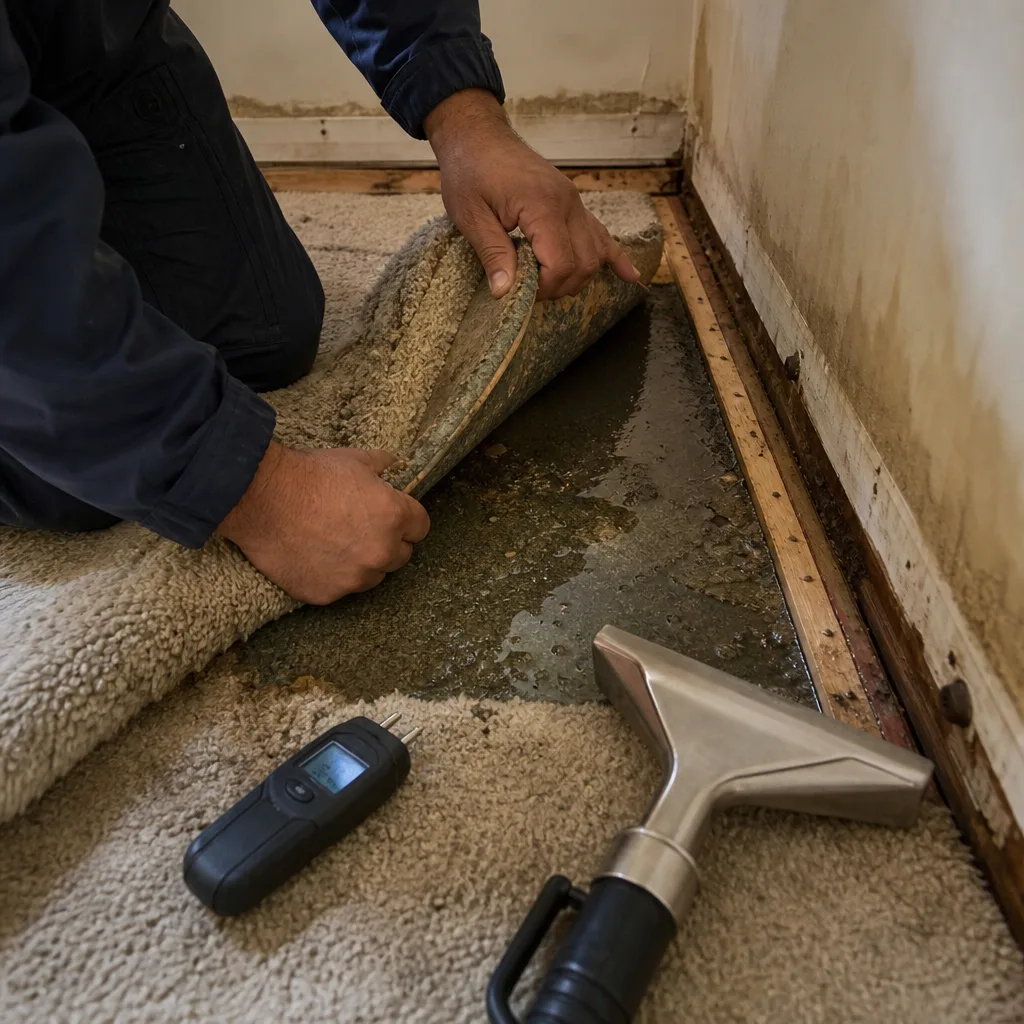
We start with thermal imaging and penetrating moisture readings across every affected surface, including party walls and ceiling cavities. You get a clear explanation of what’s wet, what’s salvageable, and what needs to come out. The inspection is free, and the scope is written before any work begins.
Extraction & Stabilization
Standing water comes out fast with truck-mounted or portable extraction units. We board up broken windows, tarp damaged roof sections, and stop active water intrusion the same visit. Stabilization prevents the damage from spreading while assessment continues.
Drying & Dehumidification
We set professional-grade Dri-Eaz and Phoenix air movers, dehumidifiers, and when needed Injectidry panels to pull moisture from cavity spaces behind plaster and brick. Daily moisture readings are logged until the dry standard is met. You get the log.
Cleaning & Sanitization
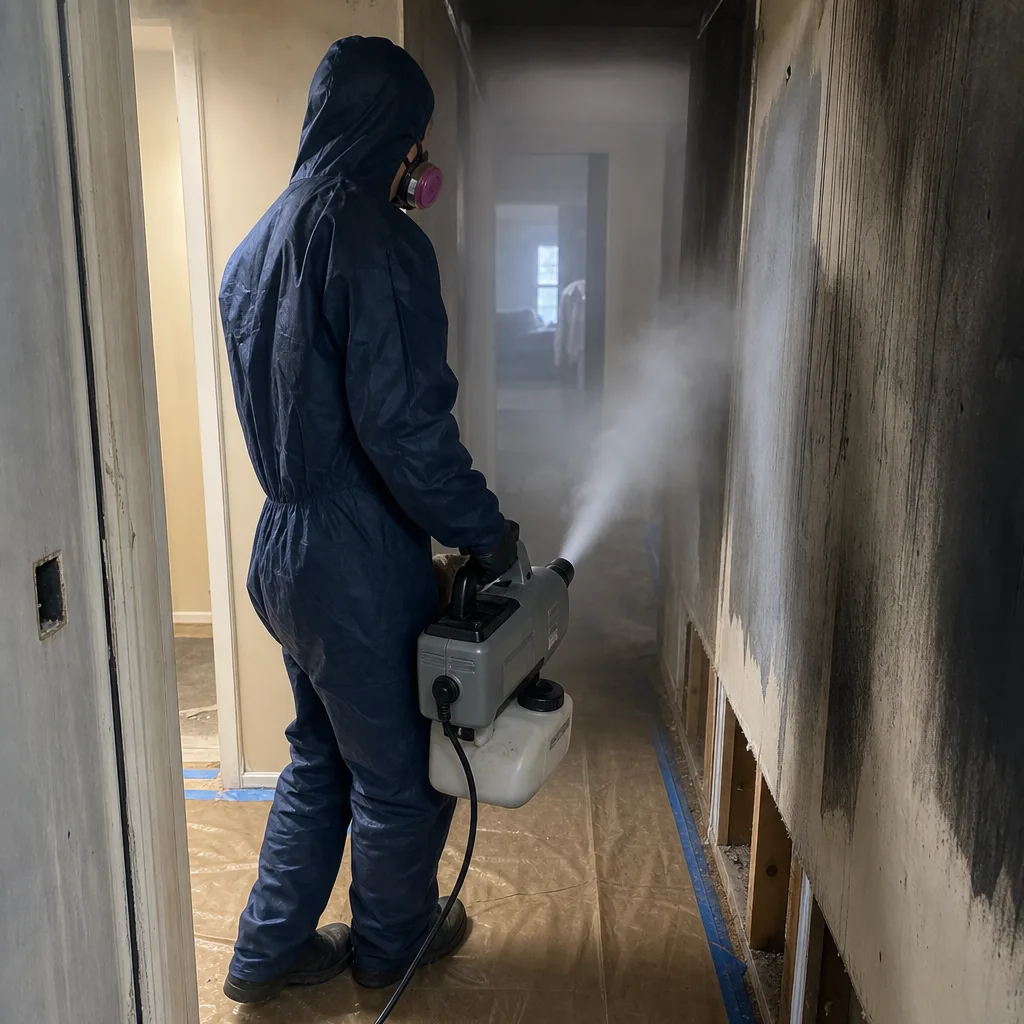
Contaminated surfaces are treated with appropriate antimicrobials. Salvageable contents are cleaned and stored. HEPA air scrubbers run where particulates or mold spores are present to keep the air clean during work.
Specialty Treatment for Storm Losses
For wind-damaged rooflines, we inspect and resecure flashing, not just the membrane. For Category 3 flood water, we cut contaminated drywall and insulation, treat the framing, and verify the cavity is dry before closing. For pre-war plaster-on-brick, we address what’s inside the wall, not just the surface.
Repairs & Restoration
The same certified crew handles the rebuild: drywall, trim, paint, flooring, and structural repairs where needed. What we open, we close. What we promise, we put in writing. The 90-Day Done Right Promise applies to the whole scope, not just the emergency portion.
Need Emergency Storm & Disaster Restoration in Sunset Park Now?
Crews minutes away, answering live 24 hours a day. The sooner we start, the less it costs.
Working With Your Insurance Company
Storm and disaster claims in Sunset Park hinge on documentation. The adjuster wasn’t standing in your basement at 2 a.m. We were. From the first hour, we photograph everything: the water line on the foundation, the wet insulation pulled from the wall cavity, the wind-lifted flashing on the roof. We run moisture readings daily and log them. We write a line-item scope with industry-standard pricing, and we communicate directly with your adjuster so you don’t have to interpret drying logs or argue about whether Category 3 water qualifies for full removal. If your carrier pushes back, we provide the evidence. That’s the whole job.
What We Provide Your Insurer
- Thorough documentation of the loss
- Photos of all damage, room by room
- Moisture readings and drying logs
- A detailed, line-item scope of work
- Direct coordination with your carrier
Built for Sunset Park’s Loss Calendar
Sunset Park’s storm season doesn’t follow a tidy calendar. January deep freezes burst supply lines in unheated basement extensions and behind kitchen walls on 5th Avenue. March and April bring thaw cycles that push groundwater into the low-lying blocks west of 3rd Avenue, where the water table sits close to the surface. Summer thunderstorms dump rain faster than the neighborhood’s combined sewer system can carry it away, sending street water backward through basement drains. But the heavy hitter is the nor’easter, from October through March. When sustained east winds push Upper New York Bay water up against the Brooklyn shoreline, Zone AE properties take storm surge through foundation vents, window wells, and basement stairwells. We know this pattern because we work it every year. The best call you make this season might be before the storm: a walk-through of your basement and roofline to identify what will fail when the wind comes.
Storm & Disaster Restoration Across Sunset Park’s Neighborhoods
The response route matters. When we dispatch to the residential grid around Sunset Park proper, between 5th and 7th Avenues, we’re typically dealing with wind-driven rain entering through aged roof parapets and skylights on three-story brick rowhouses. These blocks sit higher on the ridge, so water comes from above, not below. Farther west, down toward 2nd Avenue and the industrial waterfront near Industry City, the story changes. Basement units in the attached rowhouses stepping down toward the bay take storm surge through foundation vents and below-grade window wells. Floodwater here is Category 3, and the pre-1930 construction means lateral migration through party walls is almost guaranteed. Up around the northern edge of the neighborhood, near the expressway overpasses, we see more wind damage to flat roof membranes and rooftop mechanicals. Each corridor has its own failure pattern, and our crews know them by block.
Specialized Storm & Disaster Restoration Services We Offer in Sunset Park
Storm Damage Cleanup
After a storm passes, the real work begins. We remove water-damaged materials, salvage what can be saved, and run professional-grade drying equipment until moisture readings verify the structure is dry. In Sunset Park’s rowhouses, that often means addressing party walls that share moisture with an untouched neighboring unit.
Flood Damage Restoration
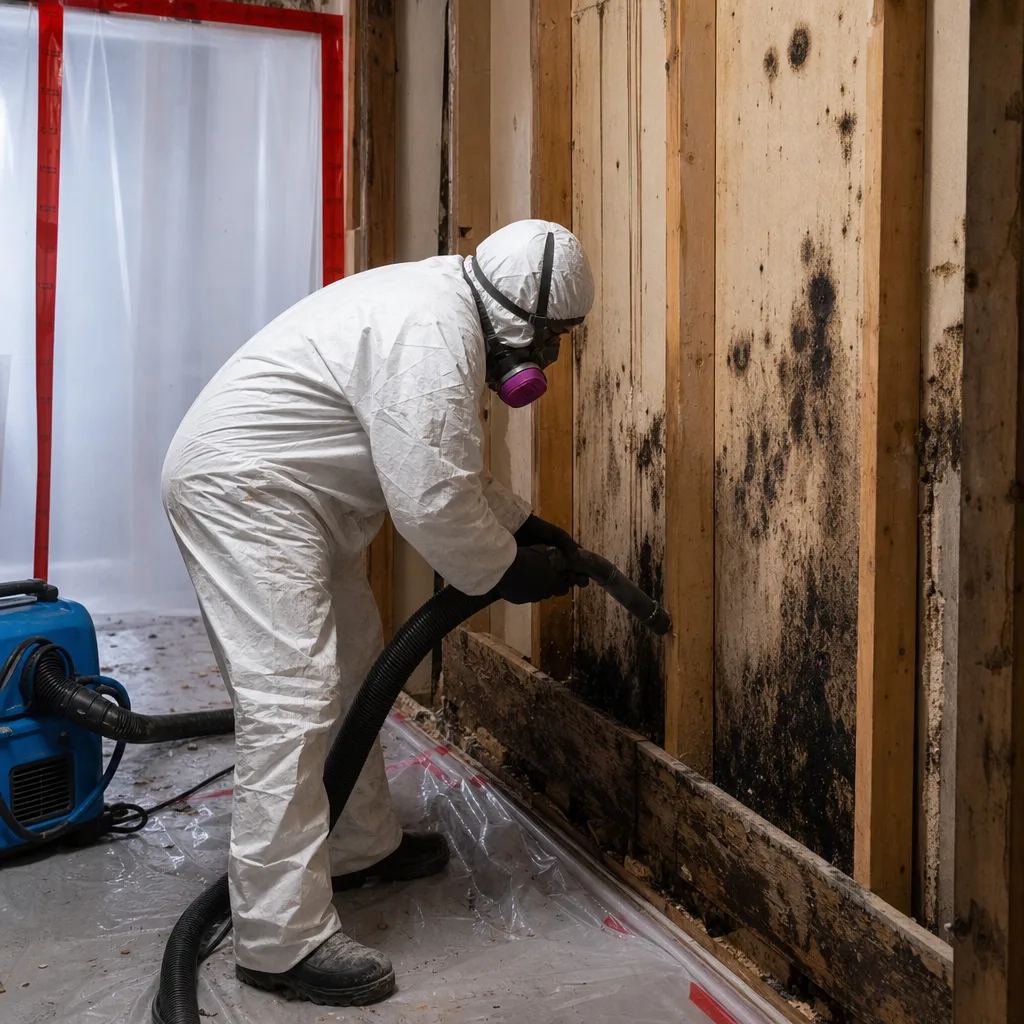
When bay water or sewer backup enters a basement west of 3rd Avenue, speed matters less than correctness. Category 3 water requires full removal of contaminated drywall and insulation, antimicrobial treatment of the framing, and verification of dryness before any rebuild. We don’t dry what should be cut out.
Emergency Board-Up
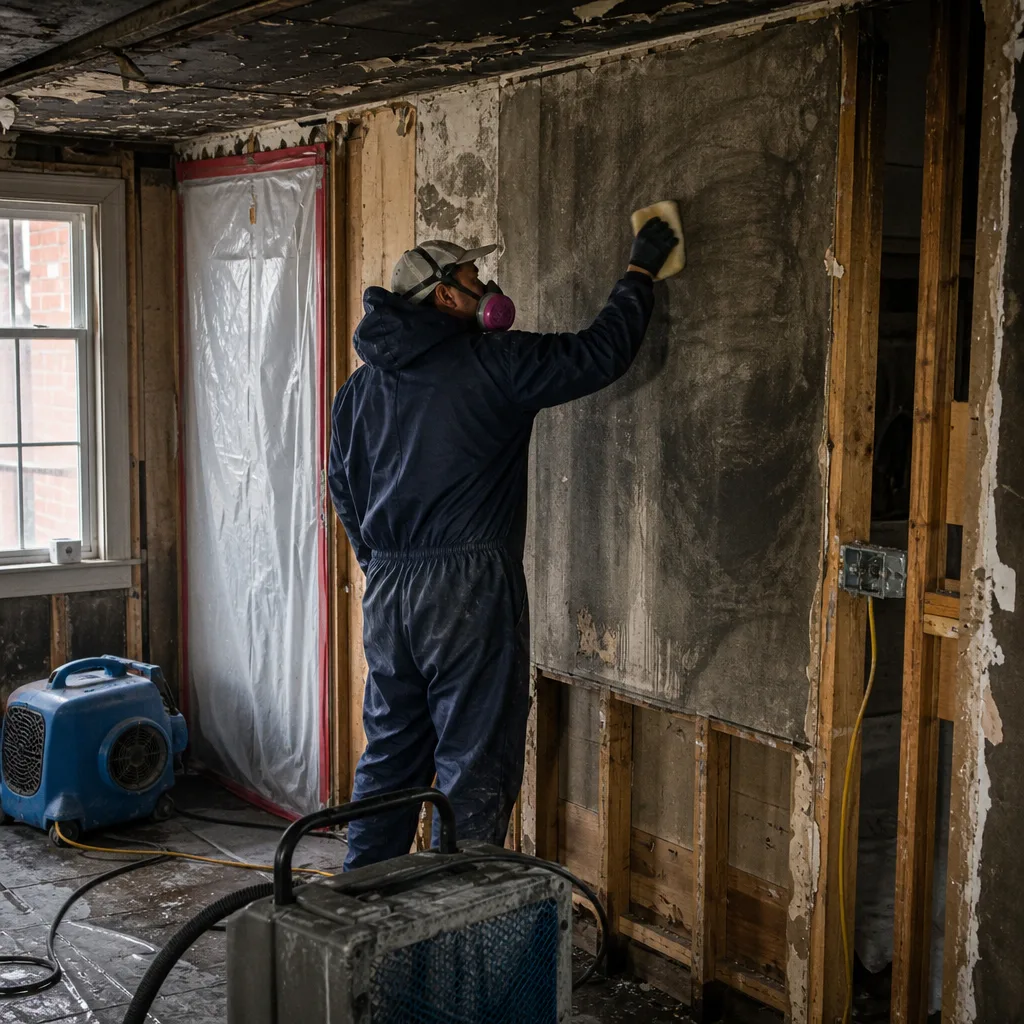
Blown-out windows and doors leave a rowhouse open to weather, pests, and intruders. We board up openings the same night, using materials that hold in wind, not just cover the hole. Board-up is temporary; the protection is real.
Roof Tarping
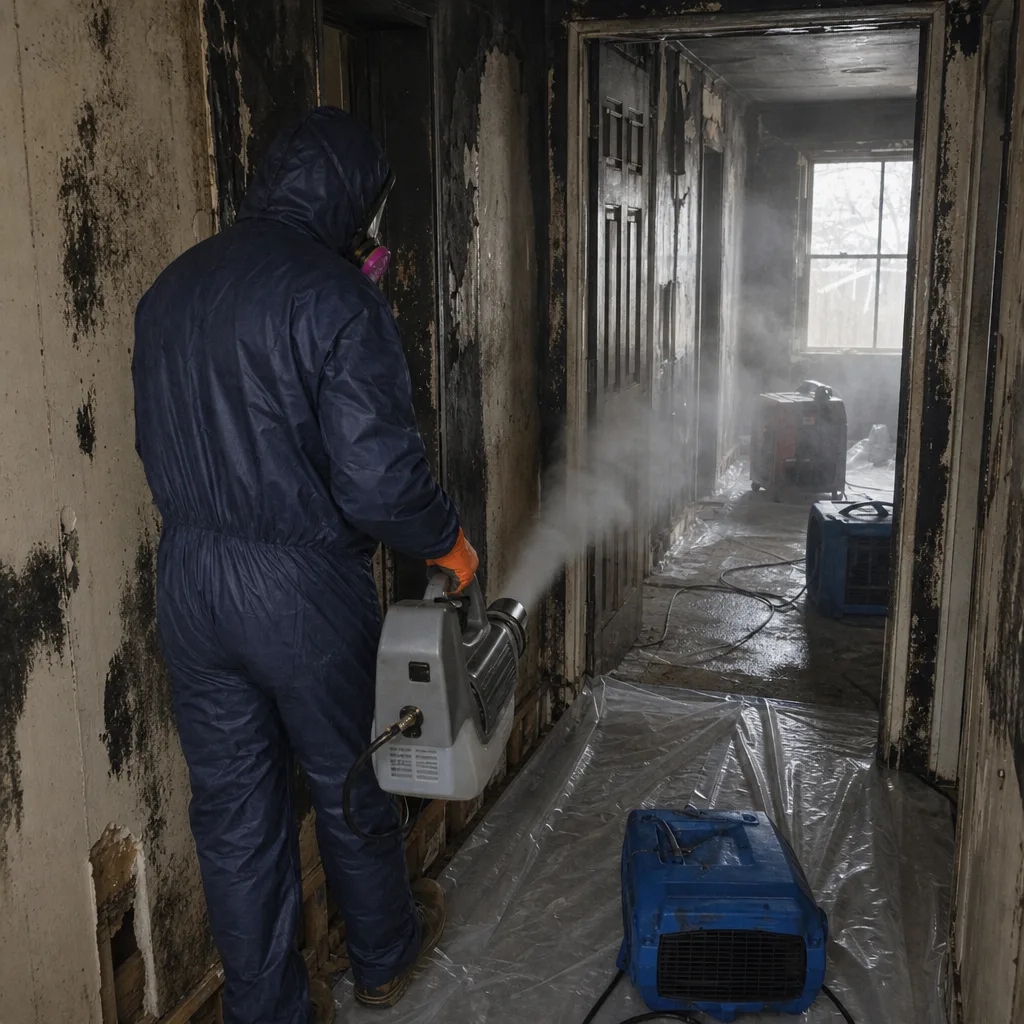
Wind-damaged rooflines on pre-war rowhouses need more than a tarp thrown over the hole. We inspect the flashing, the membrane, and the parapet, then secure the tarp so the next nor’easter doesn’t peel it off and let the water back in. Roof tarping buys time for a proper repair without buying more damage.
Debris Removal
Storm debris, fallen limbs, and damaged building materials get hauled away as part of the job, not as a separate bill line buried in fine print. We keep the sidewalk clear and the work site safe from start to finish.
What happens when you call
- 1
A real person answersNo phone trees - you reach a local pro.
- 2
You get an upfront price rangeHonest numbers before anyone is dispatched.
- 3
A background-checked tech heads outLicensed & insured, dispatched right away.
- 4
You approve before work beginsNothing starts until you say go.
Storm & Disaster Restoration Costs in Sunset Park, NY
Let’s talk real numbers for Sunset Park. A standard basement flood cleanup in a rowhouse, with extraction, drying, and sanitization, typically runs $2,800 to $6,500 depending on square footage and water category. Category 3 bay water that requires drywall removal and replacement pushes that to $5,000 to $12,000. Emergency board-up for a single window or door runs $350 to $900, and roof tarping for a typical rowhouse section is $450 to $1,200 on the same visit. Wind damage repair that includes flashing resecurement and membrane patching lands between $1,500 and $4,500 depending on access and extent. What moves the price is what’s behind the surface: party wall moisture, asbestos in pre-1940 pipe insulation, lead paint on original trim. The free inspection gets you a firm scope in writing before anything is spent. Call (640) 400-9404 to schedule yours.
We Also Serve Cities Near Sunset Park
Our crews work throughout the surrounding area, including Midland Beach, New Springville, Oakwood, and Travis – Chelsea. If you’re in one of these neighborhoods and dealing with storm or flood damage, the same live dispatchers and the same certified teams answer the call.
Serving Sunset Park, NY - Our Local Coverage Area
We’re based in the Sunset Park area and know this community well. Use the map below to see our service coverage - if you’re nearby, we can almost certainly help.
Sunset Park Storm & Disaster Restoration Questions, Answered
What wind rating do replacement doors in Sunset Park need to meet NYC code?
NYC building code requires exterior doors in wind-borne debris zones to meet specific design pressure ratings, and much of the Sunset Park waterfront corridor falls under those requirements. For most residential rowhouse doors, a DP-50 rating is the practical minimum, but a DP-60 or impact-rated assembly is the safer call on the blocks closest to the bay. We spec doors that meet the code for your specific address, not a generic rating.
Why does my rowhouse basement flood during a nor’easter even when it doesn’t rain hard?
Your basement is in a FEMA Zone AE corridor that takes storm surge from Upper New York Bay, not just rain. When a nor’easter pushes sustained east winds against the shoreline, water levels rise and push into low-lying blocks west of 3rd Avenue through foundation vents, window wells, and floor drains. The flooding comes from the bay, not the sky. Call us at (640) 400-9404 to have your foundation and drainage evaluated before the next storm.
How do I know if my basement flood water is safe to dry in place?
If the water came from storm surge, the street, or a sewer backup, it’s Category 3, and the answer is no. Do not dry it in place. Contaminated drywall, insulation, and carpet must be removed and replaced. If it was a clean supply line break and the water was addressed within 24 hours, drying in place may be possible. The only way to know for certain is a professional assessment with moisture readings and contamination testing. We’ll tell you the truth either way.
What does a wind-damaged roofline on a pre-war rowhouse mean for the apartment below?
It means water has likely already entered the ceiling cavity and possibly the plaster-on-brick walls below. Wind doesn’t just lift the membrane; it lifts the flashing at the parapet and roof edges. What looks like a small tear sends water into the cavity where it sits against original masonry, drying slowly or not at all, and feeding mold behind the paint. The apartment below may not show damage for months. We inspect the full path, not just the visible hole.
I had my basement remediated after Sandy. Why is there mold again behind the same wall?
Because Sandy remediation in Sunset Park often skipped what was inside the wall. Post-Sandy crews dried the surface, painted, and signed off, but moisture trapped in the plaster-on-brick party walls stayed wet for months. Mold re-established inside the inaccessible cavities, and now it’s surfacing again. This is the third iteration of the same 2012 water intrusion on some blocks, and it requires opening the wall, removing contaminated material, and verifying the masonry core is dry. We’ve done this exact work on 44th Street near 2nd Avenue.
How fast can someone actually get to Sunset Park?
We commit to dispatching a crew within 45 minutes of your call. Crews are stationed in the area, and live dispatchers route the nearest team while you’re still on the phone. For active water intrusion or a blown-out opening, that speed is the difference between drying a floor and replacing it. Call (640) 400-9404 now.
Will my insurance cover storm and flood damage in Sunset Park?
Wind damage is typically covered under standard homeowners policies. Flood damage depends on whether you carry a separate flood policy, which most Zone AE properties should. We document everything from the first hour, bill your carrier directly, and communicate with your adjuster so the claim moves without you playing messenger. If your policy doesn’t cover the full scope, we’ll give you a straight answer about what’s covered and what’s not before any work starts.
What should I do in the first 30 minutes after storm damage?
Shut off power to affected areas if water is present. Don’t enter standing water that may be electrically charged or contaminated. Call us at (640) 400-9404. Then take photos of everything: the water line, the debris, the broken window, the sagging ceiling. Don’t move wet materials or start tearing things out yourself. The first 30 minutes set the documentation trail and the response timeline. Let us handle both from there.
The line the water left on your wall is where we start. For storm and disaster restoration in Sunset Park, one call puts a live dispatcher, a certified crew, and a written guarantee on your side. Call (640) 400-9404 for a free estimate, any hour, any day.
Written by Curt Bowman, Owner at Floodline Restoration Co., serving Sunset Park since 2010.