
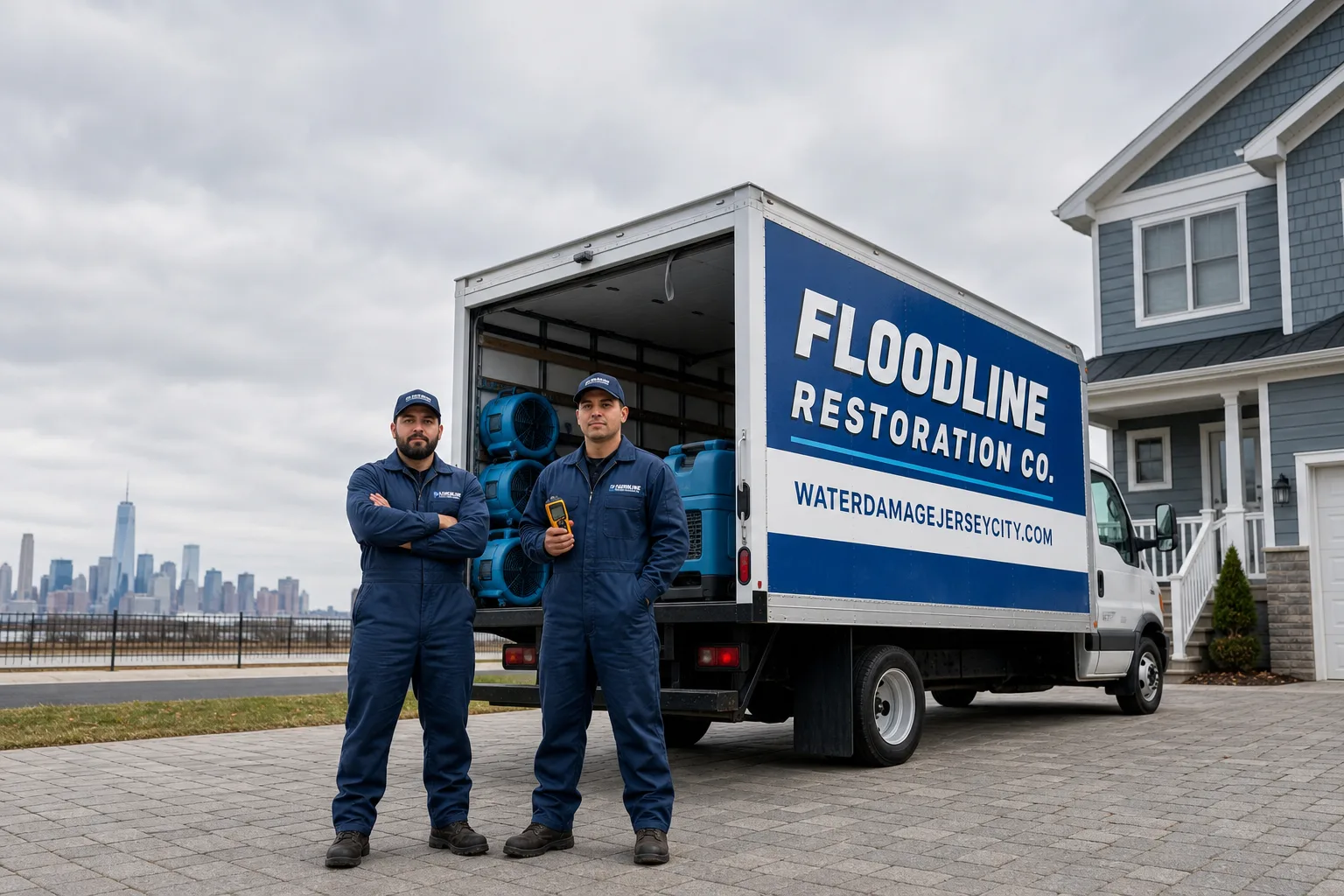
Free visual inspection and a written scope of work before any mitigation begins - photos, moisture readings, and drying logs go in your claim file
The scope we write is the scope we bill. Anything new gets shown to you, in writing, before we touch it.
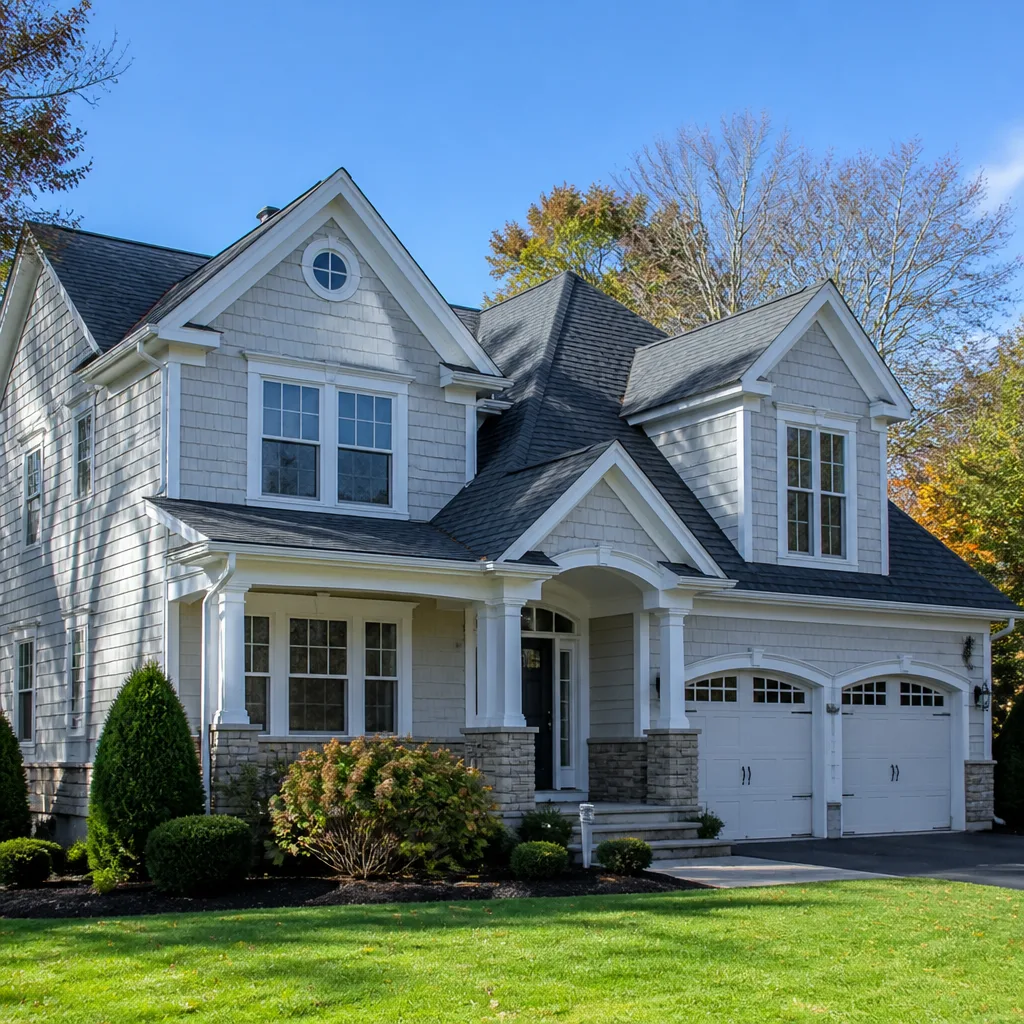
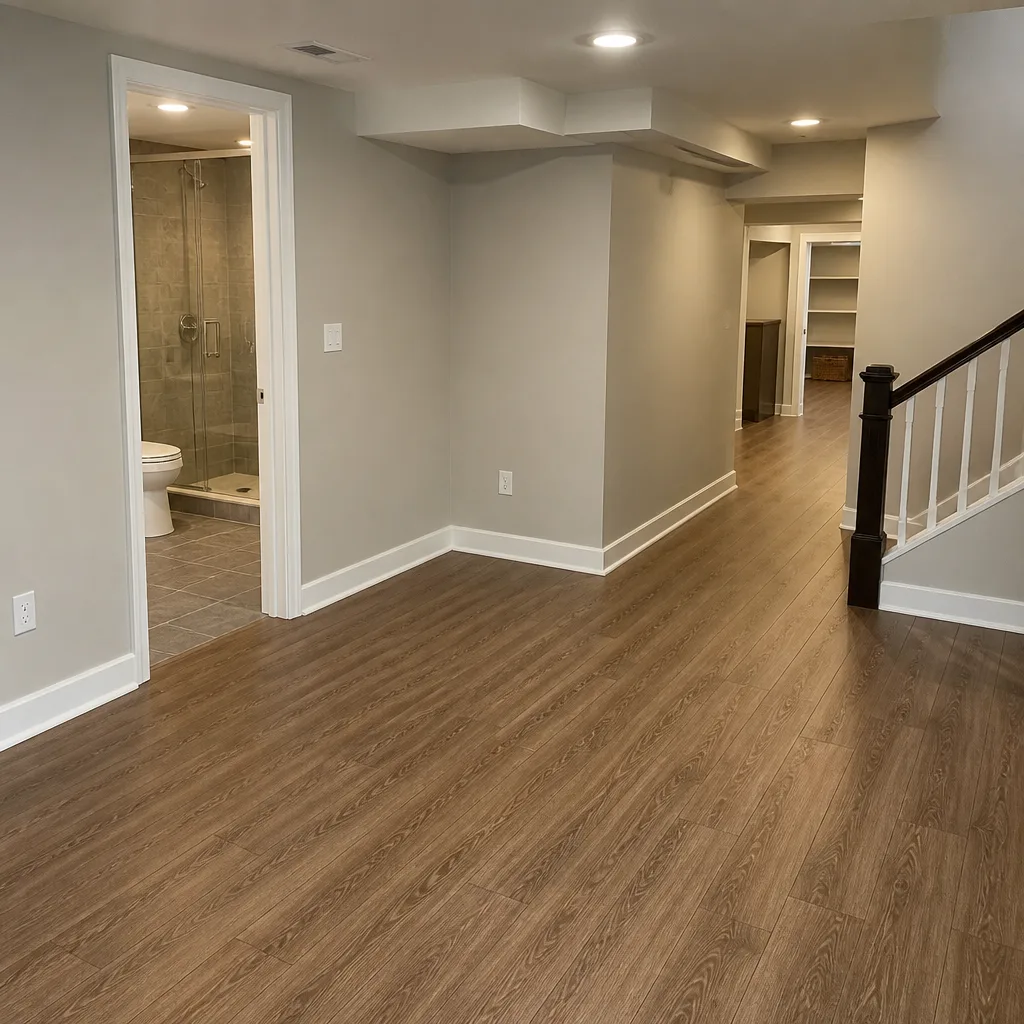
 Before
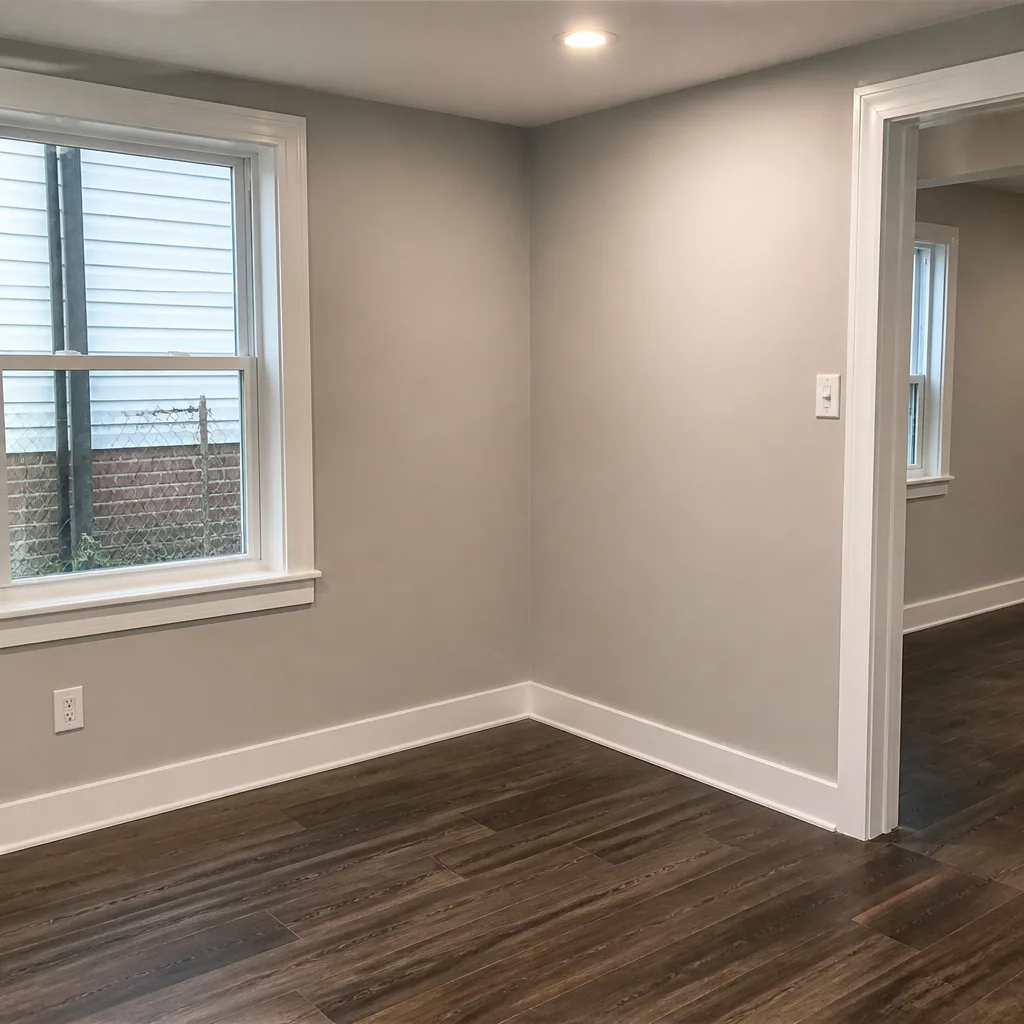 After
After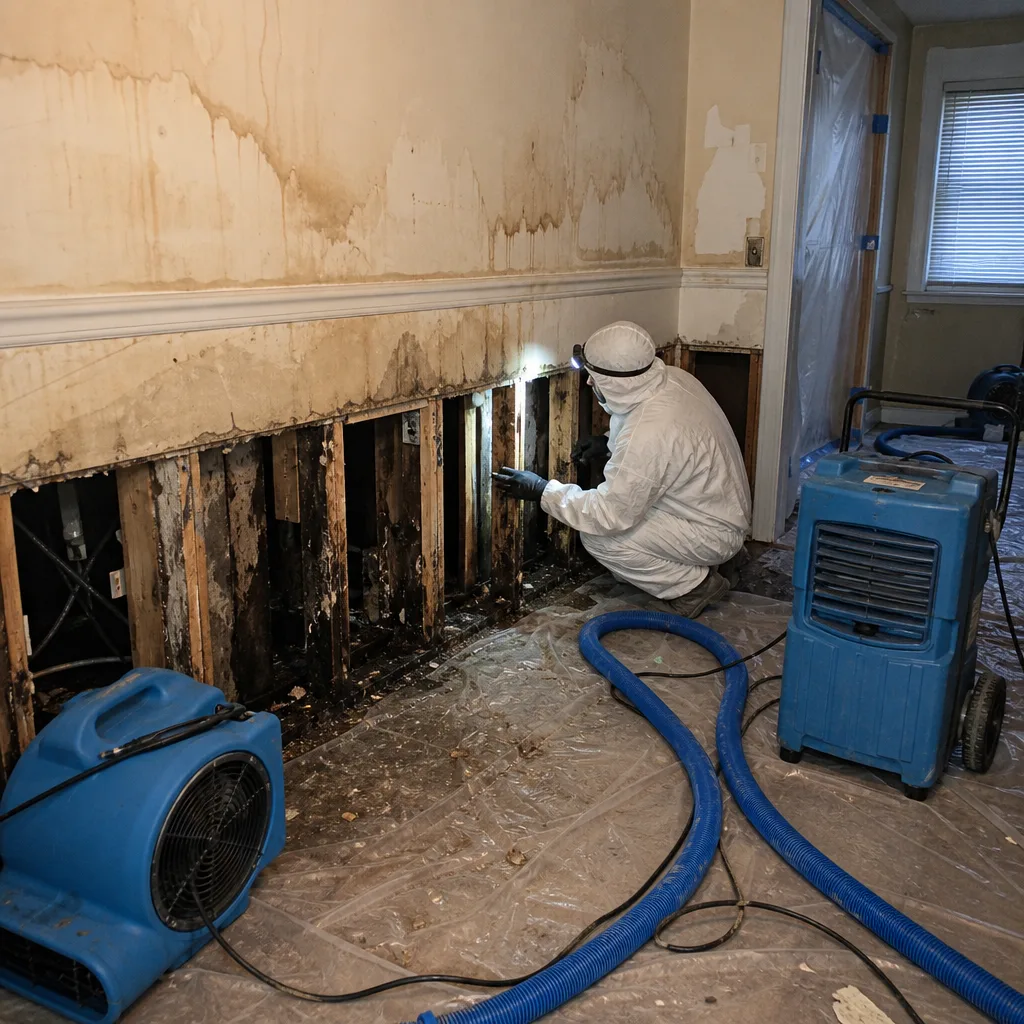 Before
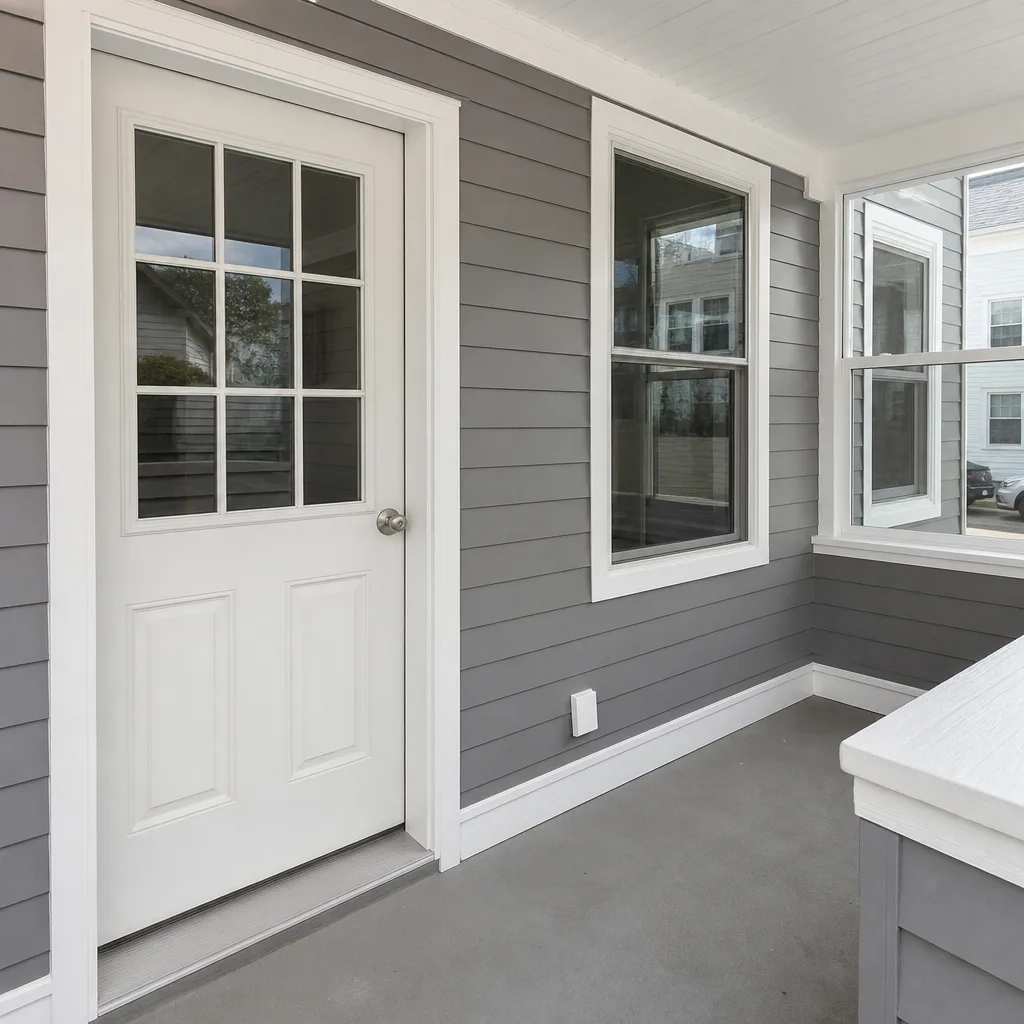 After
After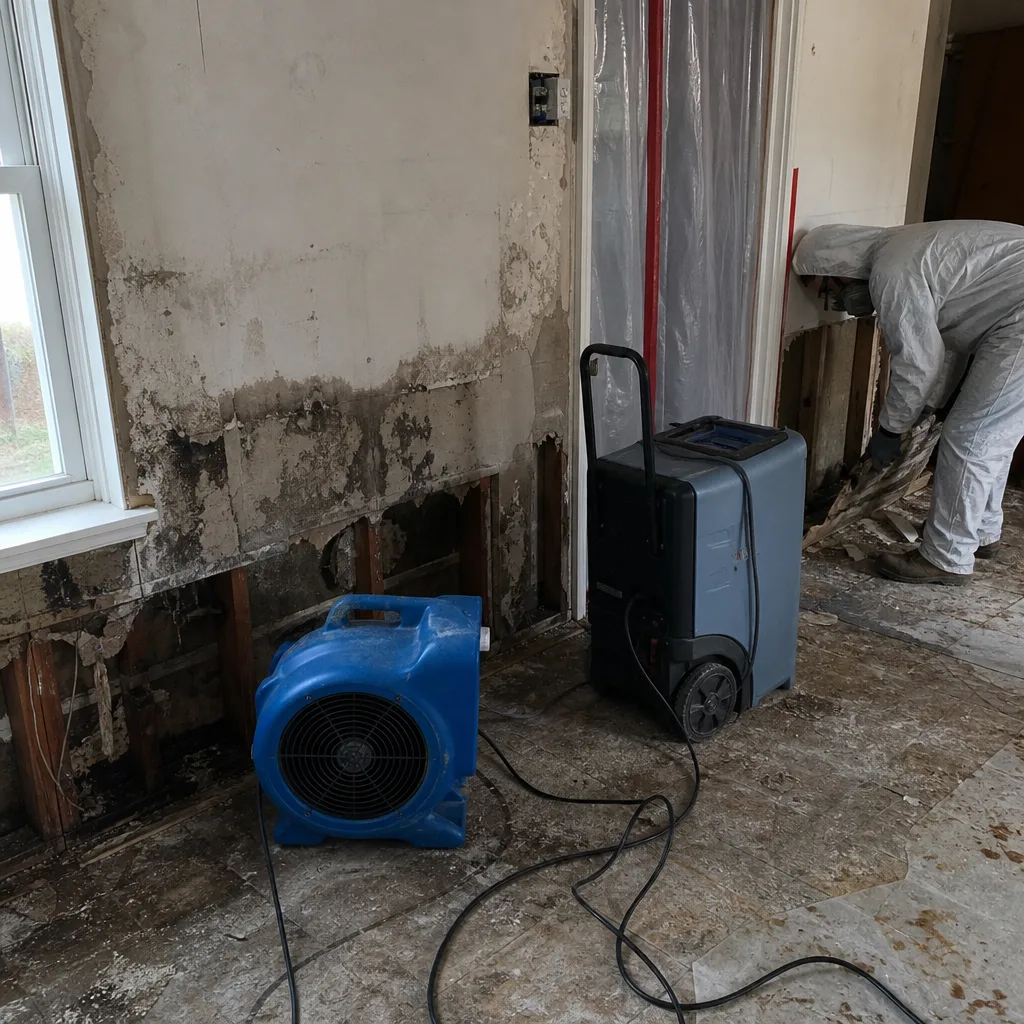 Before
 After
After24/7 Emergency Storm & Disaster Restoration in Murray Hill
Storm damage in Murray Hill doesn’t wait for business hours, and neither do we. Our crews answer live at (640) 400-9404 around the clock, every day of the year. When a nor’easter rips flashing off a pre-war roofline or a frozen riser lets go inside a 1920s elevator co-op, the first hour determines whether you’re looking at a managed dry-out or a building-wide mold cascade. We dispatch teams from our New York City office directly into Murray Hill, often within 45 minutes of your call. The visual inspection is free. The moisture mapping starts on arrival. And the same certified crew that extracts the water stays through the rebuild, so you never explain the loss twice.
Understanding Storm & Disaster Restoration Severity in Murray Hill Properties
Storm losses in Murray Hill follow a predictable pattern, and severity depends almost entirely on building age and construction type. In the six-to-twenty-story pre-war elevator buildings along Lexington, Park, and Third Avenues, water migrates vertically through plaster-and-lath ceilings, cast iron risers, and uninsulated pipe chases. By the time a tenant on the fifth floor sees staining, the water may have already saturated the fourth and third floors above a Category 2 classification. In the brownstones between Lexington and Third, the story is different: English basement and garden-level units take on groundwater during heavy rain, and sewage backups from aging lateral lines push Category 3 water into finished living space. We classify every loss the same way the IICRC teaches: Category 1 is clean water from supply lines or roof leaks, Category 2 carries significant contamination, and Category 3 is grossly contaminated from sewage or outside flooding. Thermal imaging and hygrometer readings tell us how far the moisture has moved behind the lath. That moisture map drives every drying decision we make.
Why Murray Hill Property Owners Choose Floodline Restoration Co.
- 45-minute response commitment for emergencies. When water is moving through a pre-war ceiling assembly, every hour expands the damage perimeter. We commit to a 45-minute dispatch window to Murray Hill addresses.
- A live person answers at 2 a.m., not a recording. Call (640) 400-9404 any hour. Our dispatchers work from a board, not a sales script.
- IICRC-certified crews trained to WRT, FSRT, and AMRT standards. Every uniformed technician carries current certifications and knows how to read a moisture map, not just place fans.
- Free visual inspection with a straight answer. We’ll tell you what’s wet, what’s drying, and what needs to come out. You get that in writing before any work starts.
- Direct insurance billing. We document by the hour, submit line-item scopes, and talk to your adjuster directly. You don’t carry paper between us and the carrier.
- One crew from extraction to reconstruction. No mid-job handoff to an unfamiliar subcontractor. The team that dries your walls rebuilds them.
Our Storm & Disaster Restoration Process
Inspection & Assessment
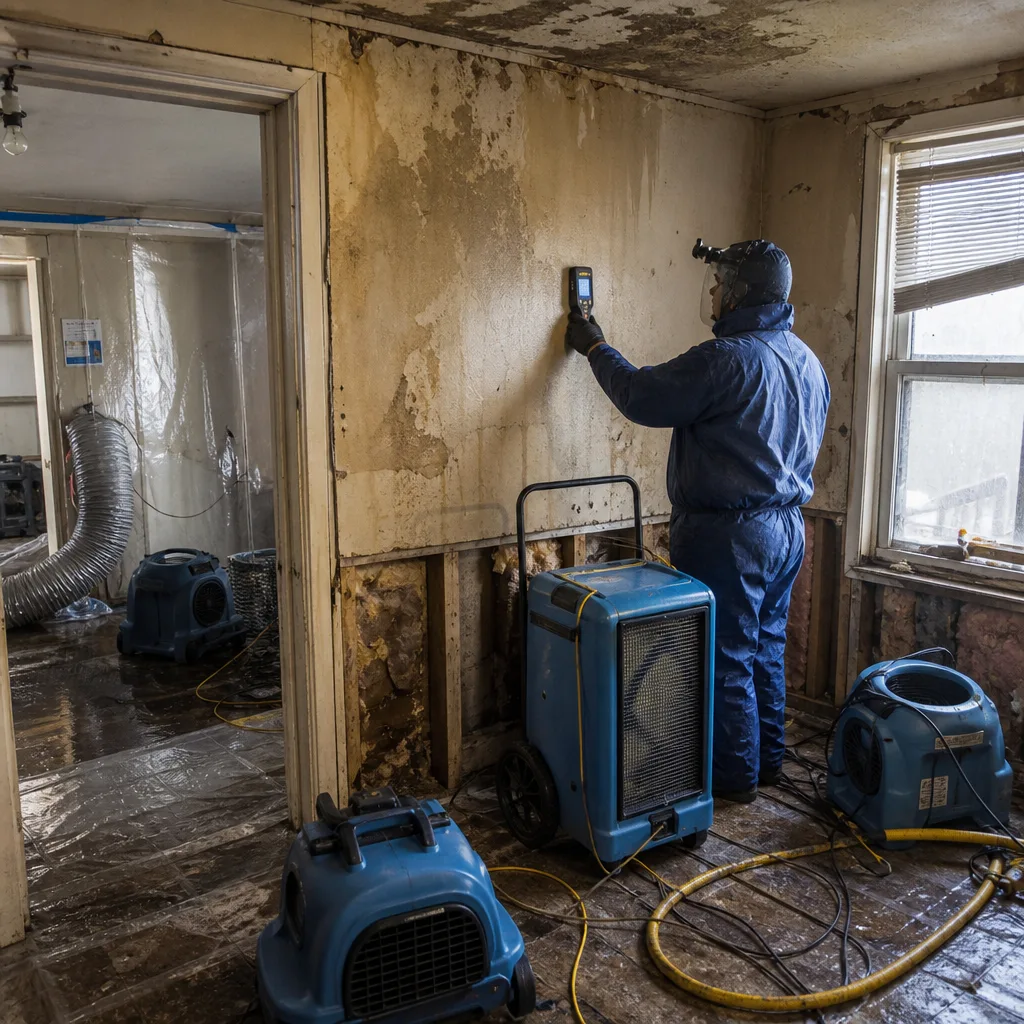
We arrive with thermal imaging cameras, penetrating and non-penetrating moisture meters, and a floor-plan map of your Murray Hill unit. Within the first hour, we identify the water’s source, classify it, and map the migration path across floors, walls, and ceiling cavities.
Extraction & Stabilization
Submersible pumps and truck-mounted extraction units pull standing water fast. If the loss is wind-driven or impact-related, we stabilize the envelope immediately: board-up, roof tarping, and structural shoring happen on the same visit.
Drying & Dehumidification
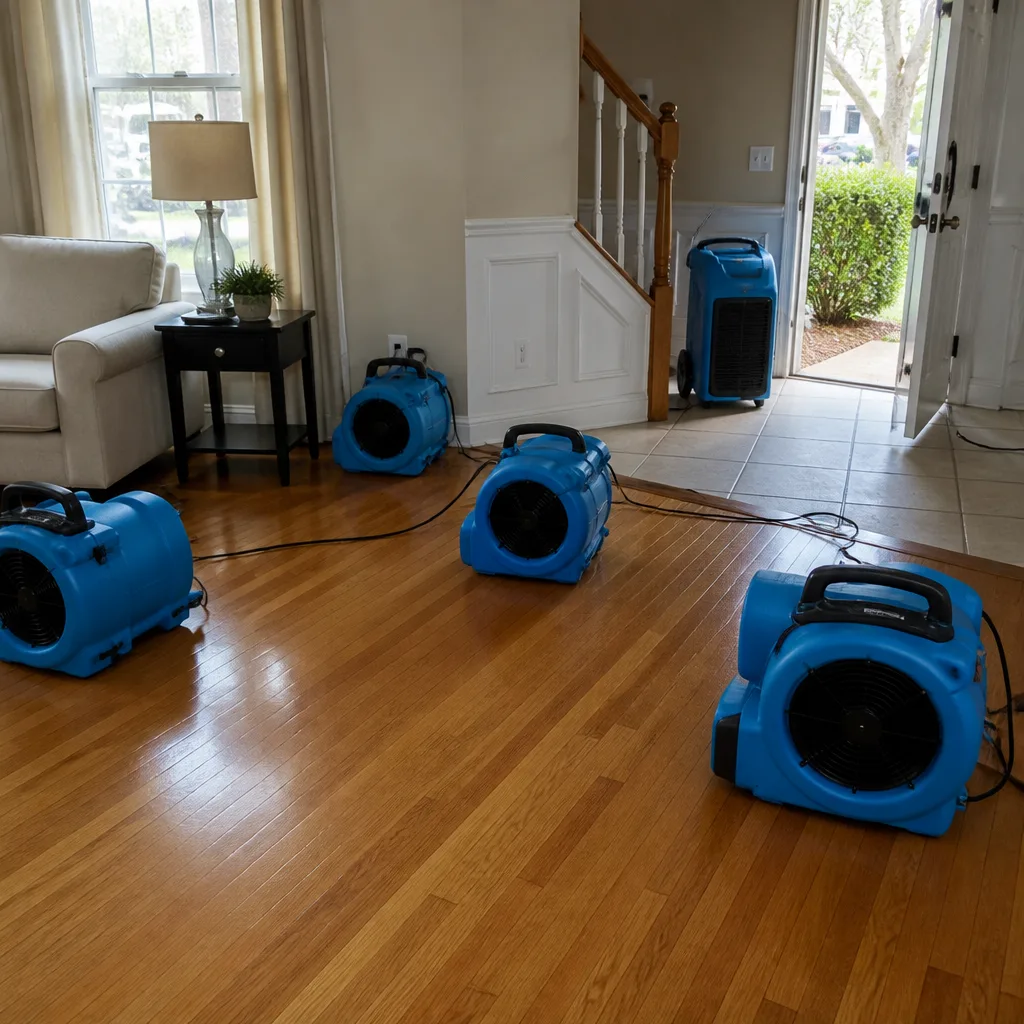
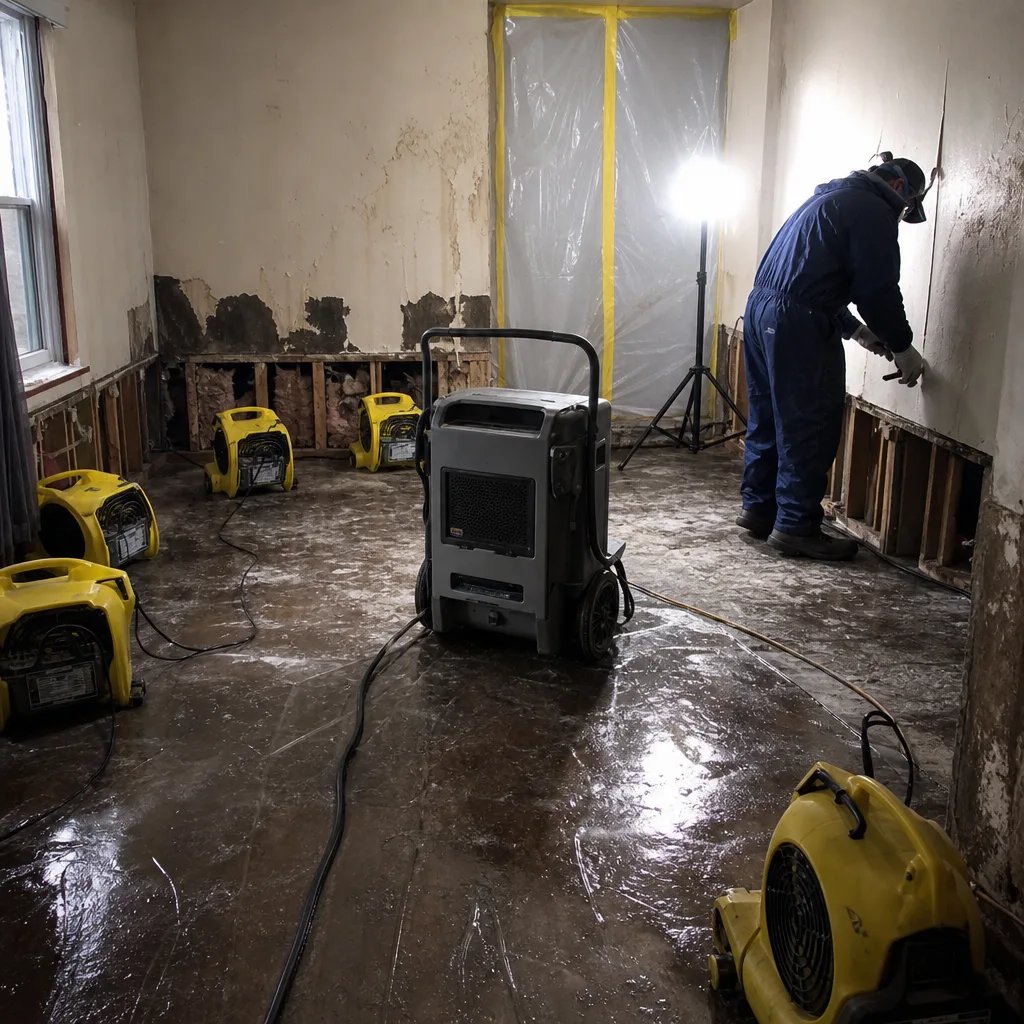
We deploy Dri-Eaz dehumidifiers and XPOWER air movers sized to the affected square footage and the material’s drying profile. Plaster-and-lath walls dry slower than drywall, so we adjust the air movement and heat, not just the timer.
Cleaning & Sanitization
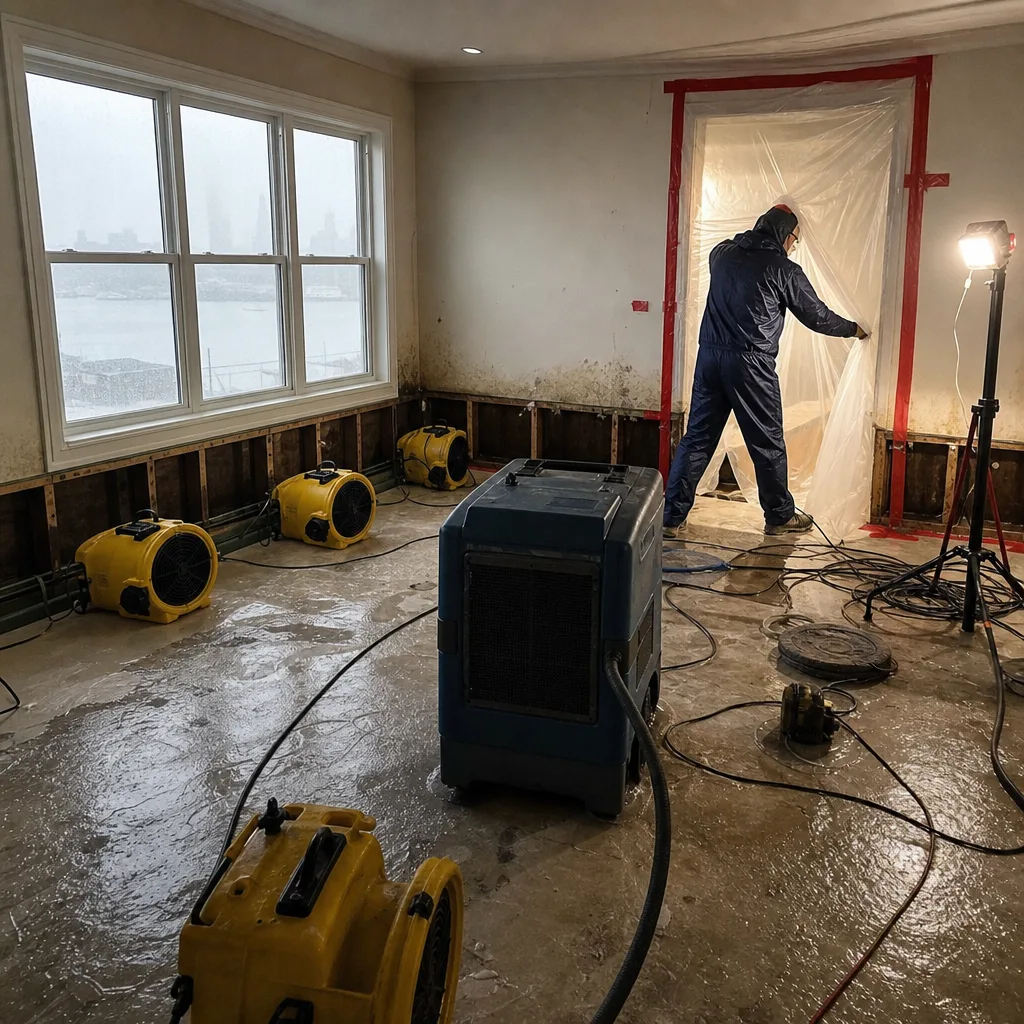
Category 2 and 3 water require antimicrobial treatment and HEPA air scrubbing. We contain the affected zone floor by floor in pre-war buildings, so spores and contaminants don’t spread through shared hallways and stairwells.
Drying Log Verification
We log moisture readings twice daily until materials reach their dry standard. That log goes to you and your carrier, and it’s the document that proves the job was done right. It’s also the document that protects you if mold appears later.
Repairs & Restoration
The same crew that extracted and dried rebuilds what needed to come out: ceiling plaster, flooring, trim, cabinetry. We handle the building alteration agreement paperwork with your co-op or condo board, so the rebuild doesn’t stall at the management office.
Need Emergency Storm & Disaster Restoration in Murray Hill Now?
Crews minutes away, answering live 24 hours a day. The sooner we start, the less it costs.
Working With Your Insurance Company
Most Murray Hill claims involve more than one carrier: the unit owner’s, the co-op or condo board’s, and sometimes the building’s master policy. We handle all three. From the first hour, our crew photographs every affected area room by room, logs moisture readings twice a day, and writes a line-item scope of work your adjuster can actually read. We send documentation directly to the carrier and take calls from adjusters ourselves. You won’t chase paperwork between your board, your insurer, and us. If the scope changes because a wall had to come out or a cast-iron stack turned out to be cracked, we document the change, justify it, and submit the supplement. That’s what keeps a claim from stalling.
What We Provide Your Insurer
- Thorough documentation of the loss
- Photos of all damage, room by room
- Moisture readings and drying logs
- A detailed, line-item scope of work
- Direct coordination with your carrier
Built for Murray Hill’s Loss Calendar
In Murray Hill, storm and disaster restoration follows the calendar as surely as the street-sweeping schedule. January and February bring deep freezes that burst supply lines and steam risers in uninsulated pipe chases, flooding upper-floor units with Category 1 water that turns Category 2 within 48 hours if not extracted. March and April throw freeze-thaw cycles at roof membranes and parapets on pre-war buildings; the water migrates behind parapet walls and shows up as ceiling staining three floors below the actual leak. Summer thunderstorms overwhelm the combined sewer system, sending Category 3 backups into brownstone garden-level units between Lexington and Third. Fall nor’easters drive wind-blown rain through aging windows, parapets, and roof scuppers, and that means emergency board-up and roof tarping calls spike from late October through December. We plan our dispatch coverage around these patterns because we’ve spent years answering these calls from Murray Hill addresses.
Storm & Disaster Restoration Across Murray Hill’s Neighborhoods
Murray Hill’s damage profile changes by block, and our response routes reflect that. Up and down Third Avenue, the tall elevator co-ops present vertical losses: a sixth-floor supply break sends water through five ceilings, so we set containment on every affected floor and coordinate with building staff on riser access. Along Park Avenue, the larger pre-war condominiums often have stricter building alteration requirements, which means our crews arrive ready to document the loss thoroughly enough to satisfy a management office, not just an adjuster. The side streets between Lexington and Third are brownstone territory: English basement and garden-level apartments that sit below grade and take on groundwater during storms, plus sewage backups during sewer surcharge events. Over near the eastern edge of the neighborhood by First Avenue, there’s a band of mid-rise rentals where the construction is newer but the drainage problems are the same: flat roofs that pond water, parapet walls that crack, and window wells that fail during heavy rain. We know which buildings have cast-iron risers and which have copper; that knowledge cuts hours off the assessment phase.
Specialized Storm & Disaster Restoration Services We Offer in Murray Hill
Flood Damage Restoration
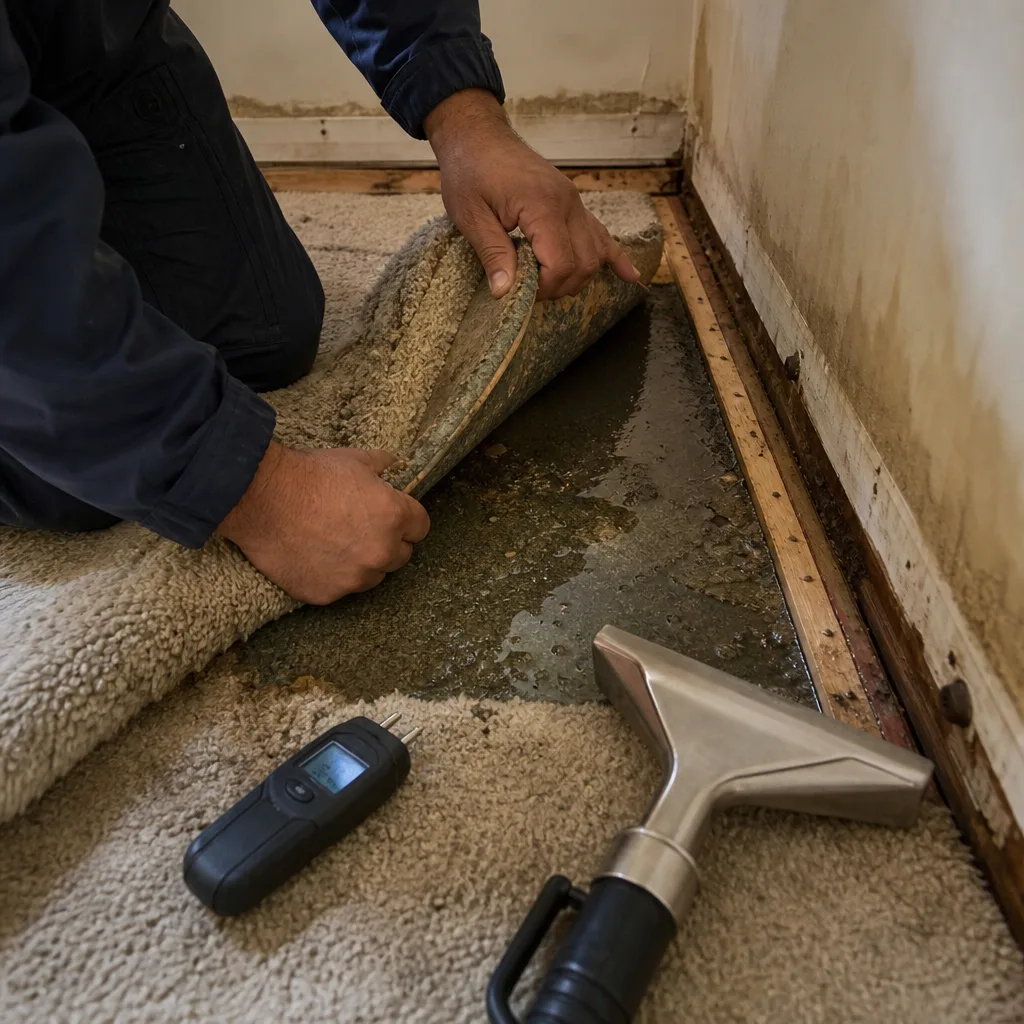
In Murray Hill, flood damage means three distinct situations. High-rise riser failures send Category 2 water cascading down through multiple units, and drying has to happen floor by floor, not just in the unit of origin. Brownstone garden-level groundwater intrusion brings Category 3 water into finished basements, requiring full containment and antimicrobial treatment. Roof and parapet leaks during nor’easters move Category 1 water slowly through plaster-and-lath assemblies, which means by the time it’s visible, it’s already been soaking structural members for days. Our Storm & Disaster Restoration team carries the equipment and the local building knowledge to handle all three.
Emergency Board-Up
Wind-driven rain from a nor’easter can shatter a pre-war window or blow out a roof hatch, leaving the building envelope open with more weather coming. We board up with plywood sized and cut on site, and we document every opening for your insurance carrier. If you’re in a co-op, you may need board approval before permanent repairs, but emergency stabilization to stop active water intrusion doesn’t wait for a board meeting and management companies typically authorize it immediately. We coordinate with your super or management office on the paperwork while we secure the opening on the same visit.
Roof Tarping
Flat roofs and parapet walls on Murray Hill’s pre-war buildings are the weak points during any storm with wind and rain. A torn membrane or failed parapet flashing lets water pour into top-floor units and then migrate down through wall cavities for floors below. We install heavy-duty tarps secured with battens, not just sandbags, and we tie the tarp off at the parapet to shed wind rather than catch it. Our crews know how to access Murray Hill rooftops safely and how to work around roof-mounted equipment that most contractors don’t expect on a city roof.
Debris Removal
When a storm rips branches down onto a brownstone rear yard or scatters debris across a building courtyard, the mess traps moisture against the structure. We remove storm debris, document the damage source for your carrier, and clear the way for the drying plan. We also handle interior debris from ceilings that collapsed under water weight, which is common in pre-war plaster buildings after slow roof leaks.
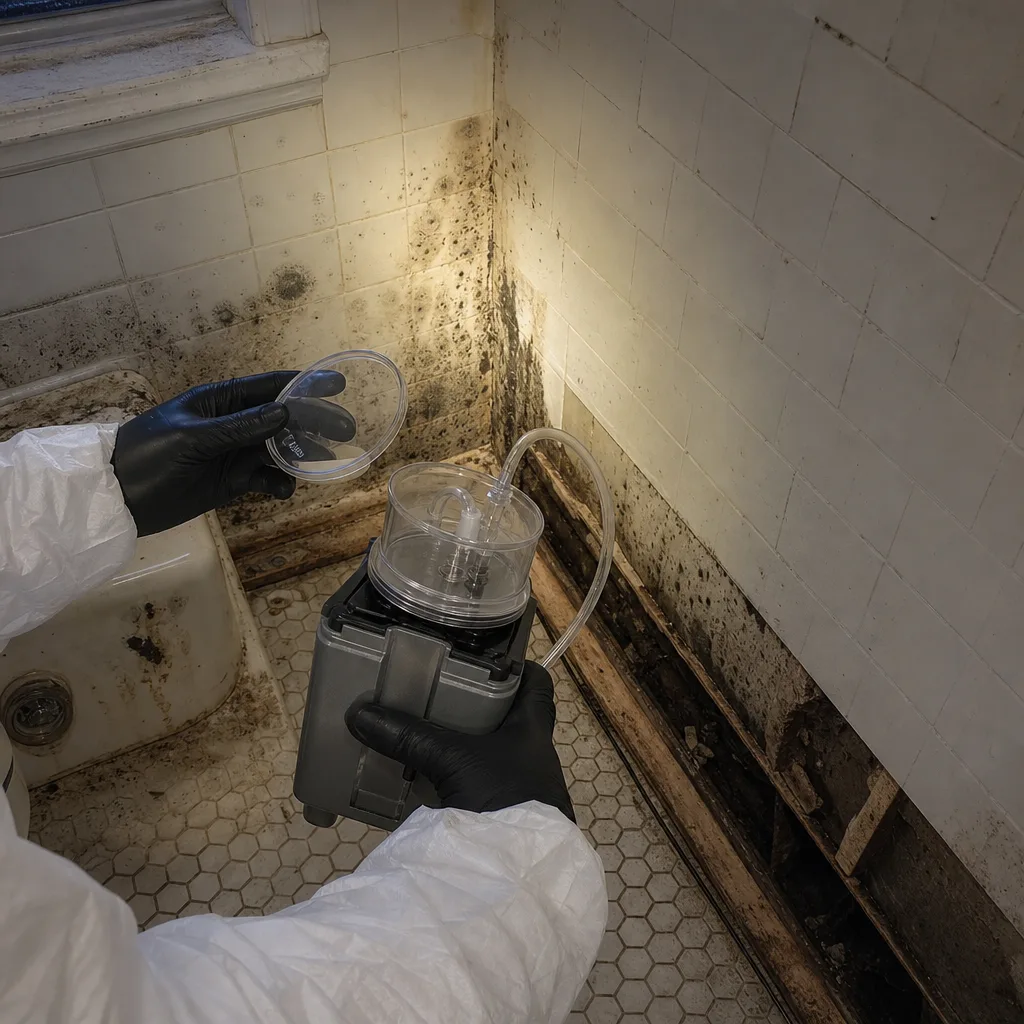
Wind Damage Repair
Nor’easter winds find the weak corners of Murray Hill’s older windows, and wind-driven rain follows. We repair or temporarily secure the envelope so the interior drying can start, then come back with permanent repairs once the weather clears and the adjuster has seen the documentation. In co-op buildings, we coordinate those permanent repairs with whatever the building alteration agreement requires.
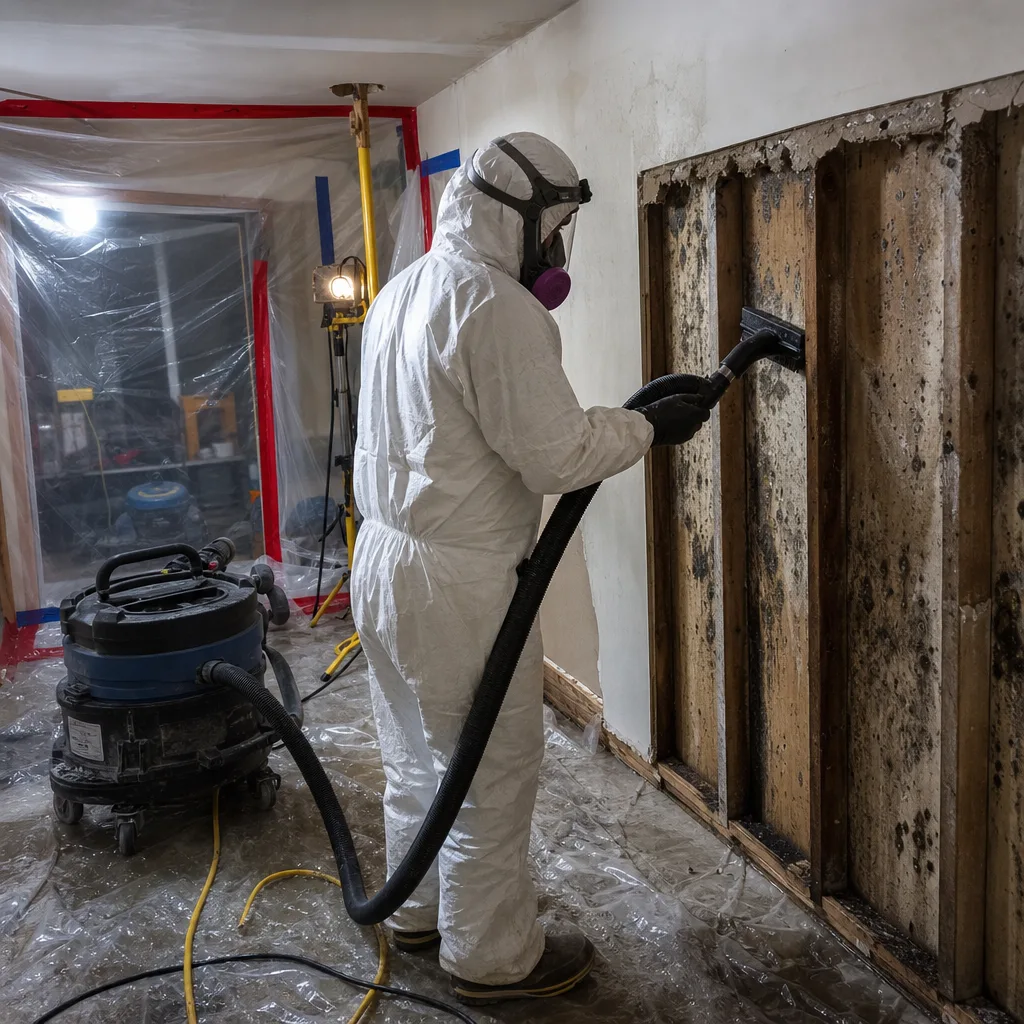
What happens when you call
- 1
A real person answersNo phone trees - you reach a local pro.
- 2
You get an upfront price rangeHonest numbers before anyone is dispatched.
- 3
A background-checked tech heads outLicensed & insured, dispatched right away.
- 4
You approve before work beginsNothing starts until you say go.
Storm & Disaster Restoration Costs in Murray Hill, NY
Emergency water extraction in a Murray Hill high-rise unit typically runs $1,200-$2,800, depending on how many rooms are affected and how many floors the water crossed. Brownstone basement sewage backups start around $3,000-$5,500 because of the Category 3 containment and disposal requirements. Emergency board-up on a pre-war co-op window runs $450-$900 for a standard opening, and roof tarping on a Murray Hill flat roof typically lands between $900-$2,200 depending on the square footage and how many parapet walls are involved. What moves the price most is delay. A roof leak caught in the first 24 hours dries out for under $2,500 in most cases. That same leak left for two weeks turns into mold remediation behind plaster-and-lath, and the bill triples. Most of these losses are covered under your owner’s policy or the building’s master policy, and we bill carriers directly. The free visual inspection gives you a firm scope before you spend anything.
We Also Serve Cities Near Murray Hill
Our crews cover the wider metro area including Storm & Disaster Restoration in Murray Hill neighbors like Midland Beach, New Springville, Oakwood, and Travis – Chelsea. If your property sits just outside Murray Hill proper, call us and we’ll confirm coverage and estimated arrival time before you hang up.
Serving Murray Hill, NY - Our Local Coverage Area
We’re based in the Murray Hill area and know this community well. Use the map below to see our service coverage - if you’re nearby, we can almost certainly help.
Murray Hill Storm & Disaster Restoration Questions, Answered
Can you start water extraction in a Murray Hill co-op before the board approves a building alteration agreement?
Yes. Emergency water extraction and drying do not require a building alteration agreement, because they are classified as stabilization, not alteration. Co-op boards and management companies expect immediate mitigation and authorize it routinely. The agreement is required before we open walls or make permanent changes. We start extraction and drying the same visit, and we submit the alteration paperwork for the repair phase in parallel. Call (640) 400-9404 and we’ll walk you through it.
How do you dry water traveling from a sixth-floor Murray Hill bathroom leak into the fifth-floor apartment below?
We map the migration path with thermal imaging and moisture meters, then set containment and drying equipment on every affected floor, not just the floor of origin. In a typical Murray Hill riser leak, water moves through the floor assembly and along pipe chases, so we place Dri-Eaz dehumidifiers and XPOWER air movers in the ceiling cavity and the unit below. We log readings in both units twice daily until the dry standard is met. Leaving the unit below undried is the most common mistake we see from out-of-area crews, and it’s why that apartment smells musty months later.
Why do Murray Hill brownstone garden-level units flood during dry summer thunderstorms?
Because the combined sewer system in this part of Manhattan surcharges during heavy rain even when the storm itself isn’t overhead. When the sewers back up, the lowest drains in the neighborhood are the floor drains and toilets in brownstone English basements and garden-level apartments. That’s Category 3 water entering finished living space, and it requires full containment, antimicrobial treatment, and disposal of porous materials that touched it. If this has happened in your brownstone, call us immediately and we’ll start extraction the same visit.
Can you emergency board-up a shattered pre-war window in a Murray Hill co-op without contacting the management company?
Technically yes, we can secure the opening immediately, but we always contact the super or management company in parallel. Emergency board-up is considered stabilization, not alteration, and it protects the building from further storm damage. We’ll phone the management office while the crew is cutting plywood, document everything for the insurance carrier, and handle whatever paperwork the proprietary lease requires for the permanent repair later. The emergency stabilization itself doesn’t wait.
How long can plaster walls stay wet after an ice-dam leak in a Murray Hill pre-war building before mold becomes a problem?
Mold colonization can begin in 48 to 72 hours on wet plaster and the paper-faced lath behind it. Plaster-and-lath assemblies dry much slower than drywall, so the clock is tighter than most people assume. If the leak came from an ice dam and the water has been migrating for days before you saw staining, the material may already be at elevated risk. We recommend extraction and drying within the first 48 hours of visible water, and we log moisture readings to prove the assembly returned to its dry standard. Call (640) 400-9404 for a free inspection, and we’ll tell you honestly whether it’s a dry-out situation or a remediation situation.
How fast can someone actually get to my Murray Hill building?
For active water intrusion, our commitment is 45 minutes to dispatch and a crew on site as fast as city traffic allows, typically within 90 minutes of your call. We answer live 24/7 at (640) 400-9404, and the dispatcher who picks up can tell you exactly which crew is rolling and who will meet you at the building.
Will insurance cover the full restoration, or just part of it?
That depends on your policy and the building’s master policy. In Murray Hill co-ops and condos, the building’s policy typically covers the building’s structure and common elements, while your unit owner’s policy covers your interior finishes and personal property. We work with both carriers, document everything from the first hour, and submit line-item scopes so you get exactly what your policy provides. We bill carriers directly, so you’re not out of pocket waiting for a reimbursement check.
What should I do in the first 30 minutes after I find storm damage in my Murray Hill apartment?
Shut off the water to the affected riser or appliance if you can safely do so. Don’t enter standing water if there’s any chance it touched electrical outlets or fixtures. Move small valuables out of the wet zone. Then call (640) 400-9404. Our dispatcher will ask you the address, the floor, what you’re seeing, and whether the building super has been notified. We’ll handle the super contact and the extraction from there.
In Murray Hill’s pre-war elevator co-ops and condos, restoration crews must submit a building alteration agreement and receive board or management approval before opening walls. Even during an emergency water loss, that governance rule applies, and it delays mitigation timelines by days. We’ve seen out-of-area contractors show up to a proprietary-lease building, cut into a plaster wall, and get stopped by the super within the hour. We know the rule before we arrive, which is why we start with documented extraction and drying and file the alteration paperwork for the repair phase in parallel. On East 34th Street between Lexington and Third, our crew responded to a ruptured galvanized riser in a 1920s elevator co-op that sent Category 2 water streaming through plaster-and-lath ceilings into three units on different floors. We set up containment on each floor, coordinated with the super and two insurance carriers, and ran Dri-Eaz dehumidifiers and XPOWER air movers for five days, logging moisture readings twice daily until the pre-loss condition was restored.
Written by Curt Bowman, Owner at Floodline Restoration Co., serving Murray Hill and the wider New York City area.