
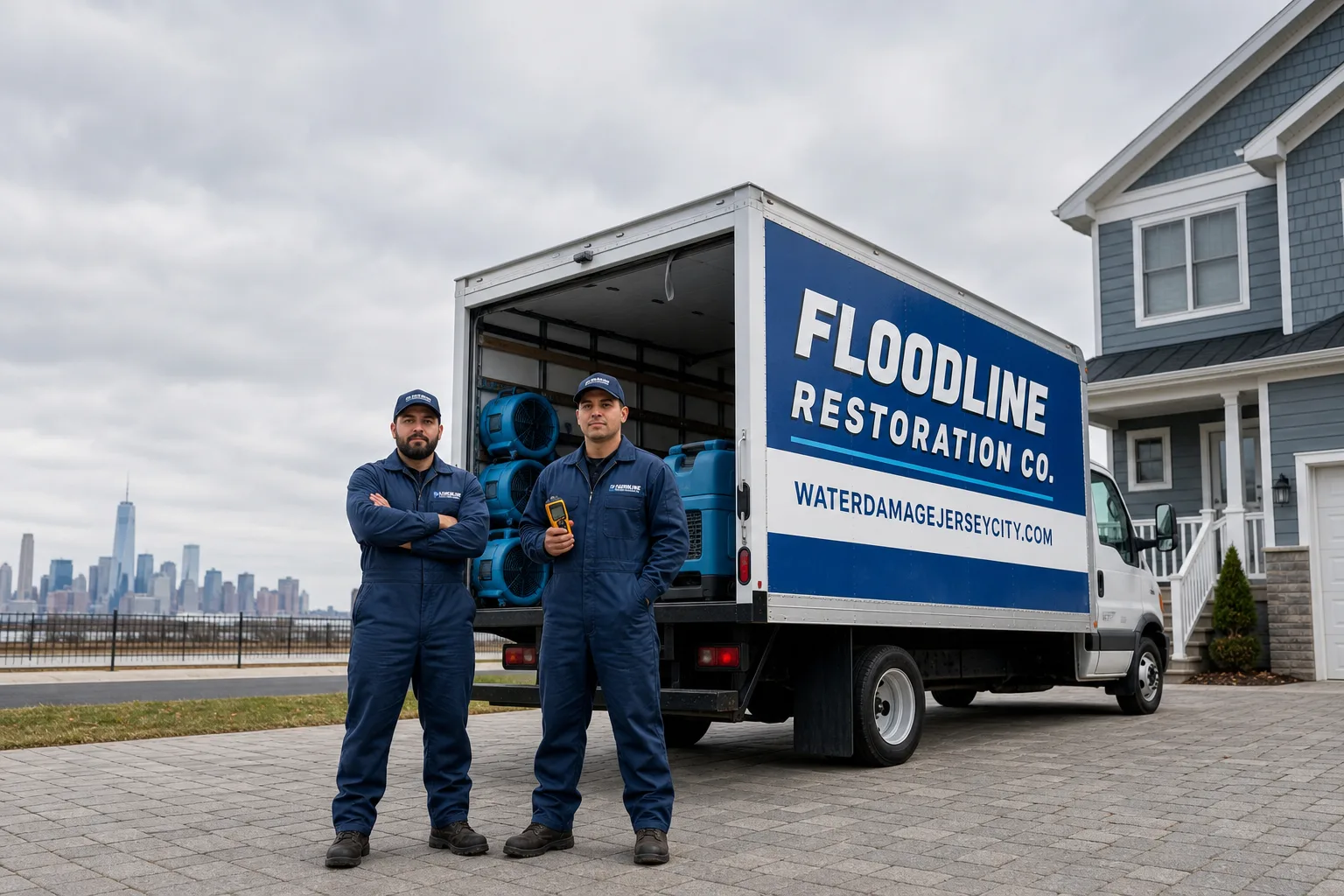
Free visual inspection and a written scope of work before any mitigation begins - photos, moisture readings, and drying logs go in your claim file
The scope we write is the scope we bill. Anything new gets shown to you, in writing, before we touch it.
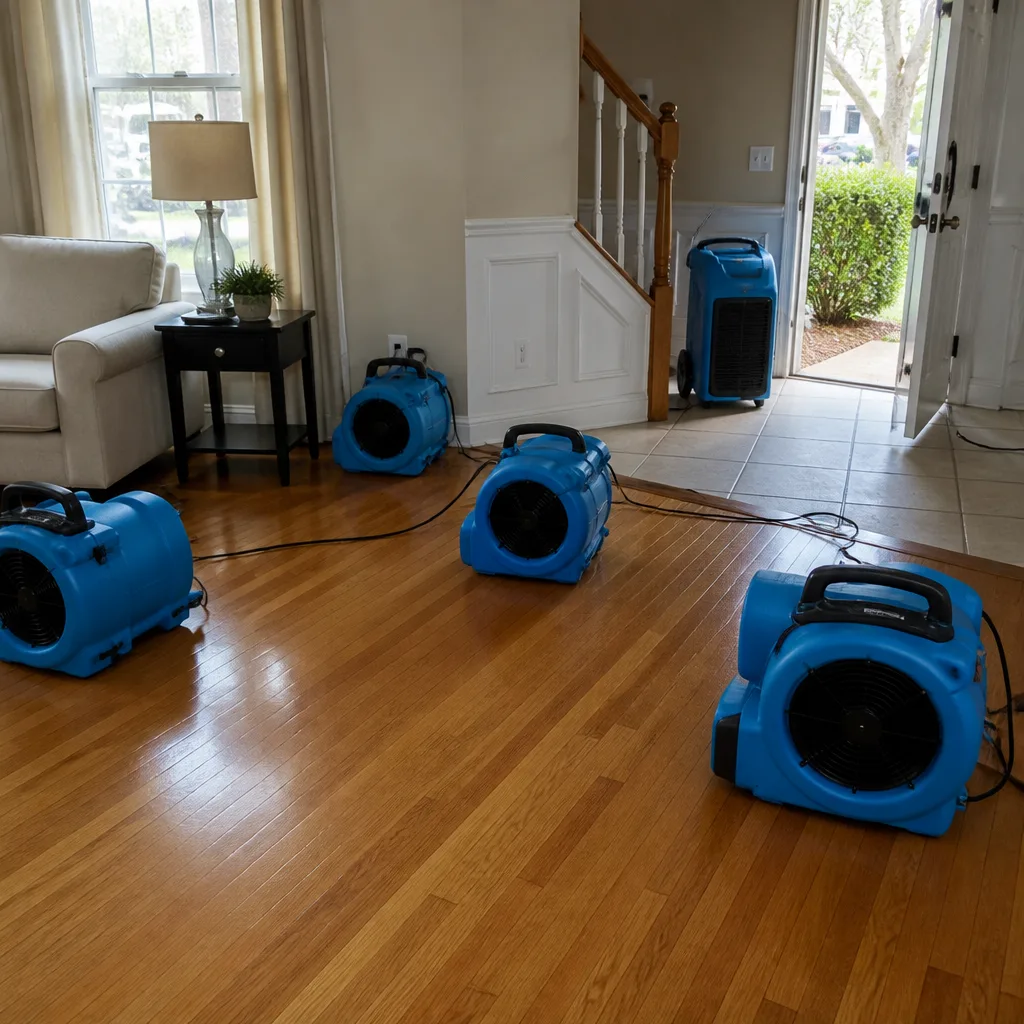
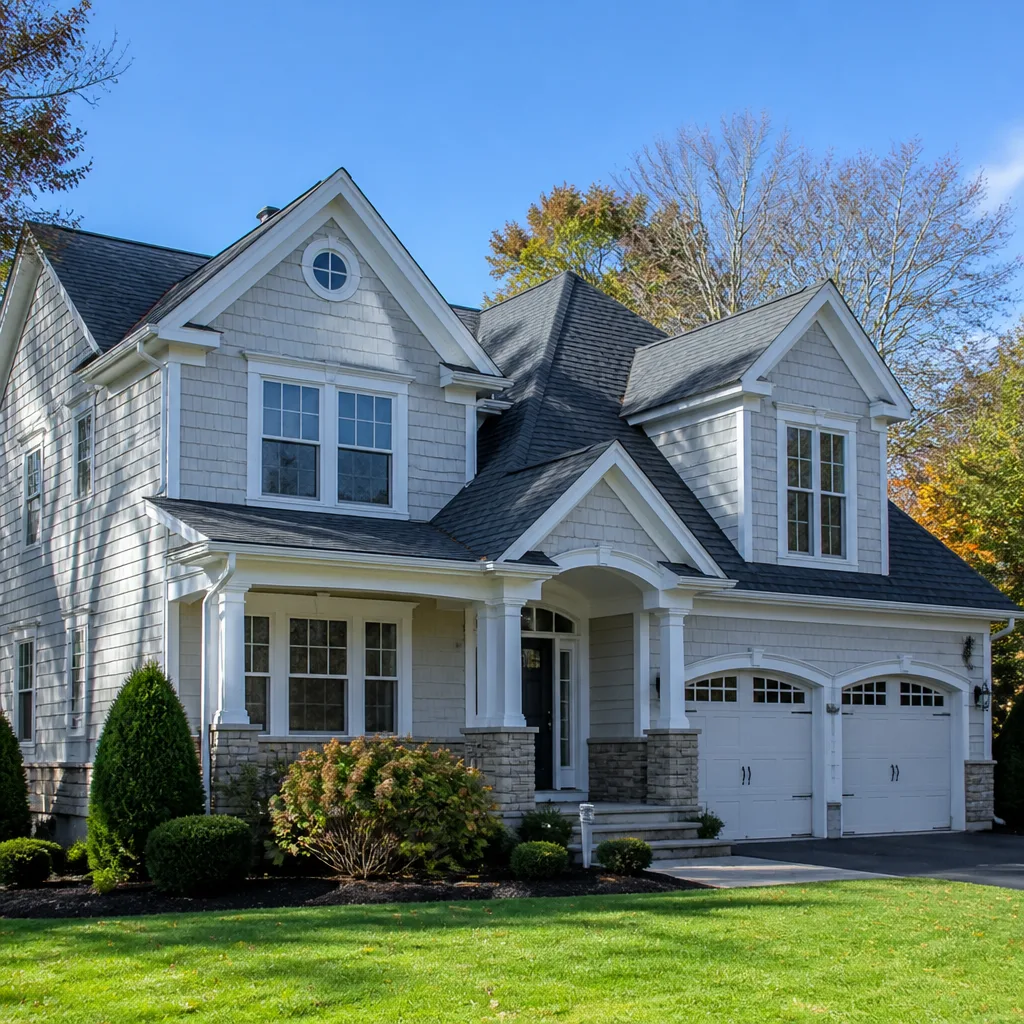
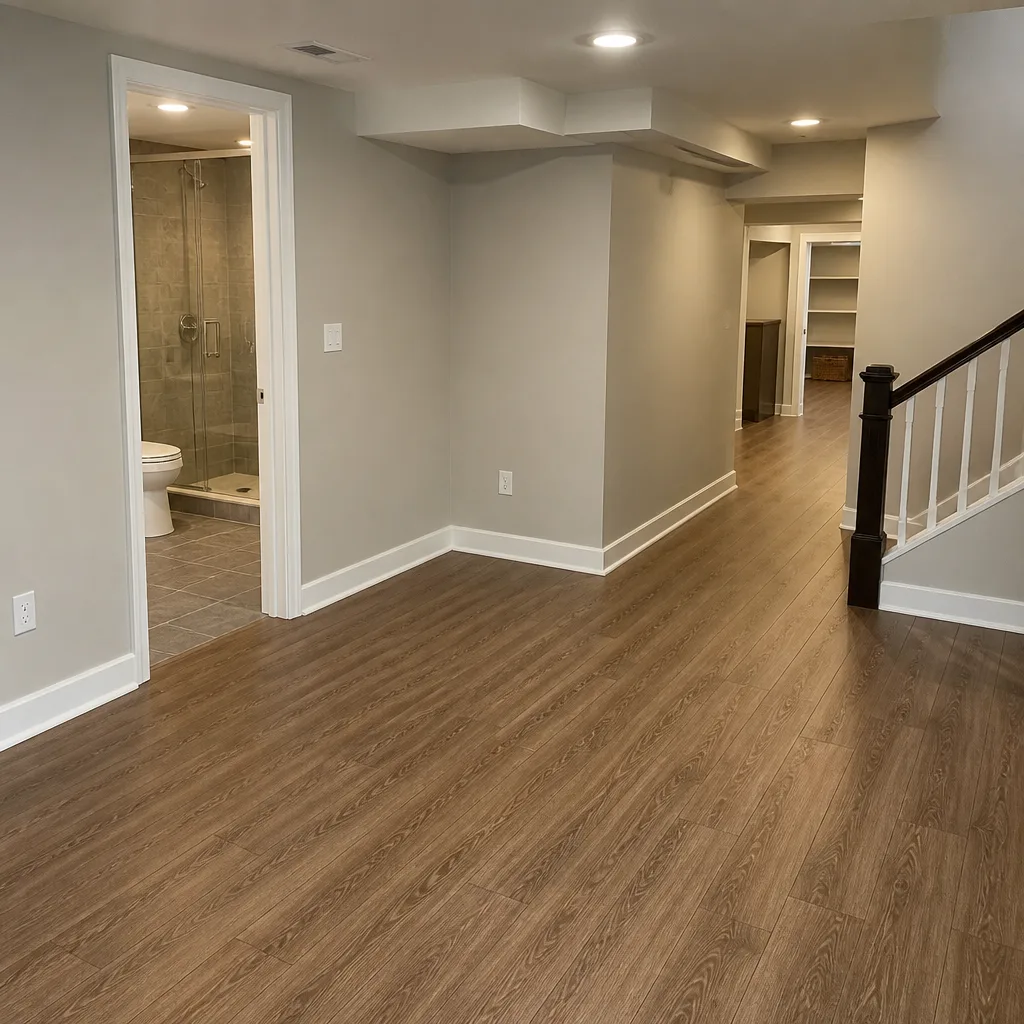
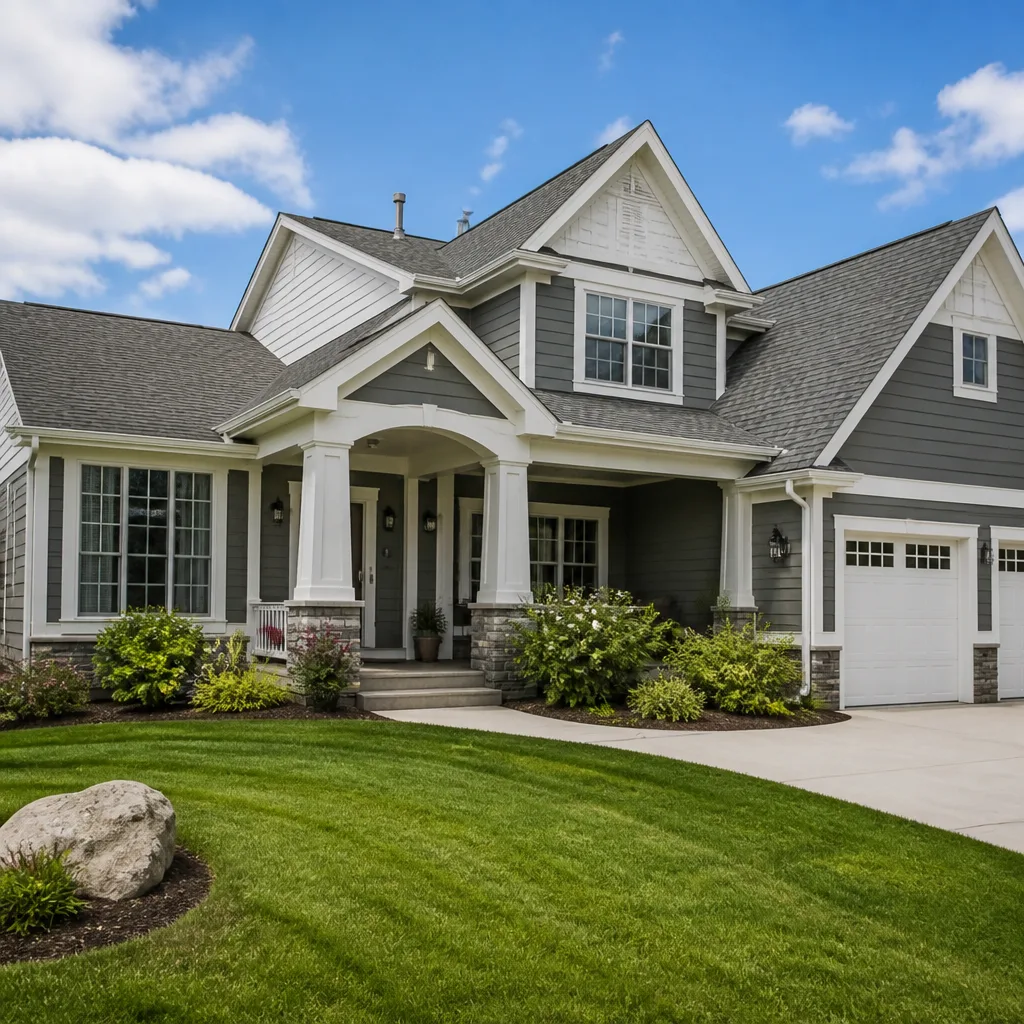
 Before
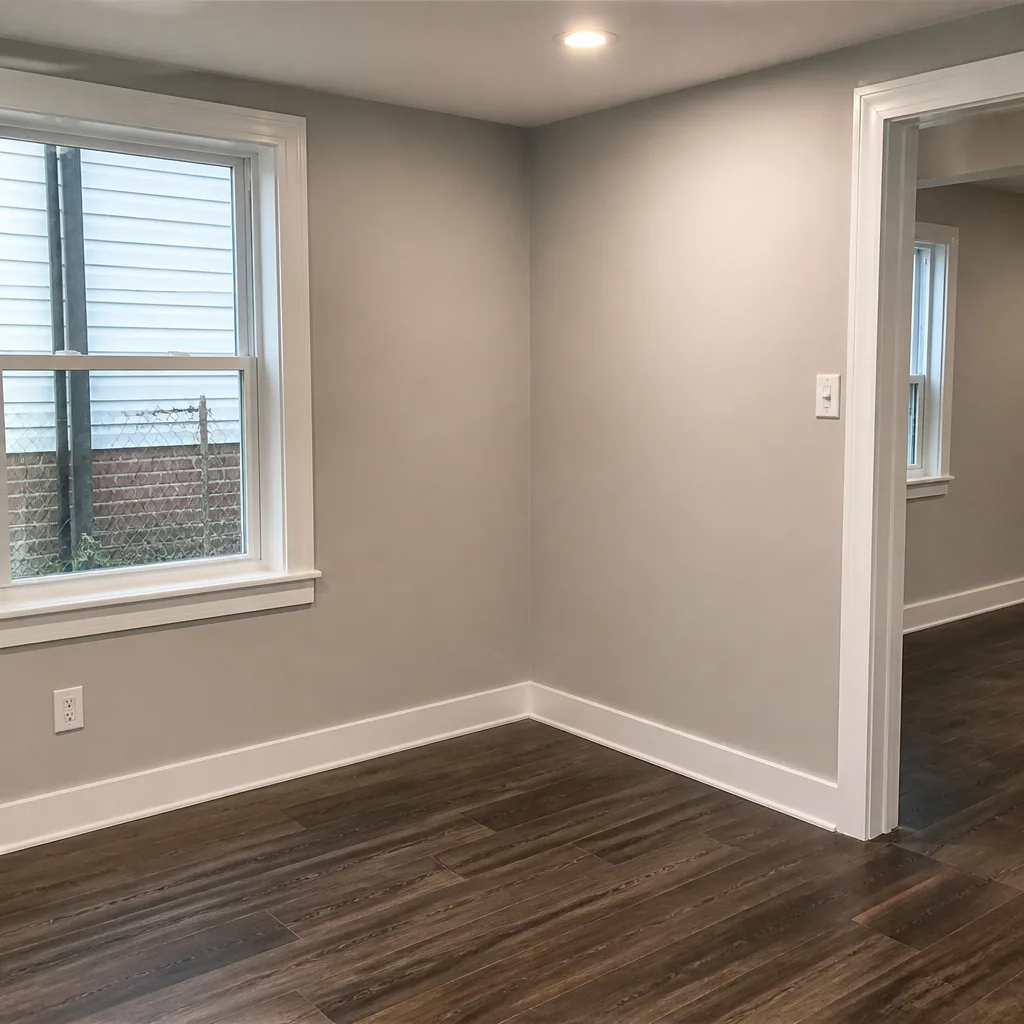 After
After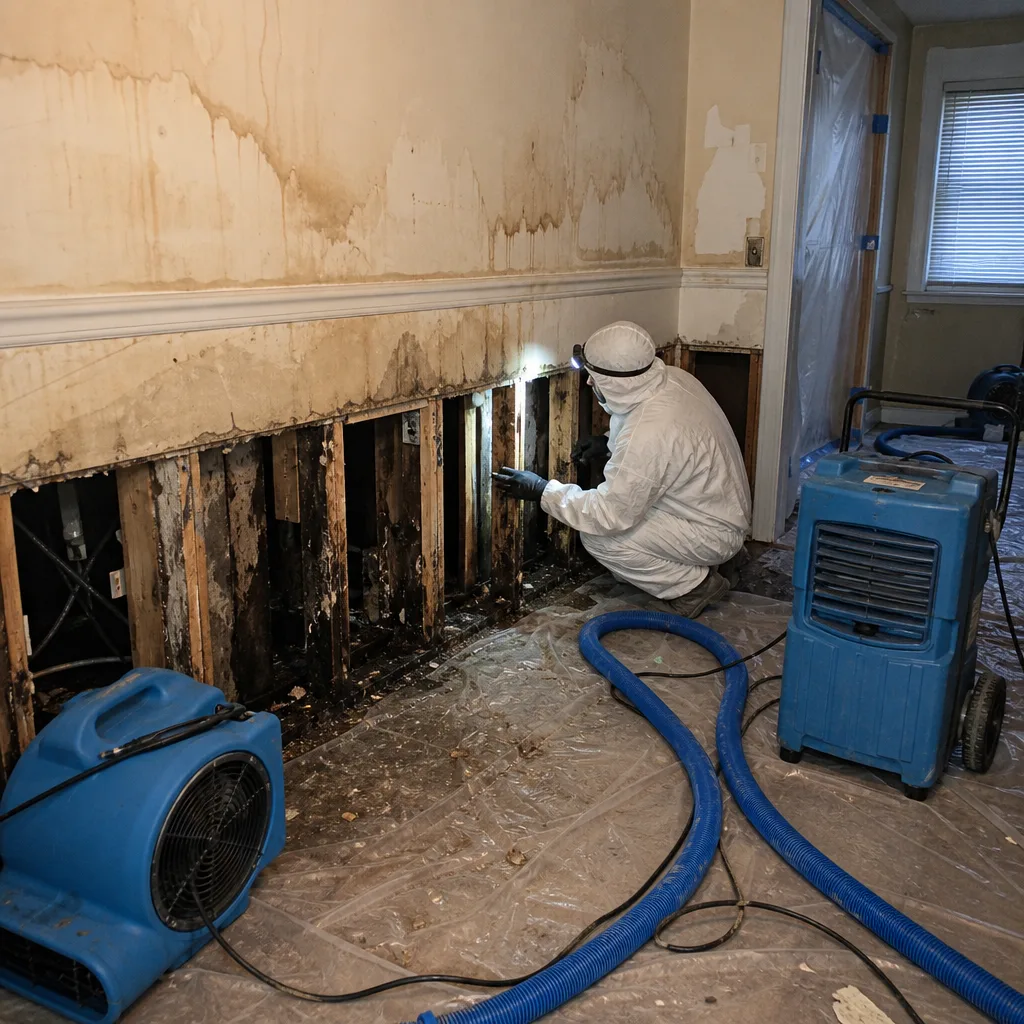 Before
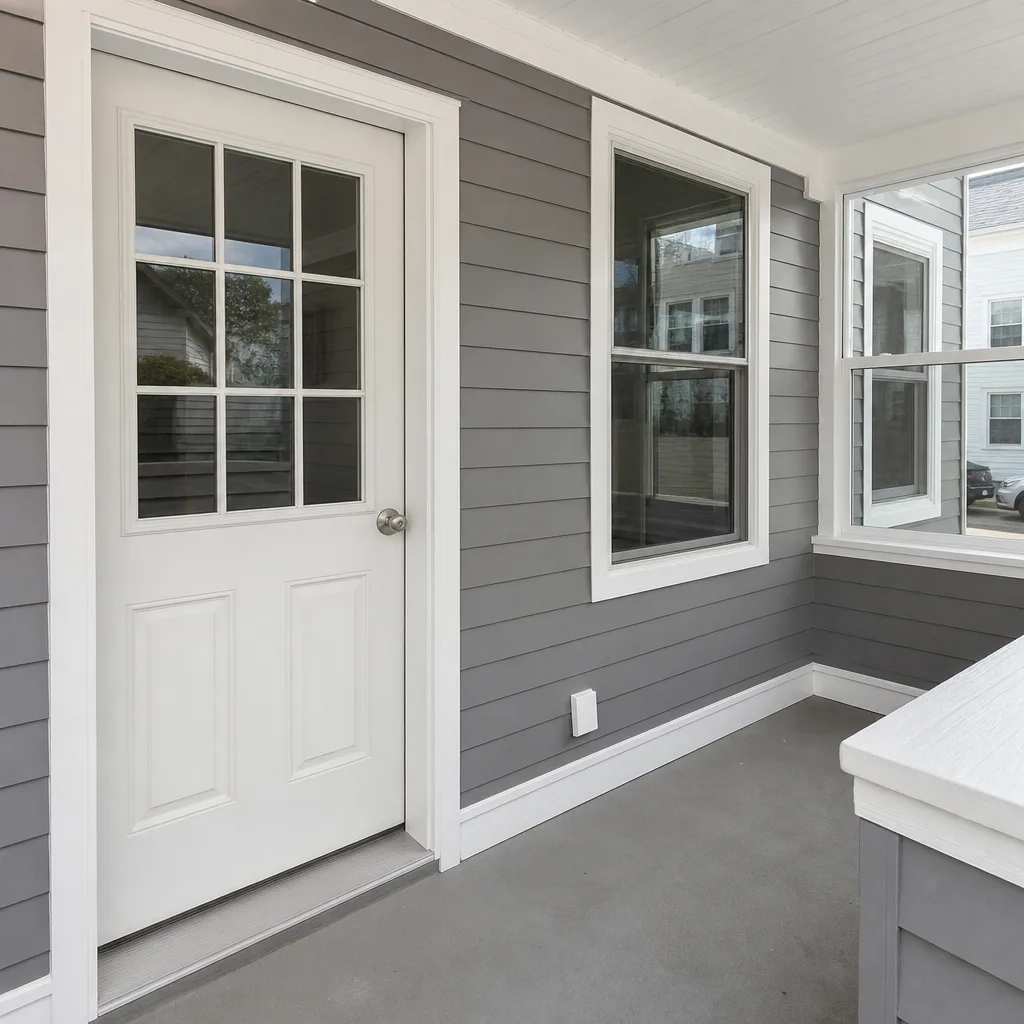 After
After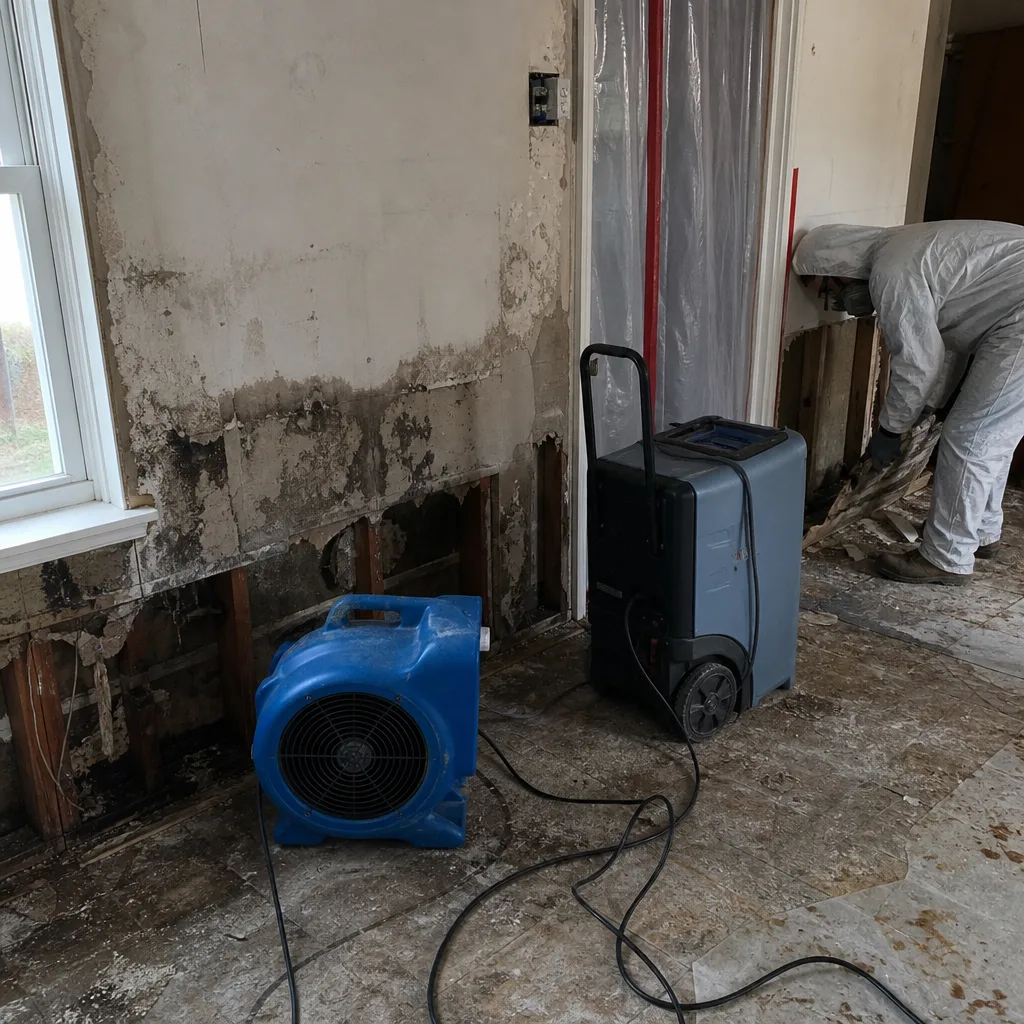 Before
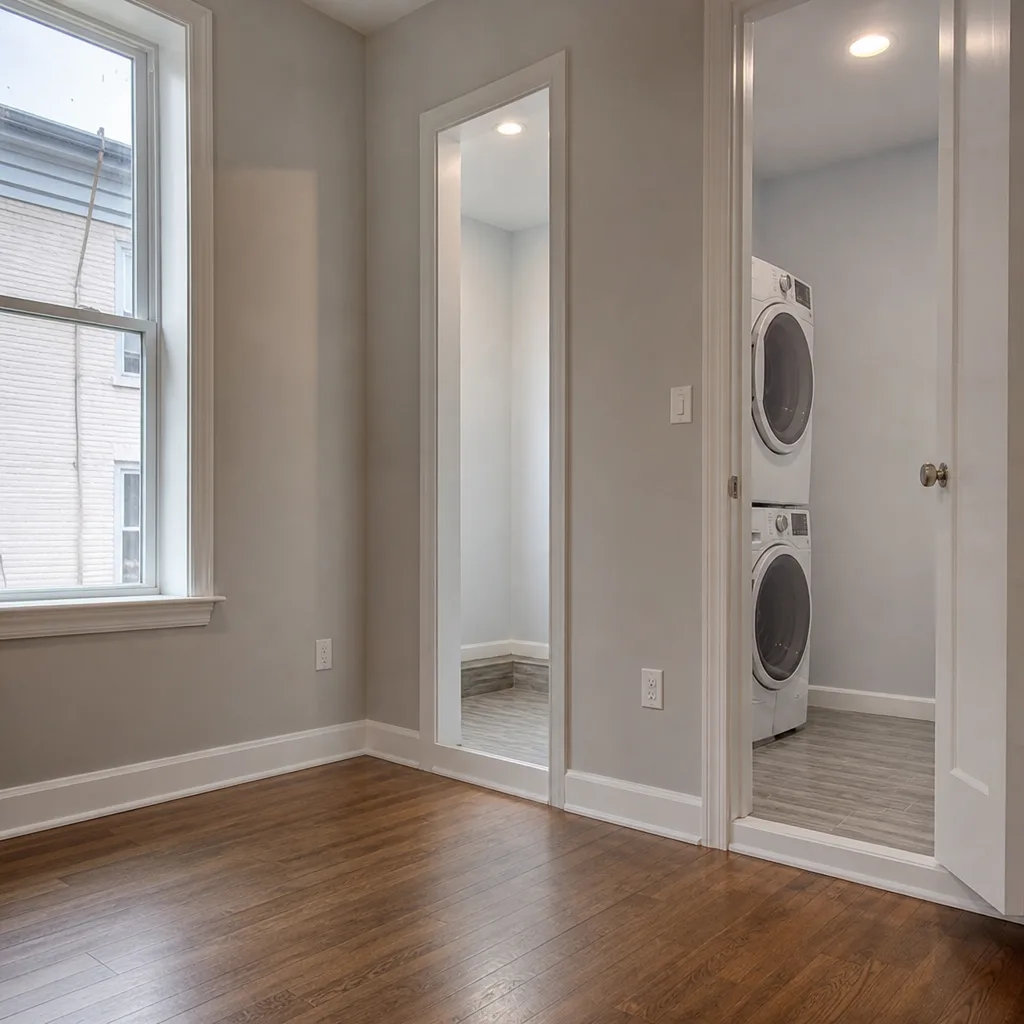 After
After24/7 Emergency Storm & Disaster Restoration in Midtown West
Storm damage in Midtown West doesn’t wait for business hours, and neither do we. A nor’easter slamming west-facing facades along the Hudson River corridor or a burst steam riser in a Hell’s Kitchen tenement demands response now, not tomorrow. Floodline Restoration Co. answers the phone with a live dispatcher at 2 a.m., and a certified crew reaches your Midtown West building the same visit. Call (640) 400-9404. The first hour after water intrusion determines whether you’re looking at drying and repair or full-scale reconstruction, and the clock starts the moment you hang up.
We dispatch restoration crews inside Midtown West daily, and every assessment begins with a free visual inspection. No recording, no answering service. A person picks up, asks the right questions, and sends a background-checked, uniformed technician who has worked pre-war tenements, Garment District lofts, and Hudson Yards towers before. Storm & Disaster Restoration in Midtown West is not a side line for us. It’s most of what our New York City office coordinates every week.
Understanding Storm & Disaster Restoration Severity in Midtown West Properties
Midtown West’s building stock splits into three distinct restoration profiles, and the severity of any storm loss depends on which one you’re standing in. In Hell’s Kitchen, 5-to-7-story pre-war tenements built between the 1890s and 1930s carry plaster-over-lath walls, cast-iron and galvanized supply lines, and asbestos-wrapped steam risers. Water in these buildings is rarely clean. A failed riser delivers Category 3 water, the classification for grossly contaminated liquid carrying sewage, standing-water bacteria, and dissolved building materials, down through 10-20 vertical floors before anyone shuts the valve.
The Garment District and Theater District add large-floor-plate loft and masonry-clad commercial structures from the same era, where flat roofing membranes and aging parapets translate wind-driven rain into interior flooding. Hudson Yards supertalls at the far west end are an entirely different scope: curtain-wall and MEP systems that require manufacturer-specific drying protocols and moisture mapping across multiple mechanical floors. Severity in Midtown West is also governed by DEP compliance: any demolition in pre-1980 building stock triggers mandatory asbestos and lead surveys before a single wall cavity is opened. That’s not a formality. That’s a stop-work order waiting for anyone who skips it.
Why Midtown West Property Owners Choose Floodline Restoration Co.
- 45-minute response commitment – We staff crews across the New York metro and dispatch to Midtown West immediately, because standing water in a tenement stairwell is a liability by the hour.
- 24/7 live answer, never an automated system – Calls reach a live dispatcher around the clock, every day. That’s how it’s been since Curt Bowman founded the company in 2010.
- IICRC-certified crews – Our technicians hold WRT and ASD certifications as standard, with AMRT on mold containment jobs and FSRT on fire and smoke losses. Background-checked and uniformed on every visit.
- Free visual inspection – Before any work begins, you get a straight read on what’s wet, what’s contaminated, and what’s salvageable. No charge, no obligation.
- Direct insurance billing – We bill your carrier directly, handle adjuster communication, and provide documentation from the first hour so the claim doesn’t stall.
- One team from extraction to reconstruction – There’s no handoff. The crew that runs the Dri-Eaz dehumidifier on day one handles daily moisture readings and rebuilds the drywall when it’s dry.
Our Storm & Disaster Restoration Process
Inspection & Assessment
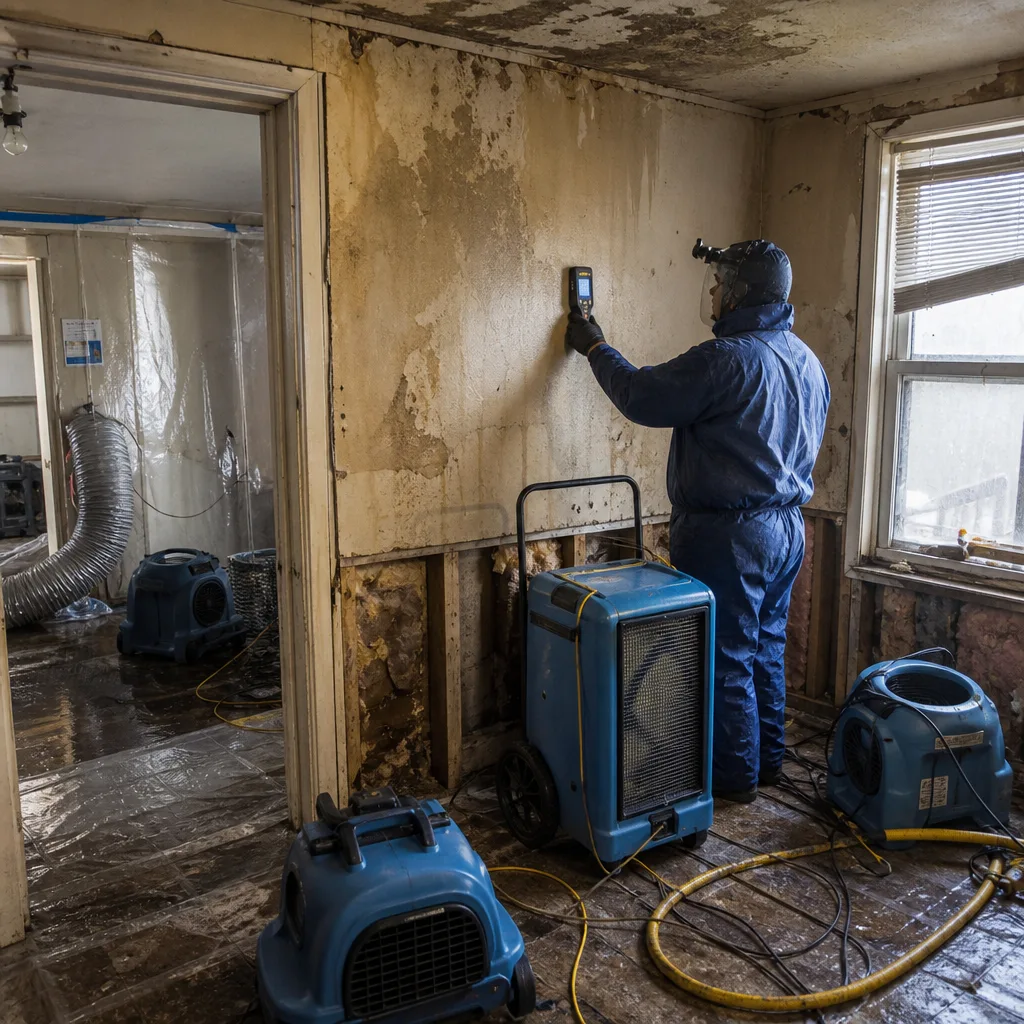
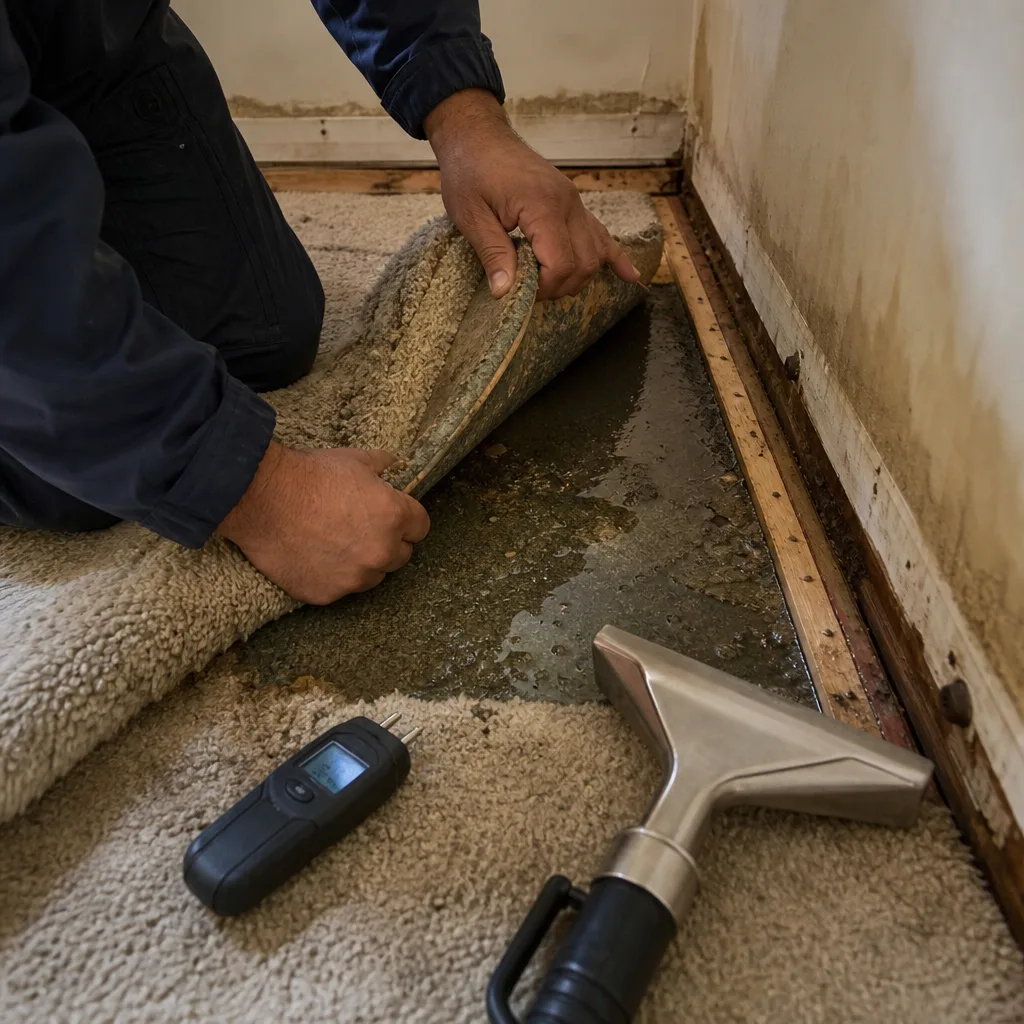
We arrive with thermal imaging cameras and moisture meters, map every affected surface, and identify Category and class of water damage. In Midtown West pre-war buildings, this includes checking for asbestos pipe insulation and lead paint before any destructive step. You get a written scope before wall cavities are opened.
Extraction & Stabilization
Standing water comes out with truck-mounted and portable extraction units. For a flooded Hell’s Kitchen tenement, we typically set containment on the first visit and coordinate DEP notifications if asbestos or lead is present. Emergency board-up and roof tarping happen in this phase too, before wind-driven rain does more damage.
Drying & Dehumidification
Professional-grade equipment goes in: Dri-Eaz LGR dehumidifiers, Phoenix air movers, XPOWER axial fans, and Injectidry systems for wall cavities. Plaster-over-lath walls in 1920s walk-ups need different drying pressure and longer runtimes than gypsum board. We log daily moisture readings with hygrometers until every surface hits the dry standard.
Cleaning & Sanitization
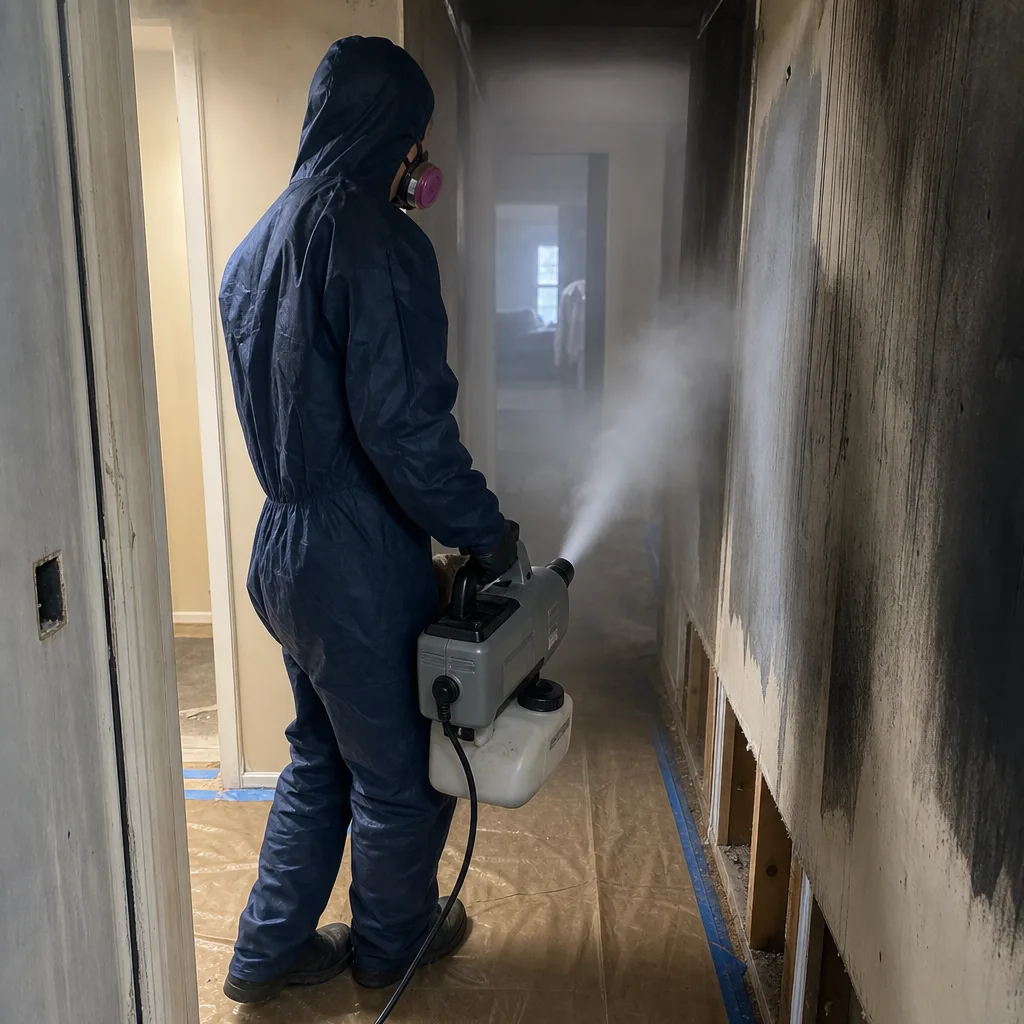
Category 3 water requires antimicrobial treatment, HEPA vacuuming, and proper disposal of contaminated materials. Air scrubbers run throughout, and we clear the air before anyone works without a respirator. This is where a half-hearted drying job turns into a mold problem three months later, and we don’t let that happen.
Specialty Treatment for Storm & Disaster Restoration
Midtown West storm losses often involve multiple damage types at once: wind-driven rain behind brick veneer, flat roof leaks, and sewage backup from overwhelmed drains. Our crews are trained to RIA and IFA standards, and we run moisture mapping that distinguishes storm intrusion from pre-existing leaks, which matters for your claim.
Repairs & Restoration
Once drying is verified with written logs, the same crew rebuilds: drywall, plaster repair, trim, paint, flooring. Because we handle reconstruction in-house, there’s no gap between mitigation and rebuild and no inherited subcontractor who’s never seen your building. The 90-Day Done Right Promise covers it all, in writing.
Need Emergency Storm & Disaster Restoration in Midtown West Now?
Crews minutes away, answering live 24 hours a day. The sooner we start, the less it costs.
Working With Your Insurance Company
In Midtown West, most storm and water losses involve more than one insurer, and in a 10-story tenement, there may be ten. We’ve handled multi-tenant, multi-insurer claims from Hudson Yards to the Theater District, and we know how to document so an adjuster can’t kick the claim back. Every job starts with thorough documentation from the first hour: photos room by room, moisture readings, and a line-item scope of work that matches industry-standard estimating software your carrier recognizes.
We handle adjuster communication directly. You shouldn’t be the messenger between your restoration contractor and your insurance company. We bill the carrier directly when coverage applies, and we walk you through what’s covered and what isn’t before you’re committed to anything. Out-of-pocket scenarios in Midtown West tend to involve pre-existing conditions or excluded causes, but you’ll know exactly where you stand before work begins.
What We Provide Your Insurer
- Thorough documentation of the loss
- Photos of all damage, room by room
- Moisture readings and drying logs
- A detailed, line-item scope of work
- Direct coordination with your carrier
Built for Midtown West’s Loss Calendar
Midtown West’s storm season follows a pattern we know by heart. January deep freezes stress cast-iron supply lines in Hell’s Kitchen tenements until they fail without warning, sending water through walls that haven’t been opened in decades. February and March bring nor’easters with wind-driven rain that hits west-facing facades along the Hudson River corridor, pushing water through aging brick-and-mortar joints and behind window assemblies never designed for that much horizontal pressure. Spring thaw reveals the damage winter did to roofing membranes on Garment District loft buildings, and April rains turn those cracks into interior showers.
Summer in Midtown West means thunderstorm flash flooding, and the neighborhood’s combined sewer system can’t always keep up with the volume. Basement seepage in pre-war buildings becomes a Category 2 or 3 water event fast. Every season has its version of the same problem, and we’ve worked them all on this exact stretch of Manhattan. Our Storm & Disaster Restoration team plans for Midtown West’s loss calendar specifically, not a generic northeast template.
Storm & Disaster Restoration Across Midtown West’s Neighborhoods
Hell’s Kitchen tenements between West 40th and West 57th present the most complex restoration challenges in Midtown West. Our crews know the drill on these 5-to-7-story walk-ups: a burst supply line on the fifth floor means water in wall cavities, stairwells, and ceilings on every floor below. You cannot rush plaster-over-lath drying here. It takes what it takes, and cutting corners means mold behind baseboards in six weeks.
The Garment District adds large-floor-plate loft buildings where flat roofs and parapet walls fail in predictable ways during nor’easters. Wind-driven rain enters through parapet cracks even when the roof membrane is intact, which is why we inspect and seal parapets before tarping, not after. The Theater District carries its own hazards: aging masonry-clad structures, decades of renovations layered on original systems, and venues that can’t stay dark for long when water invades. Hudson Yards towers on the far west end involve curtain-wall engineering and MEP systems where drying protocols follow manufacturer specifications, not default settings. And along Ninth and Tenth Avenues, mid-century office buildings with original window assemblies leak in ways that only show up under wind pressure, not during a calm-day inspection.
This is the Midtown West we work every week, from Midtown West dispatch through final rebuild.
Specialized Storm & Disaster Restoration Services We Offer in Midtown West
Storm Damage Cleanup
Wind-driven rain, fallen debris, and roof failures leave Midtown West lofts and tenements with contaminated water, damaged contents, and structural compromises. We extract, contain, dry, and clean with HEPA filtration and antimicrobial treatment. The goal is a space you can safely occupy, not just one that looks dry.
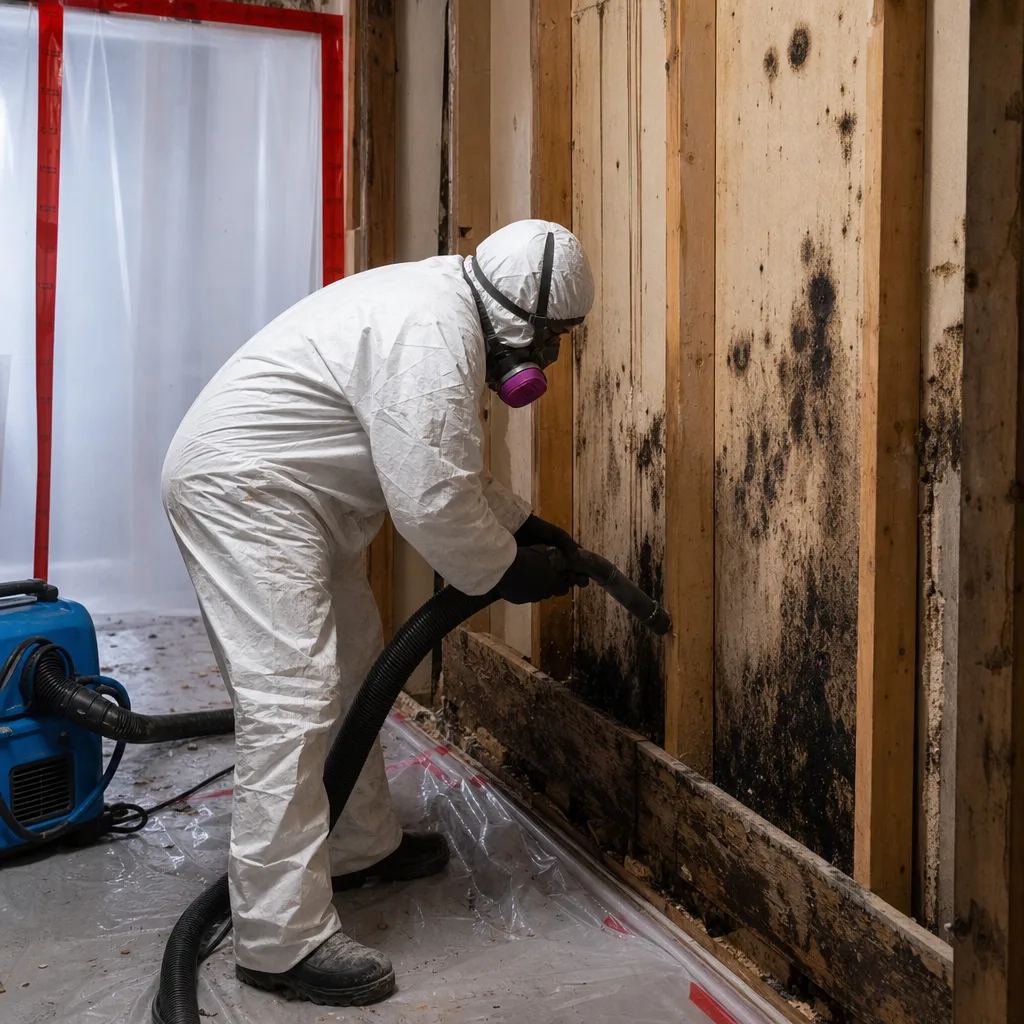
Flood Damage Restoration
Flooding in Midtown West means Category 2 and Category 3 water, sometimes in the same building depending on source. We classify per IICRC standards, set containment where contamination demands it, and dry to the number, not to a schedule. In a Hell’s Kitchen tenement, that often means coordinating with your co-op board and managing DEP-required surveys before demolition starts.
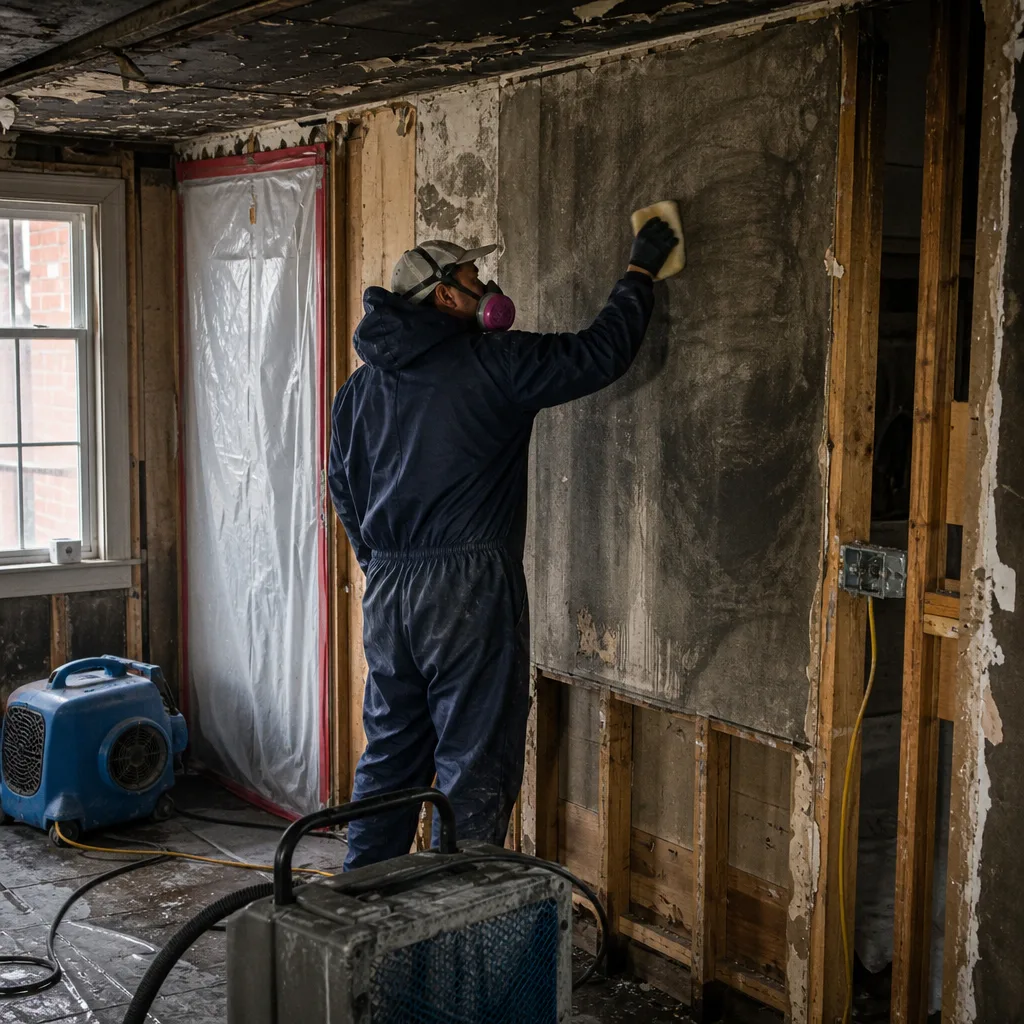
Emergency Board-Up
When a storm blows out a window on a West 48th Street walk-up or a roof section opens over a Theater District venue, the building can’t sit exposed. We board up and secure openings the same day, in weather that makes the work difficult. Security is part of restoration, not an afterthought, and we treat it as an emergency service with an emergency response time.
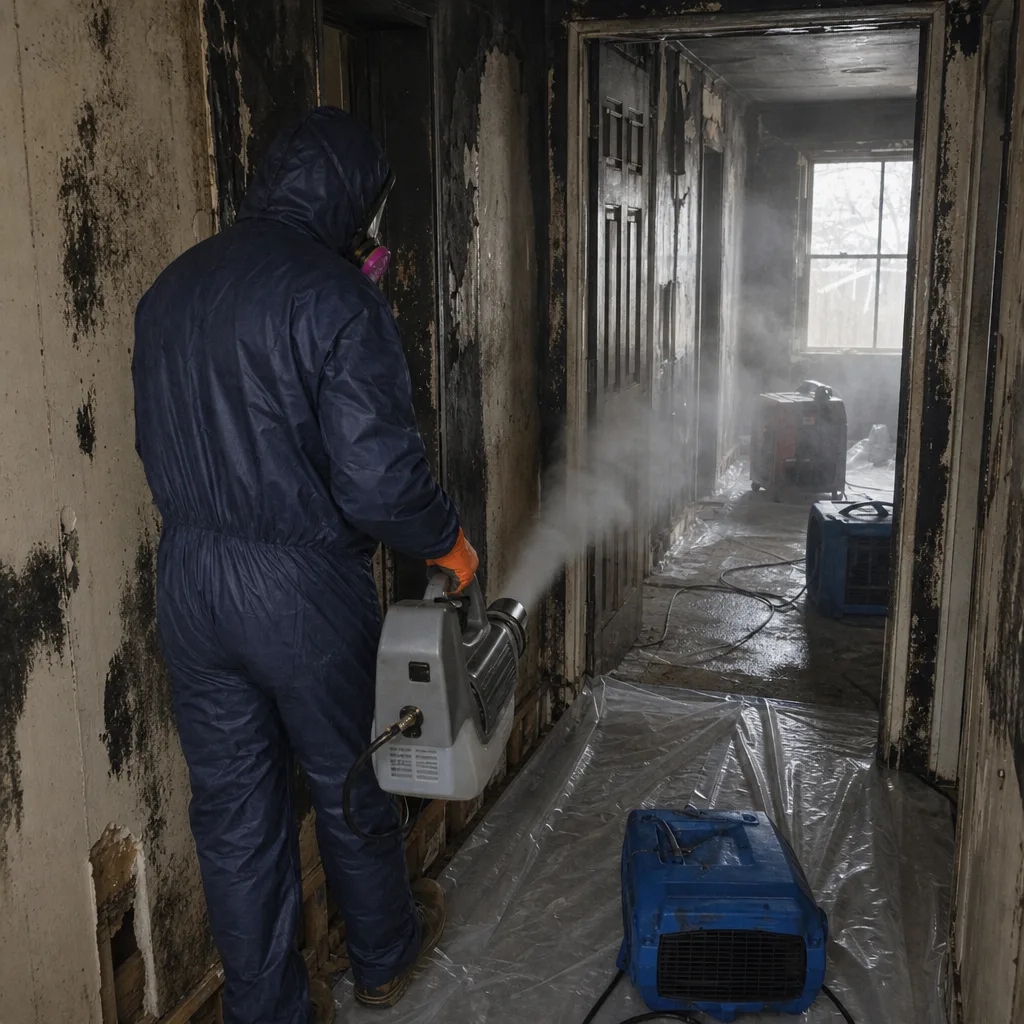
Roof Tarping
Midtown West flat roofs and parapet walls fail under nor’easter wind loads, especially on Garment District loft buildings and pre-war tenements. We tarp with attention to parapet cracks, drain lines, and wind anchoring so the tarp holds through the next storm, not just until the truck pulls away.
Debris Removal
Storm debris in Midtown West is not always tree limbs. It’s broken masonry from parapet walls, saturated ceiling plaster, and building materials exposed by wind and water. We haul, dispose, and document everything for your claim, and we separate salvageable contents from debris before anything leaves the site.
What happens when you call
- 1
A real person answersNo phone trees - you reach a local pro.
- 2
You get an upfront price rangeHonest numbers before anyone is dispatched.
- 3
A background-checked tech heads outLicensed & insured, dispatched right away.
- 4
You approve before work beginsNothing starts until you say go.
Storm & Disaster Restoration Costs in Midtown West, NY
Midtown West pricing runs higher than the outer boroughs because access, DEP compliance, and building stock all demand more labor and more coordination. A typical emergency board-up in Midtown West runs $400-$900, depending on openings and weather conditions. Roof tarping for a flat roof or parapet breach runs $800-$1,800, with height and access affecting the final number. Storm damage cleanup and Category 2 water extraction in a single tenement unit typically runs $2,500-$6,000, while a Category 3 event affecting multiple floors starts around $8,000 and climbs with square footage, containment requirements, and asbestos or lead abatement needs.
Insurance-covered losses follow carrier-approved pricing, which means your out-of-pocket may be your deductible and any uncovered pre-existing conditions. The free visual inspection gives you a firm written scope before any cost commitment. Out-of-pocket repair work in Midtown West runs on the same line-item pricing you’d expect from a contractor who’s been local since 2010: no padding, no surprises on the bill, and a written scope before work starts. Call (640) 400-9404 for an exact quote on your Midtown West property.
We Also Serve Cities Near Midtown West
Our crews cover Midtown West and the surrounding communities, including Midland Beach, New Springville, Oakwood, and Travis – Chelsea. If your building is within reach of our dispatch, you get the same live answer and the same 45-minute response commitment.
Serving Midtown West, NY - Our Local Coverage Area
We’re based in the Midtown West area and know this community well. Use the map below to see our service coverage - if you’re nearby, we can almost certainly help.
Midtown West Storm & Disaster Restoration Questions, Answered
Does NYC DEP require asbestos and lead surveys before Storm & Disaster Restoration demolition in Midtown West pre-war buildings?
Yes. Any demolition in a pre-1980 Midtown West building requires an asbestos survey before work begins, and lead paint surveys are mandatory when disturbing painted surfaces in pre-1978 housing. Skipping these triggers DEP stop-work orders that can halt a restoration job for weeks. We coordinate surveys on day one so your drying isn’t delayed by a compliance oversight.
How do you handle Category 3 water from a burst steam riser in a Hell’s Kitchen tenement?
Category 3 water from a failed steam riser carries sewage, sediment, and biological contamination, so we set containment, run air scrubbers, remove saturated porous materials, and disinfect surfaces with EPA-registered antimicrobials. Workers wear PPE, and we document contamination levels for your claim. Call (640) 400-9404 and we can start the same hour.
Can you dry plaster-over-lath walls in a 1920s Midtown West walk-up instead of tearing them out?
Yes, in many cases. Plaster-over-lath in pre-war Midtown West buildings wicks moisture differently than drywall, and we use Injectidry wall-cavity systems and extended dehumidification runtimes to pull moisture below 15% MC without demolition. It takes longer than a drywall drying job, but it preserves original plaster and avoids unnecessary reconstruction costs.
What emergency board-up and roof tarping services do you offer during a nor’easter in Midtown West?
We dispatch crews in active nor’easter conditions to board up broken windows, secure compromised doors, and tarp failed flat roofs and parapet breaches. Wind anchoring and parapet sealing are standard, because a tarp that blows off in a follow-on storm doesn’t help anyone. Call (640) 400-9404 and a live dispatcher sends a crew now.
How do you document Storm & Disaster Restoration scope of work for multi-insurer claims in Midtown West high-rises?
We produce room-by-room photo documentation, moisture maps, daily drying logs, and a line-item scope of work that matches carrier estimating standards. In a multi-tenant Midtown West building, we document each unit’s loss separately and coordinate with every insurer involved. You never carry paperwork between us and the carrier.
How fast can a crew actually reach my Midtown West building?
Our commitment is 45 minutes from your call to dispatch, with crews stationed across the New York metro. Midtown West is a primary response zone, and we staff for it. In a storm that hits the whole neighborhood, call volume is high, but a live dispatcher will give you an honest arrival window, not a recording.
Do I really need full restoration, or can I just clean it up myself?
If water has penetrated wall cavities, floors, or ceilings in a Midtown West pre-war building, surface cleanup is not enough. Moisture left in plaster-over-lath or subflooring reads wet for weeks and breeds mold behind baseboards. The free visual inspection tells you what you’re actually dealing with, and our written scope will not include work you don’t need.
What should I do in the first 30 minutes after storm damage in Midtown West?
Shut off the water or electrical source if you can do so safely, move valuables away from standing water, and call (640) 400-9404. Document with phone photos, but do not open walls or try to extract contaminated water yourself. In Midtown West pre-war buildings especially, you may be exposing yourself to asbestos or lead, and that’s a professional’s call.
Written by Curt Bowman, Owner at Floodline Restoration Co., serving Midtown West since the company’s founding in 2010.