
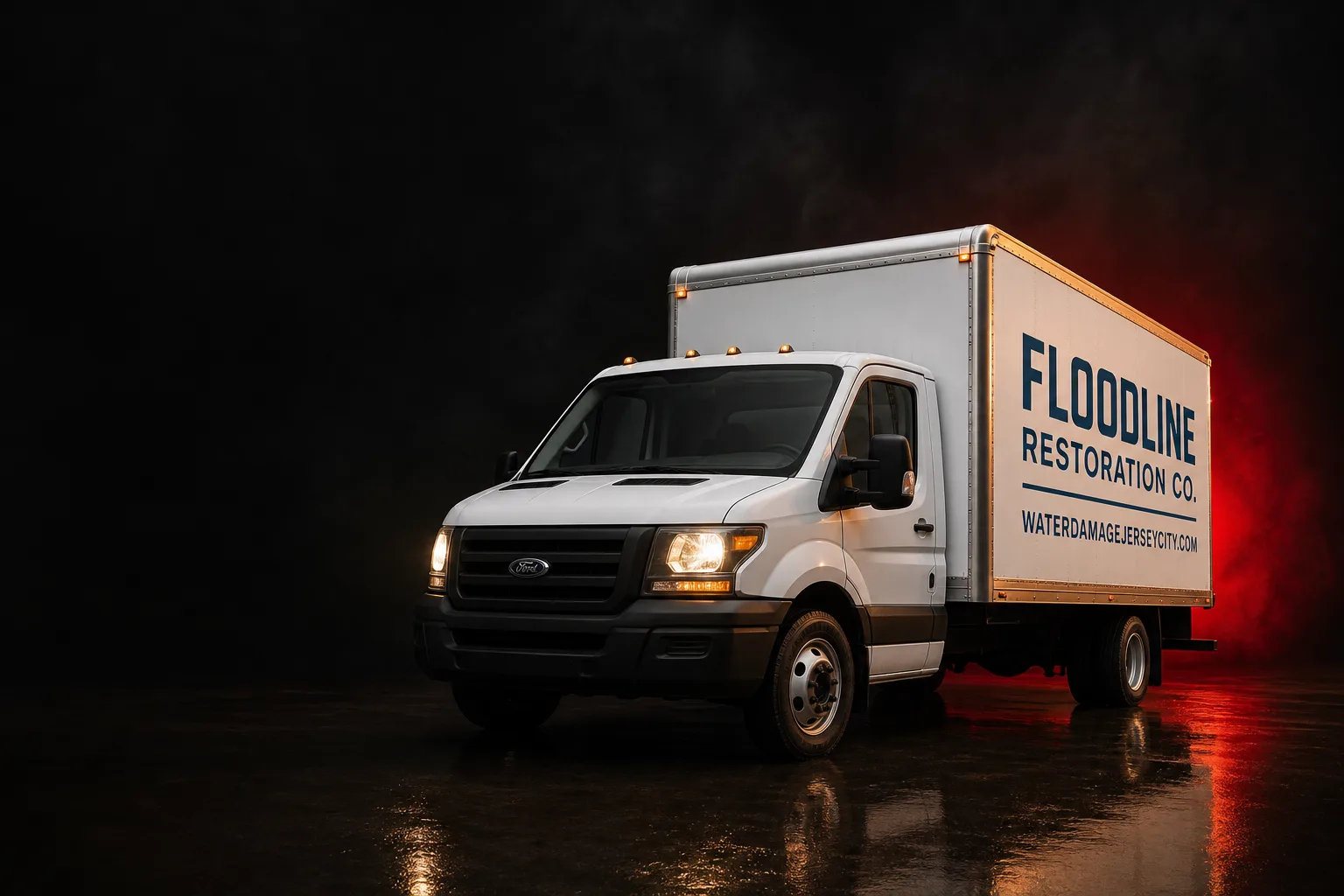
Free visual inspection and a written scope of work before any mitigation begins - photos, moisture readings, and drying logs go in your claim file
The scope we write is the scope we bill. Anything new gets shown to you, in writing, before we touch it.
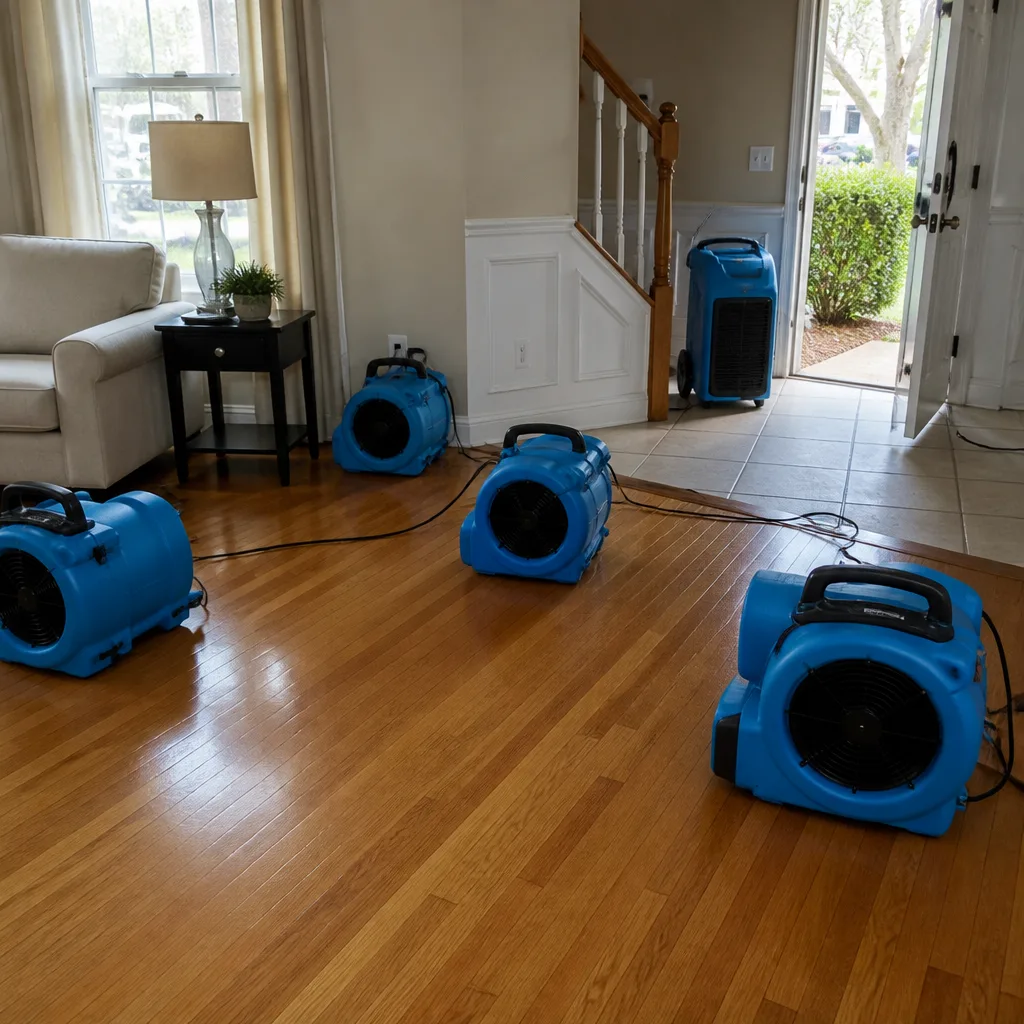
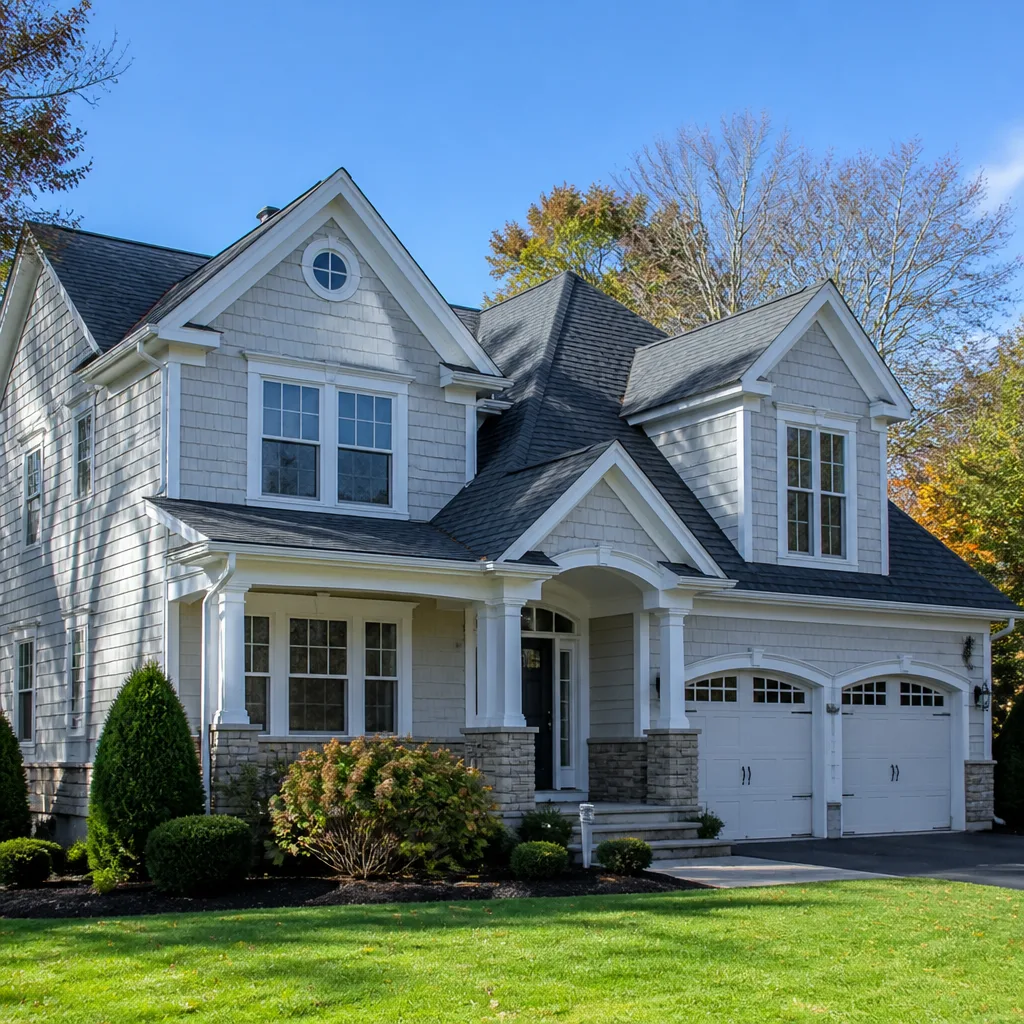
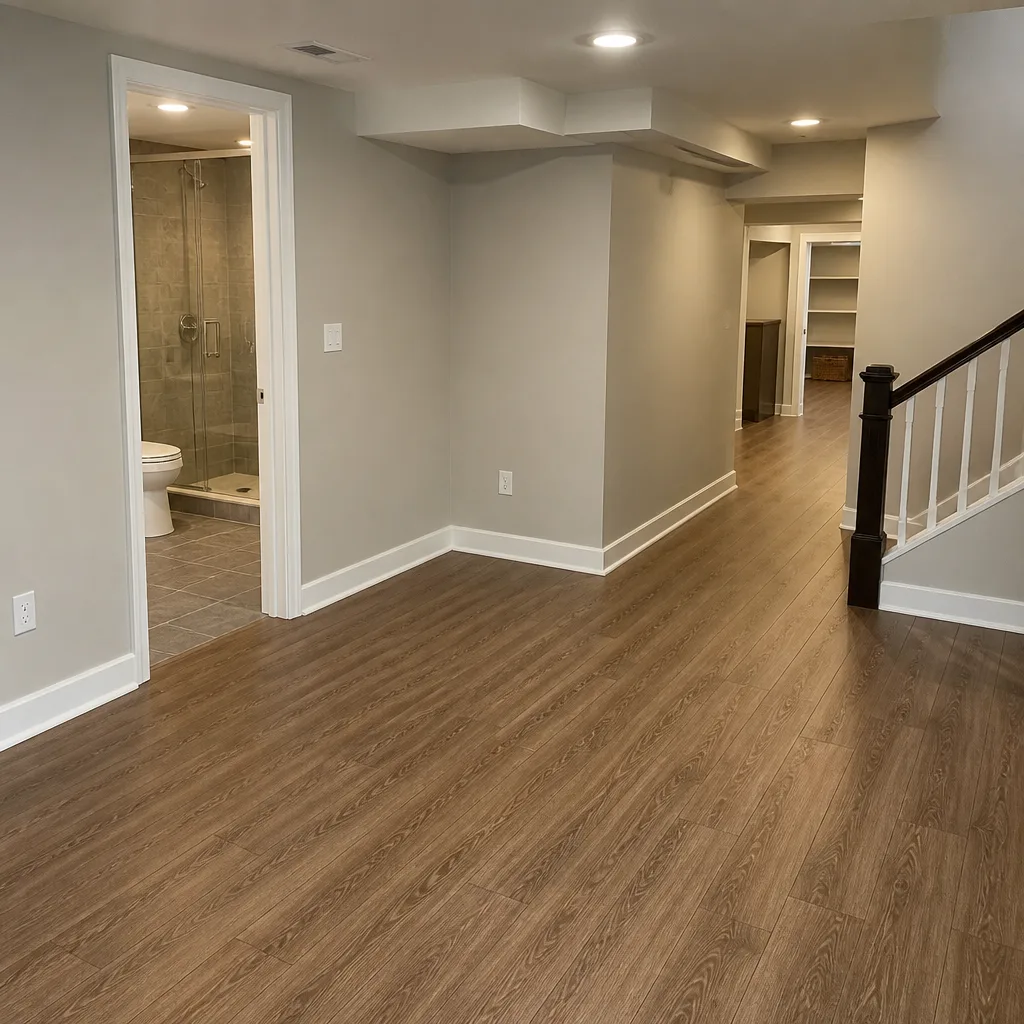
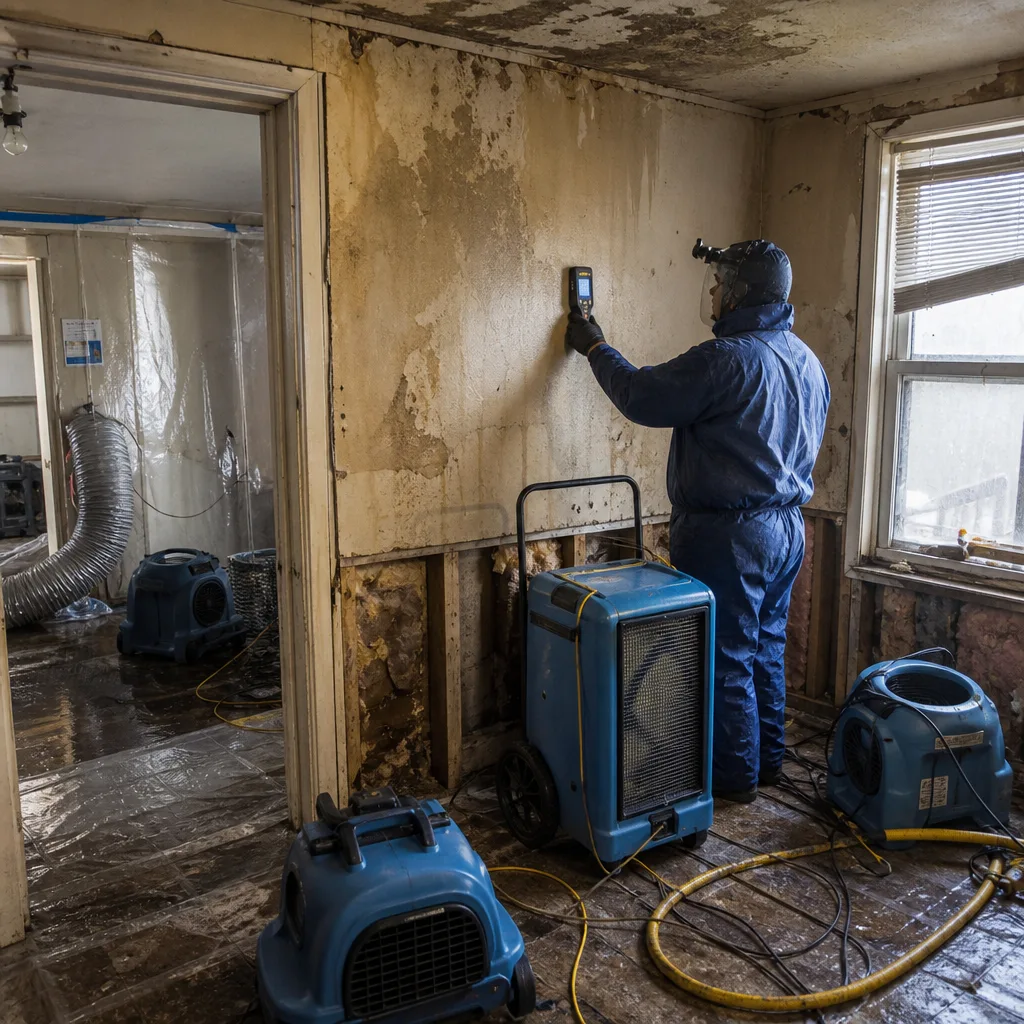 Before
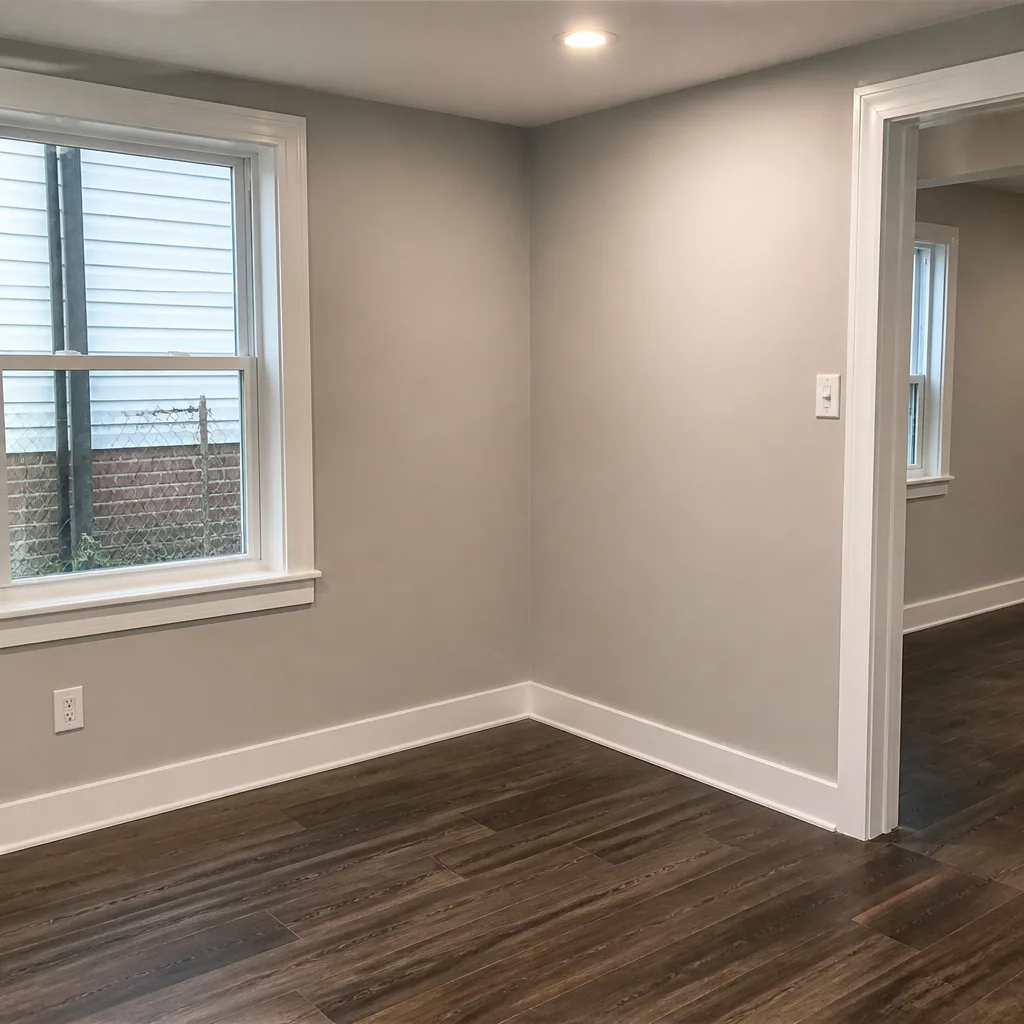 After
After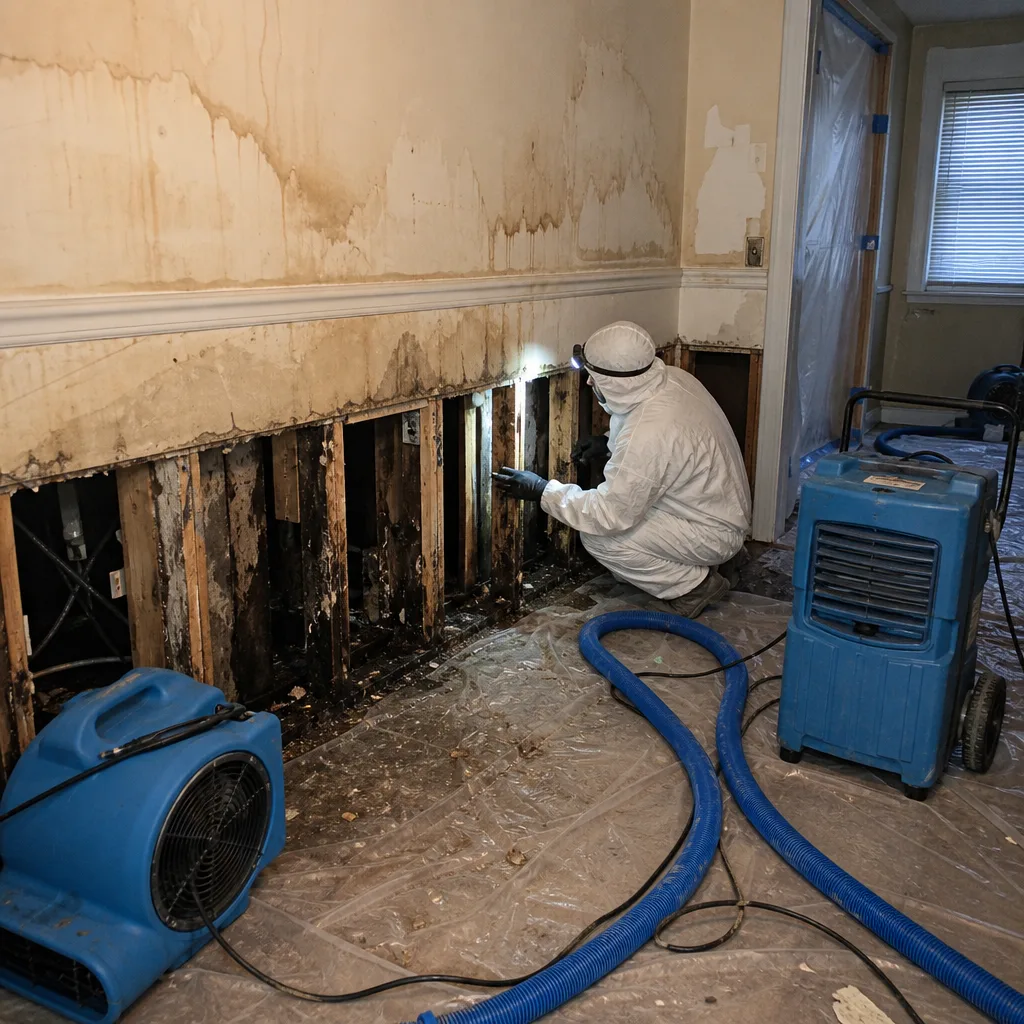 Before
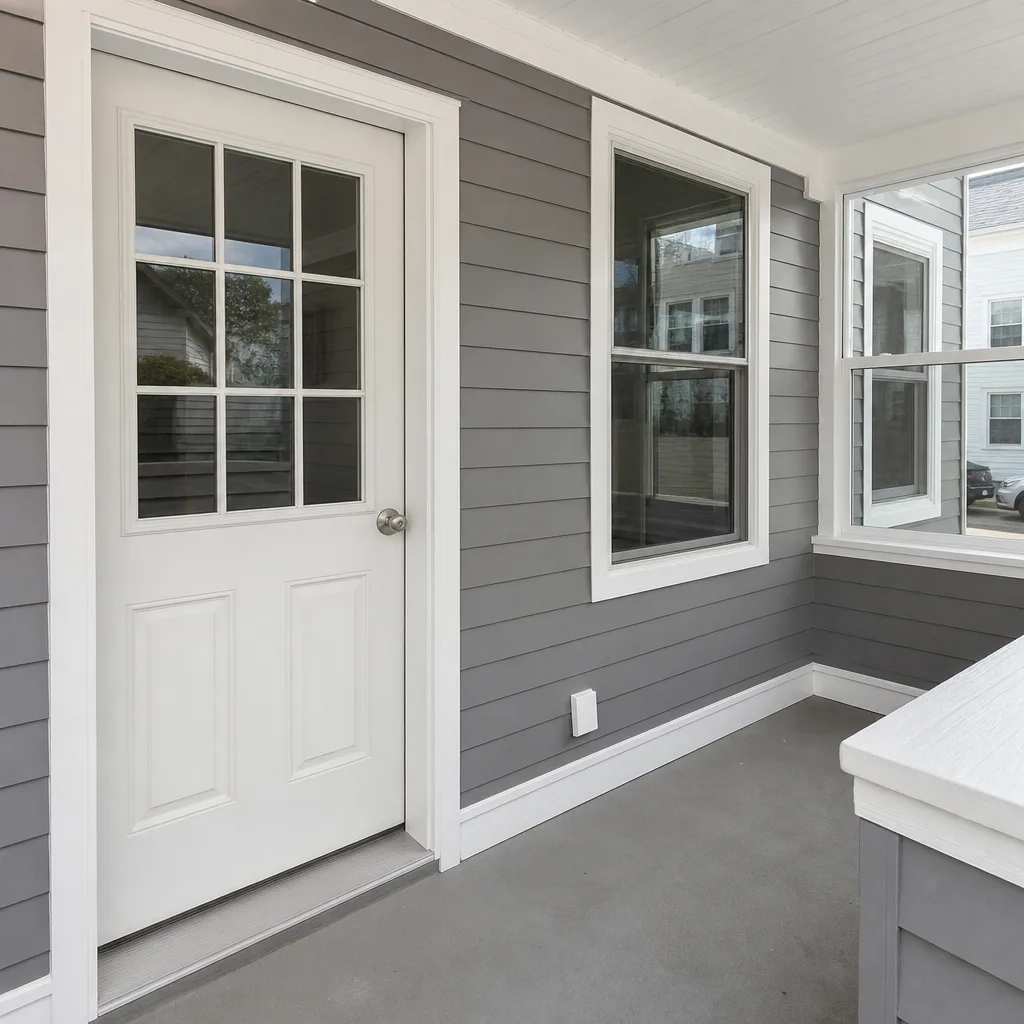 After
After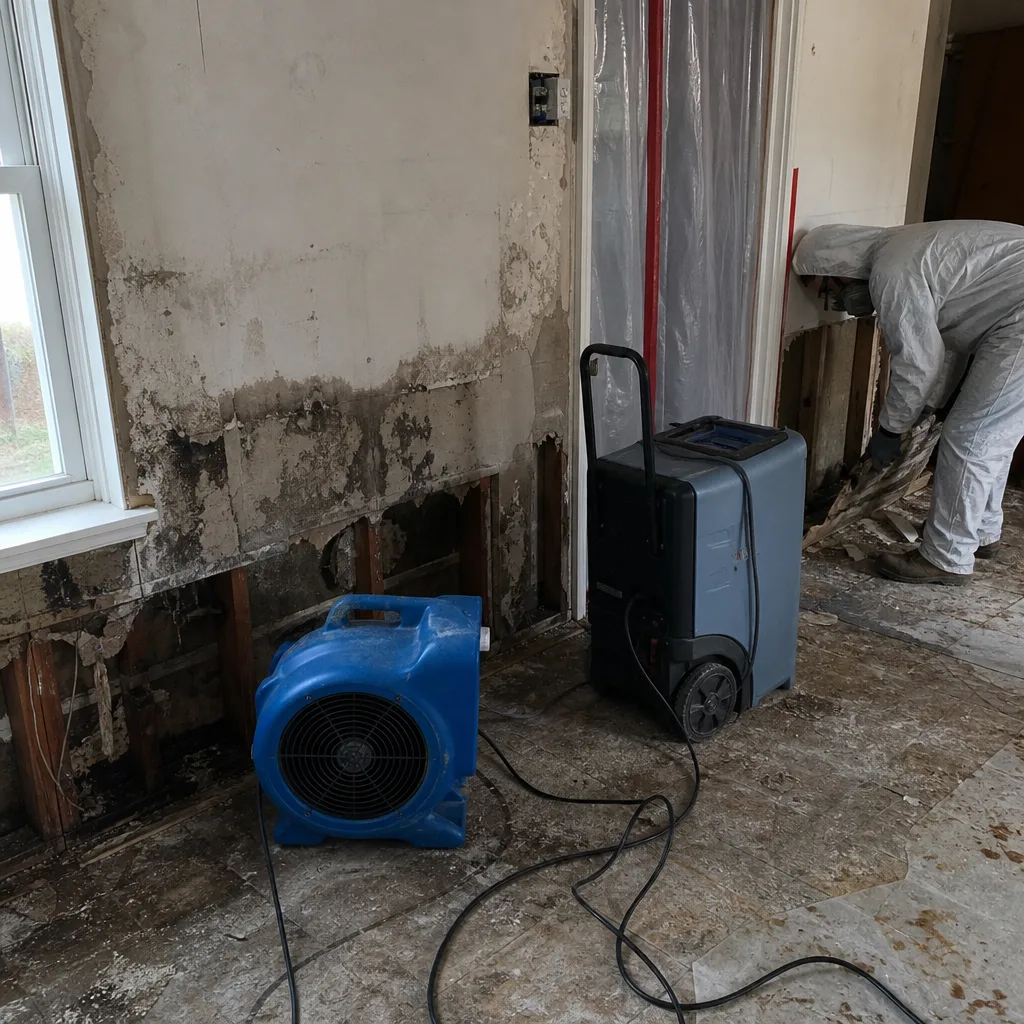 Before
 After
After24/7 Emergency Sanitization Services in Lower Manhattan
Sanitization after flooding or contamination in Lower Manhattan typically requires professional-grade antimicrobial treatment, and for saltwater events, it means addressing chloride corrosion that freshwater crews often miss. We answer the phone live at (640) 400-9404 any hour, any day, and dispatch a certified crew into Lower Manhattan neighborhoods immediately. The first few hours matter because salt-laden moisture works into conduit, drywall, and ductwork fast, and what looks dry on the surface is often still wet and breeding contamination underneath. A free visual inspection tells you exactly what you’re dealing with before any work begins.
What happens when you call
- 1
A real person answersNo phone trees - you reach a local pro.
- 2
You get an upfront price rangeHonest numbers before anyone is dispatched.
- 3
A background-checked tech heads outLicensed & insured, dispatched right away.
- 4
You approve before work beginsNothing starts until you say go.
Understanding Sanitization Services Severity in Lower Manhattan Properties
Lower Manhattan’s building stock creates severity levels you won’t find in most of the city. The 19th-century cast-iron and timber loft buildings in Tribeca, the pre-2000 office-to-residential conversions in the Financial District, and the 1980s-era landfill construction of Battery Park City all share one critical trait: sub-grade mechanical rooms, elevator pits, and electrical vaults positioned below the flood line. When the East River or New York Harbor pushes saltwater into those spaces, we’re no longer dealing with a simple Category 3 water event. We’re dealing with brine. Saltwater dries slower than freshwater, leaves conductive chloride residue behind, and accelerates corrosion in conduit, junction boxes, and structural steel in ways a moisture meter alone won’t catch. Our Sanitization Services team reads the situation in layers: visible contamination first, then what’s hiding inside wall cavities, behind baseboards, and inside HVAC runs that pull air from sub-grade vaults. In pre-Sandy buildings especially, partial intrusion from 2012 was often inadequately dried, which means we’re sometimes the second or third crew to look at a problem that’s been quietly worsening for a decade.
Why Lower Manhattan Property Owners Choose Floodline Restoration Co.
- 45-minute response commitment: Our Lower Manhattan crews are staged nearby and moving as soon as the call ends. You’re not waiting on a van from another borough.
- 24/7 live answer, always a person: A live dispatcher picks up at 2 a.m. and stays on the line until a certified technician is en route. Never a recording, never a callback list.
- IICRC-certified crews: Technicians trained to IICRC, RIA, and IFA standards, including WRT and AMRT certifications, carrying Dri-Eaz and XPOWER equipment sized for commercial mechanical rooms and residential basements alike.
- Free visual inspection: We walk the space with you, identify what’s actually contaminated versus what’s just wet, and write a scope only after we’ve looked. No pressure, no upselling.
- Direct insurance billing: We send the documentation straight to your carrier and coordinate with the adjuster. You never play messenger between us and the insurance company.
- One team, start to finish: The same background-checked, uniformed crew that sets up containment handles drying, fogging, air duct sanitization, and any repair. No mid-job handoff to strangers.
Our Sanitization Services Process
Inspection & Assessment
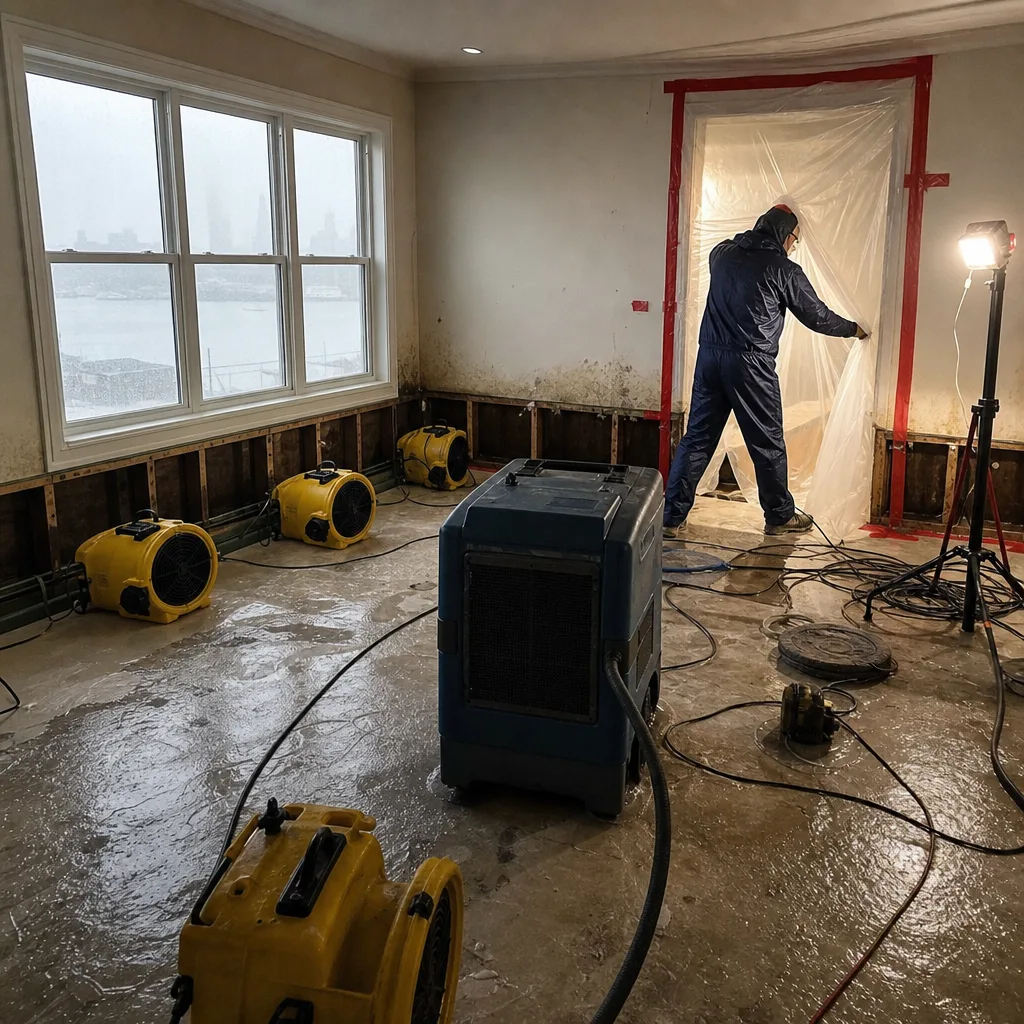
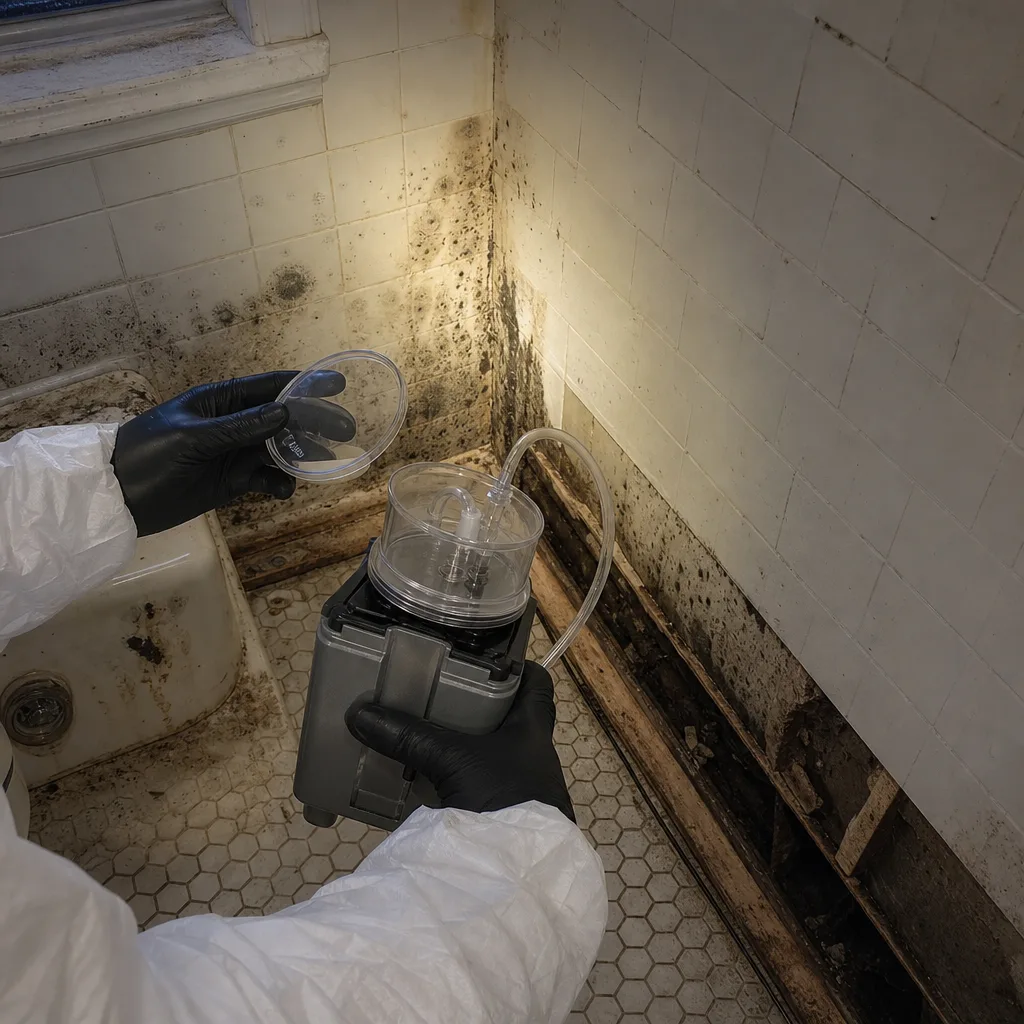
We map moisture across every affected surface with thermal imaging and hygrometers, then test for contamination levels. In Lower Manhattan buildings, that includes a hard look at elevator pits, electrical vaults, and any sub-grade space that could hold salt residue from a current or past surge.
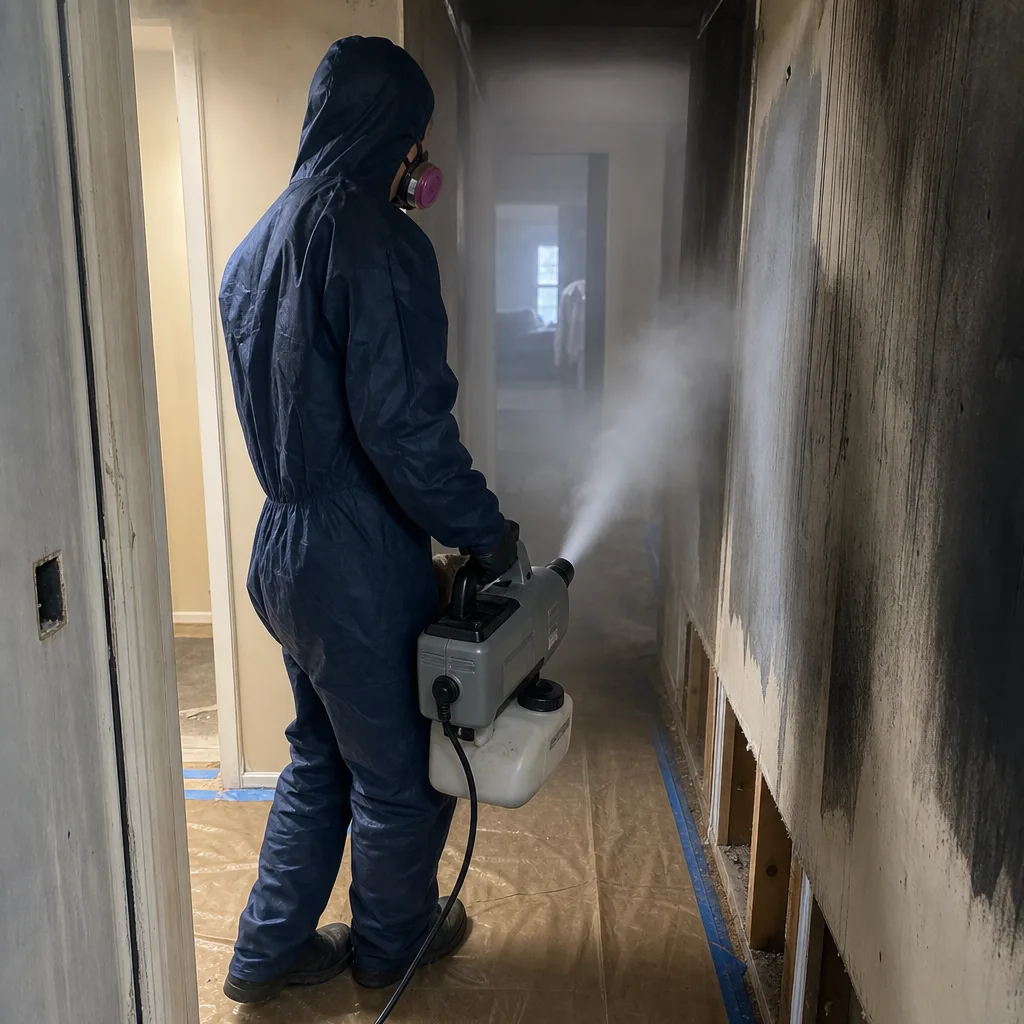
Containment & Stabilization
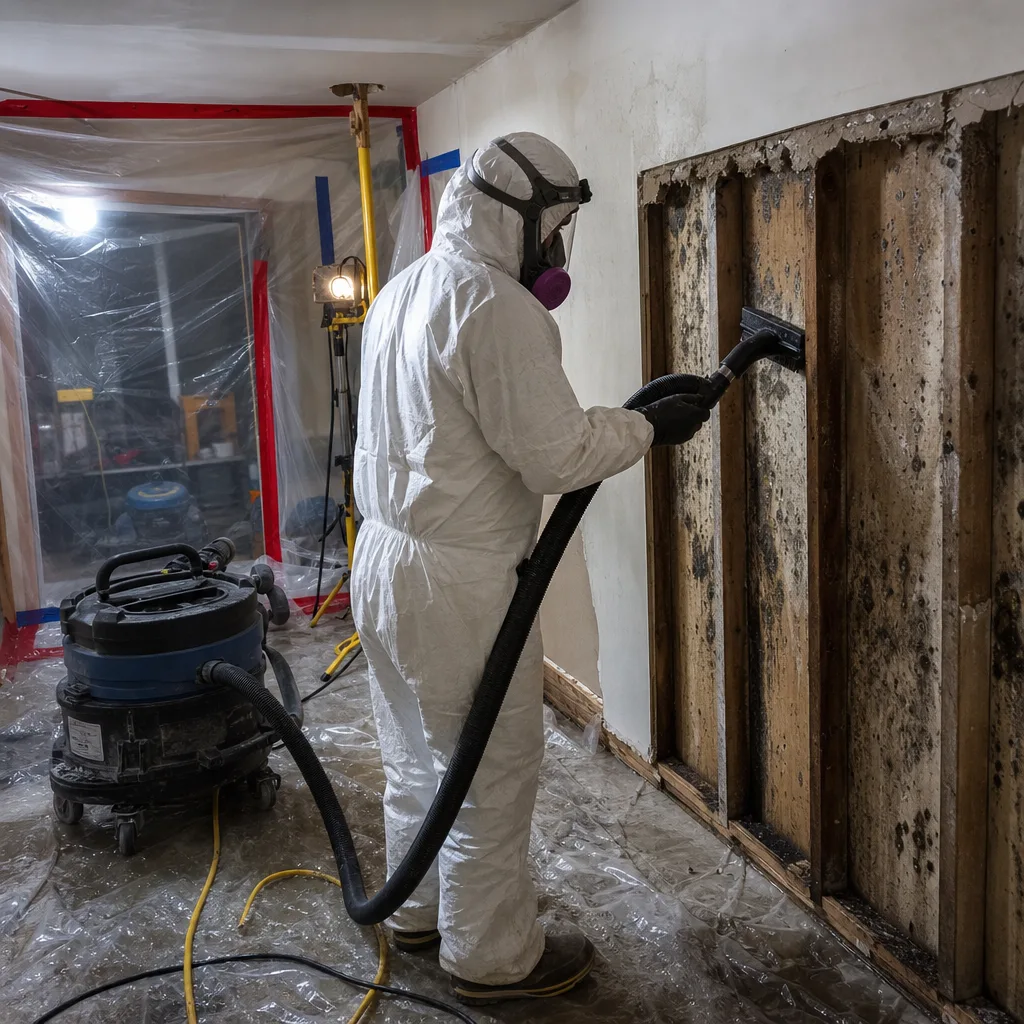
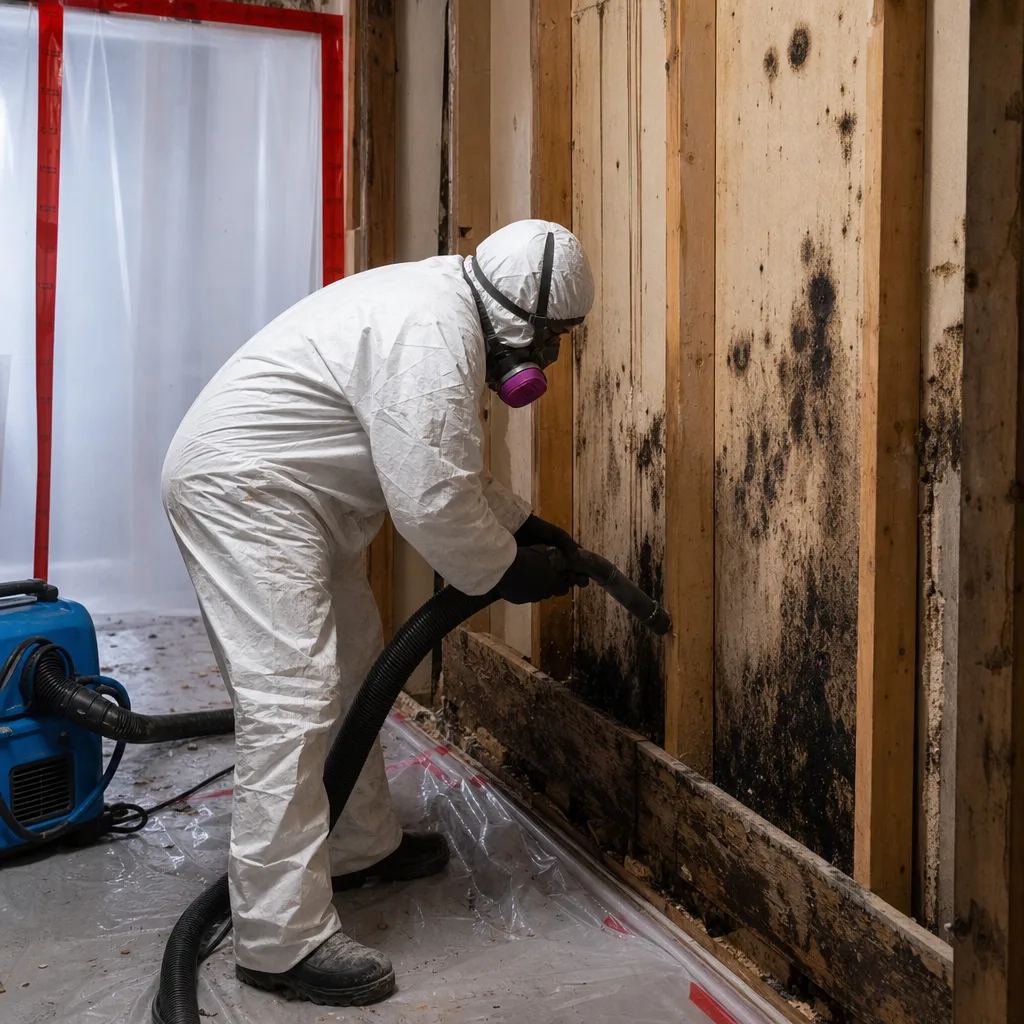
We seal off affected areas with negative air pressure and HEPA filtration so contaminated air doesn’t migrate through the building. For pre-war and converted commercial stock, that matters because shared duct runs and open risers move air between floors faster than people realize.
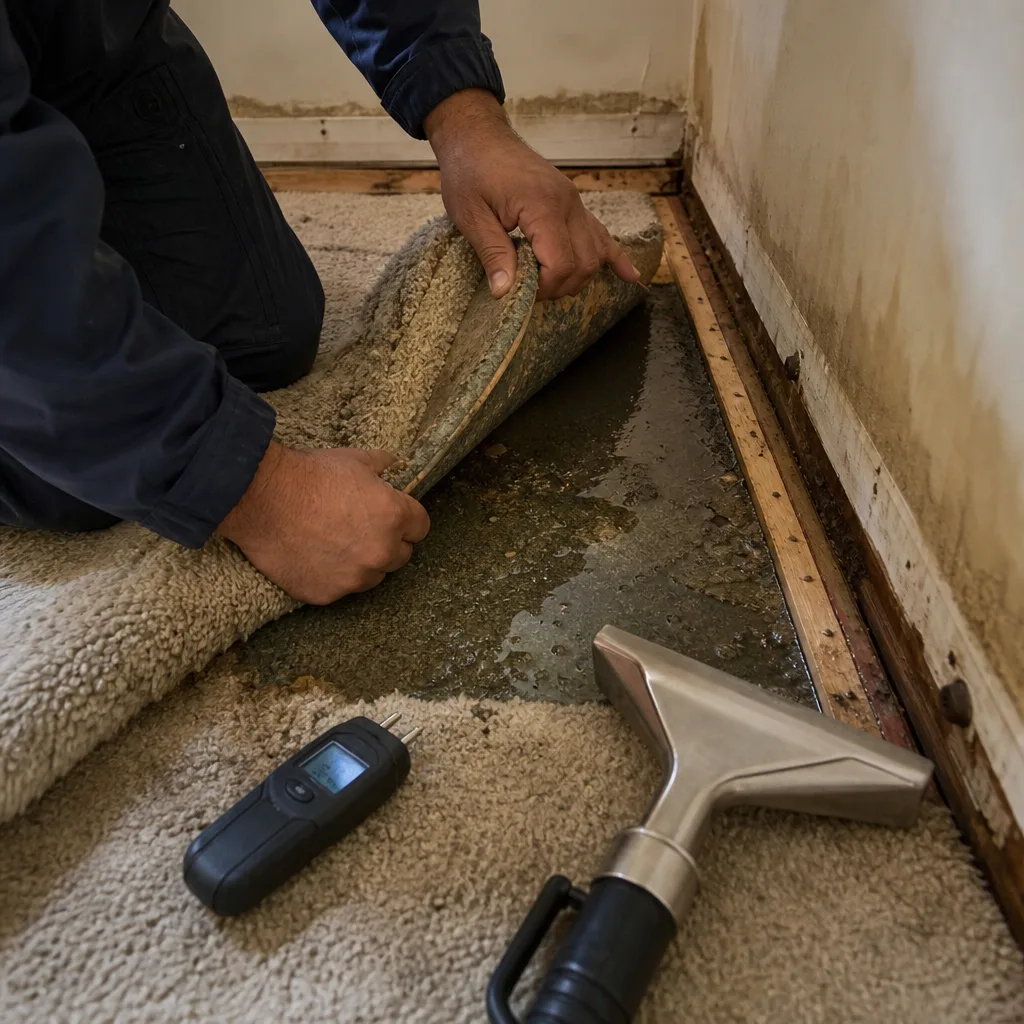
Drying & Dehumidification
Professional-grade Dri-Eaz and Phoenix dehumidifiers pull moisture from dense materials, including salt-saturated drywall that holds water far longer than freshwater-soaked drywall. We log readings daily until the dry standard is met, then hand that log to you and your carrier.
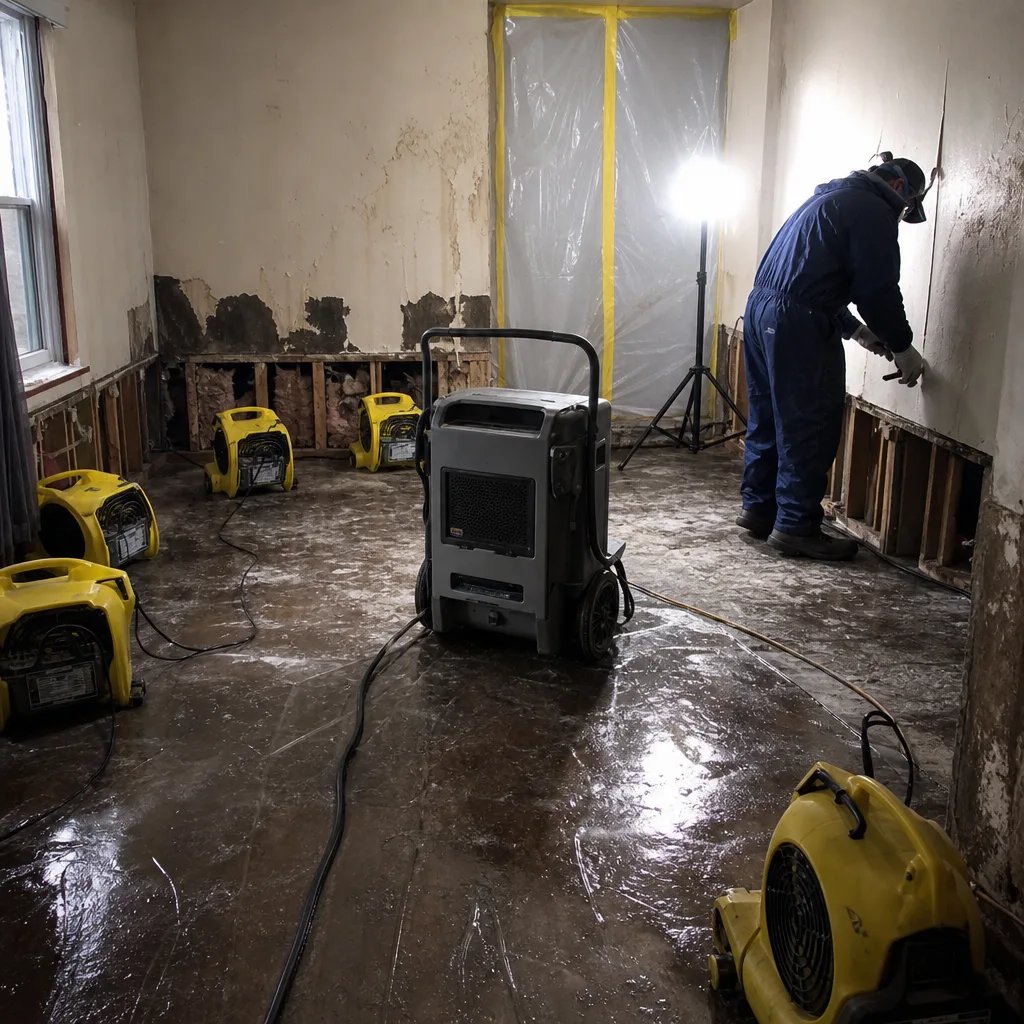
Cleaning & Sanitization
We treat all affected surfaces with EPA-registered antimicrobials, focusing on the brine film that saltwater leaves behind. Wall cavities behind baseboards, the interior of conduit runs, and mechanical room surfaces get direct treatment, not just a surface wipe.
Fogging & Air Duct Sanitization
Using commercial-grade fogging equipment, we reach spaces that wiping can’t: inside walls, HVAC runs, and the sub-grade vaults that feed air into Financial District conversions and Battery Park City residential stacks. This is where odor neutralization actually happens at the source.
Verification & Restoration
We run clearance testing, document everything in writing, and repair what needs repairing. You get the full scope, the drying log, and the 90-Day Done Right Promise in writing before we consider the job closed.
Need Emergency Sanitization Services in Lower Manhattan Now?
Crews minutes away, answering live 24 hours a day. The sooner we start, the less it costs.
Working With Your Insurance Company
We’ve handled enough Lower Manhattan surge claims to know what adjusters need to see, and what they push back on. Saltwater contamination claims get scrutinized harder than freshwater losses, because carriers know chloride corrosion claims can balloon years later if the initial sanitization was inadequate. From the first hour, we document everything: photos of every contaminated surface, moisture readings from sub-grade vaults and mechanical rooms, and a written scope that names exactly what needs treatment and why. We send that directly to your adjuster and stay on the phone with them until the scope is approved. You don’t chase paperwork. You don’t explain technical details. That’s our job.
What We Provide Your Insurer
- Thorough documentation of the loss
- Photos of all damage, room by room
- Moisture readings and drying logs
- A detailed, line-item scope of work
- Direct coordination with your carrier
Built for Lower Manhattan’s Loss Calendar
Lower Manhattan doesn’t follow the same flood calendar as the rest of the city. January deep freezes burst supply lines in converted office towers along Water Street and Broad Street, sending freshwater through sub-grade mechanical rooms that already carry salt residue from past surges. Nor’easters between October and March stack tidal surge against the East River seawall, and when the Battery underpass floods or South Street Seaport basements take on harbor water, that’s brine intrusion, not ordinary basement seepage. August and September bring Atlantic hurricane remnants that push surge up the Hudson and into Battery Park City’s landfill-grade foundations, where drainage was never designed for today’s sea levels. Every season here has a water source, and every water source dictates a different sanitization protocol. Our Sanitization Services in Lower Manhattan crews read the source before they read the meter.
Sanitization Services Across Lower Manhattan’s Neighborhoods
In Tribeca, the 19th-century warehouse lofts along Greenwich Street and Hudson Street have timber beams and brick party walls that wick saltwater upward long after the floor looks dry. We inspect above the waterline, not just at it. In the Financial District, the converted office towers around Wall Street and Exchange Place run HVAC systems through sub-grade vaults that pre-Sandy buildings never fully cleaned, which means air duct sanitization is often the difference between a musty floor and a healthy one. Battery Park City’s residential complexes along South End Avenue sit on Hudson River landfill with mechanical rooms below grade, and when a nor’easter pushes surge into those basements, the brine sits against drywall and conduit for hours before anyone notices. We stage response crews near the Battery and along West Street so we’re inside lower Manhattan buildings within 45 minutes of the call, not an hour from an outer-borough depot.
Specialized Sanitization Services Services We Offer in Lower Manhattan
Commercial-Grade Fogging
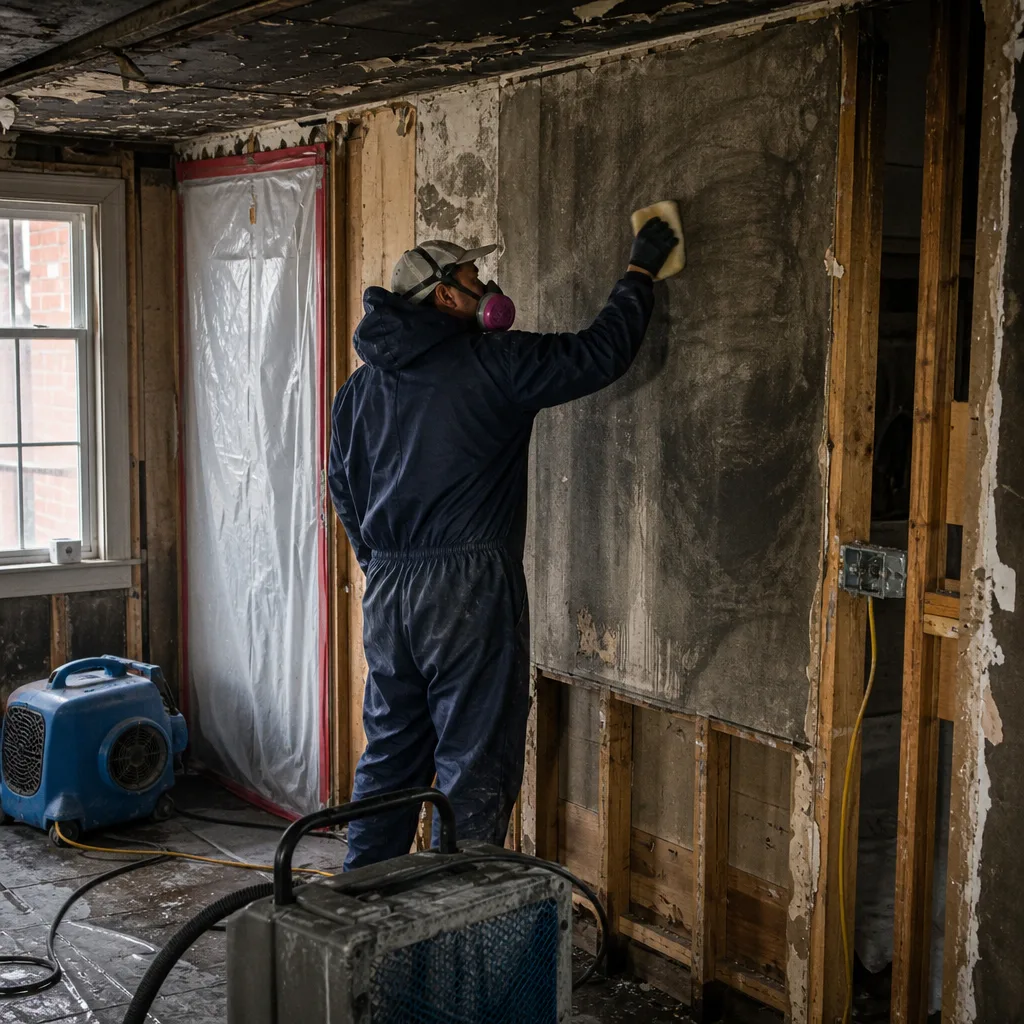
Fogging reaches what no wipe-down can: the inside of wall cavities in Tribeca lofts, the utility chases in Financial District high-rises, and the mechanical rooms where salt-laden microbial growth lingers after the visible water is gone. We use commercial-grade fogging equipment to deliver antimicrobial treatment into sub-grade vaults and behind finished surfaceswhere Lower Manhattan’s mixed building stock hides contamination.
Air Duct Sanitization
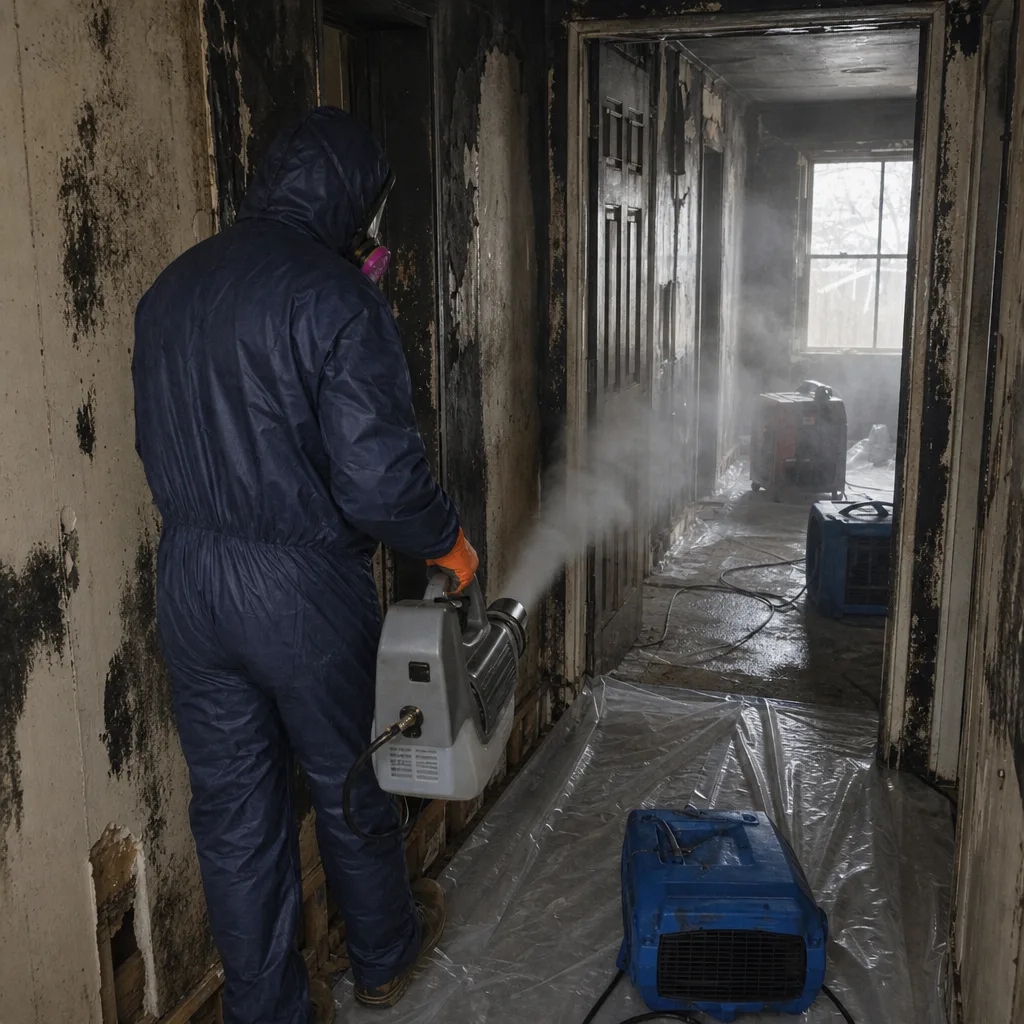
In pre-Sandy Financial District conversions, the HVAC system often pulls return air from sub-grade vaults where old seawater films line the duct interiors. Surface cleaning alone leaves that contaminated air recirculating through offices and residences. We sanitize the full duct run, not just the registers, with particular attention to the transition points where sub-grade air meets occupied space.
Odor Neutralization
Saltwater odors don’t behave like freshwater must. The brine smell gets into porous materials and stays, especially in Battery Park City mechanical rooms and South Street Seaport converted warehouses where concrete and brick absorbed years of harbor air before the water ever entered. We neutralize at the source using fogging and targeted antimicrobial application, not masking agents that fade in a week.
Deep Disinfection
After any Category 3 water event in Lower Manhattan, we disinfect every affected surface with EPA-registered products, then verify with post-treatment testing. In commercial spaces along Water Street and Pearl Street, that includes touch surfaces in common areas, elevator cabs, and lobby corridors where foot traffic carried contamination beyond the immediate flood zone.
Virus & Bacteria Decontamination
Post-illness cleanup and viral decontamination follow the same rigorous protocol as flood work: containment, treatment, and clearance testing. For Lower Manhattan residential buildings with shared air systems, we treat individual units and coordinate with building management on common-area sanitization so the work actually holds.
Post-Illness Cleanup
When a household or office has been through a serious illness, the sanitization needs are different from flood work but no less thorough. We treat bedrooms, bathrooms, kitchens, and shared surfaces, plus the air itself where needed. In close-quarters Lower Manhattan apartments, that attention to air quality makes the difference between a clean space and a lingering problem.
Sanitization Services Costs in Lower Manhattan, NY
Sanitization pricing in Lower Manhattan runs higher than the citywide average because the building stock demands more labor and more specialized treatment. A straightforward post-flood sanitization of a Tribeca basement or Battery Park City mechanical room typically runs $1,200 to $3,800 depending on square footage and contamination level. Commercial-grade fogging for a single floor adds $400 to $900. Air duct sanitization, which most post-surge jobs in pre-Sandy buildings need, runs $600 to $2,200 depending on duct length and access. The variables that move the price: whether saltwater reached electrical infrastructure, whether elevator pits need separate treatment, and whether the HVAC system pulls from contaminated sub-grade vaults. Most Lower Manhattan surge sanitization claims are covered under flood or property policies, and we bill the carrier directly. A free visual inspection locks in a written scope before you commit to anything. Call (640) 400-9404 and we’ll walk it with you.
We Also Serve Cities Near Lower Manhattan
Our crews regularly cross the harbor and run up the island when Lower Manhattan residents ask us to. We serve Midland Beach, New Springville, Oakwood, and Travis – Chelsea with the same 45-minute response commitment and the same written 90-Day Done Right Promise on every job.
Serving Lower Manhattan, NY - Our Local Coverage Area
We’re based in the Lower Manhattan area and know this community well. Use the map below to see our service coverage - if you’re nearby, we can almost certainly help.
Lower Manhattan Sanitization Services Questions, Answered
After a surge flooded our Tribeca basement, do we need to treat the elevator pit separately from the rest of the space?
Yes, and this is one of the most commonly missed steps in Lower Manhattan sanitization work. Elevator pits are effectively sealed concrete boxes below grade, so saltwater that gets in doesn’t evaporate quickly; it sits against the pit walls, the guide rails, and the conduit running through the pit. Even after the visible water is pumped out, the chloride residue remains and corrodes electrical connections over months. The pit needs its own containment, its own drying, and its own antimicrobial treatment. We’ve walked into buildings where crews treated the basement floor but left the pit, and the owner was back on the phone within a year with a failed elevator circuit and a persistent odor. Treat it separately, every time.
Our pre-Sandy Financial District building had a small amount of water in the electrical vault years ago-is sanitization still needed now?
Almost certainly yes, especially if the vault was never professionally dried and treated after the intrusion. What happens in these vaults is slow-motion contamination: the saltwater film dries on the surface but leaves hygroscopic chloride residue that pulls moisture from the air, keeping micro-environments damp enough for microbial growth for years. We’ve tested vaults in pre-Sandy buildings that looked dry and found active mold behind conduit and inside junction boxes. If your building’s HVAC pulls any return air from that vault, you’re circulating those spores through occupied spaces. A visual inspection and air sampling tells you definitively. Call (640) 400-9404 and we’ll test before recommending any work.
Battery Park City apartment building-the basement dried out after a nor’easter, but our ducts still smell musty. Why?
Because the ducts themselves were likely contaminated before the drying ever finished. In Battery Park City’s buildings, which sit on landfill at near-sea-level elevation, return air often pulls from below-grade mechanical rooms where salt-laden humidity lingers. When the nor’easter introduced standing saltwater, that humidity spiked, and the duct interiors became ideal surfaces for microbial growth. Surface drying of the basement floor doesn’t touch what’s inside the duct runs. The fix is air duct sanitization: treating the full duct length with antimicrobial agents, not just wiping registers. If the must is coming back after the basement is dry, it’s in the air path.
Do we need to worry about categories of water for sanitization if it’s just a little storm surge?
Yes, and in Lower Manhattan the category matters even more than inland because storm surge is never just water. Surge water is Category 3 by definition: it carries sewage, harbor contaminants, fuel residue from the streets, and whatever the tide pushed in from the East River or Hudson. But the salt itself is the second problem. Even relatively clean-looking surge water leaves chloride residue that accelerates corrosion and holds moisture. So you’re dealing with both biological contamination and a chemical residue that extends the sanitization scope. A little surge still means full antimicrobial treatment and chloride-aware drying. There’s no “just a little” in a flood zone.
How soon after a flood does mold start, and does the saltwater here change the timeline?
Mold starts colonizing within 24 to 48 hours of a flood in normal conditions. Saltwater can stretch that timeline slightly because high salinity inhibits some mold species, but it promotes others, and the brine also keeps materials wet longer, which extends the window of vulnerability. The practical takeaway for Lower Manhattan property owners: don’t wait. What looks like a slower-growing problem with saltwater is actually a longer window for the mold that does grow to establish itself behind baseboards and inside wall cavities. The sooner we start drying and sanitizing, the less damage we’re treating. Call us the day you see water, not the week after.
Can we stay in our home while sanitization work happens?
It depends on what we find during inspection. For localized sanitization like a single basement or one apartment after a contained event, you can often remain in place with containment set up to seal off the work area under negative air pressure. For whole-floor fogging or air duct sanitization that affects shared systems, we recommend vacating for the active treatment period, which is usually 24 to 48 hours. We give you a clear answer during the free inspection, before any work starts. Nobody gets surprised mid-job.
What certifications should a sanitization crew in Lower Manhattan actually have?
At minimum, look for IICRC certification, specifically WRT (Water Damage Restoration Technician) and AMRT (Applied Microbial Remediation Technician). RIA and IFA credentials are strong indicators too. The certifications matter here more than inland because Lower Manhattan’s mixed building stock, shared air systems, and saltwater complications require technicians who understand containment, negative air pressure, and clearance testing, not just carpet cleaners with a sprayer. Our crew carries IICRC, RIA, and IFA training and runs Dri-Eaz and XPOWER equipment sized for the commercial mechanical rooms and residential basements we’re treating every week.
What should we do in the first 30 minutes after discovering contamination?
First, call (640) 400-9404. While you’re on the line with our dispatcher, cut power to the affected sub-grade area if it’s safe to do so and you can reach the panel without standing in water. Don’t walk through contaminated water barefoot. Don’t turn on the HVAC system, because that will pull contaminated air into occupied spaces. If you can, photograph everything: the water line, the affected surfaces, the electrical panels. Then stay out of the space and wait for our crew. We’re typically inside Lower Manhattan within 45 minutes. The first 30 minutes are about not making it worse; the next 45 are ours.
Call Floodline Restoration Co. at (640) 400-9404 for a free visual inspection and a written scope before any work begins. Our Lower Manhattan crews answer live around the clock, and every job we do is backed by the 90-Day Done Right Promise in writing. We’ll be there when we say.
Written by Curt Bowman, Owner at Floodline Restoration Co., serving Lower Manhattan since 2010.
Why Lower Manhattan Chooses Floodline Restoration Co.
We set the standard for sanitization services in Lower Manhattan.
Documented for Your Claim
Every job is photographed before, during and after, with moisture logs where they apply. We hand the full file to your adjuster and bill your insurance directly - you are never the one relaying it.
Licensed & Insured
Fully certified technicians who meet all local and state licensing requirements.
Upfront Pricing
No hidden fees, no surprises. You approve the price before any work begins.
Guaranteed Work
Every repair and installation is backed by our workmanship warranty and satisfaction guarantee.
How It Works in Lower Manhattan
Getting your sanitization services handled is simple and fast.
Call or Request a Free Estimate
Tell us about your sanitization services needs and we provide an upfront, transparent quote - no obligation, no hidden fees.
Licensed Technician Dispatched
A background-checked, certified technician arrives in Lower Manhattan - typically within 30-60 minutes, with parts stocked on the truck.
Problem Solved, Guaranteed
We complete the job to your full satisfaction, backed by our warranty and 100% satisfaction guarantee.
What happens when you call
- 1A real person answersNo phone trees - talk to a local sanitization services pro.
- 2You get an upfront price rangeHonest numbers before anyone is dispatched. No surprises.
- 3We come out and measureLicensed & insured, at a time that suits you - the visit and the quote are both free.
- 4You get the price in writingLine-itemed, yours to keep, and nothing starts until you say go.
What Lower Manhattan Customers Say
Trusted by homeowners across Lower Manhattan and surrounding areas.
"Washing machine hose let go while we were at work and the ceiling below was sagging by the time I got home. They had extraction running within the hour and fans placed before dinner. The tech took moisture readings every day and showed me the numbers coming down until they hit dry."
"Water heater flooded the finished side of the basement at two in the morning. A person answered, not a machine, and a crew was pulling water before sunrise. Everything got photographed before they moved a thing, which made the insurance claim painless."
"Ice maker line had been leaking under the floor for who knows how long. They mapped how far the water had traveled with a thermal camera, dried it from underneath, and saved a hardwood floor two other companies wanted to tear out."
Our Work in Lower Manhattan
A look at recent damage restoration projects across Lower Manhattan and surrounding areas.
Ready for Sanitization Services in Lower Manhattan?
Call now for a free estimate - or request one below. Licensed, insured, and here with fast after-hours help in Lower Manhattan.
(640) 400-9404Request a Free Estimate in Lower Manhattan
Tell us about your sanitization services needs - we'll respond within the hour.