
Free visual inspection and a written scope of work before any mitigation begins - photos, moisture readings, and drying logs go in your claim file
The scope we write is the scope we bill. Anything new gets shown to you, in writing, before we touch it.
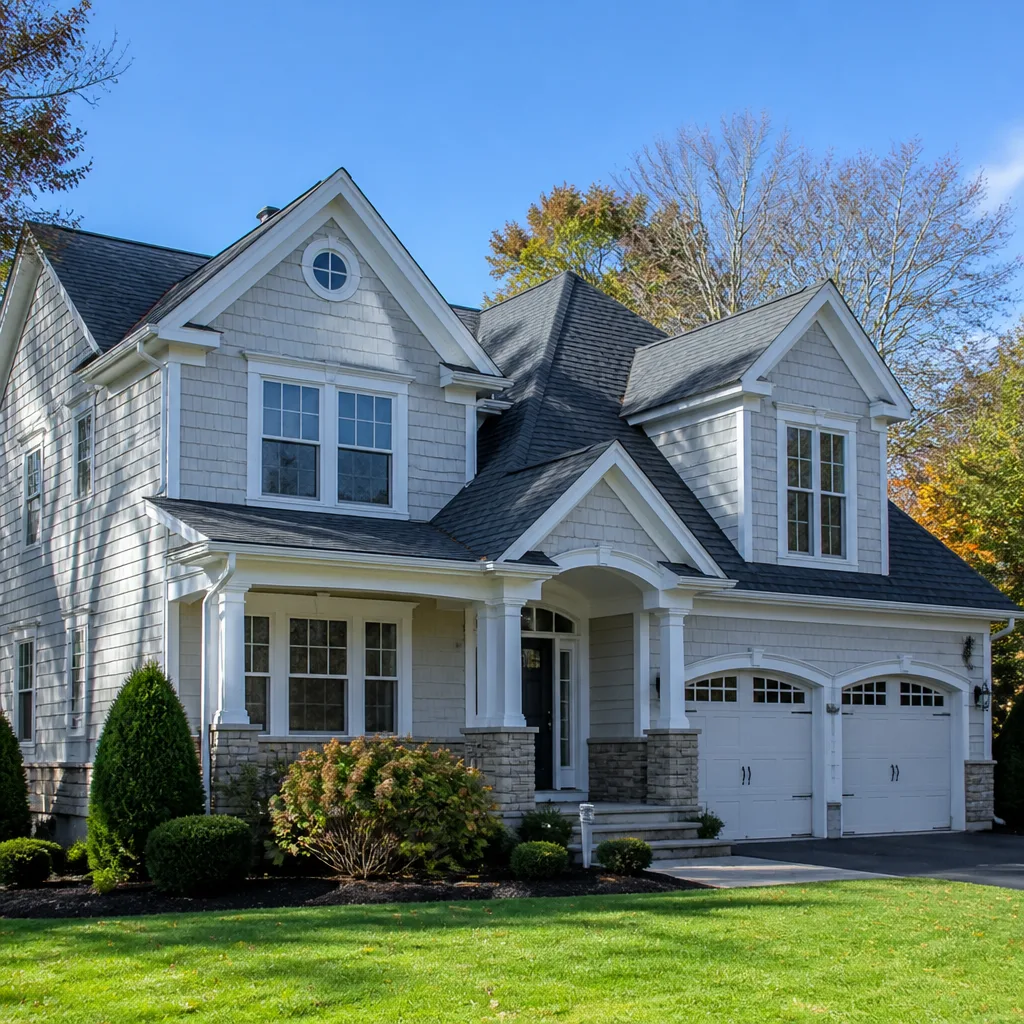
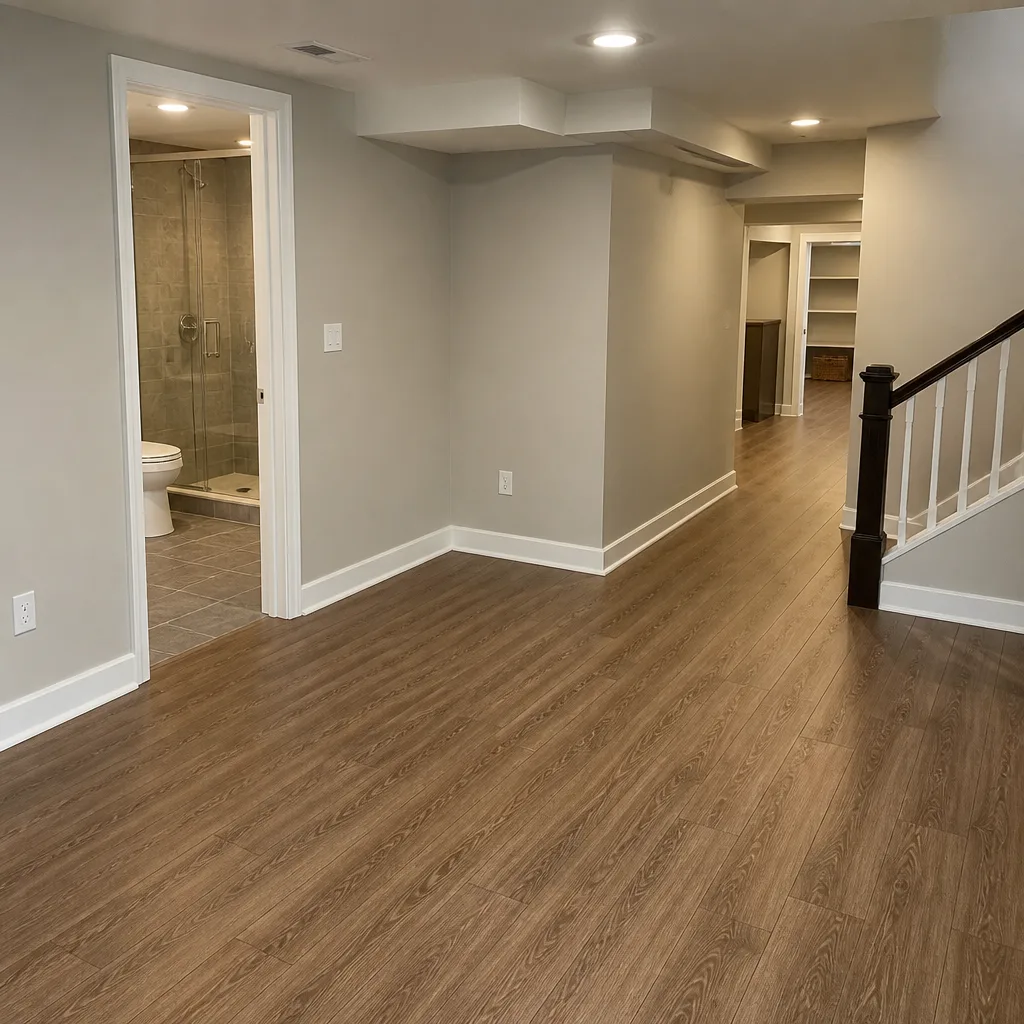
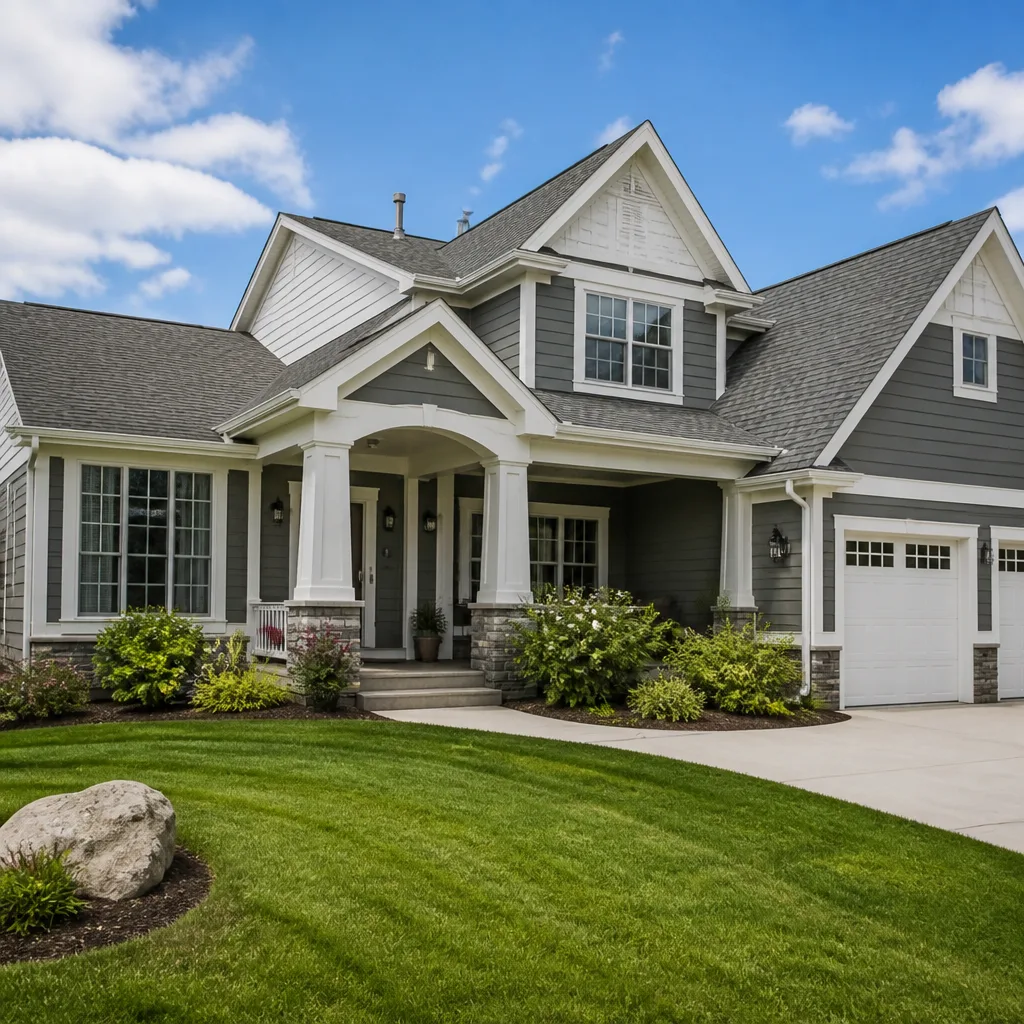
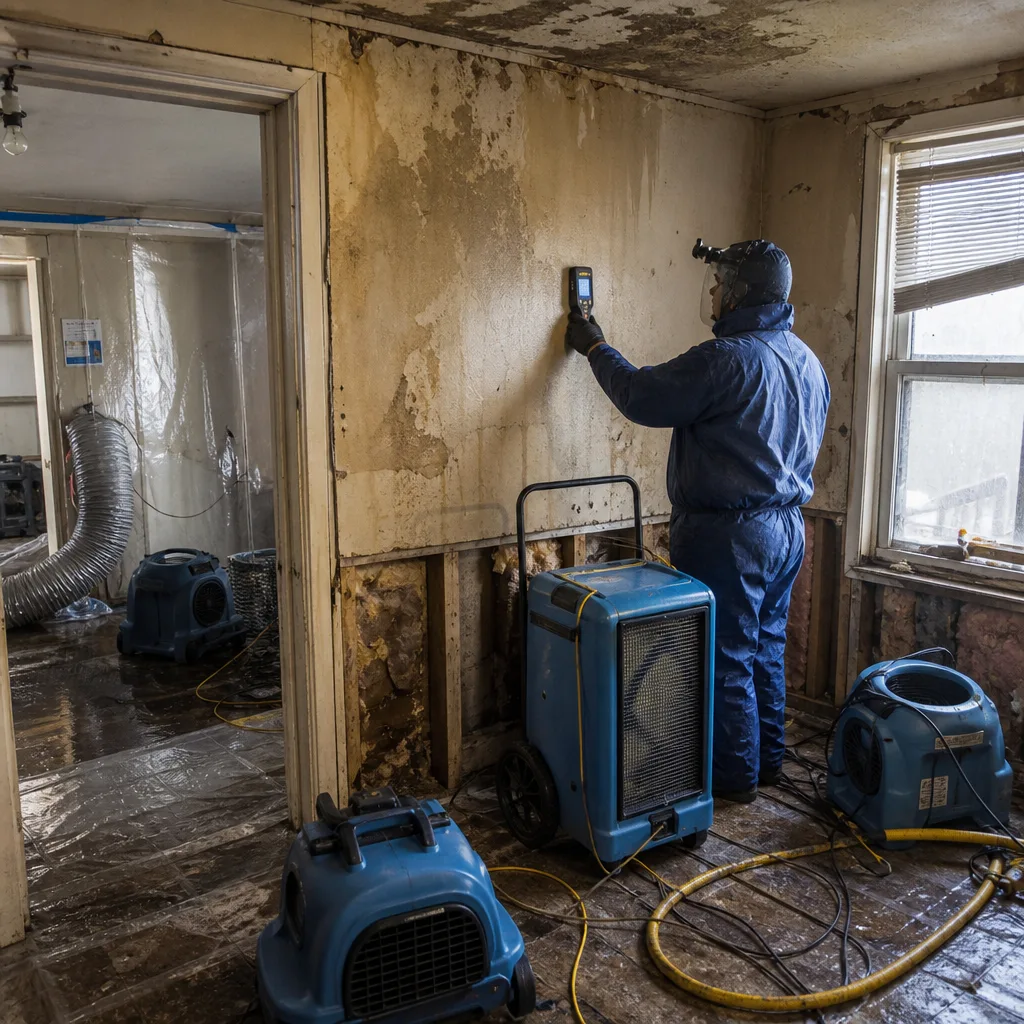 Before
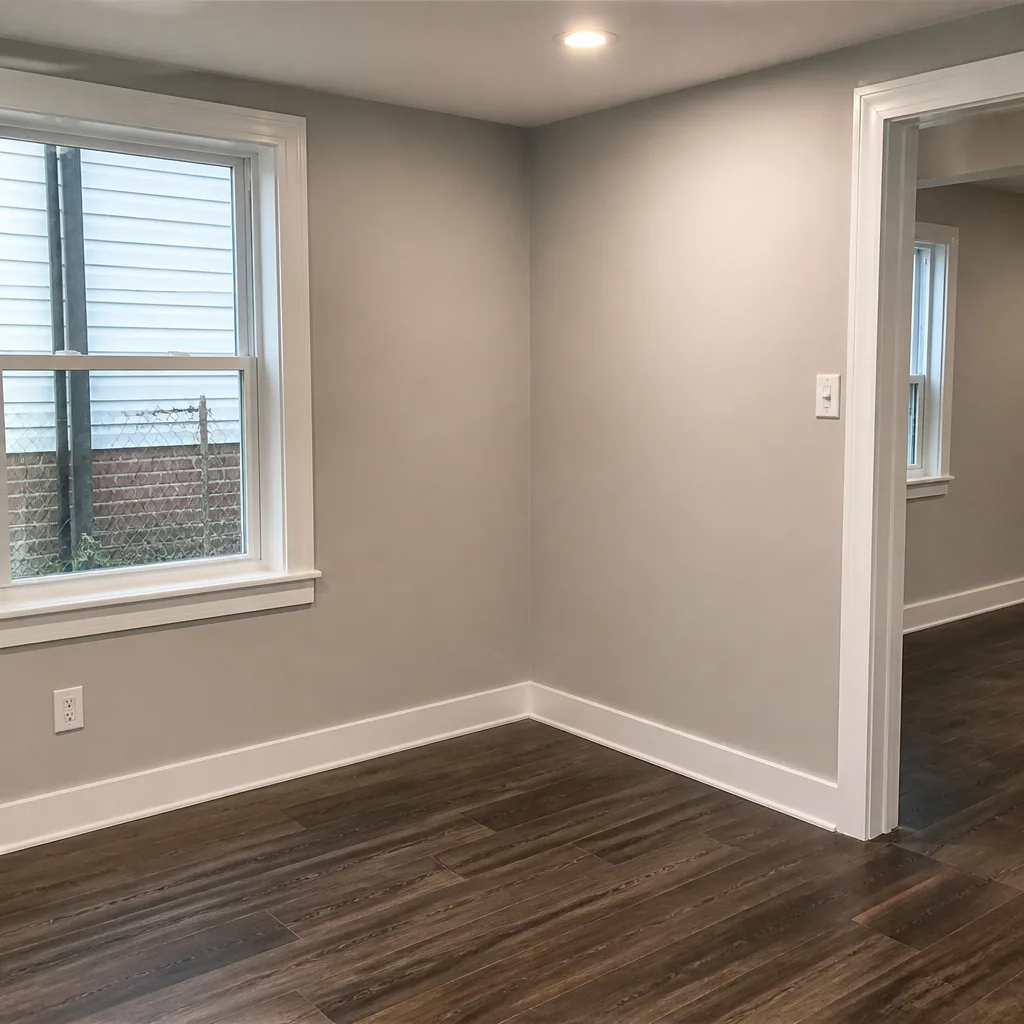 After
After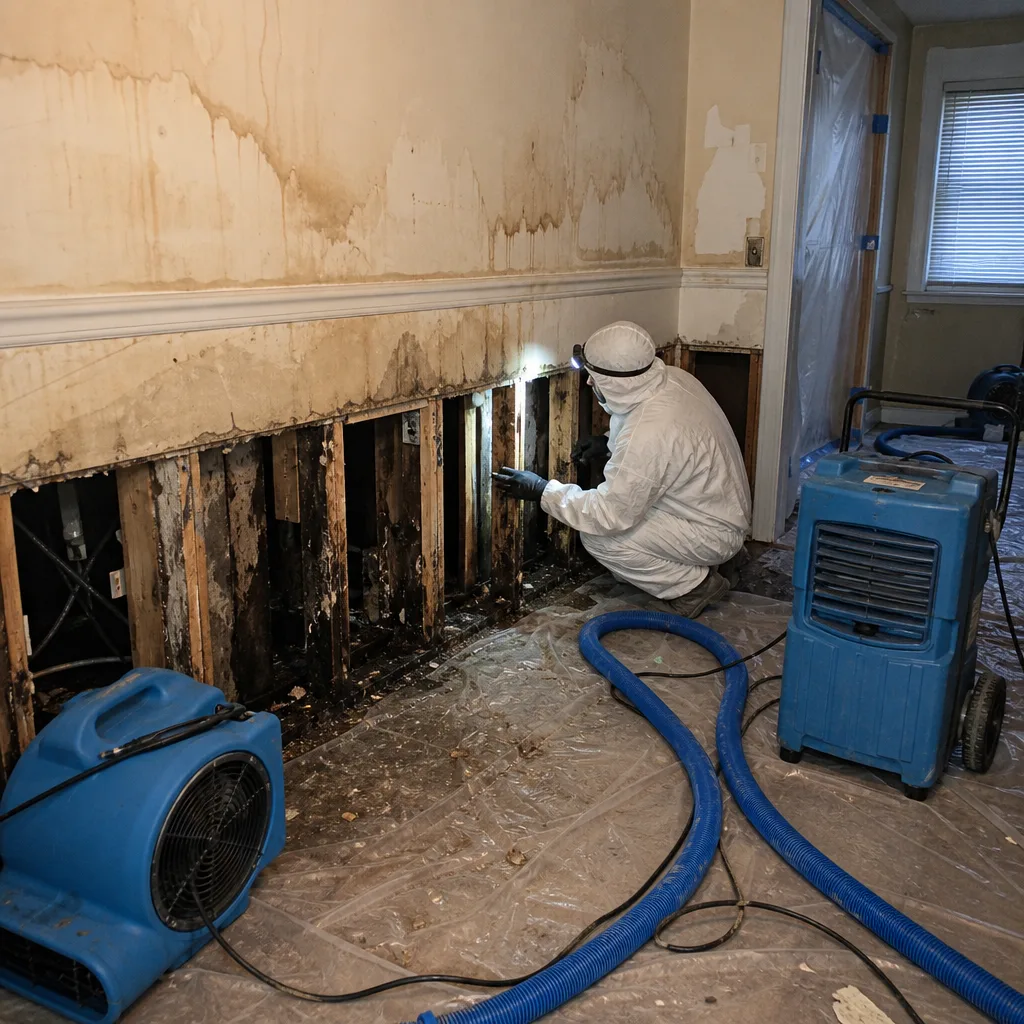 Before
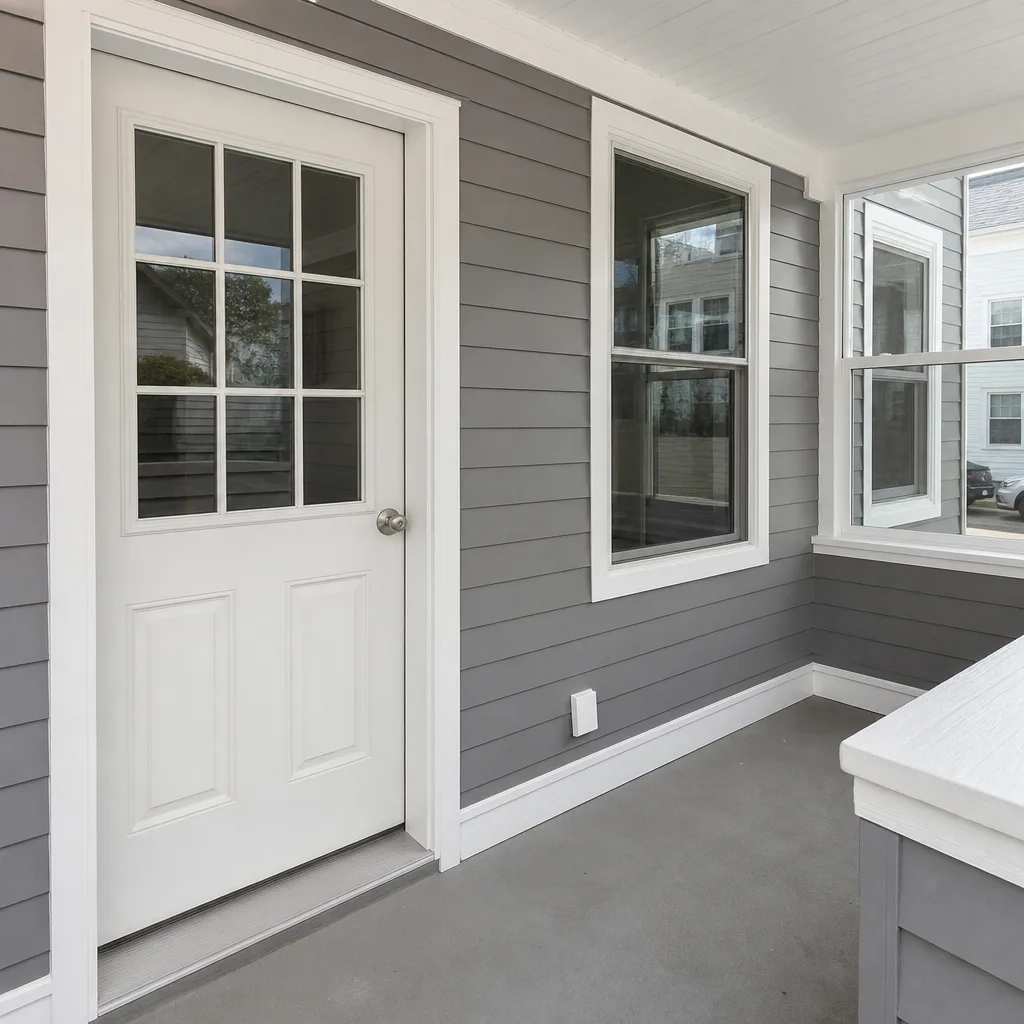 After
After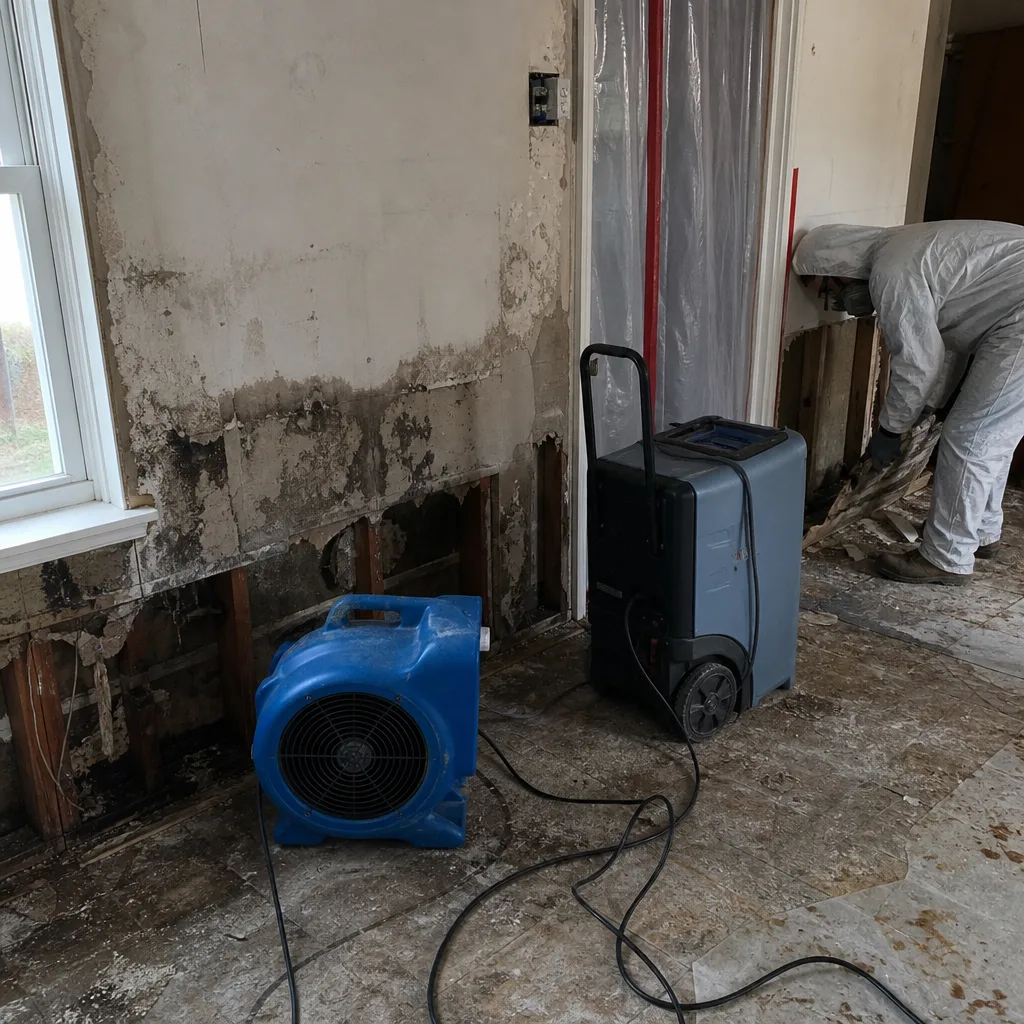 Before
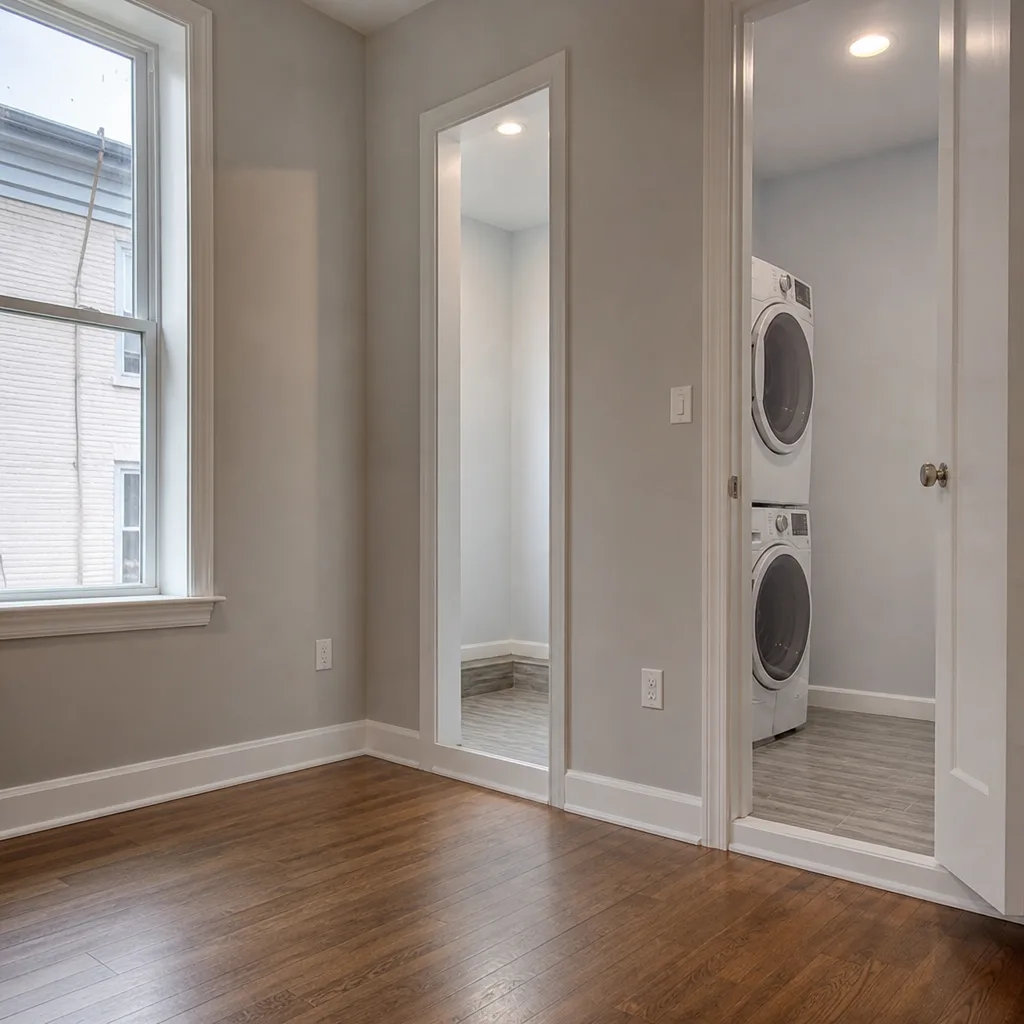 After
After24/7 Emergency Reconstruction & Cleanup in Lower Manhattan
When water gets into a Lower Manhattan building, the clock starts before the tide even turns. Saltwater moves through drywall, conduit, and sub-grade spaces faster than freshwater, and every hour it sits, the corrosion picture gets worse. That is why Floodline Restoration Co. keeps a live dispatcher on the phone 24 hours a day, every day, and crews staged to reach any address from Battery Park City to the South Street Seaport fast. Call (640) 400-9404 and you will talk to a person, not a recording. Same-visit extraction and a full written scope before any reconstruction begins is how we work down here.
Understanding Reconstruction & Cleanup Severity in Lower Manhattan Properties
Reconstruction and cleanup in Lower Manhattan is not a single trade. It is a sequence, and the first decision is which category of water you are dealing with. Category 1 is clean supply-line water. Category 2 carries contaminants. Category 3, the one we see most after a surge, is grossly contaminated saltwater carrying harbor sediment, sewage, fuel residue, and chloride. Category 3 demands full containment, disposal of saturated porous materials, and antimicrobial treatment before any rebuild. In a 19th-century Tribeca cast-iron loft or a 1980s Battery Park City residential tower, the framing differences matter less than the common vulnerability: mechanical rooms, elevator pits, and electrical switchgear positioned at or below grade, where brine intrusion causes the worst long-term damage. Saltwater-damaged drywall cannot simply be dried. It wicks chloride into the gypsum and the paper facing, and even after it “feels dry,” it holds enough salt to keep pulling moisture from the air. That is why our crews use moisture mapping and follow drying logs to a dry standard, not a guess. In pre-war Financial District buildings, we commonly find the same hidden problem: junction boxes and conduit that took partial saltwater in 2012, were never fully remediated, and have been quietly corroding for over a decade. That is not a typical water damage call. It is a Lower Manhattan water damage call.
Why Lower Manhattan Property Owners Choose Floodline Restoration Co.
- 45-minute response commitment. When a surge or broken supply line hits, we dispatch a crew inside 45 minutes to any Lower Manhattan address. The first hour determines how much material we save versus replace.
- 24/7 live answer. A real person picks up at 3 a.m. during a nor’easter. No phone tree, no call-back list. You tell us the address, we dispatch from the New York City office.
- IICRC-certified crews. Our technicians hold WRT, FSRT, and AMRT certifications and train to RIA and IFA standards. They read moisture maps, run HEPA air scrubbers, and know the difference between salvageable and gone.
- Free visual inspection. We walk the property with you, document what we see, and hand you a written scope before any reconstruction work is priced or scheduled.
- Direct insurance billing. We bill your carrier directly and coordinate with your adjuster from the first photo to the final invoice.
- One team, start to finish. Floodline handles extraction, drying, remediation, and rebuild. No mid-job handoff to a subcontractor you have never met.
Our Reconstruction & Cleanup Process
1. Inspection & Assessment
We arrive, walk every affected area, and use thermal imaging and hygrometers to map moisture behind walls, under floors, and in sub-grade spaces. In Lower Manhattan, we always inspect elevator pits, electrical vaults, and any pre-Sandy junction boxes as part of our Water Damage Restoration - Lower Manhattan process.
2. Extraction & Stabilization
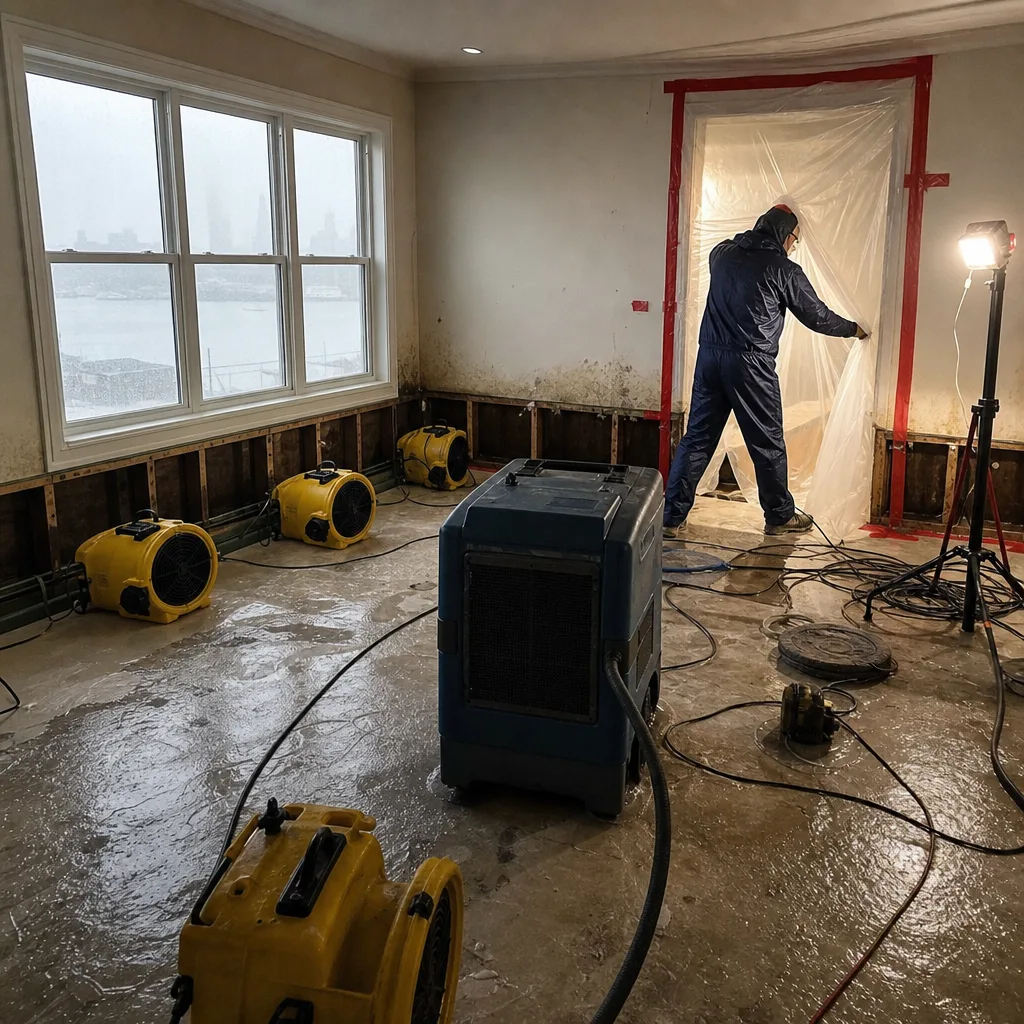
Category 3 saltwater is extracted with truck-mounted and portable units. We stabilize the structure, shut down compromised electrical circuits, and set containment to stop cross-contamination.
3. Drying & Dehumidification
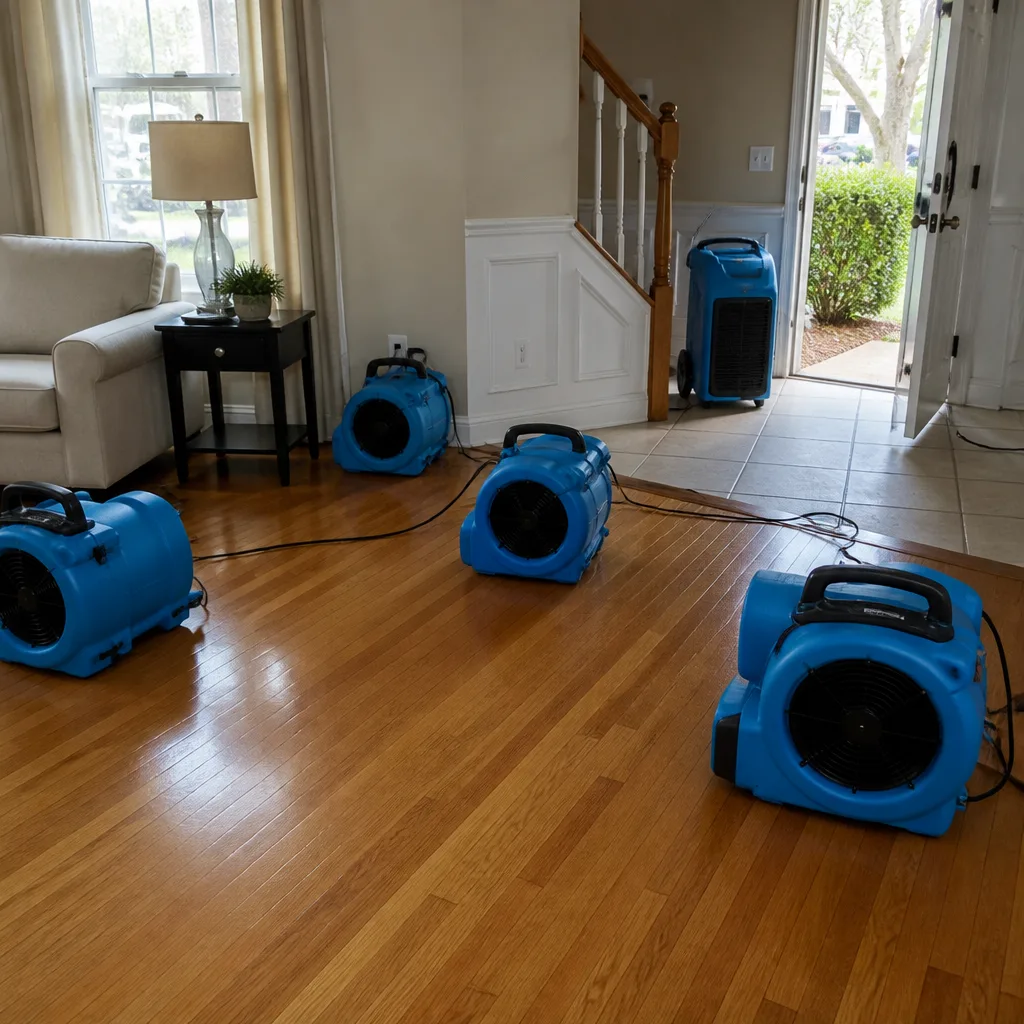
Dri-Eaz dehumidifiers, Phoenix units, and XPOWER air movers run on a calculated layout. We take daily moisture readings, log them, and keep drying until the structure hits the dry standard, not just until it looks dry.
4. Cleaning & Sanitization
Saltwater leaves a chloride residue. We clean all salvageable surfaces, treat with antimicrobials where Category 3 was present, and run HEPA air scrubbers to settle particulate before rebuild starts.
5. Saltwater-Specific Treatment
We inspect and, where needed, replace corroded conduit, junction boxes, and any steel connections in sub-grade spaces. If a Battery Park City elevator pit or Financial District vault was partially submerged years ago and never properly remediated, this is the step where we find it.
6. Repairs & Restoration
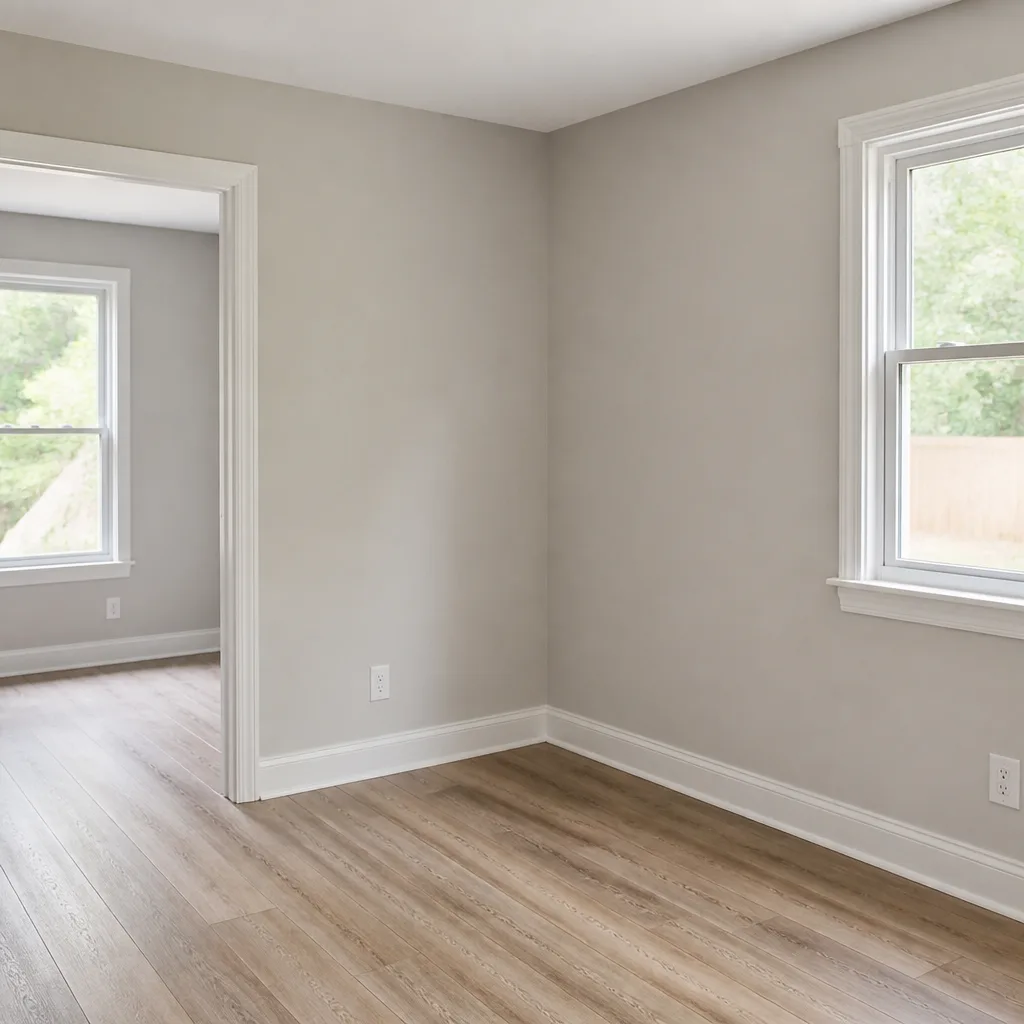
Full-service reconstruction means our own crew hangs drywall, lays flooring, reinstalls trim, and finishes paint. We rebuild to pre-loss condition and hand you the drying log, the moisture map, and the 90-Day Done Right Promise in writing.
Need Emergency Reconstruction & Cleanup in Lower Manhattan Now?
Crews minutes away, answering live 24 hours a day. The sooner we start, the less it costs.
Working With Your Insurance Company
Insurance claims for storm-surge and saltwater damage in Lower Manhattan do not read like a standard freshwater claim. Adjusters need proof of the brine factor: chloride levels, photos of corroded conduit, and documentation that the drying standard was actually met before rebuild started. From the first hour, we photograph every affected room, log moisture readings daily, and write a line-item scope that matches industry-standard estimating software your carrier already accepts. We speak with your adjuster directly, so you are not the middleman between a restoration crew and a claims department. Our Reconstruction & Cleanup team has handled surge claims in this ZIP code long enough to know what gets approved fast and what gets challenged, and we document accordingly.
What We Provide Your Insurer
- Thorough documentation of the loss
- Photos of all damage, room by room
- Moisture readings and drying logs
- A detailed, line-item scope of work
- Direct coordination with your carrier
Built for Lower Manhattan’s Loss Calendar
Lower Manhattan’s loss calendar does not look like the rest of the city. Late summer and early fall bring the Atlantic hurricane season, with surge risk that runs straight up the East River and into the Battery. Nor’easters hit from November through April, and while they are less dramatic on the news, a slow-moving nor’easter can push water into basement mechanical rooms for hours longer than a fast-moving hurricane. January deep freezes burst supply lines in converted Financial District towers where original plumbing runs through uninsulated chases. Spring thaw saturates the landfill under Battery Park City and reveals cracks in sub-grade walls. And every few years, a storm like Sandy reminds everyone why FEMA Flood Zone AE exists here. We staff around that calendar. Our crews live in the metro area, know the surge maps, and keep equipment staged for the neighborhoods most likely to flood first. When you call Lower Manhattan dispatch, you are not explaining geography. The person on the other end already knows your block.
Reconstruction & Cleanup Across Lower Manhattan’s Neighborhoods
Battery Park City is ground zero for saltwater surge. Built on Hudson River landfill, its residential towers put elevator pits and electrical vaults below sea level, and every storm tests that design. We have worked buildings there where post-Sandy remediation was done quickly, not properly, and the chloride has been eating at conduit ever since. In the Financial District, pre-war office towers converted to condos after 2000 carry a different risk: original mechanical systems retrofitted into spaces never designed for residential use, with switchgear in sub-basements that flood first. Tribeca’s cast-iron and timber-beam lofts are a different animal entirely. Original timber floors and brick party walls absorb saltwater and hold it, and drying them requires patience and daily monitoring. Over near the South Street Seaport and the Two Bridges corridor, mixed-use buildings with retail at grade see the same surge water come through storefronts before it reaches residential space. Each neighborhood has a different building type, but the common thread in Lower Manhattan is salt, and salt never lets go.
Specialized Reconstruction & Cleanup Services We Offer in Lower Manhattan
Full-Service Reconstruction
From gutting a flooded Battery Park City mechanical room to rebuilding a Tribeca loft wall after a supply-line failure, our Lower Manhattan Commercial Restoration crews handle demolition, framing, drywall, flooring, and finish work. No handoff, no second crew. One company, one warranty, one name to hold accountable.
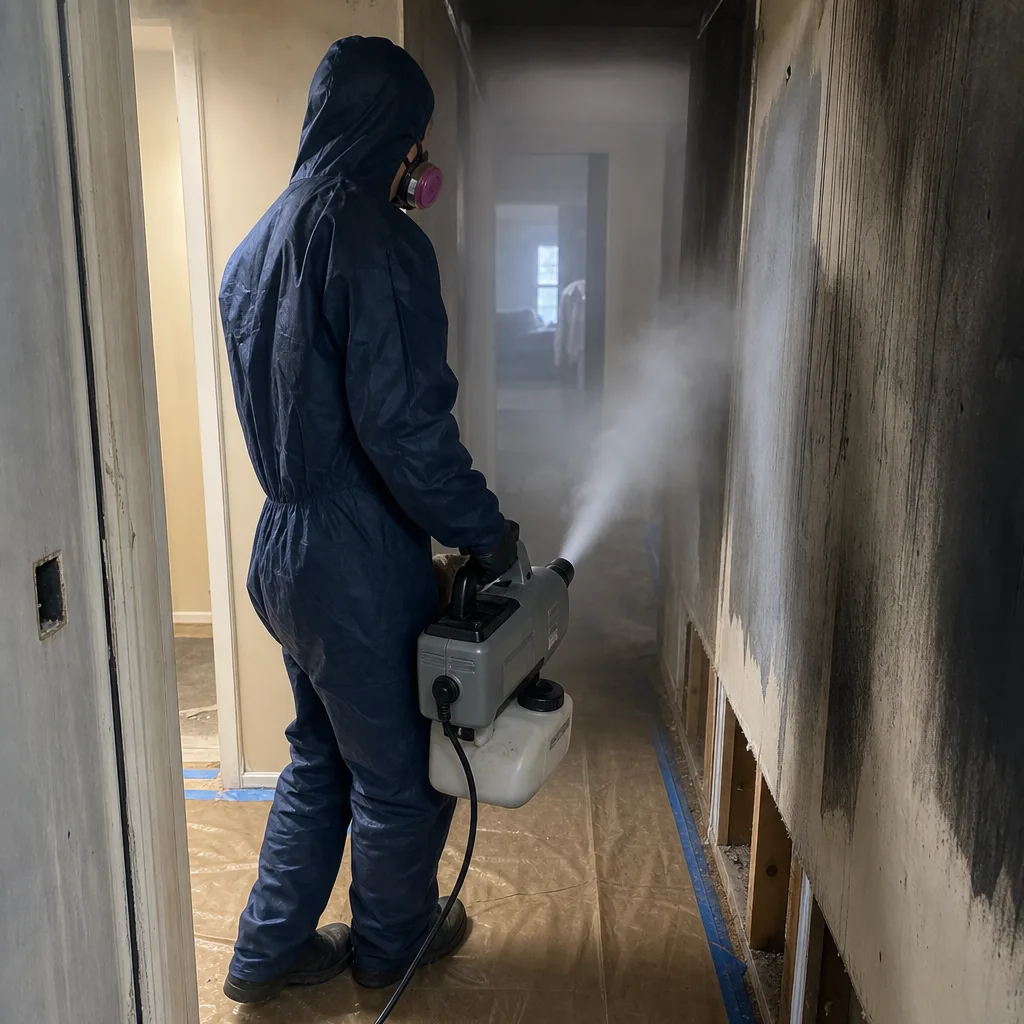
Drywall & Flooring Repair
Saltwater-damaged drywall in Lower Manhattan is usually removed, not dried. We cut clean at the floodline, treat the framing behind it, and hang new board once moisture readings prove the structure is dry. Hardwood floors in pre-war buildings get a case-by-case assessment; engineered and laminate flooring in Battery Park City towers usually gets replaced.
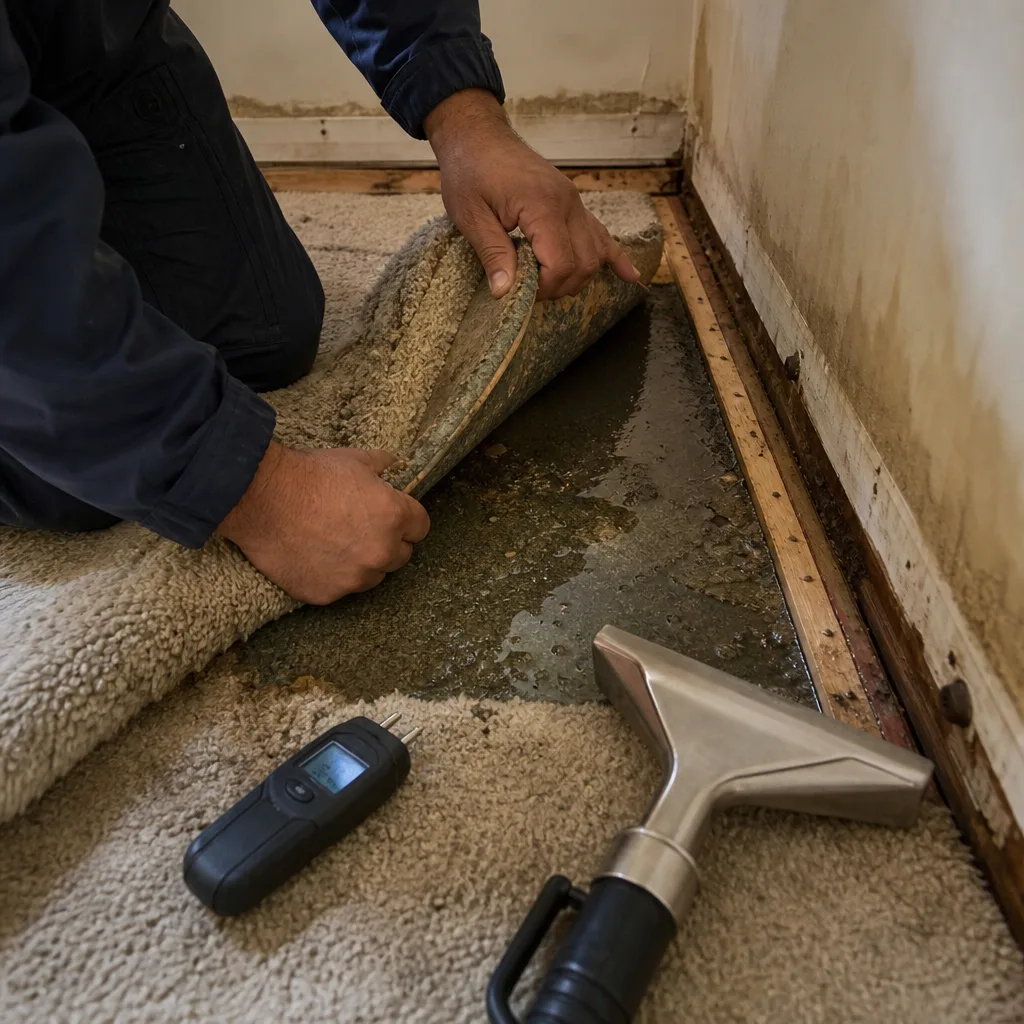
Contents Restoration & Pack-Out
When a surge claims a basement storage room or a broken pipe soaks a Financial District condo, we inventory, pack out, clean, and store contents until the structure is ready. Items that cannot be restored are documented for your adjuster with photos and line-item replacement costs.
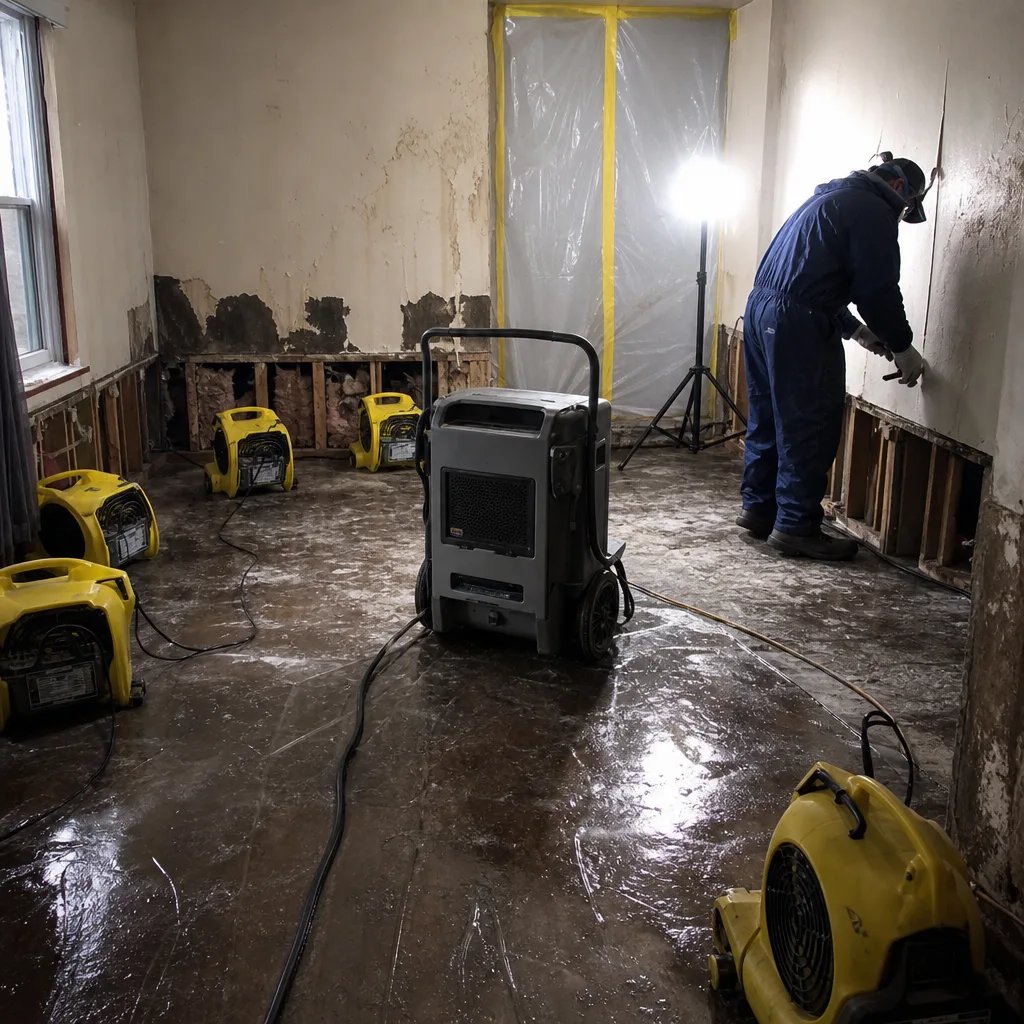
Carpet & Upholstery Cleaning
Saltwater is the death of most carpet and pad. But for Category 1 and 2 losses, or post-construction dust and debris, we run professional-grade extraction and hot-water cleaning to bring salvageable textiles back to a clean, dry condition.
Post-Construction Cleanup
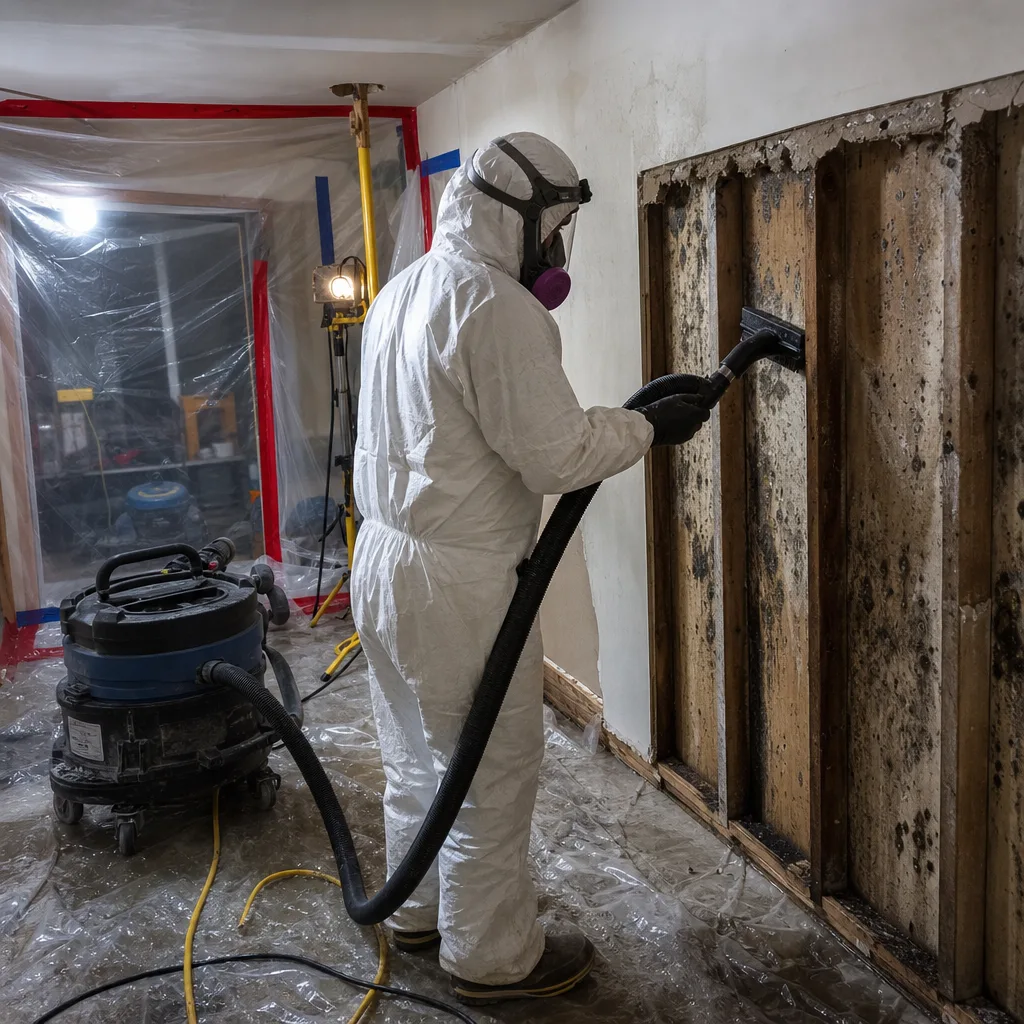
After any rebuild in Lower Manhattan, dust settles everywhere, including inside ducts and on newly finished surfaces. We HEPA-vacuum, wipe down, and air-scrub before you move back in. Rebuild dust is not cosmetic; it is abrasive and it travels, and a proper post-construction cleanup keeps it out of your HVAC for good.
Insurance Claim Documentation
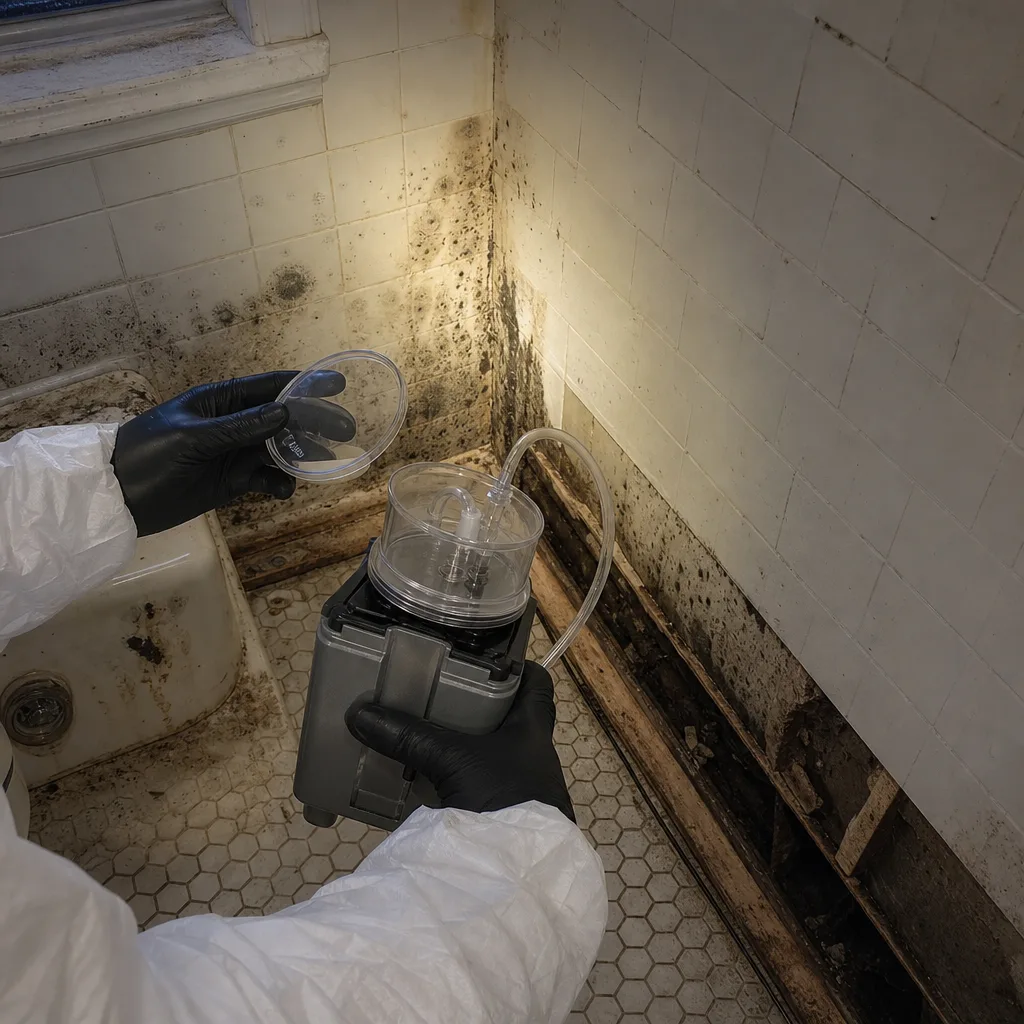
For storm-surge and wind-load claims, documentation is everything. We provide room-by-room photos, moisture maps, drying logs, chloride testing where relevant, and a line-item scope that matches your carrier’s estimating platform. We deal with the adjuster so you do not have to.
What happens when you call
- 1
A real person answersNo phone trees - you reach a local pro.
- 2
You get an upfront price rangeHonest numbers before anyone is dispatched.
- 3
A background-checked tech heads outLicensed & insured, dispatched right away.
- 4
You approve before work beginsNothing starts until you say go.
Reconstruction & Cleanup Costs in Lower Manhattan, NY
Full-service reconstruction in Lower Manhattan runs higher than the borough average because the buildings are older, the mechanical rooms are below grade, and the saltwater factor adds inspection and replacement steps that freshwater jobs do not have. Here is what we see on typical jobs in this market: emergency water extraction runs $800 to $2,400 for a Category 3 surge event in a basement mechanical room. Structural drying with daily monitoring adds $1,200 to $3,200 depending on square footage and how long it takes to hit the dry standard. Saltwater drywall demolition and replacement typically lands between $4 and $8 per square foot including framing treatment and finish. Corroded conduit and junction box replacement in a pre-Sandy elevator pit or electrical vault can add $2,000 to $8,000 depending on how far the corrosion has traveled. Wind-rated door and window panel replacement after a storm runs $1,800 to $6,000 per opening, including track realignment and weather sealing. Contents pack-out and restoration adds $1,500 to $5,000 depending on volume. The free visual inspection is the only way to get a firm number, because two identical-looking basements in Battery Park City can have wildly different hidden conditions. We give you a written scope before any work is priced, so there are no surprises on the bill.
We Also Serve Cities Near Lower Manhattan
Our crews respond across the metro area: Midland Beach, New Springville, Oakwood, and Travis – Chelsea. If your property sits outside Lower Manhattan proper, call (640) 400-9404 and the dispatcher will route the nearest certified crew to you.
Lower Manhattan Reconstruction & Cleanup Questions, Answered
How does saltwater surge in Lower Manhattan change the reconstruction scope versus a typical freshwater spill?
Saltwater adds a corrosion timeline that freshwater does not. Drywall, conduit, junction boxes, and steel connections that take on brine keep corroding long after they look dry, so the scope must include chloride inspection, replacement of affected electrical components, and antimicrobial treatment. We do not treat a surge like a pipe break, because the chemistry is different and the failure happens years later if you skip it.
Do I need a permit for wind-rated door or window replacement in Lower Manhattan after a storm?
In most Lower Manhattan buildings, yes. Door and window replacement that changes the opening or the wind-rating generally requires a Department of Buildings permit, and in landmarked districts like Tribeca or the South Street Seaport area there are additional Landmarks approvals. We pull permits, handle the documentation, and make sure the replacement matches the building’s wind-load requirements before installation.
What is the urgency for drywall demolition after a storm surge in Battery Park City?
Fast. Saltwater-soaked drywall should be cut out within 24 to 48 hours of the event. After that, the gypsum wicks moisture outward, mold starts moving behind the board, and the chloride contamination spreads into framing and adjacent cavities - which is why Mold Remediation in Lower Manhattan must begin quickly. The first day is when we save you money; by day three, the scope has usually doubled.
How do you handle elevator pits in Financial District buildings that had partial saltwater intrusion during Sandy but were never fully rebuilt?
We inspect them before quoting anything else. The pattern we see repeatedly: a pit took some water in 2012, somebody pumped it out, the building moved on, and the conduit and junction boxes have been corroding silently for over a decade. By the time a reconstruction job opens the walls, the corrosion has spread. We document what we find, replace the affected run, and include it in the insurance scope where it applies.
Does my insurance claim need special documentation for wind and storm-surge reconstruction in Lower Manhattan?
Yes. Surge and wind-load claims need proof that the loss was saltwater-driven, not a standard plumbing failure. We provide chloride test results, photos of corrosion, wind-rating documentation on replaced doors and panels, and a line-item scope that matches your carrier’s estimating software. Direct adjuster coordination is part of the job here, not an add-on.
How fast can someone actually get here after I call?
A live dispatcher answers immediately, day or night. For water intrusion, a crew is dispatched within 45 minutes to any Lower Manhattan address. For scheduled reconstruction, we set a written scope and start date that both sides agree to in advance.
How long does the full reconstruction take after a storm surge in Lower Manhattan?
For a typical basement mechanical room or ground-floor residential space, drying runs 3 to 7 days, demolition another 2 to 4 days, and rebuild 2 to 6 weeks depending on finishes, permit timing, and what the corrosion inspection turns up. Pre-Sandy buildings take longer because hidden electrical damage often changes the scope once walls are open.
What should I do in the first 30 minutes after water gets in?
Call us at (640) 400-9404. Do not enter a flooded basement or mechanical room if the power is still on, the water is deep, or you cannot see the source clearly. If it is safe to do so, shut off the main electrical breaker from a dry location. Then let our crew handle extraction and assessment. The first hour determines what gets saved.
Serving Lower Manhattan, NY - Our Local Coverage Area
We’re based in the Lower Manhattan area and know this community well. Use the map below to see our service coverage - if you’re nearby, we can almost certainly help.
Why Wind-Rated Doors and Storm-Surge Prep Belong on This Page
Lower Manhattan is the only part of New York City where wind-load failure and storm-surge intrusion show up in the same reconstruction call. A door that racks in a nor’easter is not an inconvenience. It is an opening. In Battery Park City, we have seen entry doors and window panels pushed out of true by 70-mph gusts, and the result is water intrusion during the same storm or the next one. Wind-rated replacement is not a luxury here; it is the difference between a one-time repair and a recurring loss. If you own or manage a building in Flood Zone AE, the right move is to have us inspect entry points before the next named storm, not after it. Track misalignment, missing weather stripping, and panels that no longer seat flush are signs the next surge will find its way inside. Our Reconstruction & Cleanup in Lower Manhattan team includes this in every post-storm scope because around here, the wind and the water work together.
Written by Curt Bowman, Owner at Floodline Restoration Co., serving Lower Manhattan properties with full-cycle restoration and rebuild since 2010. Call (640) 400-9404 anytime for a free estimate and a straight answer.