

Free visual inspection and a written scope of work before any mitigation begins - photos, moisture readings, and drying logs go in your claim file
The scope we write is the scope we bill. Anything new gets shown to you, in writing, before we touch it.
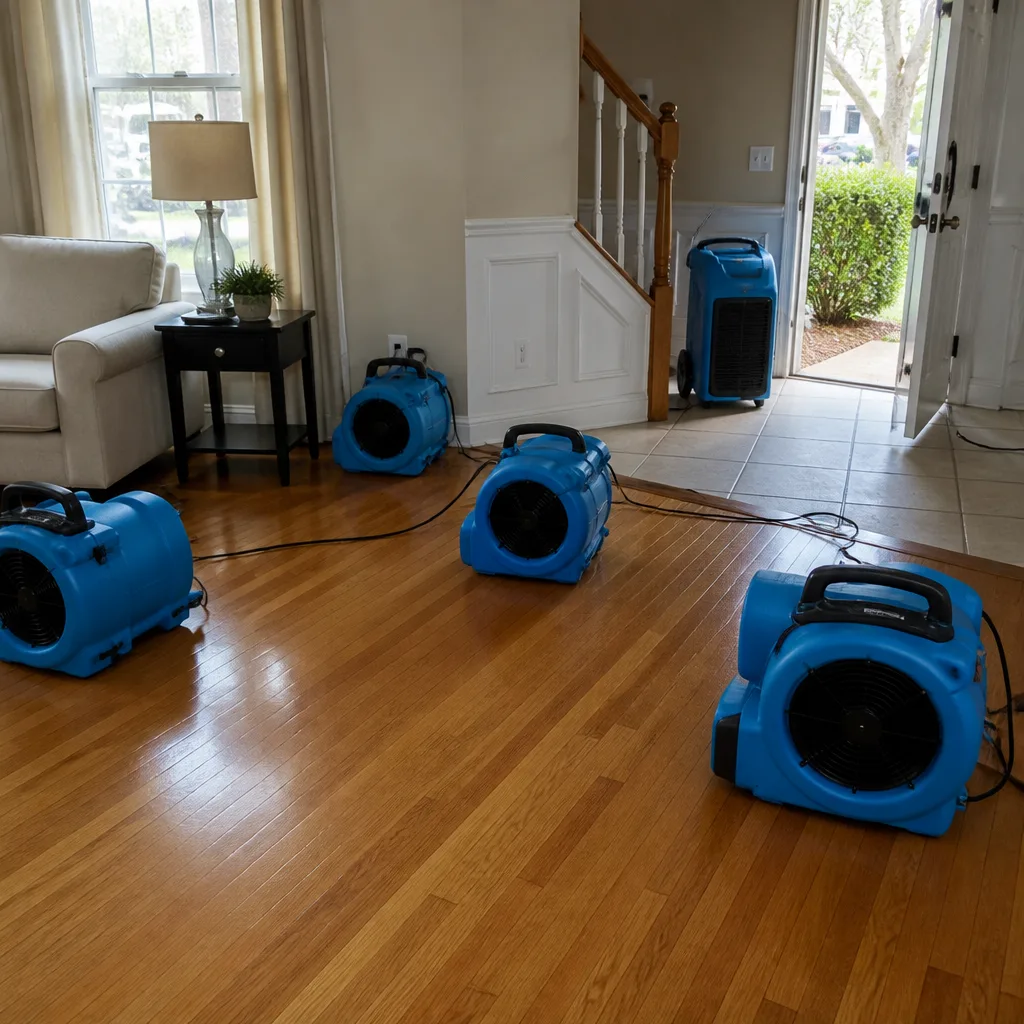
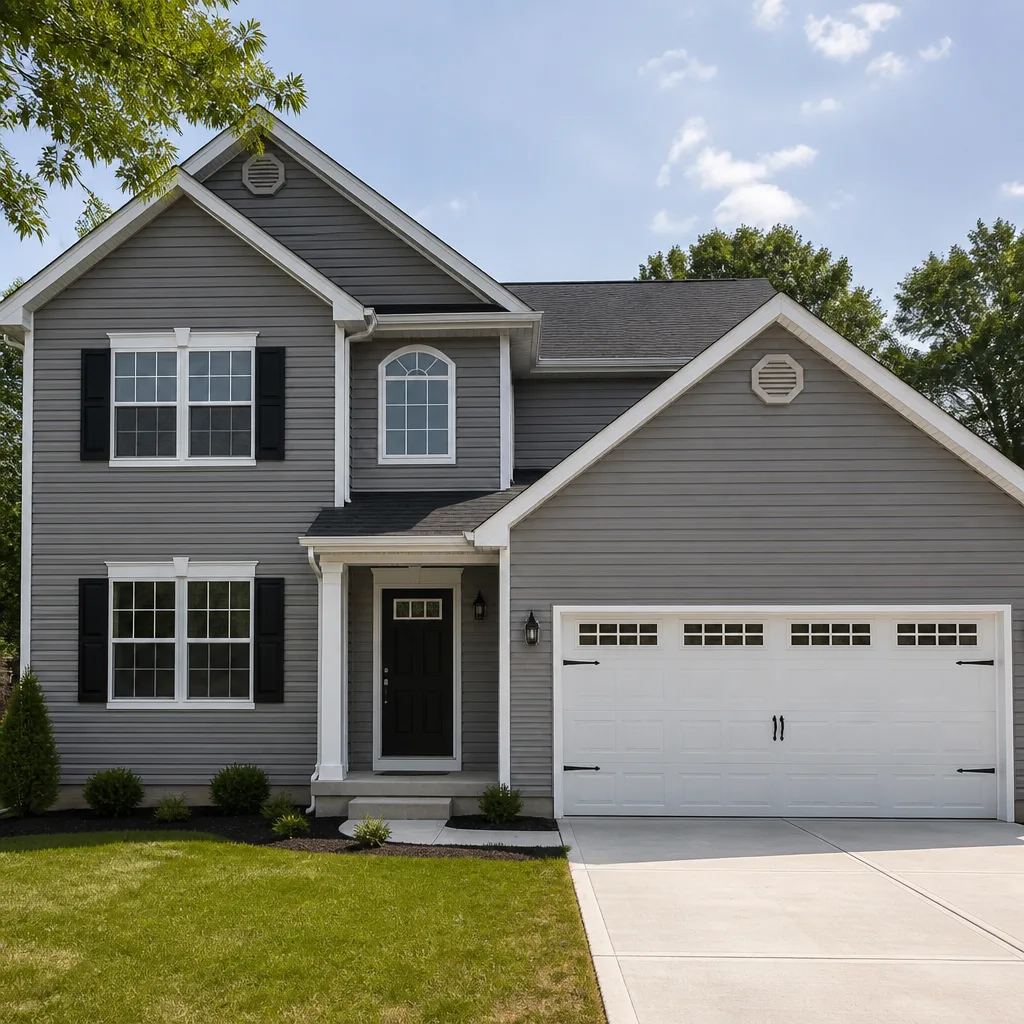
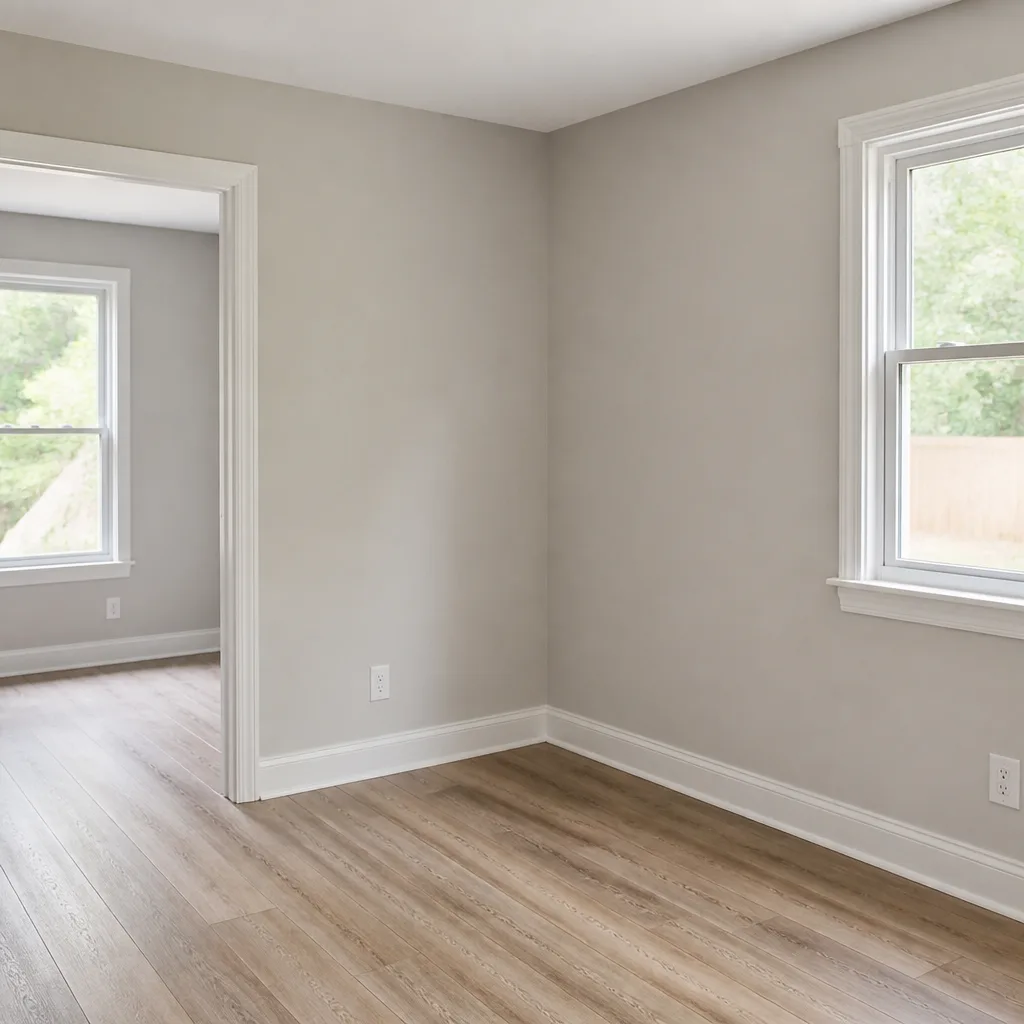
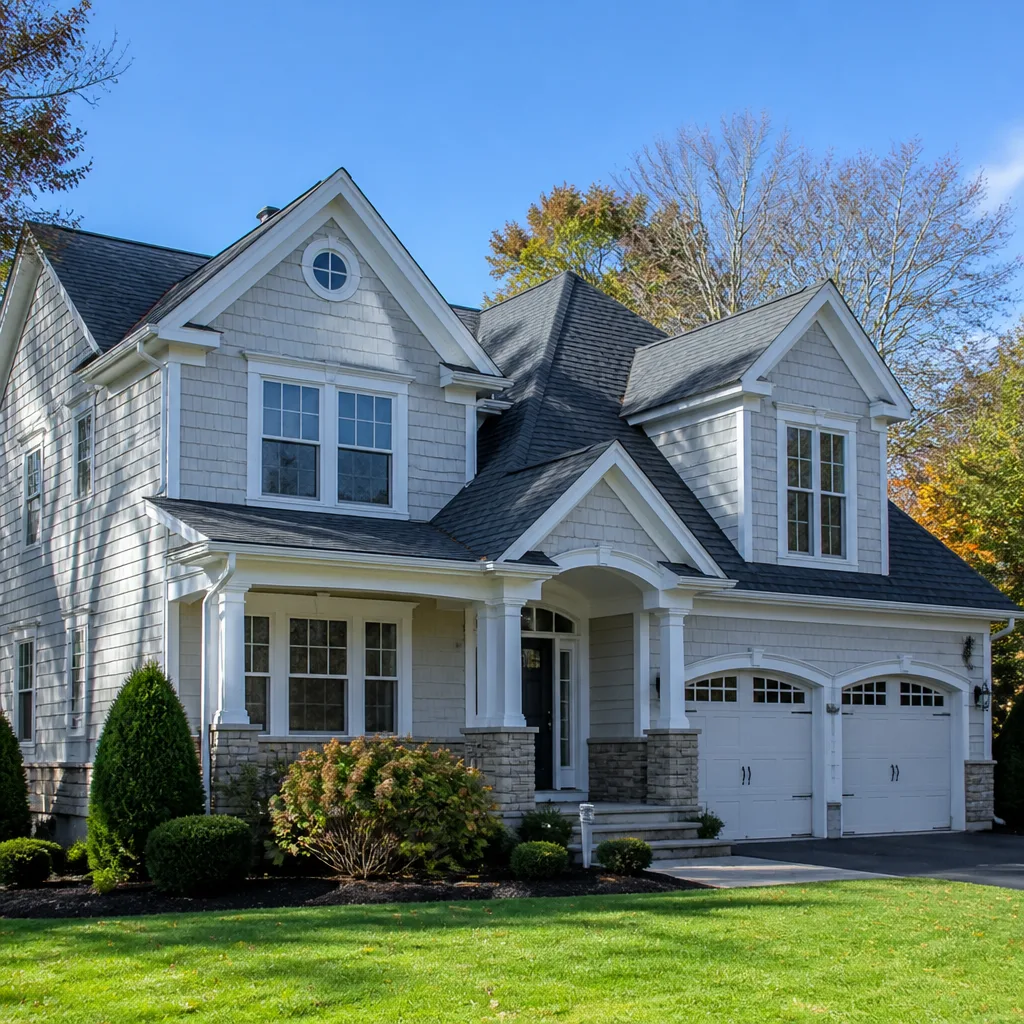
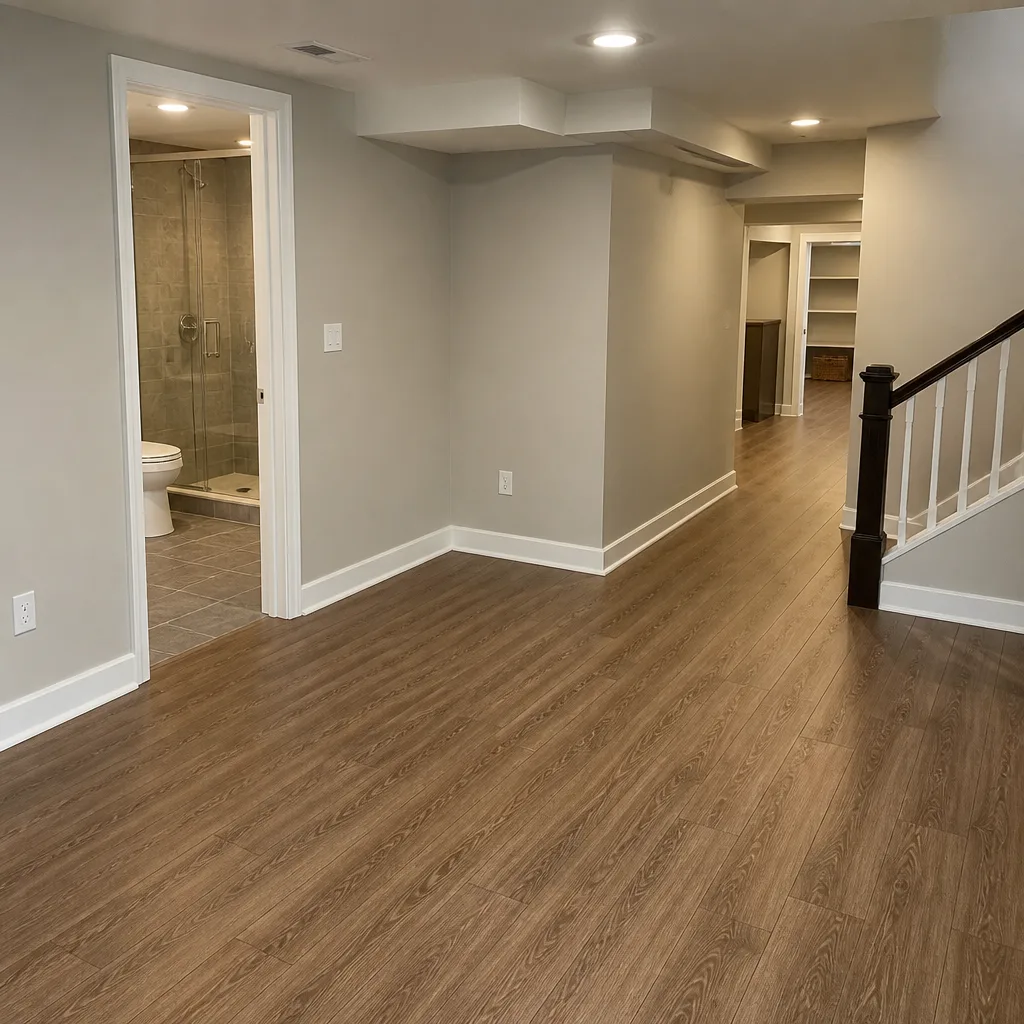

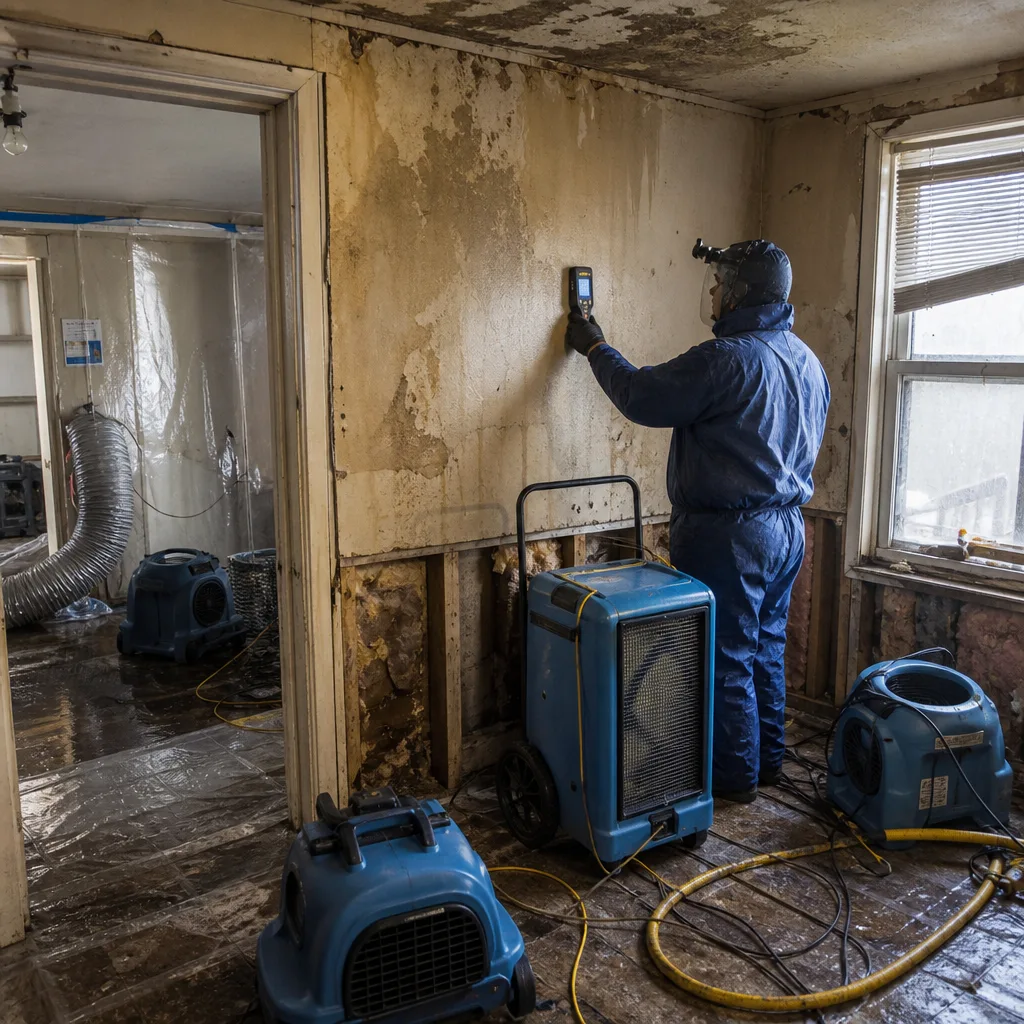 Before
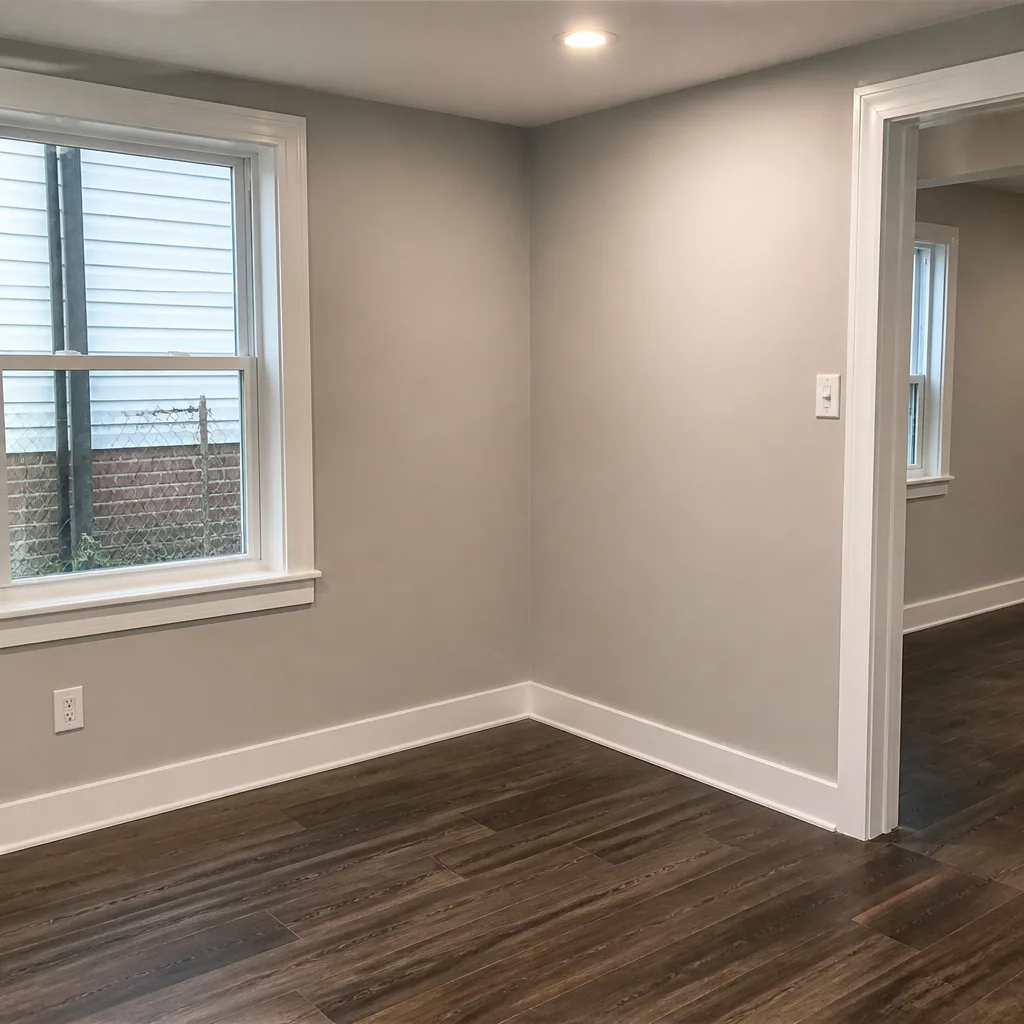 After
After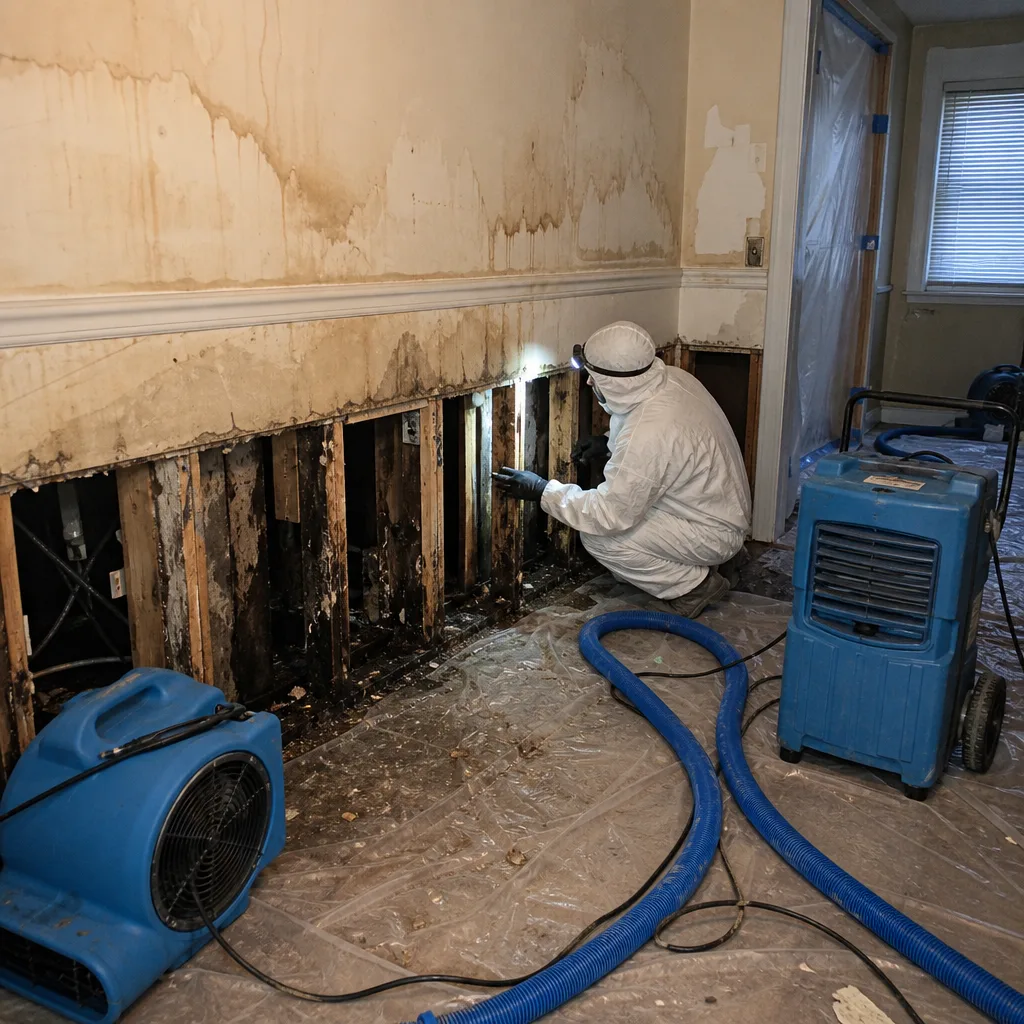 Before
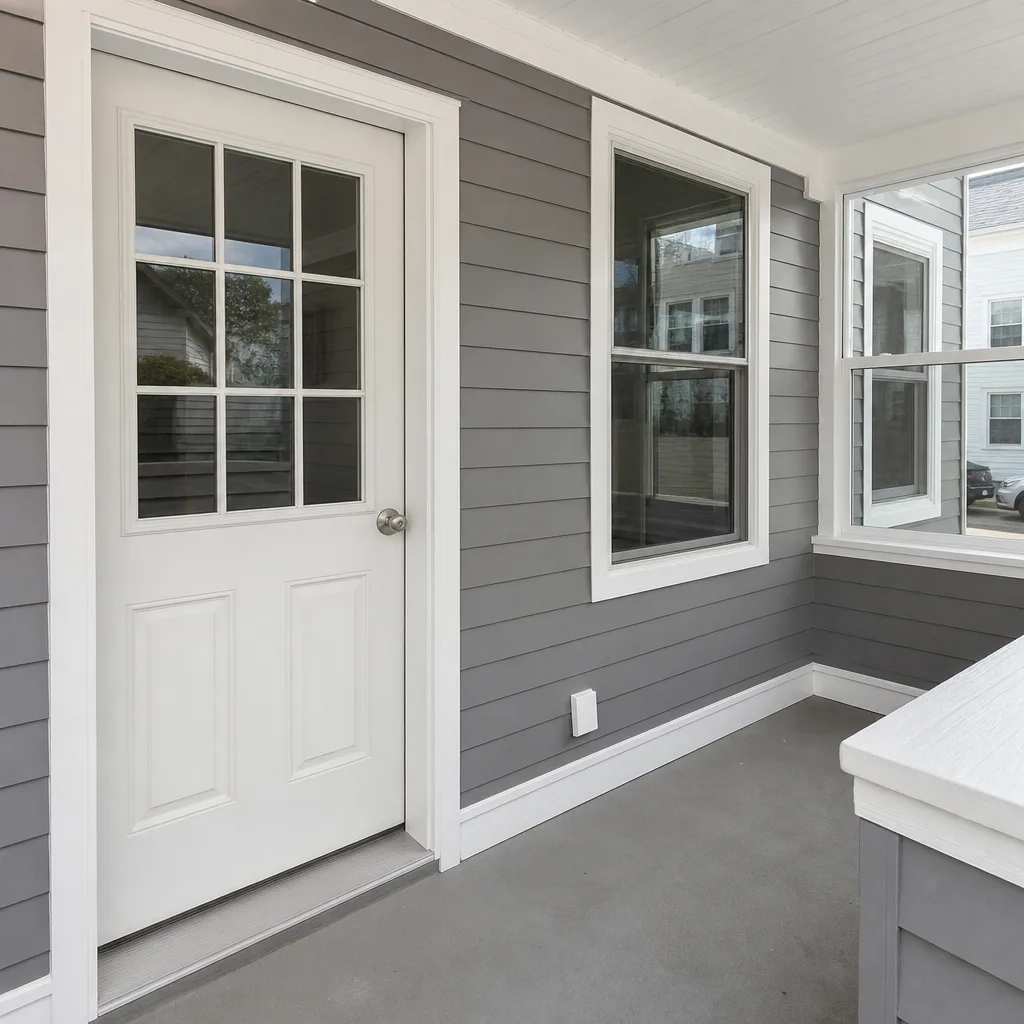 After
After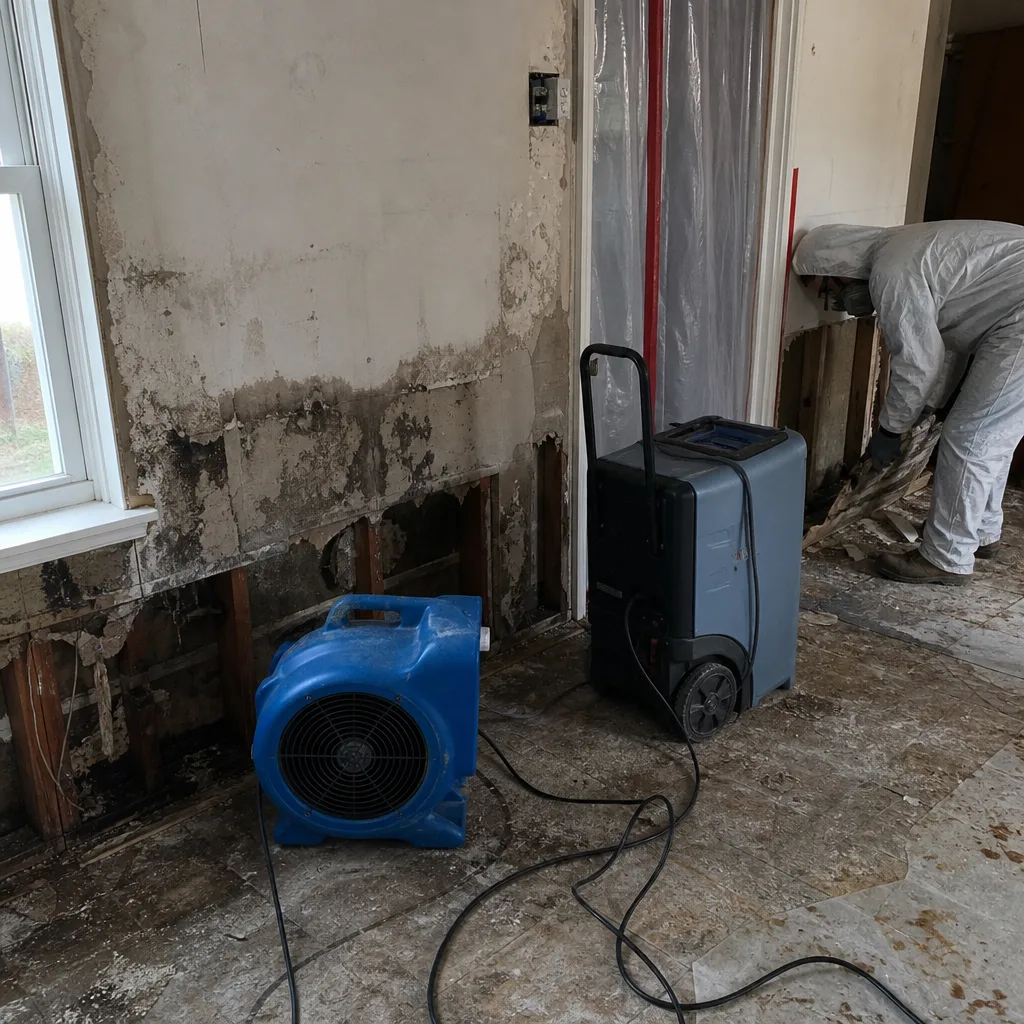 Before
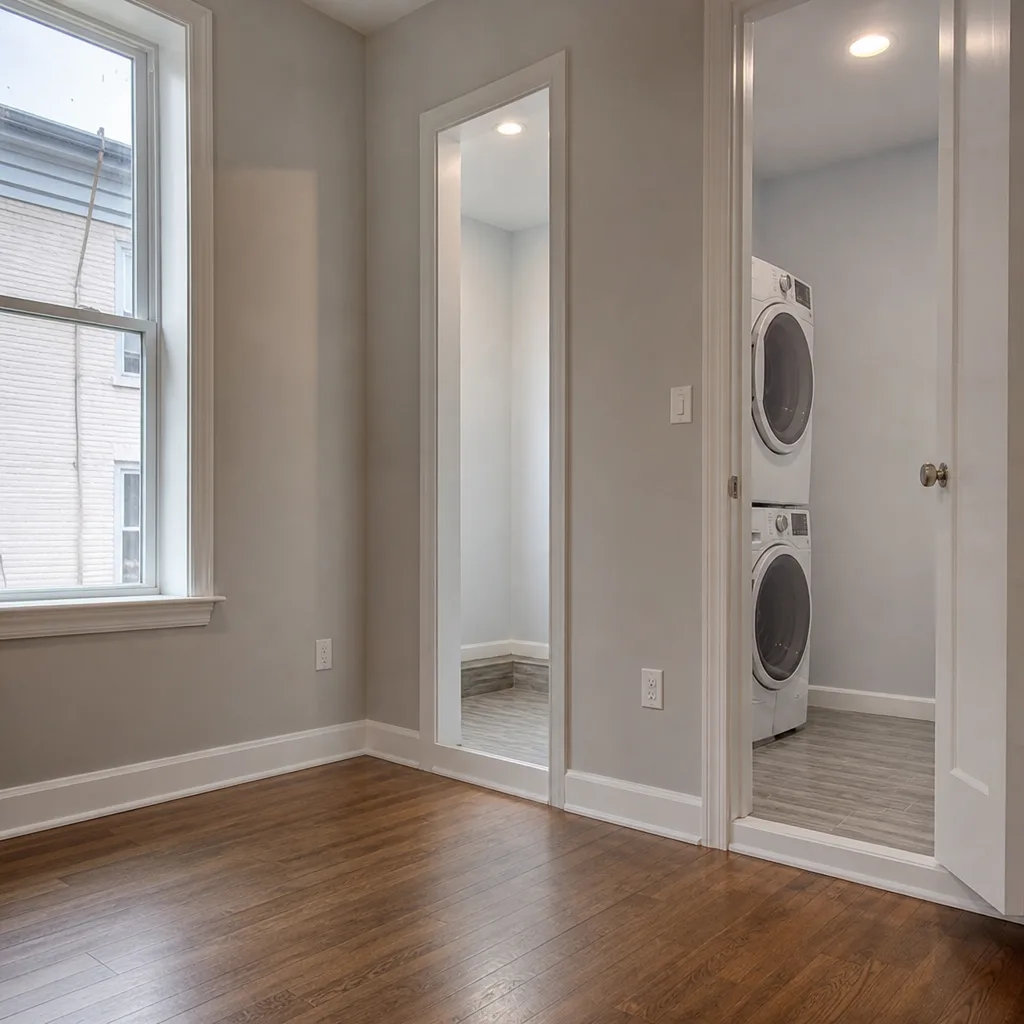 After
After24/7 Emergency Fire & Smoke Damage Restoration in Harrison
Fire and smoke damage in Harrison moves fast. Soot etches glass and fixtures within hours, and smoke odor seeps into brick party walls where it stays hidden for weeks if not treated properly. Floodline Restoration Co. answers live around the clock at (640) 400-9404, with crews dispatched to Harrison homes the same call. We complete a free visual inspection, set containment where needed, and start mitigation before the damage spreads further. The first hour determines whether a kitchen fire stays a kitchen fire or becomes a whole-house loss. Harrison’s brick row houses hold smoke in ways newer construction doesn’t, and that means speed matters more here than in towns with drywall-and-stud framing on open lots.
Understanding Fire & Smoke Damage Restoration Severity in Harrison Properties
Fire damage in Harrison follows patterns tied directly to the town’s housing stock. Early-to-mid-20th-century brick row houses and two-to-four-family walk-ups dominate the streets, and those shared masonry walls create smoke migration paths that don’t exist in detached suburban homes. When soot penetrates mortar joints, it travels laterally into neighboring units, which is why our technicians use full containment and HEPA air scrubbing rather than surface cleaning alone. Soot residue falls into three categories: dry soot from paper and wood, protein residue from kitchen fires that leaves a nearly invisible but fiercely stubborn film, and oily soot from synthetics and plastics. Each requires different cleaning chemistry. Protein fires, common in Harrison’s galley kitchens, produce an odor that lingers long after surfaces look clean. Add the Passaic River floodplain factor and many Harrison fire jobs also involve Category 3 water from firefighting runoff mixed with riverine contamination. That changes the drying protocol, the sanitization standard, and the mold prevention timeline. We read every Harrison job through that lens: what burned matters, but what the water carried matters just as much.
Why Harrison Property Owners Choose Floodline Restoration Co.
- 45-minute response commitment - crews staged near Harrison reach most addresses within the hour, and dispatch logs prove it.
- 24/7 live answer - a real person picks up at 2 a.m., not a recording, and stays on the line until a crew is routed.
- IICRC-certified crews - our technicians hold FSRT (Fire & Smoke Restoration Technician) and WRT (Water Restoration Technician) certifications, trained to RIA and IFA standards.
- Free visual inspection - we assess the damage, explain what we found, and hand you a written scope before any work begins.
- Direct insurance billing - we coordinate with your adjuster, submit the documentation, and bill the carrier directly. You never play messenger.
- One team from extraction to reconstruction - the same uniformed, background-checked crew that boards up the windows rebuilds the wall. No mid-job handoff to strangers.
Our Fire & Smoke Damage Restoration Process
Inspection & Assessment
We walk the property with thermal imaging to find heat-damaged framing behind walls, test soot residue type, and map smoke migration through the structure. For Harrison row houses, that includes checking adjoining units for odor transfer through mortar joints and shared chase ways.
Stabilization & Board-Up
We secure all openings, tarp roof penetrations, and cut off utilities where needed. In Harrison’s older brick homes, we check for compromised lintels over windows and doors before boarding, since heat-weakened masonry can shift.
Water Extraction & Drying
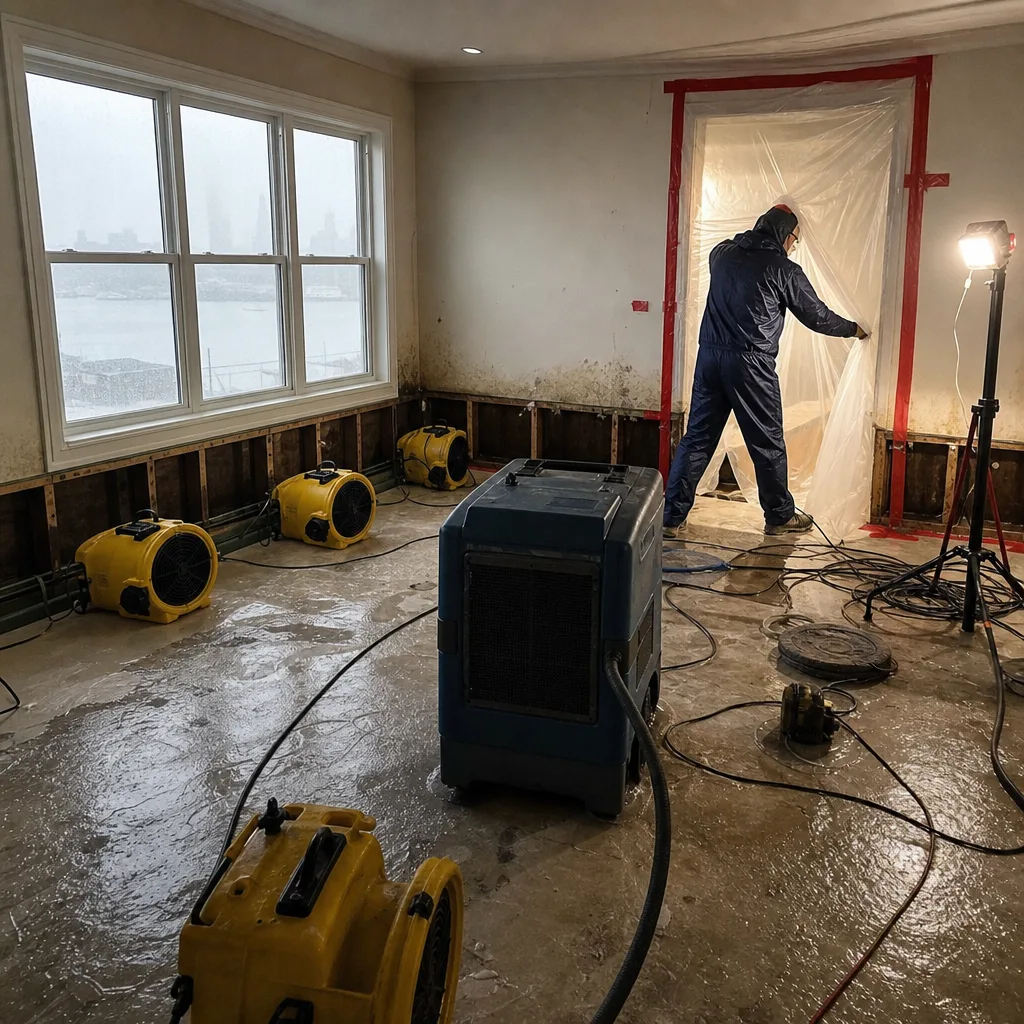
Firefighting water soaks floors, walls, and the basement below. We run truck-mounted extraction, then set Dri-Eaz air movers and Phoenix dehumidifiers with daily moisture readings until the dry standard is met. In floodplain basements, we test for pre-existing riverine moisture and adjust the drying plan accordingly.
Cleaning & Sanitization
HEPA vacuums and chemical sponges remove soot from surfaces. Walls get wet-cleaned or media-blasted depending on substrate. We sanitize all affected areas with EPA-registered antimicrobials, especially where firefighting water carried river contamination that may require Harrison Sewage Cleanup protocols.
Odor Removal & Deodorization
This is where Harrison row houses test a crew. Smoke odor in brick party walls requires hydroxyl generators or ozone treatment within containment, not just masking agents. We treat cavities, not just surfaces, and verify clearance before we call it done.
Repairs & Restoration
We rebuild what was lost: framing, drywall, flooring, cabinetry, electrical. Our Harrison Reconstruction & Cleanup team uses the same crew that did the demolition for the finish work, and every job carries the 90-Day Done Right Promise in writing.
Need Emergency Fire & Smoke Damage Restoration in Harrison Now?
Crews minutes away, answering live 24 hours a day. The sooner we start, the less it costs.
Working With Your Insurance Company
We’ve handled thousands of fire claims, and the difference between a smooth settlement and a fight is documentation from hour one. Our team photographs every room before we move anything, logs moisture readings daily, and writes a line-item scope using industry-standard estimating software your carrier recognizes. We speak directly with adjusters, walk them through the job, and answer their questions so you don’t have to. Harrison homes with unpermitted basement work add a layer of complexity; we document what’s code-compliant, what’s not, and what the fire actually damaged, so the claim stays focused on covered losses. You get a written copy of everything your insurer gets. No surprises, no back-channel confusion.
What We Provide Your Insurer
- Thorough documentation of the loss
- Photos of all damage, room by room
- Moisture readings and drying logs
- A detailed, line-item scope of work
- Direct coordination with your carrier
Built for Harrison’s Loss Calendar
Fire losses in Harrison don’t follow a simple seasonal calendar, but certain months bring predictable spikes. January and February bring space heater fires and overloaded circuits in older row houses with original knob-and-tube remnants. The spring thaw, which in Harrison coincides with Passaic River cresting, produces a double hit: fire in the living space and rising water in the basement, meaning the restoration team walks into a Category 3 situation before they’ve even assessed the burn. Summer brings kitchen fires from decades-old wiring straining under window AC units, and autumn’s first furnace ignitions sometimes expose cracked heat exchangers that fill the house with smoke rather than flame. Nor’easter season is the wild card. When wind-driven rain meets a fire-damaged roof, the water follows charred channels straight down through the structure. We built our Harrison dispatch patterns around this calendar, so crews and equipment are staged accordingly, and our Fire & Smoke Damage Restoration team knows what each season in this town actually brings.
Fire & Smoke Damage Restoration Across Harrison’s Neighborhoods
Harrison’s response routes matter. The blocks around Hamilton Street and Frank E. Rodgers Boulevard South are dense with brick row houses whose shared walls make odor transfer the defining challenge; we routinely set containment in the adjacent unit, not just the fire unit, because soot doesn’t respect a property line. Near Red Bull Arena, the post-2010 waterfront buildings present a different profile: newer construction, but moisture-intrusion claims from envelope defects mean fire jobs often uncover pre-existing water damage in the same cavities. The neighborhoods off Harrison Avenue, closer to the Passaic, add floodplain conditions where basements may have seen seasonal water long before a fire started upstairs. Over by the Kearny border on Bergen Avenue, the two-family walk-ups have narrow stairwells and tight basements that require compact equipment and careful contents handling. Each of these areas gets the same standard: live dispatch from our New York City office, crews who know the streets, and a written scope before work begins. That’s what serving Harrison means to us, and it’s why homeowners call us back when the next thing goes wrong.
Specialized Fire & Smoke Damage Restoration Services We Offer in Harrison
Fire Damage Cleanup
We remove charred debris, clean soot from every surface, and evaluate what can be saved versus what must go. In Harrison’s older homes, we’re careful with original plaster and hardwood: heat-damaged lath and flooring can sometimes be saved with proper drying and resurfacing rather than full replacement, and we’d rather restore than tear out when the structure allows.
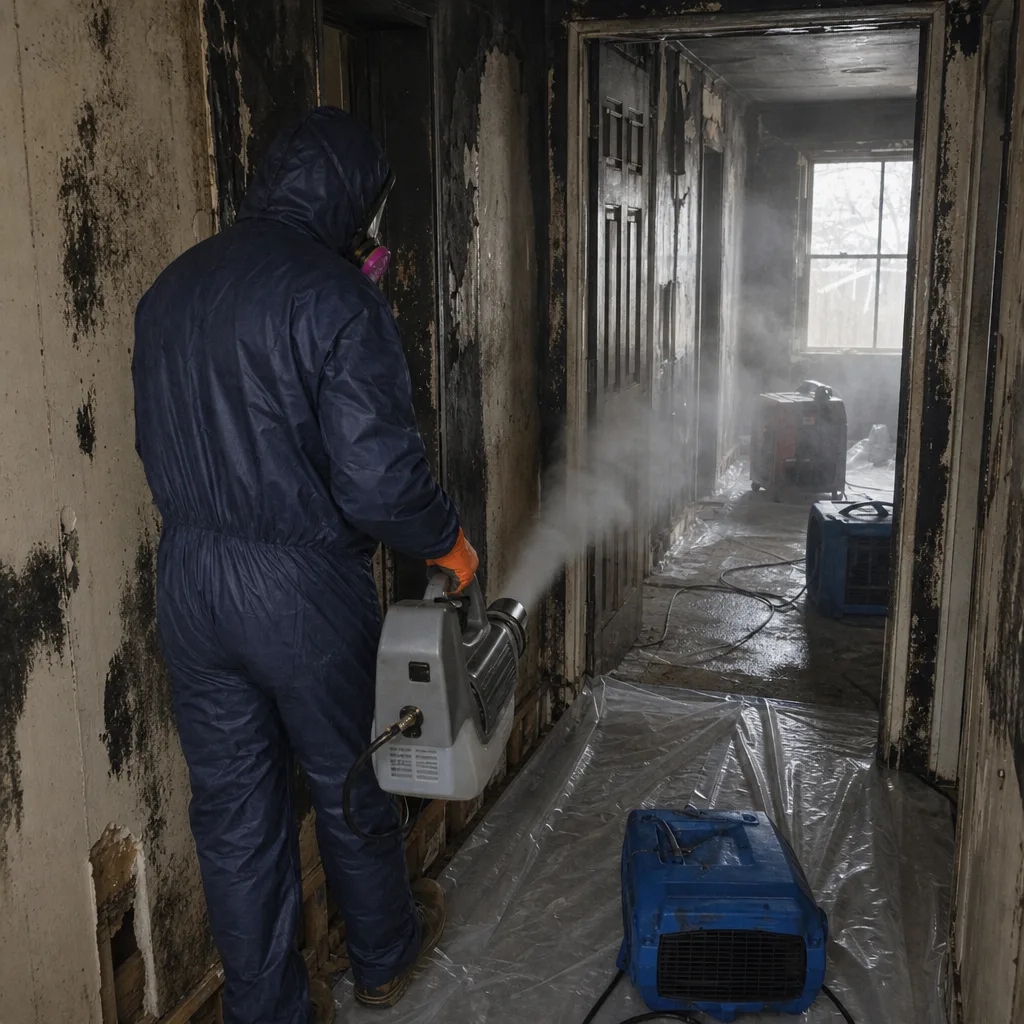
Smoke & Soot Removal
Soot that looks cosmetic is rarely cosmetic. On brick row house interiors, we use dry-ice blasting and chemical sponges to pull soot from porous surfaces without driving it deeper. Oil-based soot from burned synthetics gets wet-cleaned with alkaline agents before sealing. Every wall cavity adjacent to a fire wall gets inspected, because that’s where Harrison smoke hides.
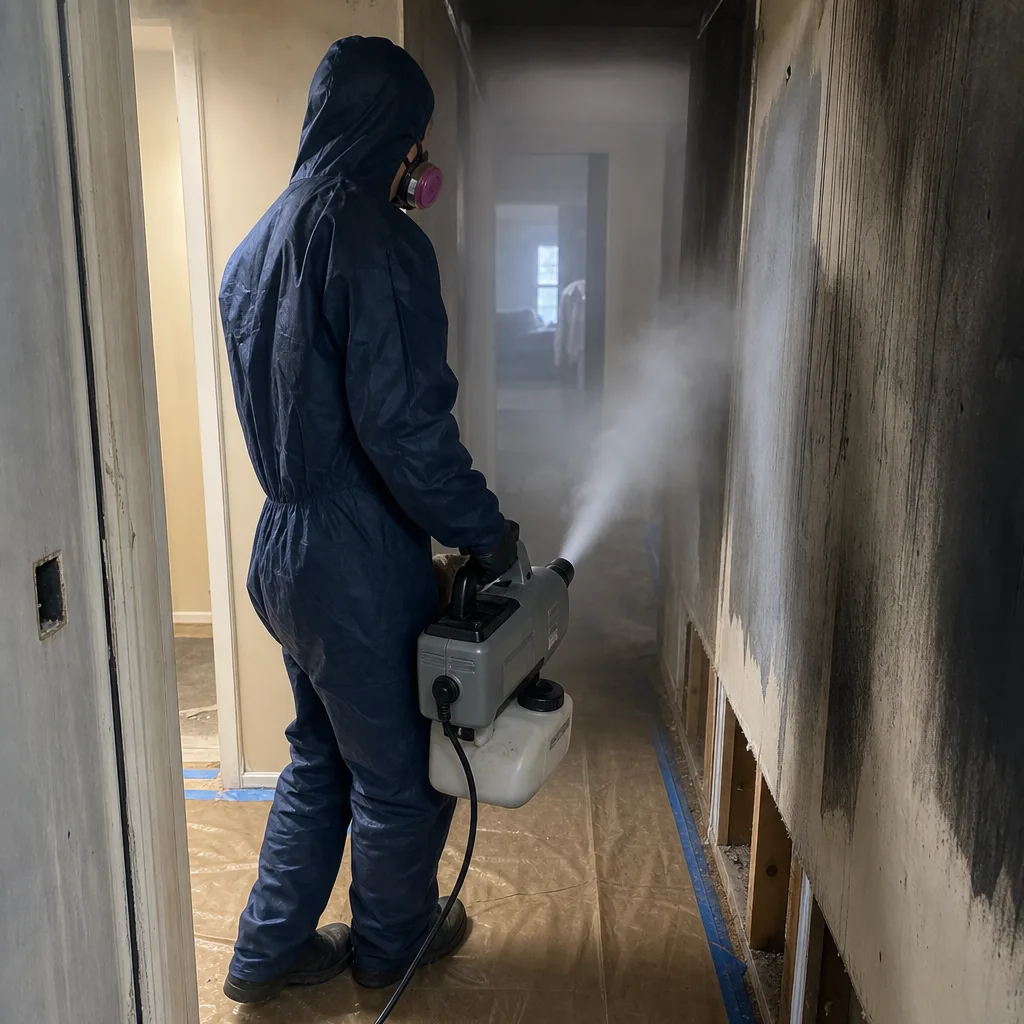
Odor Removal & Deodorization
Masking agents fail. We use hydroxyl generators and thermal fogging inside contained spaces to break down odor molecules at the source, including inside wall cavities and under subfloors. For shared brick party walls, we treat both sides of the wall and the mortar joints themselves. Odor that resurfaces weeks later usually means a cavity was skipped; our clearance testing makes sure it wasn’t.
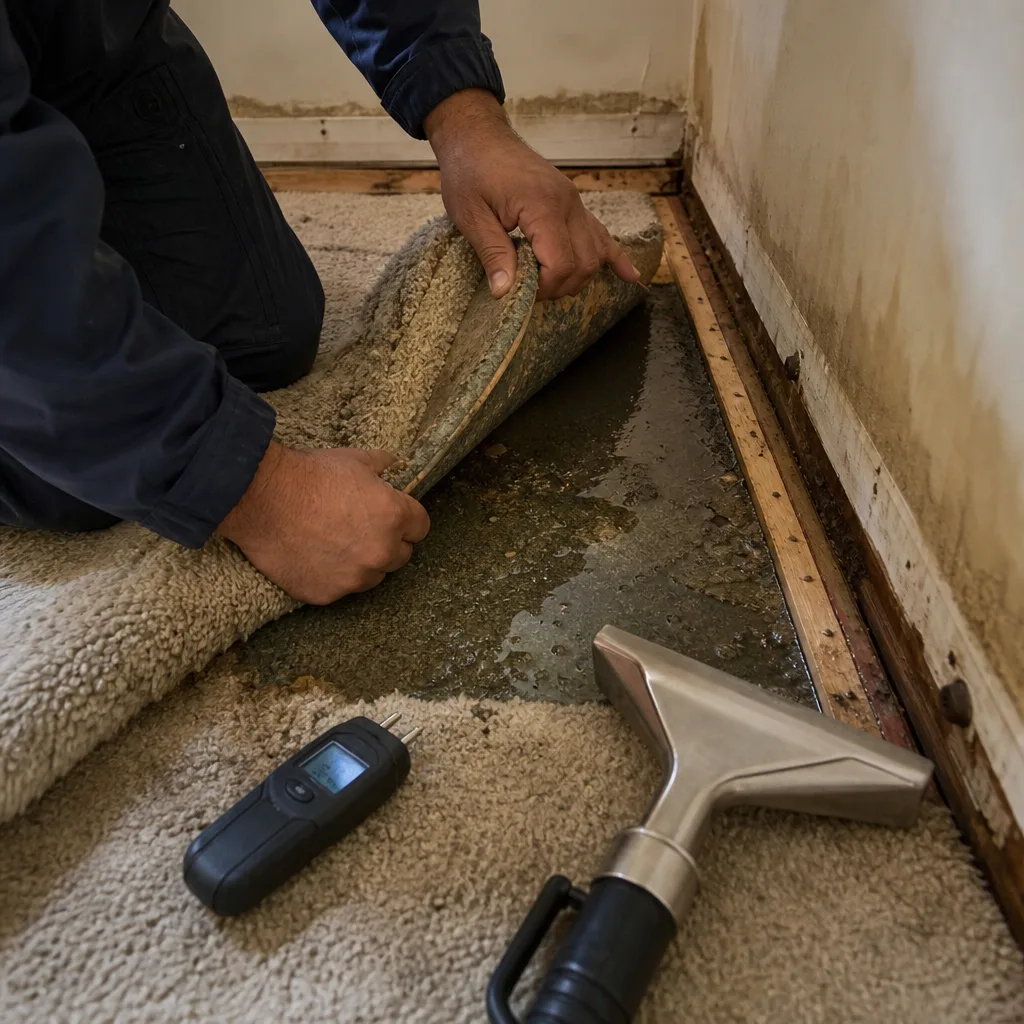
Contents Cleaning & Pack-Out
Furniture, clothing, dishes, documents: we inventory, pack, transport, clean, and store everything salvageable. Harrison row houses are tight on storage space to begin with, so we work with homeowners to prioritize what they need daily and what goes to our climate-controlled facility for full ultrasonic cleaning and deodorization. We photograph everything before it moves.
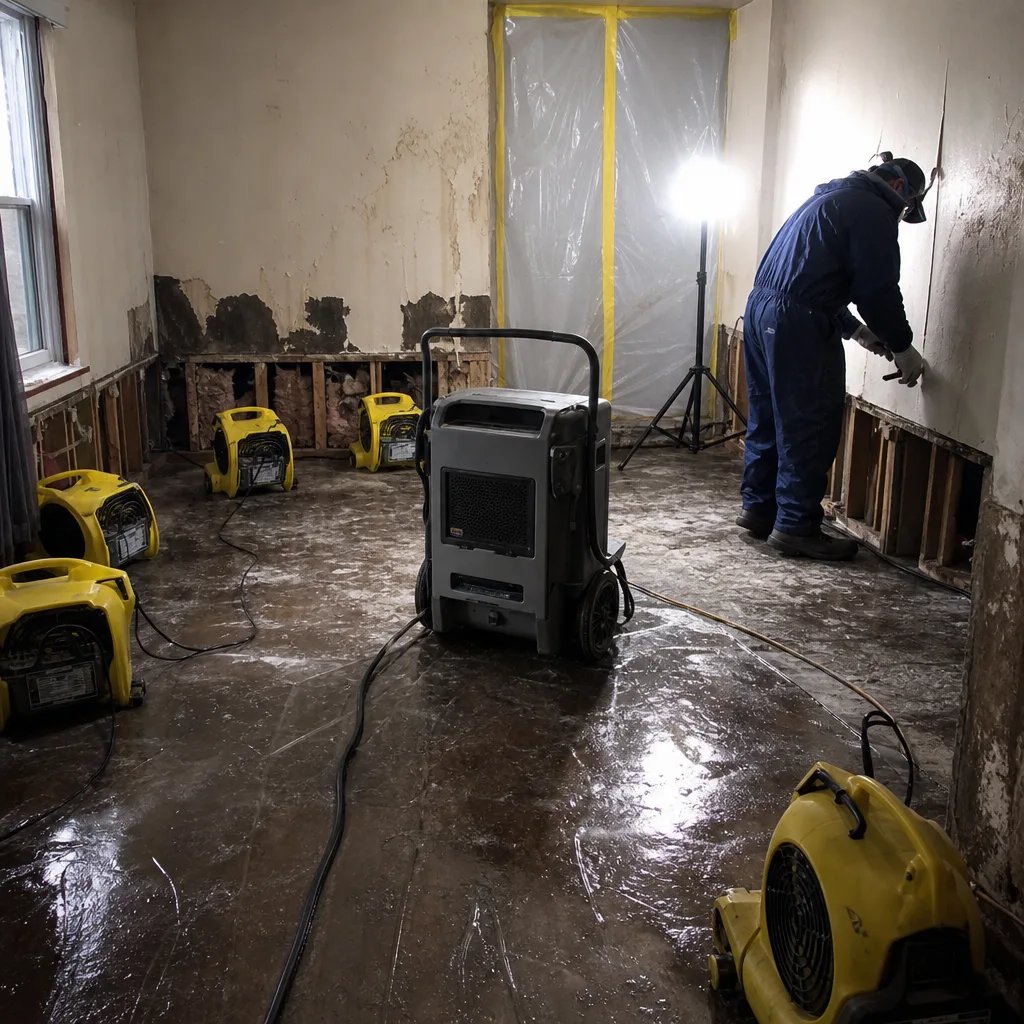
Emergency Board-Up & Tarping
An open structure attracts more damage from weather, animals, and unwanted visitors. We board windows, secure doors, and tarp roofs the same visit. In Harrison’s zero-lot-line rows, we protect both the affected home and the neighbor’s wall, because a leaning opening can transfer weight to the adjacent structure.
What happens when you call
- 1
A real person answersNo phone trees - you reach a local pro.
- 2
You get an upfront price rangeHonest numbers before anyone is dispatched.
- 3
A background-checked tech heads outLicensed & insured, dispatched right away.
- 4
You approve before work beginsNothing starts until you say go.
Fire & Smoke Damage Restoration Costs in Harrison, NJ
Honest numbers for Harrison’s market: a small contained kitchen fire with smoke cleanup typically runs $2,500 to $6,500. A fire that breaches a wall or ceiling and requires structural repair lands between $8,000 and $25,000. Full-content pack-outs with cleaning and storage add $3,000 to $12,000 depending on volume. Riverine water mixed into the fire damage pushes costs toward the higher end, since Category 3 water requires more aggressive drying and sanitization. Insurance covers most
fire losses, minus your deductible; we handle the estimate, the photos, and the adjuster conversation so you see the real number before work starts. Every job gets the 90-Day Done Right Promise: if it isn’t done right, we make it right, in writing, no arguing. Call (640) 400-9404 for a free inspection and a firm number.
We Also Serve Cities Near Harrison
Our Harrison crews also respond across the Passaic and along the rail corridor into Kearny, Jersey City, Secaucus, and Bayonne. Same live answer, same written scope, same 90-Day Done Right Promise.
Harrison Fire & Smoke Damage Restoration Questions, Answered
How does Harrison’s status in the Passaic River floodplain change a fire and smoke restoration job compared to other towns?
In Harrison, firefighting water often mixes with pre-existing riverine moisture in basements, which means we’re dealing with Category 3 water on top of fire damage. That triggers a longer drying timeline, stricter sanitization protocols, and mold prevention measures that inland towns don’t typically face. We test every Harrison basement for river contamination before we set the drying plan, and the moisture log reflects both the fire water and the floodplain water.
Will unpermitted basement work in Harrison cause problems during fire and smoke restoration?
It will, and it does regularly. Unlicensed panels, non-code drywall, and informal ceiling work show up constantly in Harrison basements, especially in converted rentals. By law and by code, we’re required to flag those conditions and pause work until the scope is adjusted. We’re not the building department, but we won’t work around something that puts you, your tenants, or our crew at risk. We document everything and coordinate with your carrier so the claim stays honest.
How do you handle smoke odor that penetrates shared brick walls in Harrison’s row houses?
We treat the wall from both sides. Soot and smoke molecules lodge in mortar joints and brick pores, so surface cleaning won’t touch it. We set containment in the fire unit, run hydroxyl generators at the shared wall, and inject deodorizing agents into the cavity where framing meets the masonry. If the neighbor’s unit absorbed odor, we coordinate access so the treatment covers the full assembly, not just your side of it.
What happens first when a fire meets river flooding in a Harrison basement?
We stabilize the structure and cut power first, then deal with the water as Category 3, which means full PPE, containment, and a separate drying protocol from the fire-damaged areas under our Harrison Biohazard & Crime Scene Cleanup standards. The fire and the water are treated as a single integrated loss, because the moisture affects the fire cleanup and the soot affects the drying plan. Our crew handles both simultaneously, because they’re already trained for both.
Do you handle contents cleaning and pack-out for fire jobs in Harrison’s small row houses?
We do, and we plan for the tight spaces. Harrison row houses don’t have the room for sorting tables, so we stage contents either in a truck or at our facility. We inventory everything with photos, pack the salvageable items for cleaning, and store them until the structure is ready. For documents and sentimental items, we use ultrasonic cleaning and freeze-drying where appropriate. Nothing gets thrown away without your sign-off.
How fast can a crew actually get to Harrison?
Our dispatch commitment is 45 minutes to most Harrison addresses. Calls go to a live person, not a recording, and the crew gets routed while you’re still on the phone. Nights, weekends, holidays: same answer, same response window.
Will insurance cover fire and smoke damage when river flooding played a role?
Most homeowners policies cover fire damage regardless of the water source, but the flooding itself is typically a separate policy. We document both strands separately: what the fire damaged, what the water damaged. That clean separation is what lets your adjuster process the covered portion without delay. We bill the carrier directly and provide all documentation to both you and them.
Can we stay in our Harrison home during fire and smoke restoration?
Generally no for the first several days. Soot particles are a respiratory irritant, especially for anyone with asthma or COPD, and odor treatment requires containment and negative air pressure. Once the work areas are sealed and the air clears, partial occupancy may become possible. We’ll tell you honestly on the first visit what the timeline looks like.
Serving Harrison, NJ - Our Local Coverage Area
We’re based in the Harrison area and know this community well. Use the map below to see our service coverage - if you’re nearby, we can almost certainly help.
The Passaic River Factor: What It Means for Harrison Fire Restoration
Harrison sits inside a FEMA-designated floodplain along the Passaic River, and that changes what fire restoration means here. When the river rises during a nor’easter or a prolonged rain event, low-lying streets and basement-level units flood with contaminant-laden river water, not clean rainwater. Now add a house fire on top of that, and you have fire damage in the living space and Category 3 water in the basement, both demanding attention on the same day. Restoration teams in towns like Secaucus or Kearny face one or the other; Harrison crews face both, often at once. That means every fire job in Harrison starts with a water assessment, even if the fire never touched the basement. The moisture from firefighting runoff travels down through the structure and meets whatever the river left behind. We’ve found that dual exposure extends drying timelines by 30 to 50 percent compared to a dry-structure fire, and it pushes mold prevention from a secondary step to a primary one. This isn’t a theoretical concern. On a row house off Hamilton Street, our crew responded to a kitchen fire where the Passaic had backed up into the basement during the same week’s nor’easter. The unpermitted basement rental had an old electrical panel, forcing a scope change mid-job. We set containment, began structural drying with Dri-Eaz air movers and Phoenix dehumidifiers, and coordinated pack-out of contents to clean smoke residue before rebuilding. That’s the Harrison reality, and it’s why generic fire restoration checklists fail here. You need a crew that understands river water, brick construction, and fire damage as a single problem, because in Harrison they often arrive as one.
Written by Curt Bowman, Owner at Floodline Restoration Co., serving Fire & Smoke Damage Restoration in Harrison and surrounding Hudson and Essex County communities since 2010.