
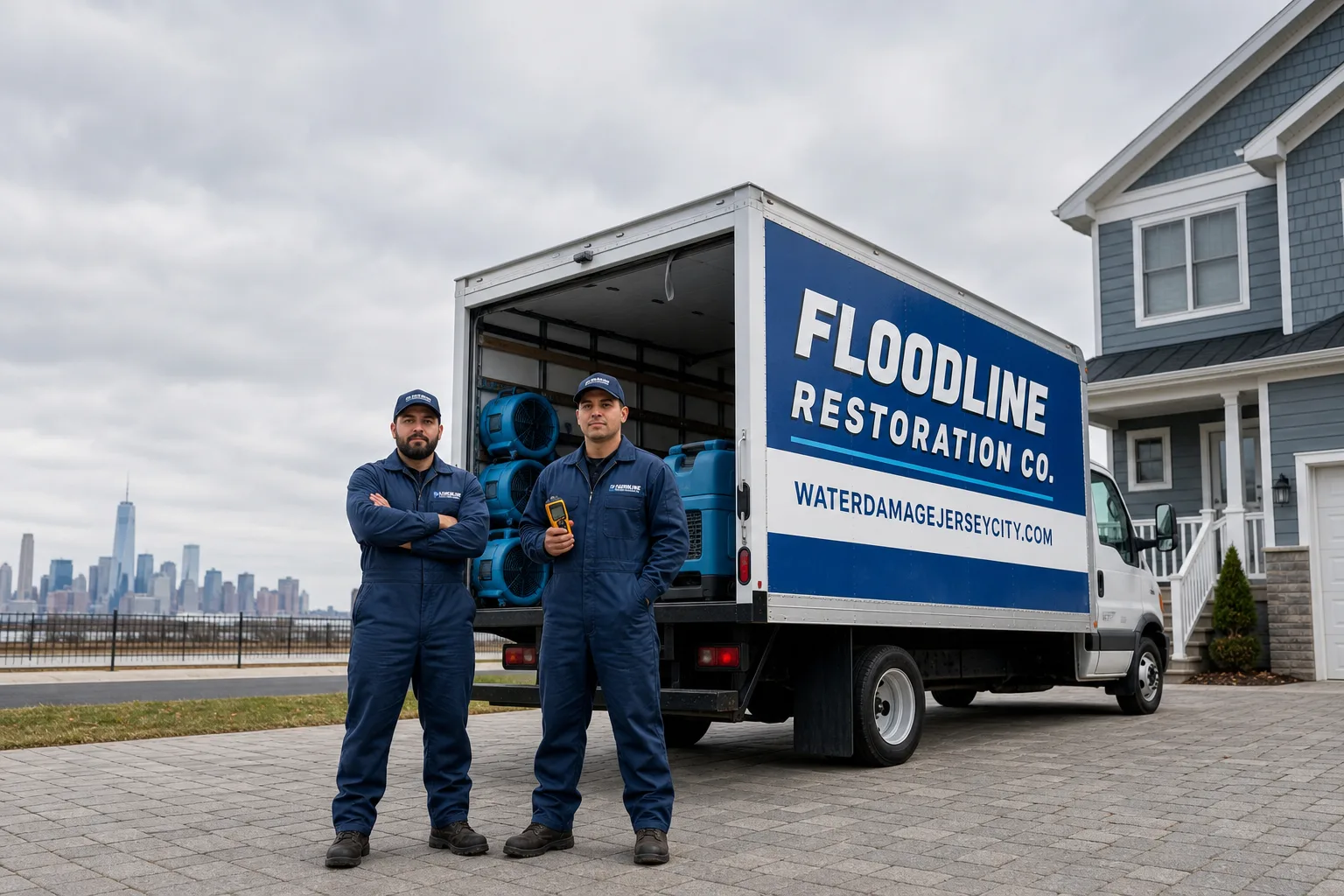
Free visual inspection and a written scope of work before any mitigation begins - photos, moisture readings, and drying logs go in your claim file
The scope we write is the scope we bill. Anything new gets shown to you, in writing, before we touch it.
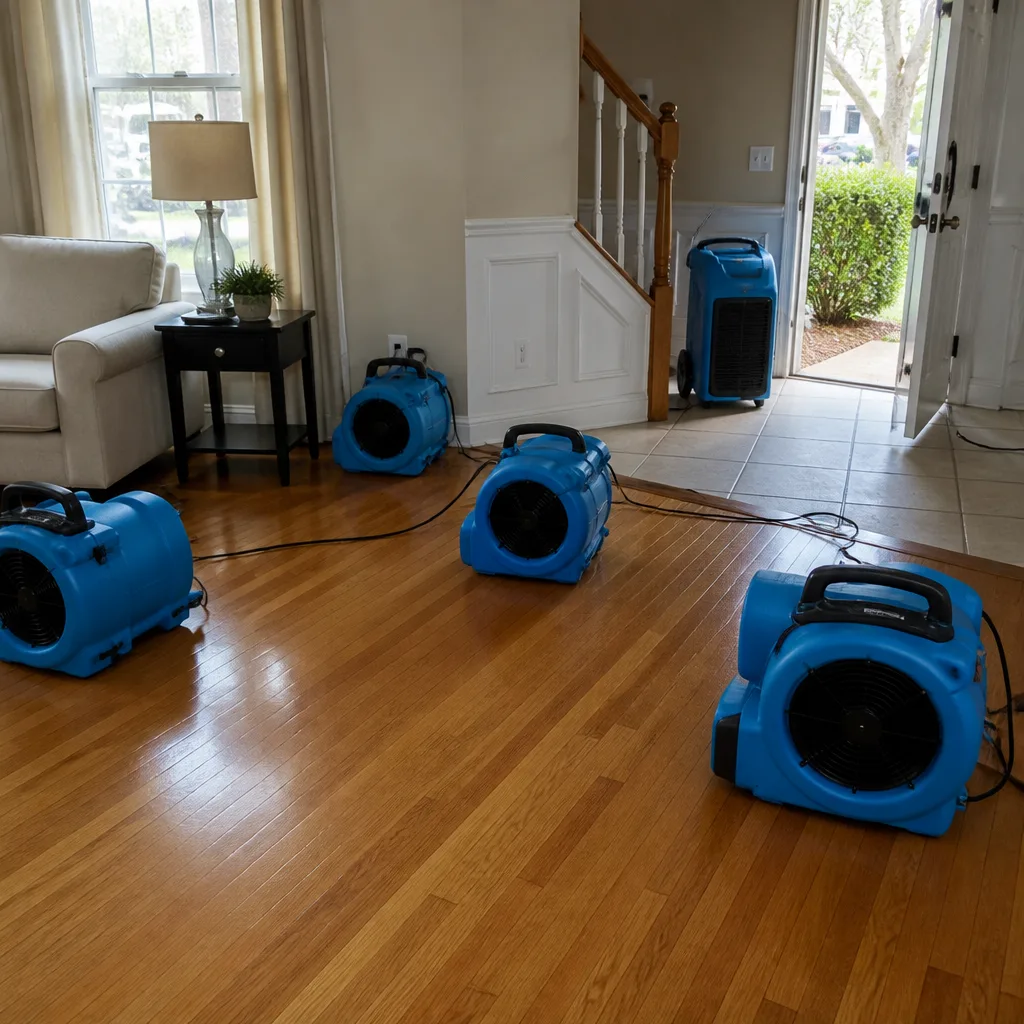
 Before
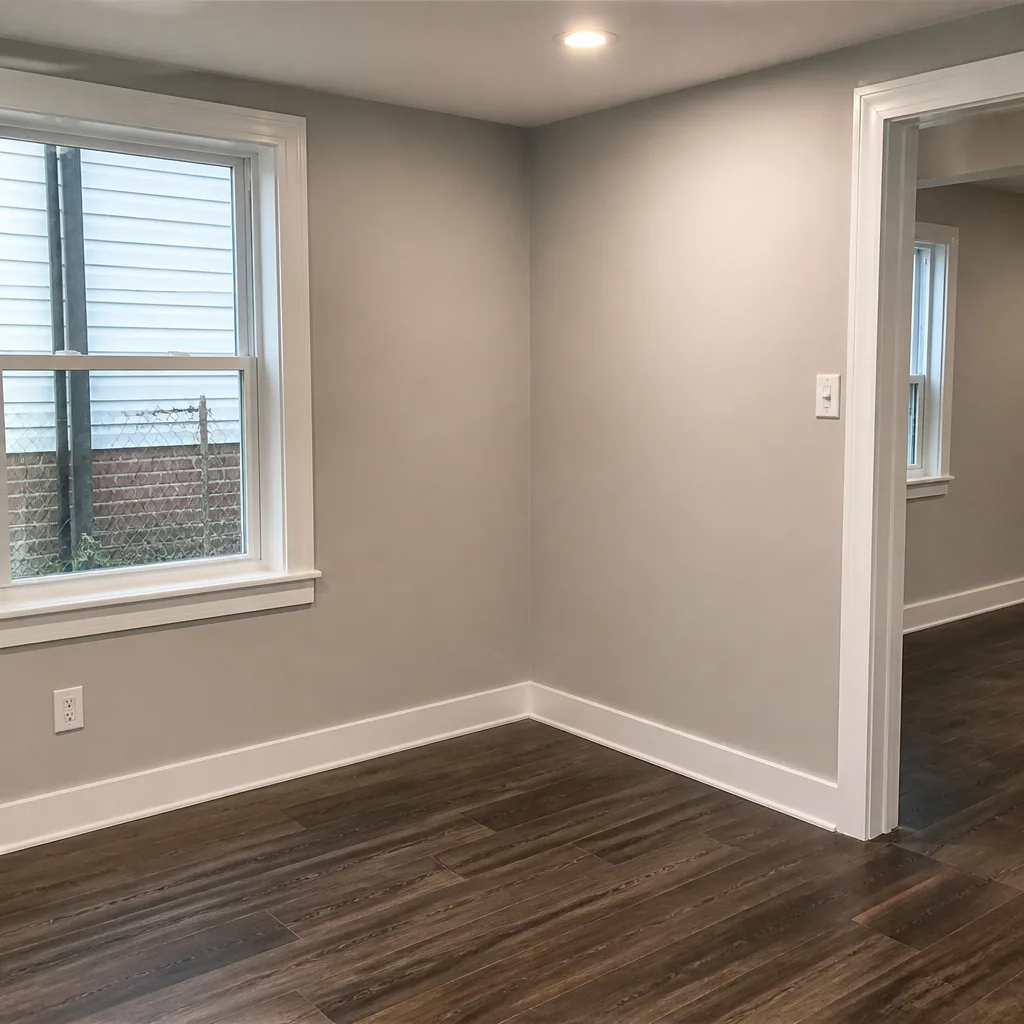 After
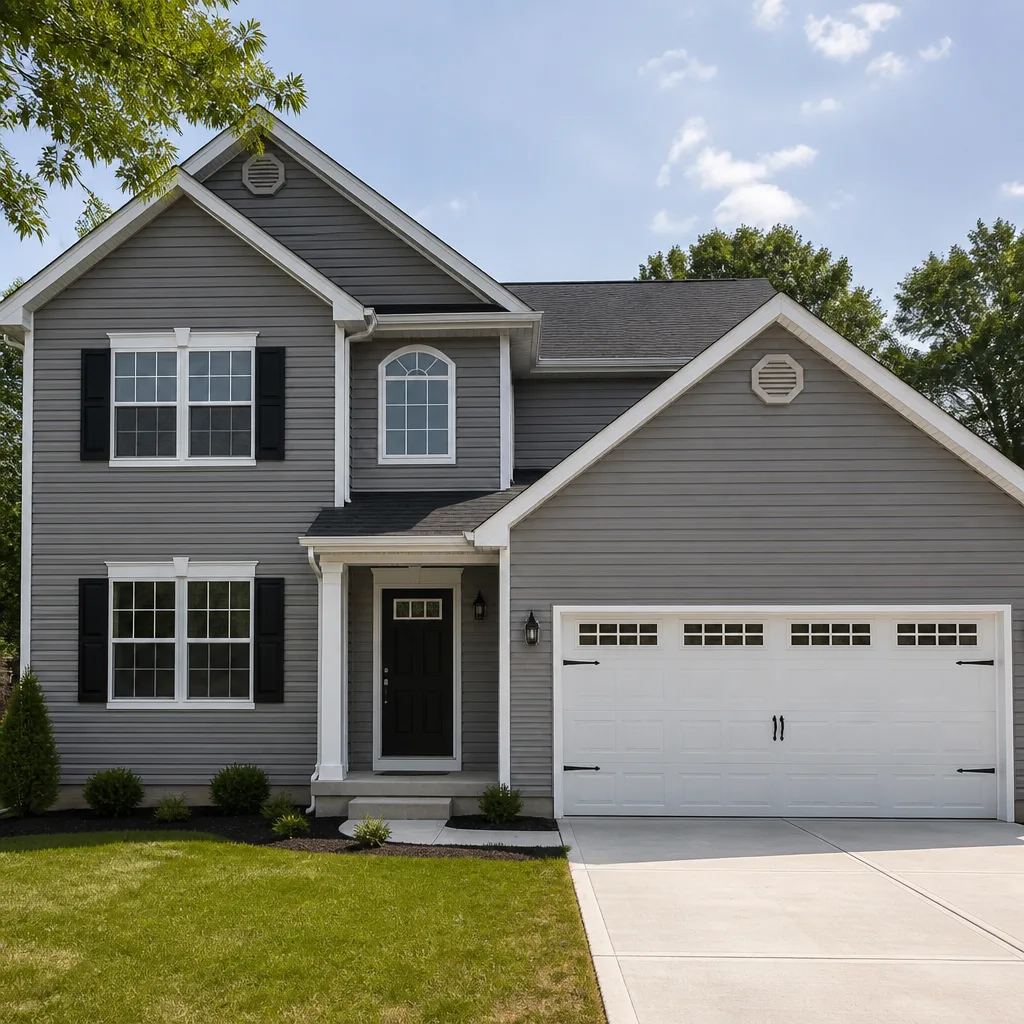
After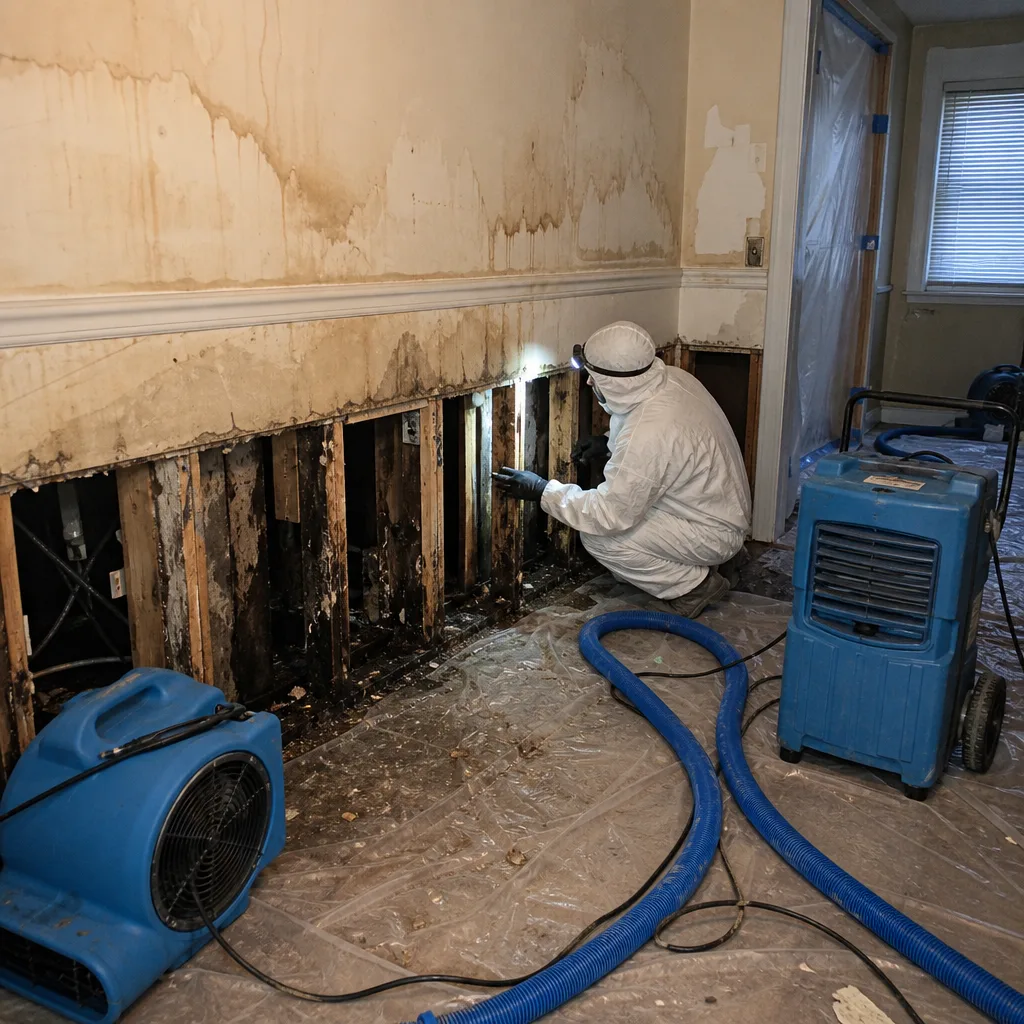 Before
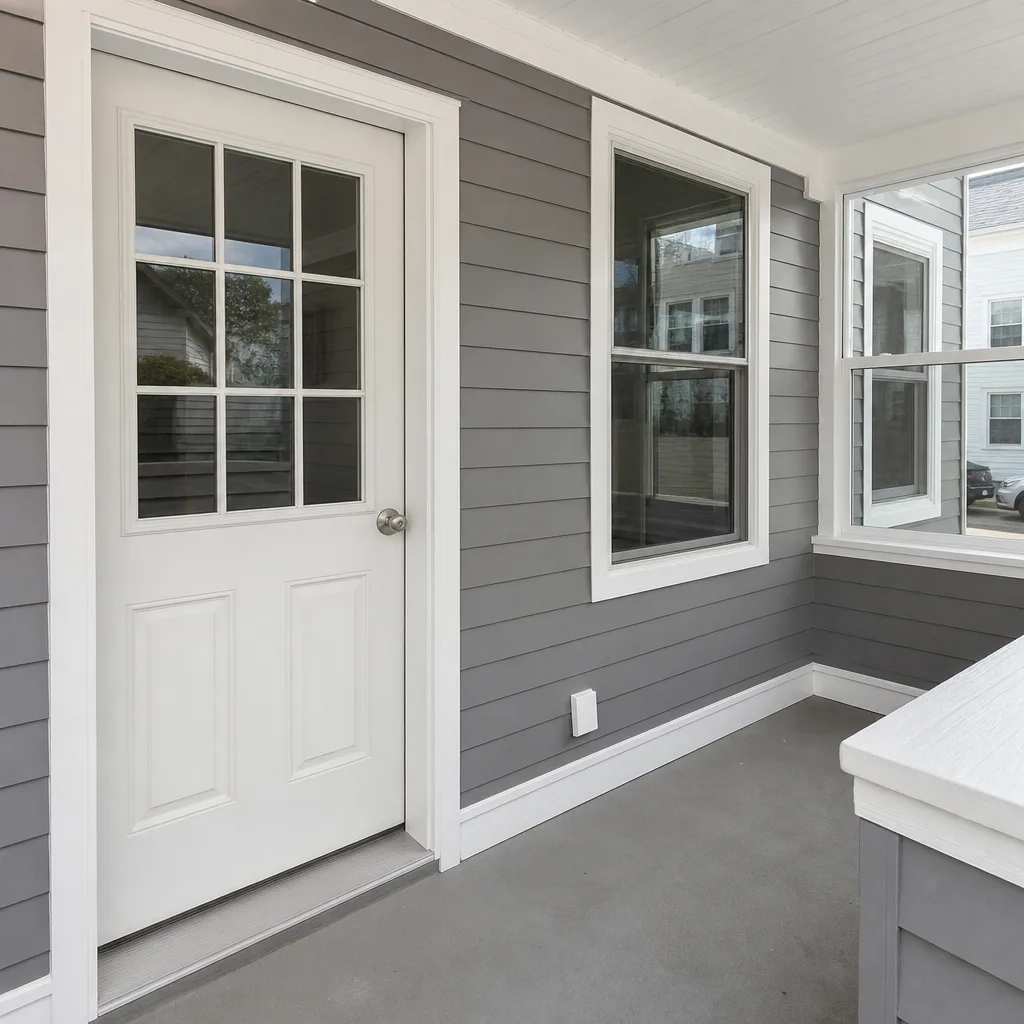 After
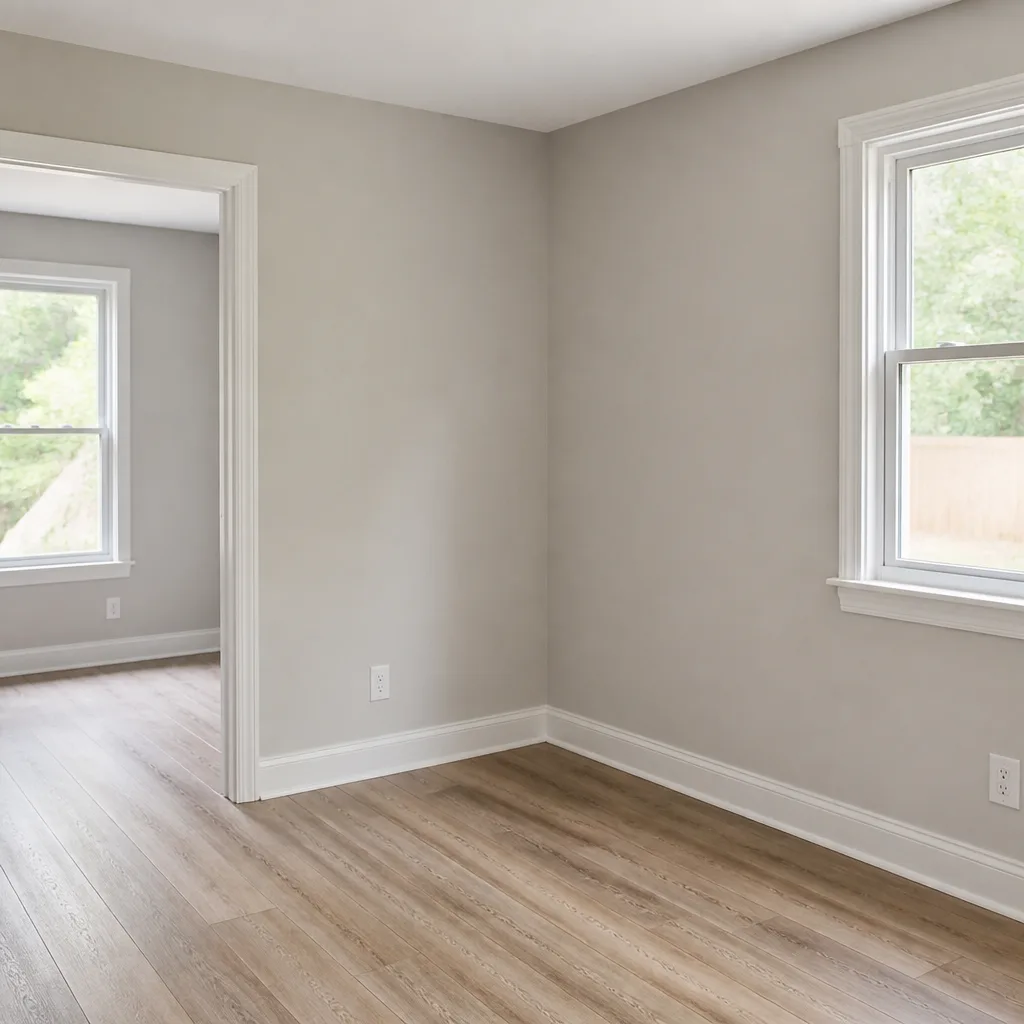
After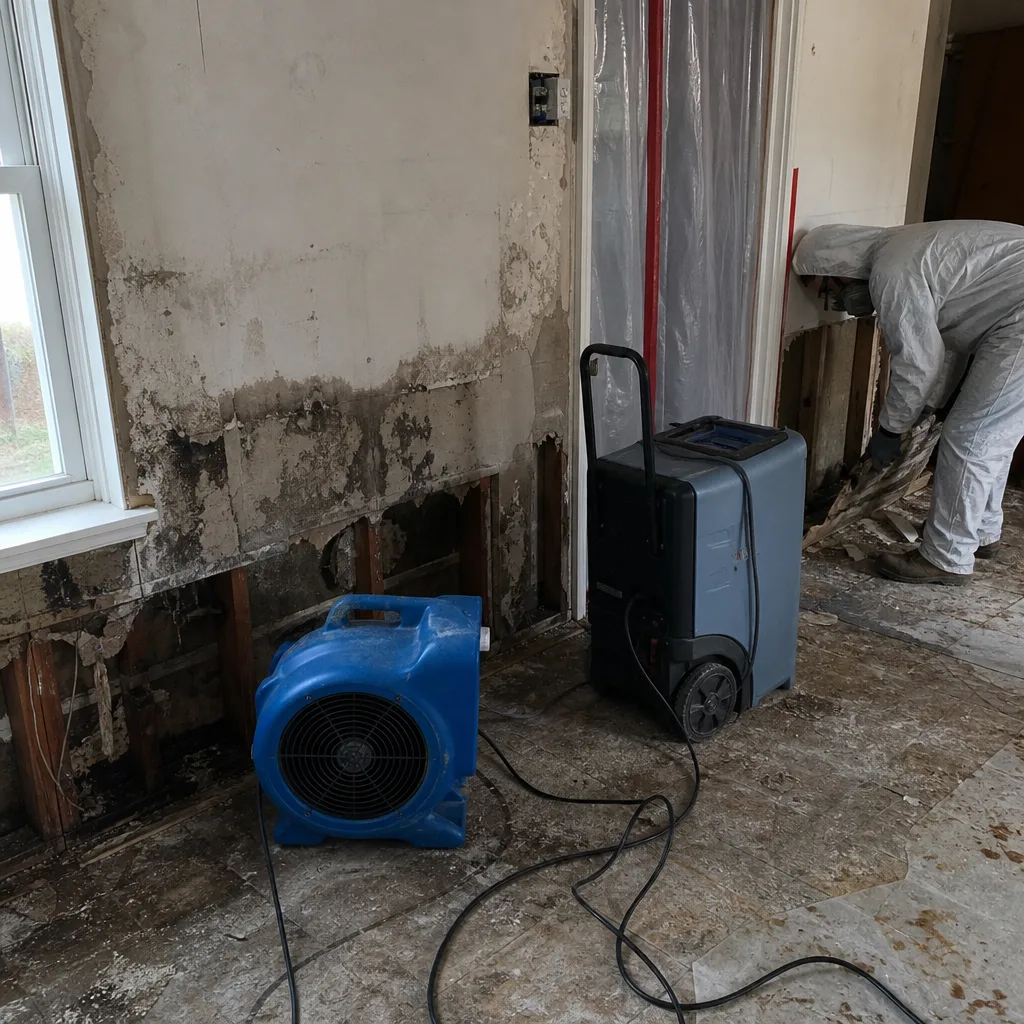 Before
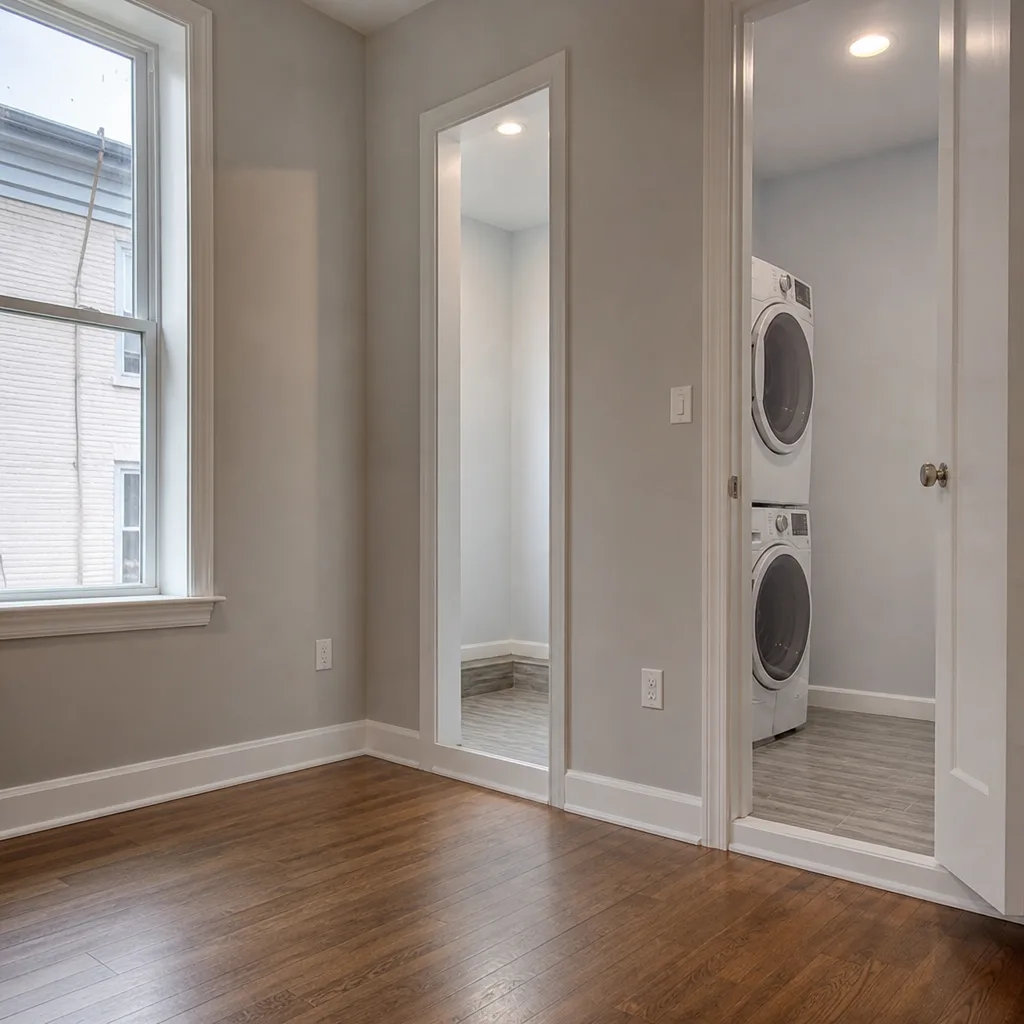 After
After24/7 Emergency Water Damage Restoration in Murray Hill
Water damage restoration in Murray Hill typically costs between $1,800 and $6,500 depending on how many floors the water has traveled through, and emergency crews can usually be on site within 45 minutes. When a pipe lets go in a pre-war co-op on Lexington or Third Avenue, water doesn’t stay in one apartment. It follows the plaster-and-lath walls and cast iron drain stacks straight down through the building. That’s why our dispatch desk at Floodline Restoration Co. answers live at 2 a.m. and every other hour, and why we keep extraction crews staged to reach Murray Hill fast. Call (640) 400-9404 the moment you see water, and we’ll start the clock on drying before mold has a chance to establish itself.
Understanding Water Damage Restoration Severity in Murray Hill Properties
Not every water loss in Murray Hill is the same job. We categorize water three ways, and the distinction changes everything about how we treat your walls. Category 1 water is clean, from a burst supply line or an overflowing sink. Category 2 carries some contamination, typical of washing machine overflows or sump failures. Category 3 is grossly contaminated, and that’s what we most often find in Murray Hill brownstone garden apartments, where groundwater and sewer backups push up through floor drains and basement slabs. The pre-war building stock here matters too. Plaster-and-lath walls absorb water slowly and release it even more slowly, which is why we run moisture mapping with thermal imaging and Dri-Eaz probes before we ever set a fan. In a 1920s elevator co-op, a single burst galvanized riser can put hidden moisture behind ceilings three floors below the break. You can’t dry what you haven’t found, so we map first, then dry to standard, reading daily until the numbers prove the structure is stable.
Why Murray Hill Property Owners Choose Floodline Restoration Co.
- 45-minute response commitment for Murray Hill. We stage crews near the Midtown Tunnel and FDR Drive so a dispatcher can have a technician walking into your lobby while the water is still running.
- 24/7 live answer, every time. A real dispatcher picks up, not a phone tree. At 3 a.m. on a Sunday, you’ll speak to a person who can route a certified crew to East 34th or East 39th Street without delay.
- IICRC-certified crews with WRT and ASD credentials. Our technicians train to the Water Restoration Technician and Applied Structural Drying standards, so they know how pre-war plaster behaves differently from modern drywall.
- Free visual inspection before any work begins. We walk the loss, read the moisture map, and hand you a written scope. No work starts until you’ve seen the plan.
- Direct insurance billing. We handle the claim paperwork and the adjuster conversation, and we bill your carrier directly, so you’re not financing someone else’s investigation.
- One team from first extraction to finished rebuild. The same certified crew that pulls the water out is the crew that hangs new plaster and paint. No handoff, no inherited subcontractor, no finger-pointing.
Our Water Damage Restoration Process
Inspection & Assessment
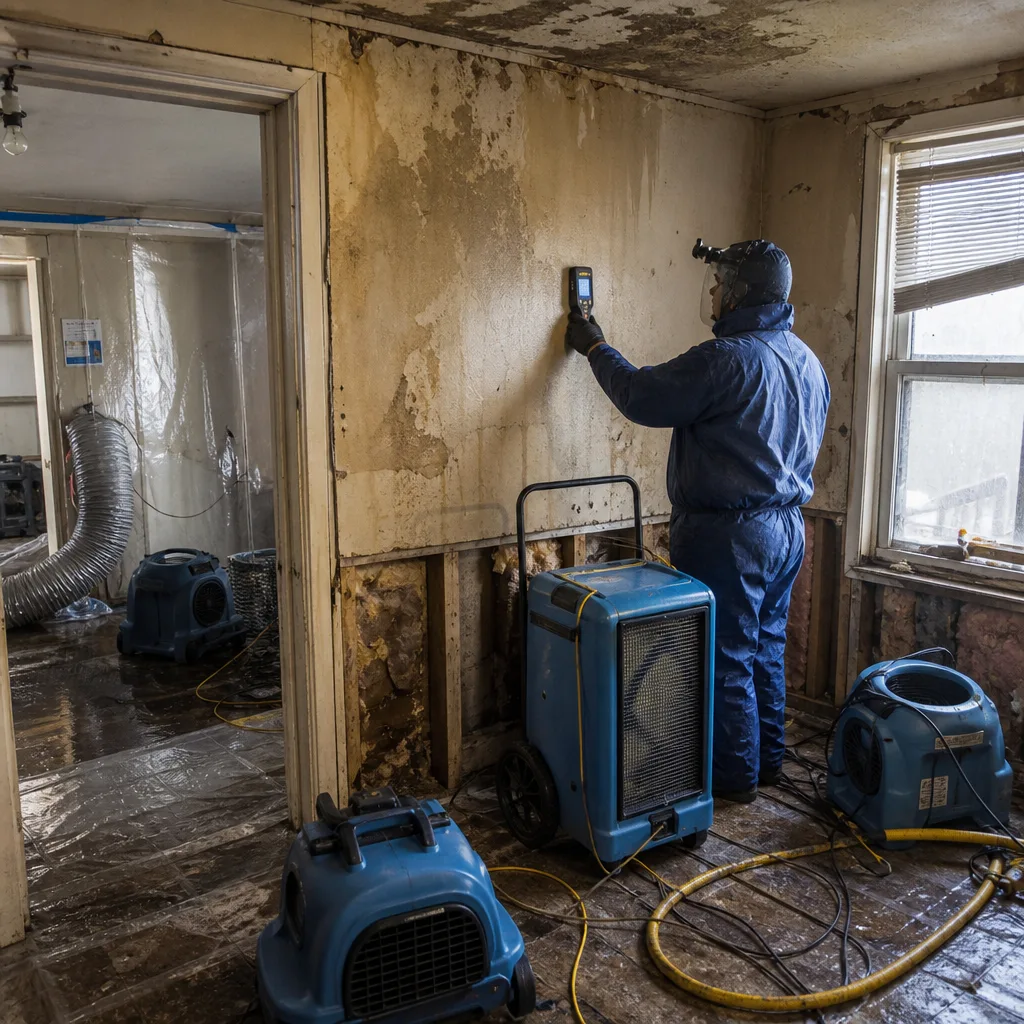
We arrive, walk every affected room, and map moisture across ceilings, walls, and floors with thermal imaging and invasive probes. In Murray Hill high-rises, this means checking the unit above and below yours, not just the one that called.
Extraction / Stabilization
Truck-mounted and portable extraction units pull standing water out fast. We remove saturated carpet pad, baseboards, and any material holding water that will never dry properly.
Drying & Dehumidification
Professional-grade Dri-Eaz and Phoenix dehumidifiers plus XPOWER air movers run continuously, placed by the moisture map, not by guesswork. We read daily and log the numbers until every cavity hits the dry standard.
Cleaning & Sanitization
Category 2 and 3 water require antimicrobial treatment. Our crews apply EPA-registered antimicrobials to affected surfaces and clean salvageable contents before any rebuild begins.
Specialty Treatment for Murray Hill Buildings
Co-op and condo losses often require containment chambers around each affected unit, documentation that satisfies alteration agreements, and coordination that keeps board-required protocols intact while drying proceeds.
Repairs & Restoration
Once drying logs prove the structure is stable, the same Floodline crew hangs drywall or restores plaster, primes, paints, and finishes the job. The 90-Day Done Right Promise covers the work in writing.
Need Emergency Water Damage Restoration in Murray Hill Now?
Crews minutes away, answering live 24 hours a day. The sooner we start, the less it costs.
Working With Your Insurance Company
In Murray Hill, a water loss often means three different insurance carriers at the same address: yours, your upstairs neighbor’s, and the building’s master policy. We’ve spent years navigating that triangle, and our documentation is built for it. From the first hour, we photograph every affected room, log every moisture reading, and draft a line-item scope that speaks the carrier’s language. We don’t ask you to interpret policy language or chase an adjuster on our behalf. Curt Bowman founded Floodline Restoration Co. around the principle that the homeowner should never be the messenger. Our team communicates directly with adjusters, provides the drying logs and photo evidence they request, and bills the carrier directly whenever the policy allows.
What We Provide Your Insurer
- Thorough documentation of the loss
- Photos of all damage, room by room
- Moisture readings and drying logs
- A detailed, line-item scope of work
- Direct coordination with your carrier
Built for Murray Hill’s Loss Calendar
Murray Hill’s water damage season peaks twice a year, and January is the worst of it. Deep freezes hit the uninsulated pipe runs in pre-war elevator buildings hard. Galvanized risers that have carried water since the Coolidge administration split under thermal stress, and supply lines in exposed chases freeze while tenants are away for the holidays. The result is a vertical cascade: water behind walls, through ceiling cavities, and down three or four floors before anyone notices. Spring brings a different problem, particularly to the brownstones on the side streets between Lexington and Third, where garden-level units take on groundwater as snowmelt saturates the soil. Summer thunderstorms overwhelm aging rooftop drains and water towers, sending water down through parapet cracks and roof membranes. The one thing we don’t see much of in Murray Hill is storm surge, this neighborhood sits outside FEMA’s primary flood-surge zones, so the real threats are the building’s own aging systems and the weather’s effect on them.
Water Damage Restoration Across Murray Hill’s Neighborhoods
Murray Hill isn’t one building type, and our response routes reflect that. Along Lexington, Park, and Third Avenues, the post-war and pre-war elevator towers dominate, and those jobs mean coordinating with management offices, riser access, and drying multiple floors at once. The stretch of East 34th through East 39th, between Lexington and Third, holds the brownstone belt, where English basements and garden units flood from groundwater, sewer backups, and failing foundation drains. Over toward the East River and the FDR Drive, the newer high-rise co-ops have different plumbing systems but the same vertical-cascade risk when a flex line blows on the 18th floor. And around the 36th and 37th Street corridors near the Midtown Tunnel, we regularly see water intrusion through aging parapets and roof bulkheads on the older loft buildings. Each zone has its own failure pattern, and our crews know them before they park the truck.
Specialized Water Damage Restoration Services We Offer in Murray Hill
Emergency Water Extraction
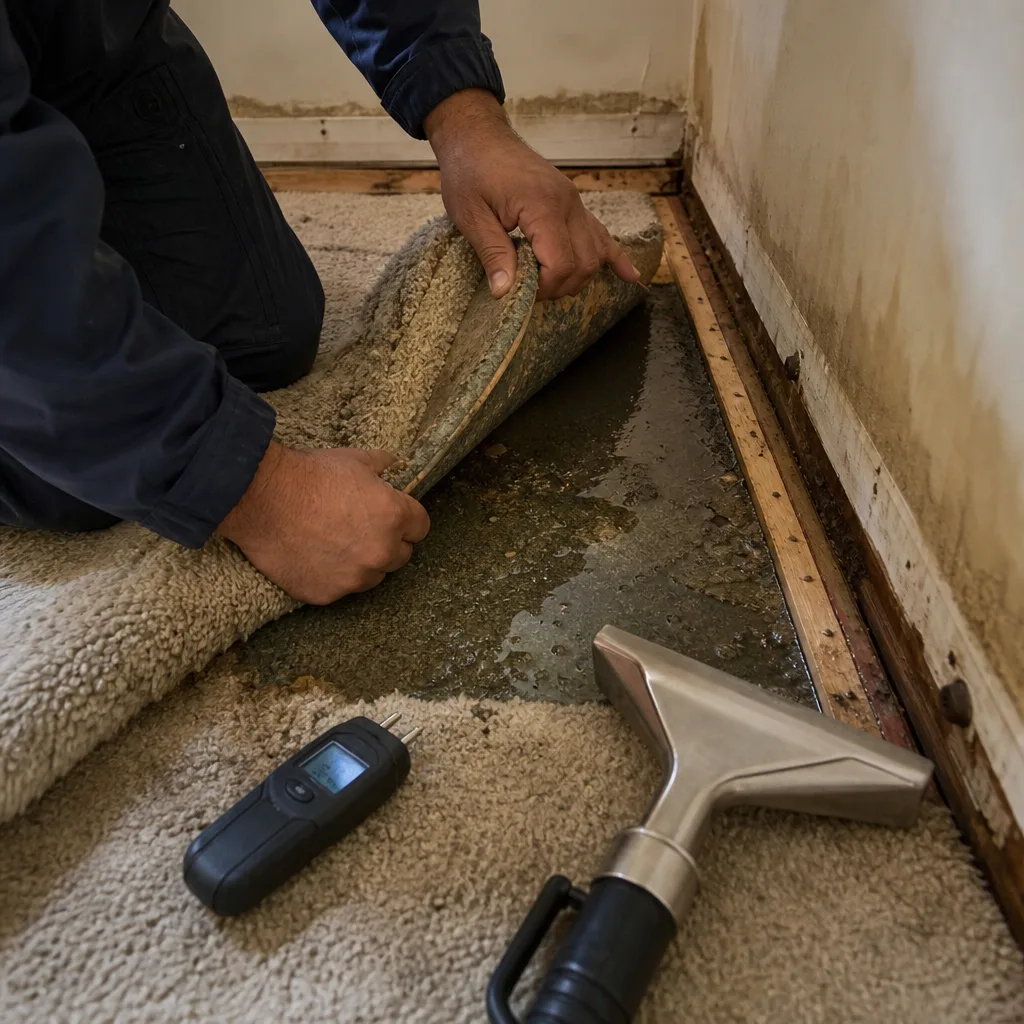
Standing water in a Murray Hill apartment starts moving through plaster, flooring, and subfloor within minutes. Our extraction crews arrive with truck-mounted units that pull hundreds of gallons an hour, and we begin pulling saturated carpet pad and baseboard immediately. In pre-war buildings, the clock is shorter because plaster holds water longer.
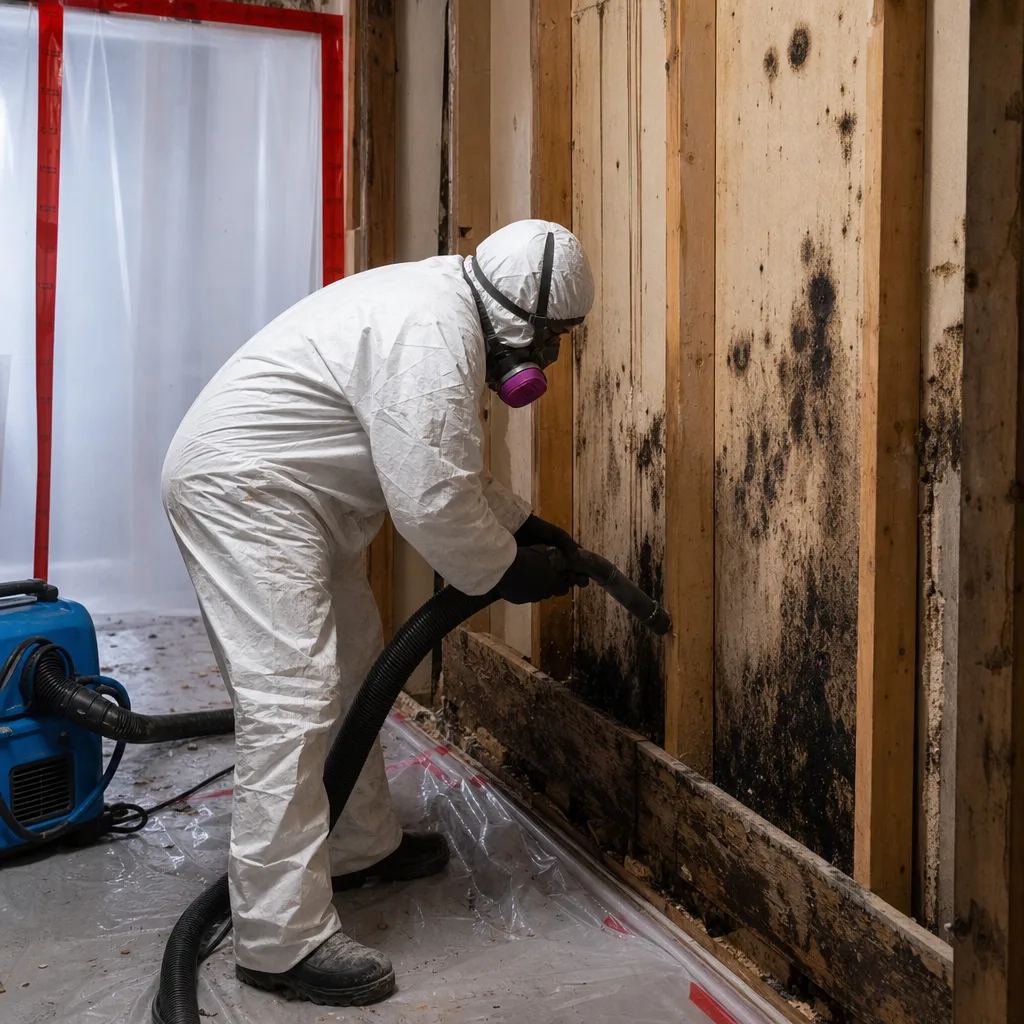
Structural Drying & Dehumidification
Drying a Murray Hill co-op isn’t the same as drying a sheetrock house in the suburbs. We run Dri-Eaz and Phoenix dehumidifiers in a configuration driven by moisture-mapping data, with daily hygrometer readings that tell us exactly when the structure hits the dry standard. No guesswork, no pulling equipment early to close the job.
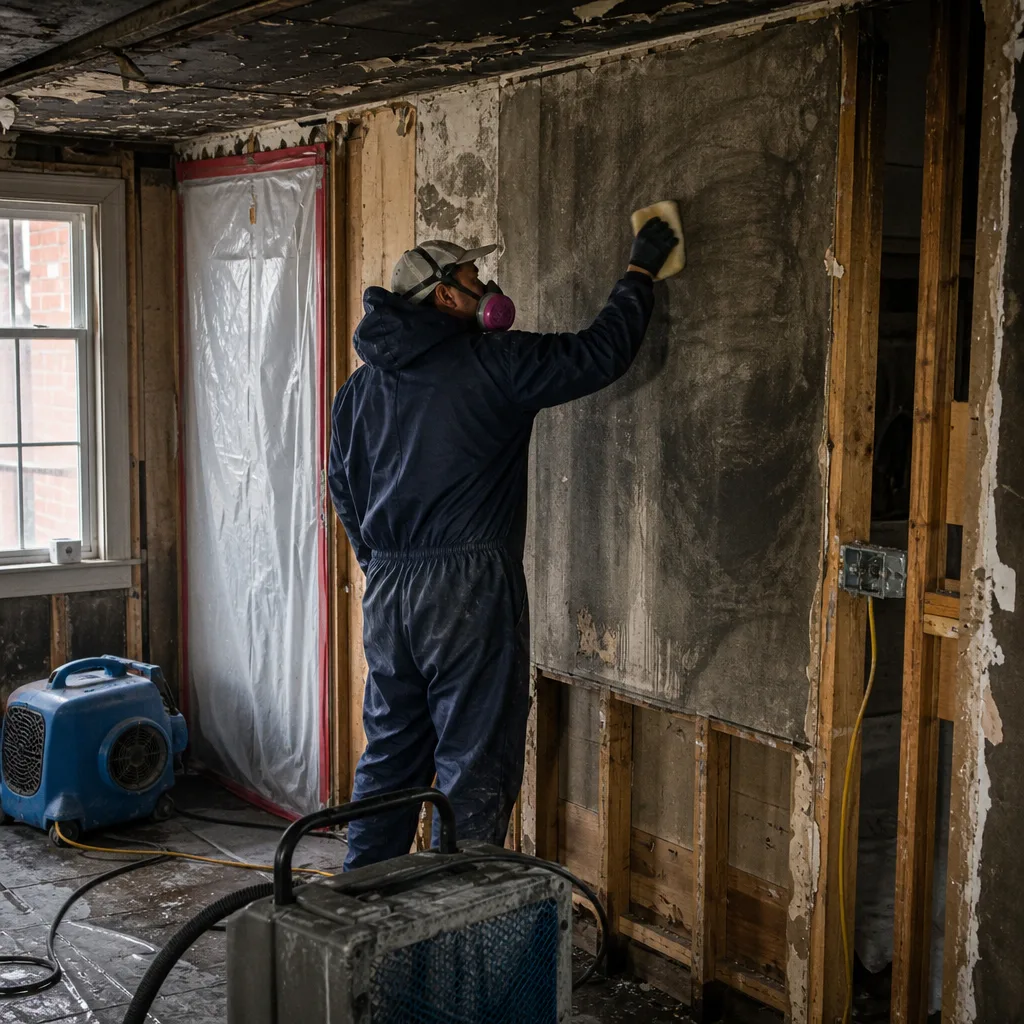
Burst Pipe Restoration
Frozen risers and aged galvanized supply lines are the most common pipe failures in Murray Hill’s pre-war buildings. We extract, dry, and restore the affected walls and ceilings, and we document the loss in a way that makes sense to both your co-op board and your insurer.
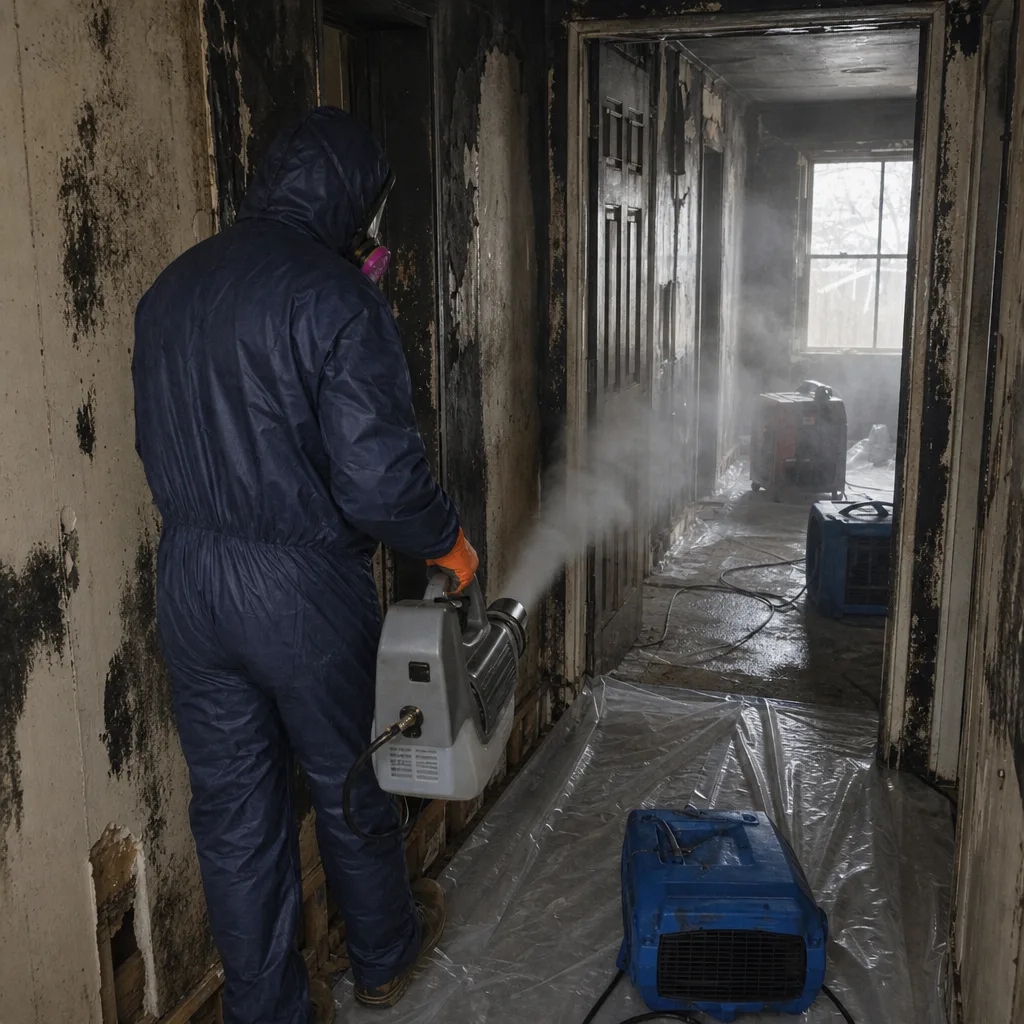
Basement Water Removal
Garden and basement units in Murray Hill brownstones flood from groundwater seepage, failed sump pumps, and sewer line backups. These are typically Category 3 water, meaning antimicrobial treatment is mandatory before drying begins. We treat it as the contaminated loss it is, not a simple mop-up.
Ceiling & Roof Leak Water Damage
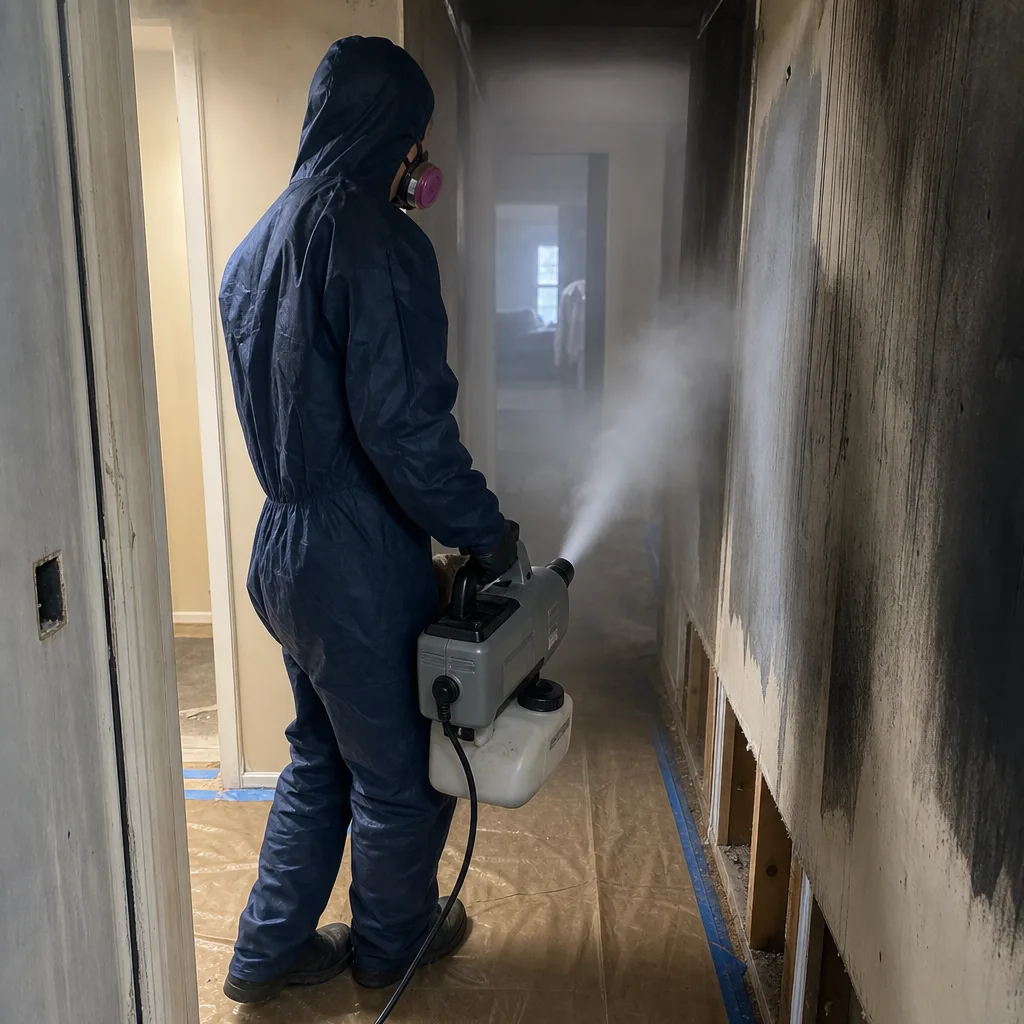
Water from a roof membrane or parapet failure travels down through multiple floors before it stains your ceiling. We open the right cavities, map the full path of the water, and dry every affected tenancy, not just the one where the stain appeared first.
What happens when you call
- 1
A real person answersNo phone trees - you reach a local pro.
- 2
You get an upfront price rangeHonest numbers before anyone is dispatched.
- 3
A background-checked tech heads outLicensed & insured, dispatched right away.
- 4
You approve before work beginsNothing starts until you say go.
Water Damage Restoration Costs in Murray Hill, NY
Water damage restoration is priced by the scope of what got wet, and in Murray Hill that scope tends to run larger than the citywide average because of vertical migration through multiple units. A single-apartment Category 1 pipe break with extraction and drying typically runs $1,800 to $3,800. A three-floor cascade through a pre-war co-op, with containment, multiple drying chambers, and plaster restoration, lands between $5,000 and $9,000. A Category 3 garden-level basement flood in a brownstone with antimicrobial treatment and full remediation usually starts around $4,000 and can reach $7,500 depending on the size of the space. What moves the price: how many floors the water touched, whether walls need to be opened for drying, and whether the building requires containment chambers. Our free visual inspection gives you a written scope with firm numbers before any work starts. Call (640) 400-9404 and we’ll walk the loss with you.
We Also Serve Cities Near Murray Hill
Floodline Restoration Co. crews cover the neighborhoods and surrounding communities across this part of New York, including Murray Hill and nearby Midland Beach, New Springville, Oakwood, and Travis – Chelsea. When water starts moving, we’re already close by.
Murray Hill Water Damage Restoration Questions, Answered
How fast can you actually get to my Murray Hill apartment?
Our crews are typically on site within 45 minutes of your call, day or night. A live dispatcher answers (640) 400-9404 at 3 a.m., confirms your address in Murray Hill, and routes the nearest certified technician. The faster extraction starts, the less plaster and flooring we have to remove.
Do I need my Murray Hill co-op board’s approval before your crew opens walls for water extraction?
In most Murray Hill proprietary-lease buildings, yes, the board or managing agent must approve any wall opening, even during an emergency. We draft the scope, submit it in the format your building requires, and can often secure verbal approval within hours. What we won’t do is tear into walls without that approval and leave you facing a lease violation.
My upstairs neighbor’s pipe burst and water came through my ceiling, whose insurance covers the drying in my Murray Hill unit?
Your own policy typically covers your unit’s contents and any improvements you made, while the building’s master policy covers the structure, and your neighbor’s liability policy may cover damages if negligence is proven. We document everything with photos and moisture logs that give each carrier exactly what it needs, and we coordinate the three-way conversation so you don’t have to.
How do you dry the plaster-and-lath walls in my pre-war Murray Hill apartment without tearing everything out?
Plaster-and-lath holds water deep, so we use invasive moisture probes to find how far the water traveled, then position Dri-Eaz dehumidifiers and XPOWER air movers to create drying paths behind the walls. When plaster is still sound, we can often dry it in place. When it has delaminated from the lath, it has to come out and be restored properly. The moisture map tells us which case you’re in.
Is a flooded garden-level unit in a Murray Hill brownstone treated the same as an interior pipe leak?
No. Garden-level floods are usually Category 3 water because groundwater and sewer contents are contaminated. That means antimicrobial treatment, controlled demolition of saturated materials, and full sanitization before drying. Treating it as a clean-water pipe leak would leave pathogens and odor behind the walls.
Why did my Murray Hill high-rise ceiling leak in the middle of a summer heat wave with no rain?
Most likely your building’s rooftop water tower, cooling tower, or a condensate drain overflowed, or an upstairs neighbor’s air conditioner drain pan cracked. We see these losses all summer in the tall buildings along Lexington and Third. The water follows the same downward path as a pipe break and needs the same moisture mapping to find every affected cavity.
How long does it take to dry out a Murray Hill apartment after a pipe break?
Typical structural drying takes three to five days in modern buildings, but pre-war plaster can extend that to a week or more. We keep drying until daily moisture readings prove the structure is at the dry standard, and we hand you the log showing every reading. We don’t pull equipment early to close the job.
What should I do in the first 30 minutes after I notice water in my Murray Hill apartment?
Call (640) 400-9404 first. Then, if you can do so safely, shut off the water at the fixture or the building’s riser valve if you have access. Move electronics and papers out of the water’s path. Don’t use a shop vac on Category 2 or 3 water, and don’t open walls yourself. The first hour determines whether you dry in place or tear out and rebuild.
Serving Murray Hill, NY - Our Local Coverage Area
We’re based in the Murray Hill area and know this community well. Use the map below to see our service coverage - if you’re nearby, we can almost certainly help.
One Team, One Written Promise
Last winter we responded to a burst galvanized riser in a 1920s elevator co-op on East 36th Street between Lexington and Third. Water had already dropped through three floors before the first tenant noticed, so we ran moisture mapping with Dri-Eaz probes across ceiling cavities, installed containment around each affected unit, and filed a scope of work that the proprietary-lease board had to approve before we could open any plaster-and-lath walls for extraction. That’s the job in Murray Hill: multiple tenancies, multiple insurers, one building board, and a clock running on mold. We’ve been doing this work since Curt Bowman founded Floodline Restoration Co. in 2010, and every job, including yours, carries the Water Damage Restoration team’s 90-Day Done Right Promise in writing. The line the water left is where we start, and we don’t stop until the space is dry, rebuilt, and documented. For a free visual inspection and a written scope, call (640) 400-9404 any hour. A live person will answer.
Written by Curt Bowman, Owner at Floodline Restoration Co., serving Murray Hill and surrounding communities since 2010.