

Free visual inspection and a written scope of work before any mitigation begins - photos, moisture readings, and drying logs go in your claim file
The scope we write is the scope we bill. Anything new gets shown to you, in writing, before we touch it.
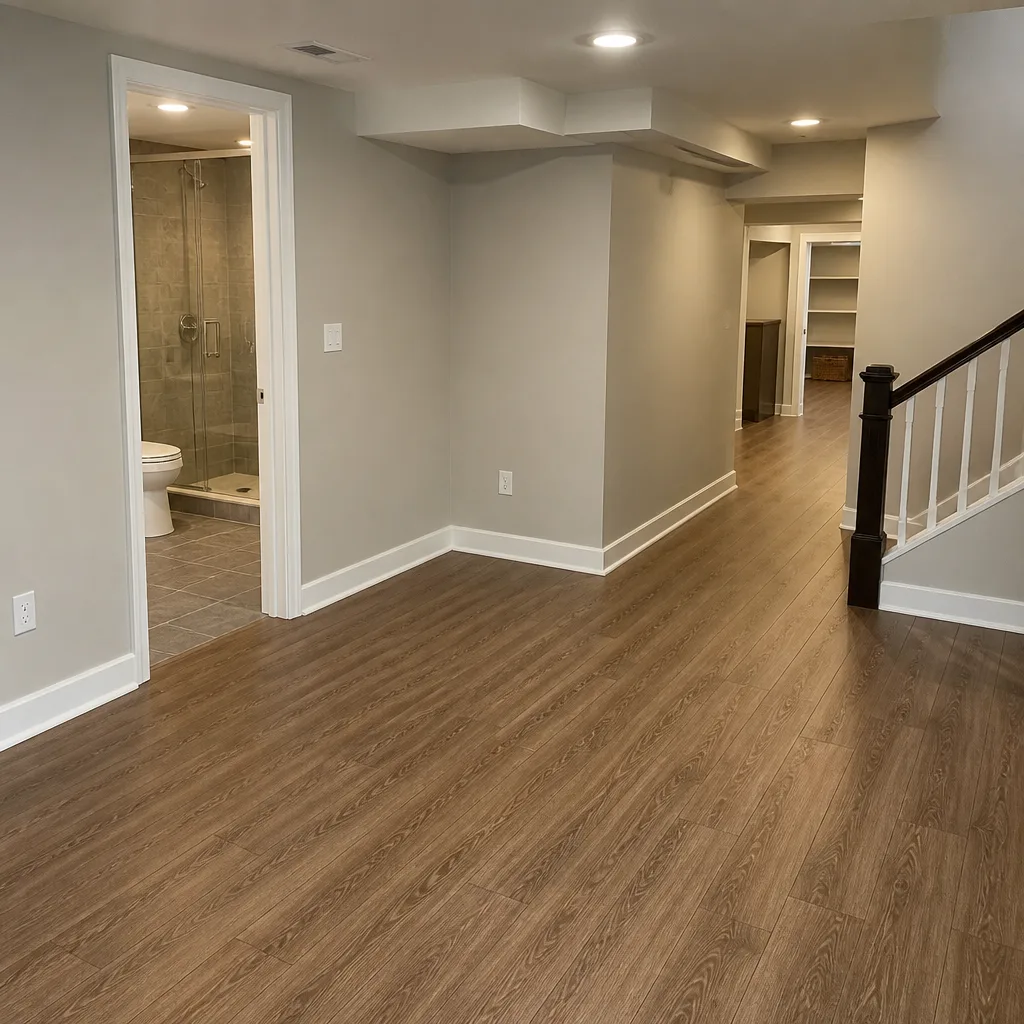
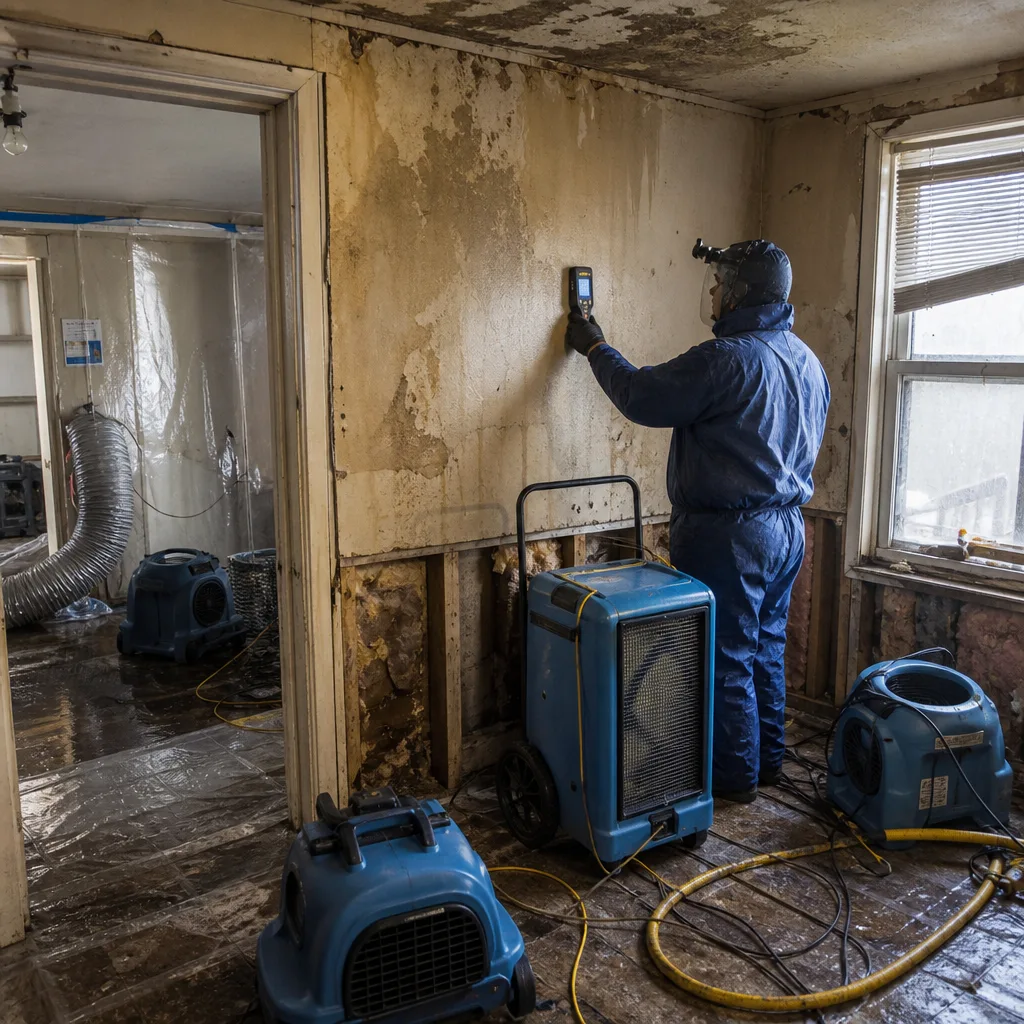 Before
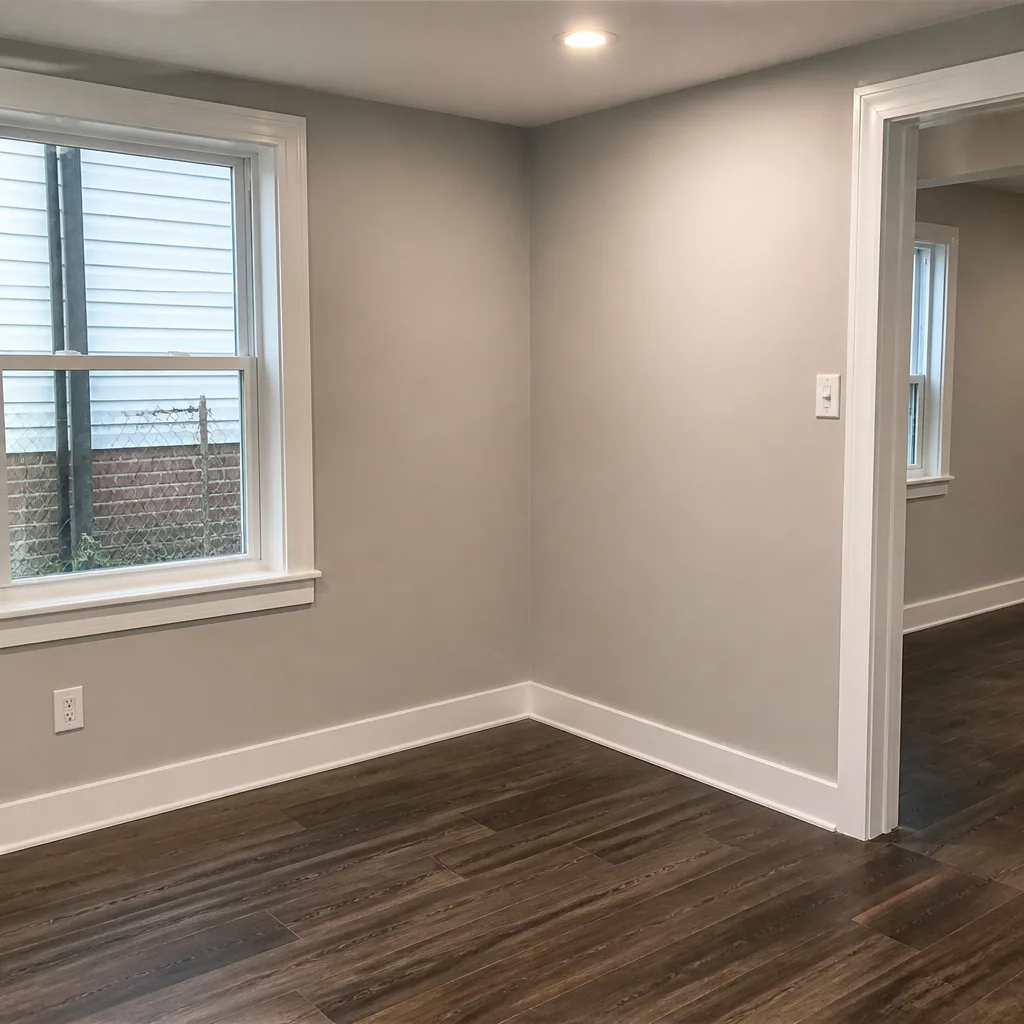 After
After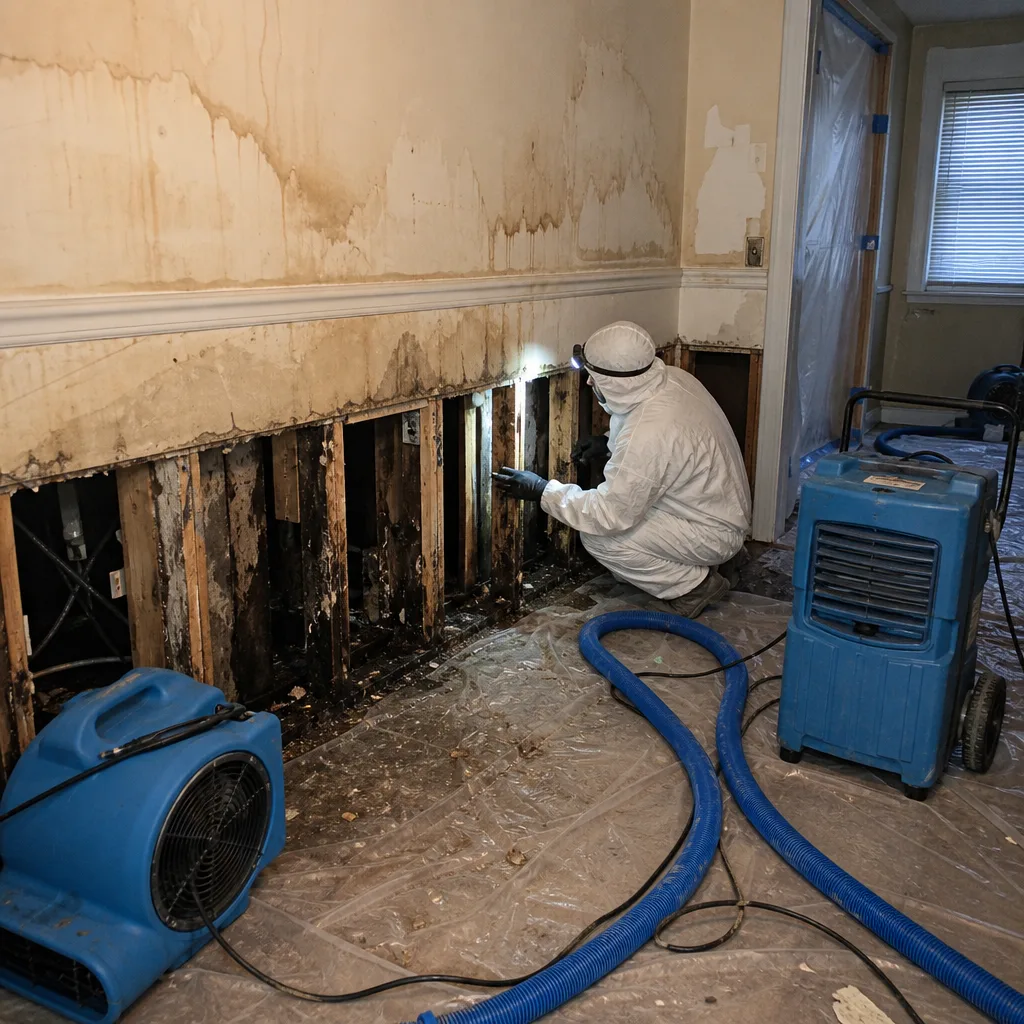 Before
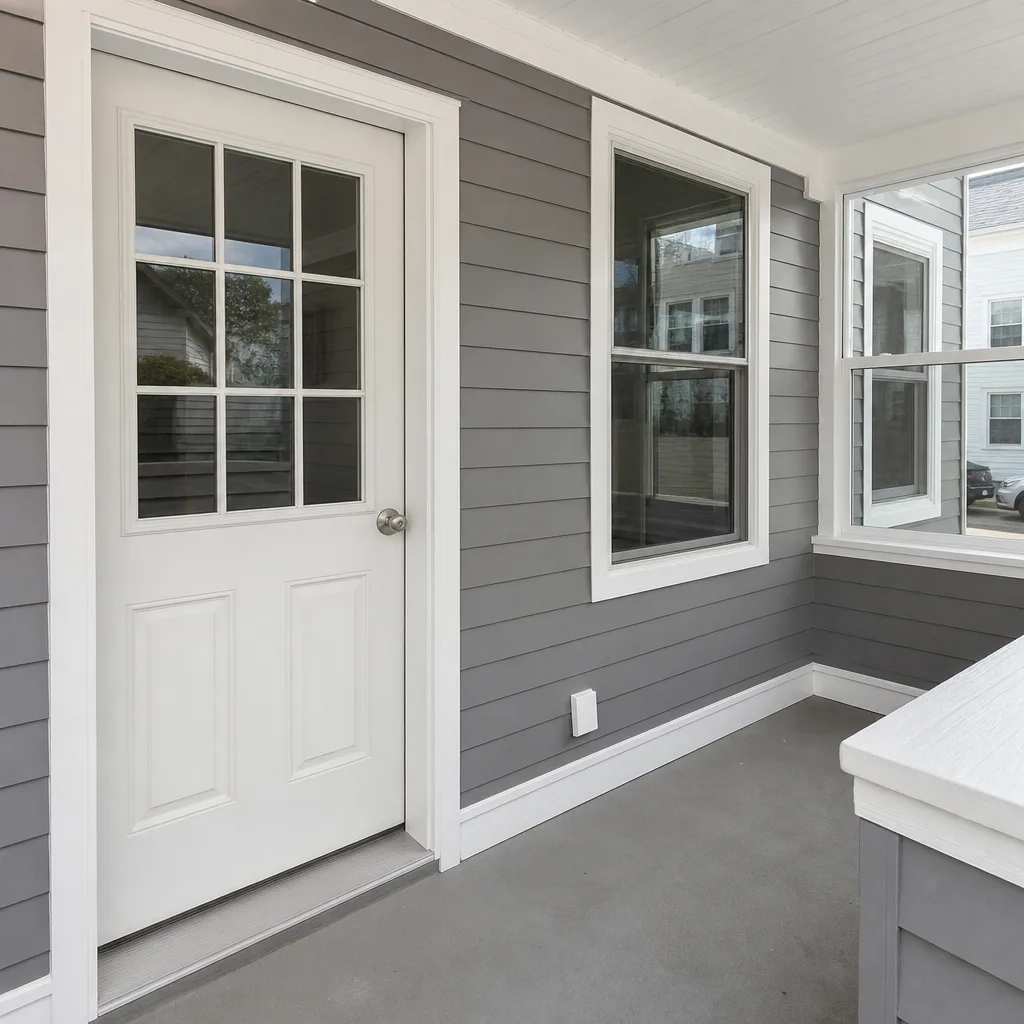 After
After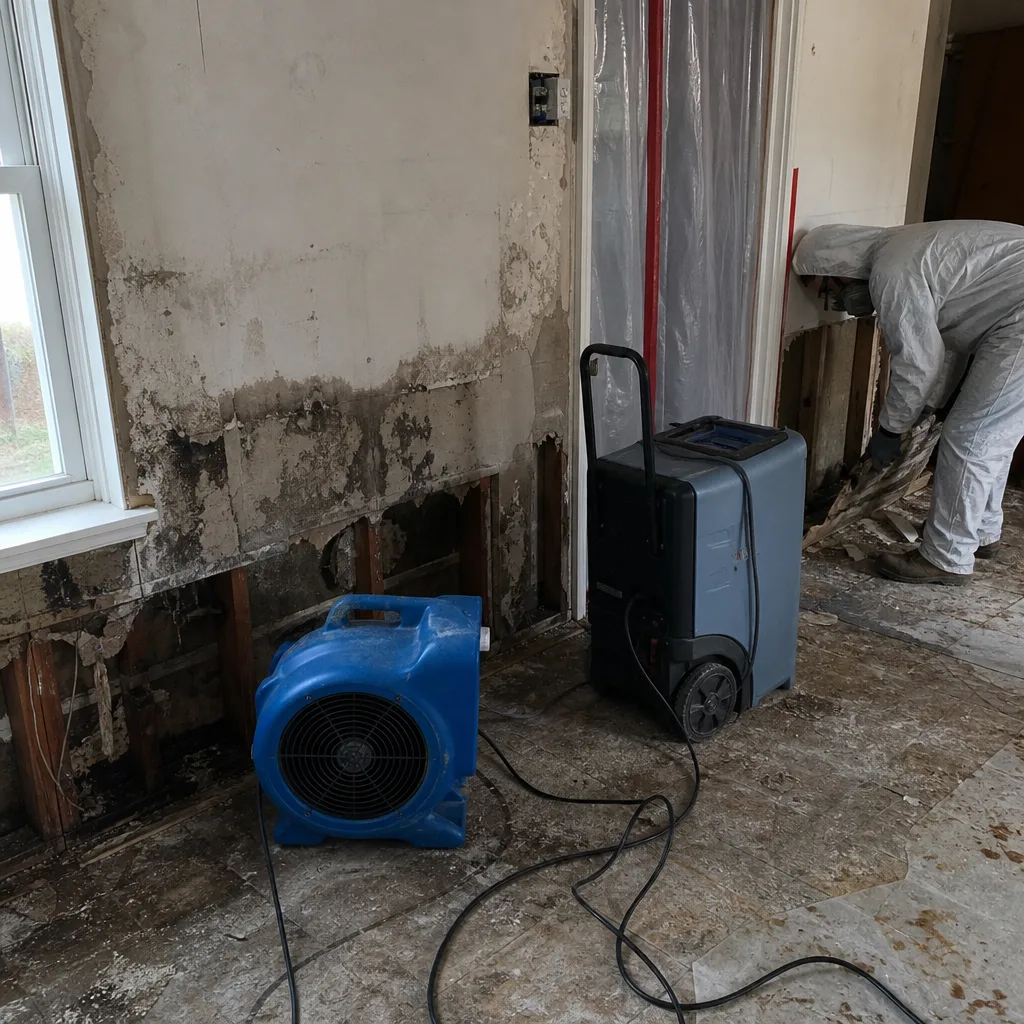 Before
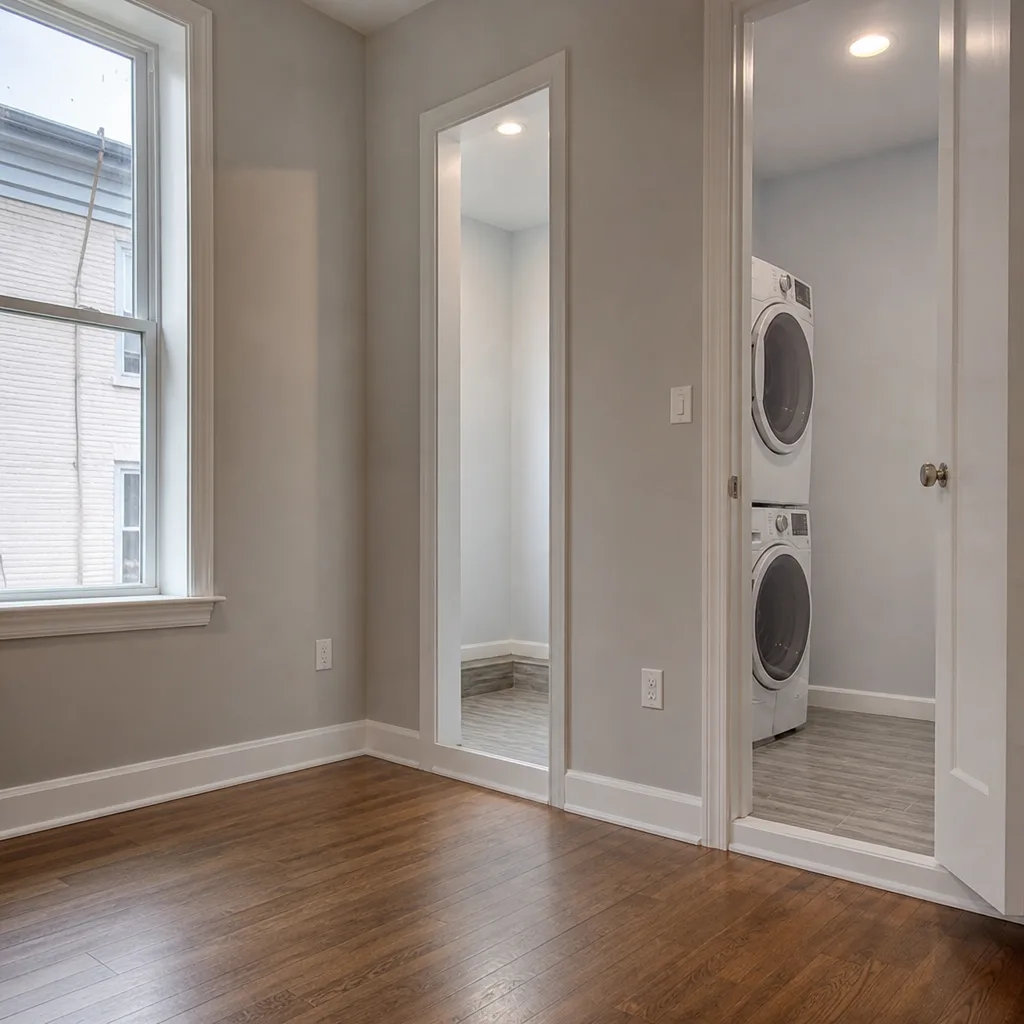 After
After24/7 Emergency Water Damage Restoration in Bayonne
Water damage restoration in Bayonne typically runs $1,800 to $6,500 depending on the source, square footage affected, and whether saltwater intrusion is involved. Most jobs start with extraction within hours of your call, not days. That timeline matters more here than almost anywhere else in Hudson County because Bayonne sits on a narrow peninsula nearly surrounded by tidal waterways, and water that sits in a rowhouse basement for even 12 hours starts corroding joist ends and feeding mold behind plaster-and-lath walls.
We answer the phone with a live person at 2 a.m., not a recording. Call (640) 400-9404 and a dispatcher gets a Floodline Restoration Co. crew rolling toward your address, anywhere in Bayonne, immediately. The first hour after a flood or burst pipe is when you save the floor joists, the framing, the furniture, and most of the restoration bill. We do a free visual inspection on every emergency call, walk you through exactly what we found, and start extraction the same visit.
Understanding Water Damage Restoration Severity in Bayonne Properties
Water damage comes in three categories, and Bayonne sees more category 3 than nearly every neighboring town combined. Category 1 is clean water from a burst supply line. Category 2 carries detergent, food, or soil, like a washing machine overflow. Category 3 is grossly contaminated: storm surge, sewage backflow, and saltwater pushed back through the storm sewers from Newark Bay or the Kill Van Kull. That last one is our normal Tuesday in Bayonne.
Why does severity hit harder here? Most of Bayonne’s housing stock is dense, attached two- and three-family brick row houses built between roughly 1900 and 1945. Those homes have plaster-and-lath walls that wick and hold moisture far longer than modern drywall, basements that sit at or near tidal-water table elevation, and original asbestos floor tiles and pipe insulation that must be tested before any structural drying starts. Moisture mapping with thermal imaging and hygrometers tells us exactly where water traveled behind walls and under floors. If we skip that step on a 1920s Bayonne rowhouse, we miss hidden pockets that turn into mold colonies within 48 to 72 hours, especially after saltwater intrusion, which accelerates corrosion on steel joists and cast-iron pipes and dramatically shortens the viable drying window compared with freshwater events.
Why Bayonne Property Owners Choose Floodline Restoration Co.
- 45-minute response commitment: Once you call, a crew is dispatched to Bayonne immediately. We quote response in minutes, not “sometime tomorrow.”
- A live person answers, 24/7: No phone tree, no answering service that takes a message and gets back to you. You talk to a dispatcher who knows how to prioritize a flooded basement in Bergen Point versus a burst pipe in Country Village.
- IICRC-certified crews: Our technicians hold WRT and ASD certifications from the IICRC, with additional training through RIA and IFA. They’re background-checked, uniformed, and they introduce themselves before they walk into your home.
- Free visual inspection: We look at the damage and tell you what we see before any work is authorized. You get a written scope of work, not a vague estimate.
- Direct insurance billing: We bill your carrier directly, provide photo documentation, moisture logs, and line-item scopes, and we talk to your adjuster so you don’t have to play messenger.
- One team from extraction to reconstruction: The same certified crew that reads the moisture map on day one handles daily readings, hands you the log, and rebuilds what needs rebuilding. No mid-job handoff to a crew you’ve never met.
Our Water Damage Restoration Process
Inspection & Assessment
We start with a full walkthrough using thermal imaging and hygrometers to map moisture behind walls, under flooring, and along joist ends. Before any drying begins, we check for category of water, test for asbestos in pre-1945 Bayonne building materials, and confirm whether the property went through RREM elevation or buyout work that affects scope.
Extraction & Stabilization
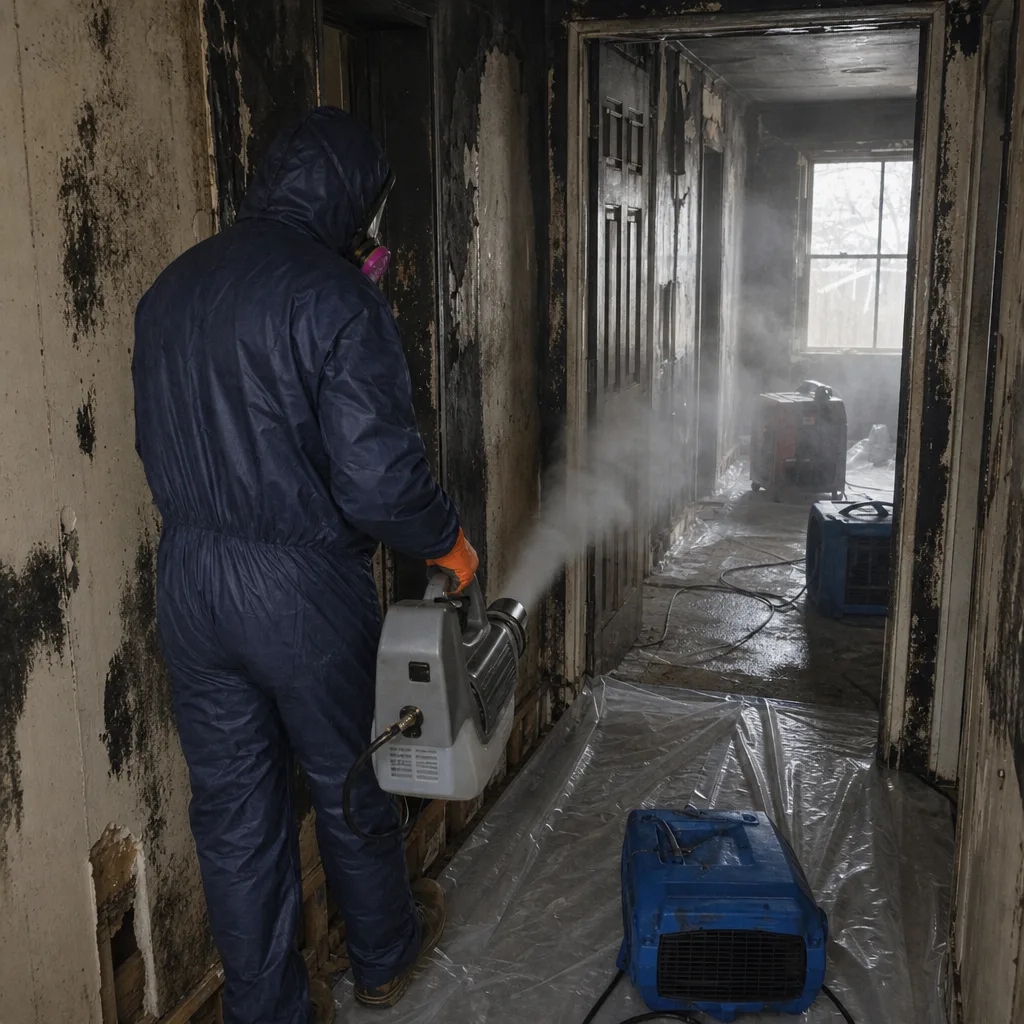
Truck-mounted extraction units pull standing water out fast. We cut off the water source, contain the affected area with plastic sheeting, and remove saturated materials that cannot be saved: carpet pads, soggy plaster, and damaged baseboards.
Drying & Dehumidification
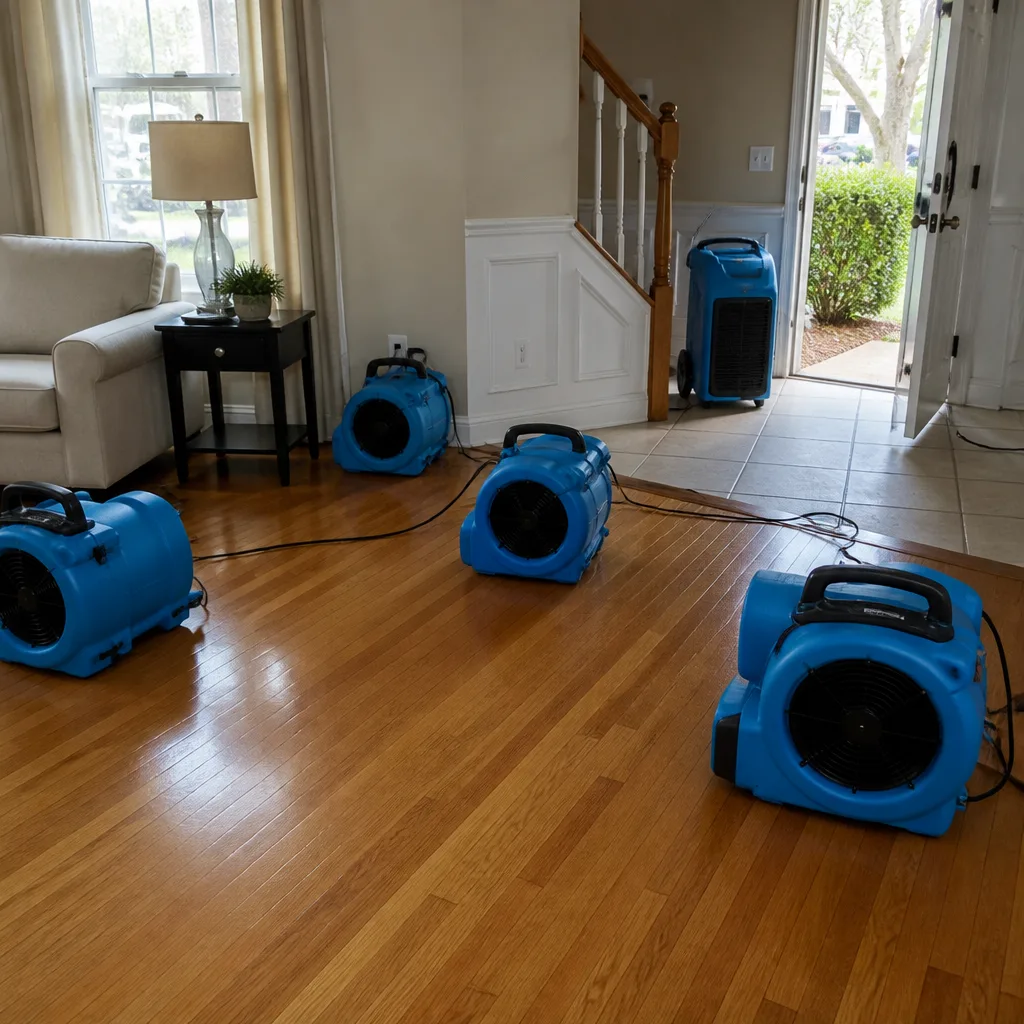
Professional-grade Dri-Eaz dehumidifiers and Phoenix air movers are placed according to the moisture map. For trapped water in wall cavities and under floors, we use Injectidry systems to pull water from spaces standard equipment can’t reach. Daily moisture readings are logged until the dry standard is met.
Cleaning & Sanitization
HEPA air scrubbers run throughout to capture airborne spores and particulates. Affected surfaces are cleaned and treated with antimicrobial agents appropriate for category 1, 2, or 3 water. Contaminated materials are bagged and disposed of under proper protocols.
Saltwater & Corrosion Treatment
Bayonne-specific step: after any saltwater event, we inspect exposed steel joists, column bases, and cast-iron pipe for accelerated corrosion. Any corroded or compromised structural element gets documented for your insurer and addressed before rebuild starts. This is not a step you’ll find on a generic restoration checklist.
Repairs & Restoration
New drywall, plaster repair, flooring, baseboards, paint, and structural fixes go back in. The same crew that did the extraction does the finish work. We hand you the completed moisture log and the 90-Day Done Right Promise in writing before we leave.
Need Emergency Water Damage Restoration in Bayonne Now?
Crews minutes away, answering live 24 hours a day. The sooner we start, the less it costs.
Working With Your Insurance Company
Most Bayonne water damage claims involve some level of insurance coverage, and the fastest way to slow down a claim is thin documentation. From the first hour on site, we photograph every affected room, log moisture readings, document the category of water, and note any pre-existing conditions that your adjuster will need to see. Our estimates follow industry-standard line-item formats that carriers recognize, and we communicate with your adjuster directly so you never sit on hold trying to explain category 3 water to a claims rep.
What We Provide Your Insurer
- Thorough documentation of the loss
- Photos of all damage, room by room
- Moisture readings and drying logs
- A detailed, line-item scope of work
- Direct coordination with your carrier
Built for Bayonne’s Loss Calendar
Bayonne’s water damage season never really closes, but it peaks three times a year, and each peak brings a different problem. January and February deep freezes burst supply lines in uninsulated exterior walls and crawl spaces, especially in pre-war rowhouses where plumbing runs along cold brick. March and April bring spring thaw and saturated ground, which means seepage through foundation walls that have spent 80 years in contact with tidal groundwater. August and September bring the real danger: nor’easters and tropical systems that push storm surge and saltwater into basements through storm sewers, sump pits, and foundation cracks. That last category is where Bayonne’s FEMA flood-zone designations become impossible to ignore, because post-Sandy remediation left thousands of homes with partial elevation work, exposed framing, or non-standard foundation conditions that a restoration scope has to account for. No two seasons demand the same response, and a crew that treats every flood like a freshwater kitchen leak will miss the saltwater corrosion clock ticking in the joists.
Water Damage Restoration Across Bayonne’s Neighborhoods
Every Bayonne neighborhood has its own loss pattern, and we plan response routes accordingly. Bergen Point, down by the Kill Van Kull, sees the most direct storm surge and saltwater backflow, and homes there are some of the oldest in the city, with shallow basements that flood fast. The Constable Hook area, historically industrial and now mixed residential, has a high number of converted buildings with non-standard plumbing layouts and slab floors that hold water underneath. In the central Broadway corridor, attached rowhouses share party walls, so a burst pipe in one unit migrates through the wall into the neighbor’s plaster before anyone notices. Country Village and the uptown side near 30th Street see more freeze-related pipe bursts in winter, with basements that sit lower than the surrounding grade and sump pumps that work overtime during nor’easters. Wherever you are in Bayonne, the first call we make after you call us is to figure out which streets are passable, because flooding on Avenue E or near the Hook can reroute response.
Specialized Water Damage Restoration Services We Offer in Bayonne
Emergency Water Extraction
Standing water in a Bayonne basement is never just water; it’s whatever the streets pushed back with it. Our truck-mounted extraction units pull hundreds of gallons per hour, and we start the clock the moment we arrive. For homes near the Kill Van Kull or Newark Bay, we treat extraction as a race against saltwater corrosion in the joist ends and cast-iron waste lines.
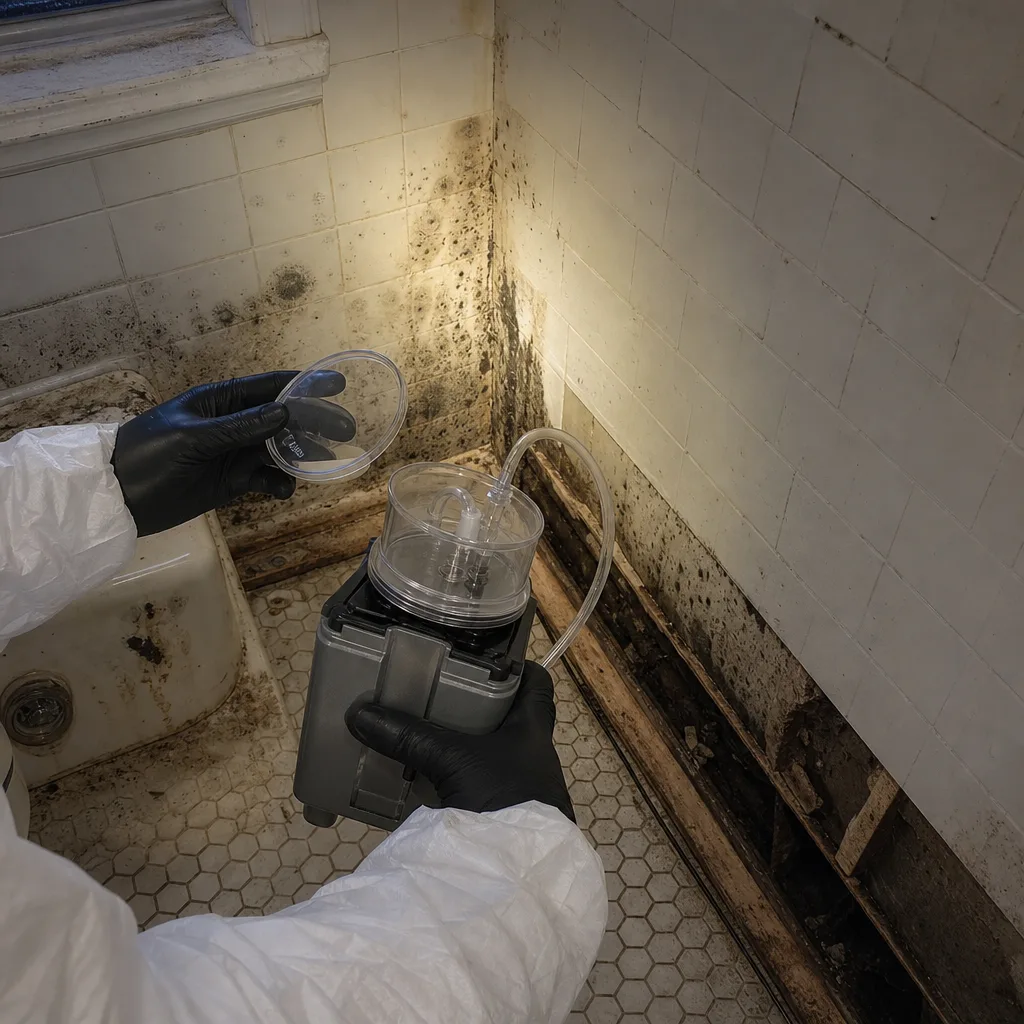
Structural Drying & Dehumidification
Drying a 1920s Bayonne rowhouse is not the same as drying a 1990s suburban split-level. Plaster-and-lath holds water in ways drywall doesn’t, and if the lath is original, it can wick moisture up six feet from the floor line. We use Dri-Eaz dehumidifiers, Phoenix air movers, and Injectidry panels placed according to the moisture map, and we take daily readings until the dry standard is met, not until the surface looks dry.
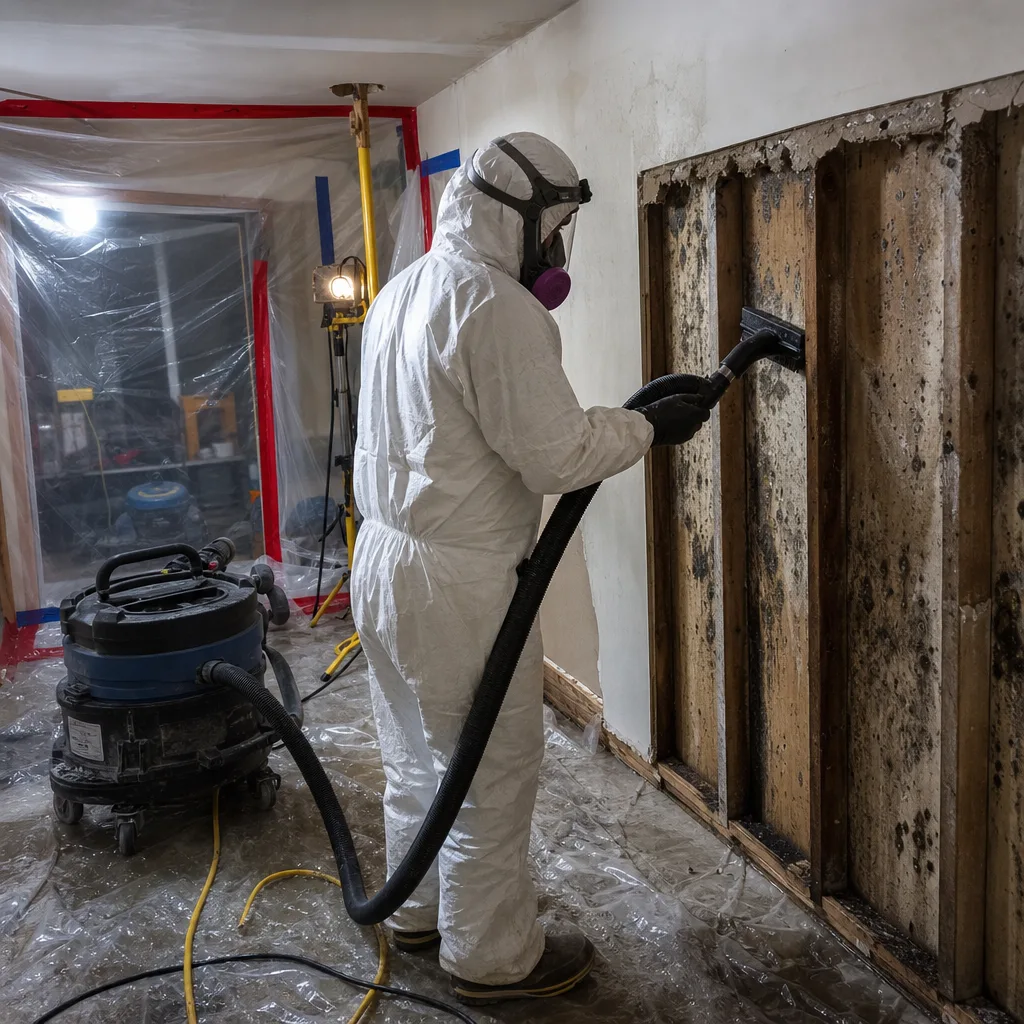
Flood Cleanup
Bayonne’s flood-zone designations mean a flooded basement here often involves category 3 water requiring full contamination protocols. We contain the area, remove saturated materials, test for asbestos in original floor tiles and pipe insulation, and run HEPA air scrubbers throughout. We document everything for your FEMA and insurance paperwork because post-Sandy regulatory requirements don’t disappear just because the water receded.
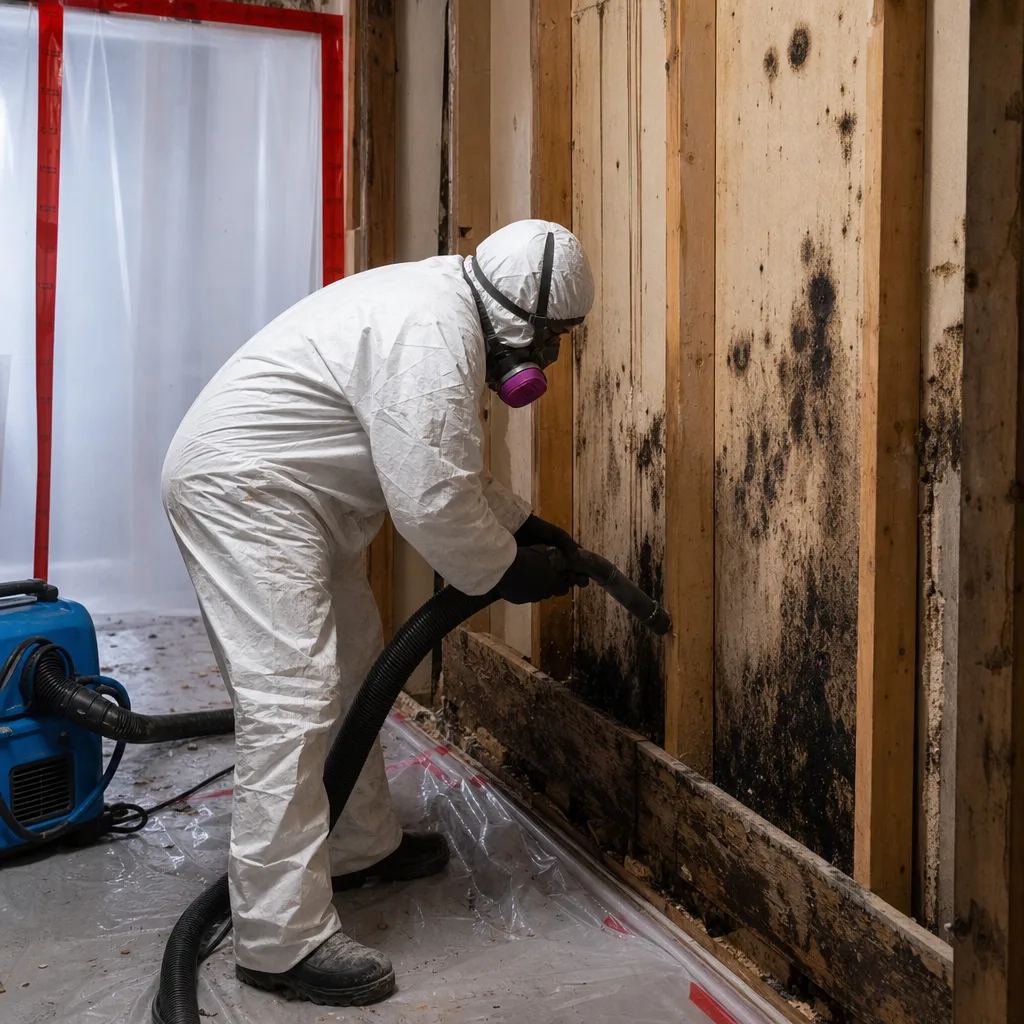
Burst Pipe Restoration
When a supply line lets go in a Bayonne winter, the water is usually clean, but the damage still migrates fast through shared party walls and old plaster. We find the source, shut it down, extract, and map the migration path. Then we dry the structure fully before any rebuild happens, which keeps mold from showing up behind new drywall a month later.
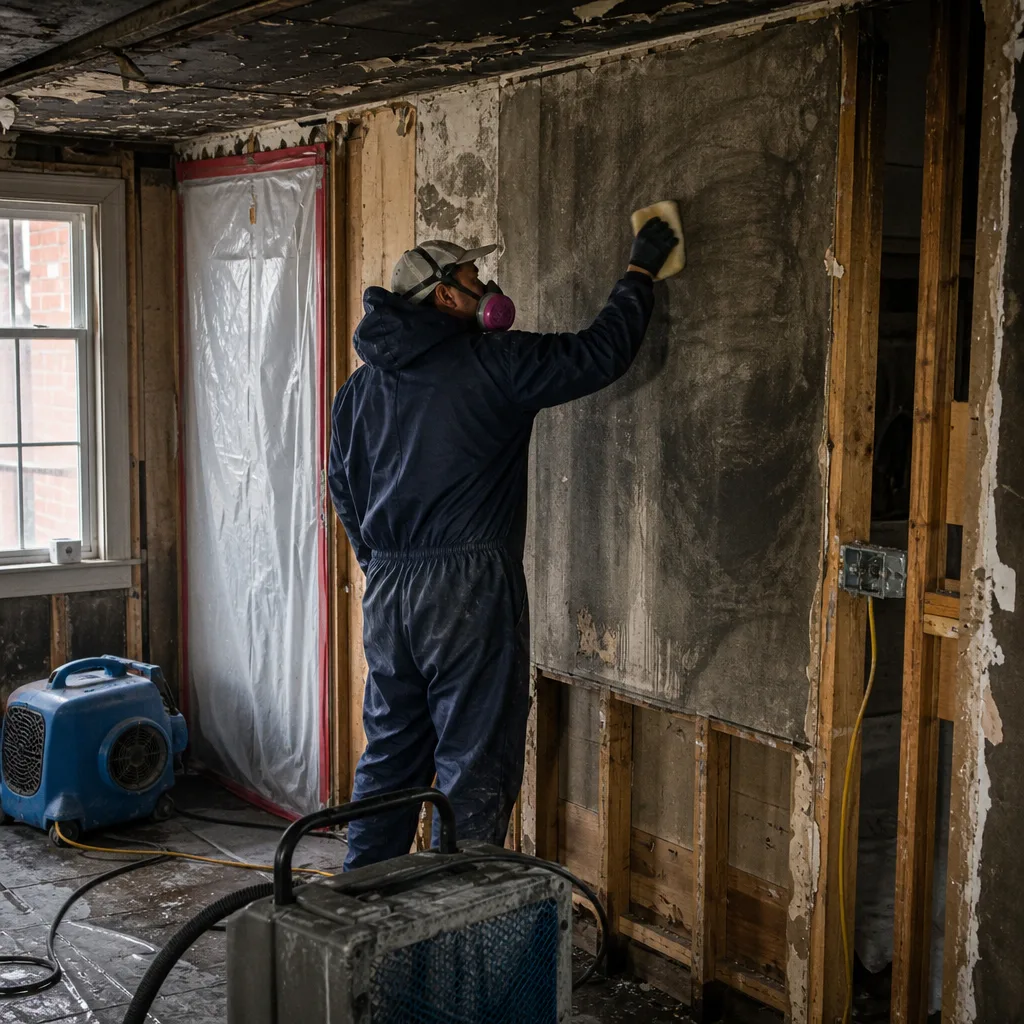
Basement Water Removal
Basement water removal in Bayonne means pumping out the water and then figuring out where it came from: a failed sump pump, a backed-up storm sewer, a foundation crack, or a tidal surge. We handle all of those, and because much of the city sits on filled tidal land at very low elevation, we check the water table and drainage patterns before we start rebuilding, so the same basement doesn’t flood again in the next nor’easter.
What happens when you call
- 1
A real person answersNo phone trees - you reach a local pro.
- 2
You get an upfront price rangeHonest numbers before anyone is dispatched.
- 3
A background-checked tech heads outLicensed & insured, dispatched right away.
- 4
You approve before work beginsNothing starts until you say go.
Water Damage Restoration Costs in Bayonne, NJ
What you pay depends on the category of water, the square footage affected, and what has to be removed versus what can be dried in place. Expect these ranges for Bayonne’s market:
- Emergency water extraction: $900 to $2,800 depending on gallons and access
- Structural drying and dehumidification: $1,200 to $4,000 for a standard Bayonne rowhouse basement
- Flood cleanup with category 3 contamination: $3,000 to $8,500 including containment, disposal, and sanitation
- Burst pipe restoration: $1,800 to $5,500 including dry-out and basic repair
- Basement water removal with asbestos abatement: $4,000 to $12,000 when pre-1945 materials require licensed removal before drying
Insurance covers most sudden, accidental water damage like burst pipes and storm-related flooding, subject to flood insurance for surge events. The fastest path to a firm price is a free visual inspection: we assess the damage, check for asbestos and RREM complications, and hand you a written scope before any work is authorized. You’ll know the number before we start.
We Also Serve Cities Near Bayonne
Floodline Restoration Co. runs crews throughout the surrounding area, so call us no matter which side of the border you’re on. We handle Water Damage Restoration in Bayonne and also serve Jersey City, Harrison, Kearny, and Hoboken with the same 24/7 live dispatch, certified crews, and 90-Day Done Right Promise.
Bayonne Water Damage Restoration Questions, Answered
How does Bayonne’s RREM elevation or buyout program affect my water damage restoration scope?
If your home went through the post-Sandy RREM elevation or buyout program and the work was never fully completed, any new restoration scope has to be filed against current FEMA Base Flood Elevation requirements. That means partial demolition, exposed framing, or non-standard foundation work must be assessed and documented before we start drying or rebuilding, and the scope may need FEMA-compliant elevation adjustments alongside the water damage repair itself.
Why is saltwater flooding from Newark Bay or the Kill Van Kull more urgent than a freshwater leak?
Saltwater attacks structural steel and cast-iron pipe far faster than freshwater. A joist end that sits in saltwater for 48 hours can show measurable corrosion that compromises load-bearing capacity, and the clock for mold colonization shrinks because saltwater carries organic matter and bacteria into every cavity it touches. We treat any saltwater intrusion in Bayonne as a corrosion event in addition to a drying job.
What does a typical Bayonne row house basement water removal involve with plaster-and-lath walls?
Plaster-and-lath wicks water upward far beyond the visible water line, so we map moisture behind the plaster with thermal imaging and hygrometers, not just on the surface. Extraction starts immediately, then we remove saturated lath, baseboards, and flooring, set up Dri-Eaz dehumidifiers and Phoenix air movers, and track daily moisture readings until the wall cavities hit pre-loss moisture levels. In pre-1945 homes, we also test for asbestos in the tile and pipe insulation before removal begins.
Do I need asbestos abatement before water damage restoration in a Bayonne home built in 1920?
If original floor tiles, pipe insulation, or other materials are present and we test positive for asbestos, yes, licensed abatement happens before structural drying or rebuild work proceeds. That’s a code and health requirement, not a suggestion. Skipping it means a restoration that looks complete but violates the law and leaves controlled material in your home.
How do I know if my flooded basement water is category 3?
Category 3 water contains sewage, storm surge, or tidal backflow, and it carries pathogens and contaminants. If your basement flooded after a nor’easter, from a sewer backup, or from water that rose up out of the street, it’s category 3. We test and confirm on site, then contain the area, run HEPA air scrubbing, and dispose of contaminated materials under proper protocol. Clean-water pipe bursts are typically category 1 or 2, but any water that sat for more than 48 hours degrades in category over time.
How fast can a crew actually get to my house in Bayonne?
Our live dispatch gives you a real ETA while you’re still on the phone. We commit to 45-minute response inside Bayonne, and in practice, most calls get a crew on site faster than that, routing from the nearest available team. Flooding on Avenue E, Broadway, or near the Hook can add time during storm events, and we’ll tell you exactly what to do in the first 30 minutes while you wait.
How long does structural drying take in a Bayonne basement?
Most Bayonne basements dry to pre-loss moisture levels in 3 to 7 days, depending on the water category, the building materials, and how quickly extraction started. Plaster-and-lath extends drying time compared with drywall because it holds water in the wall cavity. Saltwater events add a day or two while we run corrosion checks and monitor steel elements. We provide daily moisture readings and give you the drying log at the end.
Will insurance cover my Bayonne water damage restoration?
Sudden and accidental water damage from burst pipes is typically covered under standard homeowners policies. Flooding from storm surge or nor’easter backflow requires flood insurance, which many Bayonne homeowners carry because of FEMA flood-zone designations. We document everything from the first hour, bill your carrier directly, and coordinate with your adjuster, so you know what’s covered before any out-of-pocket work proceeds.
Serving Bayonne, NJ - Our Local Coverage Area
We’re based in the Bayonne area and know this community well. Use the map below to see our service coverage - if you’re nearby, we can almost certainly help.
Call Floodline Restoration Co. for Bayonne Water Damage Restoration
If your basement is flooding right now, stop reading and call (640) 400-9404. A live person answers immediately, a crew is dispatched to Bayonne, and extraction runs the same visit. Our Water Damage Restoration team handles everything from the first water extraction to the final trim, with daily moisture readings, direct insurance billing, and the 90-Day Done Right Promise in writing.
Floodline Restoration Co. was founded in 2010 by Curt Bowman, and our people are trained to IICRC, RIA, and IFA standards, background-checked, and uniformed on every job. We stand behind every restoration, every time. Call (640) 400-9404 for a free estimate, or just to ask us what we’d do about that wet spot in the corner you’ve been watching for a week.
Written by Curt Bowman, Owner at Floodline Restoration Co., serving Bayonne, NJ with water damage restoration, flood cleanup, and full reconstruction.