

Free visual inspection and a written scope of work before any mitigation begins - photos, moisture readings, and drying logs go in your claim file
The scope we write is the scope we bill. Anything new gets shown to you, in writing, before we touch it.
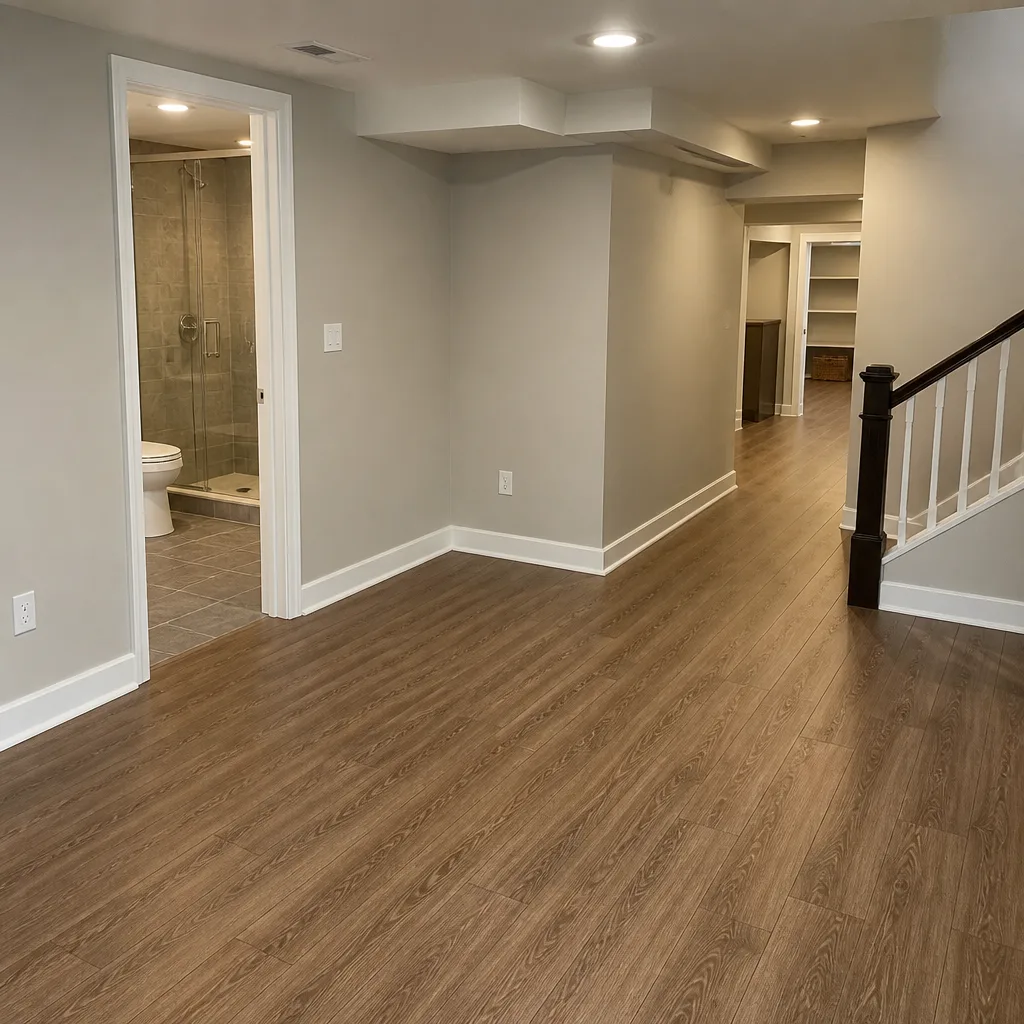

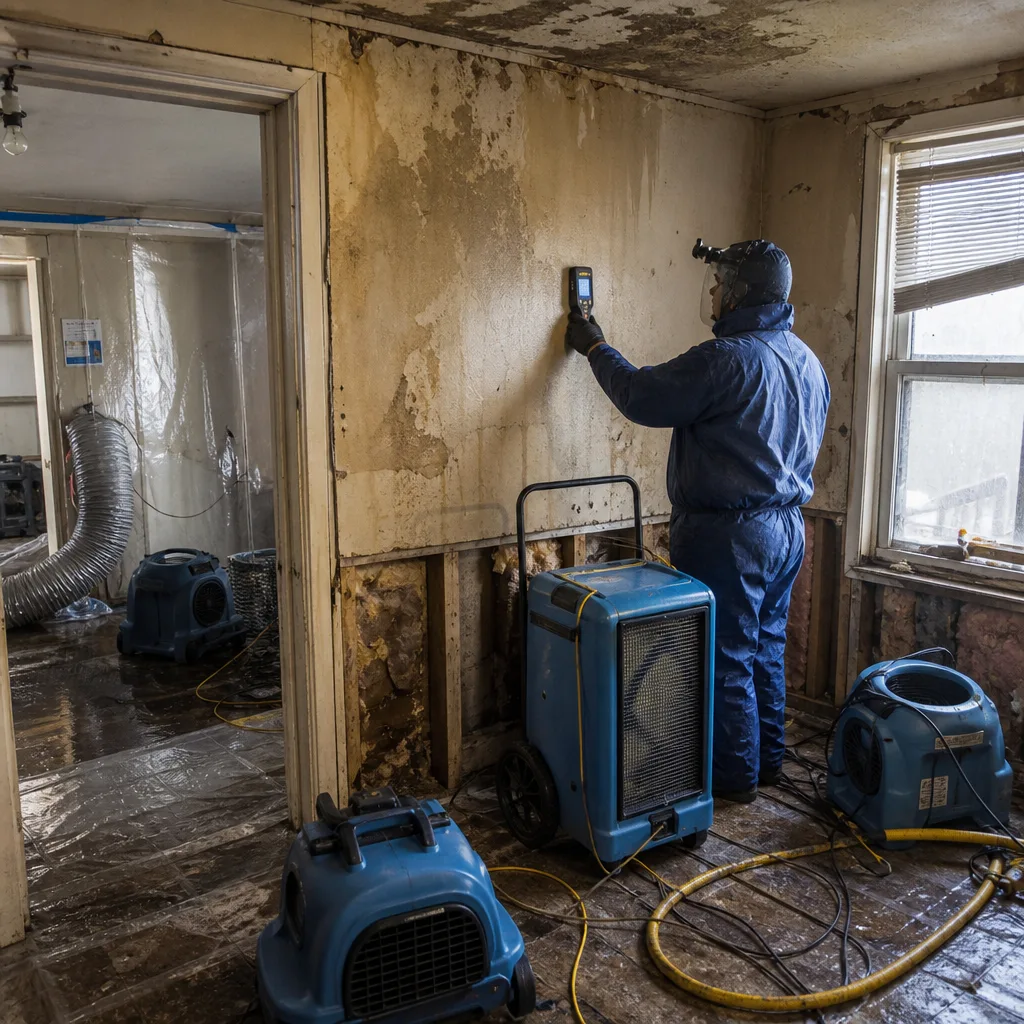 Before
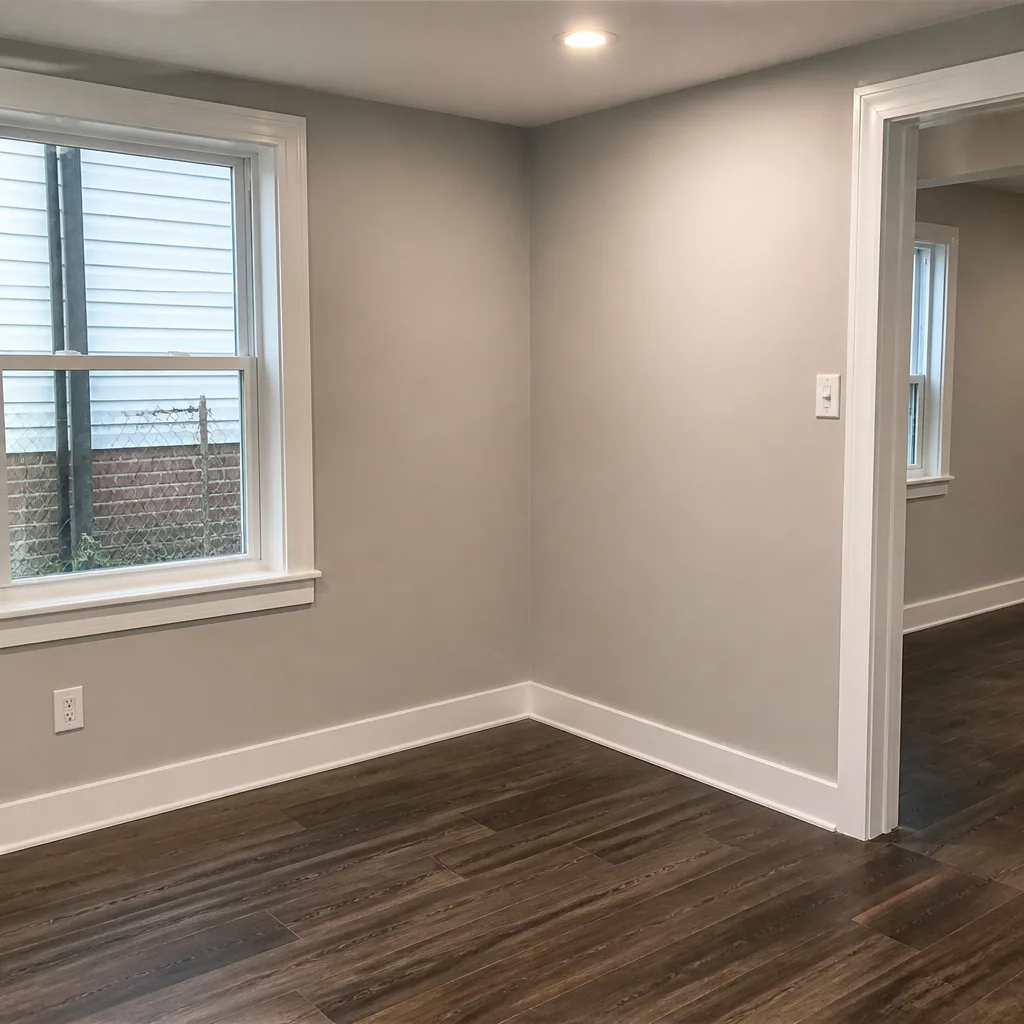 After
After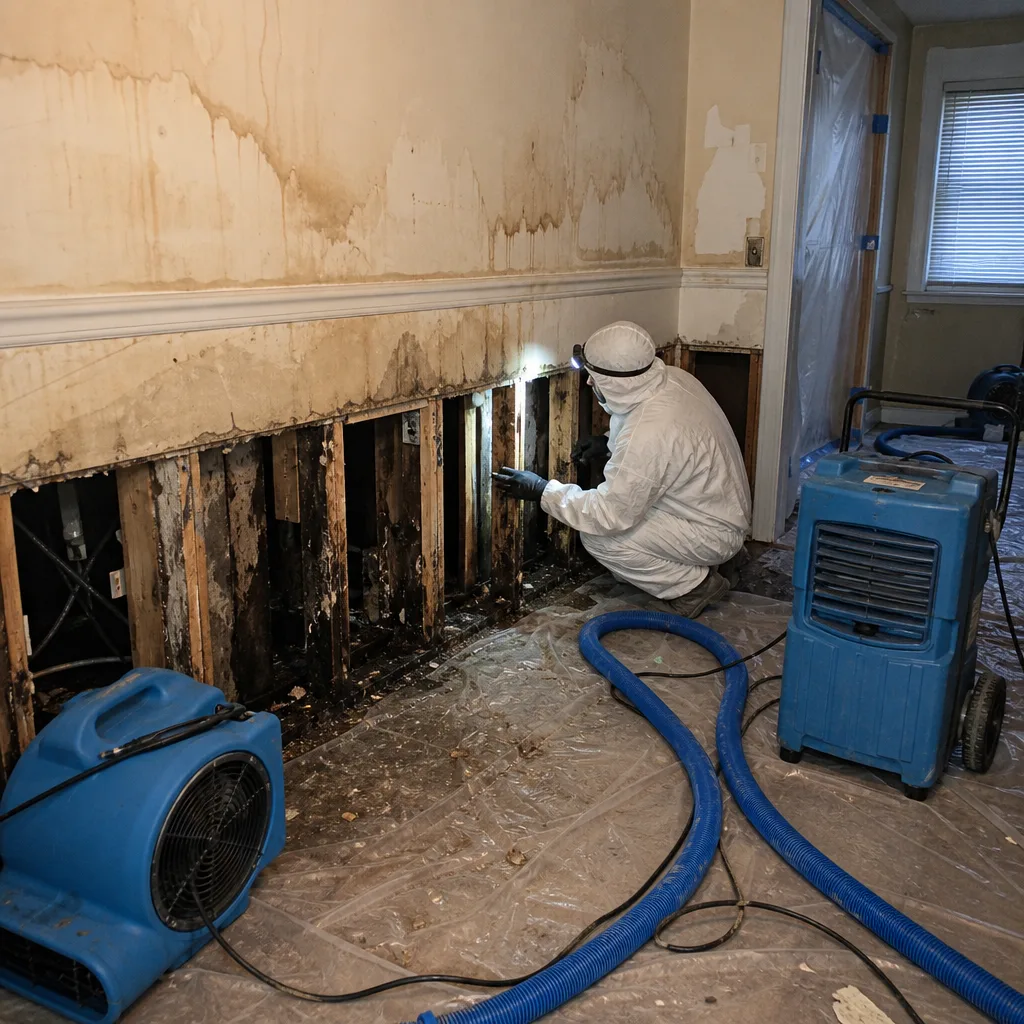 Before
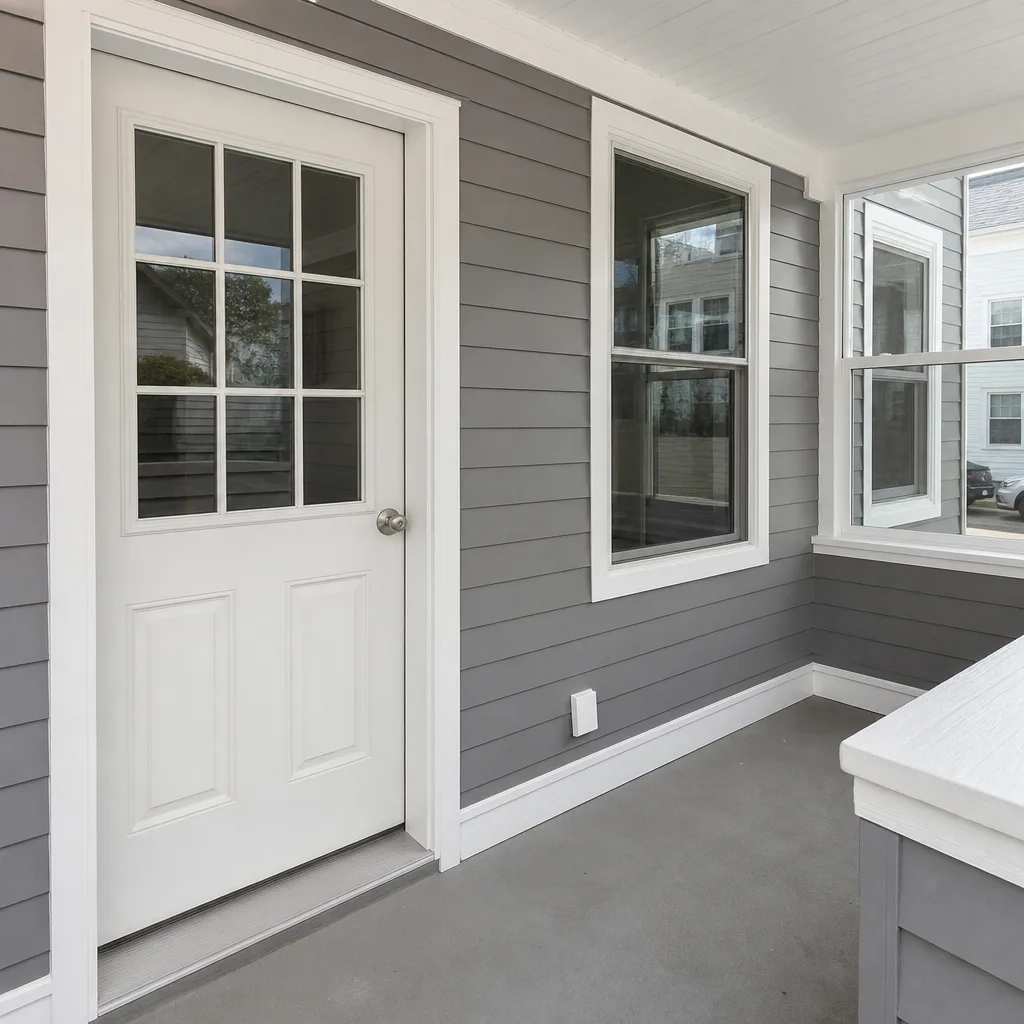 After
After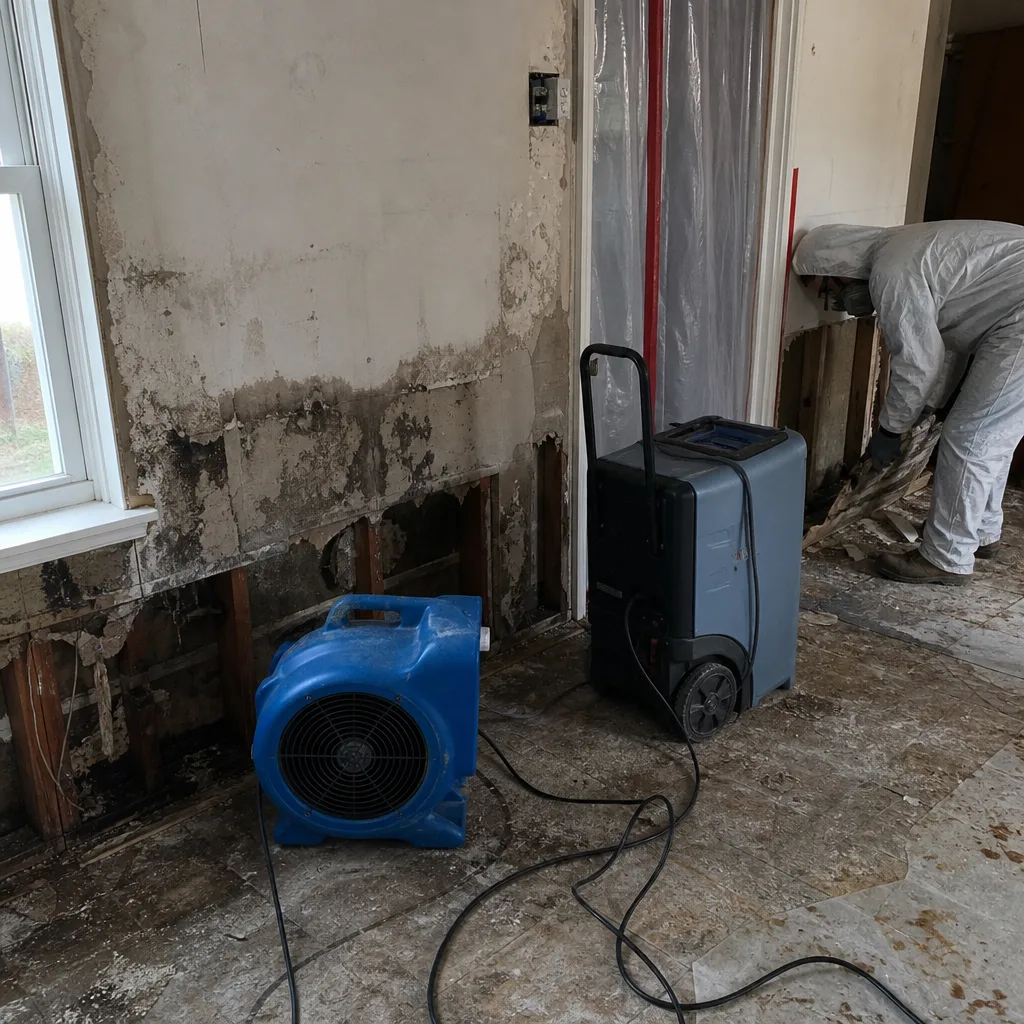 Before
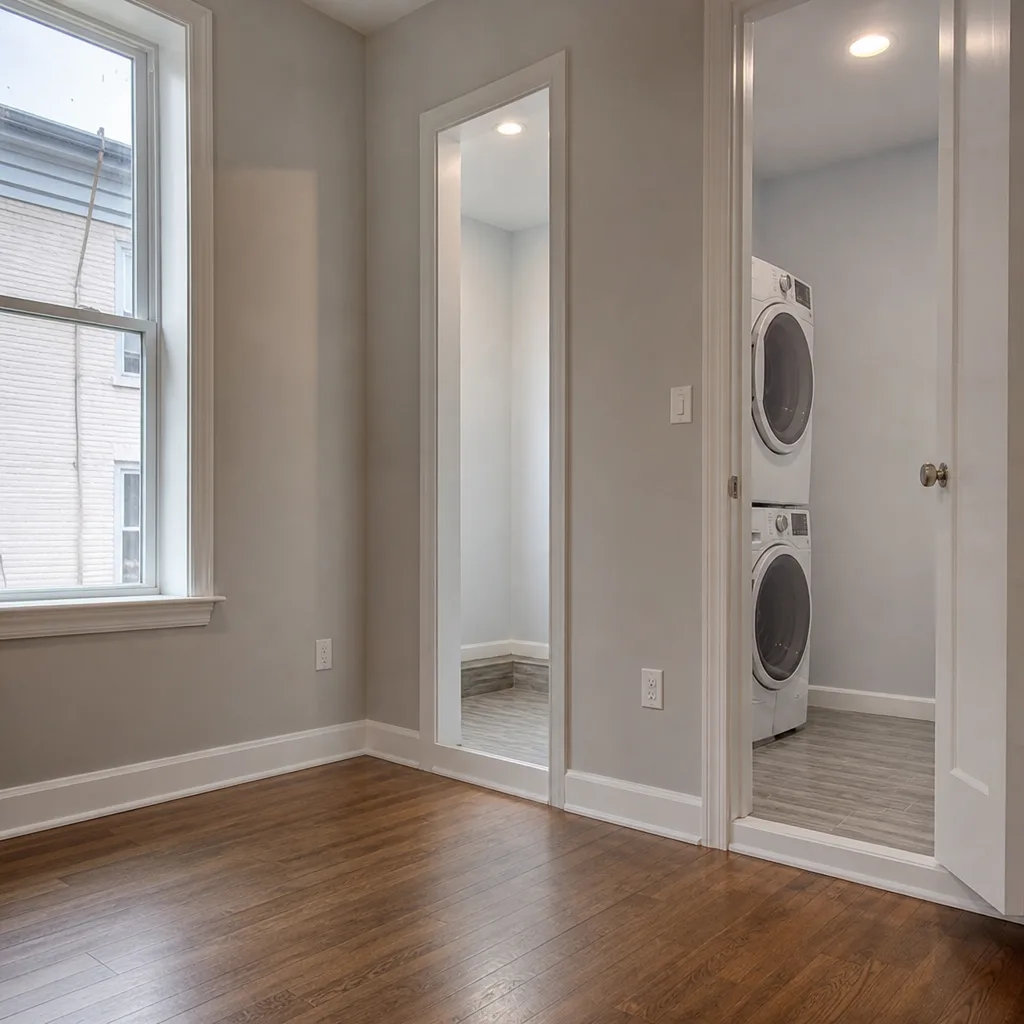 After
After24/7 Emergency Storm & Disaster Restoration in Secaucus
Storm damage in Secaucus moves fast, and the first hour usually decides whether you’re looking at a cleanup or a rebuild. Groundwater from the Hackensack Meadowlands doesn’t wait for business hours, and neither do we. Floodline Restoration Co. runs live dispatch around the clock, every day of the year, with crews routed into Secaucus neighborhoods the moment you call (640) 400-9404. You won’t get a recording. You’ll get a person who knows the difference between surface water and what’s already wicking up through your slab on fill. We start with a free visual inspection, put eyes on the actual moisture path, and get extraction running on the same visit whenever conditions allow. That speed matters here more than almost anywhere in Hudson County, because the water table in Secaucus keeps working against you long after the rain stops.
Understanding Storm & Disaster Restoration Severity in Secaucus Properties
Storm water isn’t all the same, and the category of water changes how restoration gets scoped. Category 1 starts clean, from a burst supply line or rainwater that hasn’t touched ground. Category 2 carries contaminants, the gray water from sump overflow or drain backflow. Category 3 is the one we see too often in Secaucus after tidal surge or sewer backflow: water that’s been in contact with the Hackensack River, sediment, or sewage, carrying pathogens that require containment, antimicrobial treatment, and careful disposal. Most 1980s condo complexes and townhome developments off Paterson Plank Road and County Avenue sit slab-on-grade over compacted fill. That means even Category 1 water doesn’t stay put. It wicks laterally through the slab and up base plates, saturating drywall and framing that never touched standing water. Moisture mapping with thermal imaging and in-situ probes finds that hidden saturation before it becomes a mold column or a structural problem. Structural drying here means reading the concrete, not just the carpet.
Why Secaucus Property Owners Choose Floodline Restoration Co.
- 45-minute response commitment: When you call from Secaucus, we route the nearest available certified crew immediately. You’ll have a live ETA, not a window.
- 24/7 live answer, every call: A dispatcher picks up at 2 a.m. because storm damage doesn’t check the clock. No automated menu, no voicemail box.
- IICRC-certified crews: Our technicians hold current WRT and FSRT credentials, and we train to RIA and IFA standards too, so the moisture map on day one actually means something.
- Free visual inspection: We walk the property before any work is scoped, so you know what you’re dealing with and what it will cost.
- Direct insurance billing: We document everything from the first hour, bill your carrier directly, and talk to your adjuster so you don’t have to become a claims translator.
- One team, start to finish: Extraction, drying, and rebuild stay with the same Floodline crew. No mid-job handoff to a subcontractor who’s never seen the moisture log.
Our Storm & Disaster Restoration Process
Inspection & Assessment
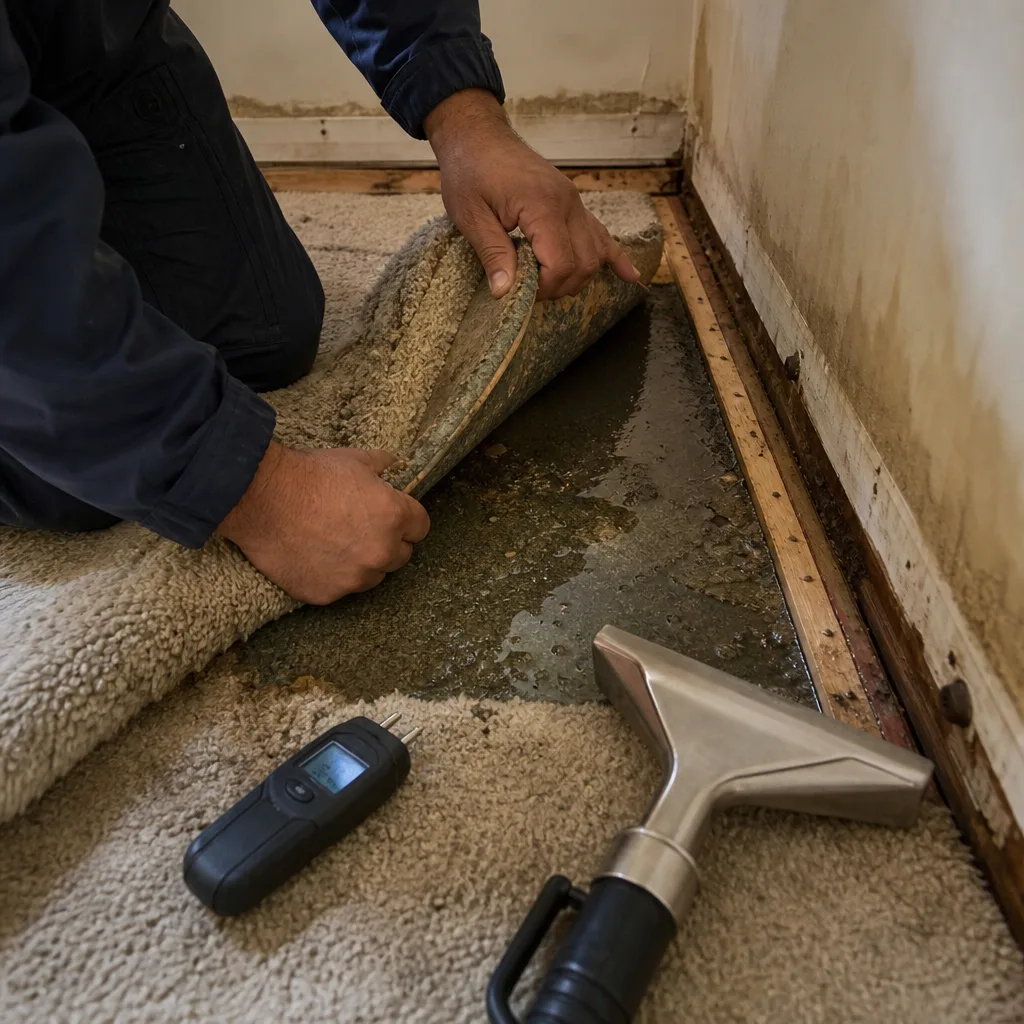
We arrive with thermal imaging cameras, hygrometers, and moisture probes. In Secaucus, that means checking not just where water is visible but where slab capillary action is pulling it into walls, base plates, and adjoining units. We map the full moisture path before we touch anything.
Extraction & Stabilization
Standing water comes out first with truck-mounted extraction and submersible pumps sized for the job. We stabilize the site and stop the active water source, whether that’s a failed sump pump, a storm drain backflow, or a punctured building envelope.
Drying & Dehumidification
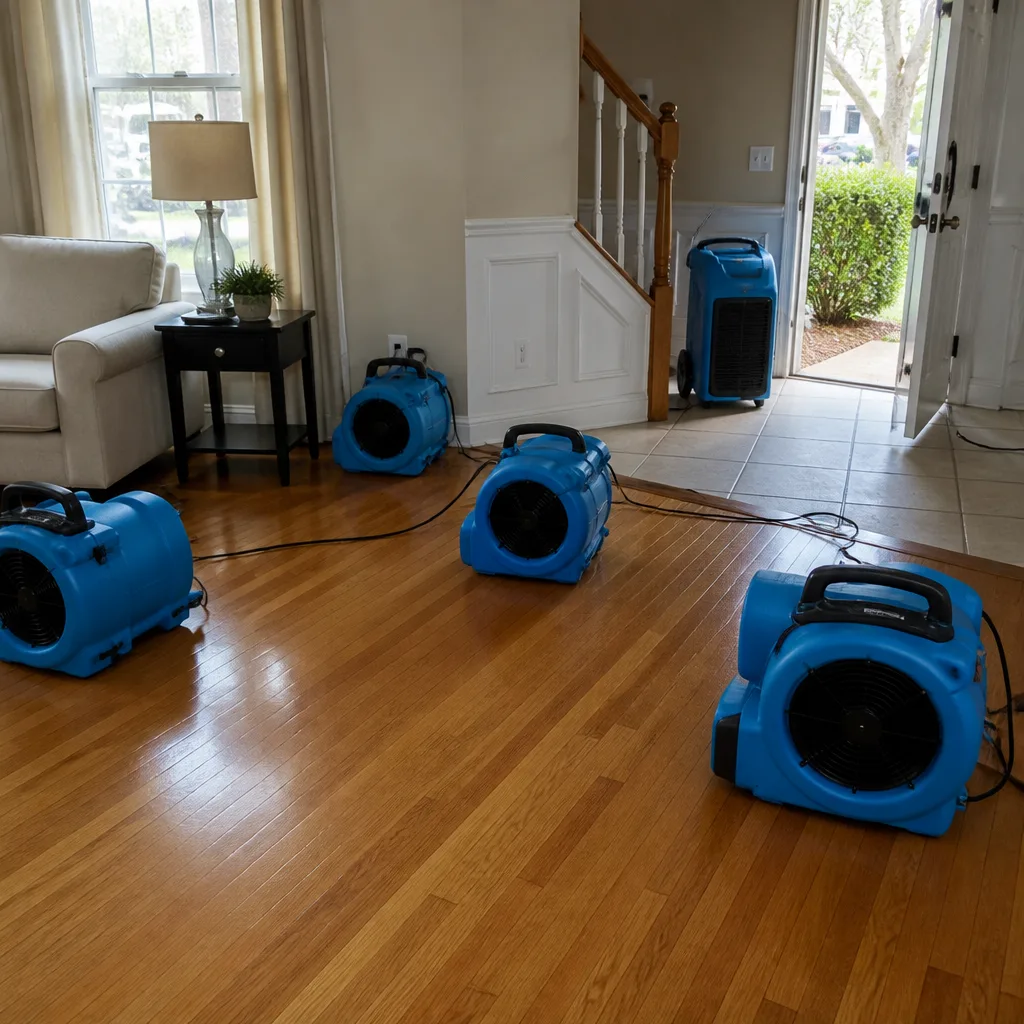
Dri-Eaz dehumidifiers and XPOWER air movers get placed along the mapped moisture path, not just in the middle of the wet room. Daily hygrometer readings track the descent toward the dry standard. In Secaucus’s high-water-table conditions, the slab is part of the drying plan.
Cleaning & Sanitization
Category 2 and 3 water events get antimicrobial treatment and proper disposal of contaminated materials. Surfaces are cleaned to IICRC standards, and air scrubbers run where needed to control what’s already airborne.
Storm-Specific Treatment
Flood cuts, base plate removal, and wall cavity drying are standard here. For multi-unit condo buildings, we check adjoining wall cavities for moisture that crossed shared walls, which is the single most common miss we see from crews without local storm experience.
Repairs & Restoration
Sheetrock, insulation, flooring, trim. We rebuild to the original condition or better, and every job carries the 90-Day Done Right Promise in writing. If it’s not done right, we make it right. No arguing.
Need Emergency Storm & Disaster Restoration in Secaucus Now?
Crews minutes away, answering live 24 hours a day. The sooner we start, the less it costs.
Working With Your Insurance Company
Most storm damage claims in Secaucus involve multiple parties: the homeowner, the condo association, sometimes the HOA’s master policy, and the carrier’s adjuster. Sorting that out is its own kind of damage. We handle it. From the first hour on site, our team photographs every affected area room by room, logs moisture readings daily, and builds a line-item scope of work that speaks the language insurance adjusters actually use. You get a copy, your carrier gets a copy, and we talk to the adjuster directly. Curt Bowman founded Floodline Restoration Co. in 2010 around a simple idea: the homeowner should never be the messenger between a restoration crew and an insurance desk. And we still run that way.
What We Provide Your Insurer
- Thorough documentation of the loss
- Photos of all damage, room by room
- Moisture readings and drying logs
- A detailed, line-item scope of work
- Direct coordination with your carrier
Built for Secaucus’s Loss Calendar
Secaucus gets its share of the obvious: nor’easters that push Hackensack River surge against the shoreline from late fall through early spring, and summer thunderstorms that dump an inch of rain in an hour onto ground that’s already at saturation. But the local loss calendar has its own rhythm. January and February bring deep freezes that split supply lines in 1980s townhome mechanical closets, sometimes flooding three floors before anyone notices. March and April means spring thaw compounding a water table that was already high all winter, sending seepage into ground-floor units along Cedar Lane and Farm Road. August thunderstorms flash-flood low-lying intersections and storm drains back up into basements. And every few years, a named storm reminds Secaucus why building on filled marshland was always a gamble. The pattern we see most: a ground-floor condo that never gets truly dry, because the fill underneath never gets truly dry. That’s the call we answer most often, and we know what to do with it.
Storm & Disaster Restoration Across Secaucus’s Neighborhoods
We run crews through every corner of Secaucus, from the condo clusters off Paterson Plank Road to the townhome blocks near Huber Street and the residential streets around Clarendon School. The 07094 zone, covering most of the borough, has the highest concentration of 1980s-era slab-on-grade construction, which means ground-floor water events tend to track horizontally through concrete before they ever show on a baseboard. Over toward 07096 along the river side, units sit closer to the tidal influence of the Hackensack and take more direct storm surge pressure. Response routes matter: getting to a multi-unit building off County Avenue during a nor’easter means knowing which intersections flood first and which access roads stay open. We do. When we get a call from a property manager at one of the larger condo associations, we already know the building type, the typical utility locations, and where water is most likely traveling through shared walls. That’s not inside knowledge you can get from a franchise playbook. That’s just being here, repeatedly, for years.
Specialized Storm & Disaster Restoration Services We Offer in Secaucus
Flood Damage Restoration
In Secaucus, flood damage usually means one of two things: river-driven surge from the Hackensack or groundwater intrusion through slabs and foundation walls. Both need the same first move: get the water out and the drying started before the fill underneath re-wets everything we just dried. Our Storm & Disaster Restoration team runs Dri-Eaz dehumidifiers with daily moisture logging until the structure hits pre-loss readings. We don’t sign off because the surface feels dry. We sign off because the meter says dry.
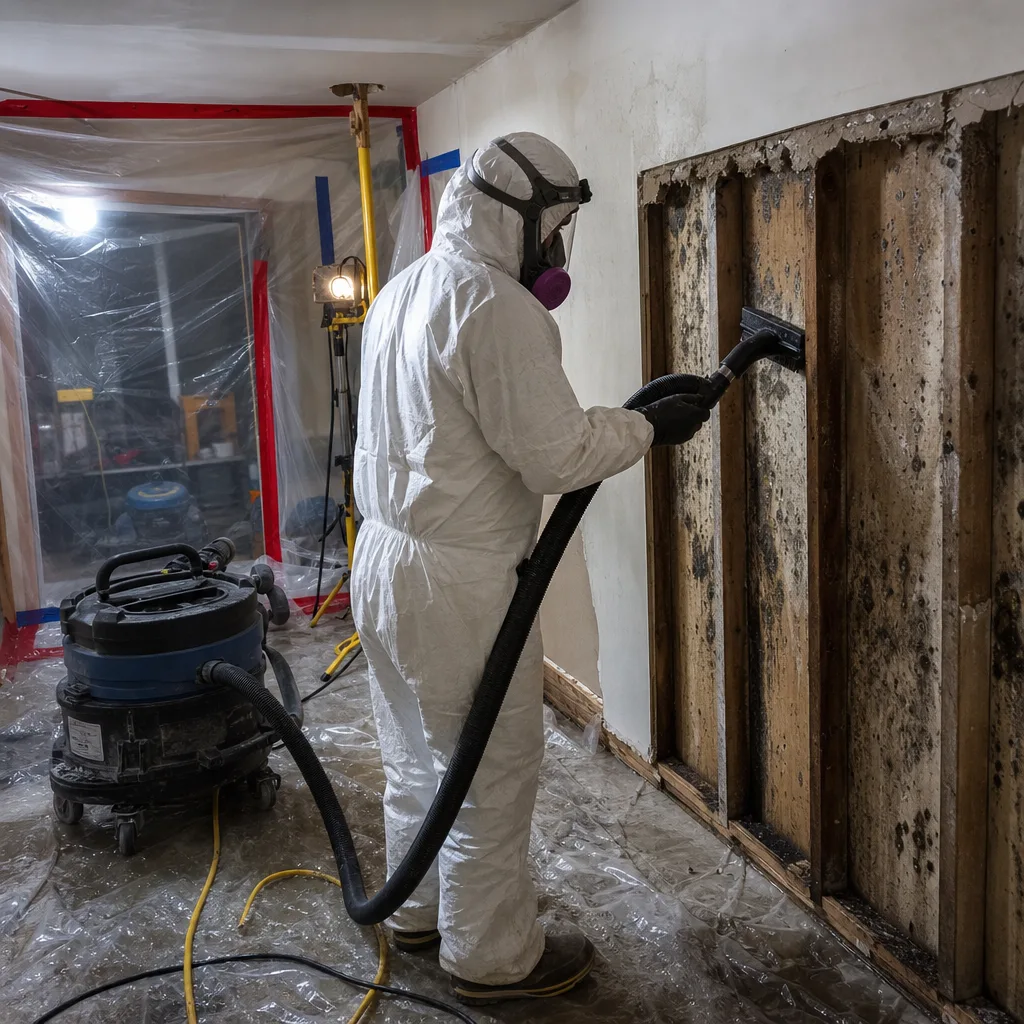
Storm Damage Cleanup
After a heavy storm passes, the damage isn’t always a flood. Debris against the foundation, torn flashing, roof punctures, saturated insulation. We handle the full cleanup: removal of water-damaged materials, structural drying, and sanitization, all documented for your carrier. For Secaucus condo owners, we pay special attention to adjoining wall cavities, since shared walls are the path moisture takes when one unit gets hit.
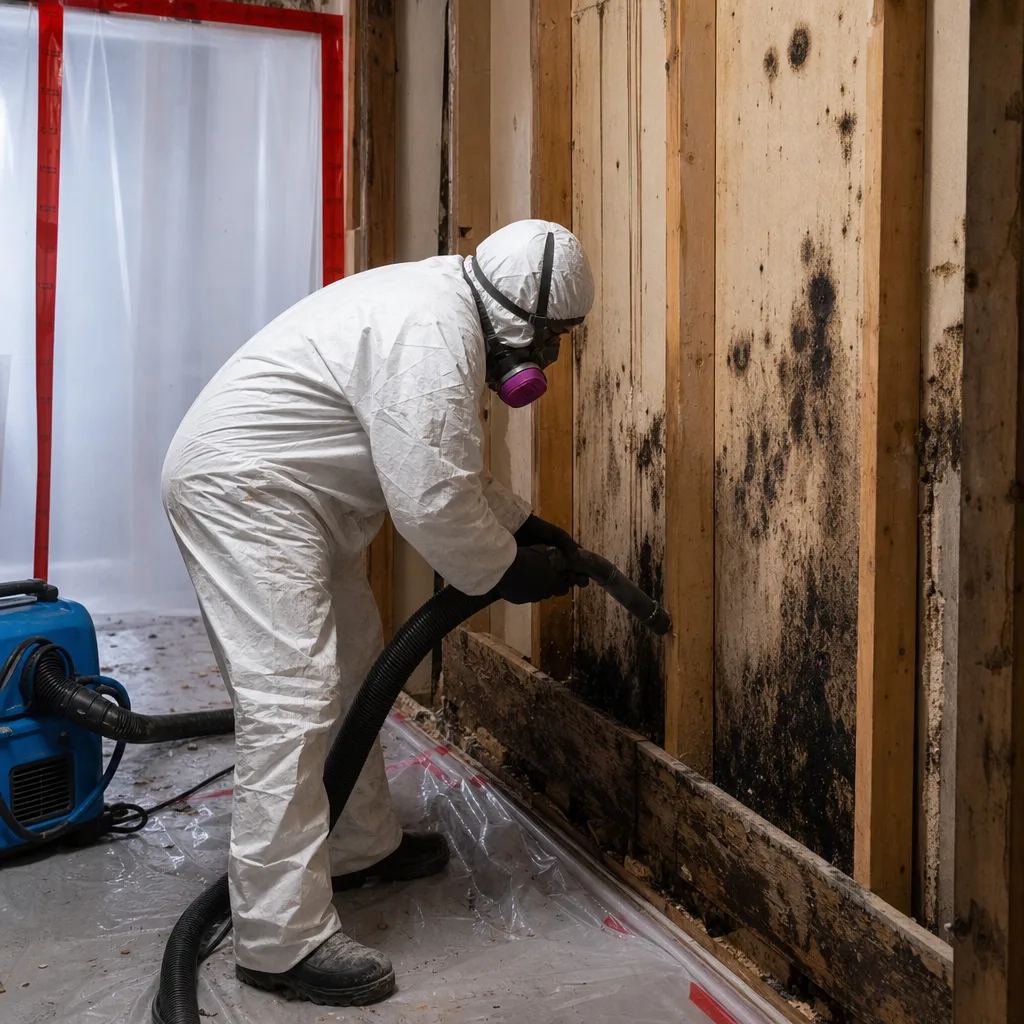
Emergency Board-Up
A broken window or torn door after a storm is an open invitation to rain, pests, and worse. We board and secure openings fast, using proper fastening that holds in Secaucus wind conditions. This isn’t plywood over a hole; it’s a temporary weather seal that buys time while the full scope gets written.
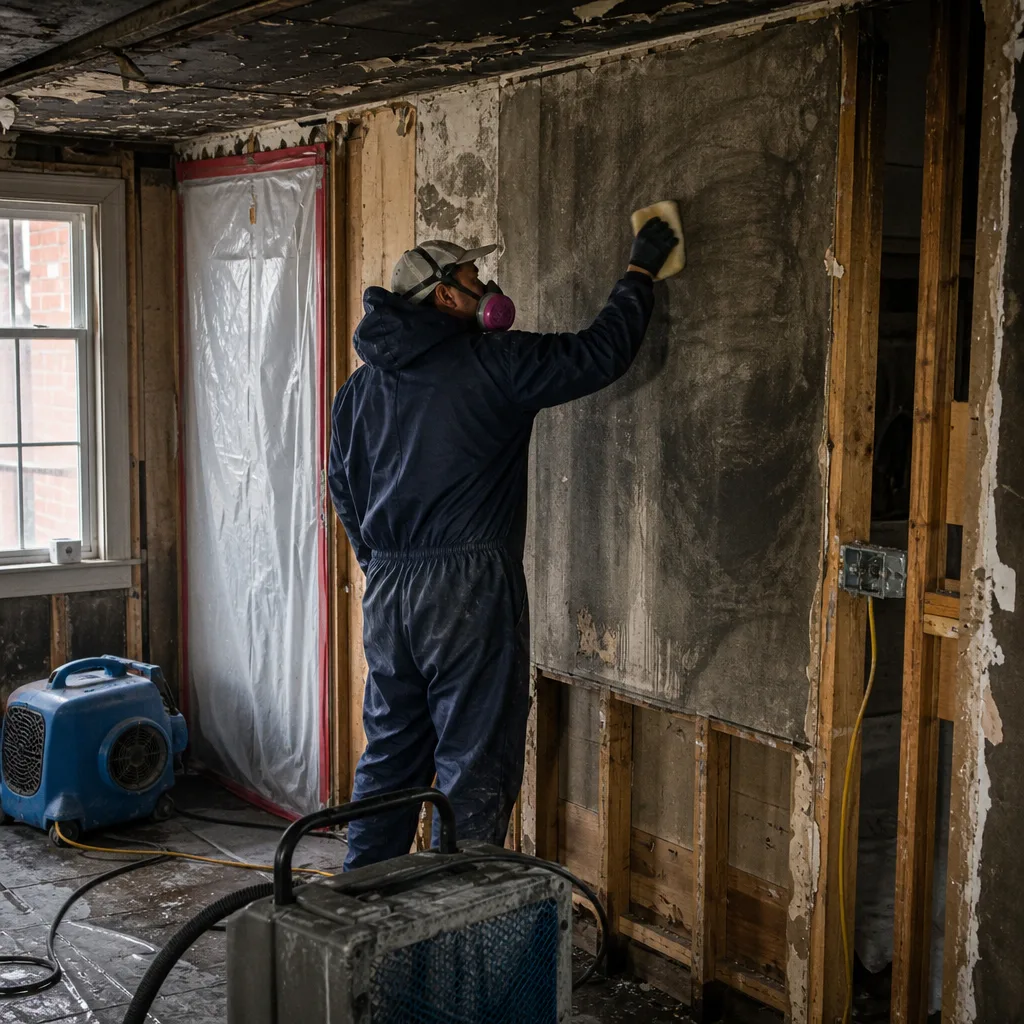
Roof Tarping
Wind damage to roofs in Secaucus tends to hit flat and low-slope sections on 1980s townhomes hardest, especially where older membrane roofing has already lost its flexibility. We tarp with commercial-grade material and proper anchoring, not just weights. A secured tarp keeps the interior dry while roof repair gets scheduled and the claim gets processed.
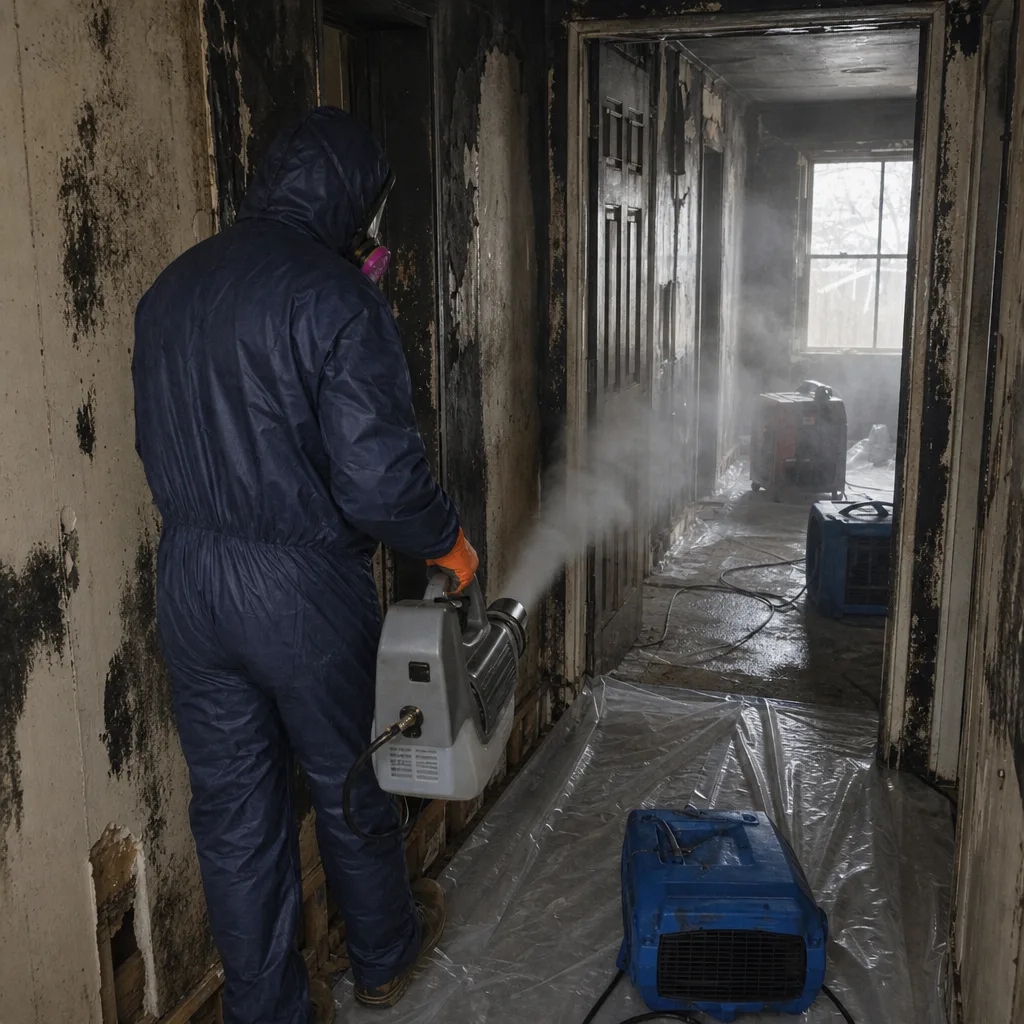
Debris Removal
Storm debris against a building is more than ugly. It holds moisture against the foundation, blocks drains, and hides structural damage. We remove it, catalog it for the claim, and clear the site so drying can actually begin.
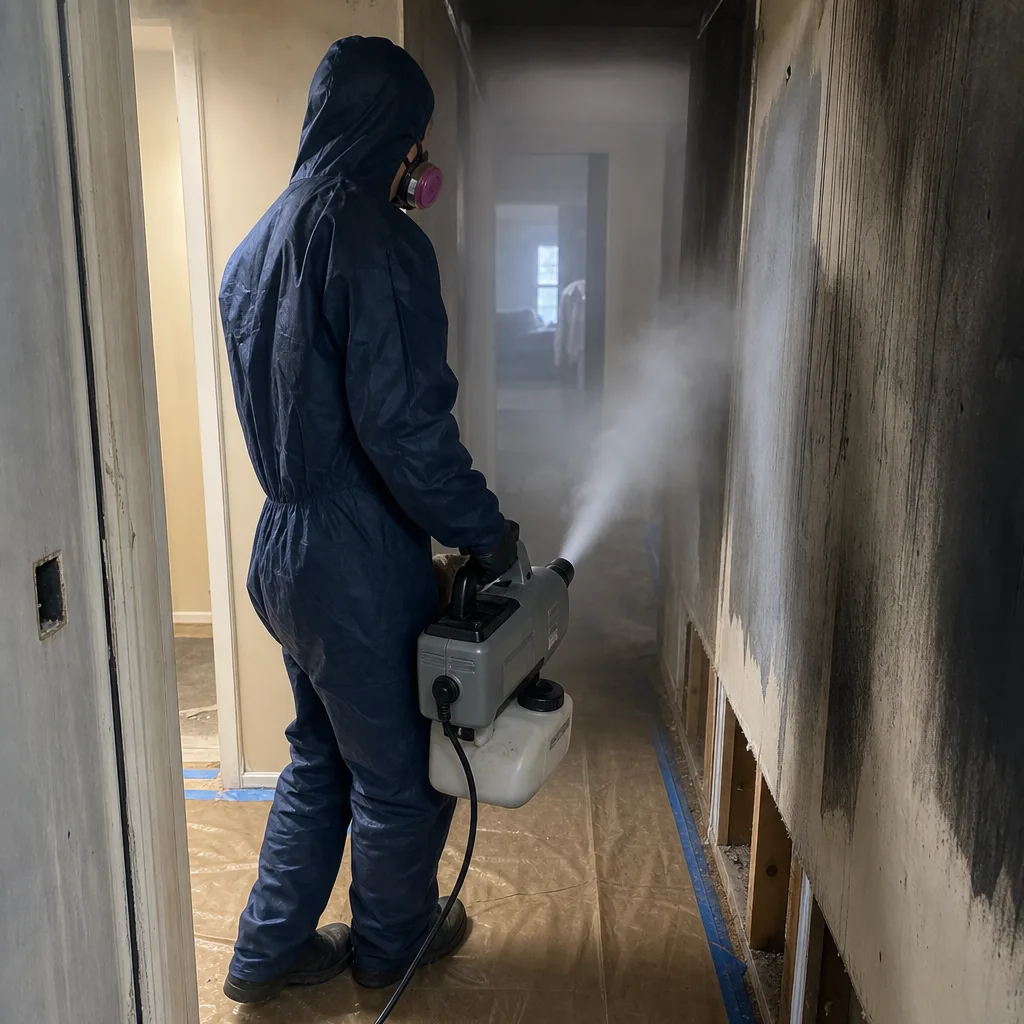
Wind Damage Repair
Secaucus sits flat and exposed. Nor’easter winds run straight across the Meadowlands and hit buildings hard. We repair wind-driven water intrusion, replace damaged siding and flashing, and rebuild envelope penetrations the right way, so the next storm doesn’t find the same weak point.
What happens when you call
- 1
A real person answersNo phone trees - you reach a local pro.
- 2
You get an upfront price rangeHonest numbers before anyone is dispatched.
- 3
A background-checked tech heads outLicensed & insured, dispatched right away.
- 4
You approve before work beginsNothing starts until you say go.
Storm & Disaster Restoration Costs in Secaucus, NJ
Every property is different, but real numbers help. A typical sump-pump failure cleanup in a Secaucus ground-floor condo runs $2,800 to $6,500 when caught early. A slab-wicking remediation with full drying and flooring replacement in a 1980s townhome runs $5,000 to $12,000, depending on square footage and how far moisture traveled through the fill. Full flood cuts, base plate replacement, and rebuild after Category 3 water can run $15,000 to $40,000 or more in multi-unit scenarios. What moves the price: how long the water sat, how many wall cavities are involved, whether the slab needs extended drying, and whether asbestos or lead testing gets triggered by the age of the building. Most storm claims in Secaucus are covered, less the deductible. Some are not, especially groundwater seepage without a surface water event, and that’s a conversation we have honestly before work starts. The fastest way to a firm number is a free visual inspection, which we schedule the same day you call (640) 400-9404. You’ll get a written scope, not a guess.
We Also Serve Cities Near Secaucus
Our dispatch routes cover Secaucus and the surrounding area. You’ll see our crews regularly in Union City, Jersey City, Hoboken, and Kearny. The water table under Secaucus doesn’t respect municipal borders, and neither does our response map. If you’re a few minutes away, call. We’ll route the nearest crew.
Secaucus Storm & Disaster Restoration Questions, Answered
Why does my Secaucus condo keep getting water in the same ground-floor corner after every heavy rain, even when the roof and pipes are fine?
Because the water isn’t coming from the roof or the pipes. It’s coming up through the slab. Secaucus is built on filled Hackensack Meadowlands tidal wetland, which means the ground under your building stays wet year-round. Every heavy rain pushes the water table higher, and the moisture wicks up through the concrete into your walls and flooring. Surface drying fixes the symptom for a few weeks, then the water comes back because the fill underneath never dried. The fix is slab-focused drying, sometimes paired with perimeter water management, and always with moisture logging to prove the dry standard was actually reached. Call (640) 400-9404 for an inspection if this keeps happening.
After a nor’easter, can you handle a multi-unit condo building where water came through shared walls and two units are affected?
Yes, and we do it regularly in Secaucus’s condo complexes. Shared-wall construction means water in one unit travels through wall cavities into the next, and you can’t just dry one side. We map moisture across all affected units, set containment properly, and coordinate with the association’s master policy and each unit’s carrier. We handle multi-unit building losses as one job, not three separate ones.
My Secaucus basement took in Hackensack River water during a storm surge - is that Category 3 water?
Yes. Water that has been in contact with river sediment and whatever the Hackensack carries is Category 3, which means it requires containment, antimicrobial treatment, removal of saturated porous materials, and proper disposal. You should not be handling this yourself. Call (640) 400-9404 and we’ll get a certified crew on site with the right PPE and the right process.
How quickly should I call for water extraction after a storm event in Secaucus, before mold starts?
Within the first 24 hours, and sooner is better. Mold colonization can begin in 24 to 48 hours when materials stay wet, especially in the warm months. In Secaucus, the high ambient humidity and saturated ground underneath the slab make mold a faster threat than in drier inland towns. Call immediately. We answer live around the clock at (640) 400-9404.
Will your team handle emergency roof tarping and board-up on a Secaucus townhome right after a hurricane passes?
Yes. Wind and rain damage to roofs and windows is a standard part of our storm response in Secaucus. We tarp and board up quickly, using proper anchoring that holds in exposed Meadowlands wind conditions, then we document everything for your carrier. The goal is to stop the water at the source so the interior work can begin.
How much does storm damage restoration cost in Secaucus compared to nearby cities?
Secaucus pricing tends to run slightly higher than inland towns because the work is often more involved. Drying a slab-on-grade unit over perpetually wet fill takes more equipment time and more daily monitoring than drying a standard basement in Jersey City or Kearny. You’re paying for a drying plan that addresses groundwater, not just the visible puddle. That said, a small sump-pump cleanup here still lands in the $2,800 to $6,500 range. Get a free inspection and a written scope by calling (640) 400-9404.
How long does storm damage drying take in a Secaucus condo?
Typically three to six days for a standard cleanup, longer if the slab itself is saturated and needs extended dehumidification. In Secaucus’s high-water-table conditions, we expect slab readings to hover longer than in towns built on solid ground, and we don’t sign off on the drying until the meter hits the pre-loss target. Rushing this step is what creates repeat water damage calls.
What should I do in the first 30 minutes after storm water enters my Secaucus home?
First, shut off power to the affected area at the breaker if you can do so safely without standing in water. Don’t run fans or HVAC, since that can spread contaminated air. Move valuables up if it’s safe. Then call (640) 400-9404. Take photos for your own records, but don’t enter standing water that may have been in contact with the river or with sewage. We’ll guide you from there.
Serving Secaucus, NJ - Our Local Coverage Area
We’re based in the Secaucus area and know this community well. Use the map below to see our service coverage - if you’re nearby, we can almost certainly help.
Storm & Disaster Restoration in Secaucus, When You Need It
Secaucus has a water problem that most restoration companies don’t understand. It’s not just the storms. It’s the ground the town is built on. The filled Meadowlands marsh under your home never dried out, and every heavy rain, every tidal surge, every nor’easter pushes that water back up through your slab and into your living space. We understand that because we’ve walked the moisture paths in Secaucus condo buildings for years. We know what fails first, where water travels, and how to dry a structure that’s sitting on wet ground. If you’re dealing with storm damage, flood water, or a recurring dampness that won’t quit, call (640) 400-9404 for a free inspection. A live person will answer, day or night. The line the water left is where we start, and we stand behind the work with the 90-Day Done Right Promise in writing.
Written by Curt Bowman, Owner at Floodline Restoration Co., serving Secaucus since 2010.