
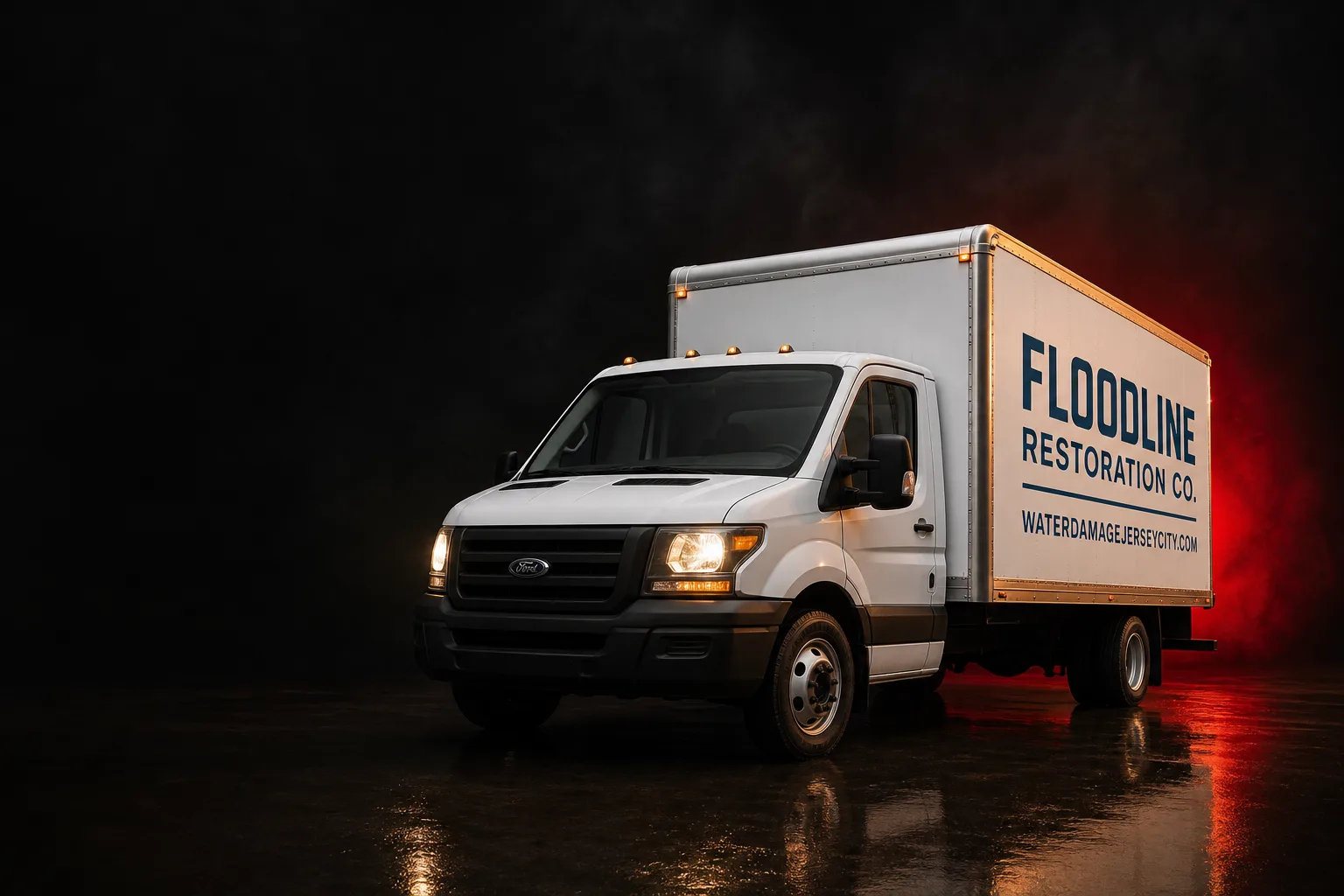
Free visual inspection and a written scope of work before any mitigation begins - photos, moisture readings, and drying logs go in your claim file
The scope we write is the scope we bill. Anything new gets shown to you, in writing, before we touch it.
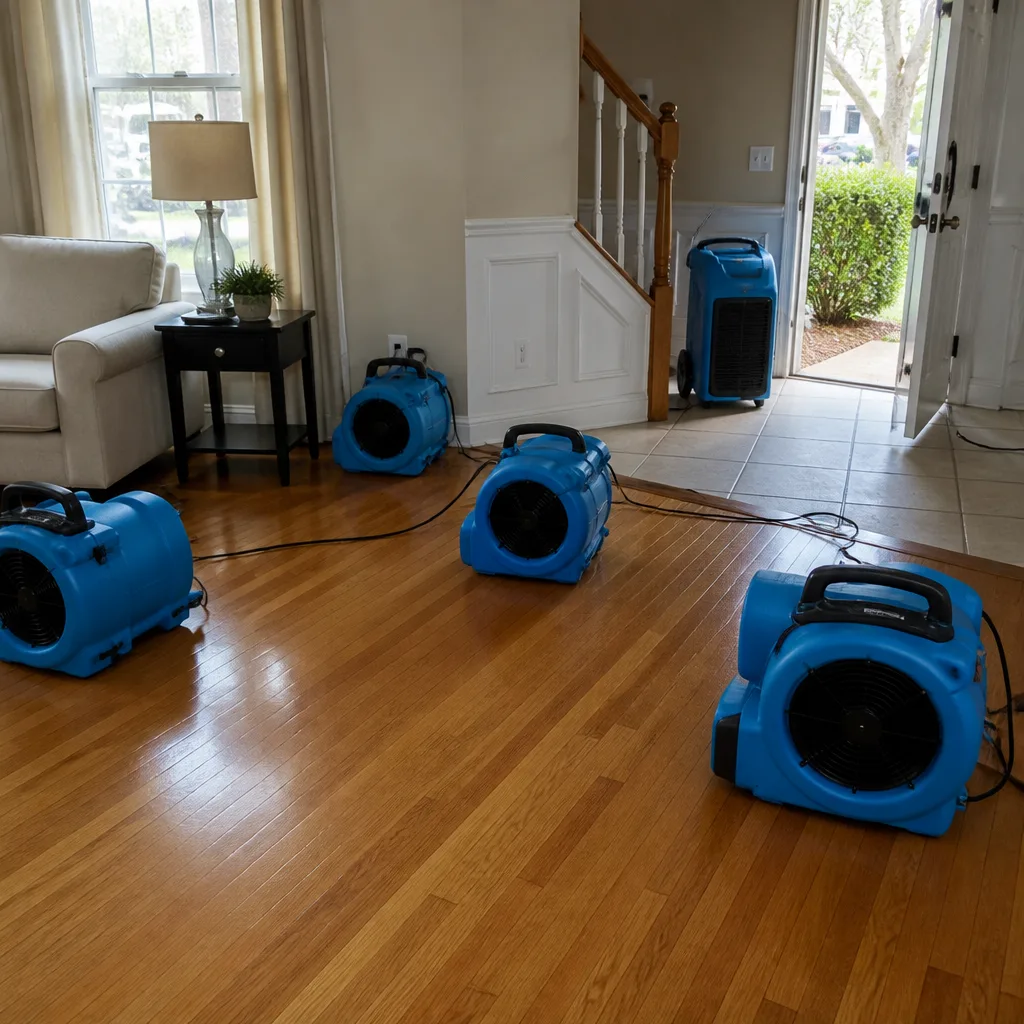
 Before
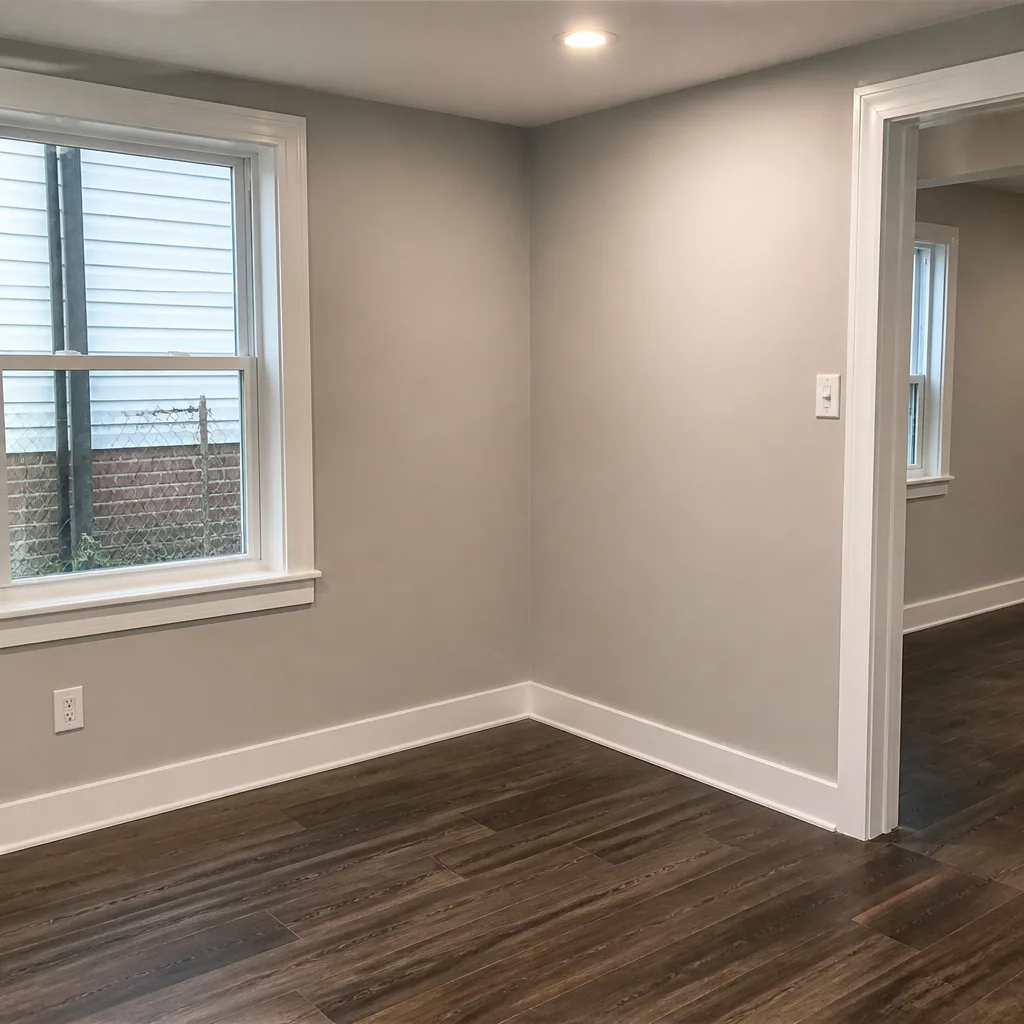 After
After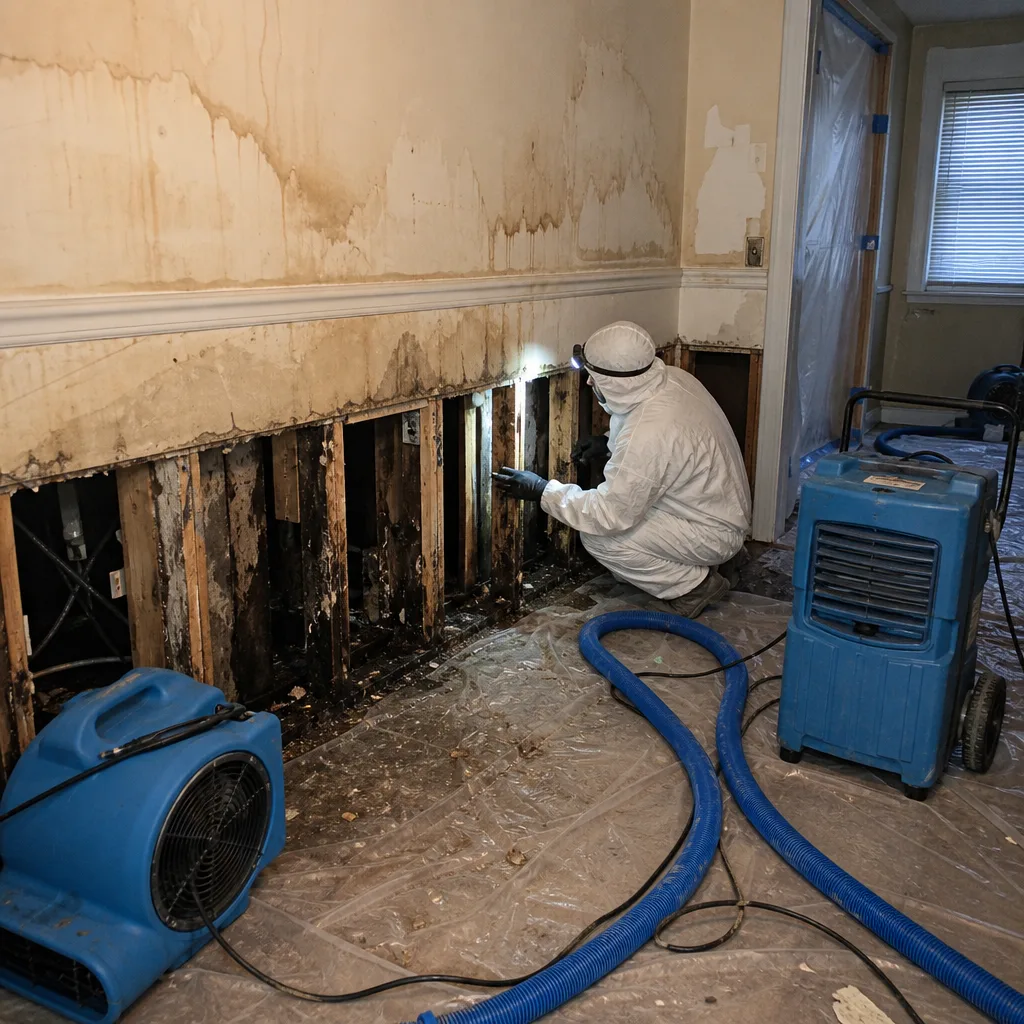 Before
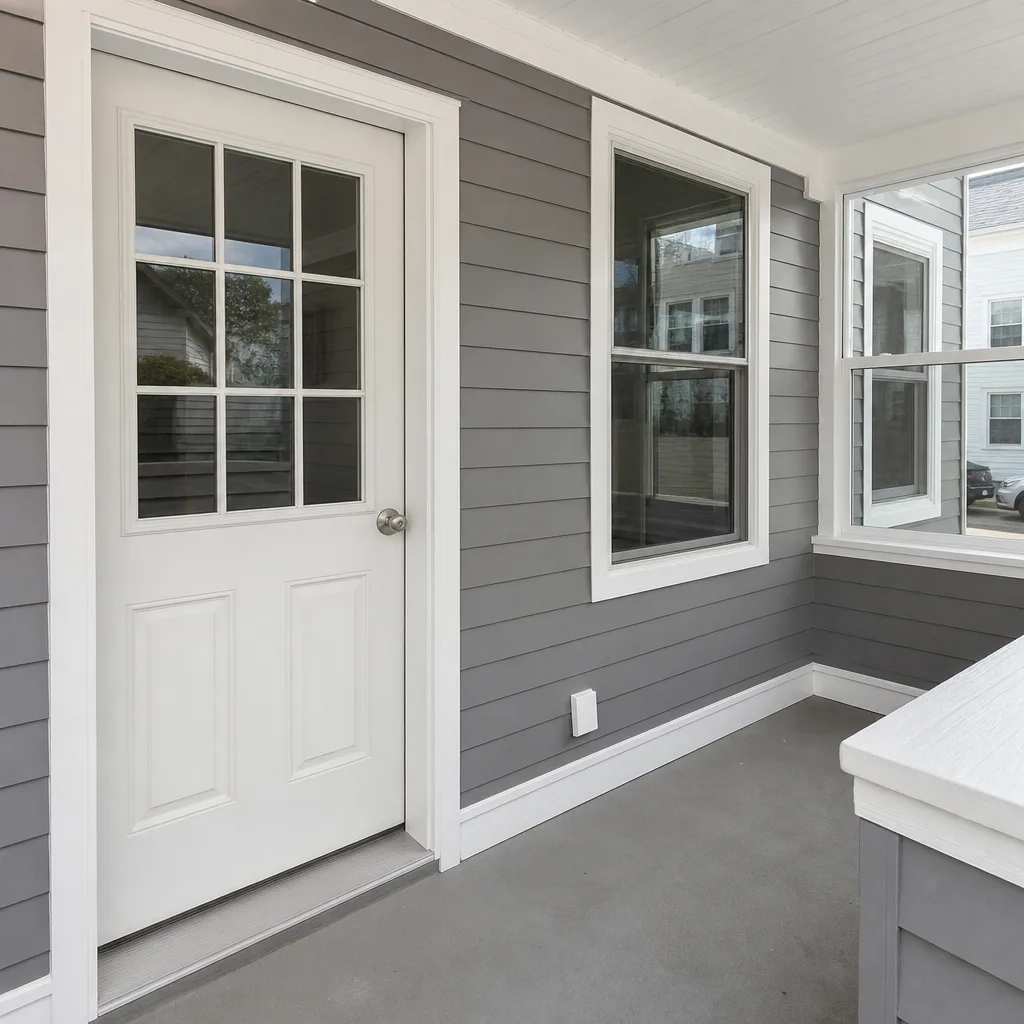 After
After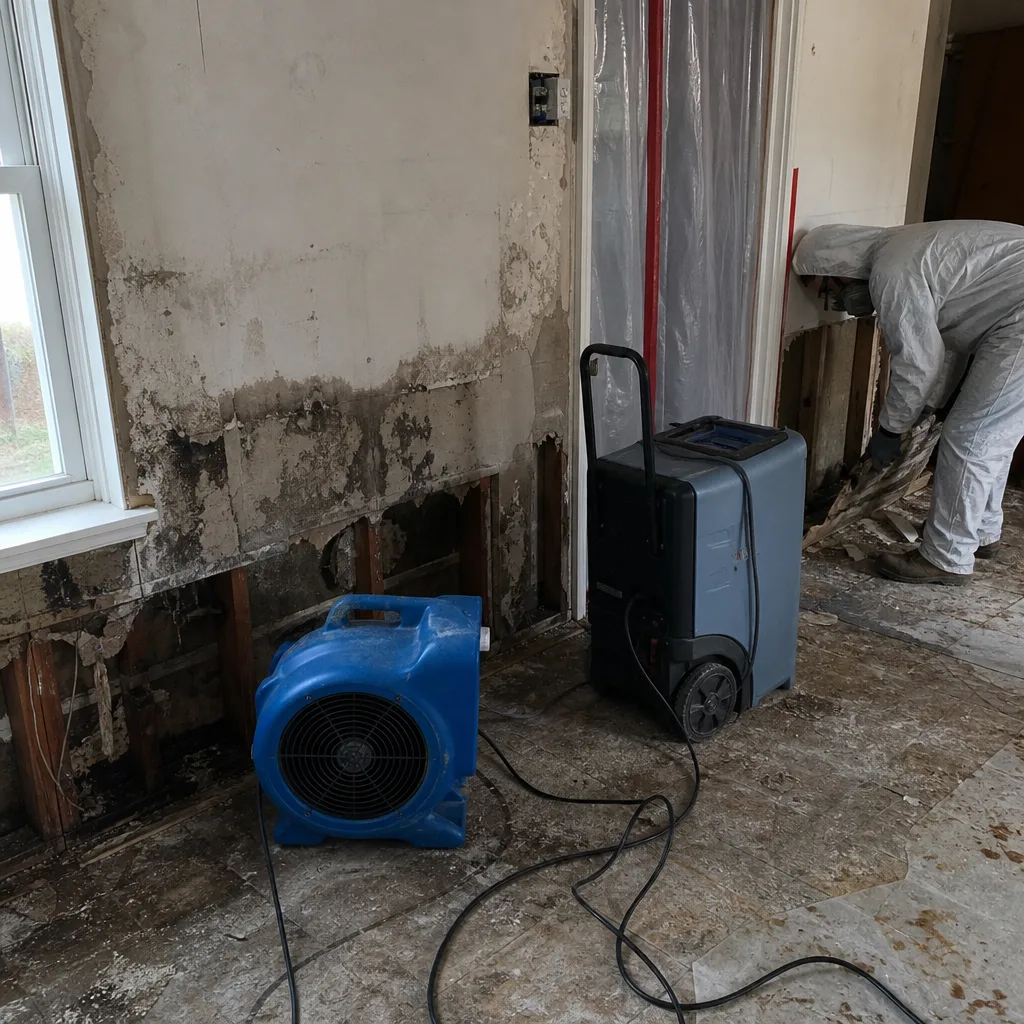 Before
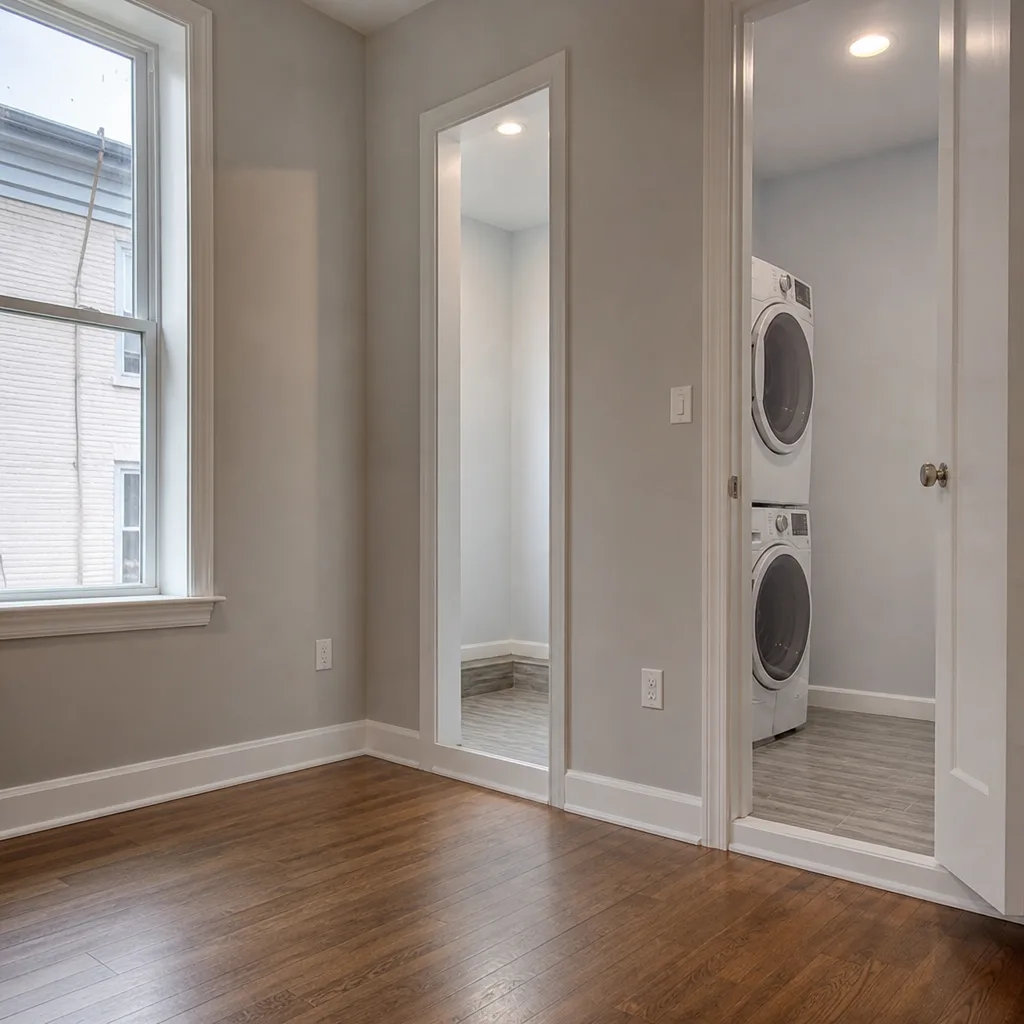 After
After24/7 Emergency Sewage Cleanup in Brooklyn Heights
Sewage backing up into a Brooklyn Heights brownstone is a category 3 emergency and needs extraction within the first hour, before pathogens soak into horsehair plaster and old-growth floor joists. Floodline Restoration Co. answers live at (640) 400-9404 around the clock, and our certified crews are dispatched to Brooklyn Heights immediately when you call. We do a free visual inspection, set containment, and usually start extraction the same visit. In a neighborhood where the Landmarks Preservation Commission governs what materials can be removed, starting fast is not about speed for its own sake. It is about saving original plaster that cannot legally be replaced.
Understanding Sewage Cleanup Severity in Brooklyn Heights Properties
Sewage cleanup is classified by water category, and in Brooklyn Heights the building stock makes that classification unusually consequential. Category 3 water, the “black water” from sewer backups and toilet overflows, carries pathogens, bacteria, and viruses. Once it contacts porous materials, those materials must typically be removed. But inside an 1820s brownstone on Columbia Heights or Pierrepont Street, you cannot simply demo a saturated lime-and-horsehair plaster wall. The Landmarks Preservation Commission, which has governed Brooklyn Heights as New York City’s first Historic District since 1965, forbids swapping original historic materials for modern drywall without approval. That means our crews are trained to grade contamination precisely: salvageable category 3 exposure, where antimicrobial treatment works in place, versus full removal where the material is beyond saving. We use thermal imaging and hygrometers to trace how far black water migrated through floor cavities and party walls before we touch anything. In attached rowhouses, contamination travels between units through shared walls, so containment decisions happen early and conservatively.
Why Brooklyn Heights Property Owners Choose Floodline Restoration Co.
- 45-minute response commitment to Brooklyn Heights: our dispatch is a live person who knows the neighborhood and sends the nearest certified crew immediately.
- 24/7 live answer, never an automated system: at 2 a.m. you reach a dispatcher who can make decisions, not a recording.
- IICRC-certified crews trained to WRT, FSRT, and AMRT standards: our technicians are background-checked, uniformed, and specifically experienced with landmarked buildings.
- Free visual inspection with a written scope before work starts: you know exactly what we will do, what it will cost, and what your carrier will see.
- Direct insurance billing: we talk to your adjuster, submit the documentation, and get the claim moving while we work.
- One team from extraction to structural drying to finish repairs: no mid-job handoff to a different crew that has never seen your building.
Our Sewage Cleanup Process
Inspection & Assessment
We arrive with thermal imaging and moisture meters, map the contamination footprint, and photograph every affected surface. The report includes LPC-relevant documentation of what is original material and what can be treated in place.
Extraction & Stabilization
Category 3 water is extracted with truck-mounted units and portable extractors before it can migrate deeper into plaster and subflooring. For English basements near Furman Street, we set up immediate water removal even while tracing the source.
Drying & Dehumidification
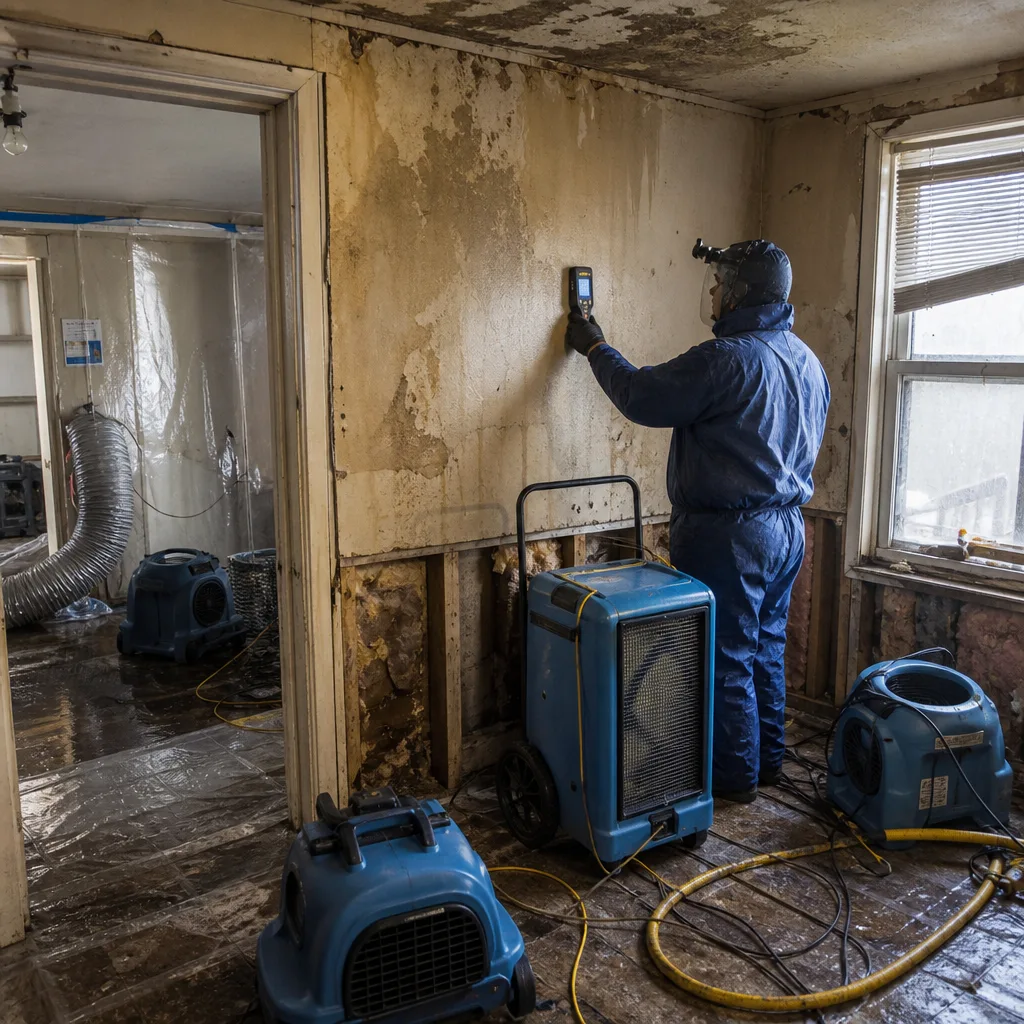
Professional-grade Dri-Eaz and Phoenix dehumidifiers with high-volume air movers are set inside containment. We log moisture readings daily and hand you and your carrier the log until the dry standard is met, often on original plaster LPC will not allow us to cut out.
Cleaning & Sanitization
Antimicrobial treatment is applied to all exposed surfaces. We use IFA-rated sanitizing protocols and HEPA air scrubbers to keep airborne pathogens from moving through the house or into neighboring units through shared walls.
LPC-Compliant Specialty Treatment
Where original horsehair plaster or period millwork has been exposed to black water, we treat in place with penetrating antimicrobials and document every step. No original material is removed without written LPC-compliant justification.
Repairs & Restoration
Once dried and sanitized, we repair and rebuild what needs rebuilding, matching original plaster, trim, and woodwork to the building’s period. The same crew that did extraction finishes the job, with no handoff.
Need Emergency Sewage Cleanup in Brooklyn Heights Now?
Crews minutes away, answering live 24 hours a day. The sooner we start, the less it costs.
Working With Your Insurance Company
Most Brooklyn Heights co-op and condo owners file a claim for sewage backup under their individual unit policy, while the building’s master policy covers common areas. We have dealt with enough of these layered claims to know how to document for both carriers from the first hour. We photograph all damage room by room, log moisture readings daily, and write a line-item scope using restoration-industry standards. Our Sewage Cleanup team corresponds directly with adjusters, so you are not the one explaining category 3 water to an insurance agent at midnight. If your board of the co-op or condo disputes which policy pays, our documentation is often what settles the question.
What We Provide Your Insurer
- Thorough documentation of the loss
- Photos of all damage, room by room
- Moisture readings and drying logs
- A detailed, line-item scope of work
- Direct coordination with your carrier
Built for Brooklyn Heights’s Loss Calendar
Brooklyn Heights sits on an elevated bluff above the East River, but its English basements, semi-subterranean units common in brownstone stock from the 1820s through the 1880s, are chronically vulnerable to sewer backup. In late July and August, intense cloudburst storms overwhelm the city’s combined sewer system, pushing black water up through basement drains along Willow Street, Henry Street, and Hicks Street. Winter nor’easters bring a different pattern: saturated ground raises the water table and seeps through old fieldstone foundation walls, which property owners often misread as groundwater. In Brooklyn Heights, sewage backup near Furman Street and lower Montague Street is frequently mistaken for stormwater seepage, but the source determines the cleanup. We treat category 3 water from sewer lines differently than category 1 or 2 water from rain. Getting that distinction right saves original plaster, saves the claim, and saves the building.
Sewage Cleanup Across Brooklyn Heights’s Neighborhoods
The blocks north of Montague Street, from the Promenade to the Brooklyn-Queens Expressway, are dense with attached Italianate brownstones. We respond fastest there because streets like Pierrepont Place and Grace Court are narrow and parking is tight, so our crews arrive equipped to work from the street without staging delays. Along Columbia Heights, where buildings face the harbor and wind-driven rain works its way under slate roofs, sewage losses often start as stormwater flooding that pushes sewer gas and black water through shared drains. The area around Clark Street and Henry Street, packed with pre-war co-ops, sees toilet overflows on upper floors where drain lines from decades of renovation are crowded into common chases; when they fail, water migrates down party walls before anyone notices. Brooklyn Heights’s Landmarks Preservation Commission presence means all of these jobs, no matter the neighborhood, begin with a question about what cannot be removed. Down near Furman Street, in the former industrial blocks and newer conversions, we see more groundwater and stormwater mixing with sewer discharge in semi-subterranean service spaces.
Specialized Sewage Cleanup Services We Offer in Brooklyn Heights
Sewage Backup Cleanup
When a city sewer line backs up into a Brooklyn Heights basement, we do not treat it as a routine water job. Category 3 extraction starts within the hour, before pathogens cross from basement concrete into the first-floor joists above. Typical backups in brownstone basements with original brick party walls need full containment and often structural drying beneath old pine subfloors.
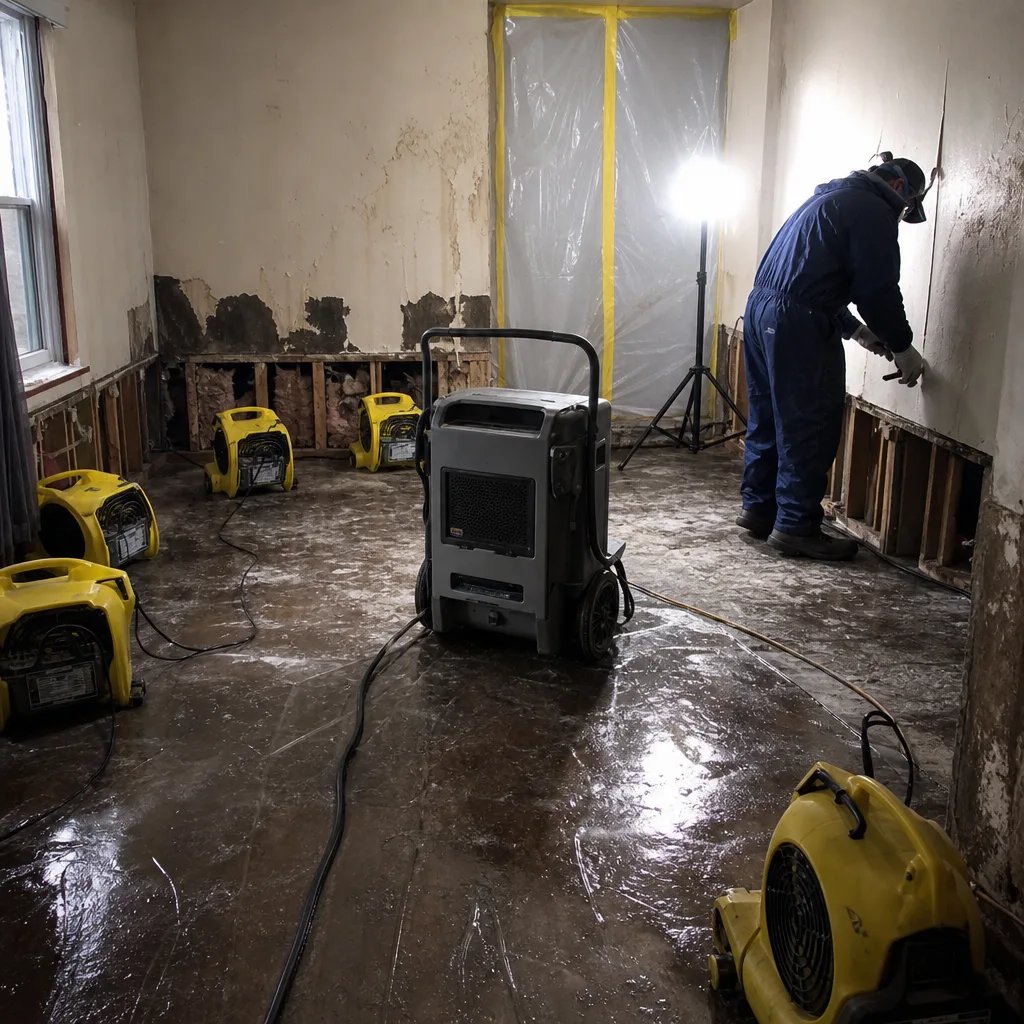
Black Water Extraction
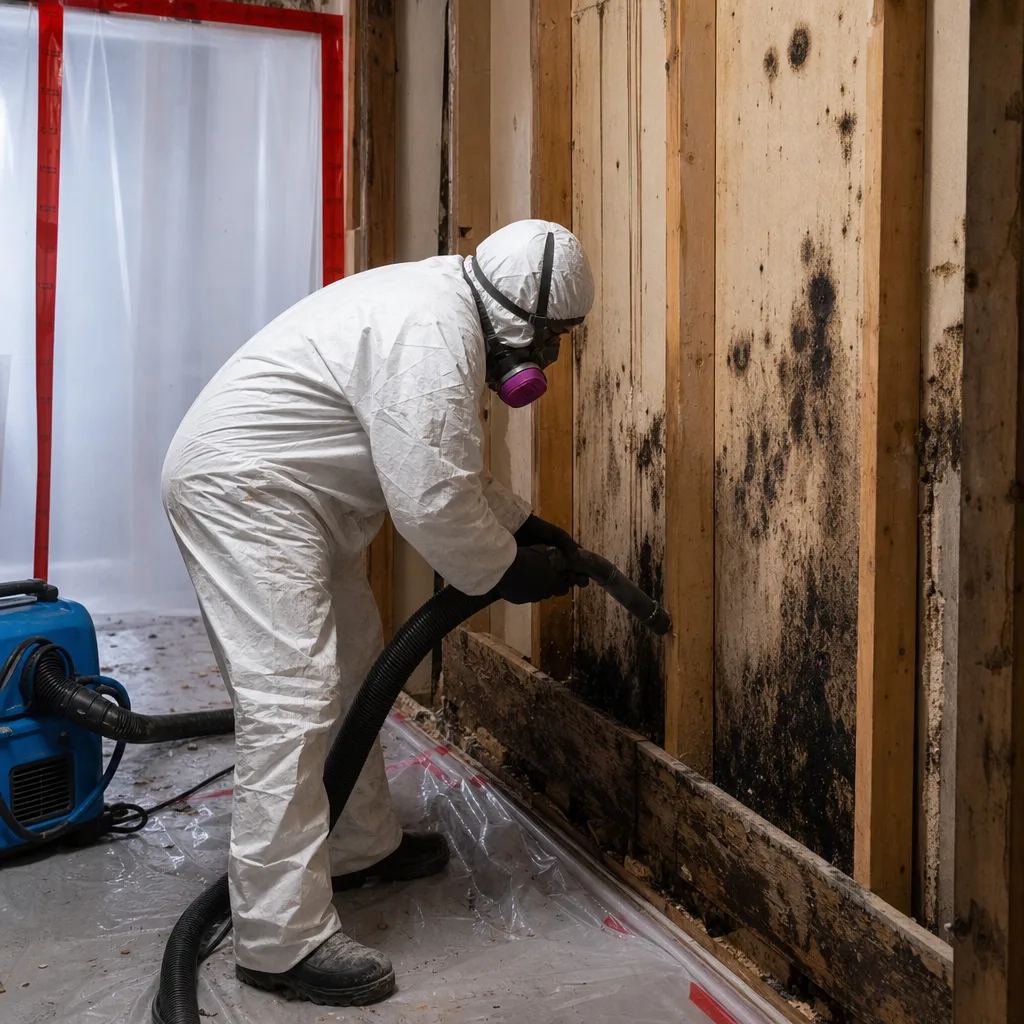
Black water from a toilet overflow or sewer line failure in a Brooklyn Heights brownstone carries pathogens that cannot be left in porous materials. We extract first, then sample the air and surfaces to map contamination. Where black water has soaked wood floors or plaster, we make the call on treat-in-place versus removal, always with the Landmarks Preservation Commission constraints in mind.
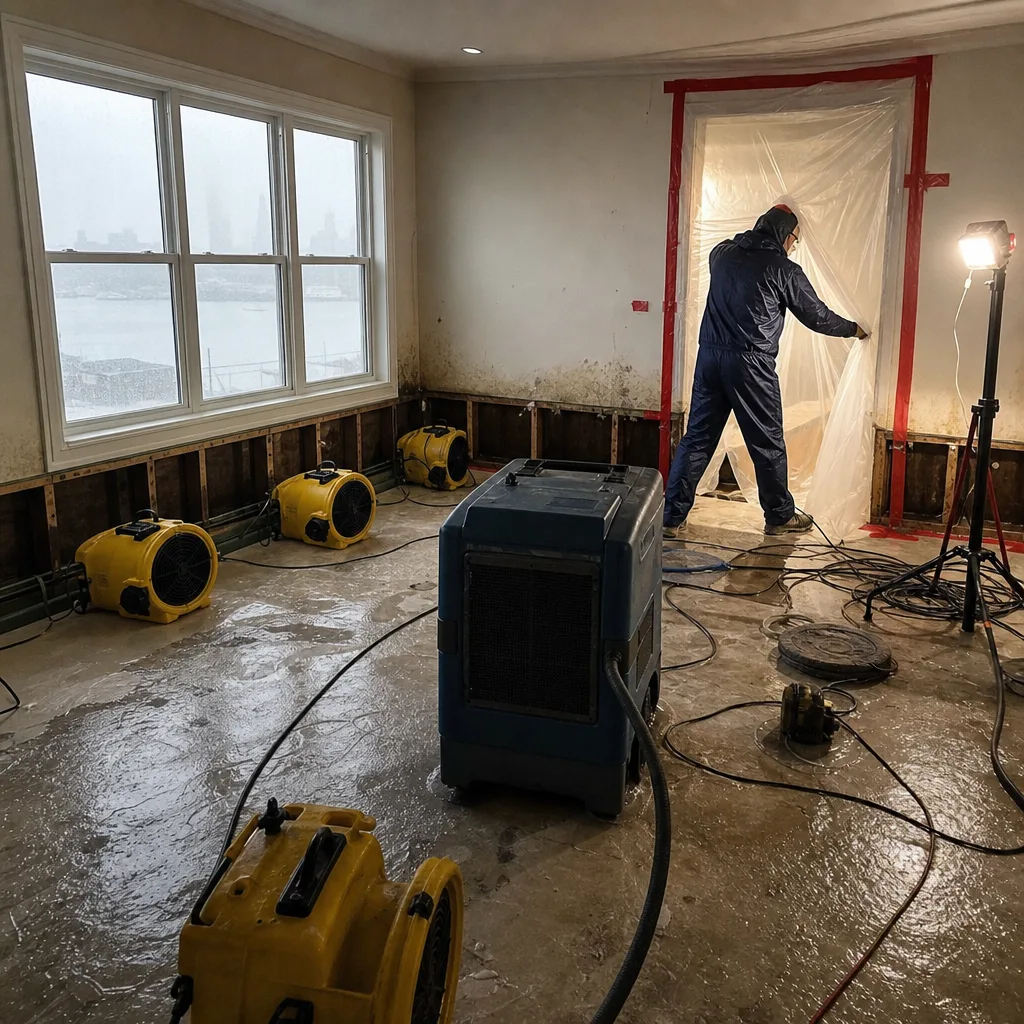
Sanitization & Disinfection
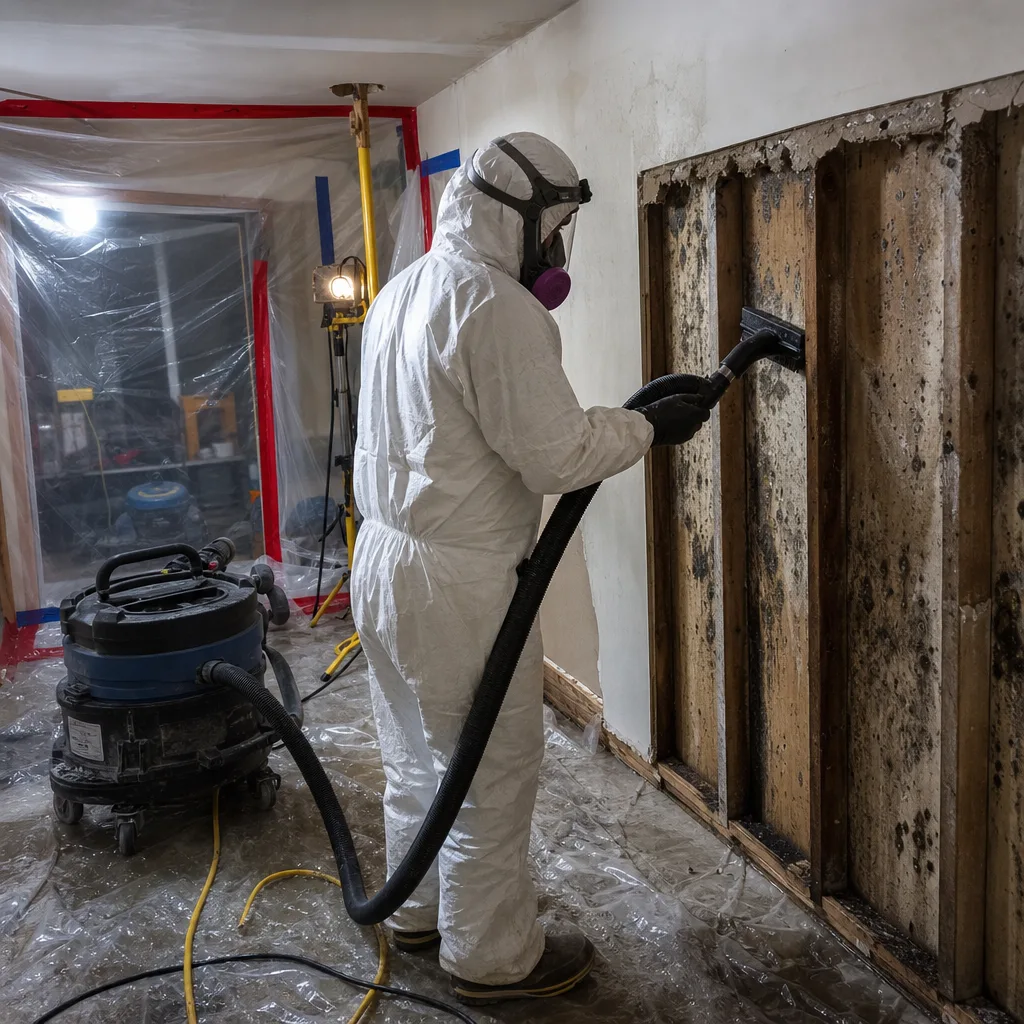
After extraction and drying, we sanitize all affected rooms using IFA-standard protocols and professional antimicrobials. In Brooklyn Heights attached brownstones, we also sanitize shared wall cavities between units, because contamination in one unit can seed mold and odor in the neighbor’s home within 24 to 48 hours.
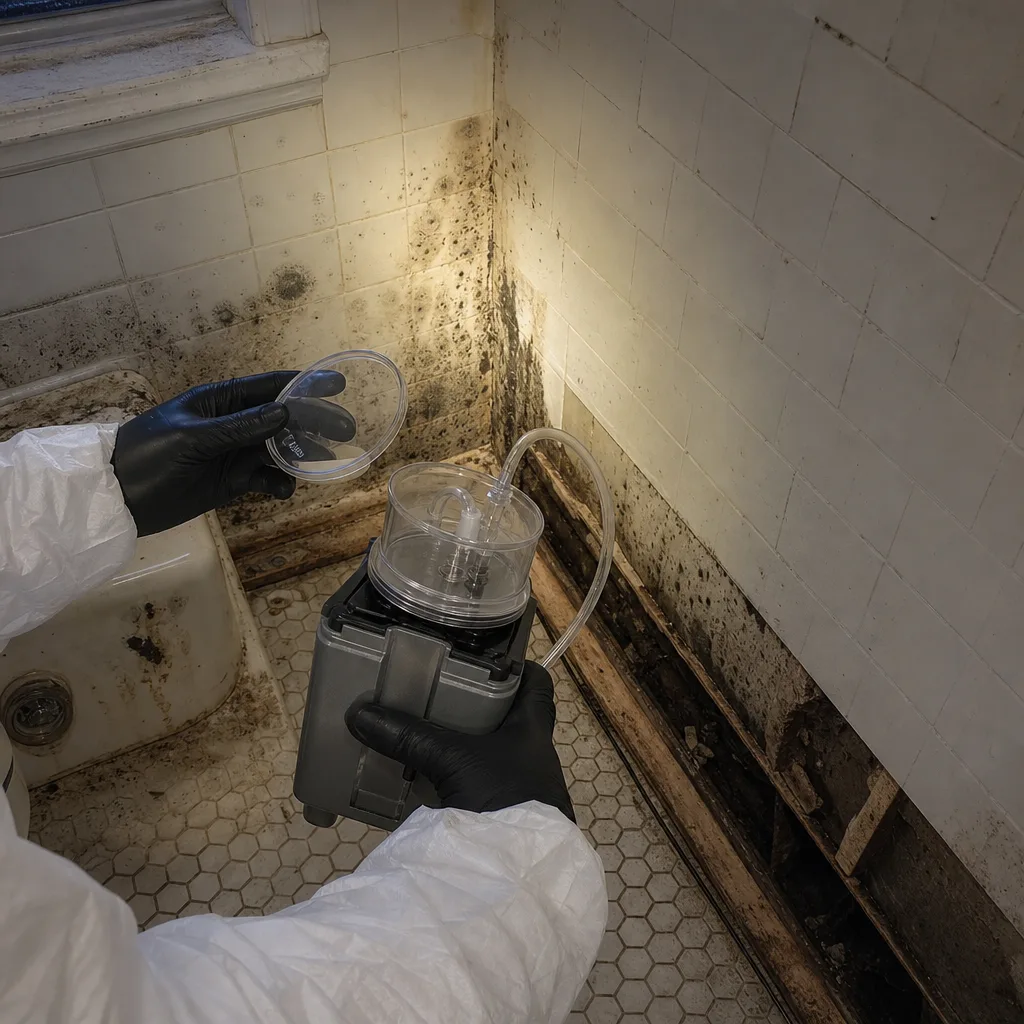
Toilet Overflow Cleanup
A toilet overflow on the fourth floor of a Brooklyn Heights co-op is not contained to its bathroom. Water follows old-growth timber and runs down through ceiling cavities and party walls. We trace it with thermal imaging, extract it at the source, and set containment on every level it crossed.
Septic Failure Cleanup
Septic failures in Brooklyn Heights are rare but not unheard of in the older detached structures and rear-yard service buildings that predate the sewer grid. When a line fails, black water saturates soil and foundations. We mitigate the indoor loss and coordinate the line repair, so the damage does not return with the next rain.
What happens when you call
- 1
A real person answersNo phone trees - you reach a local pro.
- 2
You get an upfront price rangeHonest numbers before anyone is dispatched.
- 3
A background-checked tech heads outLicensed & insured, dispatched right away.
- 4
You approve before work beginsNothing starts until you say go.
Sewage Cleanup Costs in Brooklyn Heights, NY
Sewage cleanup in Brooklyn Heights runs higher than in non-landmarked neighborhoods, and the reason is the building stock. A straightforward toilet overflow in a single bathroom typically runs $1,800 to $3,400. A sewer backup saturating a basement with extraction, containment, drying, and sanitization generally falls between $4,500 and $9,800. When LPC-protected plaster and millwork require treat-in-place work with daily monitoring, add $1,200 to $4,000 depending on square footage. Most Brooklyn Heights policies cover category 3 cleanup when the cause is sudden and accidental, but co-op boards sometimes dispute shared-wall losses. Our free inspection gives you a written scope and a firm price before any work starts, so the claim is handled with numbers attached.
We Also Serve Cities Near Brooklyn Heights
Our Brooklyn Heights crews also respond to sewage cleanup calls in Midland Beach, New Springville, Oakwood, and Travis – Chelsea. Same crew training, same 90-Day Done Right Promise, same live phone answer at (640) 400-9404.
Serving Brooklyn Heights, NY - Our Local Coverage Area
We’re based in the Brooklyn Heights area and know this community well. Use the map below to see our service coverage - if you’re nearby, we can almost certainly help.
Brooklyn Heights Sewage Cleanup Questions, Answered
How do Landmarks Preservation Commission rules affect sewage cleanup inside a Brooklyn Heights brownstone?
LPC rules prohibit removing original historic materials like horsehair plaster and millwork without approval, so we default to treat-in-place protocols using penetrating antimicrobials and structural drying rather than demo-and-drywall. We document every decision for your board and your insurer.
What happens when sewage from one brownstone unit backs up into a shared party wall and soaks the neighbor’s plaster?
The moment black water crosses a party wall, we set containment on both sides and treat the wall as a contaminated assembly. Because each owner may hold a different policy, clear documentation of migration path and moisture readings is what determines which carrier pays, and ours is detailed enough to settle it.
Why do English basement apartments in Brooklyn Heights flood with sewage during heavy rain?
Brooklyn Heights sits on an old combined sewer system, and during cloudburst events the lines surcharge and push black water up through basement drains. English basements near Furman Street are lowest and take the most. The key is recognizing that this is category 3, not stormwater, and extracting accordingly.
Can you dry original horsehair plaster after a toilet overflow, or does it always have to be replaced?
In most cases, yes. We dry original horsehair plaster in place with staged dehumidification and daily moisture readings, applying antimicrobials as it dries. Full removal is a last resort and would require LPC justification. Our crews are trained to save original material.
How do you handle sewage cleanup in a Brooklyn Heights co-op where the board disputes which owner’s insurance pays?
We do the work and document everything from first arrival to final dry standard. Our photos, moisture logs, and line-item scopes are written in restoration-industry language that boards and adjusters accept, so the cleaning is not delayed while the dispute plays out.
How fast can a sewage cleanup crew reach Brooklyn Heights?
Our typical emergency response to Brooklyn Heights is about 45 minutes, day or night. We run live dispatch around the clock and our crews know the neighborhood’s streets and parking constraints, so we arrive equipped and start extraction immediately.
Will my Brooklyn Heights homeowner’s insurance cover sewage backup?
Most policies cover sewage backup from a sudden and accidental cause, and many require a specific endorsement. We bill directly to your carrier, document the loss fully, and coordinate with your adjuster so you are not stuck translating category 3 water for them.
What should I do in the first 30 minutes after a sewage backup?
Turn off water to the affected fixture if it is safe to reach, avoid walking through the water, and call Floodline Restoration Co. at (640) 400-9404. Do not run HVAC fans or open walls; moving air can spread contaminants through original plaster and party walls.
In a basement apartment near Furman Street, our crew responded to a sewer backup that had pushed category 3 water across original lime-and-horsehair plaster walls. We set containment with Dri-Eaz air movers and a Phoenix dehumidifier for structural drying, but because the LPC would not allow us to remove the saturated plaster, we performed antimicrobial treatment in place and kept daily drying logs until moisture readings returned to pre-loss condition, sparing the historic walls without spreading contamination to the neighboring unit.
Floodline Restoration Co. was founded in 2010 by Curt Bowman, and every job we do in Brooklyn Heights is backed by the 90-Day Done Right Promise, the Keystone Standard, in writing. If it is not done right, we make it right. No arguing, no paperwork battles. Call (640) 400-9404 for a free estimate, day or night. The dispatch and scheduling are coordinated from our New York City office, and our crews serve Brooklyn Heights locally, with a live person answering every call.
Written by Curt Bowman, Owner at Floodline Restoration Co.