
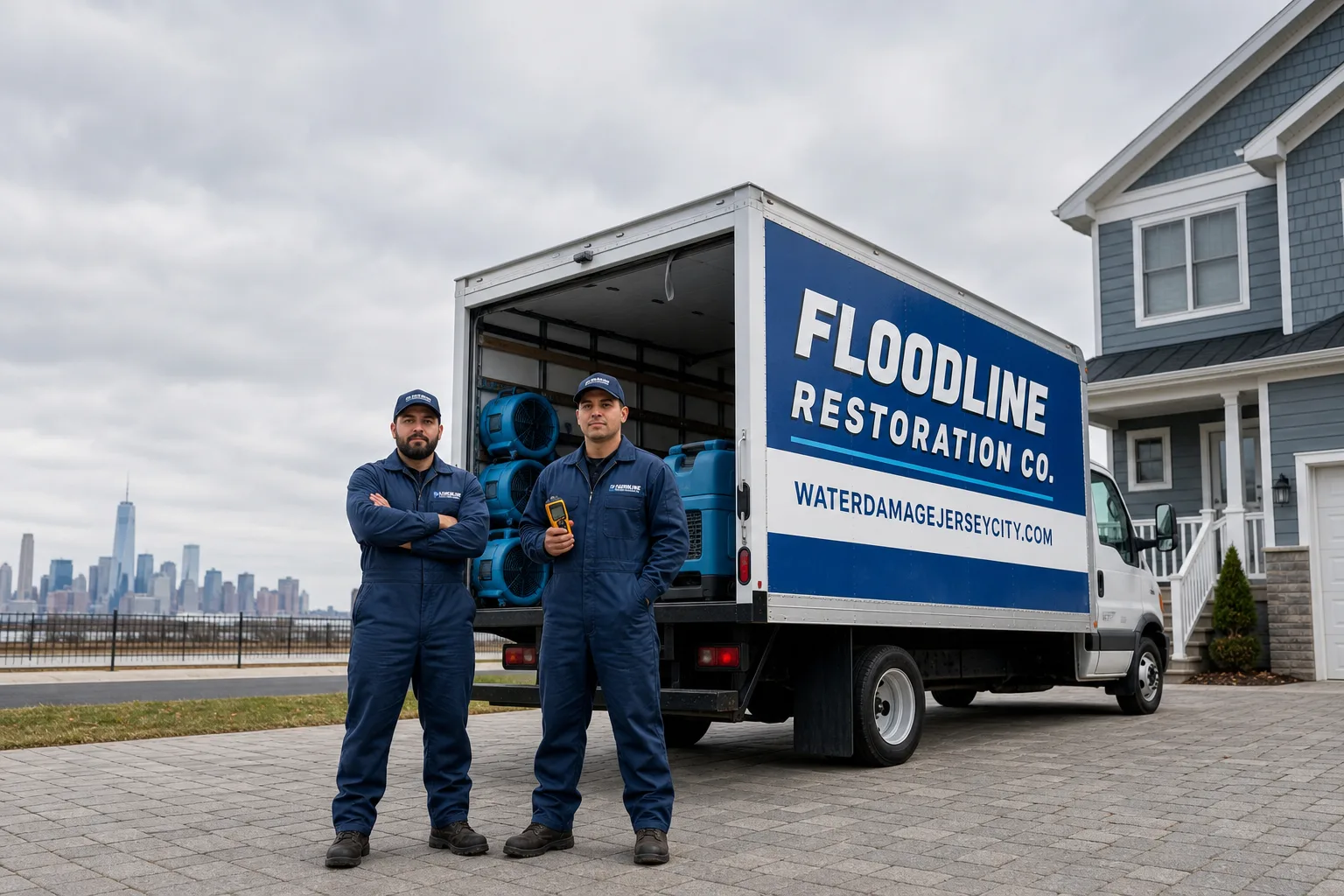
Free visual inspection and a written scope of work before any mitigation begins - photos, moisture readings, and drying logs go in your claim file
The scope we write is the scope we bill. Anything new gets shown to you, in writing, before we touch it.
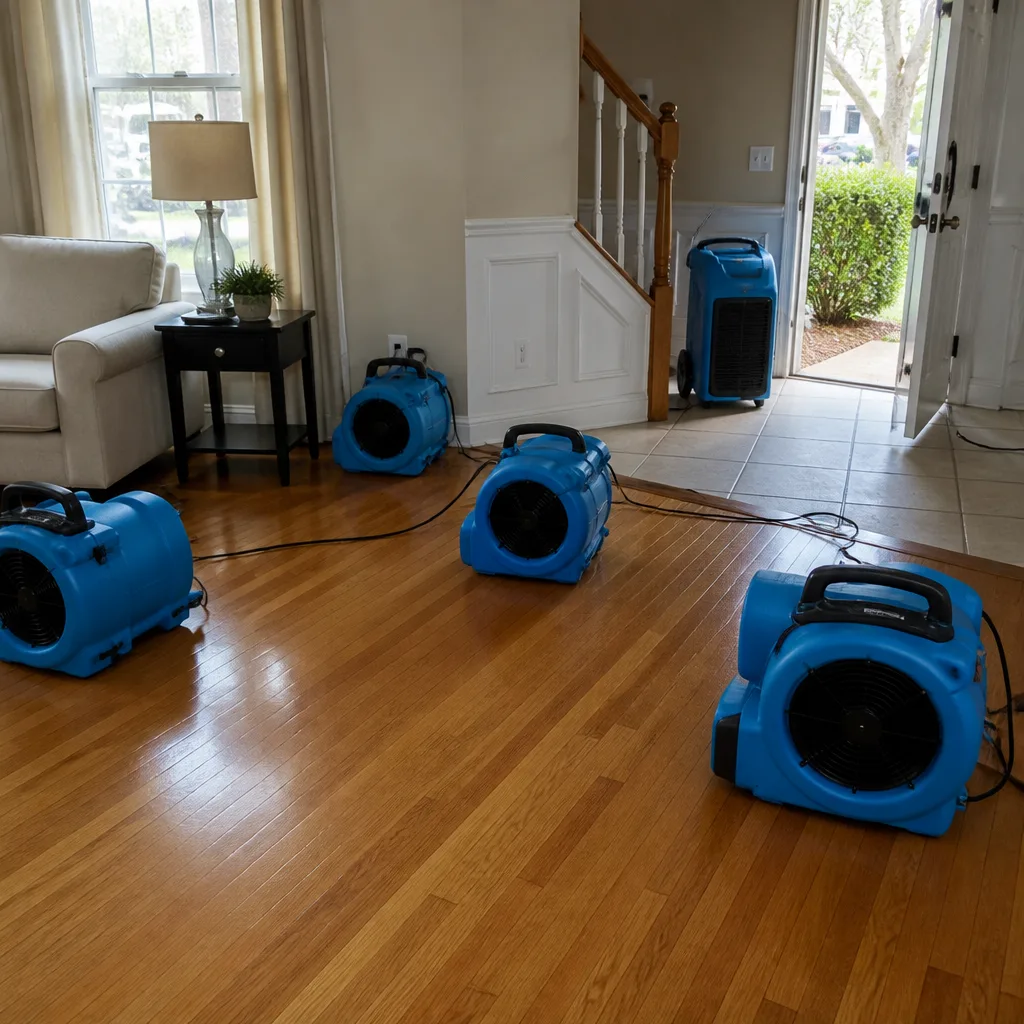
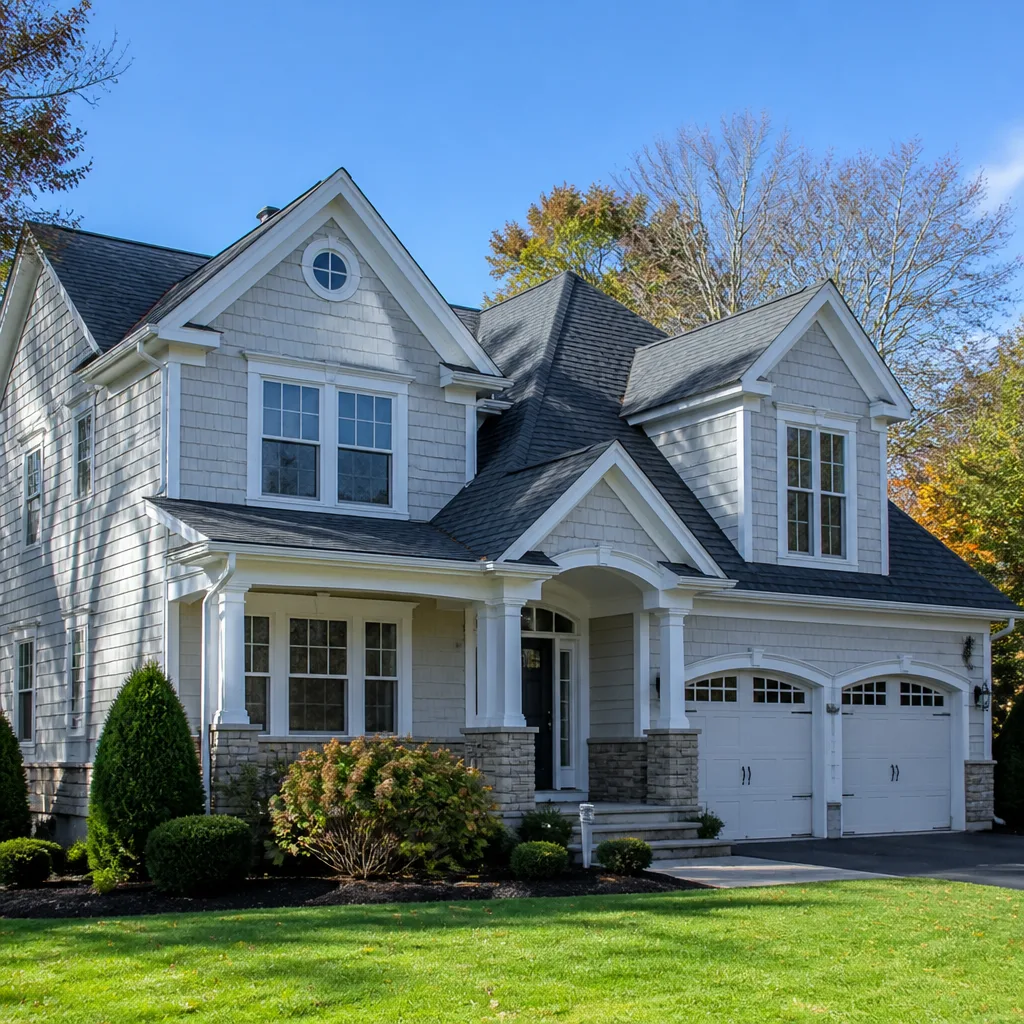
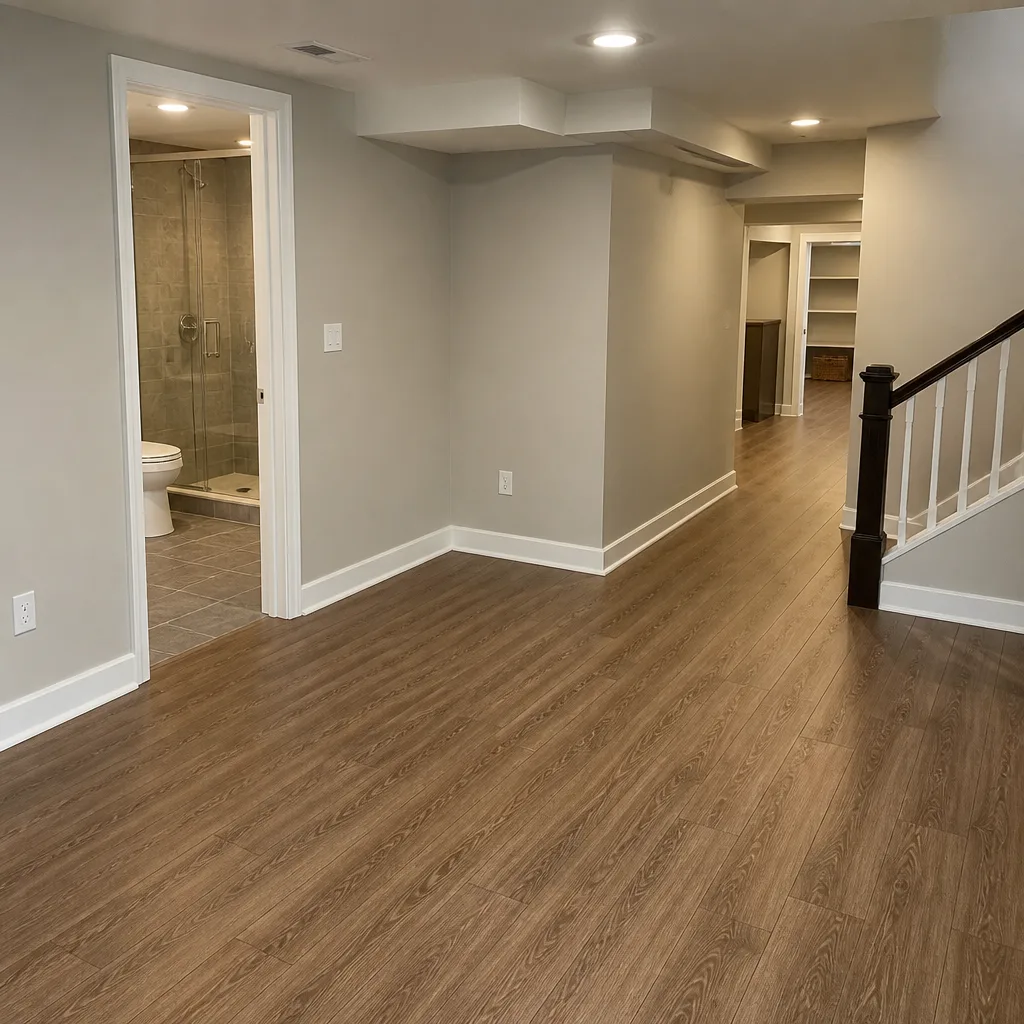
 Before
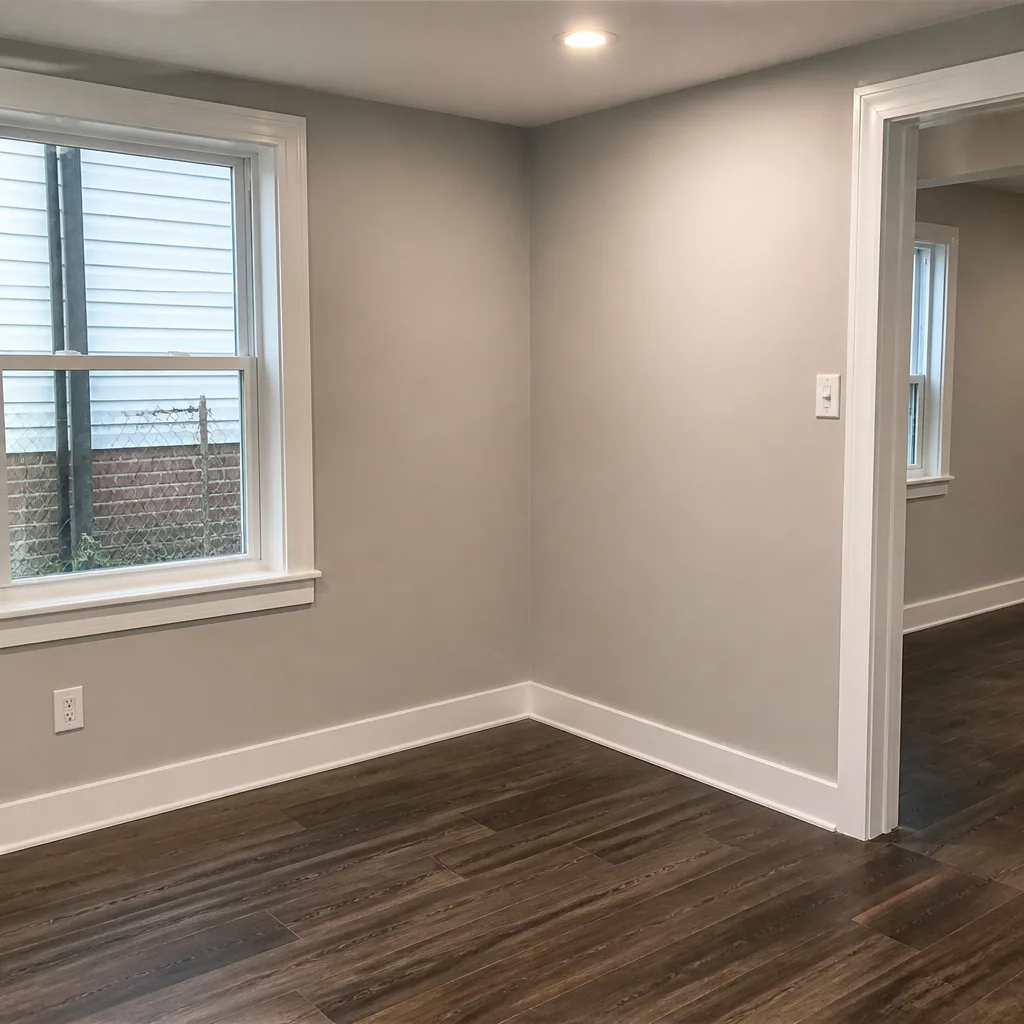 After
After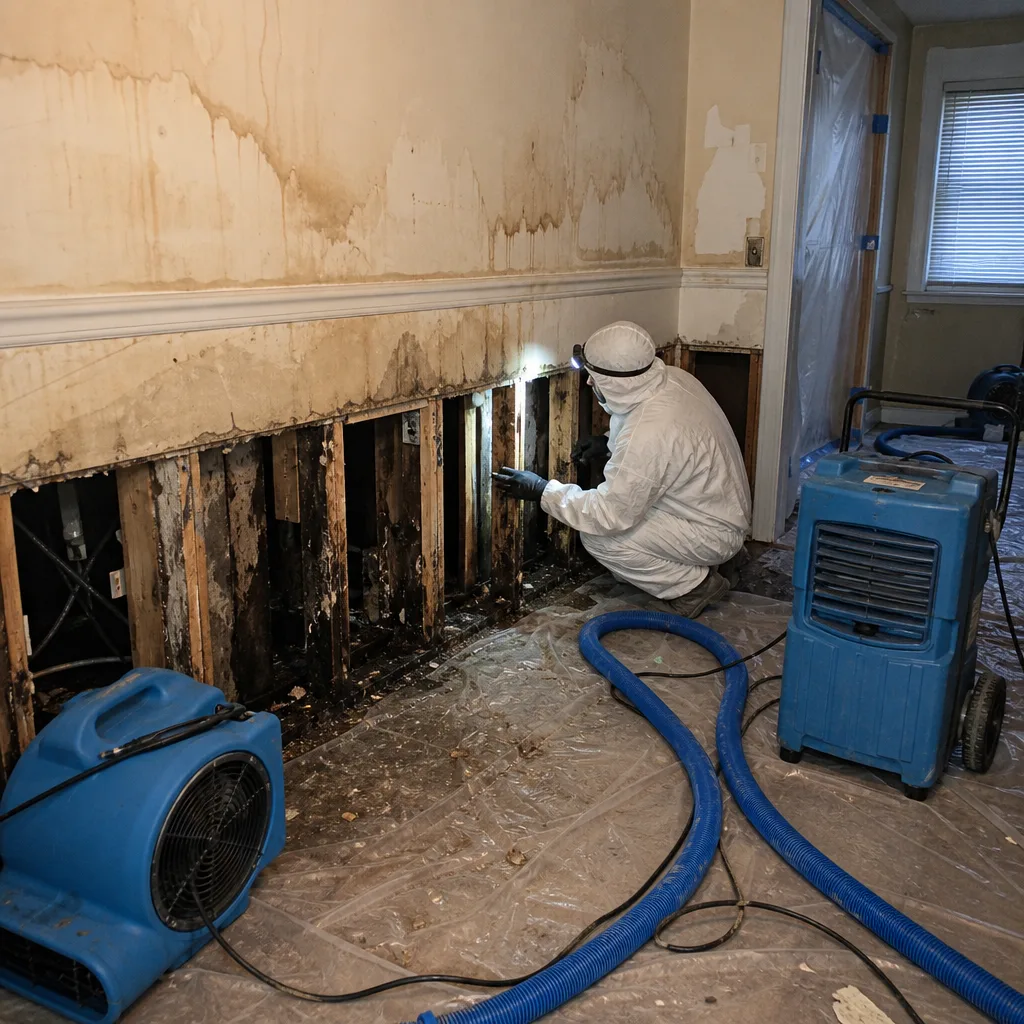 Before
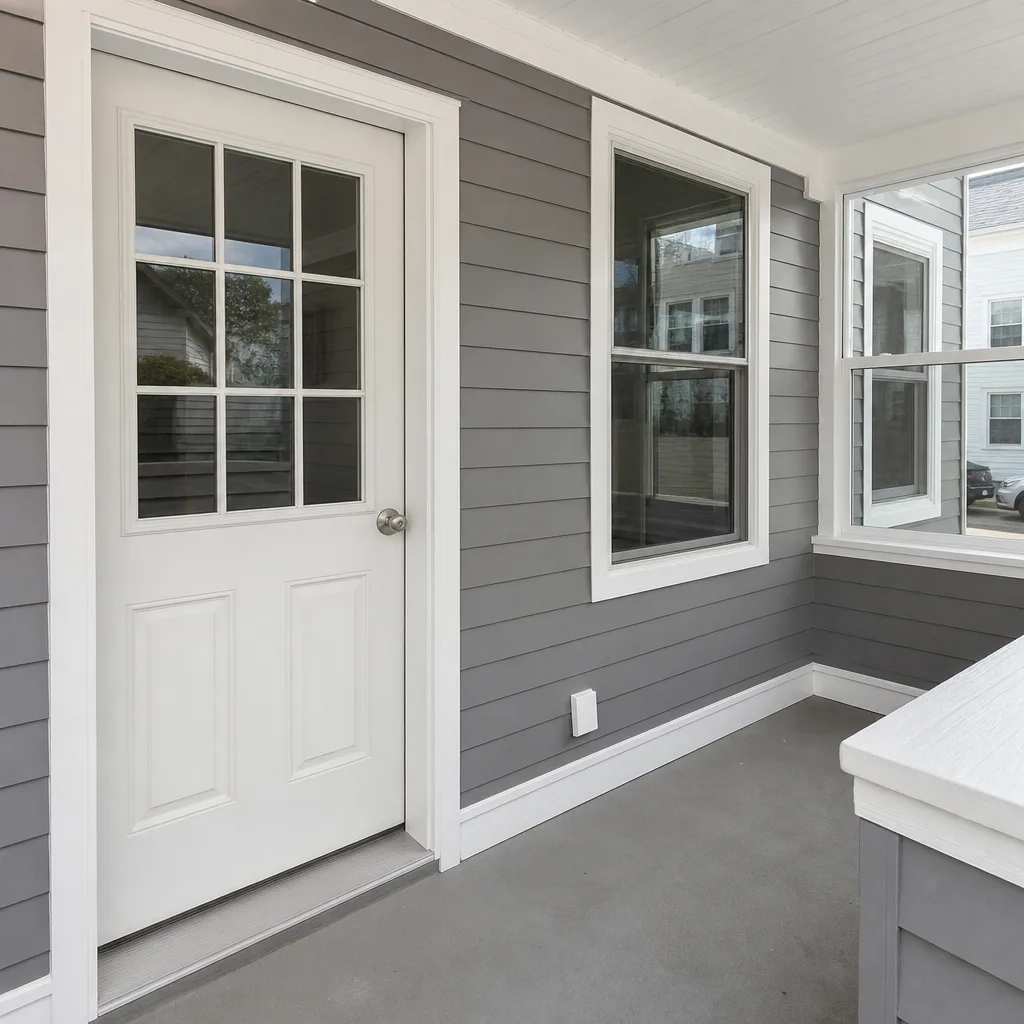 After
After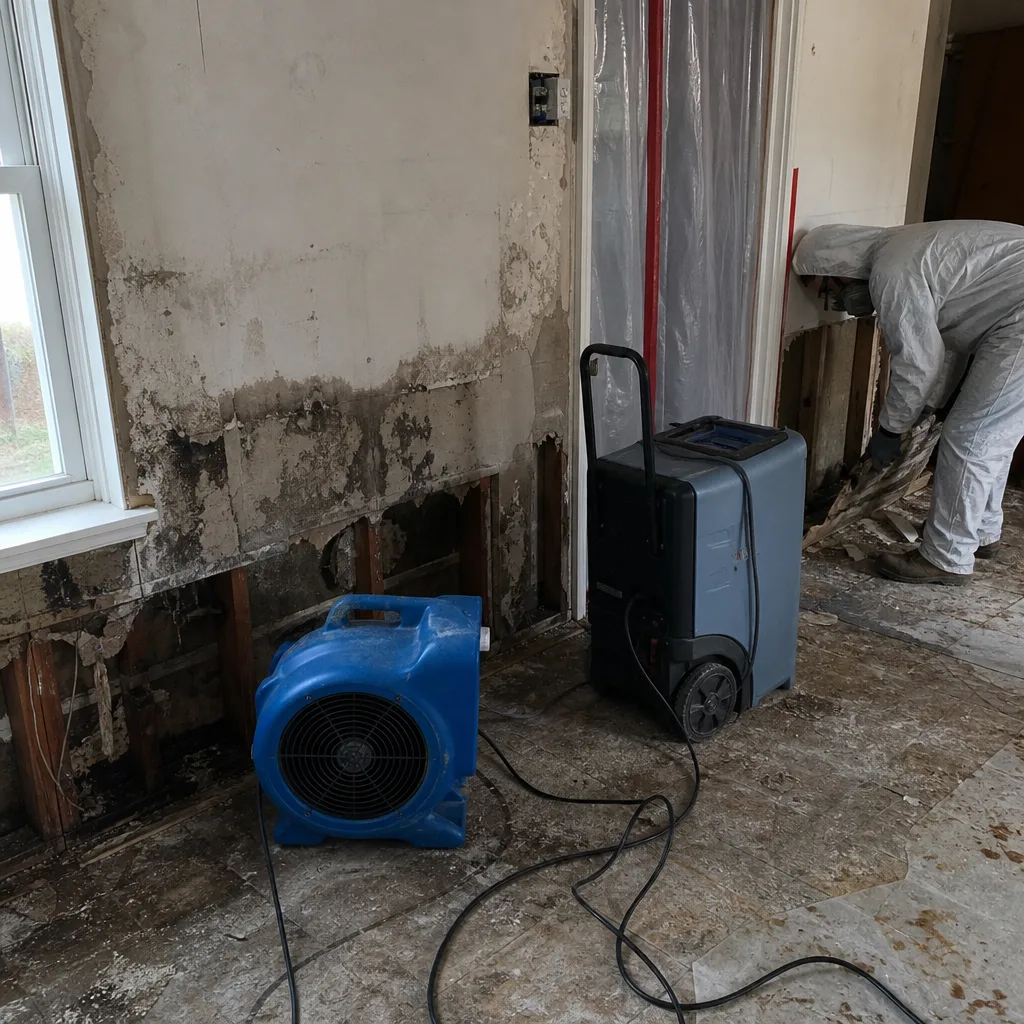 Before
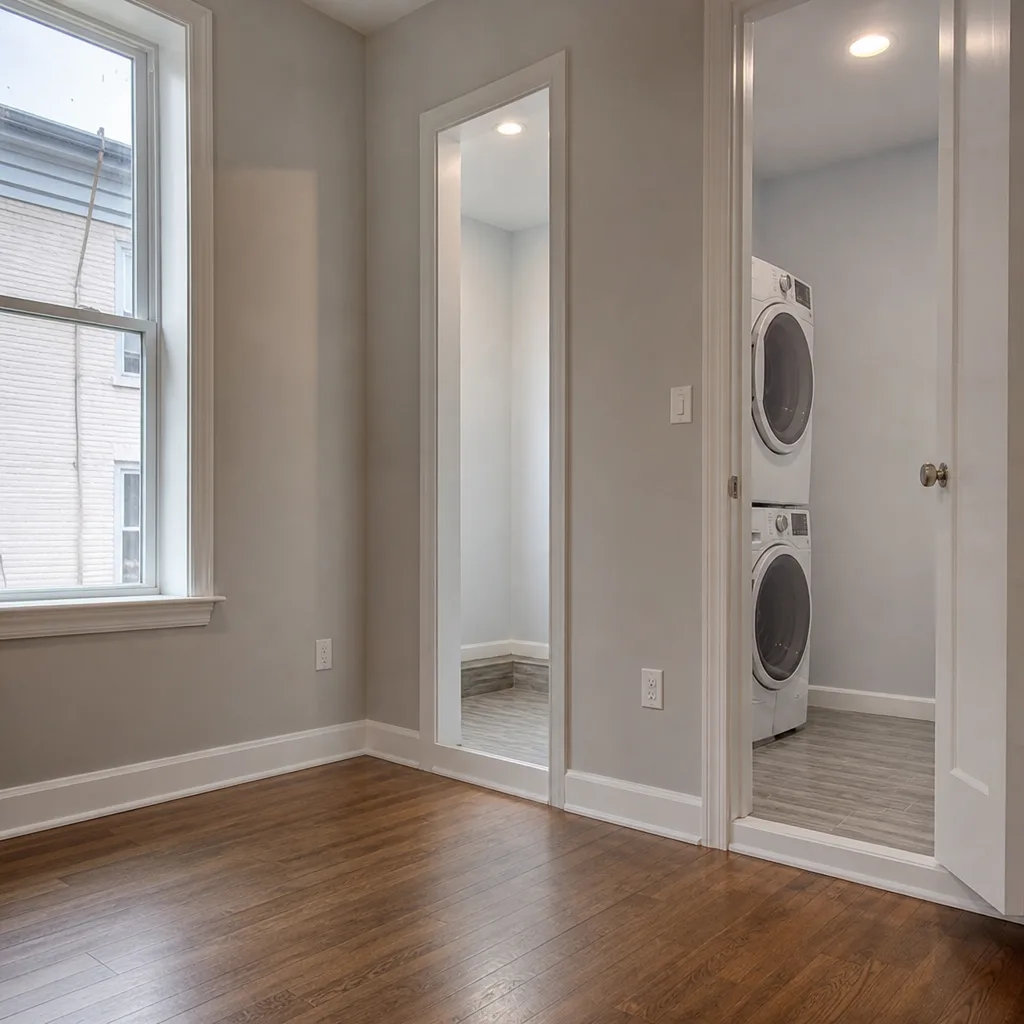 After
After24/7 Emergency Mold Remediation in Washington Square
Mold remediation in Washington Square typically runs $2,800-$7,500 for a contained removal in a pre-war apartment or landmarked rowhouse, and we dispatch crews to the neighborhood around the clock from our New York City office. If you’ve found mold behind a baseboard, along a party wall, or under a radiator supply line, call (640) 400-9404 right now. A live person answers at 2 a.m. and a background-checked, uniformed technician reaches Washington Square the same visit, not the next day. The first hour matters because mold in these old brick buildings moves through shared wall cavities and horsehair plaster faster than most homeowners realize.
Understanding Mold Remediation Severity in Washington Square Properties
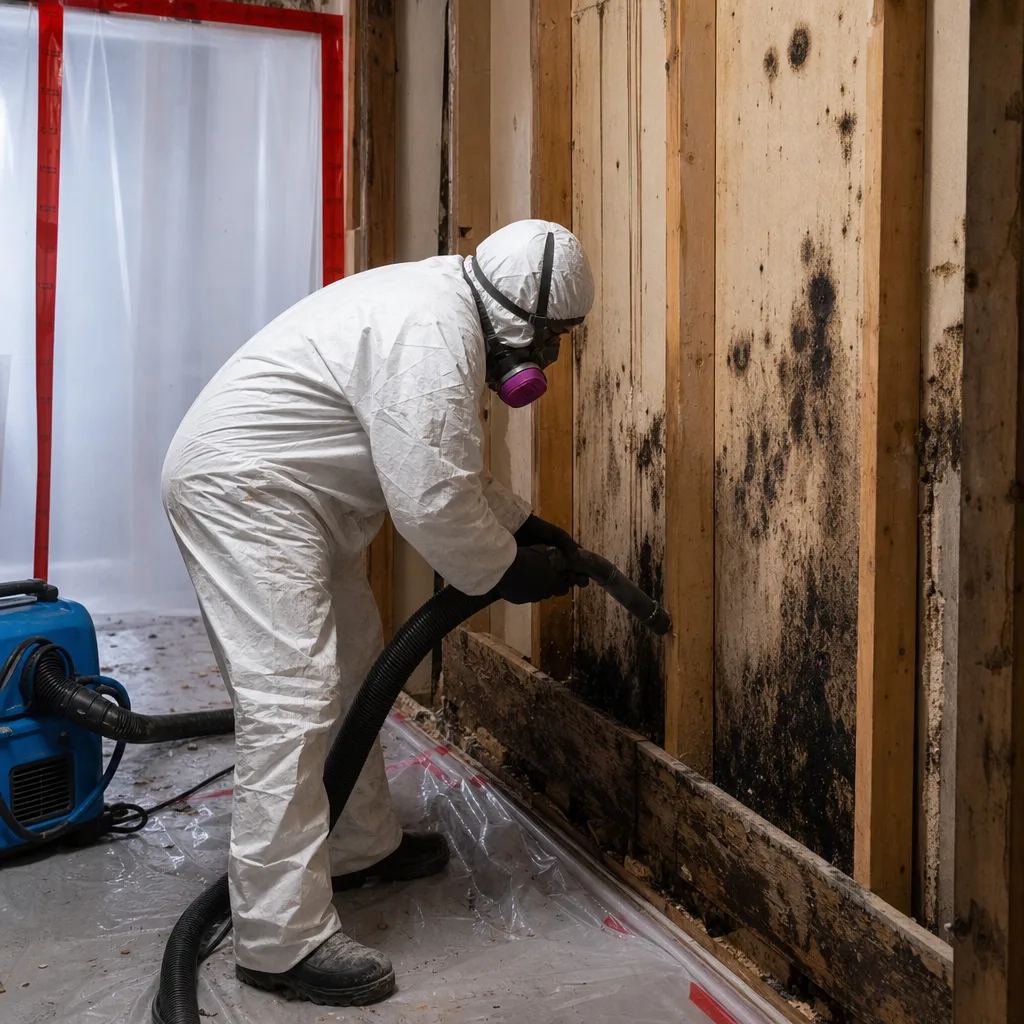
Mold growth falls into three practical tiers, and Washington Square’s housing stock makes each one behave differently than it would in a newer building. Surface mold, what the trade calls Condition 1, is a cleaning job: HEPA vacuuming, antimicrobial application, and air scrubbing. Condition 2 is colonized material, usually the paper face of drywall or the surface of original plaster, and it requires controlled demolition inside containment. Condition 3 is the serious one: mold that has penetrated behind wainscoting, into plaster keys, or through the wide-plank subfloors of the 1820s-1840s Greek Revival townhouses on Washington Square North. That tier demands full containment with negative air pressure, HEPA air scrubbers running continuously, and clearance testing before the plastic comes down. In the pre-war walk-ups ringing the park, Condition 2 and 3 rarely stay in one unit. Shared masonry party walls and original cast-iron steam riser chases give moisture a highway between apartments. A slow steam supply line leak in 4B becomes a Condition 3 outbreak in 3B’s ceiling within three to four weeks, and by then the mold has found the horsehair plaster keys and the lath behind them. We classify the loss before we touch it, because treating a Condition 3 job like a wipe-down is how mold comes back, and how a landlord gets sued.
Why Washington Square Property Owners Choose Floodline Restoration Co.
- 45-minute response commitment to Washington Square. When you call, we give you an arrival window and meet it. No second call, no dispatch shuffle.
- A live person answers, 24 hours a day. Not a recording, not an answering service. A dispatcher who knows the restoration trade and can send a crew immediately.
- IICRC-certified crews, trained to the AMRT and WRT standards. Mold remediation and water damage restoration certifications that mean the tech in your living room knows containment, air scrubbing, and dry standards.
- Free visual inspection in Washington Square. We’ll put eyes on the mold and the moisture source before you sign anything. No charge, no obligation.
- Direct insurance billing. We document the loss, write the scope, and deal with your adjuster. You don’t play messenger between us and the carrier.
- One team from first extraction to finished rebuild. The same certified crew that sets containment also handles the post-remediation repairs, so no mid-job handoff to a subcontractor you’ve never met.
Our Mold Remediation Process
Inspection & Assessment
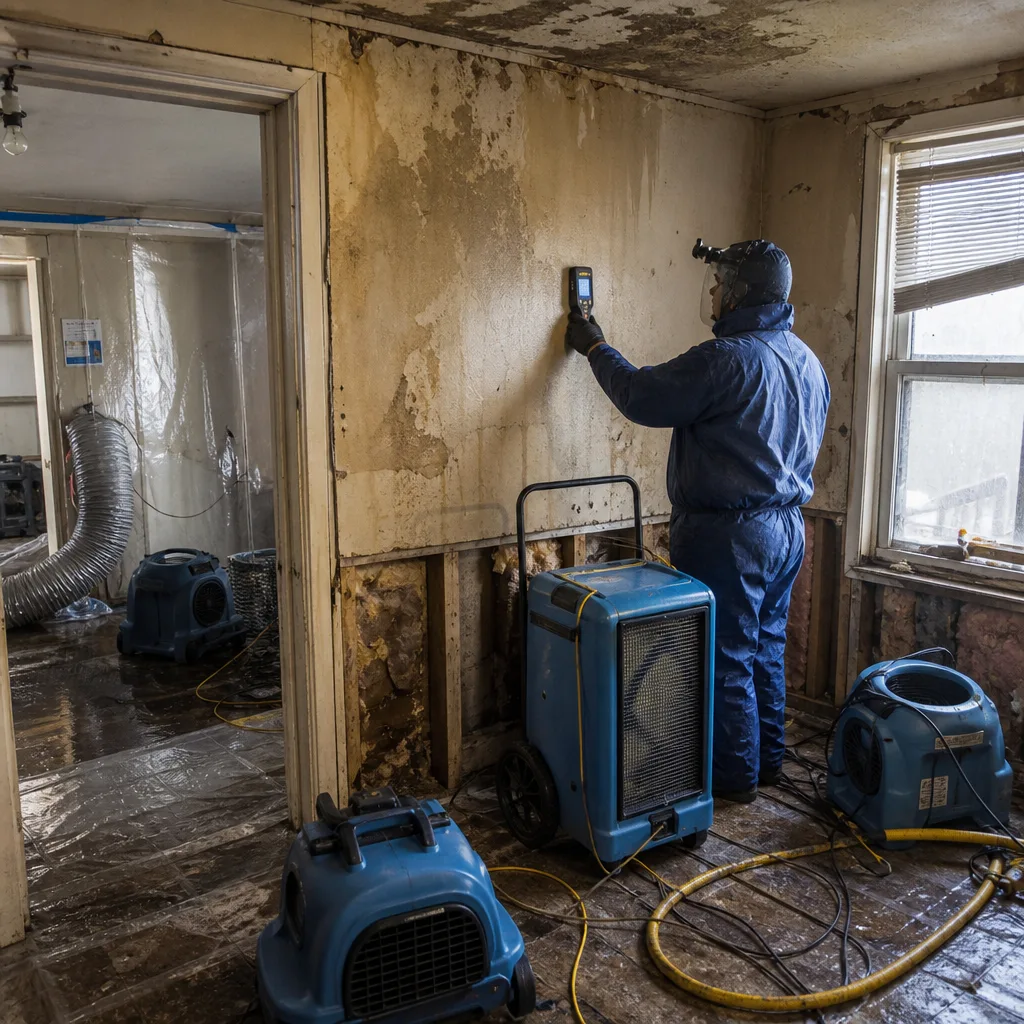
We start with a thermal imaging scan and hygrometer readings to find the moisture source and map the mold’s spread, including behind walls and under flooring. In Washington Square’s rowhouses and pre-war walk-ups, we check party walls and riser chases because that’s where hidden growth travels between units.
Containment & Source Control
Before any material is disturbed, we set up critical barriers with 6-mil poly sheeting and run Dri-Eaz HEPA air scrubbers to create negative air pressure. The goal is to keep every spore we raise during removal inside the containment zone, not in your kitchen or your neighbor’s apartment.
Drying & Dehumidification
Washington Square’s dense urban canyon traps moisture. In these tight spaces, we reach for industrial desiccant dehumidifiers from Phoenix and XPOWER, not just refrigerant units, because masonry walls and horsehair plaster release water slowly and ambient drying leaves hidden reservoirs.
Controlled Removal
Mold-infested material is removed under containment. In landmarked properties, that often means hand-tooling damaged plaster off the lath instead of gutting to studs, preserving the historic substrate for in-kind restoration rather than modern drywall replacement.
Cleaning, Sanitization & Antimicrobial Treatment
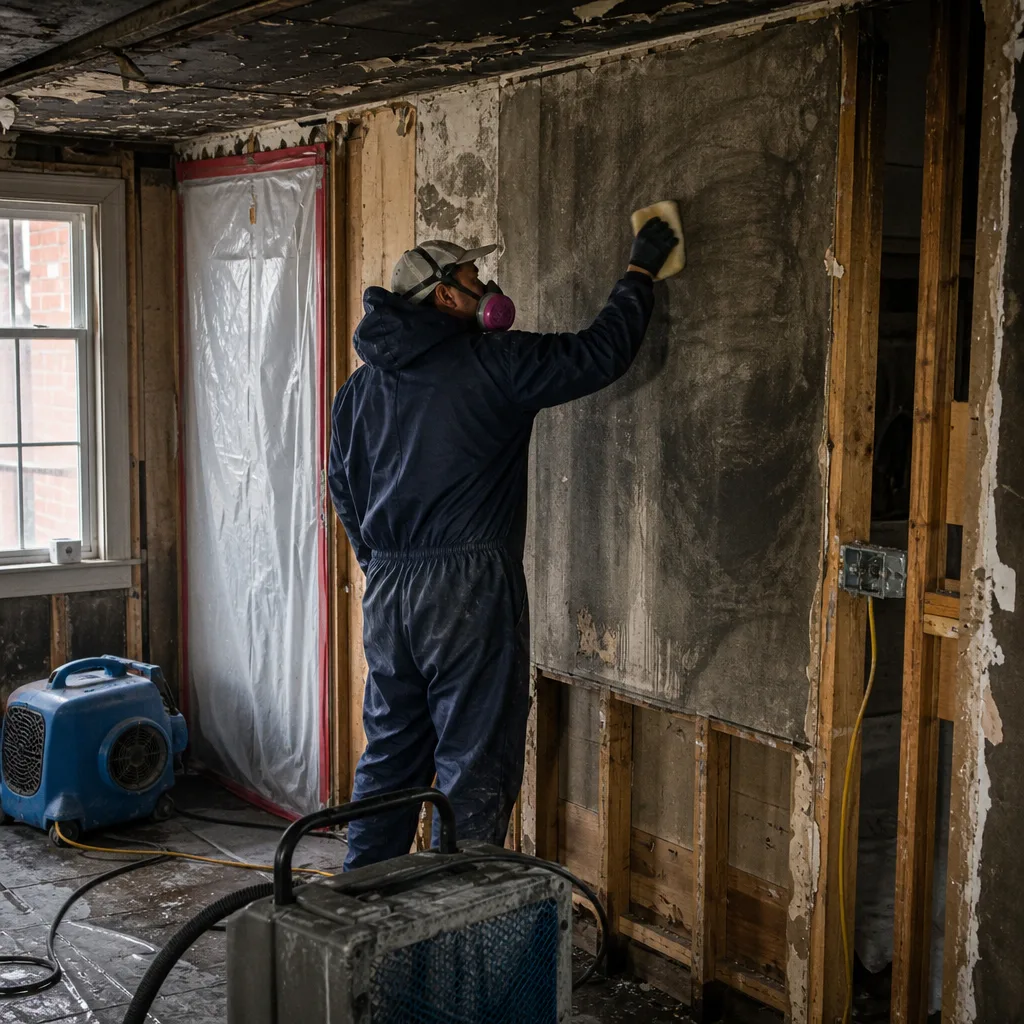
Every remaining surface inside the containment zone is HEPA-vacuumed, wire-brushed where needed, and treated with an EPA-registered antimicrobial. We use XPOWER air movers to keep air moving through the space during this phase.
Clearance Testing & Restoration
We run post-remediation verification with third-party or in-house environmental testing, whichever your carrier requires, before we remove containment. Then the same crew handles the repairs: new plaster, millwork, refinishing. We rebuild what we opened.
Need Emergency Mold Remediation in Washington Square Now?
Crews minutes away, answering live 24 hours a day. The sooner we start, the less it costs.
Working With Your Insurance Company
Mold claims in Washington Square move differently than in most of the city because the buildings are old, the walls are shared, and the plaster may be protected by the Landmarks Preservation Commission. We’ve handled enough of these to know what adjusters need. From the first hour, we photograph everything, log moisture readings daily, and write a line-item scope that spells out whether original horsehair plaster gets restored or whether a modern equivalent is acceptable, a distinction that matters enormously in landmarked buildings. We speak directly with your adjuster, send them the documentation, and argue the claim in the language they understand. You get a copy of everything. No surprises, because the 90-Day Done Right Promise covers our workmanship in writing, and the scope was agreed before we opened the first wall.
What We Provide Your Insurer
- Thorough documentation of the loss from the first visit
- Photos of all damage, room by room, including pre-existing conditions
- Moisture readings and drying logs until the dry standard is met
- A detailed, line-item scope of work with LPC considerations noted
- Direct coordination with your carrier, including adjuster meetings on site
Built for Washington Square’s Loss Calendar
Washington Square’s mold season doesn’t follow a neat calendar because the neighborhood’s old buildings fail in predictable patterns. January and February bring deep freezes that crack cast-iron steam supply lines and freeze-burst risers in pre-war walk-ups, and the water follows gravity through original wide-plank subfloors and horsehair plaster ceilings into the units below. By March, the freeze-thaw cycling on those 19th-century brick and brownstone facades at Washington Square North has opened mortar joints at the parapet and cornice lines, and spring rain drives water into wall cavities that have been soaking all winter. Summer brings the flash thunderstorm season, when clogged roof drains on flat-roofed pre-wars back up and dump water down interior walls. And in the fall, the first steam heat cycle of the season pushes condensation and leaks through hundred-year-old steel pipe. Mold follows the water, every single time, usually two to four weeks behind the original leak. The pattern repeats annually, which is why we run moisture mapping and desiccant drying on every Washington Square mold job, not just the obvious ones.
Mold Remediation Across Washington Square’s Neighborhoods
Washington Square is not one building type, and the mold risk shifts block by block. On Washington Square North, the Federal and Greek Revival townhouses of The Row, built between the 1820s and 1840s, are the most LPC-sensitive structures we work in. Original horsehair plaster on hand-split lath, wide-plank heart pine subfloors, and masonry party walls mean every mold loss turns into an archaeological exercise as much as a remediation. Two blocks east, the pre-war walk-ups around University Place and the east side of the park are denser and newer by a century, but the shared riser chases and steam systems are just as vulnerable, and mold moves between units with alarming speed. South of the park, toward Washington Square South and the NYU academic buildings, we see institutional conversions with newer mechanicals but older structural shells, where mold hides behind dropped ceilings and in chases buried under decades of renovation. West, toward MacDougal Street and the narrower blocks, the townhouses are smaller, the access is tighter, and the alley-load constraints turn every equipment move into a puzzle. Each area has its own failure pattern, and we dispatch crews who know which one they’re walking into, because the response route matters less than knowing what’s behind the wall when they get there.
Specialized Mold Remediation Services We Offer in Washington Square
Mold Inspection & Testing
We don’t just look at the visible mold. In Washington Square’s old buildings, we run thermal imaging on party walls, take air samples where the smell says mold but the wall says clean, and use moisture meters to trace the waterproofing failure back to its source. For a landmarked rowhouse on Washington Square North, that inspection includes documenting whether affected plaster and millwork are original, because that changes the entire remediation and restoration plan. We hand you a written report with photos and readings, not a verbal shrug.
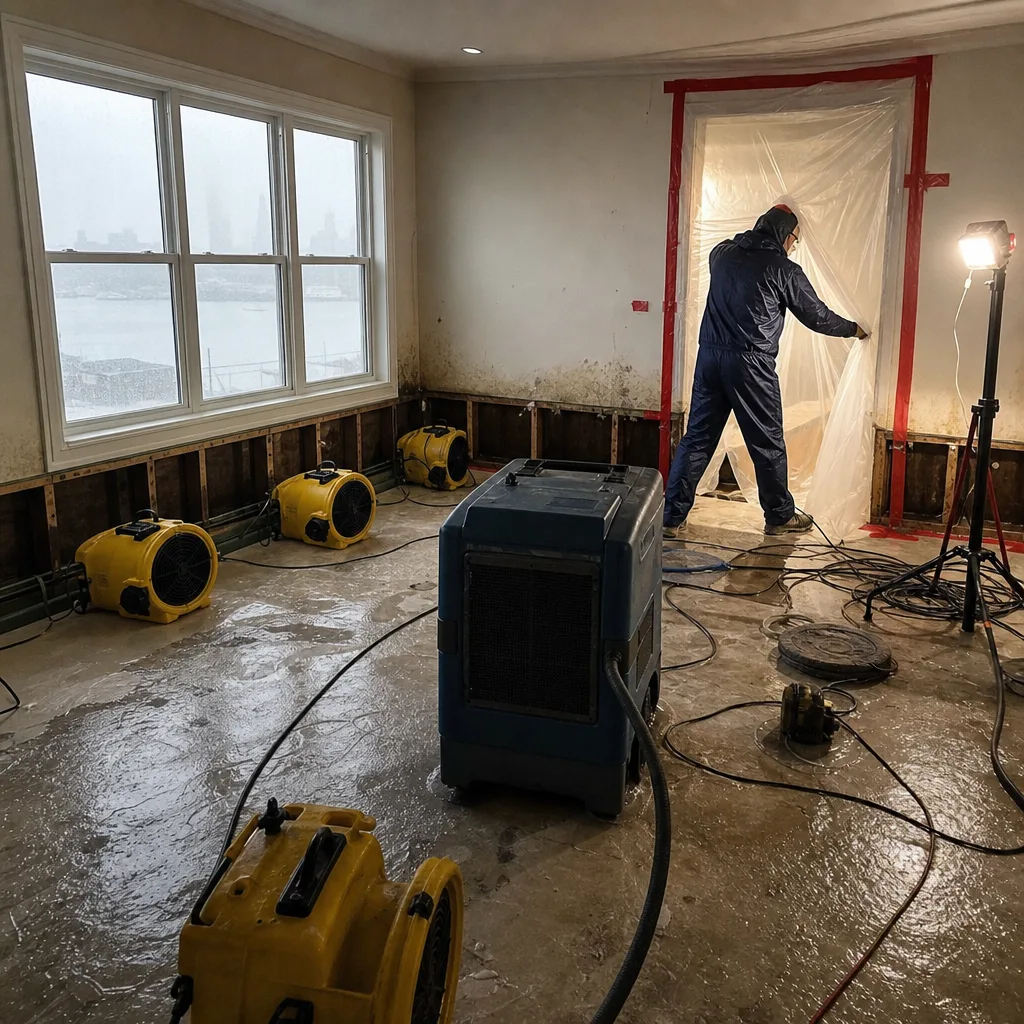
Mold Removal
Mold removal in Washington Square means controlled demolition under containment, and the critical difference here is what gets removed versus what gets saved. In a modern building, we’d cut out the drywall and move on. In a Greek Revival townhouse, we hand-tool the mold-damaged plaster off the lath, preserve the historic substrate, and coordinate the in-kind restoration with your landmarks consultant. The 90-Day Done Right Promise covers the finished work in writing.
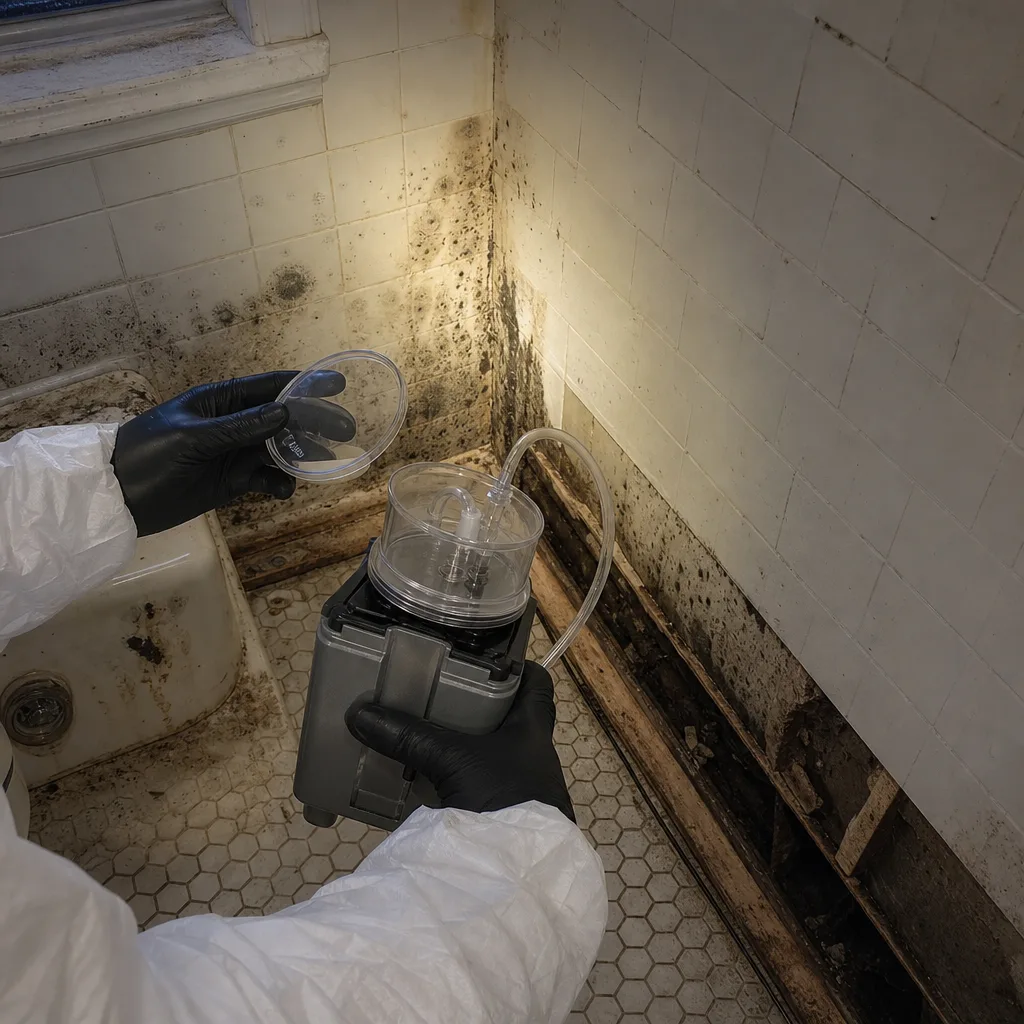
Black Mold Remediation
Black mold, what the lab usually identifies as Stachybotrys chartarum, grows where water has been sitting for weeks, not days. In Washington Square, that means behind wainscoting, under original flooring that got soaked from a radiator overflow, and inside shared party walls that never dried properly. We treat black mold with full containment, HEPA air scrubbing, and post-remediation clearance testing. You don’t wipe black mold. You remove it, and we do it under negative pressure so it stays out of the rest of the building.
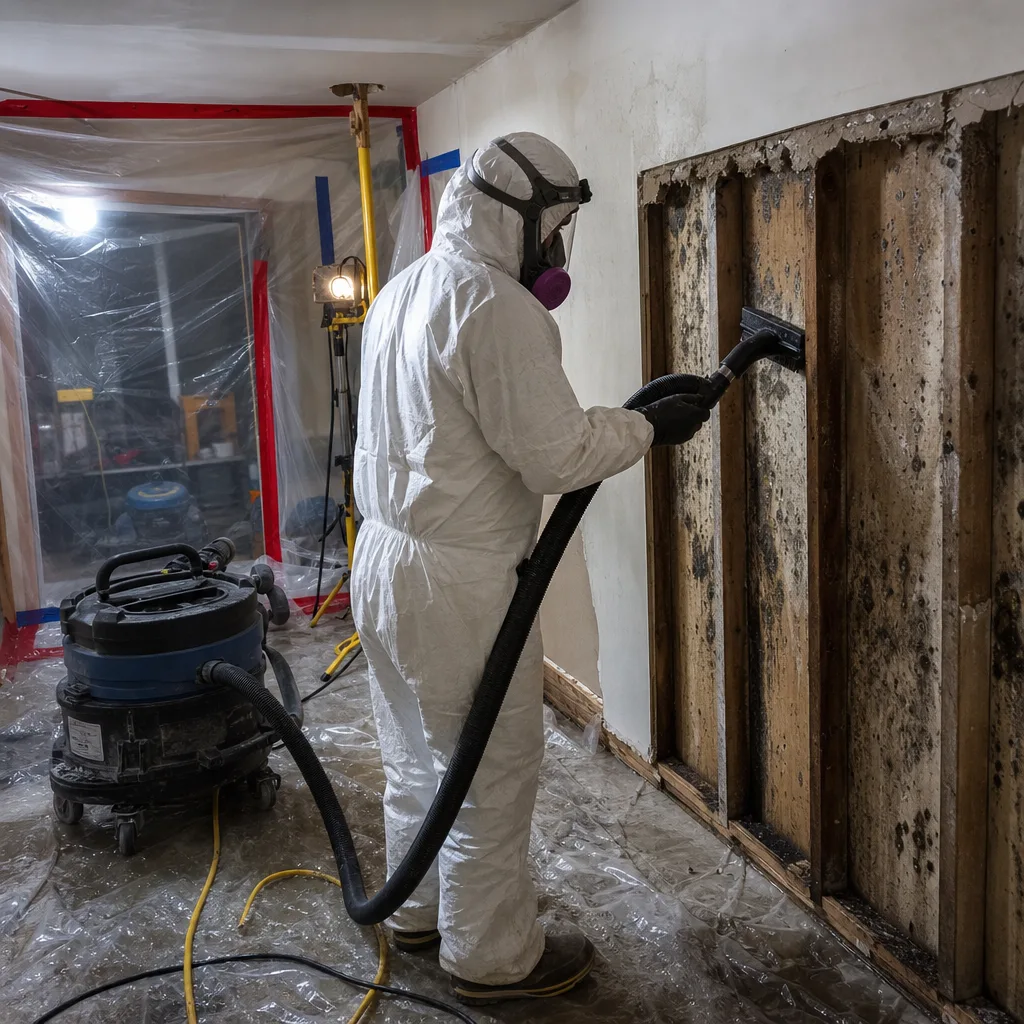
Air Quality Restoration
After the demo and cleaning, the air in the unit is the last place mold hides. We run Dri-Eaz HEPA air scrubbers throughout the remediation and then post-remediation air sampling to confirm spore counts have dropped to normal background levels for a building of that age and construction. In shared pre-war walk-ups, this step matters double, because the air you’re breathing comes through walls and risers from units you don’t control.
Crawl Space Treatment
Some Washington Square townhouses have crawl spaces, usually shallow dirt-floor cavities under the oldest houses facing the park. These spaces hold moisture against the floor joists for decades, and when you finally open one, the mold is usually extensive. We treat crawl spaces with a combination of source control, dehumidification, antimicrobial application, and vapor barrier installation where the building allows it. The LPC rarely has jurisdiction over a crawl space, but the building’s structural realities still dictate what we can access and how.
What happens when you call
- 1
A real person answersNo phone trees - you reach a local pro.
- 2
You get an upfront price rangeHonest numbers before anyone is dispatched.
- 3
A background-checked tech heads outLicensed & insured, dispatched right away.
- 4
You approve before work beginsNothing starts until you say go.
Mold Remediation Costs in Washington Square, NY
Mold remediation in Washington Square runs higher than the citywide average because the buildings are older, the access is tighter, and landmark compliance adds steps. A small surface-mold cleanup in a single room typically runs $1,200-$2,500. A contained removal involving one wall or ceiling in a pre-war apartment lands between $3,000 and $6,000. Full Condition 3 remediation in a landmarked rowhouse, where we’re hand-tooling original plaster, running desiccant dehumidifiers for a week, and coordinating in-kind restoration, runs $8,000-$15,000, and equipment access or extensive millwork preservation can push that higher. What moves the price: the square footage of containment, whether original plaster must be restored in-kind, how many days the desiccants need to run, and whether your carrier requires third-party clearance testing. The free visual inspection is how you get a firm written scope instead of a guess. Homeowners with mold inside a home they’ve owned for twenty years aren’t looking for the cheapest bid. They want a square deal and a name they can hold accountable, and that’s what we write into the scope before we start.
We Also Serve Cities Near Washington Square
Our mold remediation teams cover the surrounding Staten Island neighborhoods as well: Midland Beach, New Springville, Oakwood, and Travis – Chelsea. Same 45-minute response commitment, same live dispatchers, same written scope before work starts.
Washington Square Mold Remediation Questions, Answered
Does mold remediation in Washington Square’s landmarked rowhouses require Landmarks Preservation Commission approval before we remove affected plaster?
Yes, in most cases it does, and we handle that as part of the scope. Original horsehair plaster and wide-plank subfloors in the 1820s-1840s Federal and Greek Revival townhouses are LPC-protectable, which means restoration must preserve or replicate those materials rather than default to modern drywall. Our team coordinates with your landmarks consultant and the LPC from the first inspection, documents the damaged material photographically, and builds in-kind restoration into the written scope. Call (640) 400-9404 and we’ll walk you through the approval path before anything is removed.
How do you prevent mold from returning in the shared party walls of pre-war Washington Square walk-ups?
Shared masonry party walls channel moisture between units, so the fix has to reach the source, not just the surface. We run moisture mapping on the party wall, dry the masonry to its pre-loss condition using desiccant dehumidification rather than ambient drying, and treat the wall cavity with antimicrobial before we close it. If the neighbor’s unit has the same problem, the mold returns through the wall regardless of what we do on your side, so we document our findings for the building and your carrier. A superficial wipe-down fails here, which is why we always chase the moisture source first.
What happens when a steam radiator supply line bursts in a Washington Square walk-up and soaks the original hardwood subfloor beneath the unit?
The water follows gravity through the wide-plank subfloor and horsehair plaster ceiling below, and both materials are often LPC-protectable. We open the ceiling from below under containment, assess whether the subfloor can be dried in place using our Injectidry system, and work with your adjuster to determine whether the plaster gets restored in-kind or replaced. The same crew that does the remediation does the restoration, so the arguments about plaster versus drywall get resolved on the ground, in writing, before the work starts. Fast extraction is critical here, because a soaked subfloor in a landmarked building becomes a mushroom farm if it sits for a weekend.
Can you run mold remediation inside a landmarked townhouse where parking and alley access are almost nonexistent?
Yes, and we do it regularly. Washington Square’s narrow streets and alley-load townhouses mean we stage equipment in shifts, use compact desiccant dehumidifiers and HEPA air scrubbers sized for tight stairwells, and protect the historic finishes as we move through the house. Our crews know the block-specific access constraints here, from the one-way patterns around the park to the loading restrictions on Washington Square North, and we plan the logistics before the first piece of equipment leaves the truck. The building’s age and landmark status never get treated as an inconvenience; they get treated as the job.
My building’s original plaster ceiling has mold from a neighbor’s overflow, but the insurance adjuster says replace it with drywall. Can you help keep the historic plaster?
We can, and we’ve won this argument before. Original plaster has restoration value, especially in LPC-protectable buildings, but the carrier needs documentation that the plaster is restorable. We photograph the damage, write a scope that specifies hand-tooling and in-kind restoration rather than gut demolition, and communicate directly with the adjuster on your behalf. The adjuster’s default is often the cheapest path, but a properly scoped in-kind restoration with supporting documentation from a certified mold remediation team changes that calculation. Call (640) 400-9404 and we’ll review your case before you sign off on the drywall replacement.
How fast can you get to Washington Square for a mold emergency?
We commit to a 45-minute response to Washington Square for active water or mold emergencies, and a live dispatcher confirms the arrival window when you call. The crew reaches the job the same visit, does extraction or containment on the spot, and you have a written scope in your hands before we leave. That’s the 90-Day Done Right Promise in practice, the Keystone Standard, in writing with no arguing.
Do I really need full mold remediation, or just a cleaning?
If the mold is on a non-porous surface and the moisture source is gone, a HEPA cleaning with antimicrobial treatment is often enough. If mold has penetrated drywall, plaster, or wood, it has to be removed under containment, because surface cleaning leaves the roots behind and the mold returns within weeks. We’ll tell you which one you have after the free visual inspection, not before, and the scope will reflect the actual condition, not the size of the bill we want to run. That’s a square deal.
What should I do in the first 30 minutes after I find mold in my Washington Square apartment?
Stop the water if you can do it safely, shut off the source, and move anything porous out of the affected area. Do not wipe the mold, do not run a box fan on it, and do not open the wall. Then call (640) 400-9404. A live person answers, we dispatch a crew, and the first hour determines whether you’re looking at a cleaning or a full containment job. The sooner we get fans on the water and containment on the mold, the less of your original plaster and flooring we have to remove.
Serving Washington Square, NY - Our Local Coverage Area
We’re based in the Washington Square area and know this community well. Use the map below to see our service coverage - if you’re nearby, we can almost certainly help.
Mold Remediation in Washington Square, Done Right
Washington Square’s buildings are older than most of the people who live in them, and they fail in ways that a modern contractor from Murray Hill or Astoria has never seen. Original horsehair plaster that the Landmarks Preservation Commission wants preserved. Shared party walls that carry moisture between units. Steam systems that have been leaking slowly for fifty years. We’ve spent over forty years in this work, and we built Floodline Restoration Co. around a dispatch board, not a sales desk, because the person who answers the phone at 2 a.m. is the one who puts the crew on the road. For mold remediation in Washington Square, call (640) 400-9404 for a free visual inspection. The line the water left is where we start, and we don’t hand the job off until it’s finished, with our Mold Remediation team standing behind every wall we open and every one we close.
Written by Curt Bowman, Owner at Floodline Restoration Co., serving Washington Square and the surrounding neighborhoods.