
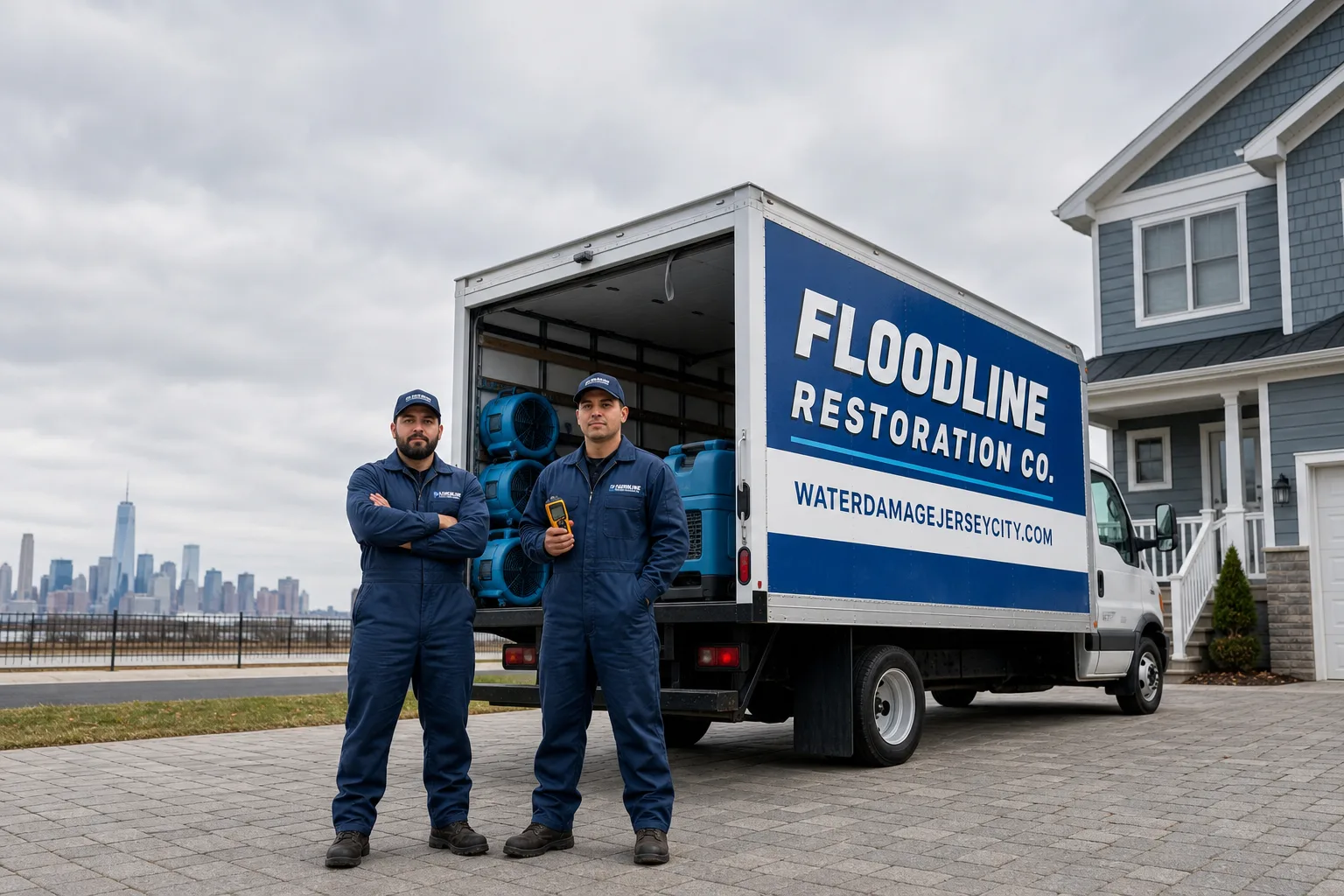
Free visual inspection and a written scope of work before any mitigation begins - photos, moisture readings, and drying logs go in your claim file
The scope we write is the scope we bill. Anything new gets shown to you, in writing, before we touch it.
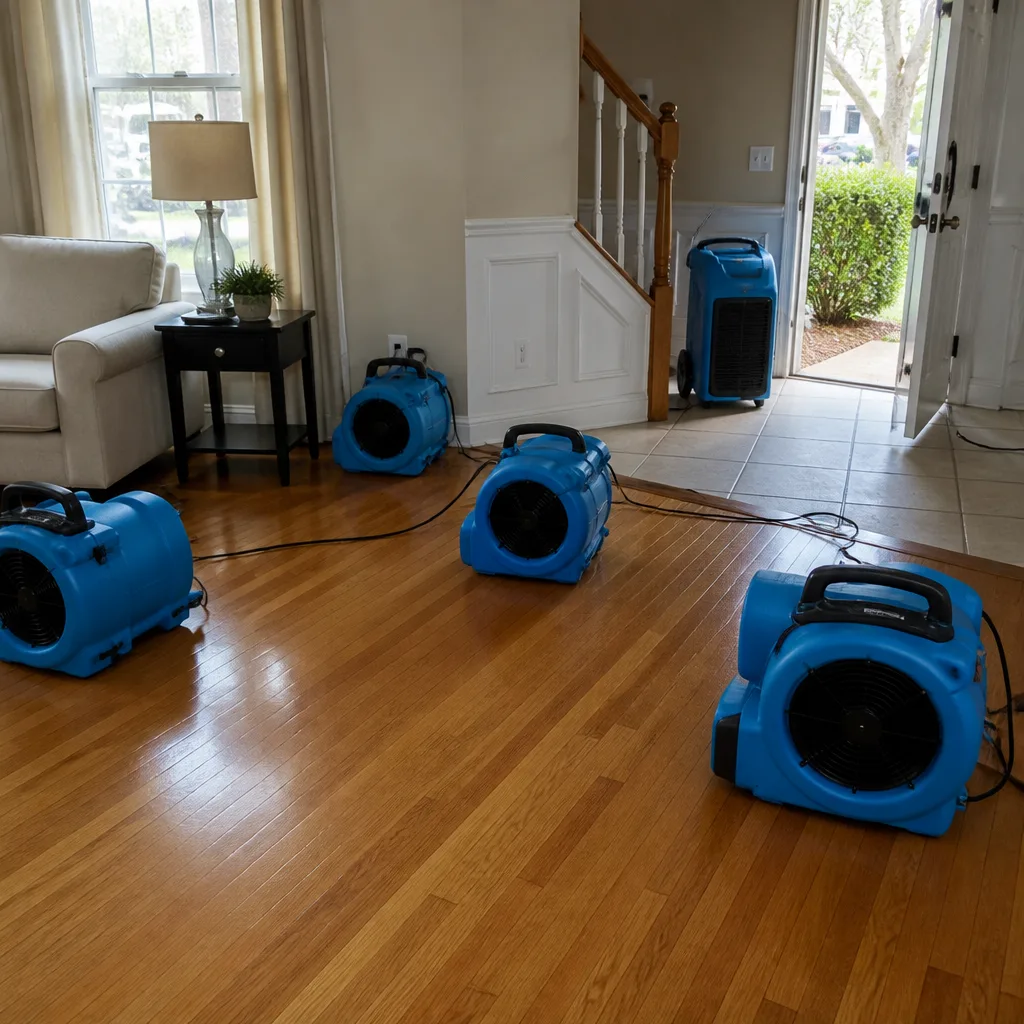
 Before
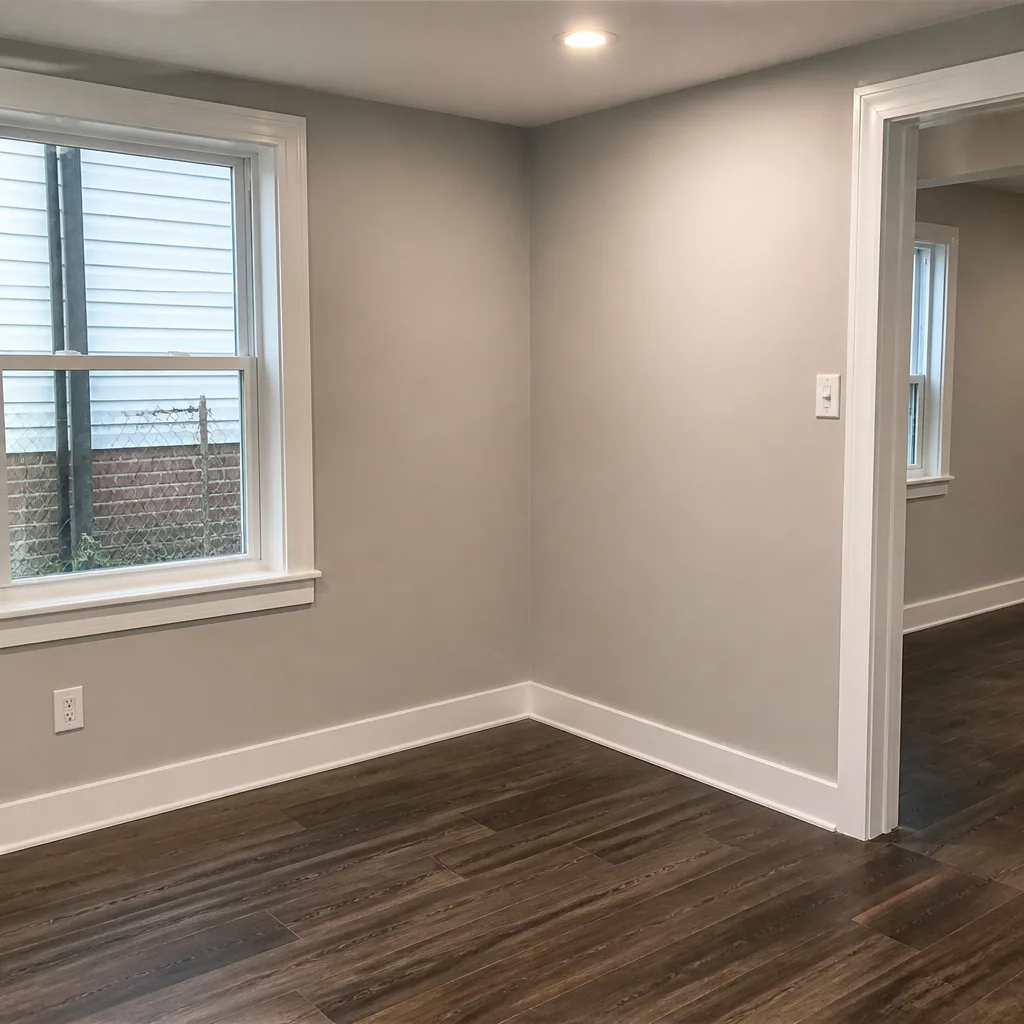 After
After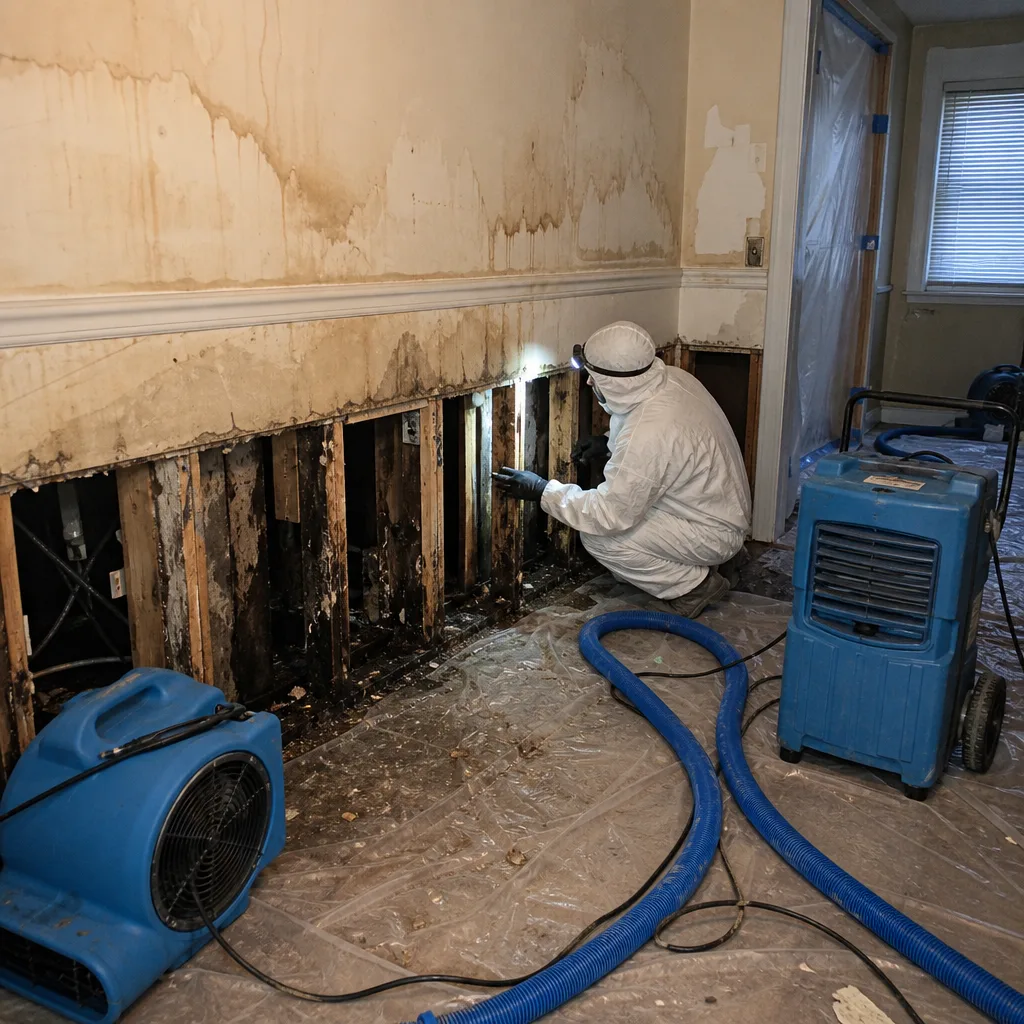 Before
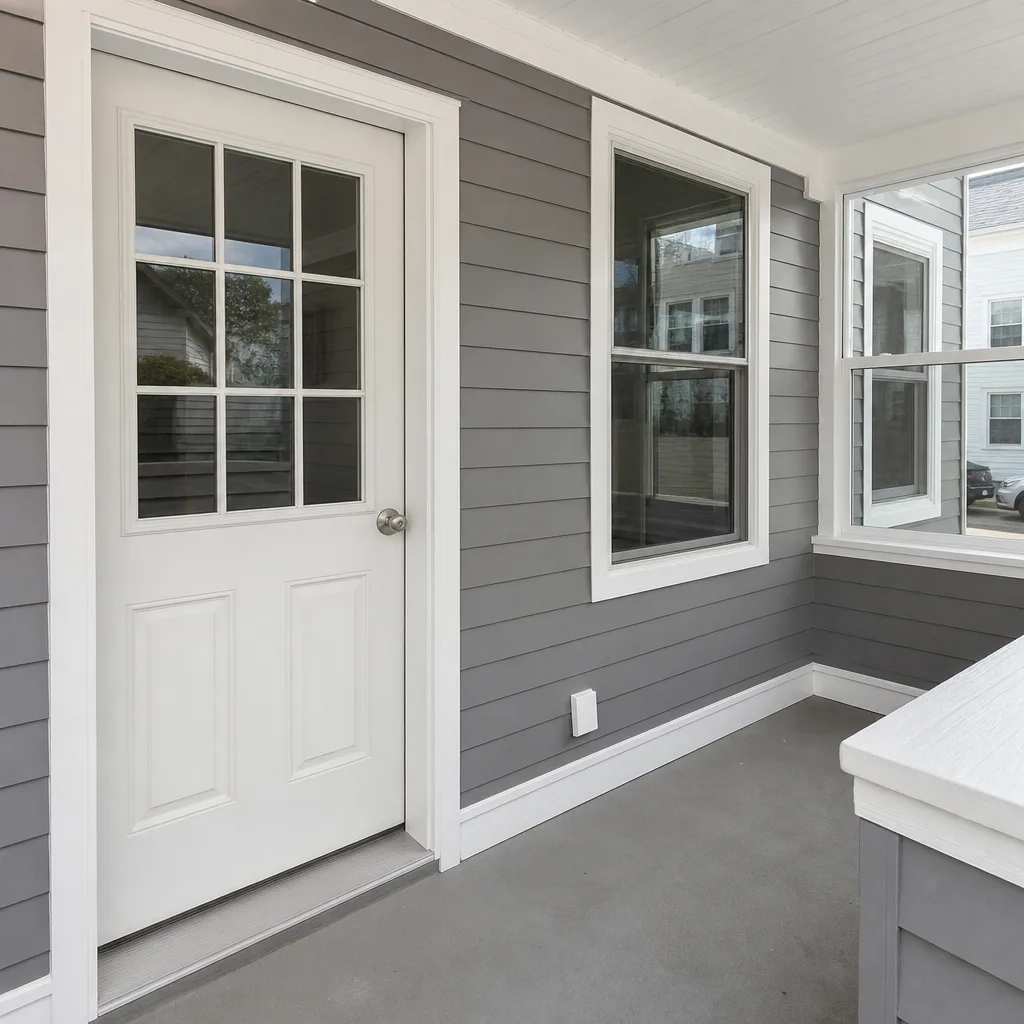 After
After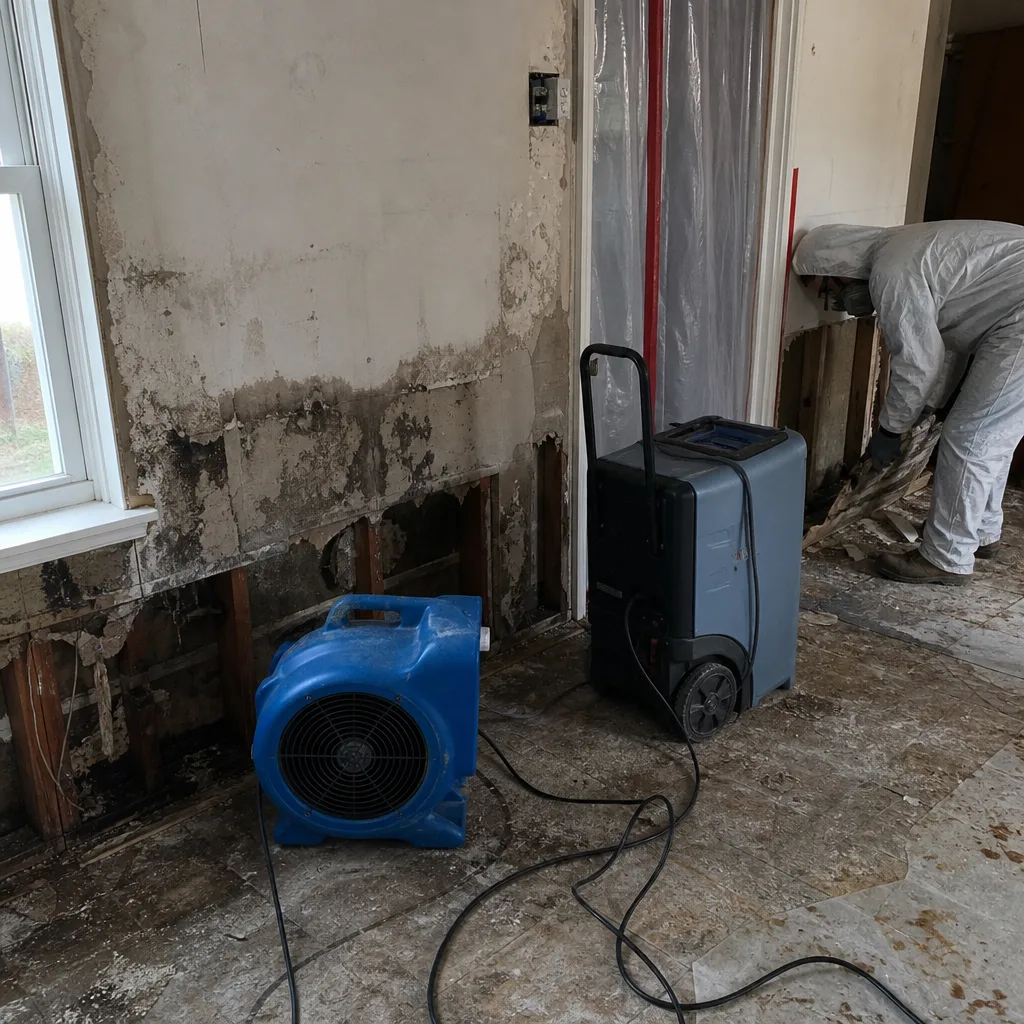 Before
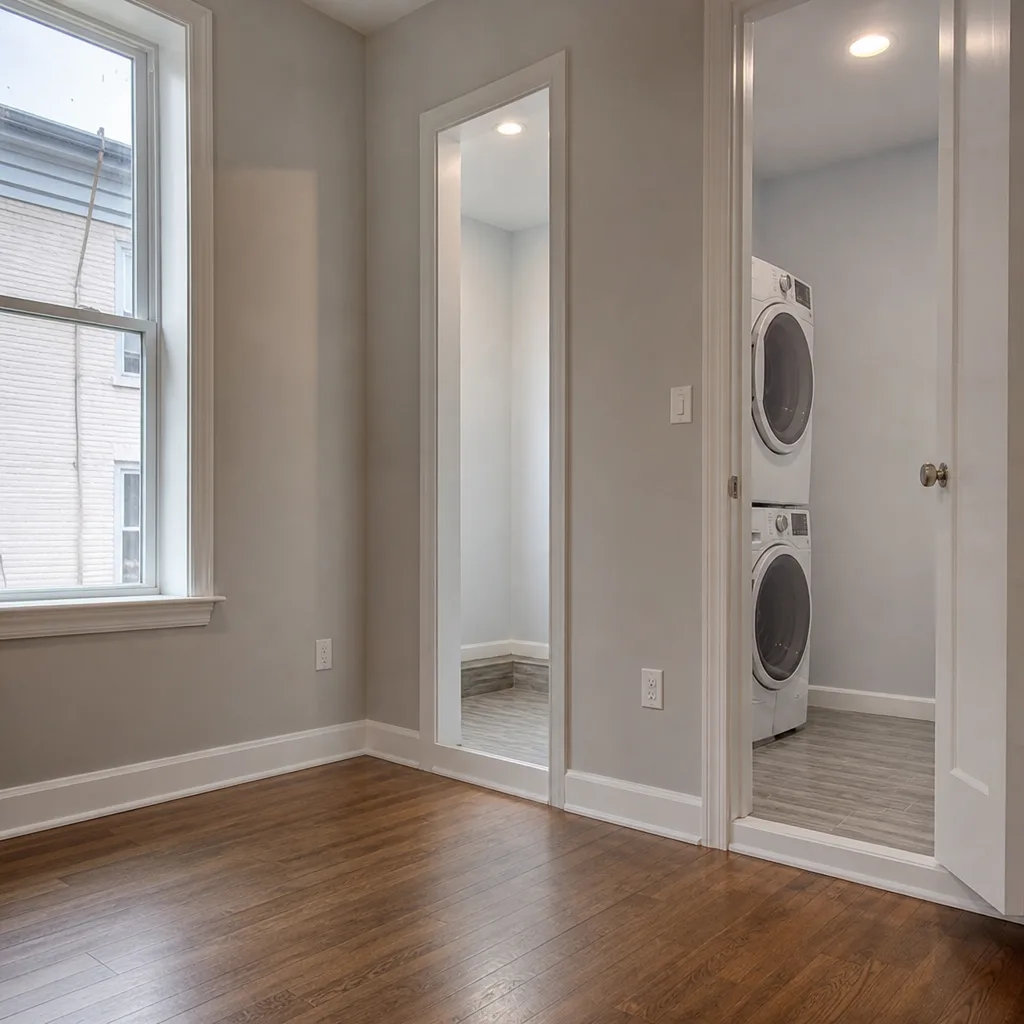 After
After24/7 Emergency Mold Remediation in Sunset Park
Mold remediation in Sunset Park typically costs $1,800-$6,500 depending on how far the colony has spread into wall cavities and whether those 1910s plaster-on-brick assemblies need to be opened. We answer the phone live at (640) 400-9404 around the clock and can have a certified crew at your door in Sunset Park within 45 minutes. The first hour matters because mold releases spores continuously once it establishes, and every day of delay means more demolition scope. If you can see mold, smell it, or had a flood in the last six months, call now and we’ll walk you through what happens next.
Key Takeaways for Sunset Park Homeowners
- Mold in Sunset Park rowhouses often hides inside shared party walls, not on visible drywall
- Post-Sandy remediation that skipped plaster-cavity drying is a recurring root cause here
- We open walls, document moisture readings, and rebuild with mold-resistant materials
- Direct insurance billing, written scope before work starts, and the 90-Day Done Right Promise in your hands
- Free visual inspection for Sunset Park homeowners, call (640) 400-9404
Understanding Mold Remediation Severity in Sunset Park Properties
Mold remediation is not one job. It’s a spectrum from surface growth on painted brick to full cavity colonization behind original plaster. In Sunset Park, the most common scenario we find is category 3 contamination behind walls that were never properly dried after floodwater intrusion. Moisture mapping tells us the spike; containment prevents spore migration into living spaces; air scrubbing with HEPA filtration captures airborne spores; clearance testing confirms the job is done. The housing stock here complicates every step. Attached brick rowhouses share party walls, and those walls act as moisture conduits between units. When a basement on 43rd Street floods, the water doesn’t stop at the property line. It wicks laterally through common brick. We’ve opened walls on one side of a party wall and found mold colonies fed by a pipe leak two floors up in the adjacent building.
Pre-1940 construction means lead paint and asbestos wrap are baseline assumptions. Any gut restoration requires NYC DEP-compliant abatement before and during mold work. A company that skips this step is not saving you money; it’s creating a liability. That’s why we run containment, negative air, and proper PPE on every Sunset Park job where hidden mold is a possibility.
Why Sunset Park Property Owners Choose Floodline Restoration Co.
- 45-minute response commitment: from live dispatch to crew arrival at your Sunset Park address, days, nights, weekends.
- Live answer, 24/7: a real person at the other end of (640) 400-9404 at 2 a.m., not a recording. No waiting for a callback during a developing moisture problem.
- IICRC-certified crews: Water damage restoration technicians certified to WRT and FSRT standards, mold remediation specialists certified to AMRT, plus RIA and IFA training.
- Free visual inspection: for Sunset Park homeowners, no charge. We’ll tell you honestly whether you need remediation or whether a cleaning will do.
- Direct insurance billing: we bill your carrier directly and talk to your adjuster so you don’t have to be the messenger. Our documentation meets adjuster standards from hour one.
- One team, start to finish: the crew that opens the wall is the crew that dries it, treats it, and rebuilds it. No mid-job handoff, no inherited crew that doesn’t know the building’s quirks.
Our Mold Remediation Process
1. Inspection & Assessment
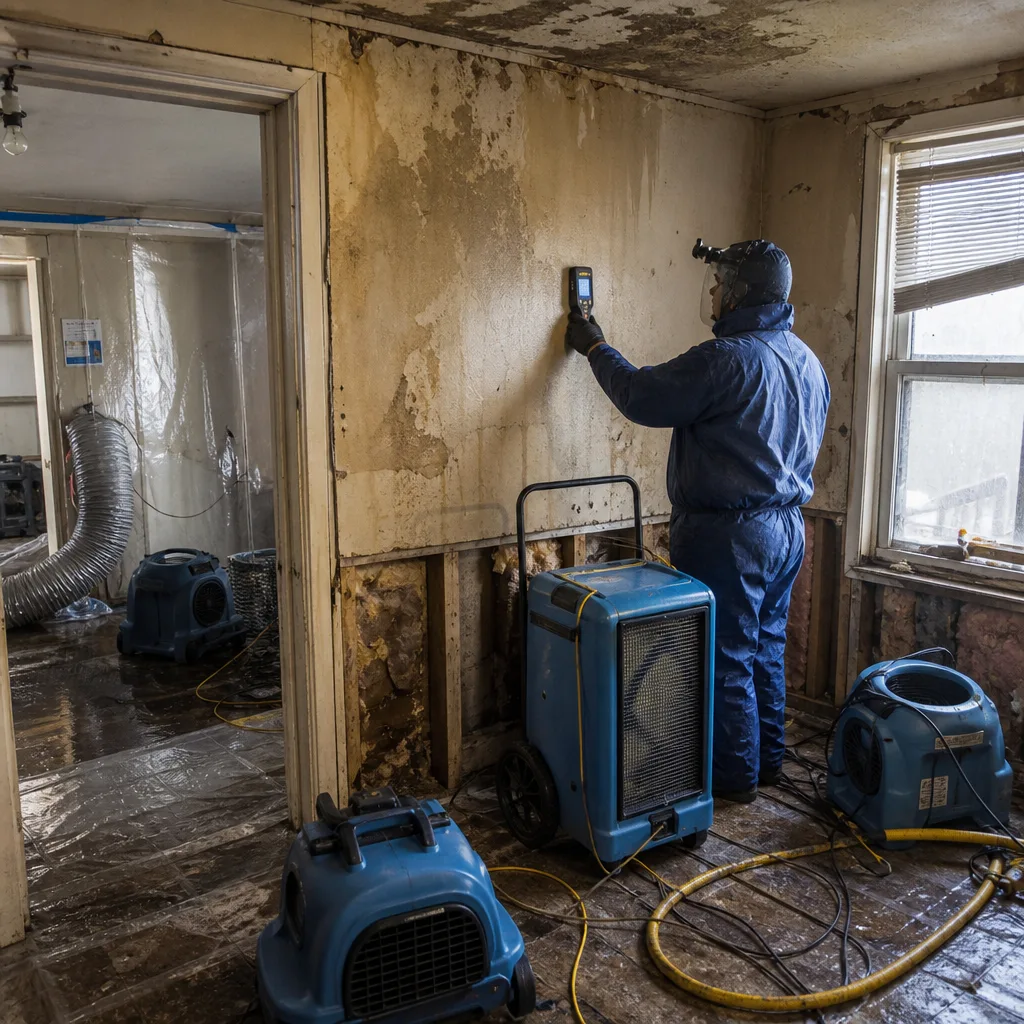
We start with moisture mapping, not guesswork. Thermal imaging and hygrometers locate moisture inside plaster-on-brick assemblies that look dry from the outside. We’ll also inspect shared party walls and the basement slab, which is where Sunset Park mold problems usually originate.
2. Containment & Stabilization
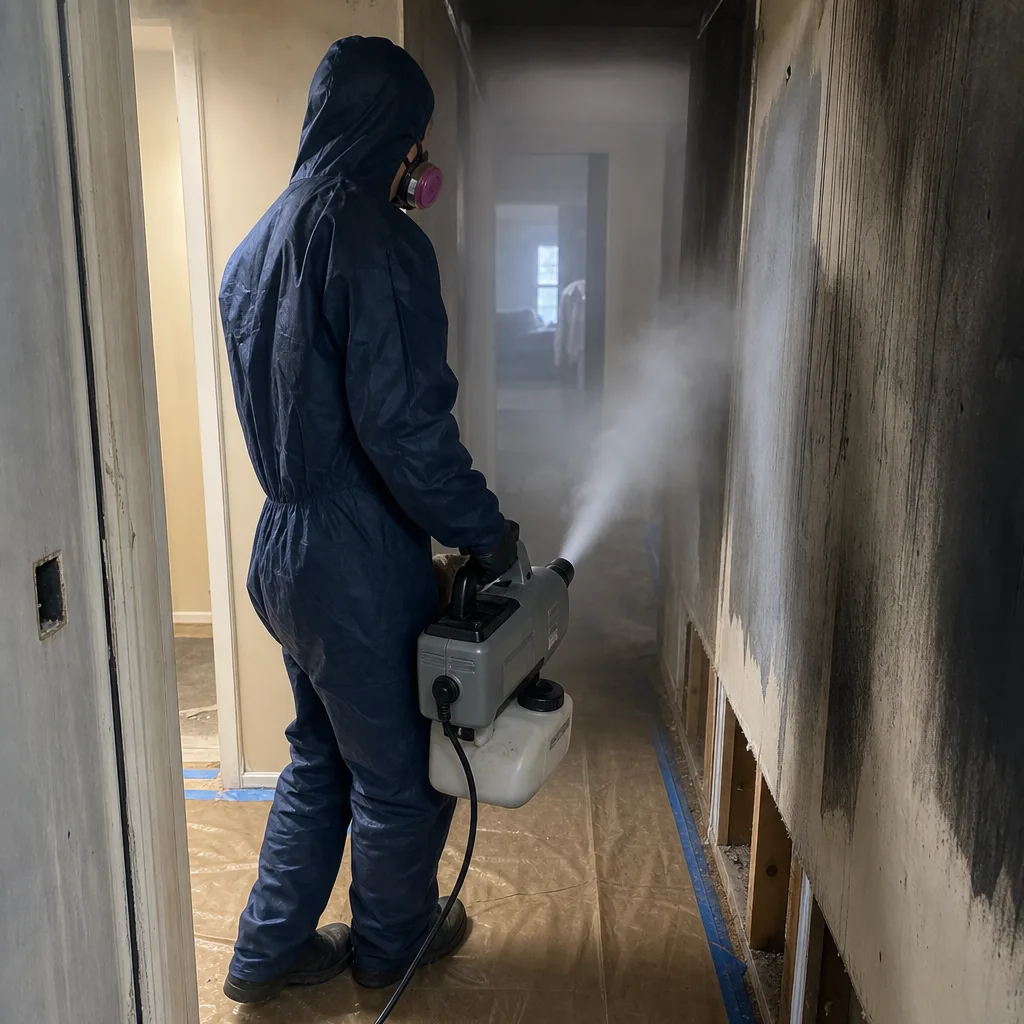
We seal the affected area with 6-mil polyethylene and establish negative air pressure, so spores don’t migrate to living spaces during demolition. If structural materials are compromised, we stabilize before any wall opening begins.
3. Source Removal
We remove mold-contaminated plaster, drywall, insulation, and trim that cannot be salvaged. On 1910s row house walls, that often means opening the original plaster-on-brick assembly to reach cavities that previous remediation attempts left untouched.
4. Cleaning & Air Scrubbing
Remaining structural surfaces get HEPA vacuuming and antimicrobial treatment. Dri-Eaz and Phoenix air scrubbers run until airborne spore counts drop to acceptable levels. We test before, during, and after.
5. Drying & Humidity Control
Professional-grade Dri-Eaz LGR dehumidifiers and XPOWER air movers bring the moisture content of wood and masonry down to the dry standard. We log daily readings and hand you the log at completion. Sunset Park’s dense brick holds moisture for weeks if you let it.
6. Repairs & Rebuild
We rebuild with mold-resistant materials suited to below-grade Brooklyn basements: green board or blue board with mold-resistant primer, sealed floor systems, and where relevant, better drainage or vapor barriers to prevent recurrence.
Need Emergency Mold Remediation in Sunset Park Now?
Crews minutes away, answering live 24 hours a day. The sooner we start, the less it costs.
Working With Your Insurance Company
Mold claims in Sunset Park are weight-bearing paperwork. Carriers ask whether the loss is the original water event or a secondary mold problem, and whether the homeowner failed to mitigate promptly. We’ve handled hundreds of these conversations, and we know what adjusters need. Within the first hour our crew begins photo documentation, room by room, with moisture readings recorded before anything is touched. We produce a line-item scope of work that matches adjuster line items, not contractor shorthand. And we talk to your adjuster directly. You don’t chase anyone.
What We Provide Your Insurer
- Thorough documentation of the loss from first response onward
- Photos of all damage, room by room, including the party wall insides
- Moisture readings and day-by-day drying logs
- A detailed, line-item scope of work before any demolition begins
- Direct coordination with your carrier, including the adjuster call you don’t have to make
Built for Sunset Park’s Loss Calendar
Sunset Park’s mold problems follow a seasonal rhythm. Late summer and early fall bring thunderstorms and the occasional tropical remnant that flood the low-lying blocks west of 3rd Avenue, often requiring Sunset Park Storm & Disaster Restoration. Fall and winter nor’easters push bay water toward Upper New York Bay, and basement flooding becomes a matter of when, not if. January deep freezes burst supply lines in attached rowhouses, and that water runs downhill through shared walls. Spring snowmelt and rain saturate the soil, and foundation seepage into pre-war basements follows. None of these events cause mold by themselves. The mold comes weeks later, often after the flood or leak was “cleaned up” by someone who didn’t map moisture in the walls. That’s the failure mode we see repeatedly in Sunset Park, and it’s why our approach focuses on moisture, not just visible mold.
Mold Remediation Across Sunset Park’s Neighborhoods
The blocks between 4th and 6th Avenues run along the park’s ridge and drain faster, but they share the same 1910s and 1920s rowhouse stock, and pipe failures there migrate laterally just as easily. The brick attached homes stepping down toward 2nd Avenue face the worst flood exposure, especially the basement apartments that sit below the curb line. Those basements take storm surge from the bay, stormwater from uphill, and, on bad days, both at once. The Industry City and Brooklyn Army Terminal corridor near the waterfront has the steepest elevation drop, and we see the deepest floodwater there. Above 5th Avenue, closer to Sunset Park itself, the topography moderates somewhat, but shared walls still mean one unit’s leak becomes the neighbor’s mold bloom within a month. Each pocket of the neighborhood has its own failure pattern, and our crews know them from years of response work here.
Specialized Mold Remediation Services We Offer in Sunset Park
Mold Inspection & Testing
We use thermal imaging, moisture meters, and indoor air sampling to distinguish surface mold from active cavity colonization. In Sunset Park, a visual inspection that doesn’t open a wall or take moisture readings behind plaster is not an inspection. We’ll tell you whether you actually have a mold problem, how deep it goes, and what the remediation scope would look like.
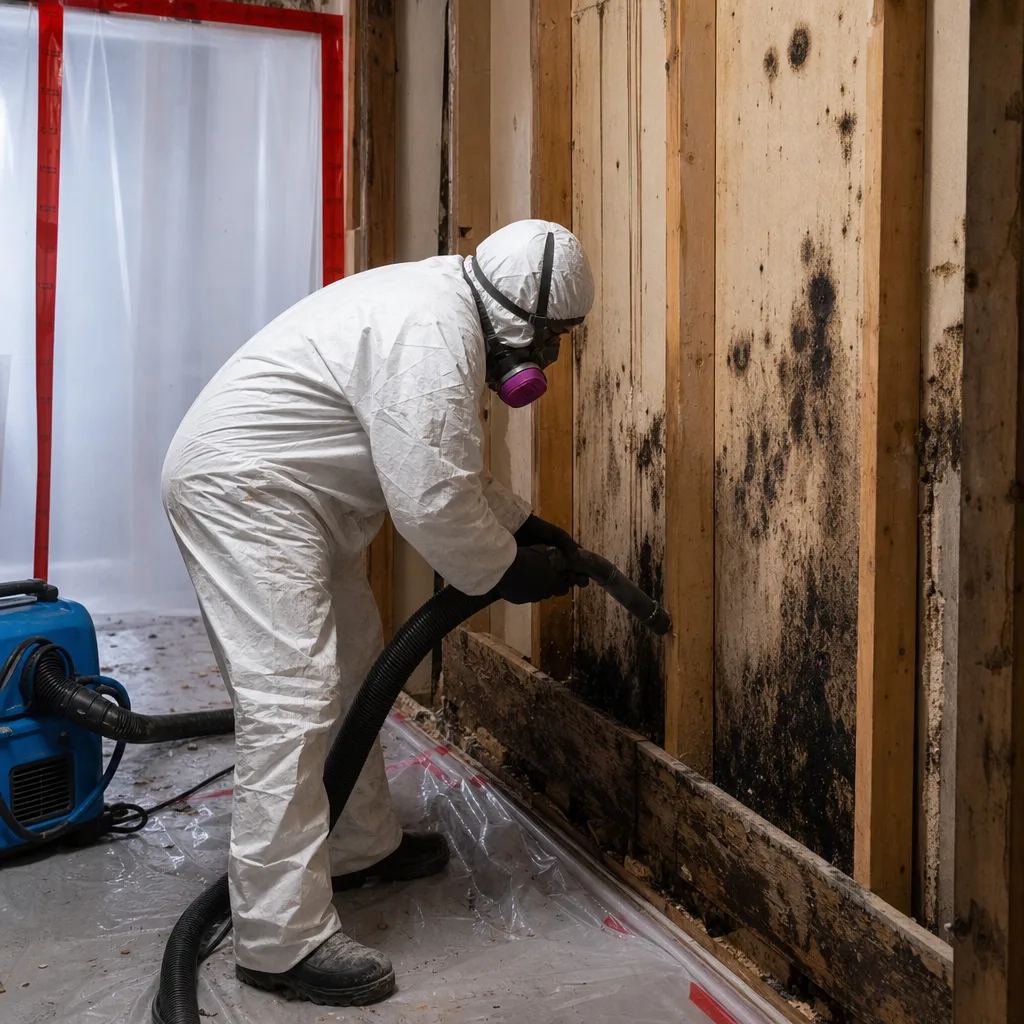
Mold Removal
Remediation in attached Brooklyn rowhouses requires controlled demolition. We remove contaminated plaster, drywall, lath, and insulation while containment keeps spores from spreading, then HEPA-vacuum structural surfaces and run air scrubbers until clearance testing passes. Our job is to leave you with a clean, dry assembly, not just a missing wall.
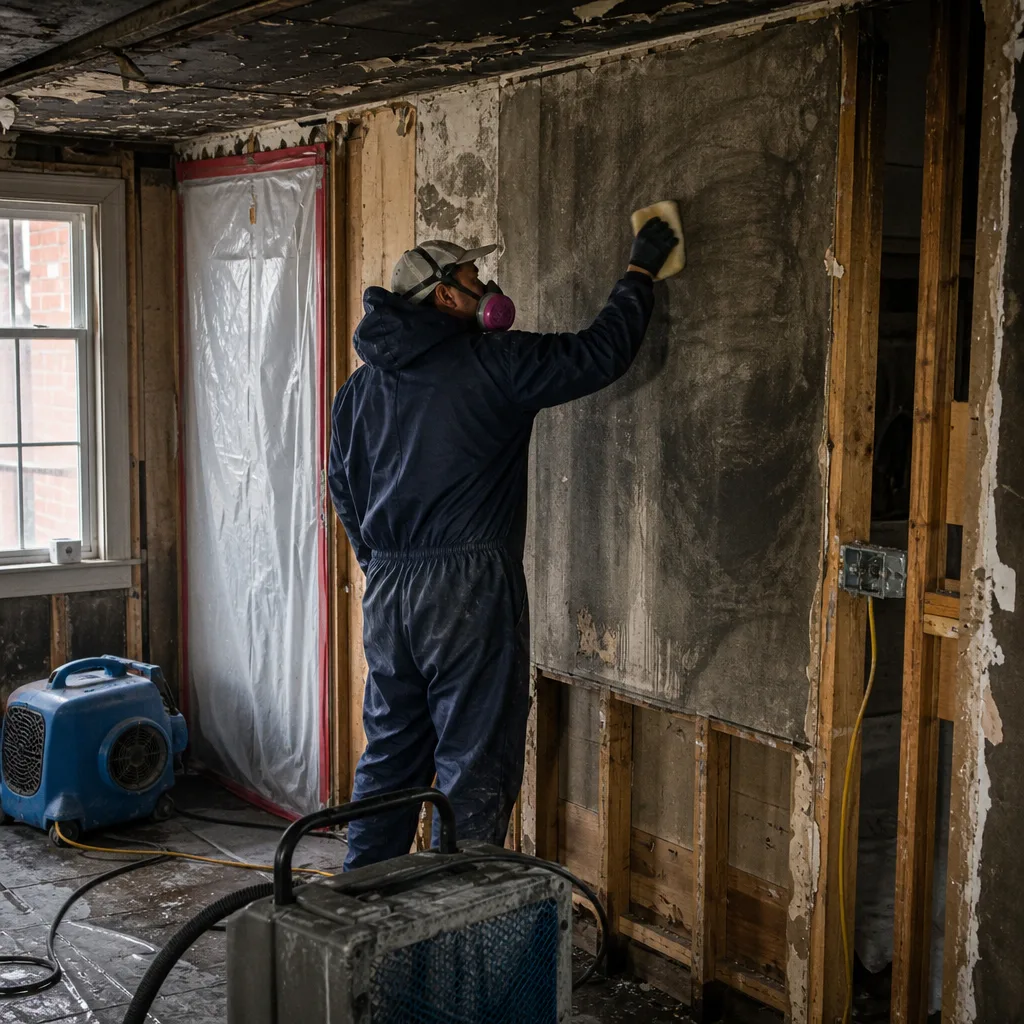
Black Mold Remediation
Stachybotrys and other toxigenic molds thrive in the persistent damp behind Sunset Park’s plaster walls. Biohazard & Crime Scene Cleanup - Sunset Park protocols inform our black mold remediation here, which means treating category 3 contamination with full containment and proper PPE, removing the moisture source, and then rebuilding so the wall can dry in both directions. Cleaning the visible surface without addressing the cavity behind it is a repeat job waiting to happen.
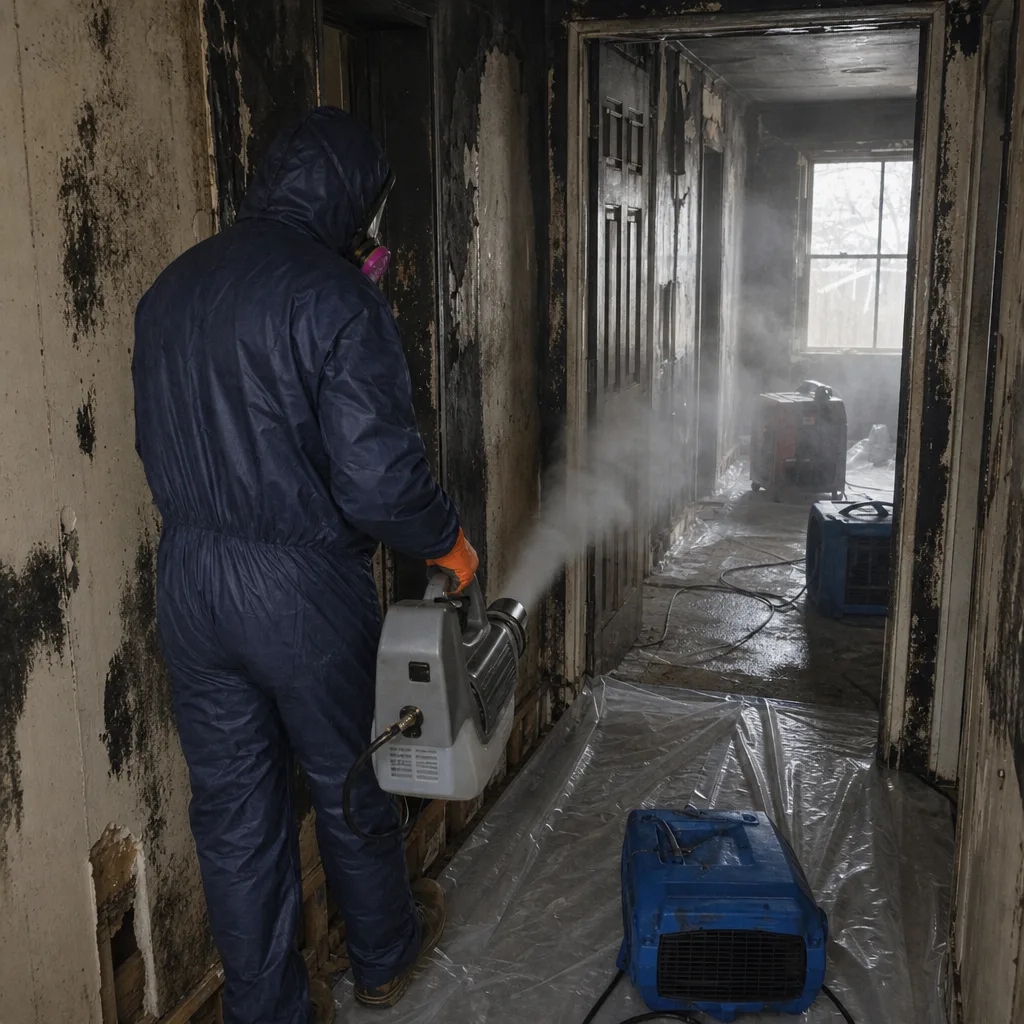
Air Quality Restoration
After mold removal, the air inside a Sunset Park rowhouse carries spore loads you can’t see. We run HEPA air scrubbers and negative air machines, then test before and after to confirm spore counts have normalized. We hand you the test results, which matters when your insurance adjuster asks what was actually done.
Crawl Space Treatment
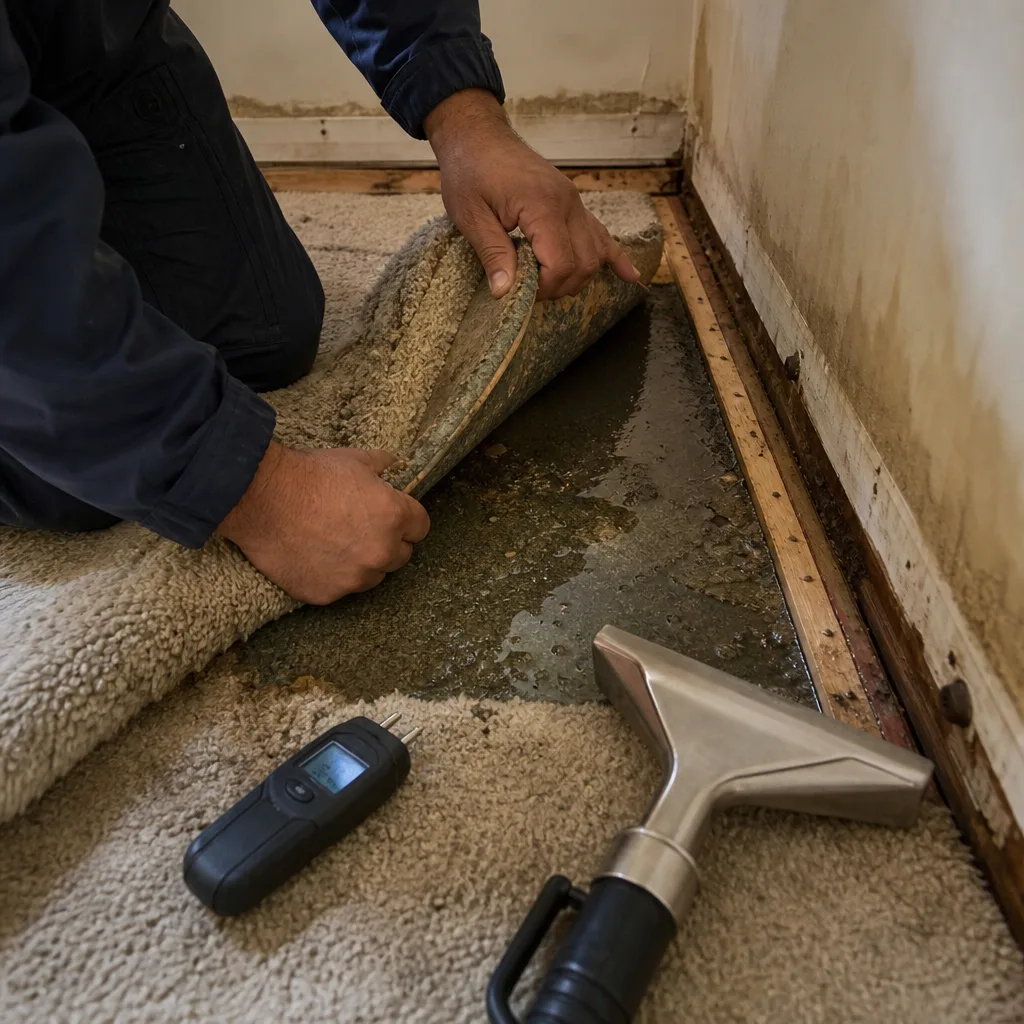
Some Sunset Park basements sit just above a dirt or rubble crawl space that holds moisture every season. We inspect, dry, treat, and where necessary encapsulate those crawl spaces to stop the moisture source feeding mold in the floor assembly above. This is prevention, not just remediation.
What happens when you call
- 1
A real person answersNo phone trees - you reach a local pro.
- 2
You get an upfront price rangeHonest numbers before anyone is dispatched.
- 3
A background-checked tech heads outLicensed & insured, dispatched right away.
- 4
You approve before work beginsNothing starts until you say go.
Mold Remediation Costs in Sunset Park, NY
A modest surface mold cleanup on painted brick in Sunset Park runs $800-$1,800. Opening a 1910s plaster wall to dry and treat a cavity runs $2,200-$4,500 per room depending on depth and whether shared wall work is involved. A full basement mold remediation with category 3 contamination, structural drying, and rebuild typically lands at $4,500-$8,500 for this neighborhood. What moves the price: how much of the original plaster-on-brick has to come out, whether lead paint or asbestos abatement is triggered, and how many days of drying the assembly needs before rebuild can begin. We’ll give you a written line-item scope after the free visual inspection, before any work starts. That’s how a square deal works.
We Also Serve Cities Near Sunset Park
We respond throughout the southern Brooklyn waterfront and the Staten Island side too. Our crews serve Mold Remediation needs in Midland Beach, New Springville, Oakwood, and Travis – Chelsea, with the same live dispatch and the same 90-Day Done Right Promise. If you’re in Sunset Park, call us first. If you’re nearby, call us anyway.
Sunset Park Mold Remediation Questions, Answered
Why does mold keep returning in my Sunset Park rowhouse basement even after remediation?
Because the moisture source was never actually eliminated. In Sunset Park, the usual culprit is water trapped inside shared party walls or behind original plaster-on-brick assemblies that was never dried thoroughly after a flood or leak. Surface cleaning that doesn’t remove saturated material and dry the cavity means the mold colony resurfaces months later. Our remediation includes moisture mapping, source removal, structural drying, and moisture logging until the dry standard is met.
Is mold from hurricane or nor’easter flooding in Sunset Park considered Category 3 water?
Yes. Floodwater from storm surge or sewer backup is category 3 by definition: grossly contaminated. Sewage Cleanup in Sunset Park addresses this contamination directly. Any porous material that absorbed category 3 water and was not removed and properly dried should be treated as contaminated. That includes plaster, drywall, lath, insulation, and any wood framing that stayed wet. Drying alone is not enough for category 3 exposure.
How fast does mold start growing in a flooded Sunset Park basement?
Mold spores begin to germinate within 24 to 48 hours in a warm, damp basement environment. Sunset Park basements in pre-war brick buildings hold humidity well, which accelerates growth. Unless you remove standing water, open walls to dry the cavities, and run professional dehumidification within the first two days, you’ve likely got active mold growth starting behind the plaster.
Do you need to open up 1910s plaster walls to check for mold after a flood?
In most cases, yes. Plaster-on-brick assemblies from this era don’t dry naturally. The brick absorbs water and holds it against the plaster and lath for months. You can’t see or treat mold inside that cavity without opening the wall, removing the contaminated material, drying the masonry, and then rebuilding. Surface inspection alone misses the problem that ultimately causes recurrence.
What’s different about mold remediation in Sunset Park versus inland Brooklyn neighborhoods?
Three things. First, the flood-zone geography west of 3rd Avenue means storm surge and nor’easter flooding are recurring, not one-off. Second, the dense pre-war brick attached rowhouse stock means shared party walls transmit moisture laterally between units. Third, post-Sandy remediation in this neighborhood often skipped proper drying of plaster cavities, leaving chronic hidden mold problems that surface years later. These conditions require a remediation approach that maps moisture in walls, not just on floors.
How long does mold remediation take in a typical Sunset Park rowhouse basement?
Most single-room basement remediations in Sunset Park take 3 to 7 days from containment to final rebuild. Larger jobs with multiple rooms, shared wall involvement, or lead and asbestos abatement can run 10 to 14 days. The drying phase alone often takes 4 to 6 days because brick assemblies release moisture slowly. We’ll give you a written timeline as part of the scope.
Can we stay in our home during mold remediation?
That depends on the size and location of the mold. Small contained jobs in one basement or one room usually allow you to stay in the rest of the house, because we run negative air and seal the work area. Larger toxic mold remediations, especially those involving black mold behind multiple walls, may warrant temporary relocation. We’ll tell you honestly at the inspection.
What should I do in the first 30 minutes after discovering mold in my Sunset Park home?
Don’t disturb it. Don’t wipe it, don’t spray bleach on it, and don’t run a fan near it. Disturbing mold releases spores into the air and pushes them into other rooms. Close the door to the affected area, turn off any HVAC running in that room, and call us at (640) 400-9404 for a free visual inspection. Document with photos if you can do so without disturbing the material, and start a written record. Then let a certified crew take it from there.
What Makes Sunset Park’s Mold Problems Different
Sunset Park’s western residential blocks descend sharply from the park’s ridge toward Upper New York Bay, and they sit inside FEMA-revised flood zones that took direct storm surge during Hurricane Sandy. The dense stock of early-20th-century brick rowhouses stepping down toward the 2nd Avenue industrial waterfront harbors basement-level units that flood from both coastal surge and aging infrastructure failures. After Sandy, many of these buildings were remediated quickly, and a lot of that work skipped the hard part: drying the plaster-on-brick wall cavities. The dense masonry held moisture for months. Mold colonies re-established inside inaccessible cavities. What looks like a fresh moisture job in Sunset Park is often the third iteration of the same 2012 water intrusion event.
We recently remediated a basement apartment on 44th Street near 2nd Avenue where moisture readings behind original plaster walls still spiked at 28% moisture content nearly a decade after Sandy. Our crew contained the space, opened the 1910s plaster-on-brick assembly, and found category 3 contamination from repeated storm surge that had wicked up through the shared party wall. We removed the compromised material, ran structural drying with Dri-Eaz LGR dehumidifiers and air movers for six days, then applied antimicrobial treatment before rebuilding to pre-loss condition. That’s the pattern we see across this neighborhood. It’s why our moisture mapping starts on day one and doesn’t stop until the logs prove the dry standard is met.
The coastal environment compounds everything. Salt air carries moisture into below-grade spaces, and the humidity level in Sunset Park basements rarely drops below 60% without mechanical drying. That’s a mold-friendly environment even before you add storm water. Shared party walls, brick foundations, and near-constant humidity mean Sunset Park mold problems don’t resolve themselves. They get worse until somebody opens the wall and fixes the moisture source.
Serving Sunset Park, NY - Our Local Coverage Area
We’re based in the Sunset Park area and know this community well. Use the map below to see our service coverage - if you’re nearby, we can almost certainly help.
Call Floodline Restoration Co. for Mold Remediation in Sunset Park
If you’ve got mold, suspect mold, or just had a flood and don’t want mold six weeks from now, call (640) 400-9404. We answer live, 24 hours a day, and we’ll send a certified crew to your Sunset Park address within 45 minutes. The visual inspection is free, and the written scope you get includes a line-item breakdown and the 90-Day Done Right Promise in writing. No surprises on the bill. No handoff to a different crew mid-job. No arguing about what the guarantee covers. One team, from first assessment to finished rebuild, standing behind the work.
Written by Curt Bowman, Owner at Floodline Restoration Co., serving Mold Remediation in Sunset Park with live 24/7 dispatch and the 90-Day Done Right Promise.