
Last updated August 25, 2026
Free visual inspection and a written scope of work before any mitigation begins - photos, moisture readings, and drying logs go in your claim file
The scope we write is the scope we bill. Anything new gets shown to you, in writing, before we touch it.



 Before
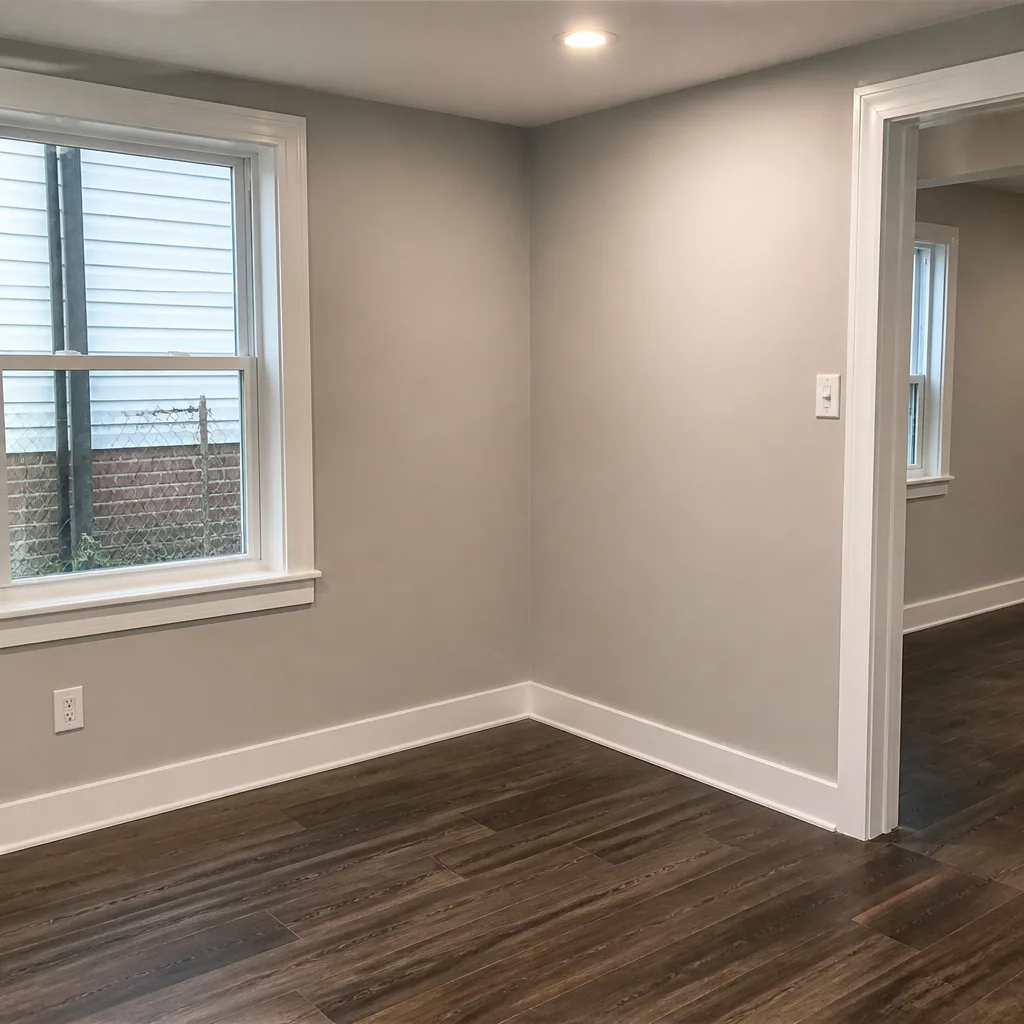 After
After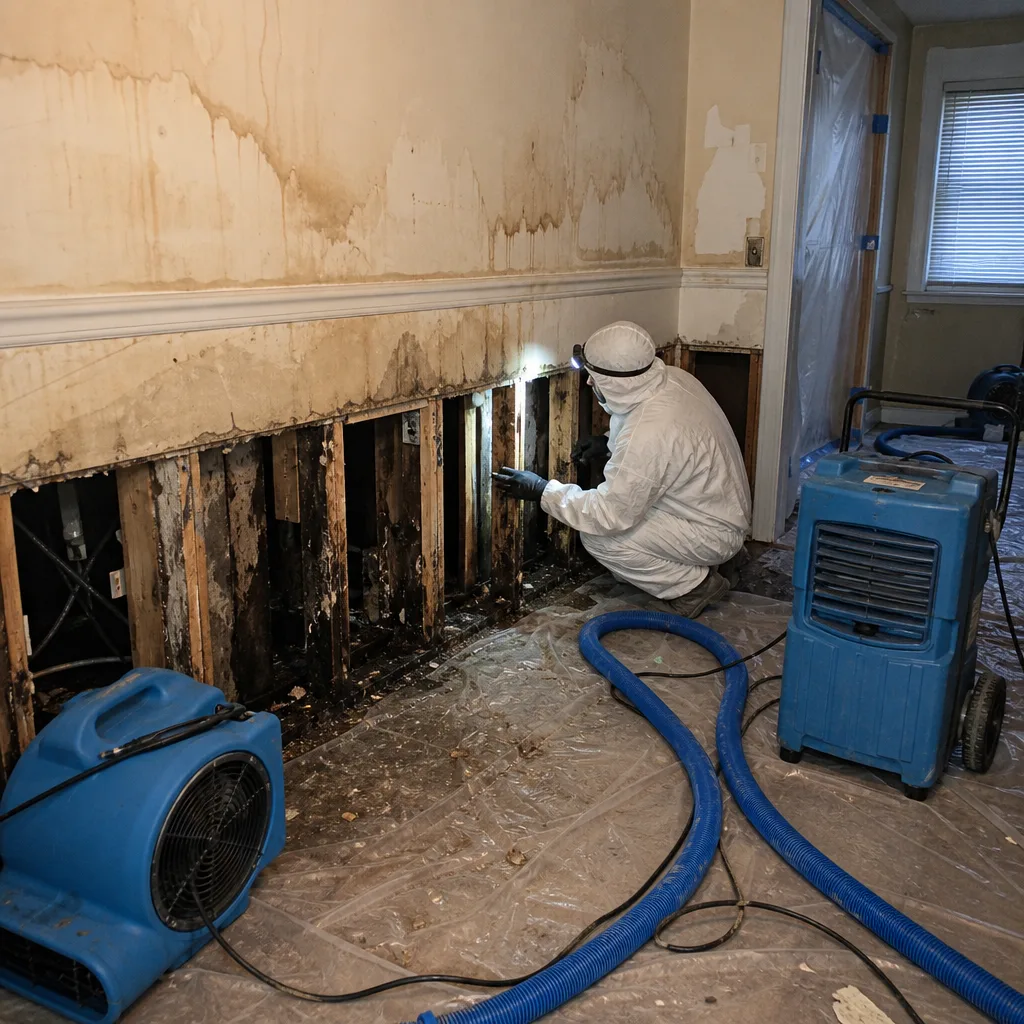 Before
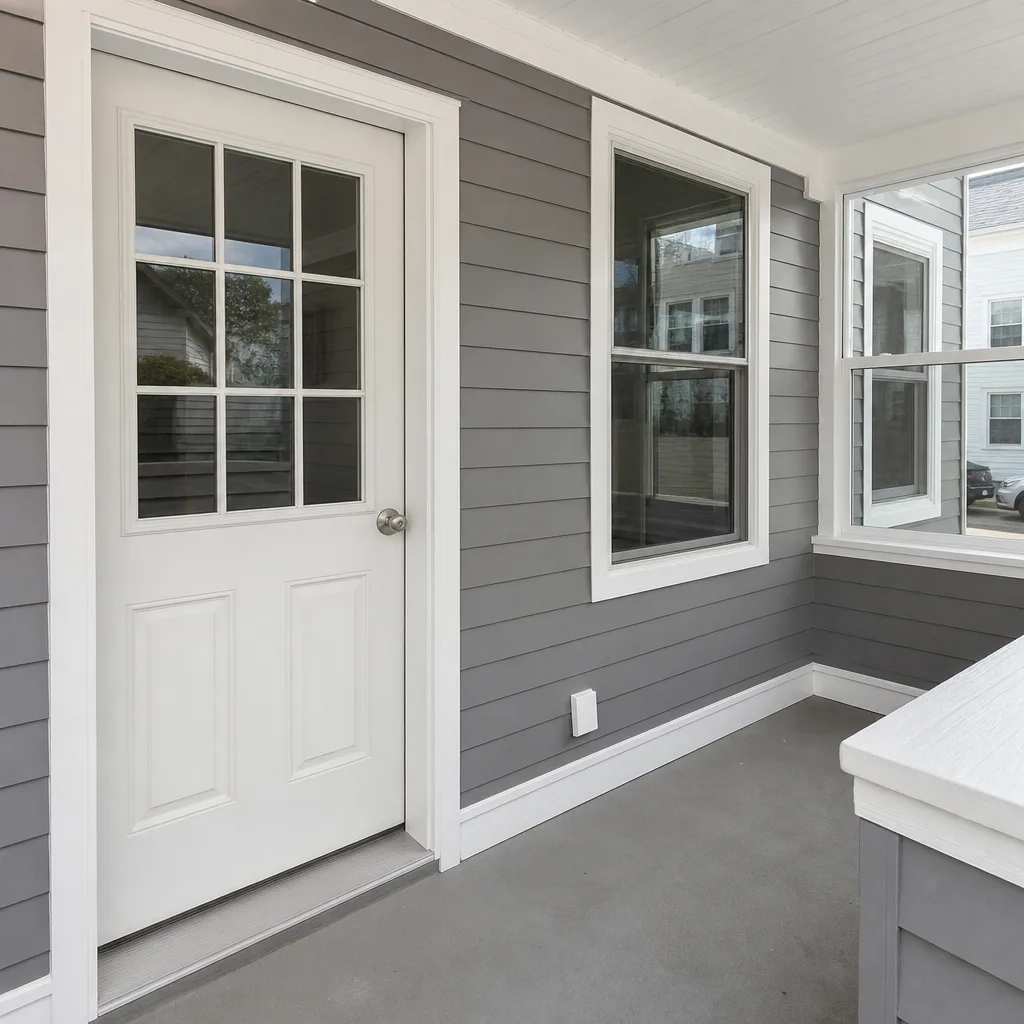 After
After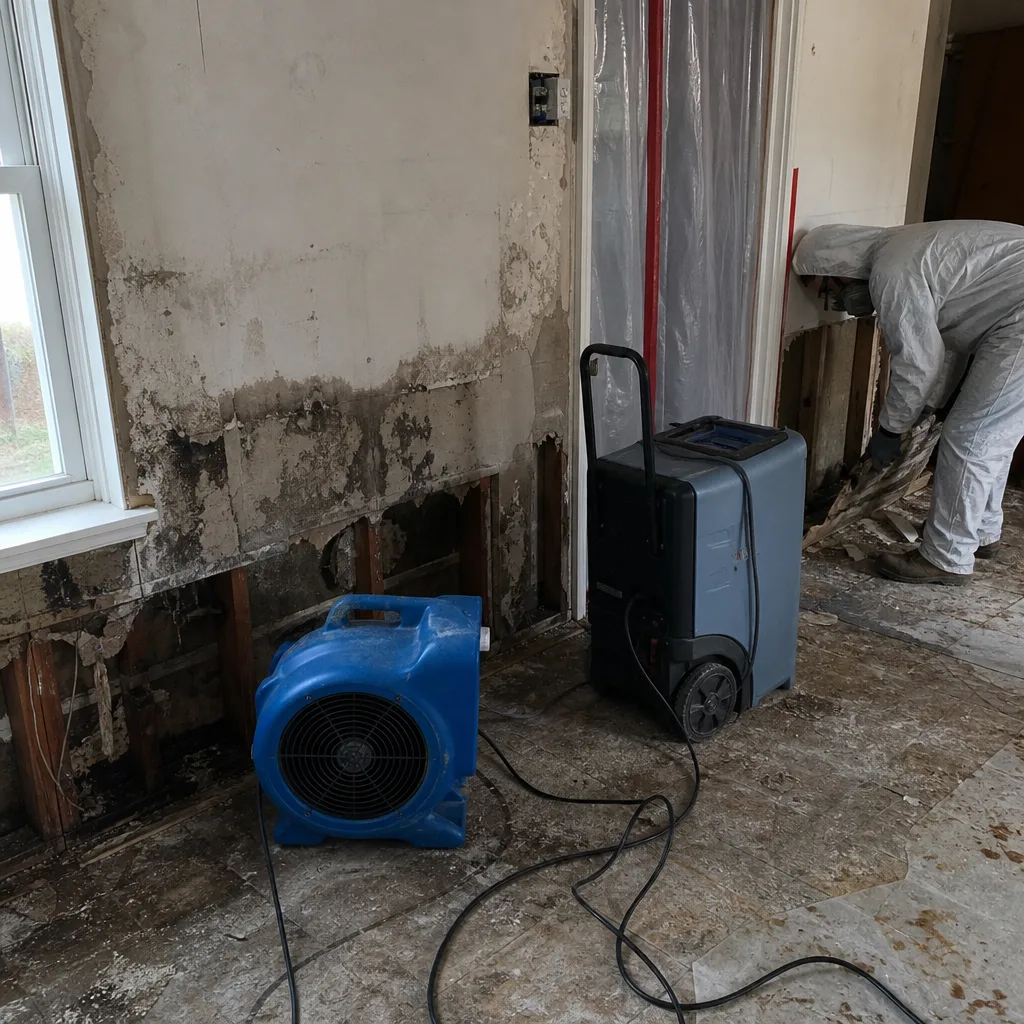 Before
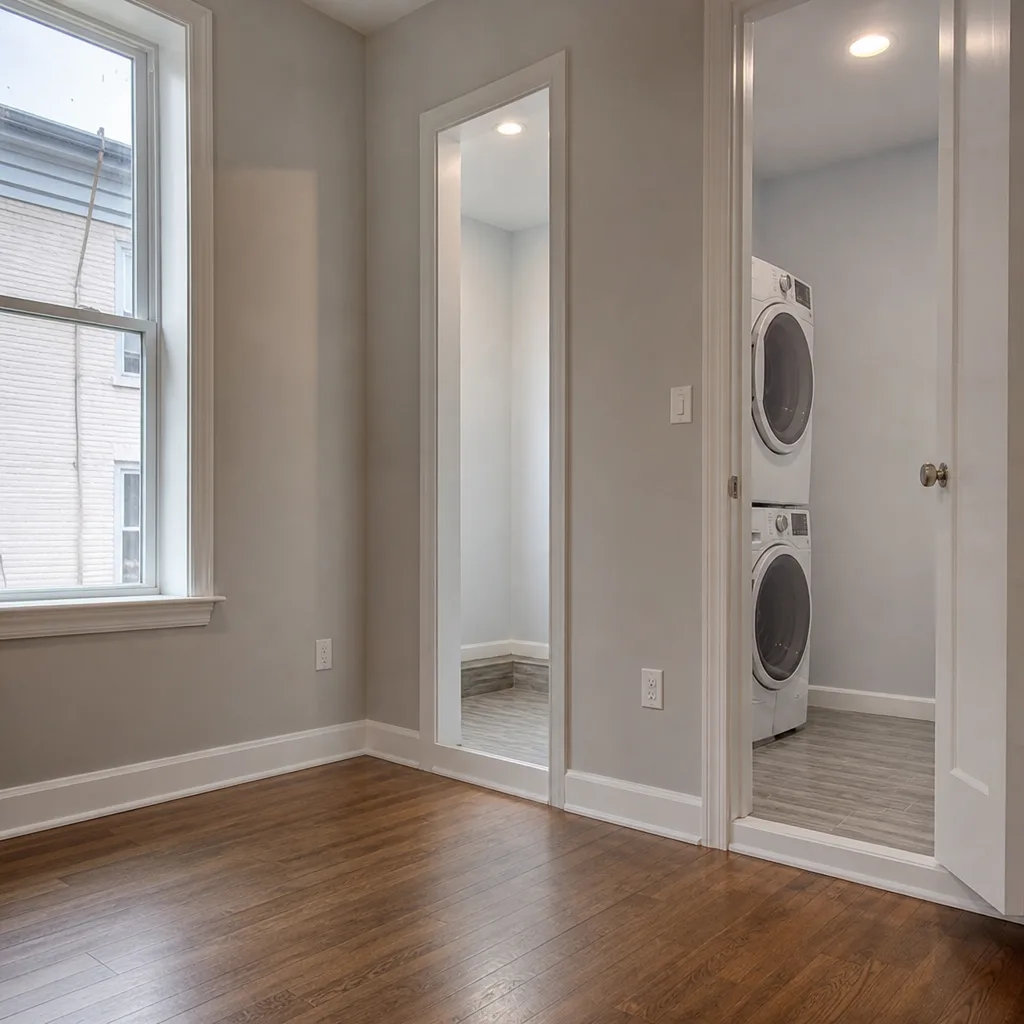 After
AfterHow to Hire a Damage Restoration Contractor in Jersey City: A Step-by-Step Guide
Most homeowners in Jersey City will only hire a damage restoration contractor once or twice in a lifetime, and the decision almost always happens under pressure. A pipe bursts at 3 a.m. A nor’easter pushes the Hackensack or Hudson over its banks and into basements in Greenville and the Heights. Smoke spreads through a brownstone on Hamilton Park before the fire trucks even leave. The clock is running, the water is still moving, and the person you choose in the next thirty minutes determines whether your house dries out properly or grows a mold problem six months from now. This guide walks through exactly how to evaluate a contractor in Hudson County, what questions to ask, what to watch for, and how to hold the company accountable long after the check clears. We’ve been doing this work in Jersey City since 2010, and we’ve seen the full range: homeowners who got it right and homeowners who paid twice because someone cut a corner on day one.
Quick Answer
To hire a damage restoration contractor in Jersey City, confirm the company handles the full cycle from water extraction through reconstruction, verify certifications and insurance in writing, ask whether they bill your carrier directly, and get every guarantee on paper before the crew walks in. The right contractor answers the phone with a live person at any hour, uses professional-grade drying equipment with daily moisture readings, and puts the final scope and the guarantee in writing without you having to chase anyone for it.
Table of Contents
- Step 1: Start Before the Emergency Happens
- Step 2: Verify Licensing, Insurance, and Certifications
- Step 3: The 9 Questions to Ask Before You Sign Anything
- Step 4: Get a Written Scope and a Real Price Before Work Begins
- Step 5: Understand How Insurance Billing Actually Works in Jersey City
- Step 6: What a Proper Restoration Job Should Look Like Day by Day
- Step 7: Guarantees, Warranties, and What They Mean in Practice
- Common Mistakes to Avoid
- When to Call a Professional
- Frequently Asked Questions
- The Bottom Line
Step 1: Start Before the Emergency Happens
Waiting until the water is ankle-deep to start researching contractors is how Jersey City homeowners end up overpaying and underserviced. The truth is that most damage restoration decisions happen within the first hour of discovering the problem, and the difference between a contractor who shows up prepared and one who shows up just to hand you a bill often comes down to whether the homeowner had a name in the drawer before the pipe let go.
In Jersey City, the housing stock matters. Our building mix includes pre-war brownstones, mid-century brick apartment buildings, post-Sandy raised homes, and a lot of new construction where waterproofing was an afterthought. A house in Bergen-Lafayette with a stone foundation handles water very differently than a slab-on-grade build in Newport. A contractor who knows the difference before opening the wall is worth more than one who figures it out after the first round of drying stalls. We start every job at the floodline: the mark the water left on the wall. It tells a story about where the water came from, how long it sat, and what got wet behind the drywall that you can’t see from the outside.
Write down a shortlist before the storm season hits. Hudson County gets its worst water events in late summer and fall, with hurricane season peaking in September, but we run basement extractions year-round because of the age of the plumbing systems in older Jersey City homes. A cast iron waste line in a 90-year-old brownstone is not a matter of if, it’s a matter of when. When that line lets go, you want a number you can call at 2 a.m. and get a live dispatcher, not a voicemail that promises a callback within one business day.
Step 2: Verify Licensing, Insurance, and Certifications
Any legitimate restoration contractor operating in Jersey City should be able to produce three documents without hesitation: state registration or licensing where applicable in New Jersey, general liability insurance, and workers’ compensation coverage. If a company stumbles on any of these three, that is the end of the conversation. A crew that gets hurt working in your house without workers’ comp is your liability. A company that can’t show you an insurance certificate is a company you cannot hold accountable when something goes wrong.
Certifications are a separate layer, and they matter more in restoration than in most trades. The water extraction business is not interchangeable with general contracting. Look for technicians certified to IICRC standards, which means they have been trained and tested on the science of drying: psychrometry, moisture mapping, and the dry standard that must be met before any rebuild work starts. Some companies also train to RIA and IFA standards, which add forensic restoration and insurance-appraisal expertise to the mix. The certifications are not wallpaper. They mean the person holding the moisture meter actually knows how to read it, and that the daily log you get at the end of the job is a real engineering document, not a piece of paper with numbers typed on it.
Ask to see the certifications for the specific crew that will be on your job. Some companies sell you on certified management and then send uncertified day laborers into the house. That defeats the purpose. The Floodline Restoration Co. home page outlines our approach, but the short version is this: background-checked, uniformed technicians on every job, trained to IICRC, RIA, and IFA standards. You should expect the same from any company you interview, and you should ask to confirm it in writing before the first truck pulls up.
Step 3: The 9 Questions to Ask Before You Sign Anything
You have fifteen minutes on the phone. You don’t need to understand everything about structural drying to ask the right questions. You just need to know what the answers reveal. Here are the nine questions we would want answered if we were hiring someone to work on our own house:
- Who answers the phone at 2 a.m.? A live person or a recording? In Jersey City, water damage doesn’t wait for business hours, and neither should dispatch. We maintain live dispatch around the clock, every day. If you call at 3 a.m. and get a machine, keep dialing other numbers.
- Does one crew handle the entire job from extraction to rebuild? Or is the company going to hand you off to a subcontractor once the drying is done? Handoffs are where homeowners lose the thread, lose money, and end up playing messenger between three different companies. Full-cycle means the same certified crew reads the moisture map on day one, handles daily readings, and rebuilds what needs rebuilding.
- Who bills the insurance carrier? If the answer is “you do,” that’s a red flag. Direct insurance billing means the restoration company talks to the adjuster, submits the documentation, and argues the line items. You have enough to deal with.
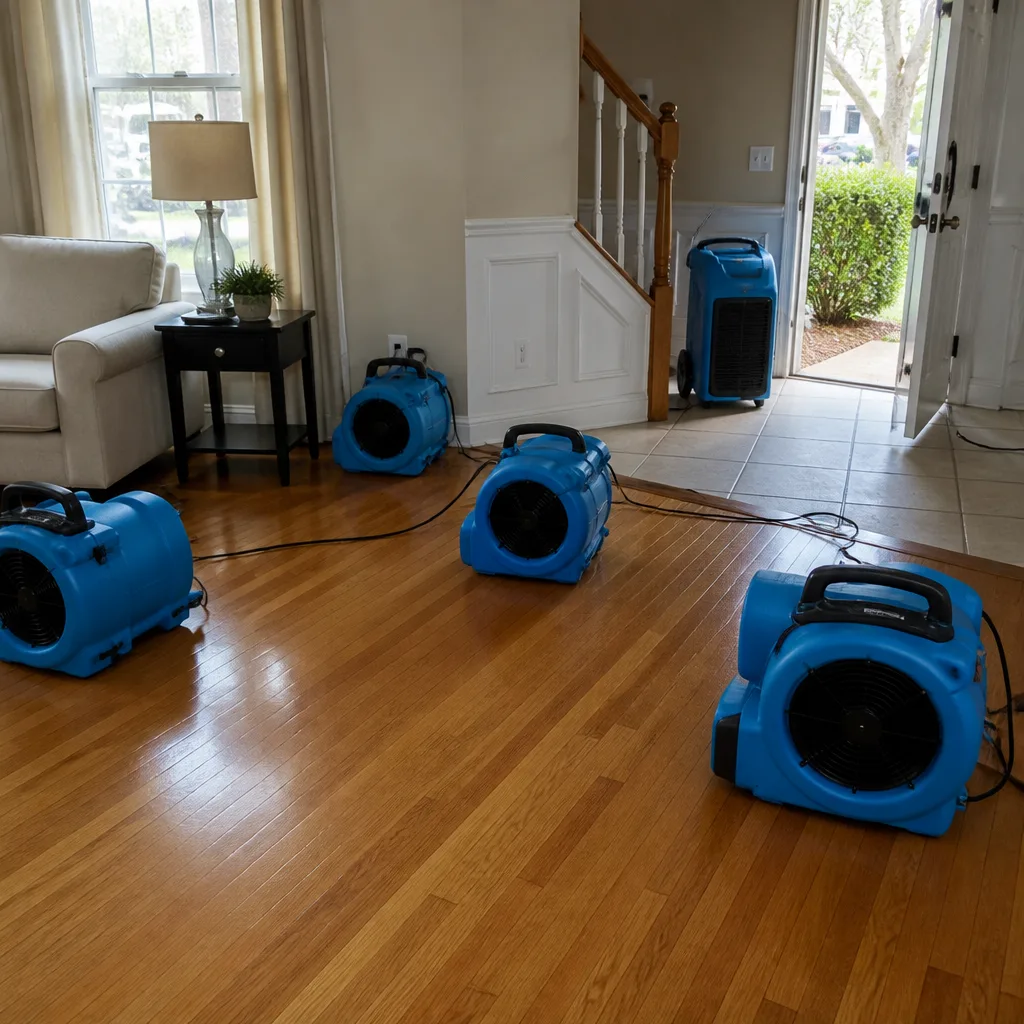
- What equipment are you bringing? Listen for real brand names. Professional-grade drying equipment from Dri-Eaz, Phoenix, XPOWER, B-Air, and Injectidry is the standard. If the answer is vague, hang up. Box fans and a rented dehumidifier from the hardware store are not restoration.
- How do you know when the structure is dry? The correct answer involves daily moisture readings and a documented dry standard. The wrong answer is “it feels dry to me.” We hand every client a moisture log. If the company won’t commit to one in writing, the drying is guesswork.
- What’s your guarantee? And is it in writing? If the guarantee is verbal, it does not exist. Ours is the 90-Day Done Right Promise, the Keystone Standard: if it’s not done right, we make it right, in writing, with no paperwork battles and no arguing.
- Are the technicians background-checked and uniformed? This sounds like a nicety, but it’s actually a trust signal. A company that sends background-checked, uniformed people into your home has systems in place. A company that sends whoever answered the phone has no systems at all.
- What’s the price structure? Upfront pricing with no surprises on the bill, or a time-and-materials arrangement that can balloon? Ask for a written scope before work starts. A square deal means the number on the estimate is the number you pay unless the scope changes, and if it changes, you approve it in writing first.
- Do you handle the full Jersey City permitting process? For any rebuild work that requires city permits, the contractor should handle it. A restoration company that tells you to pull your own permits is a company that doesn’t plan to be in town long enough to stand behind the work.
Step 4: Get a Written Scope and a Real Price Before Work Begins
The single best protection a Jersey City homeowner has against being oversold is a written scope of work agreed to before the first tool comes out of the truck. Everything else flows from that document. If the scope is vague, the price is an estimate, not a quote. If the scope is specific, you can hold the contractor to it line by line.
Here’s what a real scope should include:
- The exact rooms and surfaces affected, with square footage where relevant
- The specific equipment being deployed and where it will be placed
- The drying plan, including target moisture levels and the daily monitoring schedule
- What gets removed, what gets cleaned and saved, and what gets replaced
- Line-item pricing for extraction, drying, demolition, materials, and rebuild
- The project timeline, including milestones for dry-in and rebuild start
- Permit responsibility and who pulls them
- The guarantee, written out in full, with the term and what happens if something fails
If a contractor resists putting any of this in writing, walk away. We’ve heard every excuse: “It’s hard to know until we open the wall,” “We’ll figure it out as we go,” “Trust me, we’ll take care of you.” A real restoration company opens the wall, updates the scope in writing, and gets your sign-off before adding a dollar. That’s how we work, and it’s what protects you from the contractor who promises a small job and then presents a bill three times the original number once the wall cavity is exposed.
Step 5: Understand How Insurance Billing Actually Works in Jersey City
Insurance is always in the room, even when nobody says the word. Most Jersey City homeowners are filing a claim when a water line breaks or a storm floods the basement, and the restoration contractor you hire becomes, in practice, your insurance agent’s point of contact. That relationship matters more than most people realize.
Here’s what should happen. You call your carrier. You call your contractor. The contractor arrives, documents everything with photos, takes moisture readings, and produces a detailed scope with line-item pricing. That scope goes to the adjuster. The adjuster reviews it, maybe pushes back on a few items, and the contractor handles that negotiation directly. When the work is done, the contractor bills the carrier directly. You pay your deductible. That’s it.
What actually happens with the wrong contractor is this: you get handed an estimate, you’re told to submit it to your insurance company yourself, and now you’re playing messenger between an adjuster who has never met you and a contractor who has already moved on to the next job. The claim stalls, the paperwork piles up, and the water that was extracted on day one has now been sitting in your wall cavity for a week while everyone argues about the dry-out line item.
Direct insurance billing is not a luxury. It’s the only way to keep the claim moving without you becoming a full-time administrator. Every restoration company we’ve competed with in Jersey City at some point confesses to the same weak spot: they hand the insurance paperwork back to the homeowner and disappear. We built our company around not doing that.
Step 6: What a Proper Restoration Job Should Look Like Day by Day
Most homeowners have no frame of reference for what a professional restoration looks like because they’ve never seen one. Here’s the day-by-day shape of a job done right, based on how we run every water extraction in Jersey City, whether it’s a burst pipe in a Paulus Hook high-rise or a sump pump failure in a Greenville single-family:
Day 1: Extraction
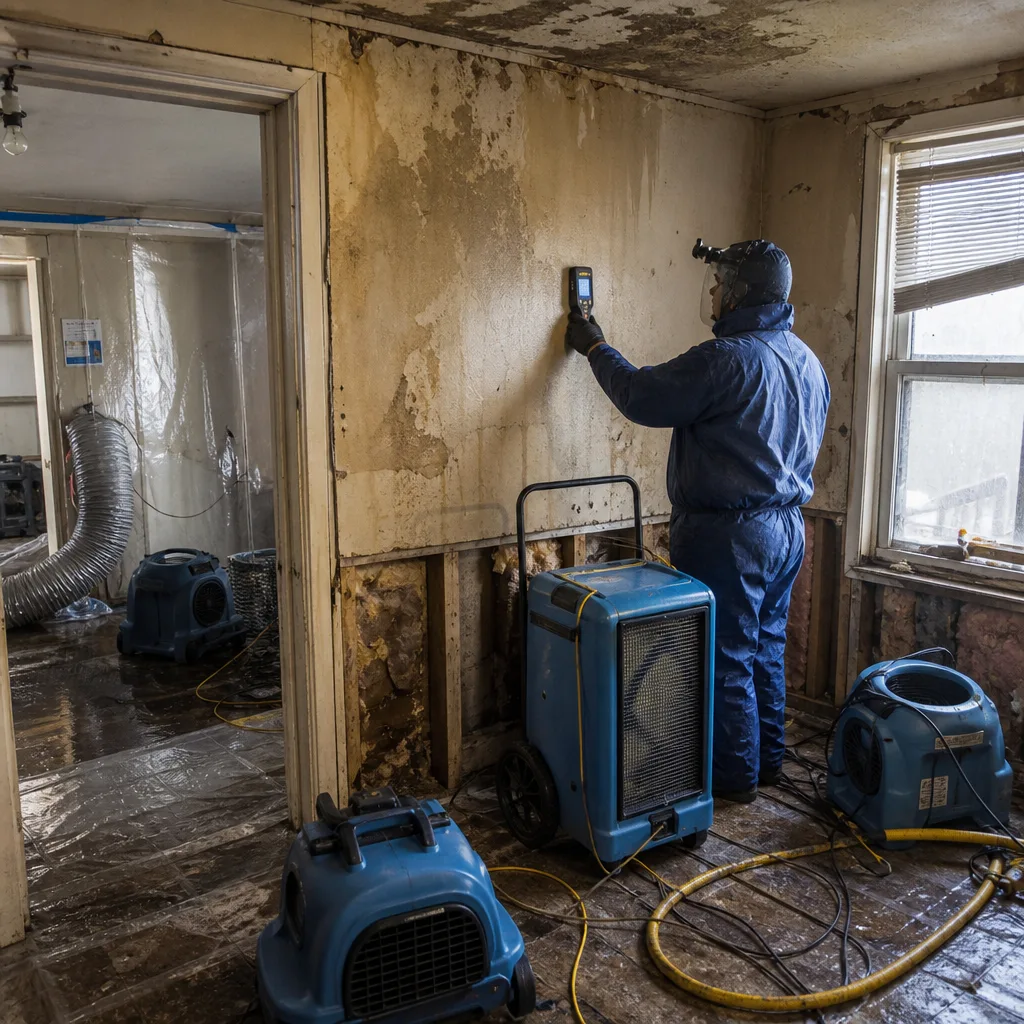
The crew arrives, maps the affected area with moisture meters and thermal imaging, extracts standing water with truck-mounted equipment, and sets up the drying system. That system includes professional-grade Dri-Eaz dehumidifiers, high-velocity air movers, and, where needed, an Injectidry system for wall cavities and under hardwood floors. The first moisture readings are logged. If we can shoot for a dry standard of 6-9% on structural wood in a Jersey City basement, that’s the target.
Days 2-5: Daily Monitoring
The same crew that set the system returns daily to take readings, adjust equipment placement, and log the numbers. You get a copy of that log, so does your carrier. No guesswork. When the structure meets the dry standard, we move to the next phase. If it doesn’t meet the standard after three or four days, we investigate: a missed water pocket, a hidden cavity, a saturated sill plate behind the basement finish. That investigation is the difference between a dry house and a hidden mold problem.
Days 5-14: Rebuild Scope and Approval
The damaged materials that can’t be saved are removed: drywall, baseboard, insulation, sometimes flooring. We write the rebuild scope, price it line by line, submit it to your adjuster, and get your sign-off in writing before any reconstruction begins. In some cases, mold remediation is necessary first; Jersey City’s older homes with high humidity and poorly ventilated basements create conditions where mold takes hold fast if the drying wasn’t aggressive enough.
Week 2 Onward: Reconstruction
Rebuild happens on a schedule agreed in writing. New drywall, taping, priming, paint, flooring, trim. When it’s done, we do a final walkthrough and hand you the 90-Day Done Right Promise in writing. If anything isn’t right within 90 days, we make it right, no arguing.
Step 7: Guarantees, Warranties, and What They Mean in Practice
Every contractor will tell you they stand behind their work. Very few will tell you for how long, in writing, and what happens if you call to collect. That’s the test.
Our standard is the 90-Day Done Right Promise, known internally as the Keystone Standard because it’s the stone that holds the arch. It’s tied to a values code: Krafted right, Every time, Your home first, Standing behind it. In practice, that means if a seam opens up, a patch fails, or a piece of trim warps within 90 days of the job being finished, we fix it. No paperwork battles, no arguing about whether it was our fault. We make it right.
A guarantee without a time frame is not a guarantee. A guarantee with a punitive claim process is not a guarantee. Ask any Jersey City contractor you’re interviewing these exact questions: “What’s the term of your guarantee? What’s excluded? Who decides whether something is covered? How do I initiate a claim?” If they can’t answer all four without hedging, you have your answer. We’ve built a 42-year reputation across local communities on being the company that answers all four questions in one sentence and puts it in writing.
Common Mistakes to Avoid
- Hiring the first company that shows up in a Google ad. Desperation is not a qualification. Take one extra hour to make three calls and ask the nine questions. The water that’s still wet in hour two will still be wet in hour three, and you’ll have made a better decision.
- Using a restoration company that only does extraction. A company that extracts and dries but doesn’t rebuild means you’ll find another contractor for the reconstruction. Now you’re managing two crews, two schedules, and two invoices, and each one can blame the other when something goes wrong.
- Accepting a verbal guarantee. If it isn’t in writing, it didn’t happen. In Hudson County, we’ve seen every verbal guarantee imaginable break down the moment a problem surfaces. Get it on paper or get another contractor.
- Letting a contractor skip the moisture log. The daily log is the only evidence that the structure actually dried to standard. Without it, you have no proof the job was done right, and your insurance company has no documentation to support the dry-out portion of the claim.
- Ignoring Jersey City’s specific basement vulnerability. Homes built before 1980 in neighborhoods like The Heights and Journal Square often have fieldstone foundations that breathe groundwater. A contractor who doesn’t account for that may dry the space and miss the ongoing hydrostatic pressure that caused the problem in the first place.
- Choosing on price alone. The cheapest bid in Jersey City is often the one that skips line items, uses residential-grade equipment, or hands the rebuild to a sub. You’ll pay the difference on the back end, usually with interest.
- Not asking who bills the insurance company. If the answer is “you,” add hundreds of hours of your own life to the cost of the job. Direct billing is standard practice for serious restoration companies. Insist on it.
When to Call a Professional
Call a professional the moment you see standing water that isn’t from a spill, smell smoke after a fire has been extinguished, or notice mold growth larger than about ten square feet. Call when sewage has backed up into the basement, because the contamination risk is immediate and unsafe. Call when a pipe bursts inside a wall cavity, even if the water isn’t visible yet: the damage is happening behind the drywall where you can’t see it. Call when a nor’easter pushes water over the curb and into your basement, because the clock on mold starts the moment the water sits. In Jersey City, the humidity and the age of the housing stock make fast, professional drying more important than in drier climates. Floodline Restoration Co. offers free estimates in Jersey City - call (640) 400-9404 and a live dispatcher will answer, day or night.
Frequently Asked Questions
Water extraction and drying in Jersey City typically runs $1,200 to $4,500 depending on the square footage and how long the water sat, while full reconstruction after significant flooding can reach $15,000 to $60,000 or more on a full basement finish-out. The cost variables are the age of the home, the type of foundation, the length of time before extraction starts, and whether mold remediation is triggered. Call (640) 400-9404 for a free estimate with a written scope and no surprises on the bill.
Most standard homeowners policies in New Jersey cover sudden and accidental water damage, like a burst pipe, but not gradual seepage or a lack of maintenance, and flood damage from rising water is typically excluded unless you carry a separate flood policy through the National Flood Insurance Program or a private carrier. The restoration company should document everything with photos and moisture readings and bill your carrier directly so you’re not playing messenger. We handle direct insurance billing on every job, from first reading to final invoice.
In Jersey City, a real restoration company with live dispatch should reach your door within 60 to 90 minutes of your call, and extraction should be running the same visit. We answer the phone with a live person at all hours, every day, and a certified crew heads out immediately. The faster the extraction starts, the less likely you are to face mold and a full rebuild.
If visible mold growth covers more than ten square feet, or if mold is present in wall cavities, under flooring, or inside HVAC ducting, you need professional remediation, not surface cleaning, because the spores have embedded in the structure. Bleach and a scrub brush address the surface but leave the colony active beneath it. A certified restoration company in Jersey City can test, scope, and remediate to standards that survive an insurance inspection.
Shut off the water source if you can do so safely, kill power to affected circuits if there’s any chance water reached outlets or appliances, remove small valuables from the wet area, and take photos of the damage for your insurance file. Do not enter standing water in a finished basement where electrical components may be live, and do not attempt to handle sewage contamination yourself. The crew will handle everything else from there.
Your restoration contractor should deal with the adjuster directly, including submitting the scope, documenting the daily moisture readings, negotiating line items, and billing the carrier for the completed work. You should never have to sit on hold with an insurance company while a contractor waits for a check. That’s the whole point of hiring a full-cycle company with direct insurance billing.
The Bottom Line
Hiring a damage restoration contractor in Jersey City comes down to three tests: Does the company handle the whole job from extraction to rebuild with the same crew? Does it put the scope, the price, and the guarantee in writing before work starts? And does it talk to your insurance company directly so you don’t have to? A company that passes all three is worth more than any savings from a cut-rate quote. A company that fails any one of them is a liability in work boots. We’ve been doing this work in Hudson County since 2010, and the standard hasn’t changed: the line the water left is where we start, and we don’t hand the job off until the moisture log and the 90-Day Done Right Promise are in your hands. Call (640) 400-9404 for a free estimate and a live person at any hour.
Written by Curt Bowman, Owner at Floodline Restoration Co., serving Jersey City since 2010.