
Last updated August 25, 2026
Free visual inspection and a written scope of work before any mitigation begins - photos, moisture readings, and drying logs go in your claim file
The scope we write is the scope we bill. Anything new gets shown to you, in writing, before we touch it.
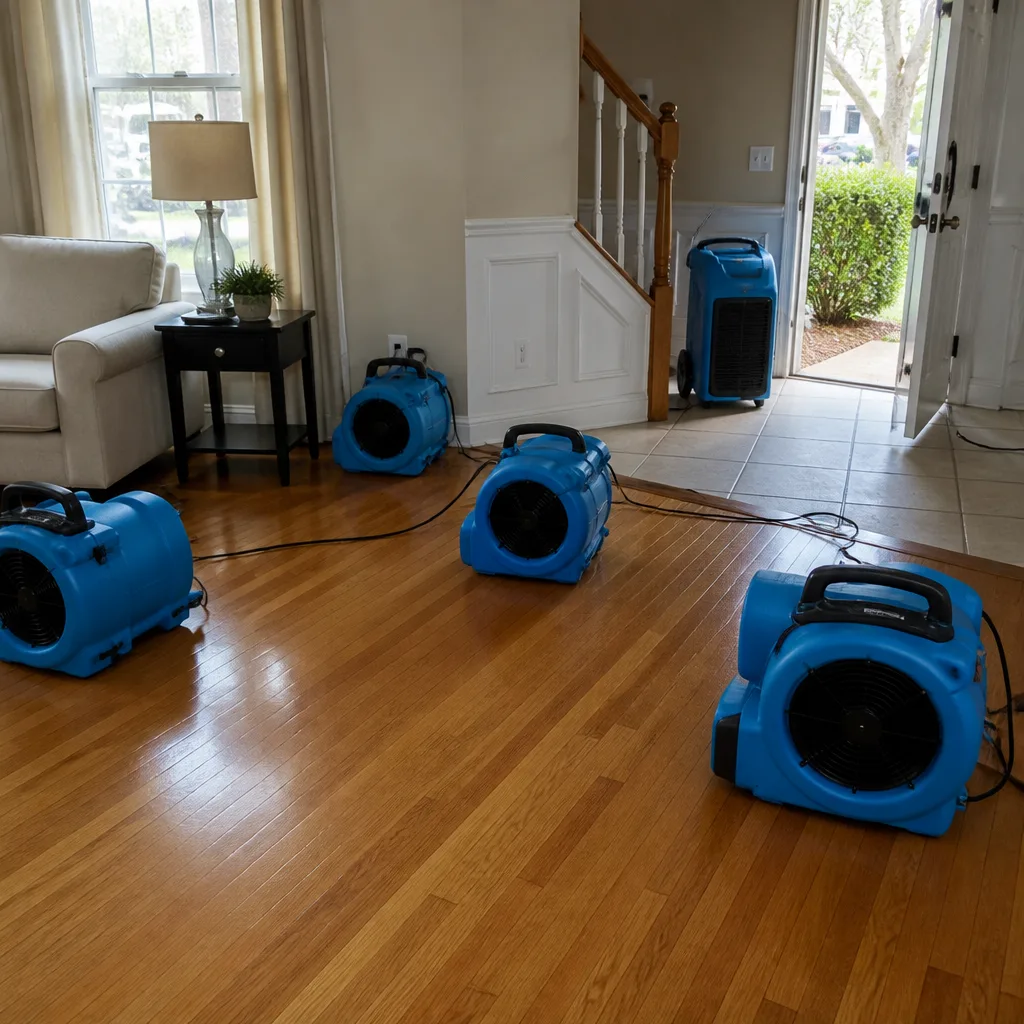

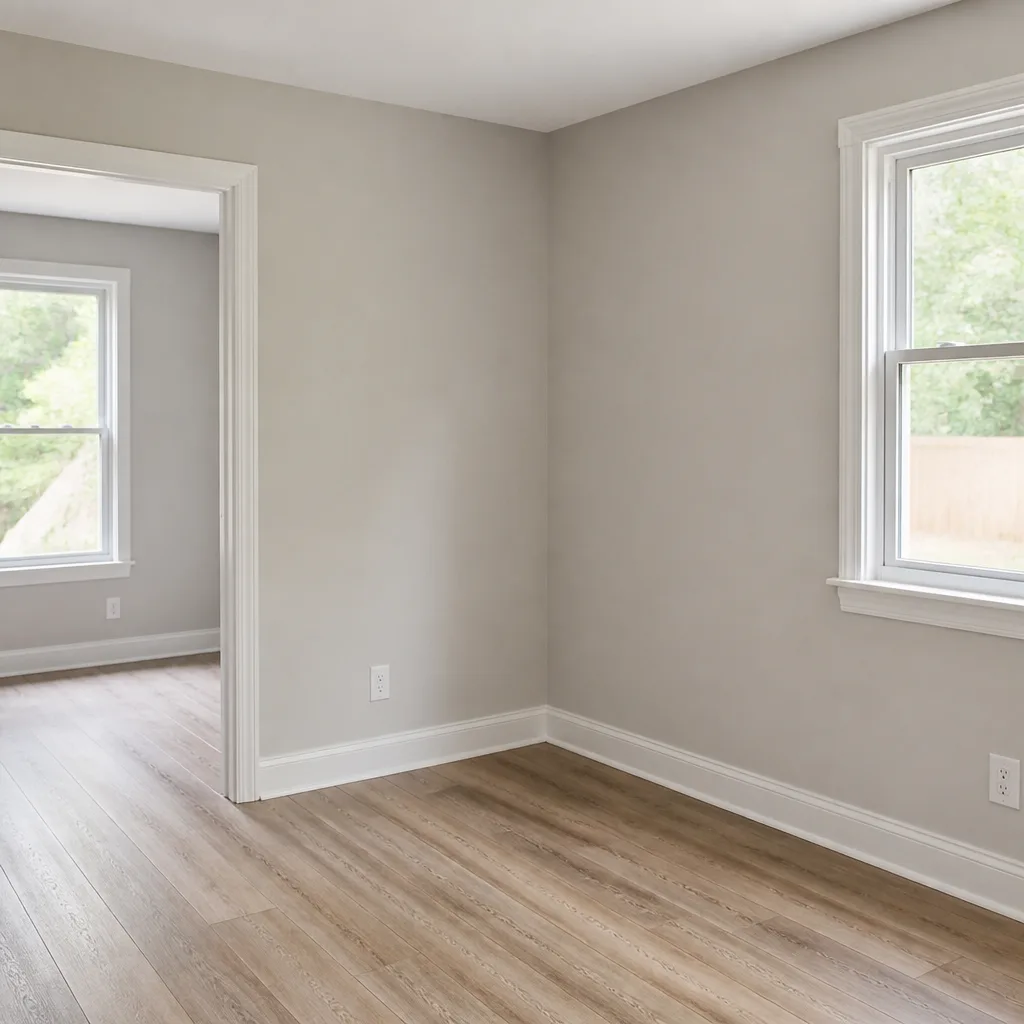



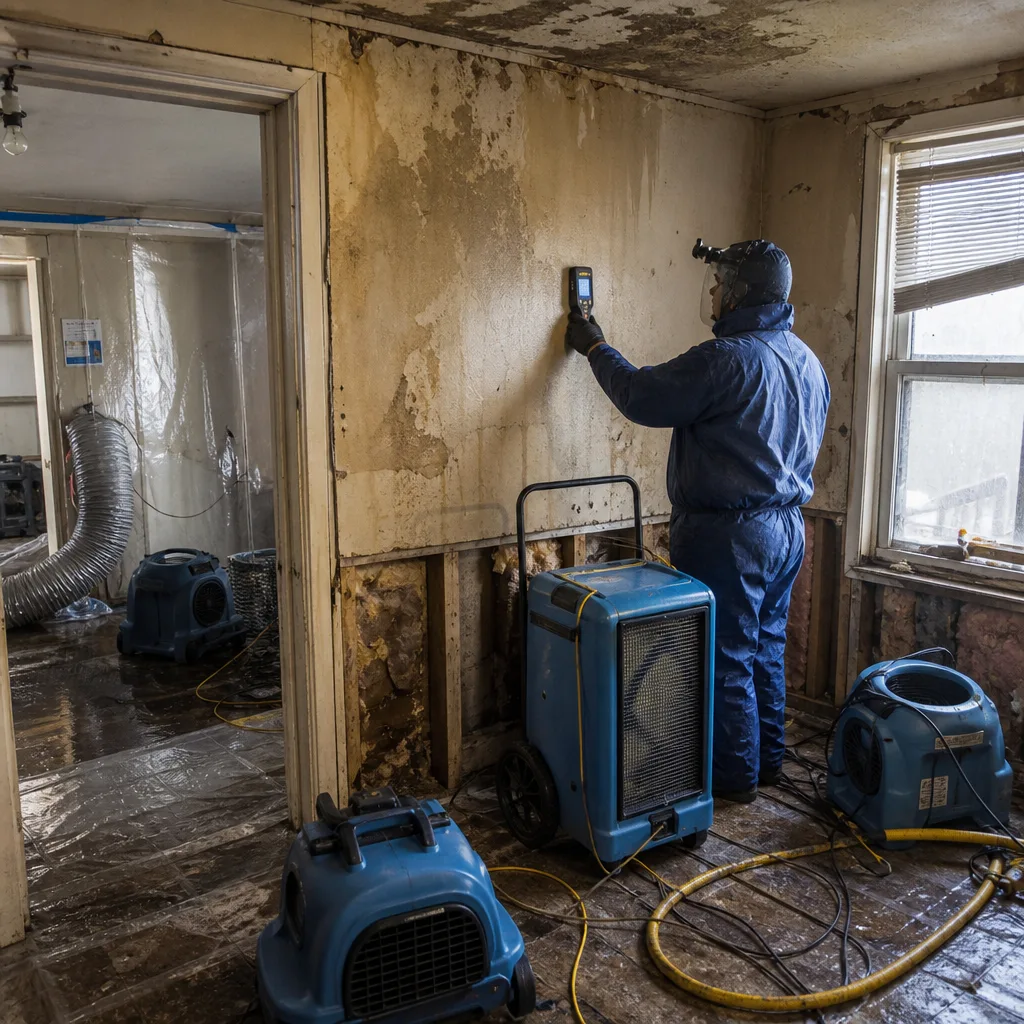 Before
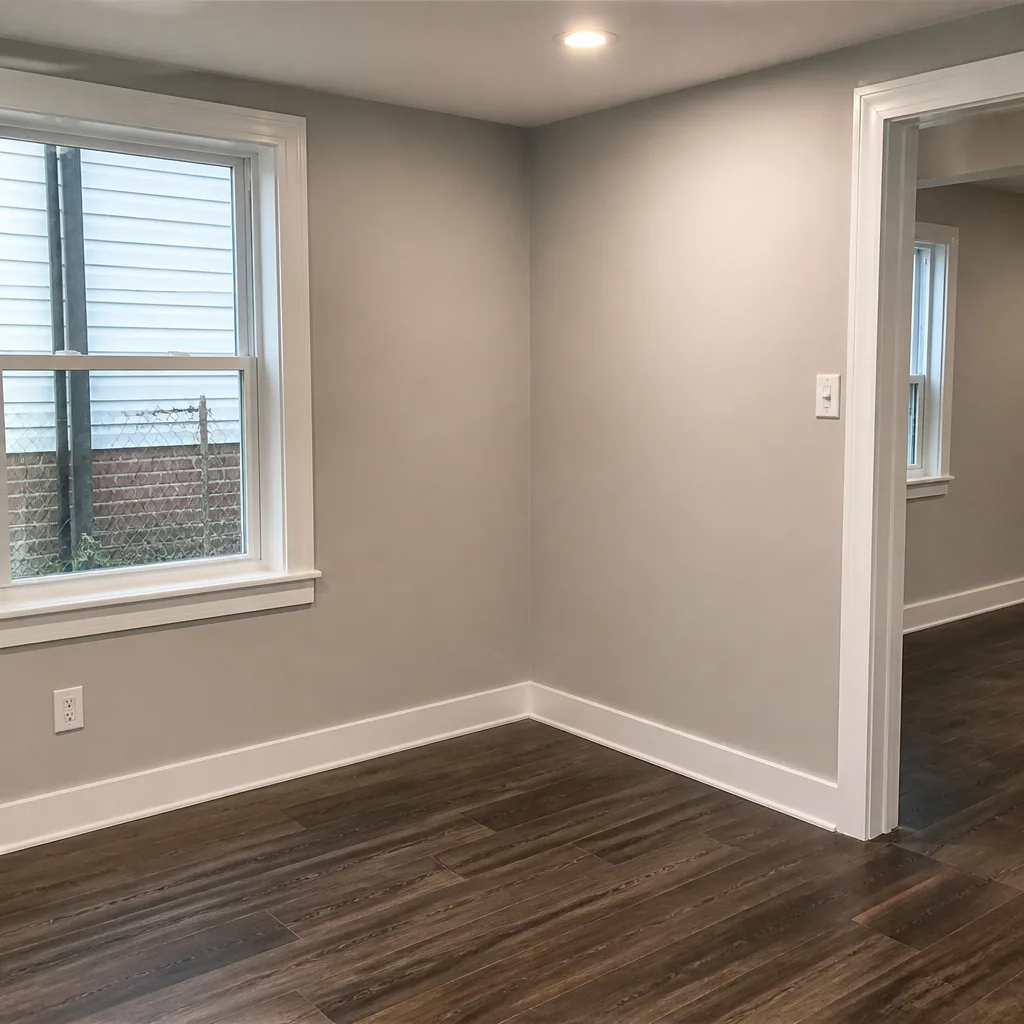 After
After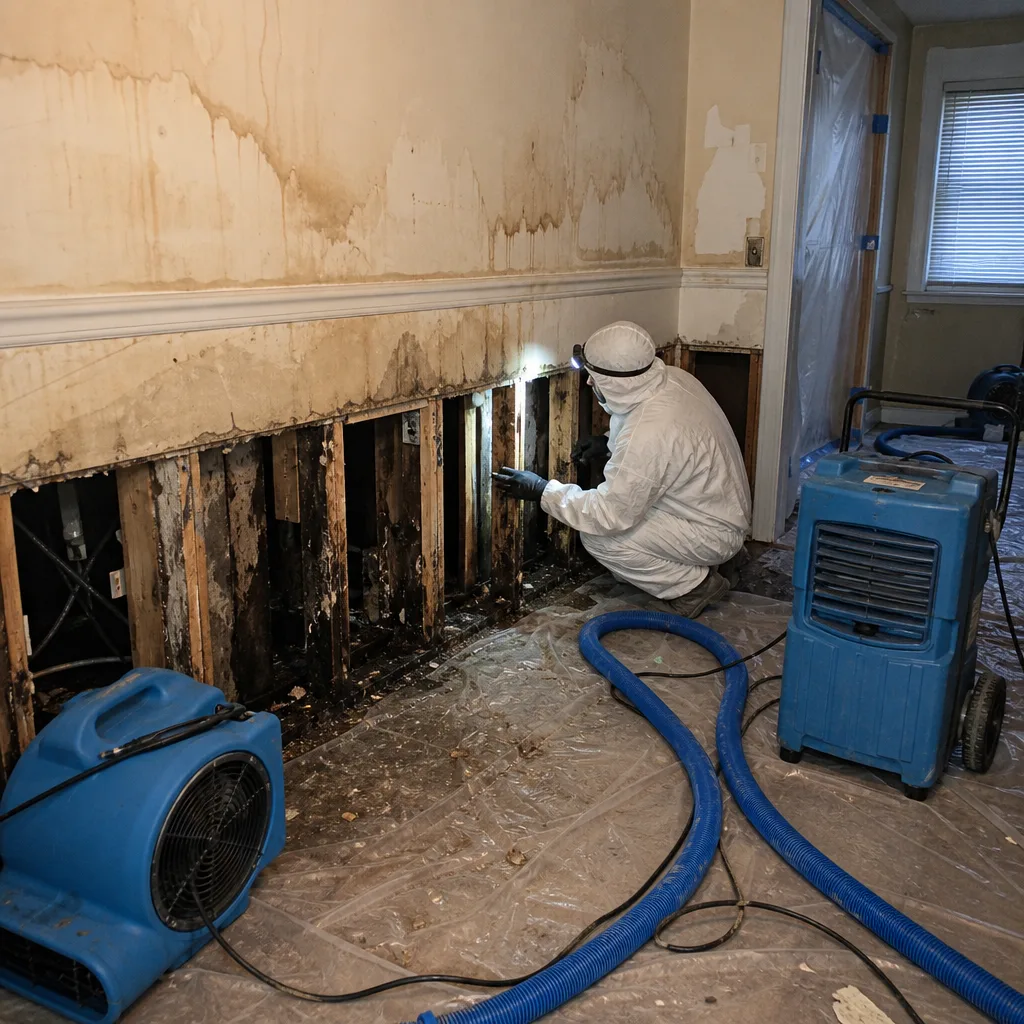 Before
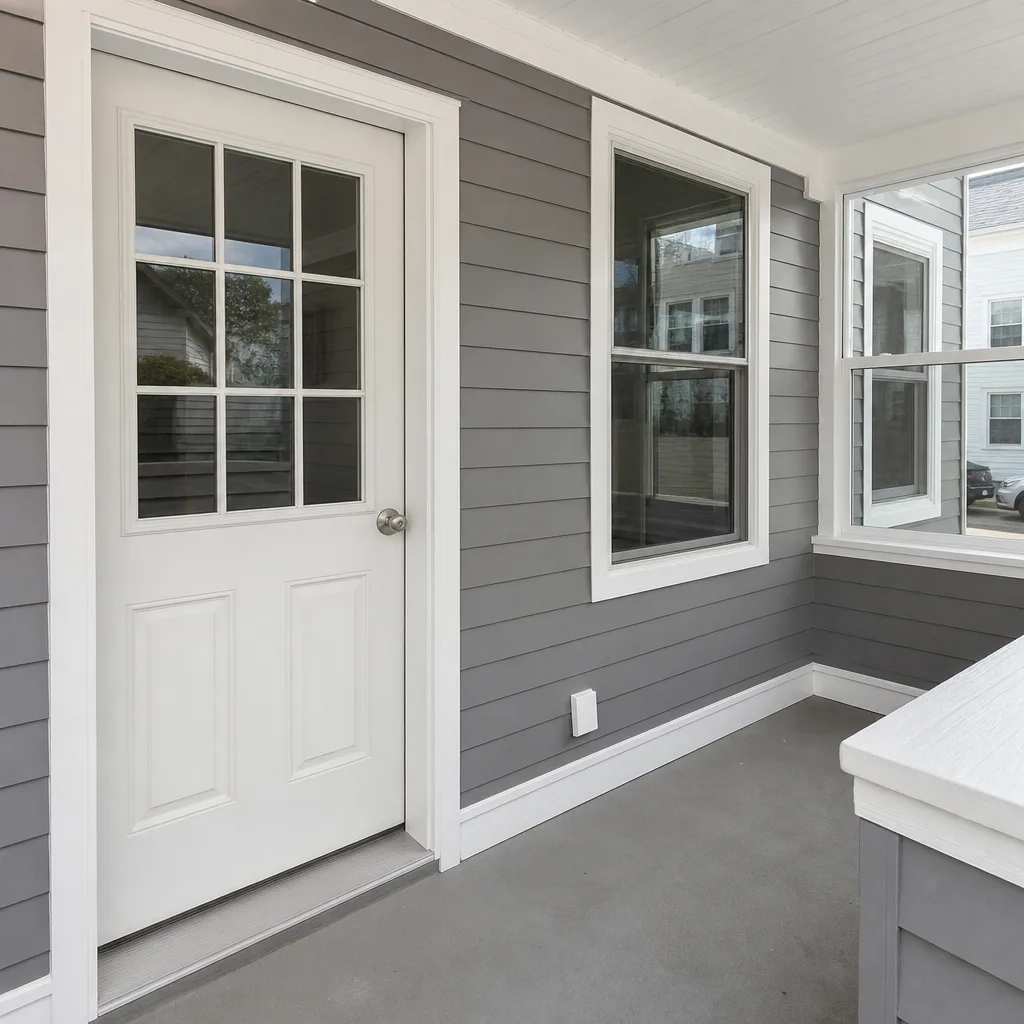 After
After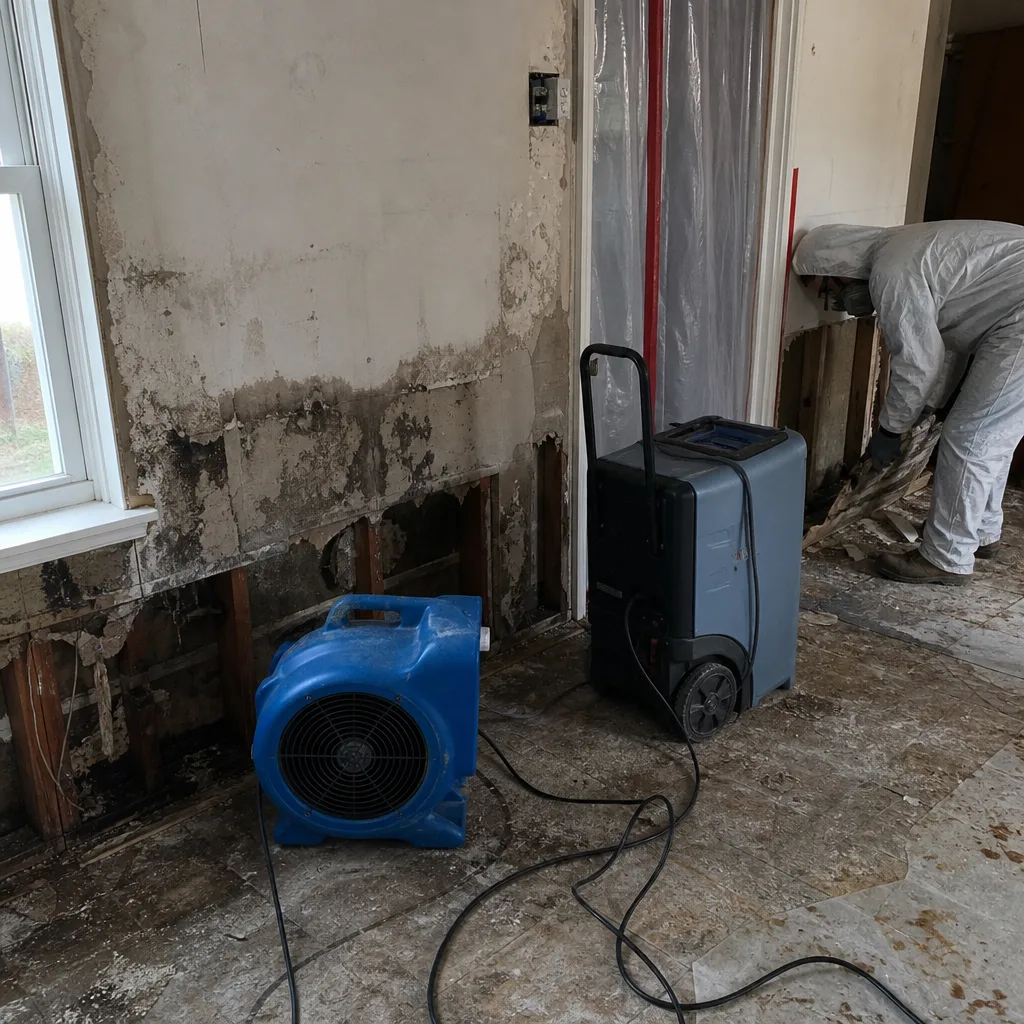 Before
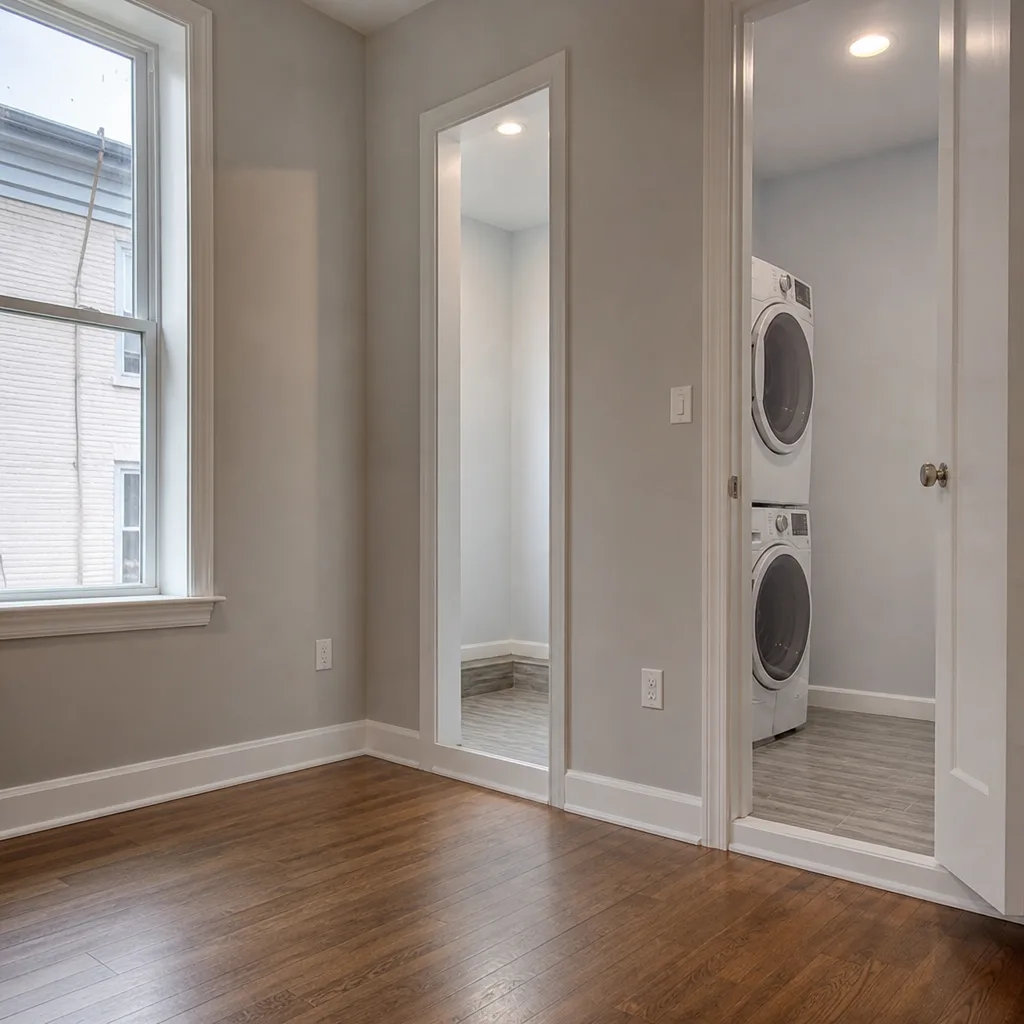 After
AfterSeasonal Damage Restoration Care for Jersey City: Year-Round Homeowner’s Guide
Most Jersey City homeowners don’t think about water damage until water is where it shouldn’t be. But here’s the counterintuitive truth: the vast majority of restoration work we do in this city is not caused by dramatic storms or burst pipes. It’s caused by slow, seasonal wear that goes unnoticed for months, sometimes years. Hudson County’s freeze-thaw cycles, the salt air off the Hudson and Newark Bay, and the age of Jersey City’s housing stock all combine to create a specific set of seasonal risks. This guide walks you through what to watch for in every season, what you can handle yourself, and what needs a trained eye before a small issue becomes a gut renovation. You’ll learn the specific warning signs for Jersey City homes, what each season does to different parts of your house, and how to build a simple year-round maintenance rhythm that prevents most damage before it starts.
Quick Answer
In Jersey City, seasonal damage restoration means one thing: catching water and moisture problems before they spread. The most damage occurs in early spring, when frozen pipes thaw and snowmelt finds its way into basements, and in late summer, when high humidity pushes mold into attics and crawlspaces. Checking four areas each season – the roof edge, the basement walls, the window sills, and the gutters – will prevent the vast majority of the restoration calls we receive.
Table of Contents
- Winter Freeze: Pipes, Ice Dams, and the Salt Air Factor
- Spring Thaw: Snowmelt, Basement Seepage, and the First Mold Signals
- Summer Humidity: Crawlspace, Attic, and Interior Moisture Control
- Fall Preparation: The Season That Prevents Winter Damage
- Jersey City Neighborhood Risk Profiles: What We See Block by Block
- The 90-Day Moisture Watch: How to Read Your Own Walls
- Common Mistakes to Avoid
- When to Call a Professional
- Frequently Asked Questions
- The Bottom Line
Winter Freeze: Pipes, Ice Dams, and the Salt Air Factor
Jersey City winters are not the coldest in the Northeast, but they are among the most deceptive. Temperatures hover right around the freezing mark for weeks at a time. That constant cycling between freeze and thaw is harder on building materials than a deep, steady freeze would be. Water expands when it freezes, so every time a pipe freezes, thaws, and refreezes, the stress compounds. We see more burst pipe calls in Jersey City during a single January thaw-and-refreeze week than during the coldest week of the year.
The first thing to understand is where your pipes are most vulnerable. In Jersey City’s older housing stock – think brownstones in the Heights, Victorians in Bergen-Lafayette, and converted row houses in Greenville – the water supply lines often run through unheated exterior walls or through crawlspaces that have never been insulated. The pipe that freezes is rarely the one under the kitchen sink. It’s the one running along the north-facing foundation wall, or the one tucked behind the bathroom vanity in a bump-out addition. When we trace a frozen pipe back to its source, we almost always find it was installed too close to the cold side of the house.
Ice dams are the other big winter risk. They form when heat escapes from the attic, melts the snow on the roof, and the meltwater runs down to the cold eaves and refreezes. The resulting dam traps more water behind it, which then backs up under the shingles and into the roof deck. In Jersey City, the historic homes with original slate or flat roofs are particularly prone to this because the roof structure was never designed for modern interior heating loads. The fix is always the same: keep heat out of the attic with proper insulation and ventilation, and keep the gutters clean so water has somewhere to go.
The salt air is the quiet winter threat nobody talks about. Jersey City sits directly across from the Hudson’s brackish water, and winter wind carries micro-droplets of salt inland. That salt settles on trim, window frames, and any exposed metal flashing. Over five, ten, twenty years, it eats through paint and corrodes fasteners. When we inspect a home for winter damage, we always check the window frames facing the water. A homeowner can do a simple visual check: if the caulk or paint around north- and east-facing windows is cracked, cracked, or peeling earlier than on other sides of the house, the salt air is doing its work. Re-caulk and repaint before the water gets through.
Spring Thaw: Snowmelt, Basement Seepage, and the First Mold Signals
Spring is the busiest season for restoration companies in Jersey City, and it is not because of dramatic spring storms. It’s because the snowmelt from the entire winter hits the ground at once, and the ground in Hudson County is a mix of clay, shale, and urban fill that does not drain quickly. The water has to go somewhere. In a city built on filled marshland and old stream beds, that “somewhere” is often your basement.
The anatomy of a Jersey City spring seepage problem usually looks like this. The homeowner notices a damp spot on the basement floor, or a musty smell that gets worse after a rain. They check the walls and see a dark, wet line about eighteen to twenty-four inches up from the floor. That is the water table rising, not a plumbing leak. When the water table rises above the level of the footing drain, or when the footing drain itself is clogged with decades of silt, the water pushes through the cove joint – the seam where the basement floor meets the foundation wall. In the Heights and along the Palisade slope, we see this constantly in March and April. The fix often requires an interior drain system or a sump pump with a proper discharge line. It is not a caulk-and-paint job.
Spring is also when the first mold signals show up. Mold that grew over winter in a cold, damp, dark corner becomes visible when the air warms and the spores get stirred up by the first windows opened for cleaning. The telltale signs: a musty smell in the basement or a bathroom that has no window, black or green spotting on baseboards below a window, or a persistent health issue – sneezing, coughing, wheezing – that improves when you leave the house for a few days. If you see or smell any of these, the mold is already established, and the question is not “Do I have mold?” but “How far has the moisture moved behind the surface?” Mold remediation is not a DIY project. It requires containment, professional drying, and source removal.
One Jersey City-specific spring check: inspect the exterior basement hatch or areaway – the small stairwell leading to a basement door. These are common on row houses and brownstones. If the areaway drain is clogged with leaves and winter debris, spring rain turns it into a standing pool, and that water can easily find its way into the basement through the threshold. Clear the drain in early March. It takes five minutes and prevents a common $2,000 to $4,000 seepage call.
Summer Humidity: Crawlspace, Attic, and Interior Moisture Control
Summer in Jersey City is muggy. The humidity off the Hudson and Newark Bay sits above sixty percent for weeks at a time. For a house, sustained high humidity is a slow-acting poison. It feeds mold, warps wood, peels paint, and attracts pests. The damage is less dramatic than a burst pipe, but over years it can be just as costly. The good news: summer moisture problems are also the easiest to manage, because the source is almost always controllable humidity, not a leak.
Start with the crawlspace. Many Jersey City homes with crawlspaces – common in Bergen-Lafayette and the older sections of the West Side – have vented foundations. The old theory was that vents let moisture escape. In a humid climate, the opposite happens: warm, wet outside air enters through the vents and condenses on the cooler surfaces inside the crawlspace. The result is a constantly damp, mold-prone space under the house. The modern standard is to seal the crawlspace, install a vapor barrier over the dirt floor, and condition the space with a dehumidifier. We use Dri-Eaz dehumidification equipment on every crawlspace project, and the difference in air quality is immediate. A homeowner should check the crawlspace in July and August: if the floor joists feel damp or you see condensation on the vapor barrier, the space needs mechanical drying.
The attic is the second summer battleground. Heat rises, and everything rising brings moisture with it. Without proper ventilation, that moisture condenses on the underside of the roof sheathing. Over a summer, that can produce enough moisture to warp beams and invite mold. The signs are subtle: a musty smell in the upstairs hall, dark stains on the underside of the roof deck, or an air conditioner that runs constantly and drains constantly, but the house feels damp. Fixing attic moisture is a matter of balance: intake vents at the eaves, exhaust vents at the ridge, and a clear air path between them. If the insulation blocks the eaves, the system works against itself.
Inside the house, summer humidity causes a specific kind of interior damage we see frequently: doors and windows that stick, wood floors that cup or crown, and mildew on walls and baseboards. The simple way to stay ahead of it: run a dehumidifier in the basement from June through September, keep the indoor humidity between forty and fifty-five percent, and check the drip pan and drain line on your air conditioning system monthly. A clogged condensate line sends water exactly where you do not want it: across the finished floor above the unit.
Fall Preparation: The Season That Prevents Winter Damage
Fall is the season that saves you money, and it is the season most homeowners skip. The logic is faulty: “Nothing bad happened last winter, so I’m fine.” But the truth is, a fall maintenance hour beats a winter emergency repair every time. In Jersey City, with its older homes and its freeze-thaw cycle, fall preparation is not a nicety. It is the difference between a quiet winter and a call to a restoration company at two in the morning.
Do the fall checklist in October, before the first hard freeze. It is a straightforward sequence:
- Clean the gutters and downspouts. Jersey City has mature tree canopies – sycamores, maples, oaks. Their leaves fill gutters faster than people expect. A full gutter backs water up under the shingles and over the fascia. A downspout that drains at the foundation is a hidden liability: it dumps thousands of gallons of water at the base of the walls every winter, setting up spring seepage.
- Inspect window and door flashing and seals. Walk the exterior and look for cracked caulk, damaged flashing, or gaps around window frames. Pay special attention to the north and east sides – the salt air side – and to any recently installed trim. If you can slide a fingernail into a gap, water can get in.
- Disconnect and drain outdoor hoses. A frozen hose bib is one of the most common winter failures we see in Jersey City. Unless the hose bib is a frost-free model, a connected hose traps water in the line, and that water can freeze and split the pipe inside the wall. Drain the hose, drain the bib, and if possible, shut off the interior valve.
- Inspect the roof for loose or missing shingles. Use binoculars from the ground. Look for lifted edges, missing pieces, or bare spots showing through. If you see a problem, repair it before the first snow. A small missing shingle in October is a one-hour fix. A rotted roof deck in March is a full restoration.
- Test the sump pump. If you have one, you need to know it works. Pour a bucket of water into the sump pit and watch it cycle. Check that the discharge line carries water at least ten feet away from the foundation. A sump pump that fails during a March thaw is a very expensive way to learn that the pump was tired.
Fall is also the time to sign up for a $89 Seasonal Tune-Up if you’d rather have a professional do the inspection. We offer it year-round, but the smartest time is October, before the winter cycle starts. It’s a structured inspection that covers the same checklist above and more, with a written report you keep.
Jersey City Neighborhood Risk Profiles: What We See Block by Block
Every neighborhood in Jersey City has its own damage profile. The geology, the housing stock, the tree cover, the age of the infrastructure – all of it shapes what we see when we pull up to a job. Here is what we have learned block by block, after fourteen years of answering calls across the city.
The Heights and Palisade Slope: Steep grades and a mix of frame houses and brick rowhomes. The hillside itself is a drainage engine: water runs downhill, collects at the base of the slope, and pushes into basements from the uphill side. Every time we work in the Heights, we check the retaining walls and the slope drainage. If the backyard slopes toward the house, we recommend a swale or a curtain drain before anything else. Without it, any interior fix is temporary. The wind exposure on the western slope also means more driving rain against the west-facing walls, so those bricks and siding boards take a beating.
Downtown and Paulus Hook: Older, dense, and increasingly renovated. The big risk downtown is a hidden one: original structural framing that has been modified over decades, with water lines and electrical lines now running through walls that were not designed for them. The footprint of buildings is tight, so condensation, poor ventilation, and shared walls mean one unit’s leak becomes a neighbor’s problem. In multi-unit buildings, the restoration call often starts in one unit and, when we open the wall, the damage has been traveling for weeks.
Greenville and the West Side: More detached homes with yards and basements. These are the classic seepage profiles: older foundations, a high water table, and a lot of groundwater. The West Side sits on historically wetter ground, and Greenville’s basements flood during heavy rain and snowmelt. Sump pumps and interior drain systems are standard recommendations here. The other Greenville issue: older cast-iron drain lines that have rusted through. When a Greenville homeowner reports a “sewer smell” or a slow drain, we know to check the cast-iron before anything else.
Bergen-Lafayette: A mix of grand old houses and modest rowhomes, many with additions. The backyard additions are the weak point. An addition that meets the original house creates a new seam – roof, wall, floor – and every seam is a future leak. In Bergen-Lafayette, we routinely find that the leak is not in the roof or the wall but in the joint between the old structure and the new one. If you have an addition and you see a water stain on the ceiling near the seam, that is the likely source.
Journal Square and the Historic Districts: The older brick and stone buildings here are beautiful, and their vulnerability is the brick itself. Old mortar absorbs water. When that water freezes, it expands, and the face of the brick begins to spall – chip and flake away. A spalling brick wall, left untreated, eventually becomes a structural issue. We look for this on every Journal Square exterior inspection. Tuckpointing, done correctly, is the only real fix, and it’s less expensive than the structural repair that follows neglect.
The 90-Day Moisture Watch: How to Read Your Own Walls
You do not need a trained eye or professional equipment to catch most moisture problems early. You need a calendar and ten minutes a month. The principle is simple: water damage always leaves a mark, and the mark is visible to the naked eye long before the damage is catastrophic. In our experience, the homeowner who checks four walls four times a year catches the pinprick before it becomes a flood.
Here is the 90-Day Moisture Watch, which we recommend to every Jersey City homeowner. At the start of each season – September, December, March, and June – do this:
- Walk the exterior walls. Look for discolorations, peeling paint, cracked caulk, or stained siding. Touch the surface: does it feel damp where it should be dry? Is there efflorescence – a white, chalky powder on brick or concrete? That powder is water evaporating through the masonry, and it means water is moving through the wall.
- Check the attic. With a flashlight, look at the underside of the roof deck. Dark stains, mold, or condensation mean the ventilation is failing or moisture is getting in. Check the insulation: if it’s compacted, damp, or covered in dust, it has been doing too much work.
- Check the basement or crawlspace. Use a flashlight and look at the cove joint, the walls, and the floor. Look for dark wet lines, standing water, or a musty smell. If you see water beading on the walls, the relative humidity is too high.
- Inspect every bathroom and under every sink. Look for softness in the floor around the toilet, water stains on the ceiling below bathrooms, or a musty smell inside the vanity. Turn on every faucet and look underneath while the water runs. A slow drip that goes unnoticed for months is one of the most common sources of hidden rot in Jersey City homes.
- Check the water heater. Look for rust, corrosion, or pooled water on the floor under the tank. Check the date on the label. A water heater past its expected life is a time bomb, and when it fails, it can dump fifty gallons of water into a finished basement.
Keep a simple notebook. Note what you see, photograph anything suspicious with your phone, and compare notes three months later. The ninety-day rhythm matches the seasons, and over time, you build a baseline for your home. When a new stain or smell appears, you will notice it within days, not months. The line the water left is where we start, and if you catch it early, it’s a short story.
Common Mistakes to Avoid
- Ignoring a small, recurring damp spot because “it’s always been there.” A damp spot that returns every spring is an active leak, not a character feature. The water is moving through the wall or the floor, and it is degrading the structure every time. The fix is always cheaper before the stain spreads.
- Painting over mold instead of removing it. Paint traps moisture and feeds the mold underneath. In Jersey City’s humid summers, a painted-over mold patch will bloom through the new paint within months. Mold has to be physically removed, and the moisture source cut off.
- Waiting to call until the damage is “bad enough.” By the time water damage is visibly dramatic, it has usually been happening for weeks. The repair cost goes up with every day of delay. If you see a stain, call.
- Using a household fan or shop vac to dry major water damage. A box fan or a wet-dry vacuum can remove surface water, but it cannot extract water from drywall, subfloor, insulation, or framing. That trapped water is where mold starts. Professional drying uses equipment like Dri-Eaz and Phoenix units that move low-humidity air at a controlled rate and log the moisture levels daily.
- Overlooking the gutters until the leaves are packed tight. In Jersey City, with its mature street trees, gutters fill fast. A overflowing gutter dumps water at the foundation line, and that water finds the basement. Clean them twice a year, minimum.
- Assuming your insurance will cover everything without question. A surprising number of homeowners discover that their policy has exclusions or high deductibles after the damage is done. Document everything with photos, keep records of all maintenance, and call your carrier early. If you’re unsure what’s covered, call us – we’ve been working directly with insurance carriers for years and can tell you what to expect before you file.
- Treating a basement that has flooded once as if it won’t flood again. In Jersey City, groundwater behavior repeats. If the water table rose once and overwhelmed your basement, it will do it again during the next heavy spring thaw. The right fix is a permanent one, not a wait-and-see approach.
When to Call a Professional
Some problems are obvious: a burst pipe, a flooded basement, a sewage backup. Those call for professional help immediately. But the subtler signs are just as important. Call when you see a water stain that keeps growing, when a musty smell won’t go away after cleaning, when the humidity in a room or a basement stays high despite a dehumidifier running, when you see cracks in the foundation that are wider at the top than the bottom, or when you have had a flood and the drywall or flooring is still damp after two days. These are the signs of active, ongoing damage that will not stop on its own. Floodline Restoration Co. offers free estimates in Jersey City – call (640) 400-9404 and a live person will pick up, day or night.
Frequently Asked Questions
In Jersey City, water damage restoration typically costs between $2,300 and $7,800 depending on the size of the affected area, the category of water, and how far the moisture has traveled. A small, contained leak with minimal drywall and flooring work runs on the lower end; a full basement flood with sewage and multiple rooms can run $15,000 or more. The single biggest price factor is time: the sooner extraction and drying starts, the less the repair costs. Call (640) 400-9404 for a free, no-surprise estimate.
Most standard homeowner’s policies in New Jersey cover sudden, accidental water damage, like a burst pipe or a storm that breaches the roof, but they exclude damage from gradual seepage, ongoing leaks, or groundwater. Flood insurance is a separate policy. The key is documentation: take photos of the damage as soon as you see it, and call your carrier the same day. We bill insurance carriers directly and work with adjusters every week, so you’re not left playing messenger.
Our live dispatch answers twenty-four hours a day, seven days a week. In most cases, a certified Jersey City crew reaches the home the same day, and extraction is running on that first visit. The speed matters because standing water starts moving through drywall, flooring, and framing within hours, and every hour of delay raises the total restoration cost.
Mold begins to grow within 24 to 72 hours after water damage, especially in Jersey City’s humid climate, so the answer is usually yes unless the water is extracted and the area dried very quickly. If the leak was caught the same day and professional drying reached the dry standard, mold is unlikely. If the water sat for more than two days, plan on at least a mold assessment, and often full mold remediation.
No. A small basement leak in Jersey City is almost never a one-time event, and it gets worse during the spring thaw. The water is entering through a crack, a cove joint, or a failed drain, and every month it’s active, it’s degrading the concrete, the framing, and the air quality. A leak you fix in November is a leak that doesn’t become a flood in March.
IICRC certification means the technicians have been trained and tested against the restoration industry’s most recognized standards for water damage, mold, and fire restoration. It means the crew uses established drying principles, meters the moisture, and documents the process. In Jersey City, where older homes and high humidity make every job more complicated, certification is the difference between a clean-up and a correct restoration.
The Bottom Line
Seasonal damage restoration in Jersey City is a prevention game, not a reaction game. The homes here are old, the climate is demanding, and the freeze-thaw cycle and salt air never take a year off. But the four seasonal checks in this guide – winter pipes and ice dams, spring thaw and seepage, summer humidity, and fall preparation – will catch nearly every problem before it becomes an emergency. When something does break, speed and standards matter. Use a company with certified technicians, professional-grade equipment, and a written guarantee. Do the seasonal work, watch the walls, and keep (640) 400-9404 where you can find it. If the water comes, we’ll answer.
Written by Curt Bowman, Owner at Floodline Restoration Co., serving Jersey City since 2010.