
Last updated August 25, 2026
Free visual inspection and a written scope of work before any mitigation begins - photos, moisture readings, and drying logs go in your claim file
The scope we write is the scope we bill. Anything new gets shown to you, in writing, before we touch it.
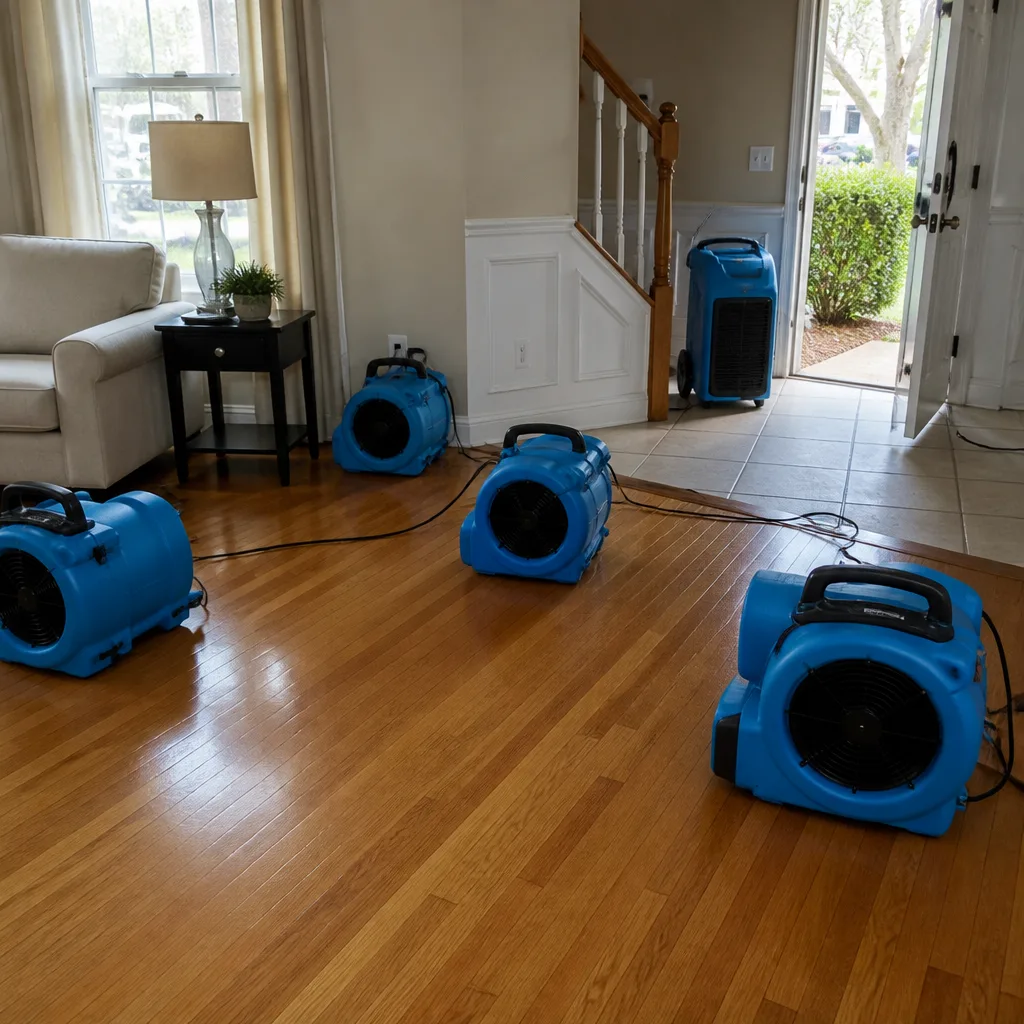
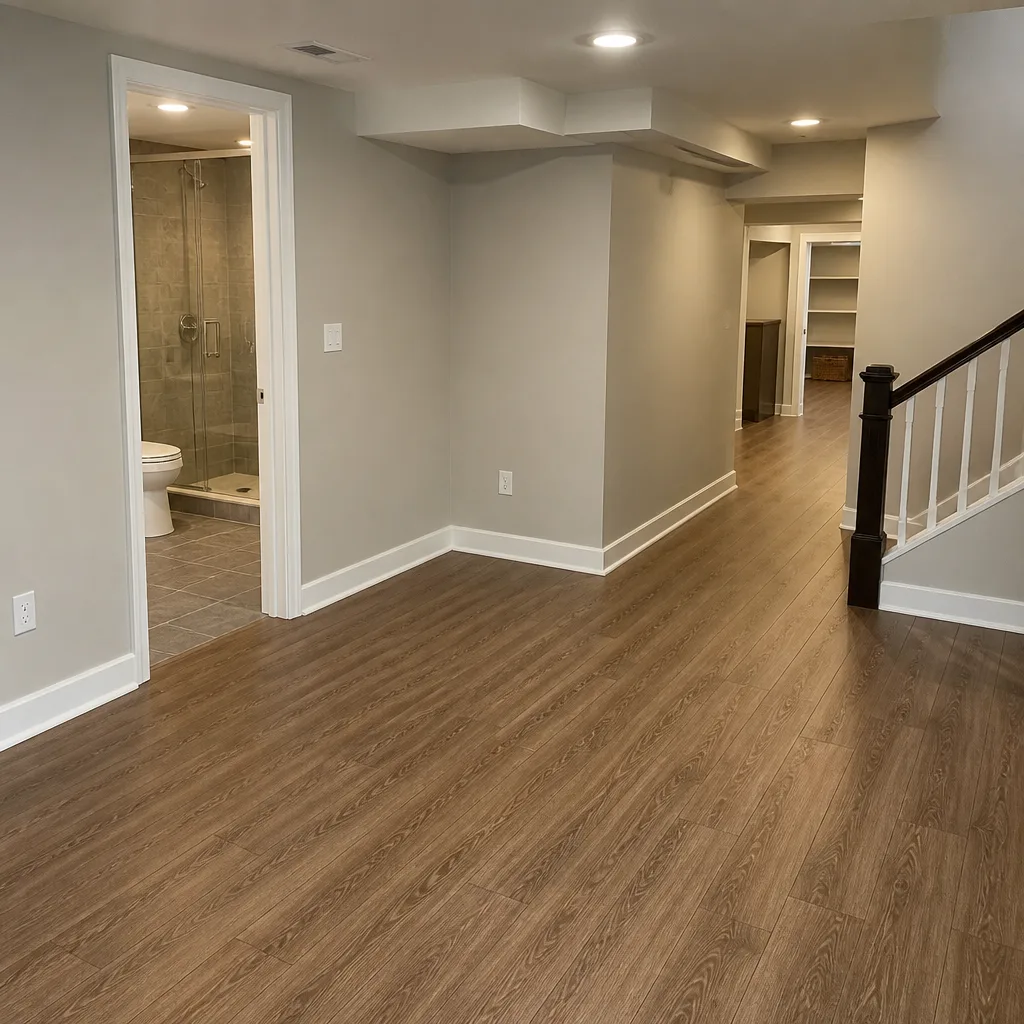
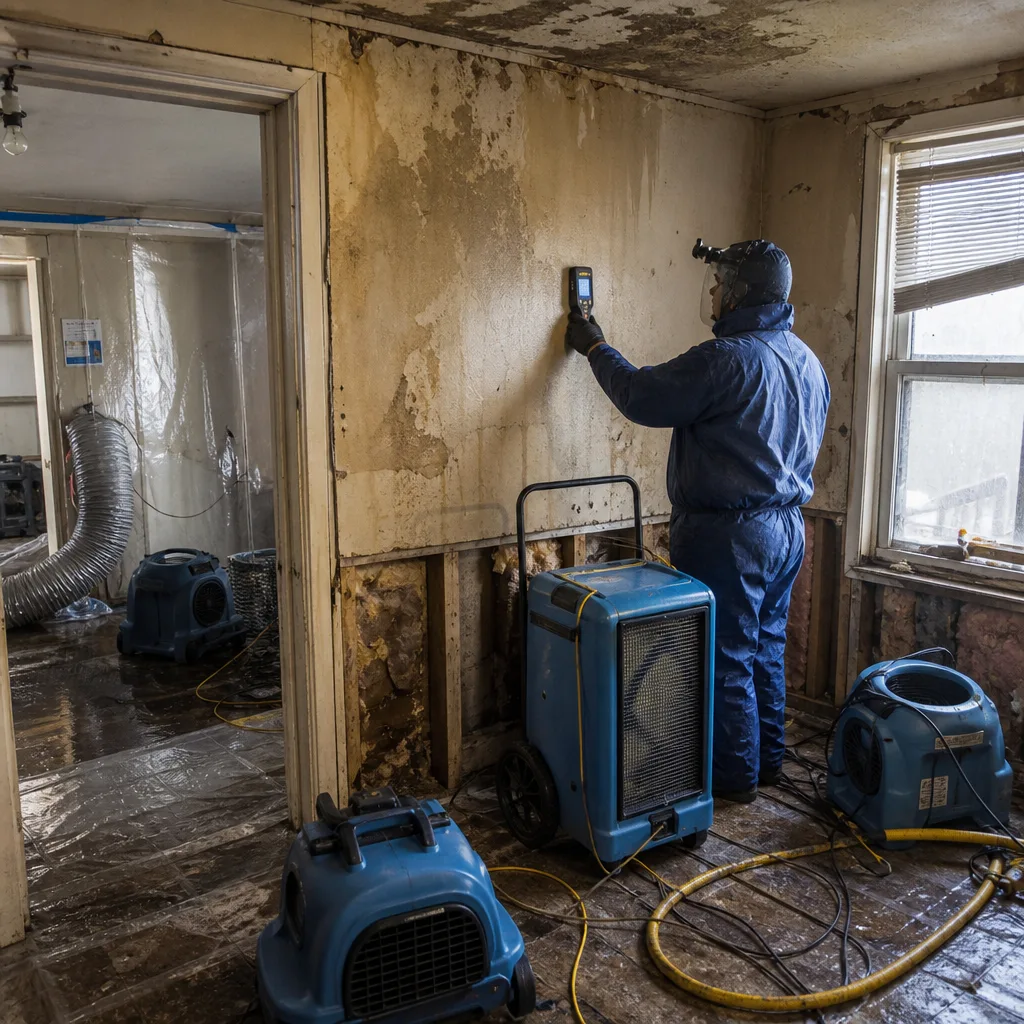 Before
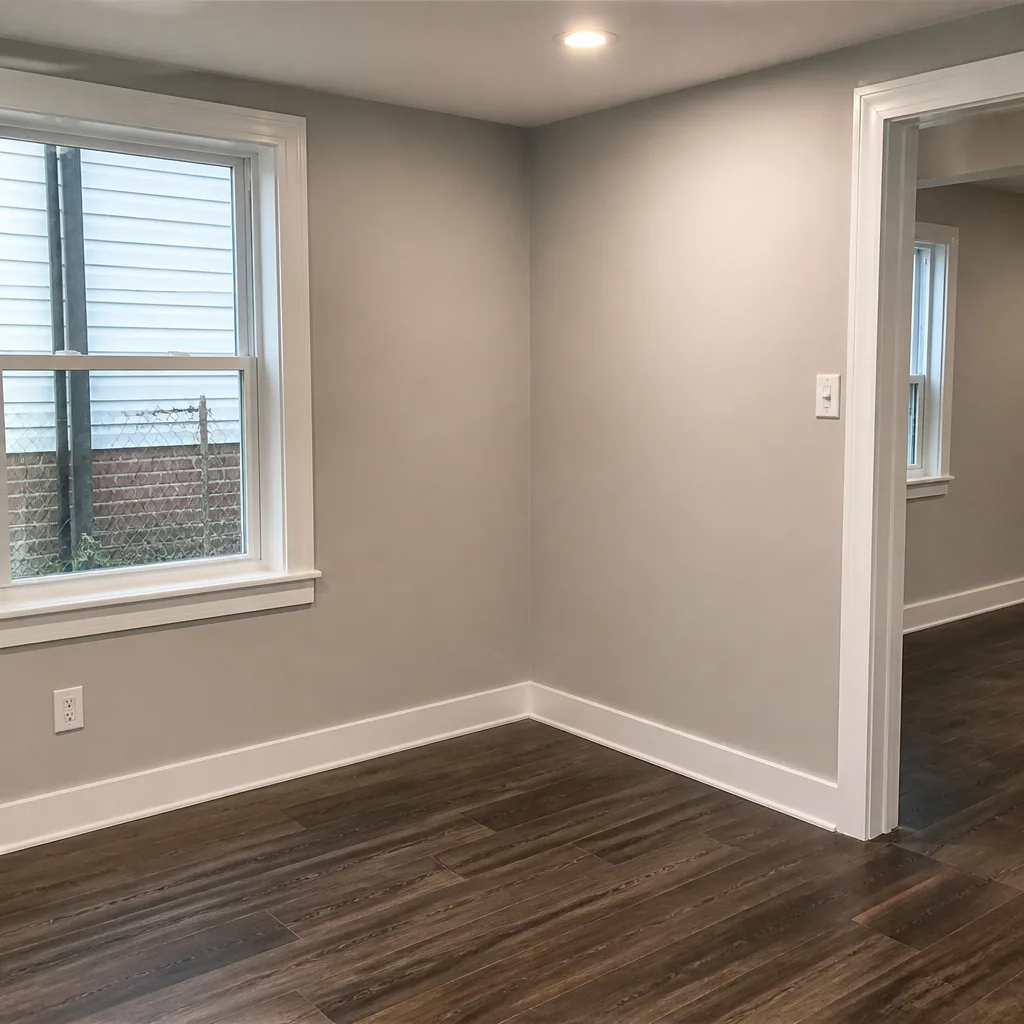 After
After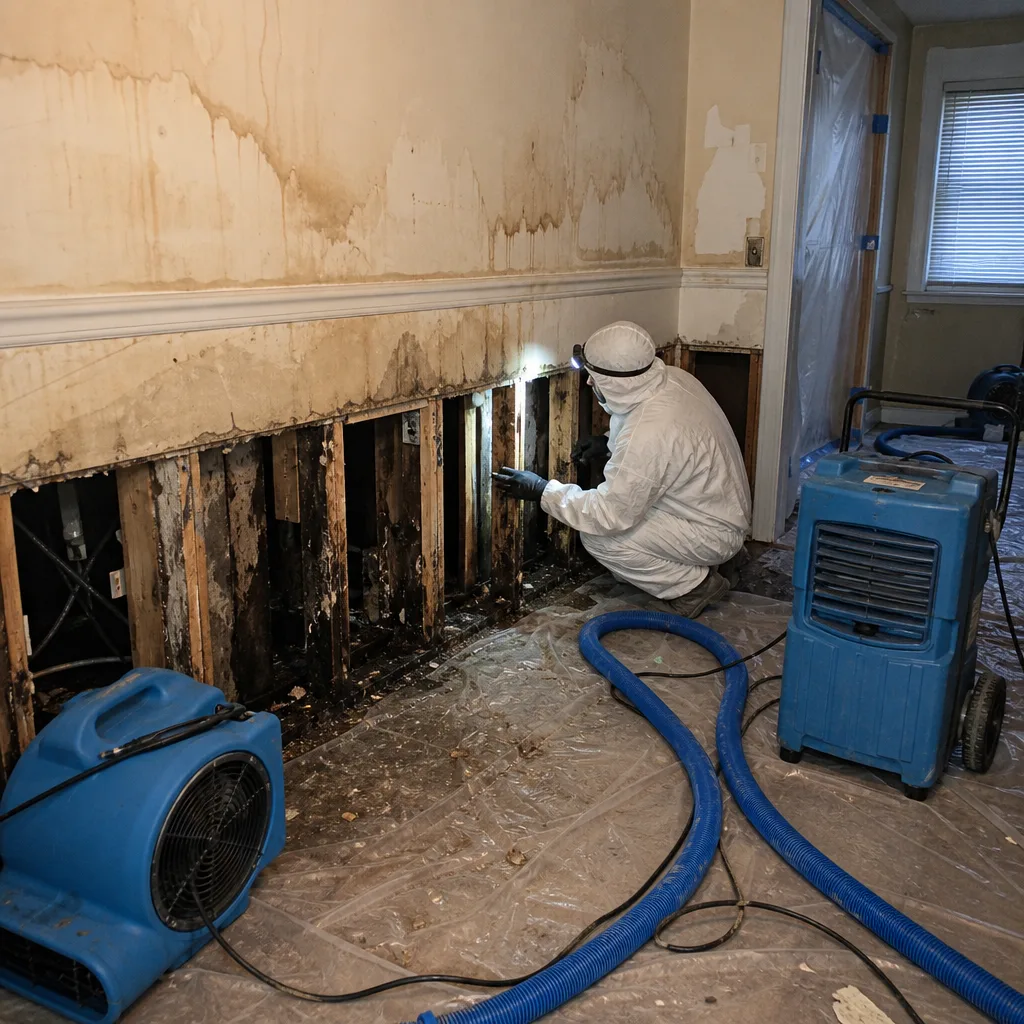 Before
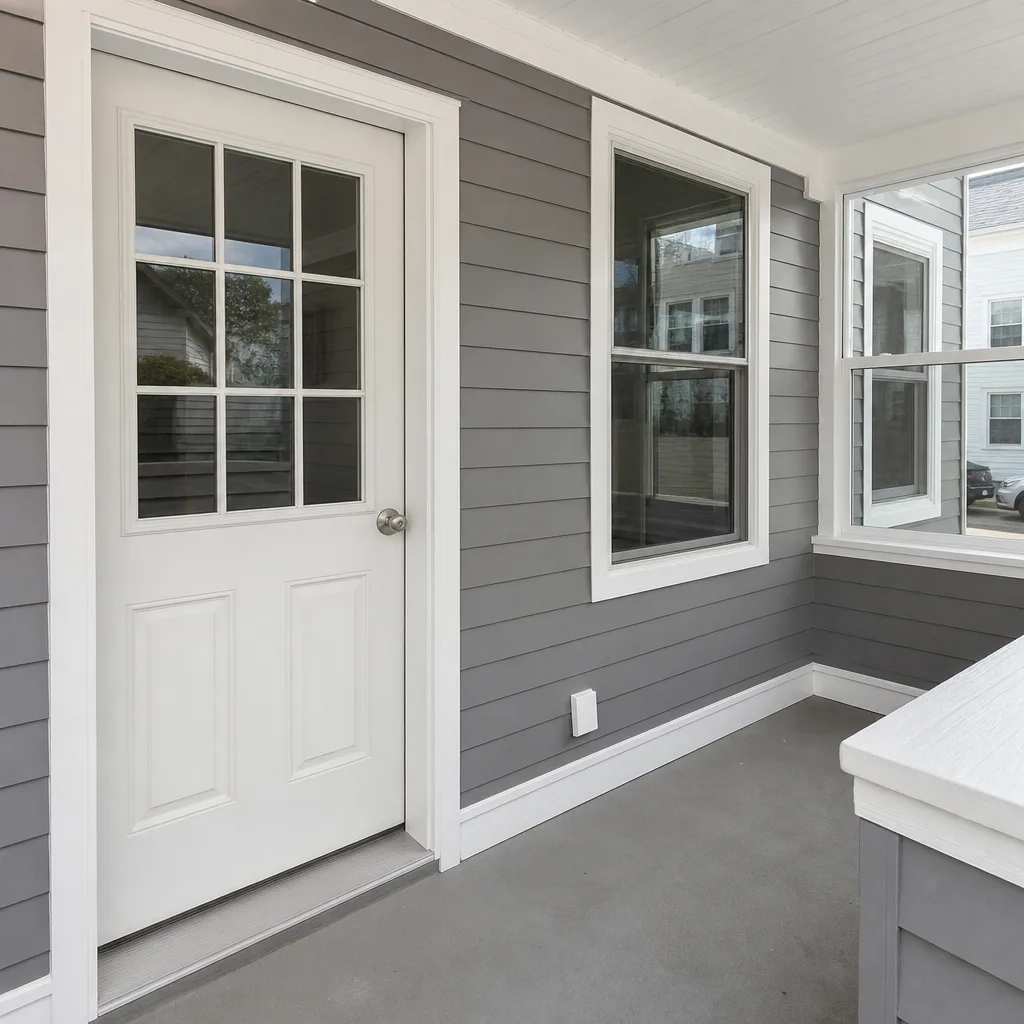 After
After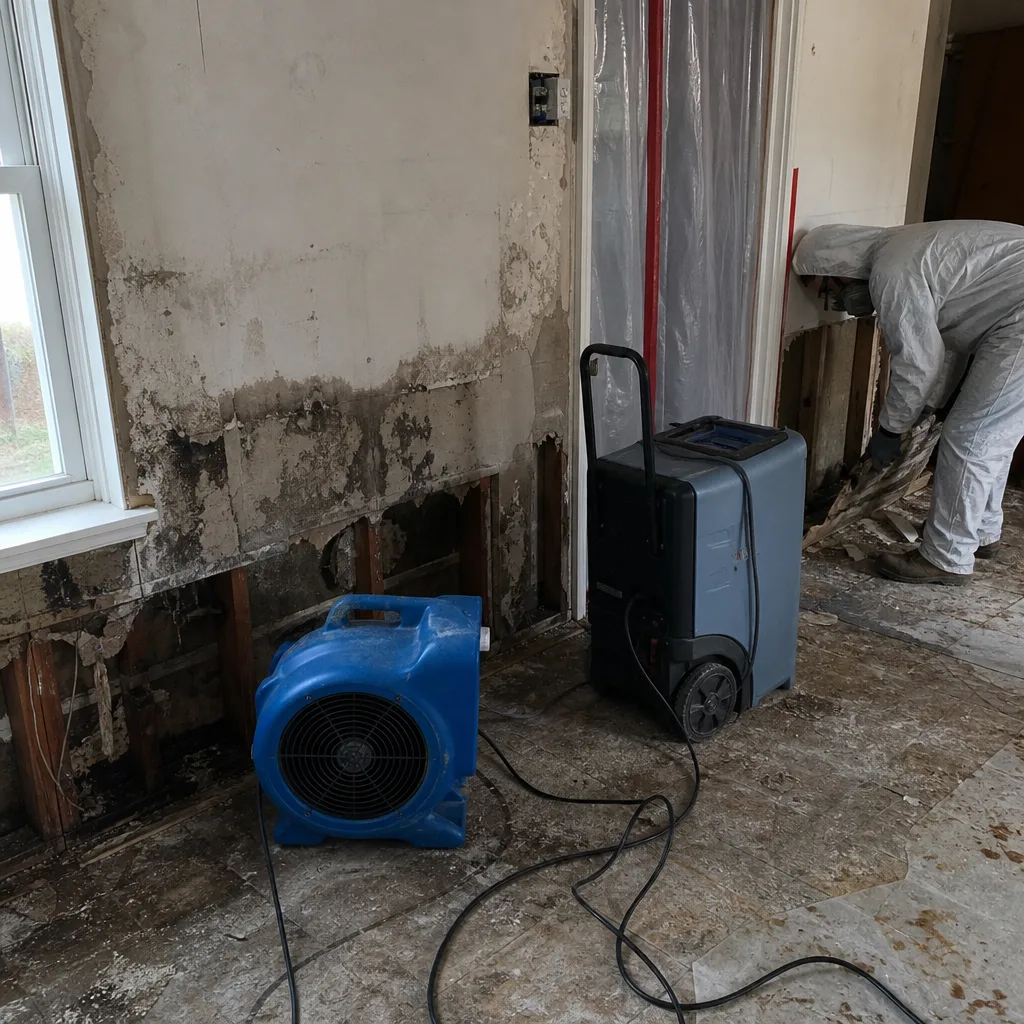 Before
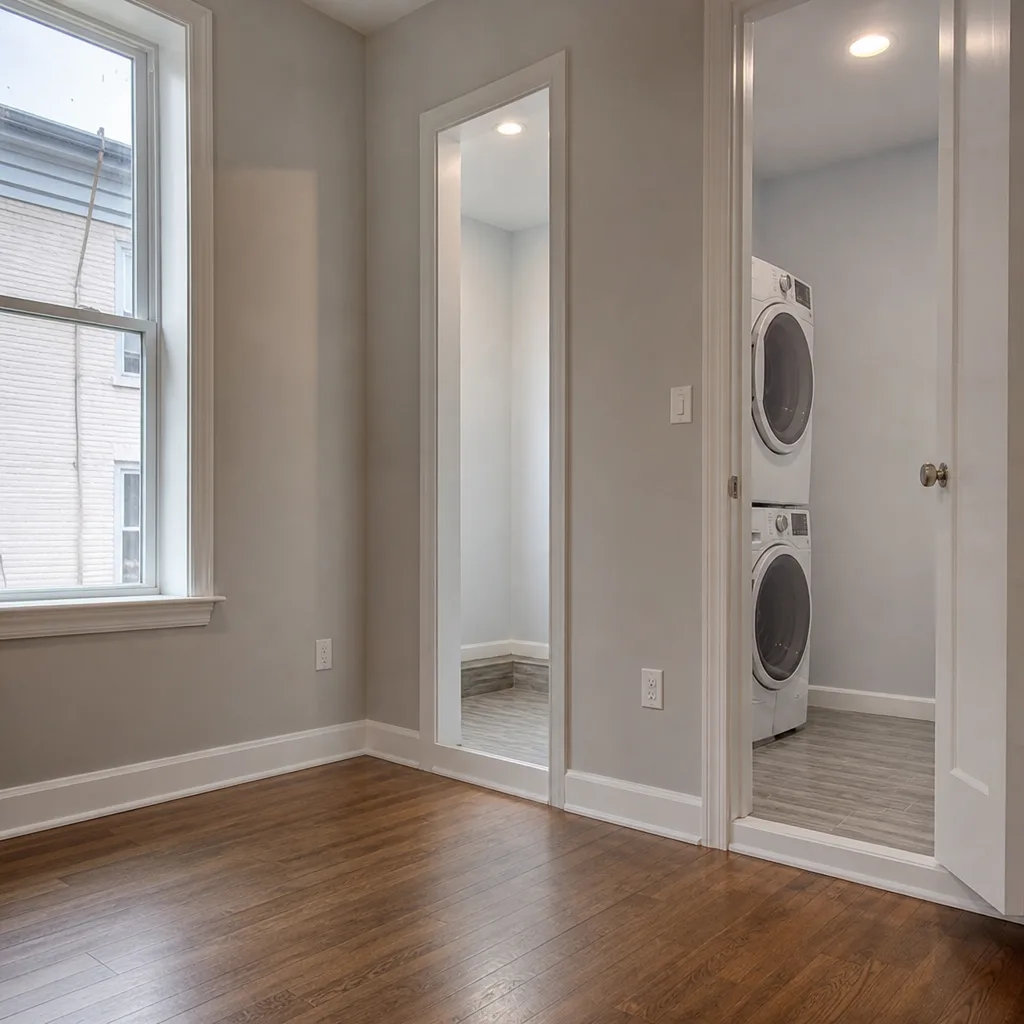 After
AfterDamage Restoration Permits, Codes & Inspections in NJ: What You Need to Know
Here’s something most Jersey City homeowners don’t realize until they’re standing in two inches of water: the restoration crew that shows up first is rarely licensed to rebuild what they tear out. New Jersey draws a hard legal line between mitigation (extraction, drying, demolition) and reconstruction (drywall, framing, electrical). Whoever handles the first phase may have no business touching the second. This guide walks through what actually requires a permit, which codes govern the work, who inspects it, and how to avoid paying twice because the wrong contractor started the wrong phase. If you’re dealing with water, fire, mold, or storm damage anywhere from Paulus Hook to Greenville, this is the roadmap we wish every homeowner had before the first fan got plugged in.
Quick Answer
In New Jersey, most emergency restoration work - water extraction, drying, demolition, board-up - does not require a permit because it’s classified as mitigation. But reconstruction does: any structural framing, electrical rewiring, plumbing replacement, or HVAC work triggered by the damage requires permits from the local construction office, with inspections before walls close. The clean rule of thumb is that if a crew is returning your house to its pre-loss condition with the same materials in the same location, you might not need a permit. If anything is moved, added, or structurally altered, you will. In Jersey City, the Construction Code Official’s office at 30 Montgomery Street handles most of this, and the single most expensive mistake we see is homeowners skipping permits on a rebuild and discovering it at resale.
Table of Contents
- When New Jersey Requires a Permit for Restoration Work
- Jersey City Specific Codes and Local Amendments
- The Inspection Process: What Actually Happens After You File
- How Insurance Claims Interact With Permits and Inspections
- Mold Remediation: The Regulatory Gray Zone in NJ
- Hiring a Contractor: What Permit Responsibility Should Look Like
- Timeline and Costs: What to Budget for Permits and Inspections
- Common Mistakes to Avoid
- When to Call a Professional
- Frequently Asked Questions
When New Jersey Requires a Permit for Restoration Work
The state uses the Uniform Construction Code (UCC), codified at N.J.A.C. 5:23, and it applies the same way in Jersey City as it does in Cherry Hill. What changes locally is enforcement, which we’ll get into. Under the UCC, a construction permit is required for any work that involves structural modification, new electrical circuits, plumbing alterations, or changes to fire-rated assemblies. For restoration specifically, the distinction comes down to mitigation versus reconstruction.
Mitigation work - cutting wet drywall, pulling carpet, setting up drying equipment, cleaning smoke residue - sits in a permit-free zone. That’s deliberate. The state wants water stopped and buildings dried fast, and a permit queue shouldn’t slow that down. But once the demolition phase passes and rebuilding starts, you’re in regulated territory. Here’s the breakdown:
- Water damage repair: Removing wet drywall and insulation: no permit. Replacing a section of rotted floor joist: permit required. Replacing drywall after drying: no permit. Relocating a drain line that was exposed: permit required.
- Fire and smoke restoration: Board-up, soot cleaning, and content pack-out: no permit. Reframing charred wall studs: permit required. Replacing the electrical panel due to heat damage: permit required, plus a separate electrical subcode inspection.
- Storm damage: Tarping a roof: no permit. Replacing sheathing and shingles over an area larger than 25% of the roof: permit required under the UCC’s roofing provisions.
- Sewage backup: Extraction and sanitation: no permit. Replacing a broken cast-iron waste line: permit required under the plumbing subcode.
The mechanical logic is straightforward. If you’re removing damaged material to stop further harm, no permit. If you’re installing new material that affects the building’s structure or systems, you need a permit and the inspections that go with it. In our experience in Jersey City, the trickiest cases are the ones where a homeowner tries to turn a mitigation project into a rebuild without ever leaving the mitigation mindset. The code officer doesn’t care how fast the water got in. He cares that the new framing work meets today’s requirements, not 1987’s.
Jersey City Specific Codes and Local Amendments
Jersey City sits in Hudson County and follows the state UCC with a handful of local amendments that restoration contractors need to know. The city has adopted the same building subcode (based on the International Building Code), the same plumbing subcode (National Standard Plumbing Code), and the same electrical subcode (National Electrical Code) as the rest of the state. The differences show up in procedure and in a few specific areas.
First, Jersey City is a flood-prone community with significant FEMA-designated Special Flood Hazard Areas along the Hudson River waterfront and in low-lying sections near the Hackensack River. Homes in these zones - parts of the West Side, Greenville, and Communipaw included - fall under the city’s flood damage prevention ordinance, which carries stricter elevation and floodproofing rules when repairs exceed 50% of a structure’s market value. If your restoration project crosses that threshold, you’re not just pulling a regular permit. You’re triggering the substantial improvement clause, which can require elevating mechanicals, flood vents, or in extreme cases, the structure itself. That’s a conversation to have before you sign any contract.
Second, Jersey City requires a Certificate of Approval from the Historic Preservation Commission for exterior work on properties within the city’s designated historic districts - Paulus Hook, Van Vorst Park, Hamilton Park, and Harsimus Cove among them. If fire or storm damage forces you to replace a cornice, a front door, or siding on a building in one of these districts, the permit process runs through the HPC in parallel with the Construction Code Office. That adds review time, sometimes weeks, and it cannot be skipped. Work done without the certificate gets spot-flagged, and the city can require it be redone to the reviewing standard.
Third, the city has adopted a blight-reduction enforcement posture since Superstorm Sandy. Inspectors in Jersey City are notably rigorous about unpermitted work being discovered after the fact - especially where a homeowner bought a property, did renovations, and the previous owner never filed. When you call for a restoration permit on an older home, expect the inspector to look at more than the damaged area. Outstanding unpermitted work from prior owners is a real liability, and we’ve watched it stall closings in Bergen-Lafayette and The Heights. The lesson: get your permit, keep the paperwork, and don’t assume old work was legal because it’s old.
The Inspection Process: What Actually Happens After You File
Filing a permit in Jersey City means a trip to 30 Montgomery Street or an electronic filing through the city’s online portal. Once the application is accepted, the real work starts, and the inspection sequence follows a set pattern. Here’s the step-by-step process we’ve walked hundreds of local homeowners through since 2010:
- File the permit application with scope of work. For restoration, you’ll typically be filing under the building subcode, plus electrical and plumbing if those trades are involved. The application needs a description specific enough that the plan reviewer understands the repair.
- Pay the permit fee. Jersey City calculates fees based on the estimated cost of work, and the state sets the fee schedule in the UCC. A $15,000 restoration rebuild will typically carry a permit fee in the range of several hundred dollars, plus surcharges.
- Complete rough-in inspection. Once framing or rough electrical and plumbing are in, but before insulation or drywall, the inspector comes to check the work. For a restoration project, this is the single most important inspection. If rough-in is passed, everything hidden behind the walls is code-compliant.
- Complete closing inspection. After drywall, trim, and fixtures are installed, the inspector returns to sign off on the finished work. If all phases pass, the city issues a Certificate of Approval for the permit.
- Keep the paperwork. The approved permit and certificate stay with the house as part of its municipal record. If you sell in five years, the buyer’s attorney will ask for them.
What homeowners often miss is that inspections are scheduled, not drop-in. In Jersey City, you call the construction office, request an inspection, and get a window - not a fixed appointment. Plan for it. A missed inspection can delay a project by a week, and if the inspector arrives to find drywall already hung over uninspected framing, he can require it to be opened up. That’s a costly mistake that happens more often than anyone wants to admit.
One more detail specific to restoration: if your project involves fire damage, the fire subcode official - typically a Jersey City fire marshal - participates in the inspection sequence. His sign-off is required before the building department closes the permit. That’s a step many general contractors who don’t do restoration work regularly forget, and it stalls the final approval.
How Insurance Claims Interact With Permits and Inspections
Insurance carriers do not file permits. That’s the homeowner’s responsibility, or more realistically, the contractor’s. Your policy covers the cost of reconstruction, and a properly scoped claim includes permit fees as a line item. But the carrier will not chase the inspection for you, and if work is done without permits, the carrier has no obligation to pay for ripping it out and doing it over.
In a standard water or fire claim, here’s how the sequence should work: mitigation begins immediately and without permits; the insurance adjuster writes the rebuild estimate; permit fees get line-itemed into the scope; the restoration contractor pulls the permit as part of the rebuild; inspections happen at rough-in and closing; the contractor submits the inspection certificate to the carrier as proof of completed work. That’s the flow. When a contractor says “we don’t need a permit for this” on work that involves framing, electrical, or plumbing, alarm bells should go off.
There’s a particular Jersey City wrinkle worth knowing. Because much of the city’s housing stock predates World War II, a restoration project often exposes old wiring - knob-and-tube, cloth-wrapped conductors - that was never up to current code. Once the wall is open, the electrical inspector can require that exposed legacy wiring be brought to a safe standard before the wall closes, even if the insurance estimate didn’t include it. That’s a legitimate code enforcement action, but it’s also a cost the carrier should cover under code-upgrade provisions in most standard policies. Homeowners who don’t know to ask lose that money. We handle this routinely: the photo documentation, the adjuster conversation, and the supplemental estimate.
Here’s the summary of what should happen at each phase:
- Mitigation phase: No permits, no inspections. Photo documentation logged for the claim file. Drying data recorded.
- Rebuild phase: Permits pulled before framing starts. Cost listed in the adjuster’s estimate under “permits and fees.”
- Inspection phase: Contractor schedules, meets, and resolves inspection items. Homeowner receives copies.
- Close-out phase: Inspection certificate submitted to carrier. Claim closed with a paper trail.
Mold Remediation: The Regulatory Gray Zone in NJ
Here’s a fact that surprises most New Jersey homeowners: there is no state mold remediation license. The New Jersey Department of Community Affairs does not issue one, and the state has never codified a mold-specific construction code. That means anyone with a truck and a HEPA vacuum can call himself a mold contractor. It’s the least regulated trade inside the restoration industry, and it’s exactly where Jersey City homeowners get burned.
What New Jersey does have is a mold assessment and remediation statute (the Mold Hazard Abatement Act, N.J.S.A. 52:38A-1 et seq.), which applies to apartment buildings, commercial buildings, and other non-residential properties. For single-family homes, it does not apply. That leaves the quality bar entirely to the contractor you hire. In our view, the standard needed for residential mold work in Jersey City is straightforward: third-party documentation, HEPA-filtered negative-air containment where warranted, and a clearance standard that’s actually verifiable. We train our technicians to IICRC and RIA standards - specifically the S520 Standard for Professional Mold Remediation - because the state won’t do that for us. When a competent restoration company handles mold, the work is documented and the drying is confirmed with moisture measurements. When a guy with a spray bottle handles it, you get bleach on Sheetrock and a false sense of clean.
The permit question on mold depends entirely on the scope of the repair work. Mold on a wall that needs a section of drywall cut out and replaced: no permit. Mold remediation that requires removing a section of wall sheathing or roof structure: permit. Mold remediation that escalates into replacing an improperly vented bathroom fan or re-routing a dryer vent: permit under the mechanical subcode. The practical rule is that if the mold problem was caused by a structural or mechanical defect, fixing the defect itself usually requires a permit - and that permit is what prevents the mold from coming back.
Hiring a Contractor: What Permit Responsibility Should Look Like
The contractor who runs your restoration should also pull the permit. When a contractor tells a homeowner to pull the permit themselves, there are usually two possible reasons: the contractor is not licensed to perform the work in that trade, or the contractor doesn’t want the inspection. Either reason is a red flag. In New Jersey, homeowners can legally pull an owner-builder permit for work on their own primary residence, but when a restoration company does the work while the homeowner’s name sits on the permit, the homeowner becomes the general contractor by default. He carries the liability. The inspection problems become his. The workmanship questions become his. A contractor who intends to stand behind the work - who intends to be in business when the 90-day warranty question comes up - puts his own name on the permit.
Jersey City is a demanding local market for this. With many of the city’s homes built before modern code enforcement, restoration work frequently involves shoring, structural repair, and code upgrades. A restoration contractor tackling that work should be a licensed home improvement contractor (HIC) registered with the state, and any subcontractor doing electrical or plumbing should carry the corresponding license. Ask for the HIC number. Confirm it is currently active through the New Jersey Division of Consumer Affairs. It takes two minutes online, and it’s the difference between working with a company that answers to a state board and one that doesn’t answer to anyone.
A second point that matters in Jersey City specifically: the Floodline Restoration Co. home office is local, which matters in a way that doesn’t show up on the estimate. A local contractor has to live with the inspection record he creates. Word gets around the construction office, the supply yards, and the building department. A company based fifty miles away can walk from a bad job. A company in Jersey City answers for it. We’ve built our reputation on being in the city for the long term - over 42 years serving local communities, founded in 2010 by Curt Bowman around a dispatch board rather than a sales desk. The permit we pull is not just a piece of paper. It’s our name going on the work.
Timeline and Costs: What to Budget for Permits and Inspections
Permit costs in Jersey City follow the state’s UCC fee schedule, which is tied to the estimated cost of the work. For restoration projects, here’s a realistic frame of what homeowners should expect for the permit and inspection process, based on the work we’ve handled across the city:
- Water damage rebuild (drywall, paint, baseboard): Permit fee typically $150 to $400 if framing or structural repair is involved. Pure cosmetic replacement of finish surfaces: no permit.
- Fire damage rebuild including electrical panel replacement: Building permit plus electrical subcode permit, typically $300 to $700 total, with four to six inspections across rough-in and closing phases.
- Plumbing replacement after sewage backup: Plumbing subcode permit, typically $150 to $350, with one to two inspections.
- Structural repair after storm or tree impact: Building permit with plans required, typically $400 to $1,000 depending on scope, with multiple inspections and possibly a structural engineer’s involvement.
Timeline-wise, Jersey City’s construction office typically schedules inspections within five to ten business days of a request, though post-storm surges - like the weeks after a major storm event - stretch that window. The full permit-to-certificate process for a typical fire rebuild might run four to six weeks if everything goes smoothly. Water damage rebuilds run two to three weeks from permit application to final inspection. Plan for this window in your relocation timeline. The city moves at city speed, and no contractor can change that.
One cost note from experience: the permit fee itself is a small part of the total. The expensive line items are the code upgrades the inspections can trigger. On older Jersey City houses, exposed wiring, undersized framing, and non-code stair geometry all surface during a restoration permit. These are not bureaucratic obstacles. They’re the building telling you what it needs. A restoration contractor who knows Hudson County housing stock expects them, prices them, and helps you get them covered by insurance where applicable.
Common Mistakes to Avoid
- Skipping permits on a rebuild to “save time and money.” In Jersey City, the construction office can place a stop-work order on unpermitted work, and the resale process will surface it. Correcting it later always costs more than pulling the permit in the first place.
- Letting a mitigation-only company talk you into reconstruction. A company that is great at extraction and drying may have no business framing a wall. Ask who pulls the permit and whose license is on it.
- Assuming old work was permitted because it’s old. When you open a wall in a century-old Jersey City rowhouse, the inspector sees everything. Prior unpermitted work from a previous owner can become your problem at inspection time.
- Not checking the contractor’s HIC registration. New Jersey requires it for home improvement work. An unregistered contractor cannot legally perform restoration work, and the homeowner has no recourse through the state if it goes wrong.
- Ignoring flood elevation rules in the floodplain. If FEMA maps place your home in a Special Flood Hazard Area, repairs over the 50% threshold trigger substantial improvement requirements. A contractor who ignores that can cost you six figures.
- Hanging drywall before the rough-in inspection. The inspector cannot see inside the wall, and he can require it be opened back up. We’ve seen this happen on job sites all over Jersey City - and it’s fully preventable.
- Accepting a verbal assurance that “permits are handled.” Get it in the written scope. If the contractor won’t put permit responsibility in writing, find another contractor.
When to Call a Professional
A restoration project is not a place to test your patience with the Jersey City permit office. If your damage involves structural repair, electrical work, plumbing replacement, or any work in a flood zone or historic district, a professional restoration company should be managing the permit process as part of the job. The permit runs parallel to the rebuild, the inspections are scheduled by the contractor, and the paperwork is delivered with the finished work. If you’re already standing in a wet basement or looking at a charred back wall, the worst thing you can do is delay mitigation while you figure out the permit picture. Mitigation starts now, without permits. The rebuild is where the permits come in, and that’s a transition a full-cycle restoration company manages without you having to become the general contractor. Floodline Restoration Co. offers free estimates in Jersey City - call (640) 400-9404 and a live person answers, 24/7.
Frequently Asked Questions
Mitigation work like water extraction, drying, and demolition does not require a permit under New Jersey’s Uniform Construction Code. Rebuilding work that involves structural framing, electrical, plumbing, or HVAC changes does. The line is drawn where the damage removal ends and the reconstruction begins.
Permit review in Jersey City typically takes five to fifteen business days for standard restoration scopes, and inspection scheduling adds another five to ten business days per inspection. A complete water damage rebuild with permitting usually runs three to five weeks from application to final certificate.
Yes. Standard homeowners policies cover permit fees as part of the reconstruction cost, and most policies include code upgrade coverage (often called Ordinance or Law coverage) that pays for bringing exposed systems to current code. The supplement needs to be documented and argued to the adjuster - the permit fee is never disputed, but code upgrade supplements often are.
If the city discovers unpermitted work - through a neighbor complaint, a follow-up inspection, or a resale title search - the construction office can issue a violation, require the work to be opened up for inspection, and impose fines. The work may need to be redone at the homeowner’s expense, and the cost of retroactive permitting generally exceeds the cost of doing it right the first time.
Mold remediation itself does not require a permit under state law, and New Jersey does not license mold remediation contractors. However, if the remediation requires structural repair, or if the underlying cause - bad ventilation, a plumbing leak, a roof failure - requires licensed repair work, that repair triggers a permit under the relevant subcode.
The restoration contractor should pull the permit in his own name if he is doing the work. A contractor who asks the homeowner to pull the permit is usually either not licensed for the trade involved or avoiding the inspection record. Either is a reason to choose another contractor.
The Bottom Line
New Jersey’s permit rules for restoration are not arbitrary, and Jersey City enforces them with purpose. Mitigation - extraction, drying, demolition, boardup - happens fast and permit-free, which is how it should be. Reconstruction - framing, wiring, plumbing, HVAC - runs through the Uniform Construction Code, with inspections at rough-in and closing. Skilled restoration contractors know the line, pull the permits, meet the inspectors, and hand you the paperwork with the finished job. The ones who skip that step leave you holding the liability. If your home has taken on water, caught fire, or grown mold, call a contractor who has been through this in Jersey City a thousand times. And if you’re reading this before the damage happened, keep it somewhere you’ll find it. You’ll need it someday.
Written by Curt Bowman, Owner at Floodline Restoration Co., serving Jersey City since 2010.