

Free visual inspection and a written scope of work before any mitigation begins - photos, moisture readings, and drying logs go in your claim file
The scope we write is the scope we bill. Anything new gets shown to you, in writing, before we touch it.
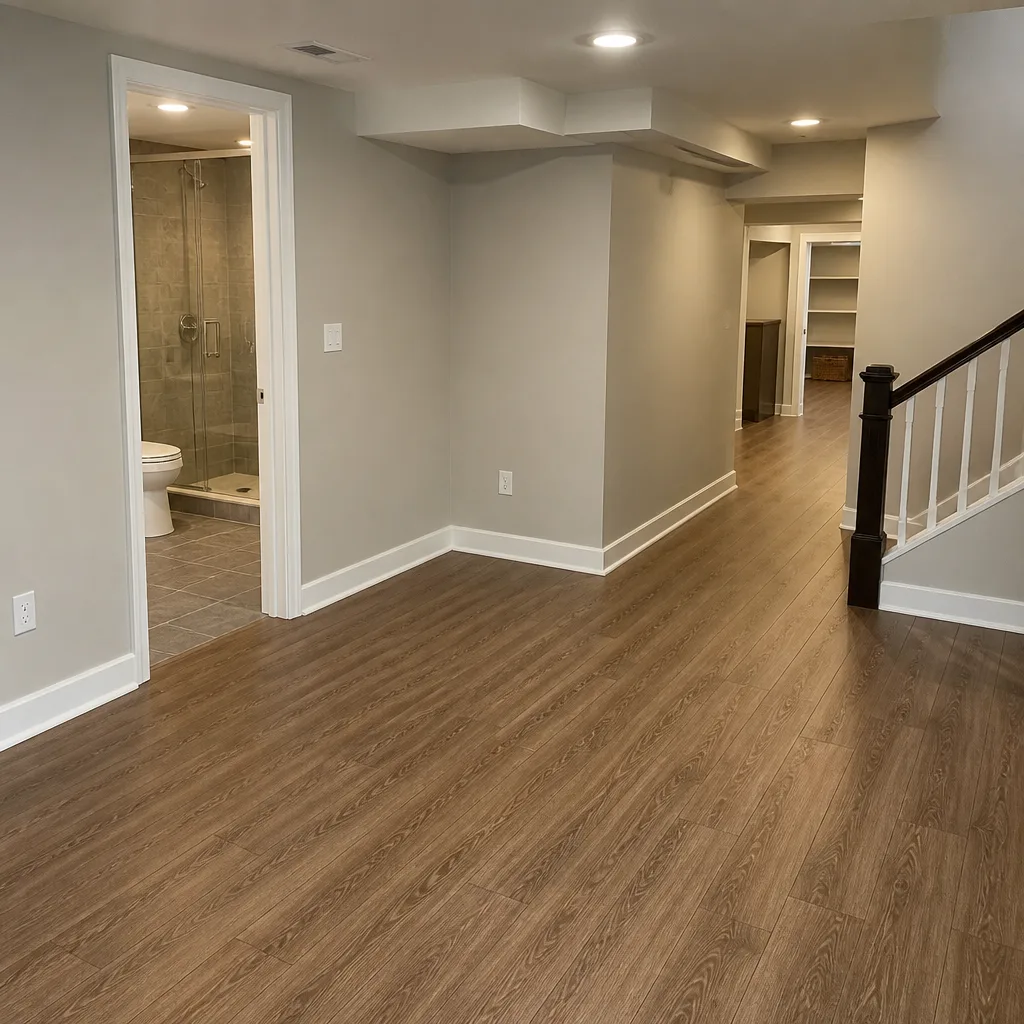

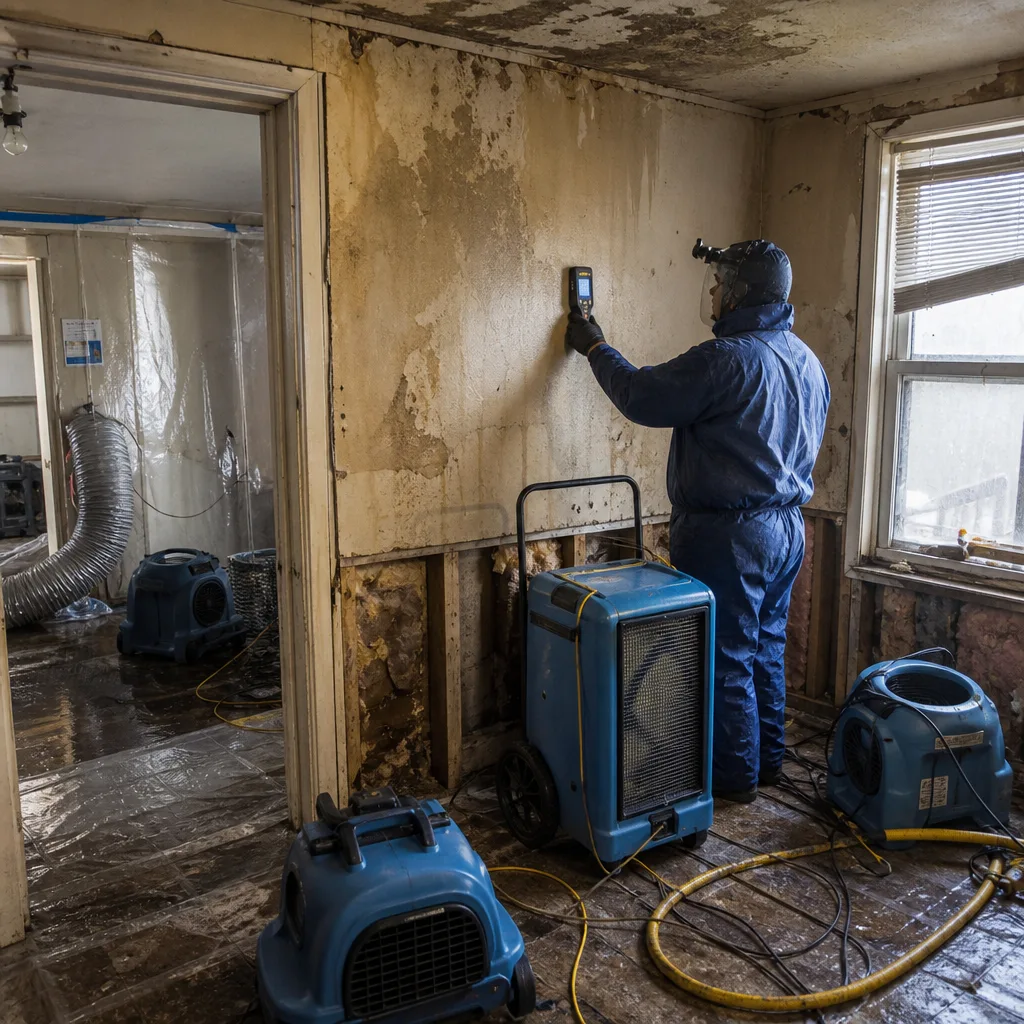 Before
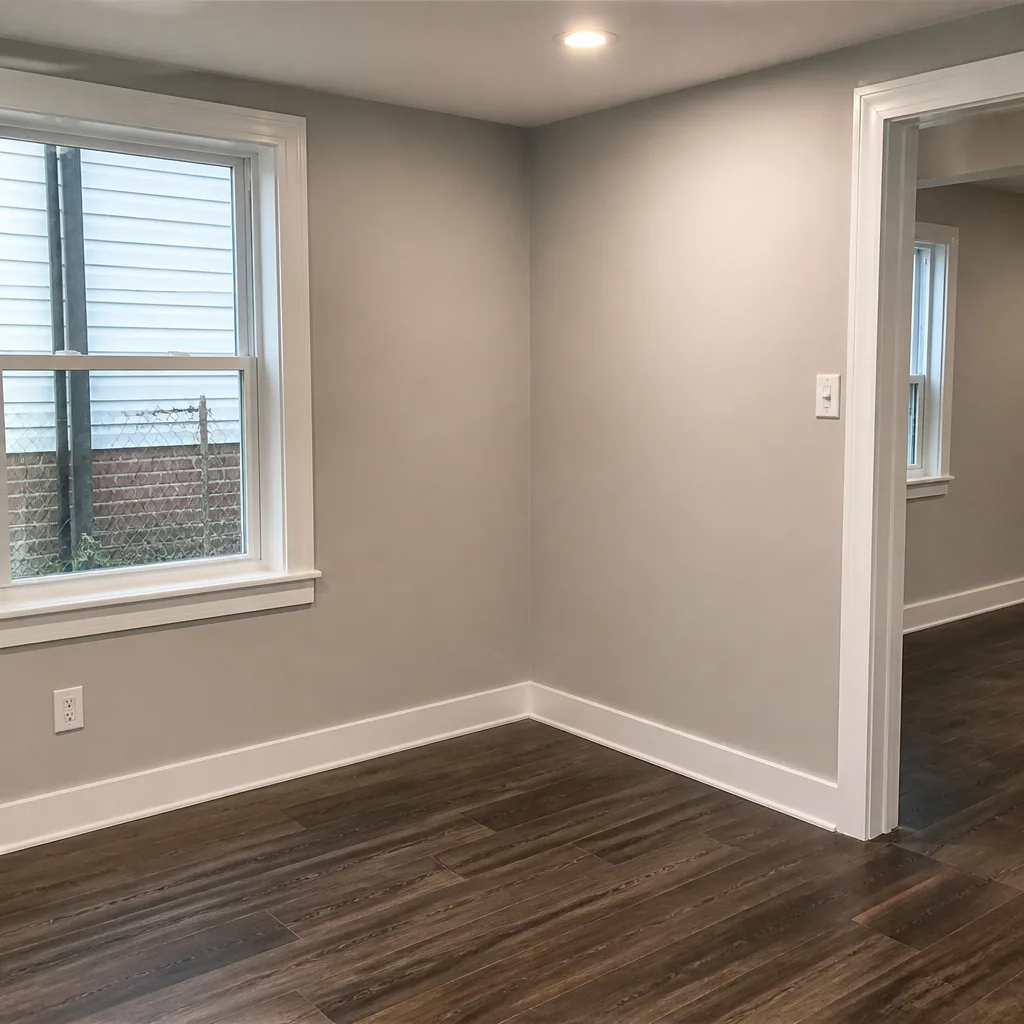 After
After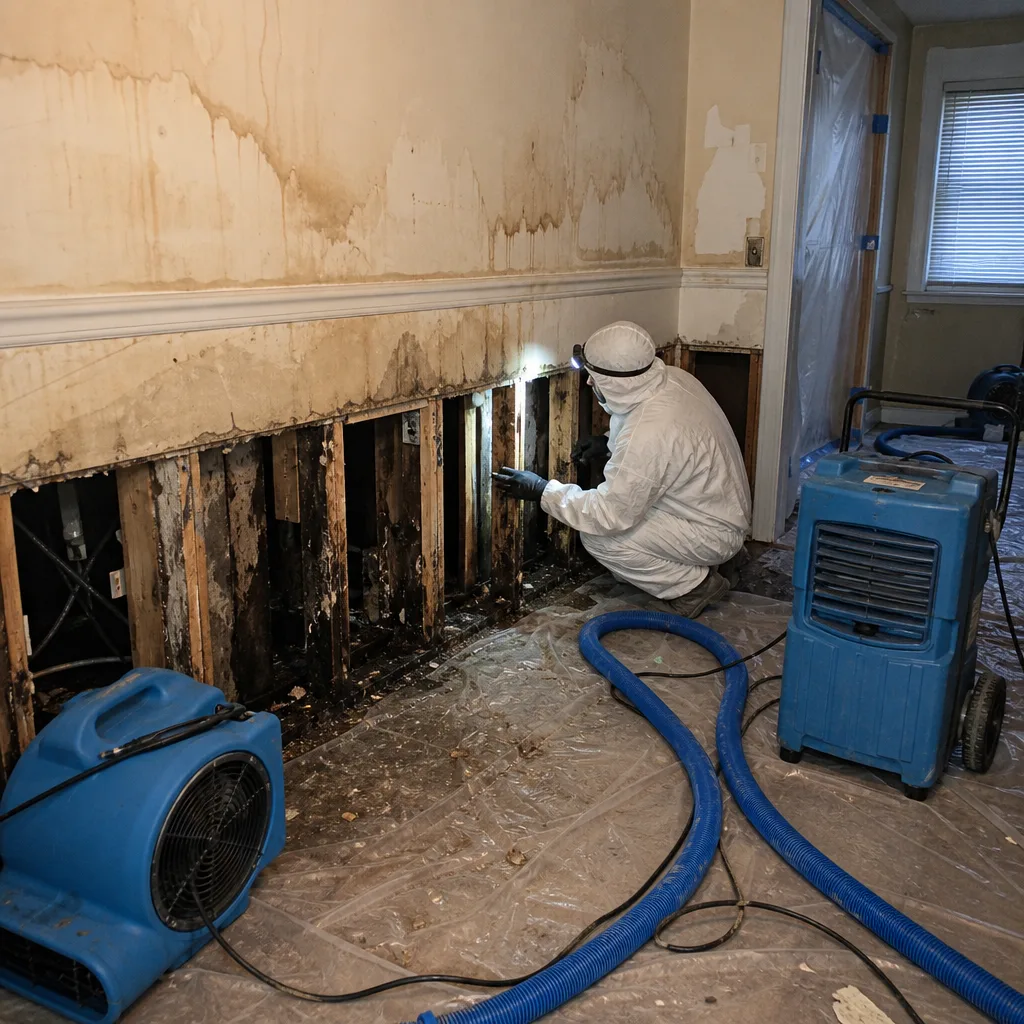 Before
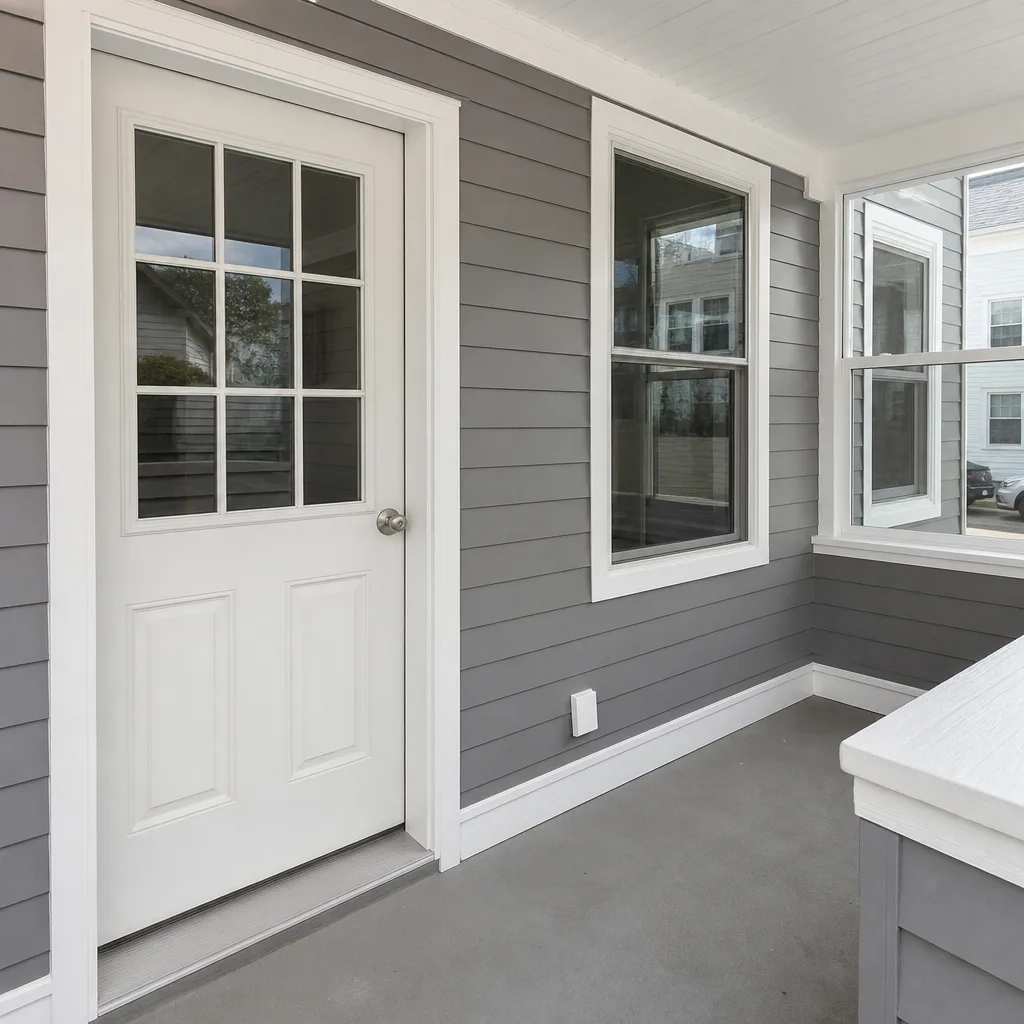 After
After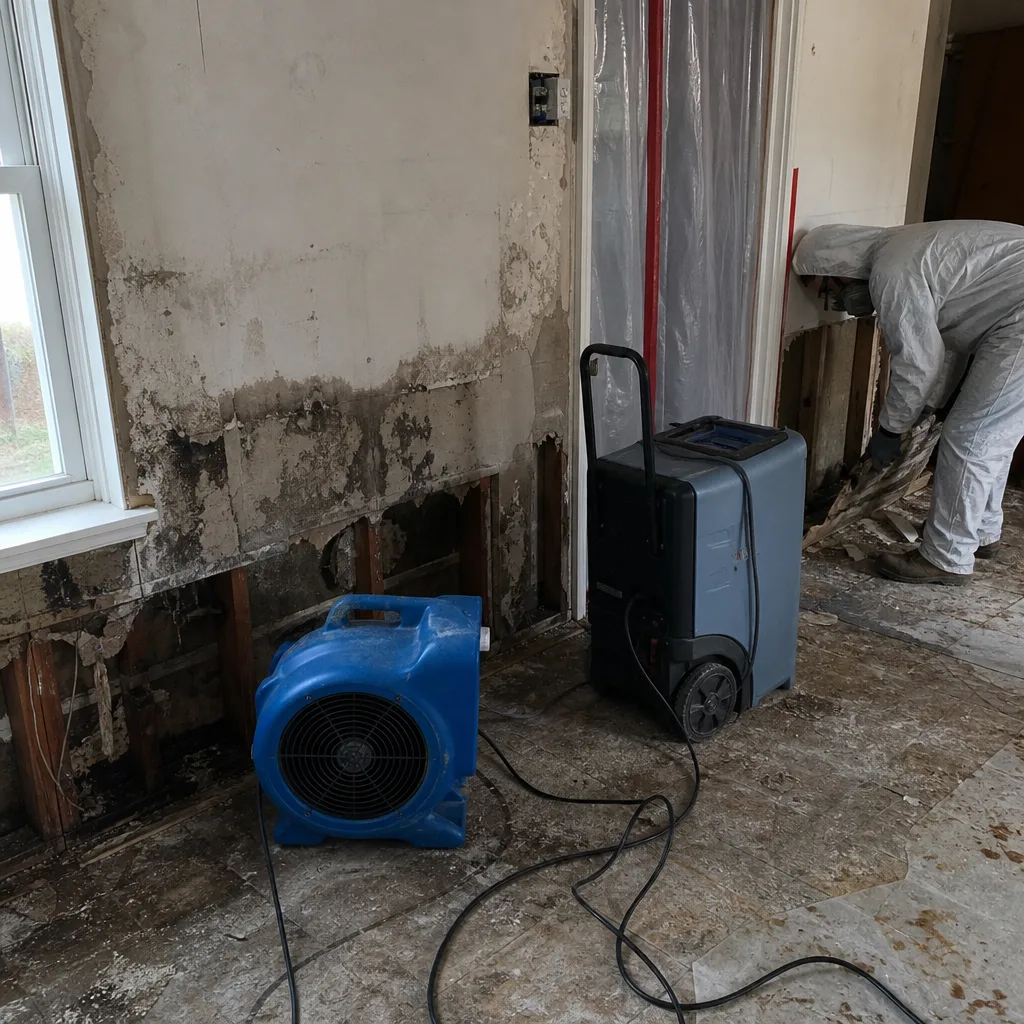 Before
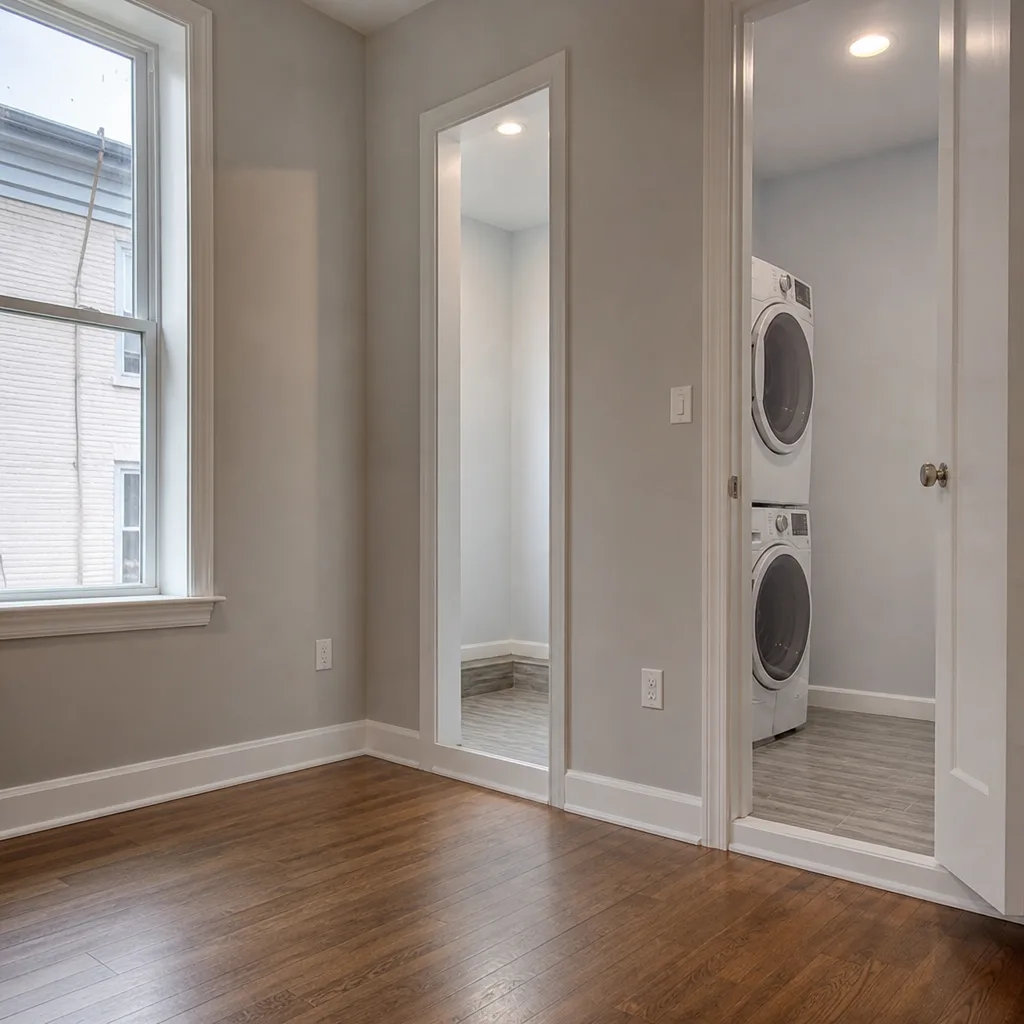 After
After24/7 Emergency Water Damage Restoration in Kearny
Water damage restoration in Kearny costs between $1,800 and $5,400 for most basement floods, and the first 60 minutes determine whether you’re drying a floor or replacing framing. Floodline Restoration Co. answers the phone with a live dispatcher at any hour and gets a certified crew inside the Kearny area the same day. Call (640) 400-9404 the moment you see standing water, a wet drywall seam, or a floor drain that’s backing up. We’ll walk you through the first steps over the phone and have a truck rolling while you’re still on the line.
Kearny doesn’t get “minor” water problems. The town sits on former meadowland fill between the Passaic River and Newark Bay, and when the combined sewers surcharge during moderate rain, the water that comes up through your floor drain is not clean. It’s Category 3 black water, and it needs biohazard protocols, not just a shop vac. We know that because we’re the team that handles it here week after week.
Understanding Water Damage Restoration Severity in Kearny Properties
Water damage falls into three categories, and Kearny sees more Category 3 than almost any municipality in Hudson County. Category 1 is clean water from a supply line or an overflowing tub. Category 2 carries some contaminants, like washing machine discharge. Category 3 is grossly contaminated water, sewage, river overflow, or any floodwater that has picked up waste, chemicals, or bacteria. In Kearny, the combined sewer system that serves much of the town is old and routinely under capacity. When heavy rain hits, the system surcharges, and raw sewage pushes back up through basement floor drains and toilets. That means the “flooded basement” you’re looking at is a biohazard event until proven otherwise.
Kearny’s housing stock makes this worse. Most homes are late-1800s to early-1900s brick rowhouses and two- and three-family buildings built for mill workers. The foundations are stone and mortar, not poured concrete, and they were never waterproofed in any modern sense. As groundwater rises during heavy rain, hydrostatic pressure pushes water straight through the masonry. Once that water wicks into floor joists and sill plates, you’re no longer dealing with surface moisture. You’re dealing with structural drying, humidity control, and often the removal of materials that have been damp-cycling for decades.
Why Kearny Property Owners Choose Floodline Restoration Co.
- 45-minute response commitment: When you call with standing water, we don’t put you on a list. The closest crew is dispatched immediately, and we’ll tell you honestly how long the drive will take.
- 24/7 live answer, always a person: No phone tree, no “leave a message after the tone.” A real dispatcher picks up at 2 a.m. and moves trucks. That’s been true since Curt Bowman founded this company in 2010 around a dispatch board.
- IICRC-certified crews: Our technicians train to IICRC standards including WRT (Water Damage Restoration Technician) and AMRT (Applied Microbial Remediation Technician). They show up uniformed, background-checked, and carrying moisture mapping equipment, not just a mop.
- Free visual inspection: Before any work begins, we walk the property with you and show you exactly what we’re seeing. You get a written scope, not a sales pitch.
- Direct insurance billing: We send the bill to your carrier and negotiate the estimate with your adjuster. You’re not the middleman.
- One team, start to finish: Extraction, drying, containment, antimicrobial, drywall, flooring, trim. The same crew that reads the moisture map on day one handles the rebuild. No handoff, no inherited subcontractor.
Our Water Damage Restoration Process
Inspection & Assessment
We start with thermal imaging and moisture meters to find water you can’t see. In Kearny’s old masonry homes, water travels laterally behind lath-and-plaster and settles in joist bays. The scope of work is based on what the instruments read, not what the floor looks like.
Extraction & Stabilization
Standing water comes out first, using truck-mounted or portable extraction units depending on access. In basement stairs and tight Kearny entryways, we bring equipment that fits through a standard rowhouse door.
Drying & Dehumidification
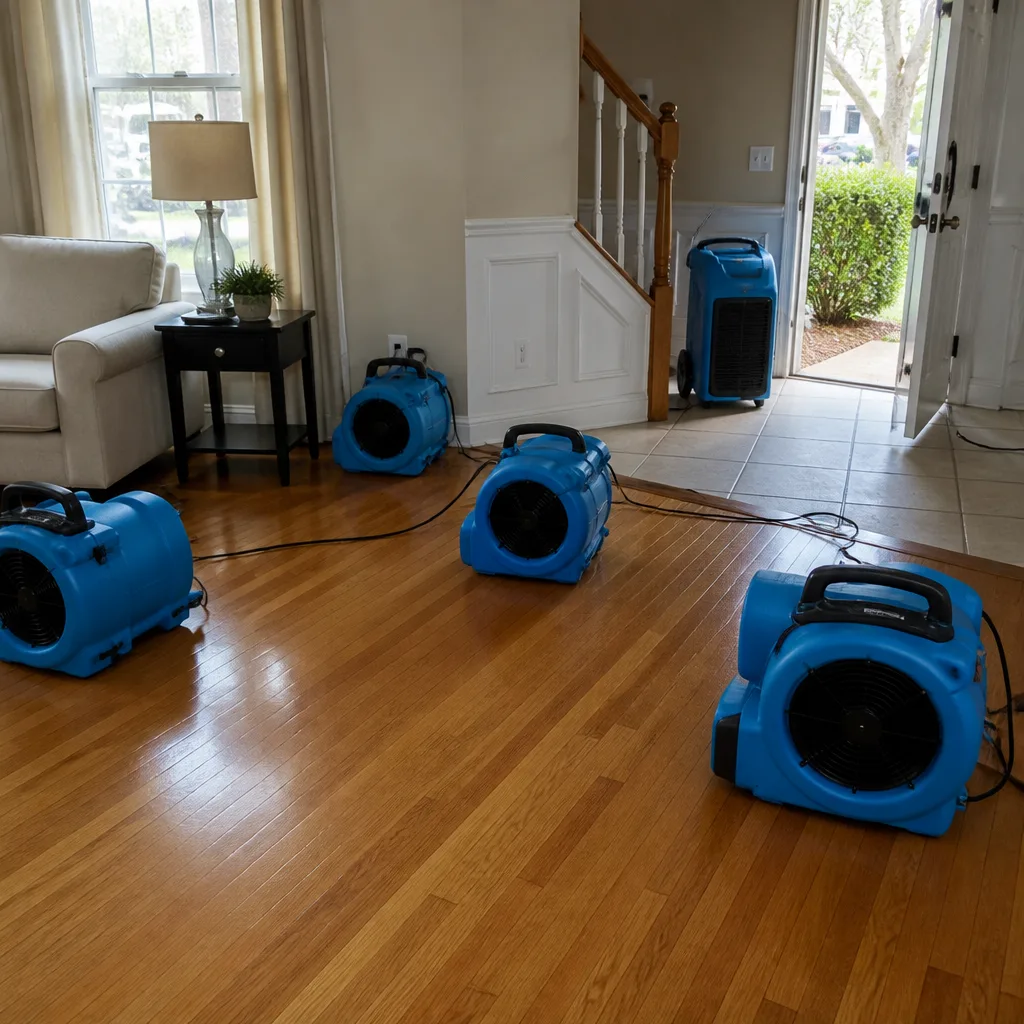
Dri-Eaz air movers and Phoenix dehumidifiers are placed according to a moisture map, not sprinkled around randomly. Daily readings are logged until the dry standard is reached, usually three to five days in a Kearny basement.
Cleaning & Sanitization
Every surface touched by Category 3 water is cleaned with an antimicrobial process. Contaminated drywall, insulation, and carpet pad are removed and bagged. Hard surfaces are treated and retested.
Containment & Air Scrubbing
When mold or sewage is present, we seal the work area with poly containment and run HEPA air scrubbers to keep spores from moving through the house. This matters in Kearny’s attached rowhouses, where your basement air shares walls with the neighbors.
Repairs & Restoration
Once the building is dry and clean, our own crews do the rebuild: drywall, trim, painting, flooring, and any structural repairs the framing required. The 90-Day Done Right Promise covers the whole job, from first extraction to final walk-through.
Need Emergency Water Damage Restoration in Kearny Now?
Crews minutes away, answering live 24 hours a day. The sooner we start, the less it costs.
Working With Your Insurance Company
Most Kearny homeowners have never filed a water damage claim before, and the paperwork is the part they dread. We handle that. From the first hour on site, our team photographs every affected room, logs the moisture readings, and builds a line-item scope of work that matches what your adjuster needs to see. Then we talk to the adjuster directly. You don’t carry messages back and forth, and you don’t get stuck explaining why a sewage backup requires antimicrobial treatment and not just a fan. If the claim is for a burst pipe, a roof leak, a sewer surcharge, or a Passaic River flood, we know the exclusions and coverages well enough to speak your carrier’s language.
What We Provide Your Insurer
- Thorough documentation of the loss
- Photos of all damage, room by room
- Moisture readings and drying logs
- A detailed, line-item scope of work
- Direct coordination with your carrier
Built for Kearny’s Loss Calendar
We don’t guess when your house is going to flood. We’ve spent enough years in Kearny to know the calendar. January and February bring deep freezes that split supply lines in uninsulated exterior walls, the most common burst-pipe calls we get all year. March and April thaw saturates the already-damp ground, and hydrostatic pressure pushes groundwater through stone foundations on nearly every block between Kearny Avenue and the river. Summer brings sudden thunderstorms that dump two inches of rain in an hour, overwhelming the combined sewers and sending black water up through basement floor drains from South Kearny to the Belleville Turnpike corridor. Fall nor’easters line up with high tides on Newark Bay, and the riverside streets see flooding from two directions at once. If you live in Kearny, you’re not asking whether water will find your basement. You’re asking when, and which source it’ll come from. We plan our response around that, with equipment staged for the streets we know will flood before the storm reaches the town line.
Water Damage Restoration Across Kearny’s Neighborhoods
The north side of Kearny, near the Arlington section up toward North Arlington, has the oldest rowhouses, many with rubble foundations and basements entered through bilco doors. When Passaic River flooding pushes into those blocks, water enters through the foundation itself, not just the door. We see a lot of saturated sill plates and joist ends in that area, and the drying jobs run longer because the masonry holds moisture for days. Around Kearny Avenue, the commercial and mixed-use buildings sit closer together, and access is tighter, so extraction often happens through narrow alley entrances with portable equipment. South Kearny, the 07099 zip code, is a different animal entirely. On the industrial peninsula between the Hackensack River and Newark Bay, floodwater can come from river overflow, tidal backpressure, and sewer surcharge all at once. That triple source means the water is always Category 3, and containment plus air quality testing are non-negotiable before we even set up the dehumidifiers. In the Manor section on the east side near the Belleville border, we frequently find basements that have been repeatedly flooded and marginally dried for years, which means the structural lumber is often worse than what the current water line suggests.
Specialized Water Damage Restoration Services We Offer in Kearny
Flood Cleanup
Kearny floods from the Passaic River on the west side and from tidal surge on the east. Our Water Damage Restoration teams handle both, plus the sewer surcharge flooding that comes up from below. The cleanup includes full extraction, removal of contaminated materials, containment where needed, and the documentation your insurer requires for a flood claim.
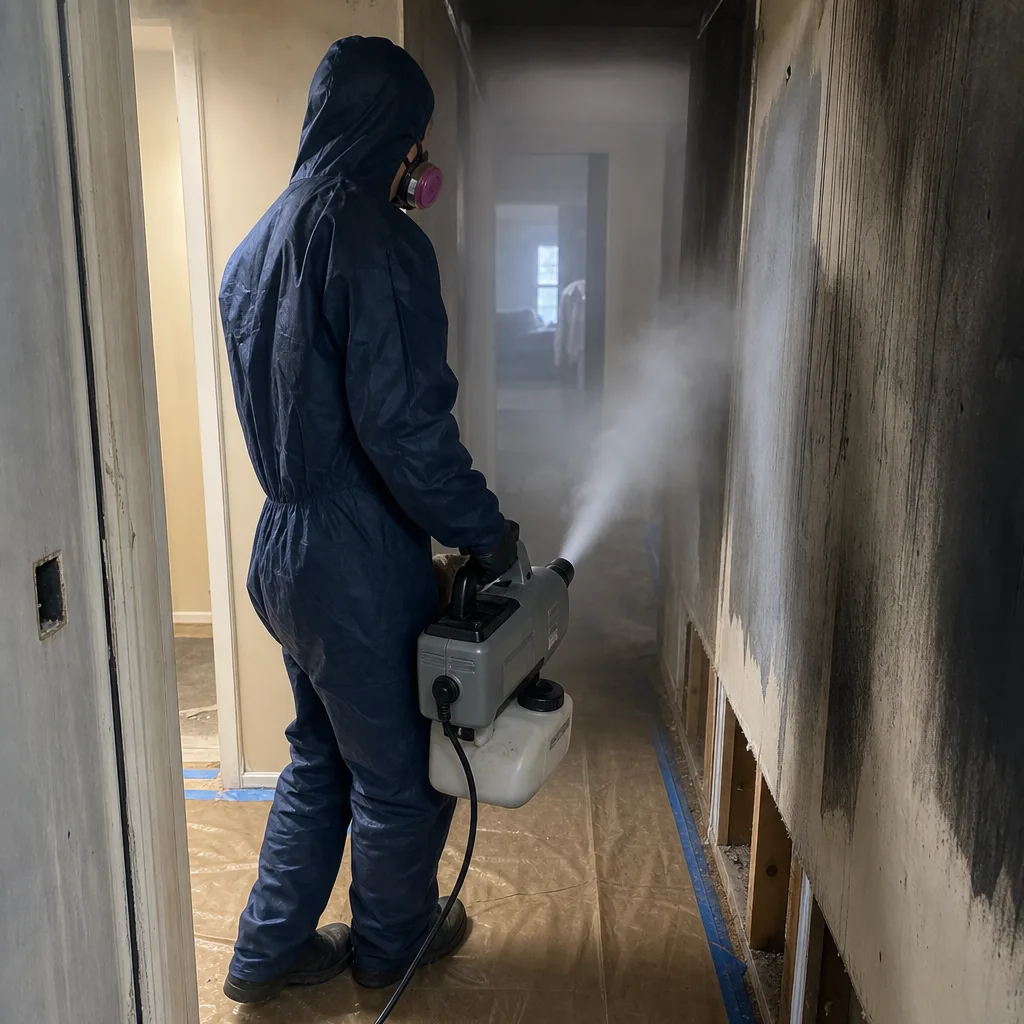
Basement Water Removal
In a Kearny rowhouse, the basement is where everything gets stored, and it’s also the lowest point on the property. We extract standing water fast, then map the moisture in the foundation walls and the framing above. Because the water table here is high, we often find that water didn’t just come in, it came up. Removal is the first foot. Drying the masonry is the other eleven.
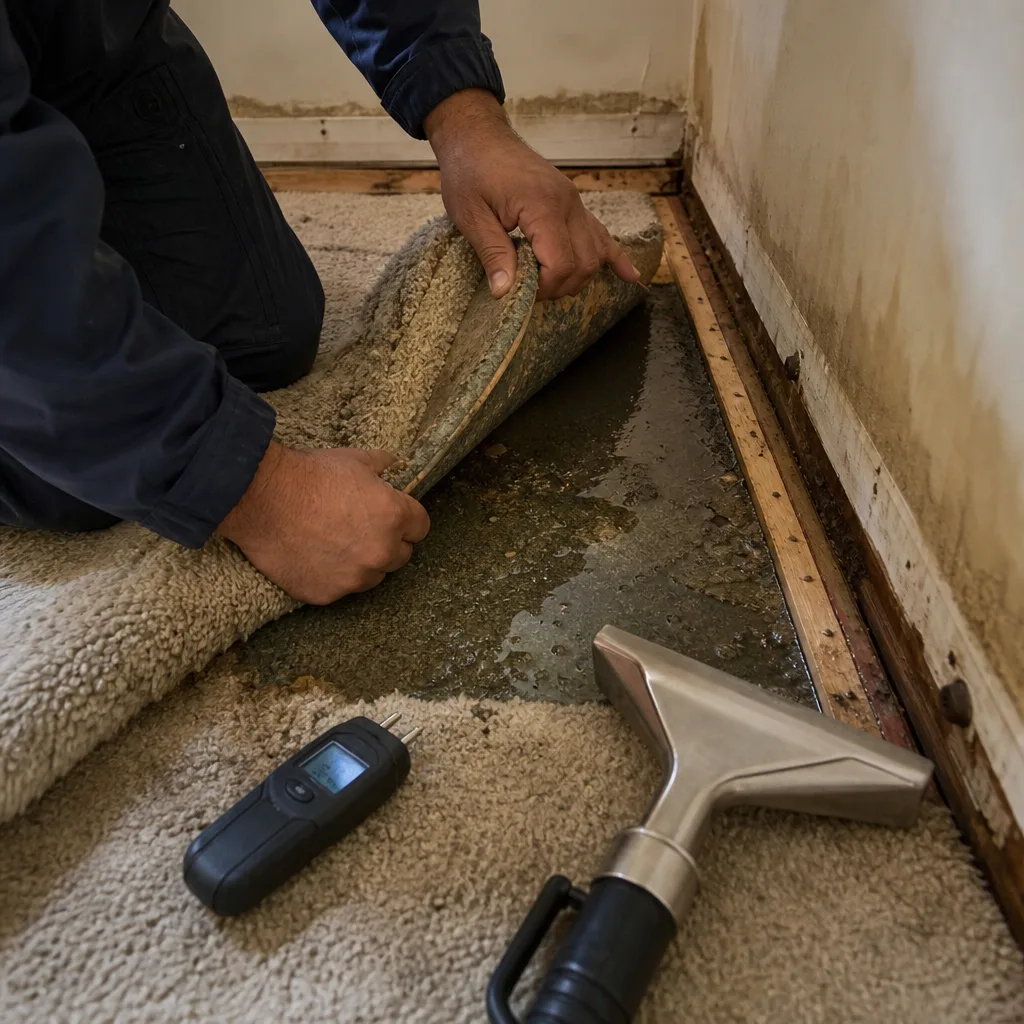
Structural Drying & Dehumidification
Old Kearny homes don’t dry out on their own. The stone and mortar holds moisture like a sponge, and the wood framing above it keeps pulling that moisture out of the air. We use Dri-Eaz air movers and Phoenix dehumidifiers placed on a calculated layout, with daily moisture readings until the structure meets the dry standard. On homes with decades of recurring dampness, we’ll tell you honestly if the joist bays need to be opened and packed out.
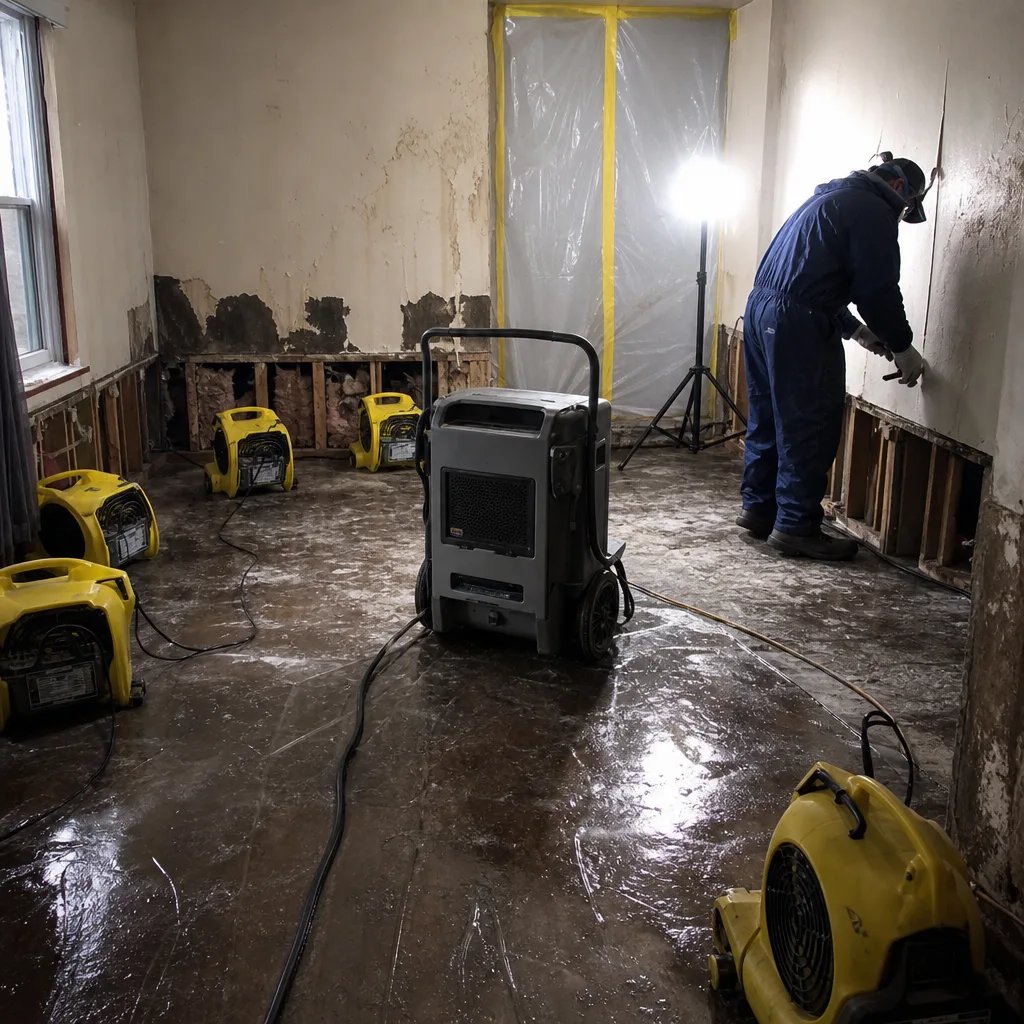
Emergency Water Extraction
When a supply line breaks at 3 a.m. or a water heater lets go, every minute matters. We arrive fast, stop the source, and pull the standing water before it spreads into walls and under flooring. In Kearny’s older homes, water travels quickly along old joist bays and through gaps in the original flooring, so the first hour of extraction determines how much drywall and flooring we can save.
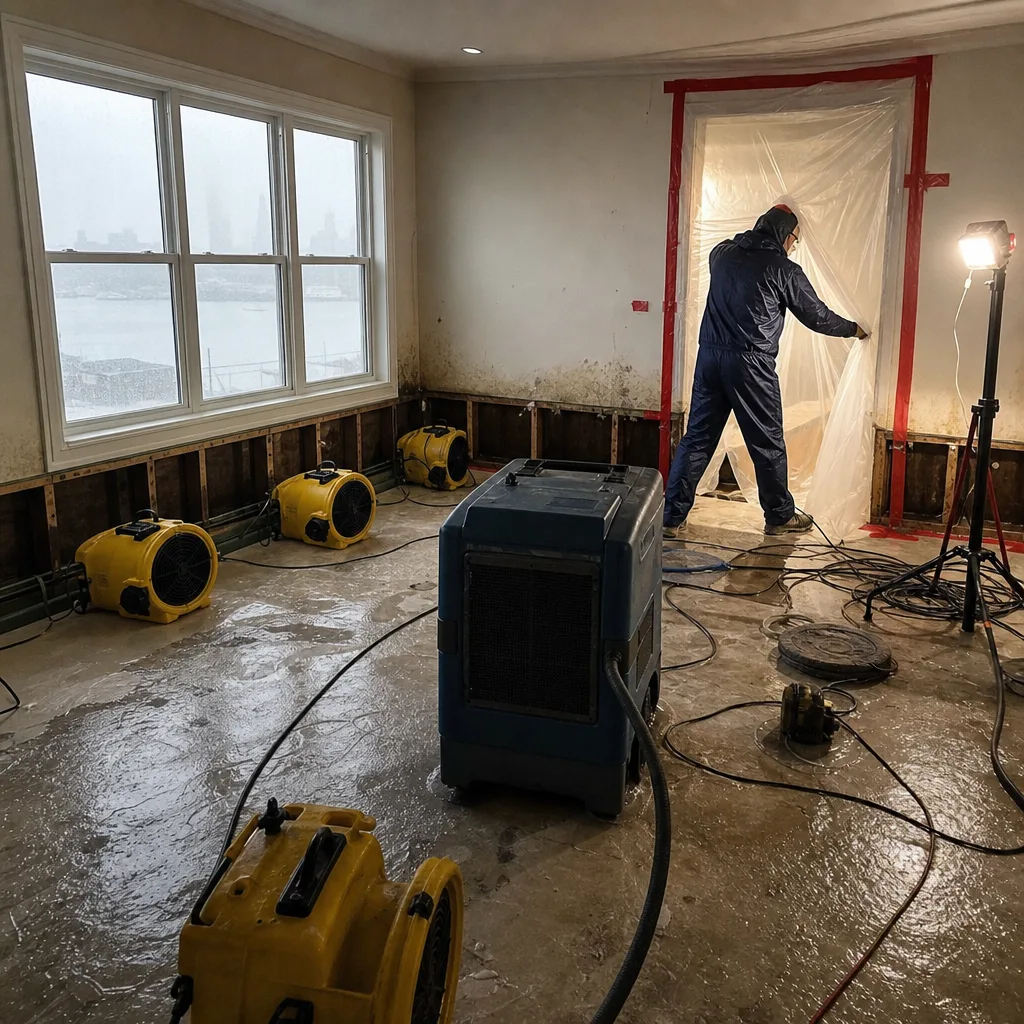
Burst Pipe Restoration
A frozen pipe in a Kearny exterior wall is common in January, especially in kitchens and bathrooms that sit over uninsulated crawl spaces or on the north side of a brick rowhouse. We repair the pipe or coordinate with a plumber, then dry the structure, repair the drywall, and rebuild the space. One team handles it all, so you’re not waiting on three contractors.
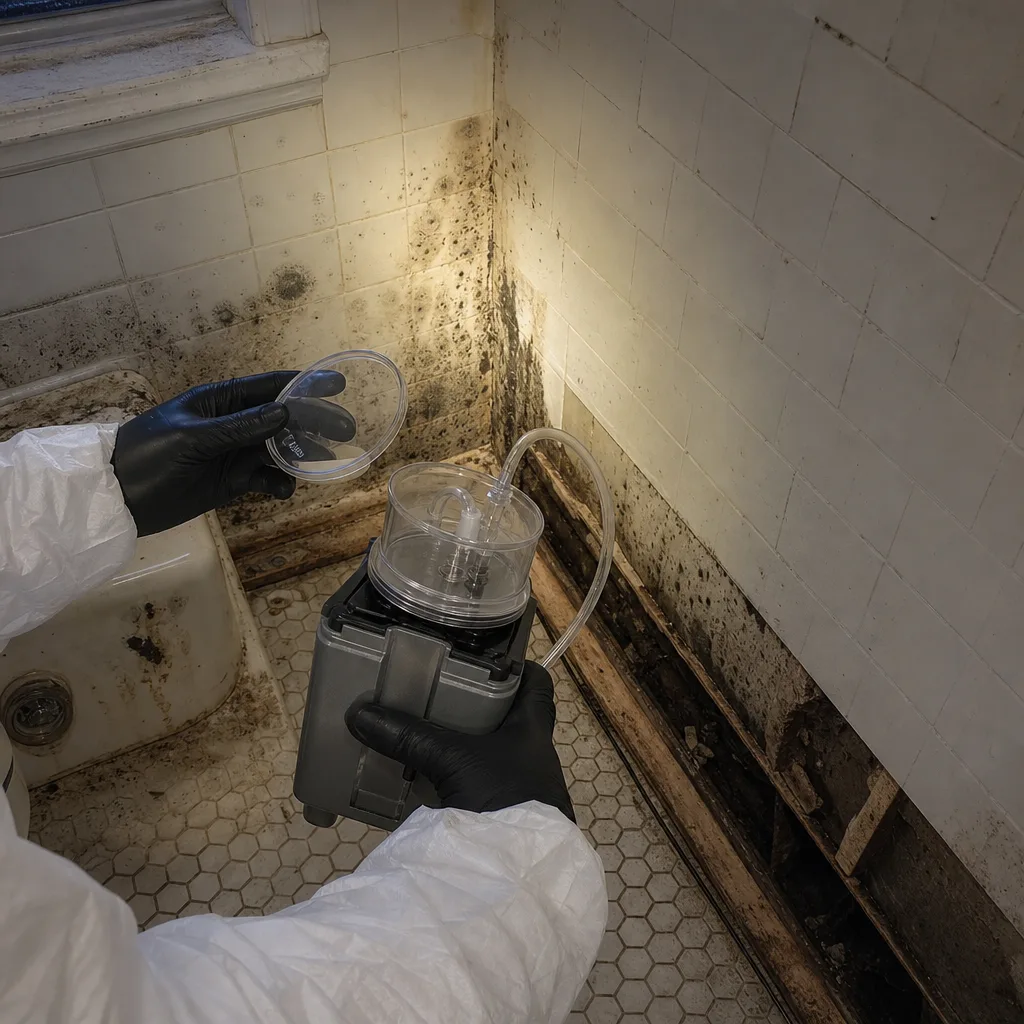
What happens when you call
- 1
A real person answersNo phone trees - you reach a local pro.
- 2
You get an upfront price rangeHonest numbers before anyone is dispatched.
- 3
A background-checked tech heads outLicensed & insured, dispatched right away.
- 4
You approve before work beginsNothing starts until you say go.
Water Damage Restoration Costs in Kearny, NJ
Expect to pay between $1,800 and $3,500 for a typical basement water removal and drying job in a Kearny rowhouse, including extraction, air movers, dehumidifiers, and disposal of a small amount of saturated drywall. If the job involves Category 3 water from a sewer surcharge, the range climbs to $3,000 to $5,400 because we’re adding containment, antimicrobial treatment, HEPA air scrubbing, and often removing more material. A full finished-basement restoration after a Passaic River flood can run $8,000 to $15,000 when flooring, drywall, trim, and painting are included. Ceiling and roof leak drying runs $800 to $2,200 depending on how far the moisture traveled. The free visual inspection gives you a written scope before anything gets cut open, and we bill your carrier directly wherever coverage applies. For an exact number on your situation, call (640) 400-9404.
We Also Serve Cities Near Kearny
Our crews regularly respond to water damage in Kearny and the surrounding towns, including Harrison, Jersey City, Secaucus, and Hoboken. The building types change across the Hudson County line, but the response stays the same: live dispatch, fast arrival, one team through the rebuild.
Serving Kearny, NJ - Our Local Coverage Area
We’re based in the Kearny area and know this community well. Use the map below to see our service coverage - if you’re nearby, we can almost certainly help.
Kearny Water Damage Restoration Questions, Answered
Why does my Kearny basement back up with sewage during moderate rain, not just big storms?
Kearny’s combined sewer system carries both stormwater and sanitary sewage in the same pipes, and during moderate rainfall the system cannot handle the volume, so sewage surcharges back through your basement floor drain. This is Category 3 water and needs biohazard cleanup, not standard drying. Call (640) 400-9404 and we’ll tell you over the phone whether what you’re seeing is surcharge-related.
Is water seeping through my old stone foundation in Kearny clean or contaminated?
Groundwater seeping through stone-and-mortar foundations is never clean, and in Kearny it’s often contaminated by the high water table and the surrounding fill soil. If the water has been sitting or if it came up through a floor drain during rain, assume Category 3 until testing shows otherwise. We can assess and advise during the free inspection.
After a river flood on the west side of Kearny, how long before mold starts in my finished basement?
Mold can begin in 24 to 48 hours on wet drywall and wood, which is why extraction and drying need to start the same day as the flood recedes. If you wait three days to call, we’re removing drywall and insulation rather than drying it. Call (640) 400-9404 as soon as the water is down.
Do I need air-quality testing after a flood in South Kearny’s industrial zone?
In South Kearny, where floodwater can come from river overflow, tidal surge, and sewer surcharge simultaneously, we recommend air-quality testing and full containment on every Category 3 loss. The water there carries industrial contaminants and sewage, and the cleanup standard has to reflect that. We’ll advise you during the inspection.
Why does my Kearny basement feel damp even when it hasn’t rained for weeks?
The water table under Kearny stays high year-round because the town is built on former wetland fill. When the water table rises even without rain, hydrostatic pressure pushes moisture up through the unsealed stone foundations under old homes, and you feel it as dampness and a musty smell. This is a structural moisture condition, not a housekeeping problem, and it usually requires dehumidification and foundation management rather than just running a fan. Call (640) 400-9404 for a free moisture assessment.
How fast can you actually get to a house in Kearny?
We commit to a 45-minute dispatch response, and in Kearny we’re typically on scene faster because we keep crews staged in the area and we know the traffic patterns on routes like Kearny Avenue and the Belleville Turnpike. The exact drive time depends on where you are, but the dispatcher will tell you the truth when you call.
Will homeowners insurance cover water damage from a sewer backup in Kearny?
Most standard policies exclude sewer backup coverage unless you’ve purchased a specific endorsement, and it’s one of the most common gaps we see in Hudson County. We’ll document exactly what happened and work with your adjuster to explore every coverage path. What we won’t do is mislabel the source to squeeze a claim; we’ll tell you the truth and fight for what’s fair.
What should I do in the first 30 minutes after water appears?
If it’s safe, turn off the power to the affected area, shut the main water valve if you suspect a supply line break, and move small items to higher ground. Don’t wade into water that could be from a drain or the river, and don’t plug anything into a wet outlet. Then call (640) 400-9404 and we’ll walk you through the next steps while the crew is on the way.
Written by Curt Bowman, Owner at Floodline Restoration Co., serving Kearny and Hudson County since 2010.