

Free visual inspection and a written scope of work before any mitigation begins - photos, moisture readings, and drying logs go in your claim file
The scope we write is the scope we bill. Anything new gets shown to you, in writing, before we touch it.
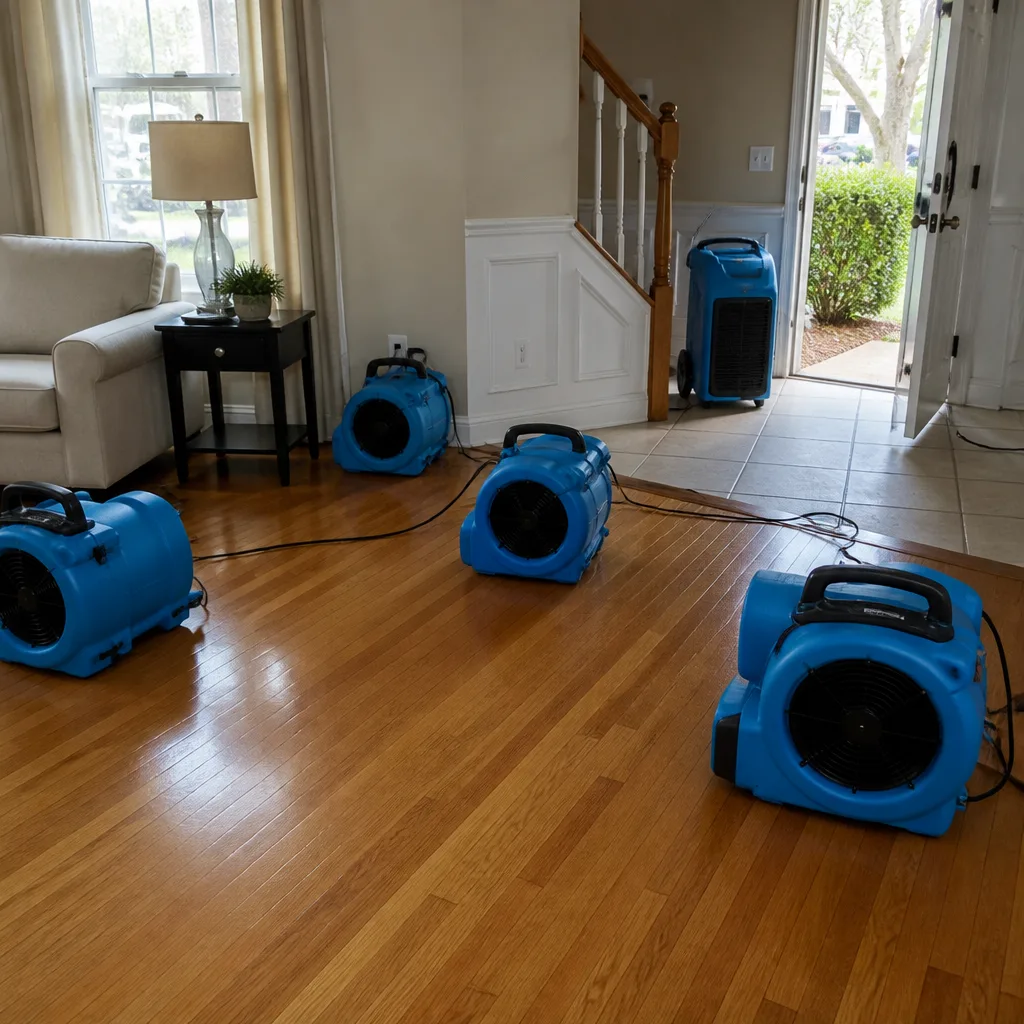
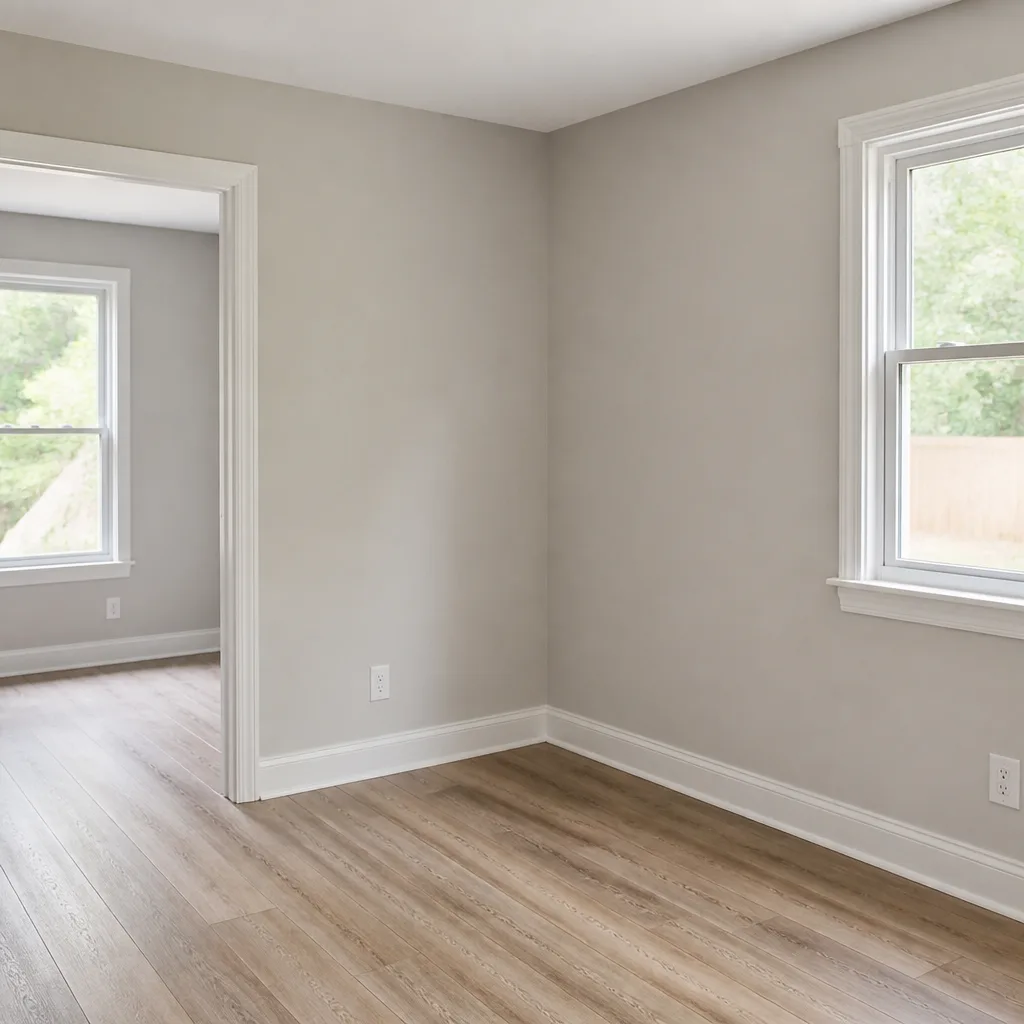
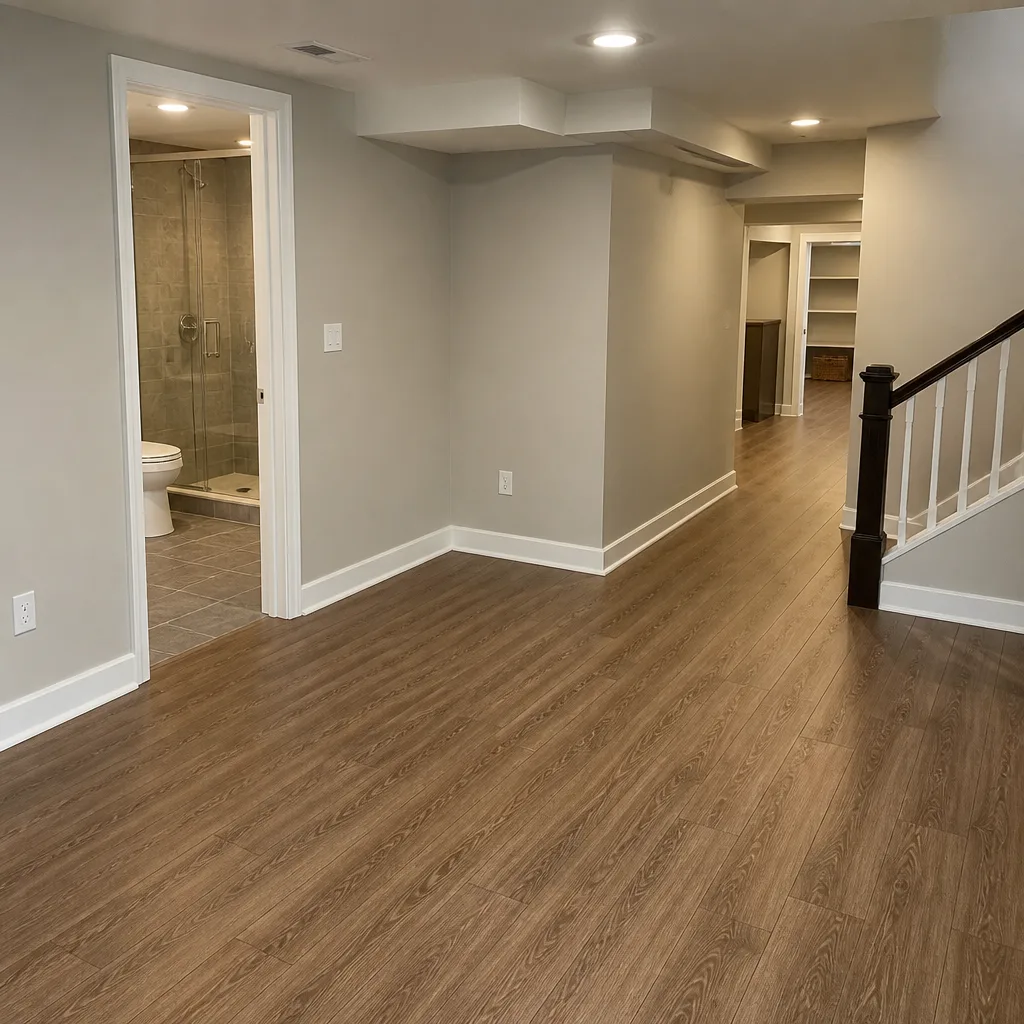
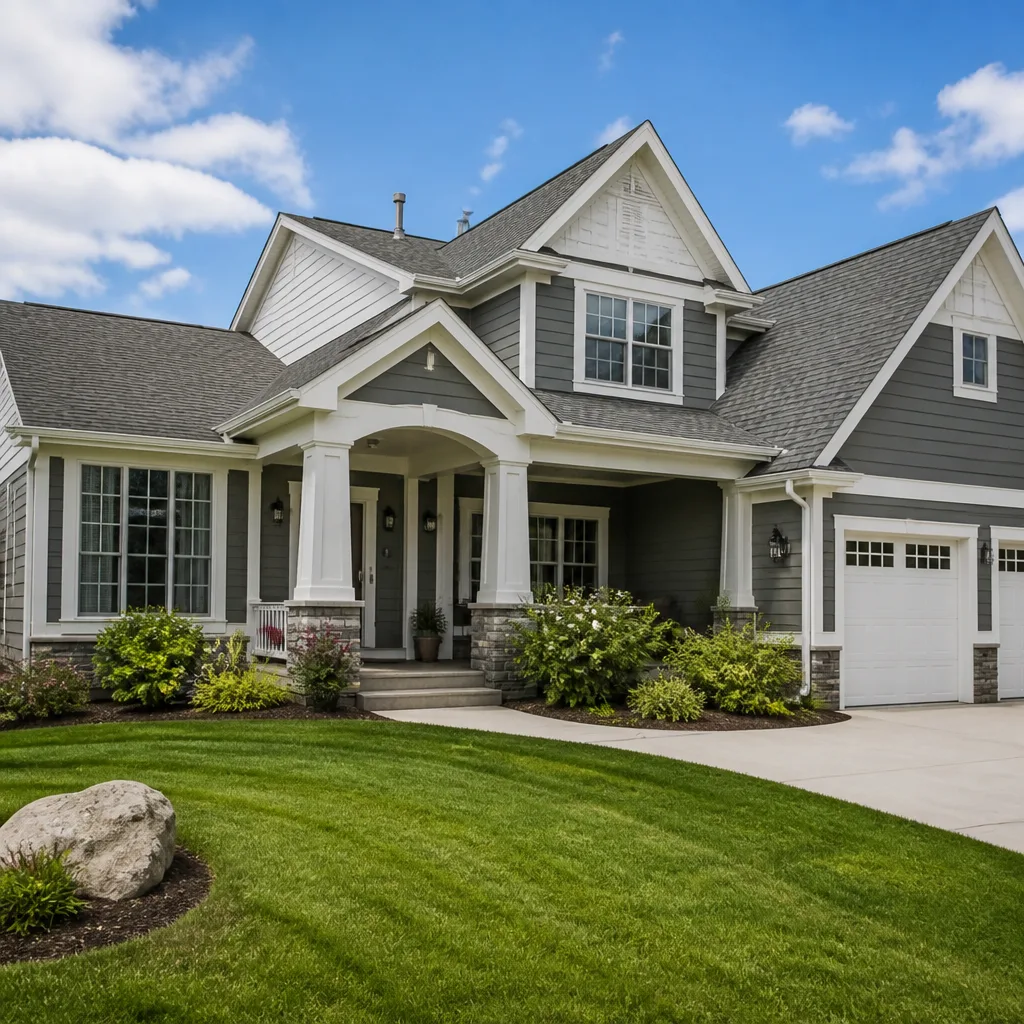
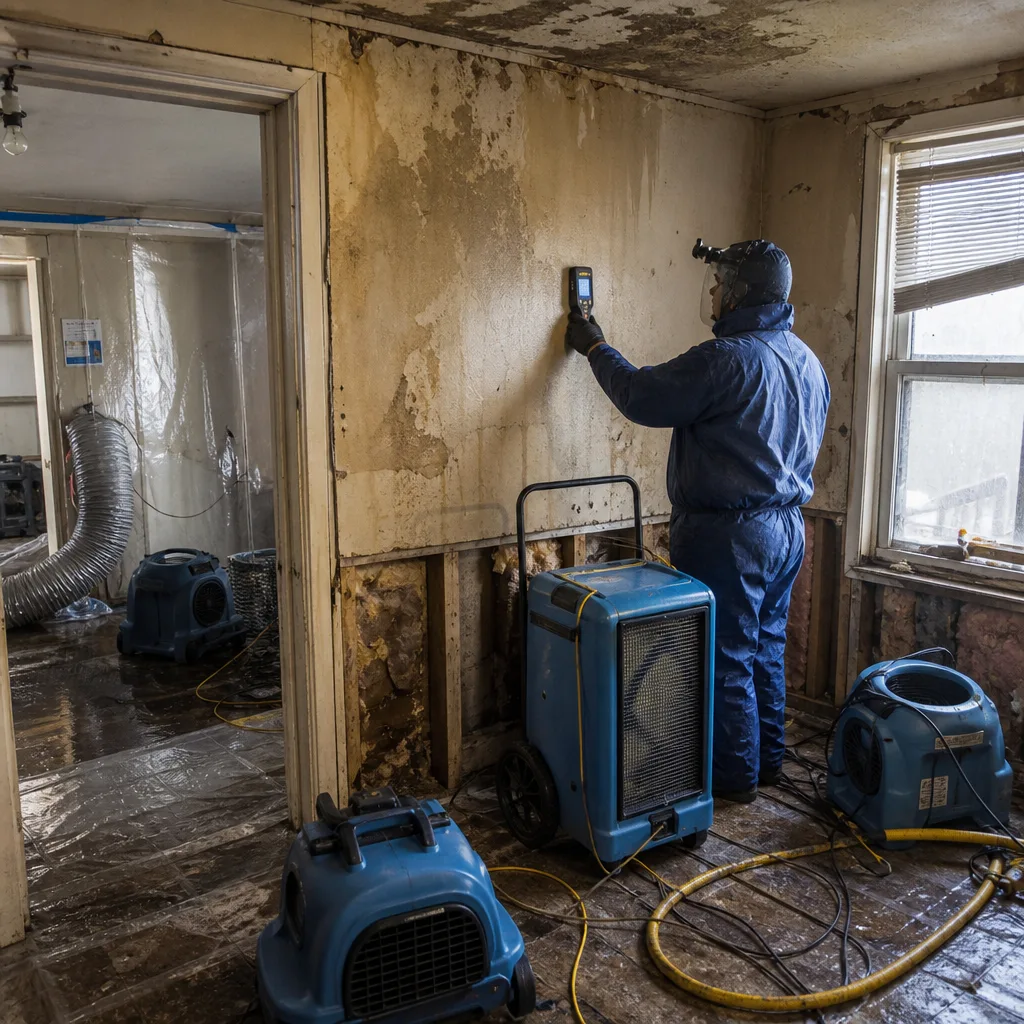 Before
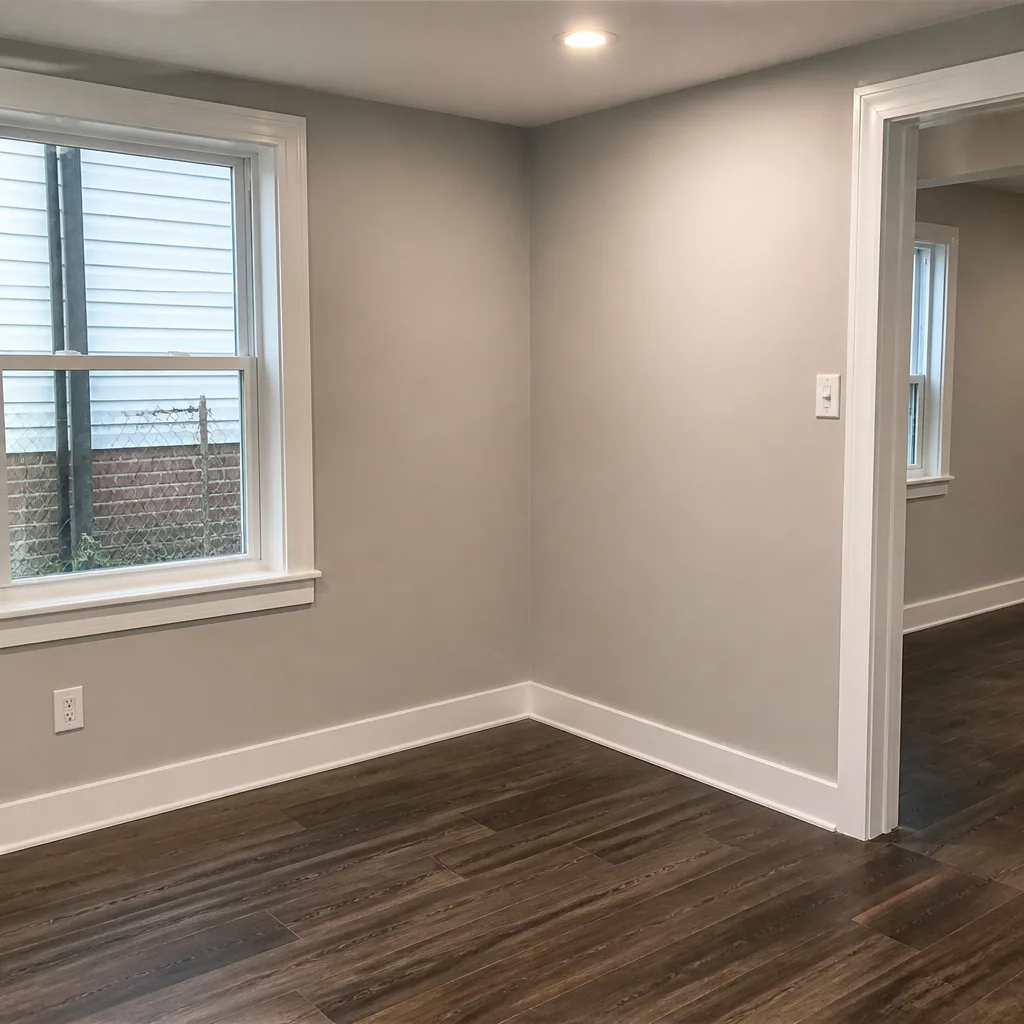 After
After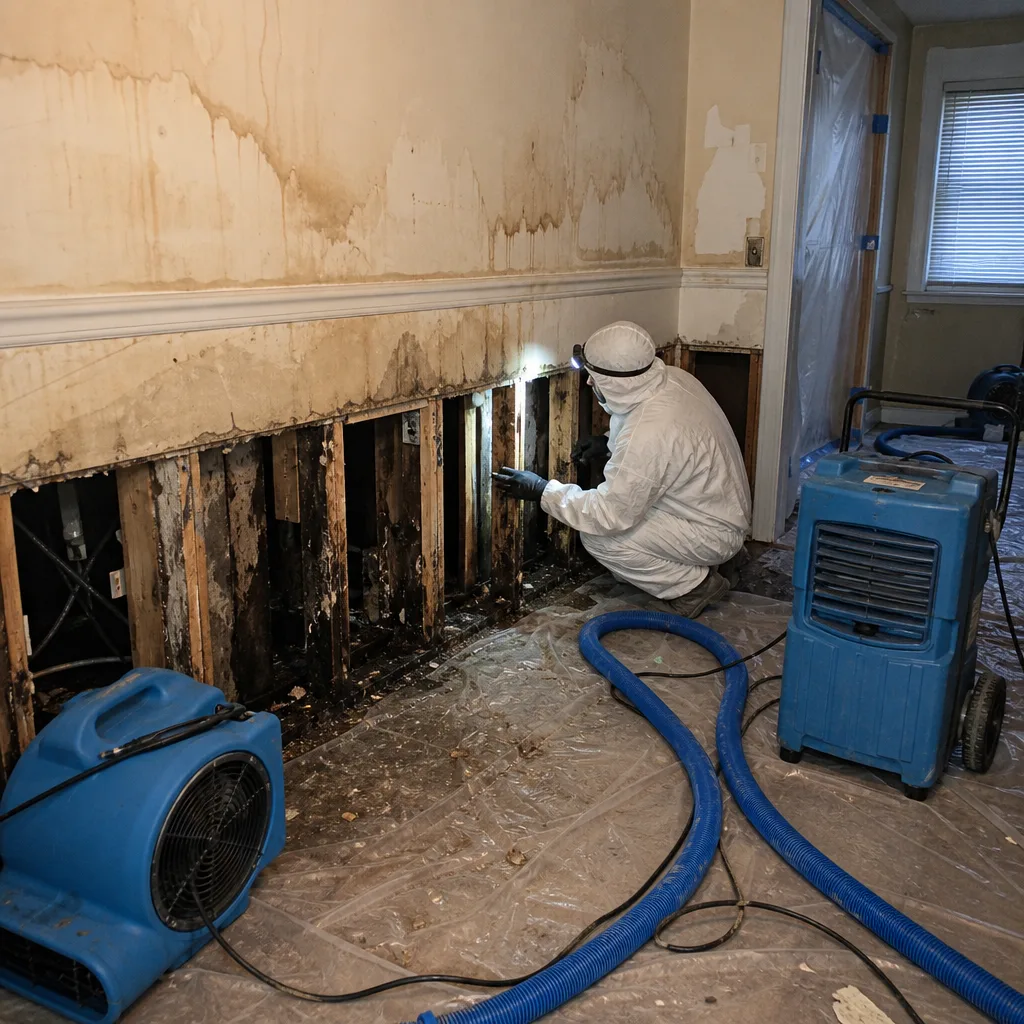 Before
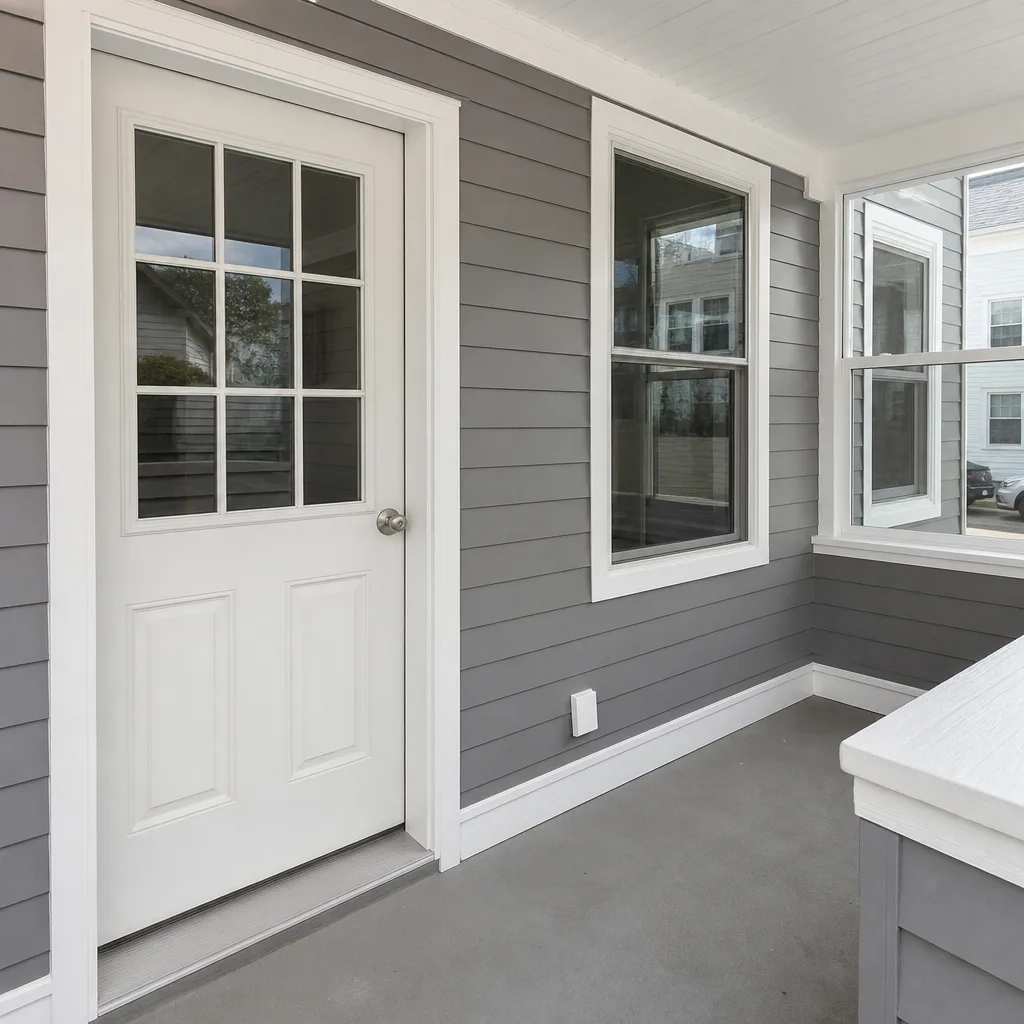 After
After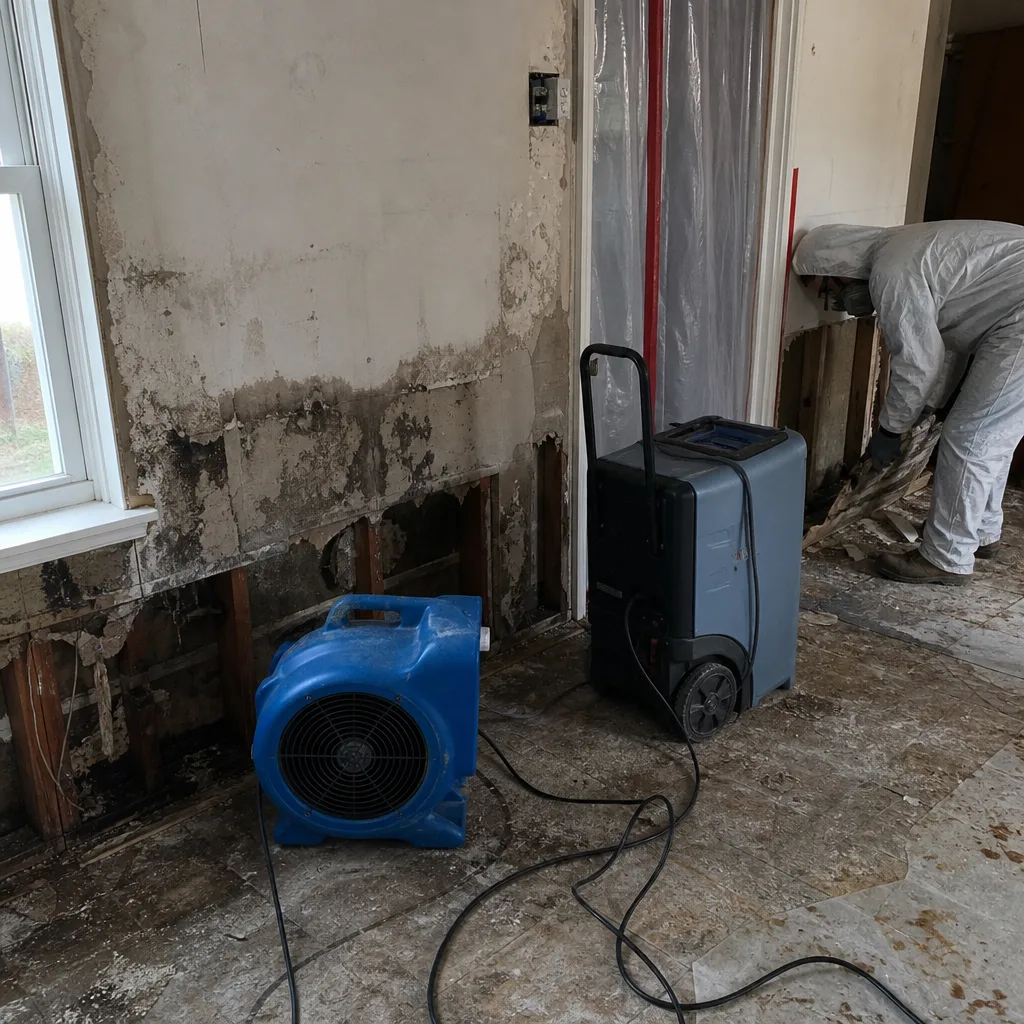 Before
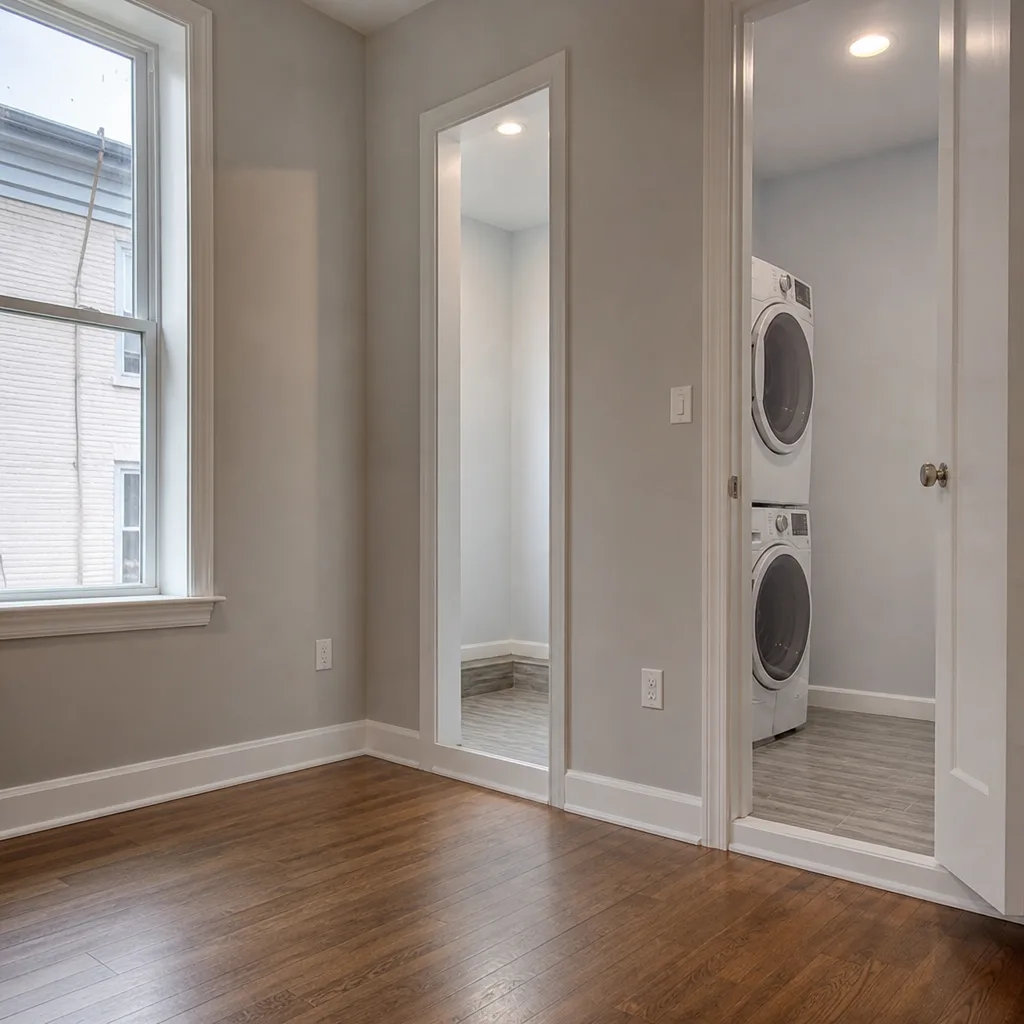 After
After24/7 Emergency Water Damage Restoration in Harrison
Water damage restoration in Harrison typically costs $2,400 to $6,800 for a basement flood, with emergency extraction alone running $500 to $1,100 for the first visit. Our crews reach most Harrison streets within 45 minutes of your call. The Passaic River doesn’t wait, and neither do we. Call (640) 400-9404 right now and a live dispatcher answers, day or night. The first hour after water hits your basement is when you either save the drywall and floor joists or lose them to rot and mold. We start extraction the same visit and walk you through the full scope before any hammer swings.
Understanding Water Damage Restoration Severity in Harrison Properties
Water damage in Harrison breaks into three categories, and the category determines everything about how the job is handled. Category 1 is clean water from a burst supply line or failed water heater. Category 2 is gray water from a washing machine overflow or sump pump discharge. Category 3 is what Harrison sees more often than any neighboring town: black water from the Passaic River, carrying silt, raw sewage, and whatever else the current picked up upstream. Category 3 demands full PPE, containment barriers, antimicrobial treatment, and a different drying protocol than a broken pipe in a Kearny split-level.
Harrison’s housing stock changes the math too. Early-to-mid century brick row houses with full basements hold moisture differently than newer frame construction. Porous mortar joints and deteriorated parging wick groundwater into basement walls even when it hasn’t rained in weeks. Our technicians use thermal imaging cameras and penetrating moisture meters to map what’s actually wet before setting air movers. Then we log readings daily until the dry standard is met. No guessing, no skipping corners.
Why Harrison Property Owners Choose Floodline Restoration Co.
- 45-minute response commitment. When the Passaic rises, we dispatch within minutes. Most Harrison addresses see a uniformed, background-checked crew inside the hour, with extraction running the same visit.
- 24/7 live answer, always a person. Call at 2 a.m. during a nor’easter and you get a dispatcher on the line, not a recording. That’s been true since Curt Bowman founded the company in 2010 and built it around a dispatch board, not a sales desk.
- IICRC-certified crews, WRT and ASD trained. Every technician on your job holds Water Damage Restoration Technician and Applied Structural Drying certifications, with RIA and IFA standards folded into our protocols.
- Free visual inspection with documentation. Before you sign anything, we walk the damage, point out what’s dry and what isn’t, and explain the scope in plain English.
- Direct insurance billing. We bill your carrier directly, send photo documentation and drying logs to your adjuster, and let you skip the middleman role.
- One team from extraction to reconstruction. Floodline handles the entire cycle: water removal, structural drying, mold prevention, and rebuild. No handoff to a different crew, no inherited subcontractors, no finger-pointing.
Our Water Damage Restoration Process
Inspection & Assessment
We walk the entire affected area with thermal imaging and moisture meters, mapping what’s wet and what isn’t. For Harrison basements, this includes checking the parging, mortar joints, and foundation walls, because groundwater intrusion often shows up hours or days after the visible flood water is gone.
Extraction / Stabilization
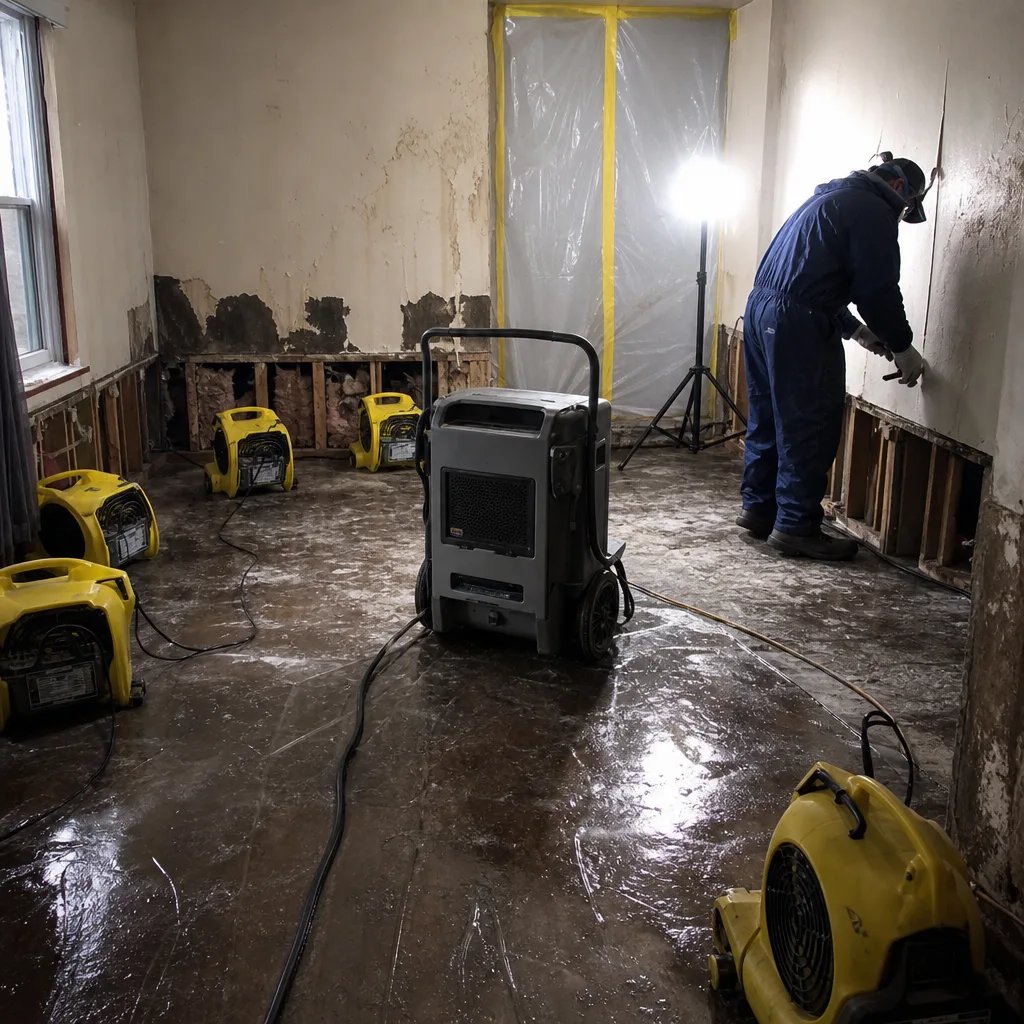
We deploy truck-mounted and portable extractors to remove standing water, including Category 3 river water, under full containment protocols when needed. Mud and silt from a Passaic overflow get shoveled and bagged before drying begins; you cannot dry dirt.
Drying & Dehumidification
Professional-grade Dri-Eaz and Phoenix air movers and dehumidifiers are positioned for maximum airflow. Daily moisture readings are logged to a written drying record; you get a copy, and so does your carrier. We don’t pull equipment until the dry standard is confirmed, not estimated.
Cleaning & Sanitization
HEPA scrubbers clear the air of contaminants, and all affected surfaces get antimicrobial treatment and sanitization. River water carries pathogens we don’t take chances with, especially in finished basement spaces where people sleep.
Specialty Treatment: Mold Prevention & Containment
After drying, we inspect for latent moisture and early mold growth, then apply mold-prevention treatments where the moisture map showed elevated readings. For Category 3 jobs in Harrison, we build containment zones during drying so airborne spores don’t migrate into the living spaces above.
Repairs & Restoration
We rebuild what the water destroyed: drywall, flooring, trim, stair stringers, whatever the original construction was. If your basement was finished as an unpermitted rental unit, we’ll flag code issues and give you an honest scope before we touch it. The 90-Day Done Right Promise covers the whole job, in writing, with no arguing.
Need Emergency Water Damage Restoration in Harrison Now?
Crews minutes away, answering live 24 hours a day. The sooner we start, the less it costs.
Working With Your Insurance Company
We’ve handled hundreds of Passaic River flood claims in Harrison, and we’ve sat across the table from most of the major carriers’ adjusters. Here’s how that should work: from the first hour, we photograph everything. We log moisture readings, not just at day one, but daily until the dry standard is met. We write a line-item scope using the same estimating software your carrier uses, so the numbers match. Then we talk directly to your adjuster and answer their questions in their language. You shouldn’t have to explain Category 3 protocols to your own insurance company.
What We Provide Your Insurer
- Thorough documentation of the loss
- Photos of all damage, room by room
- Moisture readings and drying logs
- A detailed, line-item scope of work
- Direct coordination with your carrier
Built for Harrison’s Loss Calendar
Harrison’s water damage season runs all twelve months, but the shape of it changes. January and February bring deep freezes that split supply lines and burst plumbing in unheated hallways and crawl spaces of those two-to-four family walk-ups. March and April put groundwater pressure on every basement wall in town, as freeze-thaw cycles crack already-stressed brick foundations and snowmelt pushes into the porous mortar joints that were already wicking. June through August means sudden thunderstorm flash flooding, when storm drains on Harrison Avenue and the side streets back up and send water over the curb. September through November is nor’easter season, and when the Passaic rises, the water doesn’t trickle down the street; it comes up through the floor drains. Our crew has worked every one of these events in Harrison, and we know which streets go first and which basements hold water longest.
Water Damage Restoration Across Harrison’s Neighborhoods
Harrison is small enough that we know the street grid by heart, and different blocks fail differently. Along Davis Avenue and the numbered streets running east toward the river, the rowhouses sit closest to the floodplain, and the basements take river water first. In the blocks around Harrison High School, the housing stock skews slightly newer, but those pre-war brick foundations still weep groundwater every spring. Over near Red Bull Arena, the post-2010 waterfront buildings present a different profile: envelope defects and window flashing failures that let water in behind the drywall, often while the building is still under warranty. And in the older two-family walk-ups on Frank E. Rodgers Boulevard, the cast-iron drain lines are original to the building, which means a backed-up floor drain often gets mistaken for flood damage until we run a camera and find the real problem.
What ties them all together: unpermitted basement rental units. We’ve lost count of how many times a Harrison basement “finished” in the 1990s turns out to have an unlicensed electrical panel behind the drywall or a non-code wall assembly that changes the entire drying and rebuild scope. That’s not a problem we can ignore. It’s a liability and a code issue, and you deserve a contractor who tells you about it honestly.
Specialized Water Damage Restoration Services We Offer in Harrison
Flood Cleanup
When the Passaic spills its banks, the water coming into your basement is not rainwater. It’s river water, Category 3, carrying silt, sewage, and contaminants. Harrison flood cleanup means extraction, hauling mud, full containment, antimicrobial treatment, and a mold remediation timeline that runs longer than a clean-water loss in Kearny or Secaucus. We wear the PPE and run the containment so you don’t have to think about what’s in that water.
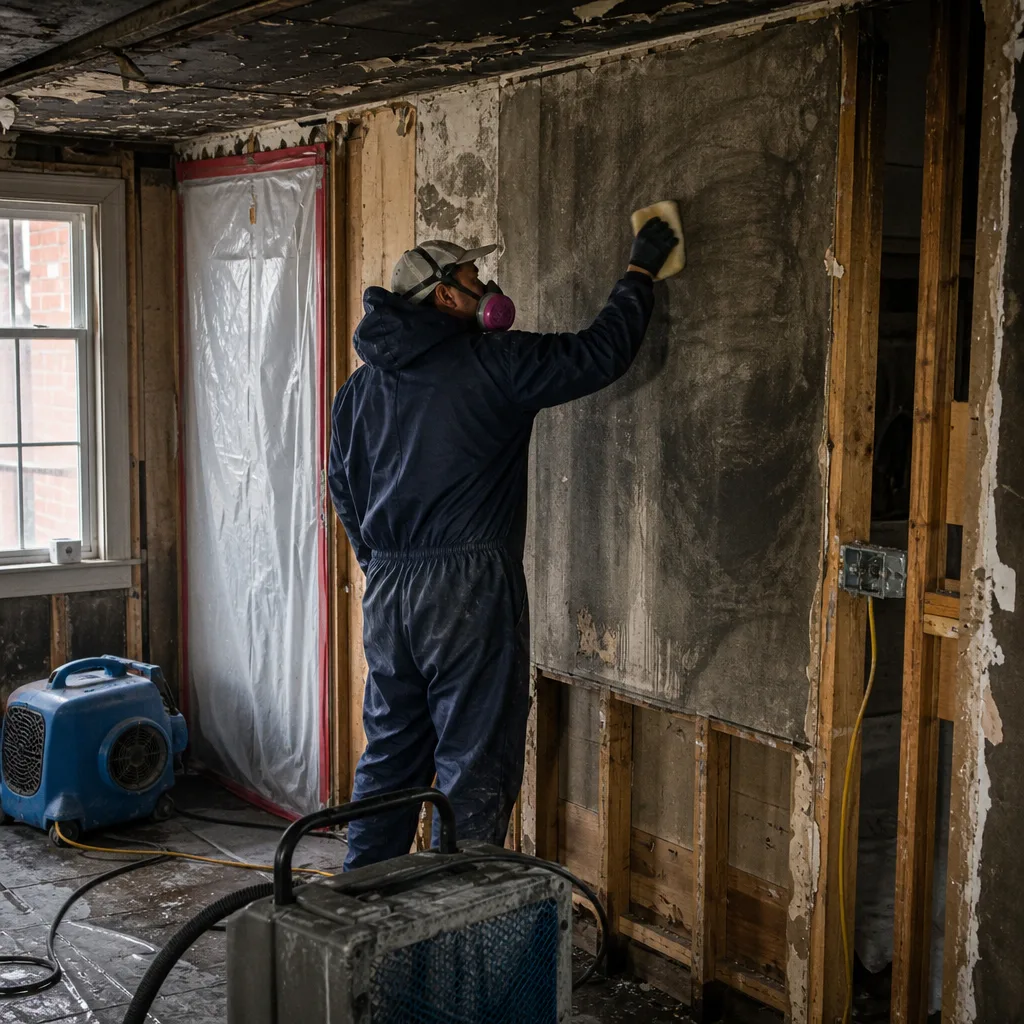
Basement Water Removal
Most Harrison homes have basements built before modern waterproofing existed. The old parging gives way, the mortar joints open up, and every spring thaw brings water through the walls. We extract the standing water and then run the moisture map on every wall surface, because if we don’t dry the masonry itself, the damp comes back within a month and brings mold with it. That’s the difference between a real basement water removal job and pumping out a puddle.
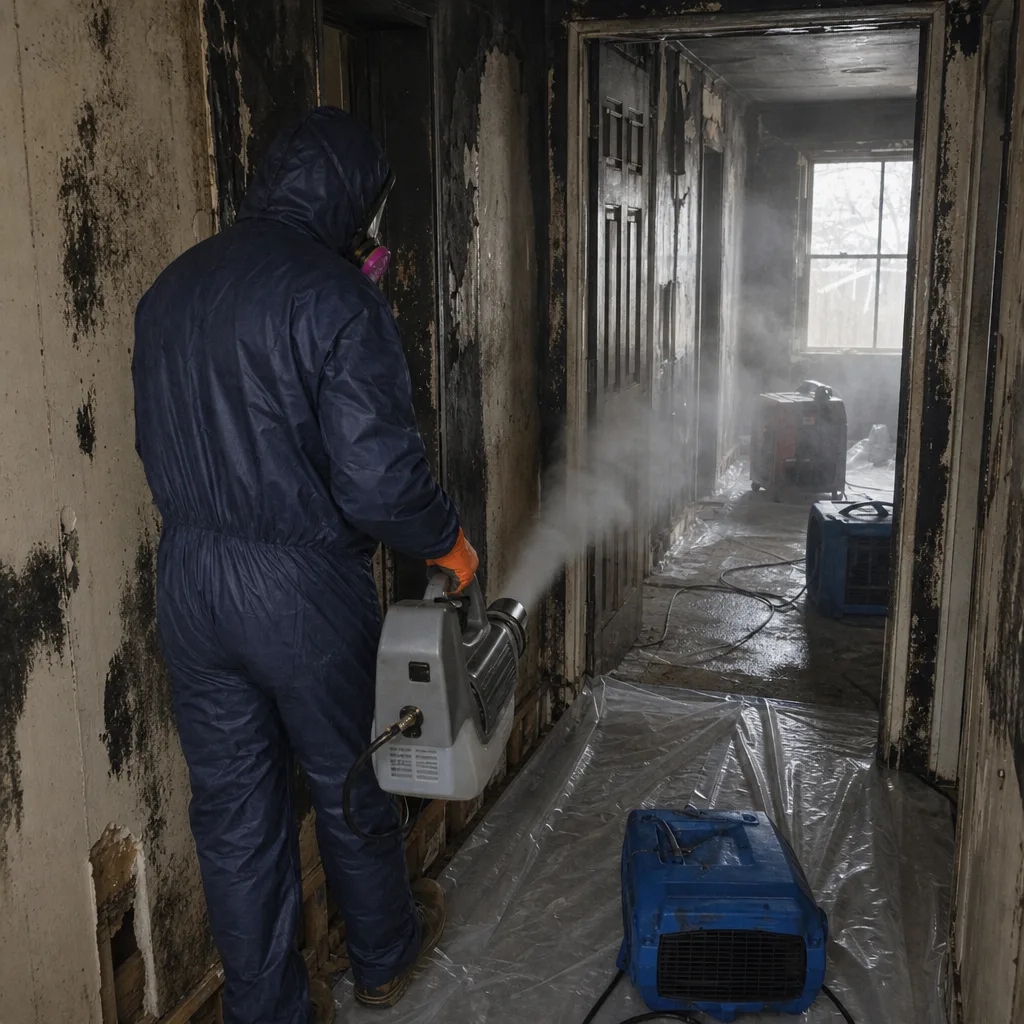
Structural Drying & Dehumidification
Harrison’s brick row houses demand structural drying that accounts for the masonry. Gypsum drywall over brick wicks moisture up from the floor plate. Wood-framed partition walls hidden behind old beadboard can stay above 20% moisture for weeks if the air movement isn’t right. We use Dri-Eaz and Phoenix dehumidifiers sized to the cubic footage, plus Injectidry systems for wall cavities, because drying what you can’t see is the whole point.
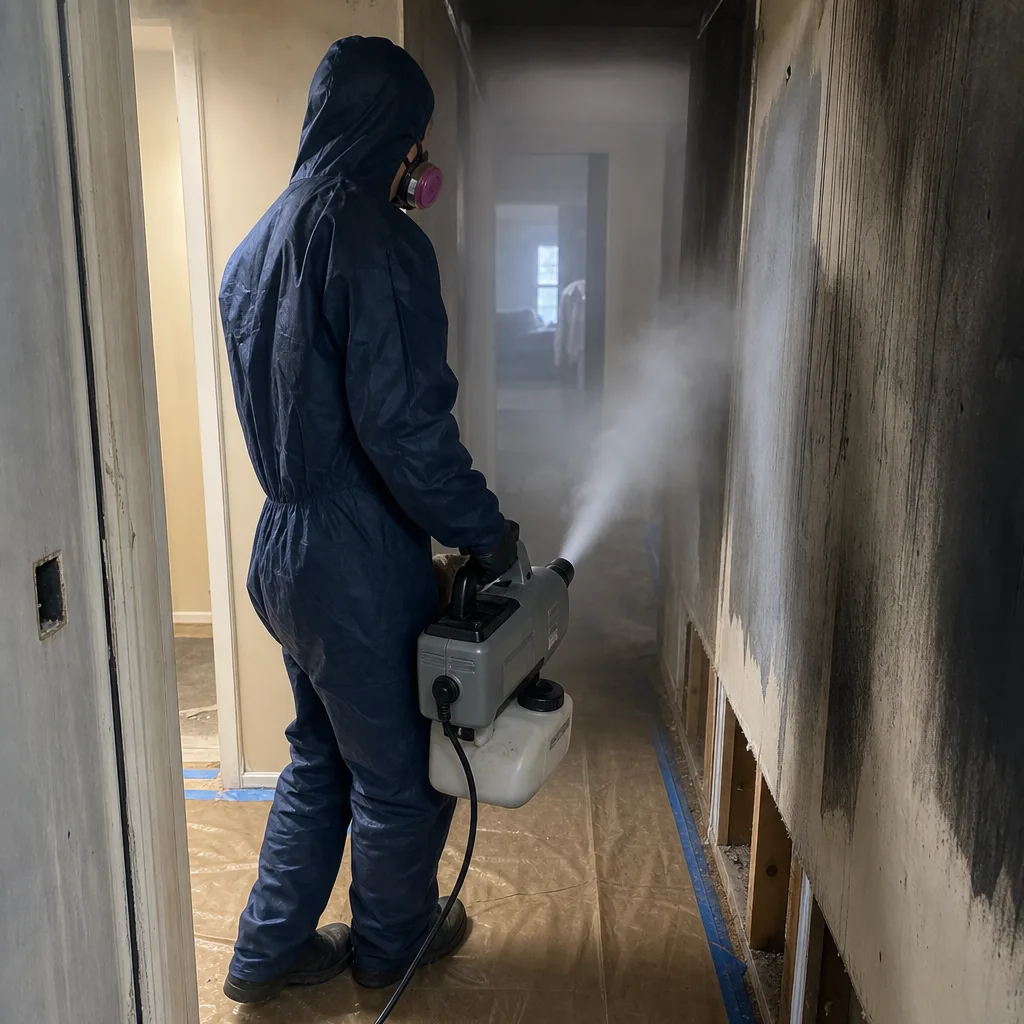
Burst Pipe Restoration
A frozen supply line in a Harrison hallway ceiling can empty itself into three floors of a walk-up overnight. We get the water shut off, mitigate the Category 1 water, dry what we can, and cut out what we can’t. The restoration covers drywall, plaster, flooring, and trim, and we bill your carrier while we do it.
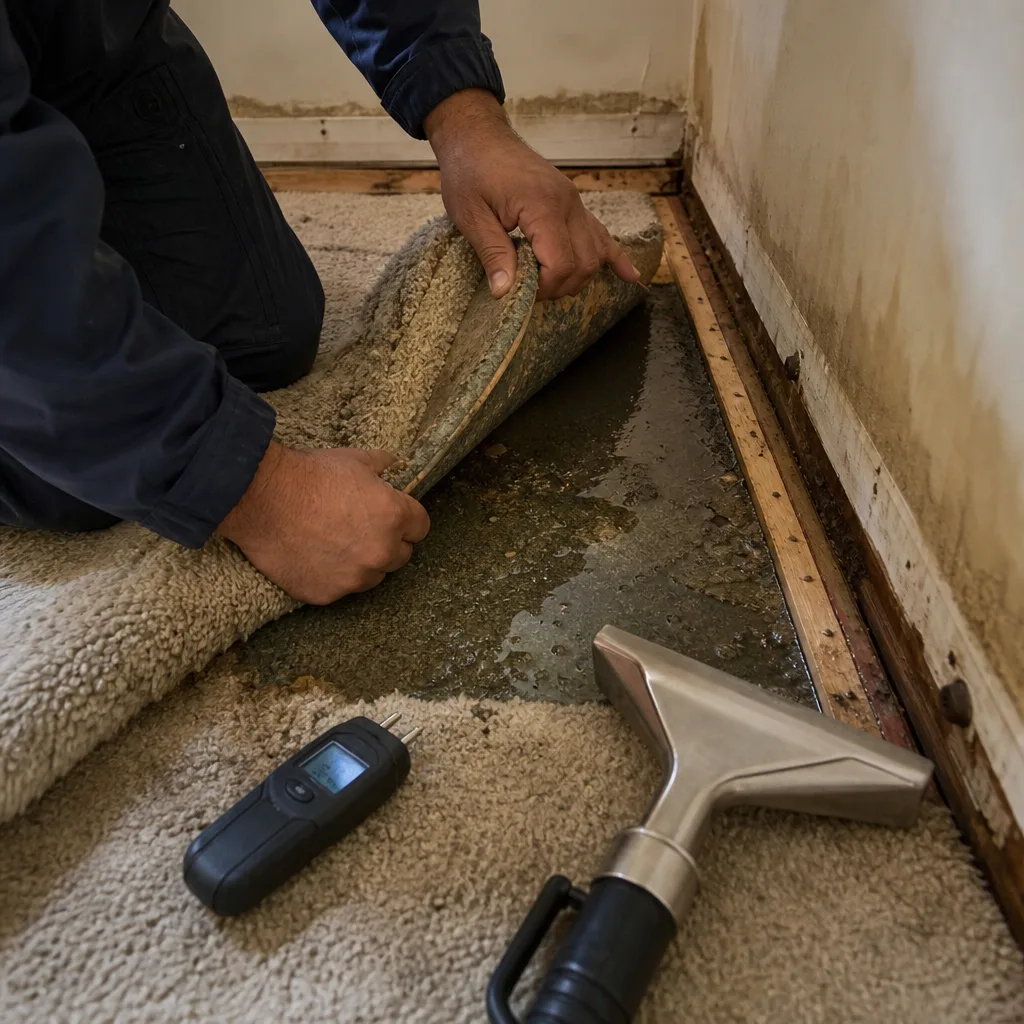
Ceiling & Roof Leak Water Damage
Leaks from worn roof flashing or a failed parapet cap on a flat-roofed row house can soak ceiling joists for months before the ceiling finally gives way. By the time you see the stain, the joists need drying and the ceiling needs cutting. We chase the water to its source, fix the envelope issue if it’s within our reconstruction scope, and dry the framing before the repair.
What happens when you call
- 1
A real person answersNo phone trees - you reach a local pro.
- 2
You get an upfront price rangeHonest numbers before anyone is dispatched.
- 3
A background-checked tech heads outLicensed & insured, dispatched right away.
- 4
You approve before work beginsNothing starts until you say go.
Water Damage Restoration Costs in Harrison, NJ
Here’s what we see in Harrison, honestly, based on our own job history. A Category 1 burst pipe in a single room runs $1,800 to $3,200 for extraction, drying, and drywall repair. A basement flood from a sump pump failure runs $2,400 to $5,500, depending on how long the water sat and what got wet. A Category 3 Passaic River flood in a finished basement runs $4,500 to $9,800, because the containment, antimicrobial treatment, and code-compliance rebuild add real cost. Emergency extraction alone, before drying, runs $500 to $1,100 on most Harrison calls. What moves the price: how much water, how long it sat, whether the basement is finished, and whether we find non-code conditions that require scope changes. The free visual inspection turns all of this into a written line-item scope before you commit to anything.
We Also Serve Cities Near Harrison
Our crews also cover Water Damage Restoration in Kearny, Jersey City, Secaucus, and Bayonne. Same live dispatch, same certified technicians, same 90-Day Done Right Promise. If you’re somewhere along the Passaic or the Hackensack, we’ll be there when we say.
Serving Harrison, NJ - Our Local Coverage Area
We’re based in the Harrison area and know this community well. Use the map below to see our service coverage - if you’re nearby, we can almost certainly help.
Harrison Water Damage Restoration Questions, Answered
How does Harrison’s position in the Passaic River floodplain change the water category and mold timeline for basement flood cleanup?
Harrison’s position in the Passaic River floodplain means basement flood cleanup is almost always Category 3 black water, not clean rainwater, which triggers containment, antimicrobial treatment, and a longer mold prevention timeline than a Category 1 pipe break. Mold in river-contaminated basements typically appears within 24 to 48 hours if extraction isn’t started that day. We treat every Passaic overflow as a Category 3 event from the first minute, even if the water looks clear. Call (640) 400-9404 and we’ll walk you through exactly what that means for your specific basement.
Why do restoration crews in Harrison often discover unpermitted electrical panels mid-job, and how does that affect my mitigation?
Because so many Harrison basements were finished as unpermitted rental units decades ago, we regularly uncover unlicensed electrical subpanels, non-code drywall assemblies, and informal plumbing runs during the drying phase. This changes the scope: we must stop work on that wall section, document the condition, and rebuild to code before we complete moisture mapping and antimicrobial treatment. It adds days and cost, but skipping it would leave you with a dangerous condition hidden behind new drywall. A written scope revision is part of the job.
Does freeze-thaw damage to my brick row house foundation require different structural drying than a flood event?
Yes. Freeze-thaw cracks in a Harrison brick foundation let groundwater intrude gradually, so the walls hold moisture at lower levels for longer periods, and the drying log guides a slower, longer dehumidification sequence. A flood pushes water in suddenly and saturates the space fast, but the masonry itself dries differently when the water came through cracks over weeks. We read the moisture meter before we decide which drying protocol to run, and we log it daily either way.
What should I expect from a Flood Cleanup scope in a Harrison basement that was a rental unit?
You should expect a scope that accounts for code compliance. If the basement has been a rental unit, even an unpermitted one, the flood cleanup expands to include electrical panel inspection, drywall assembly verification, and likely a rebuild to current code before we can finish the job. That’s more time and more money, but it’s also the only honest way to do the work. We’ll flag it the moment we see it, not after the drywall goes back up.
Are newer waterfront buildings near Red Bull Arena subject to different water damage causes than the older row homes?
They are. Buildings in the post-2010 waterfront redevelopment corridor near Red Bull Arena tend to show envelope defects, window flashing failures, and warranty-covered moisture intrusion rather than old-foundation groundwater seepage. Misdiagnosing these as plumbing failures delays manufacturer claims and leaves the real leak in place. We check the flashing and the building envelope before we assume a pipe is the problem.
How fast can you get to Harrison for a water emergency?
Most Harrison addresses see a certified crew within 45 minutes of the call. We dispatch from the New York City office and route the nearest crew directly to you. The phone is answered live 24 hours a day, every day, by a person who knows how to take a water damage call, not a recording.
Will insurance cover water damage restoration in Harrison?
Most homeowners policies cover sudden and accidental water damage, like a burst pipe or a wind-driven nor’easter pushing water through the roof. Flood damage from the Passaic River typically requires a separate flood insurance policy under FEMA’s National Flood Insurance Program. We’ll document the loss, communicate with your adjuster, and help you understand what the policy covers before you spend a dime.
What should I do in the first 30 minutes after water floods my Harrison basement?
Shut off the power if you can reach the panel safely, shut off the water if the source is a leak, and call (640) 400-9404. Don’t walk through standing water if the electrical panel is anywhere near the water level, and don’t use a wet-dry vac on river water; leave that to crews with proper equipment and PPE. The faster extraction starts, the more of your basement we can save.
If your basement is wet right now, don’t wait for the water to finish its work. Call (640) 400-9404 for a free visual inspection and a written scope before any work begins. Our team handles Water Damage Restoration in Harrison from the first extraction to the final trim, with direct insurance billing and the 90-Day Done Right Promise in writing. We’ll be there when we say.
Written by Curt Bowman, Owner at Floodline Restoration Co., serving Harrison, NJ since 2010.