
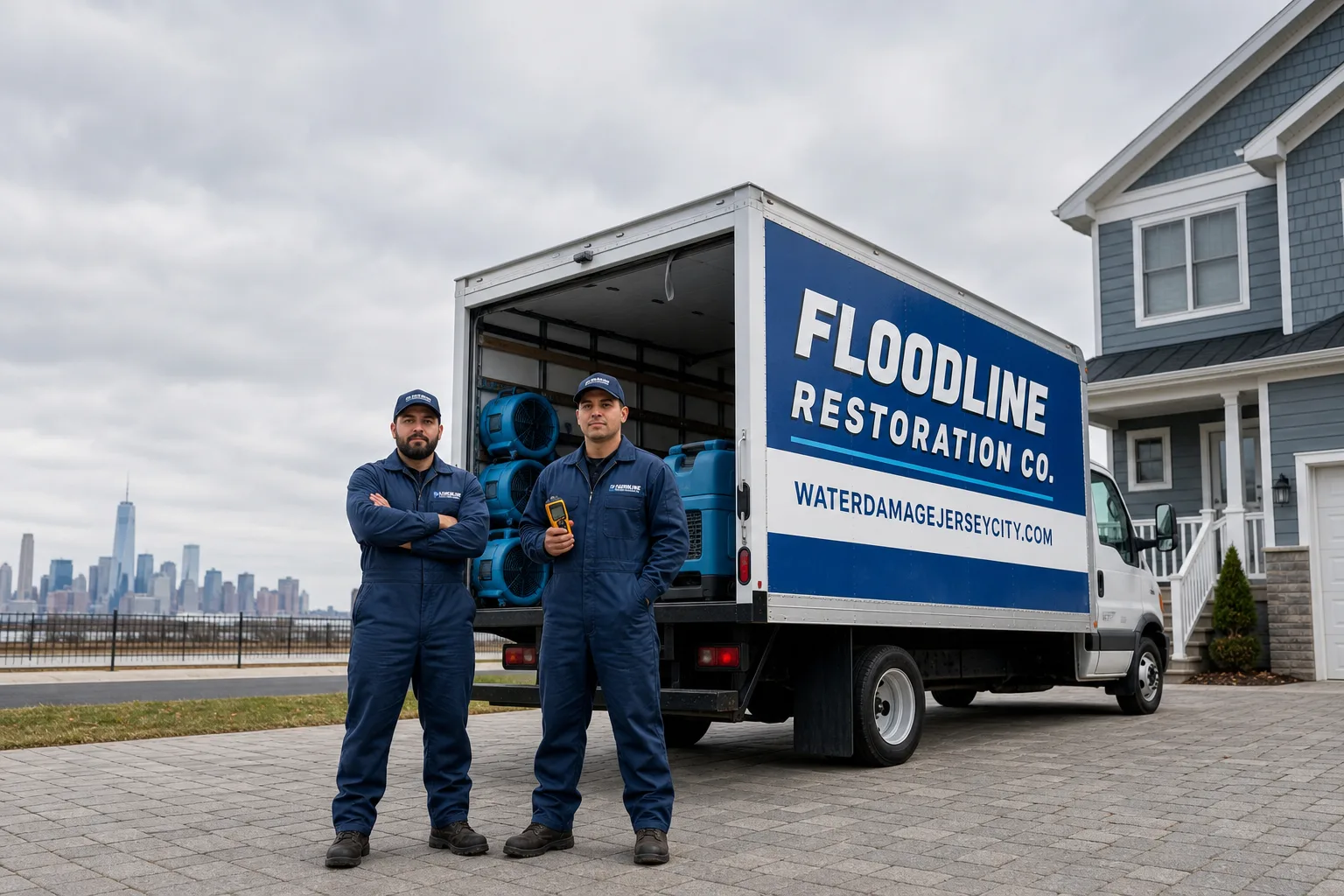
Free visual inspection and a written scope of work before any mitigation begins - photos, moisture readings, and drying logs go in your claim file
The scope we write is the scope we bill. Anything new gets shown to you, in writing, before we touch it.
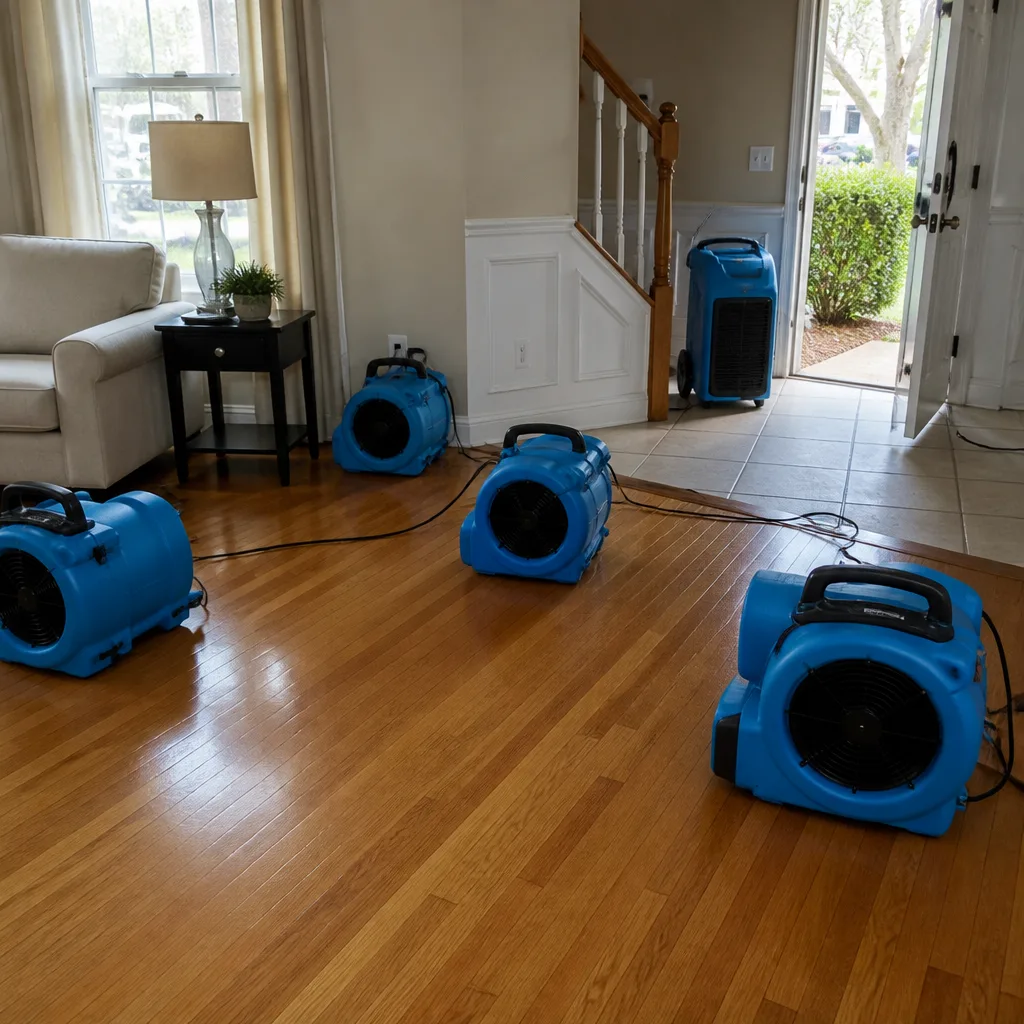
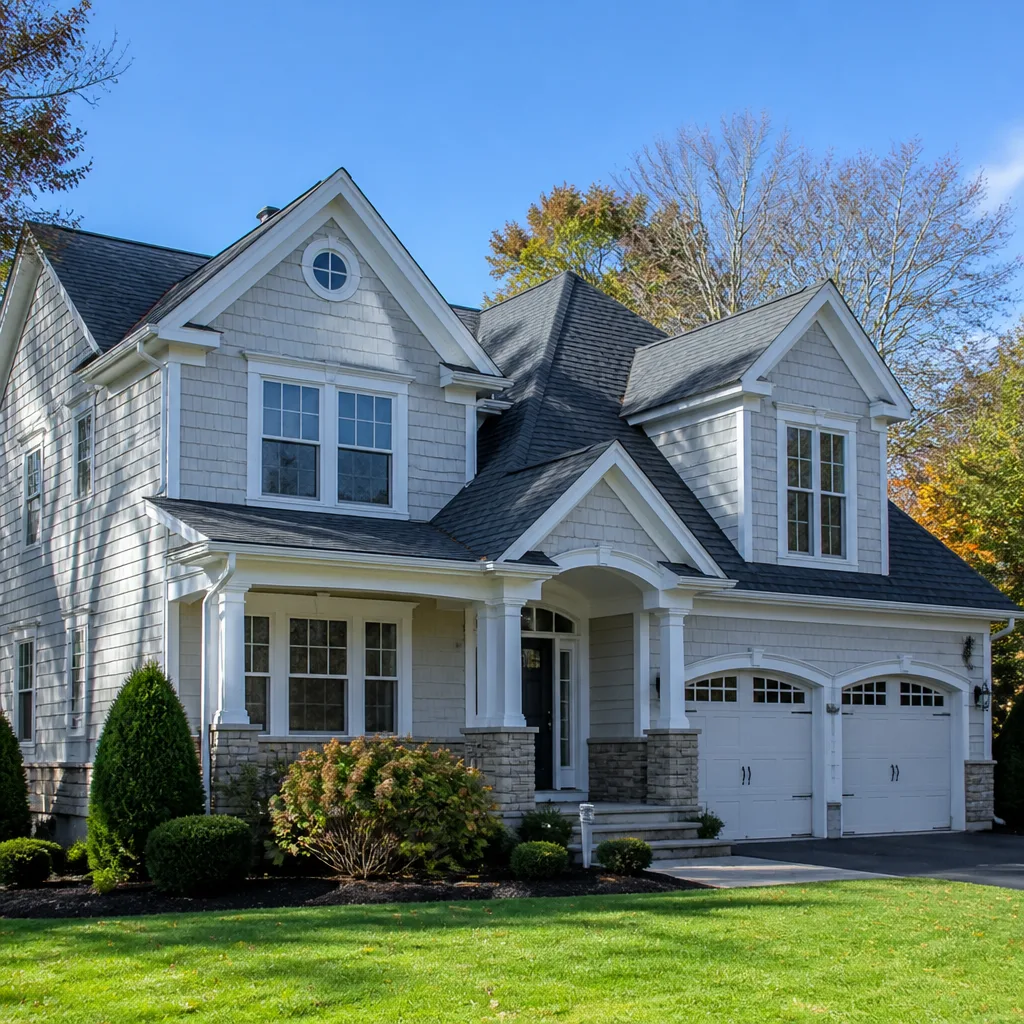
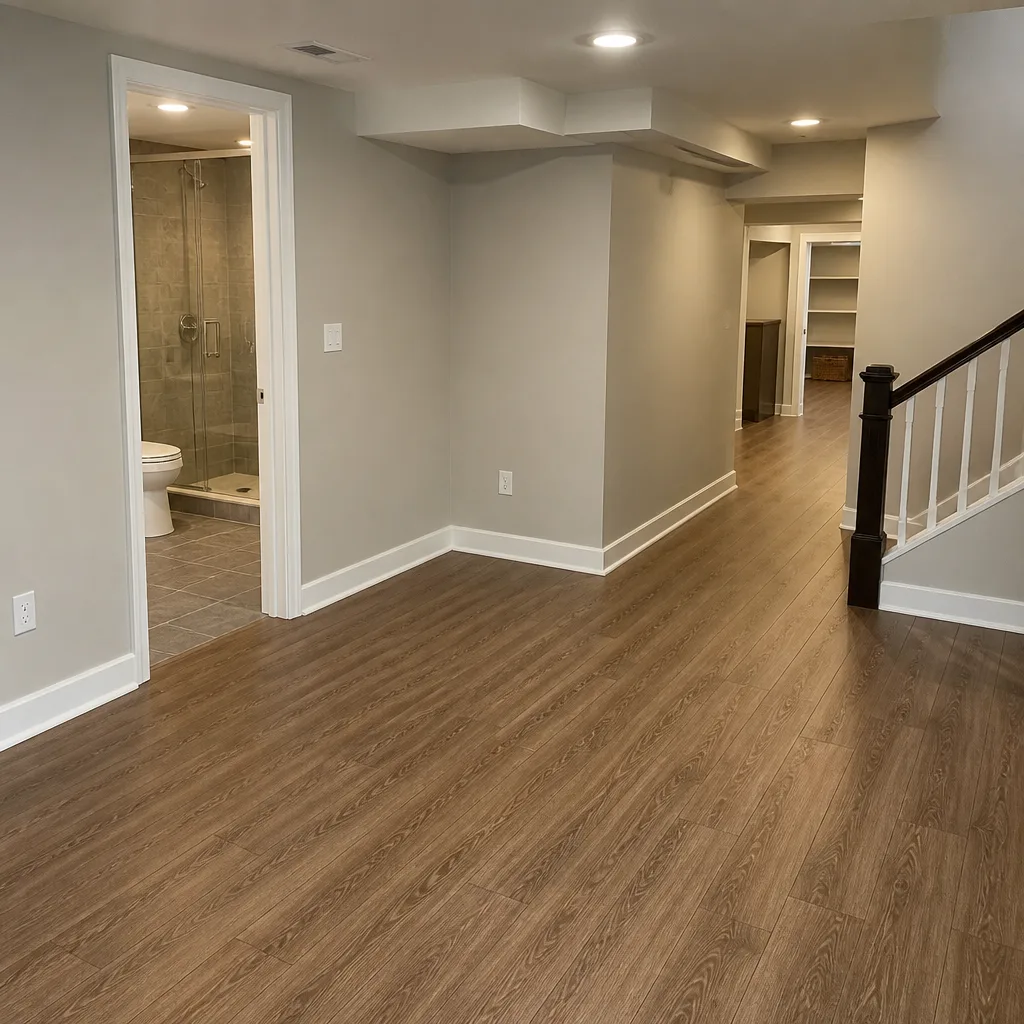
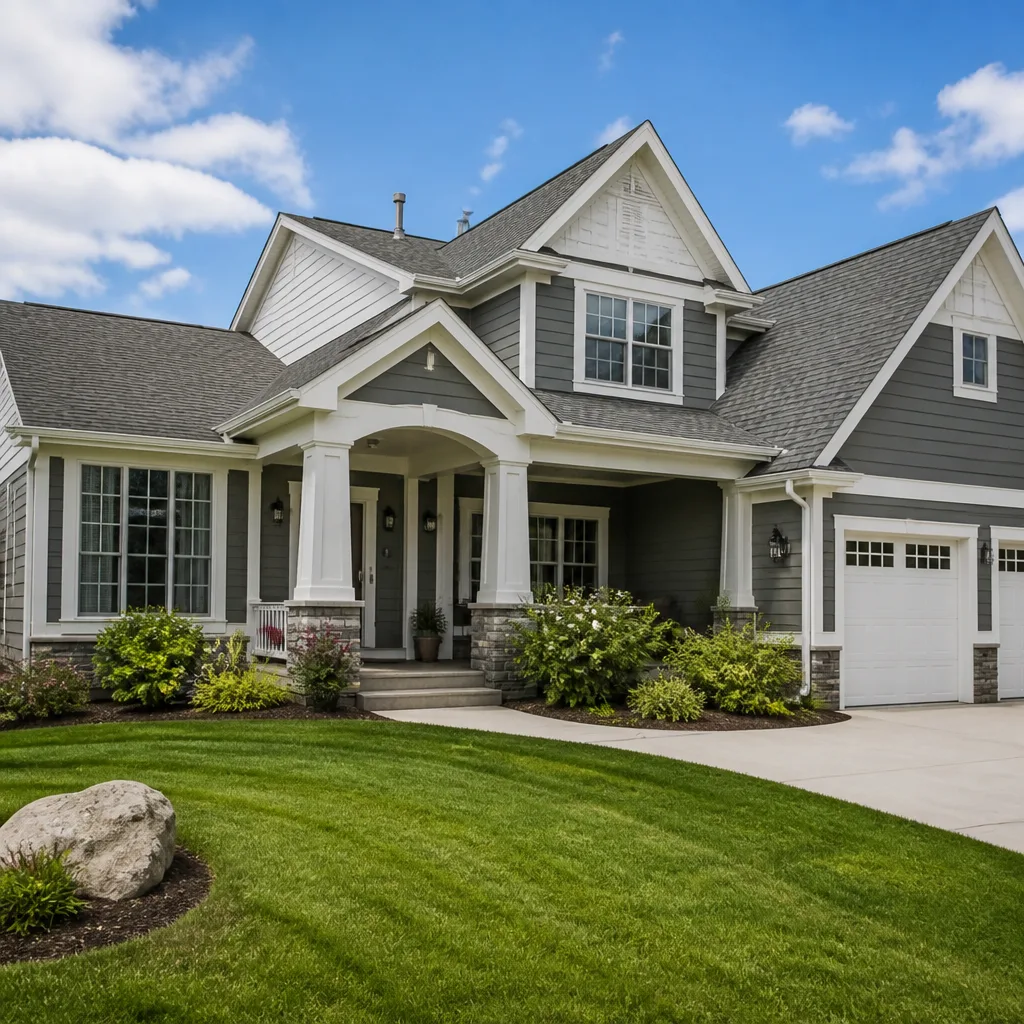
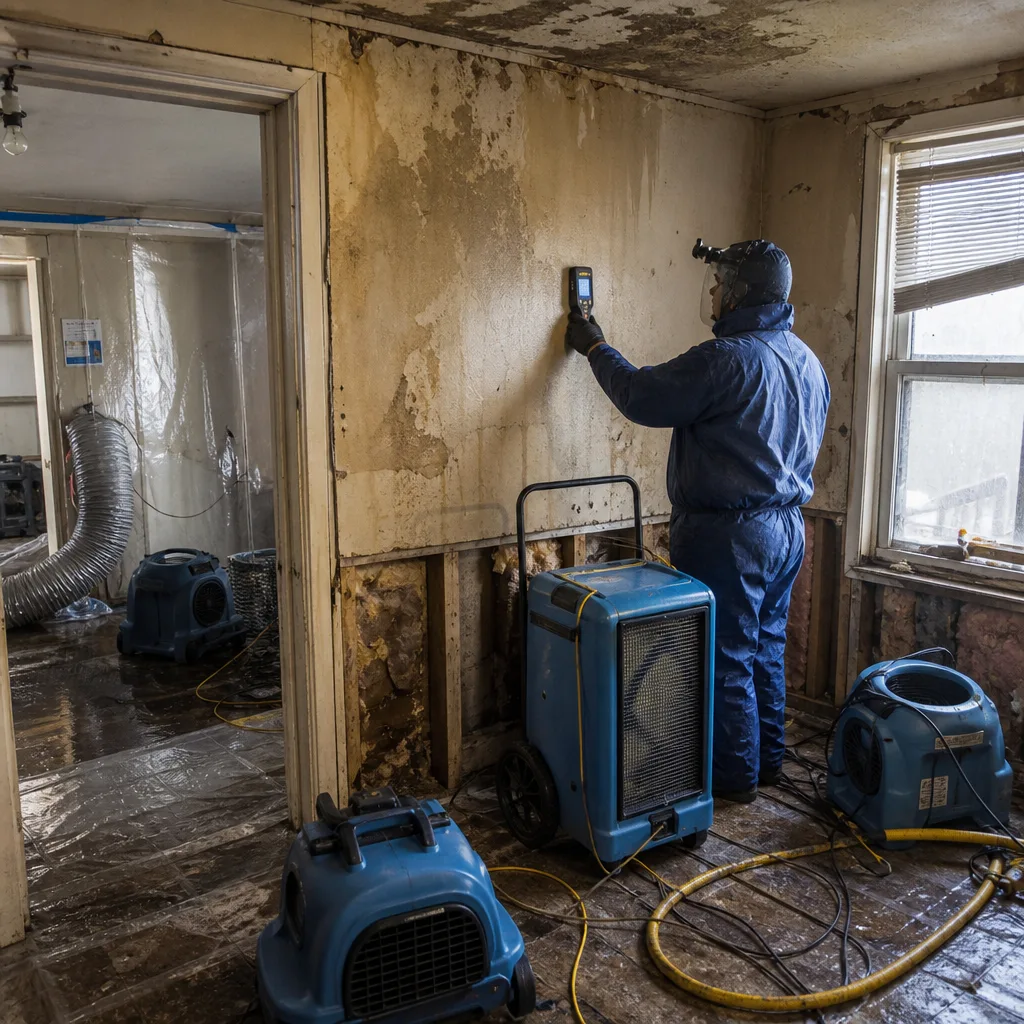 Before
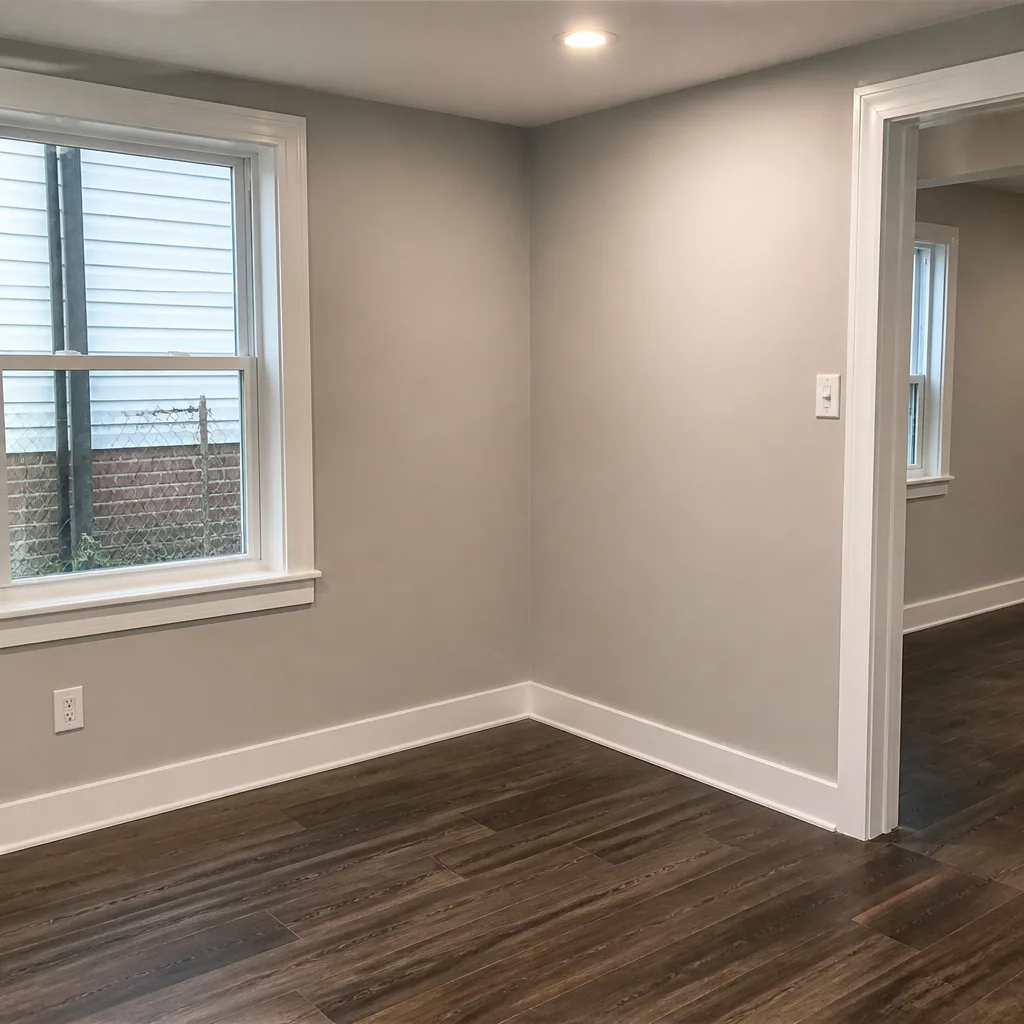 After
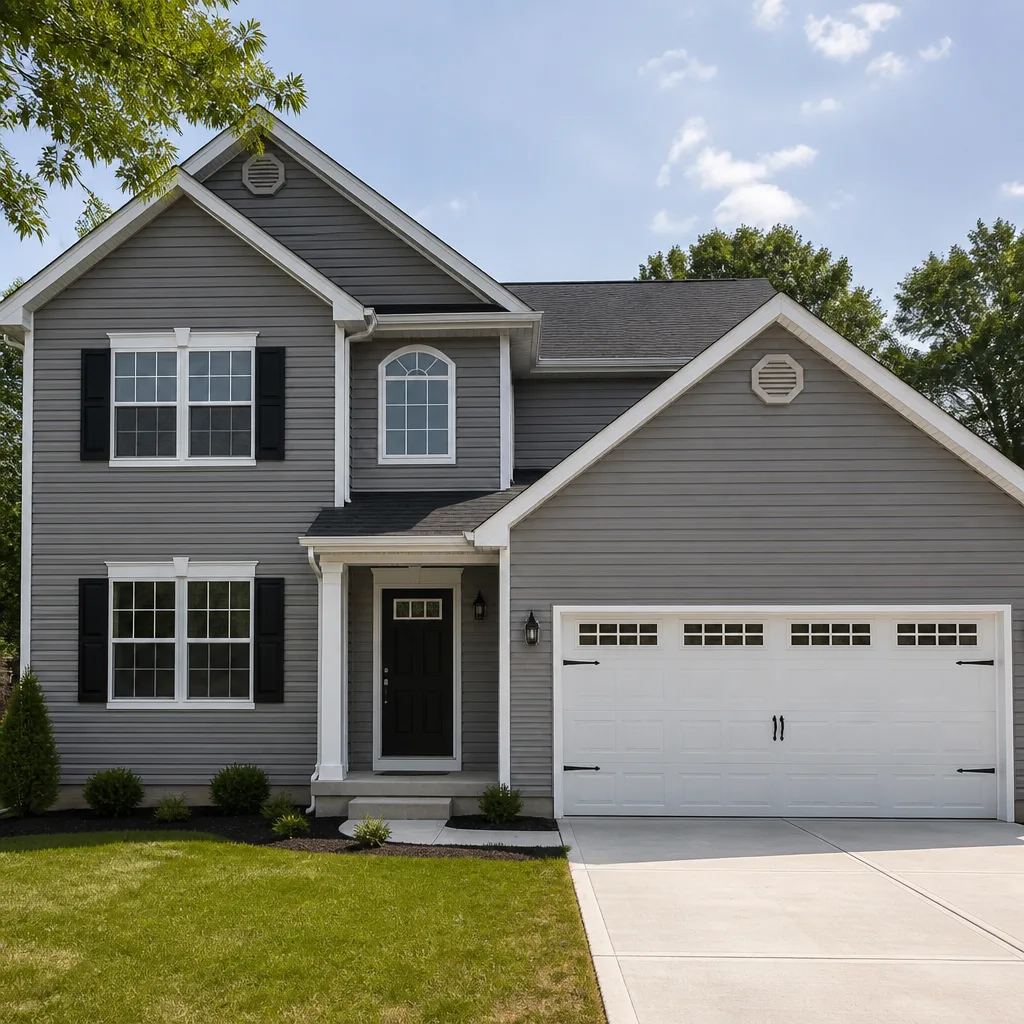
After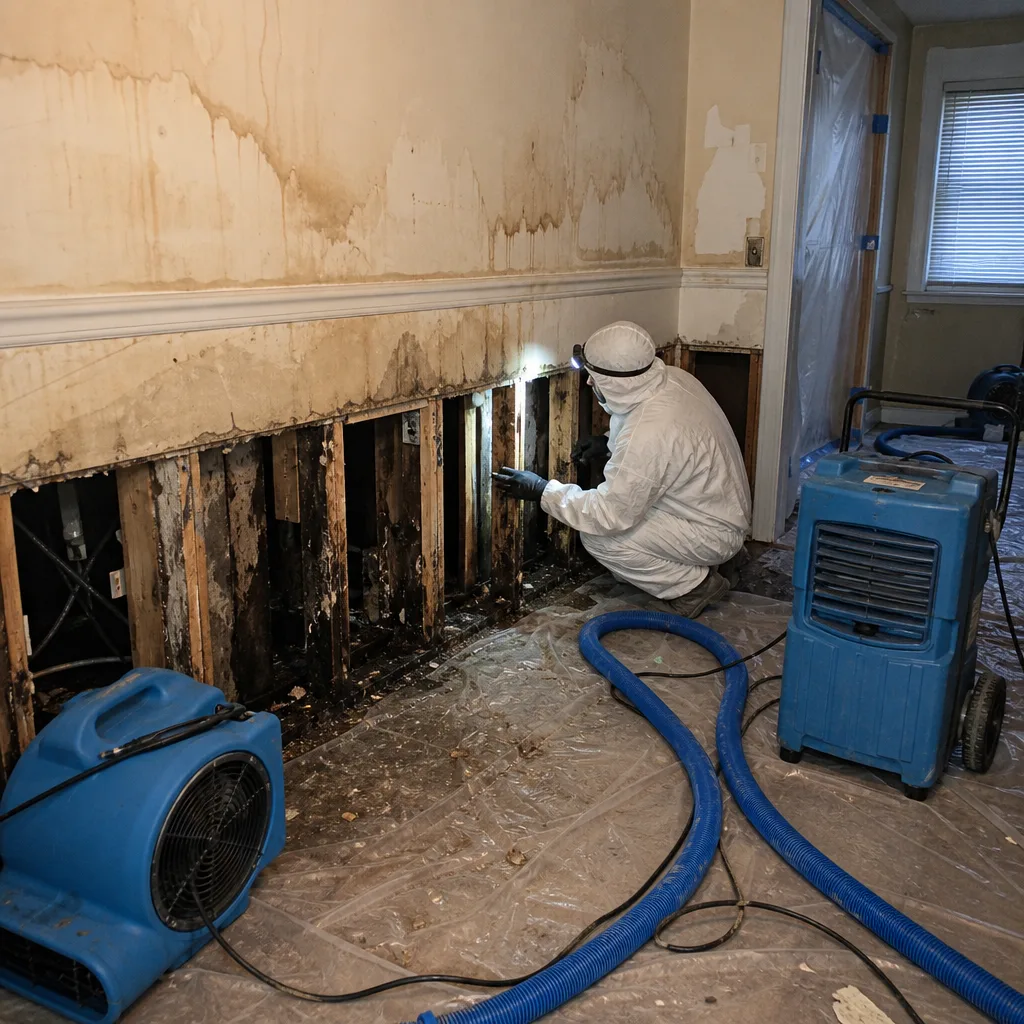 Before
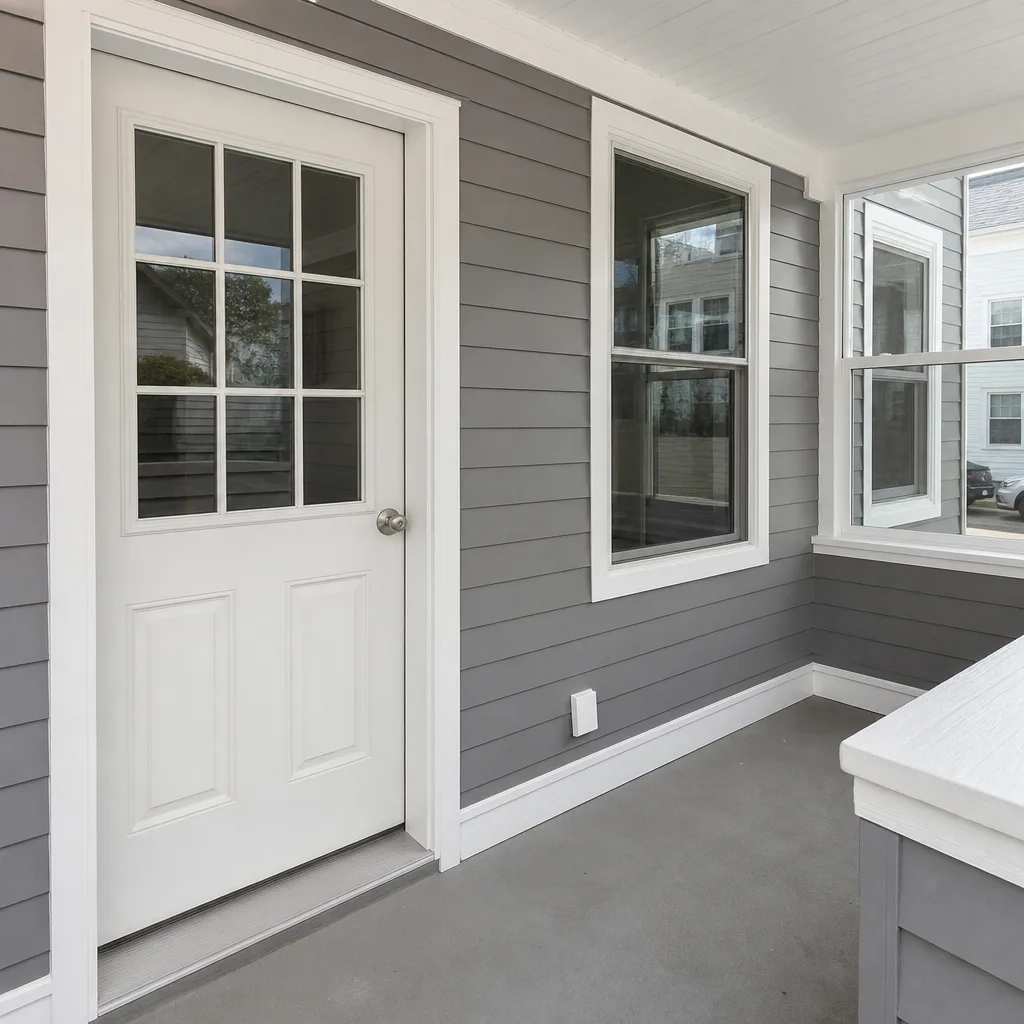 After
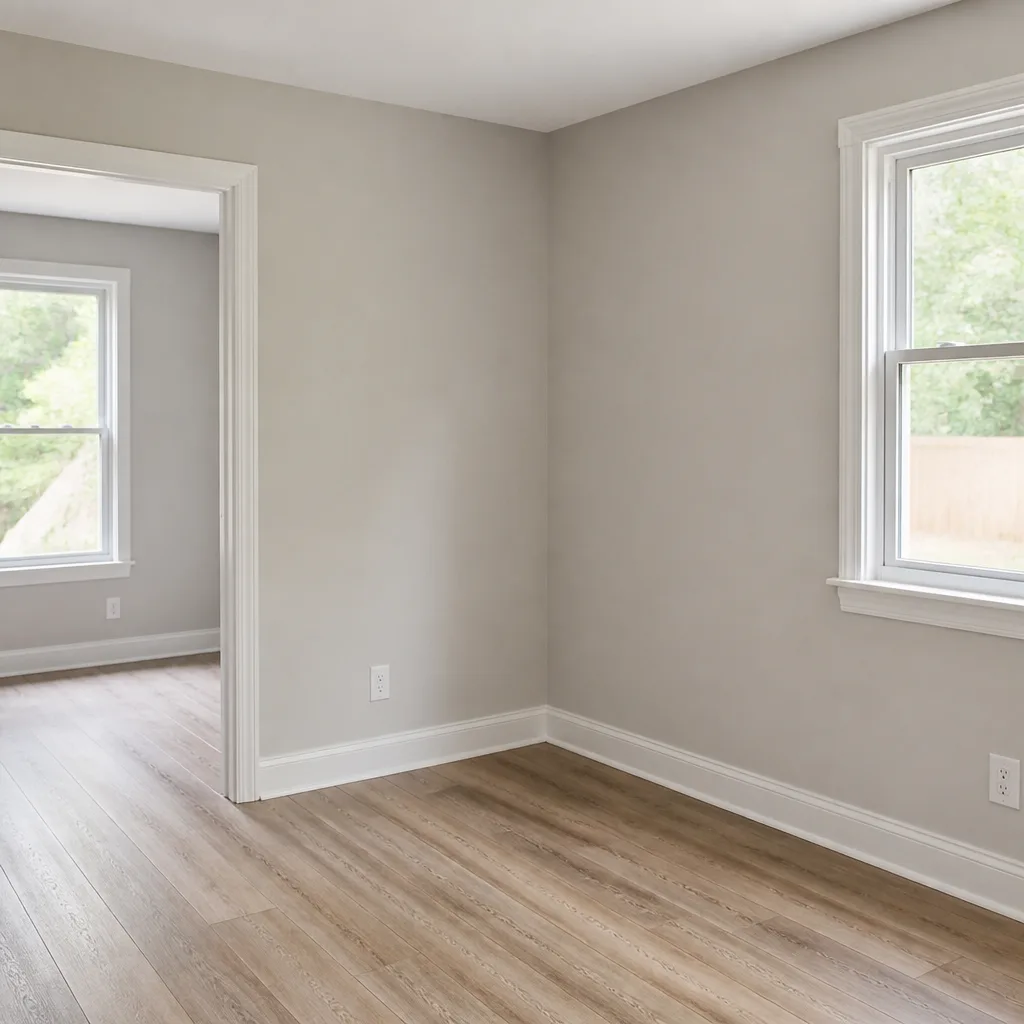
After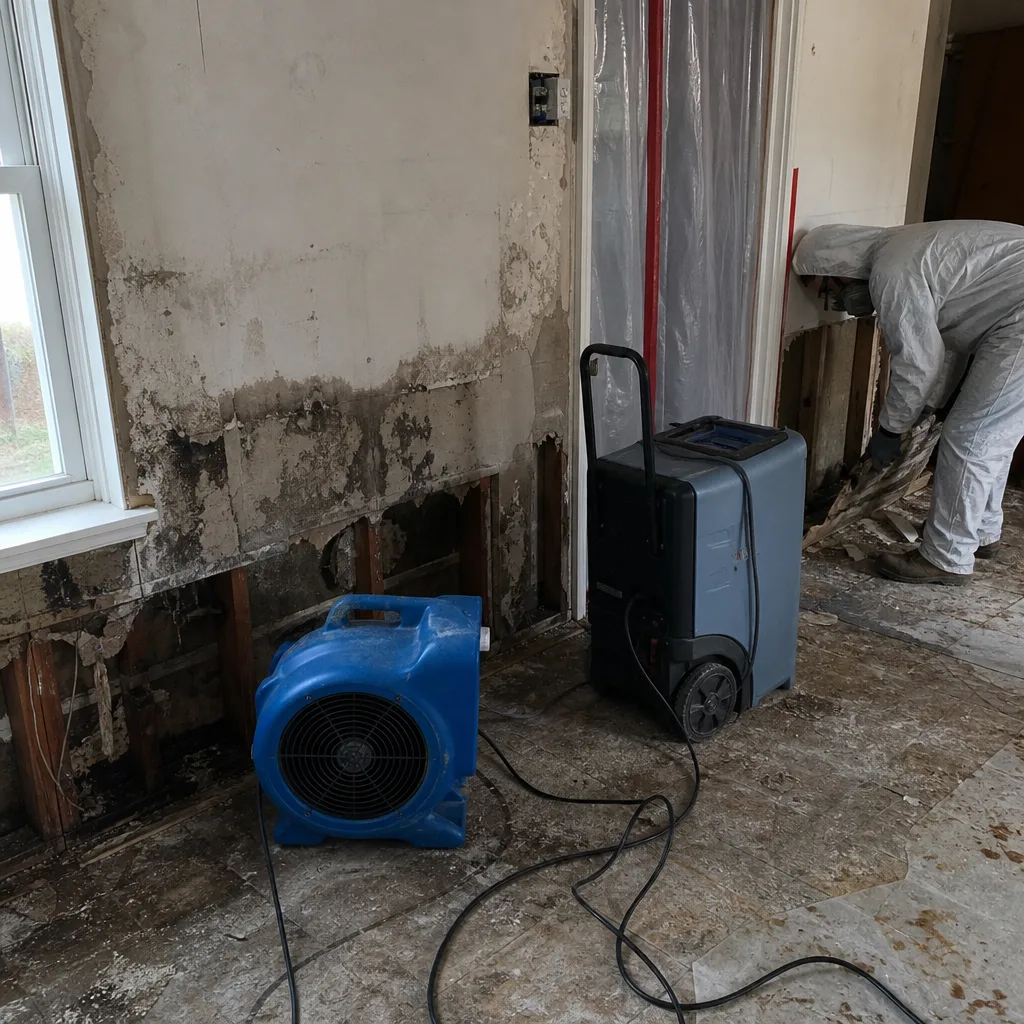 Before
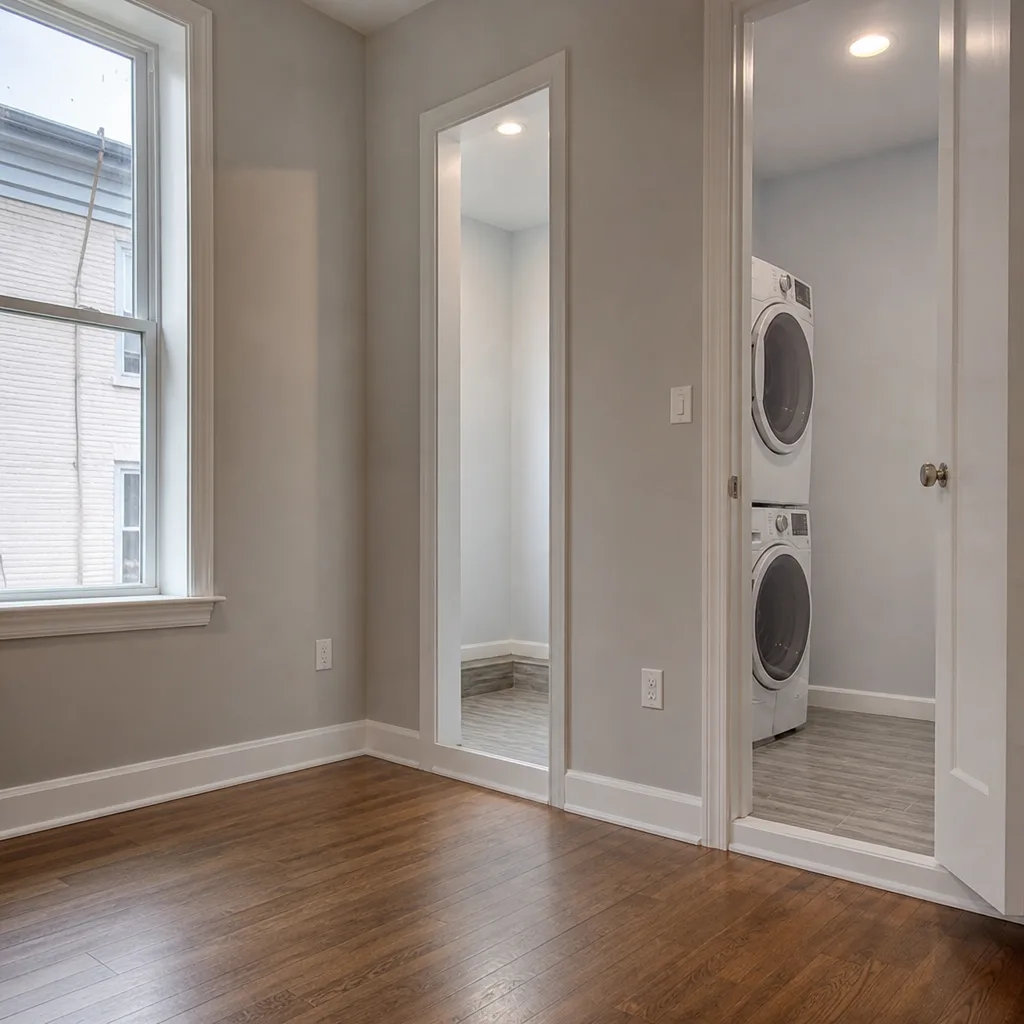 After
After24/7 Emergency Storm & Disaster Restoration in Washington Square
Storm and disaster restoration in Washington Square starts with speed, but it also starts with knowing exactly what you’re dealing with. The aging brick, original plaster, and shared party walls that make this neighborhood distinctive also make water and wind damage move differently than it does almost anywhere else in Manhattan. When a storm tears through the Village or a pipe lets go at 2 a.m., call (640) 400-9404 and you’ll reach a live dispatcher, not a recording. We send certified crews into Washington Square around the clock, every day of the year. The first hour after water or storm damage determines whether you’re looking at a drying job or a full reconstruction. A free visual inspection gives you a straight answer about which one you’re facing.
Understanding Storm & Disaster Restoration Severity in Washington Square Properties
Storm damage in Washington Square rarely stays in one unit. The neighborhood’s 19th-century rowhouses and pre-war walkups share party walls, original horsehair plaster, and wide-plank subfloors that water follows through gravity before anyone sees a stain on the ceiling below. We categorize water by contamination level: Category 1 is clean supply water, Category 2 carries significant contaminants, and Category 3 is grossly unsanitary, the kind that arrives with sewage backup or street flooding. Moisture mapping with thermal imaging and hygrometers tells us how far Category 2 or 3 water has traveled inside cavities and behind plaster. Structural drying means bringing the building material itself, not just the air, to a target moisture content. That’s the difference between a restoration that holds and one that fails six months later. In Washington Square, where original materials are often LPC-protectable, aggressive drying matters even more. You can’t just rip out wet horsehair plaster and hang modern drywall, not without Landmarks Preservation Commission review on many of these buildings. So extraction and drying have to be precise and thorough from the first hour. On the dense urban canyon streets around Washington Square, trapped moisture slows ambient drying. We use industrial desiccant dehumidifiers, Phoenix axial air movers, and Dri-Eaz equipment to hit drying logs that a standard rental fan can’t reach.
Why Washington Square Property Owners Choose Floodline Restoration Co.
- 45-minute response commitment: When water is moving through a Washington Square rowhouse, waiting isn’t an option. We commit to having a certified crew dispatched toward your property within 45 minutes of your call.
- 24/7 live answer, always a person: You will never reach an automated menu at 3 a.m. A live dispatcher answers, asks the right questions about your Washington Square emergency, and gets a crew moving.
- IICRC-certified crews: Our technicians hold WRT, FSRT, and AMRT certifications. They’re background-checked, uniformed, and trained to RIA and IFA standards as well.
- Free visual inspection: Before any work begins, we walk the damage with you and explain what we see. No charge. No obligation. A clear picture of what needs to happen and why.
- Direct insurance billing: We bill your carrier directly and handle adjuster coordination. You’re never the messenger between Floodline Restoration Co. and your insurance company.
- One team from extraction to reconstruction: The same certified crew that reads the moisture map on day one handles daily readings, documents the dry log, and rebuilds what needs rebuilding. No mid-job handoff. No inherited strangers.
Our Storm & Disaster Restoration Process
Inspection & Assessment
We walk the entire affected area, including adjacent units and shared walls, with moisture meters and thermal imaging. You get a written scope of work before anything is torn open or dried.
Extraction & Stabilization
Standing water is removed with truck-mounted and portable extraction units. We stabilize the structure by identifying what’s saturated and what’s salvageable. On LPC-protected properties, this step often determines whether original materials can be saved.
Drying & Dehumidification
Dri-Eaz and Phoenix equipment runs until moisture readings hit dry standard, not a day sooner. In Washington Square’s dense building stock, this usually means industrial desiccant dehumidification paired with axial air movers targeting wall cavities and subfloor spaces.
Cleaning & Sanitization
Affected surfaces are cleaned and treated with Washington Square Sanitization Services to address microbial growth. For Category 2 or 3 water, we run containment across party walls so contaminated moisture doesn’t migrate into neighboring landmarked units.
Specialty Storm Treatment
Storm-specific work includes debris extraction, drying behind brick and brownstone veneer, and structural drying of original plaster and masonry. Every step is documented for your carrier and for any LPC filing that may be required.
Repairs & Restoration
We rebuild what can’t be saved through Reconstruction & Cleanup - Washington Square, matching materials to the building’s original construction where preservation requirements apply. The Keystone Standard, our 90-Day Done Right Promise, backs the finished work in writing.
Need Emergency Storm & Disaster Restoration in Washington Square Now?
Crews minutes away, answering live 24 hours a day. The sooner we start, the less it costs.
Working With Your Insurance Company
Storm and disaster claims in Washington Square carry a complication most neighborhoods don’t: when original materials are involved, replacement cost gets complicated. A standard adjuster may write estimates for modern drywall and standard flooring. But on an 1830s Greek Revival rowhouse on Washington Square North, the LPC may require restoration in-kind, and that’s a different line item. Our team documents the loss from the first hour. We photograph every affected surface, log moisture readings daily, and build a line-item scope that reflects what your building actually requires, not what a standard template assumes. We speak directly with your adjuster, handle the documentation handoff, and bill the carrier directly so you’re not fronting cash while the claim is argued. Curt Bowman built this company around a dispatch board, not a sales desk, and that shows when the paperwork matters most.
What We Provide Your Insurer
- Thorough documentation of the loss
- Photos of all damage, room by room
- Moisture readings and drying logs
- A detailed, line-item scope of work
- Direct coordination with your carrier
Built for Washington Square’s Loss Calendar
Washington Square doesn’t have a storm season. It has a storm rhythm. January and February bring deep freezes that burst steam radiator supply lines and copper supply pipes in the pre-war walkups ringing the park. When a line lets go on an upper floor, water follows the original wide-plank subfloors and horsehair plaster straight down through the units below, and the first call often comes from the neighbor. March and April bring freeze-thaw cycling that works on the aging brick and brownstone facades. Mortar joints that make it through winter lose their bond in spring, and water infiltration at parapet and cornice lines starts showing as interior staining and peeling plaster. Summer thunderstorm season brings flash flooding to low-lying basement entries and window wells, with street-level water pushing Category 3 contamination into subgrade spaces. Fall nor’easters arrive on top of aging drainage systems and stress roof membranes, flashing, and skylights on the converted institutional buildings. Each of these has a signature failure mode in Washington Square, and our Storm & Disaster Restoration team reads them the same way every time: find the water, map the moisture, dry to standard, restore what’s original.
Storm & Disaster Restoration Across Washington Square’s Neighborhoods
The physical reality of Washington Square shapes every restoration we do here. Washington Square North is the historic heart, the 1820s-1840s Federal and Greek Revival rowhouses of “The Row,” where exterior work and significant interior changes fall under Landmarks Preservation Commission review. Water damage in these buildings means restoration in-kind, not replacement with modern materials. Washington Square South and the LaGuardia Place corridor hold the pre-war walkups and NYU-owned conversions, where steam riser failures and drain backups send water through multiple units below. The buildings are dense, access is tight, and drying has to account for shared party walls on both sides. MacDougal Street and Sullivan Street, east and west of the park, mix 1890s tenement stock with later institutional conversions. Here we’re often working in narrow, canyon-like street conditions where moisture trapped between buildings slows drying and demands desiccant dehumidification. Around Washington Mews and the smaller side streets off University Place, access for equipment is constrained, so crews run smaller footprint gear in shorter shifts. Every one of these areas is minutes from our New York City office, and we dispatch locally across Washington Square so a live crew reaches the job within the hour. If you’re a homeowner in Washington Square dealing with a storm loss right now, the first call is the one that matters.
Specialized Storm & Disaster Restoration Services We Offer in Washington Square
Flood Damage Restoration
Floodwater in Washington Square doesn’t sit still. In the pre-war walkups, water from a burst steam line or a heavy rain event travels down through original wood subfloors and plaster ceilings into the apartments below. Our crew extracts, maps moisture across every affected surface including party walls, and runs containment to keep contaminated water from migrating. On LPC-protectable buildings, the goal is saving original material, not gutting it. Same-day extraction is standard here, because the longer water sits in old plaster and wood, the more likely a preservation issue becomes a full replacement.
Emergency Board-Up
Storm damage to windows, doors, or compromised wall sections in Washington Square needs to be secured immediately. The Village has dense foot traffic along Washington Square South and University Place, so an unsecured opening is a liability and an invitation. We board up with measured cuts, not raw plywood slapped over trim. Every opening is photographed for the insurance file and the LPC where exterior fabric is involved, so documentation exists before the adjuster or the Commission asks for it. The board-up holds until repairs are scheduled and materials can be sourced appropriately.
Storm Damage Cleanup
Storm cleanup in Washington Square means debris removal, drainage clearing, and protecting what hasn’t been damaged yet. After a heavy weather event, flat roofs and parapet drains on the neighborhood’s rowhouses clog with leaves, branches, and street debris, and water that can’t drain finds the path of least resistance through aging mortar joints. We clear drains, remove wind-driven debris from roofs and light wells, and dry the areas where water has started moving. For landmarked exteriors, cleanup is usually the easy part; knowing what can be touched without triggering a violation is the expertise.
What happens when you call
- 1
A real person answersNo phone trees - you reach a local pro.
- 2
You get an upfront price rangeHonest numbers before anyone is dispatched.
- 3
A background-checked tech heads outLicensed & insured, dispatched right away.
- 4
You approve before work beginsNothing starts until you say go.
Storm & Disaster Restoration Costs in Washington Square, NY
Here are straight numbers for Washington Square’s market. A standard burst-pipe extraction and drying job in a walkup unit typically runs $2,800 to $6,500, depending on how many rooms are involved and whether containment is required. Flood damage restoration in a rowhouse basement after storm surge or sewer backup ranges from $4,000 to $12,000, with Category 3 water pushing toward the higher end due to sanitization and material removal. Emergency board-up and tarping on a Washington Square townhouse runs $400 to $900 for a typical window or door opening, and full roof tarping climbs from $1,200 to $3,000 depending on roof access and the area to cover. On LPC-protectable buildings, add 20 to 40 percent for restoration in-kind versus modern replacement when original plaster, millwork, or masonry is involved. The free visual inspection gives you a firm, written scope before any work starts, and we bill your carrier directly so the out-of-pocket piece is clear from day one. Call (640) 400-9404 and we’ll give you an honest number, not a range sheet.
We Also Serve Cities Near Washington Square
Beyond Washington Square, our storm and disaster restoration crews respond across Storm & Disaster Restoration in Washington Square and the surrounding communities. We work regularly in Midland Beach, New Springville, Oakwood, and Travis – Chelsea. Same live-answer dispatch, same 45-minute commitment, same written scope before work starts.
Serving Washington Square, NY - Our Local Coverage Area
We’re based in the Washington Square area and know this community well. Use the map below to see our service coverage - if you’re nearby, we can almost certainly help.
Washington Square Storm & Disaster Restoration Questions, Answered
Does storm water damage inside a Washington Square rowhouse always require Landmarks Preservation Commission sign-off before my contractor can start drying?
No. Emergency stabilization, extraction, and drying can begin immediately without LPC review, as long as the work doesn’t alter protected architectural fabric. LPC approval is required before replacing or removing landmarked materials like original plaster, millwork, cornices, or masonry. Our crew knows where the line sits and documents everything so that if the Commission needs to be notified, the paper trail already exists.
When a burst steam pipe in an upper-floor unit floods the apartments below, how does Washington Square’s older construction change the restoration approach?
Water moves through original wide-plank subfloors and horsehair plaster in ways modern gypsum board construction doesn’t. We have to check every floor assembly and every enclosed cavity, because water can travel along old joists and party walls without showing a surface stain. Drying is done with desiccant dehumidifiers and axial air movers targeted at cavities, and containment runs across shared walls to protect adjacent units. If the building is LPC-protectable, we also document materials that may need restoration in-kind rather than replacement.
Can the freeze-thaw damage on a Washington Square North brownstone facade cause water intrusion into the interior, and how does that get restored?
Yes, it’s one of the most common call drivers we see in spring. Freeze-thaw cycles open mortar joints at parapet and cornice lines, and water penetrates through to interior plaster and framing. The repair sequence matters: the exterior masonry has to be repointed appropriately for a landmarked facade, then the interior can be dried and restored. Our crew coordinates the exterior and interior work so you’re not caught between a mason and a water remediation company.
After a storm, how quickly should I act on a wet plaster ceiling in my Washington Square apartment before mold becomes an issue?
Mold can begin colonizing within 24 to 48 hours in the conditions we see inside Washington Square’s older buildings, where trapped moisture and limited airflow accelerate growth, making Biohazard & Crime Scene Cleanup - Washington Square essential for safe remediation. The sooner extraction and drying begin, the better the chance of saving original plaster. Call (640) 400-9404 and a certified crew can be on site the same hour.
Is it harder to restore flood damage in a Washington Square townhouse than in a standard Midtown high-rise?
It’s different. A Midtown high-rise usually has modern construction with defined wall and floor assemblies. A Washington Square townhouse has original horsehair plaster, wide-plank flooring, shared party walls, and possibly LPC-protectable interior fabric. Drying is more invasive to do right, material matching is more demanding, and the documentation burden is heavier. A crew that has never worked in the historic district will get this wrong, and the rework will cost more than the original restoration.
How fast can a crew actually get to Washington Square?
We commit to a 45-minute response. Our New York City office dispatches locally, and a live person answers the phone 24 hours a day. When a steam line lets go in the middle of the night on Washington Square North, the clock starts the moment you call (640) 400-9404.
Will my insurance cover storm damage restoration in Washington Square, including LPC-related costs?
Most standard homeowners and condo policies cover storm and water damage restoration, including the cost of restoring historical materials when the policy includes building code or preservation coverage. The dispute usually arises when an adjuster writes modern replacement and the LPC requires in-kind restoration. Our team documents that gap and communicates directly with your carrier. We bill the carrier directly and provide photo documentation, moisture logs, and a line-item scope that reflects what your building actually needs.
Can I stay in my Washington Square apartment during the restoration?
For single-unit water damage, usually yes, provided the affected area is contained and drying equipment noise is manageable. For Category 3 contamination or situations where structural drying compromises entryways or utilities, temporary relocation may be safer and faster overall. We’ll give you a straight answer during the visual inspection, not after the work starts.
Written by Curt Bowman, Owner at Floodline Restoration Co., serving Washington Square and surrounding neighborhoods since 2010.