
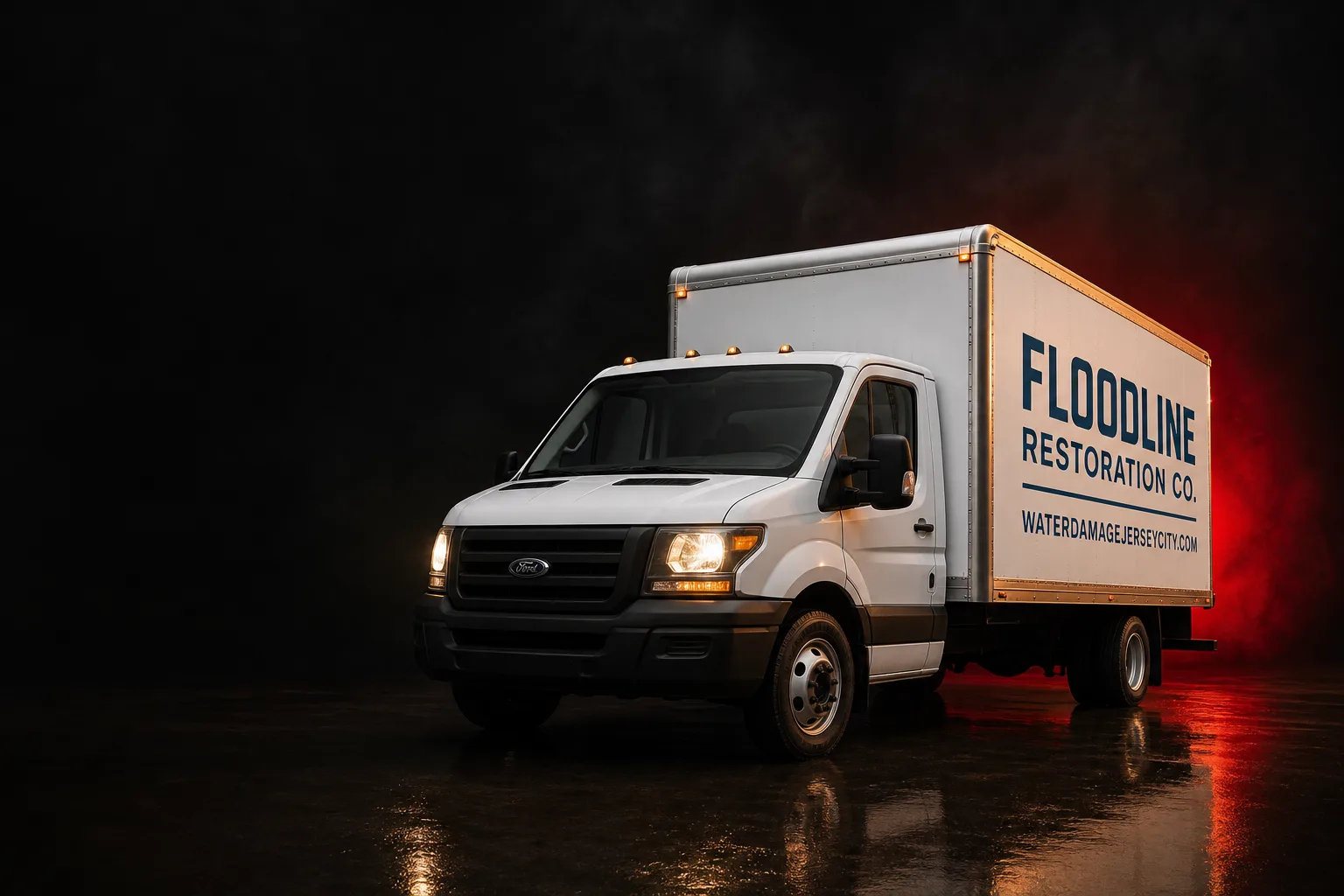
Free visual inspection and a written scope of work before any mitigation begins - photos, moisture readings, and drying logs go in your claim file
The scope we write is the scope we bill. Anything new gets shown to you, in writing, before we touch it.
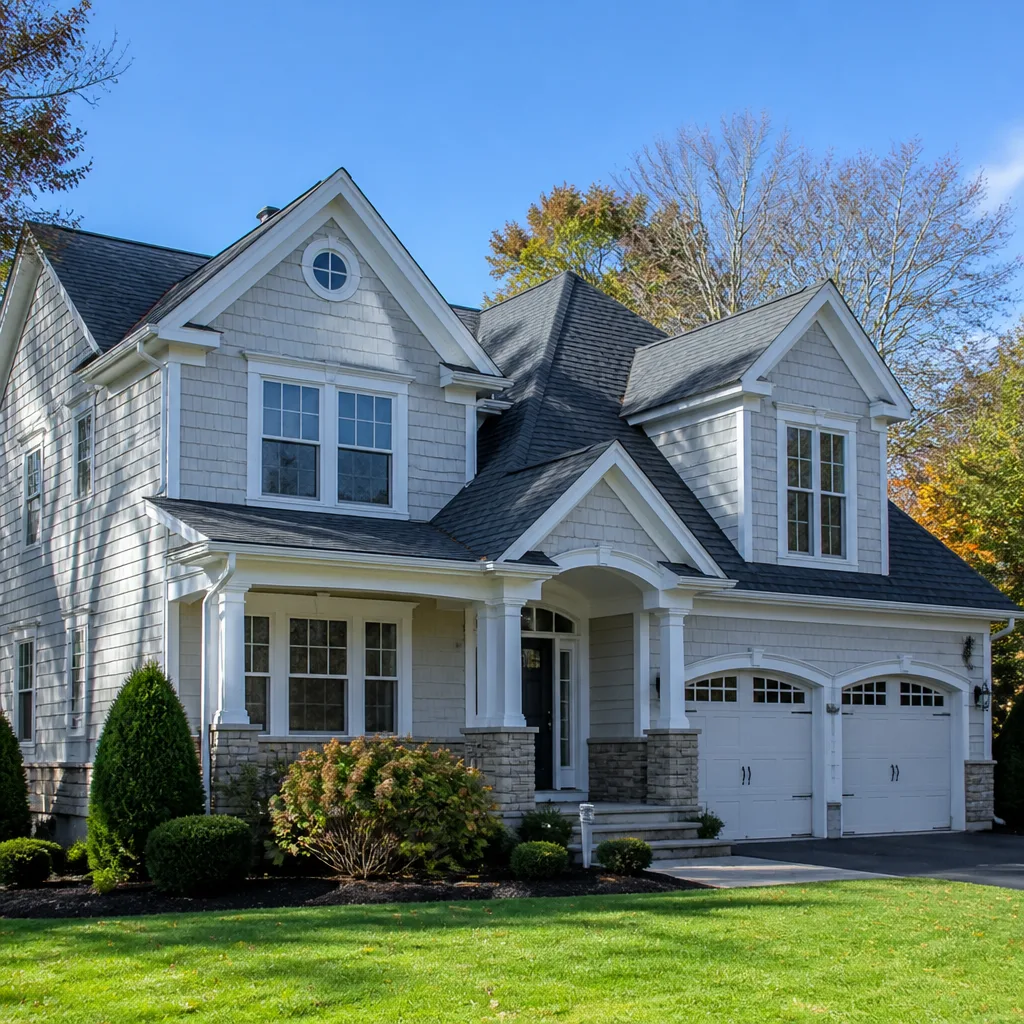
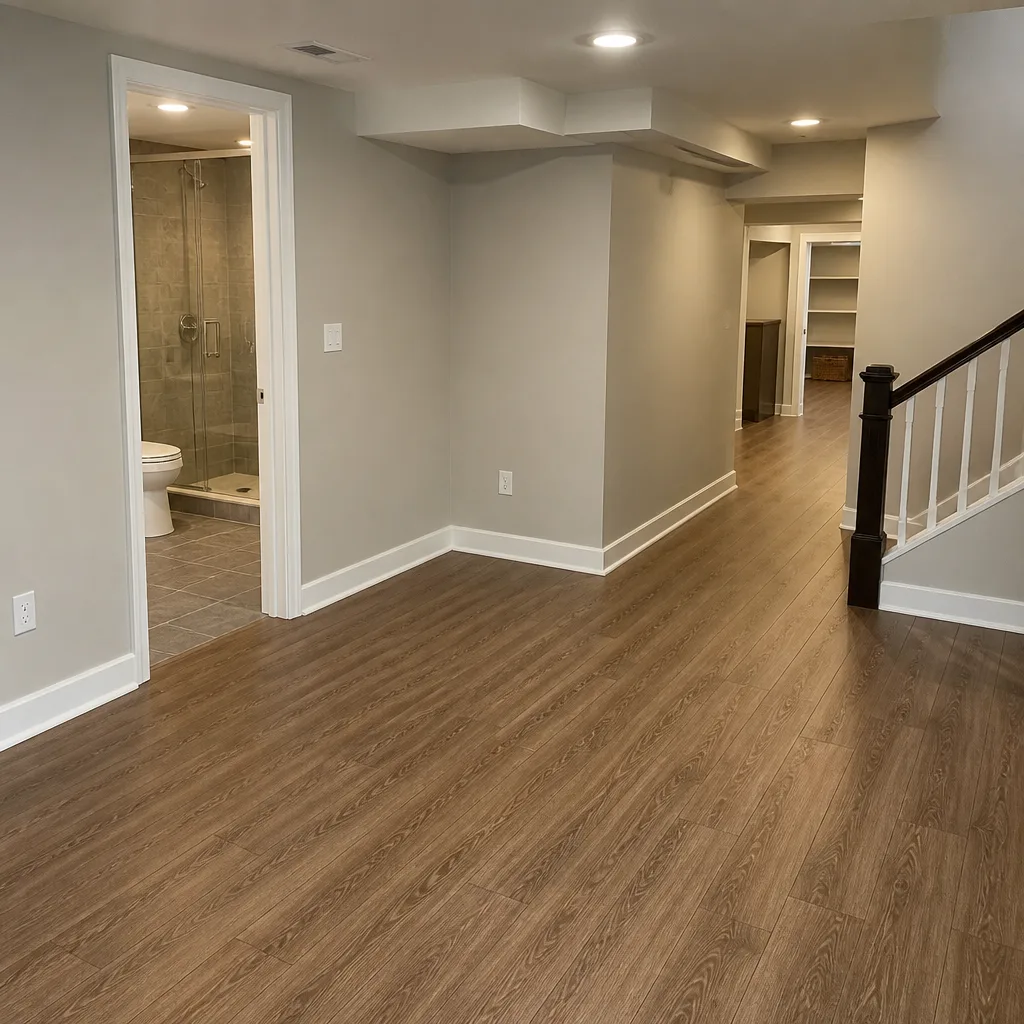
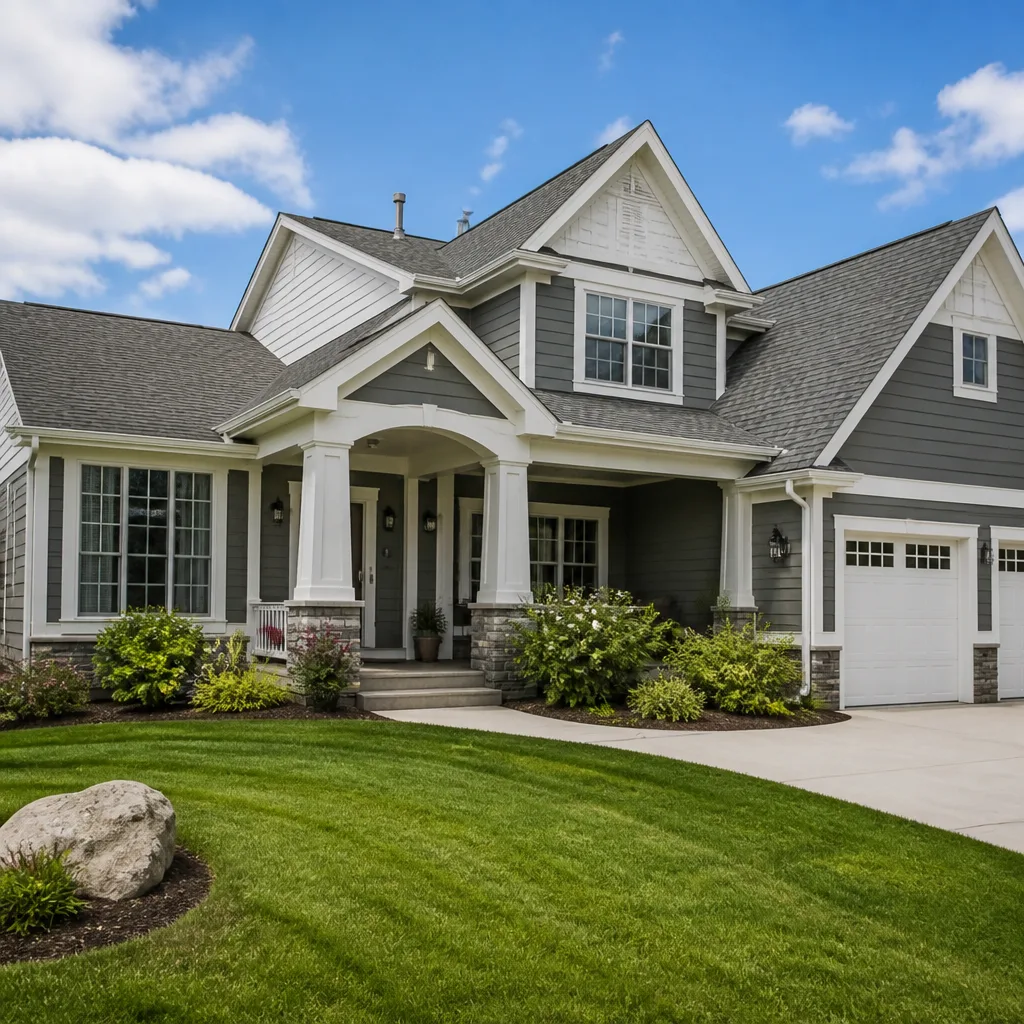
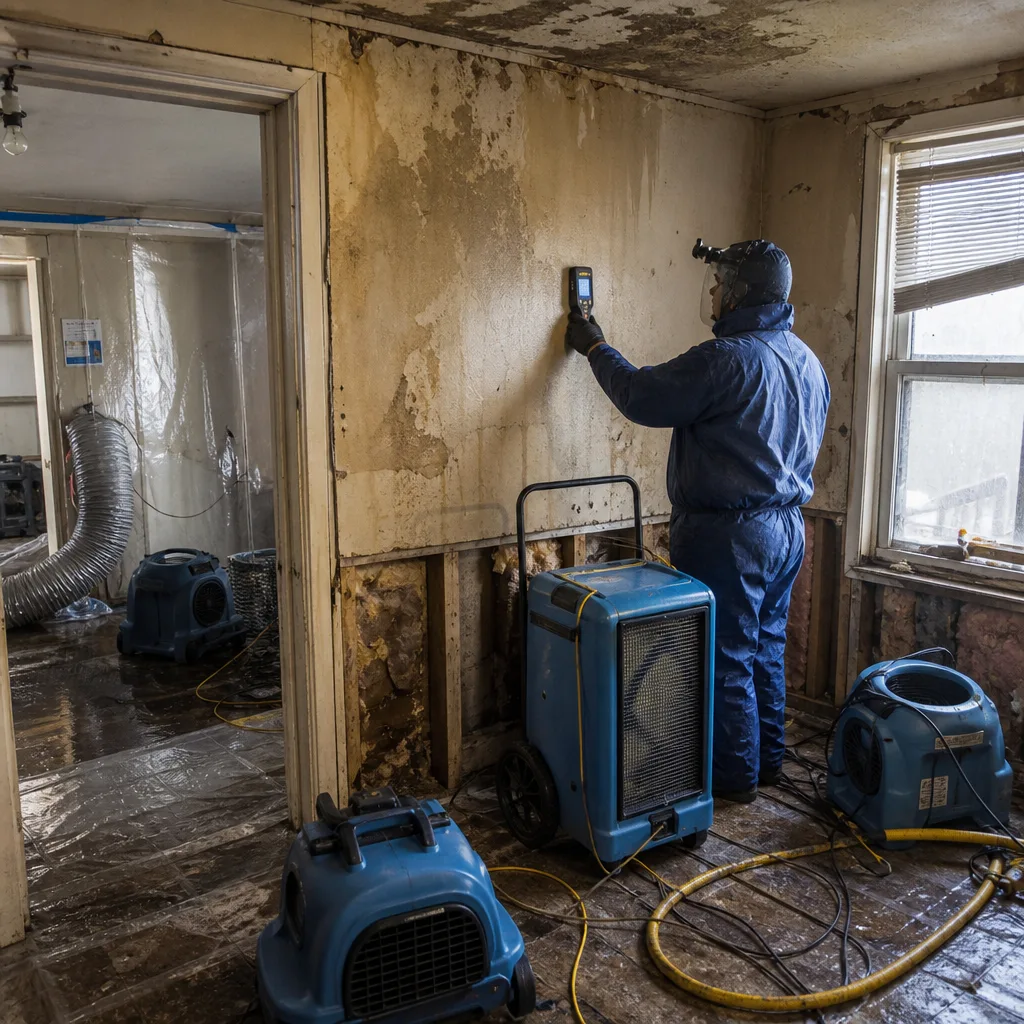 Before
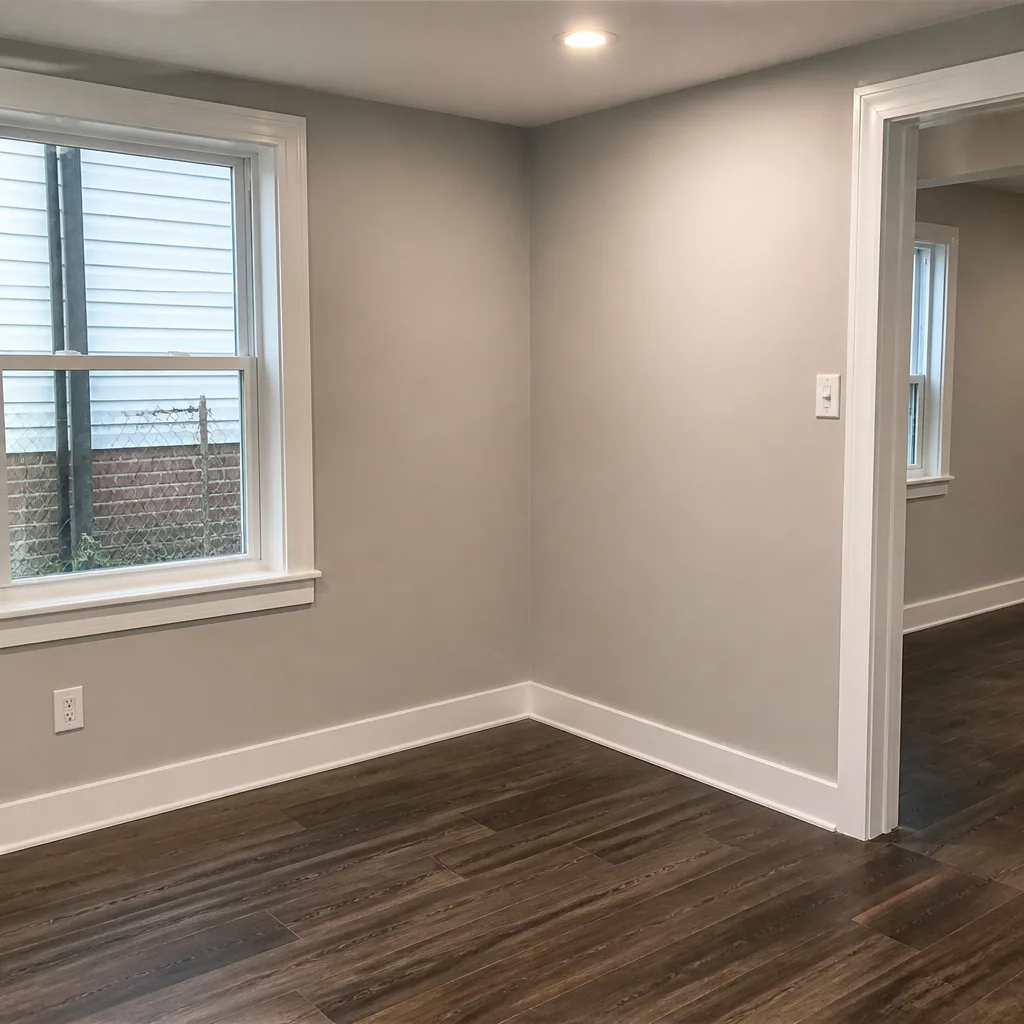 After
After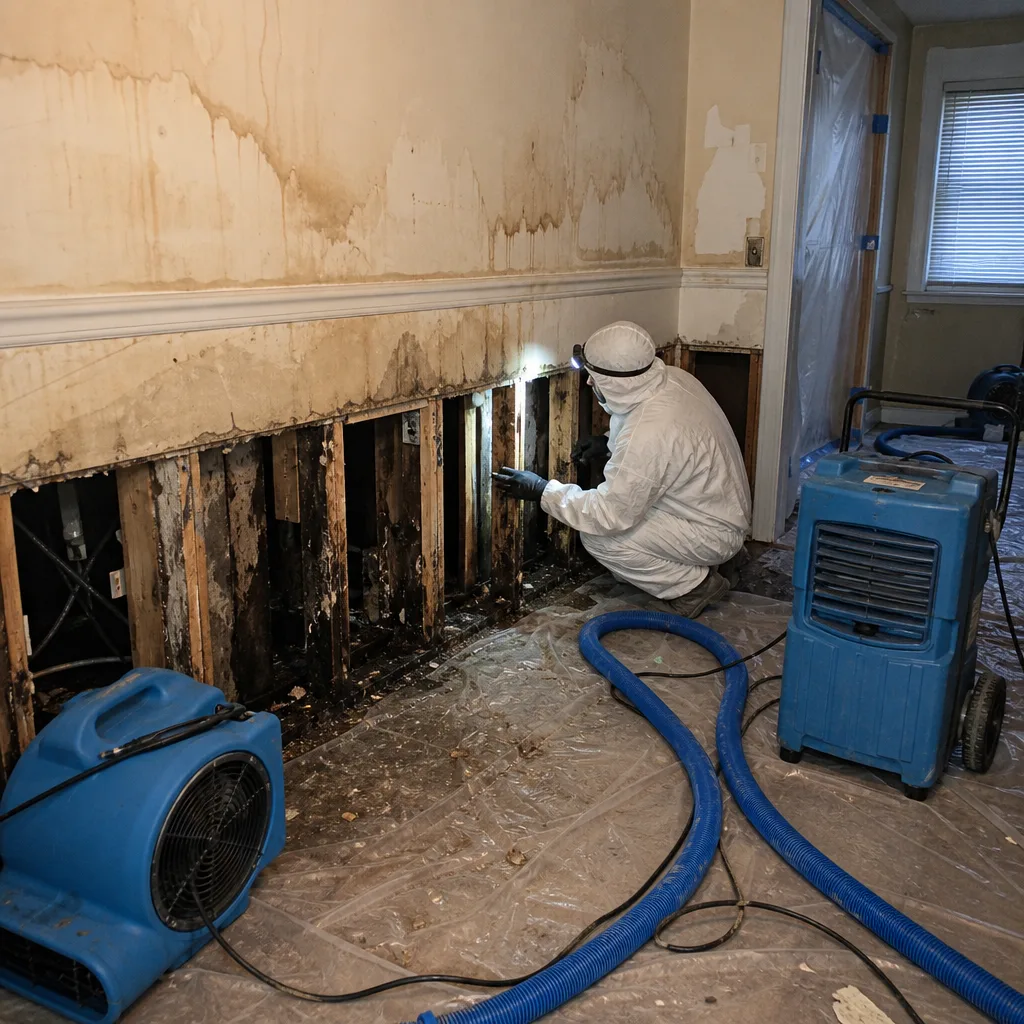 Before
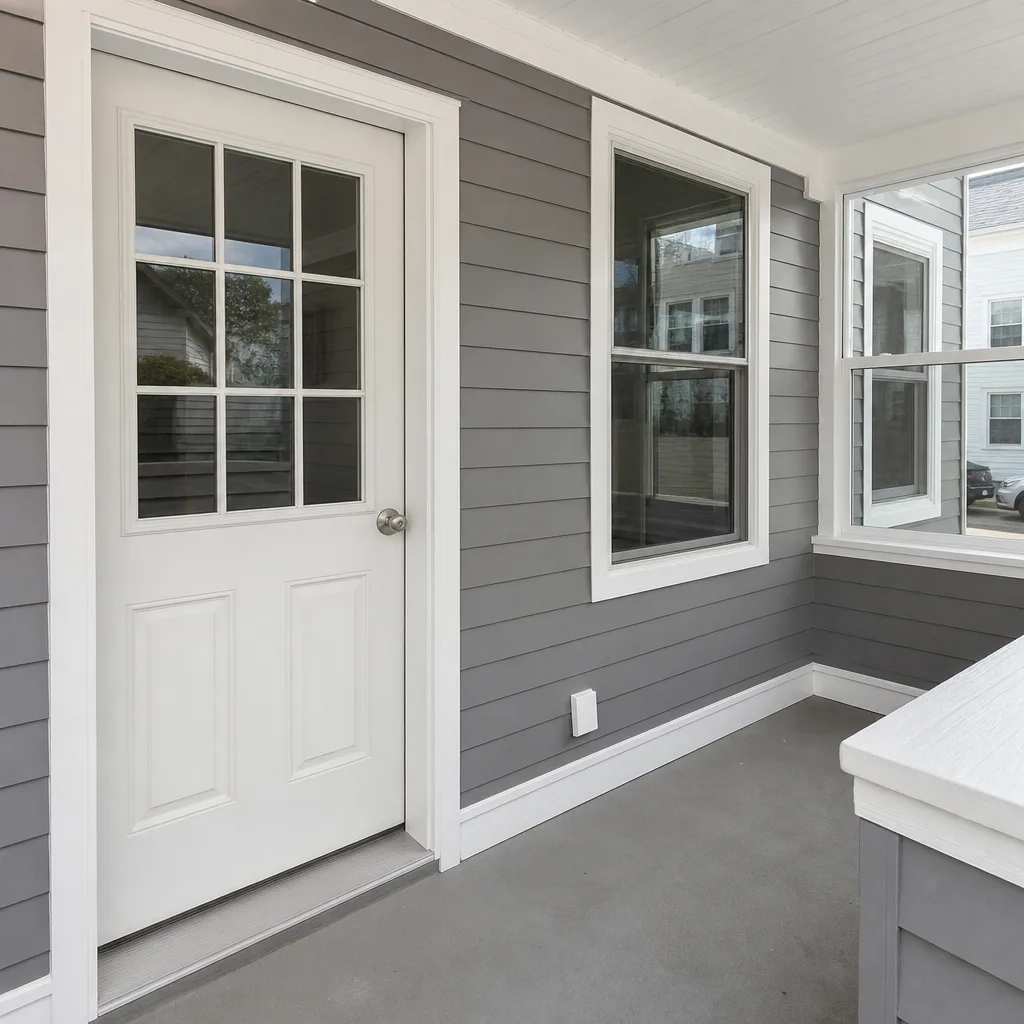 After
After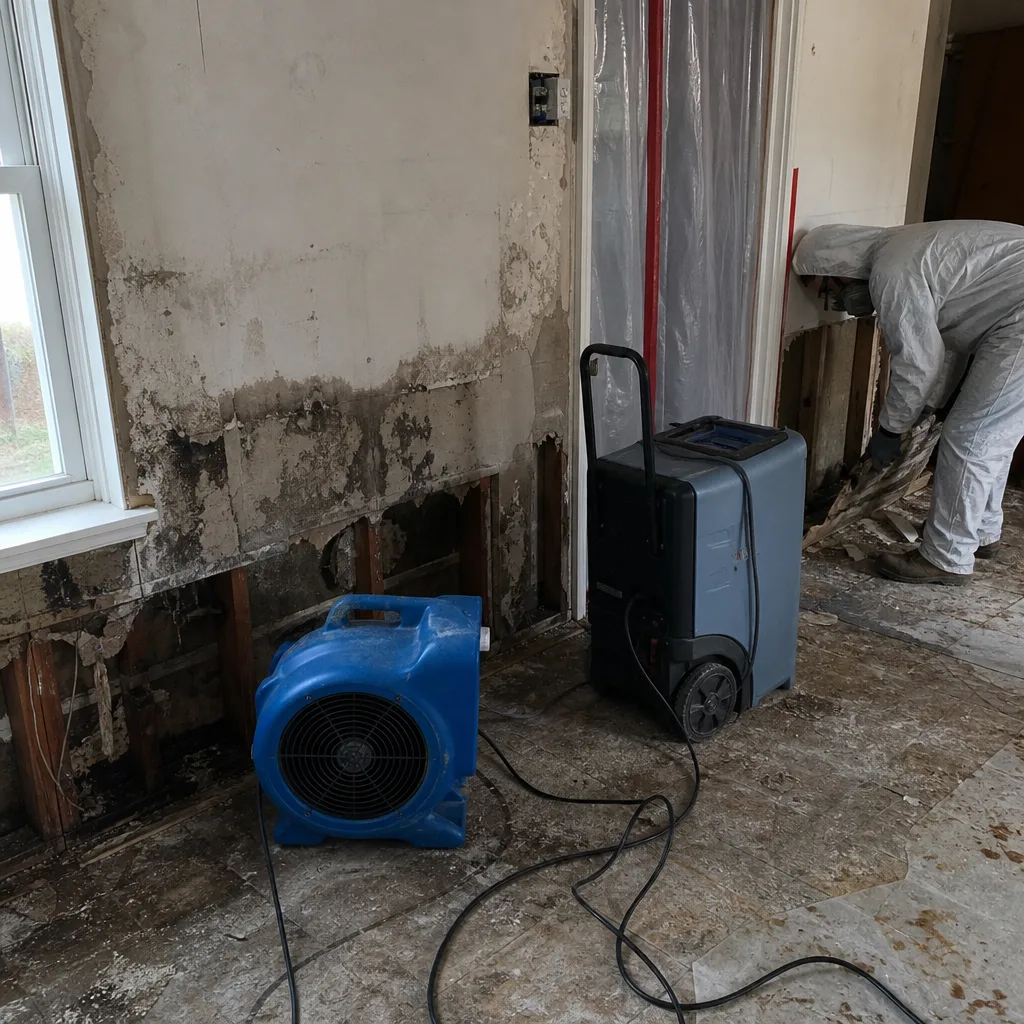 Before
 After
After24/7 Emergency Storm & Disaster Restoration in Brooklyn Heights
Storm damage in Brooklyn Heights moves fast. Wind rips off a cornice segment, rain follows the opening behind the brick, and within hours water is soaking horsehair plaster that has stood for 160 years. We answer the phone live at (640) 400-9404 at any hour, and we dispatch certified crews into Brooklyn Heights immediately. The first call gets a free visual inspection, a straight answer about what we found, and a plan to stop the bleeding. The first hour decides whether you’re drying a room or rebuilding a wall. Don’t wait on a recording. Call (640) 400-9404 and talk to a person who knows Brooklyn Heights brownstones.
Understanding Storm & Disaster Restoration Severity in Brooklyn Heights Properties
Storm damage in Brooklyn Heights rarely stays where it starts. A wind-driven leak behind a decorative cornice seeps down through old-growth timber and lime-and-horsehair plaster, crossing between party walls that separate one brownstone from the next. By the time the stain shows on a ceiling two floors down, the water has been traveling for days. We classify water the way the IICRC standard requires: Category 1 is clean, Category 2 carries contaminants, Category 3 is sewage or floodwater. In a Brooklyn Heights brownstone, even Category 1 water becomes a serious problem fast because the building materials absorb it so deeply. We use thermal imaging and moisture mapping to trace where water actually went, not just where it puddled. Structural drying in these buildings takes longer than in modern construction, and cutting corners on the dry log in a landmarked building is how you end up with mold inside a shared wall cavity three months later.
Why Brooklyn Heights Property Owners Choose Floodline Restoration Co.
- 45-minute response commitment for Brooklyn Heights emergencies. We dispatch from the New York City office the moment your call ends, and a crew is on the way before you hang up.
- A live person answers, 24/7. No phone tree, no answering service reading a script. You get a dispatcher who can actually send someone.
- IICRC-certified crews trained to WRT and ASD standards. Water damage and structural drying are technical trades, and our certifications are current and documented.
- Free visual inspection. We assess the damage, explain what needs to happen, and put the scope in writing before any work begins.
- Direct insurance billing. We document everything from the first hour and communicate directly with your adjuster. You never play messenger between us and the carrier.
- One team from extraction to reconstruction. The same crew that dries the structure rebuilds it. No handoff, no inherited subcontractors, no finger-pointing.
Our Storm & Disaster Restoration Process
Inspection & Assessment
We walk the property with you and document every surface with photos and moisture readings. On a Brooklyn Heights brownstone, we check the roof, the cornice line, the party walls, and the basement level. You get a written scope before a single piece of equipment comes off the truck.
Extraction & Stabilization
Standing water comes out first. We board up broken windows, tarp exposed roof sections, and remove water-saturated debris that can’t be saved. For wind damage, stabilization means securing anything that could come loose and cause more harm.
Drying & Dehumidification
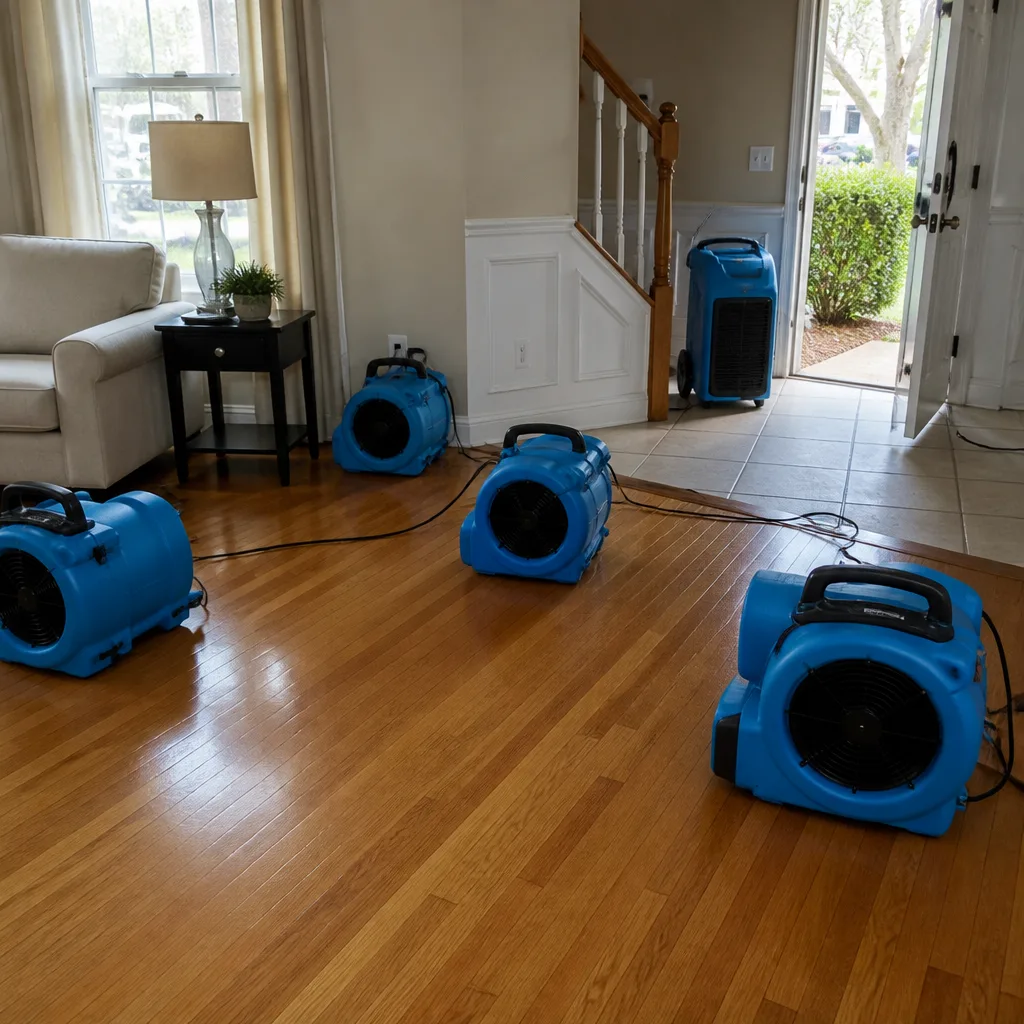
This is where the science happens. We set up Dri-Eaz dehumidifiers, Phoenix air movers, and XPOWER extraction units positioned to create airflow through wall cavities and under floors. Daily moisture readings are logged until the dry standard is met, and that log goes to you and your carrier.
Cleaning & Sanitization
Storm water brings contaminants. We clean and sanitize affected surfaces with our Sanitization Services in Brooklyn Heights, using antimicrobial treatments appropriate for the material. Horsehair plaster and old millwork need treatments that don’t destroy the substrate.
LPC-Compliant Specialty Treatment
In Brooklyn Heights, this step is different from anywhere else. We document what the Landmarks Preservation Commission needs to see, preserve original materials wherever possible, and photograph everything for the permit file before restoration work proceeds.
Repairs & Restoration
We rebuild what the storm took through Reconstruction & Cleanup in Brooklyn Heights. Whether it’s plaster, millwork, slate roofing, or a full party-wall repair, the crew that did the drying does the rebuilding. And every job is backed in writing by the 90-Day Done Right Promise.
Need Emergency Storm & Disaster Restoration in Brooklyn Heights Now?
Crews minutes away, answering live 24 hours a day. The sooner we start, the less it costs.
Working With Your Insurance Company
Storm and flood claims in Brooklyn Heights get complicated because of the building stock. A wind-damaged cornice on a landmarked brownstone involves the insurance carrier, the Landmarks Preservation Commission, possibly a co-op or condo board, and the owner of the adjoining property if the party wall is involved. We handle the documentation side so you don’t have to translate between adjusters and agencies. From the first hour on site, our team photographs every surface, logs every moisture reading, and writes line-item scopes using industry-standard pricing. We talk to your adjuster directly. When the LPC needs documentation, we provide it. When your carrier needs a dry log, we hand it over. The goal is simple: your claim moves forward, your building gets restored correctly, and you never sit on hold trying to explain Category 3 water to a claims person.
What We Provide Your Insurer
- Thorough documentation of the loss
- Photos of all damage, room by room
- Moisture readings and drying logs
- A detailed, line-item scope of work
- Direct coordination with your carrier
Built for Brooklyn Heights’s Loss Calendar
Brooklyn Heights has a storm calendar, and it starts in late summer. August and September bring the strongest thunderstorms of the year, the kind that dump two inches of rain in an hour and overwhelm the combined sewer system along Furman Street and the lower-lying blocks near the waterfront. Those are the months we see flooded English basements and water pushing up through floor drains. Winter’s January deep-freeze cycle bursts supply lines in unheated brownstone extensions and freezes pipes in poorly insulated rear additions. Spring thaw soaks old foundations and finds every failed gutter seam and rotted cornice board. And nor’easters, the ones that blow off the East River from October through April, drive rain sideways into window frames and under slate shingles. Each season produces a different failure mode, but the common thread is this: old buildings with original materials absorb water fast and hide it well. If you live in Brooklyn Heights and something doesn’t look right after a storm, it isn’t. Call (640) 400-9404 and let our Storm & Disaster Restoration team take a look.
Storm & Disaster Restoration Across Brooklyn Heights’s Neighborhoods
Brooklyn Heights is compact, but the building stock changes noticeably from block to block. Along Remsen Street and the blocks near the Promenade, the Italianate and Greek Revival brownstones date from the 1840s and 1850s, with slate roofs and ornamental cornices that take a beating from wind off the East River. These are the blocks where we most often see cornice failures and wind-driven water intrusion behind decorative trim. Down near Furman Street and the waterfront, the exposure is different: lower elevation, wetter basements, more sewer backup during heavy rain. The English basement apartments common throughout the neighborhood are particularly vulnerable here because they sit partly below grade. Along Henry Street and Montague Street, the commercial spaces on the ground floors of residential buildings add another layer: a storm-damaged roof above a storefront means water travels down through the commercial space and into the residential units above, all inside a party-wall structure where every neighbor’s damage becomes an insurance question. When a storm hits Brooklyn Heights, our crews know which blocks flood first and which roofs fail first.
Specialized Storm & Disaster Restoration Services We Offer in Brooklyn Heights
Storm Damage Cleanup
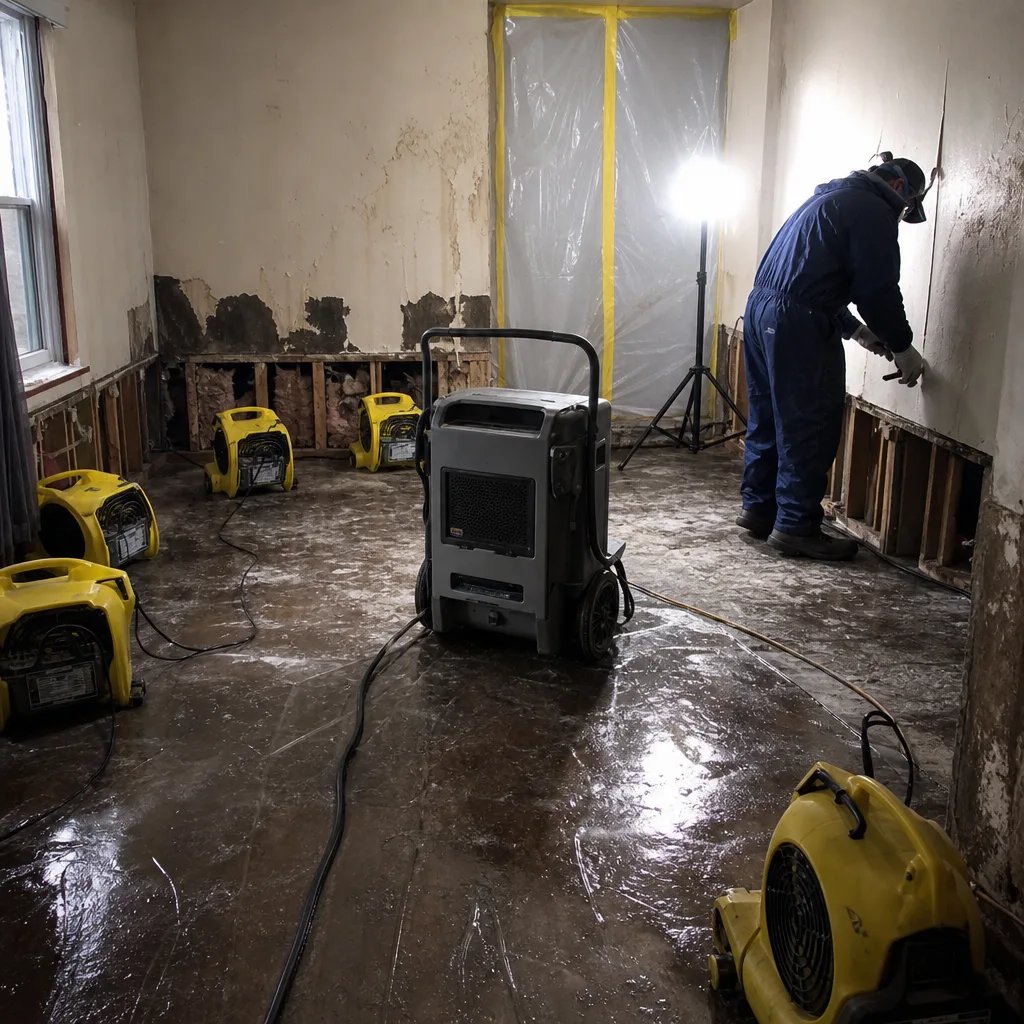
After wind and rain tear through Brooklyn Heights, the cleanup is more than picking up branches. We remove storm debris, extract water from saturated floors and walls, and document the condition of every surface before and after. In a landmarked brownstone, that documentation matters because it becomes the record for what gets restored versus replaced.
Flood Damage Restoration
English basements and the low blocks near Furman Street are the first places floodwater shows up in Brooklyn Heights. We extract the water, dry the structure to the IICRC standard, and treat surfaces that floodwater touched. Sewer backup is common here during heavy cloudbursts, which means the water is often Category 3 and requires Biohazard & Crime Scene Cleanup - Brooklyn Heights protocols, not just drying.
Emergency Board-Up
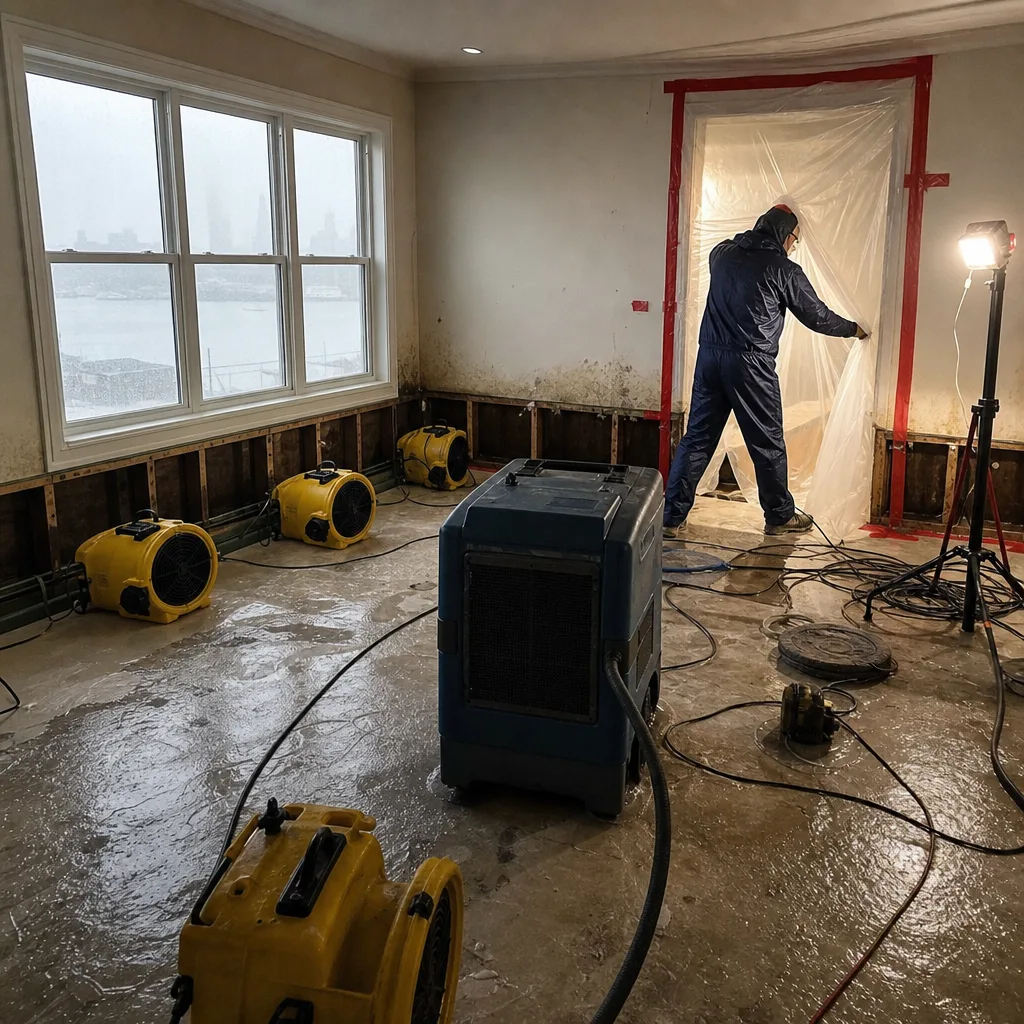
When a tree limb goes through a third-floor window on Remsen Street or wind tears out a front door, the opening needs to be secured immediately. Board-up in Brooklyn Heights has to account for the Landmarks Preservation Commission’s rules about what can and can’t be permanently installed. We secure the opening now and plan the restoration properly. Boarding a brownstone window on a party wall requires anchoring into masonry without damaging the shared wall or the original window surround.
Roof Tarping
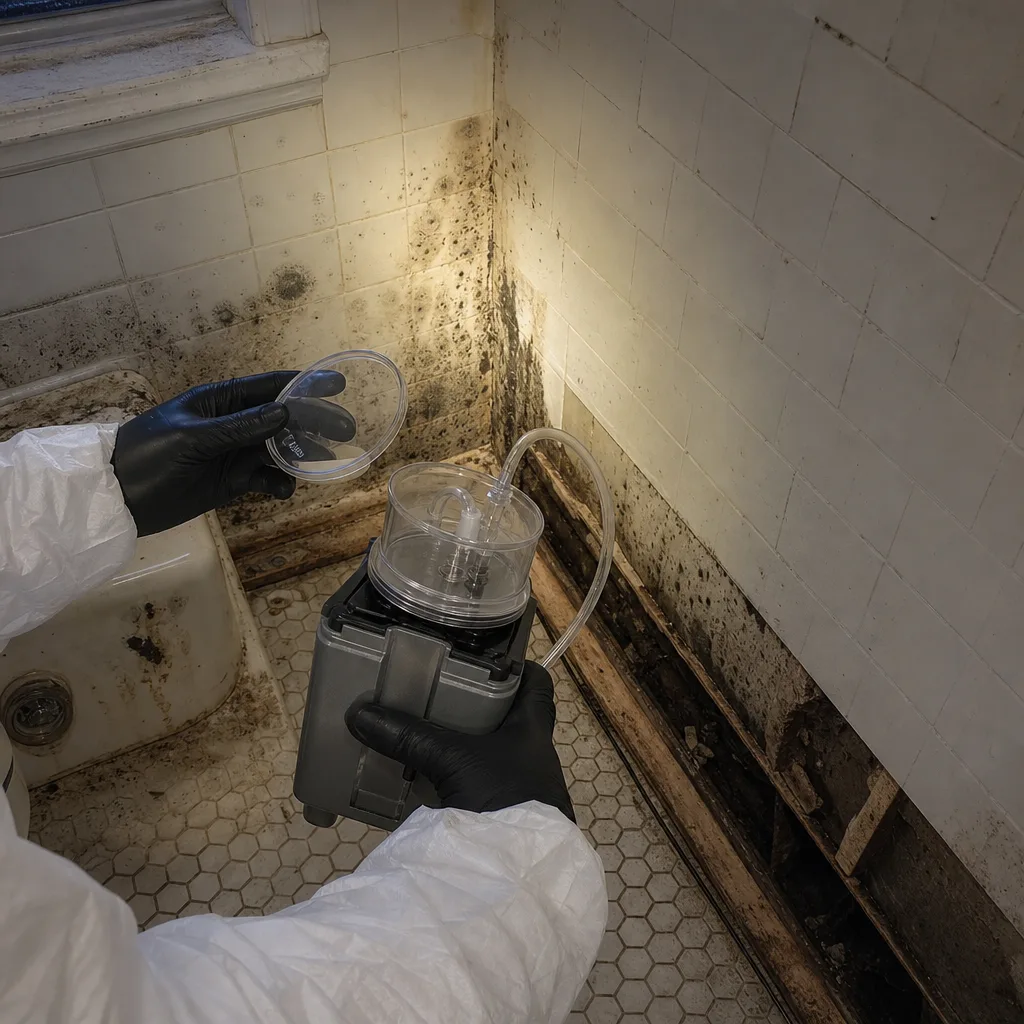
A torn-off slate shingle or a failed cornice seam becomes a waterfall in the next nor’easter. We tarp exposed roof sections using methods that hold up to East River gusts. Standard blue tarps don’t survive a storm season on a Brooklyn Heights roof. We use heavier-gauge materials and secure them properly so water doesn’t re-enter the structure while you wait for a permanent repair. The LPC review process takes time, and the tarp has to last.
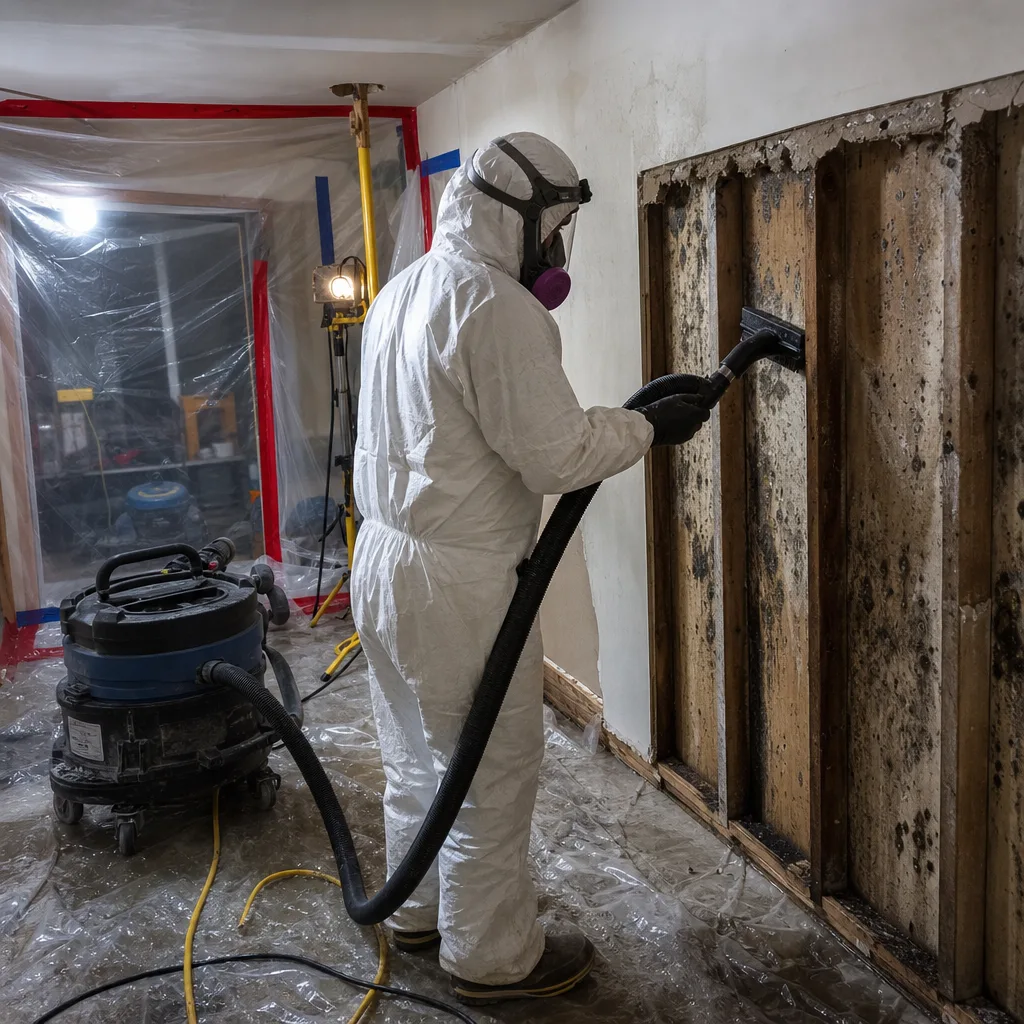
Debris Removal
Fallen branches, broken glass, torn-off roofing, and wind-blown debris all need to come off the property before real restoration can start. We also separate what can be salvaged from what can’t. In a landmarked building, salvaging original material matters: a broken piece of millwork can often be repaired, and the LPC prefers repair over replacement every time.
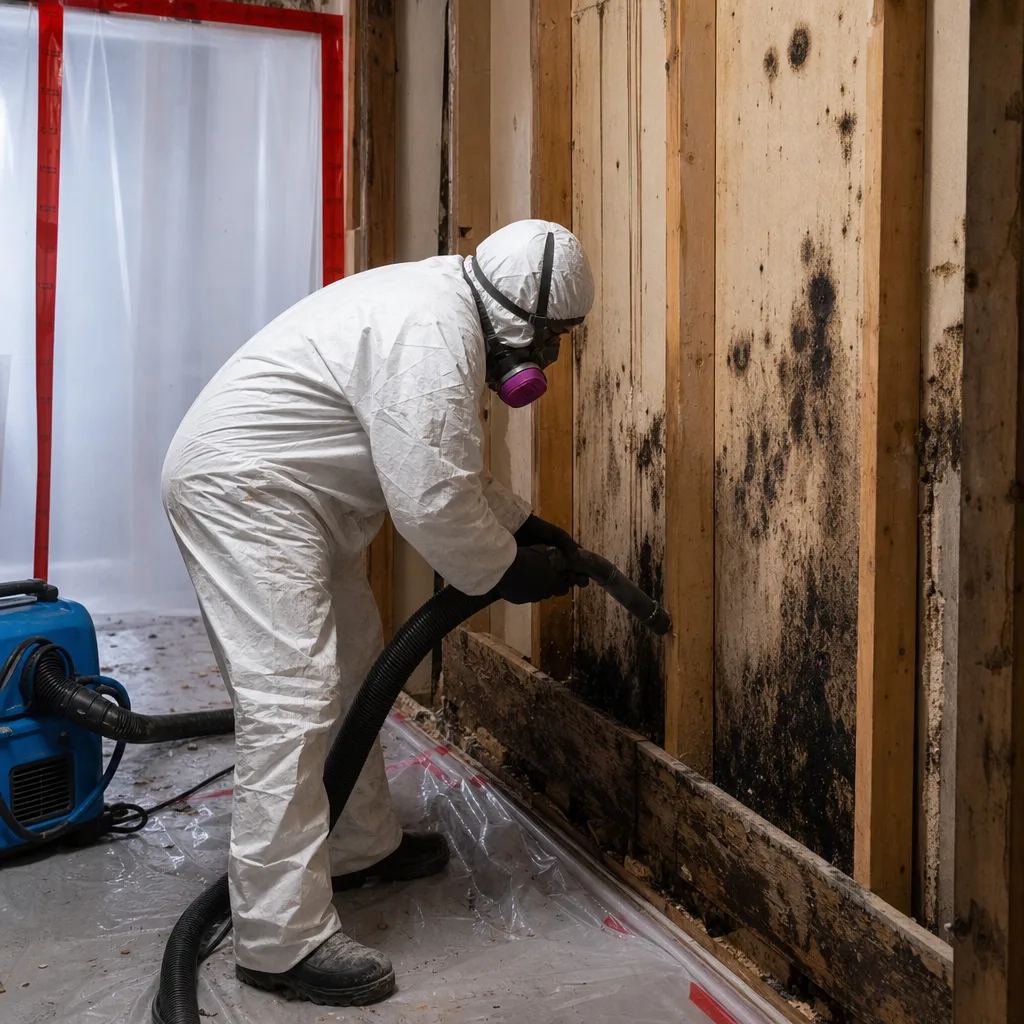
What happens when you call
- 1
A real person answersNo phone trees - you reach a local pro.
- 2
You get an upfront price rangeHonest numbers before anyone is dispatched.
- 3
A background-checked tech heads outLicensed & insured, dispatched right away.
- 4
You approve before work beginsNothing starts until you say go.
Storm & Disaster Restoration Costs in Brooklyn Heights, NY
Storm restoration costs in Brooklyn Heights run higher than in outlying neighborhoods, and there’s a reason for that: the building stock demands it. Emergency board-up for a broken brownstone window typically runs $400 to $900 depending on height and access. Roof tarping on a four-story slate roof runs $800 to $2,000 for a proper secure installation. Storm damage cleanup for a flooded English basement starts around $1,500 for extraction and drying and goes up from there based on square footage and water category. Full wind damage repair around a cornice, including LPC documentation and period-appropriate materials, commonly lands between $4,000 and $12,000. What moves the price: the height of the work, the water category, whether original materials can be saved, and how quickly the damage was caught. Insurance covers most storm and flood damage when the documentation is solid. Our free visual inspection gives you a firm scope in writing before you spend a dollar. Call (640) 400-9404 and we’ll give you real numbers for your building.
We Also Serve Cities Near Brooklyn Heights
Floodline Restoration Co. serves homeowners throughout the area. Our storm and disaster restoration crews regularly work in Midland Beach, New Springville, Oakwood, and Travis – Chelsea. If you’re in one of those neighborhoods and searching for Storm & Disaster Restoration help, we can be there quickly with the same certified crews and the same written guarantee.
Serving Brooklyn Heights, NY - Our Local Coverage Area
We’re based in the Brooklyn Heights area and know this community well. Use the map below to see our service coverage - if you’re nearby, we can almost certainly help.
Brooklyn Heights Storm & Disaster Restoration Questions, Answered
What do Brooklyn Heights storm restoration crews need from the Landmarks Preservation Commission before replacing a wind-damaged cornice?
Any replacement of a damaged cornice on a landmarked brownstone requires LPC review and approval before installation. The commission wants documentation of the existing condition, photos of the damage, and a proposal that matches the original material and profile. We photograph everything, document the loss, and prepare the LPC submission with the original materials preserved wherever possible. Call (640) 400-9404 and we’ll walk you through what your specific building needs.
How do you board up a broken brownstone window on a party wall without causing more damage to the shared masonry?
We anchor the board-up to the window frame and surrounding trim, not into the party wall itself. The shared masonry between brownstones is structural, and drilling unnecessary holes into it creates water intrusion points and potential disputes with the adjoining owner. Our crews use pressure-fit and frame-anchored methods that secure the opening without compromising the wall. This is standard practice for our Brooklyn Heights work.
Why is a leaking slate roof on a Brooklyn Heights brownstone considered a Category 2 water event even if the water looks clear?
Water running through a slate roof picks up contaminants as it travels: bird droppings, decades of roof debris, lead from old flashing, and dust from the attic. By the time it soaks into the horsehair plaster below, it’s no longer clean. The IICRC classifies water with meaningful contamination as Category 2, which requires antimicrobial treatment and proper drying protocols, not just mopping up. We treat it accordingly and document the category in the drying log.
Can a wind-damaged exterior door in Brooklyn Heights be replaced with an impact-rated modern door, or does the LPC require a wooden replica?
For street-facing facades on landmarked buildings, the LPC generally requires a door that matches the original in material, profile, and finish. Impact-rated modern doors are typically not approvable without a variance. The practical path is a period-appropriate wood door, often with reinforcement behind it that doesn’t alter the visible appearance. We coordinate with LPC requirements and your insurance scope so you don’t buy a door twice.
What’s the first step after a storm knocks down a tree limb and exposes a Brooklyn Heights roof to rain?
Call us at (640) 400-9404. The first step is tarping the exposed area to stop water from entering, then board-up if windows were broken. Document the condition of everything before moving debris: photos of the limb, the roof penetration, and any interior water staining. Your insurance carrier will want that record, and so will the LPC if the damage involves a protected facade element. We handle all of it from the first call.
How fast can a crew actually reach a Brooklyn Heights address during a major storm?
Our commitment is 45 minutes from dispatch for Brooklyn Heights emergencies. During a nor’easter or citywide storm event, response times can stretch because the whole city is calling at once. That’s why we prioritize by severity: exposed roofs, flooding, and structural damage come first. A live person answers 24/7, so you always know where you stand. Call (640) 400-9404 and we’ll give you a straight answer on timing.
Will my insurance cover storm damage restoration in a landmarked Brooklyn Heights building?
Most homeowner policies cover storm and flood damage when documentation is complete. The complications come from landmark requirements: if the LPC requires original materials that cost more than the insurance company’s standard replacement line item, that gap has to be addressed. We provide the documentation carriers need to justify period-appropriate restoration costs, and we communicate directly with adjusters so you don’t negotiate alone.
What should I do in the first 30 minutes after I discover storm water in my Brooklyn Heights home?
Call (640) 400-9404 first. Then, if it’s safe, move valuables out of the water’s path and shut off electricity to affected areas. Don’t enter standing water in a flooded English basement: it may be electrically charged or Category 3 contaminated. Take photos of what you can see. Then wait for our crew. We’ll do the rest, including the documentation your insurer and the LPC will need.
Storm damage in Brooklyn Heights is different. The landmark laws, the party-wall brownstones, the English basement flood risk, the slate roofs: every phase of restoration has to respect them or you’re just making tomorrow’s problem. Floodline Restoration Co. has been doing this work the right way for over 42 years, and we stand behind every job with the 90-Day Done Right Promise, in writing. If it’s not done right, we make it right. No arguing, no paperwork battles. Call (640) 400-9404 today for a free visual inspection and a straight answer about your building.
Written by Curt Bowman, Owner at Floodline Restoration Co., serving Brooklyn Heights, NY with storm and disaster restoration since 2010.