
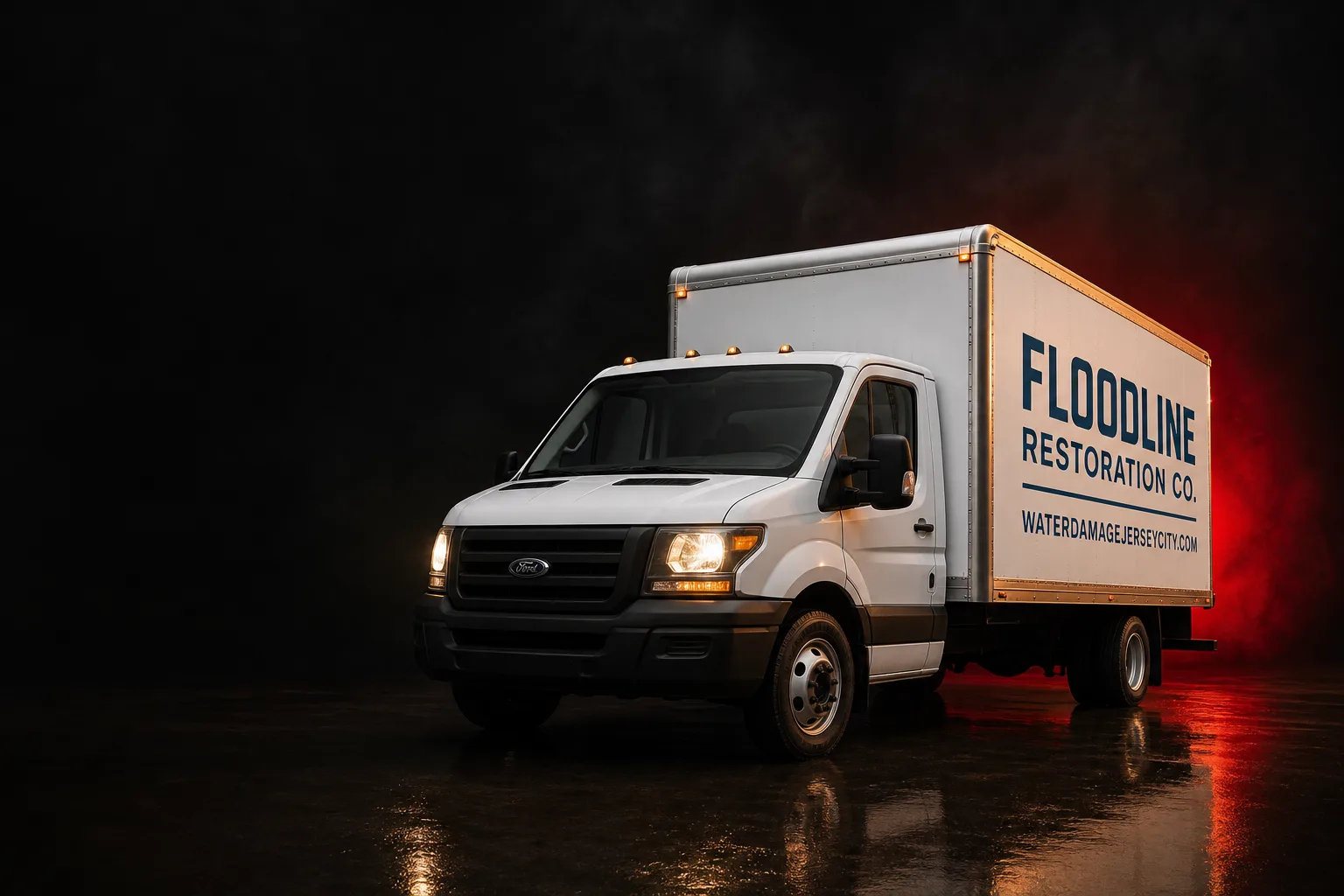
Free visual inspection and a written scope of work before any mitigation begins - photos, moisture readings, and drying logs go in your claim file
The scope we write is the scope we bill. Anything new gets shown to you, in writing, before we touch it.
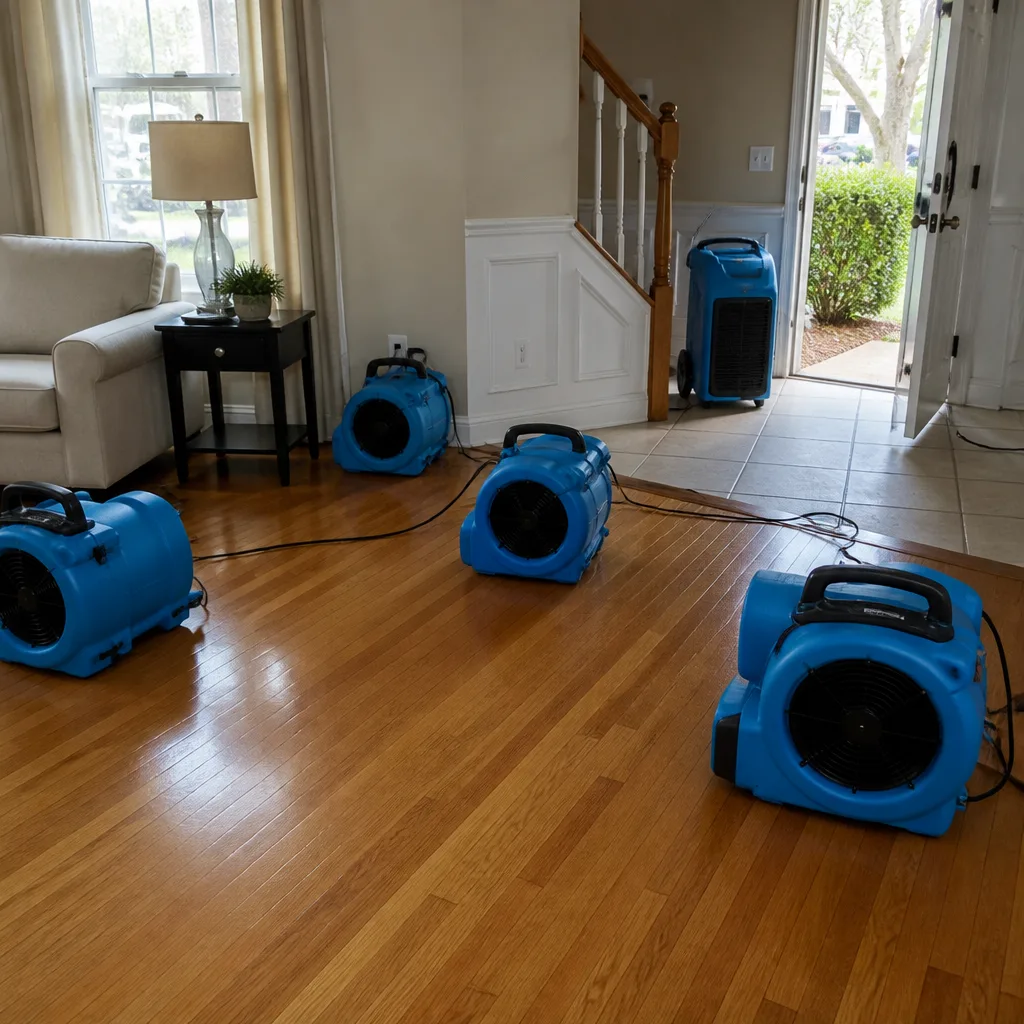
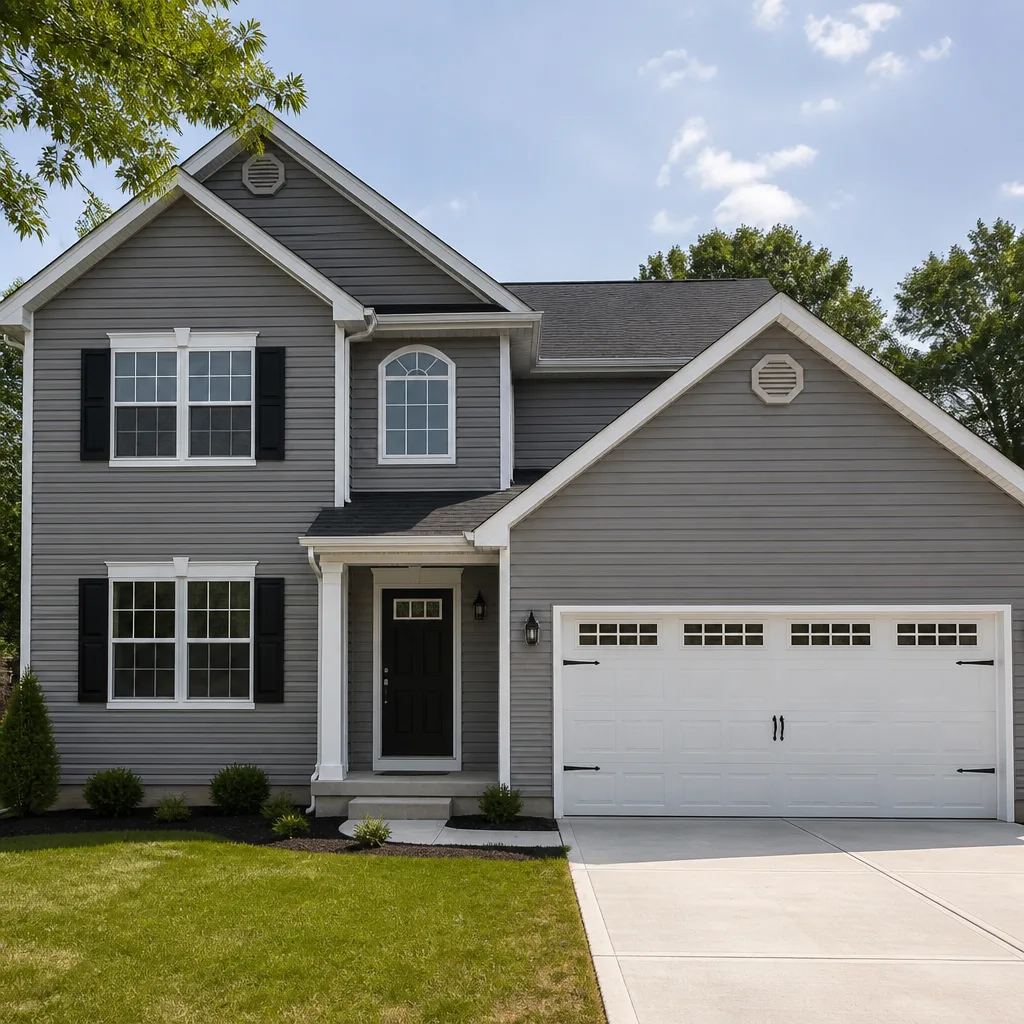
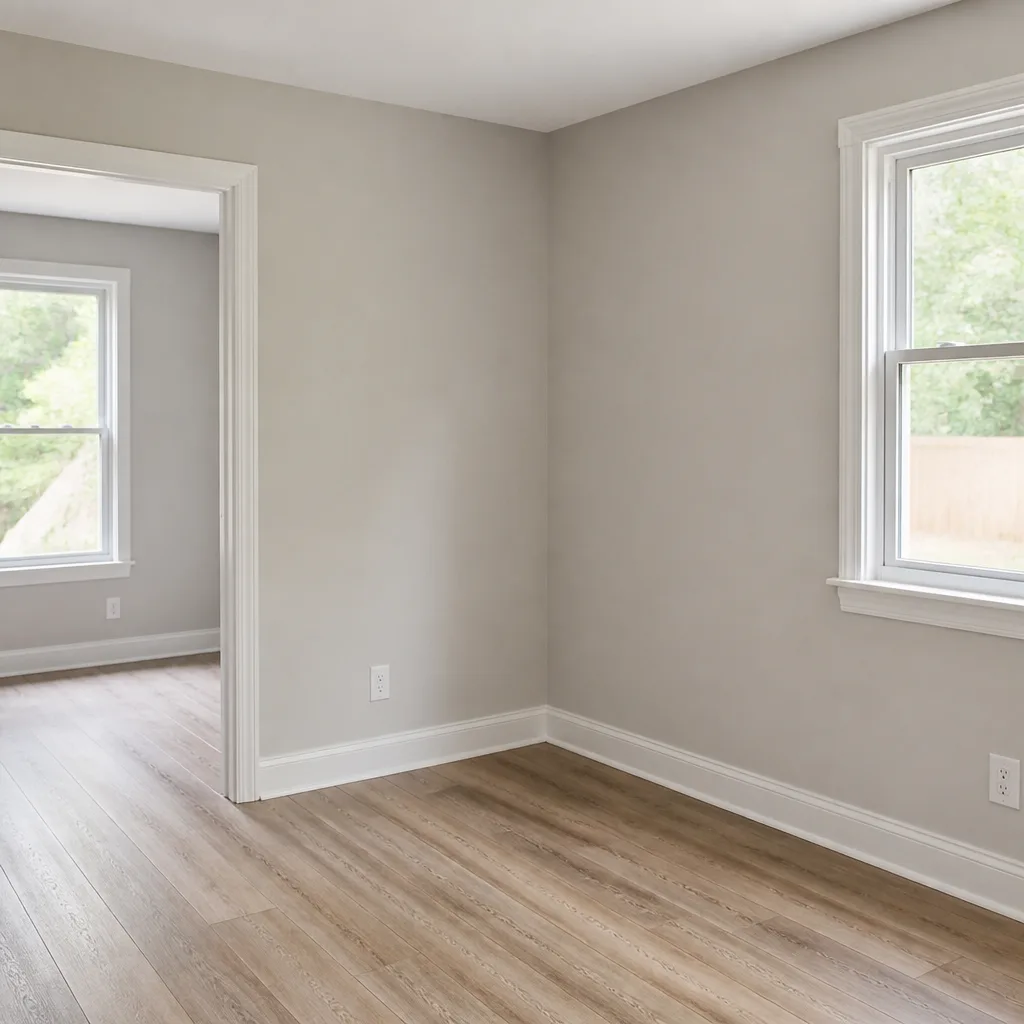
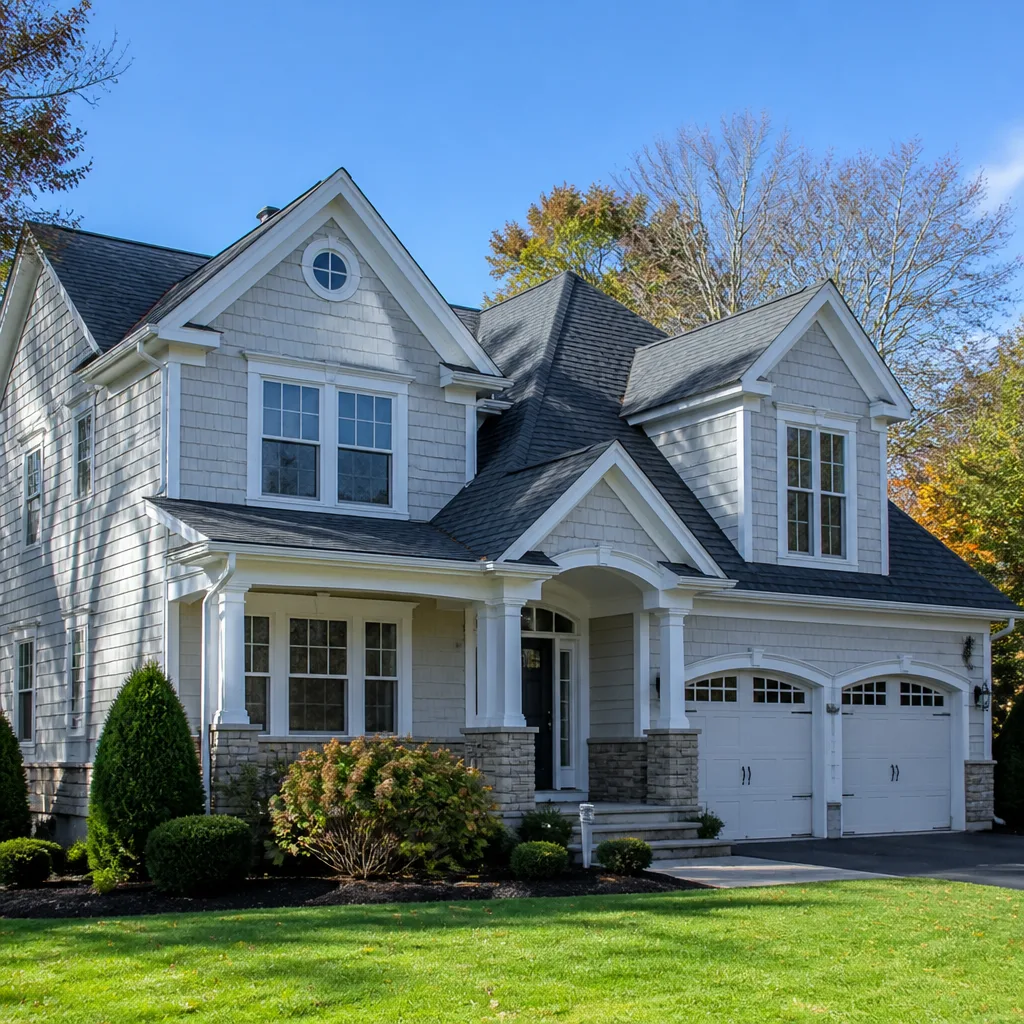
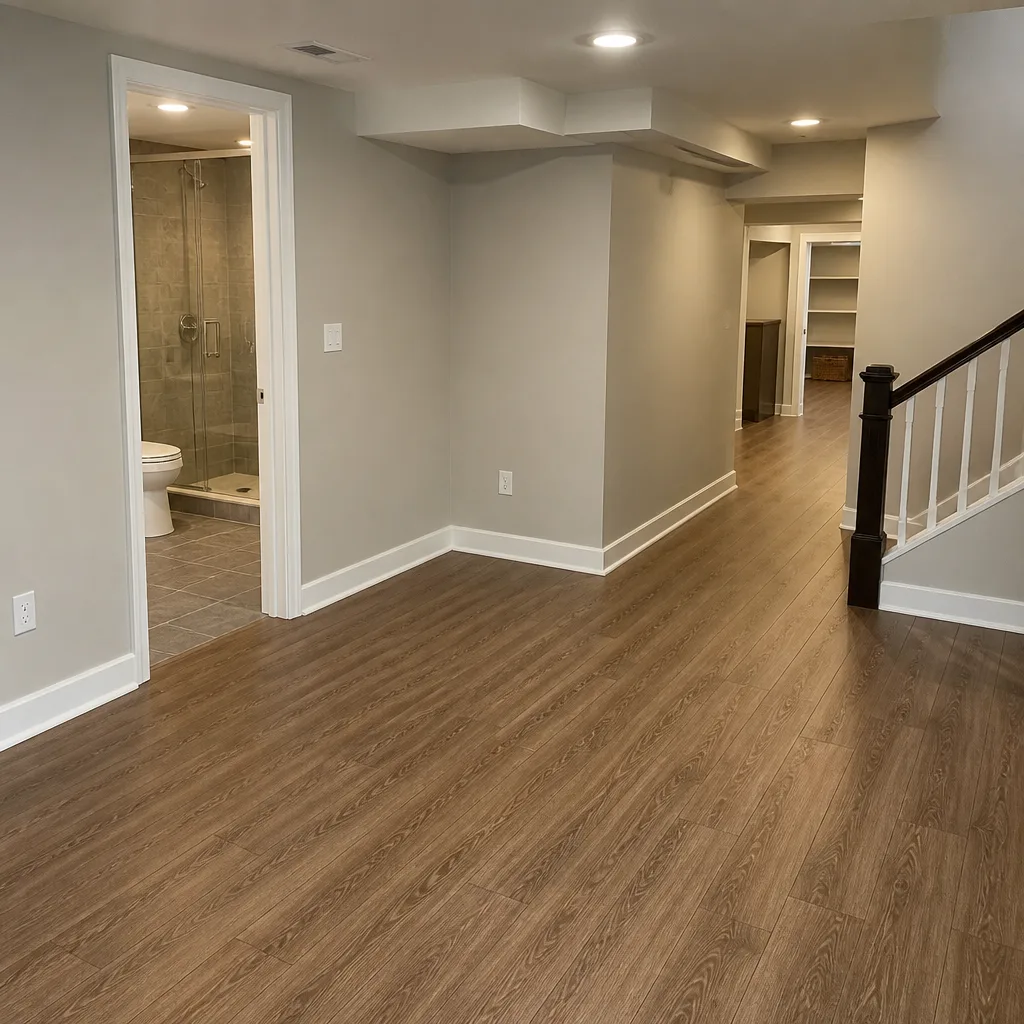
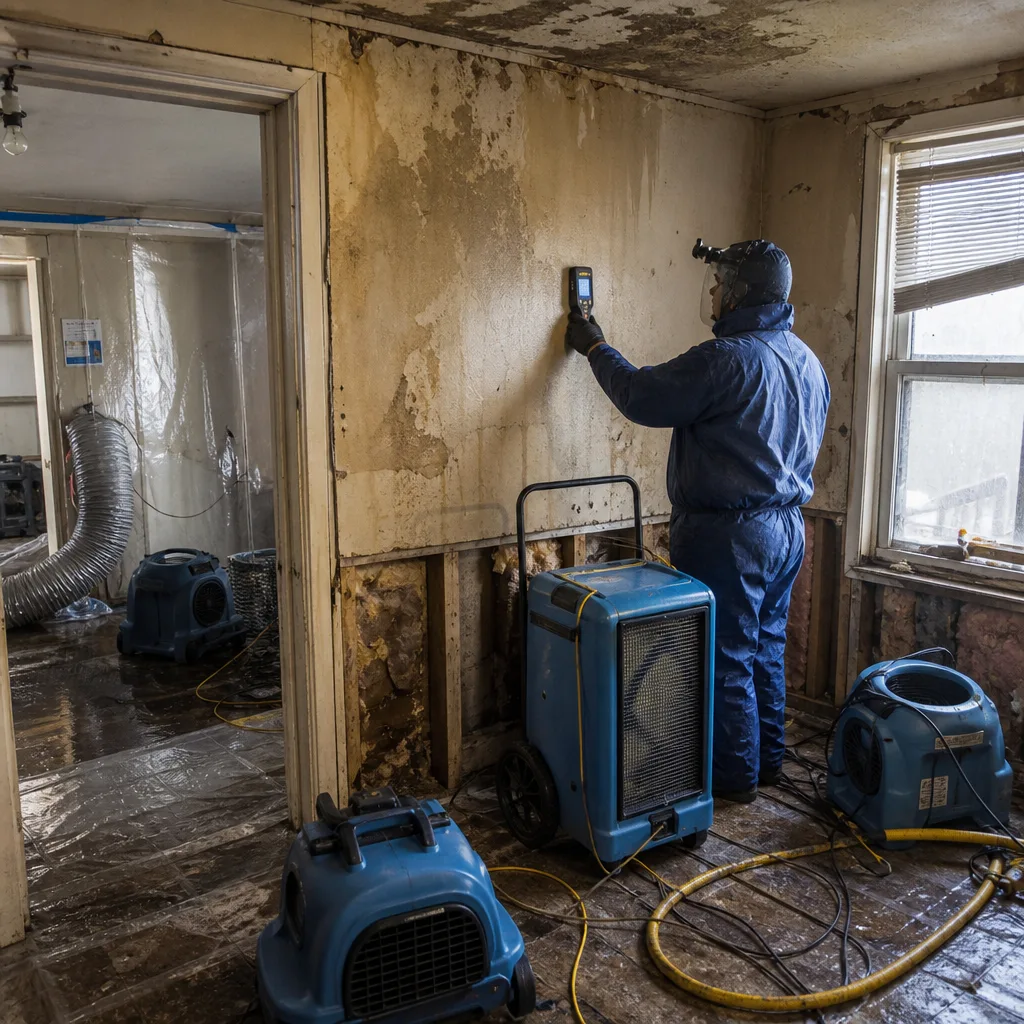 Before
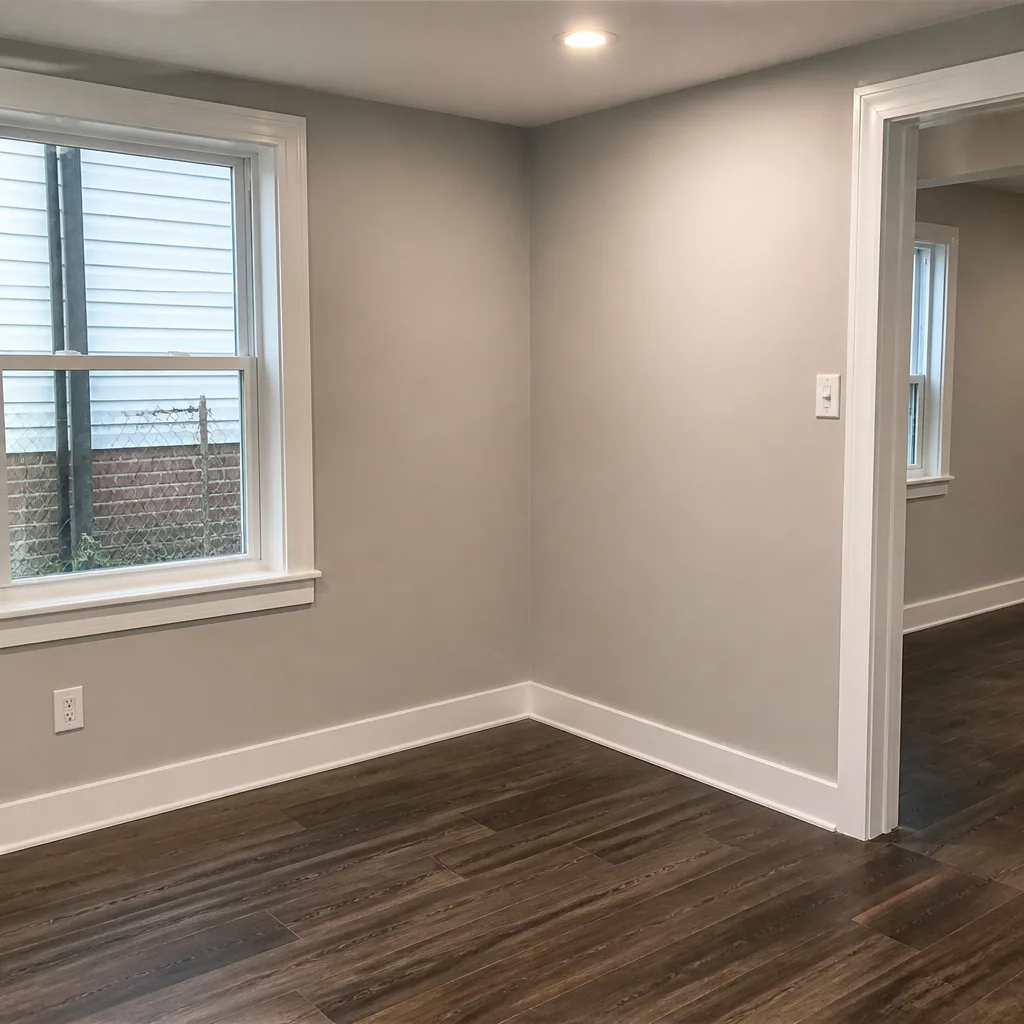 After
After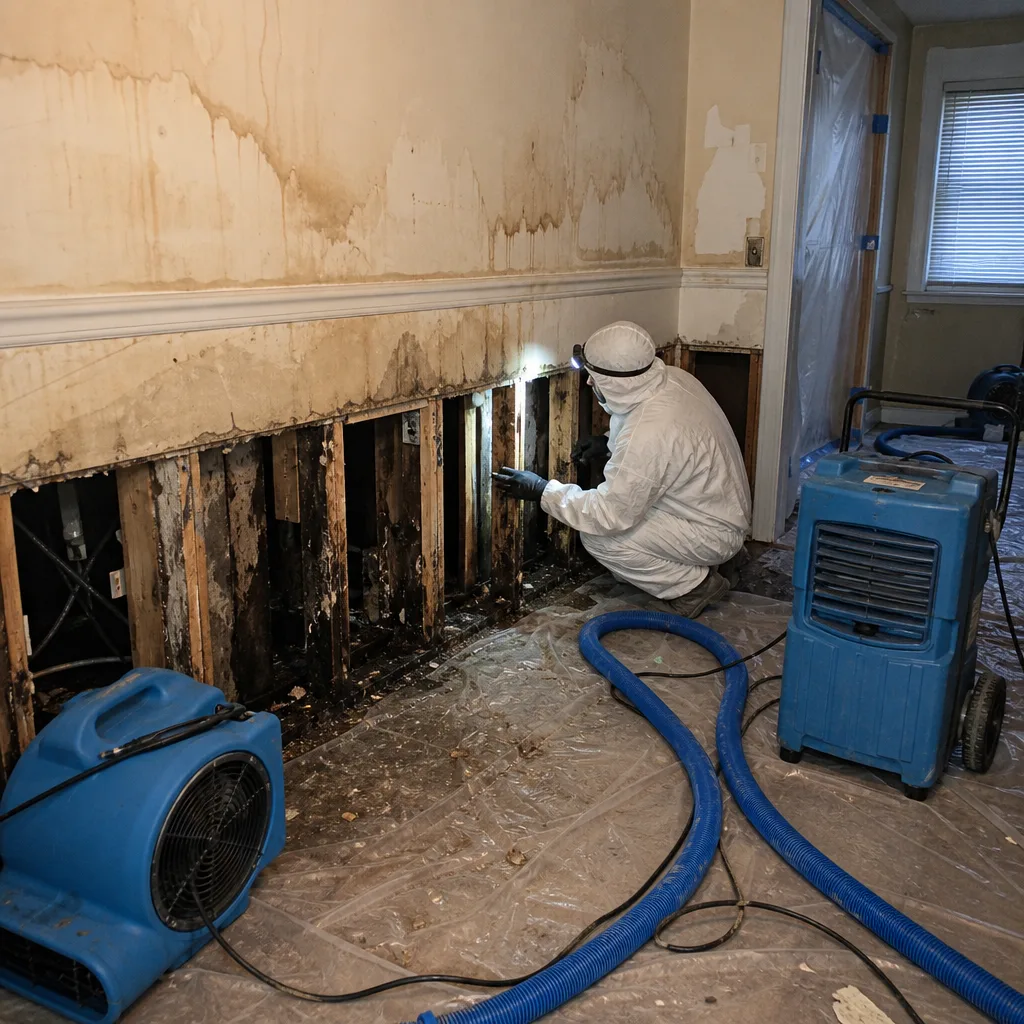 Before
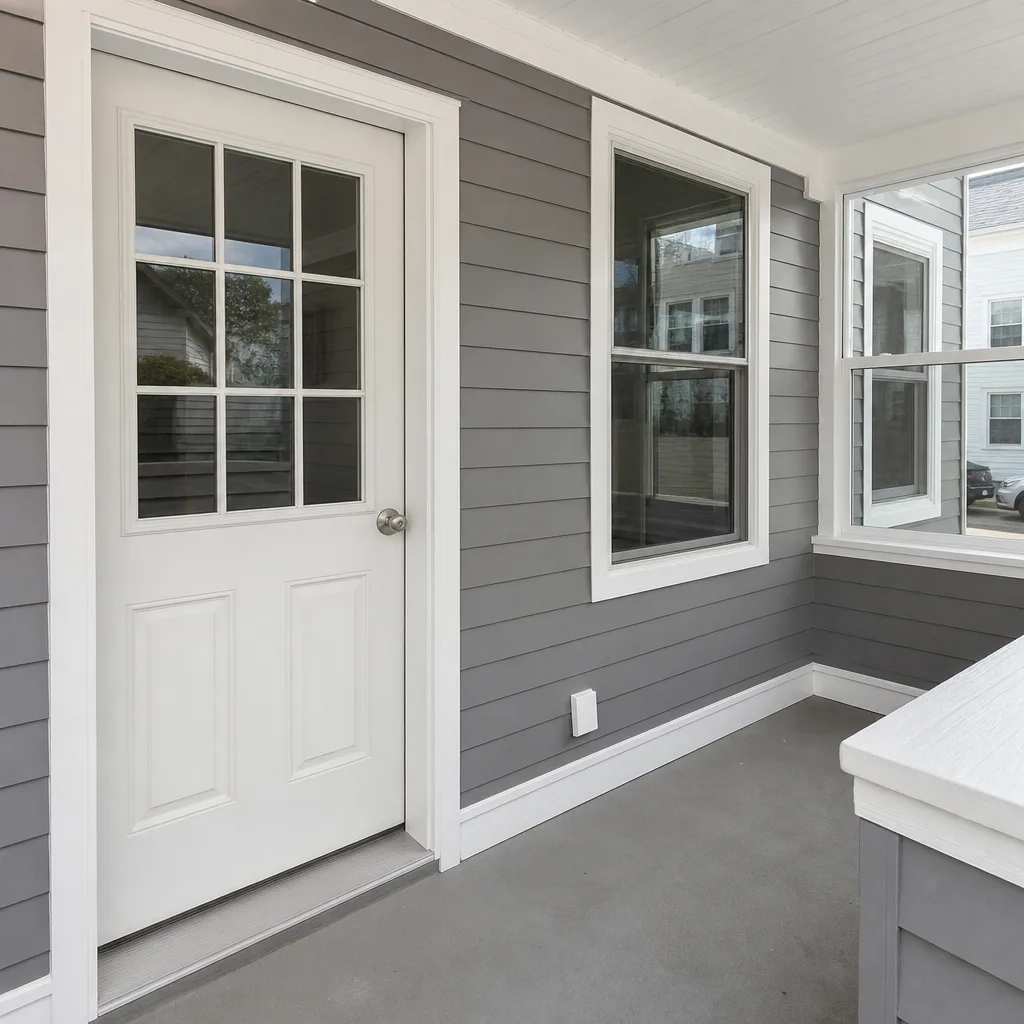 After
After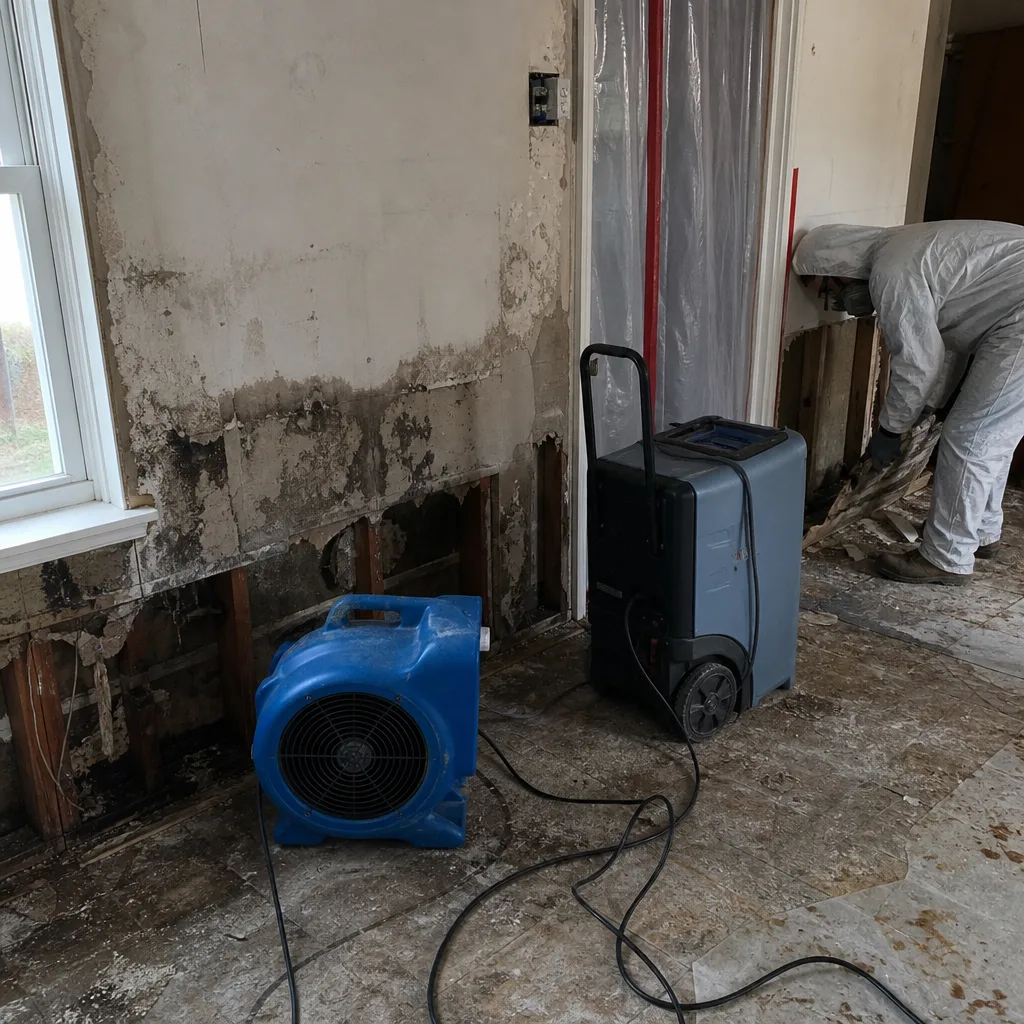 Before
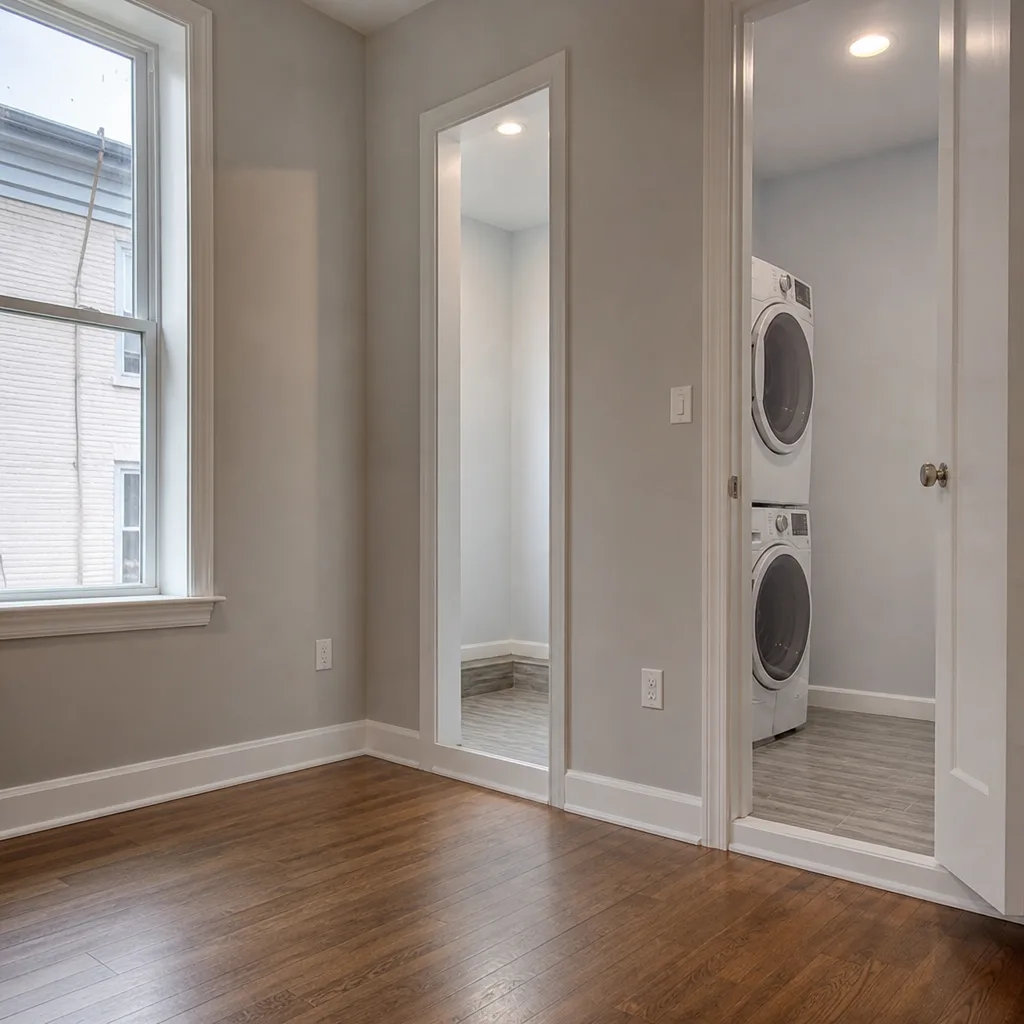 After
After24/7 Emergency Sewage Cleanup in Lower Manhattan
A sewage backup in Lower Manhattan is a Category 3 water event, and it won’t wait for business hours. Sewage carries bacteria, viruses, and parasites that begin contaminating every surface they touch within minutes. Floodline Restoration Co. answers live at (640) 400-9404 around the clock, every day of the year, and our certified crews reach Lower Manhattan buildings fast, ready with extraction equipment and containment materials on the first truck. The first hour determines how much gets replaced versus how much gets saved. Call now and a real dispatcher picks up, not a recording.
Understanding Sewage Cleanup Severity in Lower Manhattan Properties
Water damage is classified in three categories, and sewage puts you at the top of the scale. Category 1 is clean water from a supply line. Category 2 carries significant contamination, what we call gray water from washing machines or sump failures. Category 3 is black water: raw sewage, toilet backflow, or anything rising from a floor drain after a surcharge. Lower Manhattan’s building stock makes Category 3 cleanup especially unforgiving. In a 19th-century Tribeca loft with original timber beams, black water doesn’t just sit on the floor, it wicks into wood fiber and travels upward through plaster and masonry. In a Battery Park City high-rise built on Hudson River landfill, a sewage ejector failure in the sub-basement can flood elevator pits and electrical vaults before anyone notices. Add the saltwater surge history from Hurricane Sandy, and we’re often dealing with contaminated water plus chloride-driven corrosion already working inside conduit and junction boxes. This isn’t a pump-out job. It’s a structural drying and contamination-removal job that requires thermal imaging, moisture mapping, and containment.
Why Lower Manhattan Property Owners Choose Floodline Restoration Co.
- 45-minute response commitment. From the moment you call (640) 400-9404, a crew is dispatched inside Lower Manhattan and on the way to your building.
- 24/7 live answer, always a person. No automated phone tree, no “leave a message.” A live dispatcher answers at 2 a.m. the same way as at noon.
- IICRC-certified crews. Our technicians hold WRT and FSRT certifications, and we train to IICRC, RIA, and IFA standards on every sewage and contamination job.
- Free visual inspection. Before any work is authorized, we walk the affected area, identify the water category, and explain in plain language what needs to happen and why.
- Direct insurance billing. We document everything from the first hour and bill your carrier directly. You never play messenger between Floodline and your adjuster.
- One team from extraction to reconstruction. The same certified crew that pulls the black water handles daily moisture readings, sanitization, and the rebuild. No mid-job handoff, no inherited strangers.
Our Sewage Cleanup Process
Inspection & Assessment
We trace the sewage source, classify the water category, and map the affected area with thermal imaging and moisture meters. We check sub-grade spaces, elevator pits, and any area where saltwater intrusion from past storms may have left corrosion behind. Then we give you a written scope before work begins.
Extraction & Stabilization
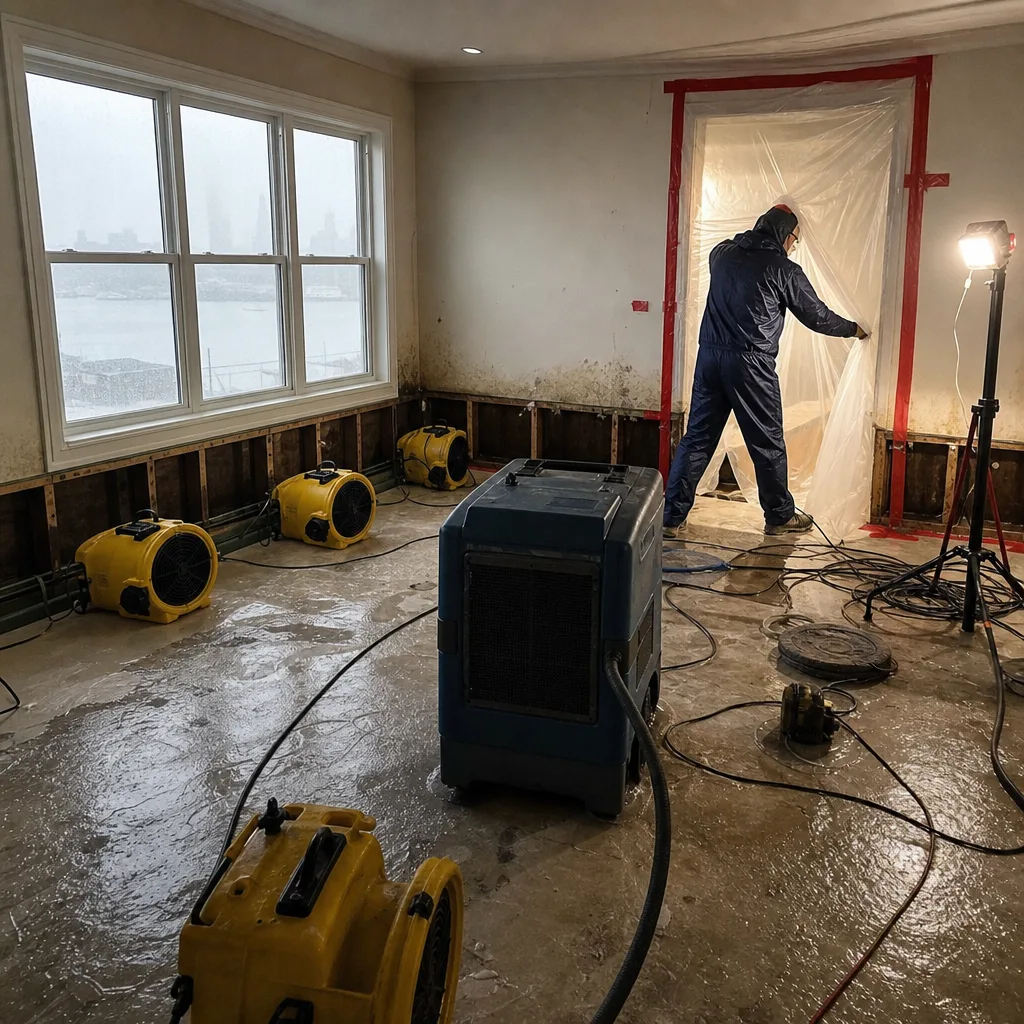
Using truck-mounted and portable Dri-Eaz extractors, we remove standing black water and contaminated solids. We set containment with negative air pressure so sewage particulates don’t migrate into clean rooms.
Drying & Dehumidification
Phoenix dehumidifiers and XPOWER air movers are placed according to a calculated drying chamber layout, not guesswork. Daily moisture readings are logged until we meet the dry standard for your specific building materials.
Cleaning & Sanitization
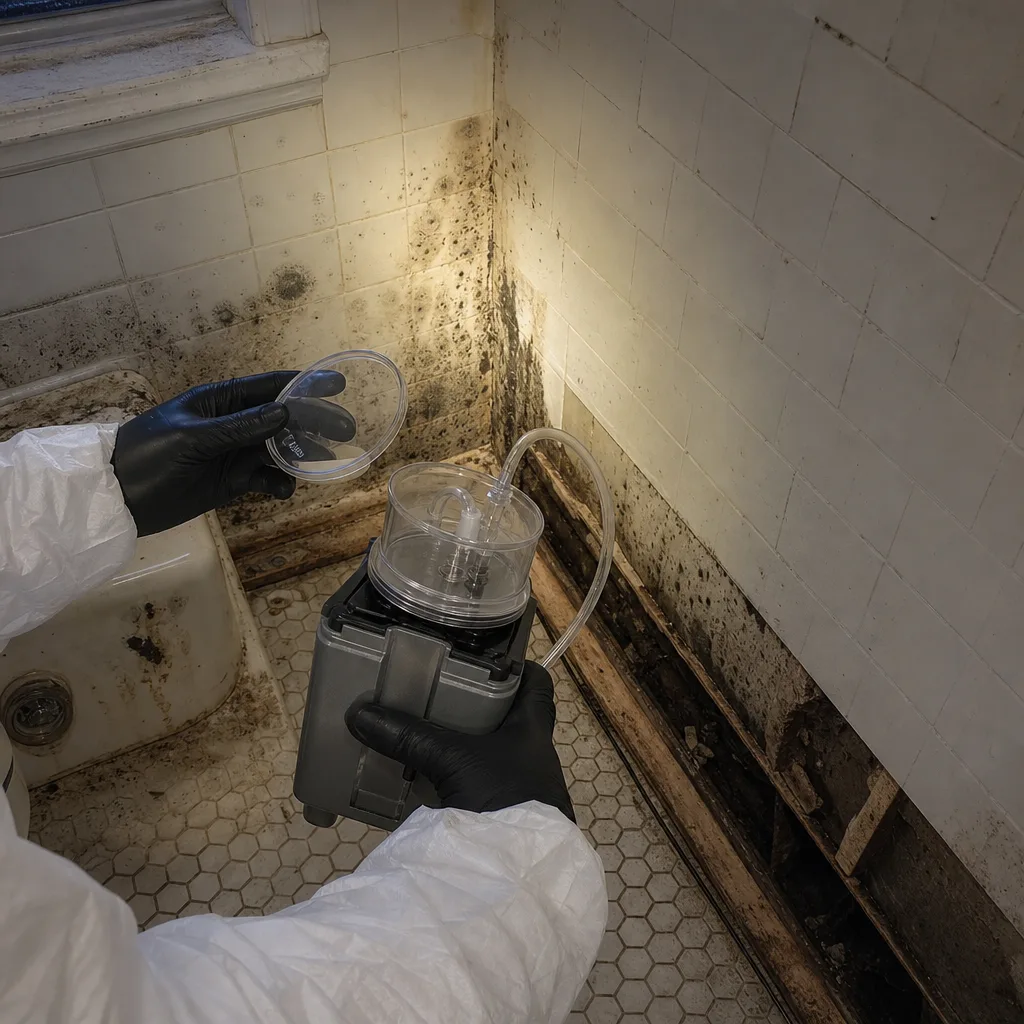
We remove contaminated porous materials, then clean and disinfect hard surfaces with hospital-grade antimicrobials. HEPA air scrubbers run throughout the process to capture airborne pathogens.
Corrosion & Contamination Specialty Work
In Lower Manhattan buildings, we inspect conduit, junction boxes, and elevator pit equipment for chloride corrosion from past saltwater events. We coordinate with licensed electricians for replacement where needed, and document everything for your carrier.
Repairs & Restoration
The same Floodline crew rebuilds what was removed. Drywall, flooring, trim, paint, and any structural repairs are completed to finished standard. Your 90-Day Done Right Promise goes in writing before we leave.
Need Emergency Sewage Cleanup in Lower Manhattan Now?
Crews minutes away, answering live 24 hours a day. The sooner we start, the less it costs.
Working With Your Insurance Company
Sewage backup claims in Lower Manhattan move differently than ordinary water claims. Carriers want proof of the water category, the source, and the timeline of mitigation. We build that file from the first hour. Our crews photograph every affected room before touching anything, log moisture readings daily, and produce a line-item scope of work using industry-standard estimating software your adjuster recognizes. We coordinate directly with your carrier, answer their questions, and support the claim with documentation they can’t dismiss. Floodline Restoration Co. has billed carriers directly for years, and we know what adjusters in New York need to approve a sewage loss without dragging it out for weeks.
What We Provide Your Insurer
- Thorough documentation of the loss
- Photos of all damage, room by room
- Moisture readings and drying logs
- A detailed, line-item scope of work
- Direct coordination with your carrier
Built for Lower Manhattan’s Loss Calendar
Sewage losses here follow a pattern that inland neighborhoods never see. Nor’easters and Atlantic hurricane remnants push storm surge into the Hudson and East River, and when the tide rises, sewage infrastructure backs up. Battery Park City and the Financial District get hit hardest because they sit at sea level, and their sub-basements are below the flood line. In fall and winter, nor’easters stall offshore and push water for two or three tide cycles, surcharging combined sewer lines and sending black water back through floor drains in basement mechanical rooms. Summer thunderstorms bring flash flooding that overwhelms catch basins along narrow streets like Water Street and South Street. Aging cast-iron drain lines in 19th-century buildings crack under ground movement and let Category 2 water seep in during any heavy rain. And any building that took saltwater in Sandy has corrosion working silently in its conduit, waiting for the next sewage event to expose it. This is our local loss calendar, and we plan our dispatch around it.
Sewage Cleanup Across Lower Manhattan’s Neighborhoods
Response routes matter here. To a Battery Park City building on the Hudson, we thread through West Street and enter loading docks built for mid-rise service elevators. We carry equipment up in stages and set containment in basement mechanical rooms where building staff already know the history. In Tribeca, our crews work around cobblestone streets and freight elevators in converted warehouse lofts. Those buildings are timber-frame at the core, and black water in a ground-floor retail space wicks into beams that run the full building width. On the Financial District side, around Wall Street and Broad Street, we’re in office-to-residential conversions where the sub-basement often holds modern electrical switchgear and old steam piping in the same room. Parking garages under these buildings drain toward elevator pits, and sewage surcharges pool exactly where conduit runs pass through walls. Along the East River corridor near South Street, older buildings sit on fill and settle unevenly, which cracks drain lines and creates recurring backups that get misdiagnosed as simple clogs. We know these blocks, and we know which buildings have history.
Specialized Sewage Cleanup Services We Offer in Lower Manhattan
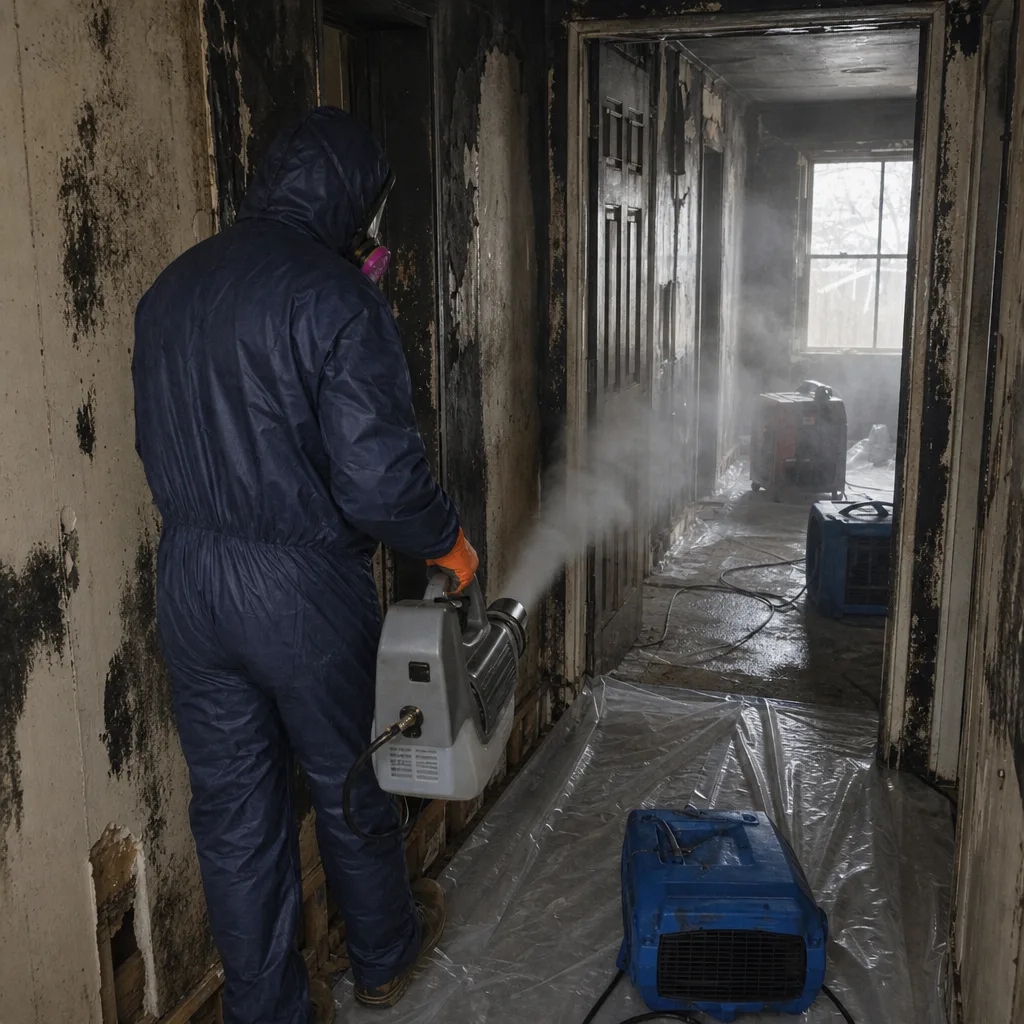
Sewage Backup Cleanup
When a combined sewer line surcharges during a nor’easter or a cast-iron drain line cracks in a Financial District building, we extract the black water, contain the area, and dry it to standard. We also find the reason it backed up, not just the result. A backup that gets pumped out without source repair will happen again at the next tide cycle.
Toilet Overflow Cleanup
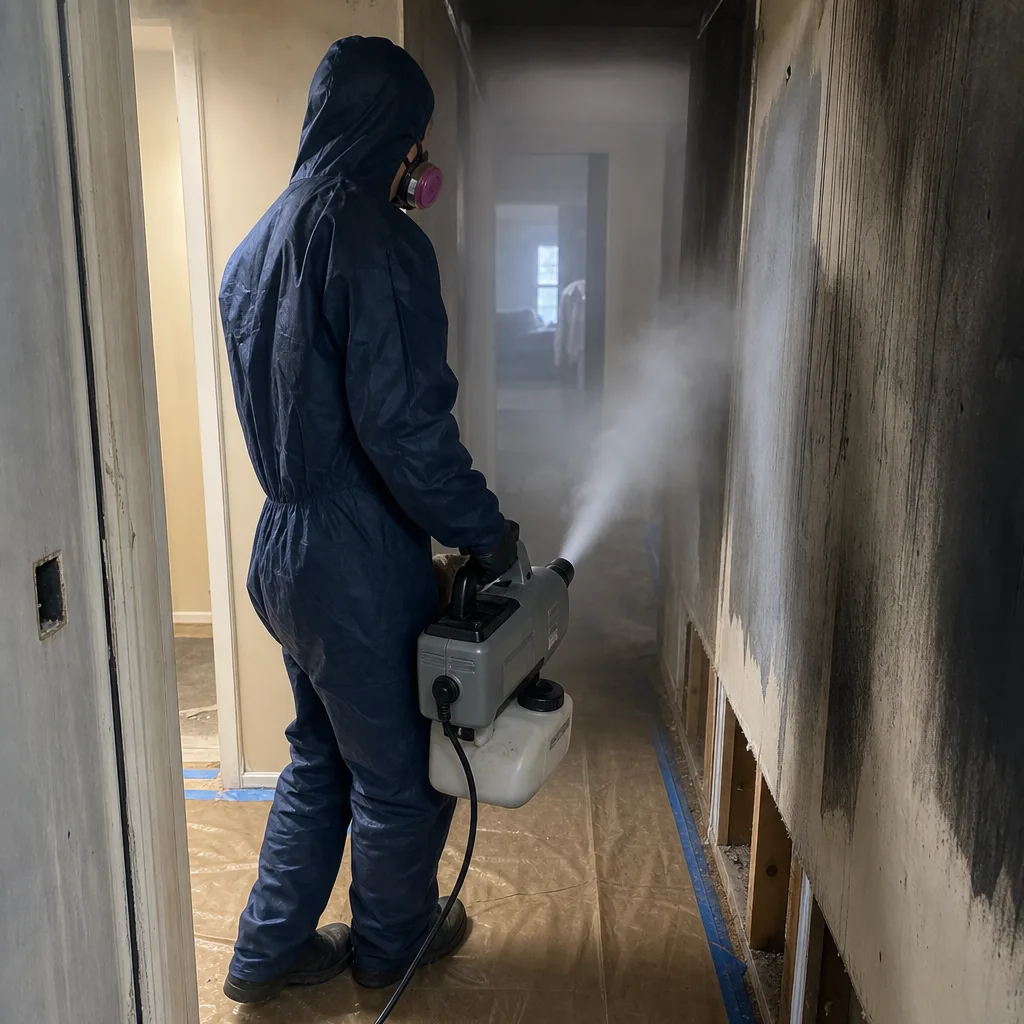
Overflows from high-rise plumbing stacks happen in Battery Park City when entire drain stacks clog and water finds the lowest fixture. We clean the immediate area and trace the stack for recurring trouble. If seal failures at old wax rings let seepage travel into subflooring, we find it with moisture meters before mold can take hold.
Septic Failure Cleanup
Though most of Lower Manhattan is on city sewer, a few older buildings along the waterfront and converted historic structures still run private septic or holding systems. When these fail, effluent surfaces near foundations and contaminates crawl spaces. We extract, disinfect, and handle the structural drying while the plumbing side is addressed.
Black Water Extraction
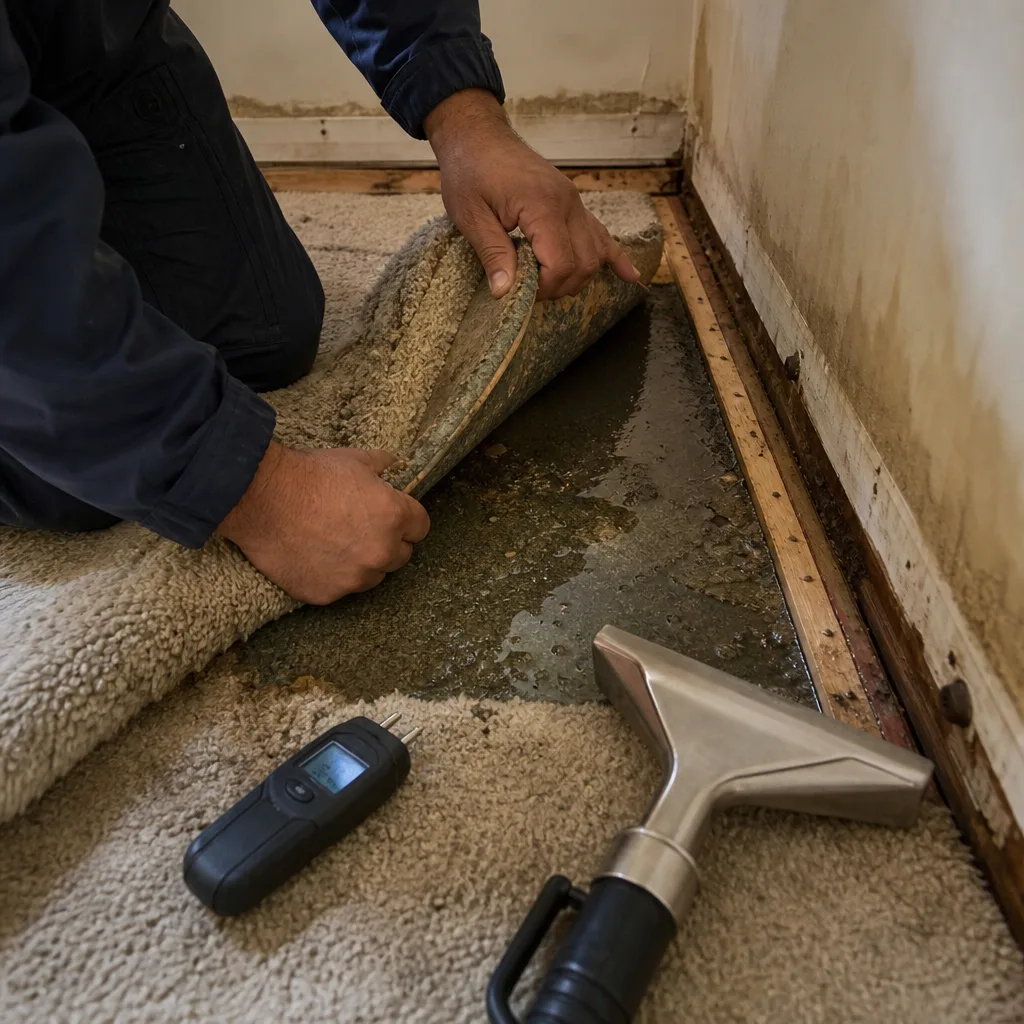
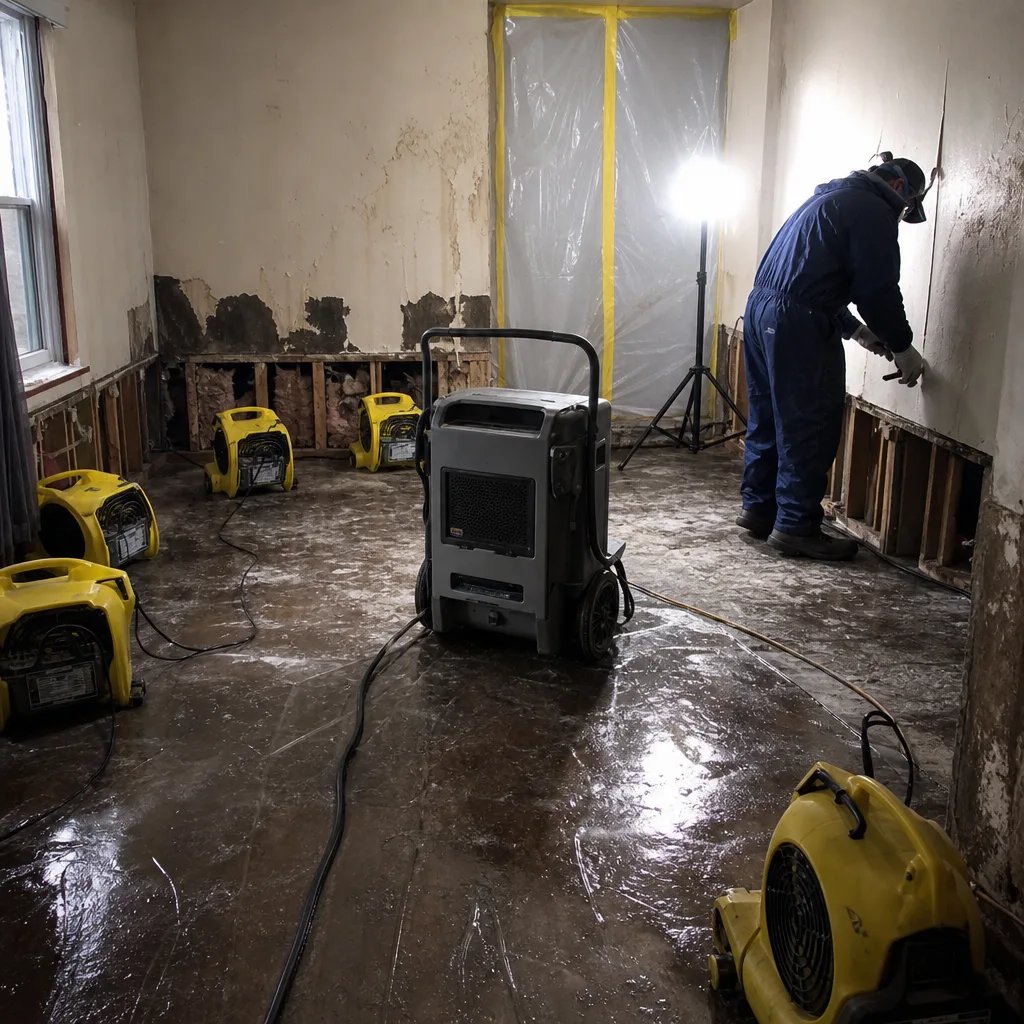
This is the core of our Sewage Cleanup work. Black water requires full PPE, containment, and controlled removal. We use Dri-Eaz extractors for standing sewage, then switch to controlled demolition for saturated porous materials. Nothing gets dried and kept unless it can be properly sanitized.
Sanitization & Disinfection
After extraction, every hard surface in the affected area gets hospital-grade antimicrobial treatment. We run HEPA air scrubbers throughout the job to capture airborne pathogens, not just odor. Clearance testing, when requested, is arranged before we hand the space back to you.
Crawl Space Sewage Removal
Some Lower Manhattan buildings have shallow crawl spaces under ground-level floors, especially older structures raised slightly above street grade. Sewage in a crawl space is a confined-space job. We extract the waste, remove contaminated soil or vapor barrier material, and dry the space with directed air movement.
What happens when you call
- 1
A real person answersNo phone trees - you reach a local pro.
- 2
You get an upfront price rangeHonest numbers before anyone is dispatched.
- 3
A background-checked tech heads outLicensed & insured, dispatched right away.
- 4
You approve before work beginsNothing starts until you say go.
Sewage Cleanup Costs in Lower Manhattan, NY
A straightforward sewage backup with clean access, manageable square footage, and no structural complications typically runs $2,800 to $5,500 in Lower Manhattan. A toilet overflow limited to one bathroom floor often lands between $900 and $2,200. Black water extraction from a basement mechanical room in a Battery Park City high-rise, with elevator service and containment, ranges from $4,500 to $9,500. Where Sanitization & Disinfection of large areas is required, expect $1,500 to $4,000 on top of extraction, depending on the square footage of affected porous material. Septic failure cleanups with exterior excavation and soil removal can exceed $10,000, but these are rarer in Lower Manhattan than in the outer boroughs. What moves the price: access to the affected space, how long the sewage sat before we arrived, how much porous material must be removed, and whether corrosion from past saltwater intrusion is found in electrical systems. Insurance covers most sewage losses when the cause is sudden and accidental, which most backups are. Call (640) 400-9404 for a free visual inspection and a firm written scope before any work starts. No surprises on the bill, and we bill your carrier directly.
We Also Serve Cities Near Lower Manhattan
Our sewage cleanup crews also respond throughout the nearby New York area, including Midland Beach, New Springville, Oakwood, and Travis – Chelsea. If you’re in a neighboring community and dealing with a sewage backup, call Floodline Restoration Co. at (640) 400-9404 and a live dispatcher will route a certified crew to you.
Serving Lower Manhattan, NY - Our Local Coverage Area
We’re based in the Lower Manhattan area and know this community well. Use the map below to see our service coverage - if you’re nearby, we can almost certainly help.
Lower Manhattan Sewage Cleanup Questions, Answered
How does saltwater from a past storm surge affect sewage cleanup in my Lower Manhattan building?
Saltwater intrusion from Hurricane Sandy left chloride deposits inside conduit, junction boxes, and structural steel that freshwater never leaves. When a new sewage backup adds moisture, that corrosion accelerates. Our crews inspect sub-grade electrical systems for chloride-crusted components during every Category 3 job in Lower Manhattan, because missing it means a hidden failure later. Call (640) 400-9404 if your building took on saltwater in 2012 and now has a sewage issue.
What category of water is a sewage backup in a Battery Park City high-rise?
A sewage backup is Category 3 water, the highest contamination level. It contains raw sewage, pathogens, and in Battery Park City specifically, it may also contain trace saltwater from surge events that breached the building’s drainage system. Category 3 water requires full PPE, containment, and removal of affected porous materials. It is never a mop-and-dry job.
Can you dry out the original timber beams in my Tribeca loft after a sewage overflow?
Yes, in many cases. Original timber beams can be dried with controlled dehumidification and directed air movement, but only after contaminated surface layers are removed and the wood is sanitized. We monitor with moisture meters daily until the beam core reaches the dry standard for its species and age. If rot has already set in from a previous incomplete drying, we’ll tell you plainly what must be replaced. Call for a free inspection.
Do I need to worry about my elevator pit if my Financial District building has a sewage backup?
Yes. Sewage follows the lowest point, and in Financial District buildings the elevator pit is usually it. Black water in an elevator pit contaminates the sump, the guide rails, and the electrical conduit running through the pit. We extract and sanitize the pit, then coordinate with your elevator contractor to inspect the equipment. If your building predates Sandy and has history, we check for saltwater corrosion as part of the same visit.
Why did my sewage ejector pump fail during a nor’easter even though it wasn’t submerged?
Ejector pumps in Battery Park City buildings, many installed in the 1980s and ’90s on landfill, sit below the flood line. During a nor’easter, the surrounding water table rises and backpressure builds against the discharge pipe. The pump can fail without being submerged because it’s working against a column of water it was never sized for. We see this every storm season. Call (640) 400-9404 and we’ll extract what backed up, then recommend a pump assessment.
How fast can a sewage cleanup crew reach my Lower Manhattan building?
Our commitment is 45 minutes from your call to dispatch. We keep crews stationed for Lower Manhattan response, and our live dispatcher routes the nearest certified team immediately. For Battery Park City, Tribeca, or the Financial District, we’re typically on site within that window, extraction equipment included.
Will my insurance cover sewage cleanup in Lower Manhattan?
Most homeowner and commercial policies cover sudden and accidental sewage backups, but coverage varies by carrier and policy endorsements. We document everything from the first hour, bill your insurer directly, and coordinate with your adjuster so the claim moves without you playing middleman. Ask about your policy’s specific sewage and water backup coverage, then call us at (640) 400-9404.
What should I do in the first 30 minutes after discovering a sewage backup?
Shut off the water source if you can do so safely, keep everyone out of the affected area, and call Floodline Restoration Co. at (640) 400-9404. Do not flush toilets or run water anywhere in the building. Do not try to clean raw sewage yourself, it’s a health risk. Turn off HVAC systems that circulate air through the affected space. Our dispatcher will walk you through the next steps while the crew is en route.
We were called to a pre-Sandy Financial District building where a Category 3 sewage backup in a basement mechanical room had been partially mitigated years ago but never properly dried. Our techs opened the elevator pit and found chloride-crusted conduit from old saltwater intrusion. We set containment, pulled black water with a Dri-Eaz extractor, and ran dehumidifiers and air movers while our electrician evaluated the corroded junction boxes for replacement before we even quoted the final scope of work. That’s the difference between a pump-out company and a restoration company that knows Lower Manhattan.
If you own a building in Lower Manhattan, sewage is never just sewage. The bay is on three sides of you, the tide works against your basement, and the salt from storms past is still inside your walls. Floodline Restoration Co. handles it all from first extraction to finished rebuild, with a written 90-Day Done Right Promise and direct insurance billing. Call (640) 400-9404 now. A live person answers, day or night.
Written by Curt Bowman, Owner at Floodline Restoration Co., built around a dispatch board, not a sales desk.