
Free visual inspection and a written scope of work before any mitigation begins - photos, moisture readings, and drying logs go in your claim file
The scope we write is the scope we bill. Anything new gets shown to you, in writing, before we touch it.
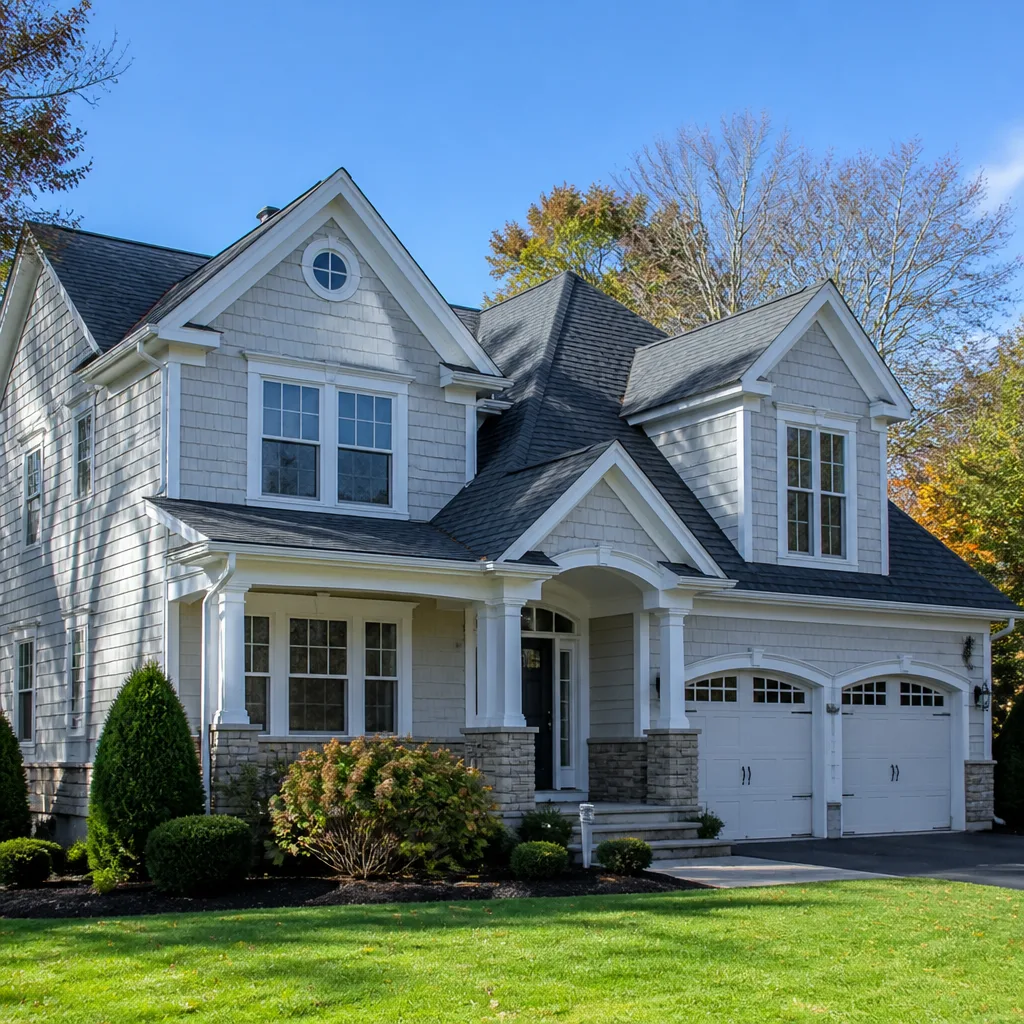
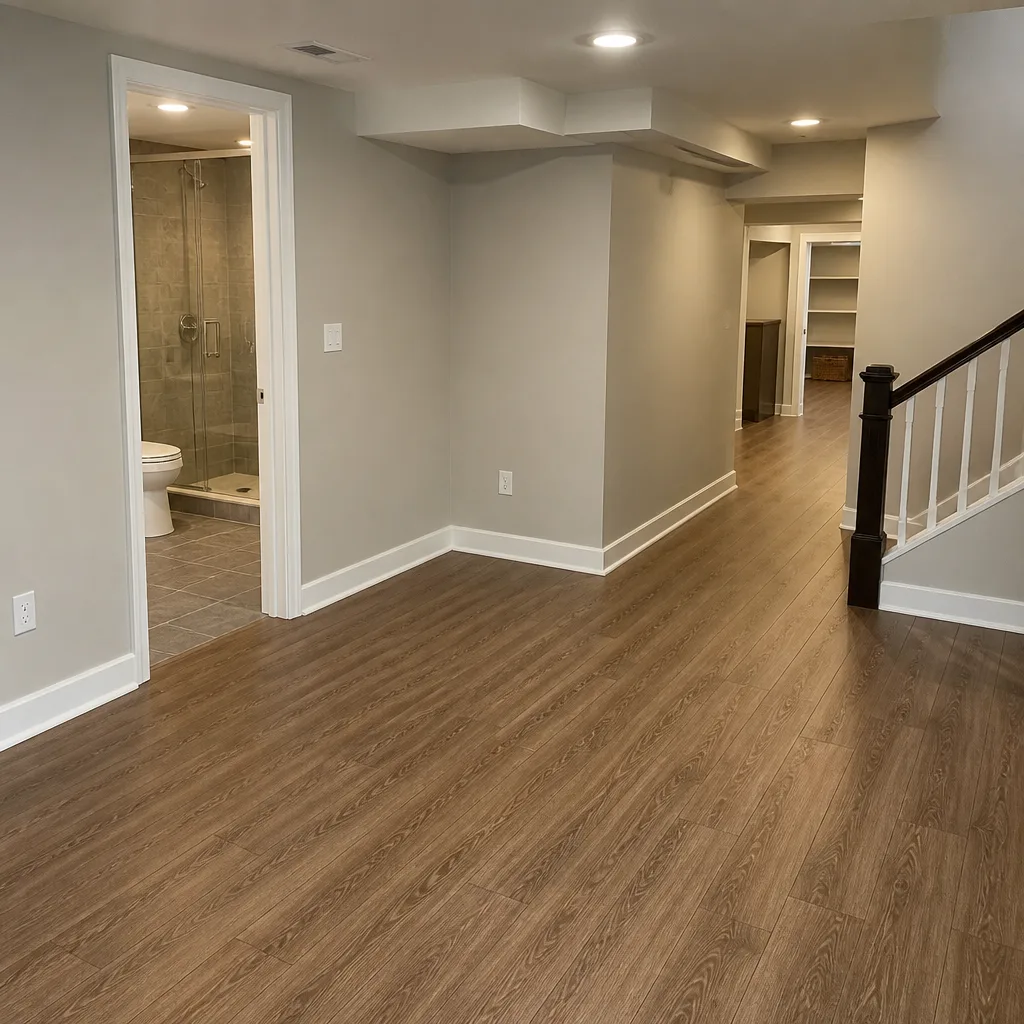
 Before
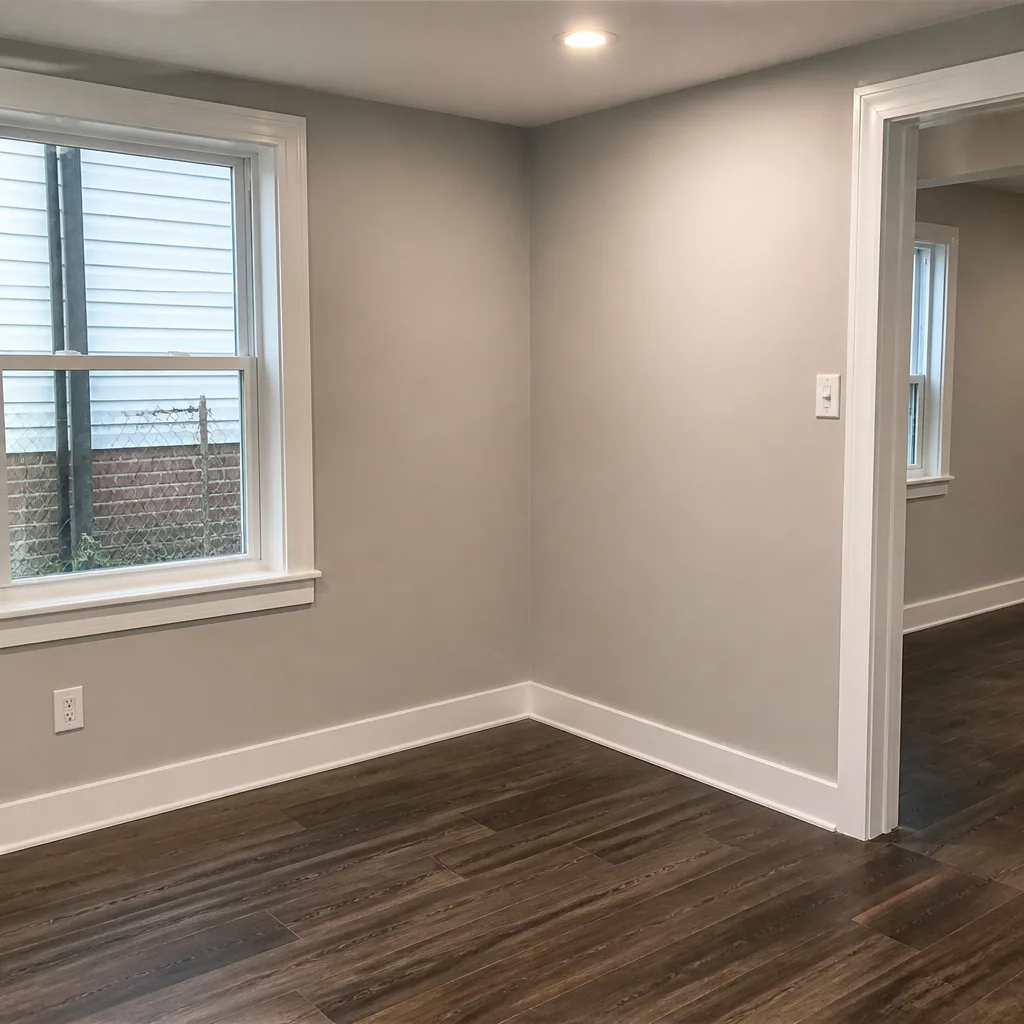 After
After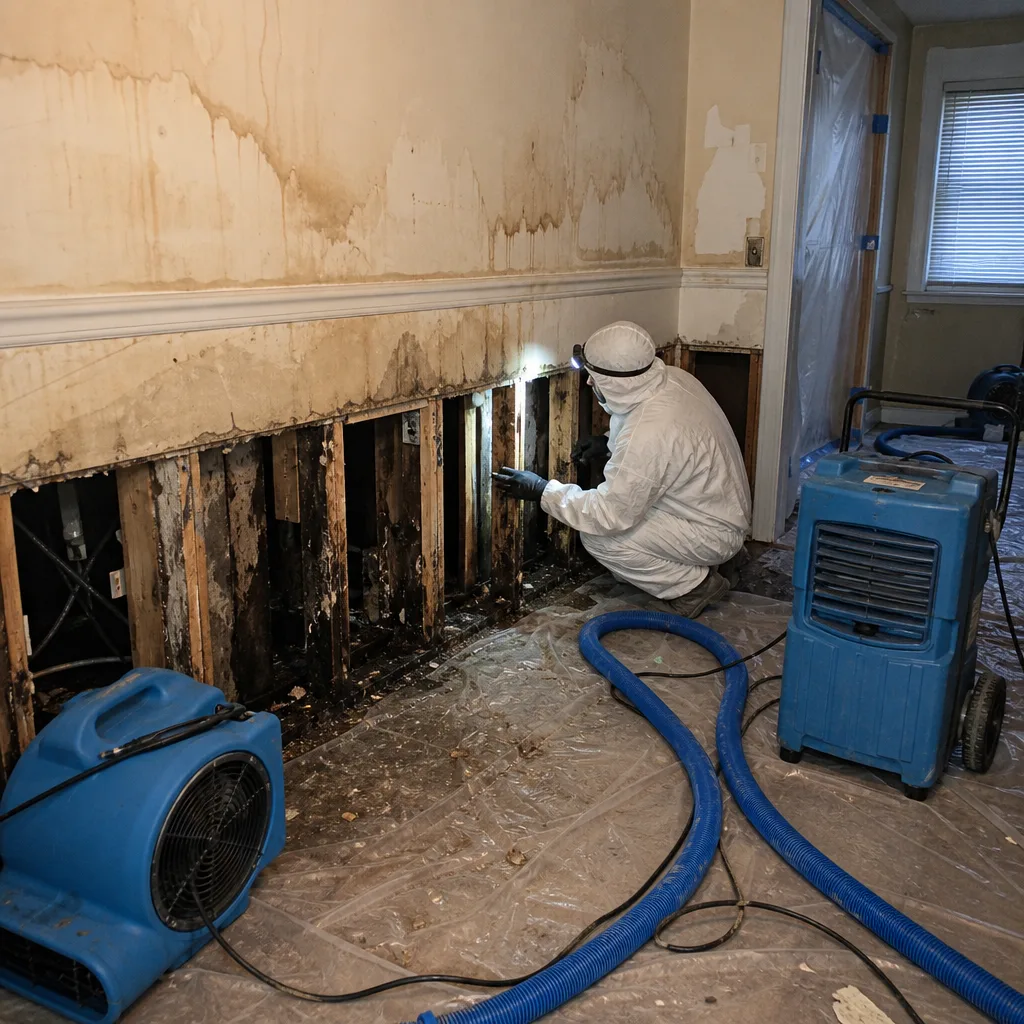 Before
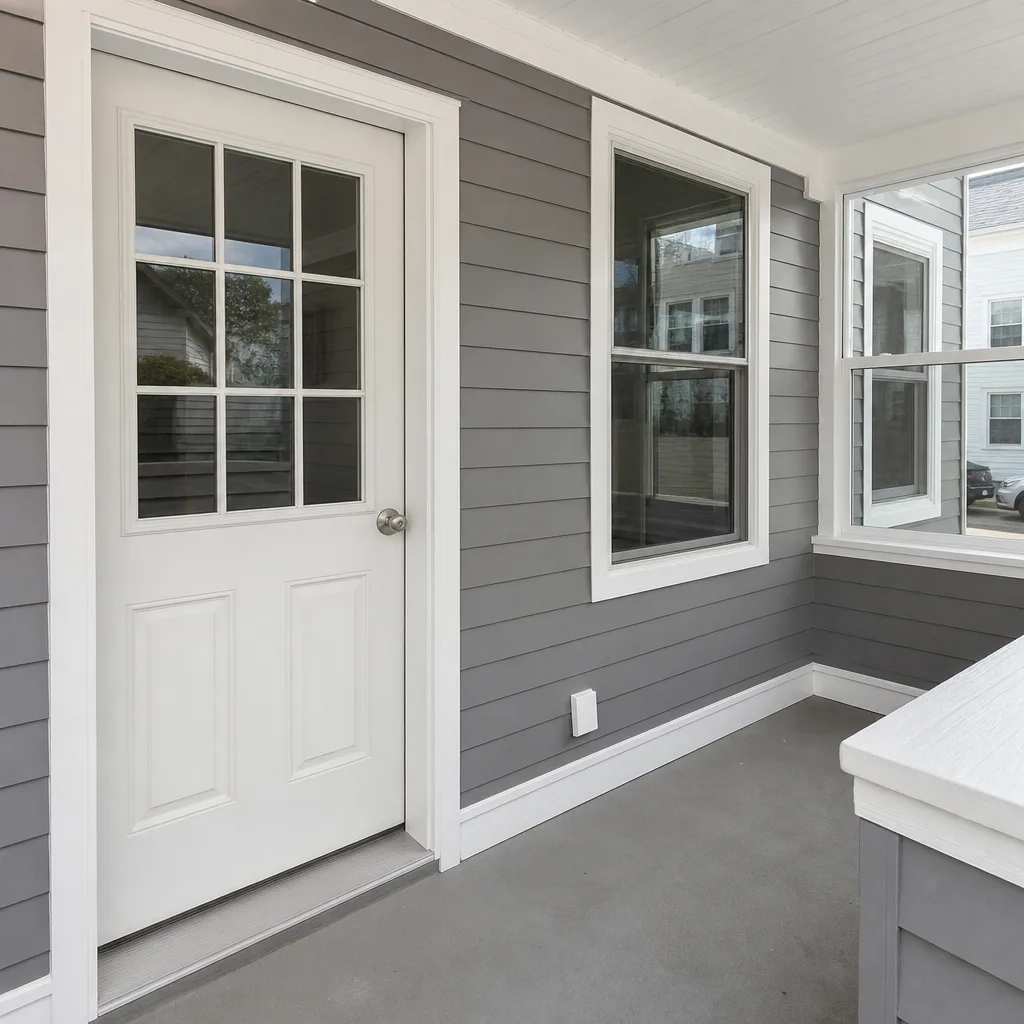 After
After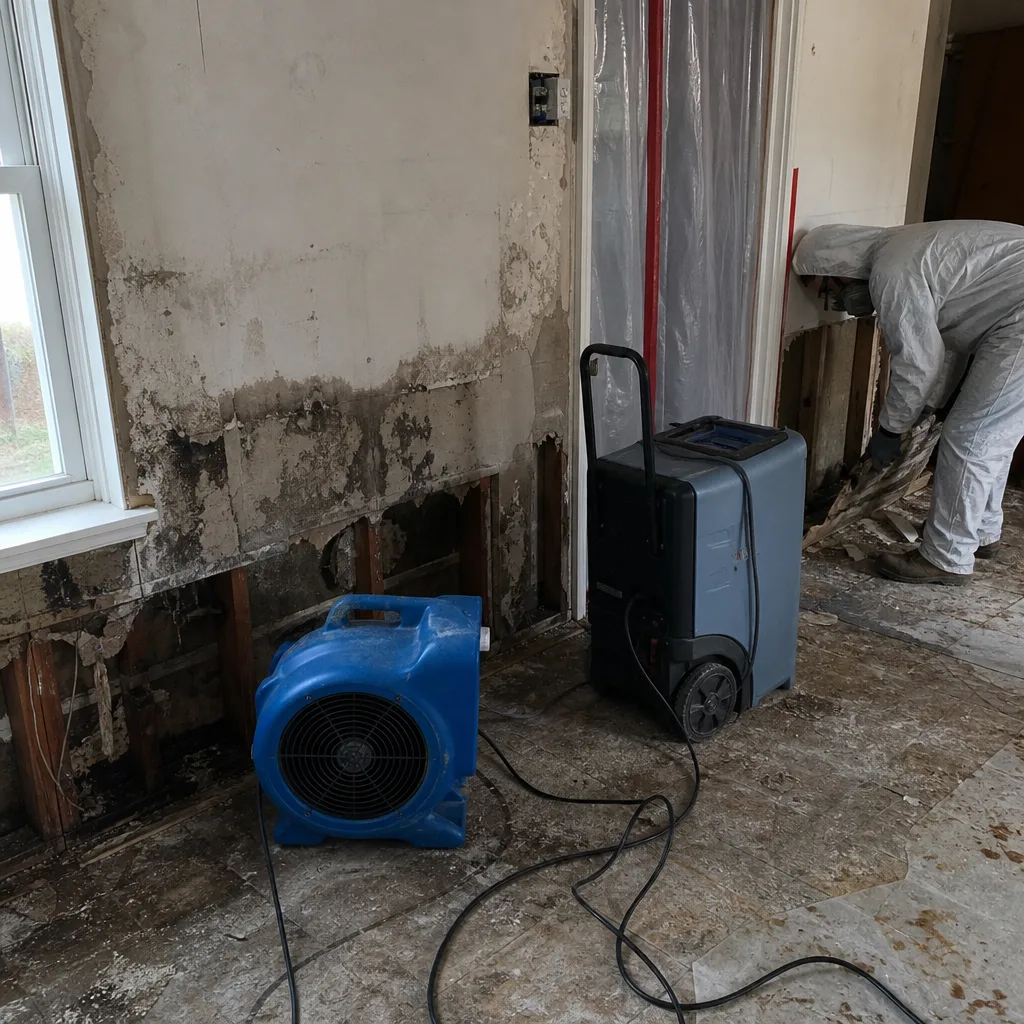 Before
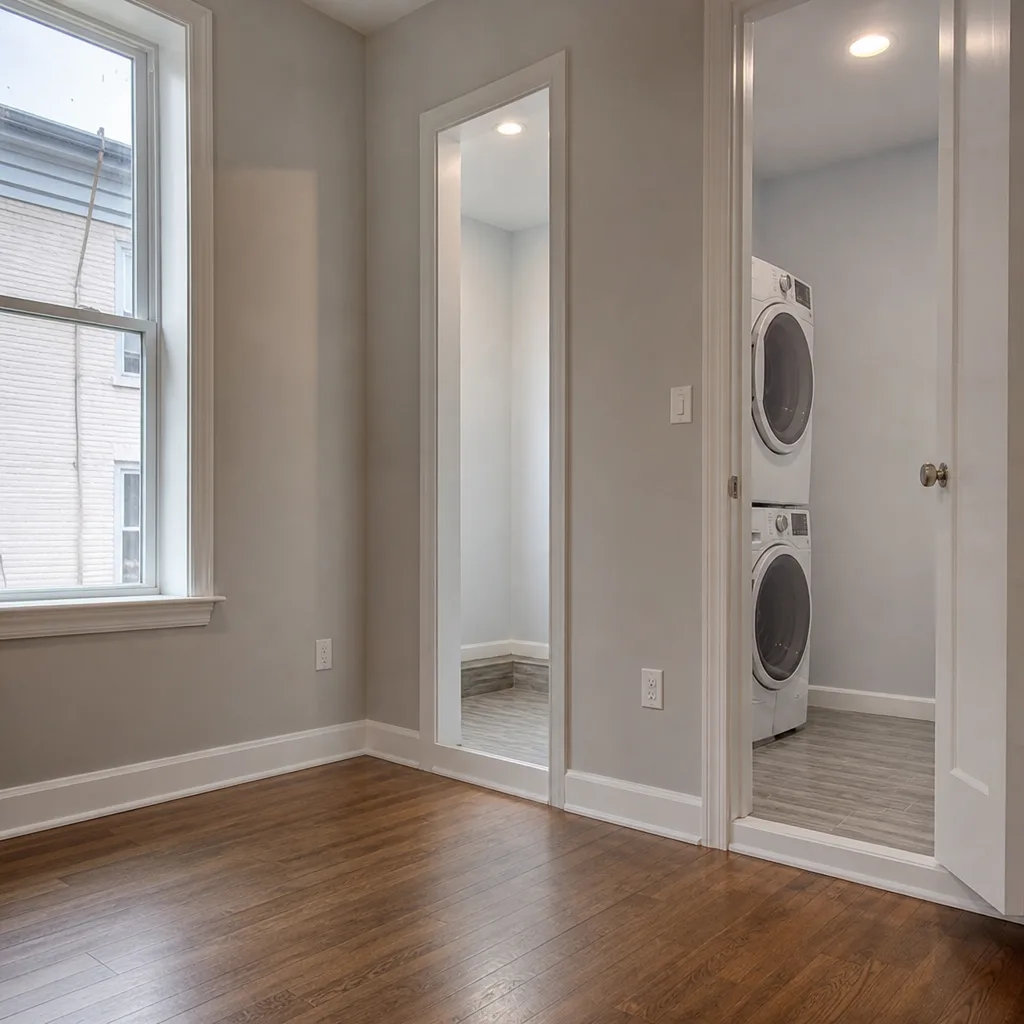 After
After24/7 Emergency Sewage Cleanup in Harrison
When sewage backs up into a Harrison basement, you need a crew that understands Passaic River flood dynamics, not a generic cleanup company. Most sewage events in Harrison run $1,850 to $7,500 depending on whether it’s a contained toilet overflow or a full Category 3 black water gut-out after river flooding. We answer the phone live at (640) 400-9404 any hour, and our certified technicians reach Harrison homes in about 45 minutes. The first hour matters because sewage water carries bacteria like E. coli and hepatitis A, and every hour it sits, contamination moves deeper into drywall, subfloor, and framing. A free visual inspection tells you exactly what you’re facing before any equipment comes off the truck.
Understanding Sewage Cleanup Severity in Harrison Properties
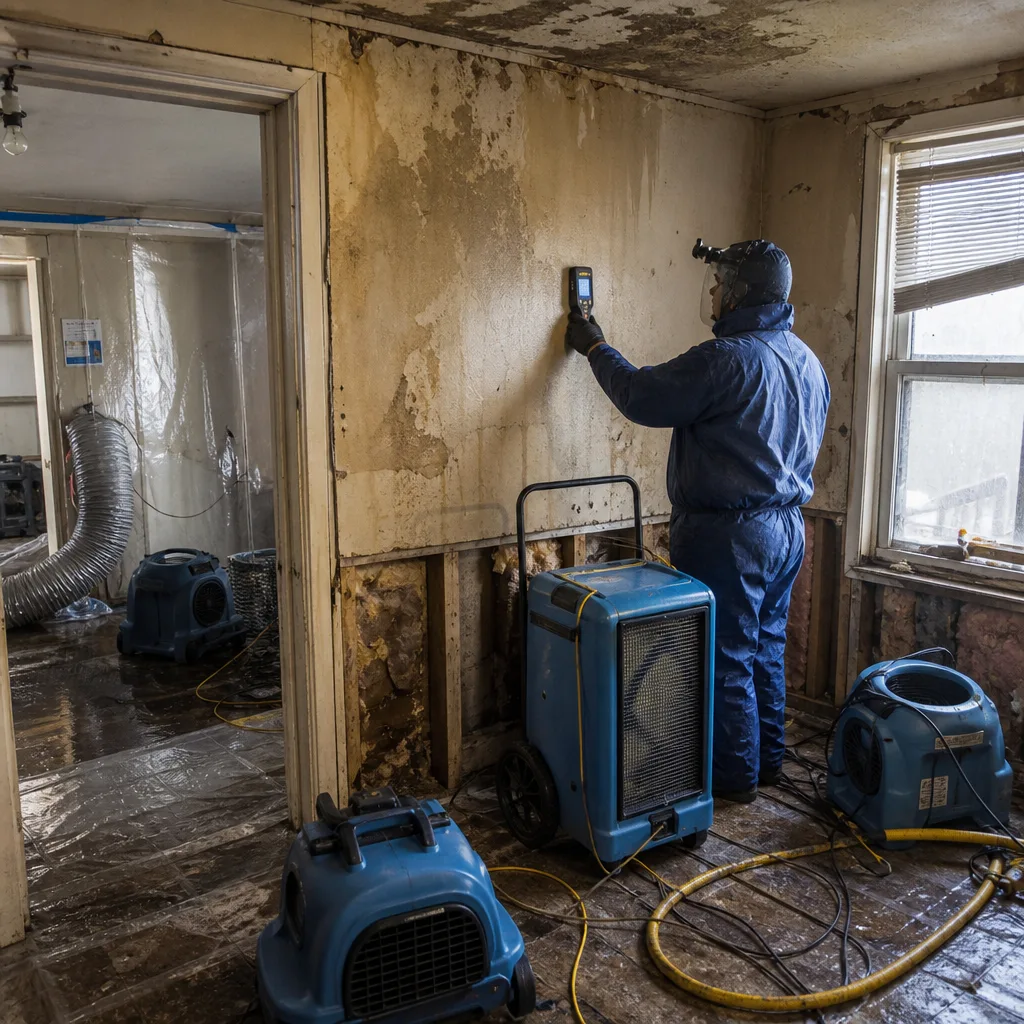
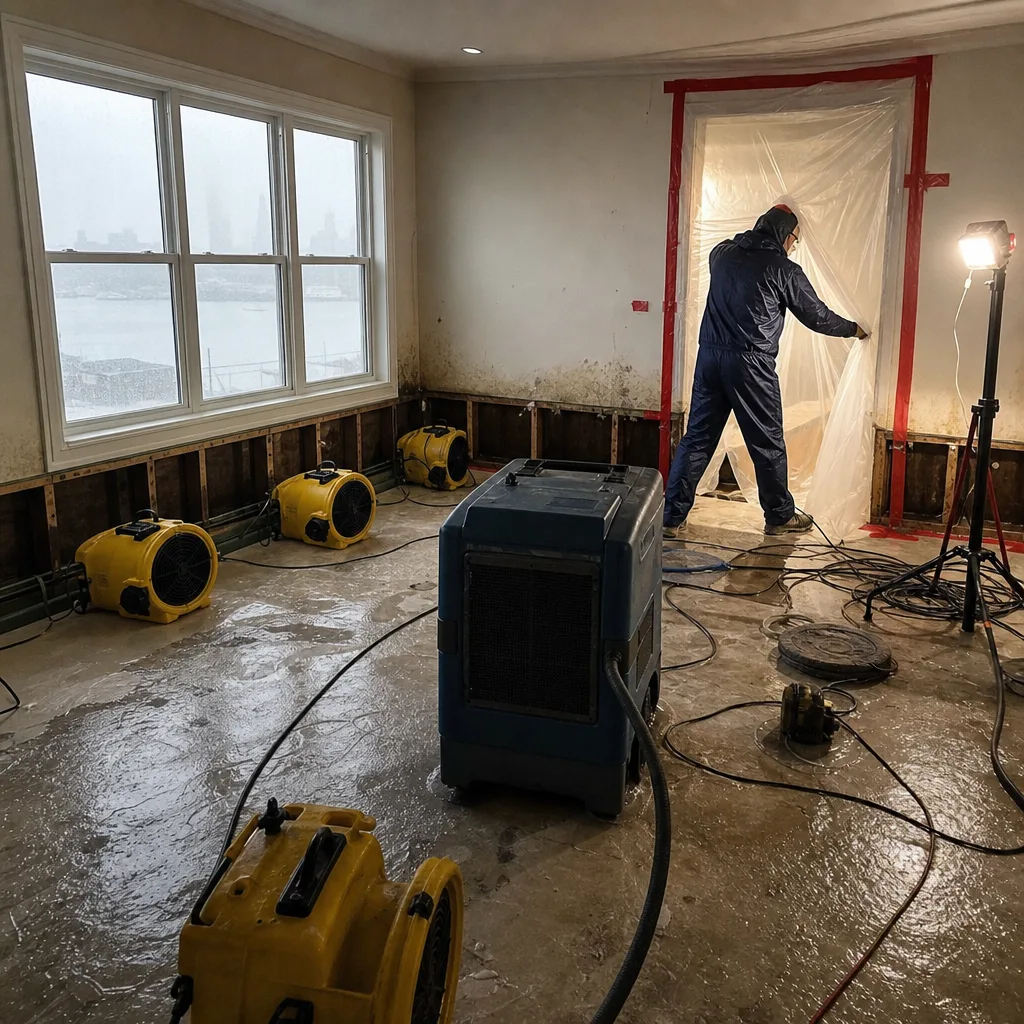
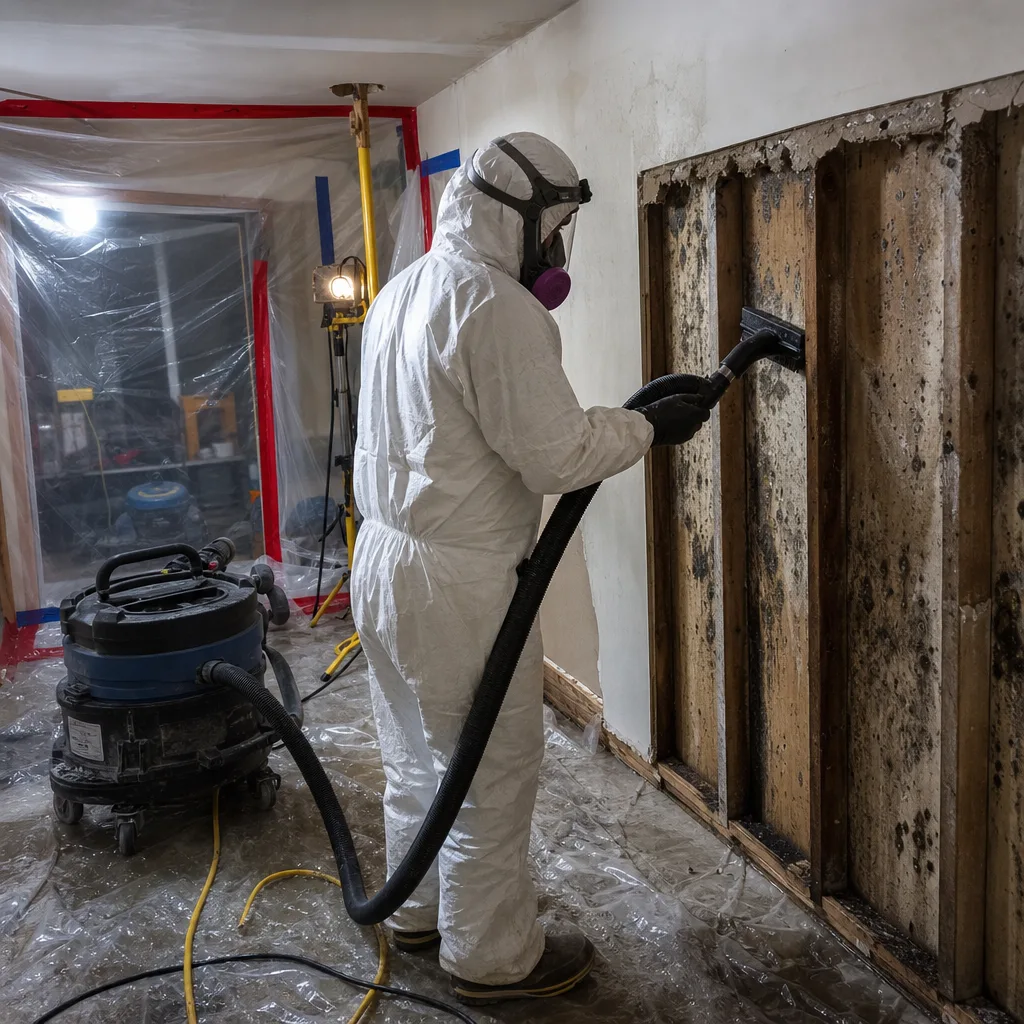
Sewage damage falls into three categories, and Harrison sees all of them. Category 1 is clean water, like a supply line break. Category 2 carries contaminants, like washing machine overflow. Category 3, what we call black water, includes raw sewage, river water, or any water sitting long enough to breed pathogens. Harrison’s position on the Passaic means many jobs arrive as Category 3 from the start. When the river surcharges the combined sewer system, sewage pushes back through basement floor drains into finished living spaces in aging row houses along Frank E. Rodgers Boulevard and beyond. That’s not a mop-and-dry situation. It requires containment barriers, HEPA air scrubbing, antimicrobial treatment, and removal of saturated drywall, carpet, and often baseboard trim. Moisture mapping with thermal imaging and hygrometers guides every cut, because sewage water wicks upward inside wall cavities well past the visible waterline. Our Sewage Cleanup team follows IICRC S500 standards for every black water job in Harrison.
Why Harrison Property Owners Choose Floodline Restoration Co.
- 45-minute response commitment: Our Harrison crews stage near the Passaic corridor and move as soon as the dispatcher hangs up. You’ll know who’s coming and when.
- 24/7 live answer, every time: A real person picks up at two in the morning. Not a recording, not a call center script. Dispatcher, then crew, same visit.
- IICRC-certified crews with specific training: WRT for water restoration, FSRT for fire and smoke, AMRT for microbial remediation. The right certification for the damage in front of us.
- Free visual inspection: We assess the scope before any work begins, so you know what’s needed and what it costs. A written scope follows, agreed before we start.
- Direct insurance billing: We work with your adjuster directly, provide photos and moisture logs from day one, and bill your carrier so you don’t play messenger.
- One team from extraction to reconstruction: Floodline handles every phase in a Harrison home, from pumping black water to hanging new drywall. No handoffs, no inherited crew, no finger-pointing.
Our Sewage Cleanup Process
Inspection & Assessment
We map the affected area with moisture meters and thermal imaging, identify the contamination category, and produce a written scope with line-item costs. For Harrison row houses, this includes checking floor drains, clay-tile lateral lines, and any signs of sewer surcharge from the Passaic.
Extraction & Stabilization
Truck-mounted Dri-Eaz extraction units pull standing sewage water fast. We remove solids, set up containment barriers, and begin stabilizing the space so contamination stops spreading.
Drying & Dehumidification
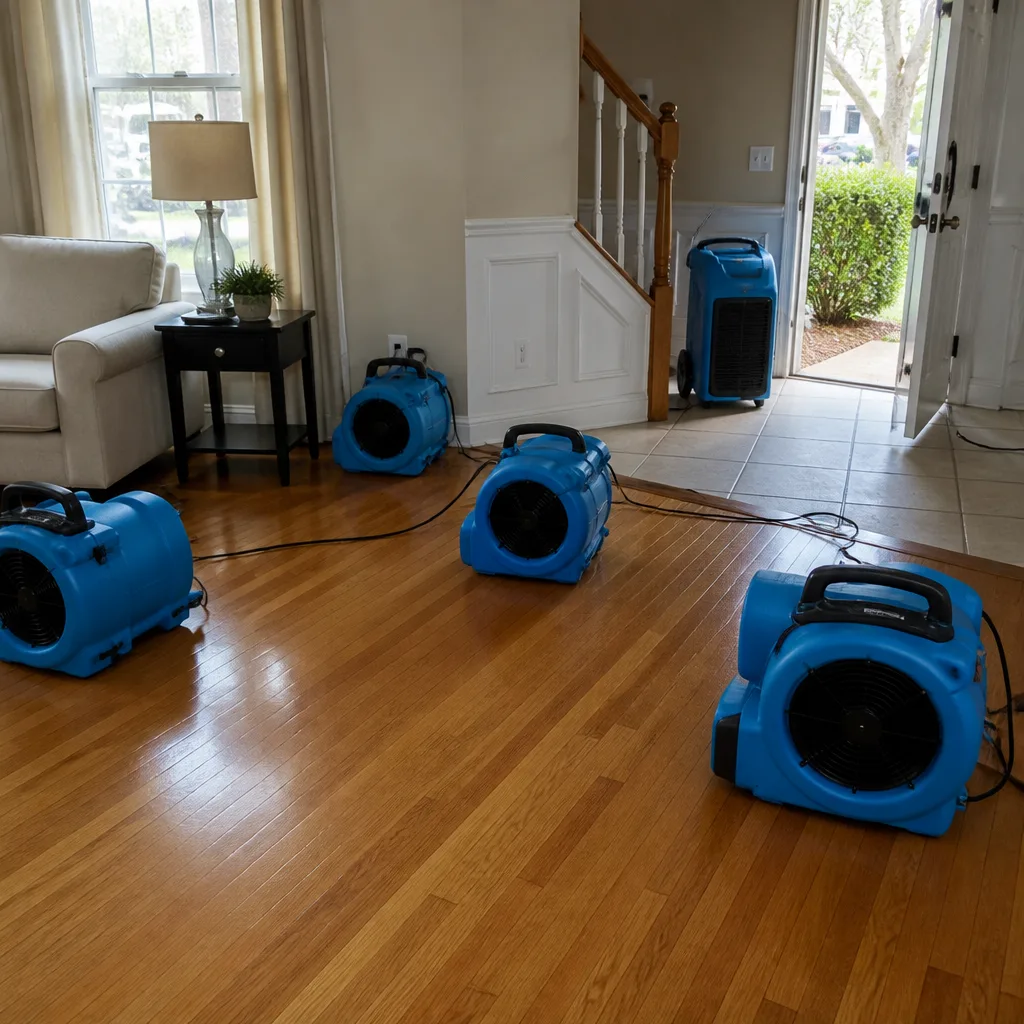
Phoenix air movers and dehumidifiers run on a moisture-mapped schedule. Daily readings are logged until the structure reaches its dry standard, and that log goes to your insurer.
Cleaning & Sanitization
We apply EPA-registered antimicrobial agents to hard surfaces and framing. HEPA filtration captures airborne spores and bacteria. This step is non-negotiable for black water in Harrison basements, where river contamination is the norm.
Crawl Space & Foundation-Specific Treatment
For older Harrison properties with crawl spaces, we inspect for sewage residue under floor joists and along footer walls, remove contaminated insulation, and treat the space to prevent ongoing bacterial load and odor.
Repairs & Restoration
We rebuild what we removed. Drywall, trim, flooring, and any framing repairs are done by the same crew that ran the drying equipment. The job isn’t done until the space is back to pre-loss condition and the Keystone Standard guarantee is in your hands.
Need Emergency Sewage Cleanup in Harrison Now?
Crews minutes away, answering live 24 hours a day. The sooner we start, the less it costs.
Working With Your Insurance Company
Sewage backup coverage is its own line item on most New Jersey homeowners policies, often with a sublimit around $10,000 to $25,000. If the Passaic River flooding caused the sewage backup rather than a clog inside the home, flood insurance may apply instead, and that changes everything about how the claim gets filed. We photograph every room before, during, and after mitigation. Moisture readings, drying logs, and a line-item scope go to your adjuster directly. Our office coordinates with the carrier so you don’t spend your evening on hold. Curt Bowman founded Floodline in 2010 with a dispatch board, not a sales desk, and that’s how claims get handled: documented, direct, and without you playing middleman.
What We Provide Your Insurer
- Thorough documentation of the loss
- Photos of all damage, room by room
- Moisture readings and drying logs
- A detailed, line-item scope of work
- Direct coordination with your carrier
Built for Harrison’s Loss Calendar
Harrison gets hit on a schedule, and every local homeowner knows the rhythm. Late January and February bring deep freezes that crack aging cast-iron and clay-tile drain lines under early-20th-century row houses, sending sewage into basements that have been finished for decades. Spring thaw saturates soil around foundations, and that hydrostatic pressure pushes groundwater into porous mortar joints, often carrying sewage from failing laterals. Summer thunderstorms overwhelm the combined sewer system quickly, and Harrison’s flat terrain near the Passaic gives water nowhere to go but into floor drains. Then comes nor’easter season, when the Passaic rises and sewage surcharges through basement drains across low-lying streets. Freeze-thaw cycles stress brick foundation walls all winter, opening small cracks that become sewage paths when the river climbs. We schedule our Harrison response accordingly, with crews staged along Routes 280 and the 07029 corridor year-round.
Sewage Cleanup Across Harrison’s Neighborhoods
Harrison’s housing stock shifts block by block, and sewage behavior follows the building type. The older row houses along Harrison Avenue and Bergen Street, built before 1930, sit on clay-tile laterals that crack under decades of hydrostatic pressure. When sewage backs up there, it usually comes through the floor drain, and the basements have often been finished as rental units with drywall and carpet that must come out. Over near Red Bull Arena, the post-2010 waterfront buildings present a different profile: newer construction with warranty claims still active, where sewage events tie back to building-wide plumbing stacks or ejector pump failures. The two-to-four family walk-ups around Frank E. Rodgers Boulevard and Davis Avenue frequently have shared laterals, which means a sewage backup in one unit can be a municipal line responsibility rather than a homeowner claim, and that changes the scope conversation. In areas nearer West Hudson Park, we see more crawl space sewage work under older wood-frame homes, where sewage from failed septic lines collects under floor joists and requires structural drying and full sanitization. If you’re in Harrison, flood-driven sewage is a neighborhood-level event, not a single-house accident.
Specialized Sewage Cleanup Services We Offer in Harrison
Every sewage job in Harrison has a specific failure profile. Our technicians train for each one, because the Passaic River floodplain doesn’t give you generic problems.
Black Water Extraction
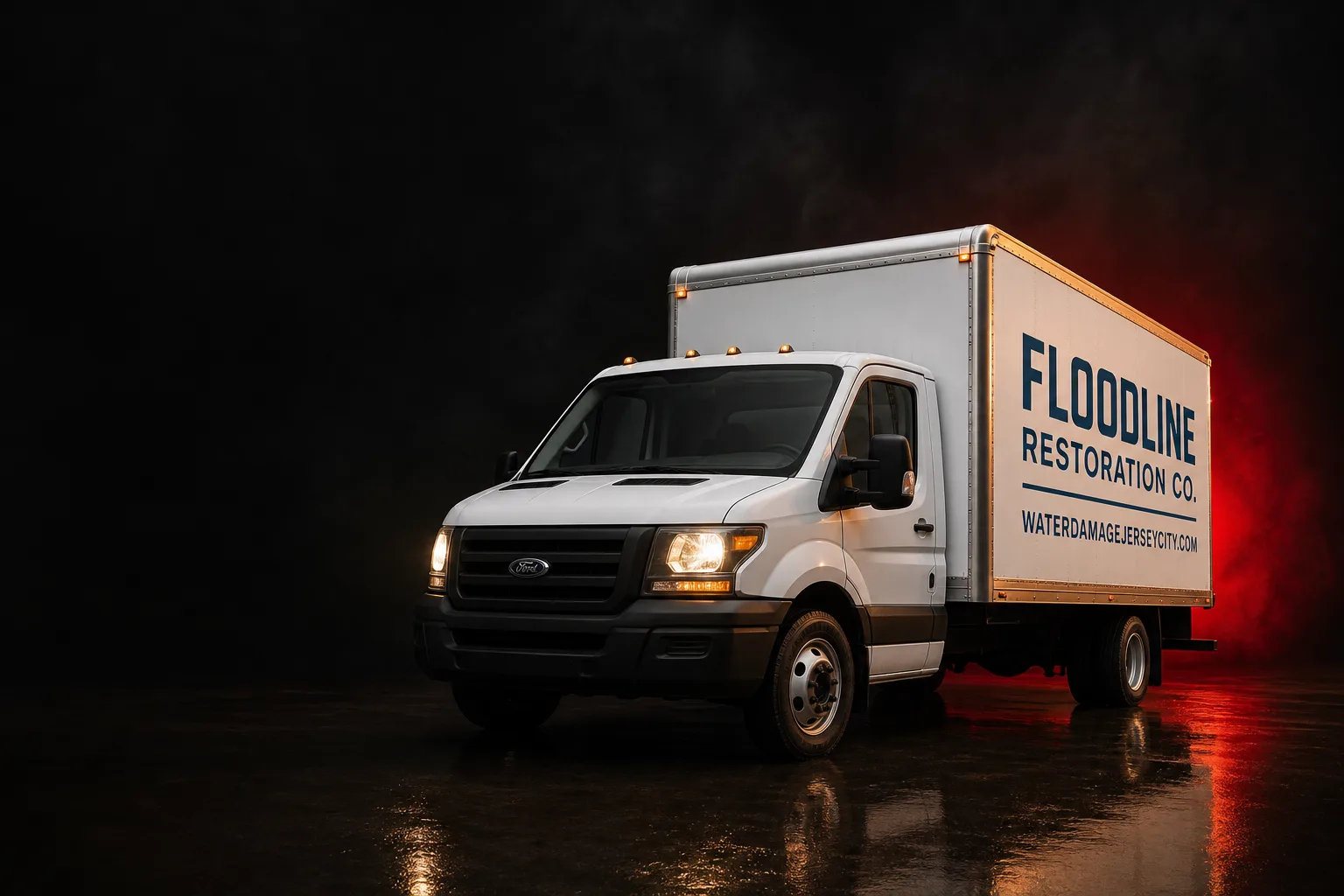
When the Passaic rises and pushes raw river water mixed with sewage through surcharged lines into Harrison basements, we’re dealing with true Category 3 contamination. Extraction is the first hour’s work: truck-mounted Dri-Eaz units move hundreds of gallons per minute, and every surface gets treated as contaminated. No shortcuts.
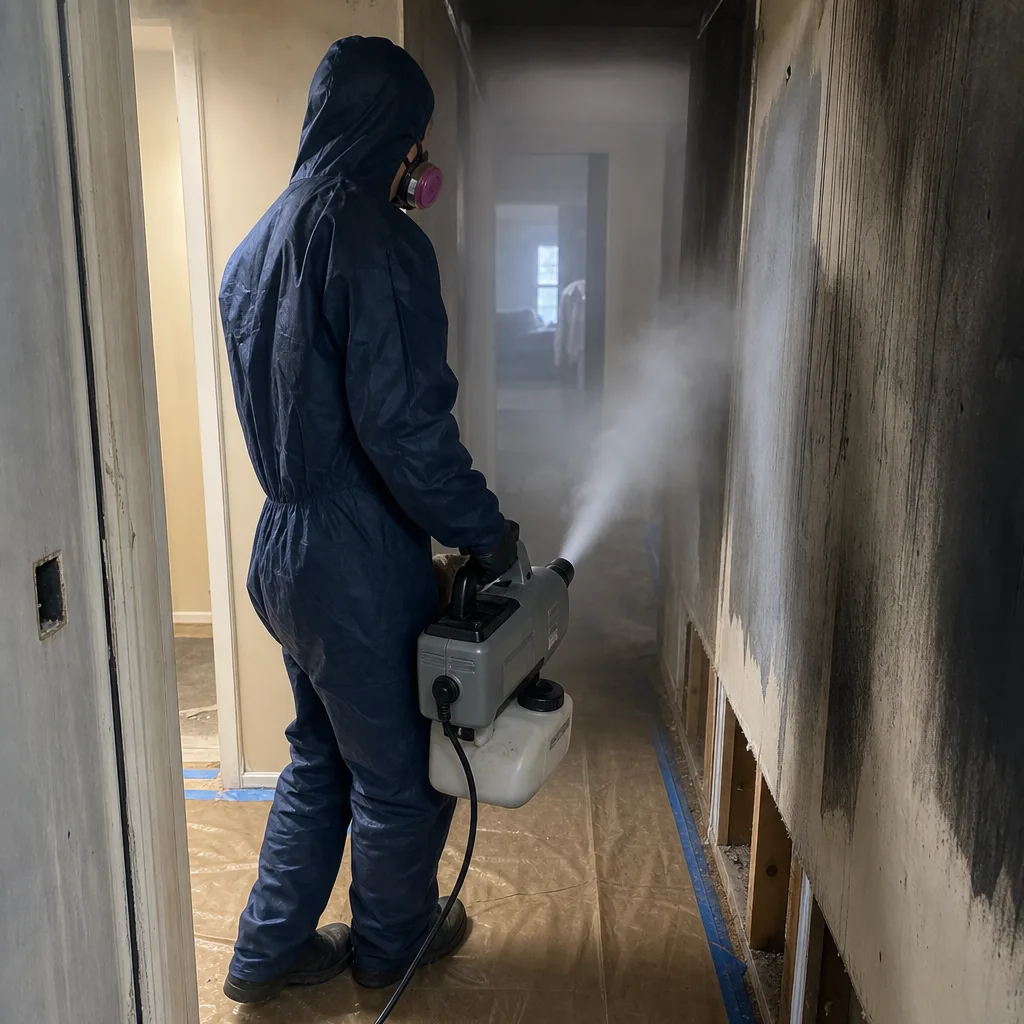
Sanitization & Disinfection
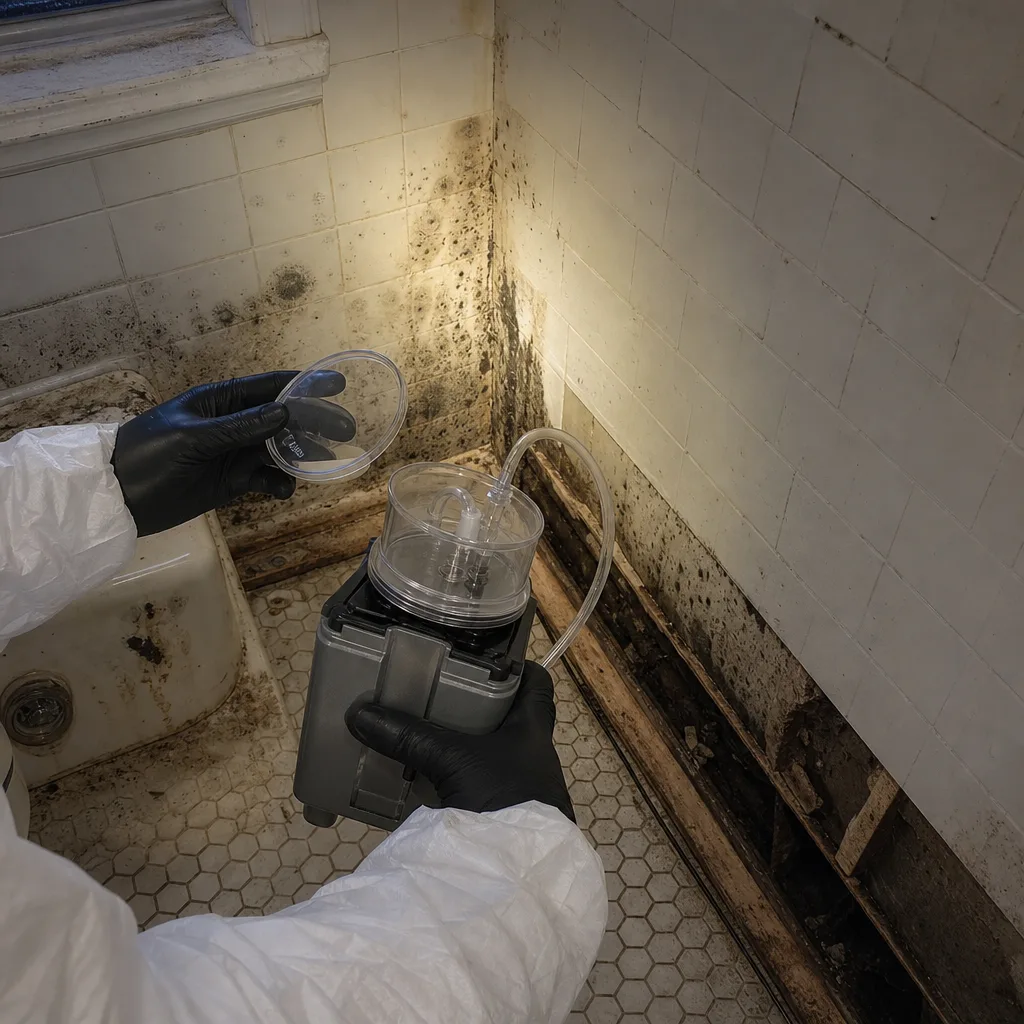
After extraction, every surface, stud, and floor cavity in the affected Harrison space gets EPA-registered antimicrobial treatment. We use HEPA air scrubbers to pull airborne pathogens from the air. This step is what separates a safe rebuild from a future health problem.
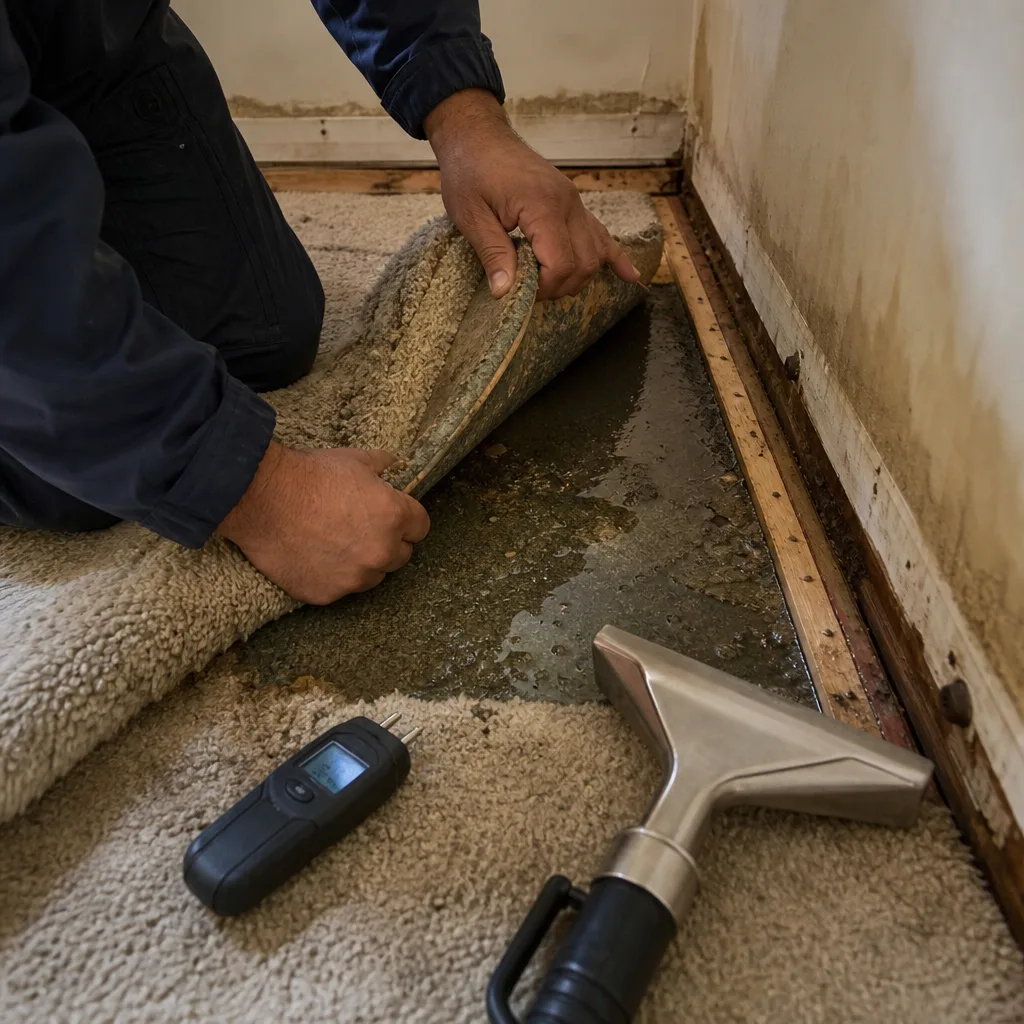
Crawl Space Sewage Removal
Older two-family walk-ups in Harrison often have crawl spaces with dirt floors and failing clay-tile waste lines. Sewage pools under the structure, odor rises through floorboards, and the space becomes a bacteria reservoir. We extract, remove contaminated insulation, treat the soil, and run drying equipment until the space meets the dry standard.
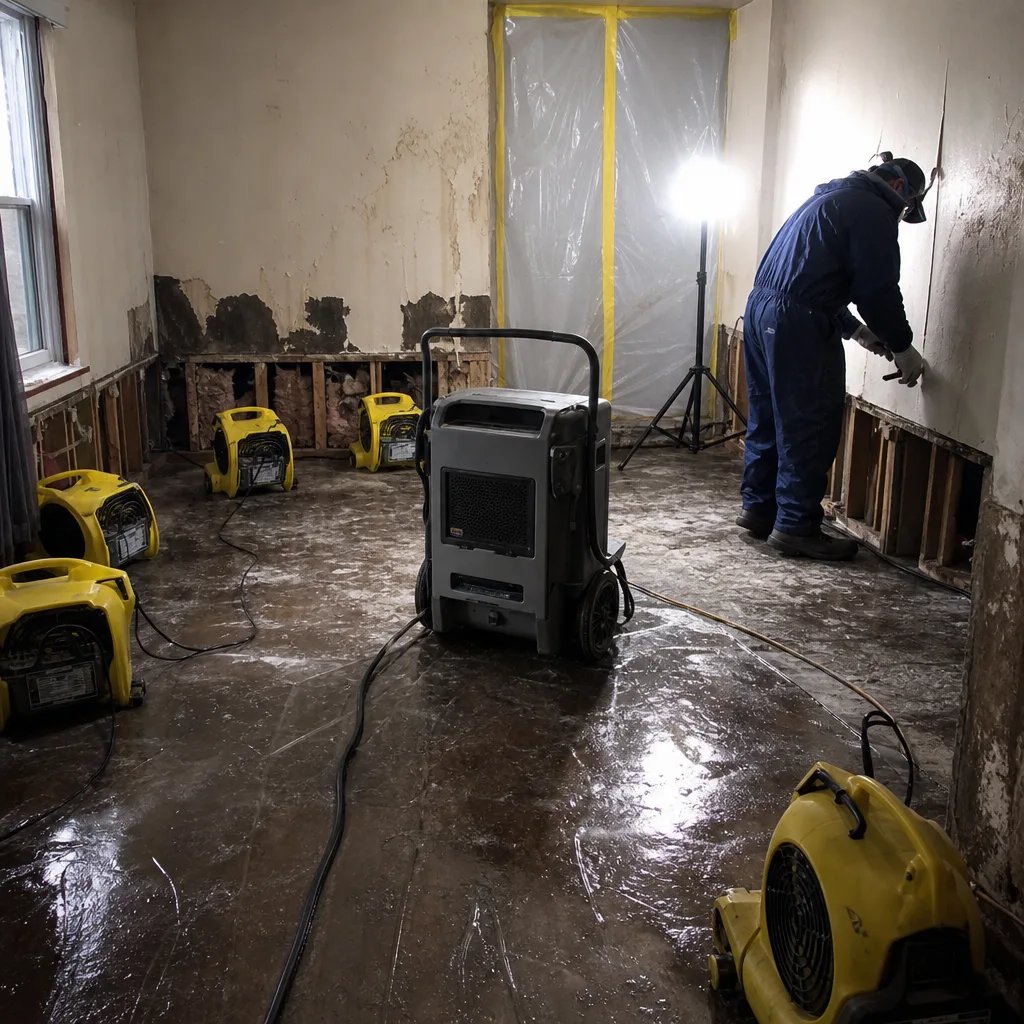
Sewage Backup Cleanup
A surcharged municipal line or a collapsed lateral sends sewage back through the basement floor drain. We clear the damage, not the line: our job is the water and contamination in your living space. If a plumber is needed, we coordinate, but we don’t stop until the space is restored.
Toilet Overflow Cleanup
An overflow inside a Harrison row house bathroom might seem minor, but in an older home, that water seeps through the floor into the joist bays and the ceiling below. We extract, sanitize, and verify with moisture readings that the cavity is dry before closing anything up.
Septic Failure Cleanup
Homes in the quieter sections of Harrison on septic systems face slow failures that push sewage into yards, crawl spaces, and sometimes basements. We handle the interior contamination and coordinate with septic contractors when the field itself is failing.
One job from last year sticks with us. On a row house off Harrison Avenue near the Red Bull Arena corridor, our crew responded to a basement toilet backup after a nor’easter pushed the Passaic over its banks. The finished basement, an unpermitted rental unit, had water above the baseboards and sewage solids across the floor. We set containment, extracted the black water with a truck-mounted Dri-Eaz unit, removed drywall and carpet to pre-loss condition, and ran structural drying with Phoenix air movers and dehumidifiers while documenting every unlicensed electrical panel for the owner’s liability file. That’s the job: get the water out, dry the structure, and give the owner a record they can stand behind.
What happens when you call
- 1
A real person answersNo phone trees - you reach a local pro.
- 2
You get an upfront price rangeHonest numbers before anyone is dispatched.
- 3
A background-checked tech heads outLicensed & insured, dispatched right away.
- 4
You approve before work beginsNothing starts until you say go.
Sewage Cleanup Costs in Harrison, NJ
Harrison’s sewage cleanup pricing runs on a real range, and we’ll give you exact numbers before work starts. A contained toilet overflow with easy access runs $850 to $1,900. A basement sewage backup through a floor drain typically falls between $2,500 and $5,000. A Passaic River black water event requiring full containment, demolition to studs, structural drying, and antimicrobial treatment runs $5,500 to $12,000 and up depending on square footage. What moves the price: the contamination category, how far water wicked up the walls, whether the basement was finished, and whether framing needs replacement. Older Harrison row houses with finished basements are the high end. Insurance covers most of this if you have sewage backup or flood coverage. The free inspection gives you a written scope and a firm number before any work begins. Call (640) 400-9404 and we’ll be there within the hour to look.
We Also Serve Cities Near Harrison
Our crews answer sewage calls across the Passaic River corridor. We serve Kearny and Jersey City homes with the same 45-minute response and written scope. Secaucus and Bayonne property owners get the same live dispatch at any hour. If you’re near Harrison and sewage is backing up, call. We’ll be there.
Serving Harrison, NJ - Our Local Coverage Area
We’re based in the Harrison area and know this community well. Use the map below to see our service coverage - if you’re nearby, we can almost certainly help.
Harrison Sewage Cleanup Questions, Answered
How does the Passaic River flooding turn a regular sewage backup into a Category 3 black water job in Harrison?
When the Passaic rises after heavy rain or nor’easters, the combined sewer system surcharges and raw sewage mixed with river water pushes back through floor drains into basements. That water carries bacteria, viruses, and river sediment, which classifies it as Category 3 black water under IICRC standards. It requires full containment, antimicrobial treatment, and demolition of saturated materials, not just extraction. This is the defining sewage profile for Harrison homes.
Do I need to worry about mold after sewage cleanup in a Harrison basement rental unit?
Yes. Sewage water leaves organic matter inside wall cavities and under baseboards, and mold takes hold in 24 to 72 hours in the damp, humid conditions common in Harrison basements. Our drying protocol runs dehumidifiers and air movers on a moisture-mapped schedule until the structure reaches its dry standard, and we document daily readings for your file. Antimicrobial treatment is applied before any rebuild.
What special liability issues come up when sewage cleanup reveals unpermitted basement apartments in Harrison?
When finished basement rentals in Harrison were built without permits, we often find unlicensed electrical panels and non-code drywall assemblies during demolition. That changes the scope and the liability picture. We photograph and document everything we uncover, and we won’t rebuild over non-code work without you knowing. The documentation becomes part of your file for the insurer or any future inspection.
How long does sewage cleanup typically take in a Harrison row house with a full basement?
A contained toilet overflow might be dry and sanitized in one or two days. A Passaic River black water event in a finished basement typically takes 4 to 7 days for extraction, demolition, drying, and sanitization, with another few days for rebuild if structural framing needs replacing. Our crews work on a written scope with daily progress, so you know the timeline from day one.
Can you handle sewage in crawl spaces under older Harrison two-family walk-ups?
Yes. Crawl space sewage removal is a core service in Harrison, where wood-frame two-family homes sit over dirt floors and aging waste lines. We extract sewage from under floor joists, remove contaminated insulation, treat the soil, and run drying equipment until the space meets the dry standard. The odor disappears only when the contamination is actually removed, not masked.
How fast can someone actually reach my house in Harrison?
We commit to 45 minutes for emergency sewage calls in Harrison, and most nights we beat it. Dispatch is live around the clock, so you’re not leaving a voicemail. The sooner we start extraction, the less contaminated material we have to remove and the less the job costs. Call (640) 400-9404 and the dispatcher gives you an ETA on the spot.
Will my insurance cover sewage cleanup in Harrison?
Most New Jersey homeowners policies include sewage backup coverage as an endorsement with a sublimit, often $10,000 to $25,000. If the sewage came from Passaic River flooding rather than a failure inside your home, flood insurance may apply instead. We document everything from the first hour and bill your carrier directly, with photos, moisture logs, and line-item scopes going to your adjuster.
What should I do in the first 30 minutes after sewage backs up in my Harrison home?
Turn off electricity to the affected area if you can do so safely, keep everyone out of the water, and call us. Do not flush toilets or run water, do not try to vacuum sewage with a shop vac, and do not put fans on the area, because that spreads bacteria. The fastest call gets crew here before contamination spreads into drywall and framing. (640) 400-9404, any hour.
Written by Curt Bowman, Owner at Floodline Restoration Co., serving Harrison and the Passaic River corridor since 2010.