

Free visual inspection and a written scope of work before any mitigation begins - photos, moisture readings, and drying logs go in your claim file
The scope we write is the scope we bill. Anything new gets shown to you, in writing, before we touch it.
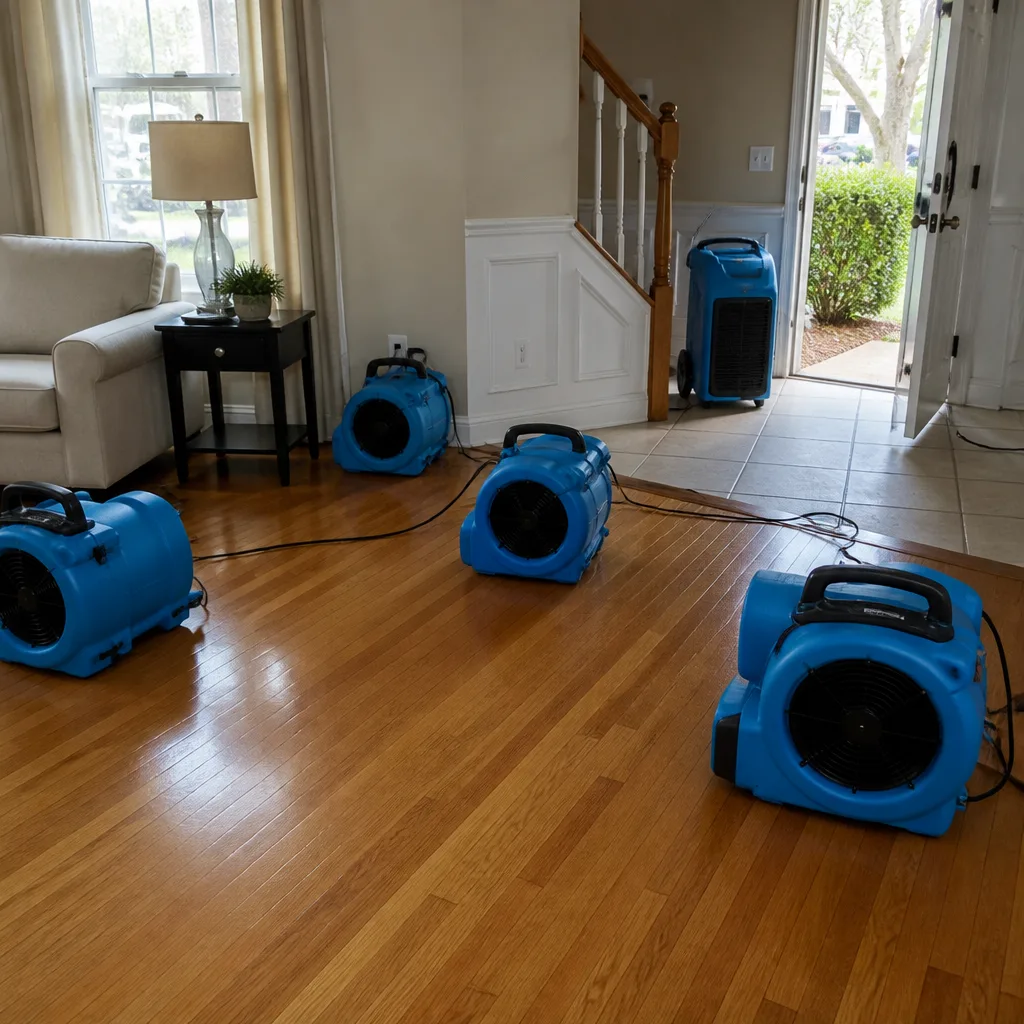
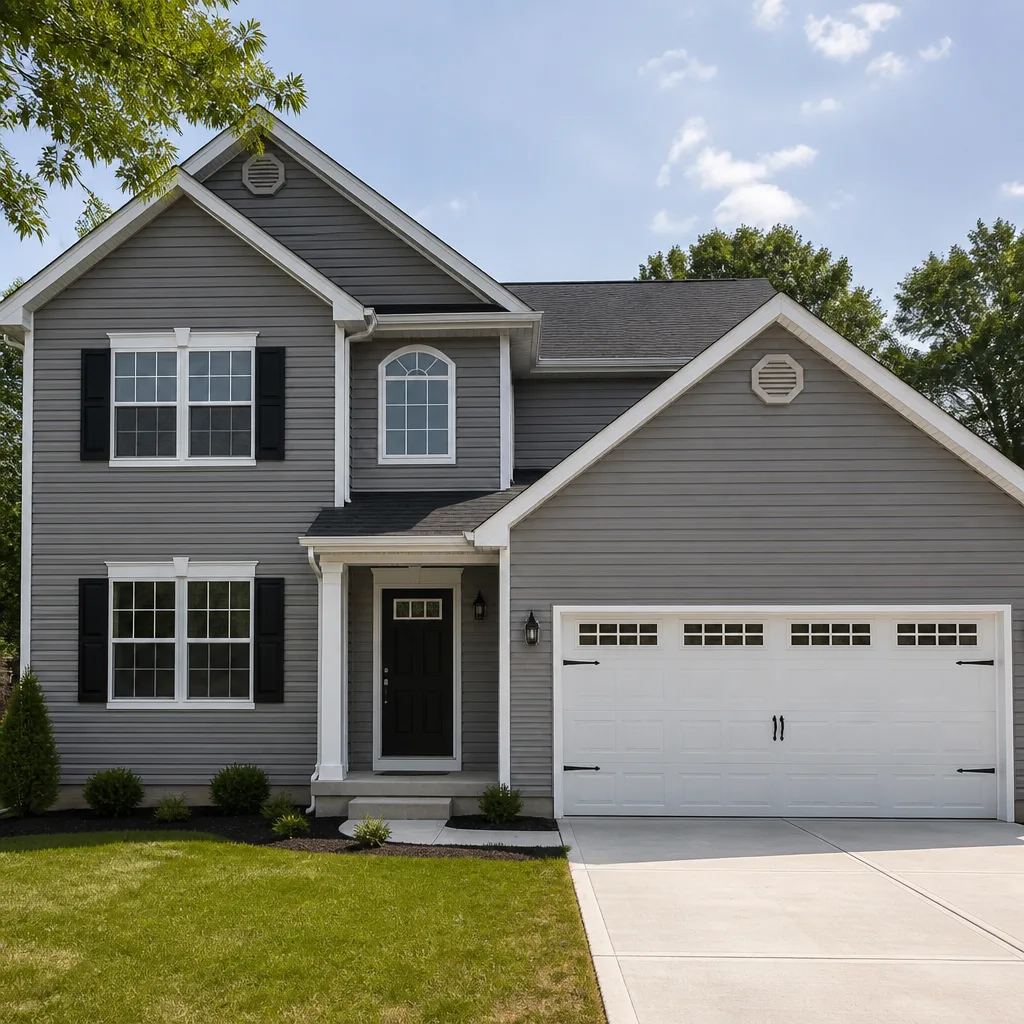
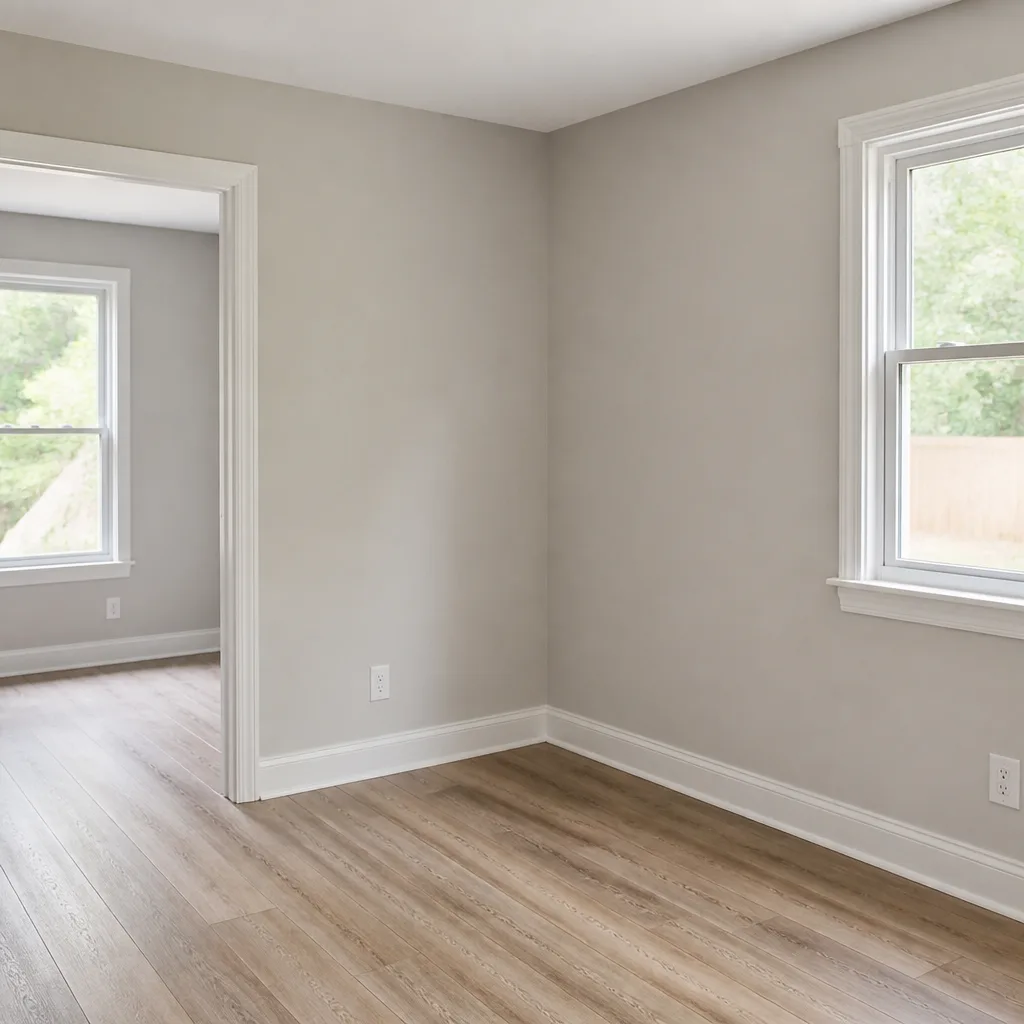
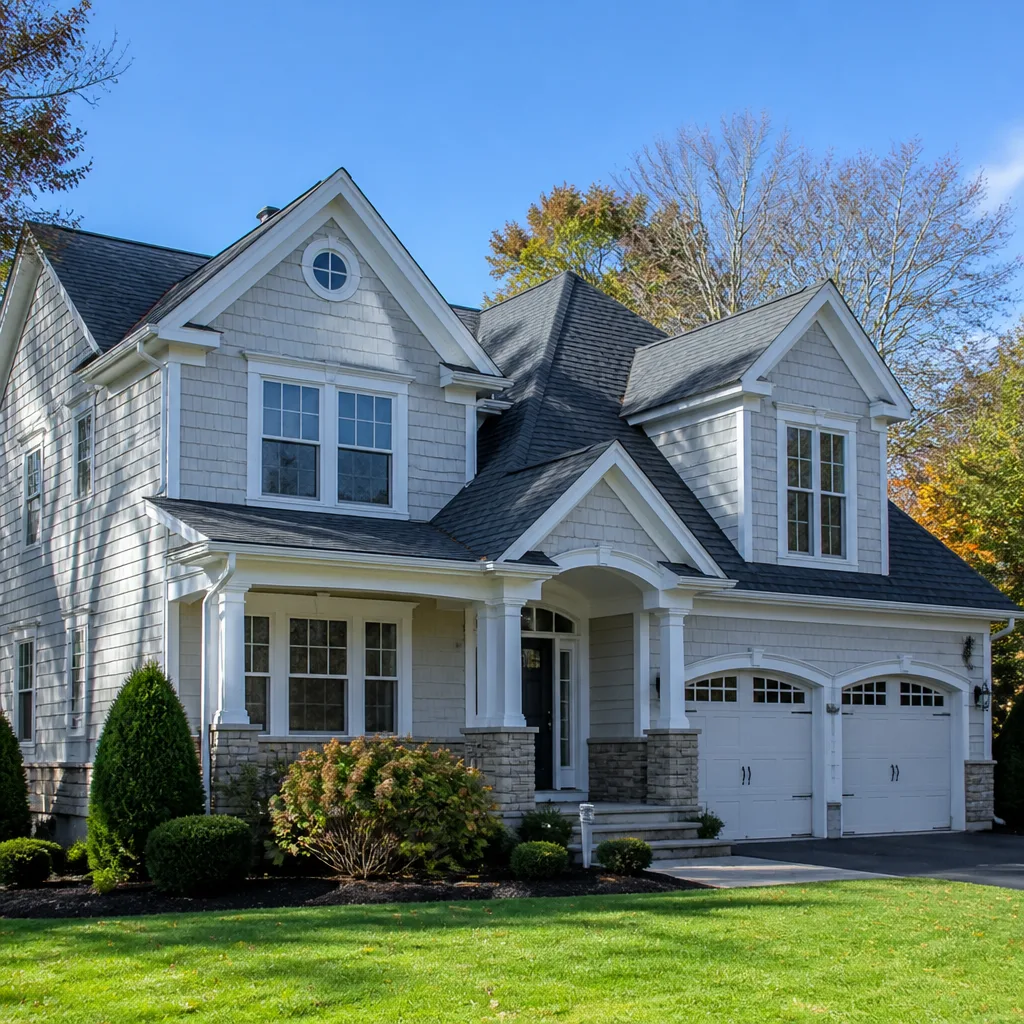
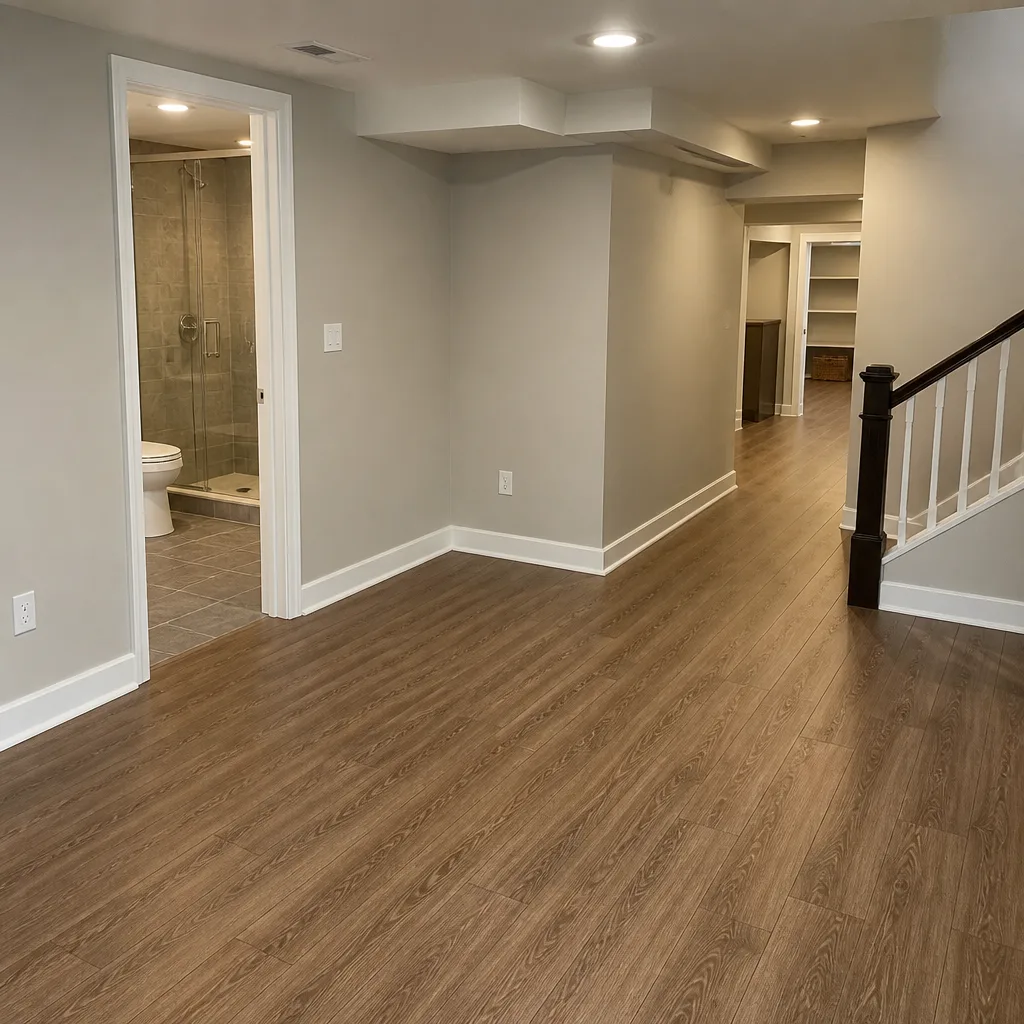
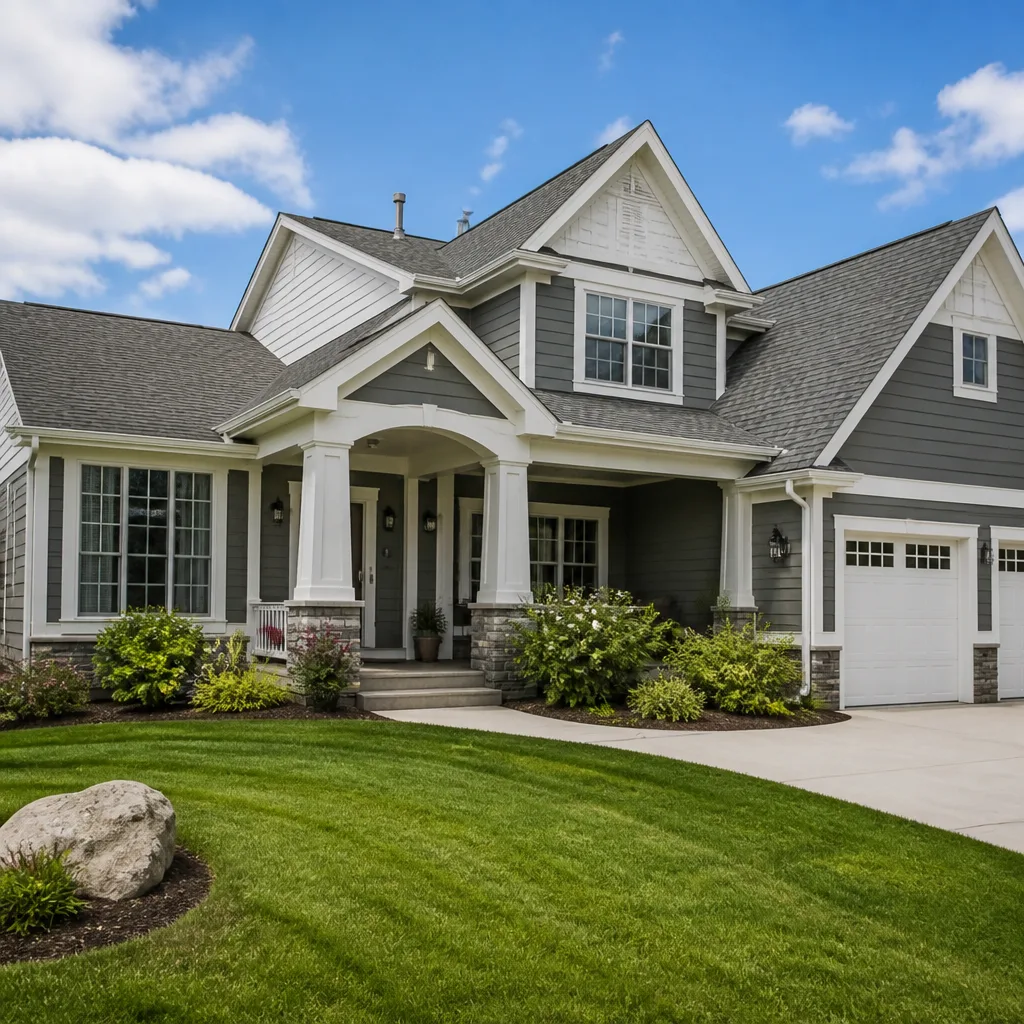
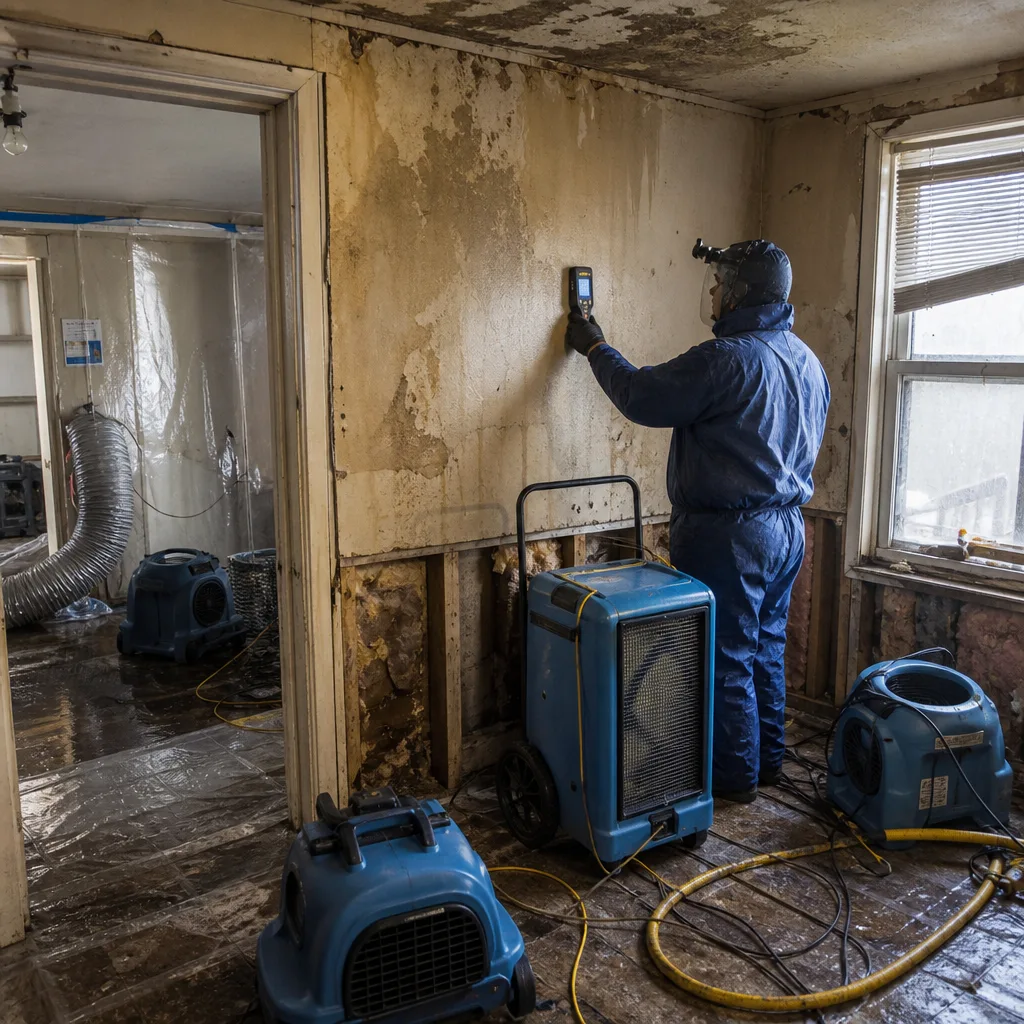 Before
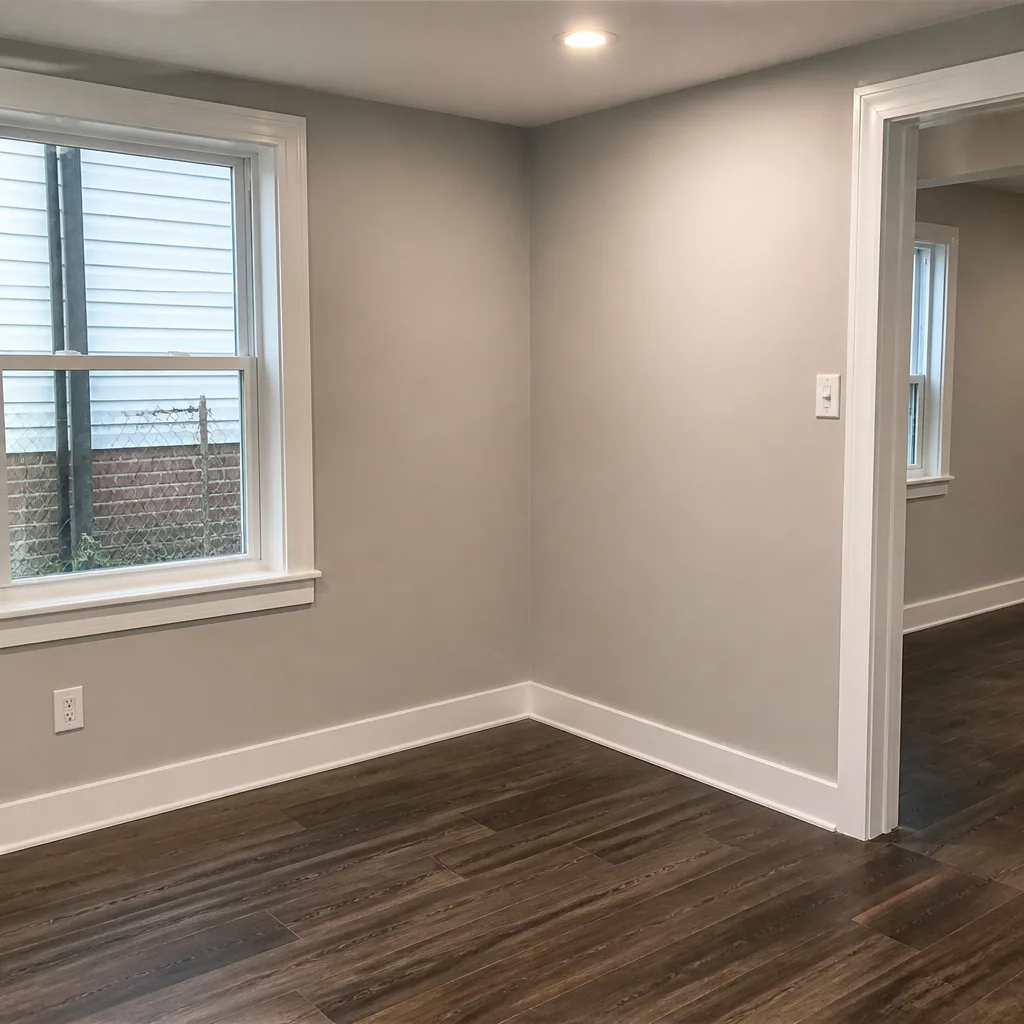 After
After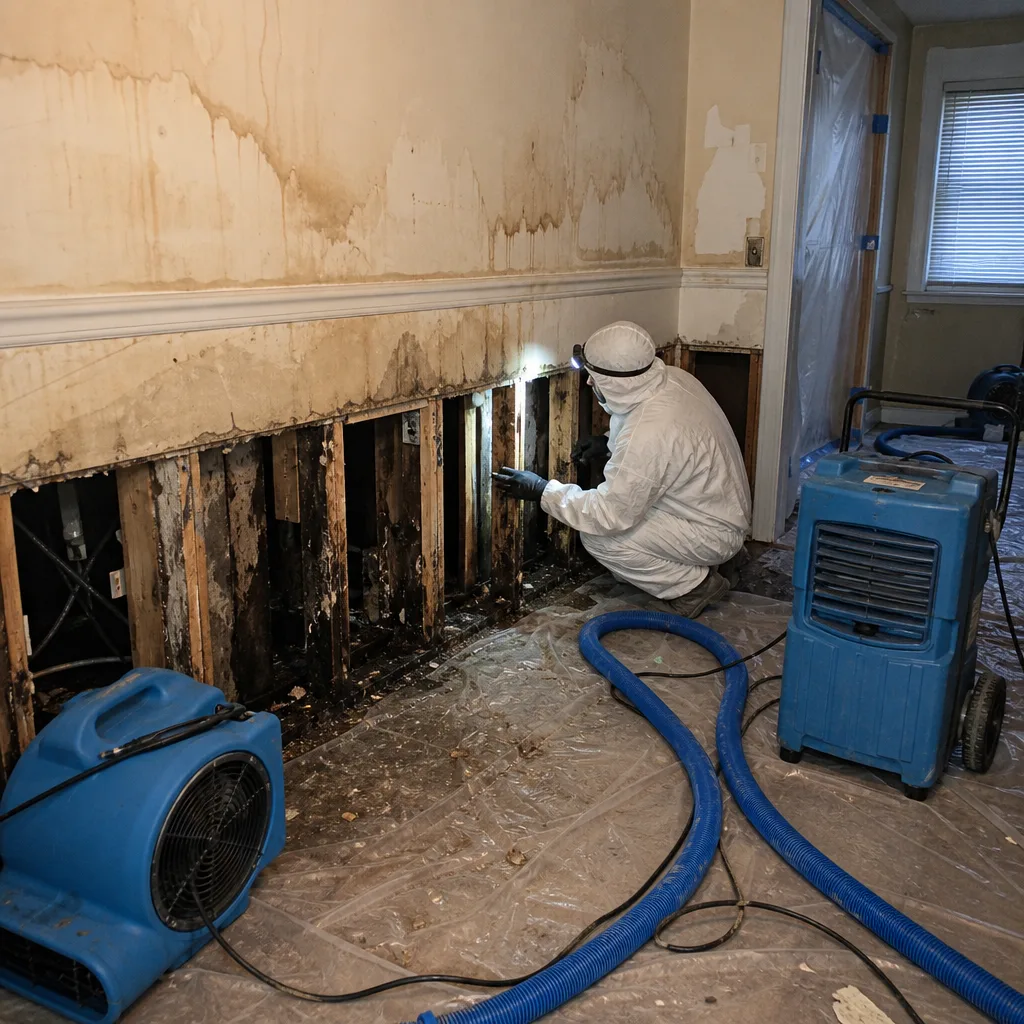 Before
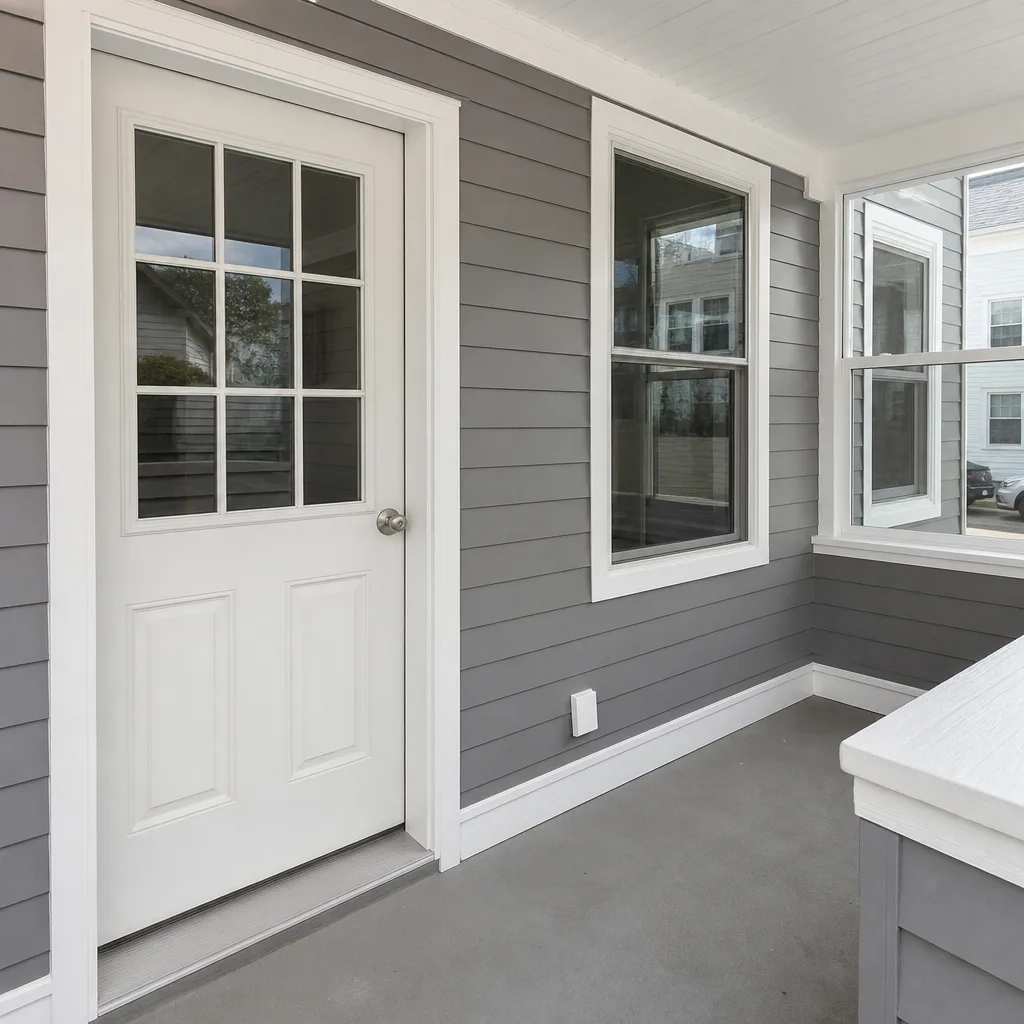 After
After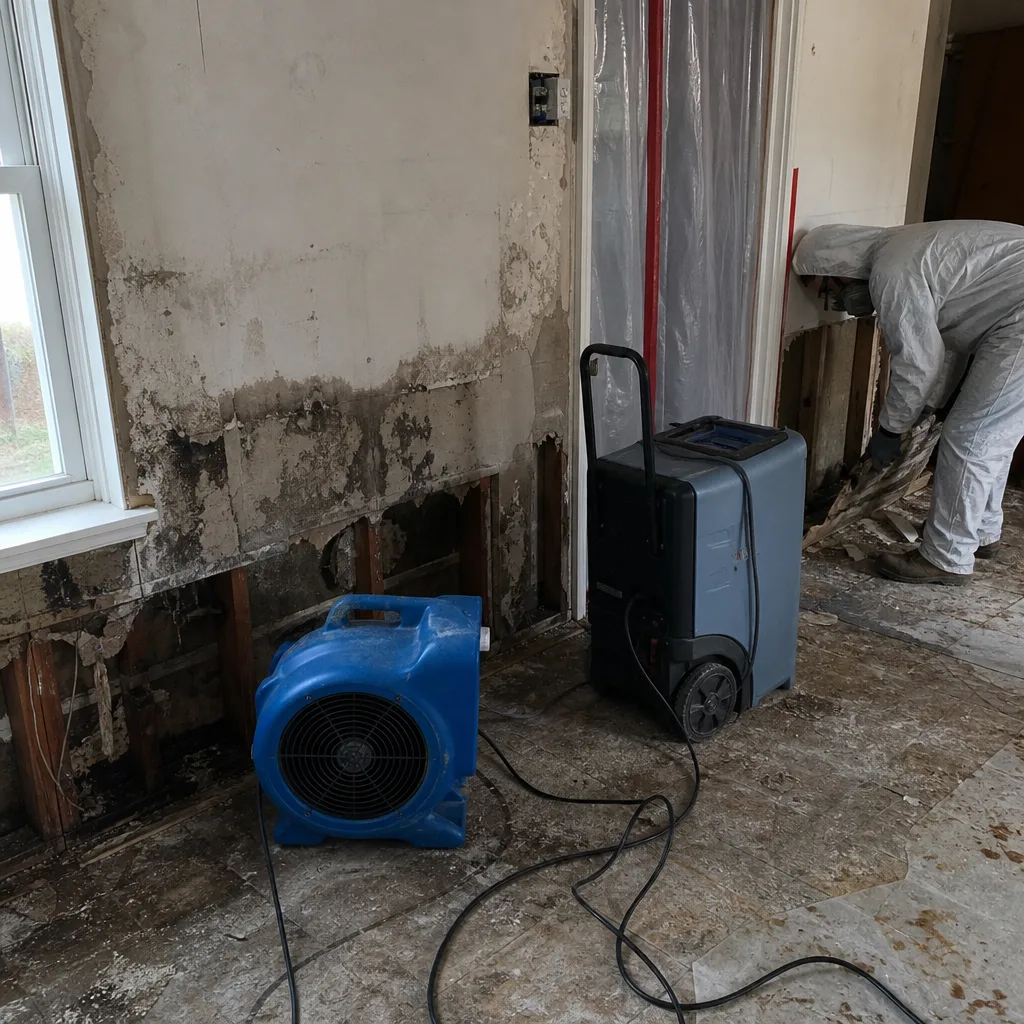 Before
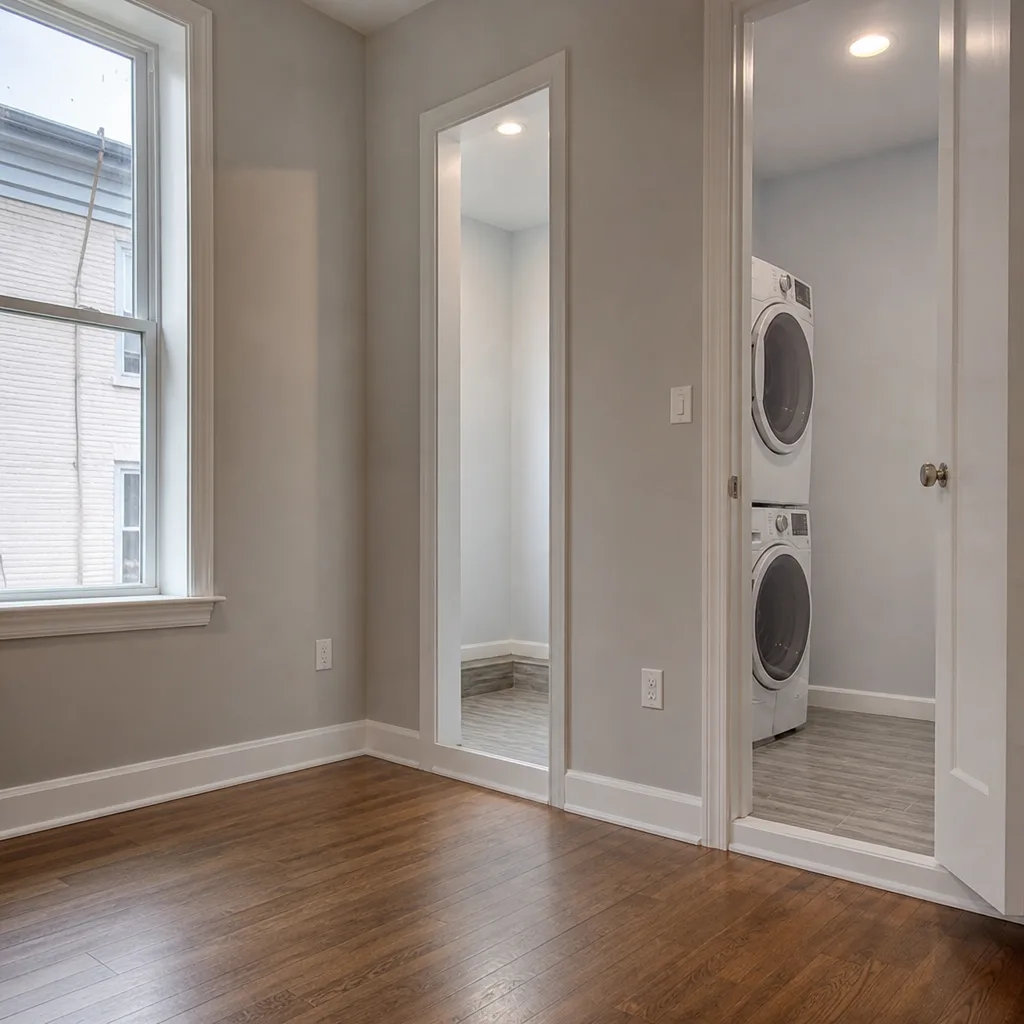 After
After24/7 Emergency Reconstruction & Cleanup in Travis – Chelsea
Reconstruction and cleanup after a flood, fire, or sewage loss in Travis – Chelsea needs to start fast, and it needs one team that stays from the first extraction to the final coat of paint. Floodline Restoration Co. answers the phone live at (640) 400-9404 at any hour, with crews dispatched into Travis – Chelsea immediately. The first hour matters because water and soot do not pause while you decide who to call. A free visual inspection gives you a clear scope before any work begins. We do the full cycle: water extraction, structural drying, mold remediation where needed, and complete reconstruction, handled by the same background-checked, uniformed technicians. No mid-job handoff to a different company. We are Reconstruction & Cleanup specialists, and we work in this neighborhood constantly.
Understanding Reconstruction & Cleanup Severity in Travis – Chelsea Properties
Travis – Chelsea’s housing stock changes the math on damage severity. The area is largely modest mid-20th-century single-family ranch and Cape Cod homes, many built in the 1940s through 1960s on crawl spaces or slab foundations. Those older builds lack modern vapor barriers, and the insulation wicks water upward through wall cavities after a flood. Category 1 water from a burst supply line behaves differently than Category 3 water from a sewage backup or Arthur Kill storm surge, and the distinction determines whether materials can be dried or must be removed. Moisture mapping with thermal imaging reads behind baseboards and under slab floors, not just on visible surfaces. Smoke damage from a kitchen fire leaves protein residues that can be nearly invisible but corrosive, while a furnace puffback coats every surface with oily soot that requires specialized cleaning agents and sealing. In Travis – Chelsea, severity is often compounded by the neighborhood’s position on the Arthur Kill tidal strait. Residual soil saturation keeps ambient moisture levels high year-round, which slows structural drying even after the standing water is gone. A Category 1 loss in a 1950s Cape Cod here can present like a Category 3 loss elsewhere because the slab never fully dries. That changes containment decisions, equipment sizing, and the number of days a homeowner can expect fans and dehumidifiers running in the house.
Why Travis – Chelsea Property Owners Choose Floodline Restoration Co.
- 45-minute response commitment: A live dispatcher confirms a crew and a land time while you’re still on the phone, and we hold ourselves to it.
- 24/7 live answer, never an automated system: Call (640) 400-9404 at 2 a.m. and a person picks up. Curt Bowman built this company around a dispatch board, not a sales desk.
- IICRC-certified crews: Our technicians hold WRT, FSRT, and AMRT certifications and follow IICRC, RIA, and IFA standards on every job.
- Free visual inspection: We look at the actual damage before anyone quotes a number. You get a written scope, not a guess.
- Direct insurance billing: We document everything and bill your carrier directly, so you never play messenger between our crew and your adjuster.
- One team from extraction to reconstruction: The same technicians who read the moisture map on day one handle daily readings and rebuild the walls when the drying is done.
Our Reconstruction & Cleanup Process
Inspection & Assessment
We arrive, walk the full damage path, and take moisture readings throughout the structure. Thermal imaging and hygrometers show us where water has traveled behind walls and under slab floors, including the landfill-adjacent subsurface moisture patterns common in Travis – Chelsea, where our Water Damage Restoration - Travis – Chelsea teams are specially trained. You get a written scope before any equipment is unloaded.
Extraction & Stabilization
Standing water is removed with truck-mounted and portable extraction units. Damaged materials are documented for your insurer, then stabilized to stop migration. We identify whether the water is Category 1, 2, or 3 and treat accordingly.
Drying & Dehumidification
Professional-grade Dri-Eaz and Phoenix air movers and dehumidifiers are positioned based on a moisture map, not a guess. In Travis – Chelsea, we monitor for the extended drying timelines caused by Arthur Kill tidal saturation and slab wicking. Daily moisture readings are logged until the dry standard is met, and the log goes to you and your carrier.
Cleaning & Sanitization
Affected surfaces are cleaned, sanitized, and deodorized. For smoke losses, we remove soot residues and seal surfaces before repainting. For sewage events, antimicrobial treatment follows IICRC protocols.
Contents Restoration & Pack-Out
Salvageable contents are inventoried, photographed, packed out, and cleaned off-site. We restore or document what can be saved so your claim reflects pre-loss condition accurately.
Repairs & Reconstruction
Our Commercial Restoration in Travis – Chelsea means drywall, flooring, cabinetry, and structural repairs are completed by the same crew that dried the structure. No inherited crew, no handoff. The job is done when the scope is complete, and it is backed by the 90-Day Done Right Promise.
Need Emergency Reconstruction & Cleanup in Travis – Chelsea Now?
Crews minutes away, answering live 24 hours a day. The sooner we start, the less it costs.
Working With Your Insurance Company
Insurance claims for reconstruction and cleanup succeed or fail on documentation. The carrier’s adjuster was not standing in your flooded crawl space at 3 a.m., and they won’t see the waterline on the drywall after it’s been torn out. We document from the first hour: photos room by room, moisture readings, drying logs, and a detailed line-item scope of work. Our technicians communicate directly with your adjuster, explaining what was found, why the drying timeline was extended, and what reconstruction is actually required. This is especially important in Travis – Chelsea, where post-flood drying can run longer than industry norms near the former Fresh Kills landfill. Without a documented log, an adjuster may assume the extended timeline reflects a second leak and deny the additional drying days. We make sure the record tells the real story.
What We Provide Your Insurer
- Thorough documentation of the loss
- Photos of all damage, room by room
- Moisture readings and drying logs
- A detailed, line-item scope of work
- Direct coordination with your carrier
Built for Travis – Chelsea’s Loss Calendar
Travis – Chelsea’s damage calendar tracks the water and weather patterns of Staten Island’s western shore. January and February deep freezes burst supply lines in uninsulated crawl spaces and exterior walls, flooding those 1940s and 1950s ranches before anyone notices. Spring thaw and the nor’easter season bring basement seepage and rising groundwater, especially near the Arthur Kill where the water table sits high. Summer thunderstorms drop flash flooding into streets and yards, overwhelming drains and pushing water into slab-level entries. Late summer and fall bring hurricane remnants and coastal storm surges like Sandy’s 2012 inundation, which hit Travis – Chelsea hard. Year-round, the neighborhood’s tidal adjacency means subsurface moisture never fully recedes, so even a small leak can become a mold problem faster here than on higher ground. Preparation matters, but when a loss happens, the realistic move is calling a crew that knows this calendar and already knows how these specific houses dry.
Reconstruction & Cleanup Across Travis – Chelsea’s Neighborhoods
Travis – Chelsea spans a distinctive western Staten Island corridor, and the damage patterns shift block by block. Around Victory Boulevard, the main commercial and residential artery through Travis, we respond to a steady stream of supply-line failures in older ranch homes with slab foundations. Near the William T. Davis Wildlife Refuge and the Freshkills Park boundary, homes sit closest to landfill-adjacent soil conditions, and we routinely extend structural drying protocols there because slab concrete stays wet longer than industry-standard schedules predict. Along the Arthur Kill shoreline, storm-surge and tidal flooding drive most calls, with crawl spaces that stay perpetually damp and require aggressive dehumidification plus vapor barrier replacement rather than simple air mover setup. In the residential streets off Chelsea Road, fire and smoke losses from older heating systems and kitchen events are the more common reconstruction calls. The neighborhood’s layout, with modest single-family homes on flat lots, means response routes are straightforward and our crews can reach any property quickly from the West Shore Expressway. Travis – Chelsea property owners call us from every corner of this community, and we know the streets well enough to be on-site fast.
Specialized Reconstruction & Cleanup Services We Offer in Travis – Chelsea
Full-Service Reconstruction
When drying is complete, we rebuild the structure to pre-loss condition or better. That means drywall, insulation, flooring, cabinetry, and paint. In Travis – Chelsea homes with 1960s construction, we often find original materials that should be upgraded during reconstruction, especially vapor barriers and insulation that wicked storm water. We include those upgrades in the written scope clearly, so you and your adjuster know exactly what is being done and why.
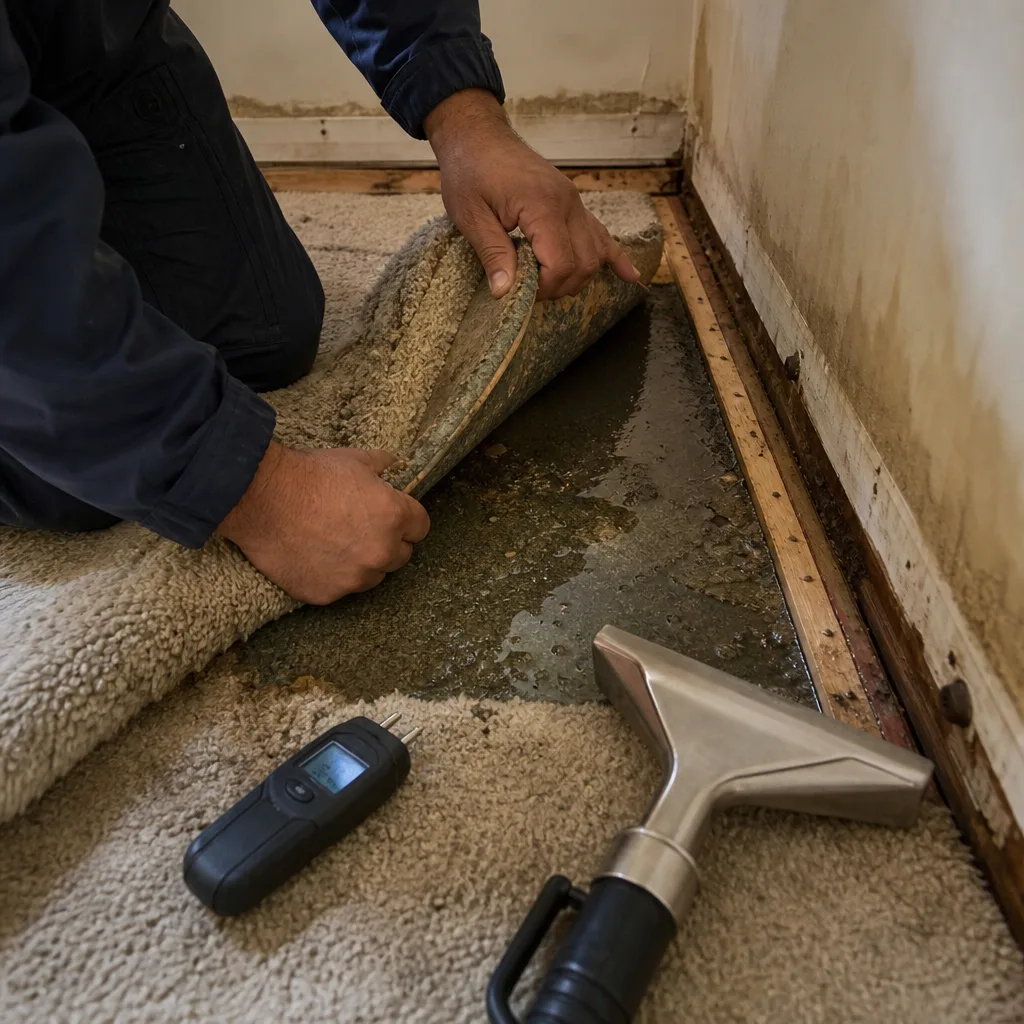
Contents Restoration & Pack-Out
When a crawl space floods with Category 3 water or a fire damages a room, the contents need professional handling. We inventory, photograph, pack out, and clean salvageable items off-site. Pre-loss condition is documented before anything moves, which matters when the adjuster reviews the claim. Travis – Chelsea homeowners often have decades of belongings in attics and basements; we treat them like your family’s history, because they are.
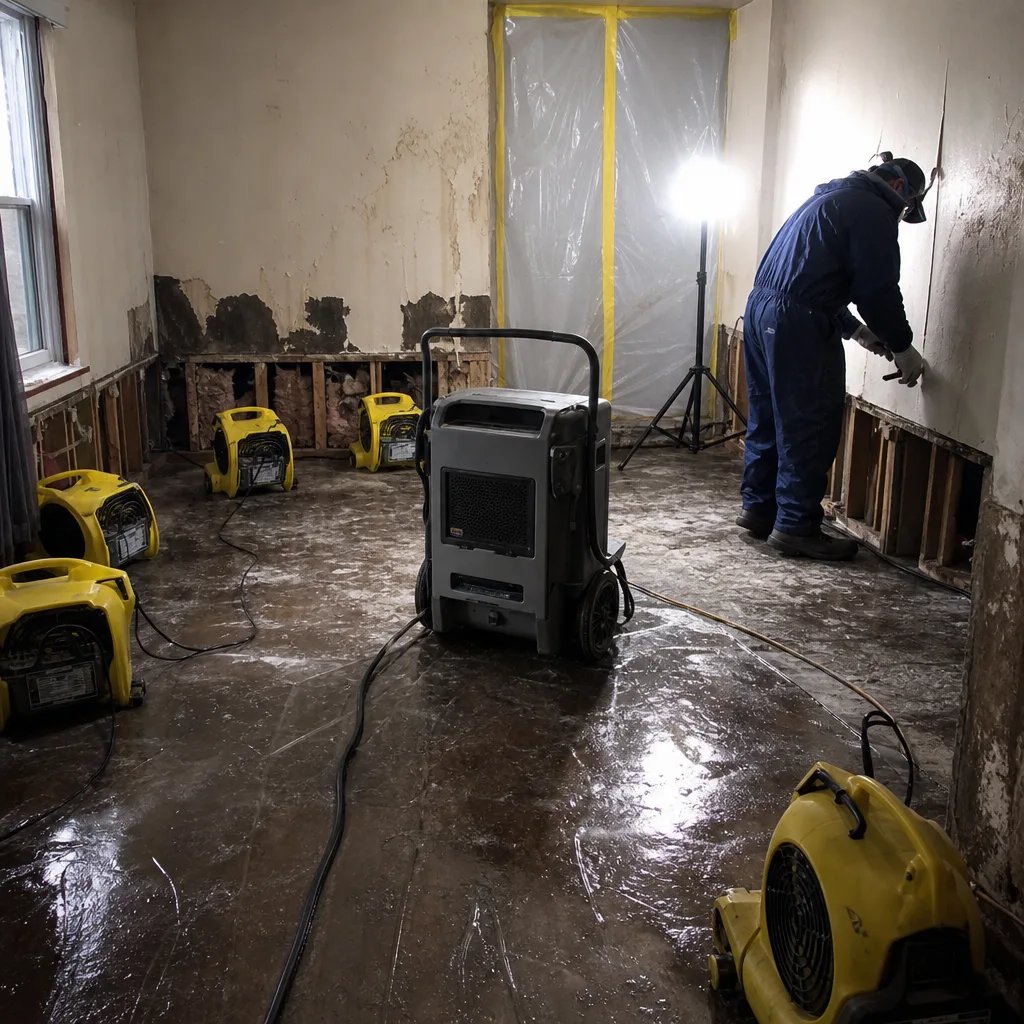
Drywall & Flooring Repair
Flood-cut drywall and water-damaged floors are common in the 1950s ranches throughout the area. We remove to the point of saturation, treat the framing, and rebuild with materials rated for the humid conditions near the Arthur Kill. Budget for drywall replacement in Travis – Chelsea to run roughly $3.50 to $6.00 per square foot removed and replaced, while flooring repair spans $8 to $22 per square foot depending on material and subfloor condition.
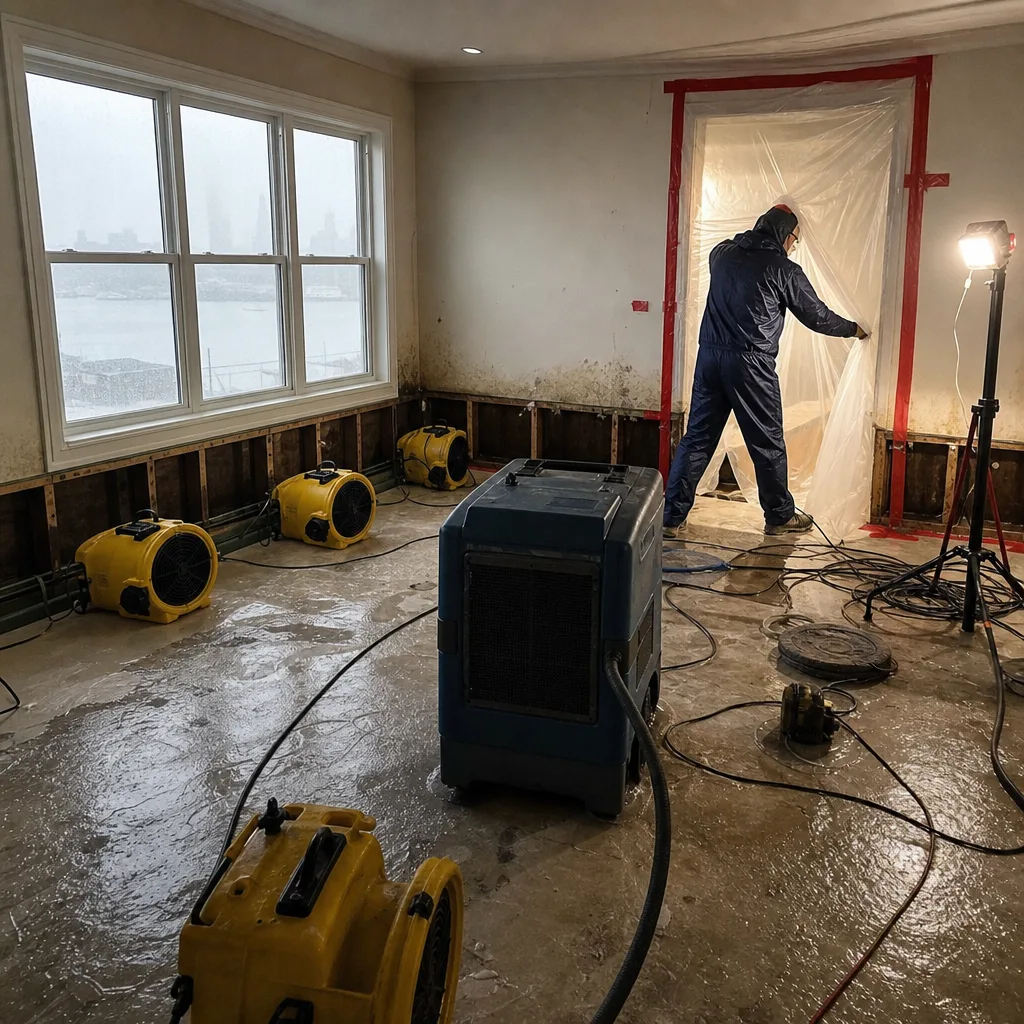
Carpet & Upholstery Cleaning
For Category 1 water losses where carpet and upholstery are salvageable, we clean, deodorize, and dry using professional extraction equipment. Smoke-damaged upholstery from a kitchen fire responds well to the right cleaning agents, but protein soot needs prompt attention before it sets permanently. We assess whether cleaning or replacement is the honest recommendation and document it for your carrier.
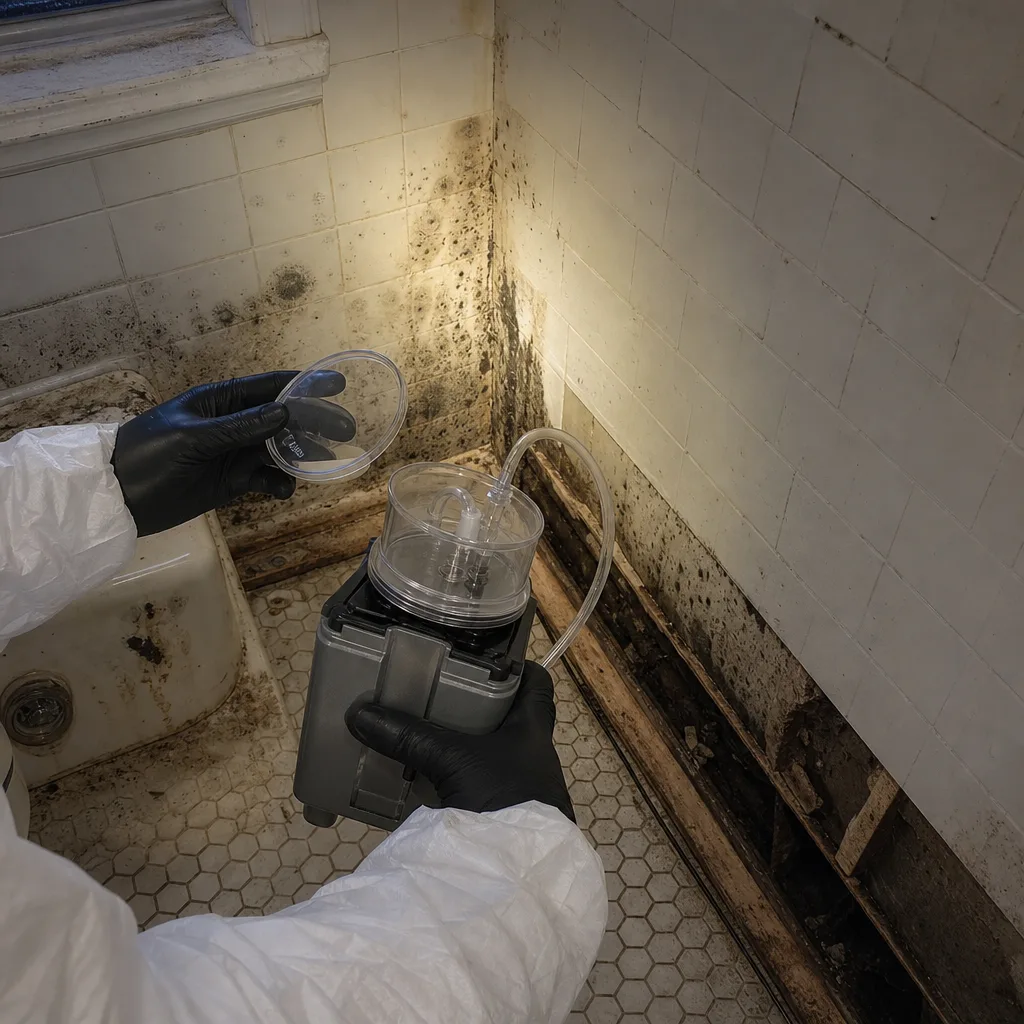
Post-Construction Cleanup
After a construction-heavy reconstruction, fine dust covers every surface. We provide thorough post-construction cleanup including HEPA vacuuming and detailed surface cleaning so your home is genuinely move-back-in ready, not just visually swept. This matters a great deal to Travis – Chelsea homeowners who are older and do not need the additional burden of deep cleaning after contractors leave.
Insurance Claim Documentation
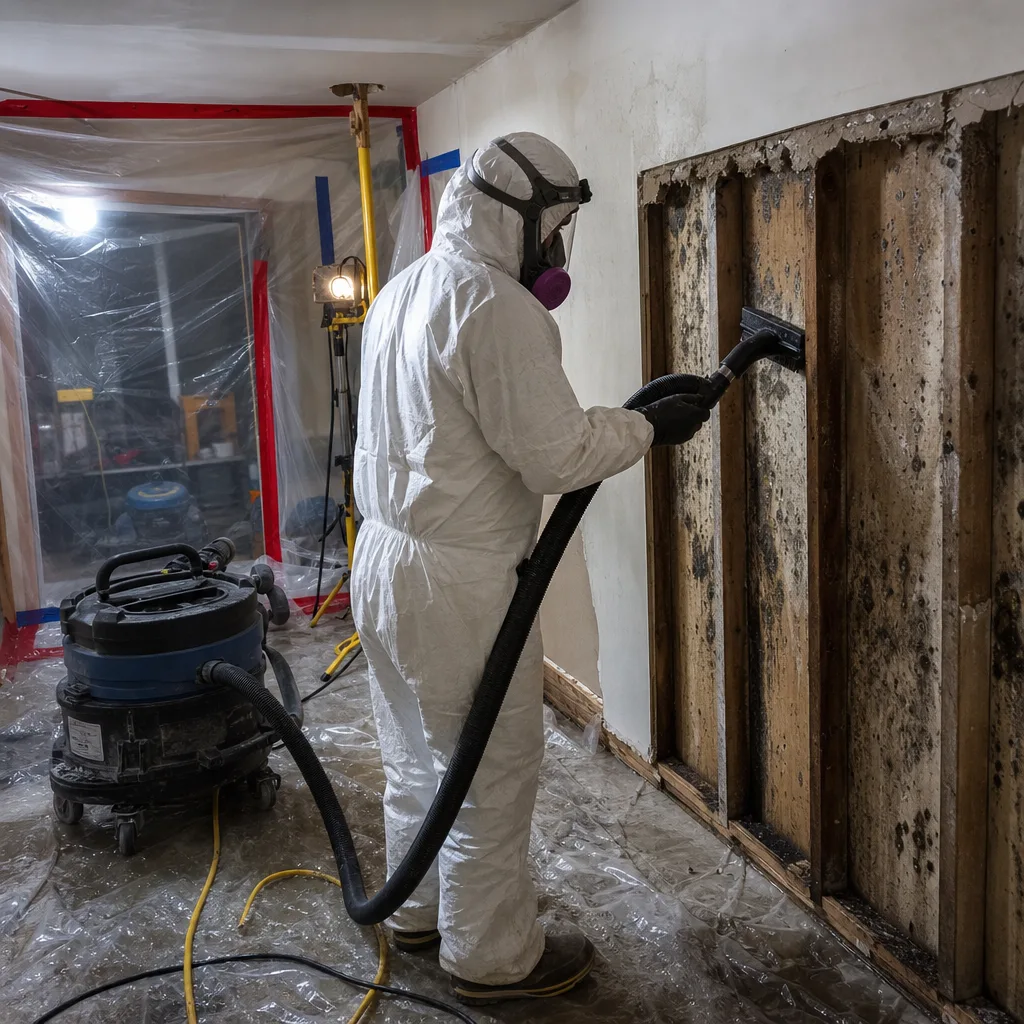
Everything above produces documentation: photos, moisture logs, material scope, and daily records. For Travis – Chelsea properties near the Fresh Kills boundary, the extended drying timeline documentation is critical. We write the narrative clearly: what happened, what we found, what we did, and why it took the time it did. Your adjuster gets the full picture, and you get a claim that reflects reality, not a generic template.
What happens when you call
- 1
A real person answersNo phone trees - you reach a local pro.
- 2
You get an upfront price rangeHonest numbers before anyone is dispatched.
- 3
A background-checked tech heads outLicensed & insured, dispatched right away.
- 4
You approve before work beginsNothing starts until you say go.
Reconstruction & Cleanup Costs in Travis – Chelsea, NY
Honest numbers help. A typical contents pack-out and cleaning for a two-bedroom ranch in Travis – Chelsea runs $2,500 to $6,000 depending on volume and soiling. Drywall replacement generally falls between $3.50 and $6.00 per square foot of removed area. Carpet and upholstery cleaning for a standard room runs $150 to $350 per room. Post-construction cleanup for a full rebuild typically ranges from $0.45 to $0.85 per square foot of finished space. Full reconstruction costs depend heavily on scope, but the free visual inspection produces a firm line-item scope so nothing is guessed. Most flood and fire losses are covered under homeowners insurance, and direct carrier billing means you are not fronting cash while waiting on reimbursement. The factors that move price most in Travis – Chelsea are the age of the home’s original materials, the need for extended drying near the landfill boundary, and the amount of contents requiring pack-out. Call (640) 400-9404 for a free inspection and the scope that makes your price clear before work starts.
We Also Serve Cities Near Travis – Chelsea
Our Reconstruction & Cleanup crews serve Travis – Chelsea and the surrounding Staten Island and lower Manhattan areas: Midland Beach, New Springville, Oakwood, and the Financial District. When you call for service in Travis – Chelsea, you reach a live person who can dispatch to any of these neighborhoods as well.
Travis – Chelsea Reconstruction & Cleanup Questions, Answered
Why does structural drying take longer in Travis – Chelsea than in other Staten Island neighborhoods?
Structural drying in Travis – Chelsea can take significantly longer than the standard 3 to 5 day industry window because of the area’s landfill-adjacent soil and tidal saturation. Moisture wicks up through slab foundations from subsurface water near the Arthur Kill and the former Fresh Kills landfill, keeping concrete damp for weeks. Our crews log daily moisture readings and extend drying until the dry standard is met, then document that extended timeline for your insurer.
Do I need to worry about methane from the landfill affecting my post-flood reconstruction?
Methane migration near the former Fresh Kills landfill is a real factor in Travis – Chelsea, but it is manageable with proper assessment. Ground-level methane pressure can complicate structural drying and foundation assessments near the landfill boundary. We monitor for subsurface conditions during our inspection and adjust containment and ventilation protocols accordingly. For any structural concern tied to methane, we recommend a qualified engineer’s evaluation as part of the reconstruction scope.
How do you handle contents restoration when my crawl space floods with Category 3 water?
Category 3 water is grossly contaminated, so contents that contacted it require professional cleaning or disposal judgment. We inventory and photograph everything first, documenting pre-loss condition for your claim. Items that can be sanitized are packed out and cleaned off-site; items that cannot are itemized for your adjuster. The paper trail protects you from a denied contents claim later.
What should I expect during drywall and flooring repair in a 1950s ranch home here?
Expect flood-cuts to remove saturated drywall and insulation above the waterline, because 1950s ranches in Travis – Chelsea wick water upward through wall cavities. Framing is inspected, treated, and dried before new material goes in. Flooring replacement depends on the material and subfloor condition, and in slab homes near the landfill boundary, we verify the slab itself has reached the dry standard before covering it. Budget roughly $3.50 to $6.00 per square foot for drywall removal and replacement and $8 to $22 per square foot for flooring repair.
Can you help document that my extended drying time was not a second leak?
Yes, that is exactly what our daily moisture logs and drying records establish. When drying runs longer than typical because of landfill-adjacent soil moisture, the log shows continuous equipment operation, daily readings, and the eventual dry standard. We provide that documentation directly to your carrier with a written explanation, so your claim is not falsely characterized as a second incident. This is a known issue for Travis – Chelsea homes near Freshkills Park, and we handle it routinely.
How fast can a crew actually reach Travis – Chelsea in an emergency?
We commit to a 45-minute response time for emergencies in Travis – Chelsea. Our dispatcher confirms a crew while you’re on the phone and gives you a land time. We cover the neighborhood’s streets daily, so routing is familiar and fast.
Will my insurance cover reconstruction and cleanup after a flood or fire?
Most standard homeowners policies cover water damage from sudden events like burst pipes and fire damage with smoke. Flood damage from storm surge or tidal water requires the separate flood policy, which many Travis – Chelsea homeowners carry after Sandy. Sewage backups are covered under most policies with a water backup endorsement. We bill your carrier directly and provide the documentation they require to process the claim.
What should I do in the first 30 minutes after flood or fire damage in Travis – Chelsea?
Call us at (640) 400-9404 first, so a crew and equipment are headed to you while you handle the immediate safety steps. Shut off water at the main if the source is internal. Shut off electricity at the breaker if water is near outlets. Do not enter standing water that may be Category 3. Take photos of the damage if safe to do so. Then step back and let us document the rest.
One True Local Insight: Drying Near the Fresh Kills Boundary Takes Longer, and That Changes Everything
Post-flood structural drying in Travis – Chelsea can run significantly longer than industry norms near the former Fresh Kills landfill, where ground-level methane pressure and high subsurface moisture wick up through slab foundations. That failure mode gets misread constantly. A homeowner sees dampness returning to a slab floor three weeks after a flood and assumes a second leak. An adjuster sees a drying log that ran 10 or 12 days instead of the standard 5 and questions whether the job was done correctly. Both are seeing the same thing: the soil under this neighborhood holds water differently than the rest of Staten Island. The Arthur Kill tidal cycle keeps the ground perpetually damp, and the landfill’s legacy adds methane pressure that slows evaporation from below. Our crews know this from years of daily moisture readings in Travis – Chelsea homes. We extend drying protocols, hold containment longer, and document the hell out of the timeline so your claim reflects the actual conditions, not a generic schedule. That is the difference between a contractor who has worked this ground and one reading a manual.
The Landfill-Adjacent Reality of Reconstruction in Travis – Chelsea
Travis – Chelsea sits on Staten Island’s low-lying western wetland corridor, directly adjacent to the former Fresh Kills landfill, the largest in world history, now being converted into Freshkills Park. That geography is not just trivia. It shapes what reconstruction and cleanup work actually means here. Chronic tidal flooding from the Arthur Kill is a known fact of life, and the neighborhood sustained serious inundation during Sandy in 2012. But the subtler issue shows up after the water recedes: methane migration and soil subsidence near the landfill boundary complicate structural drying, foundation assessments, and moisture remediation in ways simply not present in other Staten Island neighborhoods. A remodeler from outside the area might treat a damp slab on a Travis – Chelsea ranch as a standard water loss and miss the subsurface conditions entirely. We do not have the luxury of missing it, because we work these homes year-round.
A Field Note from Victory Boulevard
After a late-winter nor’easter, our crew was called to a 1950s Cape Cod off Victory Boulevard near the Freshkills Park boundary. Moisture mapping showed elevated readings across the slab floor even though the visible water had receded, and containment was set to isolate two bedrooms. Using commercial dehumidifiers and air movers, we logged moisture readings daily. By day seven, levels were still above pre-loss condition despite normal ambient humidity. Suspecting landfill-adjacent soil conditions, we extended the structural drying protocol and documented the extended timeline for the homeowner’s insurance claim, avoiding a costly second mitigation that would have stripped otherwise sound drywall. That log made the claim go through without argument. This is the kind of local knowledge that saves Travis – Chelsea homeowners real money and real heartache. Our Reconstruction & Cleanup team treats every one of these jobs as a chance to do it right, in writing.
The 90-Day Done Right Promise, in Writing
Every job Floodline Restoration Co. completes in Travis – Chelsea is backed by the 90-Day Done Right Promise, known internally as the Keystone Standard. If it is not done right, we make it right. No arguing, no paperwork battles, no fine print. That guarantee is tied to the K.E.Y.S. values code: Krafted right, Every time, Your home first, Standing behind it. Curt Bowman founded this company in 2010 around a dispatch board, not a sales desk, and we have been answering the phone with a live person ever since. Most jobs are completed in a single visit, using professional-grade Dri-Eaz, Phoenix, XPOWER, B-Air, and Injectidry equipment. Our technicians are IFA-trained, background-checked, and uniformed. We stand behind the work because we plan to be here answering the phone in thirty years.
Serving Travis – Chelsea, NY - Our Local Coverage Area
We’re based in the Travis – Chelsea area and know this community well. Use the map below to see our service coverage - if you’re nearby, we can almost certainly help.
Call Floodline Restoration Co. for Reconstruction & Cleanup in Travis – Chelsea
If you have water in your crawl space, soot on your walls, or a slab floor that won’t dry in Travis – Chelsea, call (640) 400-9404 now. A live person answers, a crew is dispatched, and a free visual inspection gives you a written scope before any work starts. We handle the insurance documentation, bill your carrier directly, and stay on the job until your house is rebuilt and dry. $50 off any repair over $250 is always available, as is the $89 seasonal tune-up and a 5% senior and veteran discount. Done right, and backed in writing.
Written by Curt Bowman, Owner at Floodline Restoration Co., serving Travis – Chelsea and the surrounding Staten Island communities.