
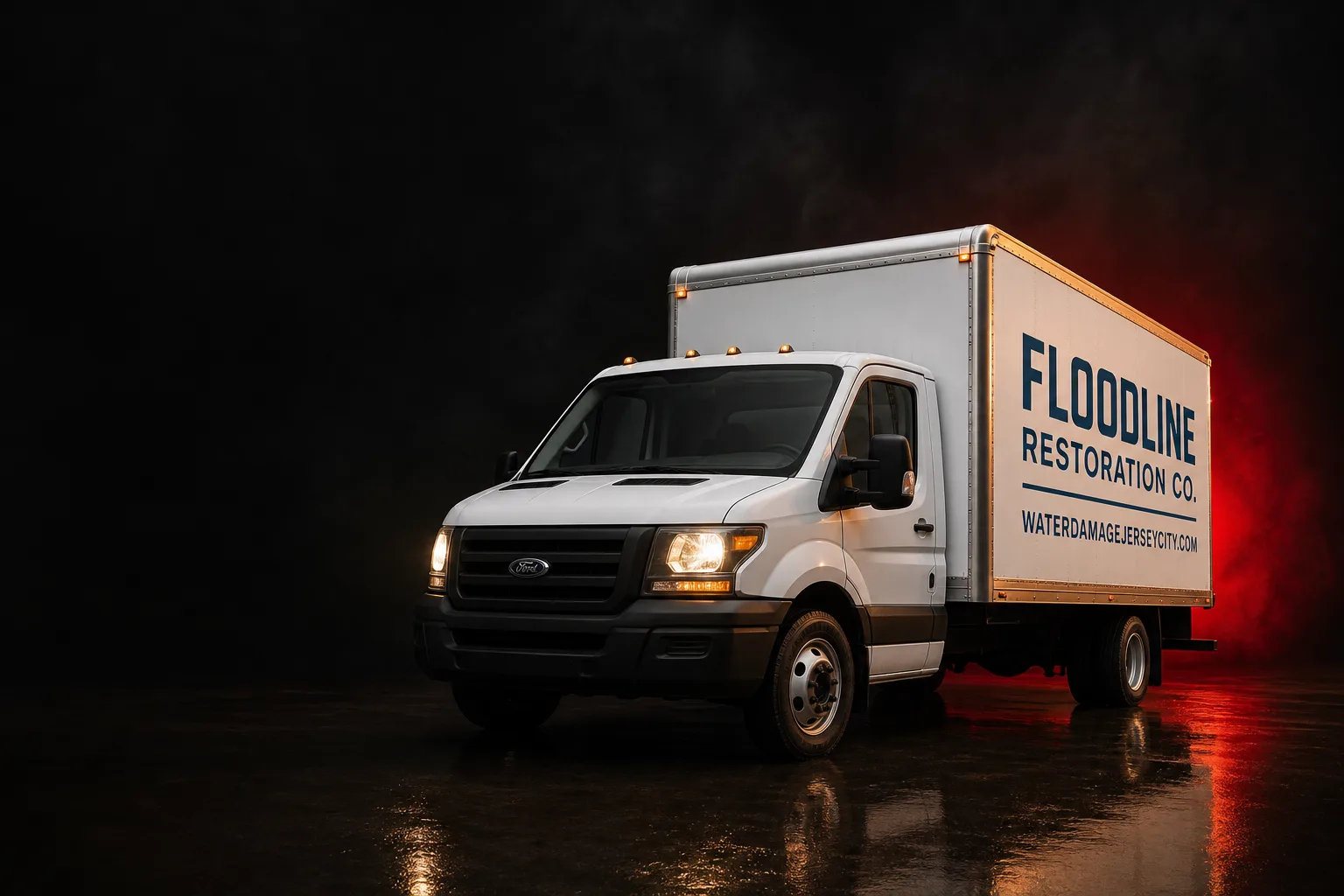
Free visual inspection and a written scope of work before any mitigation begins - photos, moisture readings, and drying logs go in your claim file
The scope we write is the scope we bill. Anything new gets shown to you, in writing, before we touch it.
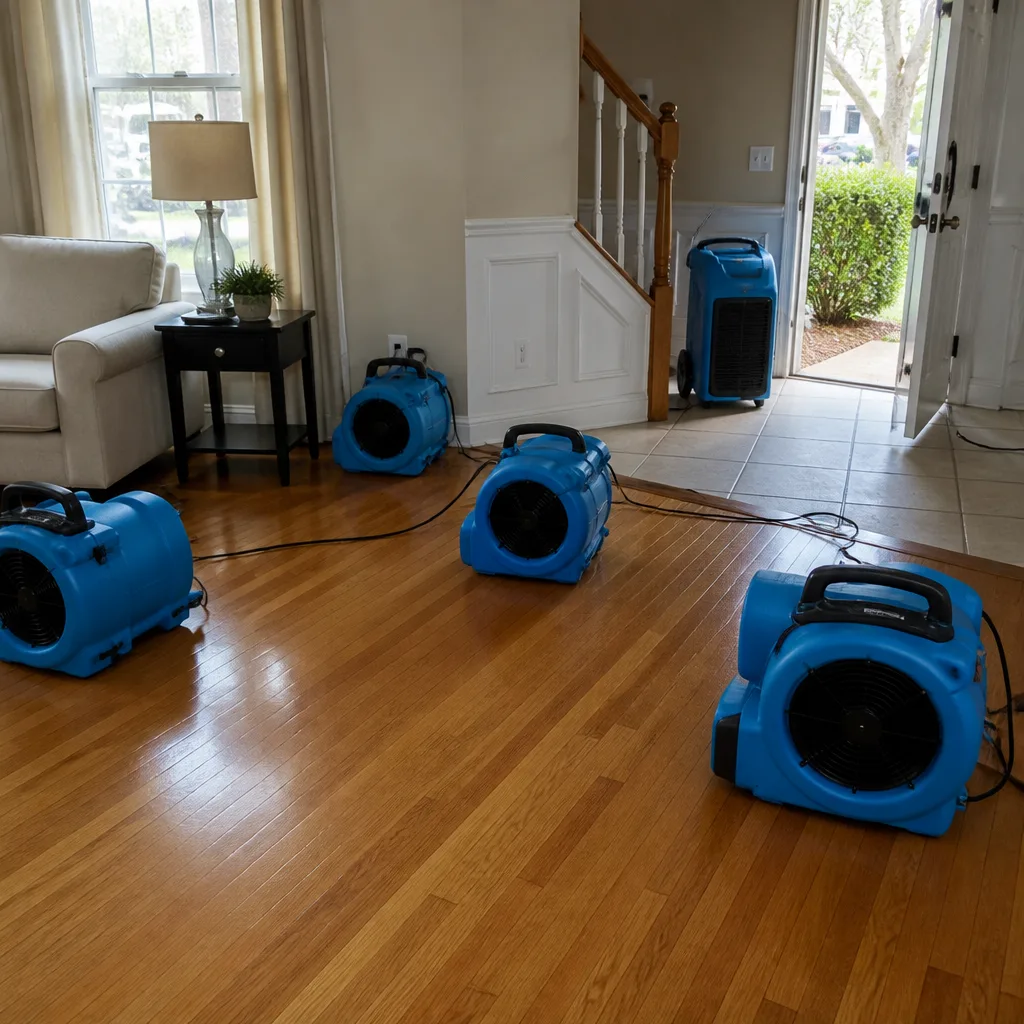
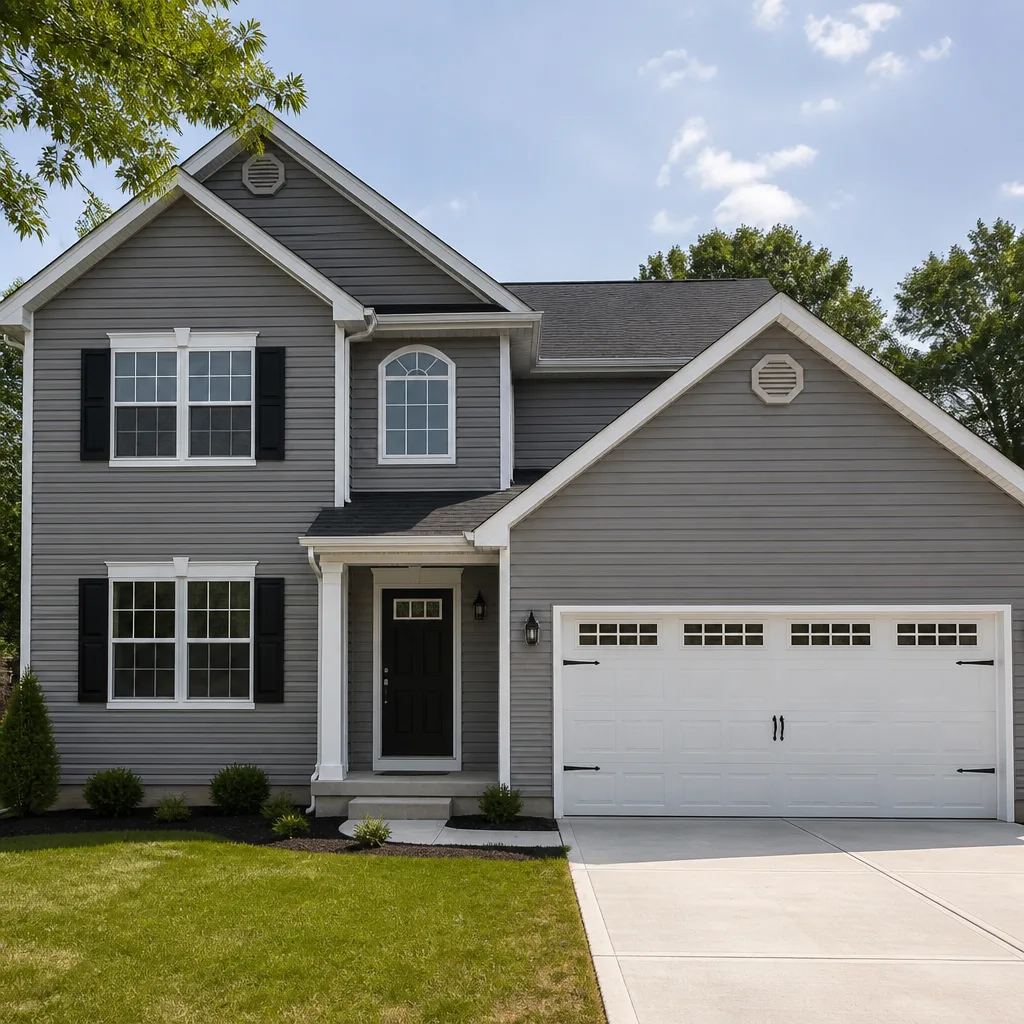
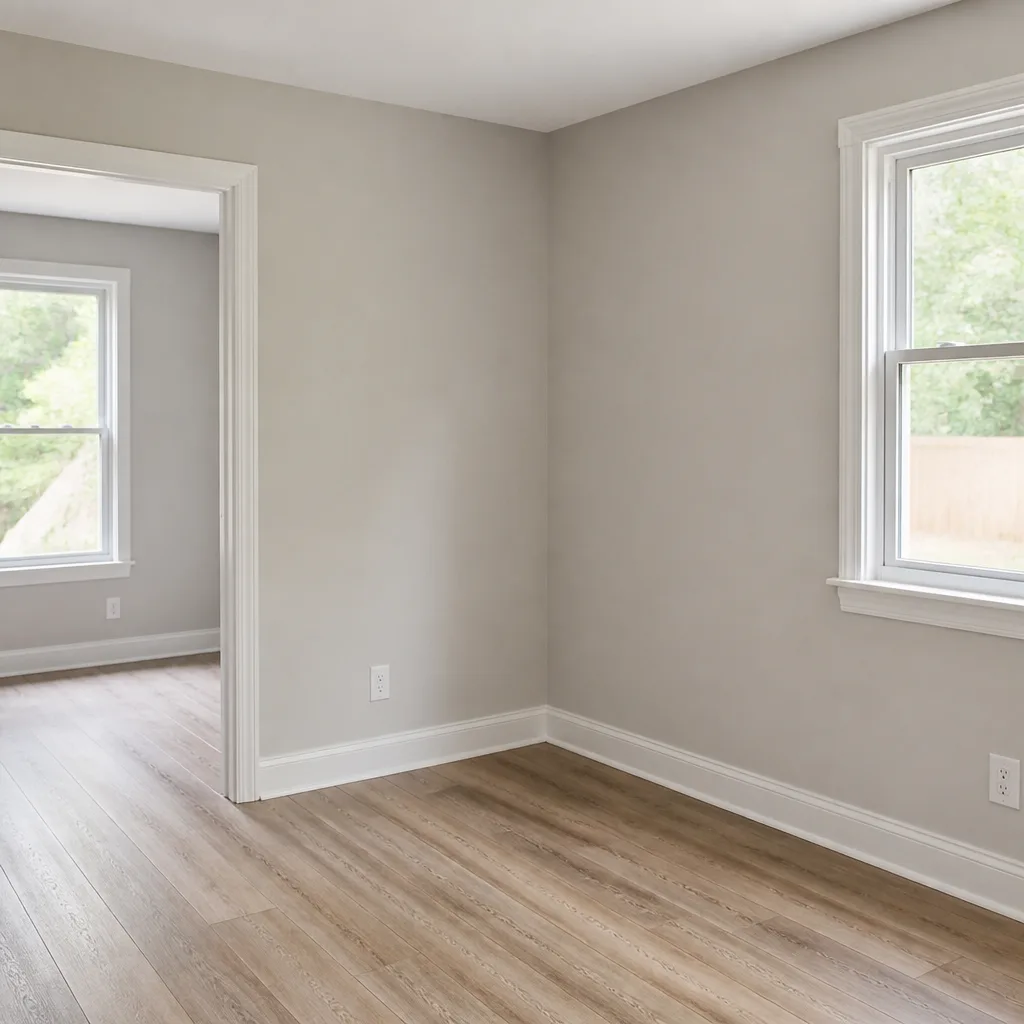
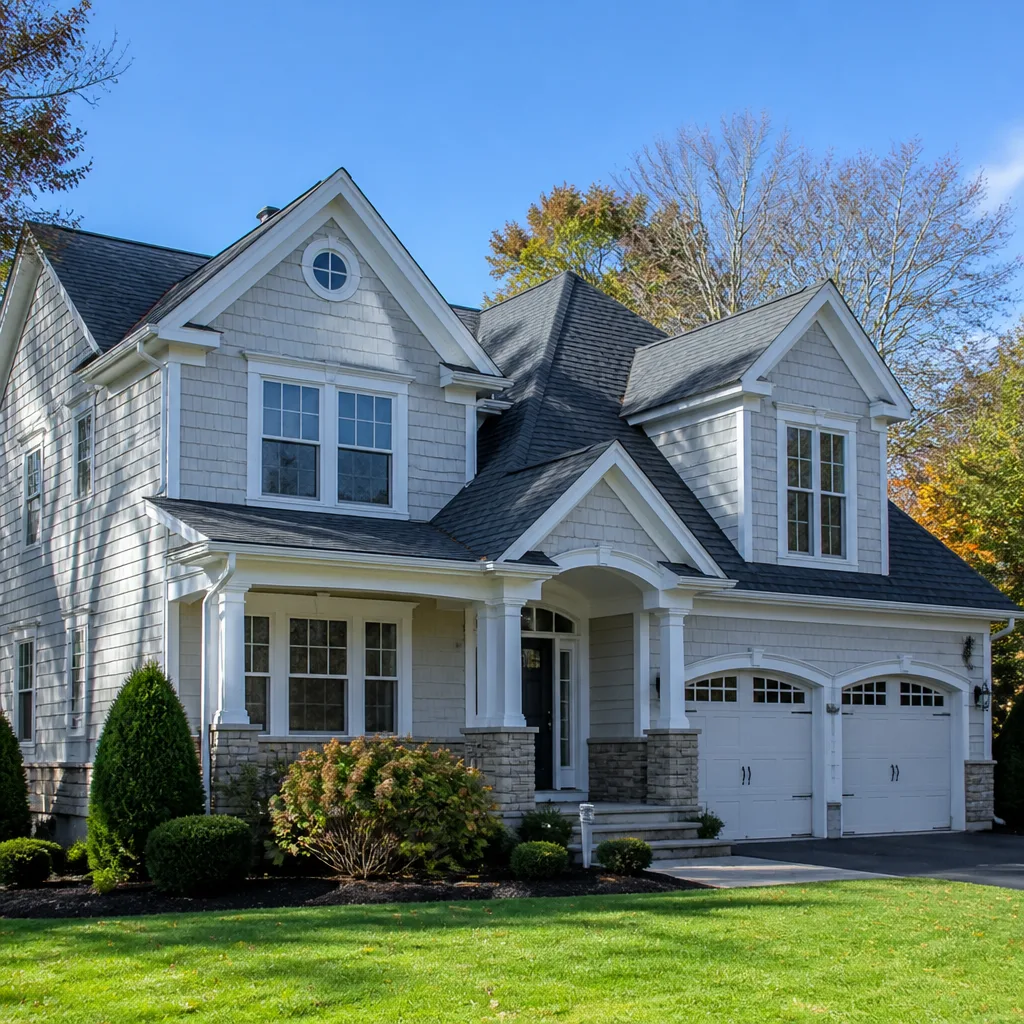
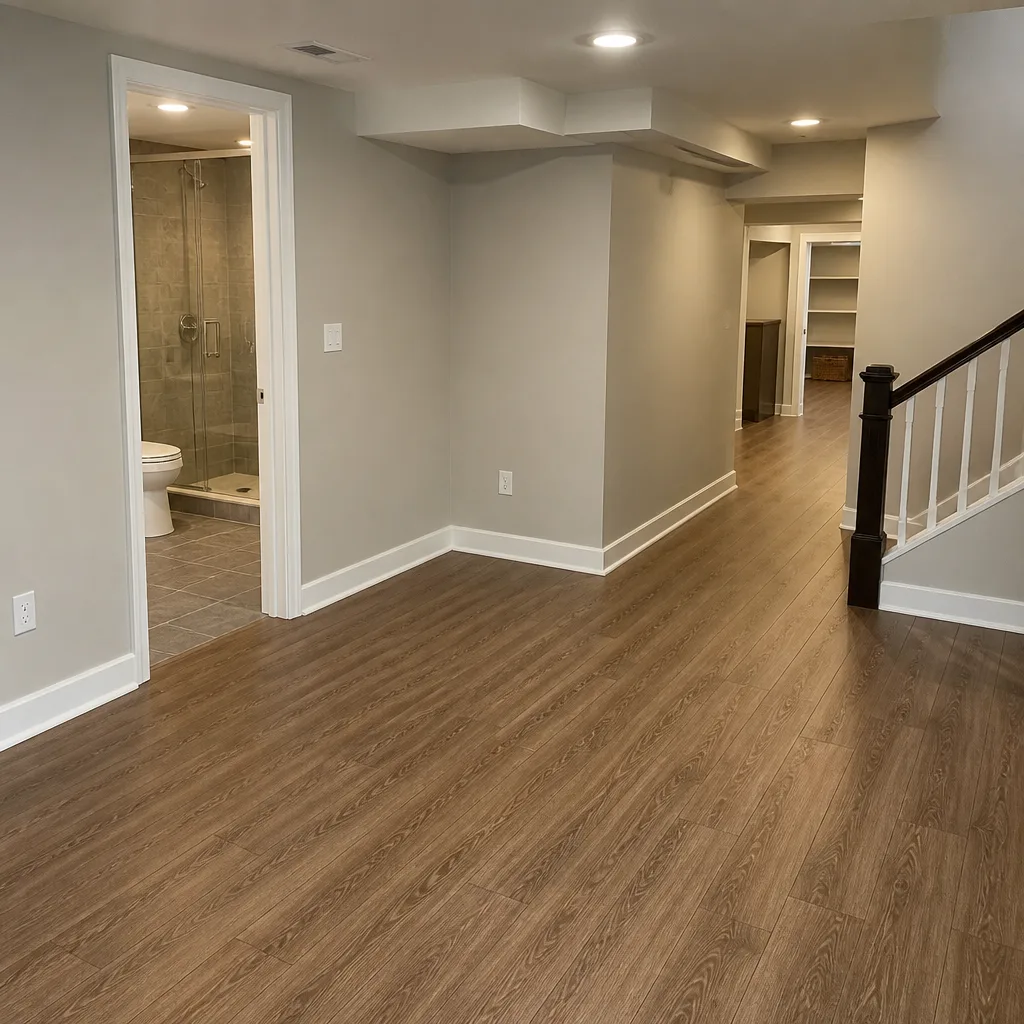
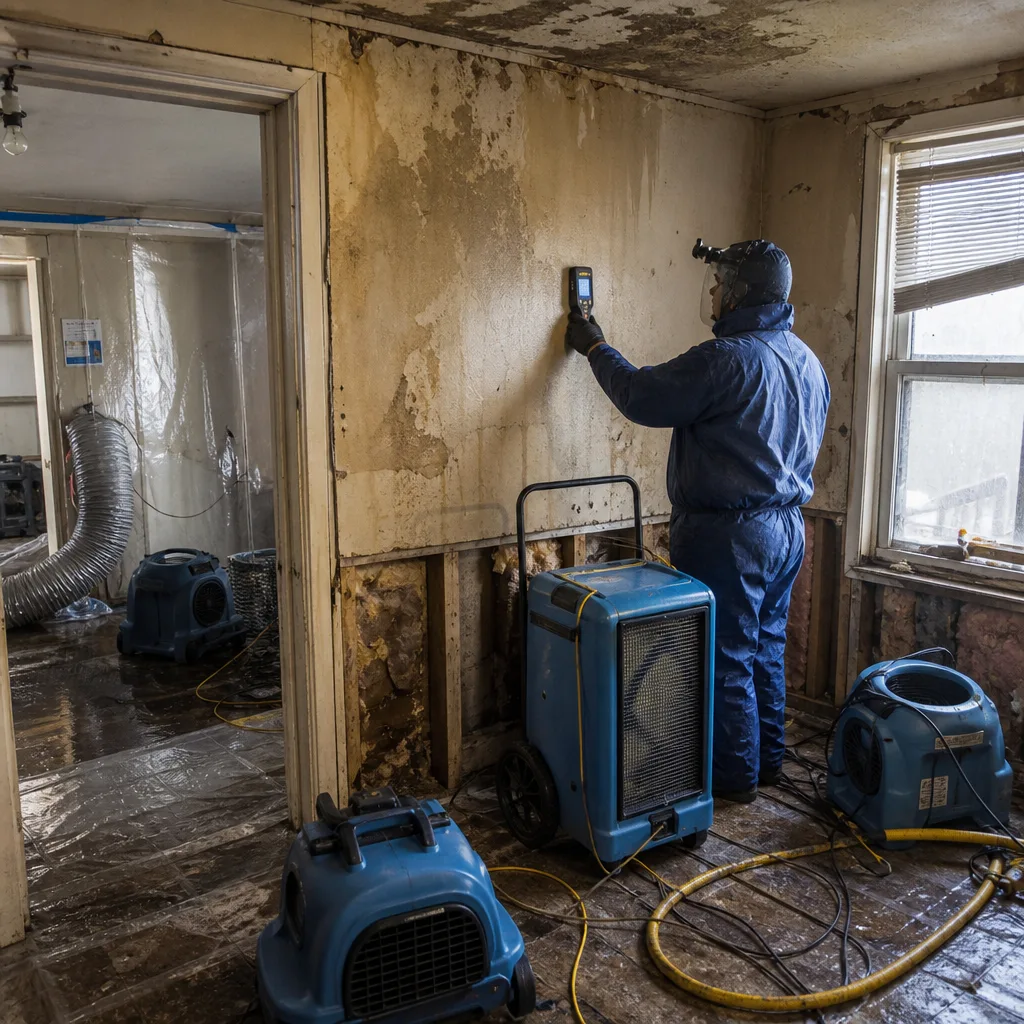 Before
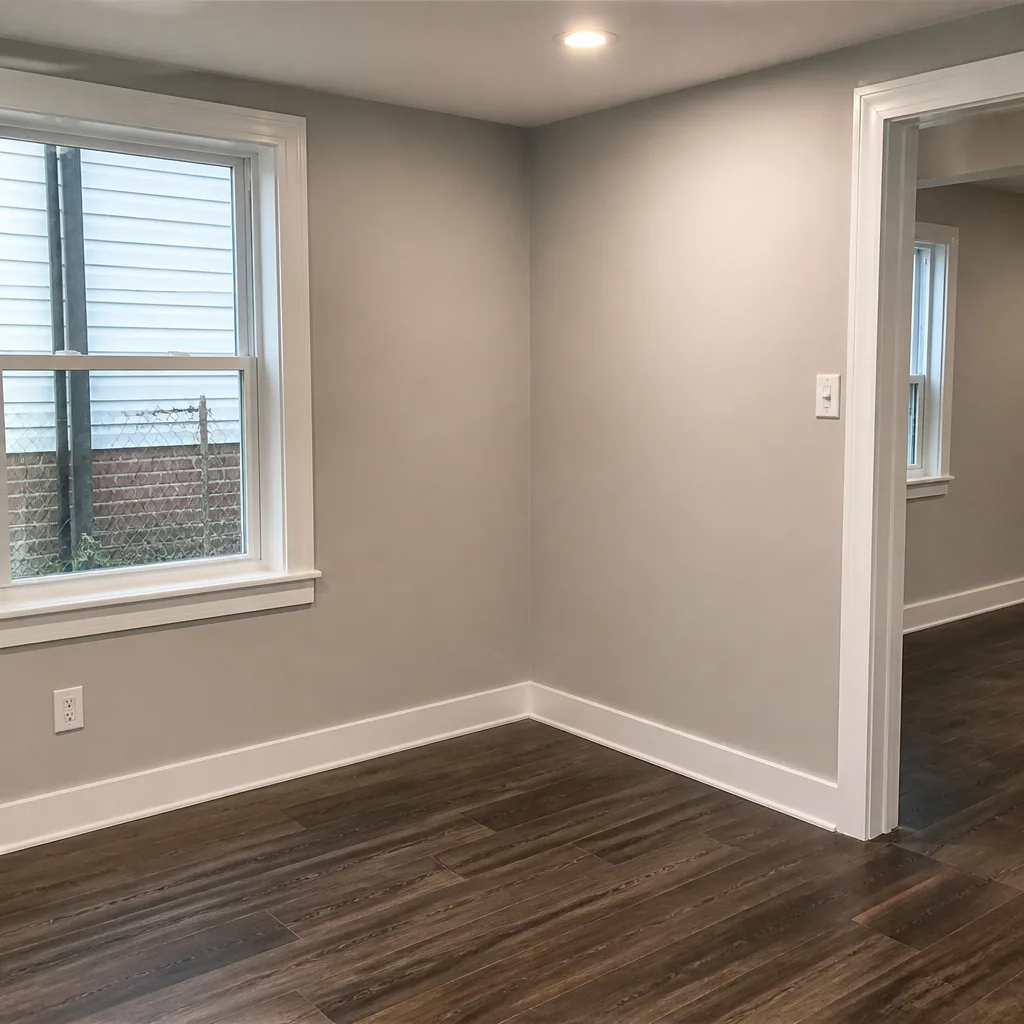 After
After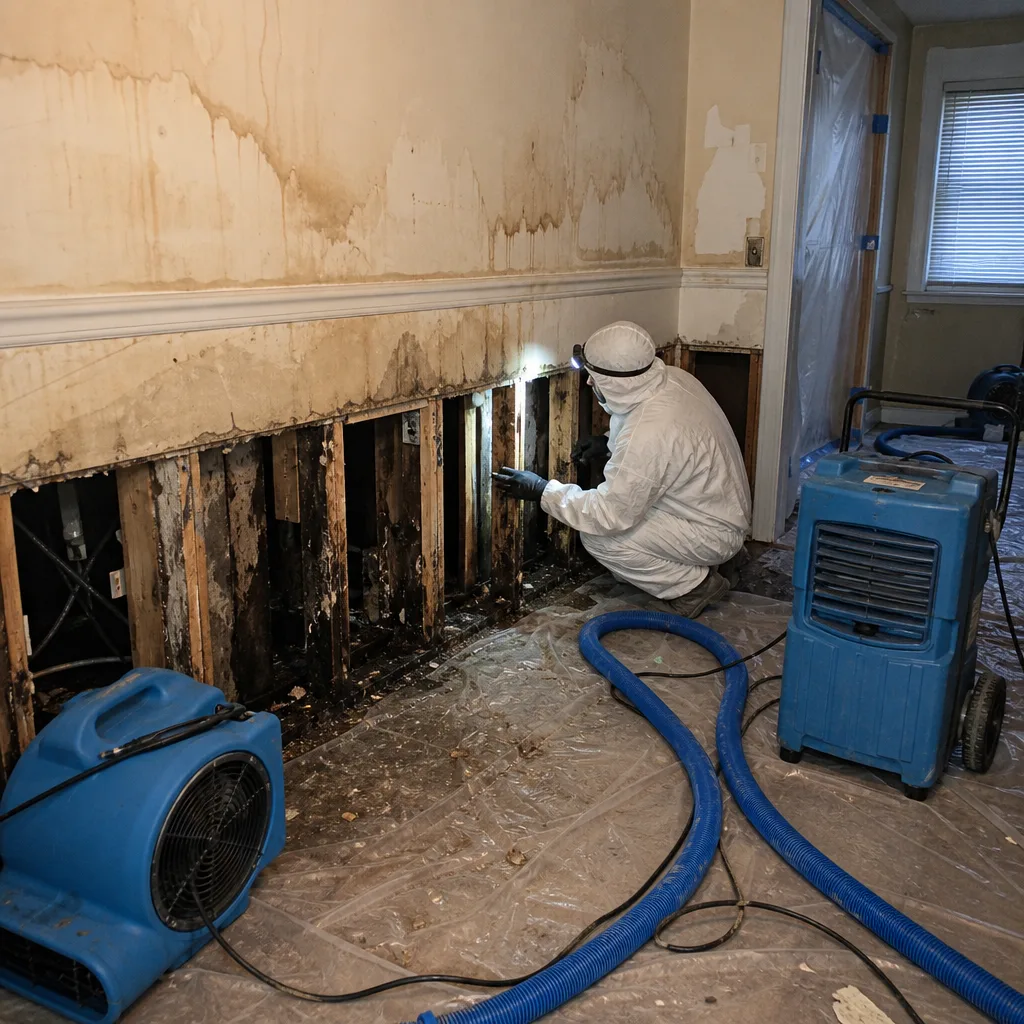 Before
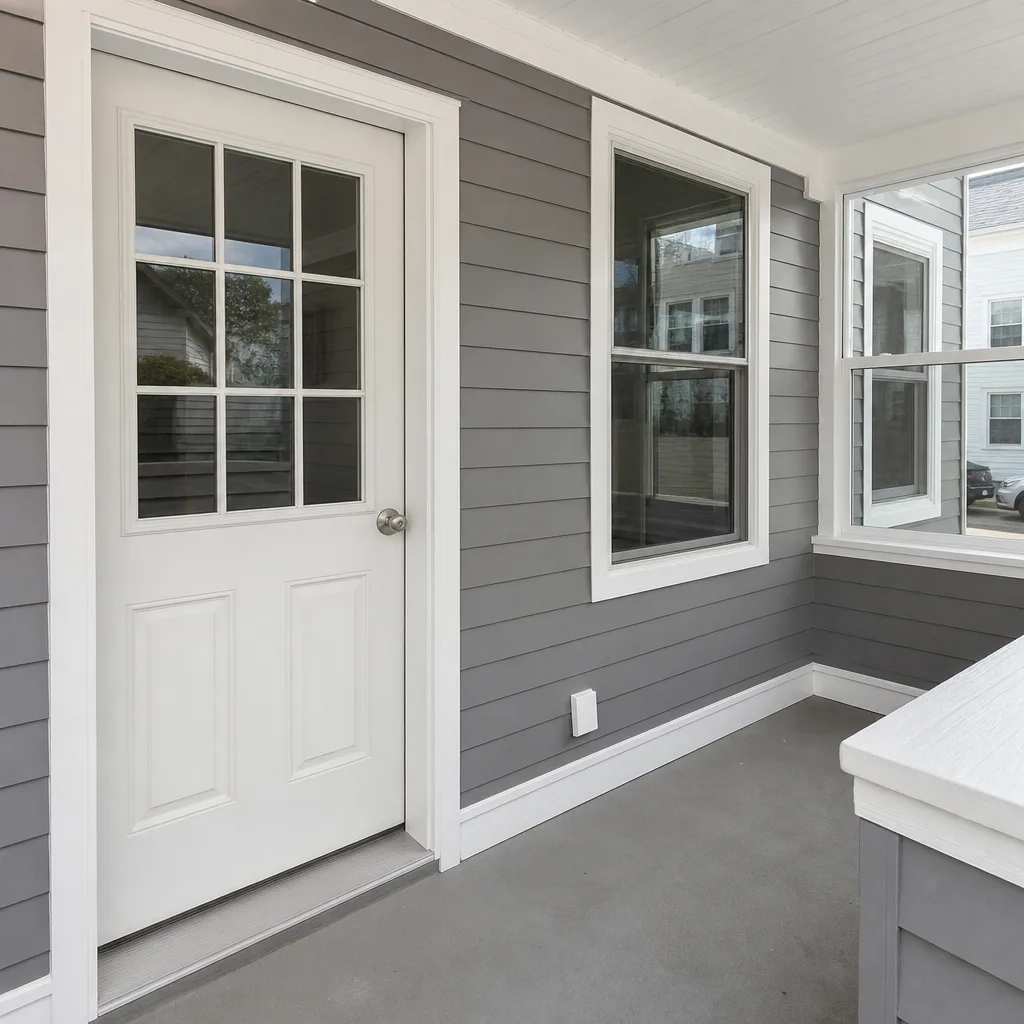 After
After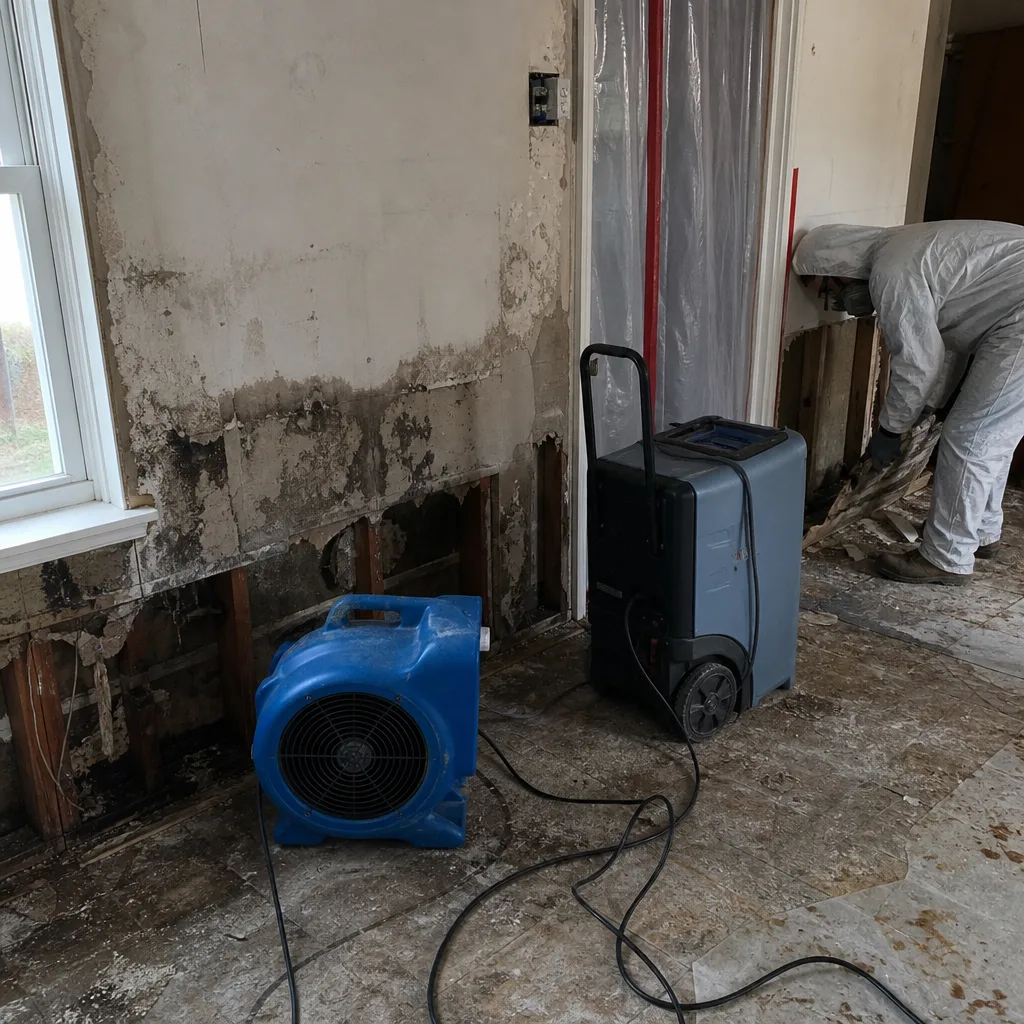 Before
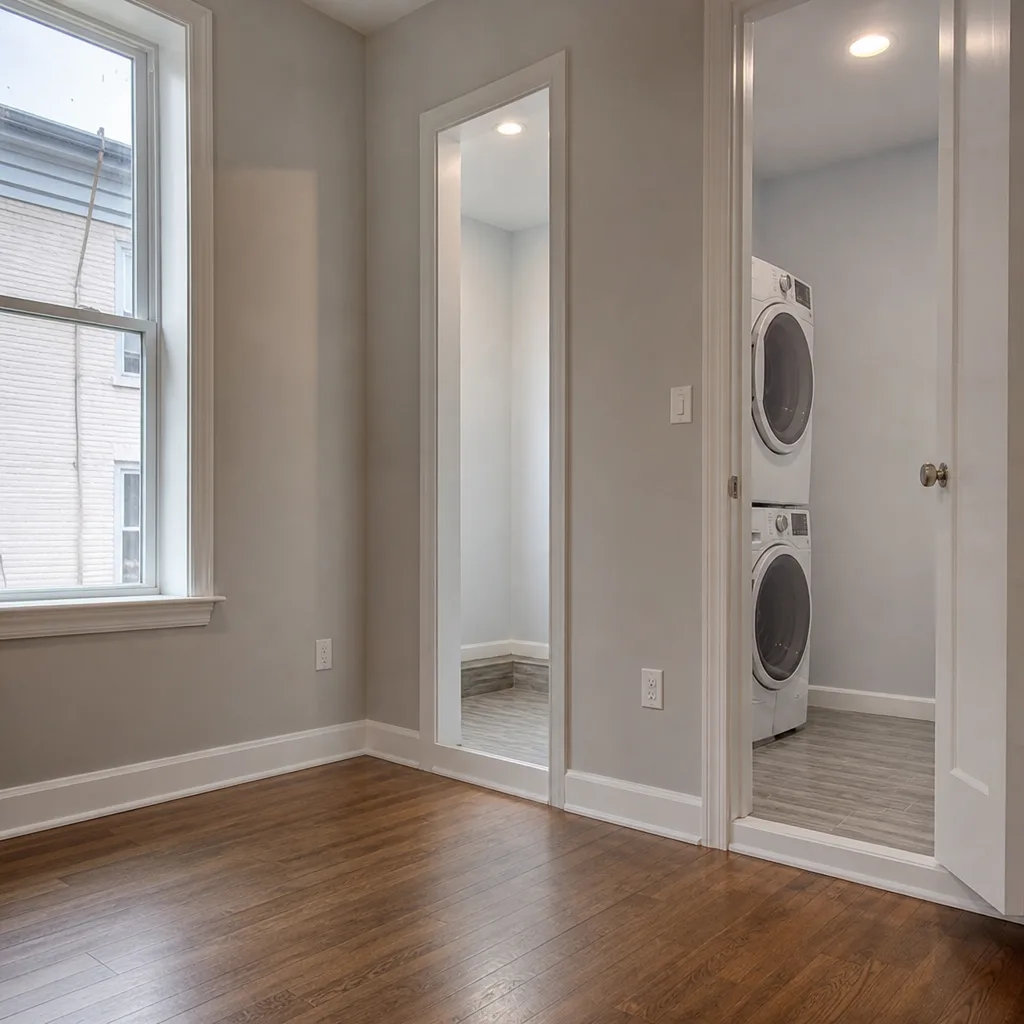 After
After24/7 Emergency Fire & Smoke Damage Restoration in Lower Manhattan
A kitchen fire, an electrical short in a converted loft, a smoldering mattress in a Battery Park City high-rise. When smoke is still hanging in the air, you need someone on the phone who knows how Lower Manhattan buildings actually behave. We answer live, every hour of every day. Call (640) 400-9404. A certified Floodline Restoration Co. crew dispatches from our New York City office into Lower Manhattan immediately, usually within 45 minutes. The first hour matters because smoke residue is acidic. It etches metal, drives odor into plaster and fabric, and starts a slow corrosion cycle in a coastal environment that inland crews never have to think about. A free visual inspection tells us what’s burned, what’s salvageable, and whether brine from a past surge is still active behind your walls.
Understanding Fire & Smoke Damage Restoration Severity in Lower Manhattan Properties
Fire damage is never just what charred. Smoke migrates. In Lower Manhattan, it migrates through some of the densest and oldest building stock in the country. We map soot residue by type: dry soot from fast-burning paper and wood, wet soot from smoldering synthetics and plastics, and protein soot from kitchen fires which is nearly invisible but bonds aggressively to painted surfaces. Each requires a different chemistry to remove without smearing.
Then there’s what the firefighting itself left behind. Hoses pump hundreds, sometimes thousands, of gallons into a building. That water saturates lathe and plaster in pre-war Tribeca lofts, pooled into sub-grade mechanical rooms in Financial District office-to-residential conversions, and wicked through drywall in 1990s Battery Park City complexes. In Lower Manhattan, that water lands on materials already stressed by decades of harbor-adjacent humidity and, in many buildings, salt residue from past tidal surges. Severity here compounds. A small fire that would be a four-day cleanup in an inland suburb can become a two-week structural drying and corrosion remediation job on Hudson Street.
Why Lower Manhattan Property Owners Choose Floodline Restoration Co.
- 45-minute response commitment in Lower Manhattan. We know the bridges, the tunnel approaches, and which streets the FDNY has blocked. We get there fast.
- A live person answers at 2 a.m. Not a recording. Not a call center in another state. A dispatcher who knows our crews and can tell you exactly who is on the way.
- IICRC-certified technicians holding FSRT (Fire & Smoke Restoration Technician) and WRT (Water Damage Restoration Technician) credentials, trained to RIA and IFA standards. They understand both halves of a fire job.
- Free visual inspection and a written scope before work starts. You see the plan and the price. No one opens walls or hauls out contents without your sign-off.
- Direct insurance billing. We document everything, send it to your adjuster, and talk to the carrier so you don’t play messenger.
- One team from first extraction to finished rebuild. The same crew that reads the moisture map on day one handles daily readings, deodorization, and reconstruction. No mid-job handoff to strangers.
Our Fire & Smoke Damage Restoration Process
Inspection & Assessment
We walk the entire affected area, not just the room that burned. Thermal imaging finds heat that lingered in cavities. Moisture meters locate water the fire crew left. We check every junction box, conduit run, and sub-grade space for signs of corrosion, especially in buildings that predate the 2000s or sit at grade.
Extraction & Stabilization
Standing water from fire suppression gets extracted with truck-mounted and portable units. We remove charred materials that can’t be saved, then stabilize the space: emergency board-up, roof tarping if needed, and temporary power where it’s safe. In Lower Manhattan, stabilization often means protecting a building from salt air intrusion through newly opened walls.
Drying & Dehumidification
Structural drying in a harbor environment means aggressive equipment and daily readings. We run Dri-Eaz and Phoenix dehumidifiers alongside XPOWER air movers, logging moisture levels every day until the wood and wall cavities hit the dry standard. We hand that log to you and to your insurer.
Cleaning & Sanitization
Soot comes off with specific techniques per surface type. HEPA vacuuming for loose particulate. Dry chemical sponges for porous surfaces. Degreasing agents for wet soot on non-porous finishes. We also apply an antimicrobial treatment where firefighting water introduced or activated biological material, which is a particular concern in brine-affected Lower Manhattan buildings.
Odor Removal & Deodorization
Standard odor fogging fails in Lower Manhattan when the source of the smell is salt-crystal-bonded residue. Once cleaning and corrosion treatment is done, we deploy hydroxyl generators and thermal fogging sized to the space. Contents that absorbed smoke get packed out and cleaned in a controlled environment, then returned.
Structural Fire Repair & Restoration
We rebuild what the fire damaged. Framing, drywall, flooring, cabinetry, electrical repair. Where corrosion undermined conduits or fittings, we replace those runs before closing walls. This is the phase where a crew that has been on-site since the first hour matters most: they know exactly what was behind each wall before it gets covered again.
Need Emergency Fire & Smoke Damage Restoration in Lower Manhattan Now?
Crews minutes away, answering live 24 hours a day. The sooner we start, the less it costs.
Working With Your Insurance Company
Most fire losses in Lower Manhattan are covered claims, but the adjuster’s job is to verify, not to assume. Our documentation starts the moment we arrive: photos of every room before anything moves, moisture readings from day one, and a line-item scope that ties every dollar to a reason. We handle direct communication with your carrier, schedule adjuster visits, and send them the same drying logs we hand you. Direct billing means we get paid by the insurer once the claim is approved, so you’re not floating thousands of dollars and waiting for reimbursement. If the adjuster pushes back, we push back harder. We’ve been doing this for 42 years and we document like it’s going to court, because sometimes it does.
What We Provide Your Insurer
- Thorough documentation of the loss
- Photos of all damage, room by room
- Moisture readings and drying logs
- A detailed, line-item scope of work
- Direct coordination with your carrier
Built for Lower Manhattan’s Loss Calendar
Fire season in Lower Manhattan isn’t a single season. It’s layered with the same forces that shape the neighborhood itself. January deep freezes strain old wiring in converted Financial District towers, where a space heater on a 1980s circuit can overload in minutes. Spring brings the first humid days off the harbor, which means older buildings start sweating, and junction boxes already weakened by salt corrosion get damp enough to arc. Summer thunderstorms bring lightning strikes and power surges, but they also bring the highest firefighting-water load of the year, which means more saturated walls per fire. Nor’easters in late fall and winter push water into building envelopes, and when that water meets a fire-damaged wall, the corrosion clock speeds up. This is why our crews keep marine-grade fasteners, corrosion-resistant conduit fittings, and moisture meters calibrated for high-humidity coastal readings on every truck that crosses into Lower Manhattan.
Fire & Smoke Damage Restoration Across Lower Manhattan’s Neighborhoods
The response changes depending on which block we’re on. In Tribeca, along Greenwich Street and Hudson Street, we’re working inside 19th-century cast-iron and timber-beam loft buildings. The smoke climbs through open floor plates and century-old brick party walls. Odor gets into the plaster and the beams, and removal requires treating surfaces that can’t be replaced because they’re part of the building’s landmarked character. In the Financial District, around Wall Street and Broad Street, most of the residential stock is conversions: office floors carved into apartments, mechanical rooms still sitting in sub-basements that once held vaults. Smoke from an apartment fire gets pulled down into those vault spaces by the ventilation stack effect. We go looking for it there. Battery Park City, from North End Avenue down to South End Avenue, is newer construction but built on Hudson River landfill just feet above sea level. The mechanical rooms are clean, organized, and vulnerable to the same storm surge and salt air as the rest of the neighborhood. Fires there tend to be contained more quickly by modern sprinkler systems, but the water and smoke get pushed into corridors and elevator shafts, spreading soot far from the original burn.
Specialized Fire & Smoke Damage Restoration Services We Offer in Lower Manhattan
Smoke & Soot Removal
In a Lower Manhattan loft, soot doesn’t just settle on surfaces. It gets pulled into the building’s airflow, into ducts, behind baseboards, into the space between the original brick and the finish wall. We remove it mechanically first, then chemically, then verify with post-clean surface testing. A wall that looks clean can still hold a protein haze that turns yellow in a month.
Contents Cleaning & Pack-Out
If the fire and smoke spread, we’ll pack out what can be saved. Furniture, clothing, books, dishes, electronics. A full inventory, photo by photo, item by item, before anything leaves the building. Contents go to a controlled cleaning facility, get processed for soot and odor, and return when the rebuild is done. For buildings on side streets like those off Hudson Street in Tribeca, where parking a box truck is its own problem, we coordinate loading windows with building management.
Structural Fire Repair
This is the part where the job turns back into a building project. Framing, drywall, floors, paint, trim, and the electrical connections that quietly fail after a fire. In pre-war buildings, we match materials and finishes so the new work doesn’t look like a patch. Structural fire repair in Lower Manhattan often includes replacing sections of floor joists that were charred at the ends, reinforcing beams that lost strength to heat, and cleaning deposits from century-old masonry.
Odor Removal & Deodorization
Smoke odor in Lower Manhattan has a habit of coming back. The reason is often chloride residue. Salt-laden air and brine from past storm surges bind with smoke particles and embed in porous surfaces like plaster and old wood. Standard fogging masks the smell temporarily. We treat the salt first, then deodorize. Hydroxyl generators. Thermal fog. Sometimes sealing the substrate after treatment. The goal is not a building that smells fine until the next humid week. It’s a building that stops smelling.
Emergency Board-Up & Tarping
After a fire, a broken window or a burned section of roof means salt air enters the building on top of the fire damage. In Lower Manhattan, board-up isn’t just about security. It’s about keeping the harbor environment out of an open wound. We secure every opening, tarp roof sections, and shut down the pathways that would let moisture and salt start attacking the exposed framing.
Contents Cleaning & Pack-Out
Clothing, books, furniture, electronics. We inventory, pack, and transport with a chain-of-custody approach because your insurer will ask where everything went and when. Each item is cleaned using the appropriate method for its material. Books get dry-cleaned by hand. Electronics get assessed for corrosion and soot ingestion before any attempt to power them on. We track everything in a written inventory you can check yourself.
Odor Removal & Deodorization
Salt-bonded smoke odor is the Lower Manhattan signature problem. We pretreat for chlorides before we even start deodorizing, because fogging over salt residue just bakes the smell in deeper. Then hydroxyl generation, thermal fogging, and substrate sealing where needed. The test is a humid day in August. If the smell stays gone then, the job is done.
What happens when you call
- 1
A real person answersNo phone trees - you reach a local pro.
- 2
You get an upfront price rangeHonest numbers before anyone is dispatched.
- 3
A background-checked tech heads outLicensed & insured, dispatched right away.
- 4
You approve before work beginsNothing starts until you say go.
Fire & Smoke Damage Restoration Costs in Lower Manhattan, NY
A straightforward kitchen fire with moderate smoke damage in a Lower Manhattan apartment typically runs $4,000 to $12,000 for cleanup and deodorization with some content processing. A whole-floor fire in a Tribeca loft that requires structural repair, pack-out, and full odor remediation usually lands between $25,000 and $75,000. A fire that compromises structural members or involves sub-grade mechanical spaces can exceed $100,000, particularly in Battery Park City or Financial District buildings where access and elevator coordination add cost.
What moves the price: the volume of firefighting water, how far smoke migrated, the materials in the building (plaster costs more to clean and repair than drywall), and whether salt corrosion is discovered once walls come open. Most of these jobs are covered by homeowner’s or co-op/condo insurance. Out-of-pocket scenarios are usually deductible amounts plus any depreciation the policy applies to contents. Our free visual inspection gives you a firm, written scope before any work begins. Call (640) 400-9404 for an exact number.
We Also Serve Cities Near Lower Manhattan
Our crews regularly respond into Midland Beach, New Springville, Oakwood, and the Travis – Chelsea area. If you’re just outside Lower Manhattan and dealing with fire, smoke, or water damage, call the same number. We’ll let you know if we can reach you quickly and what the response time looks like from where our nearest crew is at that moment.
Lower Manhattan Fire & Smoke Damage Restoration Questions, Answered
Why do fire restoration crews in Lower Manhattan inspect elevator pits and basement electrical vaults before quoting a job?
Because Hurricane Sandy’s 14-foot storm surge in 2012 pushed saltwater into sub-grade spaces across Lower Manhattan, and many of those spaces were never properly remediated. Elevator pits and electrical vaults in Financial District and Battery Park City buildings often contain chloride residue that quietly corrodes conduits, junction boxes, and pit steel. When a fire happens, the firefighting water reactivates that salt and accelerates corrosion. We inspect these spaces before quoting because a quote that ignores them is wrong the day it’s written.
Can smoke odor in a pre-war Tribeca loft be permanently removed, or does the salt air keep bringing it back?
Yes, it can be permanently removed, but only if the chloride residue in the plaster and masonry is treated first. Salt-bound smoke particles hold odor and release it whenever humidity rises. Standard deodorization without chloride treatment fails in these buildings. Our process treats the substrate first, then uses hydroxyl and thermal fogging, and we verify by testing after a humid stretch. Call (640) 400-9404 to have us assess your specific building.
How does category 2 or 3 water from firefighting interact with salt contamination in Lower Manhattan buildings?
Firefighting water is usually Category 2 or Category 3 by the time it’s been sprayed through a burning building, meaning it has picked up chemicals and biological contaminants. In Lower Manhattan, that water also mobilizes salt residue from previous storm surges. The salt makes the water more conductive, which accelerates corrosion of any metal it touches, and it makes drying harder because the salt attracts and holds moisture. We treat firefighting water in coastal buildings as a contamination plus corrosion event, not just a wet building event.
What’s different about board-up and tarping after a fire in Lower Manhattan compared to inland neighborhoods?
The salt air. An unsecured opening after a fire in Lower Manhattan means harbor air blows through the building, carrying salt and humidity directly onto exposed framing, wiring, and insulation. That starts a corrosion cycle within days. Board-up here has to be tighter and faster, and the materials matter. We use marine-grade fasteners and corrosion-resistant sheeting because standard hardware rusts fast near the waterfront. Board-up in Lower Manhattan is part of the restoration, not just security.
Why did a building that ‘escaped’ Hurricane Sandy still show corrosion damage during a fire restoration years later?
Because “escaped” often means the building wasn’t visibly flooded, but still had partial saltwater intrusion into sub-grade spaces, wall cavities, or mechanical rooms that was never properly dried or treated. The salt stayed in the building, slowly corroding conduits and fittings. When a fire years later opened up walls or added moisture, the hidden corrosion finally became visible, looking like new damage when it had actually been developing since 2012. This is a pattern we see regularly in Lower Manhattan and it’s part of why our inspections go deeper than the burn line.
How fast can you actually get to Lower Manhattan for a fire emergency?
We commit to 45 minutes from call to arrival within Lower Manhattan. Often it’s faster. Our crews know which streets are blocked after an FDNY response, where the congestion points are on the West Side and in the Financial District, and how to get into buildings quickly. Call (640) 400-9404 and the dispatcher will tell you the exact ETA for the crew currently closest to you.
Will insurance cover fire and smoke restoration in Lower Manhattan?
Most homeowner’s, co-op, and condo policies cover fire and smoke damage, including the water damage from firefighting. Coverage specifics depend on your policy’s limits for contents vs structure, and your deductible. We bill the carrier directly once the claim is approved, and we provide the documentation the adjuster needs: photos, moisture logs, and a line-item scope. If you’re unsure whether to file a claim, call us for a free inspection first. We’ll tell you what we found and what it’s likely to cost.
Do we need to leave our home during fire and smoke restoration in Lower Manhattan?
It depends on the size of the fire and how far the smoke spread. A contained kitchen fire with no structural damage may allow you to stay in unaffected parts of the building while we work, though you’ll want to avoid the treated areas while deodorization is running. A large fire with pack-out, drying, and reconstruction usually means relocating temporarily. Your insurance policy often includes loss-of-use coverage for temporary housing. We’ll give you an honest recommendation at the inspection, not a worst-case pressure tactic.
Serving Lower Manhattan, NY - Our Local Coverage Area
We’re based in the Lower Manhattan area and know this community well. Use the map below to see our service coverage - if you’re nearby, we can almost certainly help.
Your First Hour After a Fire in Lower Manhattan
If a fire just happened, do these things in order. Call 911 if you haven’t already. Get everyone out and wait for the FDNY to clear the building. Do not re-enter until they say so. Then call (640) 400-9404. We’ll dispatch a certified crew to Lower Manhattan immediately. While you wait, don’t touch or wipe any soot-covered surface. Wiping smears soot into the material permanently. Don’t turn on ceiling fixtures or electronics. Don’t open windows more than a crack, because outside air in Lower Manhattan carries humidity and salt that can make things worse. We’ll arrive, walk the affected area, and tell you plainly what’s next. The first hour determines how much can be saved and how much the claim will cost. Get a restoration company on-site before the corrosion clock in a coastal building starts running.
Written by Curt Bowman, Owner at Floodline Restoration Co., serving Lower Manhattan, NY.